Nobody can deny the last 20 years have totally reimagined entertainment. Yet, surprisingly, the dawn of the second millennium did not alter the simplicity of home entertainment. Television was largely limited to TV channel viewing, manual recording, or the catching of repeats. Film saw some TV exposure, particularly older or classic titles, but it was the home video that took precedence. The VHS was seemingly indestructible and could be rewatched (so long as you press rewind for a few minutes). At this time, it seemed home entertainment had reached its pinnacle. This would change dramatically.
The birth of the DVD was just around the corner and, two years later, in 2002, the DVD player became the fastest-adopted consumer electronics device ever. Only a year after that, DVD sales totalled more than the humble VHS. Bar a few stubborn consumers and the odd BlockBuster, the next few years spelled total DVD dominance. DVD’s could be found practically everywhere at this time; supermarkets, convenience stores, markets, groceries, entertainment stores like HMV and Blockbuster, trade-ins like GAME and GameStar, there was even talk of a DVD vender on the moon, but they went for the bottom of the Mariana trench instead. As interesting as this utter adoption was, something far more important was happening behind the scenes.
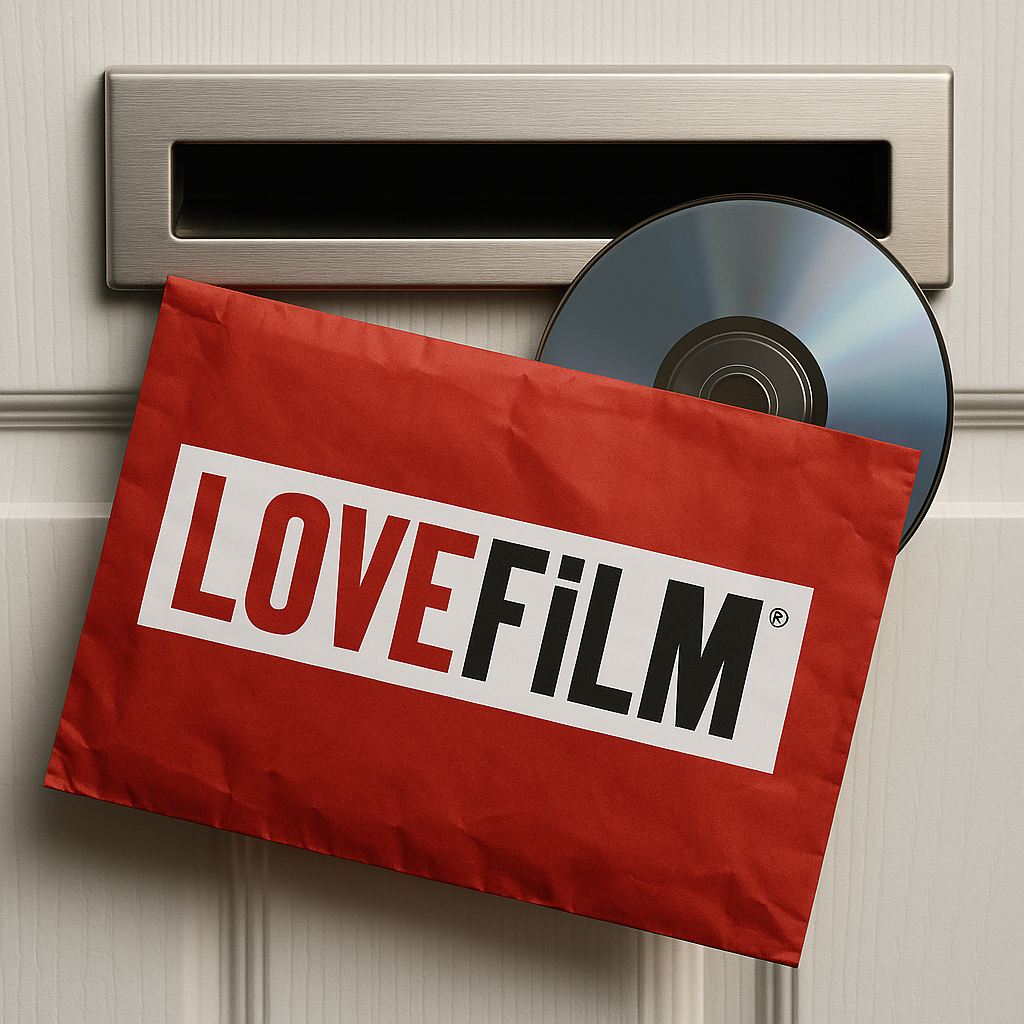
With the advancement of technology came the dissemination of business models. DVDs weren’t only available for purchase, no no no, they became available for rental too. At this point in 2002/03, several players were entering the game; VideoIsland, CinemaParadiso.co.uk, ScreenSelect, and DVDs on Tap to name a few. It was only when some of these independent companies, all providing DVD by post services, consolidated, that the concept took off. The consequential company, LoveFilm, spearheaded the DVD by post charge.
Lovefilm surpassed the need to have DVDs available on the high street, instead offering the convenience of home entertainment right to your door. This, a mixture of widespread and catchy adverts, as well as a genuinely quick, inexpensive, and reliable service, made the company an instant hit. At the time the majority of the UK still struggled with dial-up internet, wrestled with horrible bandwidth and persisted against internet blackouts. The letterbox finally became a place of excitement and not a conduit for junk-induced annoyance. LoveFilm flourished partly due to its respect for cinematic tradition. The cinema fans, those that waited for a film to premiere, read the reviews, built their excitement and made an event of finally seeing that film, simply adored the by-post service. It gave film buffs time to hype themselves up and it provided family’s with an affordable and easy night in.
And so it remained, for a few happy years at least. Consumers remained utterly content with the convenience of a film delivery system, whilst film buffs relished the chance to take advantage of the increasingly impressive Blu-Ray technology. As the affordability and quality of Blu-Ray players and Ultra HD TVs became altogether better, it seemed the DVD was set for long-term success.
A little thing called streaming decided to upset that equilibrium. At the same time as LoveFilm’s ascension, another company was on the rise, Netflix. Started in 2000, Netflix was also an early advocate and pioneer of DVD by post. The company's success led to founders Reed Hastings and Marc Rudolph pitching Netflix to BlockBuster as BlockBuster.com for a $50 million price tag. BlockBuster declined, I bet there are still a few people in therapy trying to get over that decision.
By 2007, Netflix had delivered their billionth DVD and yet looked, tunnel-vision-like, to apparently greener pastures. Netflix decided to phase out their by post service, instead focusing on internet-based streaming. This shift in efforts led to a decline in their DVD sales between 2006-2011. During this time, Lovefilm and their customers were happy with their respective brand and service. Additional mergers and a large percent sharing by titan Amazon solidified this position. However, by 2010, BlockBuster shut its doors, marking the white-flag resignation of bricks and mortar DVD purchasing.
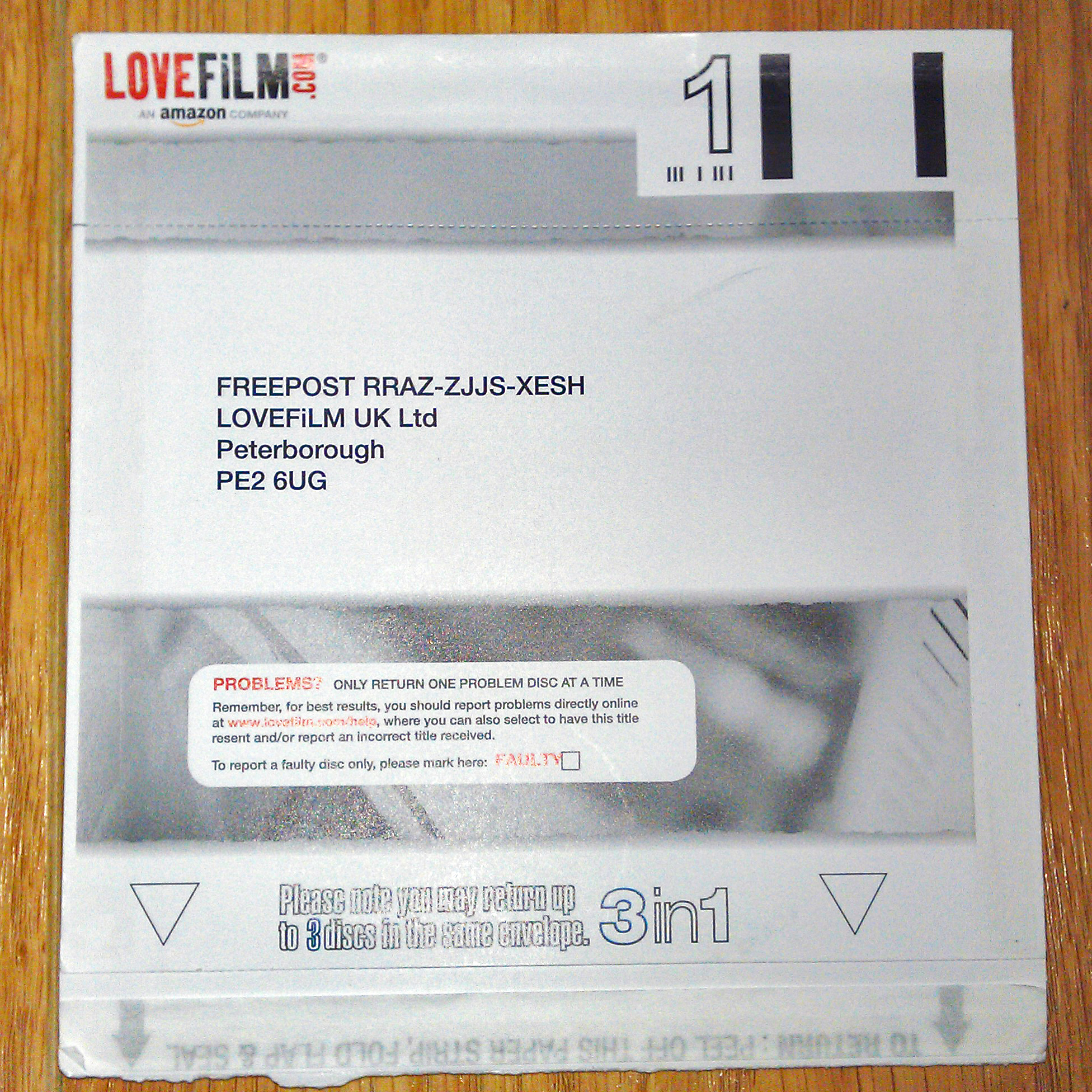
The fallout of this seemed to pierce some perspiration on the foreheads of LoveFilm execs, and - like Soviets and the Space Race, they decided to join Netflix in the streaming stand-off. This sudden adoption mirrored a historical format. Like most innovations throughout history - dynamite, nuclear power, the internet - everybody was too busy counting the numerous new positives to weigh up the negatives. The same year BlockBuster retired LoveFilm launched its streaming on-demand platform, slowly dispersing the software across different technologies. Amazon began to colonise LoveFilm, much like they’ve done with.. well.. pretty much everything, and in early 2014, LoveFilm was consolidated into what we now know and probably dislike; Prime Instant Video.
The soul of LoveFilm did its best to cling to its new host, still delivering DVDs for another three years until profit-loving megalomaniac Amazon vanquished this by announcing the end of its postal service in 2017. So where are we now? Streaming is how nearly everybody watches TV and Film. While no adverts and next episode transitions make watching Friends or Peep show a low effort exercise (and blitzing 8 seasons of Sons of Anarchy in 3 weeks a manageable task) it’s very obvious that streaming has some shortcomings.
Firstly, and I’m sure I’m not alone in this thought, there’s hardly ever anything decent to watch. Sure, if you wait for good titles they will come, and you MIGHT find time to watch them before their high acquisition price means they’re removed. But where is the plethora of high-quality films? Of Oscar winners? International greatness? Experimental titles? or culturally/historically important films? It seems to be all filler, next to no killer. For a film buff, that’s a serious problem. It’s also worth noting that streaming film falls embarrassingly short of anything remotely high quality. Watch a film on streaming and compare it to the same title on Blu-Ray, hell, watch the same title on DVD. You’ll be thoroughly impressed/disappointed with just how low the quality of films are on streaming services. For convenience, it wins. For the art of genuine entertainment, it’s a sore and sour loser.
To quote Ralph Fiennes Gustav. H in The Grand Budapest Hotel - ‘There are still faint glimmers of hope in this barbaric slaughterhouse we call humanity entertainment’. From that list of DVD by post services aforementioned, one of note survived the endless list of mergers, gentrification, technological advancement, and the dark eclipse of streaming. CinemaParadiso.co.uk still offers the super-fast, somewhat nostalgic DVD by-post service.
Started in 2003 and still based in London, the company hasn’t focused on easy watching and ‘content’. It has its roots firmly planted in the rich soil of entertainment. CinemaParadiso.co.uk stocks over 100,000 film and TV titles in DVD, Blu-Ray, 4K and offers varying subscription packages. It’s still immensely satisfying getting excited about a title for it to appear, in physical copy, through your letterbox. It’s even more fulfilling watching great cinema in fantastic quality.