The nominations for the 2026 BAFTAs have been announced, which means it's time for Cinema Paradiso users to make their annual predictions!
Each year, Cinema Paradiso invites members to use their film knowledge to predict the winners in the 26 competition categories at the British Academy Film Awards - including the second ever Children and Family Film Award.
So, why not cast your votes before Alan Cumming hosts the 79th edition of Britain's oldest and most prestigious awards event at the Royal Festival Hall on Sunday 22 February?
The person who correctly predicts the most winners will receive SIX MONTHS of free rentals from CinemaParadiso.co.uk. Cast your vote by clicking here!
Before you vote, though, we thought you might like to know a bit about the contenders in the six major categories, as well as past voting trends.
BEST FILM
Things are heating up ahead of the British Academy Film Awards. The longlists were published on 9 January and, now, the final nominations have been announced. They came after the Oscar reveal for the first time since 2001, although the Academy Awards ceremony will not be held until 15 March.
Having rebooted his career as host of the US version of The Traitors, Alan Cumming (who takes over from fellow Scot David Tennant) will emcee the event at the Royal Festival Hall on 22 February. Curiously, Ejae, Rei Ami, and Audrey Nuna have been booked to perform 'Golden' during proceedings, even though Maggie Kang and Chris Appelhans's Oscar-nommed Netflix animation, KPop Demon Hunters, was disbarred from the BAFTAs for not having fulfilled the qualifying obligation of holding a minimum of 10 commercial screenings over at least seven aggregated days.
There were no such problems for the seven Netflix titles that were eligible for selection, although none made the cut in the Best Film category. Guillermo Del Toro's Frankenstein made the longlist and has amassed eight nominations in total. But it joins James Griffiths's The Ballad of Wallis Island, Yorgos Lantimos's Bugonia, Kirk Jones's I Swear, and James Vanderbilt's Nuremberg on the hard luck step. The latest retelling of Mary Shelley's Gothic horror was joined on eight nominations by Joachim Trier's Sentimental Value, while Chloé Zhao's Hamnet and Joshu Safdie's Marty Supreme bagged 11 each. However, the front runners on 13 and 14 noms respectively are Ryan Coogler's Sinners and Paul Thomas Anderson's One Battle After Another, more of which anon.
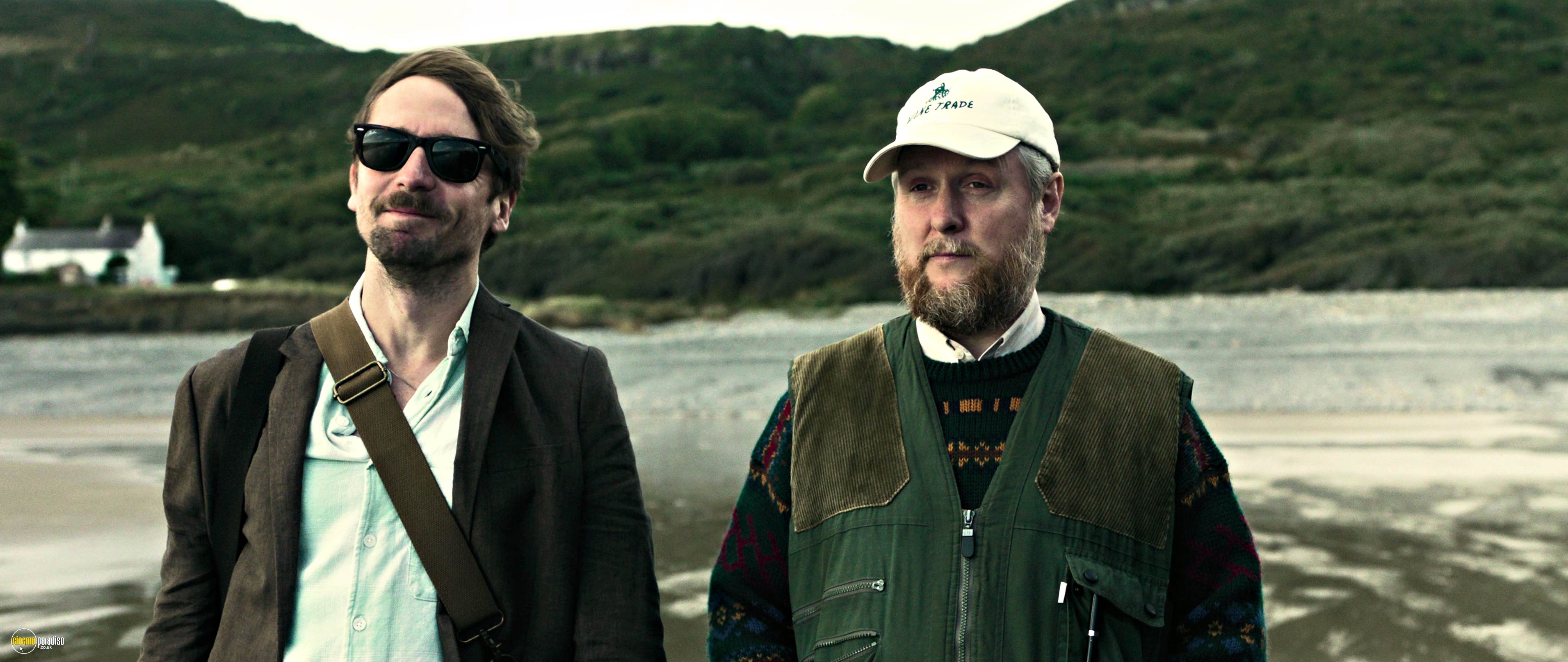
Among the perceived snubs at the 2026 BAFTAs was the failure of Jon M. Chu's Wicked: For Good to make even the shortlist for Best Film. Having been shut out completely at the Oscars, the sequel to Wicked (2024) managed nominations for hair and make-up. But there will always be disappointments and surprises, with only one title longlisted for Outstanding British Film (Hamnet) making it into the Best Film stakes. Cinema Paradiso users can sample some of the category contenders, with Danny Boyle's 28 Years Later, The Ballad of Wallis Island, Michael Morris's Bridget Jones: Mad About the Boy, Nicholas Hytner's The Choral, Lynne Ramsay's Die, My Love, I Swear, Marc Evans's Mr Burton, Harry Lighton's Pillion, and Jay Roach's The Roses, either already being available to rent or on their way to disc in the near future. Only Edward Berger's Ballad of a Small Player, Kate Winslet's Goodbye June, Philippa Lowthorpe's H Is For Hawk, Tim Mielants's Steve, and Alex Garland's Warfare are currently out of reach.
We recently discussed Hamnet in the article, Top 10 Peformances As William Shakespeare. Adapted from the bestselling novel by Maggie O'Farrell, the story chronicles both the meeting of aspiring playwright, William Shakespeare (Paul Mescal) and Agnes Hathaway (Jessie Buckley), the reported daughter of a forest witch, and the ways in which they responded to the death of their 11 year-old son in 1596. Counting Steven Spielberg and Sam Mendes among its producers, this could well take the award for Best Film, as the BAFTA electorate has form when it comes to voting for homegrown pictures.
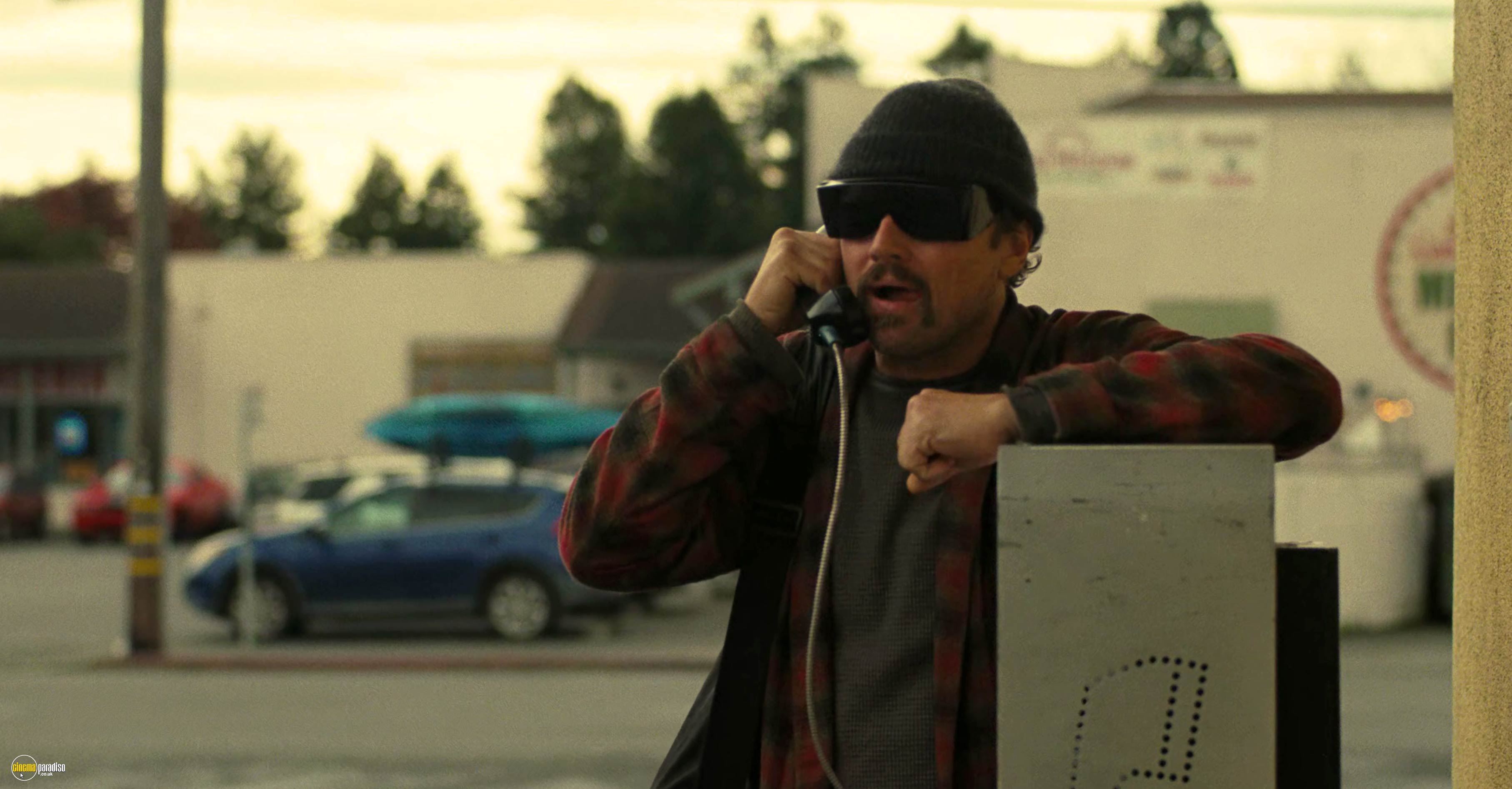 A still from One Battle After Another (2025)
Moodily photographed in noirish monochrome, Laurence Olivier's Hamlet (1948) won the second BAFTA for Best Film From Any Source and Olivier would repeat the trick with Richard III (1955). Joseph L. Mankiewicz's Julius Caesar (1953), Renato Castellani's Romeo and Juliet (1954), and Grigori Kozintsev's Hamlet (1964) would also be nominated, but no other renderings of Shakespeare's plays have made it into the top category. The only film riffing on the few facts known about the Bard to win Best Film is John Madden's Shakespeare in Love (1998), while only a handful of literary biopics have been up for consideration: Ken Hughes's The Trials of Oscar Wilde (1960), Fred Zinnemann's Julia (1977), Richard Attenborough's Shadowlands (1993), Stephen Daldry's The Hours (2002), Marc Forster's Finding Neverland (2004), and Bennett Miller's Capote (2005).
Chloé Zhao has already won in this category with Nomadland (2020) and she could become the first woman director to prevail twice. But, despite the heritage angle, the stats suggest the odds must be stacked against Hamnet, as only two other titles directed by women have taken Best Film in the previous 78 editions of the British Academy Film Awards and they are Kathryn Bigelow's The Hurt Locker (2009) and Jane Campion's The Power of the Dog (2021).
Passing mention is made of falconry, which makes Hamnet a good companion piece to H Is For Hawk. But the only previous BAFTA nominee centred on a bird of prey, Ken Loach's Kes, lost out to George Roy Hill's Butch Cassidy and the Sundance Kid (both 1969). The latter had a mythologising caper feel to it that can also be found in Martin Scorsese's The Wolf of Wall Street (2013) and Joshua Safdie's Marty Supreme. This isn't the first picture with that first name to be nominated for Best Film at the BAFTAs, although Delbert Mann's Marty (1955) was thwarted in its bid to double up with the Academy Award for Best Picture by Olivier's Richard III (is there an omen there, perhaps?).
The screenplay by Safdie and Ronald Bronstein was inspired by Marty Reisman's 1974 memoir, The Money Player: The Confessions of America's Greatest Table Tennis Champion and Hustler. Timothée Chalamet stars as Marty Mauser, a 1950s New York shoe salesman with ambitions to become the world champion in table tennis. However, his lack of resources leads him to live on the edge of legality, while also having an affair with his married friend, Rachel Mizler (Odessa A'zion). An encounter at the Ritz Hotel in London also brings him into the orbit of Kay Stone (Gwyneth Paltrow), as stage actress whose businessman husband, Milton Rockwell (Kevin O'Leary), can't decide whether he wants to promote Marty or humiliate him.
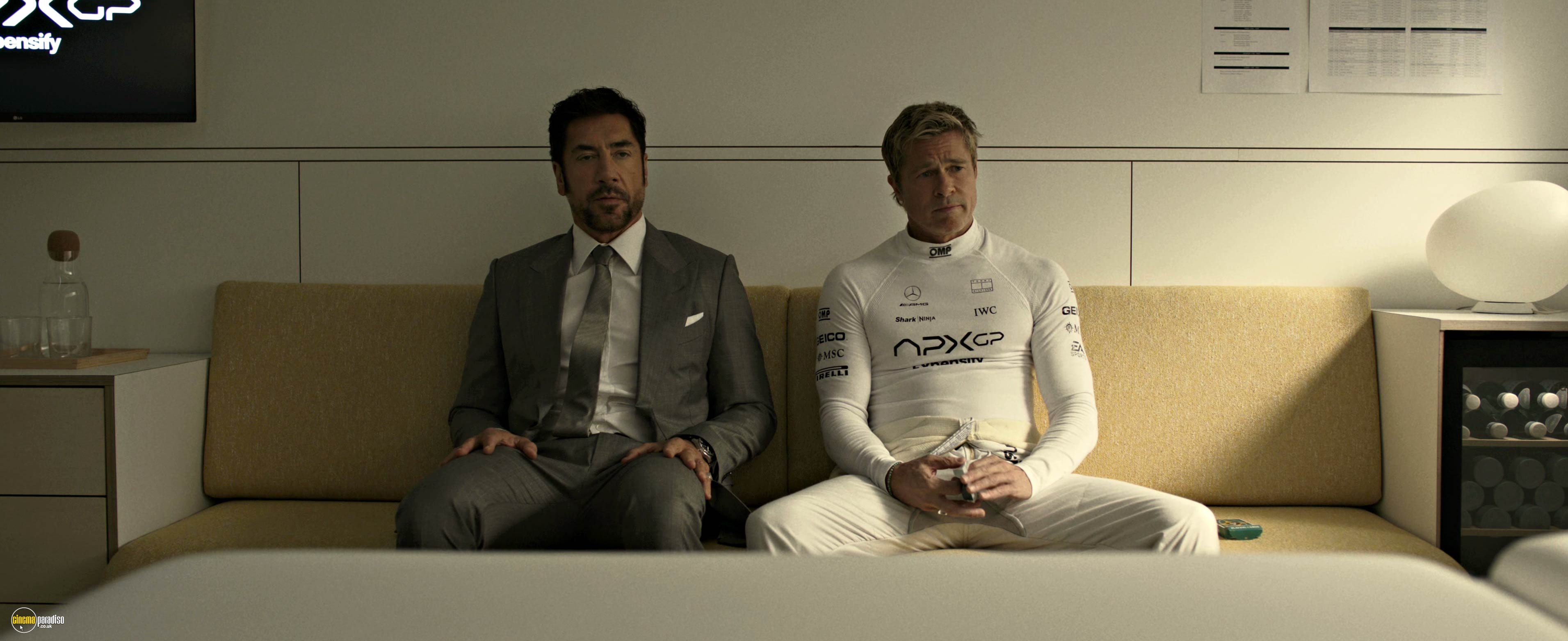
Although table tennis played a prominent role in Robert Zemeckis's Forrest Gump (1994), Robert Rossen's The Hustler (1961) and Martin Scorsese's The Color of Money (1986) have been cited as key influences on the film. These poolroom sagas endured mixed fortunes, as the former proved inseparable from Grigori Chukrai's Ballad of a Soldier in the only ever BAFTA tie for Best Film. But the Scorsese sequel failed to register, in spite of earning Paul Newman his long overdue Oscar for Best Actor. Sporting films have actually done quite well in this category, with Hugh Hudson's Chariots of Fire (1981) winning the award, while nominees like Robert Wise's The Set Up (1949), Luchino Visconti's Rocco and His Brothers (1960), Lindsay Anderson's This Sporting Life (1963), Claude Lelouch's Une homme est une femme (1966), John G. Avilden's Rocky (1976), and Bill Forsyth's Gregory's Girl (1980) all had a considerable sporting element. But it's been a while since sport featured in the last five, with Craig Gillespie's I, Tonya (2017) only being recognised in Outstanding British Film and Joseph Kosinski's F1 (2025) making just the Best Editing and Best Sound lists.
Having already adapted Thomas Pynchon's Inherent Vice (2014), Paul Thomas Anderson has turned the American novelist's dystopian action satire, Vineland (1990), into One Battle After Another. With 16 citations, this is the most longlisted film in BAFTA history (ie since they were introduced in 2021). In Best Film terms, its 14 nominations puts it level with Edward Berger's All Quiet on the Western Front (2022) and two behind Richard Attenborough's Gandhi (1982). It also joins David O. Russell's American Hustle (2013) in having received nominations in all four acting categories, following Christian Bale (Leading Actor), Amy Adams (Leading Actress), Bradley Cooper (Supporting Actor), and Jennifer Lawrence (Supporting Actress).
Once a member of the French 75 revolutionary cadre, 'Ghetto' Pat Calhoun lives in witness protection in Baktan Cross, California under the name of Bob Ferguson (Leonardo DiCaprio), with his teenage daughter, Willa (Chase Infiniti). While he watches Gillo Pontecorvo's The Battle of Algiers (1966) in various states of addlement, she takes karate lessons with Sergio St Carlos (Benicio Del Toro) and resents her father's stoner lifestyle. However, she has no idea that Bob is raising her in spite of the fact that her real father is Colonel Steven J. Lockjaw (Sean Penn), a corrupt army officer who had tricked her mother, Perfidia Beverly Hills (Teyana Taylor), into betraying her comrades before fleeing to Mexico, and who has now detailed a hitman to kill her.
With its focus on migrants on the border and veiled references to Trumpist populism, this is a highly political film. But it's also a dark comedy, a drama, a thriller, and an actioner. If we call it an action thriller, then, One Battle After Another is in fine company in BAFTA Best Film terms. There were several thrillers up for the award in early years (as opposed to heist movies, police procedurals, crime noirs, and prison dramas), with Edward Dmytryk's Crossfire (1947), Carol Reed's The Fallen Idol (1948), Reed's The Third Man, and Ted Tetzlaff's The Window (both 1949) giving way to more genre-fluid thrillers like Alfred Hitchcock's Rear Window (1954), John Frankenheimer's The Manchurian Candidate (1962), Costa-Gavras's Z (1969), Fred Zinnemann's The Day of the Jackal (1973), Alan J. Pakula's All the President's Men (1976), Costa-Gavras's Missing (1982), Peter Weir's Witness (1985), Neil Jordan's The Crying Game (1992), Bryan Singer's The Usual Suspects (1995), Curtis Hanson's L.A. Confidential (1997), Anthony Minghella's The Talented Mr Ripley (1999), Fernando Meirelles's The Constant Gardener (2005), Martin Scorsese's The Departed (2006), Nicolas Winding Refn's Drive (2011), Kathryn Bigelow's Zero Dark Thirty (2012), Paul Greengrass's Captain Phillips (2013), Todd Phillips's Joker (2019), and Edward Berger's Conclave (2024). Yet, only the latter won the award.
We've already had a bit of stage acting and direction in Shakespeare in Love and Hamnet, but thesping and helming are much more to the fore in Joachim Trier's Sentimental Value. The winner of the Grand Prix at Cannes, this now joins the ranks of those BAFTA Best Film nominees that centre on the stage and the screen, from Joseph L. Mankiewicz's All About Eve (1950), Charlie Chaplin's Limelight, Gene Kelly and Stanley Donen's Singin' in the Rain (both 1952), Vincente Minnelli's The Bad and the Beautiful, Charles Walters's Lili (both 1953), Otto Preminger's The Moon Is Blue (1954), Laurence Olivier's The Prince and the Showgirl (1957), Stanley Donen's Indiscreet (1958), George Cukor's Let's Make Love (1960), and Federico Fellini's 8½ (1963) to Bob Fosse's Cabaret (1972), François Truffaut's Day For Night (1973), Woody Allen's Annie Hall (1977), Karel Reisz's The French Lieutenant's Woman (1981), Sydney Pollack's Tootsie (1982), Peter Yates's The Dresser (1984), Woody Allen's The Purple Rose of Cairo (1986), Robert Altman's The Player (1992), Peter Weir's The Truman Show (1998), Martin Scorsese's The Aviator (2004), Michel Hazanavicius's The Artist (2011), Alejandro González Iñárritu's Birdman or (The Unexpected Virtue of Ignorance) (2014), Damien Chazelle's La La Land (2016), and Quentin Tarantino's Once Upon a Time in Hollywood... (2019).
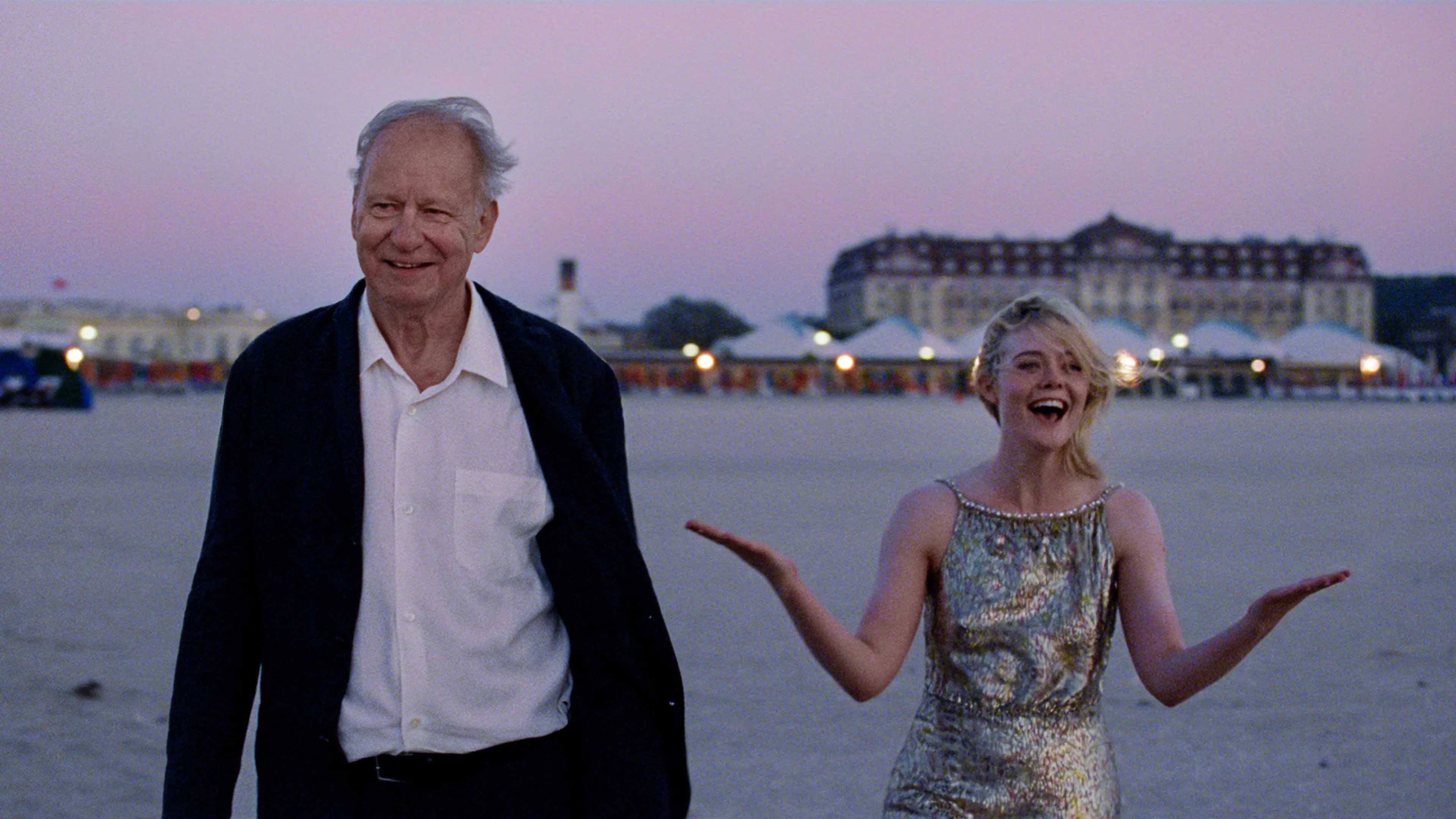
At one point borrowing a gag from Woody Allen's Another Woman (1988), Trier's story turns on the efforts of fading director Gustav Borg (Stellan Skarsgård) to reclaim the home of his late mother in order to make a film about her experience of the Nazi occupation of Norway. He hopes that actress daughter, Nora (Renate Reinsve), will play her grandmother, but she is aware that her estranged father is trying to use her fame to bolster his flagging career. Her married sister, Agnes (Inga Ibsdotter Lilleaas), is also upset with Gustav, as he has asked her to let her young son appear in the film, showing he has forgotten how unhappy she had been after having acted for him as a child and failed to win his approval. When Nora turns down the role, Borg hires rising Hollywood star, Rachel Kemp (Elle Fanning), who has developed a crush on Borg after being charmed at a film festival.
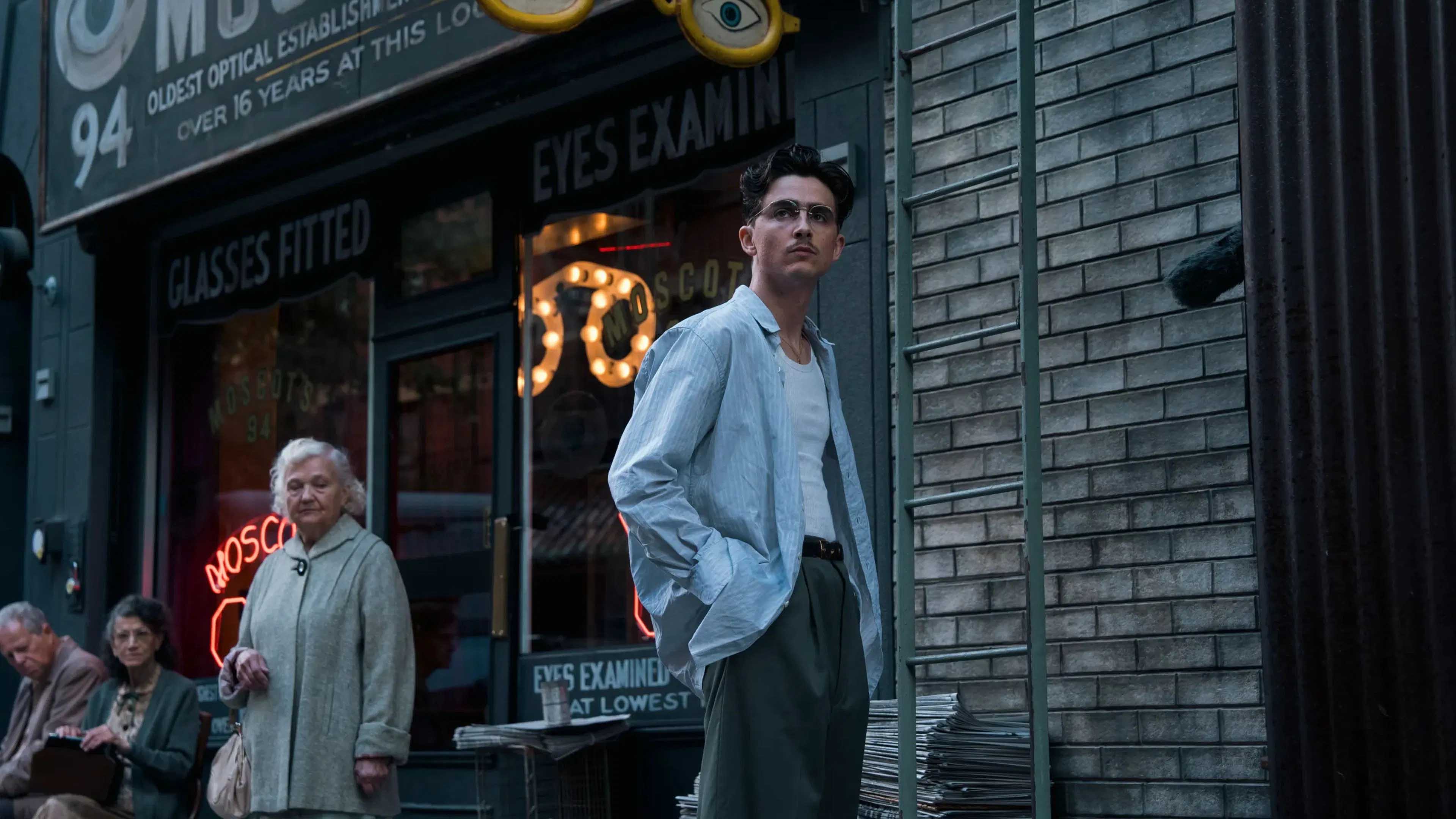
Trier is the second director from Scandinavia to be nominated for BAFTA Best Film, although he has a way to catch up with Swede Ingmar Bergman, who was cited for Smiles of a Summer Night (1955), Wild Strawberries (1957), The Magician (1958), and Through a Glass Darkly (1961). He also won the Best Foreign Television Programme category with The Magic Flute (1975) and was nominated for Best Film Not in the English Language for Fanny and Alexander (1982). But you have to remember that BAFTA has always been more open to subtitled cinema than the Academy of Motion Picture Arts and Sciences, as the appearance of Sentimental Value and Kleber Mendonça Filho's The Secret Agent (which was only recognised for Best Screenplay and Foreign Film by BAFTA) in Oscar's Best Film category still being something of a rarity.
When the British Film Academy launched its awards, the path was open to foreign-language films to succeed with three films being nominated in 1947, including Roberto Rossellini's Paisà (1946). Compatriot Vittorio De Sica won the following year with Bicycle Thieves (1948), while Jean Cocteau's Orphée (1950) was nominated the next year. Max Ophüls won for La Ronde (1950), with Jacques Becker's Edouard et Caroline (1951) amongst a bumper selection of also-rans. Becker's Casque d'or was joined the following year by De Sica's Miracle in Milan, Luis Buñuel's Los Olividados, Akira Kurosawa's Rashomon, and Jean Renoir's The River (although this was made in English).
Again demonstrating how cosmopolitan BAFTA could be, René Clément's Jeux interdits (1952) took top prize the following year and it was succeeded by Henri-Georges Clouzot's The Wages of Fear, which saw off a field that included Teinosuke Kinugasa's Gate of Hell (both 1953), Castellani's Romeo and Juliet, and Buñuel's Robinson Crusoe (the latter pair being in English). Kurosowa's Seven Samurai and Federico Fellini's La strada (both 1954) might have missed out, but Clément returned to triumph with Gervaise (1956), which saw off five further foreign films (which join the other eight we've not mentioned because of their unavailablity on dics). Two more missed out, as Satyajit Ray's Pather Panchali and Robert Bresson's A Man Escaped were nominated to be followed by Ray's Aparajito, Mikhail Kalatazov's The Cranes Are Flying, Fellini's Nights of Cabiria, and Bergman's Wild Strawberries
Bergman's The Magician joined Andrzej Wajda's Ashes and Diamonds (both 1958) before François Truffaut's Les 400 Coups announced the arrival of the nouvelle vague alongside Alain Resnais's Hiroshima mon amour (both 1959) and the Italian duo of Fellini's La dolce vita and Michelangelo Antonioni's L'avventura (both 1960). Completing a remarkable year were Marcel Camus's Black Orpheus, Cocteau's The Testimony of Orpheus, and Jules Dassin's Never on Sunday. The following year, Churai's Ballad of a Soldier tied for Best Film with The Hustler, while Satyajit Ray's The World of Apu fell short with Visconti's Rocco and His Brothers and Becker's Le Trou. Resnais's Last Year At Marienbad, Renoir's The Vanishing Corporal, Kaneto Shindô's The Naked Island, Truffaut's Jules et Jim, Jacques Demy's Lola, and Bergman's Through a Glass Darkly were among the unlucky losers, as were Iosif Kheifits's The Lady With the Dog, Clouzot's Thou Shalt Not Kill, Dassin's Phaedra, and Henri Colpi's A Long Absence, which are sadly not on disc in the UK at the moment. These were heady days for arthouse cinema, with the following year bringing Fellini's 8½ and Roman Polanski's Knife in the Water into contention, along with Pietro Germi's Divorce. Italian Style and Nanni Loy's The Four Days of Naples. But, suddenly, BAFTA reduced the category to four berths and foreign-language items paid the penalty.
Kozintsev's Hamlet and Michael Cacoyannis's Zorba the Greek (both 1964) bucked the trend, but British and American films meant Lelouch's Une homme et une femme, Jirí Menzel's Closely Watched Trains, and Costa-Gavras's Z were lone outriders in their year. Truffaut's Day For Night was the first foreign nomination of the new decade and it had the temerity to see off Buñuel's The Discreet Charm of the Bourgeoisie in winning Best Film. Louis Malle's Lacombe, Lucien (1974) followed suit, although there were no further nominations until Akira Kurosawa's Kagemusha in 1981. Claude Berri's Jean de Florette (1986) and Bernardo Bertolucci's The Last Emperor (1987) took top prize, with the latter pipping Louis Malle's Au revoir les enfants and Gabriel Axel's Babette's Feast. But that was it for the 20th century and the dry spell was only broken by Ang Lee's Crouching Tiger, Hidden Dragon (2000) and Jean-Pierre Jeunet's Amélie (2001). Walter Salles's The Motorcycle Diaries (2004) was the next to make the shortlist, which was followed by Florian Henckel von Donnersmarck's The Lives of Others (2007). France topped the charts again with The Artist (2011), while another monochrome picture, Alfonso Cuarón's Roma, did likewise eight years later. After Bong Joon-ho's Parasite (2019) failed to replicate its Oscar miracle, Edward Berger's All Quiet on the Western Front (2022) caught everybody by surprise and Justine Triet's Anatomy of a Fall (2023) and Jacques Audiard's Emilia Pérez (2024) proved unable to repeat the feat. Let's see what Sentimental Value can do, although it's something of a long shot.
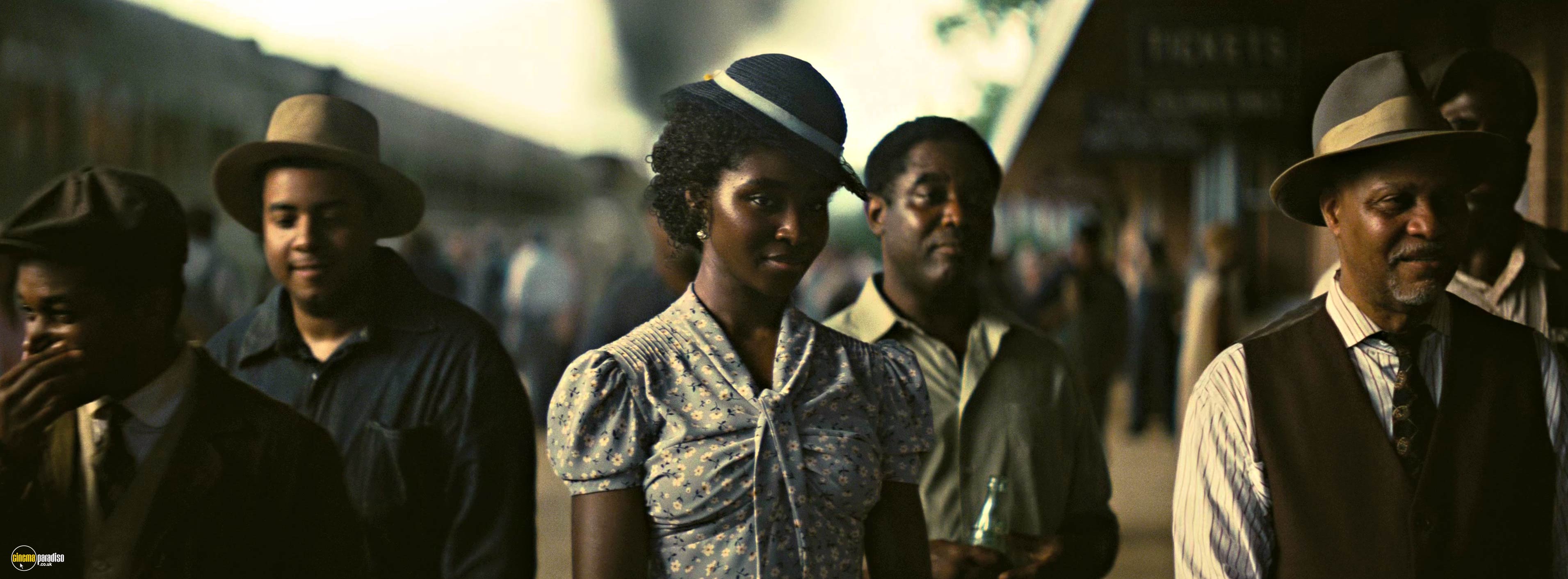
When the Oscar nominations were announced, Ryan Coogler's Sinners broke a record that had existed for 75 years. Neither James Cameron's Titanic (1997) nor La La Land had been able to exceed the 14 nominations amassed by All About Eve. But the BAFTA record held by Gandhi (1982) remains intact, as it notched 16 noms to the 13 bestowed upon a period horror that was inspired by the legend of bluesman Robert Johnson and owes more than a little to Robert Rodriguez's Quentin Tarantino-scripted From Dusk Till Dawn (1996).
The setting is the Mississippi Delta in 1932, as identical twins, Elijah and Elias Smoke (both Michael B Jordan), return to Clarksdale with wads of cash having served as henchmen to Al Capone in Chicago. They play to set up a juke joint and hope that blues sensation (and cousin), Sammie 'Preacherboy' Moore (Miles Caton), will get the punters rolling in. However, as most of the locals subsist on company scrip, there's not much hard cash coming in and the brothers soon have more things to worry about when Irish vampire Remmick (Jack O'Connell) turns up with his cohorts, including Stack's former girlfriend, Mary (Hailee Steinfield). Only Smoke's estranged wife, Annie (Wunmi Mosaku), seems to know how to lift the siege.
Horror movies have not traditionally done well in the BAFTA Best Film stakes. Riffing on the Faust myth, René Clair's Beauty and the Devil was more a fantasy than a chiller, while the spectral element in Kurosawa's Rashomon (both 1950) inspired more drollity than dread. A fake spiritualist was exposed in Gian Carlo Menotti's adaptation of his own short opera, The Medium (1951), and the charlatan theme recurs in Bergman's The Magician (1958). None of these are what modern viewers would consider genre fodder, however, but a deep vein of uneasiness permeates Jack Clayton's The Innocents (1961), which was adapted from Henry James's short story, 'The Turn of the Screw'.
There are those who would argue that Stanley Kubrick's A Clockwork Orange (1971), Nicolas Roeg's Don't Look Now (1973), Steven Spielberg's Jaws (1975), Jonathan Demme's The Silence of the Lambs (1991), and M. Night Shyamalan's The Sixth Sense (1999) all have horror elements. But these were primarily psychological thrillers (with the notable exception of the sharkfest) and the same case could be made for Darren Aronofsky's Black Swan (2010). All of which leaves us to draw the conclusion that Sinners is not just the first vampire saga to be nominated for Best Film, but it is also the first genuine horror to be up for the award - and, even then, it's more of a social-realist period piece for its first half. The picture's other notable achievement is that Autumn Durald Arkapaw has become the first Black woman to be nominated for Best Cinematography, after Ari Wegner had broken down the gender barrier for The Power of the Dog.
BEST DIRECTOR
Many were surprised that Guillermo del Toro failed to make the longlist for Best Director for his work on Frankenstein. But there will always be casualties in an award race and Kaouther Ben Hania (The Voice of Hind Rajab), Kathryn Bigelow (A House of Dynamite), Mitsuyo 'Hikari' Miyazaki (Rental Family), and Lynne Ramsay (Die My Love) all failed to make it over the final hurdle. This seriously depleted female representation in the Best Director category, with only Chloé Zhao being recognised for Hamnet. In 2021, women had outnumbered men by four to two before there was an even split a year later. However, this is the third year in a row that only one woman has gotten the nod. Even so, over the next few weeks, Zhao could join Ang Lee and Alfonso Cuarón in an exclusive club by becoming the first woman to win the Oscar and BAFTA for Best Director twice.
As BAFTA includes six names in this category, the final selection differs only from the Oscar pick by the inclusion of Yorgos Lanthimos for Bugonia. The categories can no longer tally precisely, as only five names are chosen by AMPAS, which means that the 2020 replication of Bong Joon-ho (Parasite), Sam Mendes ( 1917 ), Martin Scorsese ( The Irishman ), Todd Phillips (Joker), and Quentin Tarantino (Once Upon a Time...in Hollywood can't happen again unless there's a rule change.
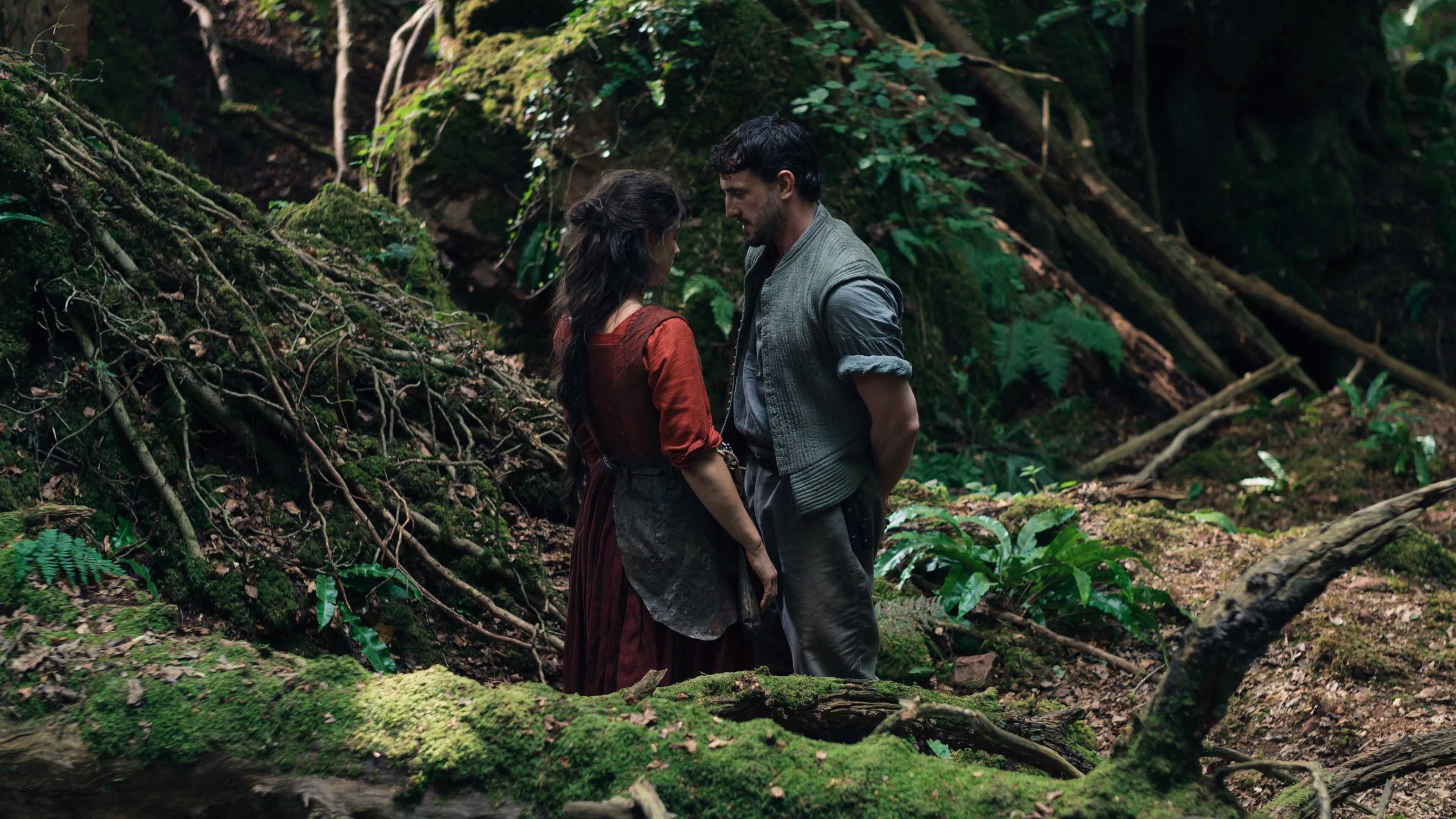
Only Zhao has won the award previously, with Ryan Coogler (Sinners) and Josh Safdie (Marty Supreme) being first-timers. It's the third time that Paul Thomas Anderson has been chosen, however, and he will hope that One Battle After Another can go one better than There Will Be Blood (2007) and Licorice Pizza (2021).
As Best Director was only introduced in 1968, a lot of eminent film-makers whose pictures graced the Best Film slot missed out on the chance to scoop an individual award. Nevertheless, some classic action thrillers have been commended in the category, starting with Peter Yates's Bullitt (1968). William Friedkin's The French Connection (1971), and Fred Zinnemann's The Day of the Jackal (1973) all emanating from the New Hollywood golden age, along with Francis Ford Coppola's more cerebral conspiracy saga, The Conversation (1974). But high-octane fare fell out of favour with category voters and three decades passed before Michael Mann's Collateral (2004) and Paul Greengrass's The Bourne Ultimatum (2007) put it back on the board. Subsequently, Nicolas Winding Refn's Drive (2011), Kathryn Bigelow's Zero Dark Thirty (2012), and Gina Prince-Bythewood's The Woman King (2022) have carried the banner, but not captured the prize. Could Anderson surpass them and become the first to claim Best Director at the BAFTAs with an actioner?
Ryan Coogler's Sinners has gone into the record books for becoming the most nominated film by a Black director, as its 13 nods beat the 10 received by Steve McQueen's 12 Years a Slave. It could be an omen that this historical drama won Best Film and Best Actor, although McQueen lost out to Alfonso Cuarón for Gravity (both 2012). He did win as a producer, but Coogler could become the first Black winner of the David Lean Award For Achievement in Direction.
The odds are stacked against in genre terms, however, as no one has won Best Director with a horror film, despite the best efforts of those mentioned above with a tangential claim and the female French duo of Julia Ducournau and Coralie Fargeat, who were nominated for the respective body horrors, Titane (2021) and The Substance (2024).
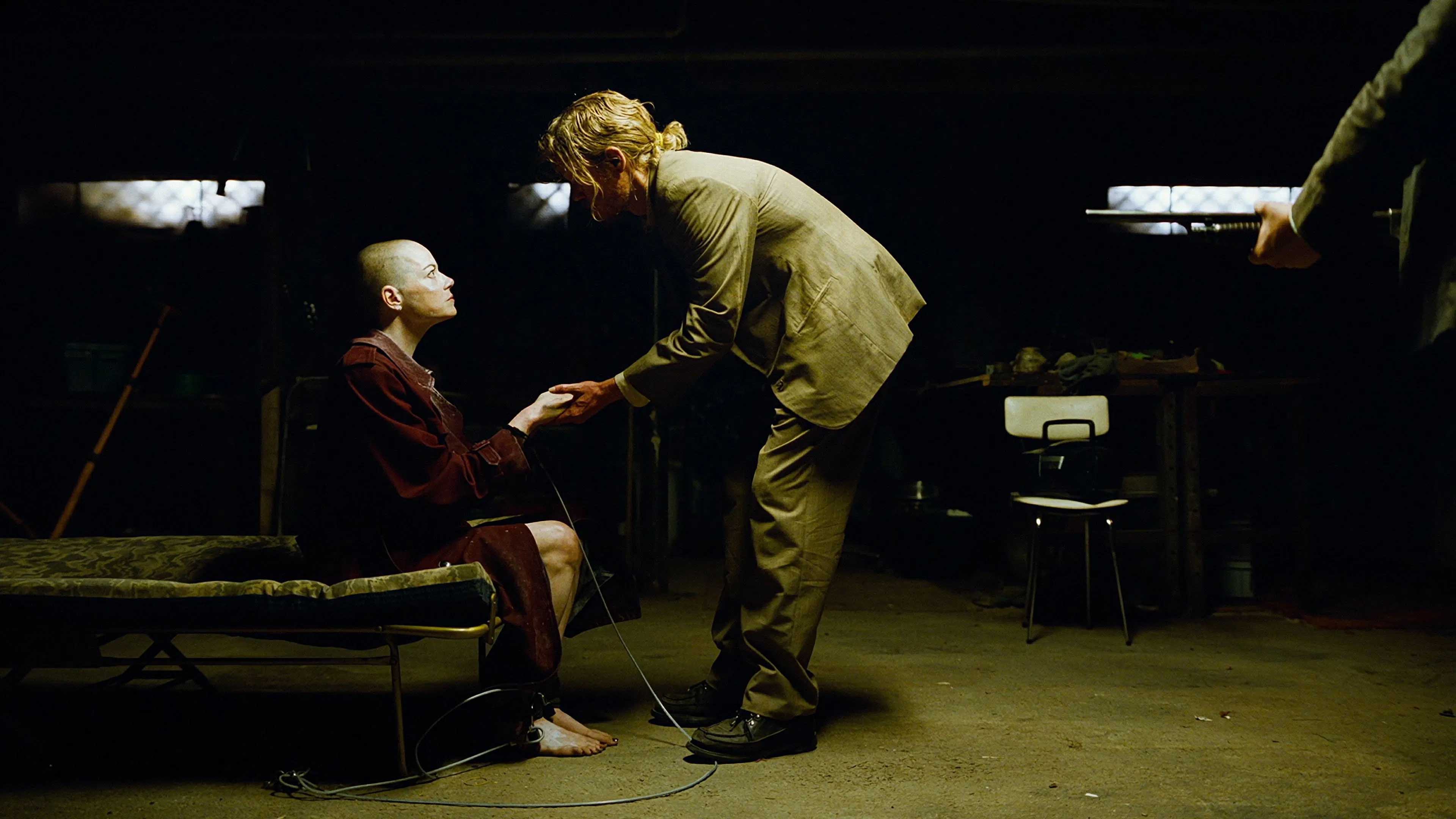
Having been nominated for his distinctive take on late-Stuart history, Greek director Yorgos Lanthimos has been cited again for Bugonia, his fifth collaboration with Emma Stone after The Favourite (2017), the short, Bleat (2022), Poor Things (2023), and Kinds of Kindness (2024). Reworking Jang Joon-Hwan's Save the Green Planet! (2003), the story centres on conspiracy theorising beekeeper, Teddy Gatz (Jesse Plemons), who is not only convinced that Michelle Fuller (Stone), the impervious CEO of the Auxolith pharmaceutical company, is responsible for mother Sandy (Alicia Silverstone) being comatose following a drug trial, but also that she is the leader of a party of Andromedan aliens who are intent on subjugating humanity.
As Bugonia was not nominated for Best Film, Lanthimos has to be considered the outsider for the award. Also counting against him is the fact that science fiction is not a popular genre in this category. There was a sizeable gap between Steven Spielberg's nod for E.T. the Extra-Terrestial (1982) and Neill Blomkamp's for District 9 (2009) and Christopher Nolan's Inception (2010). That said, Alfonso Cuarón won for Gravity (2012) and Ridley Scott's The Martian (2015) and Daniel Kwan and Daniel Scheinert's Everything Everywhere All At Once (2022) have come close, as has Canadian Denis Villeneuve, who has been nominated without luck for Arrival (2016), Blade Runner 2049 (2017), and Dune: Part Two (2024).
Best known for directing Daddy Longlegs (2011), Heaven Knows What (2014), Good Time (2017) and Uncut Gems (2019) with his younger brother, Benny, Josh Safdie went solo on Marty Supreme for the first time since The Pleasure of Being Robbed (2008). The table tennis comedy based on the life of Marty Reisman isn't Safdie's first encounter with sport, however, as the siblings collaborated on the documentary, Lenny Cooke (2013), which followed the fortunes of an African American high school basketball player, in much the same way that Steve James had done in Hoop Dreams (1994).
Besides Hugh Hudson's Chariots of Fire (1981), sports films haven't figured prominently in the category, but comedy has done quite well, since Mike Nichols won the inaugural Best Director mask for The Graduate (1967) at the expense of Lindsay Anderson's If... (1968). The following year, George Roy Hill ( Butch Cassidy and the Sundance Kid ) got the better of Robert Altman ( M*A*S*H ), while François Truffaut (Day For Night) similarly pulled rank on Luis Buñuel (The Discreet Charm of the Bourgeoisie) and Miloš Forman ( One Flew Over the Cuckoo's Nest ) bested Alan Parker ( Bugsy Malone ). Woody Allen won for Annie Hall (1977) and was nominated for Manhattan (1979), either side of Altman's nod for A Wedding (1978), before winning again for Hannah and Her Sisters (1986). Bill Forsyth's converted a nomination for Gregory's Girl (1981) into a win for Local Hero (1983) and beat Sydney Pollack (Tootsie) and Martin Scorsese ( The King of Comedy ) in the process.
In 1989, 78 year-old Charles Crichton became the category's oldest nominee for A Fish Called Wanda, only to be gazumped by 81 year-old Martin Scorsese for Killer of the Flower Moon (2023). Following Woody Allen's fourth and final nomination for Crimes and Misdemeanors (1989), Alan Parker won for The Commitments (1991) and Robert Altman got his BAFTA for The Player (1992). There were consecutive comic wins for Mike Newell's Four Weddings and a Funeral (1994) and Joel Coen's Fargo, which nudged out Mike Leigh's Secrets & Lies (both 1995). After Peter Cattaneo ( The Full Monty ) missed out, Peter Weir's The Truman Show also edged a comic rival in John Madden's Shakespeare in Love (both 1998). But everything got a bit serious between Jean-Pierre Jeunet's Amélie (2001) and Martin Scorsese's The Wolf of Wall Street (2012), Wes Anderson's The Grand Budapest Hotel (2013), and Adam McKay's The Big Short (2015). Subsequently, the only comedy nominees have been Martin McDonagh ( The Banshees of Inisherin, 2022), Alexander Payne ( The Holdovers, 2023), and Sean Baker ( Anora, 2024). If you think Josh Safdie can buck the trend, then place your vote in Cinema Paradiso's 2026 BAFTA predictions competition.
Maybe you think Joachim Trier is more deserving for Sentimental Value after not being considered for the equally impressive Reprise (2006), Oslo, August 31st (2011), Louder Than Bombs (2015), Thelma (2017), and The Worst Person in the World (2021). The Norwegian is in excellent company, as BAFTA has always been more outward thinking in this category than AMPAS. Consequently, nominations have been accorded to the following (in addition to those international directors already mentioned in this section): Louis Malle (Lacombe, Lucien & Au revoir les enfants), Claude Berri (Jean de Florette), Gabriel Axel ( Babette's Feast ), Giuseppe Tornatore ( Cinema Paradiso ), Krzysztof Kieslowski ( Three Colours: Red ), Michael Radford ( Il Postino ), Pedro Almodóvar ( All About My Mother ), Alejandro González Iñárritu ( Babel ), Florian Henckel von Donnersmarck (The Lives of Others), Michel Hazanavicius (The Artist), Alfonso Cuarón (Roma), Bong Joon-ho (Parasite), Lee Isaac Chung ( Minari ), Thomas Vinterberg ( Another Round ), Jasmila Žbanic ( Quo Vadis, Aida? ), Audrey Diwan ( Happening ), Julia Ducournau (Titane), Edward Berger (All Quiet on the Western Front), Park Chan-wook ( Decision to Leave ), Jonathan Glaser (The Zone of Interest), Justine Triet ( Anatomy of a Fall ), and Jacques Audiard ( Emilia Pérez ).
As we have already mentioned, Chloé Zhao has already tasted success in this category with Nomadland, which is the middle of her five features, between Songs My Brother Taught Me (2015) and The Rider (2017) and Eternals (2021) and Hamnet. The latter is the most nominated BAFTA film directed by a woman after its 11 nods eclipsed the 10 garnered by Jane Campion's The Piano (1993). The New Zealander won this category with The Power of the Dog, which made her the second woman to do so after Kathryn Bigelow for The Hurt Locker. Many more women have been nominated in the last decade than in the previous seven, with Sarah Gavron ( Rocks ), Shannon Murphy ( Babyteeth ), Jasmila Žbanic (Quo Vadis, Aida?), Audrey Diwan ( Happening ), Julia Ducournau (Titane), Gina Prince-Bythewood (The Woman King), Justine Triet (Anatomy of a Fall), and Coralie Fargeat (The Substance) all being recognised in the 2020s. Prior to this, there were no women nominees before 1994 and only Sofia Coppola ( Lost in Translation ), Valerie Faris ( Little Miss Sunshine, with Jonathan Dayton), Lone Scherfig ( An Education ), and Lynne Ramsay ( We Need to Talk About Kevin ) following in the wake of Campion and Bigelow.
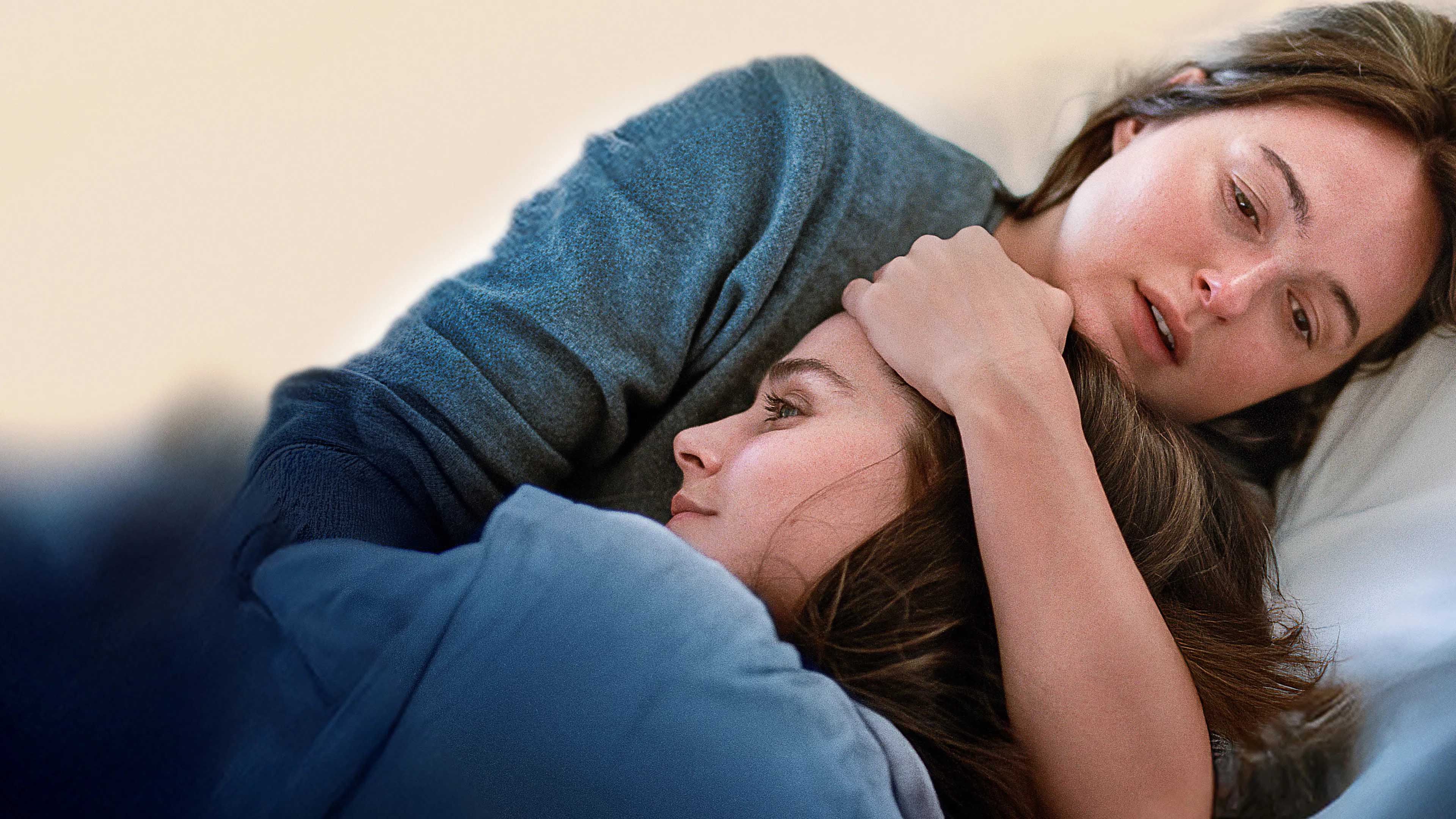
If she wins, Zhao will become the first woman to win the award twice, a feat previously achieved by Woody Allen, Joel Coen, Alfonso Cuarón, Ang Lee, Louis Malle, Alan Parker, Roman Polanski, John Schlesinger, and Peter Weir. No one has ever won it three times and nobody seems likely to ever match Martin Scorsese's record of 10 nominations, as even Steven Spielberg only has six and he is 79 and hasn't been nominated since Bridge of Spies (2016). He is among the co-producers of Hamnet, however, which would be the first literary biography to win the Best Director BAFTA.
Randomly taking the history of human society before the outbreak of the Second World War as the span covered by the term 'period picture', Hamnet is not alone in putting a Shaksepearean spin on the Best Director category, as Franco Zeffirelli's Romeo and Juliet, Akira Kurosawa's Kagemusha (which is based in King Lear), Kenneth Branagh's Henry V, John Madden's Shakespeare in Love, and Baz Luhrmann's William Shakespeare's Romeo + Juliet were all nominated. Costume pictures brought wins for Richard Attenborough ( Gandhi ), Stanley Kubrick ( Barry Lyndon ), and Peter Weir ( Master and Commander: The Far Side of the World ). Among those nominated for pre-1939 titles with a basis in fact are David Lynch ( The Elephant Man ), Mel Gibson ( Braveheart ), Nicholas Hytner ( The Madness of King George ), James Cameron ( Titanic ), Shekhar Kapur ( Elizabeth ), Marc Forster ( Finding Neverland ). Martin Scorsese ( The Aviator & Hugo ), Clint Eastwood ( Changeling ), Tom Hooper ( The King's Speech ), Steve McQueen (12 Years a Slave), Alejandro González Iñárritu ( The Revenant ), and Yorgos Lanthimos (The Favourite). Those drawn from fictional sources include Ken Russell ( Women in Love ), David Lean ( Ryan's Daughter ), Joseph Losey ( The Go-Between ), Luchino Visconti ( Death in Venice ), Karel Reisz (The French Lieutenant's Woman), James Ivory (A Room With a View, Howards End & The Remains of the Day ), Gabriel Axel (Babette's Feast), Jane Campion (The Piano & The Power of the Dog), Ridley Scott ( Gladiator ), Baz Luhrmann ( Moulin Rouge! ), Rob Marshall ( Chicago ), Martin Scorsese ( Gangs of New York ), Anthony Minghella ( Cold Mountain ), Paul Thomas Anderson (There Will Be Blood), Joe Wright ( Atonement ), Wes Anderson ( The Grand Budapest Hotel ), Sam Mendes (1917), and Edward Berger (All Quiet on the Western Front).
BEST ACTOR
The prize for Best Actor was introduced at the 6th British Academy Film Awards in 1953. For the next 14 years, there would be British and Foreign categories, but the mask has been presented to the Best Actor in a Leading Role since the 22nd ceremony in the spring of 1969. The merging of the categories meant that fewer performances in subtitled films were recognised and many have been surprised by the omission of Wagner Moura for The Secret Agent, especially as he went on to secure an Oscar nomination. The Brazilian failed even to make the longlist, alongside Russell Crowe (Nuremberg), Joel Edgerton (Train Dreams), Harry Melling ( Pillion ), and Cillian Murphy (Steve).
Moura would have been a first-time nominee, although numbers are down from 14 to eight across the 24 slots in the four acting categories. This represents a significant drop from the 19 newbies in 2022 and 21 in 2021. There has also been a decline in the number of non-white nominees. with only four being shortlisted, as opposed to five last year and six in 2024. Despite BAFTA's much-heralded championing of diversity, the Class of 2026 edges us back towards the bad old days of 2020, when the entire acting contingent was white (although only eight were the following year).
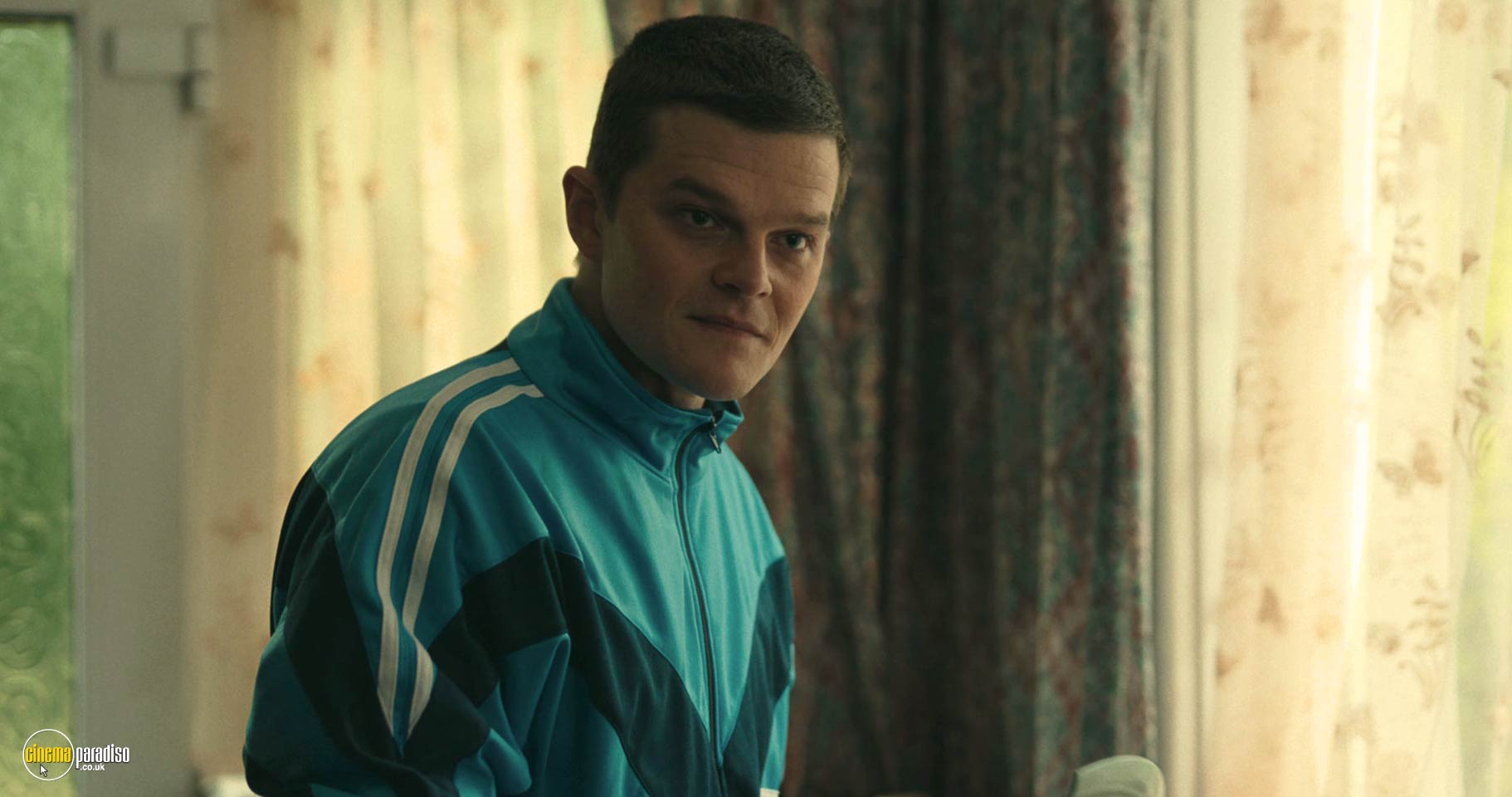
British talent has also been squeezed out this year, with only four nominations across the board and two of those are for the same film. In addition to being nominated for Best Actor for his performance as John Davidson in I Swear, Robert Aramayo has also been listed among the nominees for the EE Rising Star Award, alongside Miles Caton, Chase Infiniti, Archie Madekwe, and Posy Sterling. Born in Hull of Basque descent, Aramayo reached this point via a school production of Bugsy Malone and such solid credits as Nocturnal Animals (2016), Eternal Beauty (2019), Behind Her Eyes (2021), and Palestine 36 (2025), as well, of course, as Game of Thrones (2011-19), in which he played Edward Stark in the sixth and seventh seasons.
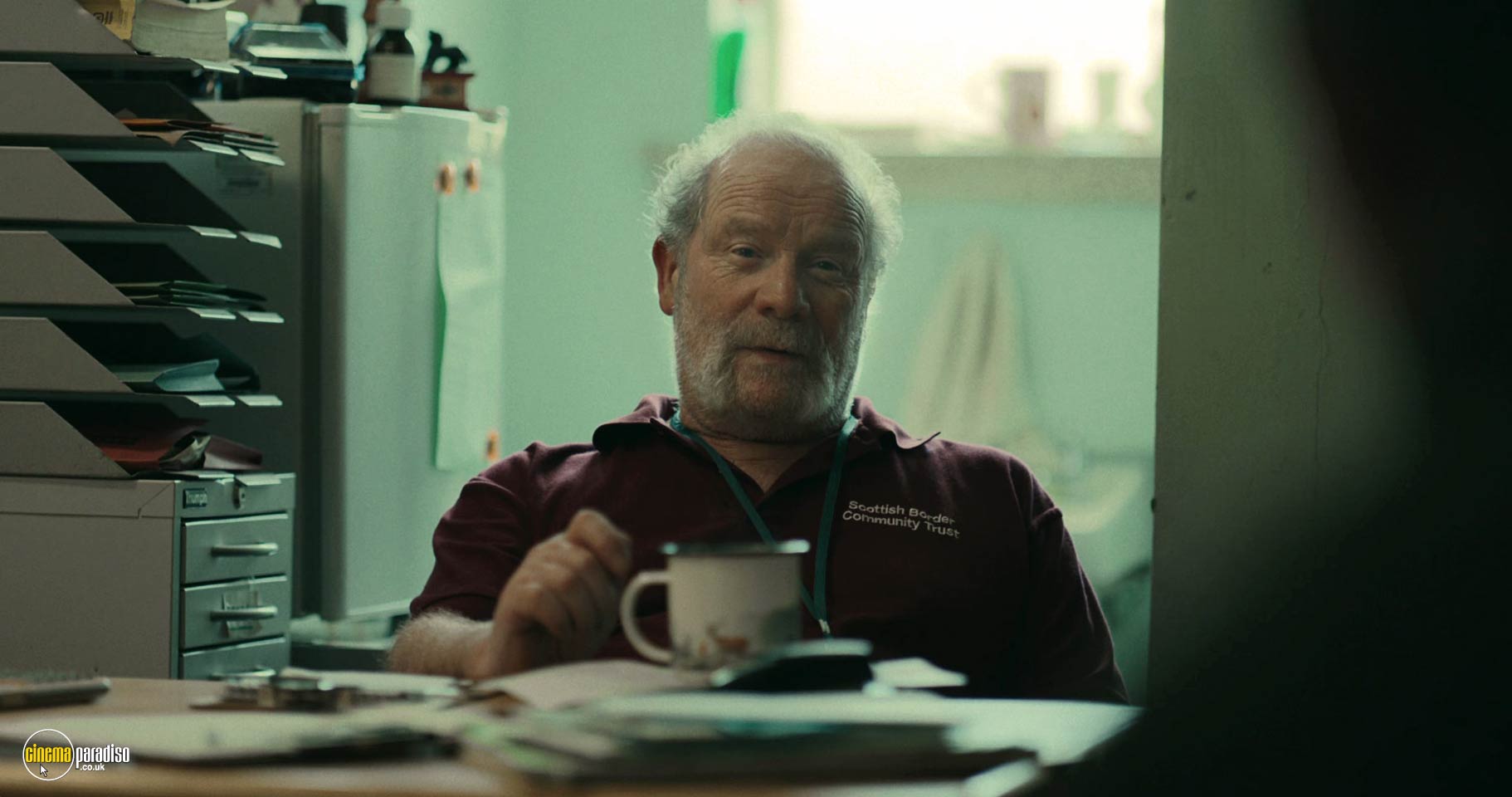
In Kirk Jones's biopic, Aramayo plays John Davidson, the Scottish man with Tourette Syndrome who came to prominence in the BBC documentaries, John's Not Mad (1989) and The Boy Can't Help It (2002). The debuting Ellis Watson takes the role during the Galashiels school scenes before Aramayo joins with Shirley Henderson (as his mother), Maxine Peake (as a sympathetic nurse), and Peter Mullan (as a kindly caretaker) to chart Davidson's course from a court appearance to receiving the MBE from Queen Elizabeth II at Holyrood Palace in 2019.
Down the years, BAFTA has recognised roles featuring various specific conditions, with Daniel Day-Lewis winning Best Actor for his portrayal of Christy Brown in Jim Sheridan's My Left Foot (1989). Geoffrey Rush also prevailed as Australian pianist, David Helfgott (who had schizoaffective disorder), in Scott Hicks's Shine (1996), and Colin Firth followed suit as the clinically depressed George Falconer in Tom Ford's A Single Man (2009) and as the stammering George VI in Tom Hooper's The King's Speech (2010). More recently, Joaquin Phoenix also took the prize as Arthur Fleck, whose neurological disorder makes him prone to uncontrollable fits of laughter, in Todd Phillips's Joker (2019), while Anthony Hopkins did the BAFTA/Oscar double as the dementia-suffering Anthony in Florian Zeller's The Father (2020).
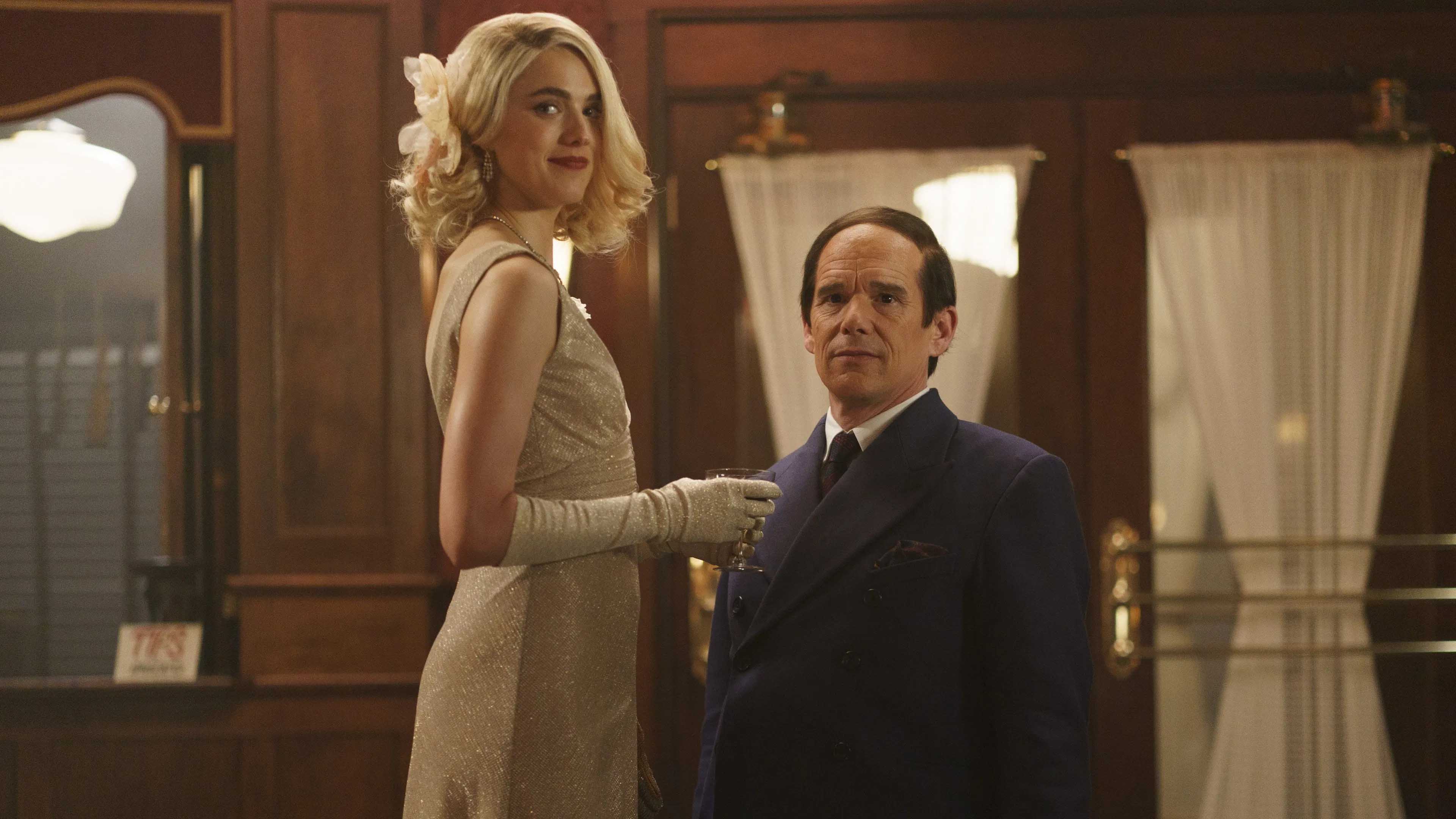
Nominees for similar roles include George C. Scott in Anthony Harvey's They Might Be Giants (1971), Anthony Hopkins in Richard Attenborough's Magic (1978), Dustin Hoffman in Barry Levinson's Rain Man (1989), Tom Hanks in Robert Zemeckis's Forrest Gump (1994), Nigel Hawthorne in Nicholas Hytner's The Madness of King George (1995), Russell Crowe in Ron Howard's A Beautiful Mind (2001), Sean Penn in Jessie Nelson's I Am Sam (2002), Leonardo DiCaprio in Martin Scorsese's The Aviator (2004), Bradley Cooper in David O. Russell's Silver Linings Playbook (2012), and Paul Mescal in Charlotte Wells's Aftersun (2022).
While Aramayo is the outsider of the field, Timothée Chalamet is the red-hot favourite for his turn as Marty Mauser in Josh Safdie's Marty Supreme. A former Rising Star nominee, Chalamet has previously missed out on Best Actor for Luca Guadagnino's Call Me by Your Name (2017) and James Mangold's A Complete Unknown (2024), while he also had to settle for being nominated for Best Supporting Actor for another biopic, Felix van Groeningen's Beautiful Boy (2019). The 30 year-old New Yorker will seek to match Robert Redford by winning the BAFTA for playing a sportsman, although his display as Olympic skier David Chappellet in Michael Ritchie's Downhill Racer was awarded jointly with his work in George Roy Hill's Butch Cassidy and the Sundance Kid and Abraham Polonsky's Tell Them Willie Boy Is Here (all 1969). Mickey Rourke also won as Randy 'The Ram' Robinson in Darren Aronofsky's The Wrestler (2008), while those treating triumph and adversity the same are Richard Harris's rugby league forward in Lindsay Anderson's This Sporting Life (1963), Donald Sutherland's demolition derby driver in Alan Myerson's Steelyard Blues (1973), Gene Hackman's ex-gridiron footballer in Arthur Penn's Night Moves (1975), Dustin Hoffman's long-distance runner in John Schlesinger's Marathon Man, Walter Matthau as a baseball coach in Michael Ritchie's The Bad News Bears, Sylvester Stallone's pugilist in John G. Avildsen's Rocky (all 1976), Robert De Niro's boxer in Martin Scorsese's Raging Bull (1980), Tom Hanks's table tennis player in Forrest Gump (1994), James Franco's climber in Danny Boyle's 127 Hours (2010), Brad Pitt's baseball player in Bennett Miller's Moneyball (2011), and Will Smith's tennis coach in Reinaldo Marcus Green's King Richard (2021).
Leonardo DiCaprio has joined an exclusive club with his nomination as Bob Ferguson in Paul Thomas Anderson's One Battle After Another, as he has tied the record for the most nominations in BAFTA's Best Actor category. He has previously been nominated for the Martin Scorsese trio of The Aviator (2004), The Departed (2006), and The Wolf of Wall Street (2013), as well as Quentin Tarantino's Once Upon a Time...in Hollywood (2019) and Adam McKay's Don't Look Up (2021), with his sole win coming for Alejandro González Iñárritu's The Revenant (2015).
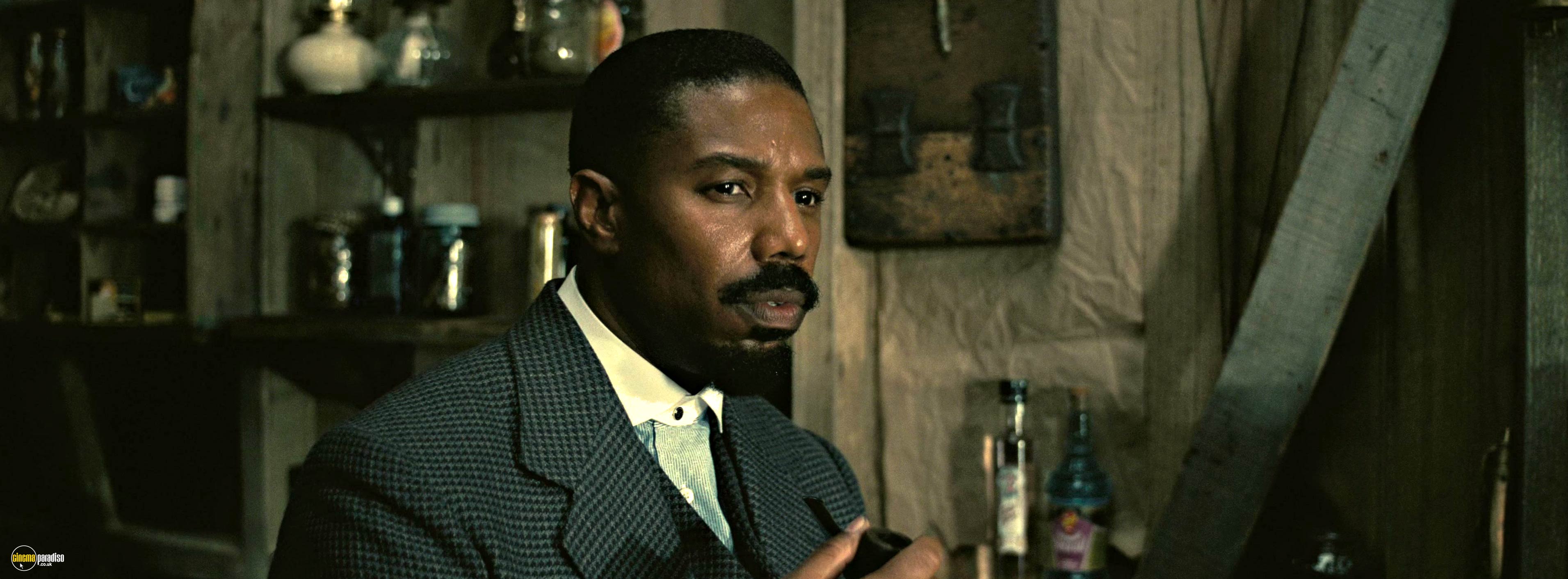
His fellow members, by the way, are Laurence Olivier ( Carrie, Richard III, The Prince and the Showgirl, The Devil's Disciple, The Entertainer, Term of Trial, and Sleuth ); Peter Finch ( A Town Like Alice, Windom's Way, The Nun's Story, The Trials of Oscar Wilde, No Love For Johnnie, Sunday Bloody Sunday, and Network ); Jack Lemmon (Mister Roberts, Some Like It Hot, The Apartment, Days of Wine and Roses, Good Neighbor Sam & How to Murder Your Wife, The China Syndrome, and Missing ); Michael Caine ( The Ipcress File, Alfie, Sleuth, Educating Rita, The Honorary Consul, Little Voice, and The Quiet American ); Dustin Hoffman ( Midnight Cowboy & John and Mary, Little Big Man, Lenny, All the President's Men & Marathon Man, Kramer vs Kramer, Tootsie, and Rain Man); and record-holding four-time winner, Daniel Day-Lewis (My Left Foot, The Last of the Mohicans, In the Name of the Father, Gangs of New York, There Will Be Blood, Lincoln, and Phantom Thread ).
DiCaprio plays a left-wing revolutionary in Anderson's thriller and he will be hoping to emulate Marlon Brando in winning Best Actor after he had played Mexican peasant leader Emiliano Zapata in Elia Kazan's Viva Zapata! (1952). Having changed his name from Pat Calhoun to Bob Ferguson because of his involvement with French 75, DiCaprio also finds himself essaying a man on the run akin to Noah Cullen, who earned Sidney Poitier the Best Actor prize in Stanley Kramer's The Defiant Ones (1958). Fred Kite, the trade unionist in John and Roy Boulting's I'm All Right Jack (1960) probably isn't far left enough to match Calhoun/Ferguson, but, as he earned Peter Sellers a BAFTA, we'll give him a mention, along with rebellious left-wing Labour MP Johnny Byrne, who came good for Peter Finch in Ralph Thomas's No Love For Johnnie (1961). By contrast, Warren Beatty missed out as American Bolshevik John Reed in Reds (1981), but Robert Downey, Jr. landed the award in Richard Attenborough's Chaplin (1992) for his portrayal of the slapstick clown who was blacklisted during the HUAC inquiry into Communism in show business and was forced to leave the United States in 1952. It was this precise year that saw Ernesto 'Che' Guevara (Gael García Bernal) leave Argentina and embark upon the journey that saw him become a Marxist guerilla in Walter Salles's The Motorcycle Diaries (2004). And the same year saw screenwriter Dalton Trumbo (Bryan Cranston) battling to save his career during the Hollywood witch-hunt in Jay Roach's Trumbo (2015).
As they centre on the world of entertainment, Chaplin and Trumbo could also join the list hiving off from Richard Linklater's Blue Moon, which has earned Ethan Hawke a BAFTA nomination - to go with Best Supporting nod for Boyhood (2014) - for his Best Actor performance as songwriter, Lorenz Hart. Mickey Rooney had played the lyricist alongside Tom Drake's Richard Rodgers in Norman Taurog's Words and Music (1948). But Robert Kaplow's screenplay offers a more truthful account of Hart's life and his struggle to come to terms with the success his erstwhile partner had with Oscar Hammerstein II with their 1944 game-changing Broadway hit, Oklahoma!, which was filmed by Fred Zinnemann in 1955.
Hawke is not expected to win this time round, but he gives a fine performance that deserves to be bracketed with those of James Stewart in The Glenn Miller Story (1955), Dustin Hoffman as Lenny Bruce in Lenny (1974), F. Murray Abraham as Antonio Salieri in Amadeus (1984), Geoffrey Rush as David Helfgott in Shine, Jim Broadbent as W.S. Gilbert in Topsy-Turvy (1999), Adrien Brody as Wladyslaw Szpilman in The Pianist (2002), Jamie Foxx as Ray Charles in Ray, Johnny Depp as J.M. Barrie in Finding Neverland (both 2004),
Joaquin Phoenix as Johnny Cash in Walk the Line (2005), Andy Serkis as Ian Dury in Sex & Drugs & Rock & Roll (2010), Rami Malek as Freddie Mercury in Bohemian Rhapsody, Steve Coogan as Stan Laurel in Stan & Ollie (both 2018), Taron Egerton as Elton John in Rocketman (2019), Austin Butler as Elvis Presley in Elvis (2022), Bradley Cooper as Leonard Bernstein in Maestro (2023), and Timothée Chalamet as Bob Dylan in A Complete Unknown (2024).
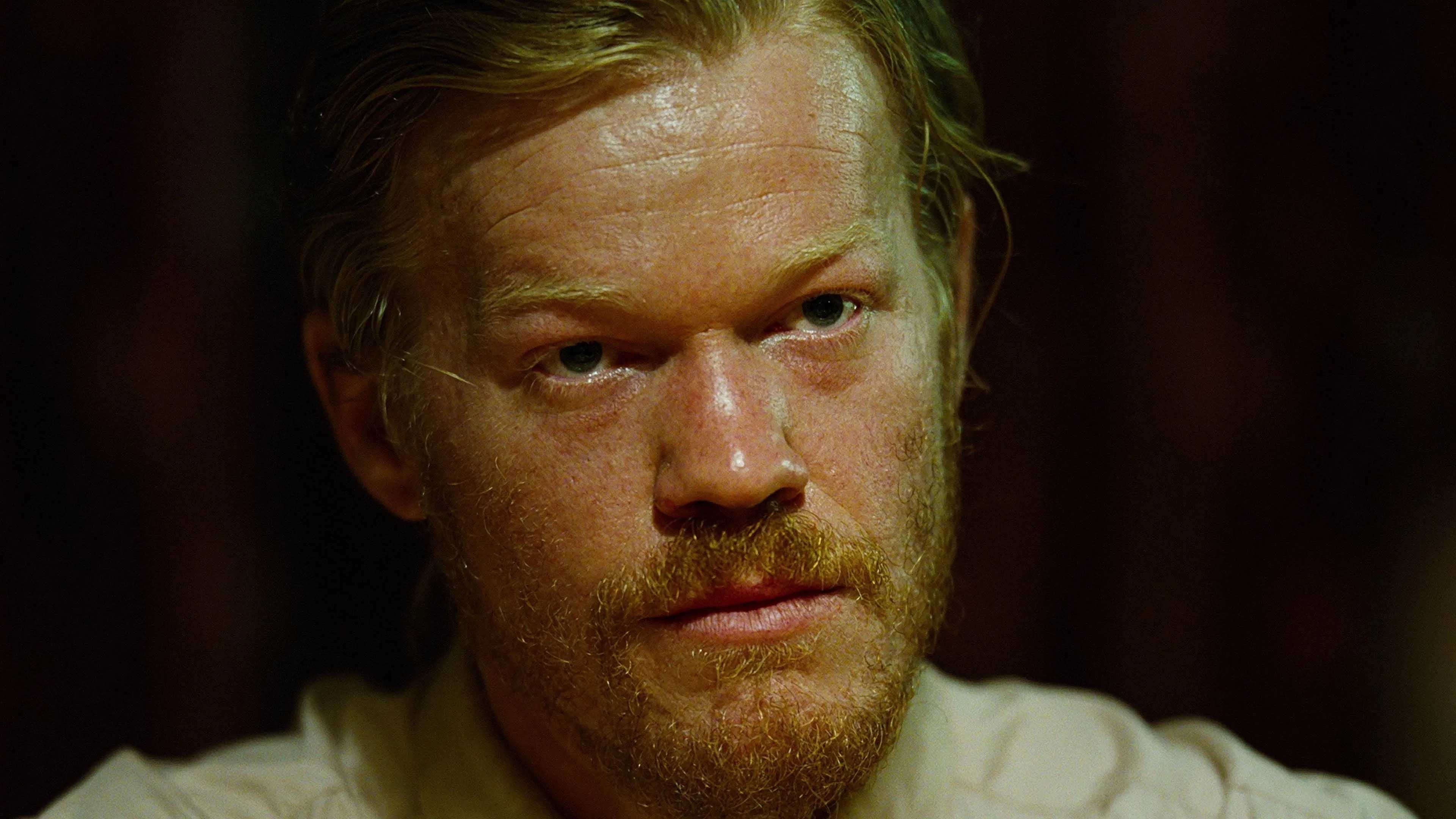
Michael B. Jordan is one of this year's debuting nominees for his work in Ryan Coogler's Sinners. He has had to work twice as hard as most, as he plays identical twins 'Elijah 'Smoke' Moore and Elias 'Stack' Moore in this gangsters meet vampires romp set in 1930s Mississippi. Peter Sellers won the BAFTA for Best Actor for playing three roles - Group Captain Lionel Mandrake, Dr Strangelove, and President Merkin Muffley in Stanley Kubrick's Dr Strangelove, or How I Learned to Stop Worrying and Love the Bomb. Indeed, he would also have played Major Kong if he hadn't sprained an ankle. Sellers's citation also included Blake Edwards's The Pink Panther (both 1964) and Lee Marvin was also doubly nominated for Don Siegel's The Killers and Eliot Silverstein's Cat Ballou (1965), which also earned Marvin an Oscar for his work as drunken gunfighter, Kid Shelleen, and murderous outlaw, Tim Strawn.
Another winner taking multiple roles was Marcello Mastroianni, who played Carmine Sbaratti, Renzo, and Augusto Rusconi in the vignettes making up Yesterday, Today and Tomorrow (1963). But Jeremy Irons contented himself with essaying actor Mike and character Charles Henry Smithson in The French Lieutenant's Woman, while Nicolas Cage doubled up in Adaptation, as Charlie and Donald Kaufman and Jake Gyllenhaal did likewise as Edward Sheffield and Tony Hastings in Nocturnal Animals (2016). Others merely assumed identities, such as Anthony Quayle's Captain van der Poel and Hauptmann Otto Lutz in Ice Cold in Alex (1958), Jack Lemmon as Jerry and Daphne in Some Like It Hot (1959), Yves Montand's Jean-Marc Clement and Alexander Dumas in Let's Make Love (1960), Dustin Hoffman's Michael Dorsey and Dorothy Michaels in Tootsie (1982), Eddie Redmayne's Einar Wegener and Lily Elbe in The Danish Girl (2015), Joaquin Phoenix's Arthur Fleck and Joker in Joker, and Daryl McCormack's Conor and Leon in Good Luck to You, Leo Grande (2022).
While aspiring to becoming club owners, the Moores are no strangers to gangland and the seedier side of crime has also led to BAFTA Best Actor nominations for Lee Marvin in The Killers, Marlon Brando in The Godfather (1972), Al Pacino in The Godfather Part II (1974), Burt Lancaster in Atlantic City, Bob Hoskins in The Long Good Friday (both 1980), Robert De Niro in GoodFellas (1990), John Travolta in Pulp Fiction (1994), Daniel Day-Lewis in Gangs of New York (2002), and Viggo Mortensen in Eastern Promises (2007).
Rounding off the alphabetical list is Jesse Plemons, who plays conspiracy theorist and kidnapper Teddy Gatz in Yorgos Lanthimos's Bugonia. Despite being lauded at the Venice Film Festival, Plemons was overlooked by the AMPAS electorate, which only has five slots available to it. The recognition marks a step up for the Dallasite (who is married to Kirsten Dunst), as he was nominated in the Best Supporting category for The Power of the Dog.
Although there are echoes of the abduction plotline in Martin Scorsese's The King of Comedy (1983), which earned Jerry Lewis a BAFTA nomination, we're going to go down the sci-fi line, even though it's not a genre that has spawned many Best Actor nods. Indeed. we're pushing the line to include Jim Carrey for Eternal Sunshine of the Spotless Mind (2004) and Brad Pitt in The Curious Case of Benjamin Button (2008). In fact, only Matt Damon's stranded astronaut in The Martian (2015) and Leonardo DiCaprio's astronomy professor in the sci-fi satire, Don't Look Up (2021), really fit the bill. So, bear this in mind when casting your vote in the Cinema Paradiso prediction game - but don't blame us if the BAFTA bods spring a surprise!
BEST ACTRESS
After Jennifer Lawrence (Die My Love), Andrea Riseborough (Dragonfly), Cynthia Erivo ( Wicked: For Good ) and Tessa Thompson (Hedda) fell by the wayside after the longlist was whittled down, the Best Actress category was left without a British name for the first time since 2020, when the berths were occupied by Renée Zellweger ( Judy ), Jessie Buckley ( Wild Rose ), Scarlett Johansson (Marriage Story), Saoirse Ronan ( Little Women ), and Charlize Theron ( Bombshell ).
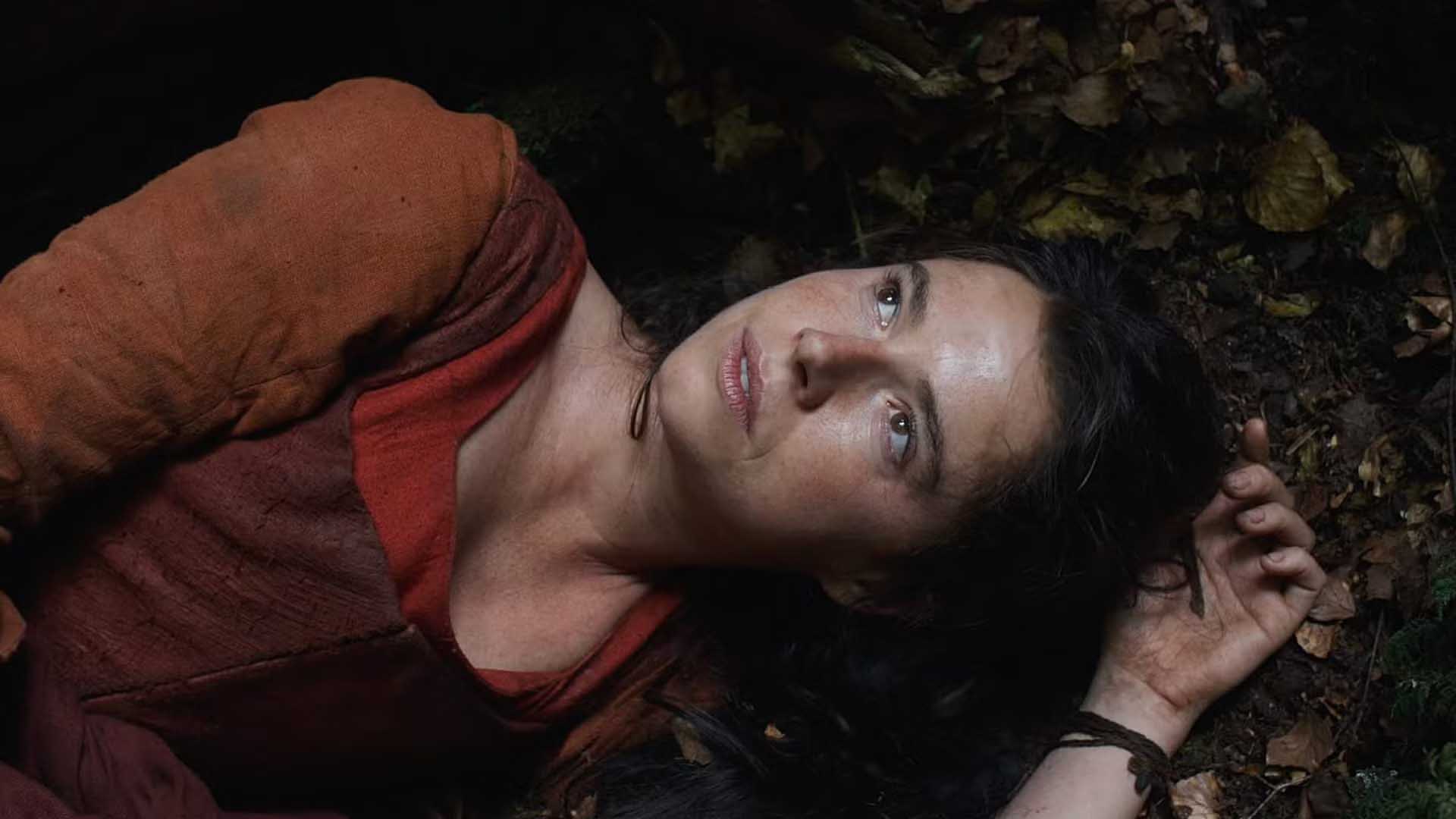
Jessie Buckley returns for the 2026 ceremony and the RADA-trained 38 year-old from Killarney, County Kerry will be the bookies' favourite to add a BAFTA to the Golden Globe she has already won for playing Agnes Hathaway in Hamnet. If the votes go her way, Buckley will become BAFTA's first Irish Best Actress after Saoirse Ronan (Atonement, Brooklyn, Lady Bird, & The Outrun ), Buckley herself (Wild Rose), Ruth Negga ( Passing ), and Caitríona Balfe, Belfast ) all came close. There has been success in Best Supporting Actress, however. as Kerry Condon was named Best Supporting Actress for The Banshees of Inisherin (2023) after Niamh Algar had been nominated for Calm With Horses (2021). The omens for Buckley are good, as Jane Fonda won for playing a great writer's partner, Lillian Hellman (and a fine playwright in her own right), who lived with hard-boiled crime writer, Dashiell Hammett (Jason Robards, Jr.) in Fred Zinnemann's Julia (1977). Two nominees fell short in 1993, with Miranda Richardson playing Vivienne Haigh-Wood. the first wife of T.S. Eliot (Willem Dafoe), in Tom & Viv and Debra Winger essaying Joy Gresham opposite Anthony Hopkins's C.S. Lewis in Shadowlands. We should also mention that Gwyneth Paltrow also missed out as Viola de Lesseps in Shakespeare in Love, even though she went on to win the Academy Award. Judi Dench won the BAFTA as Iris Murdoch in Iris (2001), although her literary fame was much greater than that of her academic husband, John Bayley (Jim Broadbent). And the same was true of Virginia (Nicole Kidman, who also won) and Leonard Woolf (Stephen Dillane) in The Hours (2002) and Marilyn Monroe (Michelle Williams) and Arthur Miller (Dougray Scott) in My Week With Marilyn. As Alfred Hitchcock (Anthony Hopkins) often worked uncredited on his screenplays, we'll also include Hitchcock (both 2012) to namecheck the unsung Alma Reville (Helen Mirren), while also bending the rules to include Jane Wilde Hawking (Felicity Jones in The Theory of Everything, 2014) and Felicia Montealegre (Carey Mulligan in Maestro, 2023).
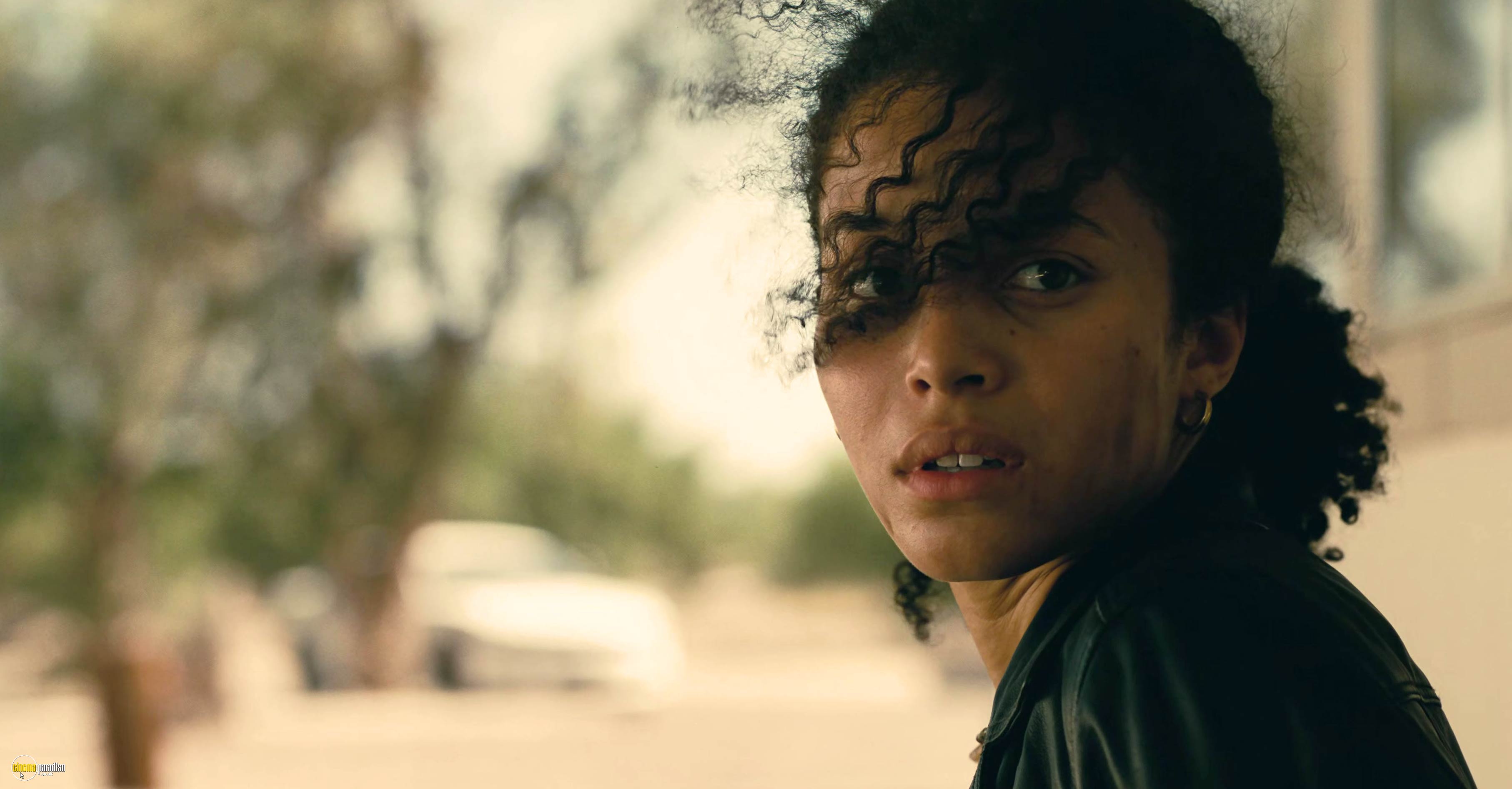
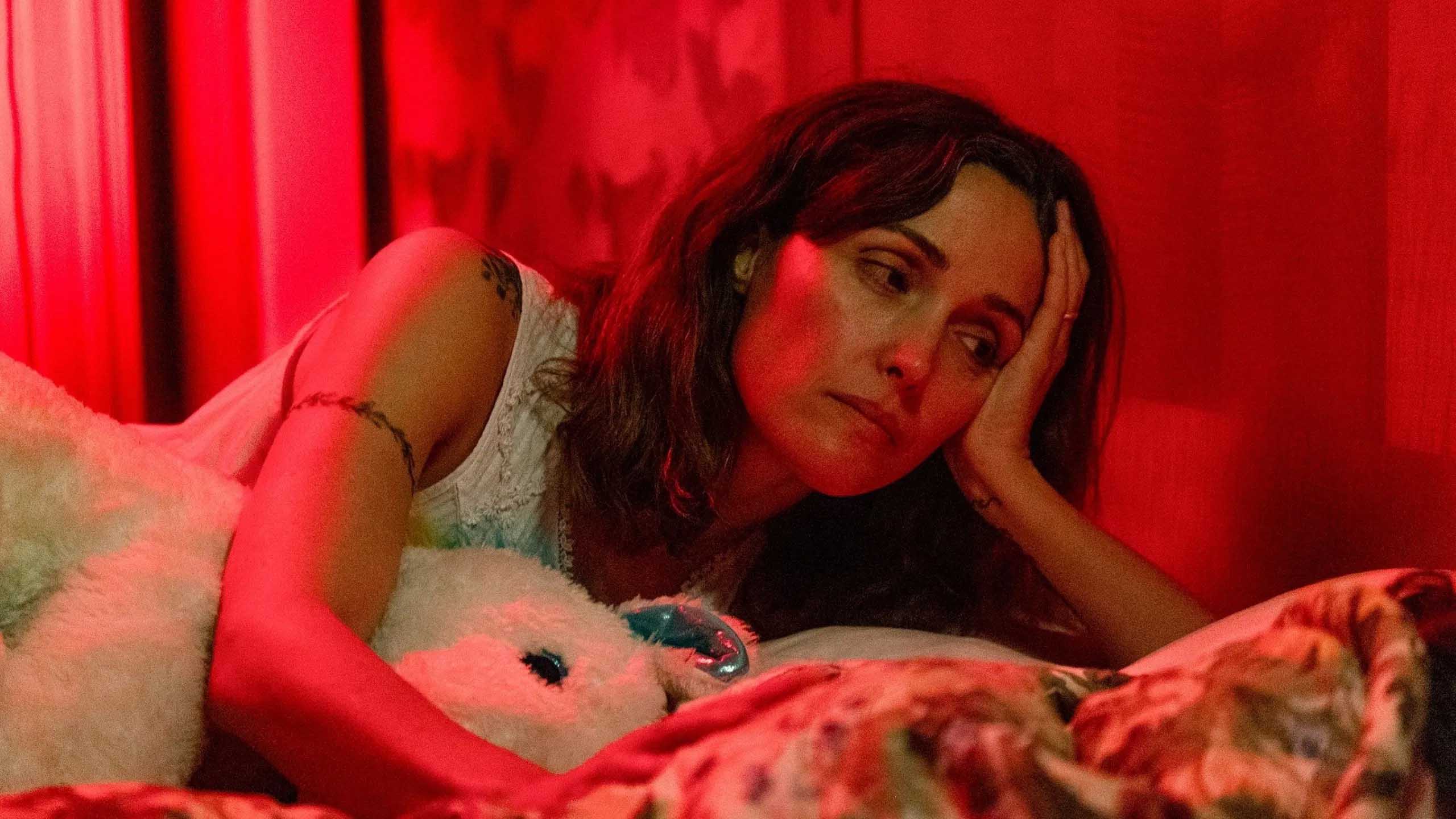
Nominated for Mary Bronstein's If I Had Legs I'd Kick You, Rose Byrne could become the third Australian to win the BAFTA for Best Actress after Nicole Kidman (The Hours) and Cate Blanchett ( Elizabeth & Tár ). The role of Linda has already brought Byrne a Silver Bear at Berlin and a Golden Globe, while she is also in the running for the Academy Award. However, as the film is only released in the UK two days before the ceremony at the Royal Festival Hall, there has been little buzz about Byrne's performance in the press and this may count against her. Yet, the film has been produced by Marty Supreme's Josh Safdie and Ronald Bronstein (the director's husband) and it's surprising that more hasn't been made of the potential Chalamet/Byrne double win.
With her husband (Christian Slater) absent and her daughter suffering (off screen) from a mysterious ailment, Linda is forced to move to a motel after a hole opens up in her apartment. She works as a therapist and tries her best to help people who often don't want to help themselves. But she starts to fray because no one seems to want to support her. This puts Byrne in the company of a number of BAFTA nominees who have played mothers in extremis, starting with Phyllis Calvert in Mandy (1952) and Yvonne Mitchell and Cornell Borchers, who won the Best British and Best Foreign Actress awards as the adoptive and birth mother of a war orphan in The Divided Heart (1954).
Also fitting this bill are Sophia Loren ( Two Women, 1961), Janet Munro ( Life For Ruth, 1962), Anne Bancroft ( The Pumpkin Eater, 1964), Julie Christie ( Don't Look Now ), Joanne Woodward (Summer Wishes, Winter Dreams, both 1973), Ellen Burstyn ( Alice Doesn't Live Here Anymore, 1975), Mary Tyler Moore ( Ordinary People, 1980), Meryl Streep ( Sophie's Choice, 1982), Brenda Blethyn ( Secrets & Lies, 1996), Emily Watson ( Angela's Ashes, 1999), Kate Winslet ( Little Children, 2006), Angelina Jolie ( Changeling, 2008), Tilda Swinton ( We Need to Talk About Kevin, 2011), Judi Dench ( Philomena, 2013), Brie Larson ( Room, 2015), Frances McDormand ( Three Billboards Outside Ebbing, Missouri, 2017), Scarlett Johansson (Marriage Story, 2019), Vanessa Kirby ( Pieces of a Woman, 2020), and Danielle Deadwyler ( Till, 2022).
Having previously been nominated for her turn as Penny Lane in Almost Famous (2001), Kate Hudson has a second shot to go one better than mother Goldie Hawn, who was joint-nominated for Best Actress for Cactus Flower (1969) and There's a Girl in My Soup (1970). Hudson already has Golden Globe and Oscar nominations for her work as Claire Sardina in Craig Brewer's Song Sung Blue, but she is something of a long shot for a drama inspired by Greg Kohs's 2008 documentary of the same name about about Milwaukee marrieds, Mike (Hugh Jackman) and Claire Sardina, and their Neil Diamond tribute group, Lightning & Thunder.
Michael Imperioli co-stars as a Buddy Holly impersonator named Mark, while Mustafa Shakir plays a James Brown act called Sex Machine. Claire starts out doing Patsy Cline covers, which lets Hudson follow in the footsteps of Sissy Spacek, as she was nominated (and won an Oscar) for playing Loretta Lynn in Coal Miner's Daughter (1980). Other nominated for playing singers include Judy Garland ( A Star Is Born, 1954), Julie Andrews ( The Sound of Music, 1965), Liza Minnelli ( Cabaret ), Diana Ross (Lady Sings the Blues, both 1972), Bette Midler ( The Rose, 1979), Michelle Pfeiffer ( The Fabulous Baker Boys, 1989), Jane Horrocks (Little Voice, 1998), Reese Witherspoon (Walk the Line, 2005), Marion Cotillard ( La Vie en Rose, 2007), Meryl Streep ( Florence Foster Jenkins, 2016), Lady Gaga ( A Star Is Born, 2018), Renée Zellweger (Judy), Jessie Buckley (Wild Rose, both 2019), and Emilia Jones ( CODA, 2021).
Adding a Rising Star nod to her Best Actress nomination for her performances as Willa Ferguson in One Battle After Another, Chase Infiniti has gone some way to making up for being snubbed by AMPAS. She joins Keisha Castle-Hughes ( Whale Rider, 2003), Catalina Sandino Moreno ( Maria Full of Grace, 2004), and Gabourey Sidibe ( Precious, 2009) in being nominated for her debut feature. Neither of them, however. were named after Chase Meridian (Nicole Kidman) from Batman Forever and Buzz Lightyear's catchphrase from Toy Story (both 1995). Infiniti doesn't use her surname, Payne, which puts her on a par with Cher (aka Cheryl Sarkisian), who was nominated for Moonstruck (1987), for which she also won the Oscar. A karate class helped Infinit convince Paul Thomas Anderson to cast her, although she still has a way to go to match the martial artistry of Michelle Yeoh, who was nominated for Crouching Tiger, Hidden Dragon (2000) and Everything Everywhere All At Once (2022) or Zhang Ziyi (who was also nominated for Memoirs of a Geisha, 2005) in House of Flying Daggers (2004). Think more in terms of Uma Thurman in Kill Bill: Volume 1 (2003).
Previously nominated for Joachim Trier's The Worst Person in the World (2021), for which she also won the Best Actress prize at Cannes, Norwegian Renate Reinsve is hoping to go one better for her display as Nora Borg in the same director's Sentimental Value. Obviously, a number of continental performers were nominated when Best Actress was divided into British and Foreign categories prior to the 22nd BAFTAs in 1968. But Reinsve is in fine company in recent times, along with Karla Sofía Gascón (Emilia Pérez, 2024), Sandra Hüller ( Anatomy of a Fall, 2023), Emmanuelle Riva ( Amour, 2012), Marion Cotillard (La Vie en Rose, 2007), Penélope Cruz ( Volver, 2006), Zhang Ziyi (House of Flying Daggers, 2004), Michelle Yeoh (Crouching Tiger, Hidden Dragon, 2000), Irène Jacob (Three Colours: Red, 1994), and Stéphane Audran ( Babette's Feast, 1987 & The Discreet Charm of the Bourgeoisie, 1972 & Just Before Nightfall, 1971).
As she plays an actress in Trier's dramedy, she also joins the ranks of Demi Moore (The Substance, 2024), Carey Mulligan (Maestro), Ana de Armas (Blonde, 2022), Renée Zellweger (Judy), Lady Gaga (A Star Is Born), Annette Bening ( Film Stars Don't Die in Liverpool, 2017 & Being Julia, 2004), Emma Stone (La La Land), Michelle Williams (My Week With Marilyn), Bérénice Bejo (The Artist), Marion Cotillard (La Vie en Rose), Shirley MacLaine ( Postcards From the Edge, 1990), Jessica Lange (Tootsie), Meryl Streep (The French Lieutenant's Woman), Maggie Smith ( California Suite, 1978), Diane Keaton ( Annie Hall, 1977), Barbra Streisand ( Funny Girl, 1968), Joan Crawford and Bette Davis ( What Ever Happened to Baby Jane? ), Geraldine Page (Sweet Bird of Youth, both 1962), and Judy Garland (A Star Is Born), who were also nominated for playing performers.
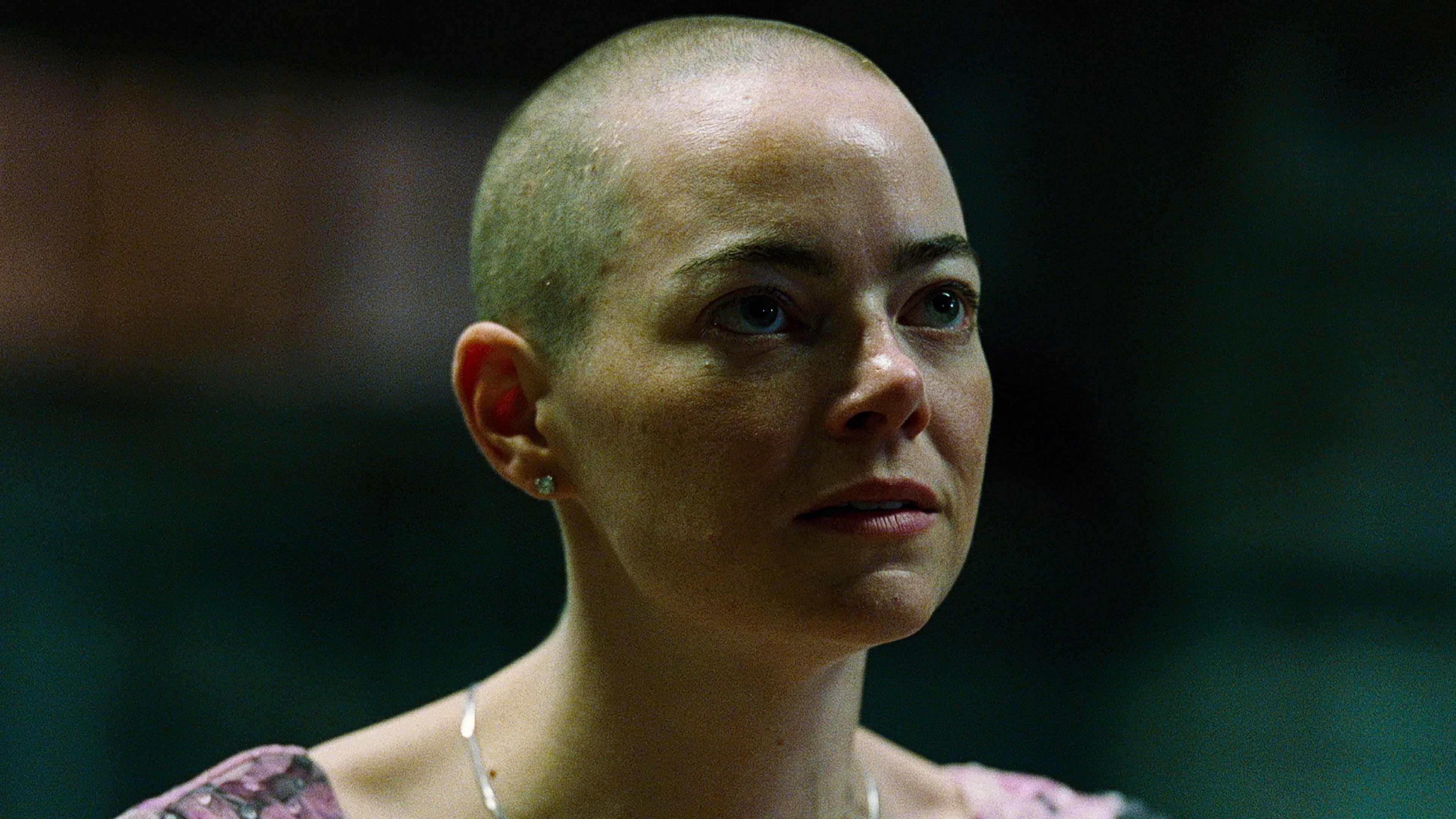
Should Emma Stone win for her display as Michelle Fuller in Bugonia. she would become the youngest woman to win three BAFTAs for Best Actress after having triumphed in La La Land (2016) and Poor Things (2023). She also has Best Supporting nominations for Birdman or (The Unexpected Virtue of Ignorance) (2015) and The Favourite (2017), which was also directed by Yorgos Lantimos, with whom Stone has also made the short, Bleat (2022), and Kinds of Kindness (2024). Not bad for someone who lost out for the 2010 Rising Star award to Tom Hardy, along with Gemma Arterton, Andrew Garfield, and Aaron Taylor-Johnson.
Like Leonardo DiCaprio and Chase Infiniti, Stone has been nominated alongside Best Actor contender, Jesse Plemons. This match-up has happened numerous times in BAFTA history. Back in the day when there were four categories for Best British and Foreign Actor and Actress, co-stars were regularly nominated in one way or another. Among them were Ralph Richardson and Ann Todd for David Lean's The Sound Barrier (1952); Trevor Howard and Maria Schell for The Heart of the Matter and Gregory Peck and Audrey Hepburn for Roman Holiday (both 1953); John Mills and Brenda De Banzie for Hobson's Choice (1954); François Perrier and Maria Schell for Gervaise, Kenneth More and Dorothy Allison for Reach For the Sky, Gunnar Björnstrand and Eva Dahlbeck for Smiles of a Summer Night, Karl Malden and Carroll Baker for Baby Doll, and Laurence Olivier and Marilyn Monroe for The Prince and the Showgirl (all 1957); Donald Wolfit, Simone Signoret, and Hermione Baddeley for Room At the Top, Curd Jürgens and Ingrid Bergman for The Inn of the Sixth Happiness, Paul Newman and Elizabeth Taylor for Cat on a Hot Tin Roof (all 1958); Peter Finch, Audrey Hepburn, and Peggy Ashcroft for The Nun's Story (1959); Burt Lancaster and Jean Simmons in Elmer Gantry, Albert Finney and Rachel Roberts in Saturday Night and Sunday Morning, Richard Attenborough and Pier Angeli in The Angry Silence (all 1960); Paul Newman and Piper Laurie in The Hustler, Marcello Mastroianni and Daniela Rocca in Divorce Italian Style, and Sidney Poitier and Claudia McNeil in A Raisin in the Sun (all 1961); Tom Courtenay and Julie Christie in Billy Liar and Albert Finney, Hugh Griffith, and Edith Evans in Tom Jones, Richard Harris and Rachel Roberts in This Sporting Life, Paul Newman and Patricia Neal in Hud, Jack Lemmon and Lee Remick in Days of Wine and Roses, and Cary Grant and Audrey Hepburn in Charade (all 1963); Anthony Quinn and Lila Kedrova in Zorba the Greek (1964); Lee Marvin and Jane Fonda in Cat Ballou and Oskar Werner and Simone Signoret in Ship of Fools, Ralph Richardson and Julie Christie in Doctor Zhivago (all 1965); and David Warner and Vanessa Redgrave for Morgan - A Suitable Case For Treatment (1966).
All but one of these titles is available to rent from Cinema Paradiso and users can also catch up on such BAFTA-winning co-stars as Ernest Borgnine and Betsy Blair in Marty (1955), Peter Finch and Virginia McKenna in A Town Like Alice (1956), Jack Lemmon and Shirley MacLaine in The Apartment (1960), Dirk Bogarde and Julie Christie in Darling (1965), and Richard Burton and Elizabeth Taylor in Who's Afraid of Virginia Woolf? (1966), who are the only married co-winners to date. However, the rules changed in 1967 and the merger of the categories meant there were only five berths available in Best Actor and Best Actress. Consequently, the amount of overlapping diminished, but some memorable pairings were still rewarded, including Spencer Tracy and Katharine Hepburn in Stanley Kramer's Guess Who's Coming to Dinner (1967), which made Tracy the first posthumous winner of the BAFTA for Best Actor.
Taking us to the end of the century, there were plenty more Actor/Actress match-ups, including Dustin Hoffman and Mia Farrow in John and Mary, Walter Matthau and Barbra Streisand in Hello, Dolly!, and Alan Bates and Glenda Jackson for Women in Love (all 1969); Robert Shaw and Anne Bancroft in Young Winston (1972); Donald Sutherland and Julie Christie in Don't Look Now (1973); Jack Nicholson and Faye Dunaway in Chinatown, Dustin Hoffman and Valerie Perrine in Lenny (both 1974); Peter Finch, William Holden, and Faye Dunaway in Network (1976); Woody Allen and Diane Keaton in Annie Hall; Richard Dreyfuss and Marsha Mason in The Goodbye Girl (both 1977); Woody Allen and Diane Keaton in Manhattan; Robert De Niro and Meryl Streep in The Deer Hunter, Dustin Hoffman and Meryl Streep in Kramer vs Kramer and Peter Sellers and Shirley MacLaine in Being There (all 1979); Jeremy Irons and Meryl Streep in The French Lieutenant's Woman, Henry Fonda and Katharine Hepburn in On Golden Pond, and Warren Beatty and Diane Keaton in Reds (all 1981); Jack Lemmon and Sissy Spacek in Missing, Dustin Hoffman and Jessica Lange in Tootsie (both 1982); Victor Banerjee and Peggy Ashcroft in A Passage to India (1984); Harrison Ford and Kelly McGillis in Witness (1985), Bob Hoskins and Cathy Tyson in Mona Lisa, Woody Allen, Michael Caine, and Mia Farrow in Hannah and Her Sisters (all 1986); John Cleese, Kevin Kline, and Jamie Lee Curtis in A Fish Called Wanda (1988); Alan Rickman and Juliet Stevenson in Truly, Madly, Deeply (1991); Anthony Hopkins and Emma Thompson in The Remains of the Day, Anthony Hopkins and Debra Winger in Shadowlands (both 1993); John Travolta and Uma Thurman in Pulp Fiction (1994); Nigel Hawthorne and Helen Mirren in The Madness of King George, Nicolas Cage and Elisabeth Shue in Leaving Las Vegas (both 1994); Ralph Fiennes and Kristin Scott Thomas in The English Patient, Timothy Spall and Brenda Blethyn in Secrets & Lies (both 1996); Billy Connolly and Judi Dench in Mrs Brown; Ray Winstone and Kathy Burke in Nil By Mouth, and Kevin Spacey and Kim Basinger in L.A. Confidential (all 1997); Michael Caine and Jane Horrocks in Little Voice, Joseph Fiennes and Gwyneth Paltrow in Shakespeare in Love (both 1998); Joseph Fiennes and Julianne Moore in The End of the Affair , Om Puri and Linda Bassett in East Is East (both 1999).
There were a few co-winners in this period, too. Robert Redford and Katharine Ross won for their dual pairings in Butch Cassidy and the Sundance Kid and Tell Them Willie Boy Is Here (both 1969) and they were followed by Peter Finch and Glenda Jackson in Sunday Bloody Sunday, Jack Nicholson and Louise Fletcher in One Flew Over the Cuckoo's Nest (1975), Jack Lemmon and Jane Fonda in The China Syndrome (1979), Michael Caine and Julie Walters in Educating Rita (1982), Anthony Hopkins and Jodie Foster in The Silence of the Lambs (1991), and Kevin Spacey and Annette Bening in American Beauty (1999). Since the millennium, however, there has only been one winning pair and that was Bill Murray and Scarlett Johansson for Lost in Translation.
Among the most recent runners-up are Jim Broadbent and Judi Dench in Iris, Tom Wilkinson and Sissy Spacek in In the Bedroom (both 2000); Benicio Del Toro and Naomi Watts in 21 Grams (2003); Jim Carrey and Kate Winslet in Eternal Sunshine of the Spotless Mind; Ralph Fiennes and Rachel Weisz in The Constant Gardener, Joaquin Phoenix and Reese Witherspoon in Walk the Line (both 2004); James McAvoy and Keira Knightley in Atonement; Jeff Bridges and Hailee Steinfeld in True Grit (2010); Jean Dujardin and Bérénice Bejo in The Artist; Christian Bale and Amy Adams in American Hustle (2013); Eddie Redmayne and Felicity Jones in The Theory of Everything; Eddie Redmayne and Alicia Vikander in The Danish Girl; Emma Stone and Ryan Gosling in La La Land; Jamie Bell and Annette Bening in Film Stars Don't Die in Liverpool (2017); Adam Driver and Scarlett Johansson in Marriage Story; and Daryl McCormack and Emma Thompson in Good Luck to You, Leo Grande (2022). Bradley Cooper has been nominated with co-stars on three separate occasions, with Jennifer Lawrence in Silver Linings Playbook, Lady Gaga in A Star Is Born, and Carey Mulligan in Maestro.
BEST SUPPORTING ACTOR
Only introduced into the BAFTA roster in 1968, the Best Supporting categories have always been less predictable than those for the leading roles. Despite being nominated for an Oscar, 73 year-old Lewishamite Delroy Lindo has been spurned by the British Academy for his performance in Sinners. Adam Sandler (Jay Kelly), Andrew Scott (Blue Moon), and Alexander Skarsgård (Pillion) have also missed the boat, which is a shame as the latter would have found himself competing with his father.
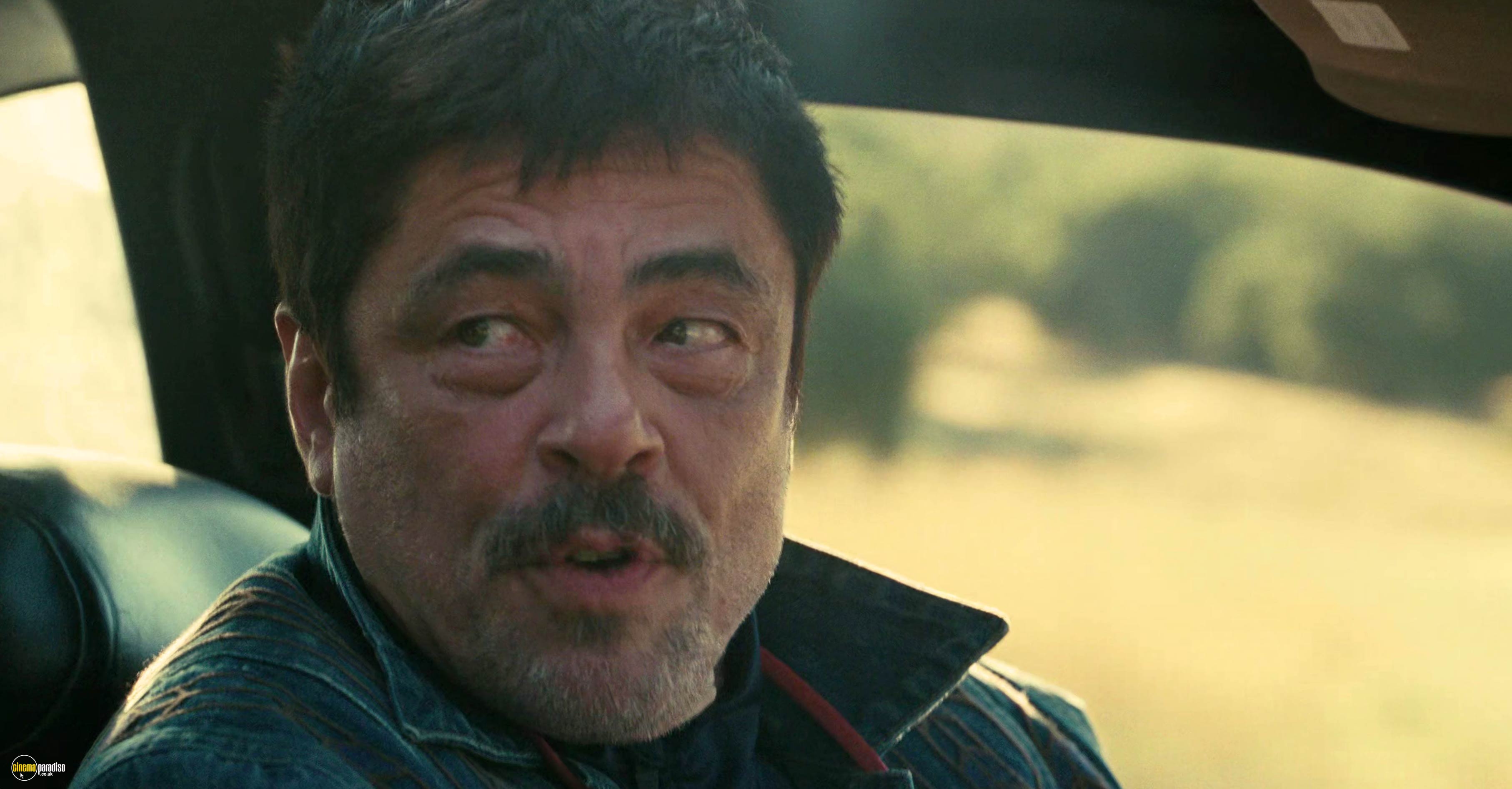
Of the six runners, two are unrelated to the Best Film nominees (although one of those is linked to Best Actor), while two come from the same picture. The first of these is Puerto Rico's Benicio del Toro, whose nomination for playing Sensei Sergio St Carlos in One Battle After Another is his third in this category, having won for Traffic (2001) and come close for Sicario (2015). He also has a Best Actor nod for 21 Grams (2004). Having won the Golden Globe, Del Toro could be considered favourite, although Sean Penn might think otherwise, having excelled as Colonel Steven J. Lockjaw. This is his first Best Supporting citation, although he has previous in the Best Actor stakes for 21 Grams, Mystic River (both 2004), and Milk (2009). Interestingly, even though the latter pair brought him Oscars, Penn has never won a BAFTA and the odds suggest that underdogs never prosper, as Edward Fox beat Michael Gough for The Go-Between (1971) and the same subsequently happened to Ian Holm and Nigel Havers for Chariots of Fire (1981), Ralph Fiennes and Ben Kingsley for Schindler's List (1993), Tom Wilkinson and Mark Addy for The Full Monty (1997), Geoffrey Rush and Tom Wilkinson for Shakespeare in Love (1998), Javier Bardem and Tommy Lee Jones for No Country For Old Men (2007), Sam Rockwell and Woody Harrelson for Three Billboards Outside Ebbing, Missouri (2017), and Barry Keoghan and Brendan Gleeson in The Banshees of Inisherin (2022).
Other co-categorians have cancelled each other out, including Martin Balsam and Jason Robards, Jr. for All the President's Men (1976), Edward Fox and Roshan Seth for Gandhi, Ian Holm and Ralph Richardson for Greystoke: The Legend of Tarzan, Lord of the Apes (1984), Simon Callow and Denholm Elliott for A Room With a View (1985), Simon Callow and John Hannah for Four Weddings and a Funeral (1994), Joaquin Phoenix and Oliver Reed for Gladiator (2000), Steve Carell and Mark Ruffalo for Foxcatcher (2014), Al Pacino and Joe Pesci in The Irishman (2019), and Jesse Plemons and Kodi Smit-McPhee in The Power of the Dog (2021). In 2005, George Clooney even managed a double blank for Good Night, and Good Luck and Syriana even though the latter would bring him an Oscar.
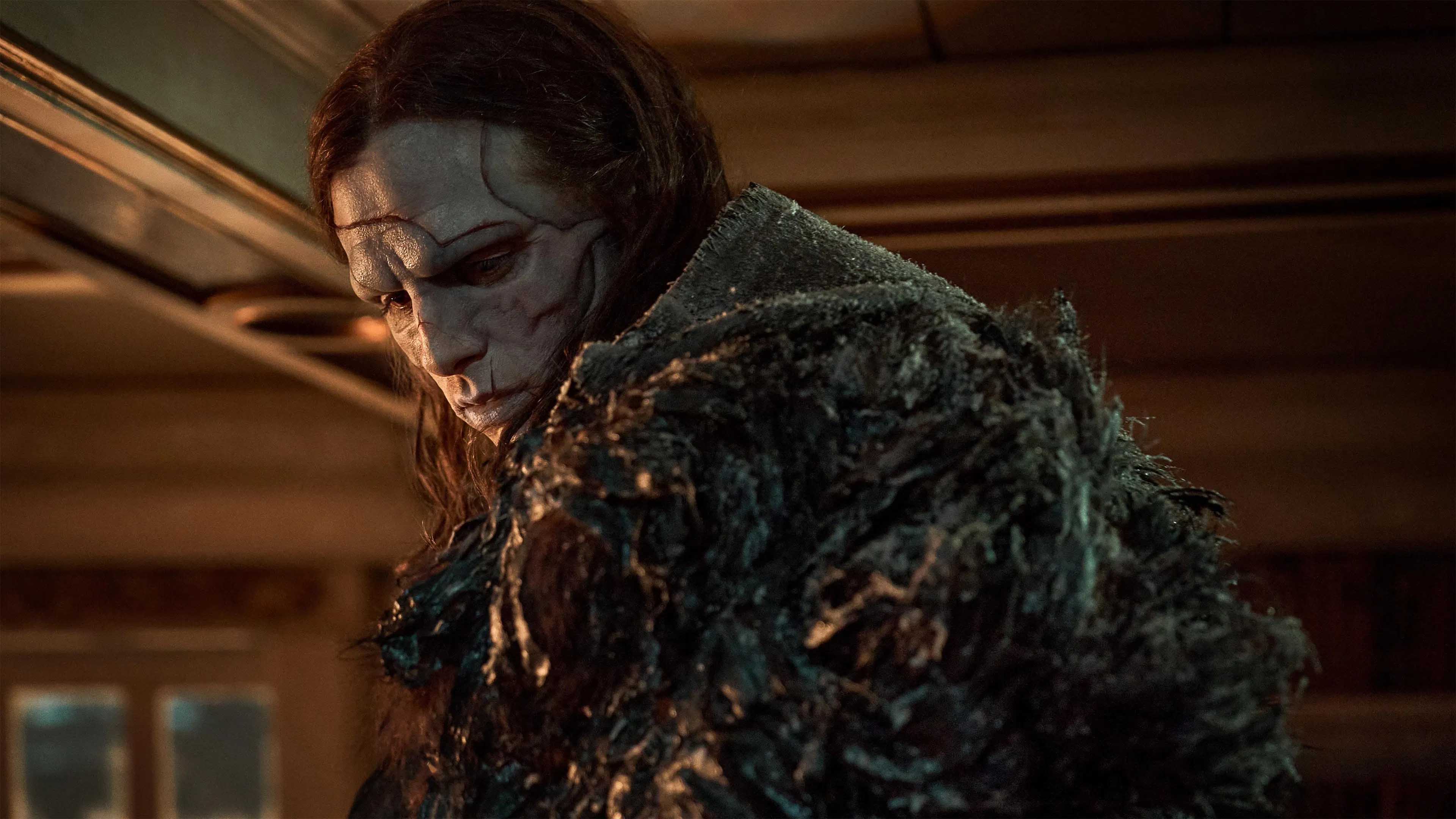
The lone wolf in this year's pack is Jacob Elordi, who played The Creature opposite Oscar Isaac in Guilermo Del Toro's Frankenstein. If he wins (and he previously failed with Saltburn, 2023), he would become the third Australian to clinch the award after Geoffrey Rush for Shakespeare in Love and The King's Speech and Heath Ledger, who won posthumously for Christopher Nolan's The Dark Knight (2008). In landing his first award, Rush beat himelf for Elizabeth, while Guy Pearce also missed out for The Brutalist (2024). Horror has yet to yield a winner in this category, as both Willem Dafoe ( Shadow of the Vampire, 2000) and Ian McKellen ( Gods and Monsters, 1998) each came up short for respectively playing Nosferatu (1922) star Max Schreck and Frankenstein (1931) director, James Whale.
Despite not making the Oscar cut, Paul Mescal has snagged a third BAFTA nomination for his work as the Bard in Hamnet. He had previously been nominated for Best Actor for Aftersun (2022) and Best Supporting for All of Us Strangers (2023). Now he hopes to join Ray McAnally ( The Mission, 1986 & My Left Foot) and Barry Keoghan (The Banshees of Inisherin) in becoming the third Irish winner in this category, after Brendan Gleeson (The Banshees of Inisherin & In Bruges, 2008), Ciarán Hinds (Belfast), Barry Keoghan (Calm With Horses, 2021), Michael Fassbender (12 Years a Slave), Andrew Strong ( The Commitments, 1991), and John Huston ( Chinatown, 1974) had all missed out.
Peter Mullan will have to hope that Scots have more luck than the Irish, as he competes having played caretaker Tommy Trotter in I Swear. No one from north of the border has yet to win a BAFTA in this category, with the nearly men numbering Ian Bannen ( The Offence, 1973 & Hope and Glory, 1987), Sean Connery ( The Untouchables, 1987 & Indiana Jones and the Last Crusade, 1988), John Hannah (Four Weddings and a Funeral), Gary Lewis (Billy Elliot), Robbie Coltrane ( Harry Potter and the Philosopher's Stone, 2001), and James McAvoy ( The Last King of Scotland, 2006). Maybe it's Mullan's year, although the chances of him and co-star Robert Aramayo prevailing seem slim.
In bygone days, Best Actor and Best Supporting Actor proved a winning combination for Jack Nicholson and Brad Dourif in One Flew Over the Cuckoo's Nest (1975). Subsequently, John Cleese and Michael Palin paired up in A Fish Called Wanda, with Kevin Kline missing out, as did Daniel Day Lewis and Ray McAnally in My Left Foot (1989); Philippe Noiret and Salvatore Cascio in Cinema Paradiso (1988); Robert Carlyle and Tom Wilkinson in The Full Monty, with Mark Addy falling short; Colin Firth and Geoffrey Rush in The King's Speech; and Cillian Murphy and Robert Downey, Jr. for Oppenheimer (2023).
But there have been more examples of only one or neither co-star picking up a prize, going back to Marlon Brando and Robert Duvall for The Godfather (1972). The others to the turn of the century are Jack Nicholson and Randy Quaid for The Last Detail (1973); Albert Finney and John Gielgud for Murder on the Orient Express; Dustin Hoffman, Jason Robards, Jr., and Martin Balsam for All the President's Men and Peter Finch, William Holden, and Robert Duvall for Network (both 1976); Brad Davis and John Hurt for Midnight Express and Robert De Niro and Christopher Walken for The Deer Hunter (both 1978); Warren Beatty and Jack Nicholson for Reds; Ben Kingsley, Edward Fox, and Roshan Seth for Gandhi; Michael Caine and Bob Hoskins for The Honorary Consul and Robert De Niro and Jerry Lewis for The King of Comedy (both 1983); Daniel Auteuil, Gérard Depardieu, and Yves Montand for Jean de Florette; Stephen Rea and Jaye Davidson for The Crying Game; Liam Neeson, Ralph Fiennes, and Ben Kingsley for Schindler's List; Hugh Grant, Simon Callow, and John Hannah for Four Weddings and a Funeral, John Travolta and Samuel L. Jackson for Pulp Fiction, Nigel Hawthorne and Ian Holm for The Madness of King George (both 1994); Geoffrey Rush and John Gielgud for Shine; Joseph Fiennes, Geoffrey Rush, and Tom Wilkinson for Shakespeare in Love; Kevin Spacey and Wes Bentley for American Beauty and Jim Broadbent and Timothy Spall for Topsy-Turvy (1999).
Since the turn of the millennium, the partnerships have included Russell Crowe, Joaquin Phoenix, and Oliver Reed for Gladiator and Jamie Bell and Gary Lewis for Billy Elliot; Jim Broadbent and Hugh Bonneville for Iris; Nicolas Cage and Chris Cooper for Adaptation; Sean Penn and Tim Robbins for Mystic River; Leonardo DiCaprio and Alan Alda for The Aviator and Gael García Bernal and Rodrigo de la Serna for The Motorcycle Diaries (2004); Heath Ledger and Jake Gyllenhaal for Brokeback Mountain, George Clooney and David Strathairn for Good Night, and Good Luck (2005); Forest Whitaker and James McAvoy for The Last King of Scotland, Peter O'Toole and Leslie Phillips for Venus, Leonardo DiCaprio and Jack Nicholson for The Departed (all 2006); George Clooney and Tom Wilkinson for Michael Clayton, Daniel Day Lewis and Paul Dano for There Will Be Blood (both 2007); Jesse Eisenberg and Andrew Garfield for The Social Network; Brad Pitt and Jonah Hill for Moneyball (2011); Ben Affleck and Alan Arkin for Argo, Daniel Day Lewis and Tommy Lee Jones for Lincoln, Joaquin Phoenix and Philip Seymour Hoffman for The Master (both 2012); Chiwetel Ejiofor and Michael Fassbender for 12 Years a Slave and Christian Bale, Bradley Cooper for American Hustle; Michael Keaton and Edward Norton for Birdman or (The Unexpected Virtue of Ignorance) ; Jake Gyllenhaal and Aaron Taylor-Johnson for Nocturnal Animals (2016); Viggo Mortensen and Mahershala Ali for Green Book , Christian Bale and Sam Rockwell for Vice (both 2018); Leonardo DiCaprio and Brad Pitt for Once Upon a Time...in Hollywood, Jonathan Pryce and Anthony Hopkins for The Two Popes (both 2019); Riz Ahmed and Paul Raci for Sound of Metal (2020); Benedict Cumberbatch, Jesse Plemons, and Kodi Smit-McPhee for The Power of the Dog; Colin Farrell, Brendan Gleeson, and Barry Keoghan for The Banshees of Inisherin (2022); Paul Giamatti and Dominic Sessa for The Holdovers, Barry Keoghan and Jacob Elordi for Saltburn; Timothée Chalamet and Edward Norton for A Complete Unknown, Jeremy Strong and Sebastian Stan for The Apprentice, Colman Domingo and Clarence Maclin for Sing Sing; and Adrien Brody and Guy Pearce for The Brutalist (all 2024).
Having been denied the chance to line up opposite his son, Stellan Skarsgård will hope his performance as film director Gustav Borg in Joachim Trier's Sentimental Value will be enough to bring home a BAFTA to go with his Golden Globe. He is the first Swede to be nominated in this category, but not the first European. That was Frenchman Michael Lonsdale, who was nominated for The Day of the Jackal (1973). Since then, François Truffaut ( Close Encounters of the Third Kind, 1977), Klaus Maria Brandauer ( Out of Africa, 1985), Daniel Brühl ( Rush, 2013), Albrecht Schuch (All Quiet on the Western Front, 2022), and Yura Borisov (Anora, 2024) have lost out, while Daniel Auteuil (Jean de Florette, 1986), Salvatore Cascio (Cinema Paradiso, 1988), Javier Bardem (No Country For Old Men, 2007), and Christoph Waltz ( Inglourious Basterds, 2009 & Django Unchained, 2012) have taken the glittering prize.
Co-star Renate Reinsve is, of course, up for Best Actress. Since the acting awards were revised 1968, a handful of overlapping Best Actress and Best Supporting Actor nominations have come up trumps. Enjoying dual triumphs were Louise Fletcher and Brad Dourif in One Flew Over the Cuckoo's Nest; Maggie Smith and Denholm Elliott in A Private Function (1984), and Frances McDormand and Sam Rockwell in Three Billboards Outside Ebbing, Missouri (2017), with Woody Harrelson missing out for Best Supporting Actor.
One of the pairing got their hands on a golden mask in the cases of Sarah Miles and John Mills in Ryan's Daughter (1970); Julie Christie and Edward Fox in The Go-Between (1971); Jane Fonda and Jason Robards in Julia (1977); Diane Keaton and Jack Nicholson in Reds; Peggy Ashcroft and Jame Fox in A Passage to India (1984); Maggie Smith and both Simon Callow and Denholm Elliott in A Room With a View; Jamie Lee Curtis and Michael Palin in A Fish Called Wanda; Emma Thompson and Samuel West in Howards End; Uma Thurman and Samuel L. Jackson in Pulp Fiction; Gwyneth Paltrow and Geoffrey Rush and Tom Wilkinson in Shakespeare in Love; Annette Bening and Wes Bentley in American Beauty; Julia Roberts and Albert Finney in Erin Brokovich (2000); Judi Dench and Hugh Bonneville in Iris; Nicole Kidman, Meryl Streep, and Ed Harris in The Hours; Imelda Staunton and Phil Davis in Vera Drake; Helen Mirren and Michael Sheen in The Queen; Carey Mulligan and Alfred Molina in An Education (2009); Meryl Streep and Jim Broadbent in The Iron Lady (2011); Emilia Jones and Troy Kotsur in Sian Heder's CODA (2021); and Mikey Madison and Yura Borisov in Anora.
The final twinnings had to be content with each other's company on the big night, as both missed out: Jane Fonda and Gig Young in They Shoot Horses, Don't They?; Faye Dunaway and John Huston in Chinatown (1974); Faye Dunaway and Robert Duvall in Network; Meryl Streep and Christopher Walken in The Deer Hunter; Meryl Streep and Klaus Maria Brandauer in Out of Africa (1985); Sarah Miles and Ian Bannen in John Boorman's Hope and Glory (1987); Helen Mirren and Ian Holm in The Madness of King George; Renée Zellwegger and Colin Firth in Bridget Jones's Diary (2001); Salma Hayek and Alfred Molina in Frida (2002); Meryl Streep and Philip Seymour Hoffman in Doubt; Saoirse Ronan and Stanley Tucci in The Lovely Bones (2009); Annette Bening, Julianne Moore and Mark Ruffalo in The Kids Are All Right (2010); Michelle Williams and Kenneth Branagh in My Week With Marilyn; Amy Adams and Bradley Cooper in American Hustle; Meryl Streep and Hugh Grant in Florence Foster Jenkins (2016); Melissa McCarthy and Richard E. Grant in Can You Ever Forgive Me? (2018); and Margot Robbie and Ryan Gosling in Barbie (2023).
BEST SUPPORTING ACTRESS
Such is the stranglehold of the big hitters at the 79th BAFTAs that there is little room for outliers in the Best Supporting Actress list. Brenda Blethyn (Dragonfly), Ariana Grande (Wicked: For Good), and Amy Madigan (Weapons) were all left on the longlist, along with Gwyneth Paltrow, who made such a telling contribution to Marty Supreme. But the selected six make this the best hope for a British win on 22 February, as homegrown talent takes up half of the berths. This is also the most ethnically diverse category this year, with two of the chosen being non-white performers. There are also a number of newbies.
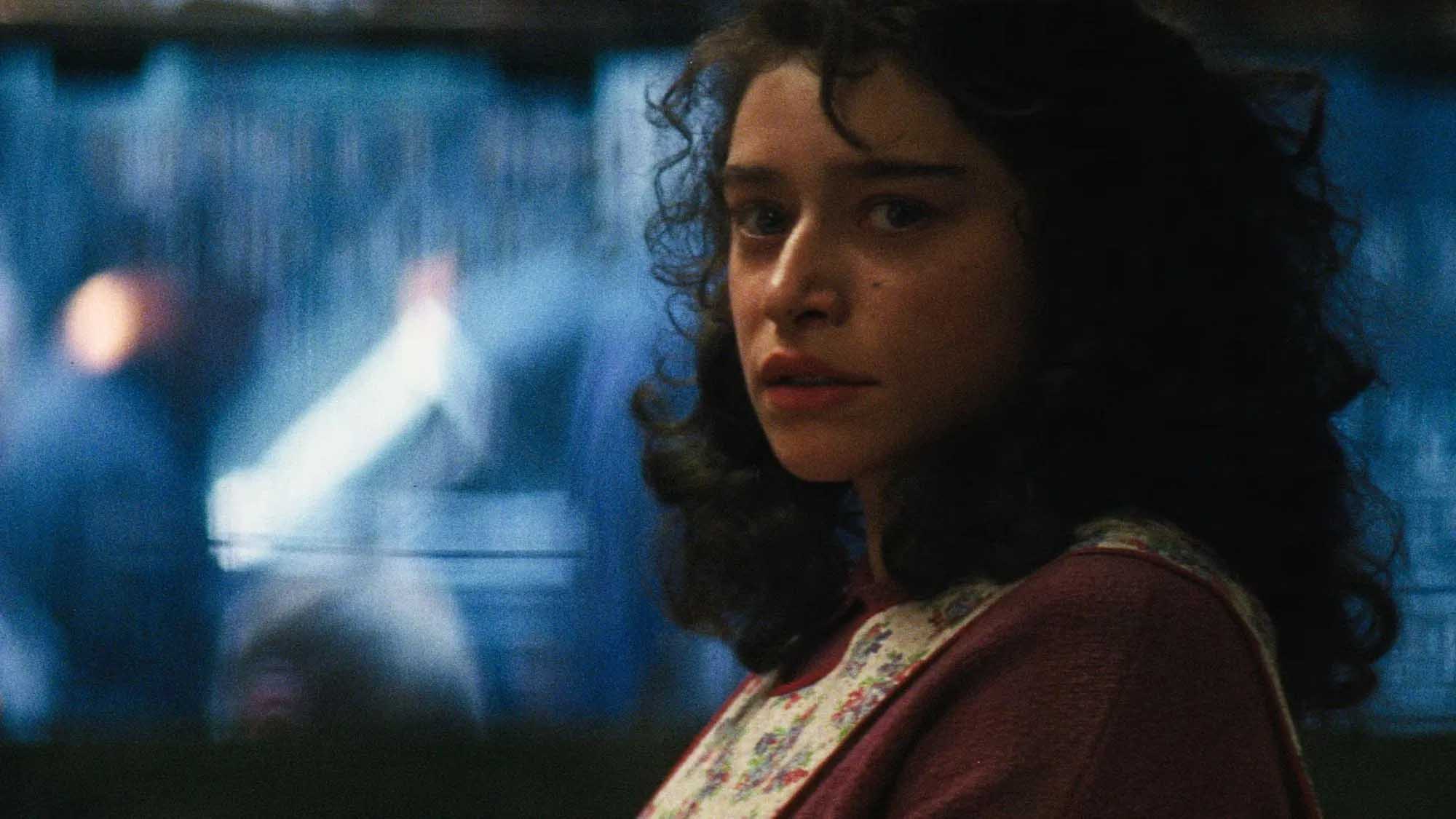
Among them is Odessa A'zion, who was given the nod for her turn as Rachel Mizler in Marty Supreme, despite being spurned by the American Academy. The 25 year-old was cited by the Screen Actors Guild, however, although she must be considered a long shot for the BAFTA, even though she is the granddaughter of German director Percy Adlon (tap his name into the Cinema Paradiso Searchline to learn more) and the daughter of Pamela Adlon, who won an Emmy for voicing Bobby Hill in King of the Hill (1997-2010). A'zion's previous outings, Ladyworld (2018), Hellraiser (2022), and Until Dawn (2025) are also available to rent.
Norwegian Inga Ibsdotter Lilleaas had featured in the likes of Nils Gaup's The Last King (2016) and Erik Svensson's Betrayed (2020) before being cast in Joachim Trier's Sentimental Value. She has also earned an Oscar nomination alongside Elle Fanning (who missed out here) for her performance as Agnes Borg Pettersen, the married historian daughter of Stellan Skarsgård's film director and the sister of actress Renate Reinsve. But this isn't a category in which subtitled films have done well since its inception in 1968, with the sole winners being Valentina Cortese for Day For Night (1973), Youn Yuh-jung for Minari (2020), and Zoe Saldaña for Emilia Pérez (2024), with the latter pair also being the Oscar winners. The unlucky losers include Ingrid Thulin ( Cries and Whispers, 1973), Zhang Ziyi (Crouching Tiger, Hidden Dragon), Dolly de Leon ( Triangle of Sadness, 2022), and Sandra Hüller (The Zone of Interest, 2023).
Nigerian-born, Manchester-raised, and RADA-trained, Wunmi Mosaku is also a first-time nominee for her work as Annie, Smoke's Hoodoo-practicing estranged wife in Sinners. However, she does have a Best Supporting BAFTA TV Award for playing Gloria Taylor in the teleplay, Damilola, Our Loved Boy (2016). Should she prevail, Mosaku would be the first African-born winner of the award, although Thandiwe Newton ( Crash, 2004) has a Zimbabwean mother.
For her display as folk singer Nell Mortimer in James Griffith's The Ballad of Wallis Island, Carey Mulligan is back in the Best Supporting stakes after previous recognition for Nicolas Winding Refn's Drive (2011) and Maria Schrader's She Said (2022). The former Rising Star nominee has also received a Best Actress nod for Maestro (2023) after winning the award for An Education (2009). She is the only nominee from outside the Best Film grouping and the only principal addition to the cast of James Griffiths's BAFTA-nominated short, The One and Only Herb McGwyer Plays Wallis Island (2007), which was written by Tom Basden and Tim Key, who reprise their respective roles as the folkie who is hired by a lottery winner to play a one-off gig on a private island for half a million pounds.
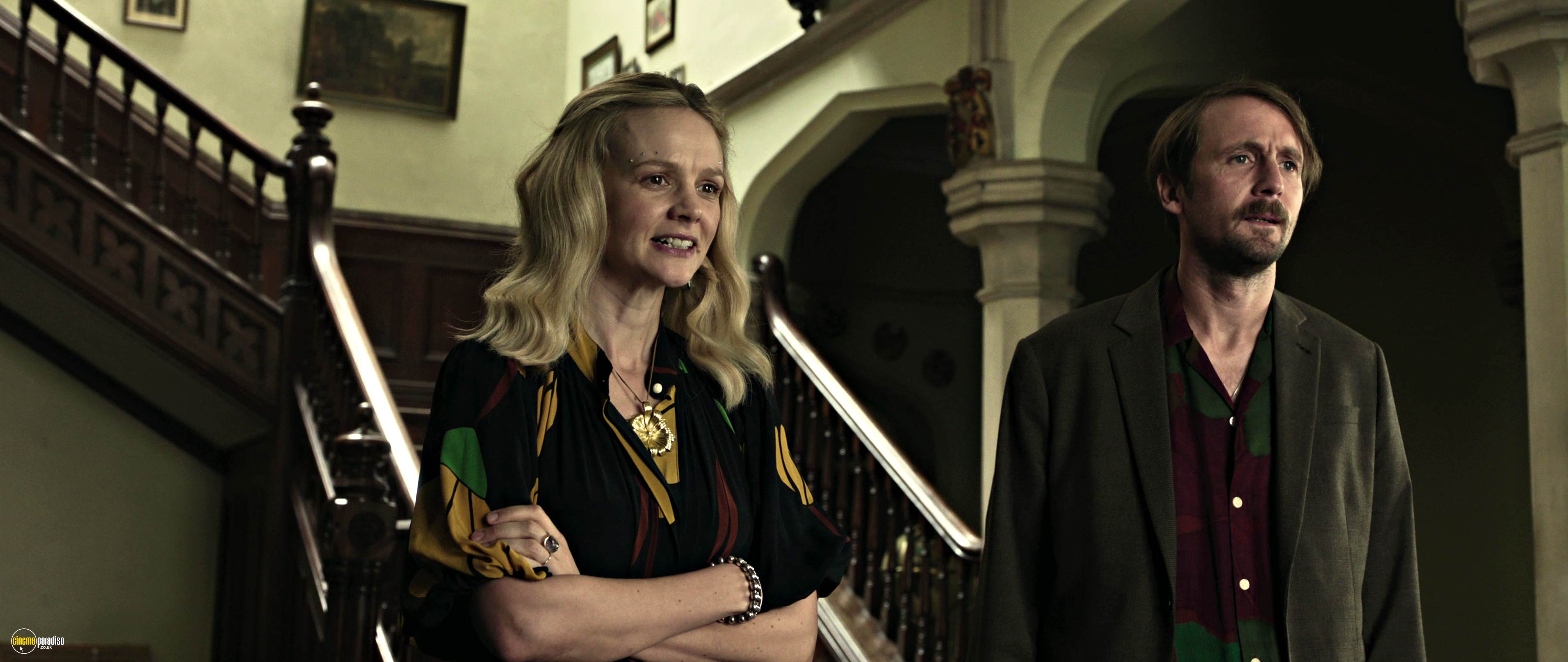
Already with a Golden Globe on her mantelpiece for her performance as Perfidia Beverly Hills in One Battle After Another, Teyana Taylor has picked up her first BAFTA nomination. The 35 year-old made her name as a choreographer, dancer, and singer before turning to acting in such pictures as Stomp the Yard: Homecoming (2010), Coming 2 America (2021), and The Book of Clarence (2023). If she wins, she will become the seventh African American to receive the award after Whoopi Goldberg ( Ghost, 1990), Jennifer Hudson ( Dreamgirls, 2006), Mo'Nique (Precious, 2009), Octavia Spencer ( The Help, 2011), Viola Davis ( Fences, 2016), and Zoe Saldaña (Emilia Pérez, 2024).
Perhaps a surprise inclusion for her relatively brief contribution as Mary Shakespeare to Hamnet, Emily Watson must be delighted to be back in the Film BAFTA fold for the first time in a quarter of a century. She had previously received Best Actress nominations for Hilary and Jackie (1999) and Angela's Ashes (2000), although she has since been up for the BAFTA Television Award for Best Actress for Appropriate Adult (2012) and Too Close (2022).
A'zion, Mosaku, and Taylor are all hoping that history can repeat itself in a doubling up of the Best Actor and Best Actress awards. The previous dual wins came courtesy of Ben Kingsley and Rohini Hattangadi for Gandhi (1982); Hugh Grant and Kristin Scott Thomas for Four Weddings and a Funeral (1994), although Charlotte Coleman missed out; Jamie Bell and Julie Walters for Billy Elliot (2000); Russell Crowe and Jennifer Connelly for A Beautiful Mind (2001); and Colin Firth and Helena Bonham Carter for The King's Speech (2010). There are many more examples, however, where either one or neither nominee has left the stage clutching a statuette. Cinema Paradiso users can delve into BAFTA history by taking their pick from the following overlaps between Gene Hackman and Shelley Winters for The Poseidon Adventure (1972); Albert Finney and Ingrid Bergmn for Murder on the Orient Express (1974); Robert De Niro and Jodie Foster for Taxi Driver (1976); Peter Ustinov, Angela Lansbury, and Maggie Smith for Death on the Nile (1978); Woody Allen, Meryl Streep, and Mariel Hemingway for Manhattan (1979); Warren Beatty and Maureen Stapleton for Reds; Michael Caine and Maureen Lipman for Educating Rita and Dustin Hoffman and Teri Garr for Tootsie; Tom Courtenay, Albert Finney, and Eileen Atkins for The Dresser (1984); Woody Allen, Michael Caine, and Barbara Hershey for Hannah and Her Sisters; Michael Douglas and Anne Archer for Fatal Attraction (1987); and John Cleese, Kevin Kline, and Maria Aitken for A Fish Called Wanda (1988).
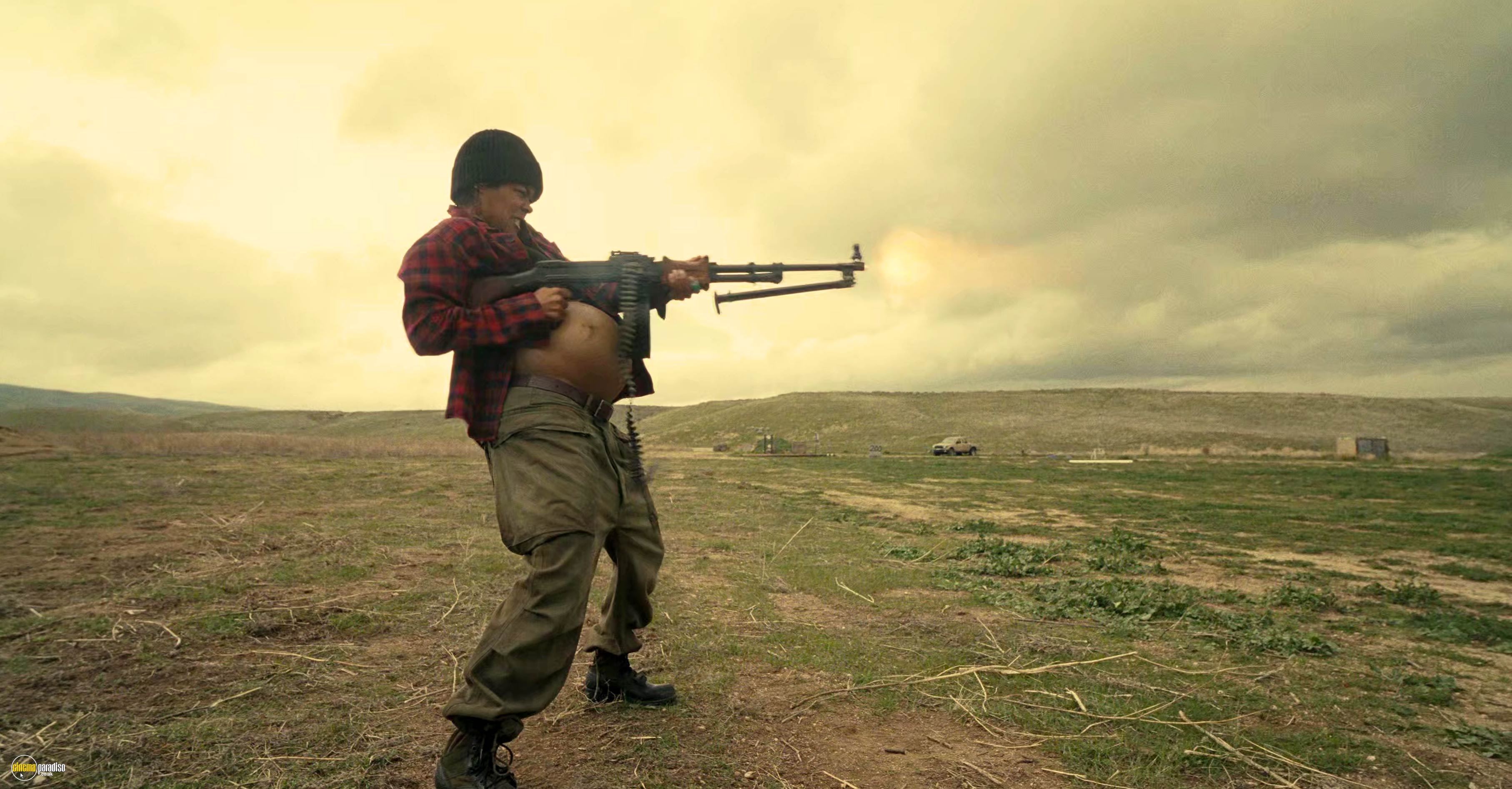
Moving into the 1990s, Stephen Rea and Miranda Richardson were nommed for Neil Jordan's The Crying Game (1992) along with Tom Hanks and Sally Field for Forrest Gump (1994); Geoffrey Rush and Lynne Redgrave for Shine, Timothy Spall and Marianne Jean-Baptiste for Secrets & Lies, Ralph Fiennes and Juliette Binoche for The English Patient (all 1996); Robert Carlyle and Lesley Sharp for Peter Cattaneo's The Full Monty (1997), and Kevin Spacey, Thora Birch, and Mena Suvari for American Beauty (1999). Since the millennium, the double-ups have been Kevin Spacey and Judi Dench for The Shipping News and Jim Broadbent and Kate Winslet for Iris (both 2001); Nicolas Cage and Meryl Streep for Adaptation (2002); Jude Law and Renée Zellwegger for Cold Mountain, Sean Penn and Laura Linney for Mystic River (both 2003); Leonardo DiCaprio and Cate Blanchett for The Aviator, Johnny Depp and Julie Christie for Finding Neverland; Philip Seymour Hoffman and Catherine Keener for Capote, Heath Ledger and Michelle Williams for Brokeback Mountain (both 2005); Richard Griffiths and Frances De La Tour for The History Boys (2006); George Clooney and Tilda Swinton for Michael Clayton, James McAvoy and Saoirse Ronan for Atonement (boh 2007); Dev Patel and Freida Pinto for Slumdog Millionaire, Mickey Rourke and Marisa Tomei for The Wrestler (both 2008); George Clooney, Vera Farmiga, and Anna Kendrick for Up in the Air (2009); Daniel Day Lewis and Sally Field for Lincoln (2012); Chiwetel Ejiofor and Lupita Nyon'go for 12 Years a Slave (2013); Jake Gyllenhaal and Rene Russo for Nightcrawler, Benedict Cumberbatch and Keira Knightley for The Imitation Game (both 2014); Michael Fassbender and Kate Winslet for Steve Jobs (2015); Casey Affleck and Michelle Williams for Manchester By the Sea (2016); Gary Oldman and Kristin Scott Thomas for Darkest Hour (2017); Christian Bale and Amy Adams for Vice (2018); Leonardo DiCaprio and Margot Robbie for Once Upon a Time...in Hollywood (2018); Will Smith and Aunjanue Ellis for King Richard (2021); Colin Farrell and Kerry Condon for The Banshees of Inisherin (2022), Cillian Murphy and Emily Blunt for Oppenheimer, Paul Giamatti and Da'Vine Joy Randolph for The Holdovers (both 2023), and Adrien Brody and Felicity Jones for The Brutalist, and Ralph Fiennes and Isabella Rossellini for Conclave (both 2024).
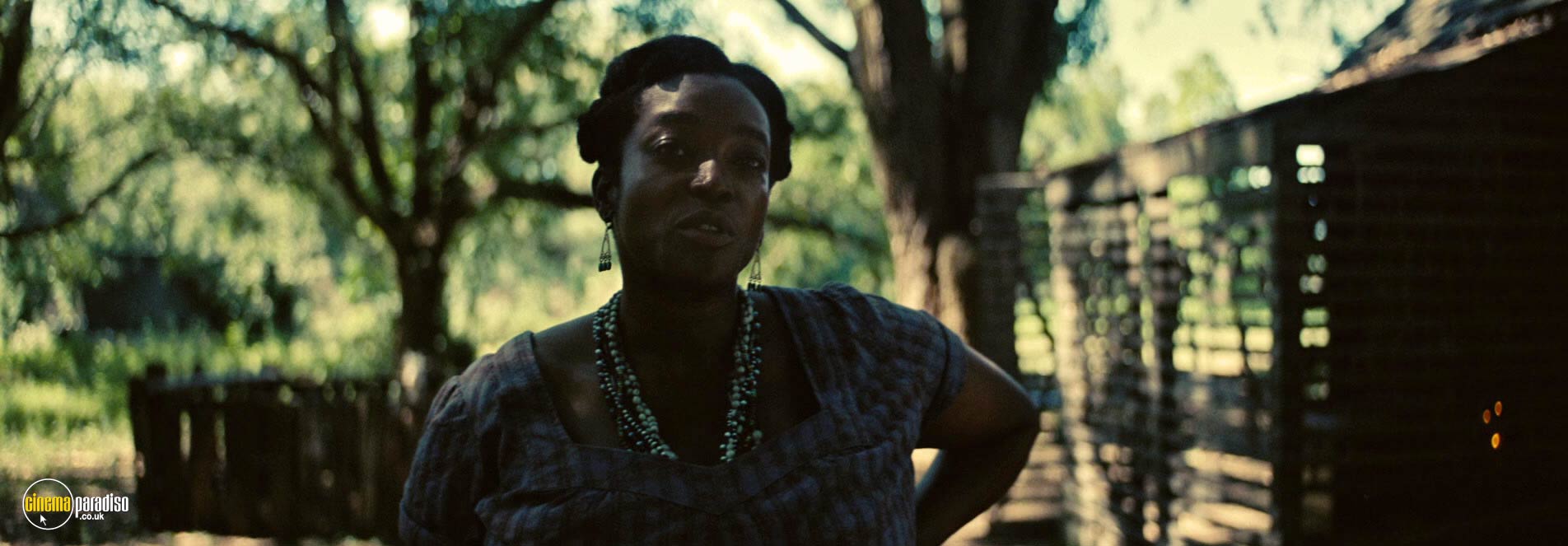
BAFTA's Best Supporting categories also have a rich history when it comes to twinned nominations, with Benicio Del Toro, Sean Penn and Teyana Taylor (One Battle After Another), Paul Mescal and Emily Watson (Hamnet), and Stellan Skarsgård and Inga Ibsdotter Lilleaas (Sentimental Value) all in the 2026 shake-up. Since 1968, dual success has been enjoyed by Edward Fox and Margaret Leighton for The Go Between, with Michael Gough missing out; Ben Johnson and Cloris Leachman for The Last Picture Show (both 1971), with Eileen Brennan proving unlucky; John Gielgud and Ingrid Bergman for Murder on the Orient Express; Jack Nicholson and Maureen Stapleton for Reds; Denholm Elliott and Jamie Lee Curtis for Trading Places; Denholm Elliott and Liz Smith for A Private Function; Geoffrey Rush and Helena Bonham Carter for The King's Speech; and Barry Keoghan and Kerry Condon for The Banshees of Inisherin, with Brendan Gleason being the one to miss out.
Many more co-stars have had to be content with a single win between them or simply the satisfaction of being nominated. During the first three decades of the Best Supporting awards, these included John McEnery and Pat Heywood for Romeo and Juliet (1968); Laurence Olivier and Mary Wimbush for Oh! What a Lovely War; Gig Young and Susannah York for They Shoot Horses, Don't They?; John Mills and Evin Crowley for Ryan's Daughter; Michel Lonsdale and Delphine Seyrig for The Day of the Jackal (1973); Michael Hordern and Annette Crosbie for The Slipper and the Rose (1976); Colin Blakely, Jenny Agutter, and Joan Plowright for Equus (1977); Edward Fox, Roshan Seth, Rohini Hattangadi, and Candice Bergen for Gandhi; Simon Callow, Denholm Elliott, Maggie Smith, and Rosemary Leach for A Room With a View; Ian Bannen and Susan Wooldridge for Hope and Glory; Michael Palin and Maria Aitken for A Fish Called Wanda; Alan Alda and Anjelica Huston for Crimes and Misdemeanors (1989); Samuel West and Helena Bonham Carter for Howards End and Jaye Davidson and Miranda Richardson for The Crying Game; Simon Callow, John Hannah, Charlotte Coleman, and Kristin Scott Thomas for Four Weddings and a Funeral; Alan Rickman, Kate Winslet, and Elizabeth Spriggs for Sense and Sensibility (1995); Tom Wilkinson, Mark Addy, and Lesley Sharp for The Full Monty; Geoffrey Rush, Tom Wilkinson, and Judi Dench for Shakespeare in Love; Jude Law and Cate Blanchett for The Talented Mr Ripley , and Wes Bentley, Thora Birch, and Mena Suvari for American Beauty.
The 21st-century contingent to date contains Gary Lewis and Julie Walters for Billy Elliot; Hugh Bonneville and Kate Winslet for Iris; Chris Cooper and Meryl Streep for Adaptation, Ed Harris and Julianne Moore for The Hours; Tim Robbins and Laura Linney for Mystic River, Bill Nighy and Emma Thompson for Love Actually (both 2003); Alan Alda and Cate Blanchett for The Aviator, Clive Owen and Natalie Portman for Closer, Phil Davis and Heather Craney for Vera Drake, and Don Cheadle, Matt Dillon, and Thandiwe Newton for Crash (all 2004); Jake Gyllenhaal and Michelle Williams for Brokeback Mountain; Alan Arkin, Toni Collette, and Abigail Breslin for Little Miss Sunshine (2006); Tom Wilkinson and Tilda Swinton for Michael Clayton, Javier Bardem, Tommy Lee Jones, and Kelly Macdonald for No Country For Old Men (2007); Philip Seymour Hoffman and Amy Adams for Doubt, Brad Pitt and Tilda Swinton for Burn After Reading (both 2008); Christian Bale and Amy Adams for The Fighter; Kenneth Branagh and Judi Dench for My Week With Marilyn; Javier Bardem and Judi Dench for Skyfall, Philip Seymour Hoffman and Amy Adams for The Master, Tommy Lee Jones and Sally Field for Lincoln; Bradley Cooper and Jennifer Lawrence for American Hustle, Michael Fassbender and Lupita Nyong'o for 12 Years a Slave; Ethan Hawke and Patricia Arquette for Boyhood; Edward Norton and Emma Stone for Birdman; Mahershala Ali and Noemie Harris for Moonlight , Dev Patel and Nicole Kidman for Lion (both 2016); Sam Rockwell and Amy Adams for Vice; Brad Pitt and Margot Robbie for Once Upon a Time...in Hollywood; Alan Kim and Youn Yun-jung for Minari, Daniel Kaluuya and Dominique Fishback for Judas and the Black Messiah, Barry Keoghan and Niamh Algar for Calm With Horses (all 2020); Mike Faist and Ariana DeBose for West Side Story, Ciarán Hands and Catríona Balfe for Belfast (both 2021); Key Huy Quan and Jamie Lee Curtis for Everything Everywhere All At Once; and Guy Pearce and Felicity Jones for The Brutalist.
TERMS AND CONDITIONS
That concludes our round-up of the major categories on the BAFTA ballot. In all, 46 features and eight shorts have been nominated across the categories. But you're on your own for the other 20!
To take part in this competition, all you have to do is tell us who you think will win each category at the 79th British Academy Film Awards.
Whoever correctly predicts the highest number of winners will receive SIX MONTHS of free rentals from CinemaParadiso.co.uk.
In the result of a tie, the top predictors will be entered in a draw to find ONE lucky winner.
The competition will close at 12:00 noon on Sunday 22 February 2026 and the winner will be announced on Monday 23 February 2026.
One entry per customer and everyone with a Cinema Paradiso account is welcome to take part. Good luck!
Mentioned films