Rent Resurrection (2025)
3.8 of 5 from 51 ratings
2h 39min
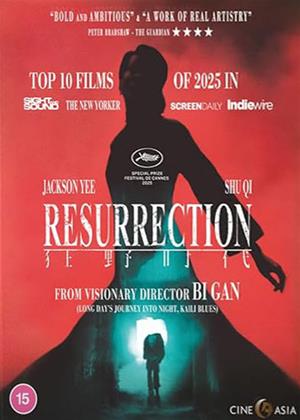

Walking out of Resurrection I feel like I’ve been asleep for a century and properly awake for the first time. Bi Gan sends Jackson Yee through a century-spanning fever dream of shifting stories, genres and film forms, set in a world where humanity has traded dreaming for longevity, with Shu Qi on his trail in a role that keeps changing shape. It’s mournful, ecstatic, and that final rain-soaked passage on Millennium Eve is the kind of thing that makes your jaw quietly resign.
Call it a Blade Runner riff — it’s doing the exact same trick. The so-called monster is the one who dreams, feels and wants more, while the respectable world has traded its soul for something cleaner and longer-lasting, then called it progress. Shu Qi is sent to pursue a creature who should not exist, and what follows turns the hunter into something closer to a witness. That shift wrecked me.
What makes Resurrection hit so hard is that it treats dreaming as the last truly human act. Not a luxury or an indulgence, but a soul. Bi Gan isn’t just saying cinema resembles dreaming. He’s asking what kind of world would choose to kill dreaming off altogether. That’s the real horror here: not death, but chosen imaginative extinction.
The monster dreams. The humans don’t. Good luck not leaving a bit haunted.