With a quarter of 2026 already elapsed, Cinema Paradiso pays its respects to those film folk who passed away between January and March.
Oscar-winning actor Robert Duvall is the biggest name to have departed the scene in the first three months of 2026. Cinema Paradiso has already reflected upon his remarkable career in a Remembering tribute. We also recalled the life and works of a Hungarian auteur in an Instant Expert's Guide to Béla Tarr. But what about the other actors, directors, and behind the screen specialists who are no longer with us?
JANUARY
Born in 1928, Sidney Kibrick had been the last living member of the Our Gang troupe before he died on 2 January at the age of 97. Spotted outside Grauman's Chinese Theatre with his mother, the five year-old joined Hal Roach's studio in 1933 and played the scampish Woim being tormented in over 20 two-reelers by the bullying Butch, a role that had previously been played by his older brother, Leonard, before it passed to Tommy Bond. The siblings had actually debuted together in Raoul Walsh's The Bowery (1933), as an uncredited pair of kids munching sandwiches on a pier. Kilbrick later teamed with Buster Keaton in the sound short, Allez Oop, while also appearing alongside Carole Lombard in Nothing Sacred (both 1934), Shirley Temple in Just Around the Corner (1938), and Tyrone Power in Jesse James (1939). Despite retiring at 15 and working as a property developer, he became famous all over again in the 1950s, when the Our Gang shorts were repackaged as The Little Rascals for television.
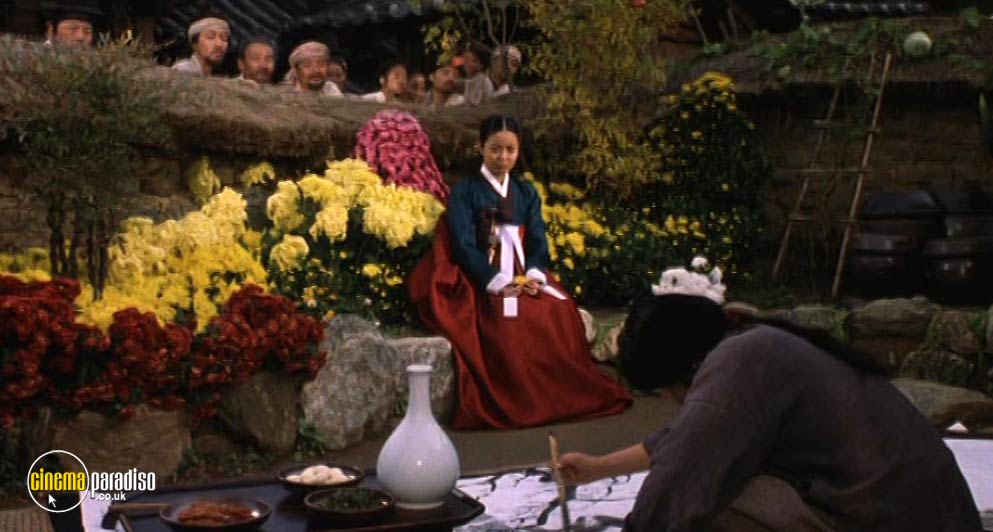
South Korea bade farewell to one of its greatest screen actors on 5 January. The son of a film producer. Ahn Sung-ki made his screen debut at the age of five as an orphan in The Twilight Train (1957). He went on to appear in over 180 films during a six-decade career that saw him win over 20 domestic screen awards. Known for his humility off screen, he developed into a versatile performer, playing a restaurant delivery driver in A Fine, Windy Day (1980), a Buddhist monk in Mandala (1982), a corrupt policeman in Two Cops (1993), and the head of state in The Romantic President (2002) and Hanbando (2006). All too few Korean pictures secure UK disc releases, but Cinema Paradiso users can see Ahn in Im Kwan-taek's artistic biopic, Drunk on Women and Poetry (aka Chihwaseon. 2002), in which he plays the friend of 19th-century painter, Jang Seung-up.
At the grand age of 95, Vera Frances passed away on 7 January. The daughter of a props and special effects man at Gainsborough's Lime Grove Studios, she made her screen debut after her father overheard a conversation about the need to find a teenage girl to play a key supporting role. Next day, Vera signed up to play Cockney know-all Jane in Back-Room Boy and reunited with Arthur Askey on King Arthur Was a Gentleman (both 1942). She respectively complemented Tommy Handley and George Formby in It's That Man Again and Get Cracking (both 1943). But, having played John Mills's sister in Waterloo Road (1945), she decided cinema wasn't for her and became a dance instructor, continuing to give daily lessons into her eighties.
Born in 1933, Sheila Bernette started stage school at the age of two and remained busy throughout her 55-year career. Starting at The Players' Theatre in the early 1950s, the 5ft Londoner was often seen on television, where she became a favourite prankster on Candid Camera in the 1970s. Often stooging for the likes of Leslie Crowther, Dick Emery, and Morecambe and Wise, Bernette (who was sometimes billed as 'Burnette') also became a regular on The Good Old Days and was always busy on stage during the summer and panto seasons. She also made a clutch of features, with Sons and Lovers (1960), The Wild Party (1965), The Magnificent Seven Deadly Sins (1971), Eskimo Nell (1975), and Car Trouble (1985) all being available to rent from Cinema Paradiso. As are the sitcoms, Butterflies (1978-83) and The Fall and Rise of Reginald Perrin (1979), as well as Bernette's final big screen turn, as Dorcas the shoplifter in Driving Aphrodite (2009). Sadly, no one has had the sense to bring the CCBC comedy Hotel Trubble (2008-11) to disc, as Bernette excels as Mrs Poshington, the fussy guest-turned-cleaner whose eight husbands all seem to have died in mysterious circumstances.
Also dying on 12 January was Jayasree Kabir. who made her sceen debut as a 17 year-old, under the name Jayasree Roy, in Satyajit Ray's The Adversary (1970) after she had won the Miss Calcutta pageant. She took her husband's name when she married critic-turned-director, Alamgir Kabir, and they became the driving force of the emerging Bangladeshi cinema with Shimana Periye (aka Across the Fringe, 1977), which was based on Lina Wertmüller's Swept Away (1974), and Rupali Shaikate (aka The Loner, 1979). Following the couple's divorce, however, Kabir moved to London and taught English to support her young son. But she did occasional voiceover work for the BBC and Channel Four before appearing in 'Painting on Loan', the second-ever episode of New Tricks (2003-15).
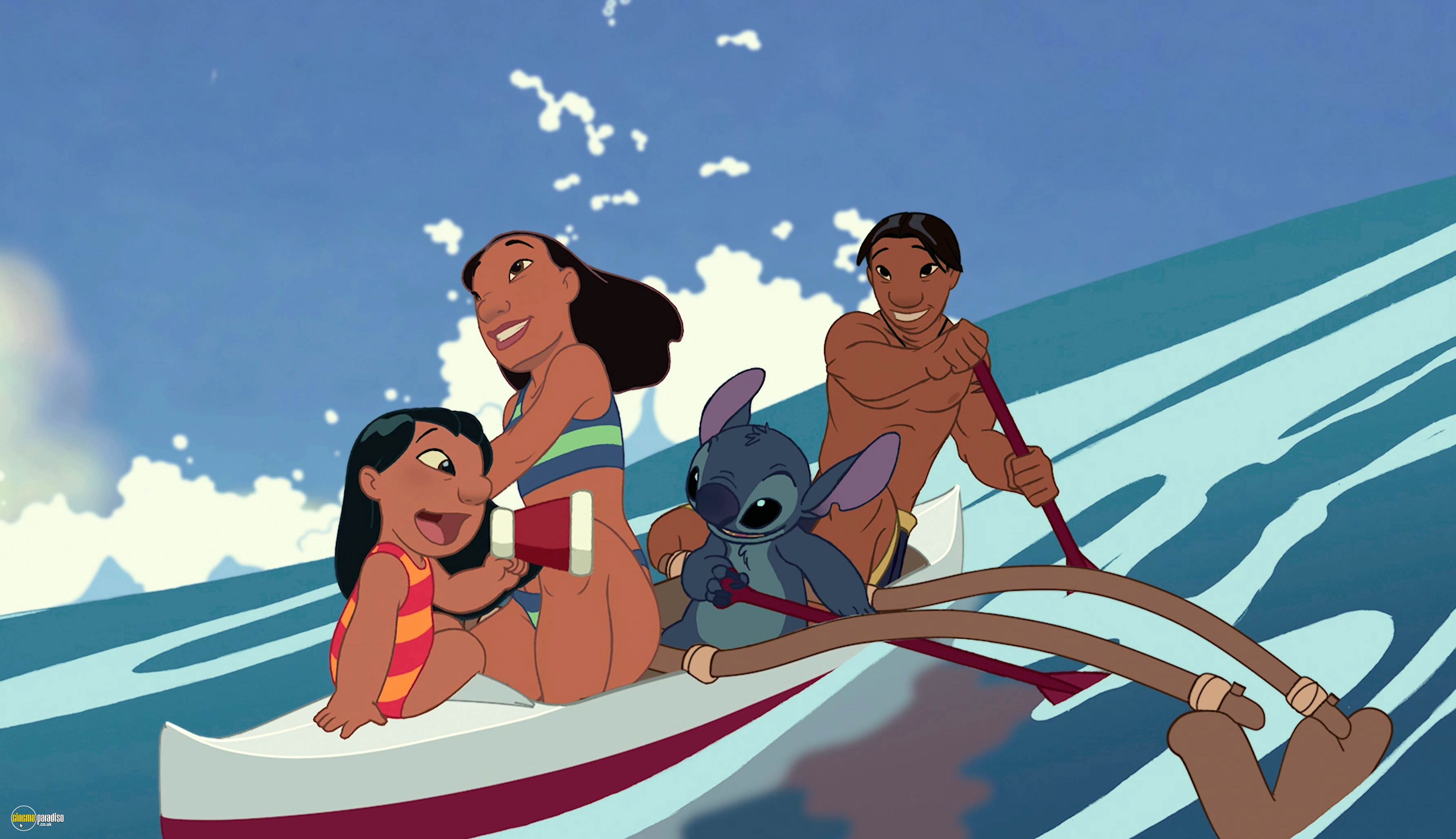
Walt Disney's Peter Pan (1953) made Roger Allers want to become an animator. His earliest involvement was on Animalympics (1979), but he also worked on the special effects for Steven Lisberger's Tron (1982), which was one of the first films to use computer-generated imagery. On joining Disney in 1985, Allers contributed storyboard art to Oliver & Company before working as a story artist on The Little Mermaid (1989), The Rescuers Down Under (1990), and Aladdin (1992). Following a stint as story supervisor on Beauty and the Beast (1991), he was paired with Rob Minkoff to direct The Lion King (1994), which became the most successful animated feature in the studio's history and transferred to Broadway. His experiences were less enjoyable on The Emperor's New Groove (2000), Lilo & Stitch (2002), and The Lion King 3: Hakuna Matata (2004), however, and he left after supervising the Oscar-nominated short, The Little Matchgirl (2006), which can be found on the Walt Disney Animation Studios: Short Films Collection (2015). Having directed Sony's first animated feature, Open Season (2006), Allers began the lengthy process of adapting Kahlil Gibran's The Prophet, which was finally completed in 2014. Daughter Leah is currently making a documentary about his career.
Born in 1935, Yvonne Glee Lime entered films after a short stage career. She played Snookie Maguire in The Rainmaker (1957) opposite Burt Lancaster and Katherine Hepburn. But, having essayed Sally alongside Elvis Presley in Loving You, she found her niche in such American International Pictures exploitation fodder as I Was a Teenage Werewolf (both 1957), Dragstrip Riot, High School Hellcats (both 1958), and Speed Crazy (1959). Marriage to TV producer Don Fedderson led to a handful of credits, but she devoted the rest of her life to Childhelp, the charity she had co-founded in 1959 with fellow actress, Sara O'Meara.
Passing a week after Yvonne Lime Fedderson (on 30 January), Christa Lang also had the distinction of co-starring with the King of Rock'n'Roll. Her brush with Elvis came in Charro! (1969) after the German had come to Hollywood after modelling in Paris and taking minor roles in such landmark nouvelle vague features as Jean-Luc Godard's Alphaville (1965). She might only have had an uncredited walk-on, but Lang had also worked with Claude Chabrol on Code Name: Tiger (1964) and The Champagne Murders (1967), and they would later reunite on The Blood of Others (1984). Peter Bogdanovich cast Lang in What's Up, Doc? (1972), At Long Last Love (1975), and Nickelodeon (1976), but she is best known for her collaborations with husband Samuel Fuller on Dead Pigeon on Beethoven Street (1973), The Big Red One (1980), White Dog (1982), and Thieves After Dark (1984). Lang also joined with daughter Samantha on the documentary tribute, A Fuller Life (2013). In later years, she took bit parts in Clare Denis's No Fear, No Die (1990), Mika Kaurismäki's L.A. Without a Map (1998), and Wim Wenders's Land of Plenty (2004).
Perhaps the biggest loss in January was also the least expected, as Catherine O'Hara was only 71 when she died on 30 January. Hailing from Toronto, she started out with the Second City comedy troupe and forged a long-standing partnership with Eugene Levy on SCTV. Breaking into films, she took supporting roles in After Hours (1985), Heartburn (1986), Beetlejuice (1988), and Betsy's Wedding (1990) before making her name as fretting mother Kate McCallister in Home Alone (1990) and Home Alone 2: Lost in New York (1992).
Following such diverse assignments as A Simple Twist of Fate, The Paper (both 1994), and Wyatt Earp (1995), O'Hara joined Christopher Guest's mockumentary ensemble for Waiting For Guffman (1996), and she would return for Best in Show (2000), A Mighty Wind (2003), and For Your Consideration (2006). Having played Sally in The Nightmare Before Christmas (1993), she also became a skilled voice artist in such animatons as Bartok the Magnificent (1999), Chicken Little (2005), Over the Hedge (2006), Monster House (2006), Brother Bear 2 (2006), Where the Wild Things Are (2009), A Monster in Paris (2011), Frankenweenie (2012), The Addams Family (2019), Elemental (2023), and The Wild Robot (2024).
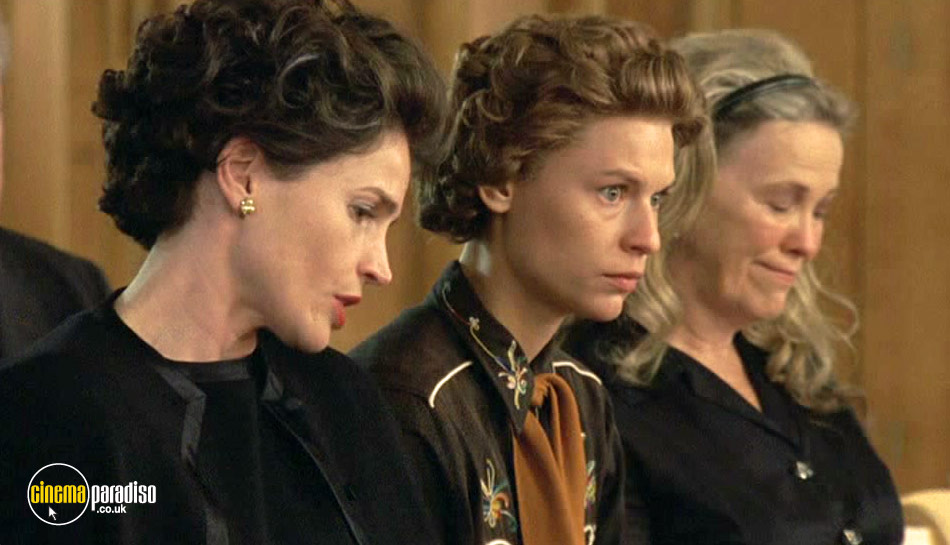
Back in front of the camera, O'Hara remained a reliable comic character player in Late Last Night (1999), Orange County (2002), The Wool Cap, Lemony Snicket's A Series of Unfortunate Events, Surviving Christmas (all 2004), Penelope (2006), Away We Go (2009), and Killers (2010). But she was also cropping up with regularity in such classic TV shows as Six Feet Under, Curb Your Enthusiasm, 30 Rock, and Modern Family. She also earned an Emmy nomination for playing Aunt Ann opposite Clare Danes in Temple Grandin (2011) before landing the role of a lifetime, as Moira Rose alongside Eugene Levy in Schitt's Creek (2015-20), which earned her an Emmy, a Golden Globe, and a Screen Actors Guild Award.
Tim Burton's Beetlejuice Beetlejuice (2024) proved to be O'Hara's final feature. But she went out on a high, as she followed an Emmy nomination for playing Gail Lynden in the second season of the HBO post-apocalyptic series, The Last of Us, by becoming the first woman to win posthumous awards at the Screen Actors Awards for her performance as former Continental chief, Patty Leigh, in Seth Rogen's Apple TV+ comedy, The Studio (2025). She will be much missed.
FEBRUARY
Despite a 17-year age gap, Peggy Steffans was married for 40 years to sexploitation director, Joseph W. Sarno. Their careers are charted in the documentary, A Life in Dirty Movies (2013), while Vampire Ecstasy (1973) is available to rent from Cinema Paradiso. Often billed as Cleo Nova, Steffans appeared in over 20 of her prolific husband's softer-core pictures, including The Swap and How They Make It (1966), Come Ride the Wild Pink Horse (1967), and Deep Inside (1968). However, she always took non-nude parts and later worked as an assistant director and costume designer, as Sarno started adopting a range of pseudonyms to make hardcore videos. He died in 2010 and Steffans followed on 6 February 2026.
Variety opined that Hal Ashby's Harold and Maude (1971) had 'all the fun and gaiety of a burning orphanage'. Yet the age-gap romance between the death-obsessed Harold Chasen (Bud Cort) and seventysomething Holocaust survivor Maude Chardin (Ruth Gordon) bounced back from its box-office failure to become a cult hit that earned its young star Golden Globe and BAFTA nominations. Born Walter Cox in Rye, New York, Cort had appeared in Up the Down Staircase (1967) and Sweet Charity (1968) before Robert Altman cast him in M*A*S*H and Brewster McCloud (both 1970). However, he was essentially blacklisted in Hollywood for refusing to do publicity for Harold and Maude until Paramount gave the director final cut. Then, when he was offered the role of Billy Bibbit in One Flew Over the Cuckoo's Nest (1975), Cort turned it down because he thought he should have been cast as Randle McMurphy. Spending this period in the guest cottage in Groucho Marx's garden, Cort's career was further hampered by a near-fatal road accident in 1979 and, while he recovered, he was mostly seen on stage and the small screen outside occasional films like Pumping Iron (1977), Maria's Lovers (1984), Invaders From Mars (1986), and Brain Dead (1990). He made his directorial bow with Ted and Venus (1991), but mostly had to settle for small roles in pictures as different as Heat (1995), But I'm a Cheerleader, Dogma (both 1999), Pollock, Coyote Ugly, The Million Dollar Hotel (all 2000), The Life Aquatic With Steve Zissou (2004), and Number 23 (2007). On TV, he guested in the likes of Criminal Minds, Arrested Development, and Ugly Betty, while he also voiced Toyman in Superman: The Animated Series and Josiah Wormwood in Batman: The Animated Series. Having nearly lost an arm in another car crash in 2011, Cort died of pneumonia on 11 February at the age of 77.
Dying of cancer on the same day at the tragically early age of 48, James Van Der Beek will forever be associated with Capeside, Massachusetts. As Dawson Leery, he was the heart and soul of Dawson's Creek (1998-2003), as he struggled to make it through adolescence en route to becoming a film director. Co-stars Katie Holmes (Joey Potter) and Michelle Williams (Jen Lindley) may have gone on to become bigger stars, but Van Der Beek's idealism, insecurity, and tendency to over-think captured the pressures place on young men in a world that is perpetually in a hurry. Yet, while he was a small-screen heart-throb, he struggled to make the transition to cinema, as he followed Varsity Blues (1999) and Scary Movie (2000) by playing the reckless Sean Bateman in Roger Avary's take on Bret Easton Ellis's The Rules of Attraction (2002). He played himself in Jay and Silent Bob Strike Back (2001) and a fictionalised version of himself in the sitcom Don't Trust the B---- in Apartment 23 (2012-2013). But he looked out of place out West in Texas Rangers (both 2001), while features like Standing Still, The Plague (both 2006), and Formosa Betrayed (2009) all failed to land. Consequently, he sought refuge in television staples like Law and Order, How I Met Your Mother, Medium, Modern Family, and CSI: Cyber, although Kevin Smith came calling again for Jay and Silent Bob Reboot (2019).
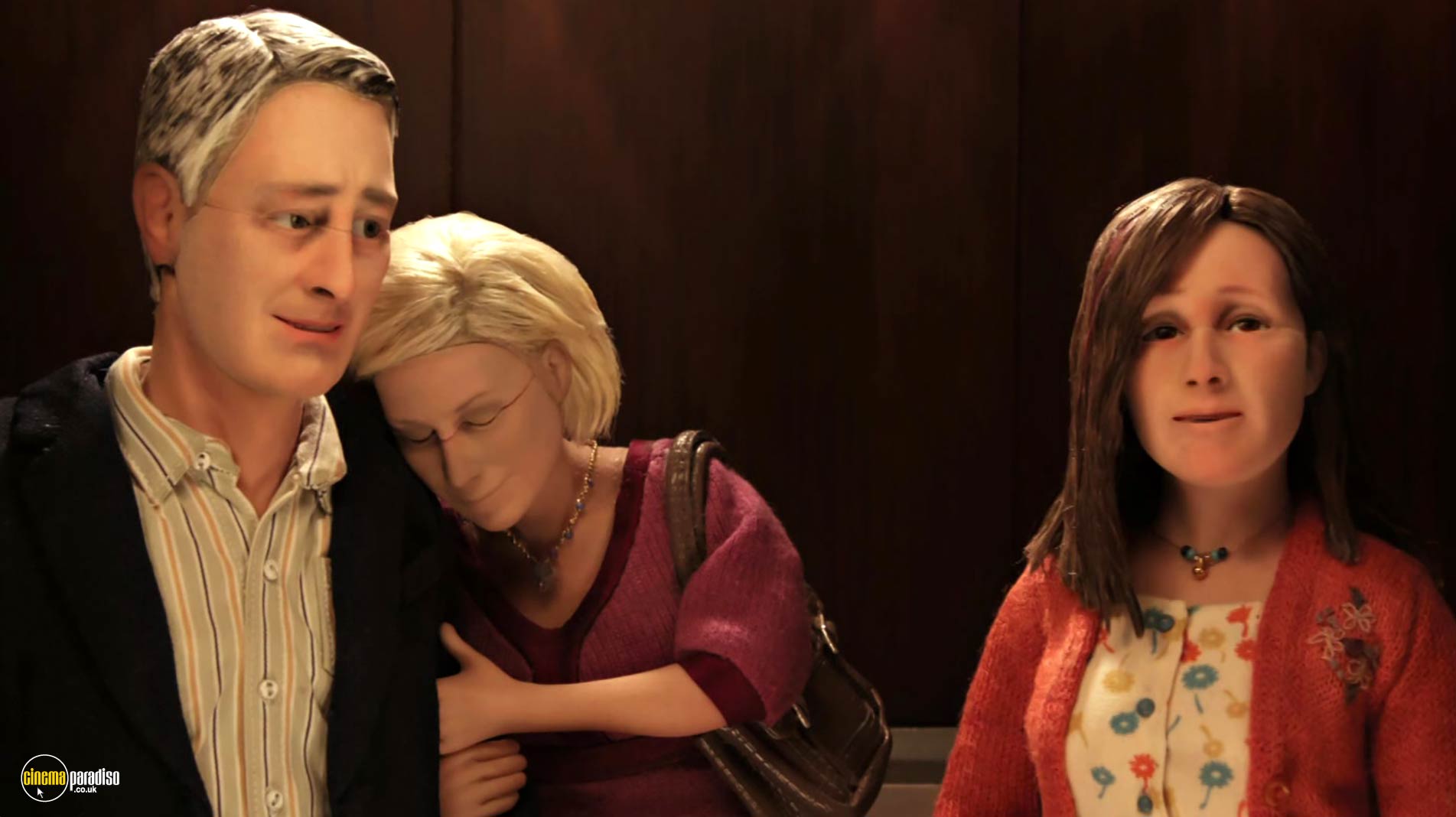
'Take my word for it, I'm smiling,' Tom Noonan says as Francis 'The Tooth Fairy' Dollarhyde in Michael Mann's Manhunter (1986). The sense of mendacity and menace he imparts in this role sum up the 6ft 6in actor's disquieting screen presence. As you can discover by typing his name into the Cinema Paradiso searchline, he had started out unremarkably in two fine films, Heaven's Gate and Gloria (both 1980). But Manhunter set him up for life playing offbeat villains, such as Cain in RoboCop 2 (1990), The Ripper in Last Action Hero (1993), and Kelso in Heat (1995), as well as the shady Gary Jackson in The Pledge (2001). He was an effective horror actor, too, notably as Frankenstein's Monster in The Monster Squad (1987) and Mr Ulman in The House of the Devil (2009). On television, he was Reverend Nathaniel in Hell on Wheels (2011-14) and the Pallid Man in 12 Monkeys (2015-18), while he also played nasty killers in a 1996 episode of The X-Files and two 2013 episodes of The Blacklist. Charlie Kaufman cast Noonan as Sammy Barnathan in Synecdoche, New York (2008) and he did over 40 different voices (indeed, everyone bar Michael and Lisa) in Anomalisa (2015). Noonan also directed What Happened Was… (1994) from his own play, in which he again summed up his opacity with the line, 'My face doesn't have much to do with how I'm feeling.' Aged 74, he died on 14 February.
Frederick Wiseman. who died aged 96 on 16 February, disliked having his documentaries described as 'fly on the wall' studies. He followed the Direct Cinema approach of recording unmediated reality, although he acknowledged that every camera placement or 'wobblyscope' movement manipulated the viewer as much as an edit point. However, he always insisted that he was seeking not to present objective truth, but an approximation of how he saw events as they unfolded in front of him. Often focussing on the inner workings of public institutions, Wiseman frequently courted controversy, with Titicut Follies (1967) and High School (1968) being removed from view for several years for exposing conditions inside the Bridgewater State Hospital for the Criminally Insane and a Philadelphia school.
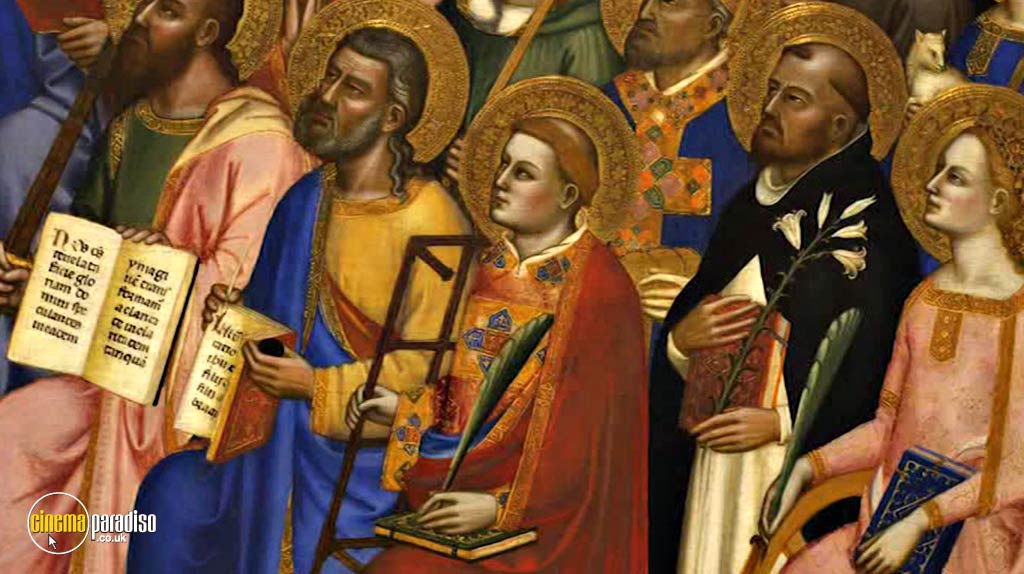
These unrelenting actualities are available from Cinema Paradiso, along with Hospital (1970), Juvenile Court (1973), and Welfare (1975), as part of the BFI's Cinema Expanded: The Films of Frederick Wiseman (2025). Other titles are harder to come by, however, as Wiseman's Zipporah Films kept a tight grip over releasing rights. But it is possible to see La Danse: The Paris Opera Ballet (2009) and National Gallery (2014), although we would also urge you to seek out Public Housing (1997), Domestic Violence (2001), Ex Libris: The New York Public Library (2017), and City Hall (2020). Having been presented with a Golden Lion for lifetime achievement by the Venice Film Festival, Wiseman received an honorary Oscar in 2016.
Passing at the age of 91 on 16 February, Canadian Jane Baer was a pioneering female animator, who started out alongside the Nine Old Men on Disney's Sleeping Beauty (1955). Following her divorce from animator Iwao Takamoto, she spent time in Europe before returning Stateside to work on series like Skyhawks and Aquaman. The lure of Disney proved irresistible, however, and she drew the villainous Medusa for The Rescuers (1977). Following contributions to The Fox and the Hound (1981), Mickey's Christmas Carol (1983), and The Black Cauldron (1985), she and second husband, Dale Baer, supervised the Toontown sequences and Benny the Cab's scenes in Robert Zemeckis's Who Framed Roger Rabbit (1988). In between freelance assignments for Hanna-Barbera and Warner Bros, Baer also lent her talents to The Little Mermaid (1989), The Prince and the Pauper (1990), Rover Dangerfield (1991), FernGully: The Last Rainforest (1992), The Swan Princess (1994), and Annabelle's Wish (1997), which she executive produced. Baer Animation also created segments for live-action features like Fletch Lives (1989), Last Action Hero (1993), and The Beautician and the Beast (1997).

Four of actor John Carradine's sons followed in his footsteps, with Bruce leaving little trace and Keith and David each making a lasting impression. The youngest, Robert, joined the latter pair to play the Younger brothers in Walter Hill's The Long Riders (1980), but he steadily carved out his own niche without ever becoming a star. Having debuted at 18 opposite John Wayne in The Cowboys (1972), Robert shot brother David in Martin Scorsese's Mean Streets (1973), after having appeared with him in Kung Fu (1972-74). Out on his own, he showed off his driving skills (he once competed at Daytona with Paul Newman) in Cannonball (1976) before proving his acting credentials in Coming Home (1978) and The Big Red One (1980). His biggest hit, however, saw him play Lewis Skolnick in Revenge of the Nerds (1984) and he reprised a role he had been reluctant to take in Revenge of the Nerds II: Nerds in Paradise (1987), Revenge of the Nerds III: The Next Generation (1992), and Revenge of the Nerds IV: Nerds in Love (1994). He was happier playing try-hard dad Sam Maguire opposite Hilary Duff in Lizzie Maguire (2001-03) and its spin-off, The Lizzie Maguire Movie (2003). Tap Carradine's name into the Cinema Paradiso searchline to check out such other film credits as Ballad of a Gunfighter (1999), Hoboken Hollow (2005), Attack of the Sabretooth (2008), Django Unchained (2012), and Sharktopus vs Pteracuda (2014). While living with bipolar disorder, Carradine died in hospital on 23 February after trying to hang himself.
Born in Moscow in 1939, Slava Tsukerman made his first film, I Believe in Spring (1960), at the age of 21. He left for Israel, where he made the documentary, Once Upon a Time There Were Russians in Jerusalem (1974). Arriving in the United States, Tsukerman scored a cult hit with Liquid Sky (1982), which pitched heroin-addicted aliens into the New Wave art scene in 80s New York. Finding backing was always a problem and 2014 plans to reunite with Anne Carlisle (who had doubled up as Margaret and Jimmy in the original) in Liquid Sky 2 failed to come to fruition. Tsukerman did, however, make the documentary, Stalin's Wife (2004), and Perestroika (2009), a drama about a scientist who had defected in the Soviet era returning to Putin's Russia. He died in New York on 28 February at the age of 86.
MARCH
Raised in Suffolk by a doting foster mother, Jane Lapotaire took the surname of her birth mother's French husband. While establishing herself as a major stage star, she made several TV appearances and Cinema Paradiso users can see her in episodes of Sherlock Holmes (1965), Callan (1969-72), The Rivals of Sherlock Holmes (1971-73), Jason King, The Edwardians (both 1972), and Wings (1978). Having played the Empress Marie in Edward the Seventh (1975), Lapotaire excelled in Marie Curie (1977) before she triumphed on stage in Piaf (1978), for which she won an Olivier Award and a Tony on Broadway. Having played Charmian in Charlton Heston's film, Antony and Cleopatra (1972), she took the female lead in the 1981 BBC Television Shakespeare production of the same play, even though she was terrified of snakes. She was also cast as Lady Macbeth in the series presentation of Macbeth (1983), which was broadcast in the same year that she made Nicolas Roeg's Eureka. Film roles were surprisingly scarce, however, even though she made an imposing Queen Mary in Lady Jane (1985), a spirited homeless woman in There's Only One Jimmy Grimble (2000), and a courageous grandmother in The Young Messiah (2016). Despite suffering a cerebral haemorrhage in 2000, Lapotaire resumed her career and small-screen outings in Midsomer Murders, The Inspector Lynley Mysteries (both 2001), He Knew He Was Right (2004), Dalgliesh (2021), and Endeavour (2023) can be rented along with Lapotaire's displays as Princess Irina Kuragin in Downton Abbey (2014) and Princess Alice of Battenberg in The Crown (2019). After a career of great distinction, Lapotaire died on 5 March at the age of 81.
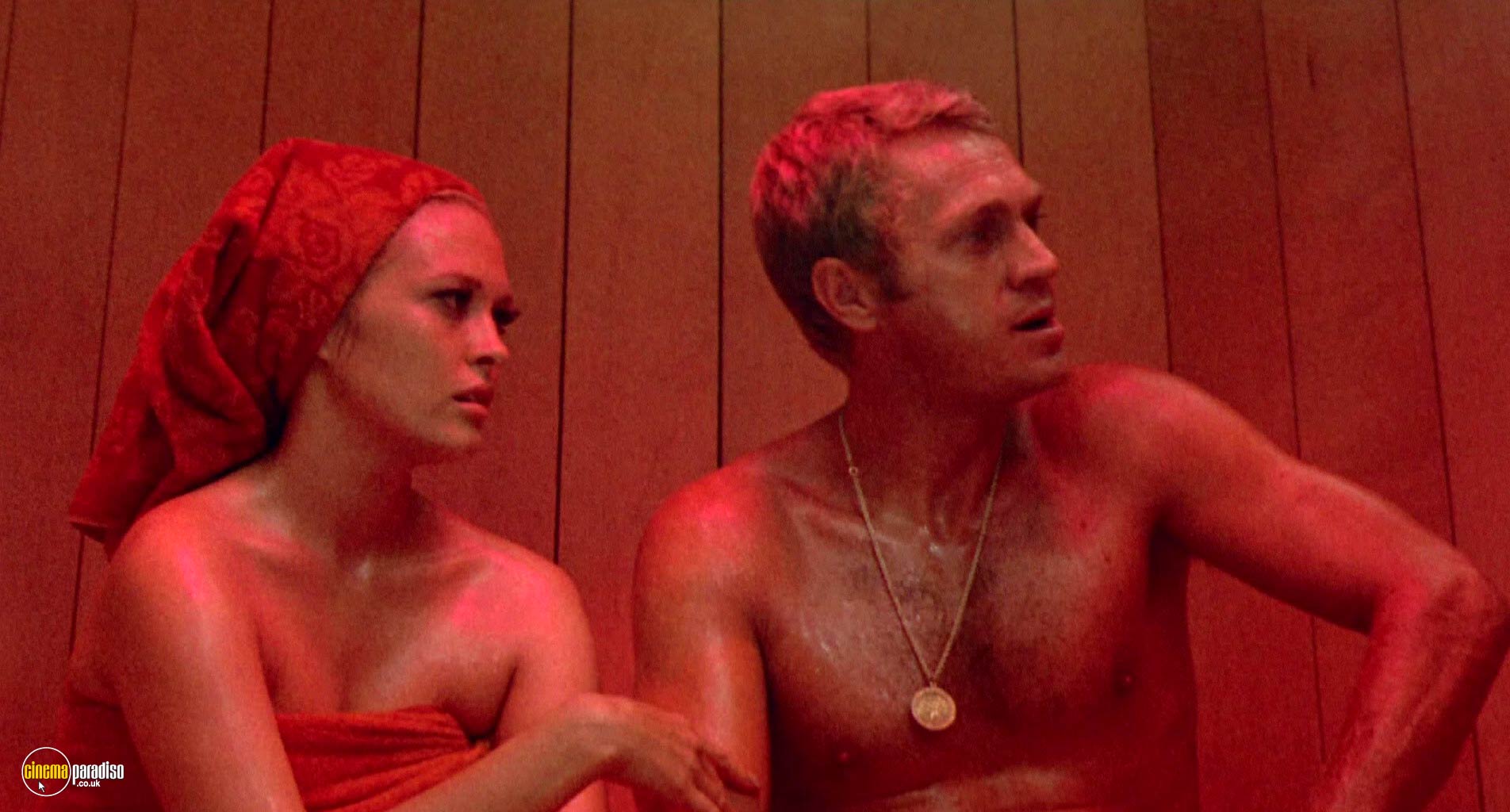
Having debuted in William Castle's 13 Frightened Girls (1963), Judy Pace became the first Black actress to be contracted by Columbia Pictures. She also became the first Black bachelorette on The Dating Game in 1965 and the first African American antagonist in a major US TV series, when she was cast as the sharp-tongued Vickie Fletcher in Peyton Place (1968-69). In recognition of her pioneering performances, Pace received the NAACP Image Award for Outstanding Actress in a Drama Series for her work as Pat Walters in The Young Lawyers (1970-71). Her small-screen ventures in Bewitched, Batman, and Kung Fu are available to rent, along with Ironside, on which she met future husband, Don Mitchell. However, blaxploitation features like Cotton Come to Harlem (1970) and Cool Breeze (1972) are not on disc, although The Fortune Cookie (1966), The Thomas Crown Affair (1968), and Frogs (1972) are, although Pace (who died on 13 March at the age of 83) only has minor roles.
Two TV roles dominate the CV of Tom Georgeson, who died aged 89 on 18 March. A Scouser, he was the perfect fit for Tommy 'Dixie' Dean in The Boys From the Blackstuff (1982), and he would reunite with writer Alan Bleasdale on Scully (1984) and GBH (1991), as well as the 1985 feature, No Surrender. Georgeson also managed a credible Cockney accent as Inspector Harry Naylor alongside Neil Pearson in Between the Lines (1992-94), which was set in the Metropolitan Police's fictional Complaints Investigation Bureau. Having decided against becoming a Catholic priest and having returned from a three-year spell in Australia, Georgeson found regular television work after stints with the Royal Shakespeare Company and Laurence Olivier's National Theatre troupe. John Cleese hired him for A Fish Called Wanda (1988) and Fierce Creatures (1997), while he also took character roles in The Land Girls (1998), Notes on a Scandal (2006), Angel (2007), and Electricity (2014). But his best work screened on the telly, whether he was guesting in such established series as Juliet Bravo, The Professionals, Peak Practice, A Touch of Frost, Cadfael, Dalziel and Pascoe, Hetty Wainthropp Investigates, Silent Witness, Midsomer Murders, Agatha Christie's Poirot, Foyle's War, and New Tricks; or playing pivotal parts like chauvinist coach Eddie Johnson in The Manageress (1989-90), a murder suspect in the P.D. James whodunit, Devices and Desires (1991), and vice squad cop Howard Jones in Liverpool 1 (1998-99); or holding his own in costume dramas, as Clamb, the lawyer's clerk devised by Andrew Davies for his adaptation of Charles Dickens's Bleak House (2005), and as Bardolph in The Hollow Crown (2012). He even did two turns in Doctor Who, in 'Genesis of the Daleks' (1975) and 'Logopolis' (1981).
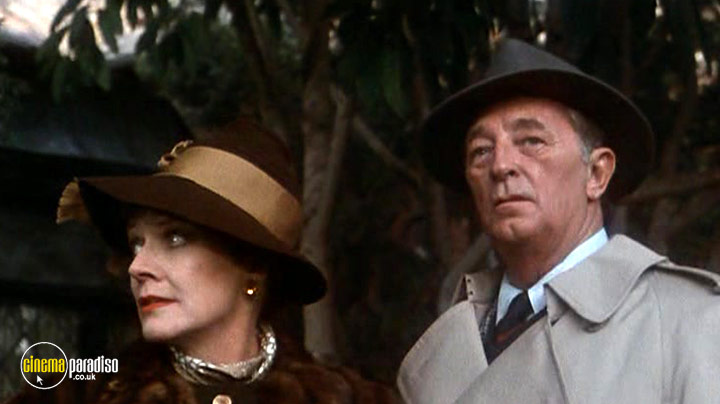
Matt Clark was also 89 when he passed on 15 March. A graduate of the Herbert Berghof Studio, Clark first made a screen impact in In the Heat of the Night (1967). But Will Penny (1968) sent him out West, where he found a niche in The Cowboys, The Great Northfield, Minnesota Raid, The Culpepper Cattle Co. (all 1972), Pat Garrett and Billy the Kid, The Life and Times of Judge Roy Bean (both 1973), The Legend of the Lone Ranger (1981), Back to the Future III (1990), and A Million Ways to Die in the West (2014), which proved to be his last role. In addition to co-starring with Clint Eastwood in The Beguiled (1971), The Outlaw Josey Wales (1973), and Honkytonk Man (1982) and Robert Redford in Jeremiah Johnson (1972) and Brubaker (1980), Clark also cropped up in such TV shows as Bonanza, The Waltons, The Little House on the Prairie, Dynasty, The Winds of War, Walker, Texas Ranger, Lois and Clark, and Chicago Hope.
Retiring undefeated as a six-time middleweight karate world champion. Chuck Norris was always a better fighter than he was an actor. Even before student Steve McQueen had encouraged him to consider cinema. Norris had debuted in The Wrecking Crew (1968), whose fight director was Bruce Lee. Norris and Lee choreographed a routine for The Way of the Dragon (1972) and Norris never missed an opportunity to pay tribute in the numerous documentaries about Lee's brief time in the spotlight. Following his friend's death, Norris took a step back. But the success of Breaker! Breaker! (1977) and Good Guys Wear Black (1978) convinced him he had what it took to be a leading man. Initially, he headlined independent offerings like A Force of One (1979), The Octagon (1980), and An Eye For an Eye (1981). However, the studio outings Silent Rage (1982) and Lone Wolf McQuade (1983) convinced Cannon chiefs Menahem Golan and Yoram Globus to sign him up for Missing in Action (1984), Invasion U.S.A. (1985), The Delta Force, and Firewalker (both 1986).
Despite lacking the star power of Sylvester Stallone or Arnold Schwarzenegger, Norris was more consistent than Steven Seagal or Jean-Claude Van Damme. However, he peaked with Code of Silence (1985) and trod water in standard action fare like Missing in Action 2: The Beginning (1985), Hero and the Terror (1988), and Delta Force 2 (1990) before the TV series, Walker, Texas Ranger (1993-2001), came to his career rescue. The Cordell Walker spin-offs, Walker Texas Ranger (1993) and Walker, Texas Ranger: Trial By Fire (2005) were superior to later excursions like Top Dog (1995), Forest Warrior (1996), Logan's War (1998), The President's Man (2000), and The Cutter (2005), although Norris got to sign off in august company in The Expendables 2 (2012). Provocative right-leaning political views failed to diminish his hard-man cult status and he died a hero to many on 19 March at the age of 86.
Although producer Robert Fox (who died on 20 March) was primarily known as a man of the theatre, he also dabbled in cinema to often excellent effect. The younger brother of actors Edward and James Fox, he started in showbiz as an assistant to West End producer Michael White and appeared in Gracie Otto's documentary. The Last Impresario (2013). Several of his stage successes as a producer translated to the screen, including Anyone For Denis? (1982), Another Country (1984), and The Lady in the Van (2015). Following Ken Russell's Gothic (1987) and John Irvin's A Month By the Lake (1995), Fox returned to films with the Judi Dench duo of Iris (2001) and Notes on a Scandal (2006), as well as The Hours (2002), which earned him an Oscar nomination, Mike Nichols's Closer (2006), Al Pacino's Wilde Salomé (2011), and The Happy Prince (2018), which starred Rupert Everett as Oscar Wilde. Fox also collaborated with Peter Morgan on Frost/Nixon (2008) and The Crown (2016-23).

Texan Valerie Perrine lost two boyfriends while working as a showgirl in Las Vegas. Gun collector Bill Haarman accidentally shot himself a month before their wedding, while hair stylist Jay Sebring was murdered along with Sharon Tate by the Manson Family at a house party that Perrine only missed because the dancer who had agreed to take her shift let her down. She was discovered on stage and cast as porn star Montana Wildhack in George Roy Hill's adaptation of Kurt Vonnegut's Slaughterhouse-Five (1972). Perrine then became the first actress to appear nude on American television in the 1973 teleplay, Steambath. She followed this by winning the BAFTA for Most Promising Newcomer to Leading Film Roles and the Best Actress prize at Cannes for her performance as Honey, the stripper wife of Lenny Bruce (Dustin Hoffman), in Bob Fosse's Lenny (1974). Moreover, she also received an Oscar nomination for Best Actress after having survived a plane crash while promoting the film and returned to the wreckage for her make-up bag. However. she would never attain the same heights again, splendid though she was as Eve Teschmacher, the moll of arch-villain Lex Luthor (Gene Hackman), in Superman (1978) and Superman II 1981).
Perrine deserved better as Carlotta Monti opposite Rod Steiger in W.C. Fields and Me (1976), although she found a more amenable co-star in Robert Redford, as she played ex-wife Carlotta Steele in The Electric Horseman (1979). But she came to regret turning down the Kathleen Turner role in Body Heat (1981) when she landed a Razzie nomination for Worst Actress for the Village People picture, Can't Stop the Music (1980). Sadly, her career never really recovered, despite upstaging Robert Mitchum in Agency (1980), Jack Nicholson in The Border (1982), and Michael Caine in Water (1985). Television spots kept her visible, as features like Maid to Order (1987), Boiling Point (1993), The Break (1995), and Brown's Requiem (1999) became rarer and less significant. Mel Gibson found her a cameo in What Women Want (2000), while she reunited with Jeff Bridges, her co-star in The Last American Hero (1973), in The Moguls (2005). Diagnosed with Parkinson's Disease in 2015, Perrine bravely revealed the extent of her condition in the documentary short, Valerie (2019). She died on 23 March at the age of 82.
Nowhere captures the spirit of Das Neue Kino better than Edgar Reitz's Die zweite Heimat (1992), which draws on the director's own memories of the rise of New German Cinema, which was launched with the 1962 Oberhausen Manifesto designed to reinvigorate a West German film culture that had become bogged down in Papas Kino. The brains behind the movement was Alexander Kluge, who died on 25 March at the age of 94. Trained as a lawyer, his fascination with film prompted him to become an assistant to Fritz Lang on Der Tiger von Eschnapur (1959). His first short, Brutality in Stone (1960), was a montage assault on Nazism, which was the talk of the Oberhausen Short Film Festival. He inspired the likes of Rainer Werner Fassbinder, Werner Herzog, and Wim Wenders by winning the Silver Lion at Venice for Yesterday Girl (1966) and the Golden Lion for Artists of the Big Top: Disorientated (1968). Subsequent titles like The Big Mess (1971), Part-Time Work of a Domestic Slave (1973), and In Danger and Deep Distress, the Middleway Spells Certain Death (1974), which he co-directed with Edgar Reitz, made less impact, although he joined Reitz, Fassbinder, Volker Schlöndorff, and seven others on the political portmanteau picture, Germany in Autumn (1978). Kluge returned to form with The Assault of the Present on the Rest of Time (1985), by which time he was concentrating on his writing. Yet he continued to make occasional films, with Primitive Diversity being released in 2025.
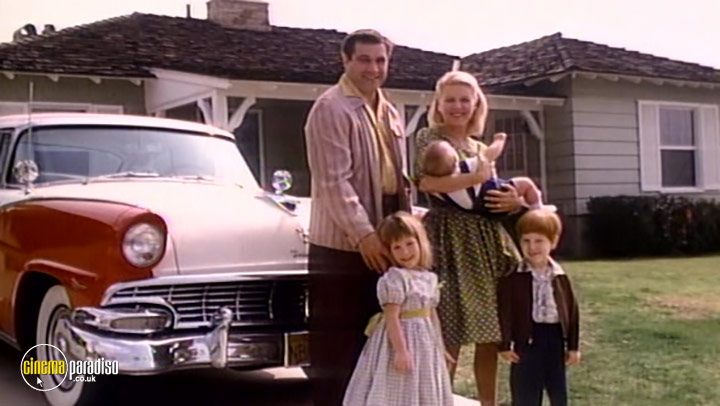
Michigan-born character actor James Tolkan was also 94 when he passed away on 26 March. Having made his debut alongside Method royalty in an Actors Studio film of Anton Chekhov's The Three Sisters (1966), Tolkan settled into playing adversarial authority figures with a stern gaze and a sharp tongue. For Sidney Lumet, he played the cop who falsely accuses Al Pacino of making gay advances in Serpico (1973) and New York City District Attorney George Polito in Prince of the City (1981). He was Napoleon Bonaparte and a lookalike in Woody Allen's Love and Death (1975), the coroner in The Amityville Horror (1979), an FBI agent in WarGames (1983), the commander of USS Enterprise's Carrier Air Wing in Top Gun (1986), Big Boy Caprice's accountant in Dick Tracy (1990), and the pianist in Bone Tomahawk (2015). Most significantly, he donned a bow-tie to essay Hill Valley High vice-principal Gerald Strickland in Back to the Future (1985) and Back to the Future Part II (1989), before essating his ancestor, Marshal James Strickland, in Back to the Future Part III (1990). Tolkan got to show his lighter side in Armed and Dangerous (1986), Trabbi Goes to Hollywood, and Problem Child 2 (both 1991), and landed a rare lead as the head of an anti-terrorist organisation in Viper (1988). As you'll discover by typing his name into the Cinema Paradiso searchline, Tolkan also made periodic guest appearances in TV shows like Hill Street Blues, The Equalizer, The Wonder Years, and Miami Vice.
Concluding our spring walk of remembrance is Mary Beth Hurt, who left us on 28 March at the age of 79. Born Mary Beth Supinger in Marshalltown, Iowa, she counted Jean Seberg among her babysitters and later voiced the troubled actress in Mark Rappaport's documentary, From the Journals of Jean Seberg (1995). After university (where she met actor husband William Hurt), she established herself on stage by winning an Obie for Crimes of the Heart (which would be filmed in 1986, with Jessica Lange in the role of Meg McGrath). Her film debut, as Joey in Woody Allen's Interiors (1978), earned her a Best Newcomer nomination from BAFTA. But she caught some of the flak aimed at Bo Derek and Anthony Hopkins for A Change of Seasons (1980) and was relieved to get better notices as Robin Williams's adulterous professor wife, Helen Holm, in The World According to Garp (1982).
Divorcing Hurt, she married writer-director Paul Schrader and worked with him on Light Sleeper (1992) and Affliction (1997). In between times, she impressed as Regina Beaufort in The Age of Innocence and Kitty in Six Degrees of Separation (both 1993) before reuniting with Martin Scorsese as Nurse Constance in Bringing Out the Dead (1999). In addition to collaborating with Schrader again on The Walker (2007), Hurt also enjoyed a string of intriguing roles in films as diverse as Autumn in New York, The Family Man (both 2000), The Exorcism of Emily Rose (2003), Lady in the Water, The Dead Girl (both 2006), Untraceable (2008), and Young Adult (2011). She signed off with a rare lead as Jo Ann Baybury in Change in the Air (2018) before being diagnosed with Alzheimer's. 'I've never been extremely comfortable playing the lead,' she said in 2010. 'I don't like the responsibility; there's a feeling that I have to be good. Besides, I found secondary parts much more interesting, especially when I was younger and the ingénue roles were pretty bland.'
Mentioned films