As Richard Linklater returns to disc with Blue Moon and Nouvelle Vague, Cinema Paradiso reflects on the career of America's most experimental film-maker.
'My career goal,' Richard Linklater once said, 'has always been to be able to stay up late, get up late, and never have to wear a tie.' In keeping with his ambition to go his own way in his own time, he has consistently taken a pride in being unlabelable. It's hard to think of another contemporary whose canon is so experimental, yet so accessible. Since dispensing with traditional plotlines in his early features, Linklater has redefined screen romance, dabbled with rotoscoping, and staged stories in real and extended time frames. He has made personal indie statements and studio entertainments, while challenging the classical cinematic convention of showing rather than telling.
Many of his films deal with time, memory, and the sense of possibility and often focus on characters seeking to find their own way by connecting with those around them. As he sets such store by rehearsal, performances feel spontaneous and as authentic as the everyday settings that make his pictures so relatable. They are never going to overwhelm you with spectacle or have you on the edge of your seat. But the films of Richard Linklater are filled with little moments that often leave an unexpectedly deep impression.
Shuttling Around Texas
Richard Linklater was born in Houston, Texas on 30 July 1960 to insurance underwriter Charles W. Linklater III and his 22 year-old wife, Diane Margaret Krieger. He had two older sisters, Susan and Tricia, and they all stayed with their mother after she divorced Chuck when Richard was nine.
His father remained in Houston and Richard saw him and stepmother Jacque at weekends. 'He's the guy,' Linklater later recalled, 'who, you wreck the car, he says, "Well, nobody was hurt, it's just some metal."' Diane was much stricter and ticked off the teenage pinball hustler for trying to cultivate a 'good ol' boy' accent. 'She wouldn't let me have much of a Texas accent,' he told Rolling Stone magazine. 'She'd say, "Don't say 'ma'am.' You sound like a hick."'
Diane moved to Huntsville in East Texas, where she became a college teacher. Money was often tight, however, and the 12 year-old Richard found himself responsible for the upkeep of an aparment complex. He later got a Sunday job clearing tables at the restaurant where his school friends ate with their parents. 'My whole life was called "sh*t job",' he confided in 2014. As Diane frequently moved around, Linklater enrolled at numerous schools and admits to having spent much of his time looking out of the window.
Changing places meant he also had to redecorate lots of bedrooms. 'I wanted my room perfect,' he told one interviewer. 'As a little kid, you go where your parents drag you. You have no agency, no dominion.' He also had to get used to lots of new boyfriends and stepfathers: 'My mom's a pretty strong woman,' he claimed, 'but you might question her judgment.' As Huntsville was home to a large prison complex (which included the busiest execution chamber in Texas), some of Diane's dates had very set ideas about domestic life. However, it was Chuck's new in-laws who once gave him a Bible and a shotgun. 'I grew up in a series of households with lots of different politics,' he reminisced. 'They were generally progressive liberal types, not activists, necessarily, although my mom became one later. And there were some stepfathers, looking back, that were pretty damn conservative and racist.'
One stepfather was a corrections officer and Linklater later admitted, 'To my self-absorbed junior-high self, I just came to resent his presence, but looking back, he was trying to help support a family he'd suddenly taken on.' Yet, he also felt his mother was 'a little radical' and this shaped his attitude to authority. 'I had a blurry line,' he told Rolling Stone. 'I had an outlaw larceny streak.' Reflecting on his upbringing, Linklater claims 'Just the right amount of trauma and volatility is probably a good thing for an artist. It exposes you to the frailty of life.' However, it also left him feeling 'I was a nobody from nowhere,' even though he was a talented American footballer at Huntsville High School and was back-up quarterback for the top-ceded team in the state.
At the same time, Linklater started developing literary aspirations. 'I realised from fifth grade,' he explained, 'that I felt a need to express myself. I didn't put it in those terms, but I just felt creative. And I had outlets. I'd write plays and short stories. So, in my limited view of the world, I was an aspiring writer.' He was also a massive music fan and enjoyed painting, designing, and woodworking. 'It sounded corny,' he said, 'especially in the town I was in, to say I want to be a novelist. If you said, I want to be a writer, people went, like for Sports Illustrated? But I was thinking, no, I want to write On the Road, these are my heroes, these beatniks.'
Having switched to baseball, Linklater started fantasising, 'I could be a Major League baseball player and a published author. So in the off-season, I'd finish the great novel I'd been writing during the season. Why not? No one's pulled that off before or since.' Following what he called a 'very teenage' but 'full-blown existential crisis that was almost debilitating', Linklater moved in with Chuck and Jacque in Houston in order to attend Bellaire High School to pursue his dream of becoming a Major League baseball star. 'I don't brag about anything important,' he once joked, 'but I will say I led the city of Houston in hitting.'
This led to Linklater winning a baseball scholarship to Sam Houston State, where he briefly contemplated the big time. As Chuck opined, 'He was plenty good, but the arm would have held him back.' But it was the diagnosis of a heart condition that curtailed his sporting ambitions. 'One day I'm playing,' he remembered. 'The next day I'm in the library reading and writing plays.' He still has a batting cage at his ranch in Bastrop. But he doesn't watch sports and considers following a favourite team to be toxic. According to Linklater, the Republican Party is 'a football team that'll do anything to win. To me, I'm a film fan. It's life-giving. Affirming.'
A Self-Taught Cinéaste
'By 16,' Linklater recently told The Big Issue, 'I was already thinking that cliché, I'm gonna write the Great American Novel. I felt I had stories and characters in me. It's hard to pinpoint why you have that. But I was the kind of person who analysed the world as I experienced it. Who knows what childhood traumas lead you to a slightly disassociated personality that wants to comment on the world or do something creatively with it rather than just be happy in it! I think that's the artistic personality. And I remember feeling that my entire life.'
However, he was still known for his baseball skills and he played at Sam Houston State University in Huntsville. 'I was a good athlete,' he reflected later. 'I was on sports teams and good enough to get a college scholarship. But I just wasn't that competitive. I love sports but didn't have that killer instinct; my needs weren't so deep that I had to win so bad.' Thus, on being warned about his health, Linklater had no qualms about chucking his college place and going to work on an offshore oil rig in the Gulf of Mexico. Here, he read voraciously, with his favourites being the great Russian novelists, although Henry David Thoreau, Ralph Waldo Emerson, Walter Benjamin, James Joyce, and Philip K. Dick were to have a deeper influence on his films.
During downtime in Houston, he discovered the River Oaks repertory cinema in Houston, as well as the Rice Media Center and the Museum of Fine Arts, and started watching five or six films a week. Cinema hadn't meant much to him as a teenager. 'Films to me were just these fun things,' he rememered. 'I lived in a place with one theatre. We were in a small town, so the big films you heard about came to our town two months later. But my dad lived in the big city. So I would go there on weekends and come back and tell all my friends, hey, I saw American Graffiti or the new James Bond film and they'd be like, huh? Then it would play in our small town months later. So I was ahead of the game because I had a big city element in me.'
As the River Oaks showed two classic films a night, Linklater 'got to really feast on the history of cinema' and he soon 'began to realise that this was my medium, that I had films in my head'. Quitting the rig, he got a job as a parking valet at a Doubletree to pay for the 600-odd films he saw each year. One day, while writing a short story, he realised that he was envisaging the action in terms of camera shots. 'I was like, "I just need to get a camera,"' he recalled. Using savings from his rig gig, he bought Super-8 camera, a projector, and some editing equipment, and moved to Austin. Moreover, he started reading technical manuals and mingling with the film community at the University of Texas. His grades weren't good enough to get him into the university's film programme, but he took classes at Austin Community College, where tutor Chale Nafus remembers Linklater as a quiet, but eager student with an innate understanding of camera technique and character creation. 'I had no idea at that time that he wanted to make films,' Nafus recalled, 'I thought he was going to be a very good film teacher or critic.'
In 1985, Nafus and Linklater founded the Austin Film Society, along with University of Texas professor Charles Ramirez-Berg, Austin Chronicle editor Louis Black, and budding cinematographer and roommate, Lee Daniel. Renting 16mm prints for $150 a pop, Linklater convinced Dobie Theatre manger Scott Dinger to let him host a monthly midnight matinee screening. They also rented storage space above a coffee shop and filled in with fold-out chairs to create a boutique cinemathéque using two 16mm projectors. 'We wanted to make something happen,' Linklater recalled, 'and, selfishly, to see a bunch of movies. We'd show films up there sometimes to very few people, but, even projecting those movies, I had a lot of really profound experiences.'

The AFS's first curated event gathered some experimental shorts, including Luis Buñuel and Salvador Dalí's Un chien andalou (1929), under the banner 'Sexuality and Blasphemy in the Avant Garde'. As the prints were hired by the week or fortnight, Linklater often took them back to the flat to watch again and again. 'It's good to have your hands on the machinery sometimes,' he said. 'We had our public screenings but I got to watch the films in my living room, too, because I had a projector there. The films, if they weren't [needed] anywhere else, would show up like two weeks before your actual screening date. So I'd be sitting there with a beautiful 16mm print in my living room and maybe I'd just watch it every night. This was before those films were on video or anywhere. That's special - it's like a visitor or a friend visiting you for a week or two, and talking every night. You really get to know a film.'
Among his early enthusiasms were the films of the nouvelle vague. He had seen Jean-Luc Godard's À bout de souffle (1960) at a campus screening with his father in the early 1980s. 'I liked it,' he told a reporter, 'but didn't really understand it. I hadn't been exposed to that much international cinema in those days. The second time I saw it, I realised what was going on. Then I started watching everything I could get my hands on - Godard, Truffaut, Rohmer, Rivette - making up for lost time. Back then, you had to wait for films to show up at a theatre, you couldn't just rent them at the click of a button. I started the Austin Film Society so I could show a bunch of movies and, in the spring of '88, I screened 17 Godard films.'
Another key influence on his future style was Martin Scorsese's Raging Bull (1980). As he explained, 'It made me see movies as a potential outlet for what I was thinking about and hoping to express. At that point I was an unformed artist. At that moment, something was simmering in me, but Raging Bull brought it to a boil. He was also inspired by Robert Bresson, Andrei Tarkovsky, Yasujiro Ozu, Rainer Werner Fassbinder, Josef Von Sternberg, and Carl Theodor Dreyer.

When Criterion asked Linklater to name his Top 10 arthouse features, he came up with the following (all of which are available at a single click from Cinema Paradiso): Andrei Tarkovsky's Andrei Rublev; Robert Bresson's Au hasard Balthazar (both 1966); Roberto Rossellini's Francis, God's Jester (aka The Flowers of St Francis, 1950); Carl Theodor Dreyer's Day of Wrath (1943); Yasujiro Ozu's Tokyo Story (1953); Martin Scorsese's The Last Temptation of Christ (1988); Preston Sturges's Unfaithfully Yours (1948); Ingmar Bergman's Fanny and Alexander (1982); Bresson's Pickpocket (1959); and Michael Powell and Emeric Pressburger's I Know Where I'm Going! (1945).
In his 'Letter to My Younger Self' in The Big Issue, Linklater wrote: 'Once I was out of school, I was so happy to get into a world that I controlled. I could put all that passion into art and spend entire days reading, watching movies, writing, editing, shooting my short films. My life was mine. I was doing what I was 100% passionate about and didn't need permission from anyone or to impress a coach to put me in the lineup. You can't tell an artist they can't do something, not in the early throes of your own passion. I'll always remember that as my freest and happiest time, undergirded by the anxiety of not knowing what's next.' What was next, however, was a move from film programming into film-making.
Film Attempts
Looking back on his earliest directorial efforts, Linklater recalled, 'All I wanted in life was to do what I wanted to do. We had set up this ideal world where we just got to play. I wanted to create a world of movies and passionate people who love what I love. And that's what kind of came about.' He was under no illusions, however, and even added an on-screen label to his first short, Woodshock (1985), which read 'a film attempt'.
Co-directed by Lee Daniel and running for seven minutes, this was a 16mm satirical homage to the hippie movement at the iconic music festival chronicled in Mike Wadleigh's Woodstock (1970). As the focus fell primarily on spaced-out crowd members, the only musician on view was Daniel Johnston, who would become the subject of Jeff Feuerzeig's documentary, The Devil and Daniel Johnston (2005). But Linklater and Lee Daniel would recreate the Woodshock vibe in the 'Moontower' party sequence in their third feature in 1993 (see below).
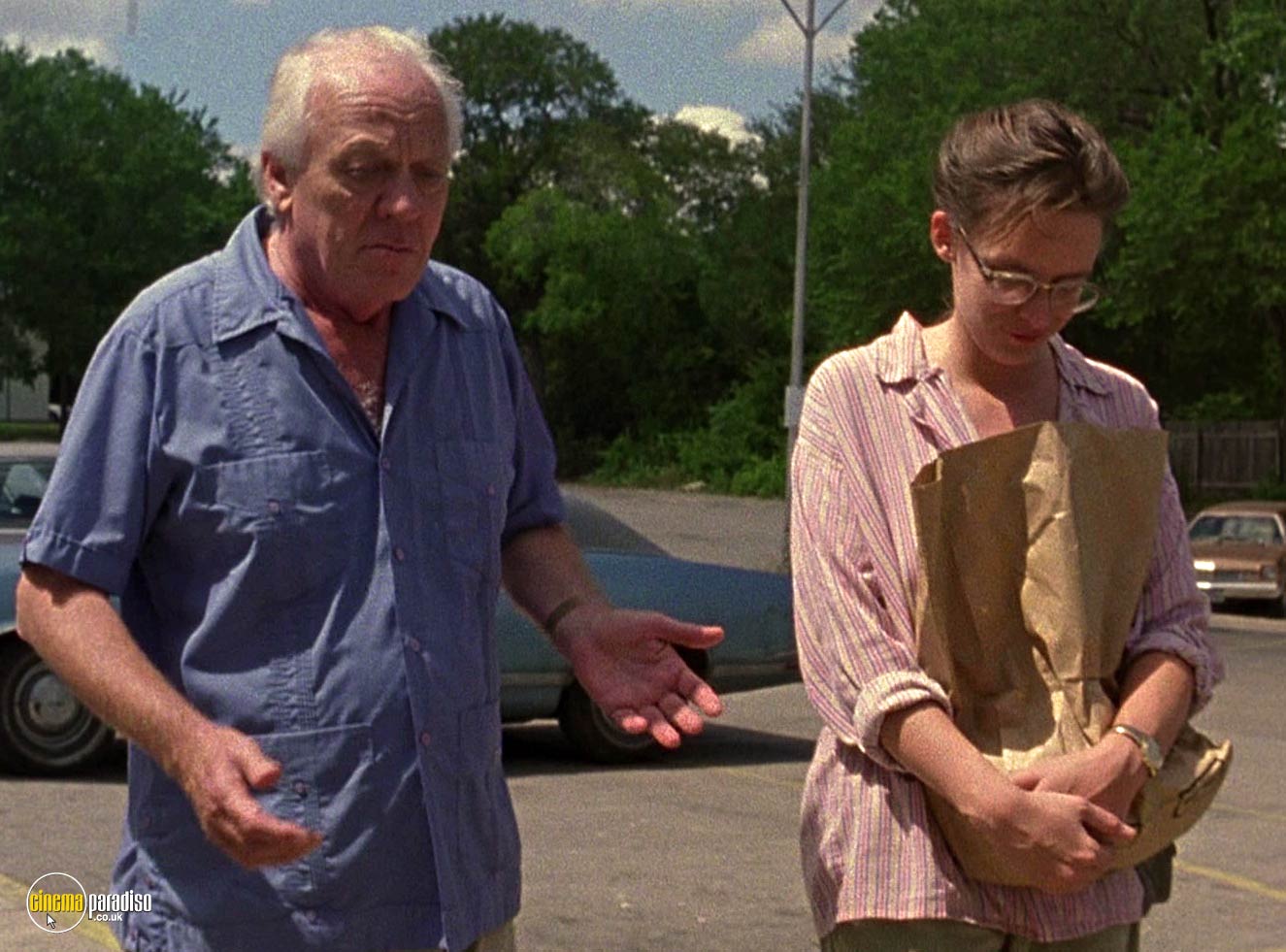
Johnston would also make a brief cameo in Linklater's debut feature, It's Impossible to Learn to Plow By Reading Books (1988), a Super 8 experimental road movie that took a year to make and deserves to be much better known. The director takes the leading role himself, as well as shooting and editing the 86-minute picture, which cost just $3000 to make. Setting the tone by avoiding a traditional narrative, the action follows the nameless protagonist, as he mooches around Austin before embarking upon a series of train journeys that take him to Missoula, Montana and San Francisco before he returns to his mundane existence. Setting the camera on a tripod and running in front of it to act (with the dialogue being recorded on a Sony Walkman in his pocket), Linklater filmed himself boiling water and using a cash machine in an opening section whose highlight was an unexpected shot of the shirtless protagonist firing a gun out of his window. But the incident was never referred to again, in an one-man movie that encapsulates Linklater's determination to become a film-maker. 'It's not like I aspired to make films alone,' he said later. 'I was really just feeling my way through the medium.'
Having spent a year editing It's Impossible, he hit his straps with his sophomore outing, which cost $23,000 and was made by Detour Filmproduction, a company that Linklater had named after Edgar G. Ulmer's classic noir, Detour (1945). The first of several features in which the action is confined to a single day, Slacker (1990) alights upon the 25-odd conversations being had by various marginalised twentysomething Austinites. The idea of having the characters appear in a chain of pass-along vignettes had dawned during a late-night drive between Austin and Houston. Linklater thought he had hit upon an original conceit, when, in fact the sequential format had already been used in Max Ophüls's La Ronde (1950) and Luis Buñuel's The Phantom of Liberty (1974).
Linklater turned up as 'Should Have Stayed At the Bus Station', while cinematographer Lee Daniel played 'GTO' and 'Cousin From Greece' was essayed (under the name Rachel Reinhardt) by Athina Rachel Tsangari, the future director of such Greek Weird Wave classics as Attenberg (2010) and Chevalier (2015). Other characters were played by local musicians, including Butthole Surfers drummer Teresa Taylor, in order to give the exchanges a neo-realist-cum-nouvelle vague feel. Almost four decades on, however, the action has acquired a documentary vibe, as it provides a unique snapshot of the fashions, attitudes, and preoccupations of young people at the start of a new decade of hope after the awful 80s.
'It was definitely down and dirty,' Linklater later conceded. 'I was really burning through the credit cards. My folks ended up putting in about six grand. My sister went to an ATM at a crucial moment. Proudest day of my life was to pay back people who gave me money for that.' This was no mean feat, as Slacker was rejected by Sundance and Berlin and was given a rough ride by the few critics who saw it. But Film Comment ran an article on the feature and New York producer John Pierson (who had helped launch Spike Lee and Michael Moore) agreed with Linklater that this was 'a definite crowd-pleaser for a particular niche of the population' that included 'a slightly older audience with beatnik or hippie sensibilities - basically anyone in the entire post-World War II period that has felt at all marginalised or at odds with their society'.
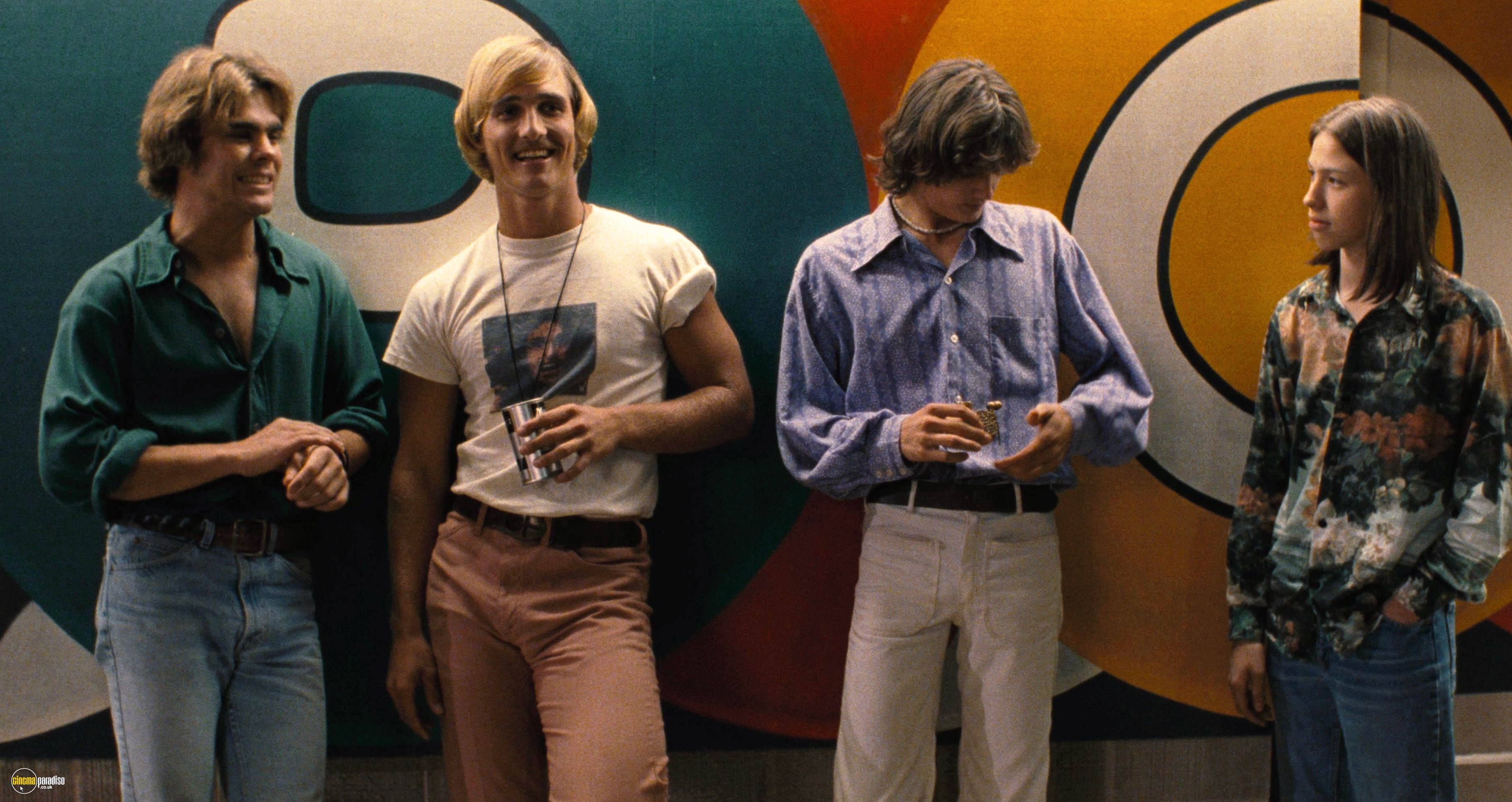
Pierson brokered a deal with Orion that would deliver Linklater a $100,000 advance and around $50,000 to cover the costs of producing 35mm release prints. A slightly amended cut was welcomed to Sundance in January 1991 before a staggered release schedule across the United States saw the picture gross $1.2 million. During this period, Linklater tried to secure the rights to Charles Bukowski's Factotum. But the memory of riding around in a car with his pals in 1976, listening to ZZ Top's classic album, Fandango, sparked the notion for Dazed and Confused (1993). Once again, narrative linearity was eschewed, but Universal put up $6 million so that Linklater could relive his high school days with an ensemble cast of unknowns that included Matthew McConaughey, Ben Affleck, Parker Posey, Milla Jovovich, Cole Hauser, Joey Lauren Adams, Adam Goldberg, Nicky Katt, Rory Cochrane, and Anthony Rapp.
'I really do remember everything,' Linklater declared when asked about mining his past. 'I see people I haven't seen in 20 years, and I can talk with them about what we talked about outside the high school.' Although the film fizzed with personal recollections, it also contained echoes of Nicholas Ray's Rebel Without a Cause (1953) and George Lucas's American Graffiti (1973), but also nascent rock'n'roll movies like Shake, Rattle and Rock! (1956) and hot-rod sagas like Dragstrip Girl (1957), which were both directed by Edward L. Cahn.
Arguments over song rights spoilt the experience for Linklater, although he forged a bond with editor Sandra Adair, who has worked on all of his subsequent films. Universal had expected to gross more $8 million on its outlay. But, even though Dazed found its audience on video, it was decided that Linklater wasn't the next Hollywood hot shot - which suited him down to the ground, as he had been far from impressed by the studio milieu. Having joined Todd Haynes, Greg Araki, Abel Ferrara, Atom Egoyan, James Gray, Robert Redford, and Haskell Wexler in Michael Almereyda and Amy Hobby's At Sundance (1995) - which can be rented from Cinema Paradiso on Another Girl, Another Planet (1992) - he cheerfully returned to Austin to work on an unconventional love story that would surprise everyone by becoming the first part of a trilogy.
Hits and Misses
Linklater dipped into his past again for his fourth feature. In 1989, he had met Amy Lehrhaupt in a Philadelphia toy shop and they hit it off so immediately that they spent the rest of the day walking around the city in deep conversation. Sadly, Lehrhaupt had been killed in a motorcycle accident before Before Sunrise (1995) was released. But their tryst was relocated to Vienna, so that Jesse (Ethan Hawke) and Céline (Julie Delpy) could discover the Austrian capital, as well as each other and a little bit about themselves.
Having played teacher Ginny Stroud in Dazed, Kim Krizan was asked to collaborate on the screenplay to finesse Céline's dialogue, although Delpy and Hawke (who had been cast after an extended search) made their own contributions during rehearsals to the screenplay, which opens on a train to Budapest and proceeds to follow the couple around Vienna's landmarks after Jesse persuades Céline to delay her return to Paris and walk with him, as he doesn't have the money for a hotel room before his flight back to the United States the next day.
It's possible to detect the influence of David Lean's Brief Encounter (1945) and Agnès Varda's Cléo de 5 à 7 (1962) on the scenario, as well as elements of James Joyce's Ulysses, which had been filmed by Joseph Strick in 1967. But the nature of the conversation, as the personal and the philosophical spontaneously spill over into passion, is very Linklater and he deservedly won the Silver Bear for Best Director at the 45th Berlin International Film Festival.
Now hailed as one of America's most significant independent directors, Linklater accepted an offer to adapt Eric Bogosian's play, SubUrbia (1996), which takes place on the corner outside a Circle A convenience store in the (fictional) Burnfield district of Austin. It's easy to see why Linklater took the job, as the diverse characters on the cusp of making the decisive steps in their lives have a spiritual connection to the slackers in his earlier works. But the cast led by Giovanni Ribisi (as a visual arts student) didn't quite gel and the film fared poorly critically and commercially. Indeed, it doesn't even merit a mention in Louis Black's documentary profile, Richard Linklater: Dream Is Destiny (2018).
A section is devoted, however, to The Newton Boys (1998), which draws on a volume by Claude Stanush to chart the criminous career of four brothers from Uvalde, Texas, who committed a series of daring bank and train robberies in the 1920s. Matthew McConaughey starred as Willis Newton, the brains of the outfit, while his brothers were played by Skeet Ulrich (Joe), Ethan Hawke (Jess), and Vincent D'Onofrio (Dock Newton), while Dwight Yoakam stole scenes as accomplice, Brentwood Glasscock. Costing $28 million, this often felt closer to a Western than a period crime drama, with one scene centring on a debate about the merits of silent cowboys William S. Hart and Tom Mix. There are also allusions to Edwin S. Porter's The Great Train Robbery (1903) and George Roy Hill's Butch Cassidy and the Sundance Kid (1969), while Linklater also used a clip from Erich von Stroheim's Greed (1924) to add a little period colour.
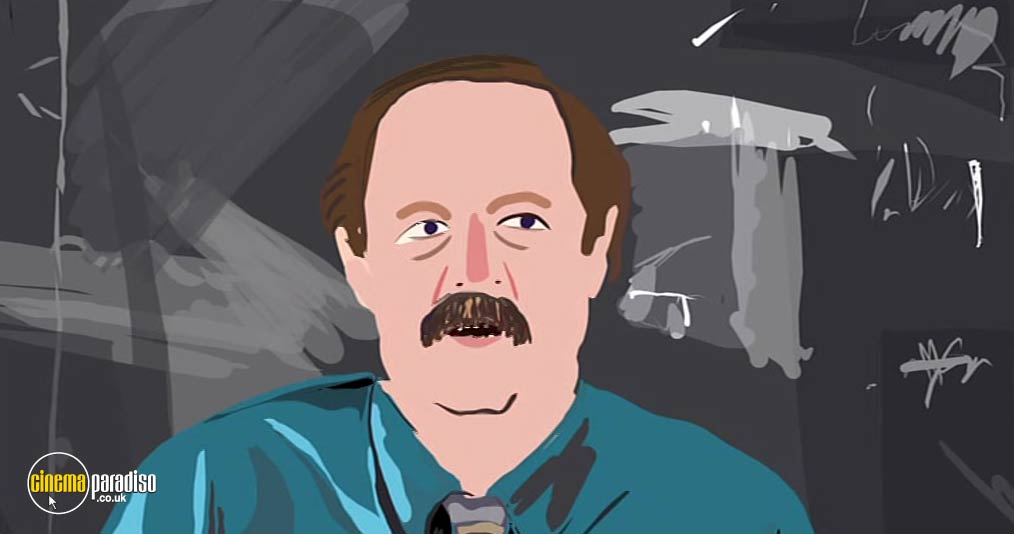
The setback cost Linklater the chance to adapt Ben Hamper's Rivethead: Tales From the Assembly Line and Buzz Bissinger's Friday Night Lights: A Town, a Team, and a Dream, an account of a Texas football team's 1988 season that was eventually filmed by Peter Berg in 2004. On something of a losing streak, Linklater followed a guest appearance in Robert Rodriguez's Spy Kids (2001) by teaming with Tommy Pallotta to make a film on digital video and turn it into an animation using Bob Sabiston's rotoscoping process, which gives the impression of tracing over photographic reality. At the heart of Waking Life (2001) is an unnamed man (Wiley Wiggins), who drifts through a series of dreams and/or one-to-one encounters in a bid to discern the meaning of life. Linklater appears navigating a boat, while there are also appearances by Steven Soderbergh, Adam Goldberg, Nicky Katt, and Kim Krizan.
Full of big ideas, bold statements, and provocative theories, this became a cult hit, especially in campus towns. It also won the CinemAvvenire award at the Venice Film Festival, as well as the awards for Best Experimental Film and Best Animated Film from the National Society of Film Critics and the New York Film Critics Circle.
Remaining in experimental mode, Linklater adapted Stephen Belber's play, Tape (2001). Set in a motel room in Lansing, Michigan, the action initially centres on drug dealer and volunteer fireman Vince (Ethan Hawke) reminiscing about school days with film-maker pal, Jon (Robert Sean Leonard). However, the conversation takes a very different turn when they are joined by Vince's ex-girlfriend, Amy (Uma Thurman), who had slept with each man.
Shot in six days using handheld camcorders to give the drama a real time vérité feel, this has much in common with the Dogme95 films being produced in accordance with the tenets of a manifesto that had been drawn up by a group of Danish directors including Lars von Trier and Thomas Vinterberg. It reached a niche audience, but was more widely seen than $5.15/hr, a rejected pilot for an HBO series about a group of exploited minimum wage restaurant workers. However, Linklater's other assignment in 2003 proved to the biggest commercial success of his career to date. Producer Scott Rudin hired him for School of Rock, a feel-good comedy that stars Jack Black as Dewey Finn, a failed rock guitarist who finds himself working as a supply music teacher at the prestigious Horace Green prep school, where he puts together a combo of unlikely talents to compete in a Battle of the Bands contest.
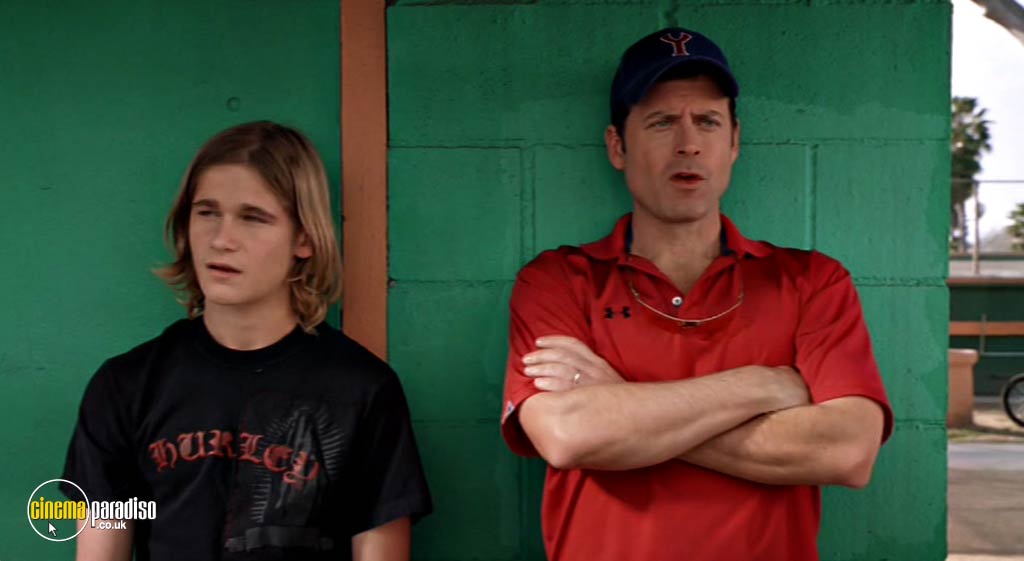
Spending six weeks in the US Top 10 chart, this instant family favourite amassed $131,282,949 worldwide and led to Linklater being entrusted with a 2005 remake of Michael Ritchie's Bad News Bears (1976). Billy Bob Thornton took over from Walter Matthau, as the curmudgeonly ex-ball player who finds himself coaching a hopeless Little League team. As few knew about Linklater's juvenile sporting attainments, it was presumed he was entirely wrong for this family sports saga. But he did a solid job, as he did with Live From Shiva's Dance Floor (2003), a short documentary that follows New York tour guide, Timothy 'Speed' Levitch (who had appreared in Waking Life), as he takes in such landmarks as Ground Zero, where he speaks about positivity returning to the city following the trauma of 9/11. The following year, however, Linklater was the subject of Irshad Ashraf's St Richard of Austin, which was shown on Channel 4's Art Show in December 2004.
What's Next?
One of the most memorable scenes in Waking Life reunited Jesse and Céline, as they chatted in bed about dreams, memories, and the nature of reality. The segment lasts 270 seconds, but Linklater, Krizan, Hawke, and Delpy had already considered making a sequel to Before Sunrise. Despite its cachet, however, the film had not made sufficient money to convince backers that they were going to get rich with a follow-up. Besides, the trio couldn't agree on a scenario, with one adventurous proposal setting the action in four different cities.
Ultimately, Before Sunset (2004) takes place in Paris and accompanies the pair on a wander after they meet at the Shakespeare and Company bookshop, where Jesse has been giving a reading from his acclaimed novel, This Time. Many critics picked up on the fact that Hawke and Delpy had added personal details to the dialogue (including references to the former's separation from Uma Thurman) and they shared the Oscar nomination for Best Adapted Screenplay with Linklater and Krizan.
Clearly in the mood for revisitations, Linklater turned to rotoscoping again for his adaptation of Philip K. Dick's A Scanner Darkly (2006). The live action footage took six weeks to shoot and centres on the efforts of undercover agent Bob Arctor (Keanu Reeves) to discover who supplies Donna (Winona Ryder) with Substance D, the powerful drug that he takes with housemates, James Barris (Robert Downey, Jr.) and Ernie Luckman (Woody Harrelson). However, the animation process proved problematic and the budget had to be increased and the deadline extended. The reviews were largely positive, although some who lauded the film's intelligence admitted to being baffled by its complexities.
Determined to set himself challenges, Linklater next turned to Eric Schlosser's non-fiction book about American eating habits to make Fast Food Nation (2006). Together, they hatched a storyline that opens with Don Anderson (Greg Kinnear), the marketing director of the Mickey's hamburger chain, learning from disgruntled Colorado farmer Rudy Martin (Kris Kristofferson) that the Uni-Globe packing plant that supplies the chain has poor safety standards. Other strands involve a Mickey's employee plotting to rob a store, a group of animal activists intent on freeing the cattle, and some migrants seeking work at the plant. Yet, despite exposing the iniquities of the junk-food industry and satirising modern American life, the film failed to find much of an audience after debuting in competition at Cannes.
Having appeared in Ethan Hawke's directorial debut, The Hottest State, and having returned to his baseballing roots for Inning By Inning: A Portrait of a Coach - a profile of record-breaking University of Texas coach, Augie Garrido - Linklater turned to Robert Kaplow's novel, Me and Orson Welles (all 2008), which harked back to a landmark 1937 production of William Shakespeare's Julius Caesar, which put an anti-fascist spin on the text. Zac Efron stars as an aspiring actor who become jealous when Welles (Christian McKay) flirts with the production assistant (Claire Danes) he has developed a crush on. With Ben Chaplin (George Coulouris), James Tupper (Joseph Cotten), Eddie Marsan (John Houseman), and Leo Bill (Norman Lloyd) playing key members of the Mercury Theatre company, this should have been a sizeable success. But encouraging reviews (particularly for McKay's exemplary performance) failed to attract a major distributor and its DIY roll-out resulted in a modest $2.3 million global take.
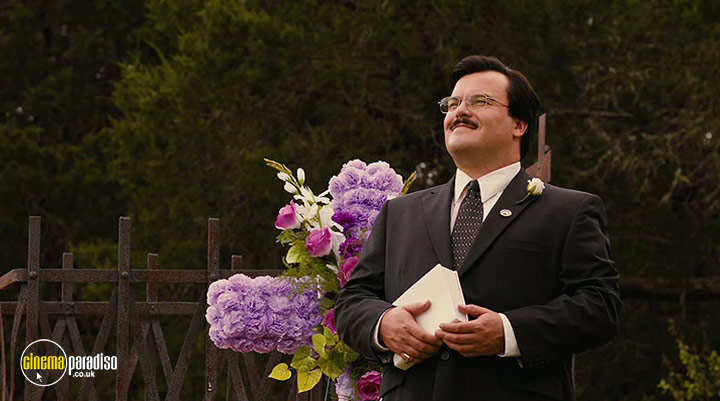
A reunion with Jack Black followed on Bernie (2011), a true-life crime take on Skip Hollandsworth's Midnight in the Garden of East Texas, which recalled the 1996 murder of 81 year-old Carthage millionaire, Marjorie Nugent (Shirley MacLaine), by Bernhardt Tiede (Black), an assistant mortician at the Leggett Funeral Home who becomes her doting companion. Tiede lived in the garage apartment of Linklater's Austin home for a spell after being released following the film's presentation of his case. But he was re-sentenced and is now serving 99 years to life. With Matthew McConaughey matching his co-stars as district attorney Danny Buck Davidson, this went down well with the major US critics, who commended Linklater's deft use of documentary convention and macabre humour. Black was nominated for a Golden Globe, but the film made less impact in this country. So, why not judge it for yourself through Cinema Paradiso?
Or you could settle down to binge watch the 'Before' trilogy, which Linklater completed with Before Midnight having directed Timothy 'Speed' Levitch in Hulu's six-part magical history tour, Up to Speed (2012). Despite reuniting with Ethan Hawke and Julie Delpy to develop the scenario, Linklater declared this to be 'the hardest movie I've ever done. I think because it's easier to make a film about falling in love or reuniting, rekindling love. But to make a film about staying in love?'
Nine years after their reunion in Paris, Jesse and Céline are the parents of twin daughters, who travel for a family holiday in Greece with Jesse's estranged teenage son from his first marriage. As he frets that he's a bad parent, Céline worries about her career collapsing and being engulfed by family life. Including a ferocious row, which culminates in Céline announcing that she no longer loves Jesse, the film ended on a note that could be seen as both a perfect conclusion and the starting point for a continuation. The trio have discussed a fourth instalment, but they have been unable to agree upon a suitable storyline. One of the rejected ideas concerned Céline facing a terminal illness.
As comparisons were made with the wonderfully eloquent dramas of Éric Rohmer, the screenplay earned an Oscar nomination, while Delpy was cited for Best Actress in a Motion Picture - Musical or Comedy at the Golden Globes. The film also made $23.25 million worldwide.Yet, during the 17 years that Linklater had devoted to the trilogy, he had also been working intermittently on a situational drama that many consider to be his masterpiece - and, as we have already seen, there is plenty of competition for that particular accolade.
Twelve Years in the Making
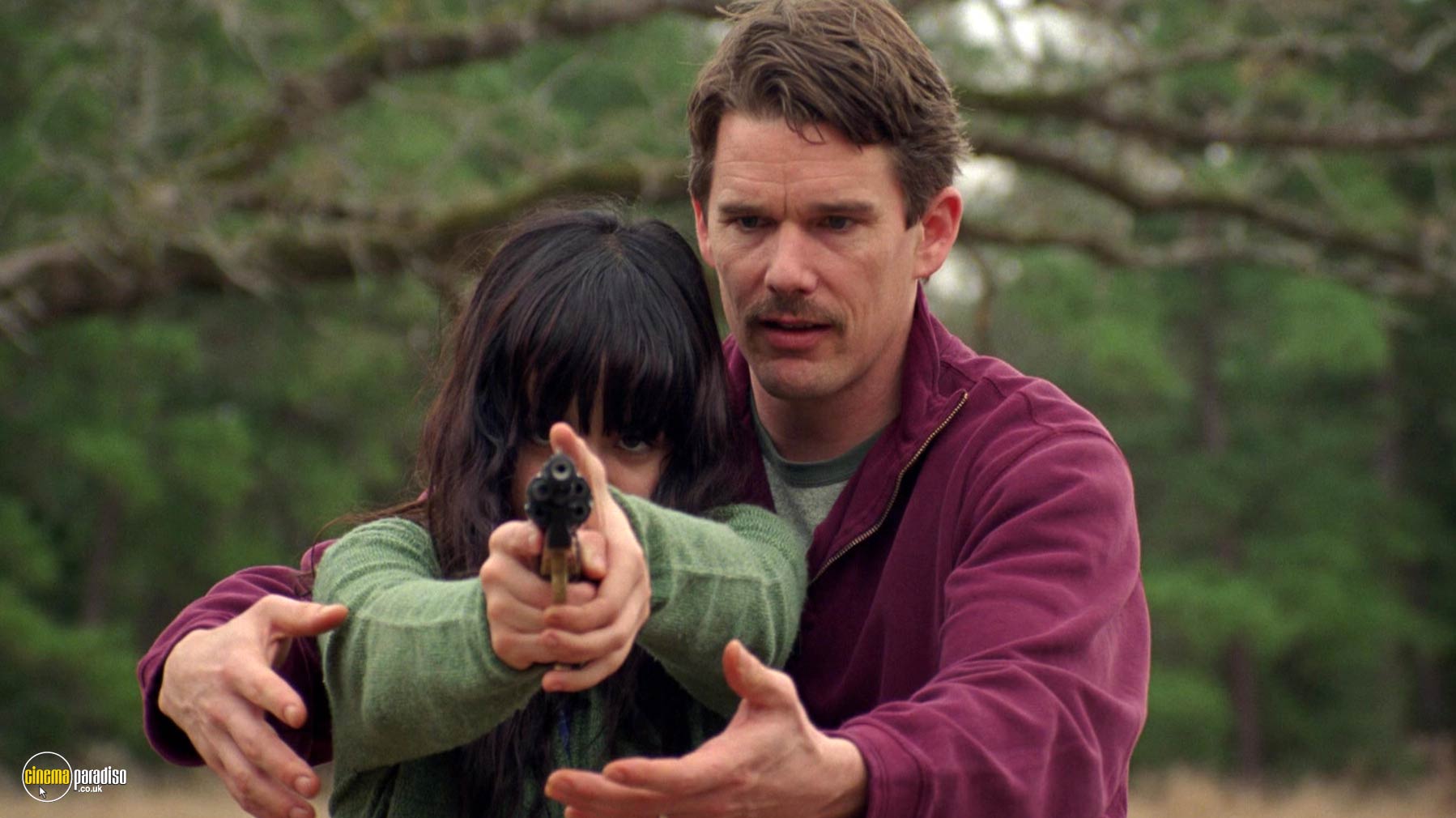
'If cinema was a painting,' Linklater once mused, 'time would be the paint itself.' He proved his point with Boyhood (2014), which he started in 2002 and completed 11 years later in order to chronicle a Houston boy's progress from the 12th grade to the cusp of college. Although he knew how the story would end, Linklater declined to write a finished script, preferring to return to the family once or twice a year and incorporate incidents or developments from the lives of the actors, who would reassemble for three or four days to shoot scenes in which they had been active participants in shaping. Reflecting on the process, Linklater revealed, 'I felt like I'm collaborating with the little boy I was, with myself as a parent and with my own parents.'
At the centre of the story was Mason Evans, Jr. (Ellar Coltrane), who lives with his divorced mother, Olivia (Patricia Arquette), and his younger sister, Samantha (Lorelei Linklater). Having resumed her education, Olivia marries her tutor, whose strict parenting style makes Mason more appreciative of his father, Mason, Sr. (Ethan Hawke), who is always ready with advice whenever they meet up, as the six year-old becomes a young man while discovering that life has its ups and downs and that people are impossible to predict.
Linklater had met Christina Harrison in the 1990s and twin girls had followed a decade after Lorelei's birth in 2004. During the third year of the Boyhood shoot, she had informed her father that she was bored with the project and asked him to kill off her character, which he refused to do on the grounds that it would have been too melodramatic. Such decisions contributed to his Best Director wins at the Golden Globes and BAFTA, where he doubled up with a Best Film win. However, the Academy membership decided that Mexican auteur Alejandro González Iñárritu was more deserving of the Oscars for Best Director, Picture, and Original Screenplay for Birdman or (The Unexpected Virtue of Ignorance) . This comedy about a superhero actor trying to revive his career with a Broadway play based on a Raymond Carver short story certainly has its merits, but it didn't involve stewarding a revolving cast through a decade-long shoot that was unprecedented in Hollywood history.
Having been the subject of Michael Dunaway and Tara Wood's 21 Years: Richard Linklater (2014) and having pastiched Boyhood in a short documentary for People for the Ethical Treatment of Animals (PETA), Linklater toyed with the idea of updating Arthur Lubin's The Incredible Mr Limpet (1964), in which Don Knotts had played a man who turns into a talking fish. He also cropped up in a pair of documentaries on film history, Christopher Keneally's Side By Side (2012) and Kent Jones's Hitchcock/Truffaut (2015). However, he opted instead to push through with a spiritual companion piece to Dazed and Confused and Boyhood, whose screenplay had been written back in 2005 and had been shelved because of funding difficulties. Drawing on his recollections of college life on a baseball scholarship, Everybody Wants Some!! (2016) follows the antics of a houseful of students, including Jake Bedford (Blake Jenner) and Walt Finnegan (Glen Powell), as they defy the orders of their coach and party hard with the likes of performing arts major, Beverly (Zoey Deutch).
Despite being well reviewed for rescuing the campus jock from screen caricature, the picture grossed only $4.6 million on a $10 million budget. But Linklater had again 'embraced the bittersweet joy of living in the moment' with a wit, finesse, and sincerity that he would also bring to Last Flag Flying (2017), which was adapted from the 2005 Darryl Ponicsan novel that sequelised the 1970 masterpiece that had been filmed by Hal Ashby as The Last Detail (1973). Steve Carell, Bryan Cranston, and Laurence Fishburne starred as three Vietnam veterans who reunite for the first time in years after Carell's son is killed in the Iraq War.
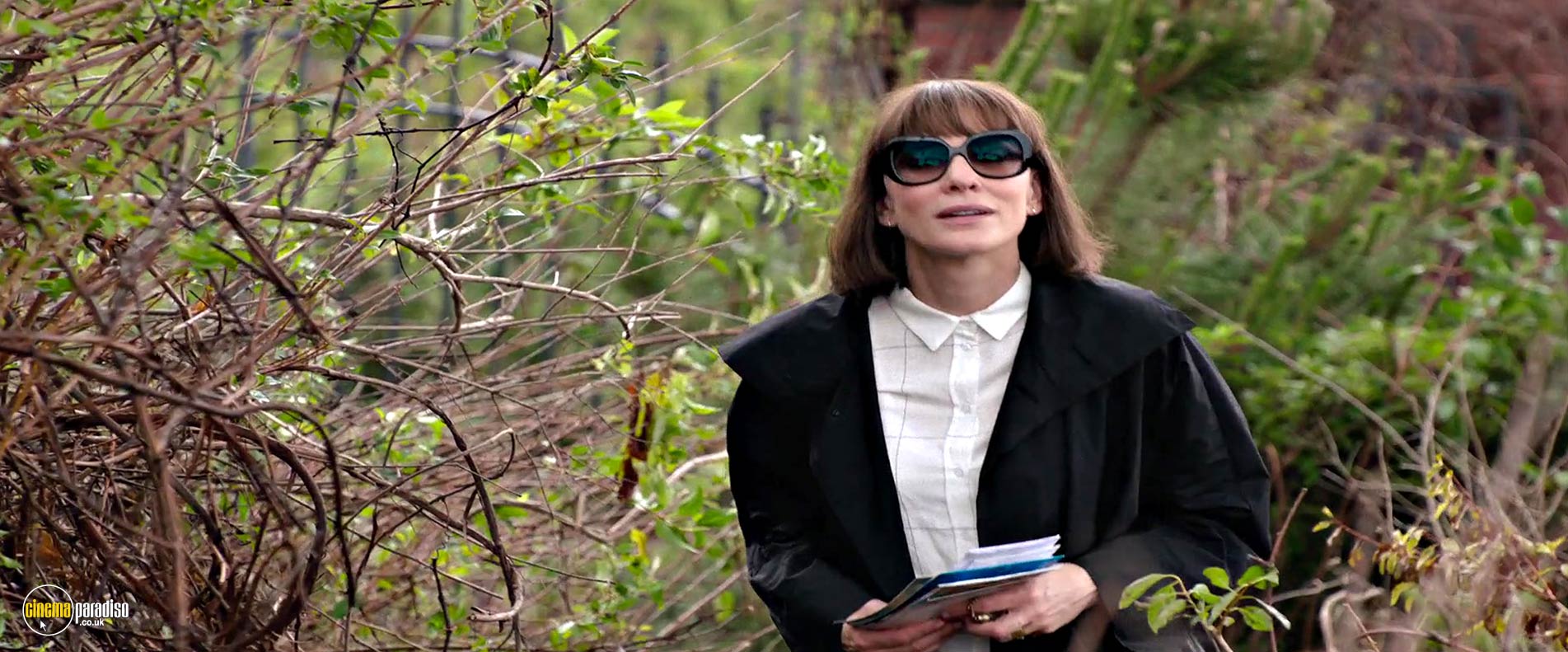
Sadly, this poignant drama is not currently available on disc and the same goes for Linklater's next three outings. Based on an epistolary novel by Maria Semple, Where'd You Go, Bernadette (2019) cast Cate Blanchett as Bernadette Fox, an agoraphobic architect, who lives with husband Elgie Branch (Billy Crudup) and their 15 year-old daughter, Balakrishna (Emma Nelson), and who feuds with her unsympathetic neighbour, Audrey Griffin (Kristen Wiig). Linklater also filmed himself talking to studio executives and a psychologist for the documentary short, Another Day At the Office (2019). Photographed at Robert Rodriguez's Troublemaker Studios in Austin before being rotoscoped, Apollo 10½: A Space Age Childhood (2022) was a joyous memoir of growing up in 1960s America during the Space Race. Linklater had come up with the storyline in 2004 and decided to use animation in homage to the Saturday morning cartoons he had enjoyed as a kid. Having completed the live-action sequences before Covid-19 struck, Linklater spent much of lockdown editing the revised footage.
Zachary Levi, Jack Black, and Glen Powell were part of the voiceover cast and Linklater hooked up with the latter again on Hit Man (2023), which he made after plans to adapt Graeme Simsion's novel, The Rosie Project, were scrapped after Jennifer Lawrence dropped out. Working from a magazine article by Skip Hollandsworth, Powell co-wrote the story about a college professor who poses as a contract killer for sting operations by the New Orleans police. He earned a Golden Globe nomination for a performance that cemented his star status.
Linklater returned to Huntsville to direct 'Hometown Prison', his contribution to the 2024 HBO series, God Save Texas, which explores how daily life has been impacted by the fact that the Texas Department of Criminal Justice is the city's largest employer. Following this reflection on incarceration and capital punishment, Linklater embarked upon Blue Moon (2025), which sought to correct some of the impressions made in Norman Taurog's Words and Music (1948), which had paired Mickey Rooney and Charles Drake as the songwriting team of Lorenz Hart and Richard Rodgers. Ethan Hawke would earn Golden Globe and Oscar nominations for his turn as Hart, who holds court at Sardi's restaurant on the opening night of Oklahoma!, the revolutionary Broadway musical that composer Rodgers (Andrew Scott) has just written with his new lyricist, Oscar Hammerstein II (Simon Delaney). Why not watch Fred Zinnemann's 1955 adaptation of the show in a double bill with Linklater's biopic, which he had first propsed a decade earlier, but shelved because he felt Hawke was too young for the role. As actor recalled, 'Rick would say, "I need you to have more lines in your face." I'm like, "We'll fake it." He said, "No, we won't fake anything. We'll wait." He's so patient. He could have just went and hired a different actor or whatever. But he didn't. He just waited.'
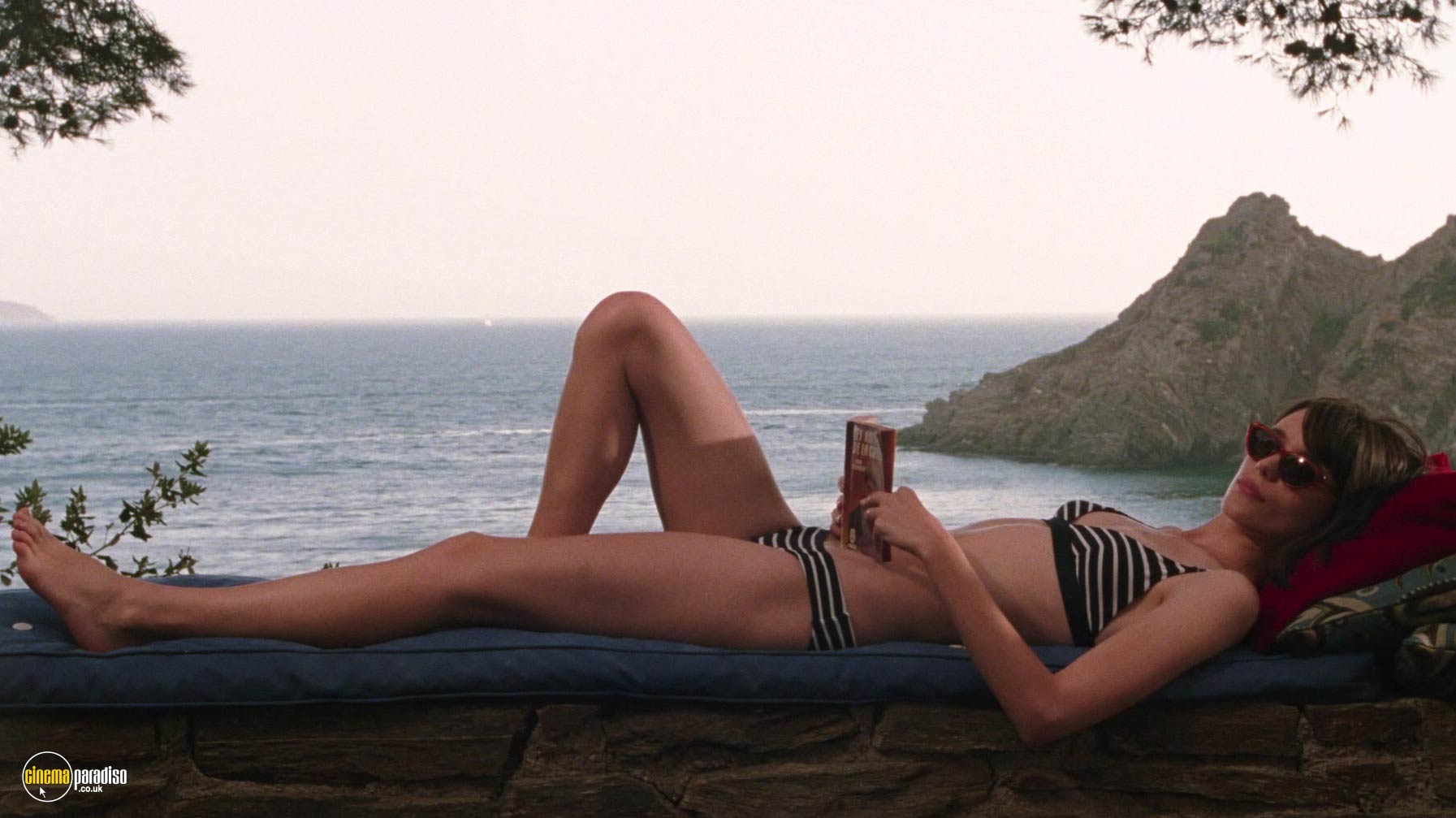
This fine film would have been a good year's work for most directors. But Linklater also completed Nouvelle Vague (2025), which follows maverick critic Jean-Luc Godard (Guillaume Marbeck) as he directs Jean-Paul Belmondo (Aubry Dullin) and Jean Seberg (Zoey Deutch) in his first feature, À bout de souffle (1960). Filmed in French in Academy ratio monochrome, this wittily insightful companion to Michel Hazanavicius's Redoubtable (2017) saw Linklater become the first American to win the Best Director award at the Césars, where the picture amassed 10 nominations in total. Although he missed out on Best Film, which went to Carine Tardieu's drama The Ties That Bind Us, Linklater still doubled up at the Lumière Awards.
When not programming for the Austin Film Society, which opened its own studio in 1999 and its own cinema in 2017, Linklater continues to work on projects that no other American director would have the ambition or the application to conceive, let alone complete. In 2019, he announced that he was going to adapt the Stephen Sondheim musical, Merrily We Roll Along, with a wrap date in 2040. Unlike Boyhood, however, the action will be presented in reverse chronology. While this epic project ticks over, Linklater has also coaxed Ethan Hawke into a tenth collaboration on a yet to be named 'hangout' film centred on 19th-century American authors Ralph Waldo Emerson, Henry David Thoreau, and Margaret Fuller, and the Transcendentalist movement. A fitting topic for an artist who doesn't have a social media presence and worries that the avalanche of digital content is restricting the cultural space for cinema. Let's hope it gets a UK disc release, so you can rent it from Cinema Paradiso, where great art and entertainment are valued in equal measure.
Mentioned films