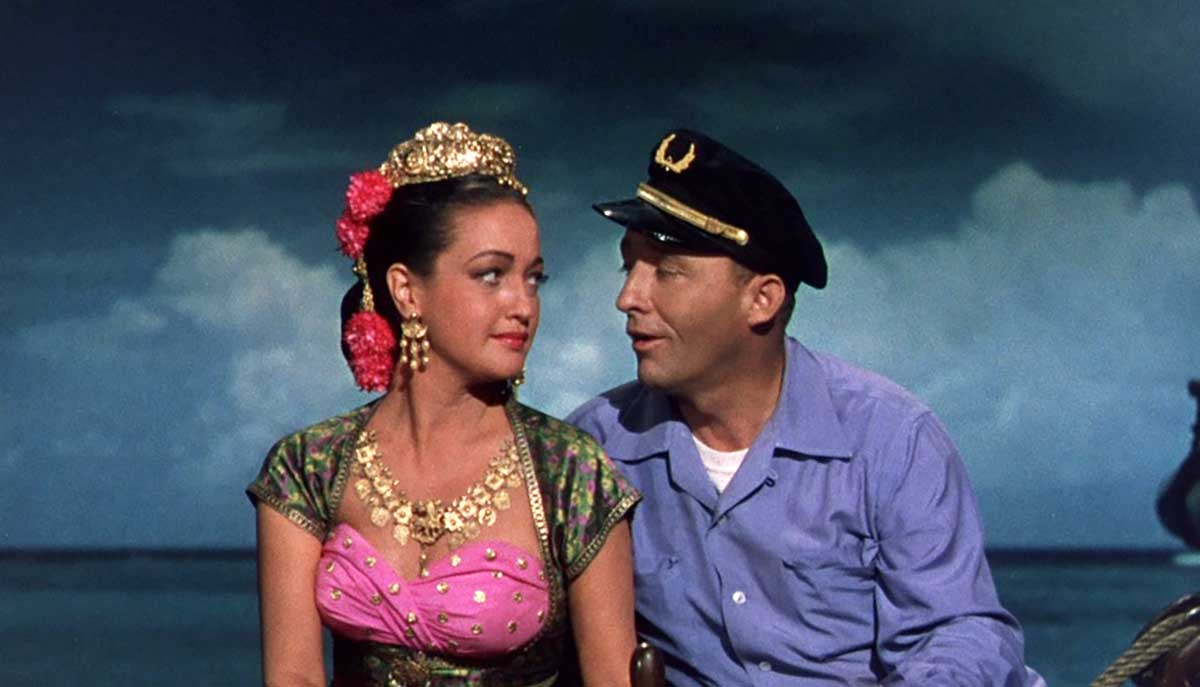
Temperatures in Britain this summer have exceeded those in some of the world's hottest spots. But if you still fancy spending time in an exotic location, why not make an excursion with Cinema Paradiso and tour guides Bob Hope, Bing Crosby, and Dorothy Lamour?
Until James Bond came along in the 1960s, the `Road to' movies formed the most successful franchise in screen history. Made between 1942 and 1962, the seven features starring Bing Crosby and Bob Hope (and their travelling companion Dorothy Lamour) broke the mould of American film comedy.
The plotlines may not have been inspired. But the byplay between Hope and Crosby fizzed with the wit, irreverence, and spontaneity that summed up their friendly rivalry. There had been double acts before, most notably Stan Laurel and Oliver Hardy and Bud Abbott and Lou Costello. But Hope and Crosby were stars in their own right, who came together to have a bit of fun and then return to their flourishing careers. Between solo film assignments at Paramount, each had a successful radio show, while Crosby was the most recorded artist in entertainment history. Such was their chemistry, however, that, when Hope and Crosby came together, comic sparks flew and the hugely influential Road pictures remain as ambitious and vivacious as they were all those years ago.
Bing, Bob, and Dottie
Harry Lillis Crosby was born in Tacoma, Washington on 2 May 1903, as one of seven children. Arriving 27 days later in Eltham in south-east London, Leslie Townes Hope also had six siblings, who were raised in Cleveland, Ohio after the family sailed to the United States in 1908. Having won a Charlie Chaplin lookalike contest as a boy, Hope would box under the name Packy East before changing his name to Lester Hope when he acquired American citizenship. Crosby's moniker came from his childhood love of the `Bingo from Bingville' comic strip in The Bingville Bugle. He also had a sporty side, as he played baseball at Gonzaga University in Spokane.
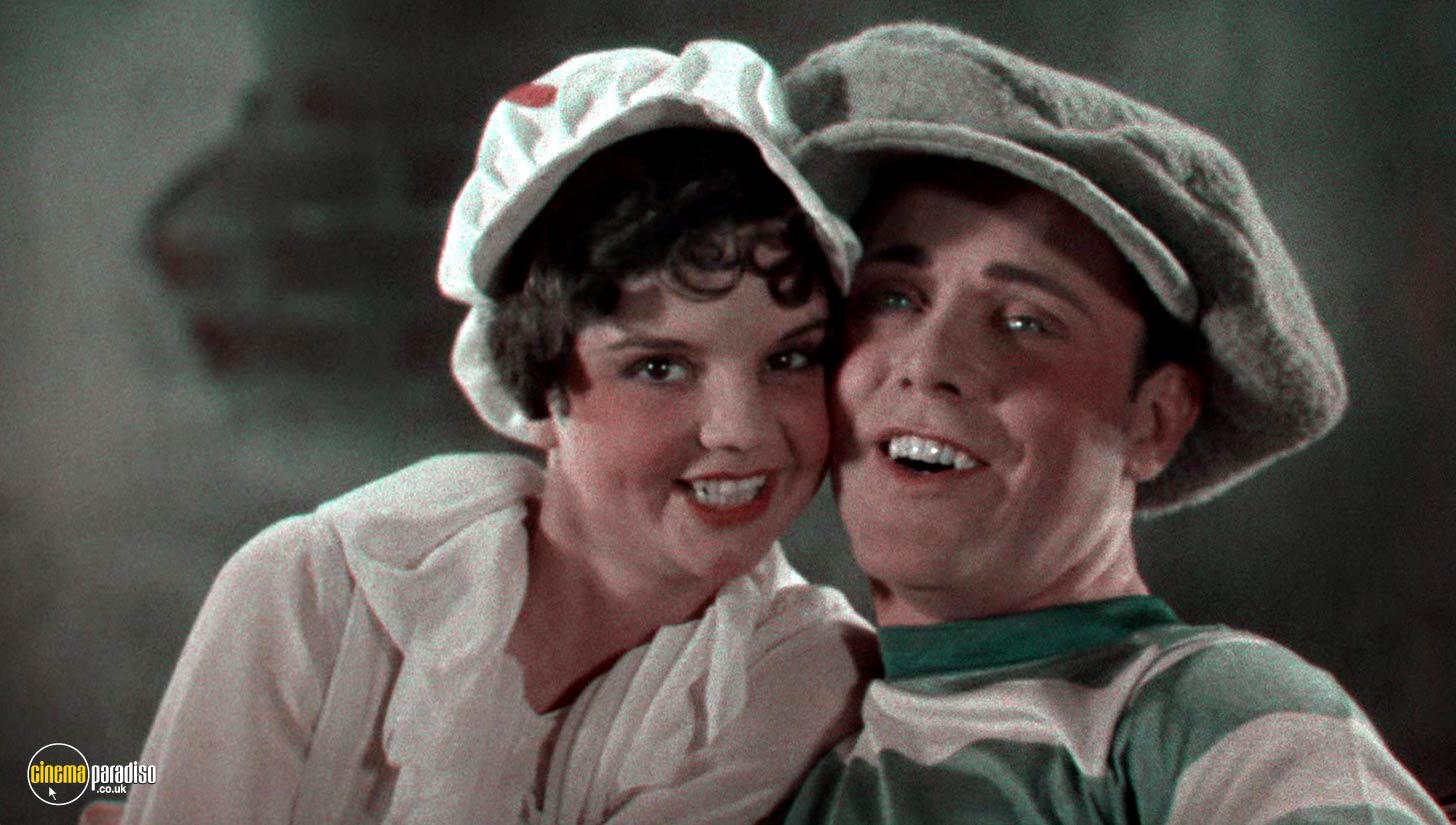
Bing was also a talented drummer and his double act with Al Rinker became a trio when bandleader Paul Whiteman teamed them with pianist Harry Barris and The Rhythm Boys were born. From the outset, Crosby was the standout and he had his first No.1 with a jazz version of `Old Man River' in 1928. His film debut followed in King of Jazz (1930), which prompted Mack Sennett to sign him up for a series of comic shorts. Once his first radio show was launched in 1931, however, it became clear that music was Crosby's métier, with his intimate crooning replacing the more declamatory style of Al Jolson.
As Crosby was becoming the new American idol, Hope was making his way in vaudeville after being spotted in Hurley's Jolly Follies by onetime silent superstar, Roscoe `Fatty' Arbuckle. After five years on the circuit, Hope had failed an audition at the RKO-Pathé short-subject studio in Culver City. But a lucky break had led to him becoming a musical comedy regular on Broadway, which led to his radio debut in 1934, while his first film was the Educational Pictures short, Going Spanish. Soon, he was making quickies for Vitaphone by day and treading the boards at night.
Although they moved in similar circles, Hope and Crosby only ran into each other for the first time outside Friars Club on West 48th Street on 14 October 1932. Two months later, their paths crossed again when Crosby made his first solo appearance in New York at the Capitol Theatre, where Hope was working as the master of ceremonies following the sudden closure of the Broadway revue, Ballyhoo of 1932. Der Bingler had just made his feature bow in The Big Broadcast of 1932 and enjoyed a huge hit with `I Surrender Dear'. As Crosby was booked in for the week from 2 December, Hope suggested that they worked up a bit of comic business when he introduced him on stage.
On the first night, the live show was a preamble for MGM's premiere of Charles Brabin's Boris Karloff vehicle, The Mask of Fu Manchu. As the week went on, however, it became clear that audiences were enjoying Hope and Crosby's byplay as much as they were, as they followed a bit about a broken bathroom doorknob with fast-paced street encounters between two orchestra conductors and a couple of farmers. Despite the shtick going down well, the pair didn't work together again for six years, by which time Crosby had become the biggest name in American showbiz and Hope had acquired an Oscar-winning signature tune, `Thanks For the Memory', which he had performed with Shirley Ross in Mitchell Leisen's The Big Broadcast of 1938, which starred W.C. Fields and Martha Raye, as well as Hollywood's most glamorous new star, Dorothy Lamour.
Mary Leta Dorothy Slaton had been born in New Orleans on 10 December 1914. Despite her mother remarrying a man named Lambour when she was young, the pair lived in poverty until Dorothy left school at 14 to become a secretary. She won the Miss New Orleans beauty pageant in 1931, but her fledgling stage career was derailed by her mother relocating to Chicago, where Dorothy worked as a lift operator.
She caught the eye of bandleader Herbie Kaye, who took her on tour as his singer. This led to the regular radio slot that prompted her to take a crack at Hollywood. Lamour was instantly hired by Paramount and, following a dancing bit in College Holiday, she became an overnight sensation for the Edith Head-designed sarong that she wore in The Jungle Princess (both 1936). More exotic roles followed in John Ford's The Hurricane (1937), Her Jungle Love, and Tropic Holiday. Lamour had also co-starred with George Raft and Henry Fonda in Henry Hathaway's Spwan of the North (all 1938) by the time she shared the bill with Hope in The Big Broadcast of 1938. But four years were to pass before they were reunited.
Crosby and Hope had run into each other again on the Paramount lot in 1937. They fell straight back into the joshing repartee that had delighted audiences back in New York and Crosby invited Hope to join him at the opening night benefit show at the Del Mar Race Track in which he had invested with Pat O'Brien. Comprised of their old Capitol routines, the act went down well with the guests, who included Paramount producer William LeBaron, who suggested to the front office that the studio should team the pair in a picture as soon as possible.
In the meantime, Crosby welcomed Hope on his Kraft Music Hall radio show and he became a regular visitor, as listeners warmed to them trading insults over their looks, attitude to money, and appeal to the opposite sex, despite each being married, to Dixie Lee and Dolores DaFina respectively. Although it all sounded ad-libbed, the banter was shaped by gag writers, who were as competitive as their bosses and occasionally colluded to spring one-liners that left Bing or Bob to come up with a retort on air.
This combative edge made them unique on radio at the time and Hope and Crosby played up the idea that they lived in each other's pockets. In fact, they led very different lives and rarely socialised outside the showbiz bubble. While studio executives fretted over a project for Hope and Crosby that didn't reduce the latter to a singing stooge for the former's gags, the pair regularly had co-workers in stitches at the Paramount commissary, including Lamour, who claimed in her autobiography, My Side of the Road (1980), that she left one lunchtime laughfest with such a big smile on her fact that two writer pals had asked what the joke was. She explained that Bing and Bob had roped her into their badinage and that if the scribes could come up with a vehicle with a dame caught in the middle, then she was their girl. Someone was clearly eavesdropping.
Road to Singapore
No one is entirely sure how Bing and Bob's first picture came about. Seemingly, a Harry Hervey story entitled `Beach of Dreams' was worked into a screenplay for Fred MacMurray and Jack Oakie. Yet neither could recall being offered The Road to Mandalay before it was presented to the husband-and-wife team of George Burns and Gracie Allen. They claimed to be too busy to do it, but Allen reportedly `thought the whole thing was silly'.
As no one liked the title, Follow the Sun was used during shooting. But Road to Singapore seemed predestined to be used, as Shirley Ross had sung about `nights in Singapore' in duetting with Hope on `Thanks For the Memory' in The Big Broadcast of 1938. It was also the setting for the bulk of the action in the scenario penned by Frank Butler and Dan Hartman.
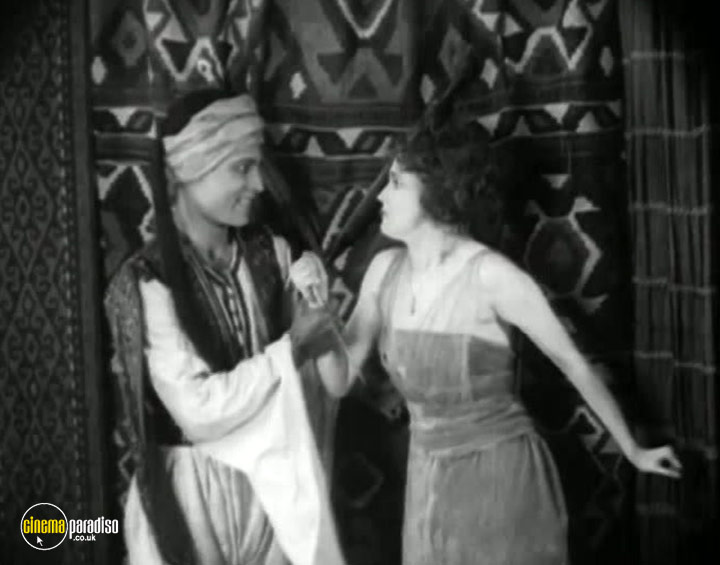
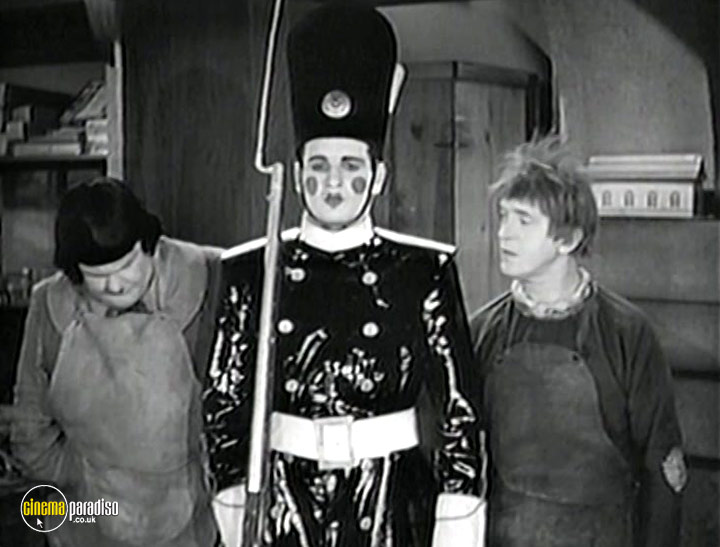
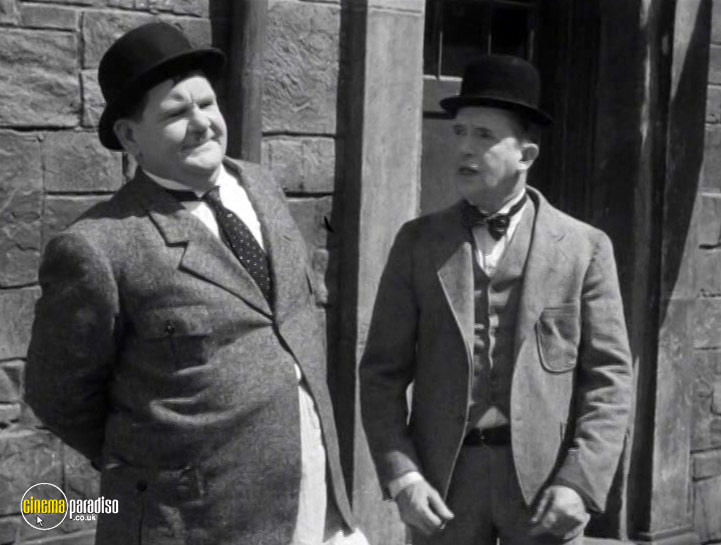
Born in Oxford in 1890, Butler started out as a music hall comedian before making his way to the United States. As an actor, he had appeared alongside Rudolph Valentino in The Sheik (1921) before playing Tewksbury Spat in a series of two-reelers for producer Hal Roach. This brought him into the orbit of Laurel and Hardy, for whom he directed the silent short, Flying Elephants - which can be rented from Cinema Paradiso on Blu-ray on Laurel and Hardy: The Silent Years 1927 - as well as scripting March of the Wooden Soldiers (aka Babes in Toyland, 1934), Bonnie Scotland (1935), and The Bohemian Girl (1936). At Paramount, Butler became known as The Story Doctor, as he could always find an angle to improve a script. He was paired with Brooklynite Dan Hartman on the Fred MacMurray duo of The Princess Comes Across (1936) and Champagne Wedding (1937) before writing Waikiki Wedding (1937), Paris Honeymoon, and The Star Maker (both 1939) for Crosby, as well as Tropic Holiday for Lamour and Never Say Die (1939) for Hope.
In Road to Singapore (1940), shipmates Josh Mallon (Bing Crosby) and Ace Lannigan (Bob Hope) dock to see reminders on the quayside of why they are confirmed bachelors. However, Ace has to hide on a boat after an angry father suggests a shotgun wedding because he had taken his daughter to an all-night movie show. Josh also gets pushed towards the altar by his shipping tycoon father (Charles Coburn), who wants him to settle down with longtime fiancée Gloria Wycott (Judith Barrett).
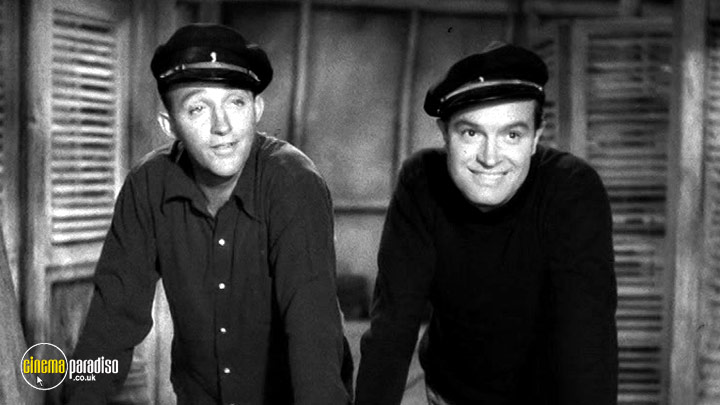
Deciding to duck out, Josh and Ace take a ship heading to Singapore. However, they wind up on Kaigoon island, where they rescue Mima (Dorothy Lamour) from her abusive dance partner (Anthony Quinn). They find a shack together, only for Mima to insist on sprucing it up and trying to domesticate the boys. Meanwhile, word of his whereabouts gets back to Josh's father from local agent Achilles Bombanassa (Jerry Colonna) and it looks as though Josh is set to return home with Gloria. But, even though Ace loves Mima, he knows where her heart lies.
Director Victor Schertzinger had received an Oscar nomination for singer Grace Moore's One Night of Love (1934) before guiding Crosby through Rhythm on the River (1940). He knew enough, therefore, to trust Bing and Bob to get on with things in their distinctive way, even if it meant no two takes were ever the same. Indeed, the co-stars would consult gag writers like Sid Kuller and Ray Golden between set-ups to see how they could steal focus in the next scene. `I shouldn't take any money for this job,' Schertzinger joked. `All I do is say "stop" and "go".' - which is a little unfair, as he also provided the music for two of the songs, `Captain Custard' and `The Moon and the Willow Tree'.
Lamour also learned that there was no point in learning her lines because Hope and Crosby would improvise so constantly that she had to follow their lead. `What I really needed,' she wrote, `was a good night's sleep to be ready for the next morning's ad-libs. This method provided some very interesting results on screen. In fact, I used to ask to see the finished rushes to see what the movie was all about.'
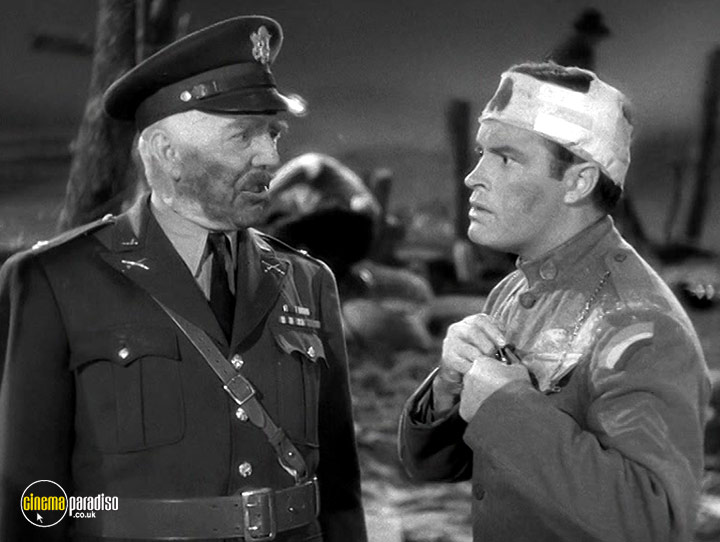
Revelling in bits like the `Patty-Cake' punch routine that was to become one of the series' most popular running gags, Hope and Crosby were having too much of a ball to take conventional direction. At one point, Hope noticed Lamour looking so bemused during a rat-a-tat sequence that he called over, `If you find an opening, Dottie, just throw something in.' Gagman Barney Dean was key to the ad-lib style, as he hovered on the set devising quips and bits. But Butler and Hartman were far from impressed, especially when Hope told the former, `Hey Frank! If you hear anything that sounds like one of your lines, just yell "Bingo!"'
As the crew were often in hysterics by the end of a take, Schertzinger continued to keep the camerawork simple so that his actors could goof to their hearts' content. Shooting commenced on 2 October 1939 and continued into December. Europe was already at war, but no mention was made of the situation because most Americans were happy to remain in glorious isolation, as were the Hollywood studios, who didn't want to narrow their market by taking sides. But we should remember that this was a very different time. Hence, no one batted an eyelid when the starving Ace and Josh darkened their skin to pose as islanders in order to gain access to a great feast. Nowadays, of course, such a scene would not pass muster. Then again, it's unlikely that anyone today would follow the lead of the Ohio Censorship Board in demanding extensive cuts from the footage of the island girls dancing at the feast.
For all the well-publicised camaraderie between Hope and Crosby, there was a little needle. Bing never forgot to remind Bob that he was third billed in the picture and was nowhere near as good a dramatic actor as himself or Lamour. He also gave him the nickname `Ski Snoot' and suggested that he used some of his pay cheque on plastic surgery (something Hope actually knew all about, as his face had been badly damaged in 1921, when he was clearing trees for the Ohio and Southern Ohio Power Company when a falling pine had crushed him). Hope got his own back by preying on Crosby's sensitivity about the size of his ears and his thinning hair. In addition to dubbing him `Skinhead', Hope also poked fun at Crosby's insecurity about his backside by branding him `Mattress Hips'. For all their egotism, however, they enjoyed working together. Moreover, they were professionals, with a deep respect for each other's abilities, and knew how vital it was for the success of their partnership to maintain the buddy façade in public.
When Road to Singapore premiered at the Paramount Theatre in New York on 13 March 1940, a young Frank Sinatra was part of the Tommy Dorsey Orchestra that headlined the accompanying stage show. The reviews were largely positive, with Variey opining, `Much of the humor is whacky and nonsensical, but made palatable in the manner of presentation by the Crosby-Hope team and crackerjack direction of Victor Schertizinger.' The New York Times was less convinced, however, with Frank Nugent accusing the film of squandering its possibilities in claiming that this particular road had been `cobbled with good intentions', but was `altogether too uneven for regular use'. Ignoring the carping, Hope plugged the picture on his radio show and its box-office gross of $1.6 million persuaded Paramount to invite everybody back for a sequel.
Road to Zanzibar
Sequels were not as common in the 1940s as they are today. But Paramount was keen to cash in on the success of Road to Singapore and the popularity of Bing Crosby and Bob Hope. In truth, Road to Zanzibar (1941) isn't a direct follow-up, as the character names are different, as they would be through to 1962. But the storyline bears a passing similarity and a number of gags from the first film get dusted down. Dorothy Lamour also returned, although she's anything but a damsel in distress, as the boys soon find out.
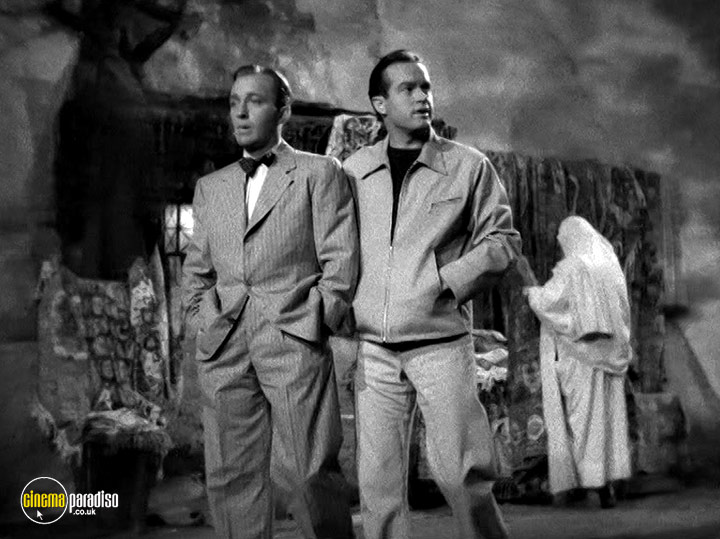
Paramount owned the rights to a Sy Bartlett story entitled `Find Colonel Fawcett', which centred on two adventurers trekking through Madagascar. However, studio lawyers had decided that the basic plot thread was too similar to the one in Henry King's MGM biopic, Stanley and Livingstone (1939). Consequently, the story had been shelved. But screenwriters Frank Butler and Don Hartman were tasked with sprucing it up for Hope and Crosby, as another pair of loveable rogues on the lam.
Forever chasing an easy buck, Chuck Reardon (Crosby) and Fearless Frazier (Hope) have landed in Africa, where they have developed a human cannonball sideshow act. However, an accident with a flaming dummy results in the big top burning down and the circus owners chasing the fugitives for reparation. An hilarious montage details the stunts that Chuck cons Fearless into undertaking, as the pair make their way through Africa. They are almost cornered by their pursuers in a nightclub, but they are rescued by Charles Kimble (Eric Blore), a rascal who sells Chuck a bogus diamond mine.
Eager to raise the cash to return Stateside, Fearless palms the mine off on Monsieur LeBec (Lionel Royce). But he's not one to take being duped lying down and the duo has to high tail it out of town once more. They are arguing over what to do next when Julia Quimby (Una Merkel) asks them to help her deliver best friend Donna LaTour (Lamour) from a slave merchant. This is a scam, however, as the girls are in cahoots with the slaver (Douglass Dumbrille) because they need money to catch up with the heir to the Bradley fortune, whose crush on Donna could put them on easy street. Flush with more cash than sense, Chuck and Fearless (whose real name turns out to be Hubert) agree to escort Donna and Julia on what they believe is a safari to find the former's lost brother.
With so much plot to pack in, there was less room for tunes than there had been in the first film. Nevertheless, there's a nice moment when Crosby and Lamour note how music always plays in the oddest places in movies during the moonlight canoe trip that provides the perfect excuse for the love song, `It's Always You'. This was one of several self-reflexive gags in the script, with the best coming when the patty-cake routine misfires and Hope concludes that the bruiser who had just thumped them must have seen the first Road picture.
The studio was determined to make Zanzibar a success and boasted that dance director LeRoy Prinz had spent months scouring Africa for authentic tribal rituals and costumes. They even splashed out on 300 African American extras for the slave auction sequence. Seen today, the depiction of tribal culture seems cartoonishly caricatured, particularly when it comes to the cannibals. Adding insult to injury, some of the extras had to wear blacking make-up because their skin was deemed too light. Such stereotyping and insensitivity was unfortunately typical of Hollywood in this period, when objections from the Deep South prevented Black actors from taking prominent roles in films and even from interacting with the white stars, as their scenes were often cut from prints shown below the Mason-Dixon Line.
Having used the Los Angeles Arboretum for the jungle scenes in Singapore, Paramount decided to create its own for Zanzibar, with plants being imported from Arizona after the studio greenhouses became overwhelmed by the demand. Some of the fern leaves came in handy for the sequence in which a skinny-dipping Lamour has her clothes stolen by leopards. Having watched Bing and Bob mourn her and bury the torn remains of her outfit, she emerged from behind a bush using strategically placed ferns to cover her modesty, prompting Hollywood cameramen to include her in their list of the year's Ten Best Undressed Women. She was pleased enough to record the accolade in her autobiography, but modern intimacy co-ordinators might have a thing or two to say about the situation.
Bosley Crowther of the New York Times was the most enthusiastic critic. `Farce of this sort very seldom comes off with complete effect, but this time it does,' he proclaimed in stating that Hope and Crosby had ruined Africa for all future jungle pictures. Variety felt the film was slack and less consistent than its predecessor, while the New York Herald Tribune declared this picture `is nonsense, but it is nonsense of the most delightful sort'.
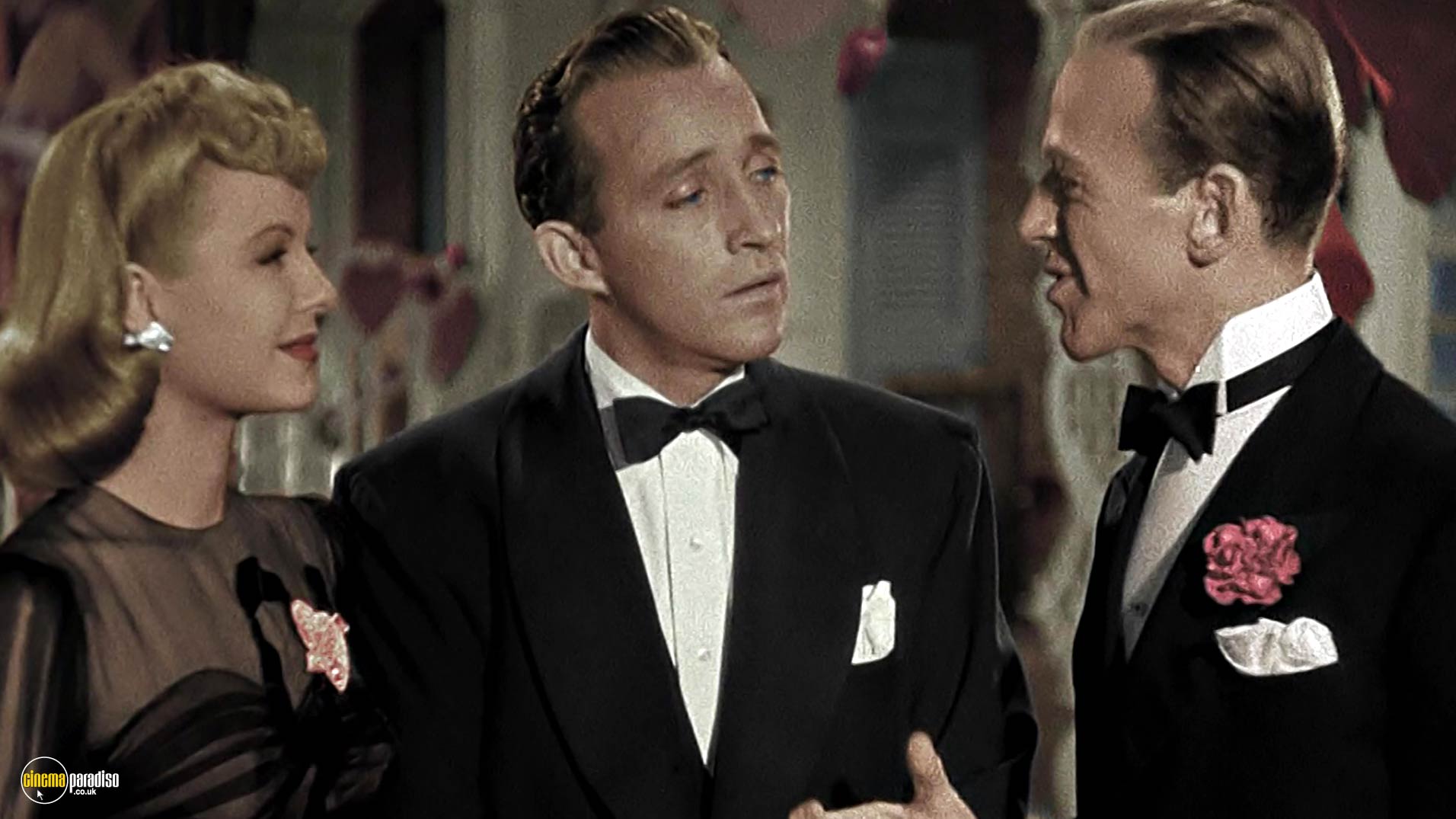
Wrestlers George Zaharias, Hardboiled Haggerty, Jim Londos, and Golden Terror weren't happy with the scene in which Hope grapples a gorilla, however, as they felt it mocked their sport. Undaunted, Hope rose from the canvas to team with Lamour in David Butler's Caught in the Draft (1941), in which he plays a cowardly actor who gets rolled into enlisting in the US Army after he falls for a colonel's daughter. Crosby sidled off to reteam with Victor Schertzinger on The Birth of the Blues (1941), which is available from Cinema Paradiso in a double bill with Stuart Heisler's Blue Skies (1946), the second of Crosby's pairings with Fred Astaire after Mark Sandrich's Holiday Inn (1942), which had seen Bing sing Irving Berlin's timeless `White Christmas' for the first time.
Road to Morocco
Americans had become so accustomed to seeing and hearing Hope and Crosby fooling around that few were surprised when Bing cropped up in an uncredited cameo to give Bob's Larry Haines some directions in Sidney Lanfield's My Favorite Blonde (1941). The espionage comedy had been written by Don Hartman and Frank Butler, who would be hired to script Road to Morocco (1942).
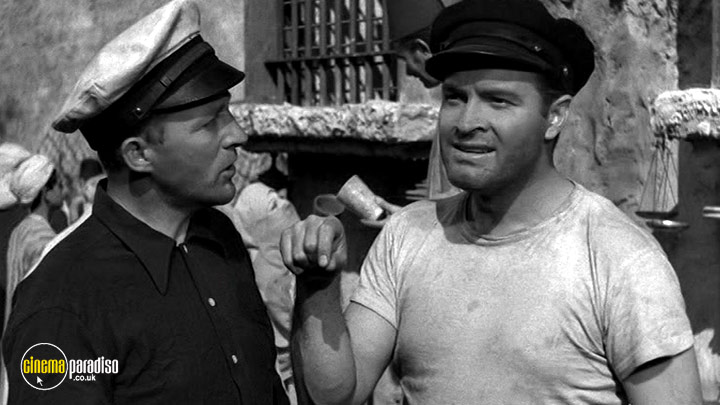
As the United States was now in the Second World War, rumours had circulated that Bing and Bob's next excursion would take them to Moscow. The writers supposedly pitched the idea on the hoof to studio chief Buddy DeSylva, who had chuckled so much as Hartman extemporised a scenario that he told them to get to work right away. After a hard night's celebrating, however, the scribes had no recollection of the plot and had to ask DeSylva if he had remembered what Hartman had said. By all accounts, he confessed that he had laughed because the ideas Hartman had come up with had been so terrible that he couldn't wait to see how they could possibly work them into a passable script.
Fortunately, DeSylva had a soft spot for the pair and they were instructed to work up a story by Eddie Davis and E.A. Ellington. So little of this source remained in the screenplay that a credit was withheld, as it was for Ralph Spence's story, `From Rags to Rhythm'.
The action opens with Jeff Peters (Crosby) and Orville `Turkey' Jackson (Hope) scrambling ashore after the latter has caused a freighter to explode while smoking in the powder room. Hitching a ride on a camel (during which they sing the peerless theme tune), the pair are nearly knocked over by Sheik Mullay Kasim (Anthony Quinn), who has come to the city to propose to Princess Shalmar (Lamour) at the royal palace. Despite his promise to Aunt Lucy to take care of Orville, Jeff sells him to slave traders in order to pay a restaurant bill and is later surprised to find his friend living the high life in the palace.
He is even more taken aback to learn that Orville is engaged to Shalmar, who had purchased him on the advice of her astologer, Hyder Khan (Vladimir Sokoloff). One of the princess's handmaidens, Mihirmah (Dona Drake), has fallen for Orville and learns that Hyder Khan had predicted that Shalmar's first husband would be short-lived. She tells Orville and he invites Jeff back to court so that he can become Husband No.1.
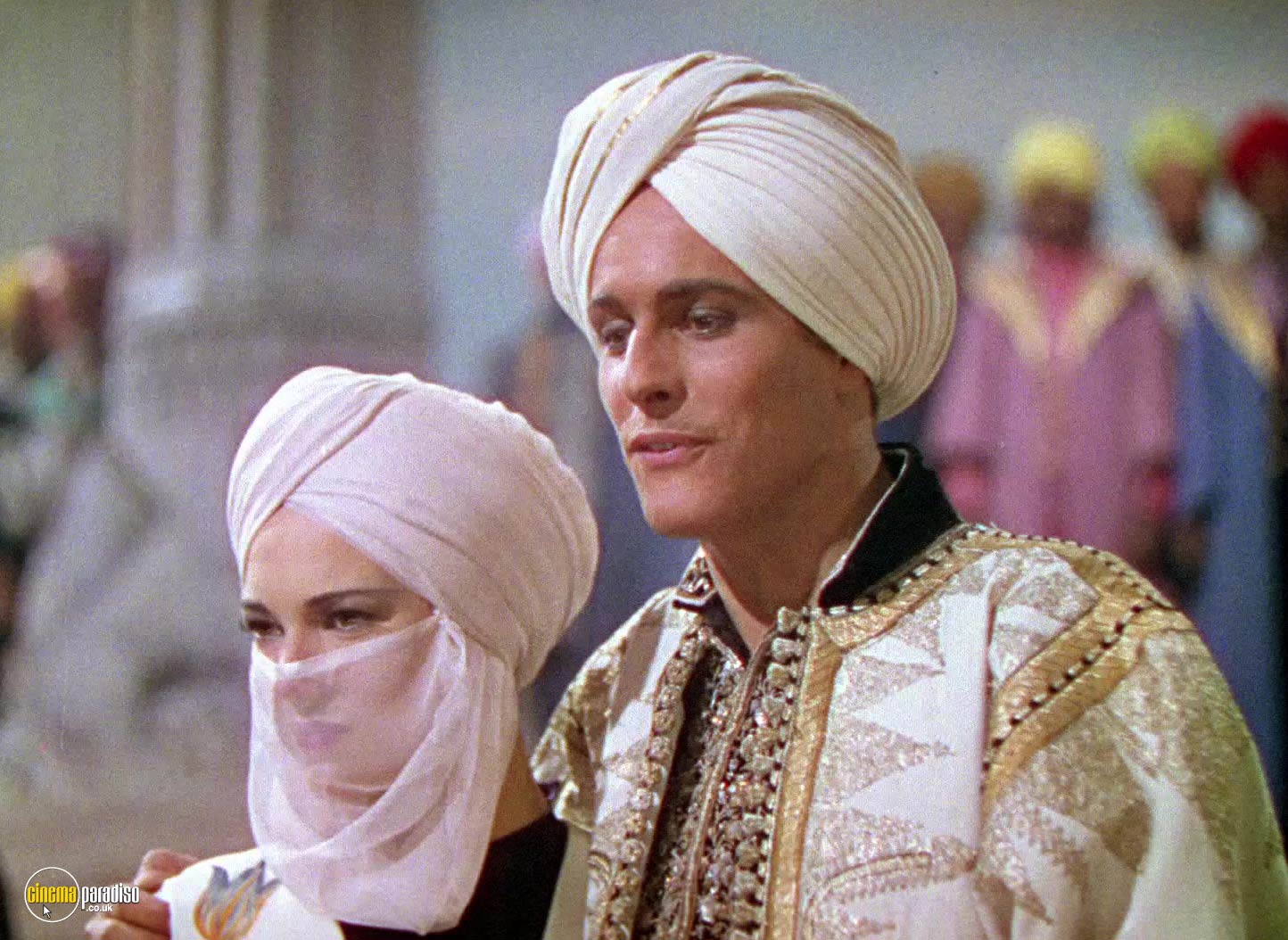
Parodying the likes of The Thief of Bagdad (1940) and Arabian Nights (1942), this Maghrebi romp can be neatly summed up by the camel: `This is the screwiest picture I've ever been in!' This owes much to the fact that the canny, but cautious Victor Schertzinger had died suddenly in October 1941 and the assignment had been turned over to the more bullish David Butler. A former silent actor, he had made his directorial name coaxing Shirley Temple through Bright Eyes (1934), The Little Colonel, The Littlest Rebel (both 1935), Captain January, and Dimples (both 1936).
However, he had impressed the Paramount front office with his rapport with Hope and Lamour on Caught in the Draft, on which he learned the valuable lesson to keep the camera rolling because Hope was liable to come up with a zinger even after the scene was over. `If anything happened that was out of the ordinary,' Butler told Randall G. Mielke for Road to Box Office: The Seven Film Comedies of Bing Crosby, Bob Hope and Dorothy Lamour, 1940-1962 (2010), `I'd always let the cameras run. And we got some of our funniest stuff after the scene was over. I'd let the camera roll until they got off the set, or walked out, or whatever happened.'
One happenstance saw a camel spit in Hope's face after kissing him on the neck, as the actor's response was one of utter bewilderment. However, he and Crosby were furious when Butler allowed some charging horses to pen them into a narrow alley. When they protested that he might have killed them, the director calmly responded, `Oh, I wouldn't do that. Not until the final scene, anyway.' No wonder they referred to him after that as `The Murderer'. But the duo enjoyed the fact that Butler encouraged them to depart from the script and had the writers include lots of what were now the trademark insider gags. During the opening song, for example, the lyrics ran `I'll lay you eight to five we meet Dorothy Lamour' and `For any villains we may meet we haven't any fears; Paramount will protect us because we've signed for five more years.' Butler also had Hope drag up as his own Aunt Lucy and had him turn into a monkey's uncle after he wastes the three wishes promised by a ring that Lamour had smuggled into their prison cell. Another neat bit of self-reflexivity had Hope, Crosby, and Lamour sing with each other's voices during a mirage rendition of `Moonlight Becomes You'.
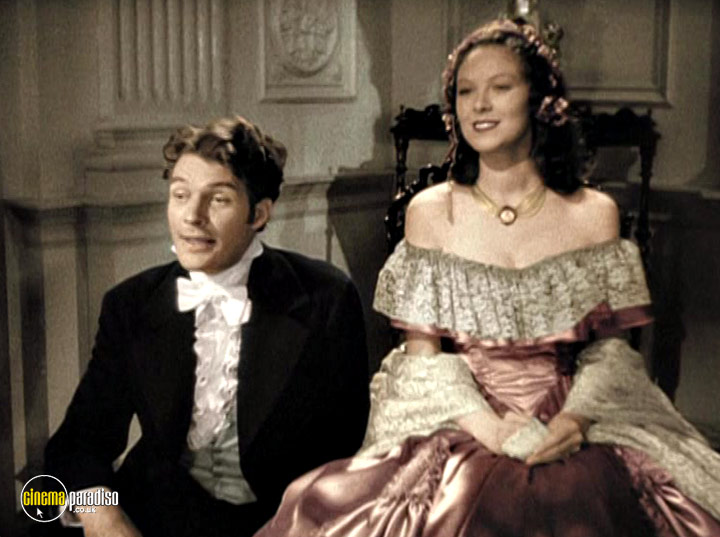
The latter became a huge hit for Crosby, although Johnny Burke and James Van Heusen also came up trumps with `Ain't Got a Dime to My Name' and `Constantly' and it was only a shame that there was no room for `Aladdin's Daughter'. That said, Butler had his writers fashion a wonderful set-piece inspired by the fact that Monte Blue, who had worked with Rudolph Valentino, claimed that Anthony Quinn bore a remarkable likeness to the silent heartthrob. So, Butler had Quinn abduct Lamour and ride off over the desert in the same way that Valentino had done with Agnes Ayres in The Sheik. The sandy wilderness was situated in Yuma, Arizona and Hope noted in his autobiography that one of the stunt riders was cowboy star, Ken Maynard, who Cinema Paradiso members can see atop Tarzan, the Wonder Horse in the B Western, Phantom Rancher (1940).
According to the New York Times, Paramount filmed an alternative ending in which Jeff and Orville sign up to the US Marine Corps and turn to the camera to say, `See you on the road to Tokyo.' But the studio was wary about politicising what had now become a series. Besides, Hope and Crosby were already doing their bit for the war effort, as they put themselves in danger to entertain service personnel in both theatres of the Second World War. Robert Mugge paid tribute to those involved in the wartime USO shows in the fascinating 1988 documentary, Entertaining the Troops.
Variety described Road to Morocco as `a bubbly spontaneous entertainment without a semblance of sanity'. But Bosley Crowther of The New York Times was a bigger fan. `Let us be thankful,' he wrote, `that Paramount is still blessed with Bing Crosby and Bob Hope, and that it has set its cameras to tailing these two irrepressible wags on another fantastic excursion...For the screen, under present circumstances, can hold no more diverting lure than the prospect of Hope and Crosby ambling, as they have done before, through an utterly slaphappy picture, picking up Dorothy Lamour along the way and tossing acid wisecracks at each other without a thought for reason or sense...The short of it is that Road to Morocco is a daffy, laugh-drafting film.'
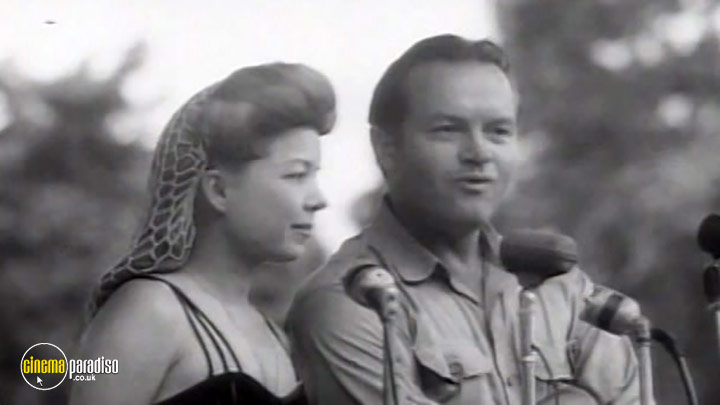
The public agreed, as the picture finished fourth in the year's box-office charts. Crosby and Hope reprised their roles in a Lux Radio Theater broadcast on 3 April 1943, when Ginny Simms stood in for Dorothy Lamour. This proved too late to influence the voting for the 15th Academy Awards, however, where Butler and Hartman lost Best Writing (Original Screenplay) to Michael Kanin and Ring Lardner, Jr. for George Cukor's Woman of the Year, while Loren Ryder was pipped to Best Sound Recording by Nathan Levinson for Michael Curtiz's Yankee Doodle Dandy (both 1942).
Road to Utopia
The fourth of the seven films, Road to Utopia (1946) is unusual in several ways. In addition to being the only entry without a visitable destination, it's the sole story to be set in the distant past. Moreover, while it was filmed between December 1943 and March 1944, it was only released in cinemas in February 1946. We'll come to possible reasons why in due course. But the effect of these various choices was to stall the series and it never quite recovered its momentum, with the remaining episodes being spaced several years apart.
Audiences got a hint of what they were missing when Crosby provided the voice of a musical box in David Butler's Hope starrer, They Got Me Covered (1943), and cameo'd as a commoner aboard the king's ship in the same director's The Princess and the Pirate (1944). But Hope was never invited to return the favour in Crosby's pictures, which offered less room for frivolity. However, the pair were always ready to continue their `feud' on the airwaves, with Hope frequently dropping into the Kraft Music Hall and Philco Radio Time shows to taunt Crosby with some slickly scripted barbs. The singer notably got his own back during the episode of The Pepsodent Show that coincided with Hope's 42nd birthday. The old pals act also enlivened several Command Performance shows on Armed Forces Radio, with the troops relishing the speed and edginess of their back-and-forth repartee.
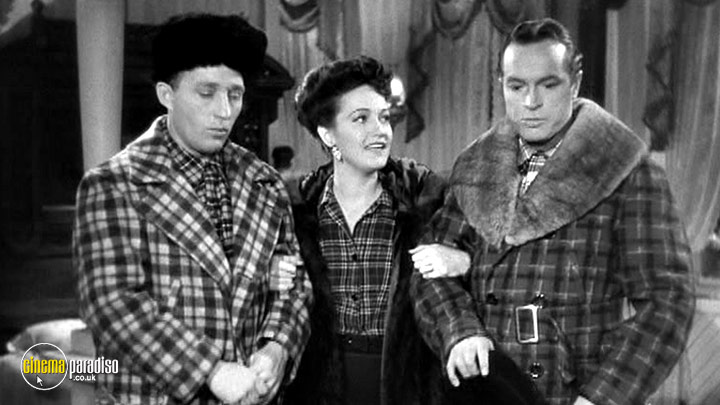
Many of the gags that Hope used on these occasions had been hand-tooled by Melvin Frank and Norman Panama, and he had much to do with them being hired to script Utopia. The leads also engineered the removal of Sidney Lanfield from the director's chair, enabling Hal Walker to make his solo feature bow. He had been nominated for the Academy Award for Best Assistant Director for Henry Hathaway's Souls At Sea (1937) and had made himself so popular on the sets of Zanzibar and Morocco that Hope voted against the man who had directed him in My Favorite Blonde (1942) and Let's Face It (1943).
The story begins in modern times, with the elderly Chester Hooton (Hope) and his wife, Sal (Lamour), reminiscing in their mansion about how they had lost a friend in amassing their fortune. At that moment, however, the presumed dead Duke Johnson (Crosby) wanders in with a `niece' on each arm and, as the married couple gaze in astonishment, the action flashes back to San Francisco during the fin de siècle gold rush.
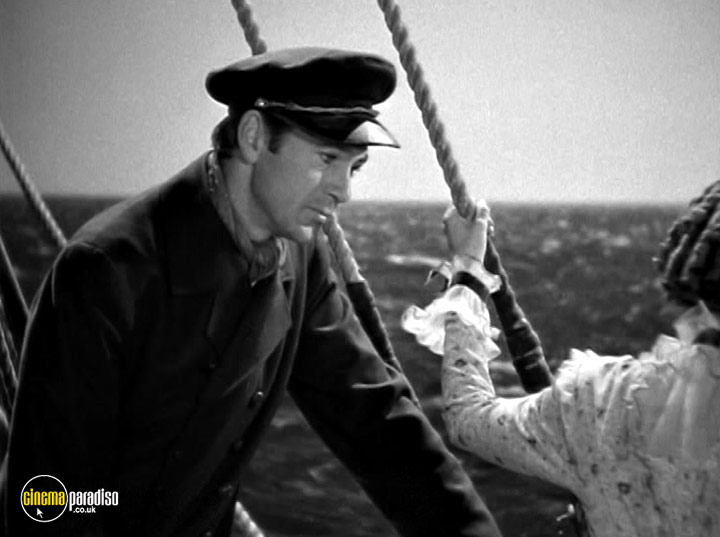
At the time, Duke and Chester formed a swindling vaudeville act, Professor Zambini and Ghost-O. But they are rumbled and blunder on to a boat heading to the Yukon. While working their passage, Chester finds a map to a Klondike gold mine and the friends overpower the menacing McGurk (Nestor Paiva) and Sperry (Robert Barrat) in order to steal their clothing (and their beards) to disguise themselves. This turns out to be a foolish move, as Sal Van Hoyden (Lamour) tells the owner of the Last Chance saloon, Ace Larsen (Douglas Dumbrille), that her father's mine map has been stolen by a couple of desperadoes. He gives her a job, much to the annoyance of his sweetheart, Kate (Hillary Brooke), but assures her that it's part of a ruse to cheat Sal out of the inheritance, if only he could dispense with those murderous dastards, McGurk and Sperry.
If this all sounds a bit convoluted, don't worry because humorist Robert Benchley serves as an occasional narrator from a small box at the top of the screen. Noted for his witty shorts, Benchley had also taken supporting roles in such notable items as Nice Girl? (1941), I Married a Witch, and The Major and the Minor (both 1942), as well as the Fred Astaire trio of Dancing Lady (1933), You'll Never Get Rich (1941), and The Sky's the Limit (1942). But, even though a couple of scenes had been narrated in Zanzibar, he feels a bit intrusive in his corner perch, despite coming up with occasional gems like explaining that he is here `to demonstrate how not to make a motion picture and at the same time win an Academy Award'.
Sadly, Benchley would die in December 1945 before Utopia was finally released. A number of explanations have been proferred for the 19-month delay, including Paramount's reluctance to gazump Morocco, which was still doing brisk business with audiences needing a distraction from war news. Hope and Crosby's USO duties also meant that it was difficult to find a time when they were both in Hollywood to promote the picture. But the real reason seems to have been that the studio didn't want anything to distract from Crosby's performance as Fr O'Malley in Leo McCarey's Going My Way (1944), which was being tipped for Oscar glory. Crosby won Best Actor, while co-star Barry Fitzgerald took Best Supporting Actor, as Paramount revelled in its Best Picture win. When a sequel was rushed out, the front office wanted the focus to remain on The Bells of St Mary's (1945), especially when both Crosby and co-star Ingrid Bergman landed Oscar nominations.
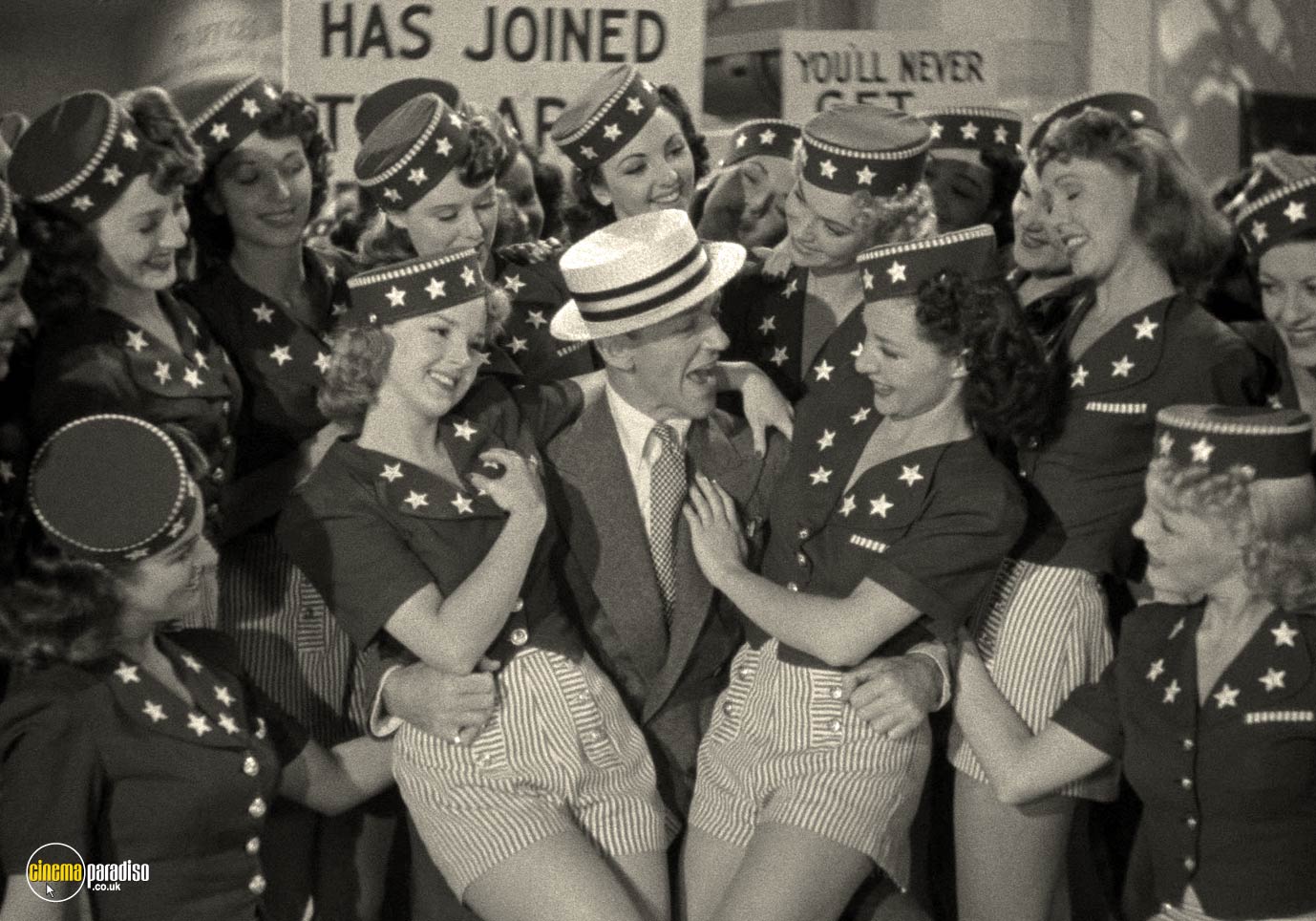
In the interim, Walker directed Out of This World (1945), in which Eddie Bracken played a singer in an all-girl orchestra, whose voice sounds uncannily like Bing Crosby's. Audiences were certainly ready for a little Bing magic and some offbeat escapism in the months following the war, especially as tensions with the Soviet Union were mounting across a divided Europe. Although it's referred to as Utopia a couple of times in the film, Alaska was the closest point between North America and the USSR and the comedy perhaps sharpened a few minds in Washington, as suggestions that the territory should become the 49th state finally came to fruition in January 1959.
Despite its appearance when Duke and Chester are on a dog sled, the Paramount mountain was actually modelled on Ben Lomond Peak near Ogden in Utah. But the studio itself comes in for plenty of good-natured stick, with star director Preston Sturges getting name-checked in Duke's incantation, `presto-sturgando'. Hope gets in a couple of cracks about Frank Sinatra, too. And there's lots of fourth wall-breaking self-reflexivity, with the scene in the ship's boiler room being interrupted by a man in a top hat and cape who pauses for Crosby to light his cigarette en route to film his part in a completely different feature on Stage 10.
The lyrics to the splendid `Put It There, Pal' number are blithely anachronistic. But why should we be surprised in a film in which a talking fish is joined by a couple of chatty bears? However, Hope and Crosby had an overly close encounter with their ursine co-star when it growled as it prowled over the rugs under which they were sleeping. The trainer urged them to keep still so that he could approach the animal without upsetting it. But the actors were appalled to discover the next day that the bear had ripped the man's arm off while being returned to its pen.
There was no patty-cake routine this time, although there was a reference to the joke in Morocco about villains knowing all about it because they had seen the earlier films. But there was a hint that Hope and Crosby themselves were getting bored with the Road movies, as they sloped off to play in a celebrity golf game when they should have been on set for Lamour's `Personality' routine. She recalled the incident in her memoir, as she had spent three hours in wardrobe and make-up, only for there to be no sign of her ungallant co-stars. `Finally at 4:30,' she wrote, `Gary Cooper ambled onto the set and asked what was going on. I recounted my tale of woe. "Dottie," he said, "you shouldn't let those guys take advantage of you. Why don't you just give them a taste of their own medicine?"' She took his advice and refused to leave her dressing-room when Crosby and Hope rocked up as though nothing had happened. `The next day was all patched up,' she concluded. `But they didn't pull another stunt like that ever again.'

Panama and Frank were nominated for Best Writing (Original Screenplay), only for the Oscar to go to Sydney and Muriel Box for The Seventh Veil (1946). But Utopia proved the bigger box-office hit and finished 10th in the end-of-year chart. The reviews were more mixed, but Bosley Crowther continued to cheerlead for the series. `Not since Charlie Chaplin was prospecting for gold in a Hollywood-made Alaska many long years ago,' he wrote in The New York Times, `has so much howling humor been swirled with so much artificial snow as it is in Road to Utopia.' For once, Variety was also well disposed, with the reviewer calling the film `a zany laugh-getter which digresses somewhat from pattern by gently kidding the picture business and throwing in unique little touches, all with a view to tickling the risibilities.'
Perhaps the other critics might have been more enthusiastic if Paramount had gone with its alternative ending. Instead of Duke discovering his resemblance to Chester and Sal's `adopted' son (played by Crosby himself), the pals were to rush to Sal's rescue from a buzzsaw. The audience is left to presume that they must have saved the day, as Sal is shown strolling happily with Duke and Chester. But, as the friends turn away, half of Sal goes off with each of them, confirming that they hadn't quite got there in time.
Road to Rio
Prior to the release of Road to Utopia, Paramount had announced that this would be the fourth and last in the series because of the problems involved in synching up the schedules of Bing Crosby, Bob Hope, and Dorothy Lamour. According to the latter's autobiography, the studio received 75,000 letters of complaint and, almost immediately, news emerged that Hope and Crosby had been lined up to play GIs returning from combat to compete for the girl they had left behind. The picture would be called Road to Home. But, in the event, the title was only used for a 1945 short issued by the US Navy in which Bing and Bob advised uniformed personnel on how to acclimatise to civvy street after serving their country overseas.
When the diaries finally aligned, Road to Rio (1947) was entrusted to new writers, Edmund Beloin and Jack Rose, who came up with a tighter than usual storyline that opens with clarinetist Scat Sweeney (Crosby) and trumpeter Hot Lips Barton (Hope) skipping across the United States to escape the fuming relatives of the girls they had been wooing. Another quick exit is required when Hot Lips manages to set light to a circus while performing a high-wire bicycling act and they jump ship to Brazil. En route, they prevent Lucia Maria de Andrade (Lamour) from leaping overboard and learn that she is heading to Rio to marry Sherman Mallory (George Meeker), the brother of her guardian, Catherine Vail (Gail Sondergaard). She hypnotises Lucia to betray the stowaways, who are allowed to work their passage with the ship's orchestra and team with The Andrews Sisters on `You Don't Have to Know the Language'.
Naturally, Lucia falls for Scat, despite Hot Lips being convinced that she only has eyes for him, as they hook up with The Wiere Brothers to form a nightclub band. However, Catherine snatches Lucia away so that her marriage can afford her access to some very important papers. She even hypnotises the two musicians so that they will kill one another. But her plan backfires and Lucia declares her love for Hot Lips, but only because he has put her in a trance.
Following the success of its predecessors, Hope and Crosby became joint investors in the picture with Paramount. The $2.4 million budget was well spent, as the production feels more lavish, even though the studio continued to resist switching to colour. As they now had more control, the duo had a say in Norman Z. McLeod being given the director's chair, as they had admired his work on the Marx Brothers classics, Monkey Business (1931) and Horse Feathers (1932). McLeod was so quiet on the set that Hope nicknamed him `The Mumbler'. But he introduced himself by declaring that he intended cutting down on the ad-libbing and the self-reflexive gags. Given that the action opened on a film set, he had his work cut out, however, and he soon gave up when Hope and Crosby reminded him who was part-paying his wages.
Indeed, the phrase, `Who owns this picture?', was heard a lot during the shoot, which ran from January to March 1947. Hope and Crosby used their position to decorate a set with posters boosting a soft drink called Lime Cola, in which they had shares. This was one of the earliest examples of product placement and Paramount president Y. Frank Freeman had objected strongly before his stars pulled rank and had songwriters Johnny Burke and James Van Heusen write a ditty entitled `Apalachicola, Fla.', which included lots of place names that rhymed with `cola'. The stunt failed to pay off, however, as the Lime Cola Company went under in April 1948, with both Crosby and Hope taking a bath.
One benefit of their star power on the set, however, was the fact that the pair became very aware of time being money and they started sticking to their one-hour lunchbreaks instead of spinning them out so that Crosby could hit a few golf balls and Hope could consult with his radio writers on gags for the next show. But the added responsibility also led to tensions between Hope and Crosby, whose well-publicised friendly feud had always masked the fact that they were egotistical individuals in competition with each other for laughs and the limelight. The barbs about Bob's nose and Bing's ears were harmless enough, but Hope envied his partner's success, while some of Crosby's remarks about Hope's sex appeal and acting ability could be cruel and cutting. However, it's hard not to smile when Crosby seeks Hope in the ship's meat locker (having smuggled him aboard as a bagged carcass) and cuts into a flitch of bacon and declares himself warmer because he has found some ham.
Caught in the middle, Lamour was becoming increasingly frustrated by the condescending taunts that she wasn't getting any younger and had never been on the same level as the co-investors, despite all three being billed on the same title card during the opening credits. But, notwithstanding the odd set-to, the shoot proceeded smoothly enough, with Crosby overcoming his dislike of dressing up to sport a pencil moustache and an earring while posing as a gypsy alongside Hope in a Carmen Miranda costume, complete with fruity headdress. Incidentally, her former musical arranger, Louis Oliveira, served as technical advisor on Rio, helping Crosby master both the Brazilian song styles and the handful of Portuguese phrases in his dialogue.
The banter between Hope and Crosby was typically brisk, as they lampooned Al Jolson's singing style in the opening number. Hope later got to blow bubbles through his trumpet during Lamour's solo, `Experience', while she had a nice bit with Crosby, as he describes how movie romance works while watching a ship-board show that ends with the pair being silhouetted on the giant screen.
In addition to welcoming Maxene, LaVerne, and Patty as special guests, Hope and Crosby also sparked well with Harry, Herbert, and Sylvester Wiere, who proved amusing guests as Brazilian musicians who are taught a few words of jive talk in order to convince club owner Nestor Paiva that they are Americans. Respectively born in Berlin, Vienna, and Prague, the Wieres had left Europe to make their names on the American vaudeville circuit. They would later work with Elvis Presley on Double Trouble (1967). Hope's regular sidekick, Jerry Colonna, also featured in a bizarre cameo, in which he leads a climactic cavalry charge to rescue the hapless trio, only to shrug into the camera when he fails to arrive in time.
The winner of the first Academy Award for Best Supporting Actress, Gale Sondergaard also made a splendid villain, with Lamour rising to the challenge of the hypnosis sequences. And, speaking of Oscars, during the series hiatus, Crosby had won Best Actor for his performance in Going My Way (1944). Moreover, he had also been nominated for the sequel, The Bells of St Mary's (1945), and would be again for George Seaton's The Country Girl (1954), in which he played against type as alcoholic actor, Frank Elgin. Although he had become a regular compère of the awards ceremony, Hope was never nominated and Oscar jokes became an increasing feature of the Road movies as a result. Even conductor Robert Emmett Dolan could lord it over him, as he was cited in the Music (Scoring of a Dramatic or Comedy Picture) category.
As was customary, Bosley Crowther sang the film's praises in The New York Times, albeit with some reservations. `They are traversing more of a rollercoaster highway than usual this time,' he wrote `and so there are some tedious uphill pulls when the huffing and puffing is excessive and the results negligible. However, when they reach the top Road to Rio is irresistible.' Once more, however, the ticket-buying public ignored the reviews, as the $4.5 million gross made this the sixth highest-earning picture of the year.
Hope and McLeod hit it off during the shoot and later reunited on The Paleface (1948), My Favorite Spy (1951), Casanova's Big Night (1954), and Alias Jesse James (1959). Writers Beloin and Rose also made enough impression to script My Favorite Brunette (1947) for Hope and A Connecticut Yankee At King Arthur's Court (1949) for Crosby, while Rose would later team with Melville Shavelson on the Hope vehicles, The Seven Little Foys (1955) and Beau James (1957).
Road to Bali
Five years passed before Paramount got round to its sixth and final Road picture. Time had moved on and Hope and Crosby had switched from radio into television and their contracts with the studio were up for renegotiation. The working title of the odyssey was The Road to Hollywood, but this wound up being used for a compilation of clips from four shorts that Crosby had made for Educational Pictures: I Surrender Dear, One More Chance, Billboard Girl (all 1931), and Dream House (1932). Cinema Paradiso members can find The Road to Hollywood (1947) on either a single disc or as part of a triple bill with My Favorite Brunette and Road to Bali, which was the title chosen by the studio for the story concocted by Frank Butler, Hal Kanter, William Morrow that finally persuaded the studio to shoot in Technicolor.
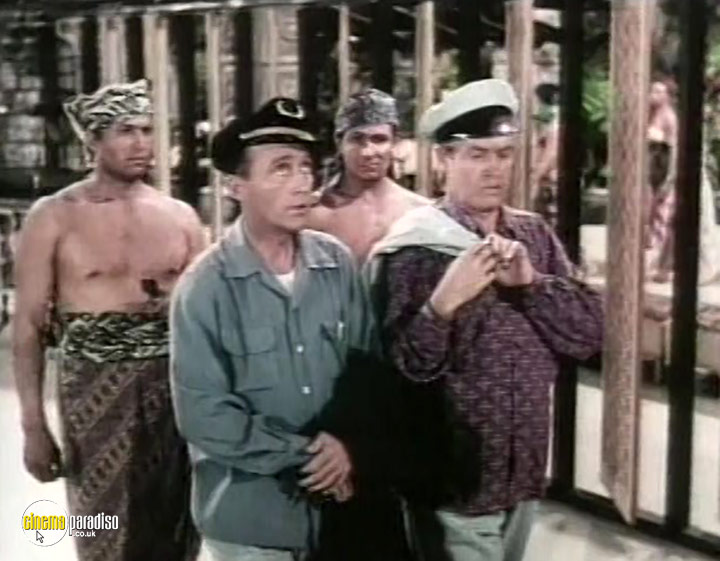
Song-and-dance men George Cochran (Bing Crosby) and Harold Gridley (Bob Hope) are playing Melbourne when their romantic entanglements make it prudent to decamp by train to Darwin. Having lost their money, they sign up as divers to help Prince Ken Arok (Murvyn Vye) recover some sunken treasure off his South Sea island of Vatu. What he doesn't tell them is that the presence of a giant squid named Boga Ten means that four men have already died trying.
He is the cousin of Princess Lala McTavish (Lamour), whose father had been Scottish. She takes a shine to the newcomers, even though George shamelessly tricks Harold into making the dive for the lost cache of jewels. He recovers it and the trio flee the prince, only to be shipwrecked on to a desert island en route to Bali. Lala confesses she loves both men when Harold proposes to her having survived a swim with some crocodiles and being suspended upside down in a hunting net.
While awaiting her answer, Harold is targeted by a grieving female gorilla. However, they are captured by tribesmen, who plan to eat them. But medicine man Bhoma Da (Ralph Moody) recognises Lala and arranges for her to marry both companions. Prince Ken intervenes, however, and persuades the King Ramayana (Leon Askin) to marry Lala himself and dispose of the pesky Americans. The god who inhabits the island's volcano has other ideas, however.
Lamour may well have recognised the eruption footage, as it was borrowed from her Tahitian adventure, Aloma of the South Seas (1941). Paramount also recycled the squid tussle, with Hope replacing Ray Milland in a scene lifted from Cecil B. DeMille's Reap the Wild Wind (1942). The studio even rented from United Artists a few seconds of Humphrey Bogart wading chest deep in water and tugging his boat from John Huston's The African Queen (1951) in order to set up a gag about Hope finding Bogie's Oscar in the undergrowth and offering to look after it for him while trying to launch into an acceptance speech.

In addition to tossing in a joke during the Australian segment about Errol Flynn, Paramount also ensured it got its money's worth out of some of its contracted stars, with Crosby's bandleader brother, Bob, rushing into the frame in a pith helmet and shorts to fire a rifle into the air. When Lamour asks who he is, Crosby explains their relationship and the fact he had promised him `a shot' in the picture. Rising comedy duo Dean Martin and Jerry Lewis contributed a silent cameo, as Hal Walker had directed them in My Friend Irma Goes West, At War With the Army (both 1950), That's My Boy (1951), and Sailor Beware (1952). When Bing and Bob fluffed a scene, Lamour called to Walker, `Better warm up Martin and Lewis. They're younger and funnier.' However, a nettled Hope retorted, `You'd better be careful how you talk to us. You can always be replaced by an actress.'
As Crosby and Lamour were about to wander off into the sunset, Hope snake-charmed Jane Russell of a holdall. However, she took one look at him and linked arms with Crosby, who promised to cope with having two women at once, as Hope tried to push the `The End' caption off screen until `Positively The End' appeared in its place. This was one of several neat sight gags, with Crosby shrugging to camera after Hope had mimed his struggle with the squid. Later, when the branch they're leaning on snaps while watching Lamour bathing, Hope pipes up that they haven't sploshed into the water because Paramount can't afford to have Crosby fall at his age. At another juncture, when Hope sees Crosby leave the set and hears music swirling on the soundtrack, he advises patrons to nip out for popcorn while he's singing. He also gets in a dig about Crosby's wealth when he remarks that a line about him being broke had been intended for any watching tax wallahs in Washington.
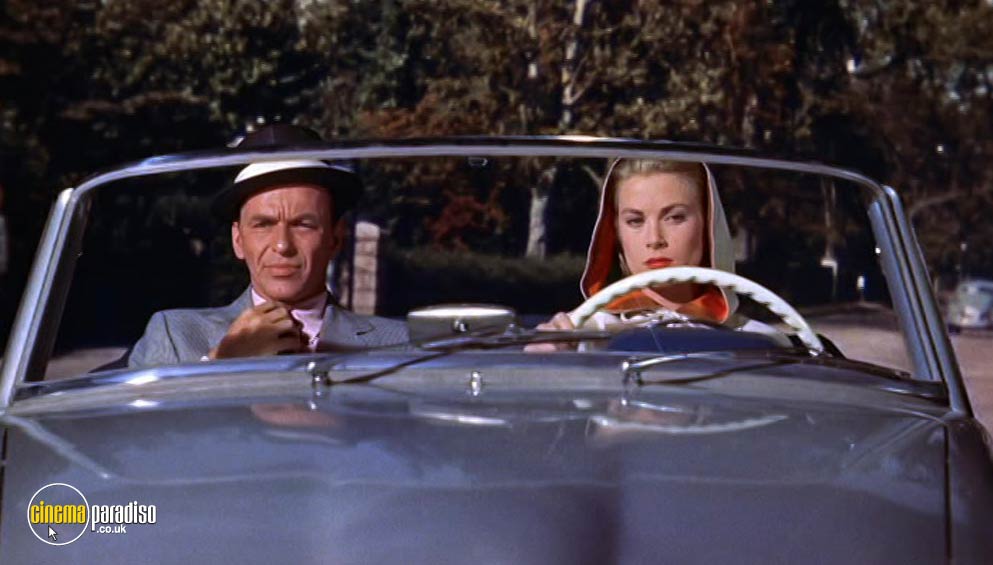
According to studio records, a choreographed routine was planned for the `Road to Bali' number, which, ultimately, was only heard in a choral version over the opening credits. Paramount boss Adolph Zukor also claimed in his memoir that a costly water ballet sequence had also been dropped. As the film was a co-production with Bing Crosby Enterprises and Bob Hope Enterprises, one can only presume that the stars okayed the omission. They must also, therefore, have gone along with the decision to use Peggy Lee instead of Lamour on the soundtrack album in order to deny her request for an equal cut of the album's profits. Before they met again, however, Hope got his own slap in the face when Crosby told a reporter that his favourite screen duet was with Frank Sinatra on `Well, Did You Evah!' in Charles Walters's High Society (1956).
With his investor's hat on, Hope complained that Paramount only spent $150,000 promoting the picture, when he had expected the sum to be closer to $300-$400,000. Clearly believing that the studio had trousered the saving, he decided to get his own back, as he recounted in his autobiography, This Is on Me: `There are other pleasant things about owning part of a picture,' he wrote. `In the [sic] Road to Bali there was a beach scene for which tons of beautiful white sand had been trucked in from Pebble Beach. I had just put in a one-hole golf course at my house on Moorpark Street in North Hollywood. I had four sand traps standing empty, with nothing in them in which my friends could leave their hoof prints. When I saw that sand a light switched on in my head.
`"We own two-thirds of this sand, don't we?" I asked. "Sure," Bing said. "Why?" "Well," I replied, "I'd like some of it for my course at home." When he said, "Why not?" I called the prop man and said, "Take ten truck-loads of this sand out to my house when we're done with it." "No dice," he said. "This is Paramount's sand." Bing and I had another talk with the boys in the front office. As a result, part of the [sic] Road to Bali is in my back yard.'
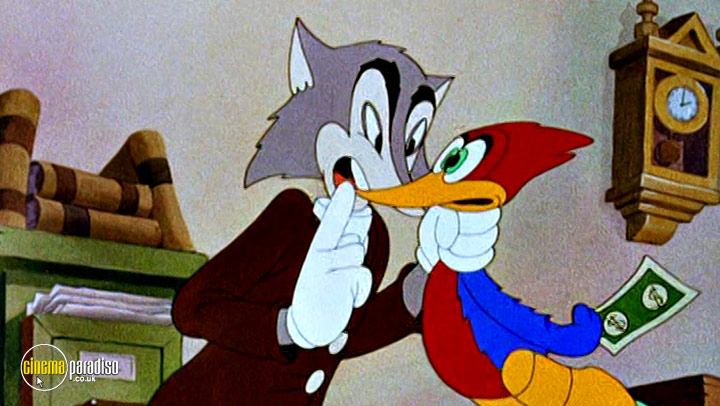
When the film opened on 25 December 1952, Bosley Crowther wrote in The New York Times, `Quite simply, Road to Bali is a whoopingly hilarious film, full of pure crazy situations and deliciously discourteous gags, all played with evident relish and split-second timing by the team.' Audiences reponded well, as the film returned North American receipts of $3 million. It also made sufficient impact for Walter Lantz to parody it in Alley to Bali (1953), with Woody Woodpecker and Buzz Buzzard in the Hope and Crosby roles. Cinema Paradiso users can enjoy this classic cartoon on Volume 2 of Woody Woodpecker and Friends (2009).
The Road to Hong Kong
The longest title in the series and the only one to include a definite article, The Road to Hong Kong (1962) came after a decade-long gap and proved to be the end of the line. Much had changed in the interim. United Artists took over from Paramount as the picture's sponsor, while Norman Panama and Melvin Frank respectively added `director' and `producer' to their writing credits, while also investing in the project alongside Hope and Crosby, who again took a third each.
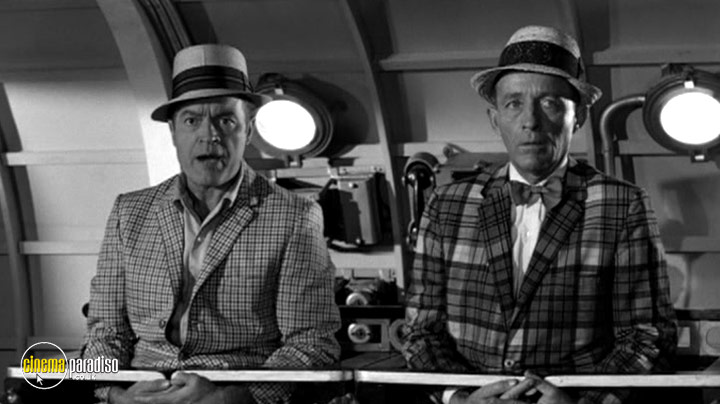
Minding their pennies, they reverted to monochrome and decided to shoot in Britain rather than Hollywood. Most shockingly of all, however, UA demoted Dorothy Lamour to guesting support and Hope and Crosby did nothing to prevent it. They didn't even have the courtesy to tell her, even though she had unofficially been retired since playing Princess Lala. The first she learned of the snub was when a juicy bit of gossip appeared in a Louella Parsons column. At least Parsons was on Lamour's side, however, and a chastened Panama and Frank duly took her the script, along with `Warmer Than a Whisper', which had been written specially for her by Sammy Cahn, who had replaced the late Johnny Burke as Jimmy Van Heusen's lyricist.
Having heard that the number would be interrupted by some tomfoolery, however, Lamour refused to take a bit part in a franchise that she had done so much to popularise and issued an ultimatum that the film-makers either beef up her part or face the press to explain why she had been dumped. It's uncertain whether Crosby wanted Lamour in the picture, as he felt she was too old at 48. Knowing Hope felt guilty about the situation, however, Lamour seized the upper hand when she discovered that the deal with UA depended upon her active participation. How she must have relished her line after listening to Hope explaining the jam they had landed themselves in and she offers to hide them - not from the villains, but `from the critics'.
With Lamour agreeing to cameo as herself, the producers pondered who to cast as the female lead. Crosby favoured an international sex symbol. `I'd like to see Bardot in the part most of all,' he told the press. `Mind you, I think she might be a little on the young side for Hope...Filming is kind of difficult for someone at my time of life. I'm too old to get the girl and not old enough to be her granddad. But still I'd sure like to work with Bardot. I only saw one film of hers, but it made a deep impression.' Gina Lollobrigida and Sophia Loren were also on Crosby's wishlist. Daily Variety also mentioned Nancy Kwan in dispatches. But the part went to Joan Collins, who is the last surviving headliner of a Road movie at the age of 93.
While on in India as part of a tour in the Far East, enterainers Harry Turner (Crosby) and Chester Babcock (Hope) try to flog an Interplanetary Fly-It-Yourself Space Kit. Chester is knocked out and loses his memory. So, Harry takes him to a doctor (Peter Sellers), who recommends a Tibetan lamasery, where Chester is given a herbal tonic by a wise lama (Felix Aylmer) that replaces his amnesia with a photographic memory. At the airport, Chester is mistaken by spy Diane (Collins) for a photographer hired by the Third Echelon network to copy a top secret Russian formula for rocket fuel.
As Chester has memorised the formula, he and Harry are captured by Third Echolon minions. But, having realised that the organisation's leader (Robert Morley) is a dangerous madman, Diane helps the pair escape and smuggles them into Hong Kong, where Dorothy Lamour is performing in cabaret and shelters them while Harry calls the police. Typically, the pair bungle their flight and get trapped with Diane in a rocket loaded with nuclear missiles, which lands on the remote planet, Plutonlum, a remote planet, where they briefly run into rival astronauts, Frank Sinatra and Dean Martin, before Harry eases Chester out of the picture to kiss Diane.
According to an article in Variety, Frank and Panama had to undertake some tricky negotiations in order to get Hope and Crosby aboard. The former could only be contacted through his agent, while all deals were handled by his lawyers. But Hope's bottom line was that he would only accept dates that didn't conflicted with his TV show. Crosby, on the other hand, was more concerned about missing the salmon and trout fishing seasons. Ultimately, he had to sacrifice his annual pheasant shoot, as there was no way he could miss the annual Bing Crosby Golf Tournament.
On learning the production would be based at Shepperton Studios, Hope and Crosby ordered Frank and Panama to find them a large country house - with a nearby golf course and racetrack - that could accommodate both of their families. In fact, Cranbourne Court, with its 22 bedrooms and 25-acre garden, was close to two tracks and three golf courses and the pair shared digs for the first and only time in their lives, as filming ran from 31 July to 2 November 1961. It's a good job the arrangement panned out, as Panama and Frank worked the duo hard in making three different versions, with vernacular dialogue for British and American audiences and special export prints that replaced songs (which were often cut because they couldn't be dubbed) with bridging sequences to help the plot make more sense. They still had plentiful leisure time, however, with Crosby sometimes wearing his golf togs under his costume so he could be ready to tee off. According to one report, Hope left on the red nail polish he had been wearing for a scene in order to make an early exit. In the locker room after his round, however, a member had spotted the coloured toenails and asked Crosby if his friend was appearing in the ballet.
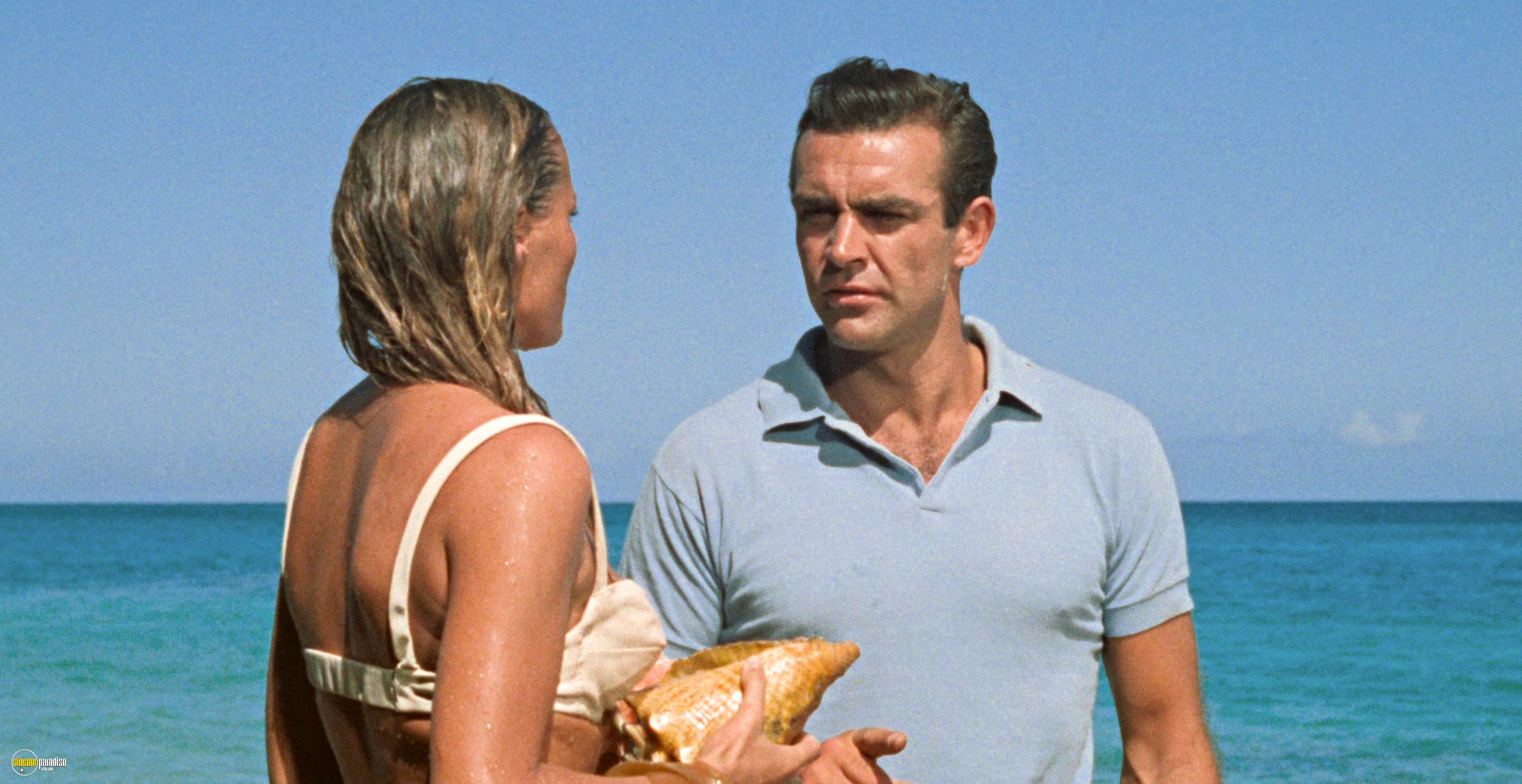
Although it's often said that The Road to Hong Kong cashed in on the success of the first James Bond outing, Dr No was actually released five months later (22 May and 5 October 1962). Titles designer Maurice Binder and art director Syd Cain did work on both films, although the latter's name was accidentally left off the 007 credits and producer Cubby Broccoli presented him with a solid gold pen to atone. Nice gestures were clearly in vogue, as Hope's character was named Babcock in honour of longtime composer James Van Heusen, whose birth name had been Edward Chester Babcock. The numbers written with lyricist Sammy Cahn were serviceable, but rock`n'roll had taken over popular music since 1952 and the songs sounded a little old-fashioned for the year that saw The Beatles first chart with `Love Me Do'.
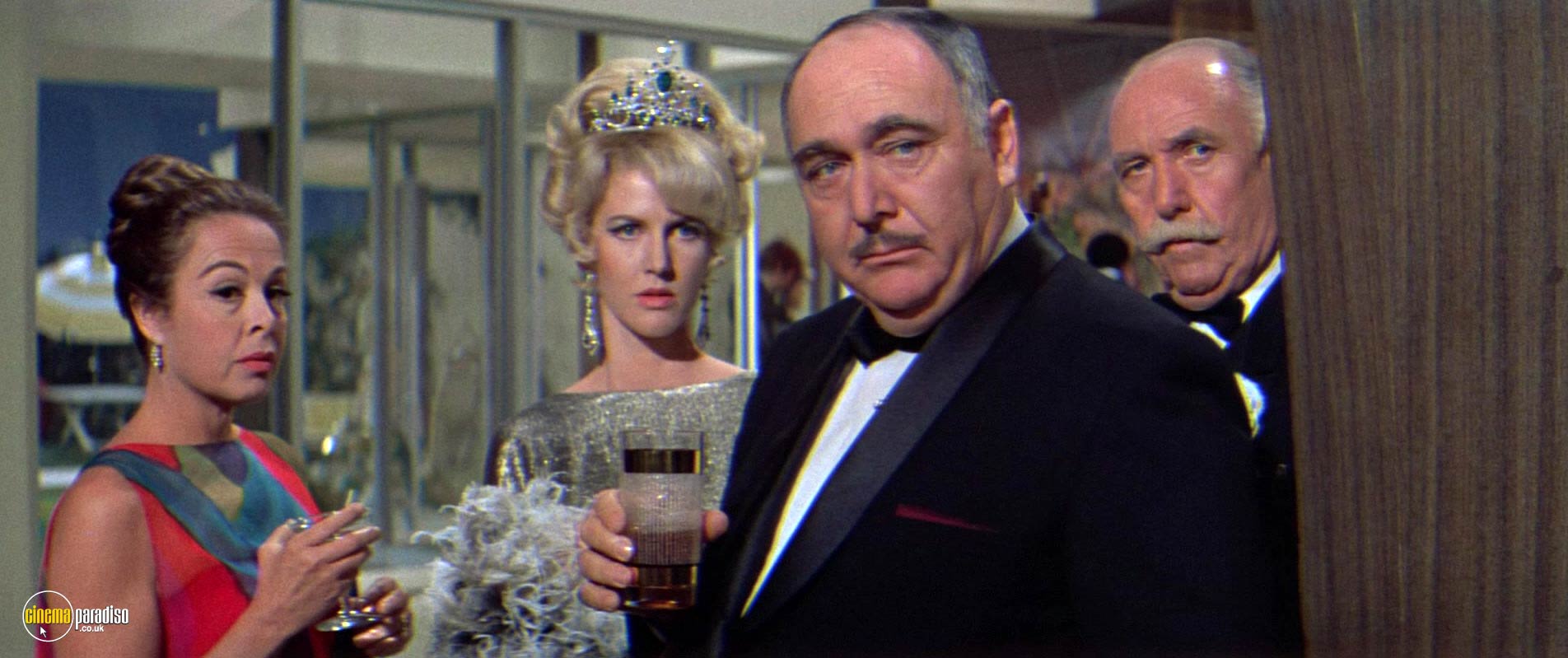
Crosby and Hope agreed to cameo in Frank Sinatra and Dean Martin's next films, but they never did. Famous faces were queuing up to work with them, however, with David Niven, Jerry Colonna, Bob Crosby, Zsa Zsa Gabor, and Peter Sellers all making surprise appearances. Sellers dusted down the Indian doctor routine he had used in Anthony Asquith's take on George Bernard Shaw's The Millionairess (1960). He would also resort to brownface for Blake Edwards's The Party (1968). But even though this comedy of embarrassment has exerted a considerable influence on modern slapstick, it's difficult to watch today, as is the case with the bit in which Hope adopts a Chinese accent in trying to pass himself off as a local who has had eye surgery.
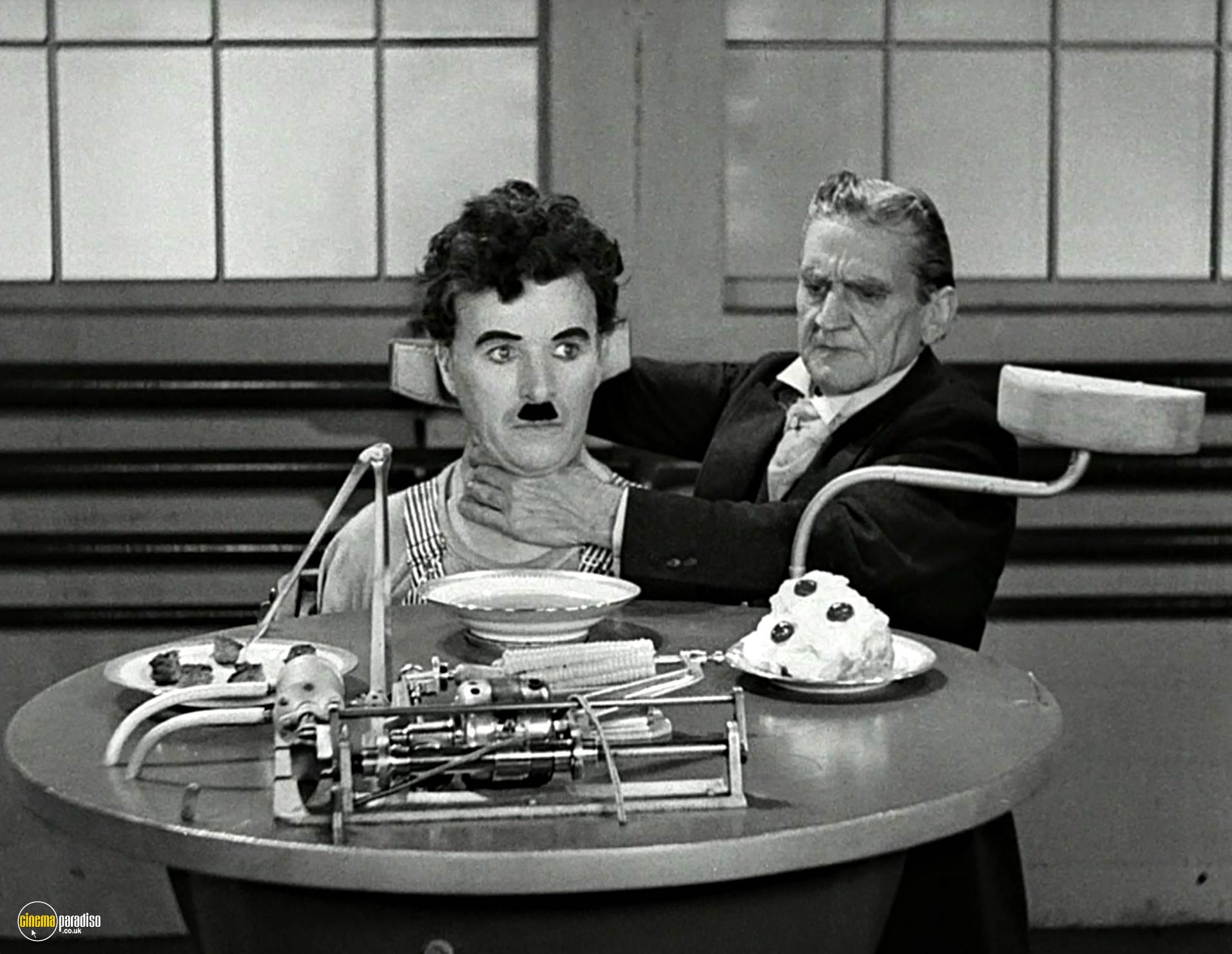
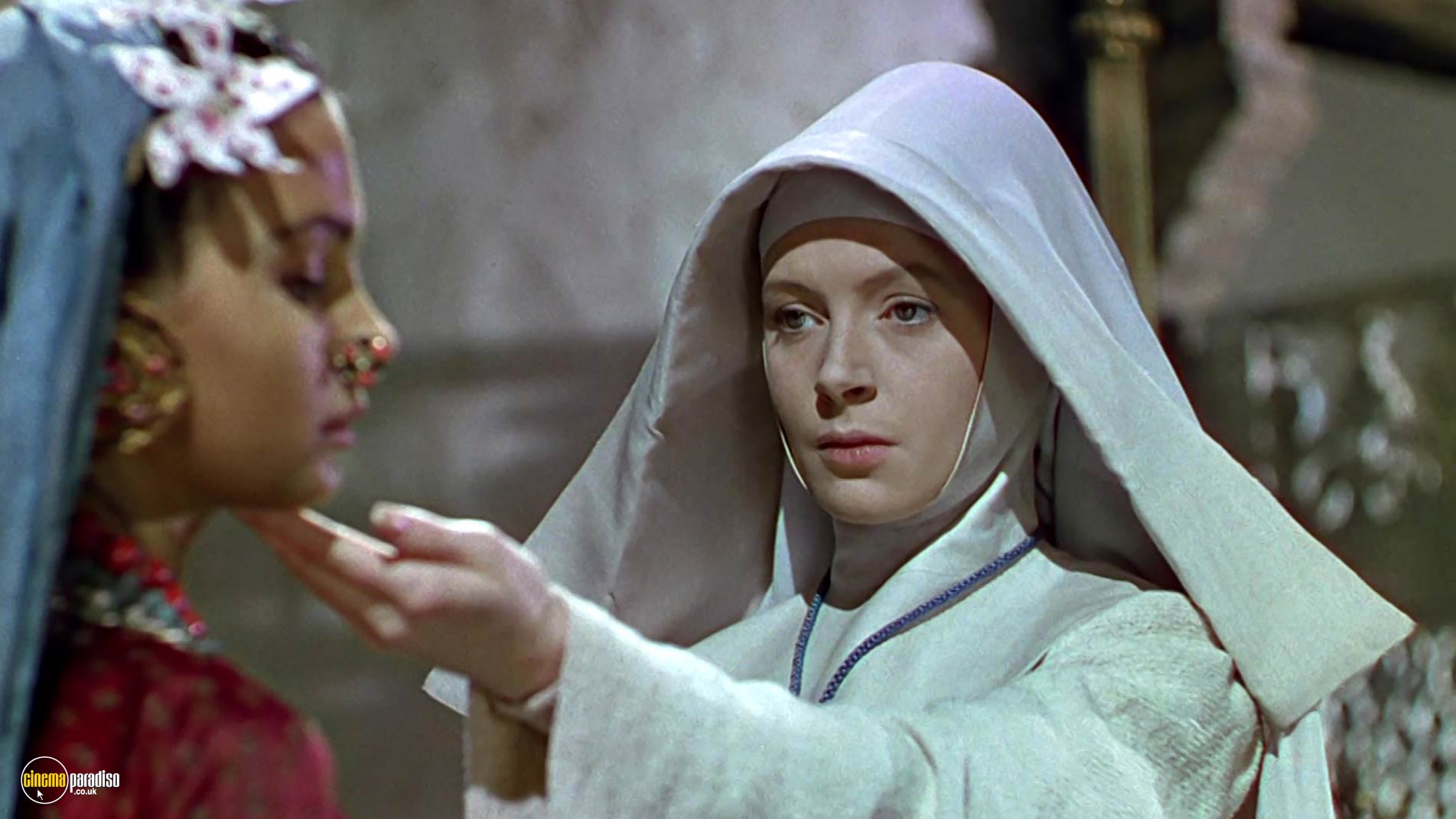
As they were in their late 50s, Hope and Crosby couldn't put the same vim into their physical comedy that they had managed two decades earlier. They also settled more easily for recycling old gags, with the automated feeding machine that stuffs the stars with milk and bananas being obviously borrowed from Charlie Chaplin's Modern Times (1936). They also made use of the 16mm home-movie footage that William Holden had shot in what was still a British colony when he had made Richard Quine's The World of Suzie Wong (1961), but he declined a recompensatory cameo. If the The lamasery looks familiar, by the way, it first appeared in Michael Powell and Emeric Pressburger's Black Narcissus (1947).
Everyone was on their best behaviour when Dorothy Lamour arrived in mid-August to shoot her all-too-brief scene. There was also an air of professionalism about the place when Ed Sullivan visited the set to record interviews with Hope and Crosby for his fabled variety show. As there were more special effects shots than before, these took time to create, whether it was the three leads undergoing an instant costume change, Martin and Sinatra being cast into outer space, or Hope being hamstrung so that Crosby could canoodle with Collins.
The critics were divided over whether the big reunion had paid off, when The Road to Hong Kong opened in New York on 27 June 1962. While welcoming back Hope and Crosby, Bosley Crowther rather caddishly described Lamour as `a bit long in the tooth and a trifle too thick around the middle' in his New York Times notice, while Variety was equally ungallant in opining, `Major disappointment is Joan Collins, who though an okay looker, never seems quite abreast of the comedians.' In fact, many reviews picked up on the fact that Hope and Crosby were too old to be footling around the planet and heading into space. Hope opined in an interview that the public were sufficiently au fait with their TV shows to know in advance that there would be more banter than pratfalls. But their trademark feud over who gets the gal feels icky because of the age gap with the 28 year-old Collins and they only had themselves to blame because they had sidelined Lamour, who had been more essential to the successful formula than they had realised.
A Few Detours
Although The Road to Hong Kong proved to be journey's end, attempts were made to add more stickers to Bing and Bob's luggage. Following on from their jaunt into outer space, an announcement was made about Marilyn Monroe joining the boys in Road to the Moon. Her death on 5 August put paid to any teaming, although the project was probably as much a fantasy as Road to Bombay or The Road to Lebanon, which was the Hope-less picture that Crosby was supposed to be scouting locations for in a sketch on a 1966 episode of The Danny Thomas Show.
In 1977, however, Sir Lew Grade did commission Melville Shavelson to write a screenplay for The Road to the Fountain of Youth, which would bring Dorothy Lamour back into the fold. The proposed story was to start with Hope and Crosby bumping into each other while entertaining their grandchildren before the action would whisk them off to the UK, Saudi Arabia, and Moscow.
Crosby was supposed to have asked for some zany Pythonesque humour to be added in order to bring the series up to date. But Lamour had been hurt by her marginalising 16 years earlier and was reluctant to return to the screen having reinvented herself as a stage actress. Her misgivings caused the starting date to be delayed and it was further pushed back after Crosby damaged his back in falling into the orchestra pit at the end of a gala concert in Pasadena to mark his 50 years in show business. He was well enough to fulfil a two-week engagement at the London Palladium in the summer of 1977, but his death on a Spanish golf course on 14 October led to the picture being cancelled.
Despite rumours that Hope might team with Red Skelton, everyone knew that it wouldn't be a proper Road movie without Bob and Bing. They had transformed the Hollywood comedy series, leaving the likes of the Mexican Spitfire, Blondie, Ma and Pa Kettle, Francis the talking mule, Andy Hardy, and Henry Aldrich trailing in their wake. Some might point to the Carry Ons in Britain, the Tora-san films in Japan, the French Gendarmes of Saint-Tropez franchise, and the Danish Olsen Gang romps as being on a par. Others might mention Jacques Tati's sublime Monsieur Hulot outings or the string of Italian farces featuring the inimitable Totò. But the Road series had a much greater impact, as its influence on Hollywood comedy permeated around the world.
Paramount clearly saw Dean Martin and Jerry Lewis as the new Bing and Bob, while Warners teamed Dennis Morgan and Jack Carson in what they hoped would become a hit series. But the formula fizzled after Two Guys From Milwaukee (1946) and Two Guys From Texas (1948), which were nowhere near as popular as Morgan and Carson's other teamings in Wings of the Eagle (1942), The Hard Way (1943), Shine On Harvest Moon (1944), One More Tomorrow, The Time, the Place and the Girl (both 1946), and It's a Great Feeling (1949). But the fact that none of these pictures is available on disc in this country speaks volumes.
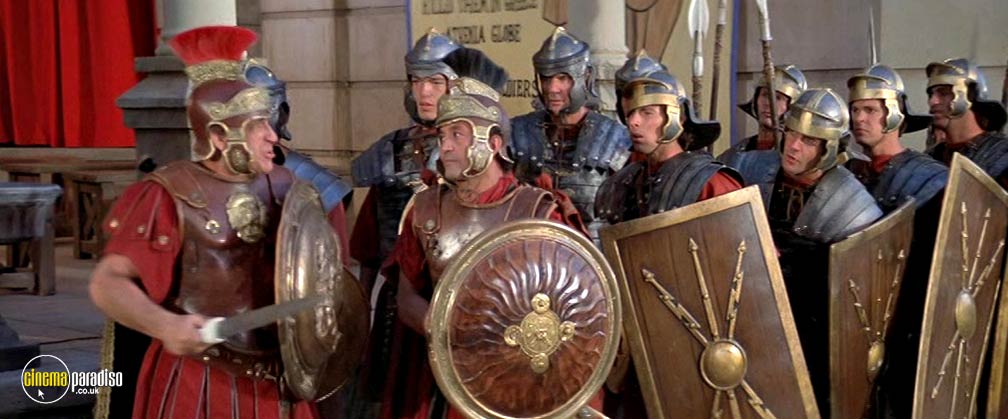
A number of features have paid passing homage to the Road films, with Mel Brooks and Gregory Hines singing about being `off on the road to Judea' in the Roman segment of History of the World, Part I (1981). Paul McCartney provided the theme for John Landis's Spies Like Us (1985), in which Hope makes a brief cameo, as Dan Aykroyd and Chevy Chase find themselves on the road to Dushanbe in an affectionate, if misfiring tribute.
The most notorious Road retread was Elaine May's Ishtar (1987), which followed singer-songwriters Chuck Clarke (Dustin Hoffman) and Lyle Rogers (Warren Beatty) to Marrakesh in Morocco for a gig that leads to them becoming embroiled in a plot to overthrow the Emir of Ishtar. With Isabelle Adjani in the Lamour role, this sprawling odyssey infamously went over budget and was panned by the critics. But Cinema Paradiso thinks it's well worth another look. Perhaps you could watch it between chapters of the 1999 novel that Eric Idle wrote after his bid to make a film entitled The Road to Mars had been sabotaged by meddling studio suits.
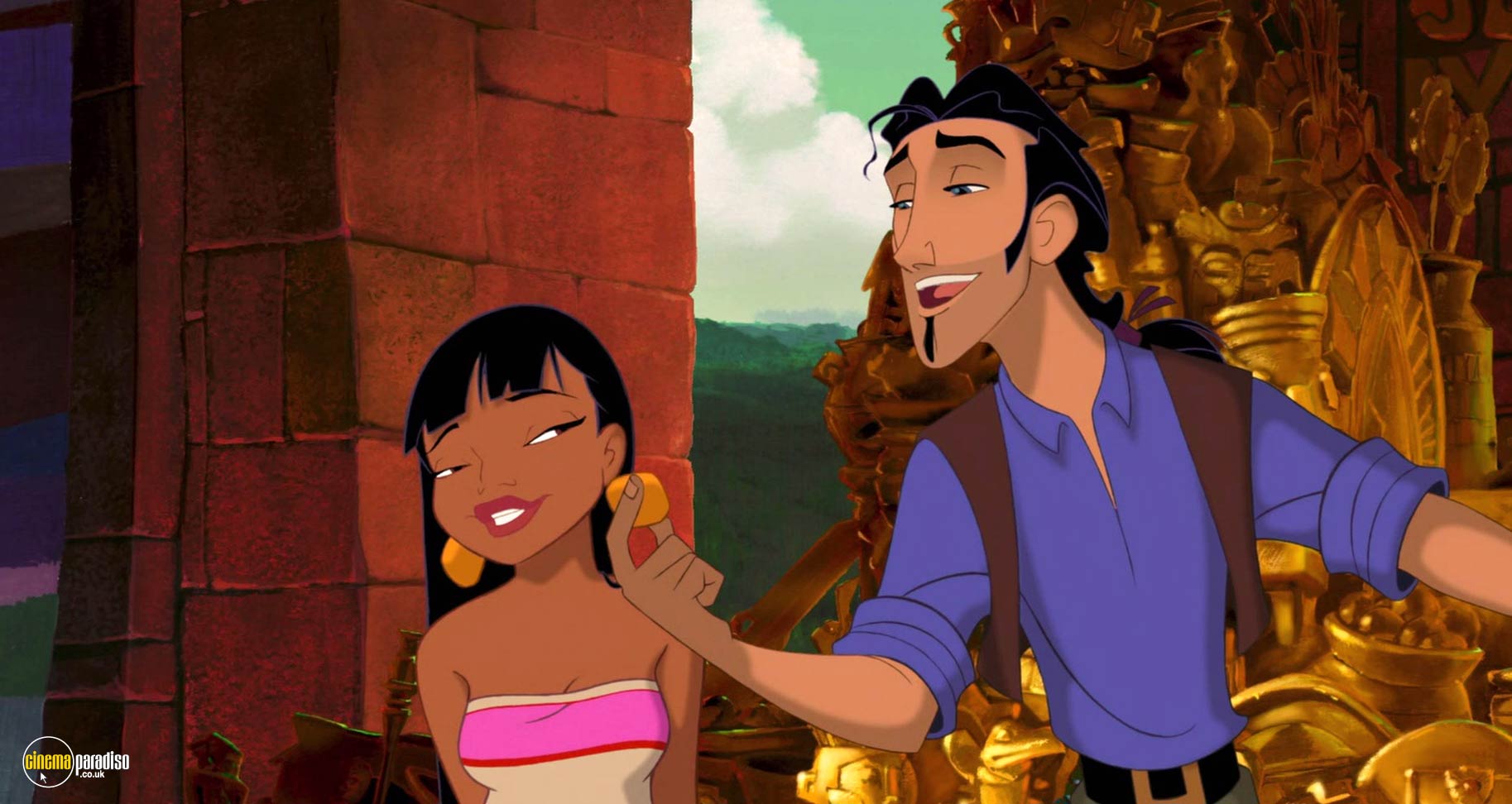
The spirit of Hope and Crosby is also alive in Eric `Bibo' Bergeron and Don Paul's animated feature, The Road to El Dorado (2000), which is set in 1519 and joins map-clutching con artists Tulio (Kevin Kline) and Miguel (Kenneth Branagh) on a voyage to the New World with Hernán Cortés (Jim Cummings) and his talking horse, Altivo (Frank Welker). With Rosie Perez's Chel occupying the Lamour berth and songs by Elton John and Tim Rice, this breezy adventure recreates the pithy banter and the breaches of the fourth wall pioneered by the Road series and even includes its variation on the patty-cake gag.
Animated series like TaleSpin (`Road to Macadamia'), Duckman (`Road to Dendron'), My Little Pony: Friendship Is Magic (`Road to Friendship'), and Taz-Mania (`Road to Taz-Mania', `Return of the Road to Taz-Mania Strikes Back', `Yet Another Road to Taz-Mania') have all paid their dues to the series. But no one has shown it more affectionate respect than Seth MacFarlane, the creator of Family Guy (1999-), who has voiced both Brian and Stewie Griffin in eight hommages: `Road to Europe', `Road to Rupert', `Road to Germany', `Road to the Multiverse', `Road to the North Pole', `Roads to Vegas', and `Road to India'.
All of these episodes are available to rent from Cinema Paradiso, as is `Spies Reminiscent of Us', which revisited the aforementioned Spies Like Us and includes guest slots by Dan Aykroyd and Chevy Chase. But it's the title song in the first pastiche, `Road to Rhode Island', that best nails the Hope and Crosby byplay and sends you back to the orignals to enjoy all over again - flaws and all.
Mentioned films