As the 70th edition of the London Film Festival gets under way, Cinema Paradiso looks back at the films that have bookended this country's biggest screen jamboree.
Simon Stone's Elsinore and Jesse Eisenberg's The Debut will open and close the 70th BFI London Film Festival, which will play at various venues across the capital between 7-18 October 2026. Since the event was launched on 16 October 1957, thousands of features, shorts, documentaries, and experimental items have unspooled, with the majority of them being UK premieres. In many cases, this LFF showcase was the only screening a film received in this country and too many have been allowed to recede into dimming memory. With its catalogue of over 100,000 titles, Cinema Paradiso can offer more LFF selections than any other outlet or platform. But, before we look back at the pictures that have topped and tailed Britain's biggest (but second oldest) film festival, let's take a quick look at how LFF has evolved from its convivial beginnings in 1953.
A Window on World Cinema
During a dinner party, Sunday Times film critic Dilys Powell concurred with James Quinn, the director of the British Film Institute, that London needed an international film festival. Six years earlier, in 1947, John Grierson had inaugurated a documentary strand within the annual Edinburgh Festival and the event had broadened its scope in 1952 to include fictional features. Yet it still took another five years for the London Film Festival to open on 16 October 1957, the day after luminaries such as Laurence Olivier, Kenneth More, and Gina Lollobrigida had watched Princess Margaret open the National Film Theatre, which had been built close to the South Bank site of the Telekinema that had been such a hit during the Festival of Britain in 1951.
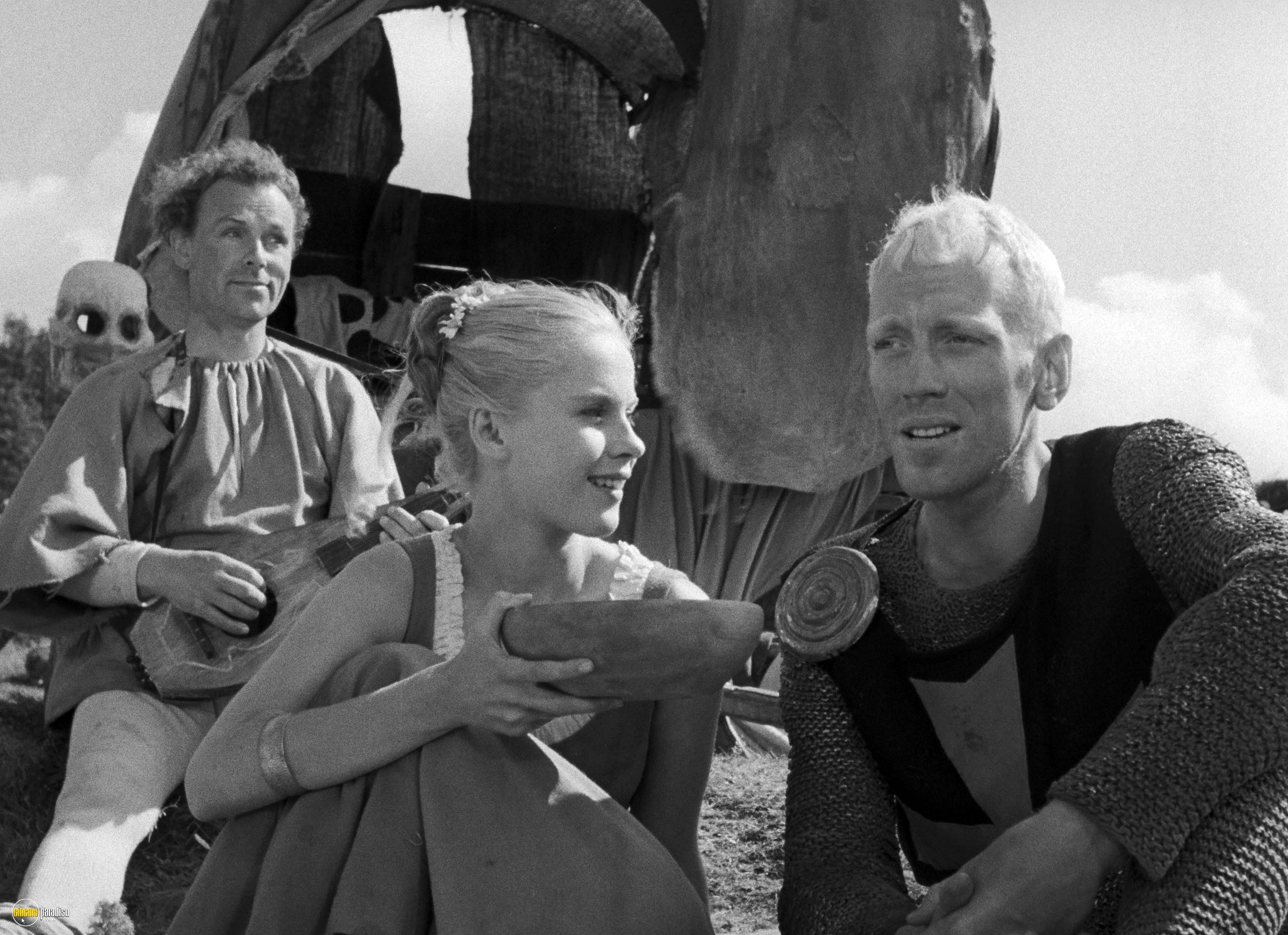
As the founders wanted LFF to be a 'festival of festivals', the first year's 15 titles had previously screened at Berlin, Cannes, and Venice. Akira Kurosawa's Throne of Blood got the ball rolling and Cinema Paradiso users can rent this and the event's other undisputed classics, Andrzej Wajda's Kanal, Ingmar Bergman's The Seventh Seal, Satyajit Ray's Aparajito, Elia Kazan's A Face in the Crowd, and Federico Fellini's Nights of Cabiria.
Apart from a handful of shorts commissioned by Pearl and Dean, there were no British pictures on show in any of the first three editions. This duck was eventually broken in 1960 by Karel Reisz's adaptation of Alan Sillitoe's kitchen sink saga, Saturday Night and Sunday Morning, by which time Yasujiro Ozu's Tokyo Story (1953) had become the first recipient of the Sutherland Trophy for the maker of `the most original and imaginative film introduced at the National Film Theatre during the year'.
The nouvelle vague had quite an impact on the LFF in the early 1960s, although when François Truffaut crossed the Channel to introduce The 400 Blows (1959), nobody at the NFT knew who he was. As he couldn't speak English, the staff decided to give him a seat towards the back of the auditorium to stop him making a fuss in the foyer.
The following year saw Richard Roud become the festival's new director. He continued to see the event as a showcase for what was becoming known as `arthouse' cinema. But he programmed Tony Richardson's The Loneliness of the Long Distance Runner in 1962 and finally allowed women to exhibit at the festival, when Shirley Clarke's Portrait of Jason, Agnès Varda's Les Créatures, and Vera Chytilová's Daisies all screened in 1967. Frustratingly, only the latter is currently available on disc. Cinema Paradiso users can also see Jean-Luc Godard's Sympathy For the Devil (aka One Plus One, 1968), although they will have to imagine the moment that the irate auteur stormed across the NFT stage to punch producer Iain Quarrier for changing the film's ending without his connaisssance.
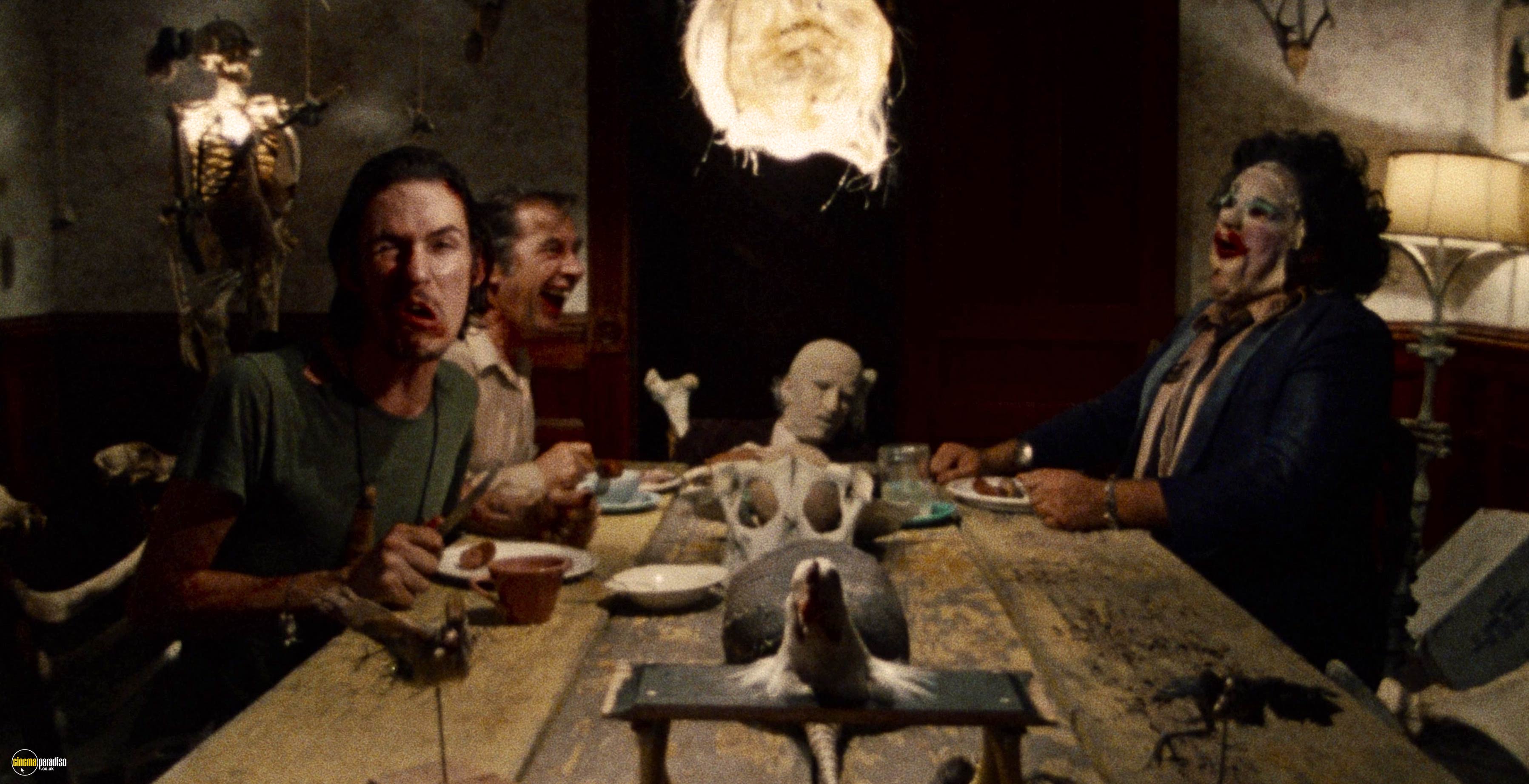
Ken Wlaschin took the reins in February 1970, with his first LFF being notable for an argument between an audience member with dwarfism and West German director Werner Herzog following the screening of Even Dwarfs Started Small. Four years later, Wlaschin bypassed the British Board of Film Censors by showing Tobe Hooper's uncertificated horror, The Texas Chain Saw Massacre, to an audience of BFI members. He would repeat the stunt with Walerian Borowczyk's The Beast and Pier Paolo Pasolini's Salò, or The 120 Days of Sodom in 1975 and 1977. It says much for how times have changed that all three features are available to rent uncut from Cinema Paradiso.
In 1984, The Guardian film critic, Derek Malcolm, assumed the mantle and decided that the LFF had become too stuffy and needed a little jolt of mainstream energy. The press had complained for a long time that LFF lacked the glamour of the continental festivals and red carpets became increasingly visible, as the closing night film became a gala in its own right. The glitzier premieres were shifted to Leicester Square, while pictures were slotted into strands such as New British Cinema, French Revolutions, Cinema Europa, World Cinema, Experimenta, and Treasures From the Archives to help patrons navigate their way through what would soon be 200+ features and over 100 shorts.
Taking over in 1987, NFT programmer Sheila Whitaker sought to retain the balance between film art and movie entertainment to make LFF a festival for the whole capital. Efforts were also made to involve the rest of the country by showing batches of pictures in affiliated cinemas. Successsors Adrian Wootton (1997-2003) and Sandra Hebron (2003-12) followed suit, with the latter establishing an awards ceremony to distribute the prizes to Best Film and Best British Newcomer, as well as the Sutherland Trophy (now for Best Debut Feature) and the Grierson Award for Best Documentary. The evening would also see the bestowal of BFI Fellowships, with the first pair going to Malian film-maker Souleymane Cissé and actor John Hurt.
Australian Clare Stewart shook things up on taking over in 2012. In addition to giving the awards a competitive feel, she also revamped the strands along populist lines, so that punters could search categories with such nebulous names as Cult, Dare, Thrill, Debate, Love, Laugh, Family, Journey, Create, and Treasures. When Stewart took a sabbatical in 2018, American Tricia Tuttle held the fort before being given the job full time. She steered LFF through the coronavirus pandemic, when only 12 films could be shown in London, while a further 50 were made available online, so that the whole country could join in (for once). Brisbanite Kristy Matheson has been in charge since 2022 and has continued LFF's long tradition of presenting films of a distinctive quality that comment on the contemporary world.
Despite accusations that it has dumbed down in recent times, LFF has never been a shop window for latest Hollywood blockbusters. It may have increased the number of stellar galas to provide the photo opportunities that keep the print press and the legions of social media mavens happy. But giving audiences the chance to see the best films from around the world has always been the primary aim and there will be much to admire, enjoy, and remember among the 251 films from 88 countries (including 169 features) that are due to show at the 70th BFI London Film Festival, among which 33 are world premieres, 16 are international premieres, and 20 are European premieres. Let's hope a record number find their way to disc, too.
Opening Salvos
On 16 October 1957, Akira Kurosawa's Throne of Blood (1957) became the first film to be shown as the London Film Festival. Based on William Shakespeare's Macbeth, the action is set in Spider's Web Castle and chronicles the ramifications of samurai commander Washizu (Toshiro Mifune) being talked into murdering his lord by his ambtiious wife, Asaji (Isuzu Yamada). The performances are bold, Yoshiro Muraki's sets are wondrously atmospheric, and Kurosawa's direction deftly blends intimacy and spectacle. At a post-screening reception at Dilys Powell's house, the director was feted by Laurence Olivier, who had been planning his own adaptation of Macbeth for himself and wife Vivien Leigh. But he reckoned Kurosawa's epic made his own interpretation redundant.
There was no official closing night screening in 1957, although one of the 15 chosen titles must have been the last to be shown. Indeed, there would not be a designated LFF finale until 1986. So, we move on to one of the most obscure films to open the festival, Yugoslavian director Nikola Tanhofer's H-8 (1958), which takes its title from the registration plate of the recklessly driven car that causes a rainy night collision between a bus and a truck on the road from Belgrade to Zagreb.
We remain behind the Iron Curtain for Jirí Trnka's A Midsummer's Night Dream (1959), a sublime retelling of Shakespeare's most fanciful story, which is referenced in Jirí Trnka: Puppet Master (1965), which is available to rent from Cinema Paradiso. Sadly, the same can't be said for Philippe De Broca's The Love Game (1960), which earned its opening night berth by winning a jury prize at the Berlin Film Festival. Presumed saucily chic in its day, this chaste ménage sees Jean-Pierre Cassel come to regret refusing to marry Geneviève Cluny when Jean-Louis Maury proves keen to oblige.
The nouvelle vague had already started to expose the conventionality of such faux sophistication, although some would say that the debuting Jacques Demy's Lola (1961) lacks the aesthetic bravura and intellectual acuity of pictures by his esteemed peers. Created as a tribute to Max Ophüls, this `musical without music' centres in Cécile (Anouk Aimée), a cabaret dancer from the seaside town of Nantes, who dallies with the lovesick Roland (Marc Michel), American sailor Frankie (Alan Scott), and the roguish Michel (Jacques Harden), who had abandoned her after getting her pregnant seven years earlier. The Gallic opening night hat-trick was completed by Jean Renoir's The Vanishing Corporal (1962), a companion piece to La Grande Illusion (1937) that drew on fact to chart the various escape attempts made by Jean-Pierre Cassel and his companions in Nazi captivity, Claude Brasseur and Claude Rich.
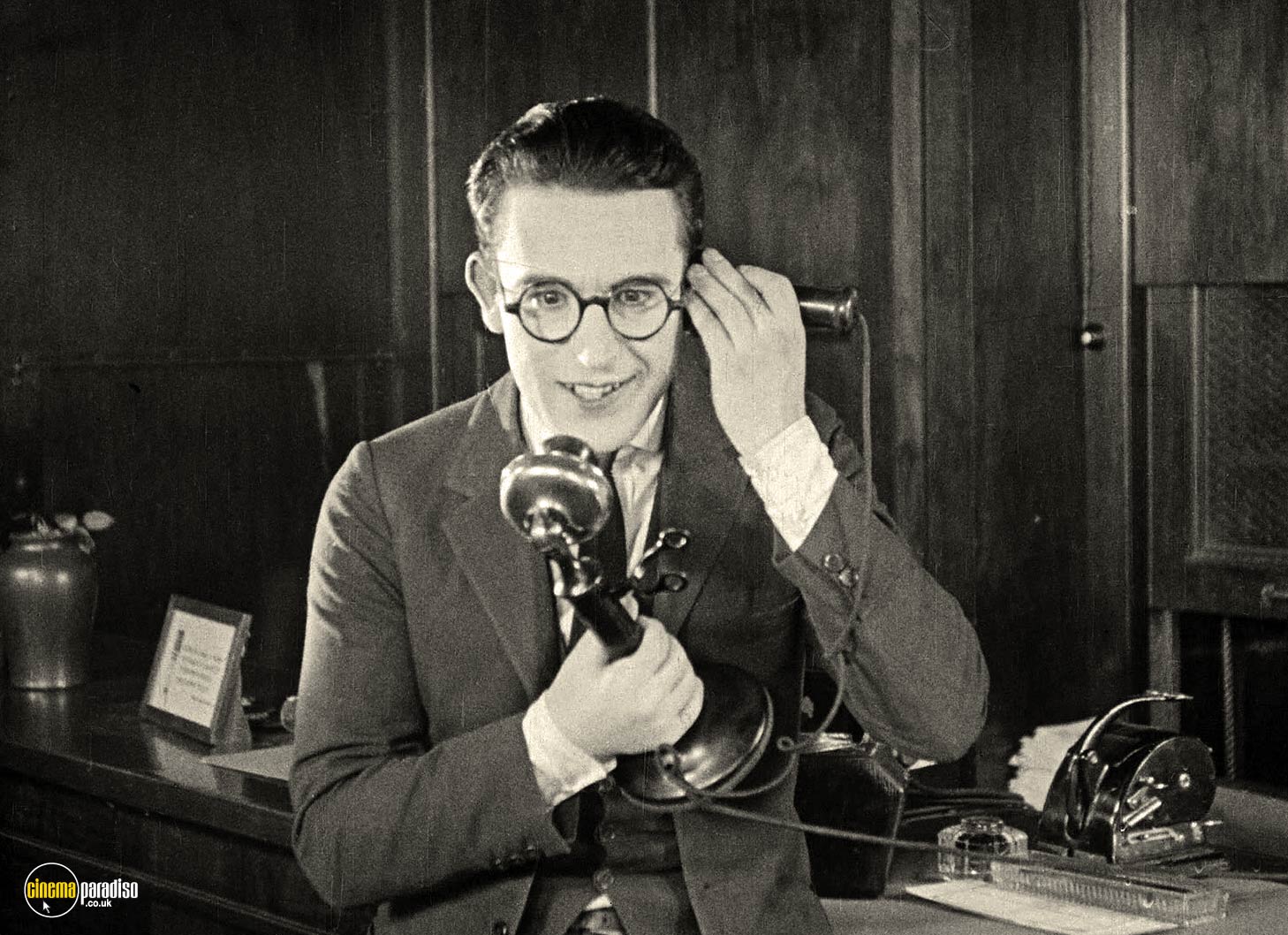
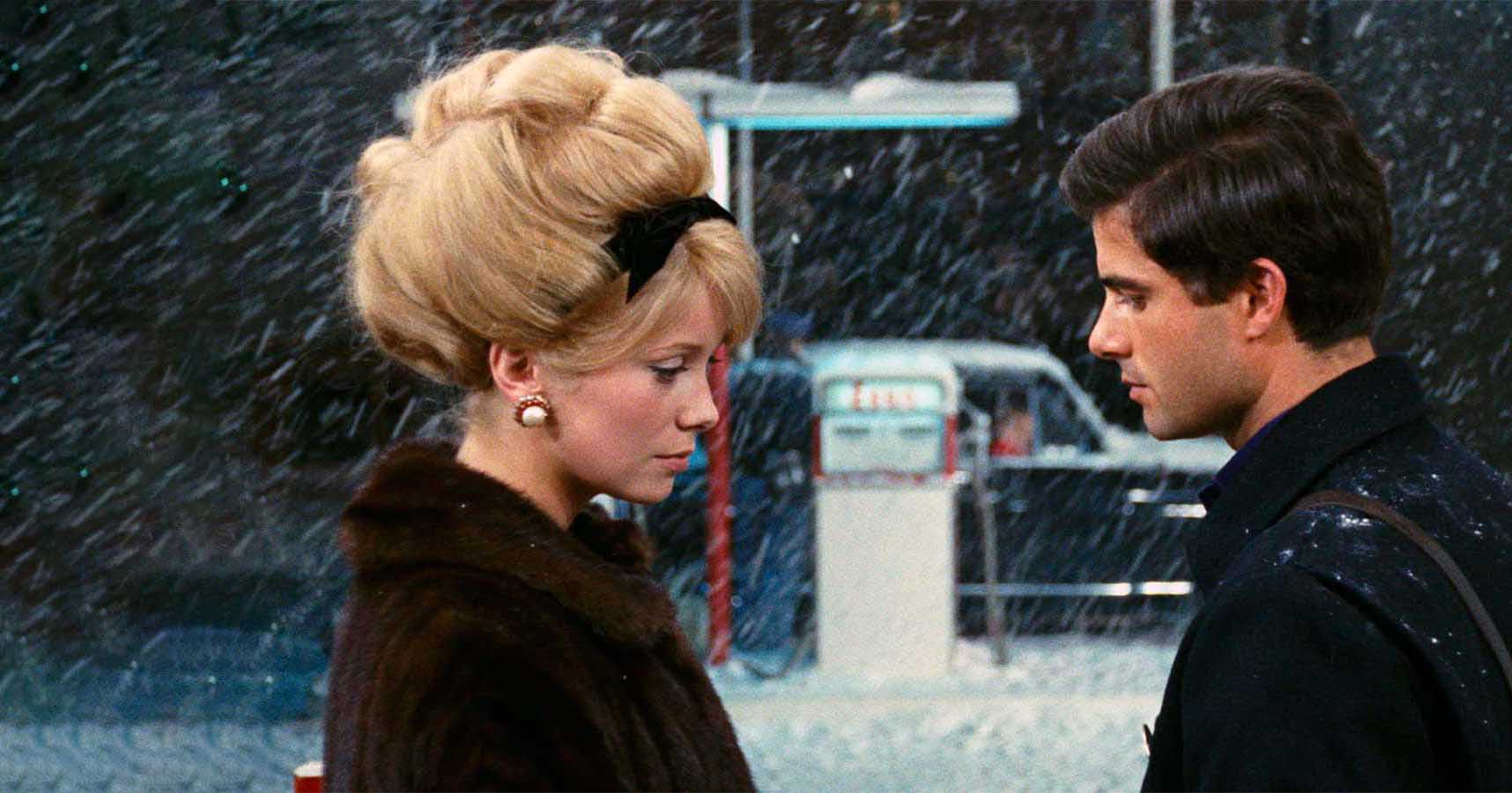
Cinema Paradiso users can rent Harold Lloyd's World of Comedy (1962), which includes clips from such silent slapstick classics as Safety Last! (1923), and The Milky Way (1936). But they'll have a harder time tracking down its sequel, Harold Lloyd's Funny Side of Life (1963), a personally edited compilation that opened LFF and promptly disappeared from view before resurfacing as part of an expensive boxed set. Fortunately, there is no problem in getting hold of The Umbrellas of Cherbourg (1964), whether on DVD, Blu-ray, or 4K. This Palme d'or winner earned four Oscar nominations, although it missed out on Best Foreign Film to Vittorio De Sica's Yesterday, Today and Tomorrow (1963).
Demy became the first director to open LFF twice with this musical account of the dilemma facing 17 year-old umbrella shop employee Geneviève Émery (Catherine Deneuve), who gets pregnant on the night before mechanic Guy Foucher (Nino Castelnuovo) leaves for a two-year tour of duty in Algeria and she is urged by her mother (Anne Vernon) to accept a marriage proposal from diamond merchant Roland Cassard (Marc Michel). However, Demy's feat was soon matched by Miloš Forman, one of the leading figures of the Czech Film Miracle, who had both A Blonde in Love (1965) and The Fireman's Ball (1967) chosen to open the London Film Festival. Drawing on Forman's own experiences, the Oscar-nominated former centres on Andula (Hana Brejchová), a shoe factory worker in a town where women outnumber men by 16-1. The dance that the boss organises with some billeted soldiers to boost morale finds echo in the annual ball thrown in honour of a small-town's fire department.
Forman's first colour outing poked such merciless fun at the Communist system that it proved to be the last film he made in Czechoslovakia before relocating to Hollywood. It was also the first LFF opener to be paired with an acknowledged last night counterpart (even though the notion of a Closing Night Gala had yet to be conceived). The film was Lindsay Anderson's If.... (1968), a vicious satire on the public school system that took its cues from Jean Vigo's Zéro de conduite (1933) in introducing Mick Travis, a subversive student who would also be played by Malcolm McDowell in Anderson's O Lucky Man! (1973) and Britannia Hospital (1982).
Sandwiched between the Forman duo were René Allio's The Shameless Old Lady (1965) and Jean Renoir's La Marseillaise (1938). It's a shame the former take on a Bertolt Brecht short story is out of reach, as eightysomething screen veteran Sylvie is superb as Madame Berthe, the demure widow who gets a taste for the high life. However, Cinema Paradiso can bring you Renoir's version of how the French national anthem became a rallying cry during the French Revolution. Given the demonstrations that would beset General De Gaulle's Fifth Republic in May 1968, this proved an inspired selection.
It was also the first restored classic to open LFF and it was followed by the seventh French title to open proceedings during the festival's first dozen years. Set in Clermont-Ferrand over Christmas and part of Éric Rohmer's series of Six Moral Tales, My Night At Maud's (1969) examines the shifting allegiances and ideas of Catholic engineer Jean-Louis (Jean-Louis Trintignant), churchgoer Françoise (Marie-Christine Barrault), Marxist philosophy professor Vidal (Antoine Vitez), and his atheist pediatrician ex-lover, Maud (Françoise Fabian). The festival ended with two listed titles, although neither was an official Closing Film. Ending a decade in which new waves had rippled across world cinema, Nagisa Oshima's fact-based nuberu bagu saga, Boy (1969), shows how Toshio (Tetsuo Abe) is forced into replacing his stepmother, Takeko Kaniguchi (Akiko Koyama), in a traffic accident scam devised by his abusive war veteran father, Takeo Omura (Fumio Watanabe). A young boy also proves pivotal to Sweet Hunters (1969), a story set on the remote island where an ornithologist (Sterling Hayden) lives with his wife (Maureen McNally), their son (Andew Hayden), and his aunt (Susan Strasberg). A complex picture pieced together from seemingly unrelated scenes, this was directed by Mozambique-born Portuguese citizen, Ruy Guerra, who had become a leading figure in Brazil's Cinema Novo movement during the 1960s. At 95, he is the oldest surviving director of an opening or closing night film at the London Film Festival.
The British Are Coming (Finally)
It wasn't until the middle of the 1970s that a homegrown feature opened the London Film Festival. The French continued to dominate, with François Truffaut's The Wild Child (1970) launching the new decade with a decisive step away from nouvelle vague self-reflexivity, as the action is set in 18th-century Paris and explores the relationship between Dr Jean Marc Gaspard Itard (Truffaut) and Victor (Jean-Pierre Cargol), a young boy who had been entrusted to the National Institute for the Deaf and Dumb after having been found living wild in a forest in the rural Aveyron region of southern France. The capital also provides the setting for the decade's first closing film, Jens Jørgen Thorsen's Quiet Days in Clichy, which was adapted from a provocative novel by Henry Miller and contained so much nudity and profanity that it was banned in several countries. Indeed, it disappeared for a long time after the LFF viewed the mid-50s antics of expat roommates, Joey (Paul Valjean) and Carl (Wayne Rodda). But Cinema Paradiso is able to offer it on high-quality DVD.
The Gallic run continued, as Jacques Tati's Trafic (1971) became the first and only film to open and close the LFF in the same year. This proved to be the last sighting of Monsieur Hulot, as he is joined by Maria (Maria Kimberly) and a truck driver (Marcel Fraval) in transporting a camper-van of his own design from the Altra plant outside Paris to a motor show in Amsterdam. Once again, using Hulot's ungainly antics to poke fun at the modern world, Tati's decision to stage gags at his own pace didn't please all critics and this remains the most debated picture of his illustrious career. See for yourself, perhaps in tandem with another corporate satire, Satyajit Ray's Company Limited (1971), which opened the 16th London Film Festival. At its heart is Shyamalendu (Barun Chanda), an executive at a fan company, whose promotion is jeopardised when a proposed strike threatens the shipping of an important order. As he had been busy showing sister-in-law Tutul (Sharmila Tagore) how comfortably he and wife Dolan (Paromita Chaudhuri) live, the hapless Shyamalendu is held responsible.
This remains the last occasion on which no specific film was listed as the closing night title. The following year, things got under way with Daryl Duke's Payday (1973), in which Rip Torn gives a standout performance as monstrous country singer, Maury Dann, who lets his chauffeur take the blame when he stabs the boss of one of his casual conquests. They closed with Hans-Jürgen Syberberg's Ludwig - Requiem For a Virgin King (1972), a stylised study of the eccentric 19th-century ruler of Bavaria that was followed in a provocative triptych on German history by Karl May (1974) and Hitler: A Film From Germany (1977). Harry Baer took the title role in the same year that Helmut Berger assumed the same part in Luchino Visconti's Ludwig, which is available to rent from Cinema Paradiso.
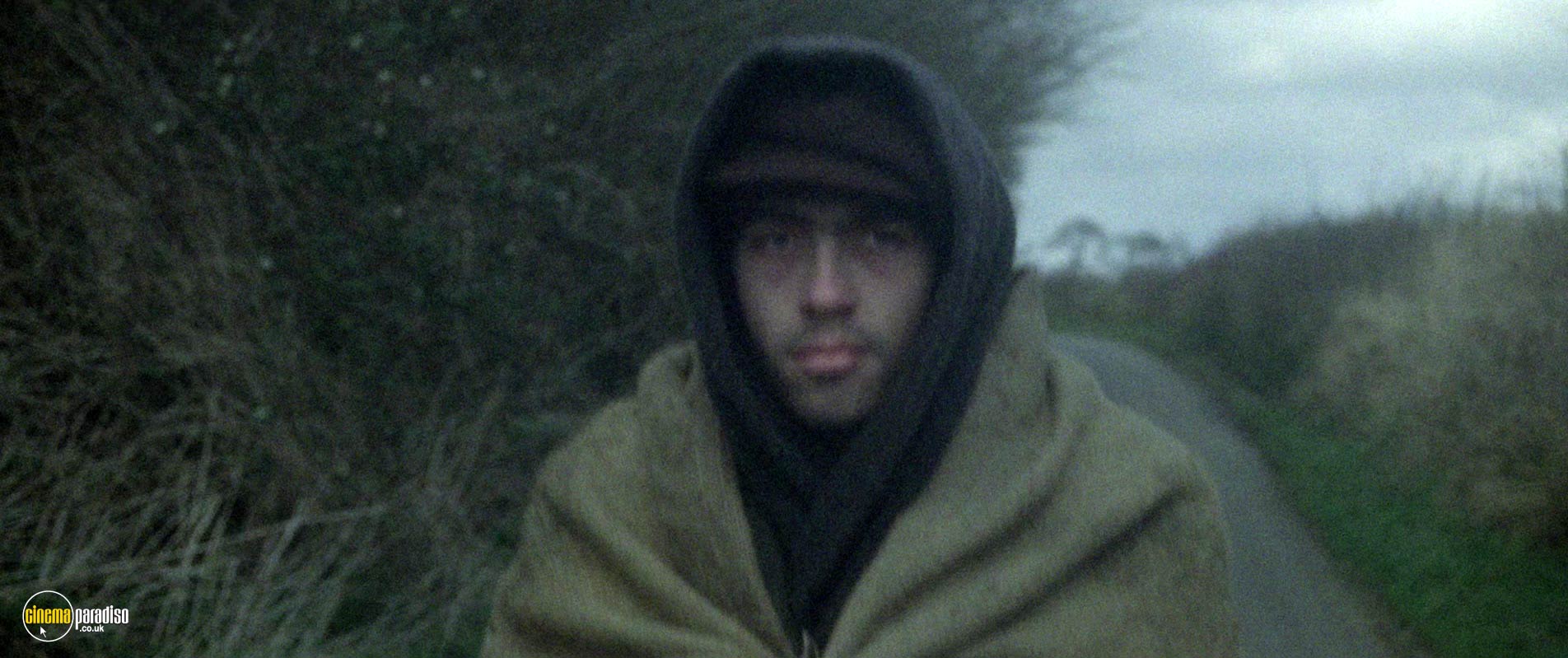
Having resisted for 17 years, the programmers finally relented in choosing a British title for LFF's opening film. Based on Ronald Blythe's groundbreaking oral history of a bucolic Suffolk village, Peter Hall's Akenfield (1974) was an improvised saga that sees farmhand Garrow Shand play three generations of the Rouse family, as it endures rural poverty and isolation. Blythe cameos as the village vicar and activist Sid Rawle was also cast as a Renter in Kevin Brownlow and Andrew Mollo's Winstanley, an adaptation of David Caute's 1961 novel, Comrade Jacob, which muses on the life of Gerrard Winstanley (Miles Halliwell), a member of the dissident True Levellers or Diggers group that tried to establish a farming community at St George's Hill in Surrey after the Civil War.
This shared the opening slot with David Gladwell's Requiem For a Village (both 1975), which centres on an old man (Roger Burroughes) reminiscing in a country churchyard about life in his quiet corner of Suffolk. Now available as part of the BFI's Flipside series, this poetic rumination was tailed on closing night by Satyajit Ray's The Middleman, which profiled a sales rep (Pradip Mukherjee) resorting to unethical practices in order to boost his quotas. Completing the Calcutta trilogy started with The Adversary (1970) and Company Limited, it's one of the few titles by the Bengali master not currently available on disc in the UK. We also can't lay our hands on a copy of Tolomush Okeyev's The Fierce One (1974), the previous year's LFF closer, which starred young Kambar Valiyev as a Kazakh boy who befriends a wolf cub.
The Australian New Wave recalled in Mark Hartley's Not Quite Hollywood: The Wild, Untold Story of Ozploitation! (2008) produced the LFF opener for 1976, with Fred Schepisi's The Devil's Playground being a semi-autobiographical rite of passage set in a Melbourne school run by the De La Salle Brothers in 1953. By contrast, the closing night offering was a seedy exposé of the finagling that occurs on the Sunset Strip, as Cosmo Vittelli (Ben Gazzara) tries to raise the $23,000 he needs to keep his Crazy Horse West strip club out of the claws of his creditors in John Cassavetes's The Killing of a Chinese Bookie.
Running 317 minutes, Bernardo Bertolucci's 1900 (1976) opened LFF21 with an epic tale of clashing cultures and political ideologies set in the Emilia-Romagna during the first half of a tumultuous century. Caught between conflicting forces, landowner's son Alfredo Berlinghieri (Robert De Niro) and peasant Olmo Dalcò (Gérard Depardieu) manage to maintain their childhood friendship. Made on a less spectacular scale, but representing every bit as great a risk to its maker, Charles Chaplin's A Woman of Paris (1923) became the first silent to close the festival. Focussing on the thwarted romance between country girl Marie St Clair (Edna Purviance) and aspiring painter, Jean Millet (Carl Miller), this was Chaplin's first non-comedy and he appeared only fleetingly as the head porter. Three weeks after the screening, the 88 year-old Londoner died at his Swiss home in Corsier-sur-Vevey.
It was back to Oz for Phillip Noyce's Newsfront (1978), which followed the efforts of brothers Len and Frank Maguire (Bill Hunter and Gerard Kennedy) to record topical events for a 1950s newsreel company in the days before television reached Australia. Revealing how a mariner (Tom Bell) and his Black wife were treated when they open a pub in 19th-century Dorset, Jack Gold's take on a 1925 David Garnett novel, The Sailor's Return, is also off limits, as is the 1979 festival opener, Those Wonderful Movie Cranks (1979), Jirí Menzel's delightful comedy about a circus magician's bid to open the first permanent cinema in turn-of-the-century Prague.
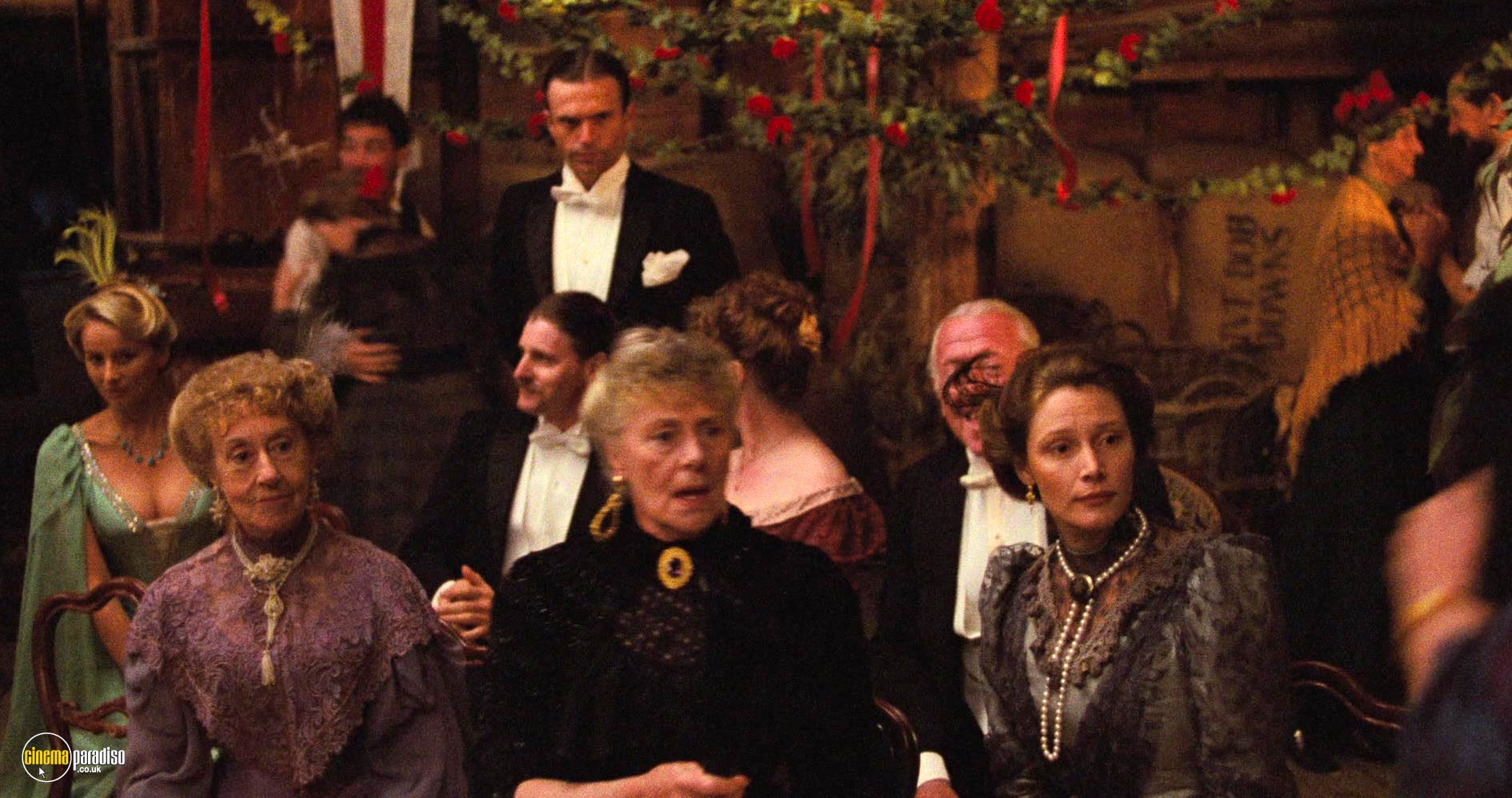
We end our run of drawing blanks, however, with the contrasting pictures that closed LFF23. Gillian Armstrong's version of Miles Franklin's My Brilliant Career boasts a BAFTA-winning display by Judy Davis as Sybylla Melvyn, the aspiring writer who is sent to stay with her grandmother (Aileen Britton) in 1897, in an effort to dislodge such silly notions from her head. Also starring Sam Neill, this is one of the finest films made in Australia during this period and some would claim the same for America with the cycling classic, Breaking Away (both 1979), which earned an Oscar for screenwriter Steve Tesich and a Best Picture nod for British director/producer, Peter Yates. Dennis Christopher also landed a BAFTA Best Newcomer nomination for his performance as Dave Stohler, a cycling obsessive from the university town of Bloomington, Indiana, who enters the Little 500 race. A splendid time is guaranteed for all.
Not Quite According to Plan
Twenty-four years after he had launched the London Film Festival, Akira Kurosawa returned to the first night slot with Kagemusha (1980) and he would do so again with Ran (1985), making him the first three-time LFF opener. Having tied with Bob Fosse's All That Jazz for the Palme d'or, the former is set in 1571 and opens with warlord Shingen (Tatsuya Nakadai) ordering his minions to find a lookalike to become a shadow warrior so that his enemies never know that he has died of his wounds. Borrowing from Shakespeare's King Lear and bringing Kurosawa his sole Oscar nomination, the latter follows the consequences of the ageing Ichimonji Hidetora (Tatsuya Nakadai) dividing his kingdom between his three sons, only one of whom is worthy of his father's trust.
Accompanying these magnificent pictures at the end of LFF24 were Martin Scorsese's Raging Bull (1980), about which we need to say little, and the unlikely pairing of Michael Cimino's Year of the Dragon and Peter Greenaway's A Zed & Two Noughts. Taken from a Robert Daley novel, the former was co-scripted by Cimino and Oliver Stone and pitted NYPD captain Stanley White (Mickey Rourke) against brutal Chinatown Triad boss, Joey Tai (John Lone). By contrast, the latter centres on twin zoologists Oswald and Oliver Deuce (Brian Deacon and Eric Deacon), who become fixated with animal decomposition after losing their wives in a car crash. With Michael Nyman's score playing over disconcerting time-lapse sequences, this won't be one for the faint-hearted. But it made Greenaway the first film-maker to have an LFF opening and closing nighter on his CV.
Back in 1981, the Great War provided the setting for both Peter Weir's harrowing ANZAC tribute, Gallipoli, and Christopher Miles's Priest of Love (both 1981), an Alan Plater-scripted biopic that opens in 1914, as D.H. Lawrence (Ian McKellen) and his new German wife, Frieda (Janet Suzman), are subjected to intimidation from their patriotic Cornish neighbours. It's now legally impossible to see this 125-minute version of the film, as it was withdrawn in favour of the revised 98-minute cut that was released to mark Lawrence's centenary in 1985. And there was more DHL the following autumn, as Claude Whatham's impossible to find BBC adaptation of the 1923 novella, The Captain's Doll, formed part of an enterprisingly experimental piece of programming.
In a bid to promote `the coming of age of the new British cinema', LFF went a bit OTT in 1982, as it opened with four features and closed with two more. Along with the aforementioned Jeremy Irons vehicle, patrons could also choose between Barney Platts-Mills's Hero, a fantasy adventure set in 5th-century Scotland that was the first feature with Scottish Gaelic dialogue; Peter Greenaway's The Draughtsman's Contract, a thriller set in 17th-century Wiltshire that was the first Channel Four feature to be picked for an LFF gala slot; and Mai Zetterling's Scrubbers, the first opening night film to be directed by a woman and which prompted Michael Palin to record in his diary after the LFF screening: `Scrubbers turns out to be a well-made film with superb and convincing performances from the girls. Mai Zetterling has succeeded in giving flesh and blood to characters who are normally regarded as "beyond society". The only problem I had is that the depiction of prison life has been done so often and so well recently in a series of documentaries. So, in Scrubbers there were many moments when I felt myself caught up in cliche - the stock psychiatrist, the hard governor, the keys in locks, the clang of doors. But the girls were Mai Zetterling originals, and were the heart and soul of the bleak, gloomy, violent picture.'
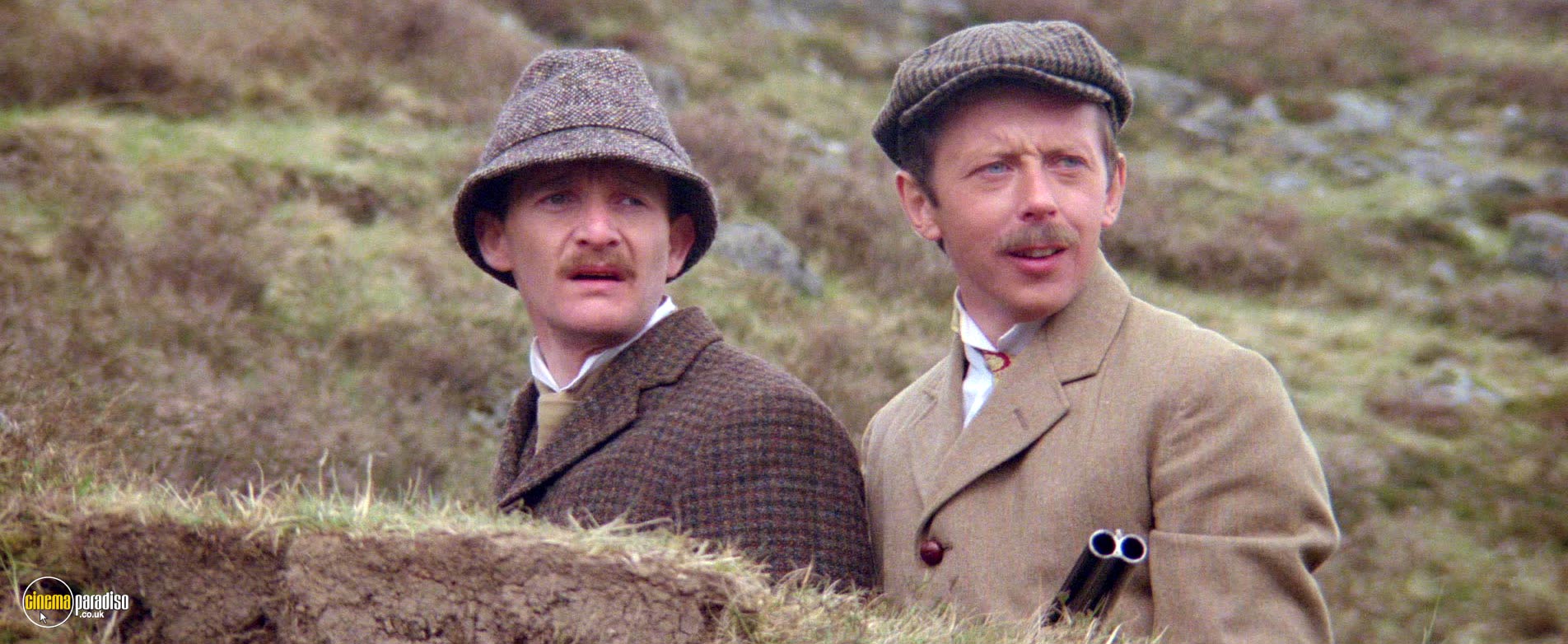
This was distributed by HandMade, who had cornered the closing night market with Richard Loncraine's The Missionary and Michael Blakemore's Privates on Parade. Executive producer George Harrison was a no-show, but there were two Pythons for the price of one, as Michael Palin and John Cleese respectively headlined each film. The former was once more in attendance, but you'll have to consult Halfway to Hollywood: Diaries 1980-1988 to find his reaction to the screening on 28 November 1982. As only the Greenaway and the Python-related duo are currently on disc, it has to be said that this well-intentioned 1982 showcase for homegrown film fell a bit flat. But the British end was well and truly kept up on the last night of the 27th edition, as Richard Eyre's Loose Connections was chosen. Pairing Lindsay Duncan and Stephen Rea as a feminist travelling to a convention in Munich with a Scouse chauffeur, this was rather overshadowed by its opening night counterpart, François Truffaut's Finally, Sunday! (both 1983). Adapted from Charles Williams's pulp novel, The Long Saturday Night, the story of secretary Barbara Becker (Fanny Ardant) seeking to prove boss Julien Vercel (Jean-Louis Trintignant) innocent of murder became more significant the following October, as this transpired to be Truffaut's final film as a director.
A rare touch of Hollywood glamour delighted the press when Joe Dante's Gremlins led the way in 1984. Another picture that needs little introduction, it was twinned with another film that relied heavily on its special effects. Those created by a team that included Hampton Del Ruth, Coy Watson, and Robert Fairbanks were just as state of the art, as the rearing monsters, the amazing rope trick, and the magic carpet ride confirmed. But they illuminated a silent Douglas Fairbanks fantasy, Raoul Walsh's The Thief of Bagdad (1924), which had been spruced up for its 60th anniversary and was projected on 2 December with a live orchestral score by Carl Davis.
Things get a little muddled around this time, as some sources reckon that New Zealander Bruce Morrison's Constance closed the 1984 festival, while others insist that Youssef Chahine's Adieu Bonaparte wrapped things up the following year. There's even more confusion surrounding the 30th London Film Festival, as Jim Henson's Labyrinth was shown as a `postscript' on 1 December at a Royal charity screening in the presence of the Prince and Princess of Wales. In fact, the opening and closing films that year were Nicolas Roeg's
Castaway and Ken Russell's Gothic, with Lucy Irvine's desert island memoir teaming Amanda Donohoe and Oliver Reed, while the visit of Percy Bysshe and Mary Shelley to Lord Byron at Villa Diodati on Lake Geneva in the summer of 1816 brought together, Julian Sands, Natasha Richardson, and Gabriel Byrne.
There was more confusion the following year, when the IRA's Remembrance Day bombing in Enniskillen on 8 November caused the LFF organisers to drop Mike Hodges's A Prayer For the Dying (1987) as the opening night film on 11 November, as it starred Mickey Rourke as an IRA member trying to hide his past. Drawn from four of Anton Chekhov short stories, Nikita Mikhalkov's Dark Eyes was hastily promoted up the order to showcase the expert performances of Marcello Mastroianni and Silvana Mangano (in her final film) as an Italian architect and his bank-owning wife reflecting upon their pasts during a cruise. The festival closed with a flourish, however, as former Indian government minister Shashi Kapoor shows up in London to discover that son Ayub Khan-Din's marriage to Frances Barber is far from conventional in Stephen Frears's take on the Hanif Kureishi comedy, Sammy and Rosie Get Laid.
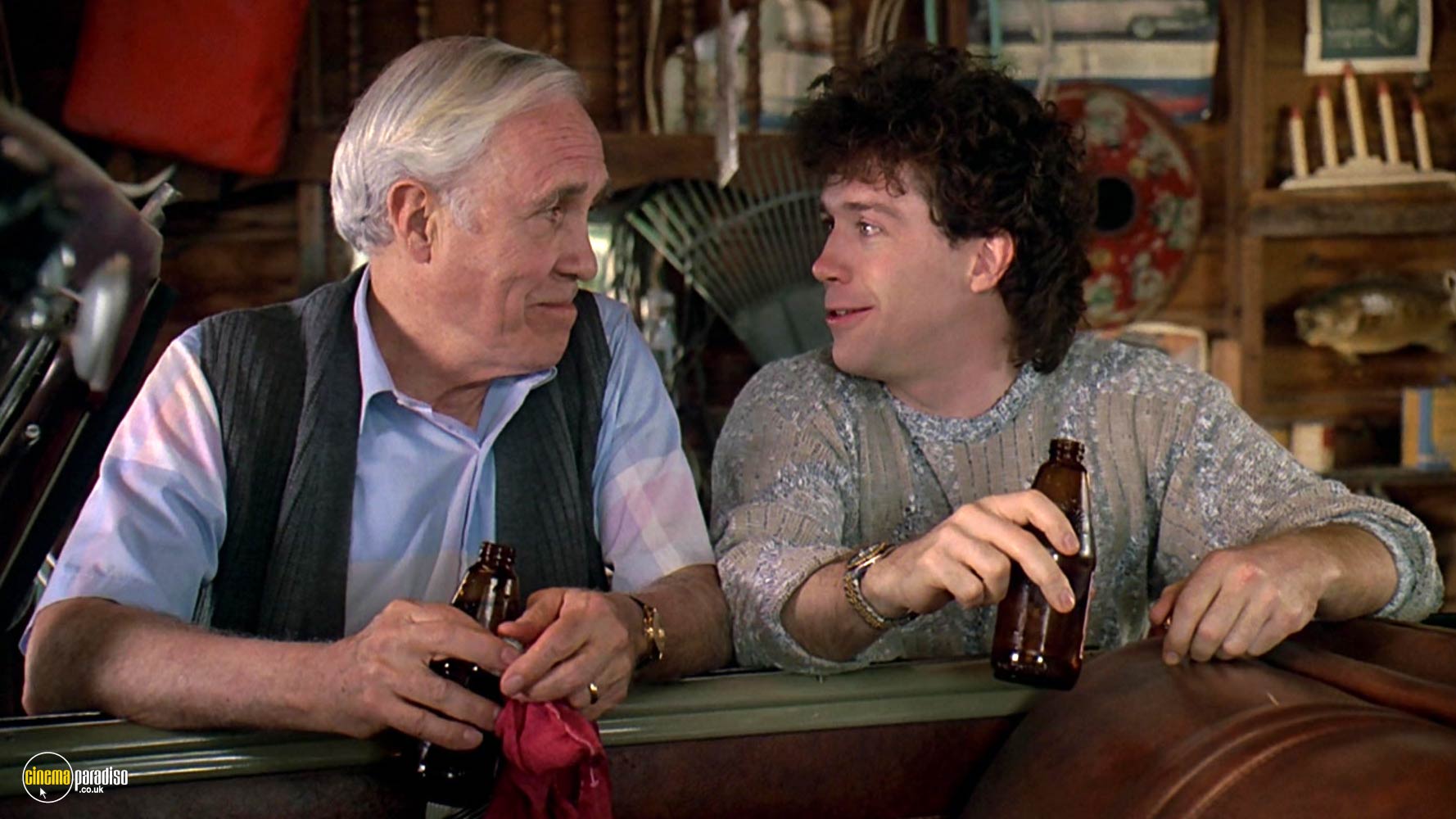
This isn't currently on disc, but Cinema Paradiso can offer members David Mamet's Things Change (1988), which is beautifully played by Don Ameche, as the shoeshiner who agrees to take the rap for a murder in return for a fishing boat back in Sicily and Joe Mantegna, as the small-timer mistaken for a bigwig when the pair visit Lake Tahoe for a pre-incarceration weekend. At the other end of LFF32, Denzel Washington headlined Martin Stellman's For Queen & Country as Reuben, a Saint Lucian who is facing deportation, despite having served as a paratrooper in Northern Ireland and the Falklands. This openly critical analysis of the problems facing Thatcherite Britain raised some eyebrows as a gala selection and the decade close less contentiously, with Steve Martin on fine form in Ron Howard's Parenthood, as Gil Buckman, the St Louis sales executive who is doubting his skills as a father when wife Karen (Mary Steenburgen) announces that she is expecting their fourth child. Paternal problems also afflicted lawyer Marcello (Marcello Mastroianni) in Ettore Scola's What Time Is It? (both 1989), when he discovers he has little in common with his son, Michele (Massimo Troisi), who is a month away from completing his military service in the port town of Civitavecchia. In an ideal world, a film of this calibre would always secure a UK disc release. But Billy Wilder had views on perfection and he wasn't wrong.
Bring on the Glitz
Having previously placed the emphasis on world cinema titles that could not easily be seen elsewhere, the London Film Festival in the 1990s bowed to outside pressure to make the programme more accessible to the average moviegoer. As a result, mainstream pictures became the norm at gala screenings in order to attract press attention and promote an event that had a lot of seats to sell over its fortnight-plus duration. This meant that the vast majority of opening and closing films during the decade were Hollywood or prestigious British productions.
Peter Bogdanovich's Texasville (1990) set the tone. A sequel to The Last Picture Show (1971), it explored how time and fate had treated Duane Jackson (Jeff Bridges), Jacy Farrow (Cybill Shepherd), Sonny Crawford (Timothy Bottoms), and Lester Marlow (Randy Quaid). Arguments with source writer Larry McMurtry dotted a frustrating shoot and Bogdanovich released a 28-minute longer director's cut in 1992, but it still failed to convince the critics. The same was true of Bernardo Bertolucci's adaptation of Paul Bowles's The Sheltering Sky, which followed married Port and Kit Moresby (John Malkovich and Debra Winger) on a 1947 expedition into the Sahara Desert with their friend, George Tunne (Campbell Scott). Vittorio Storaro won a BAFTA for his cinematography, but Bowles wrote in a 1998 edition of his novel, `the less said about the film now, the better'.
There was also plenty of shimmering imagery in Mike Newell's take on Elizabeth von Arnim's Enchanted April (1991), which saw Lotty Wilkins (Josie Lawrence) and Rose Arbuthnot (Miranda Richardson) pool their resources to rent an Italian castle for a 1920s summer. If this heritage charmer hit the right LFF notes, Mark Peploe's derivative horror, Afraid of the Dark (both 1991) seemed an odd choice for the closing night slot. Peploe had co-scripted The Sheltering Sky for his brother-in-law, but his directorial debut is notable only for the spirited performance of Ben Keyworth as the 11 year-old tracking the perpetrator of a series of attacks on blind women.
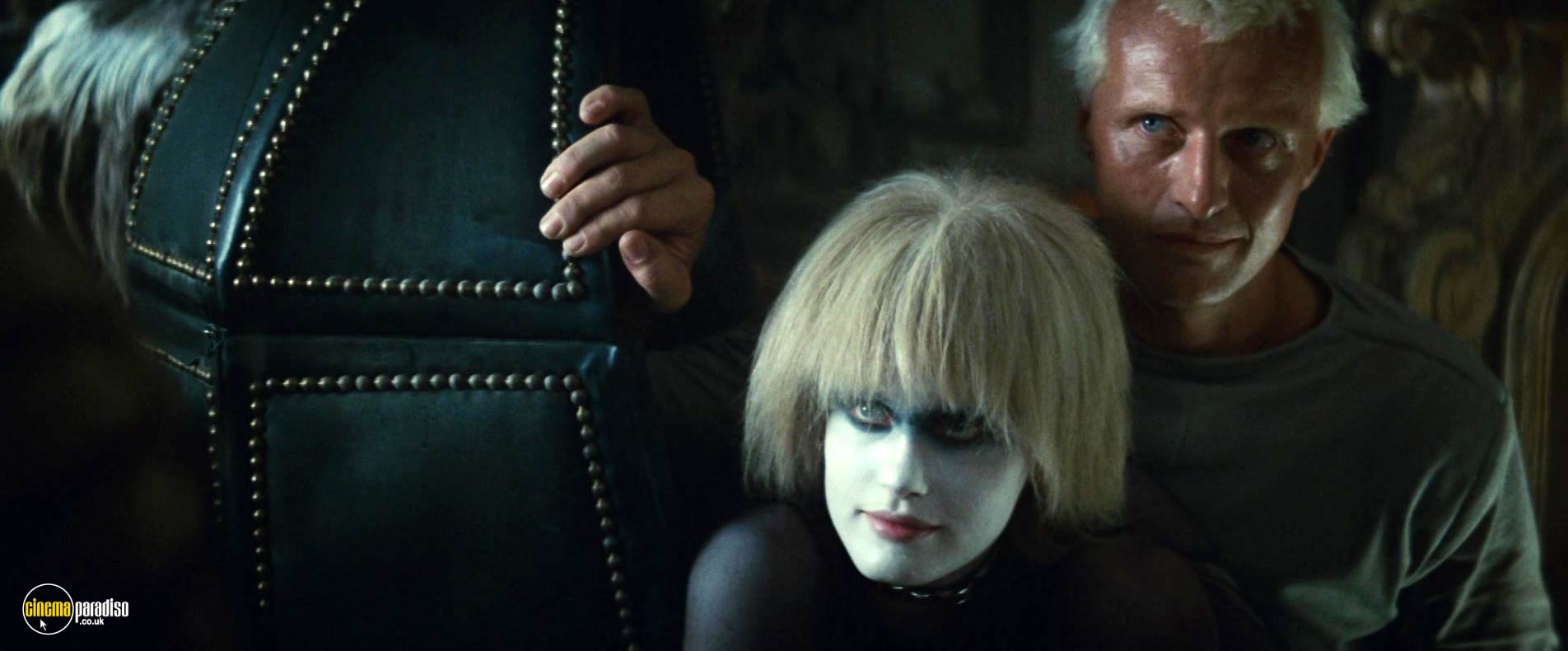
The press revelled in the luvvie quotient in Kenneth Branagh's Peter's Friends, which opened the 38th edition in the autumn of 1992. Branagh was also among Stephen Fry's guests, as he invites former Cambridge Footlights pals Hugh Laurie, Imelda Staunton, Emma Thompson, and Alphonsia Emmanuel to spend the New Year weekend at his recently inherited estate. Opinion was also divided over the year's closing selection, Blade Runner: The Director's Cut, which saw Ridley Scott address over 116 minutes some of the issues that had blighted the original 1982 sci-fi noir. Ironically, however, he only had full control over The Final Cut, which ran 60 seconds longer and was released on DVD and Blu-ray in 2007. Now also available on 4K, this is the version on offer from Cinema Paradiso.
Emma Thompson graced the following year's opener, as she and Anthony Hopkins picked up two of the eight Oscar nominations bestowed upon Merchant-Ivory's adaptation of Kazuo Ishiguro's The Remains of the Day. Thompson and Hopkins excel as housekeeper Sally Kenton and butler James Stevens, as their employer (James Fox) prepares to host an important 1930s peace conference at Darlington Hall. The decade also featured in passing in Chen Kaige's Farewell My Concubine (both 1993), which charted the relationship betwen Peking Opera stars Cheng Dieyi (Leslie Cheung) and Duan Xiaolou (Zhang Fengyi) and the latter's wife, Gong Juxian (Gong Li) during several harrowing periods in Chinese history. The joint winner of the Palme d'or with Jane Campion's The Piano, this was the only genuine arthouse selection for LFF's opening or closing film during the entire 1990s and it remains the last subtitled film to bookend the festival.
For the fourth year in a row, the opening showcase went to a British picture, as Kenneth Branagh's Mary Shelley's Frankenstein (1994) stuck closely to the 1818 Gothic classic in showing how Victor Frankenstein (Branagh) came to animate his creature (Robert De Niro). Mixed reviews meant this failed to match the box-office success of its companion piece, Francis Ford Coppola's Bram Stoker's Dracula (1992). The imagery was often striking, however, and Luc Besson brought a little cinéma du look chic to the autumnal West End with Léon (aka The Professional), which reveals how an Italian-American hitman (Jean Reno) came to mentor 12 year-old Mathilda Lando (Natalie Portman) after her family was murdered by corrupt Drug Enforcement Administration agent, Norman Stansfield (Gary Oldman).
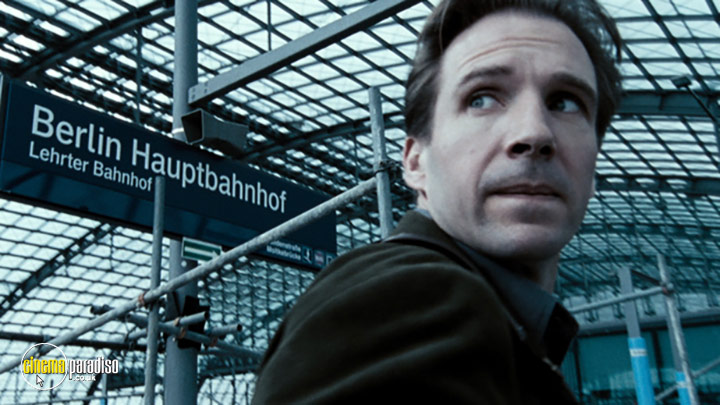
After the Brits had dominated the opening gala, Hollywood held sway for the next two years, starting with Kathryn Bigelow's Strange Days, which was co-scripted by her ex-husband, James Cameron. Ralph Fiennes starred as Lenny Nero (Fiennes), a black marketeer who flogs electronic devices that allow users to experience recorded memories and physical sensations belonging to other people. This dystopian thriller was twinned with Martin Scorsese's Casino (both 1995), a reworking of Nicholas Pileggi's account of how Sam `Ace' Rothstein (Robert De Niro) was hired by the Chicago Outfit to manage the Tangiers Casino in Las Vegas in the early 1970s. Joe Pesci and Sharon Stone respectively co-star as Ace's buddy, Nicky Santoro, and wife, Ginger McKenna.
A more eclectic choice for opener was Hugh Wilson's The First Wives Club, which paired Bette Midler, Goldie Hawn, and Diane Keaton as the divorcées seeking revenge on ex-husbands Dan Hedaya, Victor Garber, and Stephen Collins for dumping them for younger lovers, Sarah Jessica Parker, Elizabeth Berkley, and Marcia Gay Harden. Striving to balance this Hollywood hokum was Bob Rafelson's Blood & Wine (both 1996), which sees impecunious Miami wine merchant Alex Gates (Jack Nicholson) team with British safecracker, Victor Spansky (Michael Caine), to steal a necklace from the house in which Gates's Cuban mistress, Gabriela (Jennifer Lopez) works.
The Brits were back in the vanguard for the 41st London Film Festival, as it was bookended by Robert Bierman's Keep the Aspidistra Flying and Mike Figgis's One Night Stand (both 1997), even though the latter was strictly a Hollywood studio film. Adapted by Alan Plater from George Orwell's 1936 novel, the former divulged how advertising copywriter, Gordon Comstock (Richard E. Grant), disappoints girlfriend Rosemary (Helena Bonham Carter) by throwing up his secure existence to write poetry. Scripted by director Figgis (after Joe Eszterhas had removed his name following an extensive rewrite), One Night Stand centres on happily married Los Angeles commercials director Max Carlyle (Wesley Snipes), who has a fling in New York with a woman he then keeps bumping into (Nastassja Kinski).
The lusty romance between Mari Hoff (Brenda Blethyn) and Scarborough talent agent, Ray Say (Michael Caine), forces the bashful Laura (Jane Horrocks) into the spotlight with her ability to sing like Marilyn Monroe, Gracie Fields, Judy Garland, and Shirley Bassey in Little Voice, Mark Herman's big screen version of a hit Jim Cartwright play. This feel-good escapism was cannily partnered with Warren Beatty's state of the nation satire, Bulworth (both 1998), which follows Democratic California Senator, Jay Billington Bulworth after he comes to regret hiring a hitman to assassinate him so his wife can claim on his life insurance when he gets the appetite for exposing the flaws in American society when confronted with a cocky populist contender for his seat.

Warning of the Trumpist doctrines to come, this undervalued clarion call was followed an American double bill to end the LFF decade, with Ang Lee's Ride With the Devil drawing on Daniel Woodrell's Civil War novel, Woe to Live On, to chart the bitter enmity between the pro-Confederacy First Missouri Irregulars (aka the Bushwhackers) and their Unionist counterparts, the Northern Jayhawkers. Closing the 43rd edition was Sam Mendes's American Beauty (both 1999), which became the first LFF bookender to win the Academy Award for Best Picture. Kevin Spacey would also win Best Actor for his performance as advertising executive Lester Burnham, who descends into a mid-life crisis when he becomes obsessed with his teenage daughter's best friend (Mina Suvari). A quarter of a century later, the film's critical reputation has seriously dipped, with various factors contributing to a reappraisal that demonstrates how quickly the tide of public opinion can turn in our post-millennial times.
A Hollywood Takeover
The opening and closing choices at LFF 2000 are bound to get toes tapping. Classic 70s rock drives Cameron Crowe's Almost Famous, a semi-autobiographical rite of passage that follows aspiring San Diego writer, William Miller (Patrick Fugit), as he gets permission from his mother (Frances McDormand) to accompany Rolling Stone journalist Lester Bangs (Philip Seymour Hoffman) on the road with a combo named Stillwater. Salsa sets the tempo in David Kane's Born Romantic, which centres on three members of a London dance club, Fergus (David Morrissey), Frankie (Craig Ferguson), and Eddie (Jimi Mistry), as they try to make a respective impression on Mo (Jane Horrocks), Eleanor (Olivia Williams), and Jocelyn (Catheringe McCormack).
There were mysteries to be solved in 2001's bookending twosome, with Stephen Fry's detective striving to ascertain who murdered Sir William McCordle in Robert Altman's Gosford Park, a Julian Fellowes-scripted whodunit that earned the writer an Oscar and planted the seeds for Downton Abbey (2010-16). With a stellar cast above and below stairs, this is a slyly deceptive crowdpleaser that makes for a left-field pairing with Iain Softley's K-Pax, which challenges New York doctor Mark Powell (Jeff Bridges) with discovering whether Prot (Kevin Spacey) really is an alien from another planet.
The 2002 selections, Stephen Frears's Dirty Pretty Things and Thaddeus O'Sullivan's The Heart of Me, neatly summed up British cinema's view of itself, as it sought to appeal to domestic and overseas audiences with meticulously made message and heritage pictures. Set in gig economy London, the former examines the plight of migrant workers, as African doctor Okwe (Chiwetel Ejiofor) is forced to work as a cabby by day and a hotel clerk by night in order to survive. However, he finds himself involved in a sinister conspiracy with Muslim cleaner Senay (Audrey Tautou) and prostitute Juliette (Sophie Okonedo) after they find a human heart stuffed into the lavatory in one of the rooms. By contrast, O'Sullivan's drama is set either side of the Second World War and draws on Rosamond Lehmann's 1953 novel, The Echoing Grove, to chart what happens to Dinah (Helena Bonham Carter) after she has an affair with Rickie (Paul Bettany), who is married to her sister, Madeleine (Olivia Williams).
Two New Zealand women provided the opening and closing films in 2003. A Susanna Moore novel inspired Jane Campion's In the Cut (2003), which examines the dynamic between Manhattan English professor, Frannie Avery (Meg Ryan), and Detective Giovanni Malloy (Mark Ruffalo) when he investigates the discovery of a severed arm in her garden. Reappraised as a testing treatise on the male gaze, this was poorly reviewed on its initial release. Christine Jeffs took over Sylvia after Pawel Pawlikowski quit over the quality of the screenplay. Dunedin stood in for Cambridge, as Sylvia Plath (Gwyneth Paltrow) falls for fellow poet, Ted Hughes (Daniel Craig). However, most critics dismissed the picture as highbrow melodrama.
There were fewer naysayers when it came to Mike Leigh's Vera Drake (2004), in which Imelda Staunton was mesmerising as a London working mother who performs illegal abortions to help out girls in trouble in 1950s London. Staunton received an Oscar nomination for Best Actress after Leigh had been presented with the Golden Lion at the Venice Film Festival. Opinion was more divided over David O. Russell's I Heart Huckabees (aka I ? Huckabees), which covers the rivalry between married detectives, Bernard and Vivian Jaffe (Dustin Hoffman and Lily Tomlin), and Caterine Vauban (Isabelle Huppert), as they adopt differing methods in trying to fathom the meaning of the lives of clients ranging from Jude Law and Jason Schwartzman to Mark Wahlberg and Naomi Watts.
Sophistication was the byword in 2005, as Brazilian Fernando Meirelles's adaptation of John le Carré's The Constant Gardener was paired with Geoge Clooney's Good Night, and Good Luck. Flashbacks chart the relationship between British diplomat, Justin Quayle (Ralph Fiennes), and his wife, Tessa (Rachel Weisz), who is murdered in Kenya because of her connection to Amnesty International. Weisz won the Oscar for Best Supporting Actress having been third choice for the role behind Kate Winslet and Eva Green. Clooney took the supporting role of TV producer Fred Friendly in his biographical drama, which is set in the 1950s and latter turns on the efforts of veteran journalist Edward R. Murrow (David Strathairn) to use his CBS show, See It Now, to challenge the Communist witch-hunt being waged by Wisconsin Senator, Joseph McCarthy (who is seen only in archive footage).
The London Film Festival turned 50 in 2006 and marked the occasion with a heavyweight opening and closing duo. A Giles Foden novel provided the impetus for Kevin Macdonald's The Last King of Scotland, which explores how Scottish doctor Nicholas Garrigan (James McAvoy) became the trusted confidante of Ugandan dictator, Idi Amin. Forrest Whitaker won the Academy Award for Best Actor for his work, while Alejandro González Iñárritu landed the Best Director prize at Cannes for Babel, which also won the Golden Globe for Best Motion Picture - Drama. Interweaving stories set in Morocco, the United States, Mexico, and Japan, this examination of how disparate lives connect in unexpected ways featured such stars as Brad Pitt, Cate Blanchett, Elle Fanning, Gael García Bernal, and the Oscar nominated Adriana Barraza.
Viggo Mortensen racked up Best Actor nominations at the Oscars, the Globes, and the BAFTAs for his performance as bodyguard Nikolai Luzhin in David Cronenberg's Eastern Promises, an exposé of sex trafficking that was written by Steven Knight, who had also been responsible for Dirty Pretty Things. Naomi Watts co-stars as Anna Khitrova, the Russian-British midwife who stumbles upon the racket run by Semyon (Armin Mueller-Stahl) and his son, Kirill (Vincent Cassel). The mood was markedly lighter, as the 2007 festival closed with Wes Anderson's The Darjeeling Limited, which accompanies estranged brothers - Francis (Owen Wilson), Peter (Adrien Brody), and Jack (Jason Schwartzman) - on a spiritual journey through India in honour of their late father.
The selection for the 52nd London Film Festival ranked among the decade's best, as Ron Howard's Frost/Nixon was complemented by Danny Boyle's Slumdog Millionaire, which became the second closer to win the Academy Award for Best Picture. Intriguingly, no opener has achieved the same feat. Adapted by Peter Morgan from his own play, the former examines how David Frost (Michael Sheen) persuaded disgraced US President Richard Nixon (Frank Langella) to discuss his decline and fall over the Watergate scandal. The second closing feature in a row with a subcontinental setting, Boyle's adaptation of Vikas Swarup's novel, Q & A, also turns around an interrogation, as 18 year-old Jamal Malik (a debuting Dev Patel) explains how someone from the Juhu slums of Mumbai could win the big prize on Kaun Banega Crorepati, the Hindi variation on Who Wants to Be a Millionaire?
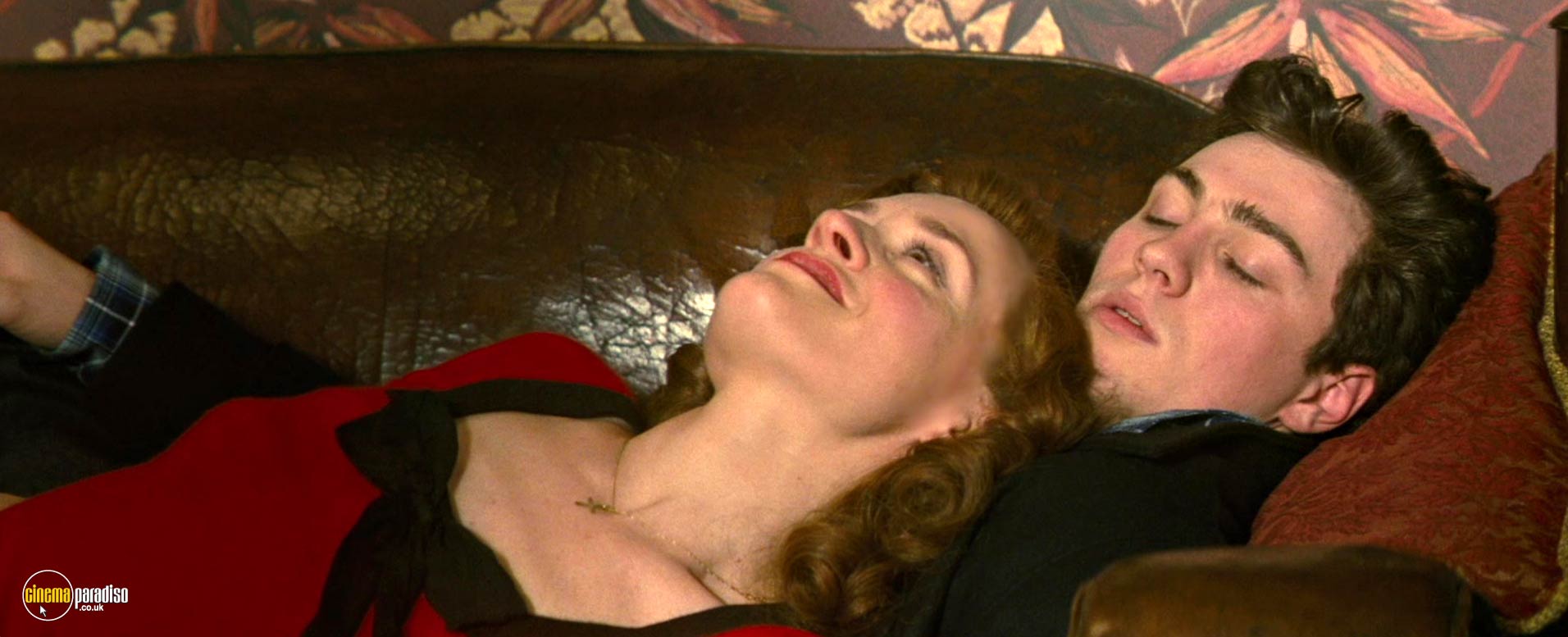
The feel good aura carried over into the following year's opening offering, as George Clooney and Meryl Streep led an impeccable voice cast in Wes Anderson's stop-motion take on Roald Dahl's Fantastic Mr Fox. However, the good times at the toppermost of the poppermost were still some way off in Sam Taylor-Johnson's Nowhere Boy (both 2009), an account of John Lennon's Liverpudlian youth that was based on Julia Baird's Imagine This: Growing Up With My Brother John Lennon and starred Aaron Taylor-Johnson as the myopic rebel, Anne-Marie Duff as his free-spirited mother, Julia, and Kristin Scott-Thomas as his strict aunt and guardian, Mimi Smith. Complete with scenes showing how Paul McCartney (Thomas Brodie-Sangster) and George Harrison (Sam Bell) joined The Quarrymen, this exercise in kitchen sink nostalgia set the bar for Sam Mendes, whose four-part biopic of The Beatles is due for release in April 2028.
Established Patterns and Troubling Trends
Kazuo Ishiguro became the first novelist to have books turned into LFF openers when Mark Romanek's Never Let Me Go (2010) got the decade off to a complex start, as childhood friends Kathy (Carey Mulligan), Ruth (Keira Knightley), and Tommy (Andrew Garfield) make a chilling discovery about their past and future lives. Closing proceedings, Danny Boyle followed Martin Scorsese in having two titles chosen for the last night, as 127 Hours drew on mountaineer Aron Ralston's Between a Rock and a Hard Place to recreate the author's experience of being trapped by a boulder in the Bluejohn Canyon in Utah in April 2003. Stepping in after Cillian Murphy declined the role, James Franco received an Oscar nomination for his performance.
Director Fernando Meirelles and screenwriter Peter Morgan picked up their second opening night nods for 360, a loose adaptation of Arthur Schnitzler's 1897 play, Reigen, which had also been the basis for Max Ophüls's La Ronde (1950). With vignettes set in Vienna, Paris, London, Colorado, and Berlin, the film boasted an all-star cast that included Jude Law, Rachel Weisz, Anthony Hopkins, and Marianne Jean-Baptiste. Weisz was also on duty on closing night, as Hester Collyer, the wife of a High Court judge (Simon Russell Beale) who has an affair with former RAF pilot Freddie Page (Tom Hiddleston) in Terence Davies's interpretation of Terence Rattigan's play, The Deep Blue Sea (both 2011), which had been filmed by Anatole Litvak, with Vivien Leigh and Kenneth More in 1955.
Expanded from Tim Burton's 1984 short of the same name, Frankenweenie (2012) maps the efforts of a young Victor Frankenstein (Charlie Tahan) to bring his dog, Sparky, back to life. This would go on to accrue Golden Globe, BAFTA, and Oscar nominations, while Mike Newell's take on Charles Dickens's Great Expectations drew an awards blank, in spite of the best efforts of Jeremy Irvine as Pip, Ralph Fiennes as Magwitch, and Helena Bonham Carter as Miss Haversham.
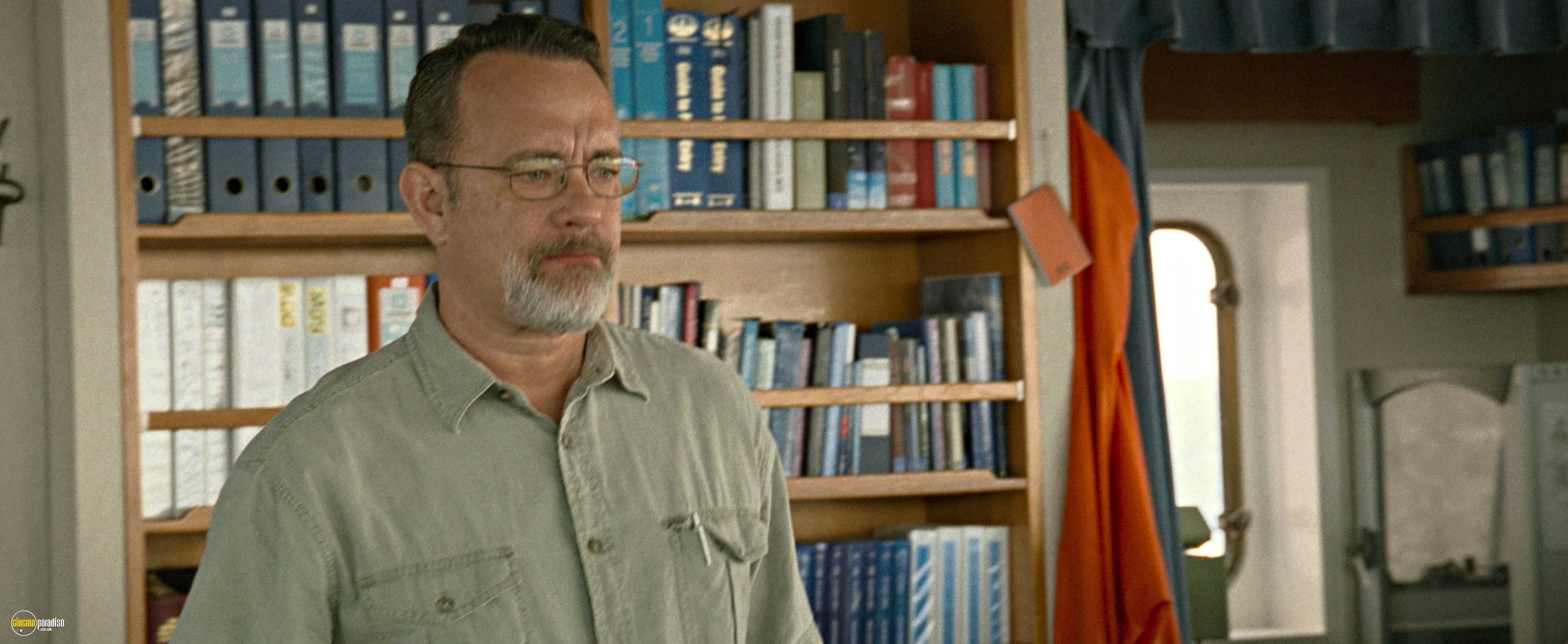
At LFF57, Tom Hanks had the distinction of headlining the opening and closing films, as he played the merchant mariner whose ship is hijacked by Somali pirates in Paul Greengrass's Captain Phillips and Walt Disney negotating with Pamela Travers (Emma Thompson) for the rights to Mary Poppins in John Lee Hancock's Saving Mr Banks (both 2013). The emphasis was also on biography in Morten Tyldum's The Imitation Game, an Oscar-winning adaptation of Andew Hodges's Alan Turing: The Enigma, which starred Benedict Cumberbatch as the gay cryptanalyst striving to break German codes during the Second World War. The same conflict closed the festival with David Ayer's Fury (both 2014), which follows the progress of the Sherman tank commanded by Don `Wardaddy' Collier, whose tactics don't always meet with the approval of his crew.
Director Sarah Gavron and Abi Morgan combined on Suffragette (2015), which became the first feature film to shoot inside the Houses of Parliament. Meryl Streep played Emmeline Pankhurst, while Natalie Press was Emily Davidson. But the story revolved around laundress Maud Watts (Carey Mulligan) and her workmate Vera Miller (Anne-Marie Duff), as they embrace the cause of Votes for Women in the early 1910s. Fact and fiction also blurred, as Danny Boyle notched up a third LFF closer with Steve Jobs, which starred Michael Fassbender as the Apple co-founder, alongside Kate Winslet as Joanna Hoffman, Seth Rogen as Steve Wozniak, and Jeff Daniels as John Sculley.
There was yet more biography in the 60th edition opener, Amma Asante's A United Kingdom, which showed how an insurance clerk from Blackheath became the First Lady of Botswana. Rosamund Pike plays Ruth Williams opposite David Oyelowo as Seretse Khama, the heir to the throne of the Bangwato Tribe in what was then Bechuanaland. The closing night offering struck a different chord altogether, as things go awry when Justine (Brie Larson) sets up a gun deal in a remote warehouse between Chris (Cillian Murphy) and a gang led by Vernon (Sharlto Copley) and Ord (Armie Hammer) in Ben Wheatley's Free Fire (both 2016).
The debuting Andy Serkis called the shots on Breathe, a true story scripted by William Nicholson about Robin Cavendish (Andrew Garfield), who became paralysed from the neck down by polio in Kenya at the age of 28. Reliant on a respirator, he is ready to give up. But wife Diana (Claire Foy) has other ideas. A refusal to accept a seemingly unchangeable situation also drives Mildred Hayes, as she seeks justice for her raped and murdered daughter in Martin McDonagh's Three Billboards Outside Ebbing, Missouri (both 2017), which became the third LFF closer to win the Oscar for Best Picture. McDormand also won Best Actress, while Sam Rockewell took Best Supporting Actor for his performance, as the hot-headed cop making a bad fist of the job.
The premise of Lynda La Plante's classic tele-series, Widows (1983-85) provided the basis for Steve McQueen's Widows (2018), which sees Chicago trio Veronica (Viola Davis), Linda (Michelle Rodriguez), and Alice (Elizabeth Debicki) attempt to steal $5 million from politician Jack Mulligan (Colin Farrell) in order to reimburse South Side mobster, Jamal Manning (Brian Tyree Henry), who lost $2 million in the robbery that had cost their husbands their lives. The plot is less involved, but every bit as involving in Jon S. Baird's 2018 closer, Stan & Ollie, which assesses the fallout from the stage tour that slapstick clowns Stan Laurel (Steve Coogan) and Oliver Hardy (John C. Reilly) made of British venues in 1953.
Armando Iannucci took Charles Dickens in a new direction with The Personal History of David Copperfield (2019), which earned Sarah Crowe a BAFTA nomination for casting Dev Patel in the title role and surrounding him with outstanding character actors. But, despite positive notices, the film received no other nods from the British Academy and was snubbed by the other major awards. Despite protests about the use of AI to make Robert De Niro (Frank Sheeran), Al Pacino (Jimmy Hoffa), and Joe Pesci (Russell Bufalino) look younger, Martin Scorsese's third LFF closer, The Irishman, was nominated for 10 Oscars. However, it didn't convert any of them.
Steve McQueen's ambitious TV series, Small Axe, was previewed on opening night in 2020, when its first part, Mangrove, was screened in the West End and cented on the events leading up to the 1971 trial of the Mangrove Nine after racist cop Frank Pulley (Sam Spruell) had targeted the Notting Hill restaurant run by Trinidadian civil rights activst, Frank Crichlow (Shaun Parkes). Closing night was less confrontational, but just as provocative in its own quiet way, as Francis Lee's Ammonite (both 2020) revealed that revered Dorset palaeontologist, Mary Anning (Kate Winslet), had been in a relationship in the 1840s with geologist, Charlotte Murchison (Saoirse Ronan).
Netflix got its first LFF opener with Jeymes Samuel's The Harder They Fall, which landed its director a BAFTA nomination for Outstanding Debut. A rare Western with an all-Black cast, the story takes place in the 1890s and pits the gangs of Nat Love (Jonathan Majors) and Rufus Buck (Idris Elba) against each other. Denzel Washington and Frances McDormand were cast as the usurpative pair in Joel Coen's The Tragedy of Macbeth (both 2021), which reimagined Shakespeare's Scottish play in Oscar-nominated sets designed by Stefan Dechant and Nancy Haigh that were atmospherically photographed in monochrome (and an aspect ratio of 1.37:1) by Bruno Delbonnel in order to evoke German Expressionism. As Apple snagged the first Coen solo outing, this opening/closing twosome became the first in LFF history to be denied any release on disc in the UK.
Cinema Paradiso users had more luck in 2022, with Matthew Warchus's Matilda the Musical. But Rian Johnson's Glass Onion: A Knives Out Mystery remained stubbornly out of reach, as would Wake Up Dead Man: A Knives Out Mystery (2025), which became the first sequel to close the London Film Festival. While we're denied the opportunity to see Daniel Craig relishing every line as eccentric sleuth Benoit Blanc, compensation comes in the richly pantomimic form of Emma Thompson's Miss Trunchbull, the headmistress of Crunchem Hall School, in Tim Minchin and Dennis Kelly's tuneful take on a Roald Dahl classic that had been filmed songlessly by Danny DeVito in Matilda (1996).
That LFF was open to selecting streaming titles for such prestigious slots in the programme reflected how the global film industry was changing. Even the country house saga that had long been a sacrosanct cornerstone of British production came under attack in Emerald Fennell's Saltburn, a savage Bridesheadian satire that follows the efforts of Oxford undergraduate Oliver Quick (Barry Keoghan) to ingratiate himself with the aristocratic Felix Catton (Jacob Elordi) and his family. And guess what, the Amazon/Netflix axis prevents us from bringing you Kibwe Tavares and Daniel Kaluuya's The Kitchen (both 2023), which centres on the Life After Life funeral service that operates in a dystopian London where social housing has been outlawed.
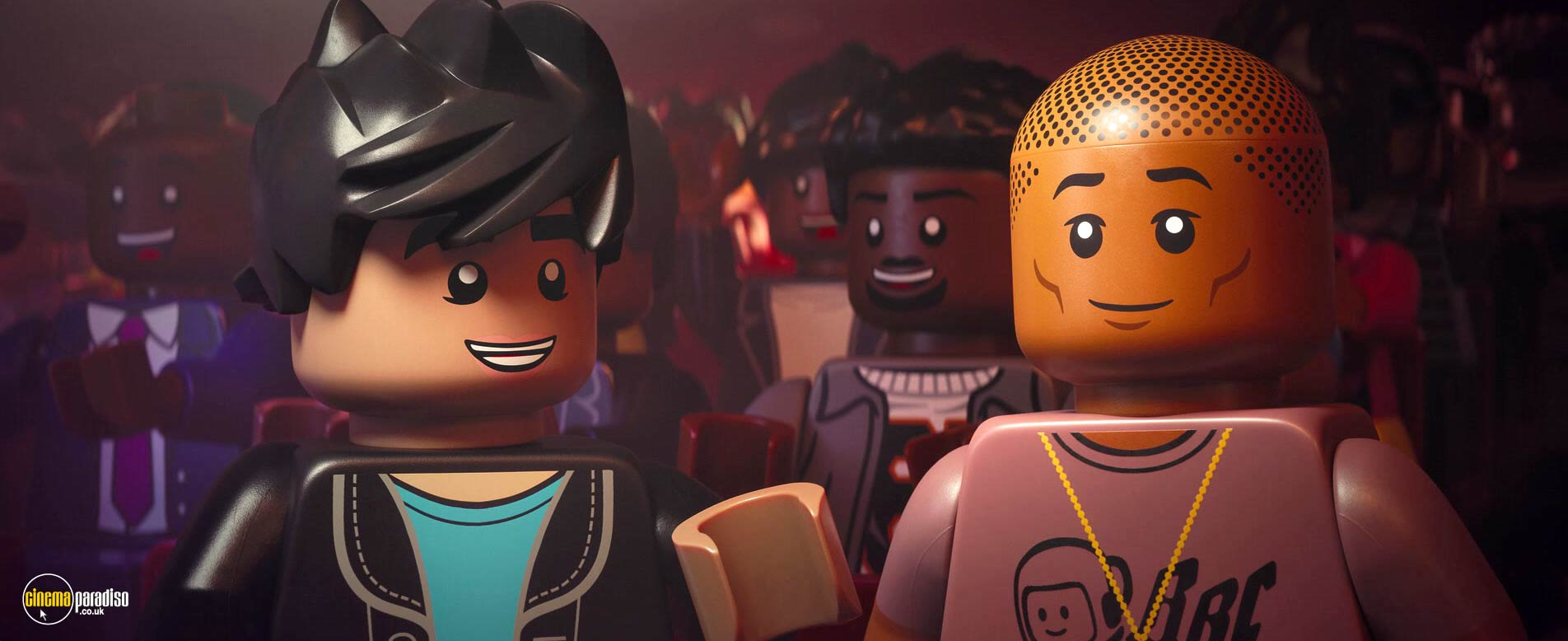
The capital is subjected to chaos of a different sort in Steve McQueen's Blitz, a Second World War story that Apple chose to keep to itself after its LFF launch and a brief stint in cinemas. Morgan Neville's Piece By Piece did make it to disc, however, so that a wider audience could enjoy its Lego recreation of the life and works of Pharrel Williams. If this seems a rather gimmicky selection for an LFF bookender, the 2025 programmers paired the aforementioned populist Benoit Blanc whodunit with Julia Jackman's stylised adaptation of Isabel Greenberg's graphic novel, 100 Nights of Hero, which examines the fallout when Jerome (Amir El-Nasry) leaves new bride, Cherry (Maika Monroe), with his best friend, Manfred (Nicholas Galitzine), under the watchful gaze of a devoted maid named Hero (Emma Corrin).
The recent alliance of convenience with the major streaming platforms can be interpreted as LFF seeking to keep pace with industry shifts. But, considering the excellent job that the festival continues to do in presenting world cinema to British audiences, it's undeniably disappointing to report that there hasn't been a subtitled opening or closing feature since 21 November 1993. There has been a recent upturn in the number of pictures directed by women and film-makers of colour, while there has also been an increase in those with an LGBTQIA+ theme. But the trend for opening and closing night films to do lots of PR heavy lifting doesn't sit easily with everyone.
Red carpet events featuring British and American stars are catnip to the press and LFF is heavily reliant on publicity to please its sponsors and participating producers. But it's to be hoped that, as the festival continues through its eighth decade, that there will still be room for genuine arthouse titles in the highest-profile showcases. In the meantime, we bash on with Simon Stone's Elsinore, which is already attracting Oscar buzz for Adam Scott's portrayal of Ian Charleson, the Scottish actor who defied AIDS to play Hamlet at the National Theatre in the final weeks of his life, and Jesse Eisenberg's The Debut, which stars Julianne Moore as Mona Friedman, a New Jersey housewife who auditions for a part in a musical entitled Nosy Neighbours, that is being directed at the Brooks Art Center by maverick director, Jerry Blankenbuehler (Paul Giamatti). Maybe we'll get a foreign-language feature next time?
Mentioned films