10 Films to Watch If You Liked Ferris Bueller's Day Off
Mark 40 years of Ferris Bueller's Day Off with a look at John Hughes’s teen classic, from its Chicago-set story and casting to production, music and lasting legacy. Then discover ten films similarly shaped by a single day: Went the Day Well?, High Noon, The Warriors, After Hours, Run Lola Run, Dazed and Confused, Clerks, La Haine, Locke and Victoria.
The 10 selections at a glance
Our complete selection

Went the Day Well? (1942)

Following the lead of Ferris Bueller's Day Off, our Top 10 focusses on films whose action is confined to a single day. In Alberto Cavalcanti's adaptation of the Graham Greene story, `The Lieutenant Died Last', the sleepy village of Bramley End mounts a rearguard against a German invasion force posing as British soldiers
High Noon (1952)
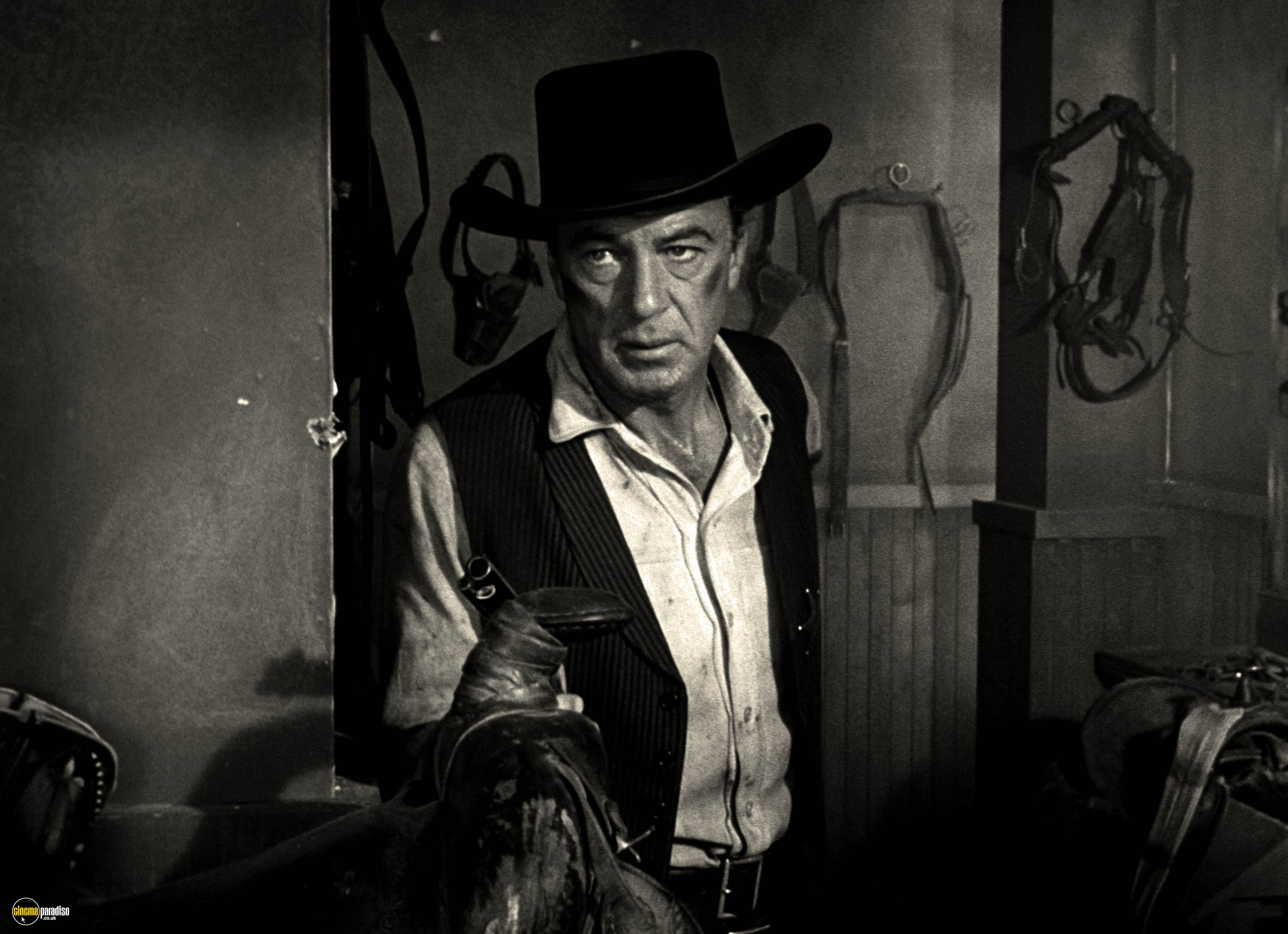
On the day he marries Quaker Amy Fowler (Grace Kelly), Will Kane (Gary Cooper) prepares to resign the post of marshal and leave Hadleyville in New Mexico Territory. But word comes that desperado Frank Miller (Ian MacDonald) is heading to town with his gang to exact revenge on Kane for putting him behind bars.
The Warriors (1979)
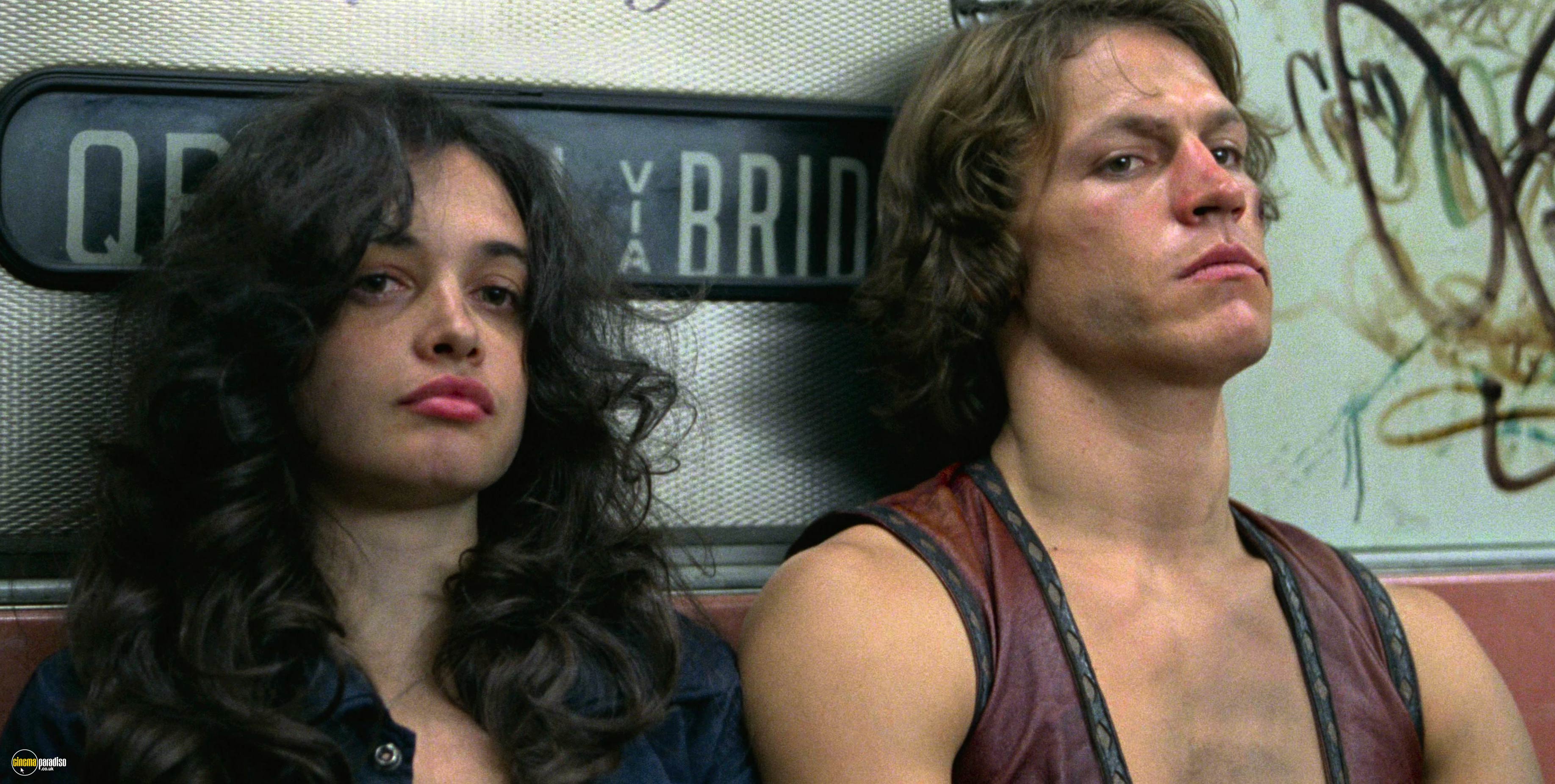
When the leader of the Gramercy Riffs is assassinated after summoning delegations from 100 of New York's leading gangs to a peace conference in Van Cortlandt Park, The Warriors have to pick their way back to Coney Island after being framed for the crime by the rival Riffs.
After Hours (1985)
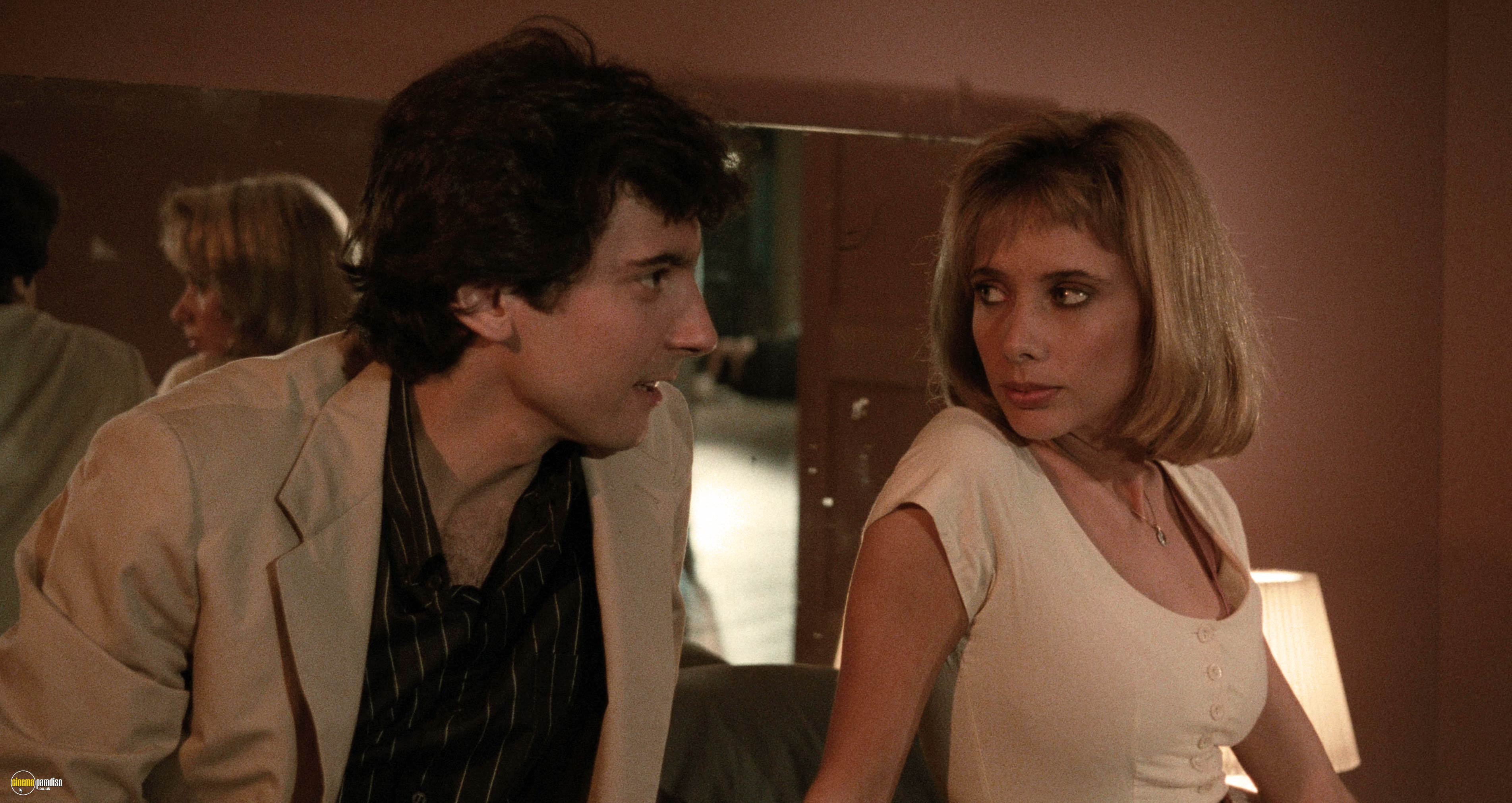
Computer geek Paul Hackett (Griffin Dunne) arrives in SoHo for a date with Marcy Franklin (Rosanna Arquette). But he is spooked by her and her sculptor roommate, Kiki Bridges (Linda Fiorentino), and flees into the night with no money and no idea how to get home.
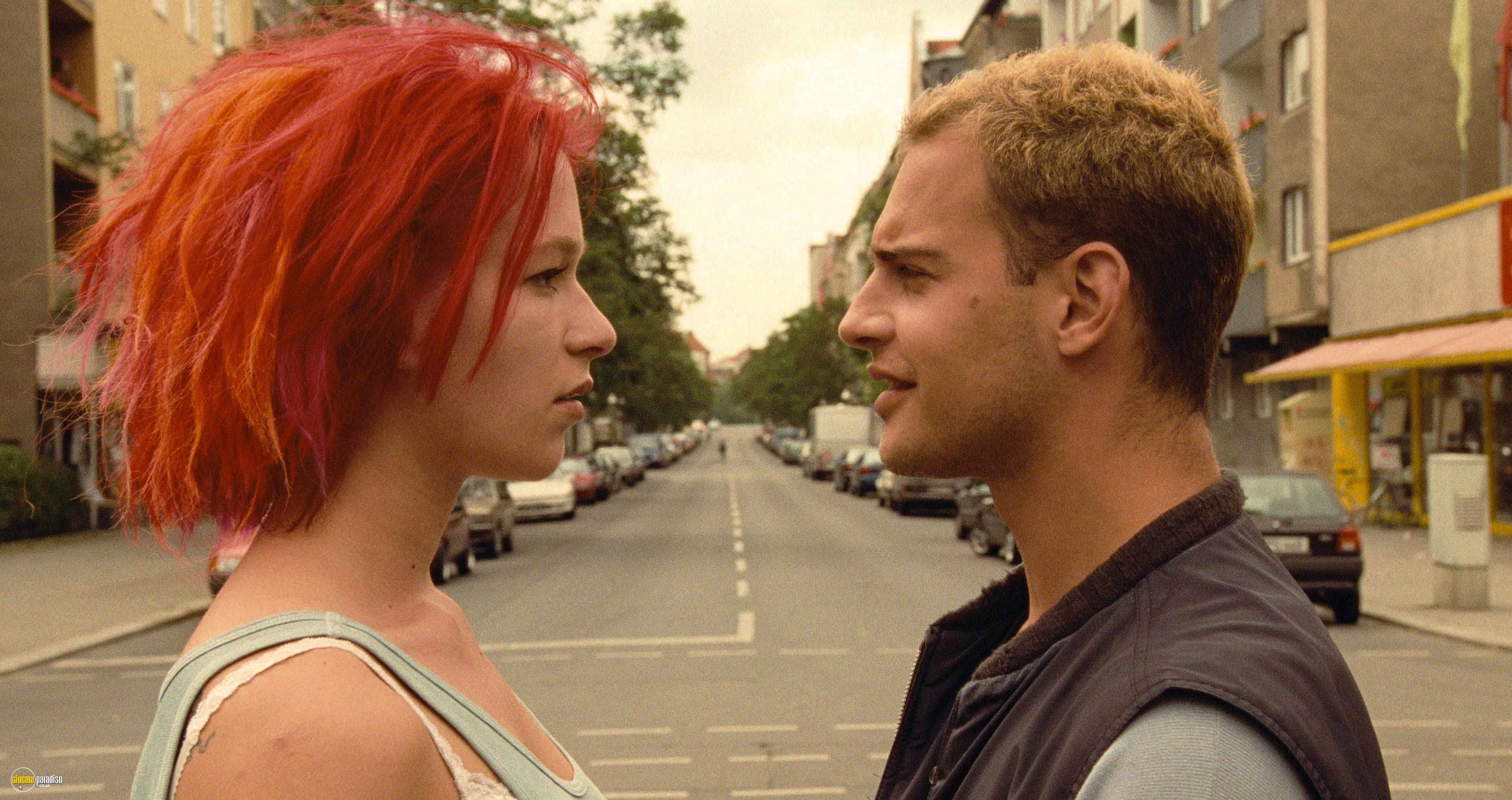
Run Lola Run (1998)
When her boyfriend Manni (Moritz Bleibtreu) loses the bag he is carrying for an unforgiving gangster, Lola (Franka Potente) has 20 minutes to get hold of 100,000 Deutsche Mark in order to save his skin. If at first she doesn't succeed...
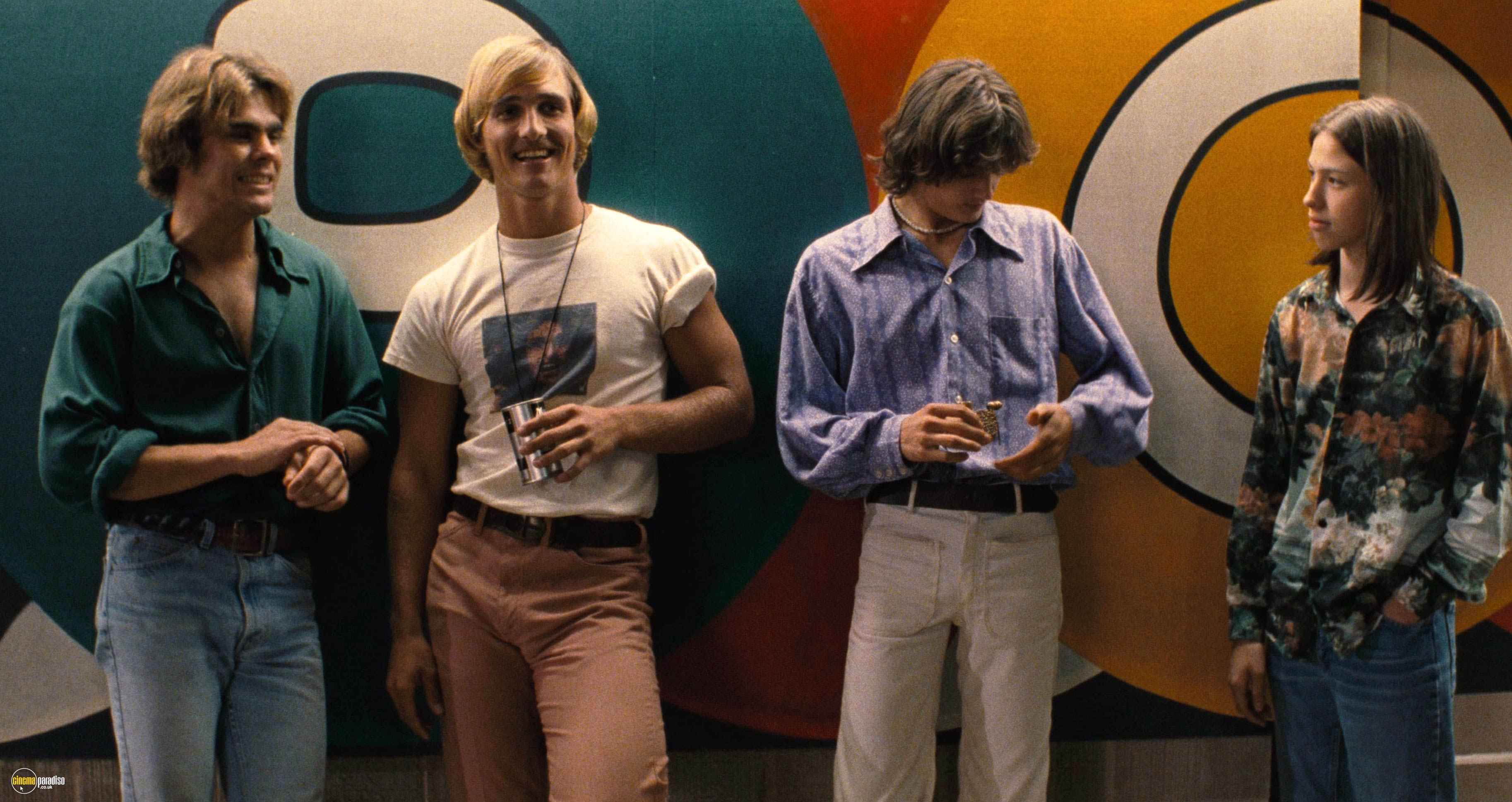
Dazed and Confused (1993)
As term ends at Lee High School on 28 May 1976, freshmen like Mitch Kramer (Wiley Wiggins) face being hazed by those in the new senior class, including star quarterback Randall `Pink' Floyd (Jason London), as they drift between keg parties and the Emporium swimming pool.
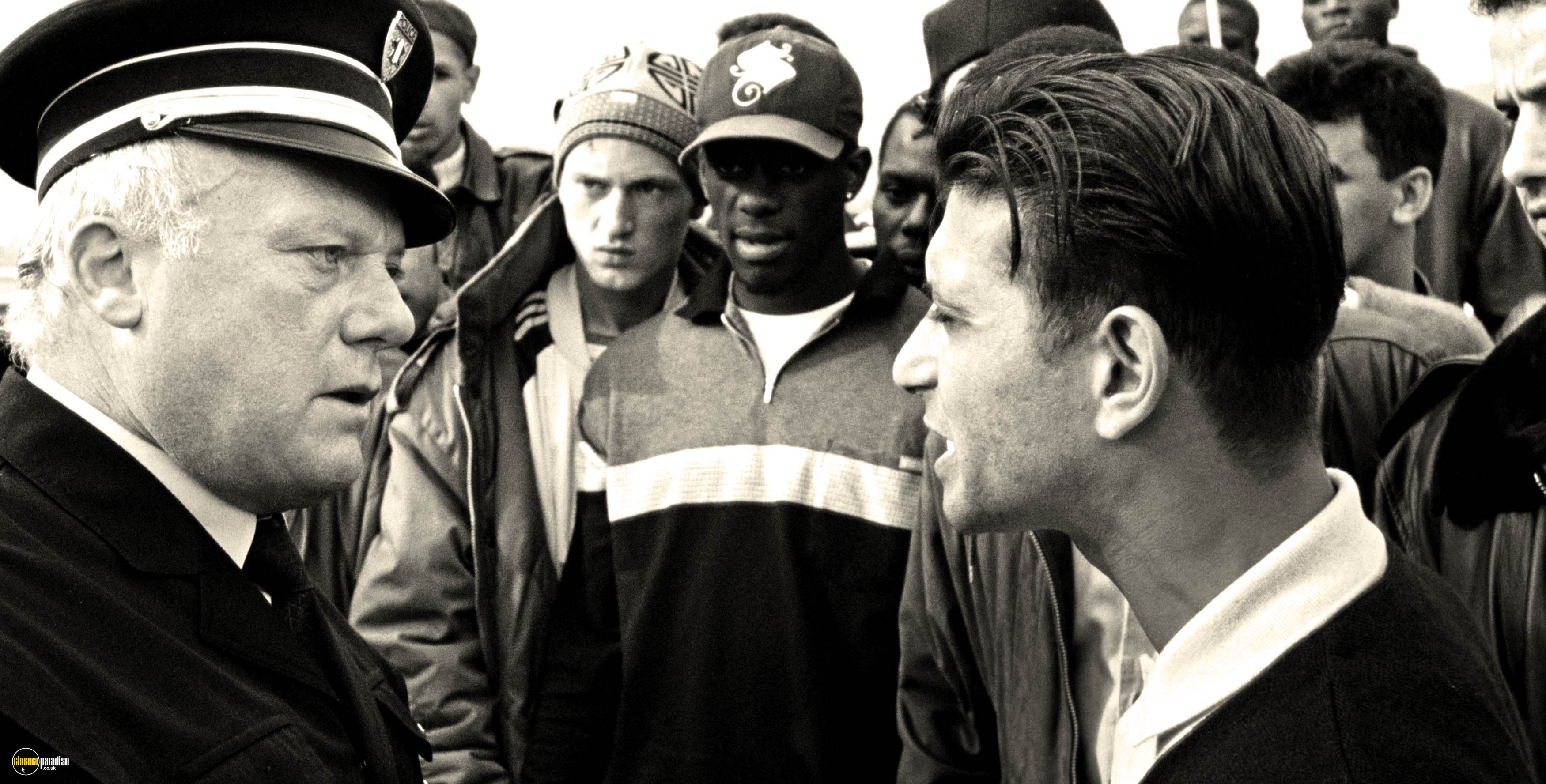
La Haine (1995)
When riots erupt in a banlieue in the commune of Chanteloup-les-Vignes near Paris, three friends get caught up in the ensuing 20 hours of confrontation and conflict: Jewish Travis Bickle wannabe, Vinz (Vincent Cassel); Christian boxer-cum-drug dealer, Hubert (Hubert Koundé); and Maghrebi Muslim and peace-keeper, Saïd (Saïd Taghmaoui)

Locke (2013)
While driving from Birmingham to London, construction engineer Ivan Locke (Tom Hardy) has 36 phone conversations with his boss (Ben Daniels), his wife (Ruth Wilson), his sons (Tom Holland and Bill Milner), and the mistress in labour with his love child (Olivia Colman).
Victoria (2015)
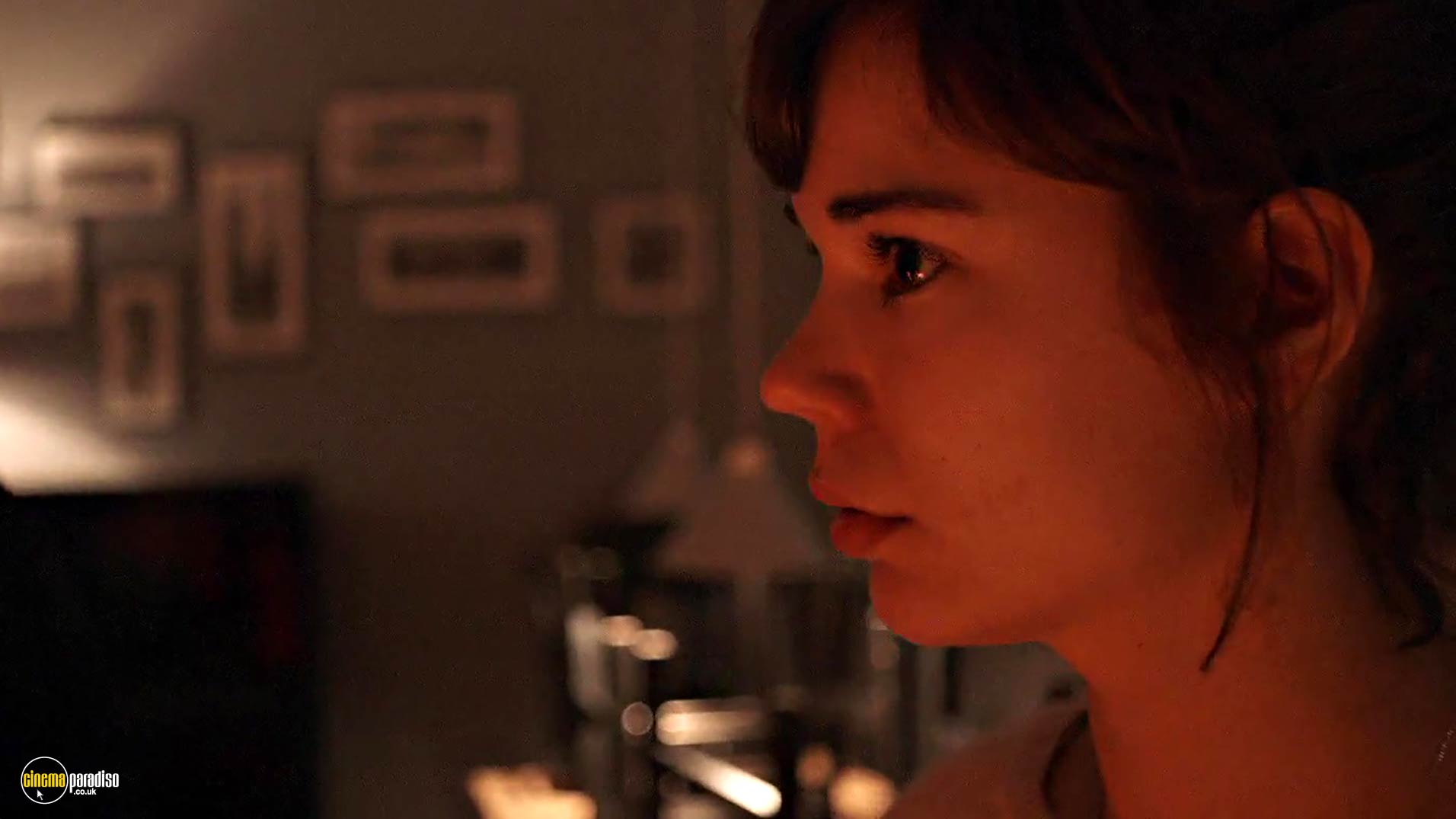
Starting afresh in Berlin having failed to become a concert pianist in her native Spain, Victoria (Laia Costa) hooks up with four friends in a nightclub and winds up becoming their getaway driver after they reveal that have to carry out a bank robbery in order to settle a prison debt.
More about these films
As Ferris Bueller's Day Off turns 40, Cinema Paradiso recalls the making of a teen classic.
`Life moves pretty fast. If you don't stop and look around once in a while, you could miss it.' The sheer fact that four decades have passed since Matthew Broderick uttered these words at the beginning and the end of Ferris Bueller's Day Off (1986) proves just how true they are. It's tempting to wonder what the Chicago teenager has been up to these past 40 years. Did he stay with girlfriend Sloane Peterson (Mia Sara)? Does he still hang out with best pal, Cameron Frye (Alan Ruck)? And did his truce with younger sister Jeanie (Jennifer Grey) hold up?
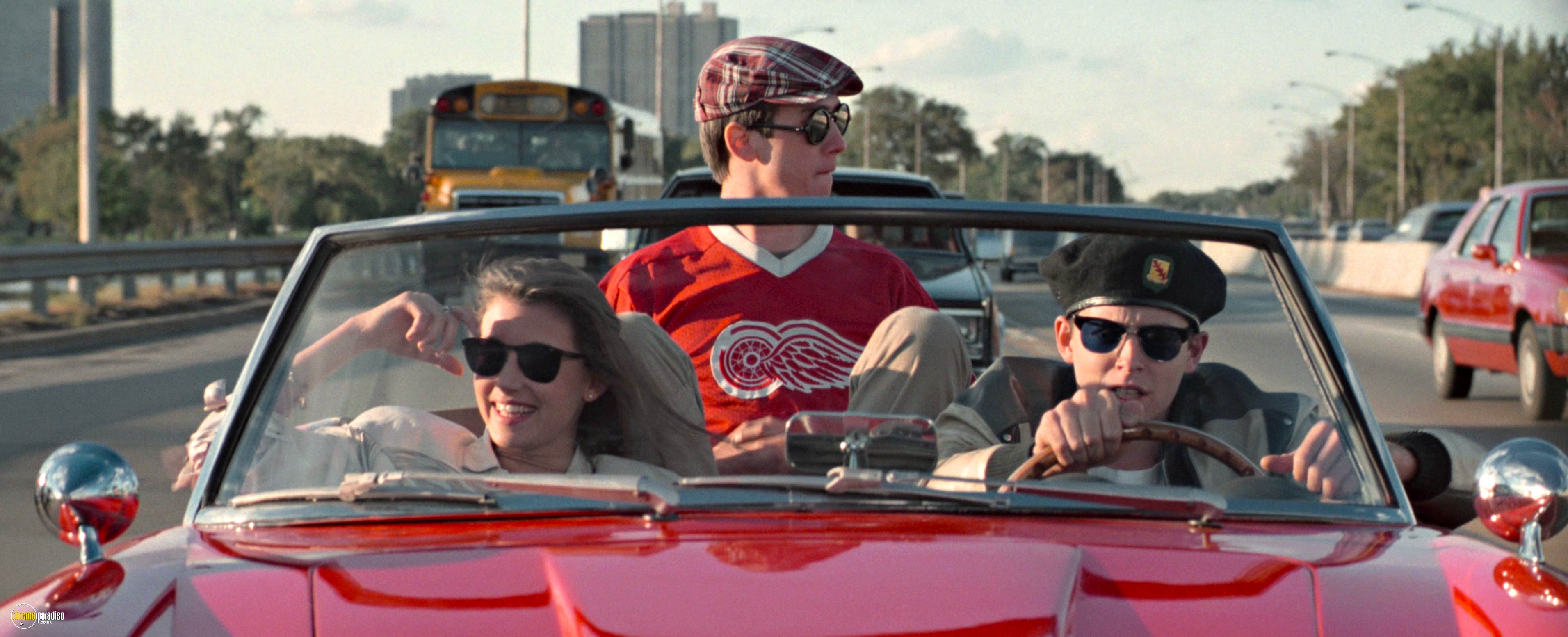
Writer-director John Hughes once opined, `That kid will either become President of the United States or go to prison.' Sadly, Hughes's death at the age of 59 on 6 August 2009 means that we will never know how life turned out for `The Sausage King of Chicago.' But it's always a pleasure to return to 5 June 1985 to relive the most enjoyable day off in screen history.
The Teenpic King
Born on 18 February 1950 in Lansing, Michigan, John Wilden Hughes, Jr. grew up in nearby Grosse Point. Here he became such a fan of the Detroit Red Wings ice hockey team that he would dress Cameron Frye in a No.9 shirt donated by his favourite player, Gordie Howe. However, Hughes spent his teenage years in Chicago, with life at Glenbrook North High School inspiring many of the comedies that would forge his reputation as the King of the Teenpix in the 1980s.
Having started out selling gags to Joan Rivers and Rodney Dangerfield, Hughes became a regular contributor to National Lampoon magazine while working for an advertising firm in Chicago. Such was his ability to hustle that he was hired to script Michael Miller's National Lampoon's Class Reunion (1982), a sequel to John Landis's runaway hit, National Lampoon's Animal House (1978). The film flopped, but Hughes emerged unscathed, as one of his stories inspired Harold Ramis's National Lampoon's Vacation. This led to him being hired to write Stan Dragoti's Mr Mom (both 1983) and Universal Pictures was sufficiently impressed to offer Hughes a three-year deal.
He got off to an impressive start as a writer-director with Sixteen Candles (1984), which follows the fortunes of Chicago high-schooler Samantha Baker (Molly Ringwald), whose 16th birthday is overshadowed by her sister's wedding. Ringwald would become an overnight star, as Sam dealt with an unrequited crush on senior Jake Ryan (Michael Schoeffling) and the unwanted attentions of freshman Ted Farmer (Anthony Michael Hall). Her status as everyone's favourite teenager was confirmed when Claire Standish found herself doing Saturday morning detention at Shermer High School alongside the nerdy Brian Johnson (Anthony Michael Hall), loner Allison Reynolds (Ally Sheedy), jock Andrew Clark (Emilio Estevez), and rebel John Bender (Judd Nelson).
Such was the success of The Breakfast Club that its young stars became known as `The Brat Pack' in a knowing nod towards Frank Sinatra's infamous `Rat Pack', which had made such an impression on the teenage John Hughes, along with John Lennon, Bob Dylan, and Pablo Picasso. With teenpix now the safest bet in Hollywood, Hughes turned Al Feldstein's `Made of the Future' into Weird Science (both 1985), which sees Shermer outcasts Gary Wallace (Anthony Michael Hall) and Wyatt Donnelly (Ilan Mitchell-Smith) learn valuable life lessons after using a computer to create their ideal woman, Lisa (Kelly LeBrock).
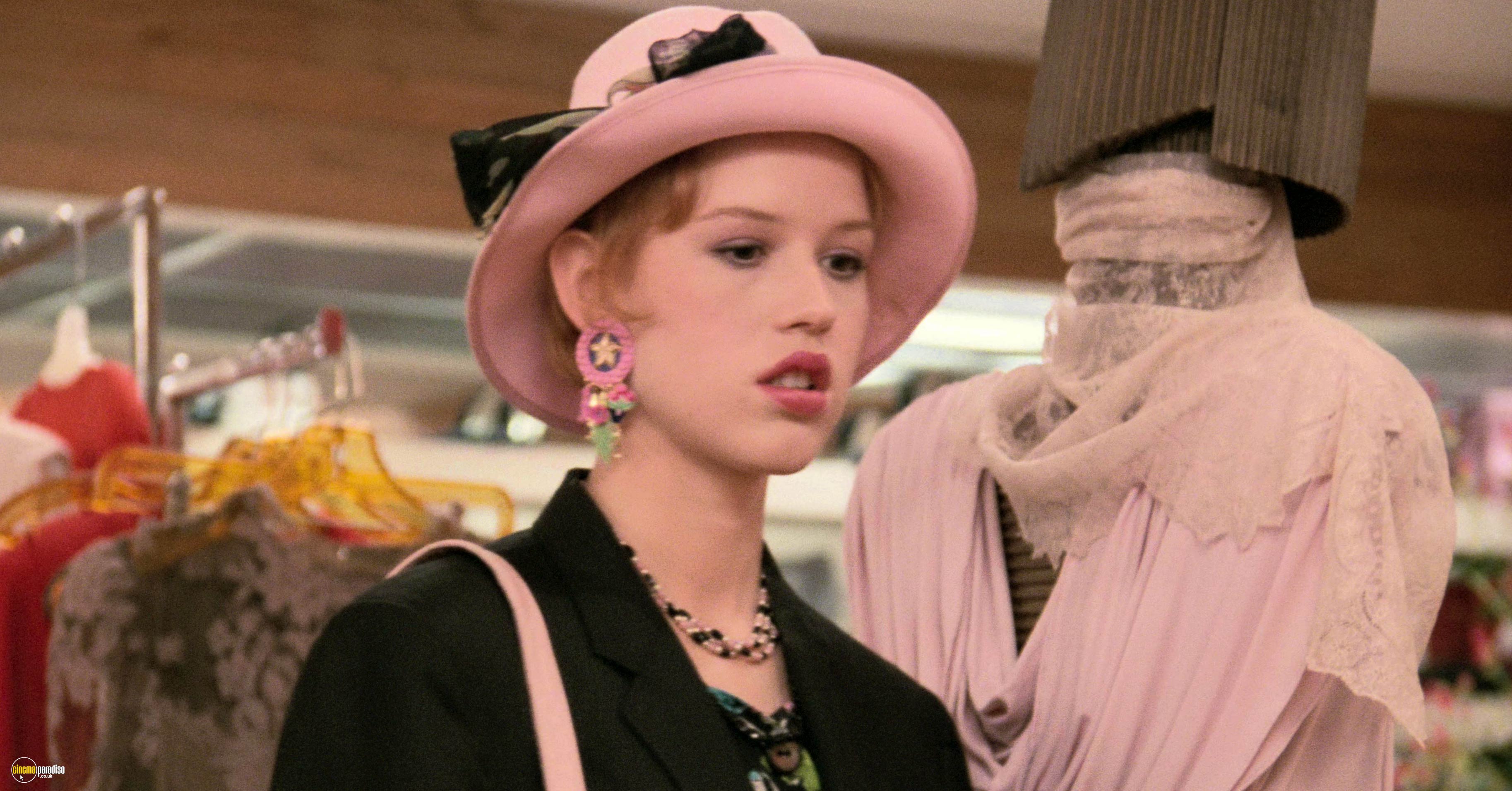
On a roll, Hughes reunited with Molly Ringwald for Pretty in Pink (1986), which was directed by Howard Deutsch and boasted an achingly hip soundtrack. Once again, the focus fell on school days, as senior Andie Walsh seeks a date for the prom and hurts the feelings of devoted friend, Philip `Duckie' Dale (Jon Cryer), by choosing preppy Blane McDonnagh (Andrew McCarthy). However, with Harry Dean Stanton playing Ringwald's working-class father, this love-across-the-tracks saga had its ending changed after test audiences had booed the original.
It was around this time that Hughes contacted Paramount chief Ned Tanen and said, `I want to do this movie about a kid who takes a day off from school and that's all I know so far.' Suitably intrigued and trusting Hughes's instincts, Tanen gave the project the green light. However, he warned Hughes that a Writers Guild strike was in the offing and that he would need to move quickly. In the event, the script was completed in six days and, on one of the many `making of' shorts the studio later produced, Matthew Broderick joked about how good Ferris Bueller's Day Off could have been if Hughes had taken seven days.
Ferris was supposedly modelled on Glenbrook North classmate, Edward McNally, a renowned prankster who grew up on the same street as Hughes. He had the dean on his back for racking up 27 truancies during his time at the school. As he wrote in The Washington Post a week after Hughes's death, McNally also had a friend named `Bueller' and once borrowed his father's purple Cadillac El Dorado for a day's joyriding. Having put 113 miles on the clock, he had jacked up the vehicle and run it in reverse to remove the telltale mileage. However, the odometer shot back 10,000 miles and McNally got busted by his father (whose hat and glasses he often used to borrow in order to impersonate him).
McNally also once blagged his way into a sold-out Second City comedy show in Chicago by claiming to be part of Kirk Douglas's entourage, as the star was shooting on location in the Windy City. According to Entertainment Weekly, however, another schoolmate, Jackson Peterson, recalls an outing to the exclusive Union League Club, where the 17 year-old Hughes and his cadre had behaved to the manner born while ordering a round of alcholic drinks that was served without a quibble.
Ed McNally went on to become a lawyer in Washington, DC, where he moonlighted as a speechwriter. He once pepped up a graduation address by First Lady Barbara Bush by adding the lines, `Life moves pretty fast. If you don't stop and look around once in a while, you could miss it.' By all accounts, she brought the house down by telling the Wellesley College audience that Ferris was more popular than the president.
Cameron was also based on a school friend, who was marginalised within his own family. Recalling him, Hughes said, `He was sort of a lost person. His family neglected him, so he took that as licence to really pamper himself. When he was legitimately sick, he actually felt good, because it was difficult and tiring to have to invent diseases but when he actually had something, he was relaxed.' Hughes also admitted, however, that there was something of himself in both Ferris and Cameron. `I designed the character to be the guy I always wanted to be,' he said, `and I designed his best friend Cameron to be the kind of guy I usually am.'
There's a theory that Sloane was modelled on Hughes's high-school sweetheart, Nancy Ludwig, whom he started dating in 1970. She was a cheerleader at Glenbrook North and often had to put up with one of Hughes's pals tagging along on their dates. They married when Nancy was 19 and Hughes was 20 and had two sons, John III and James. And, speaking of IIIs, Jason Klamm has asserted in Ferris Bueller...You're My Hero: The Story of the World's Most Famous Day Off (2026) that Ferris was named after Hughes's classmate, Albert Carl Buehler III and that Nancy had contacted the family prior to shooting to inform them of the use of the surname, which amused them so much that they appeared as extras in the Art Institute sequence.
Back in 1986, Hughes sought to depart from his earlier outings and focus more on character than plot. He explained, `I know how the movie begins, I know how it ends. I don't ever know the rest, but that doesn't seem to matter. It's not the events that are important, it's the characters going through the event. Therefore, I make them as full and real as I can. This time around, I wanted to create a character who could handle everyone and everything.'
He was also keen to write a love letter to the city where he had spent his own teenage years. `I really wanted to capture as much of Chicago as I could,' he told an interviewer. `Not just in the architecture and landscape, but the spirit.' In the process, he also caught the essence of the human spirit, the nature of freedom, and the Huckleberry Finn-ness of youth. Just imagine what else he could have touched upon if he had just had one more day's writing.
We'd Be in Gym
Two months before his graduation, Chicago high-schooler Ferris Bueller (Matthew Broderick) breaks the fourth wall to explain to the audience how to pull a sick day. Parents Tom and Katie (Lyman Ward and Cindy Pickett) are convinced by his fever, but younger sister Jeanie (Jennifer Grey) despairs of the fact that Ferris gets away with every stunt and prank, while no one cuts her any slack.
While Ferris showers, his economics teacher (Ben Stein) repeats his surname in a monotone, as he takes the register. Eventually, Simone Adamley (Kristy Swanson) pipes up, `Uhm, he's sick. My best friend's sister's boyfriend's brother's girlfriend heard from this guy who knows this kid who's going with the girl who saw Ferris pass out at 31 Flavours last night. I guess it's pretty serious.'
As the teacher launches into a lesson on the Hawley-Smoot Tariff Act, Dean of Students, Edward R. Rooney (Jeffrey Jones), calls Katie at her estate agency to inform her that Ferris has been absent nine times this term. She apologises for forgetting to phone, as Ferris uses his computer to hack into the school system and reduce his absent count to two. He also uses sound effects on his keyboard to get kids calling to see how he is from a corridor payphone to believe he's in such bad shape that he needs a kidney transplant.
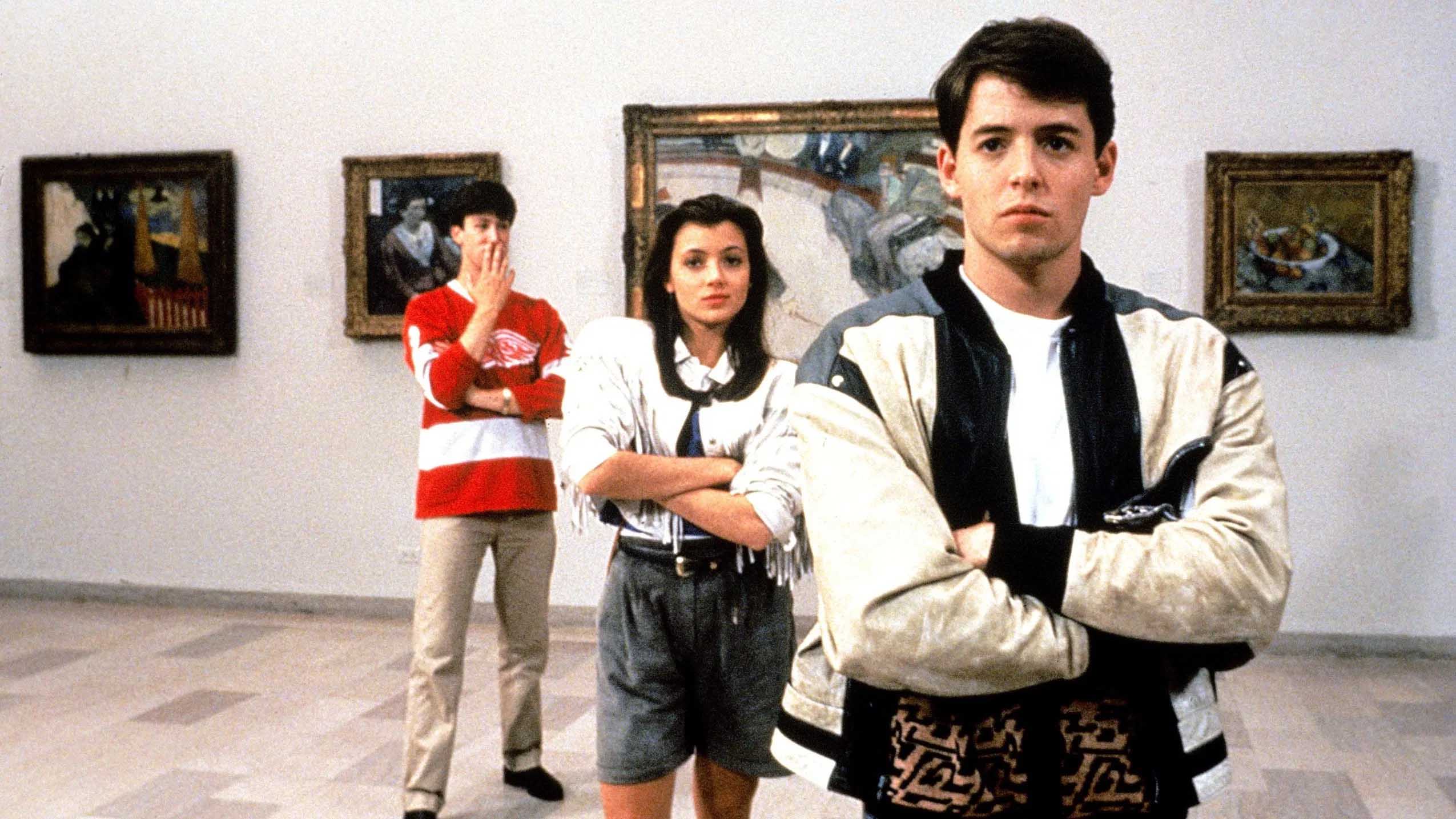
Having called hypochondriac buddy Cameron Frye (Alan Ruck) to join him for a day's gallivanting, Ferris has him impersonate the father of girlfriend Sloane Peterson (Mia Sara) so that she can hook up with them. Thinking he's talking to Ferris, Rooney tells secretary Grace (Edie McClurg) that he is going to nail him and insists that Sloane will only be allowed to leave on the presentation of her dead grandmother's corpse. When Ferris calls on another line, however, Rooney has to eat humble pie and waits with Sloane for her father to collect her. Knowing Rooney will recognise Cameron's old car, they borrow his father's prized 1961 Ferrari 250 GT California Spyder so that Ferris can arrive at the school disguised as Mr Peterson. A chastened Rooney is the model of obsequiousness until Ferris gives Sloane a very unfatherly kiss before they head off for downtown Chicago.
Ferris entrusts the red Ferrari to a couple of garage attendants (Richard Edson and Larry `Flash' Jenkins), who promptly take it out for a wild spin. After sampling the view from the Sears Tower, Ferris takes Cameron and Sloane to the Chicago Mercantile Exchange. Feeling peckish, he gets one over on the snooty Maitre D' (Jonathan Schmock) at the exclusive restaurant, Chez Quis, by passing himself off as Abe Froman, the so-called `Sausage King of Chicago'.
Had Rooney looked up while searching for Ferris at a pizza bar, he would have seen him catch a fly ball while in the crowd watching the Chicago Cubs at Wrigley Field. While Rooney heads to the Bueller residence, Ferris, Sloane, and Cameron have latched on to a school party at the Art Institute of Chicago. They see Edward Hopper's `Nighthawks' and strike the poses of statues by Auguste Rodin. Ferris and Sloane kiss in front of Marc Chagall's `America Windows', while Cameron gazes as Georges Seurat's `A Sunday Afternoon on the Island of La Grande Jatte'. Returning to the city centre, they join the annual Van Steuben Day Parade, where Ferris jumps aboard a float to lip sync to Wayne Newton's `Danke Schoen' before ripping into The Beatles's version of `Twist and Shout', which gets everyone dancing (even an unsuspecting Tom in an office overlooking the route).
Back in the suburbs, a concerned Katie is reassured by the slumbering model that Ferris has rigged up in his bed. Skipping school after seeing someone with a collecting tin raising funds for Ferris's transplant, Jeanie arrives home just as Rooney appears in the hope of catching her brother. Instead, he gets attacked by the family Rottweiler and loses his wallet and keys. Moreover, when he ventures into the kitchen, he gets karate kicked in the face by Jeanie, who calls the police to report an intruder.
By the time a patrol arrives, however, Rooney has disappeared after his towed car and Jeanie is taken to headquarters for filing a false report. At the police station, she meets Garth Volbeck (Charlie Sheen), a drug-using delinquent who flirts with her while advising her to devote less time to her grievances against her brother and more to being herself. Cameron has also been learning to love himself during the course of the day and, on the way home, he poignantly notes that what has made the outing so special is the fact that everything is about to change. He and Ferris will graduate and go to separate colleges, while Sloane will complete her final year of high school. After that, who knows if the old gang will ever get together again.
Cameron is still feeling optimistic about taking control of his own destiny, while trying to reverse the mileage on the Ferrari by propping it up on a jack and leaving the engine in reverse. However, in losing his temper over his controlling father, he kicks the front fender and accidentally propels the car through a window into the woods below. Knowing how scared Cameron is of his father, Ferris offers to take the blame, but Cameron insists he can stand up for himself.
Walking Sloane home, Ferris dodges his father returning from a day's work. But his hopes of slipping into bed before his parents know he's been out seem dashed when Rooney pounces. His moment of triumph is short-lived, however, as Jeanie (who has just been given a speeding ticket while trying to beat Ferris home) threatens to report him for housebreaking in vouching that Ferris has just walked home from the hospital. Compelled to back down, Rooney's humiliation is completed when he wallet is tossed in a puddle and he is chased by the Rottweiller before he has to accept a lift on the school bus.
As for Ferris, he is tucked up in bed when Tom and Katie come to see how he's doing. Moreover, he gets to have the last word - after the credit crawl - when he tells the audience to go home because there's nothing more to see.
Swing Batter
John Hughes always insisted that he wrote Ferris Bueller's Day Off with Matthew Broderick in mind. Anthony Michael Hall told Vanity Fair that he believed Hughes wrote Duckie in Pretty in Pink and Ferris for him. However, he claims that he was overlooked because their relationship cooled after Weird Science.
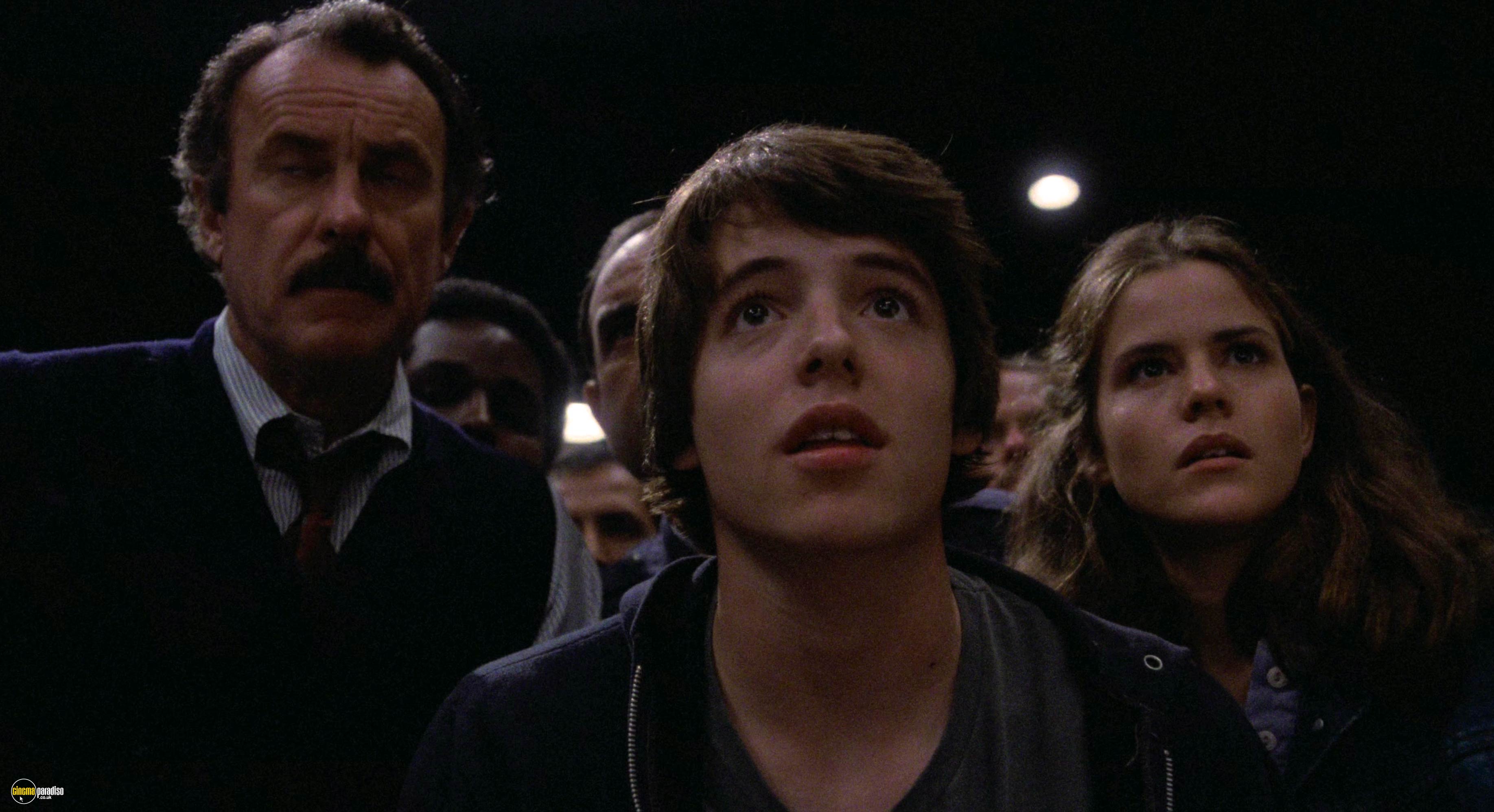
Broderick himself had misgivings about the role, as he told The Guardian: `I'd done WarGames and Ladyhawke and was getting sent a lot of "young guy" parts. I was a little concerned at first because Ferris talks to the audience - I'd done that in two plays and didn't want to it to seem like that's all I could do. Meanwhile, my agent said: "You've been asked to do a John Hughes movie. You're doing it." I didn't know much about John at the time but I kept hearing him being referred to as the "Spielberg of teen films".'
Aware that Ferris was something of a rogue, who used his charm and quick wits to offset suggestions that he was manipulative and narcissistic, Hughes reckoned Broderick was the only actor in Hollywood who could carry off the delicate balancing act. `Certain guys would have played Ferris,' he said, `and you would have thought, "Where's my wallet?" I had to have that look; that charm had to come through. Jimmy Stewart could have played Ferris at 15...I needed Matthew.'
Although names like Jim Carrey, Jon Cryer, Johnny Depp, George Clooney, Tom Cruise, and Michael J. Fox were bandied around, casting directors Janet Hirshenson and Jane Jenkins insist that the only other actor to be seriously considered for Ferris was John Cusack. But Broderick took the role and lobbied for Alan Ruck to play Cameron, as they had developed a friendship and a rapport during the Broadway run of Neil Simon's Biloxi Blues.
Broderick would reprise the role of Private Eugene Jerome in Mike Nichols's 1988 screen version of the wartime play, with Ruck being replaced as Private Don Carney by Casey Siemaszko. This had been Broderick's second Simon production on the Great White Way, as he had also played Eugene in Brighton Beach Memoirs. When Gene Saks directed the film adaptation in 1986, however, the part went to Jonathan Silverman.
Saks had directed the stage show of Biloxi Blues and the voice that Ruck uses to impersonate Sloane's father was based on the way the New Yorker had addressed his actors. Such was the bond between Ruck and Broderick that the former spent much of the shoot hanging out in the latter's trailer, which was much bigger than his own. `We didn't have to invent an instant friendship like you often have to do in a movie,' Ruck revealed. `We were friends.' This probably helped sway the decision to cast Ruck, as he was 29 when the cameras rolled and the 23 year-old Broderick had had to convince Hughes that nobody had questioned the age difference when they had appeared on stage.
Ruck had missed out on the role of Bender in The Breakfast Club to Judd Nelson, but Hughes remembered him after Emilio Estevez turned down the part of Cameron. `Every time I see Emilio,' Ruck joked, `I want to kiss him. "Thank you!"' Being only six years younger than his director did bother Ruck, however. `I was worried that I'd be 10 years out of step, and I wouldn't know anything about what was cool, what was hip, all that junk. But when I was going to high school, I didn't know any of that stuff then, either. So I just thought, well, hell - I'll just be me. The character, he's such a loner that he really wouldn't give a damn about that stuff anyway. He'd feel guilty that he didn't know it, but that's it."
Hughes was taken aback when Mia Sara auditioned to play Sloane. Molly Ringwald had wanted the part, but she withdrew because `John wouldn't let me do it: he said that the part wasn't big enough for me.' Ringwald was 17 at the time and Hughes felt the part needed a slightly older actress. `It was funny,' said Sara looking back. `He didn't know how old I was and said he wanted an older girl to play the 17 year-old. He said it would take someone older to give her the kind of dignity she needed. He almost fell out of his chair when I told him I was only 18.'
Jennifer Grey was 25 when she was cast as Ferris's younger sister, Jeanie, making her two years and five days older than her screen brother. In one of Paramount's `making of' 'shorts, she confessed: `It was really at the beginning of my career and I remember reading the script and kinda not getting it and not really getting, like, all those monologues. I was really, like, stupid, because I really didn't get how great it was. And I kinda didn't really wanna go in on it. And I kinda went in anyway and, you know, I walked in and met John Hughes and I just fell crazy in love for him. I was just like, "Oh my God", I just thought he was the greatest. Immediately, I had an immediate connection with him.'
Elsewhere, Grey has called Jeanie a `creep' because she is so resentful of Ferris for being able to get away with murder when she gets pulled up on everything. Part of the reason why she is such a ball of fury was that Jeanie was originally a middle child with two younger siblings. However, it was decided that it would unnecessarily complicate matters if there were more kids to fit into the equation.
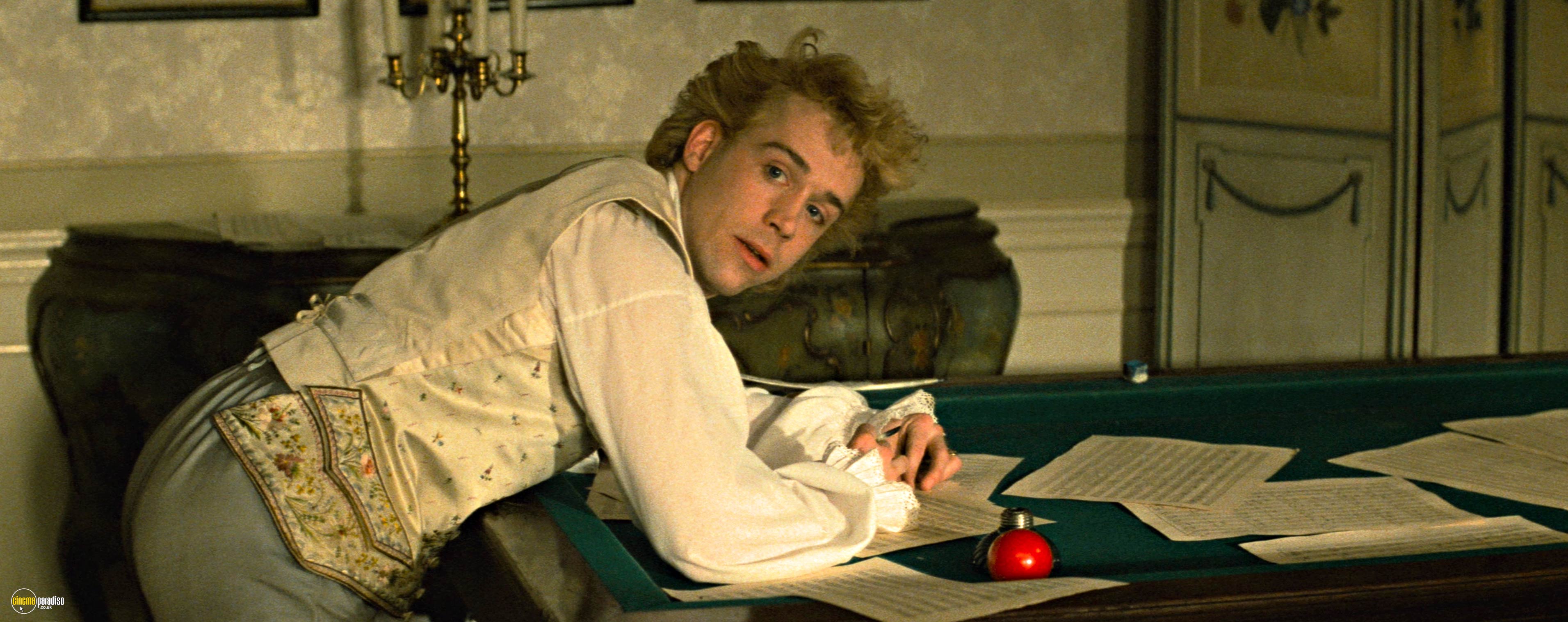
Despite being Dean of Students, children are not the strong point of Edward R. Rooney. Hughes cast Jeffrey Jones in the role because he felt that Ed was the modern-day equivalent of Joseph II, the Austrian emperor Jones had played in Miloš Forman's Amadeus (1984). As Jones reflected, `My part was actually quite small in the script, but what seemed to be the important part to me was that I was the only one who wasn't swept along by Ferris. So I was the only one in opposition, which presented a lot of opportunities, some of which weren't even in the script or were expanded on. John was receptive to anything I had to offer, and indeed got ideas along the way himself. So that was fun, working with him.'
In order to help Jones develop the role, Hughes introduced him to his old vice principal. `This is the guy I want you to pay close attention to,' Jones told Kirk Honeycutt for John Hughes: A Life in Film. During the course of the meeting, the man's jacket fell open to reveal that he was wearing a gun holster. As Jones explained, `The guy was "Sign up for the Army quick before I kill you!"' The actor also revealed, `Hughes told me at the time - and I thought he was just blowing his own horn - he said, "You are going to be known for this for the rest of your life." And I thought, "Sure"...but he was right.'
The same was true of Ben Stein, who was cast as the unnamed economics teacher. Hughes knew Stein was right for the role as soon as he set eyes on him. `He wasn't a professional actor,' he remembered. `He had a flat voice, he looked like a teacher.' Stein reckoned he landed the role through six degrees of separation: `Richard Nixon introduced me to a man named Bill Safire, who's a New York Times columnist. He introduced me to a guy who's an executive at Warner Brothers. He introduced me to a guy who's a casting director. He introduced me to John Hughes. John Hughes and I are among the only Republicans in the picture business, and John Hughes put me in the movie.'
A lawyer who had written co-written Nixon's resignation speech, Stein has joked that the words, `Bueller! Bueller!', should be inscribed on his tombstone. However, he will always be synonymous with the Smoot-Hawley Tariff Act. This spiel was originally to be heard only, as the camera picked up the faces of the bored students. However, Hughes had a change of heart after hearing the kids react to Stein keeping them amused between takes. `I was just going to do it off camera,' Stein recalled, `but the student extras laughed so hard when they heard my voice that he said do it on camera, improvise, something you know a lot about. When I gave the lecture about supply-side economics, I thought they were applauding. Everybody on the set applauded. I thought they were applauding because they had learned something about supply-side economics. But they were applauding because they thought I was boring...It was the best day of my life.'
Stein also got to share a memorable exchange with Kristy Swanson as Simone Adamley. The 15 year-old had originally been cast as the girl who picks up the corridor payphone and asks Ferris, `How's your bod?' However, a scheduling snafu led to Swanson being asked to deliver the breathless update on Ferris's health.
`That line was a tongue twister, for sure,' Swanson has since conceded. `I had to sit down and go over it and over it in my head. There were some mistakes. I don't know how many.' But fans still ask her to repeat it and she always obliges. `It's fun to do,' Swanson told The Washington Post. `And that line has never left my brain. It's one of those things where you never forget.' She also got to deliver the equally memorable follow-up. `No problem whatsoever,'
As mentioned earlier, Hughes was a huge Detroit Red Wings and his idol, Gordie Howe, donated the No.9 shirt that Cameron wears on screen. Ruck takes up the tale: `John had spent some of his boyhood in Detroit...(and) had decided that Cameron had a horrible relationship with his father, but a great relationship with his grandfather, who lived in Detroit and would take Cameron to Red Wings games. That's all it was, and it was never explained in the movie.'
Elements of the costumes that Marilyn Vance designed for Ferris were also kept off camera. `There's details you don't even see,' Broderick has since divulged. `My socks had flags of all the nations on them. The rabbit's foot in my pocket was just there. John thought Ferris's leather coat should be simple, like James Dean's red jacket, but we went very much the other way. The beret was my idea.' In his DVD commentary, Hughes admits he didn't like the beret and is openly critical of some of his own decisions on the film.
Shortly before filming was due to commence, there was a furore in the production office. Having viewed footage of the wardrobe test, one of the producers opined that there was no chemistry whatsoever between Broderick, Ruck, and Sara. However, the former admitted that he hadn't realised that he should have been in character during the session and had simply modelled the clothes without bantering with his co-stars. Panic over, the cameras started rolling on 9 September 1985 and the shoot wrapped two months later.
`Chicago is what I am,' Hughes once declared. `A lot of Ferris is sort of my love letter to the city. And the more people who get upset with the fact that I film there, the more I'll make sure that's exactly where I film. It's funny - nobody ever says anything to Woody Allen about always filming in New York. America has this great reverence for New York. I look at it as this decaying horror pit. So let the people in Chicago enjoy Ferris Bueller.'
Several Windy City landmarks are featured in the film, including Glenbrook North High School and Maine North High School (the scene of The Breakfast Club), which respectively provided the exterior and interior of Shermer High. But Hughes wanted to give Chicagoans a unique view of his adopted home city. `We took a helicopter up the Chicago River,' he enthused. `This is the first chance I'd really had to get outside while making a movie. Up to this point, the pictures had been pretty small. I really wanted to capture as much of Chicago as I could, not just the architecture and the landscape, but the spirit.'
This is capably caught in the Von Steuben Day parade, which was filmed on and around 28 September. Broderick remembers this being one of the most demanding scenes of the entire shoot. `I was very scared,' he admitted. `Fortunately, the sequence was carefully choreographed beforehand. We worked out all the moves by rehearsing in a little studio. It was shot on two Saturdays in the heart of downtown Chicago. The first day was during a real parade, and John got some very long shots. Then radio stations carried announcements inviting people to take part in a John Hughes movie. The word got around fast and 10,000 people showed up! For the final shot, I turned around and saw a river of people. I put my hands up at the end of the number and heard this huge roar. I can understand how rock stars feel. That kind of reaction feeds you.'
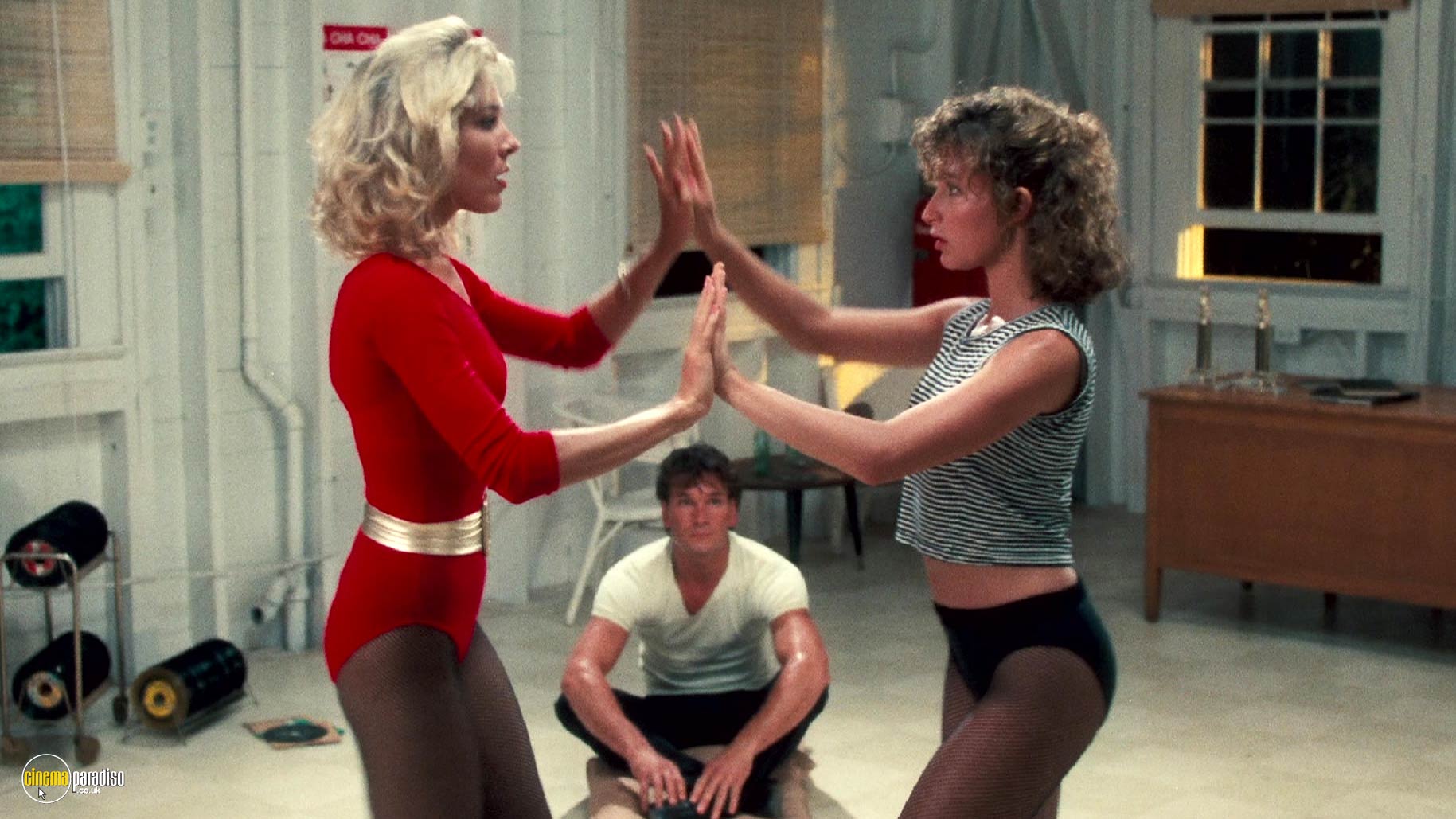
Kenny Ortega - who would go on to choreograph Dirty Dancing (1987) - had devised some slick moves for Ferris to use on the float. But Broderick had aggravated an old knee injury and was less than mobile. `I was pretty sore,' he recalled. `I got well enough to do what you see in the parade there, but I couldn't do most of Kenny Ortega's knee spins and things like that that we had worked on. When we did shoot it, we had all this choreography and I remember John would yell with a megaphone, "Okay, do it again, but don't do any of the choreography," because he wanted it to be a total mess.' The `Danke Schoen' number was more carefully pre-planned than `Twist and Shout', for which Broderick claims, `we were just making everything up'.
Hughes concurred that spontaneity was the order of the day. `It just happened that this was an actual parade, which we put our float into - unbeknownst to anybody, all the people on the reviewing stand. Nobody knew what it was, including the governor.' As he was shooting with several cameras, Hughes was also able to catch chance moments, such as the window cleaner dancing.
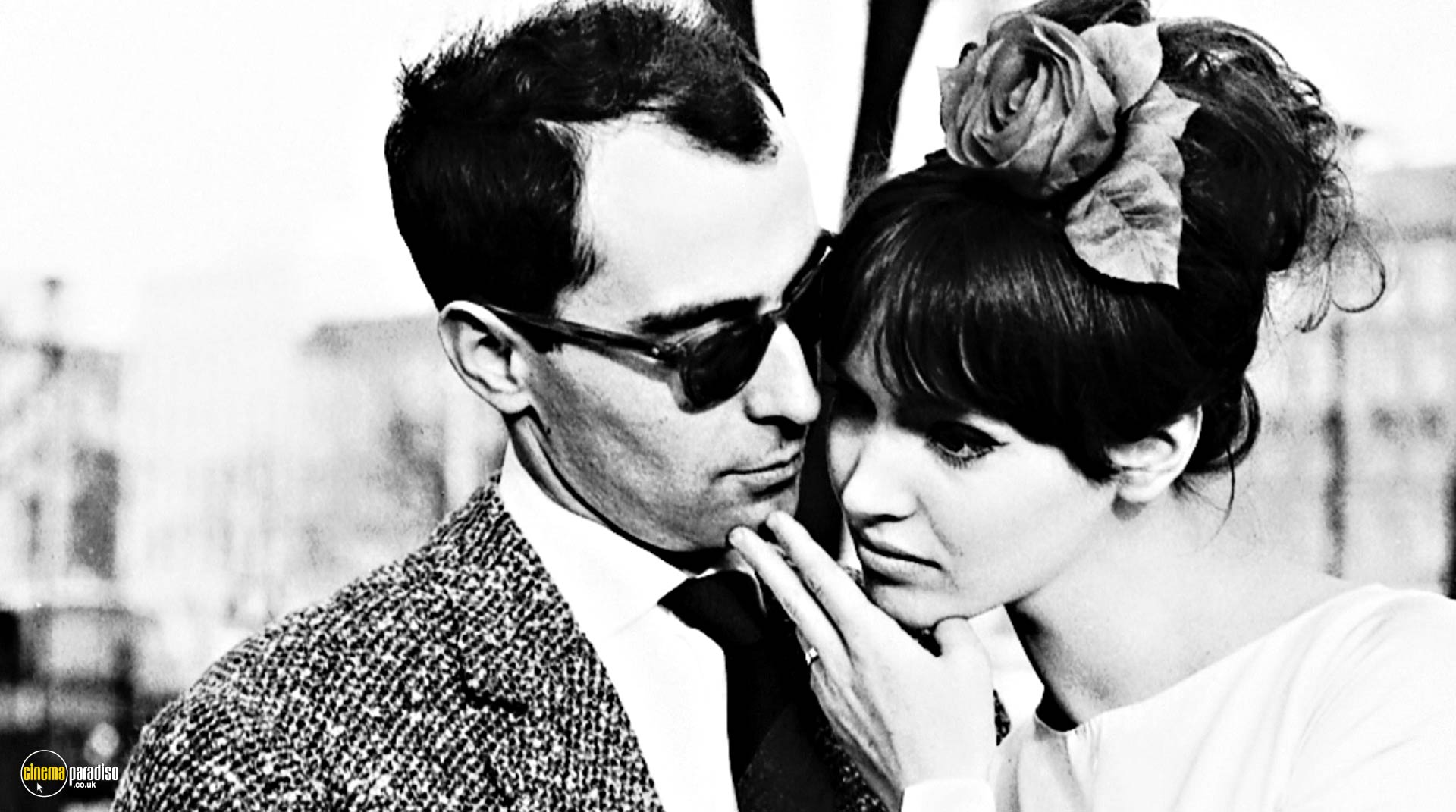
While this became a standout scene, Hughes was even prouder of the footage filmed at the art gallery. `When I was in high school,' he explained, `the Chicago Art Institute was a place of refuge for me. I went there quite a bit. I loved it. I knew all the paintings. I knew the building. And Ferris was a chance for me to go back into this building and show the paintings that were my favourites.' He admitted, however, that the sequence had been something of a self-indulgence, as well as a homage to the Louvre interlude in Jean-Luc Godard's Bande à part (1964).
The Frye residence is the Ben Rose House, a modernist structure built in 1954 in Highland Park, Illinois. The pavilion had been added in 1974 for photographer Ben Rose to keep his car collection and it is here that Cameron's father parks his prized
Ferrari 250 GT California. The owner agreed to the use of the location because he knew producer producer Ned Tanen, who was also a Ferrari aficionado. All of the original glass was removed before the shot of the vehicle reversing through the window, while special steps were taken to ensure that the pavilion sustained no damage. Giant tarpaulins were even deployed to catch every shard of glass to ensure nothing was left to harm wildlife in the nearby woodland.
During his DVD commentary, Hughes reveals that `The insert shots of the Ferrari were of the real 250 GT California. The cars we used in the wide shots were obviously reproductions. There were only 100 of these cars, so it was way too expensive to destroy. We had a number of replicas made. They were pretty good, but for the tight shots I needed a real one, so we brought one in to the stage and shot the inserts with it.'
The bodies fitted over Mustang chassis were designed by Mark Goyette. But the crew didn't care for the `replicar', as it proved extremely temperamental. The scene in which Ferris leaves the vehicle with the parking attendants, for example, had to be filmed a dozen times, as the engine wouldn't start. Sharp-eyed Cinema Paradiso users will notice that the number plate for the Ferrari is `NRVOUS', while others refer to previous Hughes projects, with Katie's station wagon being `VCTN' for National Lampoon's Vacation; Tom's Audi being ` MMOM' for Mr Mom; Jeanie's Pontiac being `TBC' for The Breakfast Club; and Rooney's sedan being `4FBDO' for Ferris Bueller's Day Off.
By all accounts, Hughes got the idea to shoot a scene with Ferris, Sloane, and Cameron in a strip club. When he informed Paramount, however, the studio told him that he didn't have enough shooting days left. But the scene might well have sounded alarm bells, as the footage might have impinged upon the picture's release certificate. The company's vice president of production, Lindsay Doran, also noted how female audience members at test screenings had frowned upon Sloane's line when discussing her future, `A girl can always bail out and have a baby and get some guy to support her.' Producer Tom Jacobson explained that the remark was `meant as an ironic criticism of gender politics. But it went over the heads of the audience and they thought maybe she was espousing them.' When the line was removed, Doran noted how score verdicts among young women shot up by some 40 points.
Another scene that had to be cut showed Ferris visiting a radio station and declaring, `Come next year, I'll be the first kid to ride on the Space Shuttle.' The line appeared in preview prints and even the first version of the movie trailer. But it was hurriedly removed the day before its was due to be issued because the Challenger disaster of 28 January 1986 meant that the remark now seemed insensitive. It was also cut from the release print and has never been restored.
John Hughes's screenplay went into detail about the background to Charlie Sheen's character, who was named Garth Volbeck on the page, but not on the screen. He had been a middle school friend of Ferris, who had tried to help him because of his difficult home life. His failure led to Garth dabbling in drugs and this explains why Ferris is so keen to ensure that the same thing didn't happen to Cameron. Such references would have made Garth's presence at the police station less random and explained how he came to suggest Ferris as someone Jeanie should talk to. In order to look suitably washed out for the scene, Sheen went 48 hours without sleep.
In late October, the production left Chicago for Los Angeles, where it remained until shooting wrapped on 22 November. Several key scenes were filmed in California, with the Bueller house and the site of Rooney's final humiliation being situated in the Los Cerritos Park neighbourhood of Long Beach. The backyard dash was shot in Pasadena, while the restaurant, the police station, and Sloane's home were all located in LA.
As for Ferris's bedroom, it was modelled on Hughes's own childhood room. It was here that Broderick suggested that he played the clarinet. As he remembered, `John could be a very exacting director. Often, I'd be doing his ideas as carefully as I could but the scenes where I'm alone in the house talking to the camera? We'd just make stuff up. I picked up the clarinet and started playing just because it was there and I pretended I was playing great. The plan was to replace the sound and make it really good but John saw the footage and said: "I'm not doing that."' Instead, he used Broderick's ad-lib, `Never had one lesson,' which Hughes later insisted was his favourite line in the whole film.
He was also fond of the slapstick business between Rooney and Grace after the dean thinks he's insulted Sloane's father. In a `making of' short, Edie McClurg explained that she had suggested improvising a game of `help and hinder', in which she always went in the opposite direction to Jones, but getting in his way each time. Played to the hilt, the scene is perhaps the funniest in the entire film, as Grace keeps getting in Rooney's way and making him more frantic and absurd.
Because Hughes was always open to suggestions from his cast, he was forever adding little bits of business to raise a laugh or emphasise a point. As a consequence, editor Paul Hirsch revealed, `The first cut of Ferris Bueller's Day Off ended up at two hours, 45 minutes. The shortening of the script had to come in the cutting room. Having the story episodic and taking place in one day...meant the characters were wearing the same clothes. I suspect that Hughes writes his scripts with few, if any costume changes just so he can have that kind of freedom in the editing.'
Hirsch recalled that the gallery sequence played poorly in test screenings. `The piece of music I originally chose was a classical guitar solo played on acoustic guitar. It was nonmetrical with a lot of rubato. I cut the sequence to that music and it also became nonmetrical and irregular. I thought it was great and so did Hughes. He loved it so much that he showed it to the studio but they just went "Ehhh." Then after many screenings where the audience said, "The museum scene is the scene we like least," he decided to replace the music. We had all loved it, but the audience hated it. I said, "I think I know why they hate the museum scene. It's in the wrong place." Originally, the parade sequence came before the museum sequence, but I realised that the parade was the highlight of the day, there was no way we could top it, so it had to be the last thing before the three kids go home. So that was agreed upon, we reshuffled the events of the day, and moved the museum sequence before the parade. Then we screened it and everybody loved the museum scene! My feeling was that they loved it because it came in at the right point in the sequence of events. John felt they loved it because of the music. Basically, the bottom line is, it worked.'
In fact, music supervisor David Anderle had commissioned an instrumental from Robert Smith of The Cure to play over the gallery sequence. But Anderle was fired after falling out with Hughes and Hirsch added the classical guitar solo on his own initiative. When it failed to impress test audiences, replacement music supervisor, Tarquin Gotch cheekily suggested an instrumental version of The Smiths hit, `Please, Please, Please Let Me Get What I Want', played by The Dream Academy, who he just happened to manage.
When Broderick, Ruck, and Sara saw a cut of the film a few months before its release, they didn't laugh once between them and left thinking they'd made a bomb. A number of Paramount executives also expressed their disappointment and Hughes and Hirsch spent an intense two weeks reshaping the action. Even then, a test screener's reaction to a scene in which Ferris coaxes Sloane into staying out after she decides to go home was dropped because a young woman had said she disliked Ferris as a character because `he'd make me do things I don't want to do'.
In fact, Mia Sara didn't particularly enjoy making the film. `I didn't get along well with John,' she later disclosed. `He wanted us all to hang out together and to introduce us to the French New Wave films. But the others were seasoned actors, and I was a snotty New York kid and had seen all those movies, so he was frustrated in that desire.'
Divorced from Jason Connery in 2002 and married since 2010 to Muppet director Brian Henson, Sara has mixed feelings about being a star. `I didn't have the emotional maturity to deal with other people's egos, or my own,' she once claimed, while also admitting that she `never really had the resilience to deal with the audition process'. She concluded, `There are some things in my career that I'm really proud of, but overall it was not a happy career for me.'
40 Years On
Hitting US cinemas on 11 June 1986, Ferris Bueller's Day Off grossed $70.7 million on its $5 million budget. It only just squeezed into the year's box-office Top 10, but it has gone on to become a modern classic and is regularly cited as the best teenpic ever made. Moreover, it provided a snapshot of America's view of itself in the mid-1980s.
Not everyone was a fan, of course, with critic David Denby criticising the smugness of the `rebel withou a cause' scenario that he considered `a nauseating distillation of the slack, greedy side of Reaganism'. Author Christina Lee would later concur in condemning this `splendidly ridiculous exercise in unadulterated indulgence' for the way it `encapsulated the Reagan era's near solipsist worldview and insatiable appetite for immediate gratification'. But John Hughes, who made no secret of the fact that he was an ardent Republican, would have shrugged off such criticism.

Ben Stein, who shared Hughes's political allegiance proclaimed his debut to be `the most life-affirming movie possibly of the entire post-war period' in going on to claim `This is to comedies what Gone With the Wind is to epics.' He continued: `It will never die, because it responds to and calls forth such human emotions. It isn't dirty. There's nothing mean-spirited about it. There's nothing sneering or sniggering about it. It's just wholesome. We want to be free. We want to have a good time. We know we're not going to be able to all our lives. We know we're going to have to buckle down and work. We know we're going to have to eventually become family men and women, and have responsibilities and pay our bills. But just give us a couple of good days that we can look back on.'
Author Steve Almond reckoned Ferris was `the most sophisticated teen movie [he] had ever seen,' in claiming this was the only Hughes film that aspired to being true art, as well as being `the only one that reaches toward the ecstatic power of teendom and, at the same time, exposes the true, piercing woe of that age'. Almond singled out Alan Ruck for particular praise in declaring `his performance is what elevates the film, allows it to assume the power of a modern parable'. Indeed, he called for Ruck to be nominated for the Academy Award for Best Supporting Actor. But he was overlooked, although Matthew Broderick was listed for the Golden Globe Award for Best Actor - Motion Picture Musical or Comedy.
The music proved a key element of the film, even though Hughes admitted one of the songs drove him to distraction. Ferris, Jeanie, and Rooney all sing `Danke Schoen' at various points, but Hughes claimed it was the `most awful song of my youth. Every time it came on, I just wanted to scream, claw my face. I was taking German in high school - which meant that we listened to it in school. I couldn't get away from it.'
Broderick claimed the credit for Ferris singing the ditty in the shower, `although it's only because of the brilliance of John's deciding that I should sing "Danke Schoen" on the float in the parade. I had never heard the song before. I was learning it for the parade scene. So we're doing the shower scene and I thought, "Well, I can do a little rehearsal." And I did something with my hair to make that Mohawk. And you know what good directors do: they say; "Stop! Wait until we roll." And John put that stuff in.'
Wayne Newton, who had sung the original version back in 1963, told The Chicago Sun-Times that its inclusion in Ferris gave it a new lease of life. `It was really cool because I thought, okay, "Danke Schoen" had run its gamut. When I saw [Matthew Broderick] doing an impression, lip syncing to my version of the song, I thought that was the coolest thing I had ever seen.' By contast, Paul McCartney was less amused by the way in which Hughes used `Twist and Shout'. `I liked [the] film,' he revealed in 1989, `but they overdubbed some lousy brass on the stuff! If it had needed brass, we'd had stuck it on ourselves!'
A devoted Fabs fan, Hughes was mortified at having offended a Beatle. But he defended his choice for adding the brass accompaniment, as `it wasn't really part of the song. We saw a band,' he explained on the DVD commentary, `and we needed to hear the instruments.' The song's inclusion did sales no harm, however, as `Twist and Shout' returned to the Billboard Hot 100 chart after a 22-year absence by reaching No.23 on 27 September 1986. By coincidence, the Isley Brothers cover was also part of the soundtrack of the Rodney Dangerfield comedy, Back to School, so its seven-week spell on the chart took its tally to 23 weeks, making it the longest-running Beatle single in US chart history.
Hughes would have loved such trivia, as he was a complete Beatlemaniac. Indeed, he listened to The Beatles (aka The White Album' on all 56 days of the shoot and it's no accident that Ferris was absent `nine times', as Hughes wanted Rooney to say the number down the phone in the style of the unidentified sound engineer whose voice found its way into John Lennon's sound montage, `Revolution 9'. There are other allusions to the band in the script. Ferris, for example, refers to the Lennon tracks `I Am the Walrus', `Give Peace a Chance' and `God' in an early speech: `Not that I condone fascism, or any ism for that matter. Isms in my opinion are not good. A person should not believe in an ism, he should believe in himself. I quote John Lennon, "I don't believe in Beatles, I just believe in me." Good point there. After all, he was the walrus. I could be the walrus. I'd still have to bum rides off people.'
Such was the appeal of the film that NBC commissioned a TV series entitled Ferris Bueller in 1990. Charlie Schlatter took the title role and complained in the opening episode that he had so hated the way that Broderick had played him in the feature that he took a chainsaw to a cardboard cut-out of the actor. Brandon Douglas assumed the role of Cameron, while Ami Dolenz became Sloane. Jeanie was played by Jennifer Aniston, who would appear opposite Jennifer Grey in `The One With the Evil Orthodontist', a Season One episode of Friends (1995), which revealed that Rachel and Mindy had both been engaged to Barry Farber (Mitchell Whitfield).
As John Hughes noted during his commentary, the early scene in which all four Buellers appear in Ferris's bedroom was enacted by two off-screen couples. Matthew Broderick and Jennifer Grey started dating during the shoot and would remain together for three years, getting engaged shortly after they were involved in a tragic motoring accident in Northern Ireland that cost two people their lives. But Lyman Ward and Cindy Pickett also fell in love on the set and went on to have two children together during a six-year marriage (1986-92).
In 2010, Broderick revealed that he and Hughes had considered a follow-up. `We thought about a sequel to Ferris Bueller,' he said, `where he'd be in college or at his first job, and the same kind of things would happen again. But neither of us found a very exciting hook to that. The movie is about a singular time in your life. Ferris Bueller is about the week before you leave school, it's about the end of school - in some way, it doesn't have a sequel. It's a little moment. It's a lightning flash in your life. I mean, you could try to repeat it in college or something but it's a time that you don't keep. So that's partly why I think we couldn't think of another.'
Broderick was probably relieved, as he has confessed to finding the role a bit of a millstone. `It eclipsed everything, I should admit,' he once claimed, `and to some degree it still does.' During the 2010 Academy Award tribute to John Hughes, he announced, `For the past 25 years, nearly every day someone comes up to me, taps me on the shoulder and says, "Hey, Ferris, is this your day off?"'
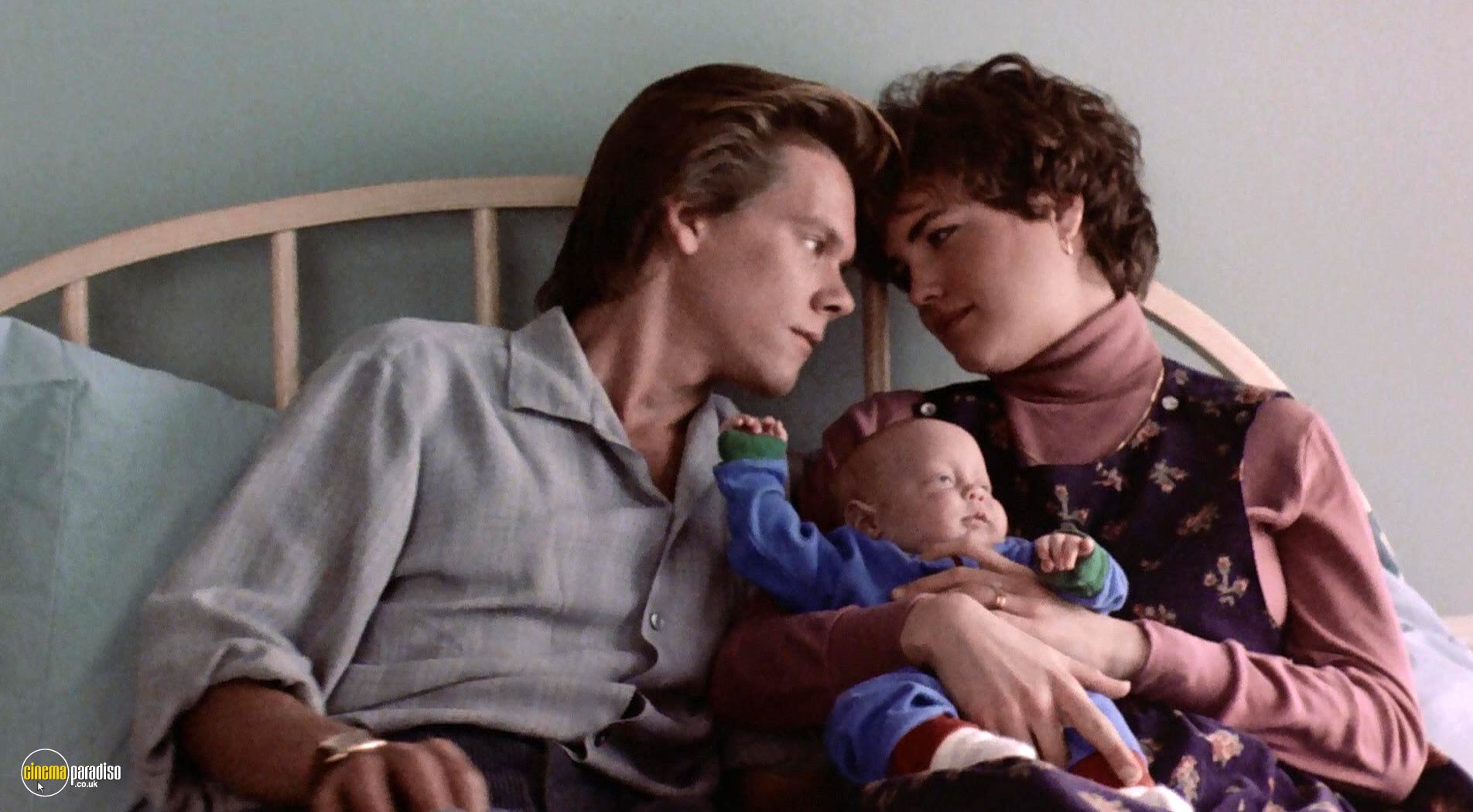
Nevertheless, Broderick appeared as Ferris during the end credits for Hughes's She's Having a Baby (1988) to suggest Jim as the name for the new son of Jake (Kevin Bacon) and Kristy (Elizabeth McGovern). During the 2012 Super Bowl, Broderick also appeared as himself throwing a sickie from a film set to go sightseeing around Los Angeles in a Todd Phillips commercial for the Honda CR-V.
Alan Ruck also cropped up as Cameron in Harvey Glazer's Kickin' It Old Skool (2007). He saw his role as more of a help than a hindrance and thanked Hughes in calling Cameron `the best part I ever had in a movie, and any success that I've had since 1985 is because he took a big chance on me. I'll be forever grateful.' Not that he felt that way, however, after his career took a downward turn. `There was a period where I didn't want anything to do with the film,' Ruck told a reporter. `I was having trouble getting work and everybody kept talking about Ferris Bueller. I thought that's as good as it's going to get for me. As soon as I started working again, I really came to appreciate it. My joke is that Cameron's father came home and threw him out the window. The rest of that day wasn't a happy one, but maybe things turned out OK. Maybe now he's a lawyer in Chicago.'
Ruck has also stated, `While we were making the movie, I just knew I had a really good part. My realisation of John's impact on the teen-comedy genre crept in sometime later. Teen comedies tend to dwell on the ridiculous, as a rule. It's always the preoccupation with sex and the self-involvement, and we kind of hold the kids up for ridicule in a way. Hughes added this element of dignity. He was an advocate for teenagers as complete human beings, and he honoured their hopes and their dreams. That's what you see in his movies.'
Speaking on another occasion, Ruck divulged, `Just for fun, I used to think why don't they wait until Matthew and I are in our seventies and do Ferris Bueller Returns and have Cameron be in a nursing home. He doesn't really need to be there, but he just decided his life is over, so he committed himself to a nursing home. And Ferris comes and breaks him out. And they go to, like, a titty bar and all this ridiculous stuff happens. And then, at the end of the movie, Cameron dies.'
One suspects this picture will never come to pass. But plans did emerge in 2022 for Sam & Victor's Day Off, a spin-off that would have centred on the car valets who had been played in the original by Richard Edson and Larry `Flash' Jenkins. David Katzenberg was slated to direct a screenplay written by Bill Posley, but the project was scrapped in December 2025.
One film that is going ahead, however, is Jon Turteltaub's The Best Is Yet to Come. This is a remake of Matthieu Delaporte and Alexandre de la Patellière's Le meilleur reste à venir (2019), which had starred Fabrice Luchini and Patrick Bruel as chalk-and-cheese childhood friends who embark upon a bucket-list trip while under the false impression that their travelling companion's clock is winding down. And our reason for mentioning this road comedy? The billed co-stars are none other than Matthew Broderick and Alan Ruck!
