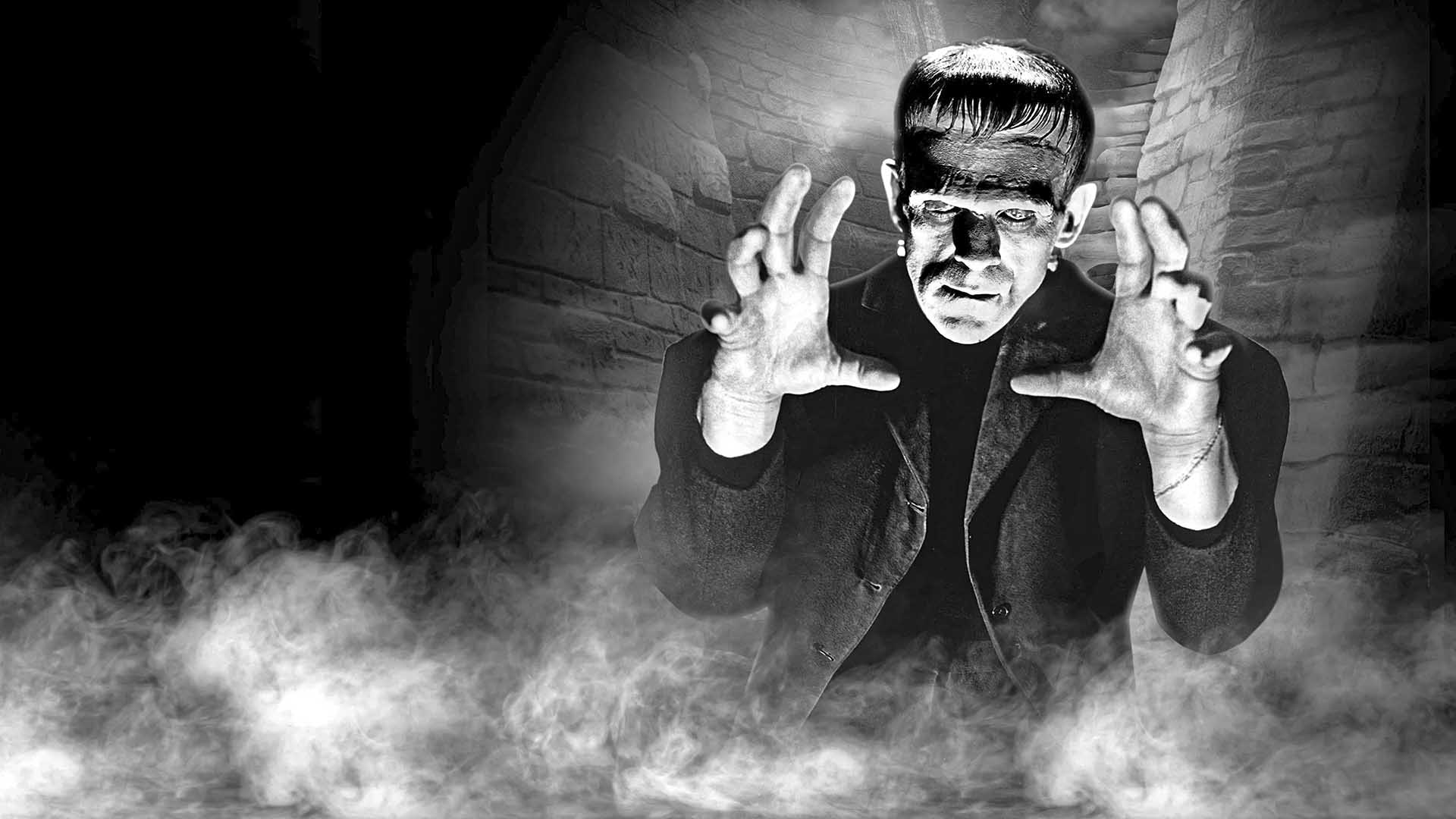
Ninety-five years have elapsed since cowering audiences got their first sight of Boris Karloff as The Monster in James Whale's Frankenstein (1931). Where else can Cinema Paradiso spend Halloween than in the Bavarian Alps?
According to a well-known online encyclopedia, 494 features made before July 2026 have a connection with Frankenstein's monster. And that's not to mention the 281 shorts, 105 TV series, and 421 small-screen episodes that have appeared since Charles Ogle played the creature fashioned by Augustus Phillips's scientist in J. Searle Dawley's Frankenstein (1910). Some have claimed this Edison release as the first proper horror film, although it could do scant justice to Mary Shelley's 1818 novel, Frankenstein; or, The Modern Prometheus, in just one reel, running for 16 minutes.

Subsequent adaptations, Joseph W. Smiley's Life Without Soul (1915) and Eugenio Testa's Il mostro di Frankenstein (1921) have been lost. So, it's impossible to say how much they improved upon the Edison version, which can be viewed online. But the first sound retelling remains the yardstick by which others are judged. Indeed, Sir Christopher Frayling, the author of Frankenstein: The First Two Hundred Years (2017), reckons that James Whale's Frankenstein (1931) `created the definitive movie image of the mad scientist and his monster, and in the process launched a thousand imitations: all subsequent film versions of Mary Shelley's novel have had to take into account how their plot, characterisations and make-up conform to or differ from the Universal Studios template.'
Page. Stage. Screen.
Mary Wollstonecraft Godwin lost her mother just 11 days after being born in London on 30 August 1797. She was four when her father, political theorist William Godwin, married neighbour Mary Jane Clairmont, with whom Mary had an uneasy relationship. In 1818, however, Mary, together with stepsister Claire Clairmont and poet lover Percy Bysshe Shelley, spent the summer at Villa Diodati on Lake Geneva, with poet Lord George Byron and his travelling companion, John Polidori.
What transpired during a sojourn of frequently inclement weather has been speculated upon in such features as Ken Russell's Gothic (1986), Gonzalo Suárez's Rowing With the Wind, Ivan Passer's Haunted Summer (both 1988), Roger Corman's Frankenstein Unbound (1990), and Haifaa al-Mansour's Mary Shelley (2017). But, during her stay, the 18 year-old Mary had the idea for Frankenstein, which was published anonymously in a three-volume edition of 500 copies on 1 January 1818. The author was 20 years old. She would go on to write other novels, including Valperga (1823), The Last Man (1826), The Fortunes of Perkin Warbeck (1830), Lodore (1835), and Falkner (1837). Yet, in cinema's 131-year history, only her first has ever been adapted for the screen.
The reaction to Frankenstein was mixed, although Sir Walter Scott lauded Shelley for her originality and audacity. However, a number of theatre managers were attracted by the sensationalist subject matter and, by 1826, at least 15 adaptations or burlesques had opened in Britain and France. Dozens followed throughout the Victorian era, with the 1910 one-reeler owing much to recent stage versions, although Edison had sought to reassure potential punters that it wasn't seeking to shock or offend, as it had `carefully tried to eliminate all the actually repulsive situations and to concentrate upon the mystic and psychological problems that are to be found in this weird tale'.
The fable of Frankenstein and his monster wasn't the only horror story doing the theatrical rounds in this period, however. Robert Louis Stevenson's Dr Jekyll and Mr Hyde proved very popular with its ingenious transitions, while Bram Stoker's Dracula had caused a sensation when launched at the Grand Theatre in Derby on 5 August 1924. Irishman Hamilton Deane had adapted the 1897 text and taken the title role, making such an impression on Broadway producer Horace Liveright that he asked John L. Balderston to rework the show for a New York audience. The production at the Fulton Theatre in October 1927 had starred the Hungarian actor, Bela Lugosi, who had mesmerised in his first English-language lead.
Deane had been so pleased with the results of his vampire saga that he approached playwright Peggy Webling to do something similar with Mary Shelley's opus. The result was Frankenstein: An Adventure in the Macabre, which opened in Preston in December 1927 and toured for two years before lasting 72 performances in the West End. Webling stripped away large tracts of Shelley's text and those who read the book are often surprised by how different it is from the version that has entered the popular consciousness. Webling also switched the first names of Frankenstein and Moritz and Liveright retained the names Henry Frankenstein and Victor Moritz when he bought the play in 1929.
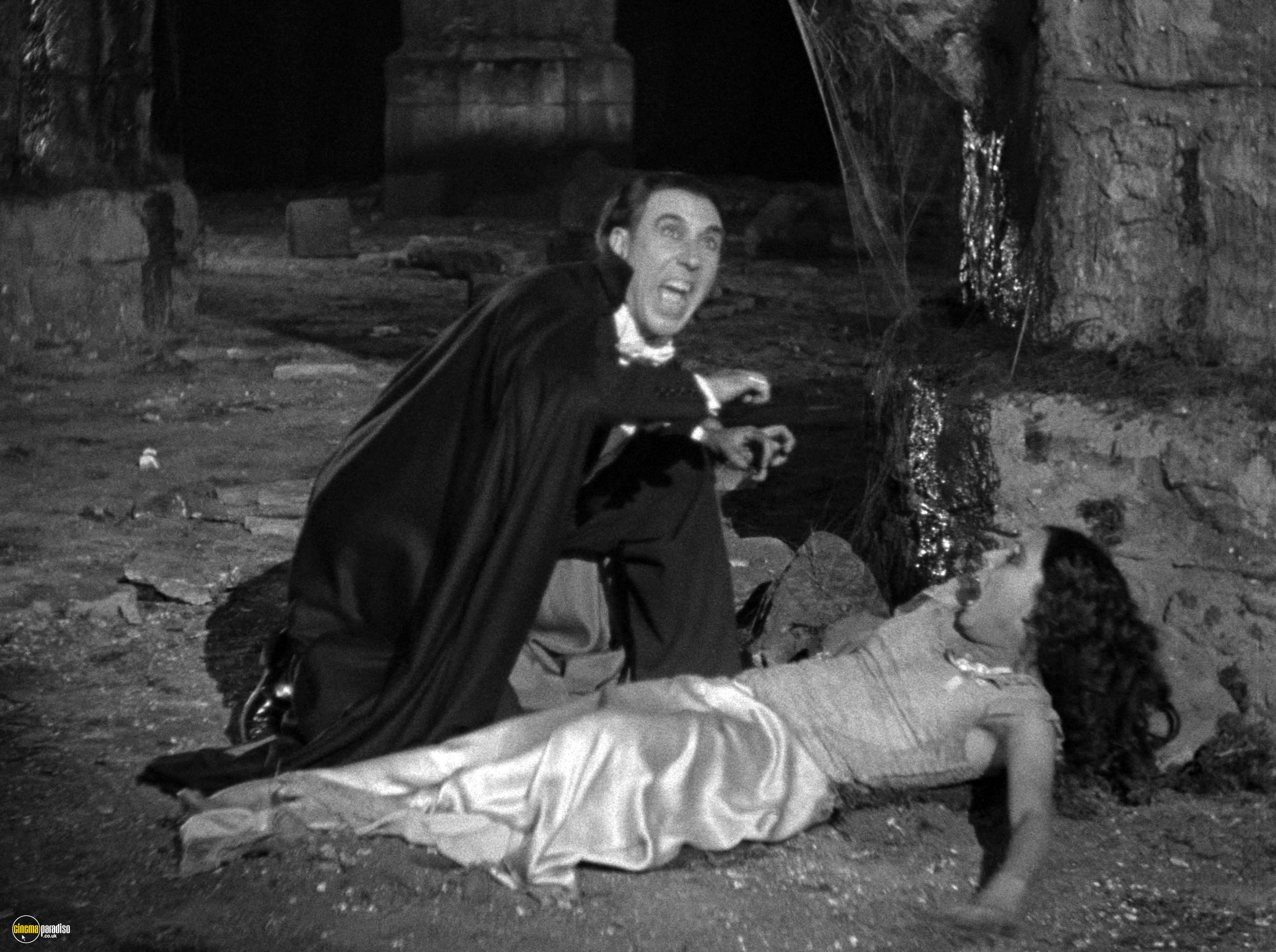
The Wall Street Crash cost Liveright his fortune and Webling's play never opened on the Great White Way. Balderston acquired the rights for another rewrite, but his version was never produced, either. Instead, Carl Laemmle, Jr. approached Webling with an offer of $20,000, plus one per cent of the gross, in order to rush Frankenstein into production to cash-in on the success of Tod Browning's Dracula (1931).
Laemmle preferred Balderston's play to Webling's and handed it over to Universal's script editor, Richard Schayer, for a screen treatment. He was too busy to tackle the task personally and enlisted Robert Florey, who quickly expressed a desire to direct. Garrett Fort (who had worked on Dracula) was hired to assist Florey, although he worked mainly on the dialogue, while the Frenchman concentrated on the structure. When Florey was dismissed, Fort did a fortnight's worth of rewrites because Junior didn't like the script. Hungarian writer Francis Edwards Faragoh was also brought in and he hit upon the idea of giving The Monster a criminal brain. He also concoted the dialogue for Frankenstein's hunchbacked assistant, who had been non-verbal in Florey's version. Fritz had not appeared in Shelley's text, but had been invented by Richard Brinsley Peake for his 1823 play, Presumption; or, the Fate of Frankenstein, which had been such a hit in London that it had prompted a second printing of the novel.
John Russell also made an uncredited contribution to the 1931 screenplay, which departed from Shelleys's plotline by making The Monster grunt instead of speak. It also gave him a childlike innocence that could flip to malevolence and aggression because of its `abnormal brain'. With Frankenstein being equipped with a state-of-the-art laboratory, the scenario was a curious mix of medieval superstitition, Enlightenment rationalism, Gothic romance, European Expressionism, and American hucksterism. But it was three men from Shelley's own homeland and a migrant Greek who were to conspire to transform Hollywood's nascent horror genre and leave a cultural legacy that has endured for almost a century.
It's Alive!
A set of curtains open and Edward Van Sloan steps out to address the audience: `How do you do? Mr Carl Laemmle feels it would be a little unkind to present this picture without just a word of friendly warning. We're about to unfold the story of Frankenstein, a man of science who sought to create a man after his own image without reckoning upon God. It is one of the strangest tales ever told. It deals with the two great mysteries of creation: life and death. I think it will thrill you. It may shock you. It might even horrify you. So if any of you feel that you do not care to subject your nerves to such a strain, now is your chance to...well, we've warned you!'
A funeral takes place on a hillside outside a Bavarian hillside. Watching the mourners are scientist Dr Henry Frankenstein (Colin Clive) and his hunchbacked assistant, Fritz (Dwight Frye). As soon as the graveyard empties, the men remove their jackets and start exhuming the coffin, with a shovelful of earth hitting a nearby statue of the Grim Reaper in the face. Frankenstein is about to conduct an experiment and needs a fresh cadaver to restore to life. Wheeling the casket home on a cart by moonlight, the pair see a body dangling from a gibbet. Fritz climbs up to cut it down, but Frankenstein declares the brain useless for his purposes and sends Fritz to his old medical school in Goldstadt to steal one.
Peering through the window of the lecture theatre, Fritz hears Dr Waldman (Edward Van Sloan) discuss the brain of a criminal `whose life was one of brutality, of violence, and murder'. Unfortunately, this is the brain he takes back to his master, as he drops the healthy one on being startled by the sound of a gong. While Fritz takes his prize to the watchtower where Frankenstein has built his laboratory, fiancée Elizabeth Lavenza (Mae Clarke) shows his latest letter to his old friend, Victor Moritz (John Boles), as she is concerned that he is working himself to the point of madness. They visit Waldman at the university, where he reveals that Frankenstein had not completed his studies because his project to create life using `chemical galvanism and electro-biology' was deemed contentious, as was his incessant need for new corpses.
Fearful for her beloved, Elizabeth persuades Waldman and Moritz to accompany her to the laboratory. They arrive as a storm gathers and Frankenstein reluctantly grants them shelter, as he is about to animate a creature that he has assembled from the corpses he has obtained. His visitors are allowed to witness the moment that lightning courses through the lifeless construct and sparks signs of movement that prompt the delirious Frankenstein to cry repeatedly, `It's alive!', as he proclaims `Now I know what it feels like to be God.'
The next day. Elizabeth and Victor are confronted by Baron Frankenstein (Frederick Kerr), who suspects that something is wrong with his son. He accuses him of dallying with another woman and the visiting burgomaster, Herr Vogel (Lionel Belmore), is dismayed that the wedding will be cancelled after the villagers close to the baron's castle had worked so hard to make the occasion memorable.
Meanwhile, back at the lab, Frankenstein dismisses Waldman's warnings that he has created an abomination with an abnormal brain. Accepting danger as part of his journey of discovery, Frankenstein summons what Waldman has dubbed, The Monster (Boris Karloff), and it staggers hesitantly into the laboratory. Confused and emitting guttural grunts, The Monster is thrilled by the feel of sunlight emanating from the open skylight and it reaches up towards the warmth. When Fritz taunts it with a lighted torch, however, The Monster becomes scared and has to be restrained.
When Fritz enters the cellar where The Monster has been manacled, he teases it with a whip and another torch. However, he pays for his cruelty, as The Monster breaks free and strangles Fritz before impaling him on a hook in the rafters. Hearing the commotion, Frankenstein and Waldman succeed in sedating The Monster and the latter promises to destroy it humanely, when the Baron, Elizabeth, and Victor come to take Frankenstein home to recover from exhaustion. Unable to resist, however, Waldman prepares to perform a vivisection, only for The Monster to wake and snap his neck.
Resting in the assurance that his mentor has terminated his creation, Frankenstein devotes himself to Elizabeth, as their wedding day approaches. But The Monster has found its way out of the watchtower and is exploring the forest. It comes across a peasant's daughter named Maria (Marilyn Harris), who gives it a flower to sniff. Charmed when the child shows him how the petals can float on the lake, The Monster picks her up and tosses her into the water. She drowns and her father, Ludwig (Michael Mark), carries her body through the streets, as the festivities are about to begin. Vogel promises that the killer will be found and, on learning that Waldman has been murdered, Frankenstein realises that his creation is the culprit.
It comes to the castle and climbs through the window of Elizabeth's chamber, as she waits in her wedding dress. She passes out in fear and the perplexed intruder makes its escape. Three search parties are dispatched into the surrounding countryside. Frankenstein heads into the hills, but becomes detached from his group. He finds The Monster on a rocky outcrop and they tussle. Knocking his creator out cold, The Monster takes him to an abandoned windmill, but the villagers hear the scientist's cries and come running with their dogs and lighted torches. Scared and angry, The Monster carries Frankenstein inside, only to throw him from an upper balcony.
A wooden sail breaks Frankenstein's fall, however, and he is rescued by the villagers, who set light to the mill. Terrified by the fire, The Monster cries out, but is crushed beneath a falling beam. Up at the castle, Elizabeth nurses Frankenstein back to health, as the Baron raises a toast: `Here's to a son, to the House of Frankenstein!'
Making a Mad Dream
The Wall Street Crash of 1929 and the start of the Great Depression hit Hollywood hard. The studios had just invested in expensive sound technology and those with theatre chains had been forced to instal speakers in their venues. However, the talkie craze proved shortlived and ticket sales started to bottom out because audiences grew tired of gimmicky pictures filled with songs, as well as the static compositions that had become an industry norm because the ultra-sensitive microphones picked up everything from the rustle of costumes to the whirr of the camera motor. Moreover, with numerous silent stars fading into obscurity because their voices failed to match their screen image, there was a great demand for stage actors, whose services didn't come cheaply.
Universal Studios had been hit particularly hard by the economic downturn. In 1930, it lost $2.2 million and Carl Laemmle, Jr. - who had been given the studio by his father as a 21st birthday present - was beginning to wonder where his next box-office hit was going to come from. In the event, it came from an unlikely source, as Tod Browning's Dracula (1931) sold 50,000 tickets within 48 hours of opening at the Roxy Theatre in New York. The horror films of Lon Chaney had been popular in the 1920s, but the genre was considered seedy by studio sophisticates. But a $700,000 profit was not to be sneezed at and Laemmle cast around for a follow-up to showcase his new star, Bela Lugosi.
As we have seen, John L. Balderston had hoped to follow up his stage success with Bram Stoker's vampire saga by adapting Peggy Webling's take on Mary Wollstonecraft Shelley's 1818 novel. But he was more than happy to sell the rights to Junior, who planned to reunite Lugosi with his Dracula co-stars Edward Van Sloan (who had played Professor Van Helsing) and Dwight Frye, who had stolen the film as the demented Renfield. The Hungarian, however, wanted to play Henry Frankenstein and not The Monster. `I was a star in my country.' he protested, `and I will not be a scarecrow over here!' Assigned director Robert Florey recognised that Lugosi wasn't `very enthusiastic for the role', but still persuaded him to do a make-up test with Frye and Van Sloan, who joked that he `looked like something from Babes in Toyland!' Taking his cues from Paul Wegener and Carl Boese's The Golem: How He Came Into the World (1920), studio make-up artist Jack Pierce opted for a clay-like look with a helmet of thick hair. Sadly, the test reel has vanished, but the front office was unimpressed enough to remove Florey and Lugosi from the project, although they were reunited on Edgar Allan Poe's Murders in the Rue Morgue (1932). Moreover, Lugosi would consent to play The Monster in Roy William Neill's Frankenstein Meets the Wolf Man (1943), opposite Lon Chaney, Jr. He insisted that his creature was both blind and capable of speech. But his dialogue passages were lost in the editing suite, while no mention is made of The Monster's sightlessness.
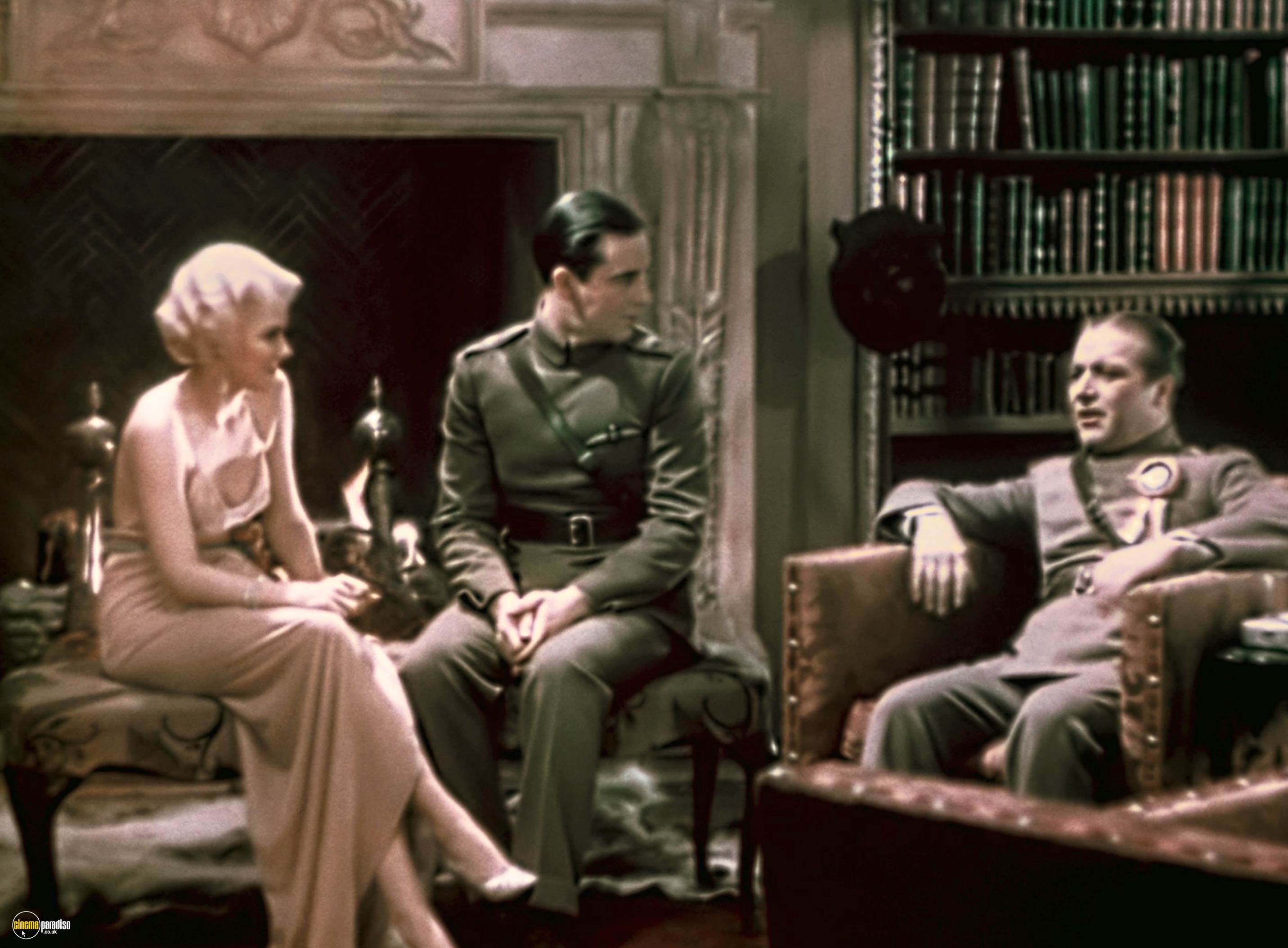
Nothing in Universal's archive pinpoints exactly why Florey and Lugosi were replaced. But one suspects that Junior was desperate to retain the services of James Whale, who had just completed Waterloo Bridge (1931) for Universal. Born in Dudley on 22 July 1889, Whale had served on the Western Front and developed an interest in amateur theatricals as a POW in Holzminden Camp. This made him the perfect director for Gainsborough's acclaimed version of R.C. Sheriff's stage success, Journey's End, which was filmed in Hollywood because no British studio could accommodate the large-scale sets. Howard Hughes took advantage of Whale's presence to direct the dialogue sequences for his aerial adventure, Hell's Angels (both 1930). Anxious not to repeat himself, Whale had chosen Frankenstein over the rest of the studio's upcoming projects because he knew it would enhance his reputation if he could pull off such a difficult assignment. `I thought,' he later recalled, `it would be amusing to try to make what everybody knows is a physical impossibility seem believable.'
Despite the studio wanting Leslie Howard to play Henry Frankenstein, Whale insisted on Colin Clive, who had excelled as Stanhope in Journey's End (the part taken by Sam Claflin in Saul Dibb's 2017 remake). Whale knew Clive was an alcoholic and needed to be monitored away from the set, but it's hard to imagine Leslie Howard putting quite the same manic exuberance into the moment that the `mad scientist' creates life.
Mae Clarke considered Clive the handsomest and the saddest man she had ever met and this empathy convinced Whale to cast her as Elizabeth because he knew that studio choice Bette Davis would have been miscast. Despite making headlines for having had a grapefruit thrust into her face by James Cagney in William Wellman's The Public Enemy (1931), Clarke had left an impression on Whale with her subtle performance as Myra, the doomed prostitute in Waterloo Bridge, and she proved just as delicate in letting the devoted Victor down gently after he places himself at her disposal should Frankenstein let her down. Wonderful actress though she was, tact was never Davis's strong suit.
Having studied such German Expressionist masterpieces as Robert Wiene's The Cabinet of Dr Caligari (1920), The Golem, and Fritz Lang's Metropolis (1927), Whale confirmed that he intended going with a Gothic look for the story, which meant that Herman Rosse's modernist designs had to be shelved and he collaborated instead with Charles D. Hall on the gloomily imposing sets for the watchtower. The sets used for Paul Bäumer's unnamed hometown in Lewis Milestone's Oscar-winning All Quiet on the Western Front (1930) were recycled for Goldstadt and the village, while the laboratory equipment was assembled by Kenneth Strickfaden, along with Frank Grove and Raymond Lindsay. Amongst the generators and Jacob's ladders was an authentic Tesla coil and a high-voltage device that Strickfaden called `the Megavolt Senior'. The set has since inspired countless boffin lairs, although cinematographer Arthur Edeson had to be creative with camera angles to make the apparatus look more magnificent than it actually was. The odd special effect shot was also required for the lightning jags.
Lying motionless in the middle of all this sparking gadgetry was The Monster. But Whale was still seeking a replacement for Lugosi when producer and longtime partner, David Lewis, mentioned having been impressed by Boris Karloff's display as convict Ned Galloway in Howard Hawks's The Criminal Code (1930). Whale was surprised to discover that the exotically named actor was a compatriot.
The youngest of nine, William Henry Pratt had been born in the Honor Oak district of London on 23 November 1887. The great-nephew of Anna Leonowens of The King and I (1956) fame, he was raised in Enfield by his older siblings after the death of their mother. Educated at King's College, London, Pratt was destined for the consular service before he dropped out of college in 1909 to try acting, in spite of having a lisp and a stutter. Heading to Canada, he changed his name seemingly to spare the family embarrassment and didn't see them again until he returned to Britain to make T. Hayes Hunter's The Ghoul (1933) for producer Michael Balcon.
Karloff arrived in Hollywood in 1919 and worked as an extra at Universal, starting with George B. Seitz's serial, The Lightning Raider. His first named character was fur trader Jules Borney in Robert Thornby's comedy, The Deadlier Sex (1920), which was restored in 2014, but is not widely available (as, alas, is the case with many film restorations). The majority of Karloff's assignments are considered lost forever, but he found himself alongside Oliver Hardy towards the bottom of the bill in the Hal Roach's Mabel Normand comedy, The Nickel-Hopper (1926), which had been co-written by Stan Laurel. Curiously, Karloff would also appear as a prisoner named Tiger in Sous les verrous, the French-language version of Stan and Ollie's Pardon Us (1931), having not featured in the original.
His talkie debut came as a Sudanese servant in Irving Cummings's Charlie Chan whodunit, Behind That Curtain (1929). But he made a deeper impression opposite Edward G. Robinson as the `Reverend' T. Vernon Isopod in Mervyn LeRoy's Five Star Final (1931). The 43 year-old had been in 81 films and serials by the time Whale saw him in the studio commissary. `I made drawings of his head,' Whale recalled, `adding sharp bony ridges where I imagined the skull might have joined. His physique was weaker than I could wish, but that queer penetrating personality of his, I felt, was more important than his shape, which could easily be altered.'
Although he would be eternally grateful that Whale had approached him to discuss playing The Monster, Karloff remembered being put out at the time because he had been wearing his best suit and was feeling more dapper than monstrous. Nevertheless, he bought into Whale's notion that the re-animated being had a childlike innocence and viewed the world with a mixture of fascination and confusion that could turn to fear and aggression whenever it felt threatened. Thus, Karloff insisted that, while the make-up should transform him, it should also allow him to register the expressions and emotions that demonstrated that The Monster was human, even though it couldn't articulate, as it had done in Shelley's text.
Whale had worked with Jack Pierce on Waterloo Bridge and had every faith that he create a beast who was both naive and menacing. The pair argued over who came up with the look that has characterised The Monster over the last 95 years, with Whale claiming that Pierce followed his sketches, while the make-up artist insisted that the flat head, scarred forehead, heavy eyelids, and bolted neck had been all his own work. Then again, a sketch in Robert Florey's copy of the screenplay suggests that he also had something approximating the classic Karloff look in mind, right down to the electrodes. However, there's no knowing when the notes and drawings were added to the manuscript and they do seem to differ significantly from Van Sloan's memory of the Lugosi make-up test.
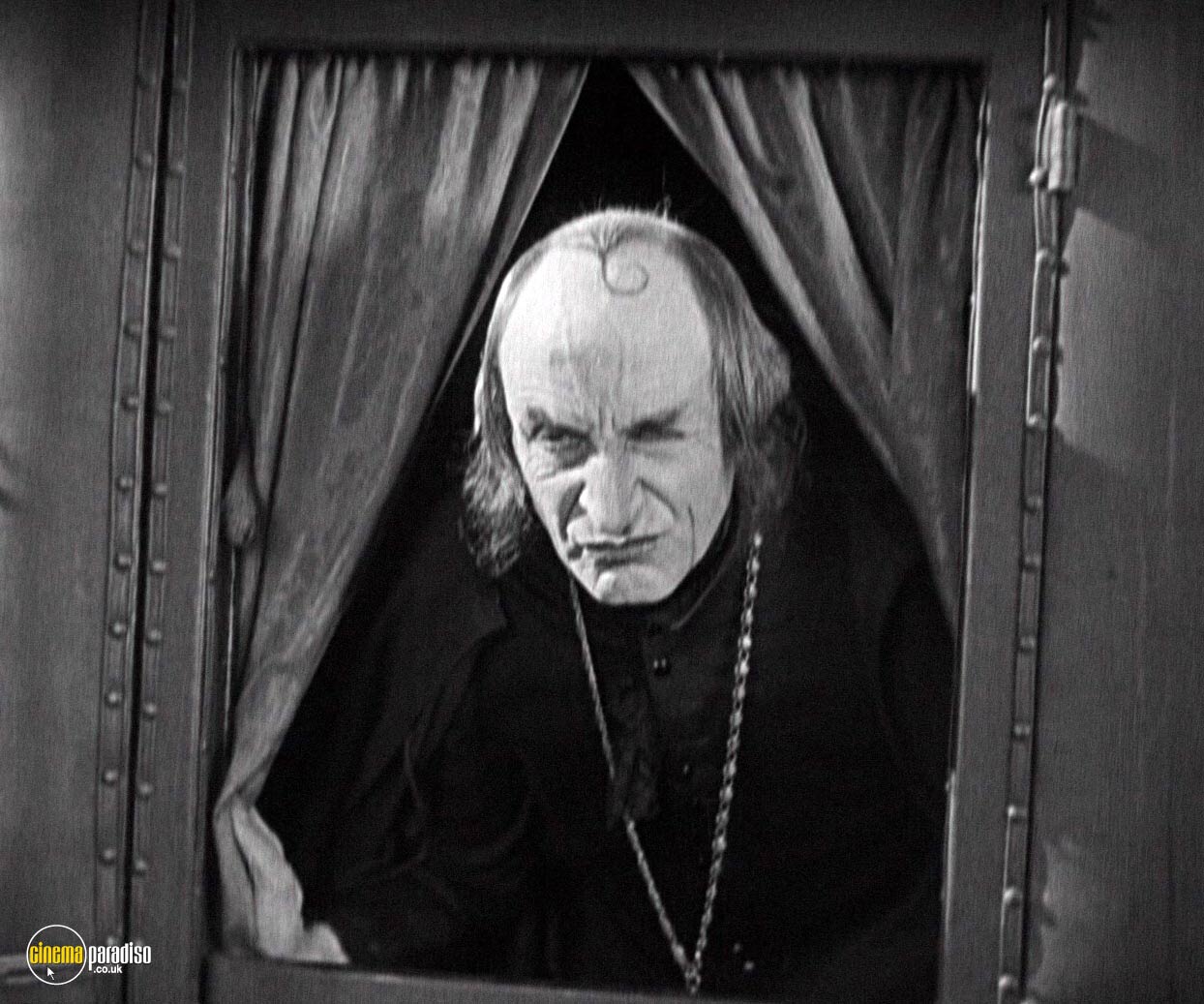
Born on 5 May 1889 in Laconia in Greece, Yiannis Pikoulas had come to the United States as a teenager. Adopting the name Jack Pierce, he had played amateur baseball before drifting into films as a stuntman, a cinema manager, an actor, and an assistant director. He discovered his gift for creating character make-up when he turned Jacques Lernier into the eponymous lead of Raoul Walsh's The Monkey Talks (1926). Junior Laemmle offered him a job and Pierce made his name by creating Conrad Veidt's disconcerting rictus grin for Paul Leni's The Man Who Laughs (1928).
Despite fashioning the look for Count Dracula, Pierce had been frustrated by the fact that stage veteran Bela Lugosi had insisted on doing his own make-up during the shoot. He had no intention of letting the same thing happen on Frankenstein and later explained how he had created his iconic look. `I did three months of research,' he said, `in anatomy, surgery, criminology, ancient and modern burial customs, and electrodynamics. My anatomical studies taught me that there are six ways a surgeon can cut the skull in order to take out or put in a brain. I figured that Frankenstein, who was a scientist but no practicing surgeon, would take the simplest surgical way. He would cut the top of the skull off straight across like a pot lid, hinge it, pop the brain in, and then clamp it on tight. That's the reason I decided to make The Monster's head square and flat like a shoe box and dig that big scar across his forehead with the metal clamps holding it together. The two metal studs that stuck out the sides of his neck are inlets for electricity - plugs. The Monster is an electrical gadget and lightning is his life force.'
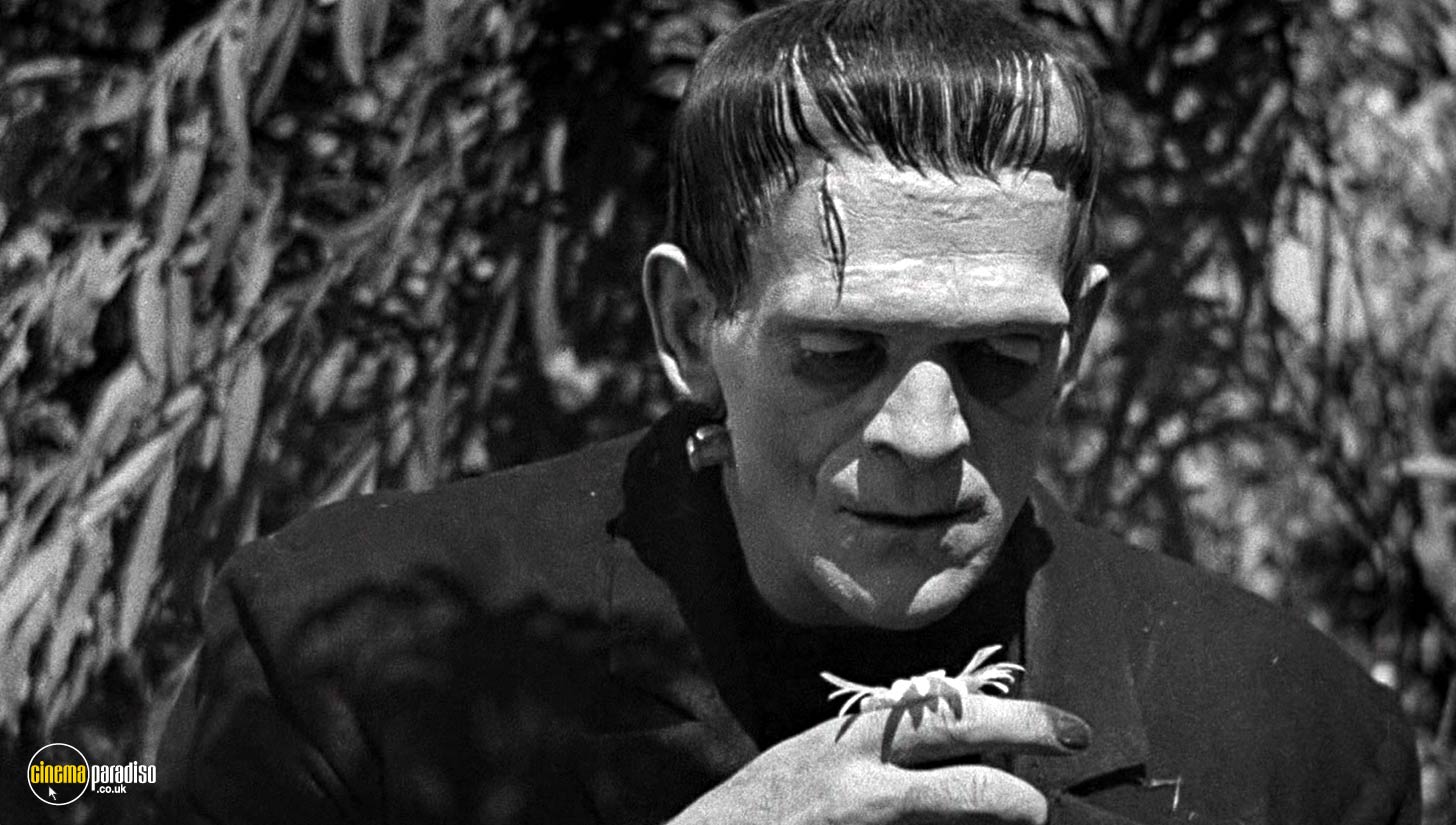
The process of applying the make-up was arduous, however, with Karloff spending up to five hours each morning having layers of collodion, cotton gauze, and spirit gum being built up and topped off with a green-tinted greasepaint that departed from the yellow flesh referenced in the text because most screen actors at this time wore greenish make-up when being photographed in black and white. At the end of each day, it required another two hours to remove the make-up, which Karloff also contributed to, as he felt that his eyes looked too alert in the rushes and had Pierce use mortician's wax to give him heavier eyelids so that his gaze could seem both anguished and sinister.
Although Karloff was 5ft 11in, he was given heavy stacked boots to increase his height to 6ft 6in. Weighing 30lbs, the boots were heavy to lift, especially as the actor's legs had been fitted with braces to make his gait stiff and lurchingly cumbersome. Padding was also fitted beneath the tight suit, with its short sleeves emphasising how little thought Frankenstein had given to clothing, feeding, and caring for his creation. With up to eight hours being taken up with the application and removal of make-up, Karloff was spending 15-16 hours a day at the studio at a time when a 12-hour limit existed. Despite wanting to please Whale and not let his co-stars down, he eventually appealed to the Academy to have his workload reduced. Nevertheless, the physical exertion of wearing the costume meant that Karloff lost 20lbs during the six-week shoot. He also damaged his back filming the scenes in which he had to carry Colin Clive to the windmill and clamber up to the balcony. In David J. Skal's documentary, The Frankenstein Files: How Hollywood Made a Monster (1999), Karloff's daughter, Sara, revealed that her father had undergone several operations on his back in a bid to rectify the damage caused while making Frankenstein.
Throughout it all, the cricket-loving Karloff remained a gentlemanly presence on the set. Mae Clarke was scared that she would pass out when Elizabeth is confronted by The Monster in her boudoir. To put her mind at ease, Karloff told her, `When you turn around, my left arm is up-camera; focus on the little finger - I'll be wiggling it - and you'll know it's Boris in make-up.'
Seven year-old Marilyn Harris also took a shine to Karloff on the day they shot the lake sequence. Put up for adoption a month after her birth in July 1924, Harris had been placed with a Californian couple. Having failed in her own efforts to become an actress, Marilyn's unnamed mother set out making her daughter a star and she seemingly appeared in a Rin Tin Tin adventure as an infant. Cinema Paradiso users can see Harris as the pioneer girl in Raoul Walsh's The Big Trail (1930), which proved to be John Wayne's breakthrough picture. But she is touchingly natural opposite Karloff, having only just met him at the studio before they drove out to Malibu Lake. By all accounts, she had rushed over to greet him in full make-up and had taken his hand and asked if she could ride in his car.
The scene requires The Monster to throw Maria into the water to see if she floats like the flowers with which they had been playing. Unfortunately, Karloff misjudged the distance and Harris failed to sink beneath the shallow surface. Drying her off, Whale promised Harris anything she wanted if she would agree to another take. As her mother kept her on a strict diet, the little girl asked for a dozen hard-boiled eggs. Whale was so pleased with her being such a trouper that he presented her with two dozen eggs. Moreover, he also cast her in Bride of Frankenstein (1935), Show Boat (1936), and The Road Back (1937). By the age of 19, however, Harris had had enough and retired from acting. Ninety-five years on, her delightful delivery of lines like `Will you play me?' and `Would you like one of my flowers?' have lost none of their power to enchant and chill.
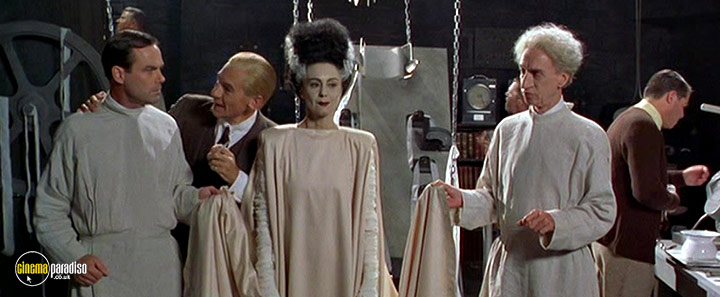
Seeing himself in both Frankenstein and The Monster - as Bill Condon would confirm in his biopic, Gods and Monsters (1998) - Whale added a speech that he felt summed up his vision for the film. It's delivered almost wistfully by Colin Clive to Edward Van Sloan after Waldman had questioned Frankenstein's fixation with challenging the Laws of Nature: 'Have you never wanted to do anything that was dangerous?' it began. `Where should we be if no one tried to find out what lies beyond? Have you never wanted to look beyond the clouds and the stars, or to know what causes the trees to bud, and what changes a darkness into light? But if you talk like that, people call you crazy.' As one of the few openly gay men in Hollywood in the early 1930s, Whale knew all about being an outsider and being forced to take risks in order to be true to himself.
Shooting commenced on 24 August 1931 on the hillside cemetery set and ended on 3 October. Whale had gone five days over schedule, while the budget had been exceeded by $30,000. Yet there were no complaints from the Universal front office, as Junior was aware that something remarkable was happening on his soundstages. That said, he did insist on appending a happy ending rather than closing on a shot of the burning mill. By the time Whale came to film the scene of Elizabeth tending to Henry, however, a stand-in had to be used in long shot because Colin Clive had departed for Britain to make Gareth Gundrey's The Stronger Sex (1931) for Gainsborough. This is now a lost film, which is a shame, as Clive co-starred with Elsa Lanchester, with whom he would reunite in Bride of Frankenstein.
Karloff would also return. His name had not been included in the opening credits, as a question mark had been used for The Monster's billing. However, the secret of the actor's identity was revealed at the end. He wasn't present, though, to hear the gasps of appreciation at the premiere at the RKO Downtown Theatre in Detroit on 19 November, as Universal didn't think to invite him. Nonetheless, he always considered The Creature (as he called him) to be his favourite role. It was certainly his most iconic, his most enduring, and his most influential, as every subsequent interpretation of Frankenstein's creation channels or challenges Karloff's.
An Icon Is Born
From the first test screenings, Universal knew that Frankenstein was going to face censorship issues. People supposedly fled the auditorium on first seeing The Monster, who was greeted with screams of terror. Lon Chaney had created some grotesque figures for such silents as The Hunchback of Notre Dame (1923) and The Phantom of the Opera (1925). But nobody had seen anything like the lumbering re-animated form that had been stiched together from bodysnatched parts. Some recognised the pathos that Karloff managed to convey through his make-up, but even they had to concede that The Monster does kill three people.
The death of Little Maria proved particularly problematic. The state censorship boards in New York, Massachusetts, and Pennsylvania concurred in removing the second half of the scene, but they retained the shot of Ludwig carrying her lifeless body to the burgomaster. This actually made matters worse, as viewers reached their own conclusions about her fate because they couldn't know that the child's death had been a tragic accident. As the camera negative was amended, the footage of Maria being thrown into the water was considered lost. However, a print came to light in the BFI's National Film Archive in the early 1980s and it has been included in all versions of the film since 1986.
On the grounds of blasphemy, the aforementioned censorshop board also cut Frankenstein's line, `Now I know what it feels like to be God!' This was only restored for the 1999 DVD release. Fortunately, not everybody reacted as drastically as the Kansas censorship board, whose 32 proposed cuts would have resulted in the film lasting for around 45 minutes. The Studio Relations Committee sent a representative to negotiate the changes and a compromise version was released in the state. Ironically, the man sent by the SRC was Joseph I. Breen, who would be appointed head of the Production Code Administration in July 1934 and who would remain a thorn in Hollywood's side for the next two decades.
Despite removing Henry's godlike claim, the British Board of Film Censors passed the film with an A certificate, which meant that children could see Frankenstein with an accompanying adult. Such was the resulting furore that the H for Horror certificate was introduced the following year to restrict juvenile admissions. Northern Ireland refused to pass the picture, which was also banned in the Irish Free State for being demoralising and unsuitable for `nervous people'. Universal successfully appealed the decision, but there was no shifting the censors in Sweden, Italy, Czechoslovakia, Quebec, or China, where there was a blanket ban on `superstitious films'.
Many American critics praised the film, with Film Daily proclaiming it a `gruesome, chill-producing and exciting drama' that had been `produced intelligently and lavishly and with a grade of photography that is superb'. Variety also declared Arthur Edeson's photography to be `splendid', while his lighting was deemed `the last word in ingenuity, since much of the footage calls for dim or night effect and the manipulation of shadows to intensify the ghostly atmosphere'. The New York Times opined, `there is no denying that it is far and away the most effective thing of its kind. Beside it Dracula is tame.'
By contrast, The New Yorker could state that `the make-up department has a triumph to its credit in the monster and there lie the thrills of the picture', while also lamenting that `the general fantasy lacks the vitality which that little Mrs P.B. Shelley was able to give her book'. Many British critics felt the same way, as they acknowledged the film's technical qualities, while noting that it fell some way short of high art. Audiences seeking an escape from the Depression were less picky, however, and Frankenstein grossed $53,000 during its first week of business at New York's Mayfair Theatre in December 1931. Made for around $260,000, the film amassed $1.4 million on its original release and has since returned $12 million through its various reissues.
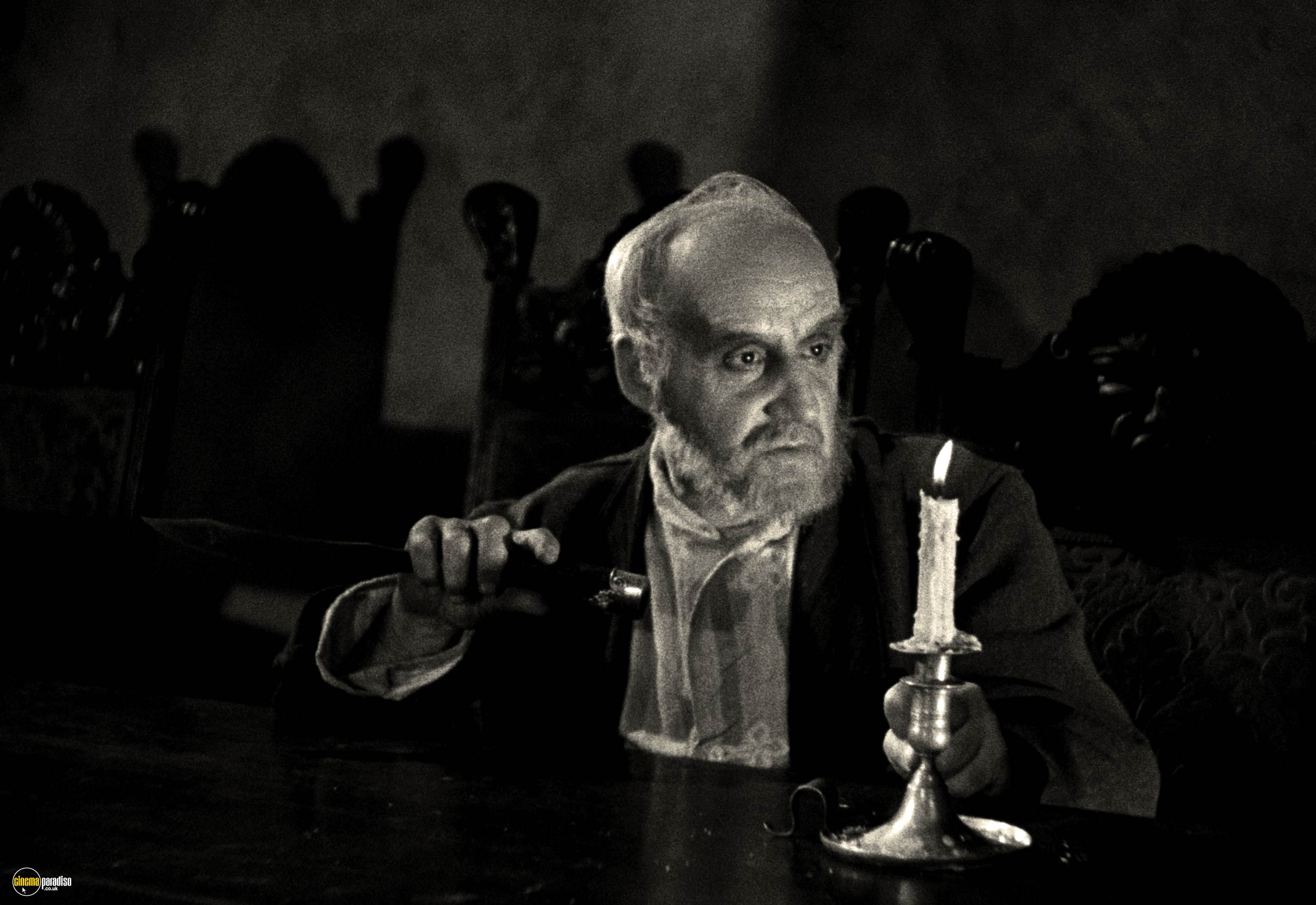
Carl Laemmle, Jr. recognised a hit when he saw one and he asked Whale to stay with horror for his next outing, the classic macabre comedy, The Old Dark House (1932), which saw Karloff essay Morgan, the non-verbal butler. Whale followed up with The Invisible Man (1933), which relied on the inspired special effects of John P. Fulton. Karloff also confirmed his status as a key member of the Universal horror family in Karl Freund's The Mummy (1933) and Edgar G. Ulmer's The Black Cat (1934), which teamed him with Bela Lugosi for the first time. The following year. Whale and Karloff were reunited on Bride of Frankenstein, which opened with a prologue in which Mary Shelley (Elsa Lanchester) informed her husband (Douglas Walton) that her story had not ended with The Monster's demise.
Whale's fortunes had dwindled by the time Universal made Son of Frankenstein (1939) and Rowland V. Lee directed Karloff in his last outing as The Monster, alongside Basil Rathbone as Henry's son, Wolf von Frankenstein, and Bela Lugosi as Ygor, the broken-necked blacksmith who had survived a hanging. According to the director, his crew let Lugosi `work on the characterisation; the interpretation he gave us was imaginative and totally unexpected...when we finished shooting, there was no doubt in anyone's mind that he stole the show. Karloff's monster was weak by comparison.'
Lon Chaney, Jr. followed in Karloff's footsteps in Erle C. Kenton's The Ghost of Frankenstein (1942), although he chose to reprise the lycanthrope in Roy William Neill's Frankenstein Meets the Wolf Man (1943), leaving Bela Lugosi finally to play The Monster. Glenn Strange took over under the tutelage of Karloff' himself (who had been cast as Dr Neumann) for Kenton's House of Frankenstein (1944), which featured John Carradine as Dracula. This pair teamed with Chaney's Wolf Man for Kenton's House of Dracula (1945), while Strange and Chaney were back on duty for Charles Barton's Abbott and Costello Meet Frankenstein (1948), a comic romp that also featured Lugosi as Dracula, while an uncredited Vincent Price voiced the Invisible Man. Curiously, this was remade in Egypt by Essa Karama as Ismail Yassin Meets Frankenstein (aka Have Mercy, 1953).
Having played a wrongly executed man resurrected by a scientist in Michael Curtiz's The Walking Dead (1936), Karloff donned his Monster make-up for a final time in `Lizard's Leg and Owlet's Wing', a 1962 episode of Route 66 that saw Karloff, Lon Chaney, Jr., and Peter Lorre meet at a Chicago motel as members of the Society for the Preservation of the Gerenuks in order to debate how horror had changed since their heyday and whether their old costumes could still raise a scare.
Four years earlier, Karloff had become the only actor in cinema history to play both monster and creator when he starred in Howard W. Koch's Frankenstein 1970 (1958), as Baron Victor von Frankenstein. His ancestor, Richard Freiherr von Frankenstein I, had first dabbled with re-animation, but Victor is unable to fund continued research after having been persecuted by the Nazis for refusing to participate in their bestial medical experiments during the Third Reich era. However, a television crew offers to bankroll Victor in return for exclusive access to his laboratory. In addition to playing Hans Himmler, an actor who portrays The Monster in the show's reconstructions, Mike Lane also played the corpse being revived with Karloff's atomic reactor.
Copywright issues forced Hammer make-up artists Roy Ashton and Phil Leakey to come up with a new look for Terence Fisher's Curse of Frankenstein (1957), which was adapted from Mary Shelley's tome by Jimmy Sangster, who admitted to not having seen any of the Universal movies. Peter Cushing starred as Baron Victor Frankenstein, with Christopher Lee being cast as The Creature after serious consideration had been given to future Carry On stalwart, Bernard Bresslaw, who was two inches taller at 6ft 7in. Cushing would experiment on the hunchbacked Karl (Michael Gwynn) in The Revenge of Frankenstein (1958), while New Zealand wrestler Kiwi Kingston became The Monster in Freddie Francis's The Evil of Frankenstein (1964). Cushing transferred the soul of his assistant into the body of his lover, Christina Kleve (Susan Denberg), in Fisher's Frankenstein Created Woman (1967), while he attempted a brain transplant to save Professor Richtor (Freddie Jones) in the same director's Frankenstein Must Be Destroyed (1969).
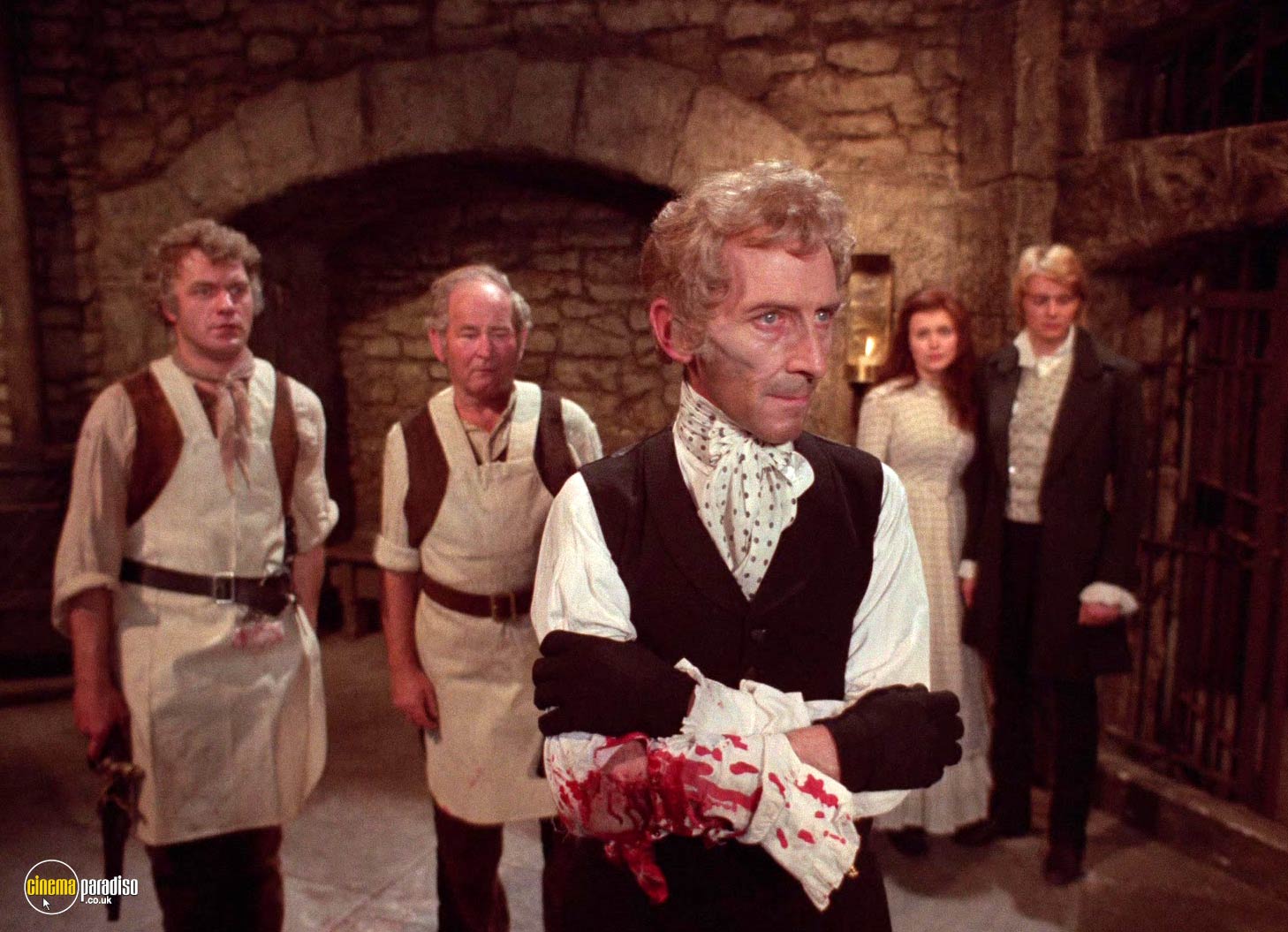
Cushing was absent for the only time in the series, as Ralph Bates played the young Victor Frankenstein in Jimmy Sangster's knowing origin story, The Horror of Frankenstein (1970), in which The Monster was played by David Prowse, who would go on to be The Green Cross Code Man and, of course, Darth Vader. He would return as Herr Schneider receiving the brain of musical mathematician Professor Durendel (Charles Lloyd-Pack) from Cushing and Dr Simon Helder (Shane Briant) in Fisher's Frankenstein and the Monster From Hell (1974), which was released in the same year as Mel Brooks's inspired parody of the first three Universal features, Young Frankenstein. Indeed, designer Kenneth Strickfaden contributed some of his original laboratory props so that Gene Wilder could bring Peter Boyle to life in style.
William Tuttle created the look for Boyle to go `Puttin' on the Ritz'. But the classic Pierce boxhead was recycled in a couple of classic 60s sitcoms, for Ted Cassidy as Lurch the butler in The Addams Family and for Fred Gwynne as Herman Munster in The Munsters (both 1964-65). Even Karloff had one final appointment with his most celebrated role, when Dr Boris von Frankenstein summons the members of the Worldwide Organisation of Monsters to the Isle of Evil to announce his retirement in Jules Bass's stop-motion gem, Mad Monster Party? (1967), which also featured Alan Swift as the grunting Monster (who is known as `Fang') and Phyllis Diller, as his much more intelligent bride.
Creature Comforts
Cinema Paradiso has an unrivalled selection of Frankenstein-related films for members to rent. Directed by Kevin Connor (2004), Marcus Nispel (2004), Jed Mercurio (2007), and Bernard Rose (2015), four reuse the one-word 1931 title. The others on offer start with How to Make a Monster (1958), Herbert L. Strock's follow-up to I Was a Teenage Frankenstein (1957), before we move into the 1970s for Mel Welles's Lady Frankenstein, Al Adamson's Dracula vs Frankenstein (both 1971), Jesús Franco's The Erotic Rites of Frankenstein (1972), Victor Erice's The Spirit of the Beehive, Jack Smight's Frankenstein: The True Story, Paul Morrissey's Flesh For Frankenstein (all 1973), and Jim Sharman's The Rocky Horror Picture Show (1975), which was the subject of Cinema Paradiso's Halloween special on its 50th anniversary in 2025.
Various Gothic tales were gathered for Bill Bain's TV series, Mystery and Imagination, which was followed by Steven Paul's Slapstick of Another Kind (both 1982), Franc Roddam's The Bride, and Stuart Gordon's Re-Animator (both 1985), which spawned Brian Yuzna's Bride of Re-Animator (1989) and Beyond Re-Animator (2003). Also in the 1980s, audiences were treated to Fred Decker and Andre Gower's The Monster Squad (1987), as well as the animated twosome of Charles A. Nichols's Scooby-Doo and the Ghoul School and Ray Patterson's Scooby-Doo and the Reluctant Werewolf (both 1988).
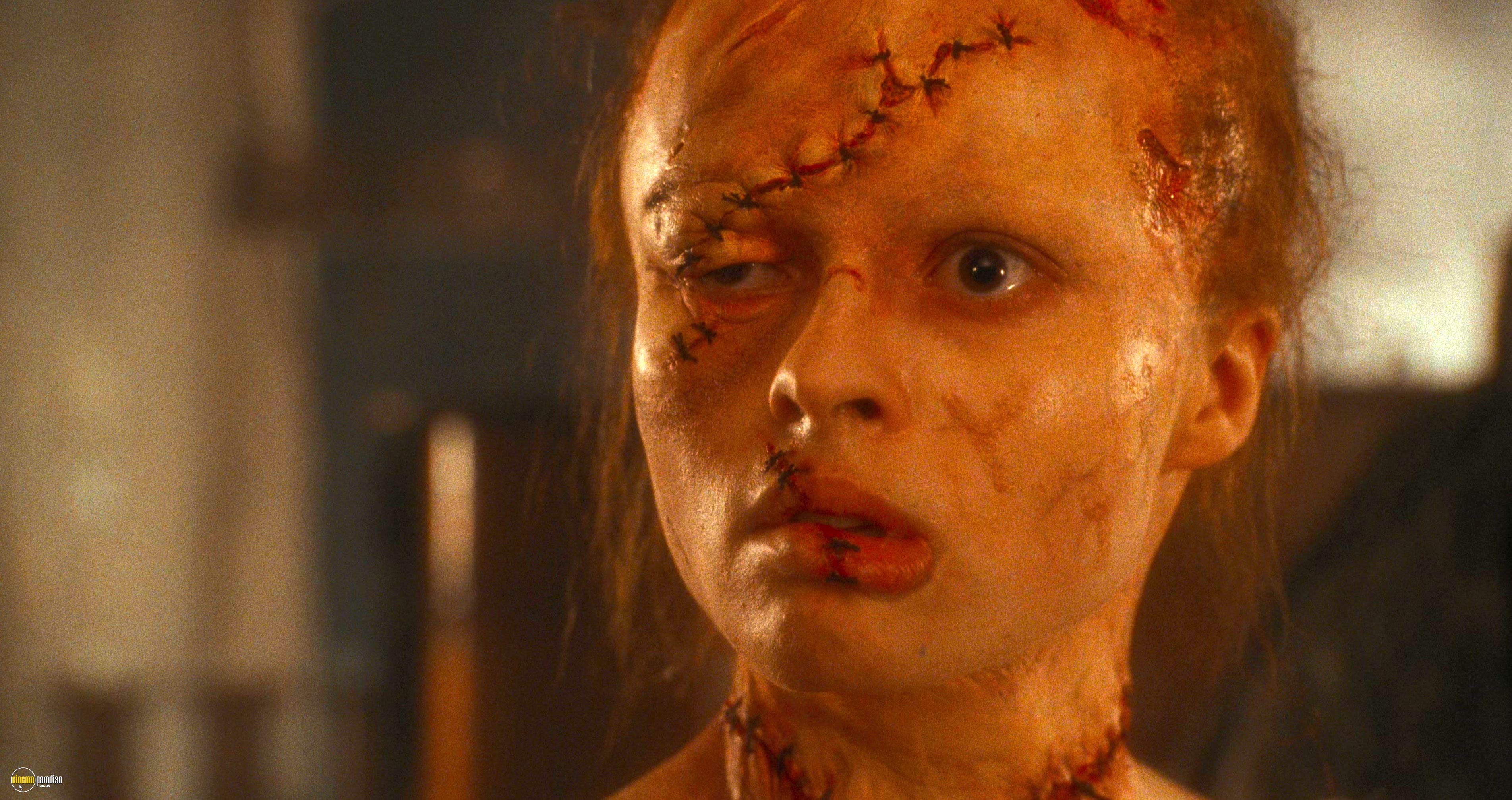
Following Frank Henenlotter's Frankenhooker (1990), Kenneth Branagh sought to restore a little literary legitimacy with Mary Shelley's Frankenstein (1994), in which the director played Victor opposite Robert De Niro, as his eloquent Creation. This is the only retelling to have been nominated for an Academy Award, although make-up artists Daniel Parker, Paul Engelen, and Carol Hemming lost out to Rick Baker, Ve Neill, and Yolanda Toussieng for Tim Burton's Ed Wood, which also earned Martin Landau the Oscar for Best Supporting Actor for his portrayal of Bela Lugosi. The rest of the decade's offerings settled for less, but Frankenstein completists simply need to see Charles Band's The Creeps (1997), Zachary Snygg's Vampire Seduction (1998), and Kathy Castillo's Alvin and the Chipmunks: Meet Frankenstein (1999). Entering its third century, the story found new expression in John Bacchus's Mistress of Frankenstein (2000), Leigh Scott's Frankenstein Reborn, Jeff Burr's Frankenstein and the Werewolf Reborn (2005), Tony Leonidis's Igor (2008), and Yoshihiro Nishimura's Vampire Girl vs Frankenstein Girl (2009).
Frankenstein's busiest decade is undoubtedly the 2010s, with Cinema Paradiso users being able to sample Ricardo Islas's Frankenstein: Day of the Beast, Declan Whitebloom's Prophets of Science Fiction: Mary Shelley, Jesse Thomas Cook's Monster Brawl (all 2011), Tim Burton's Frankenweenie, Justine Timpane's Ninjas vs Monsters (both 2012), Richard Raaphorst's Frankenstein's Army, Ryan Bellgardt's Army of Frankensteins, Andrew Weiner's The Frankenstein Theory (all 2013), Stuart Beattie's I, Frankenstein, Billy Senese's A Frankenstein Story, William Lau's Monster High: Freaky Fusion (all 2014), J.A. Bayona's Penny Dreadful (2014-16), Damiel Leone's Frankenstein vs The Mummy, Paul McGuigan's Victor Frankenstein (both 2015) and Benjamin Ross's The Frankenstein Chronicles (2015-17).
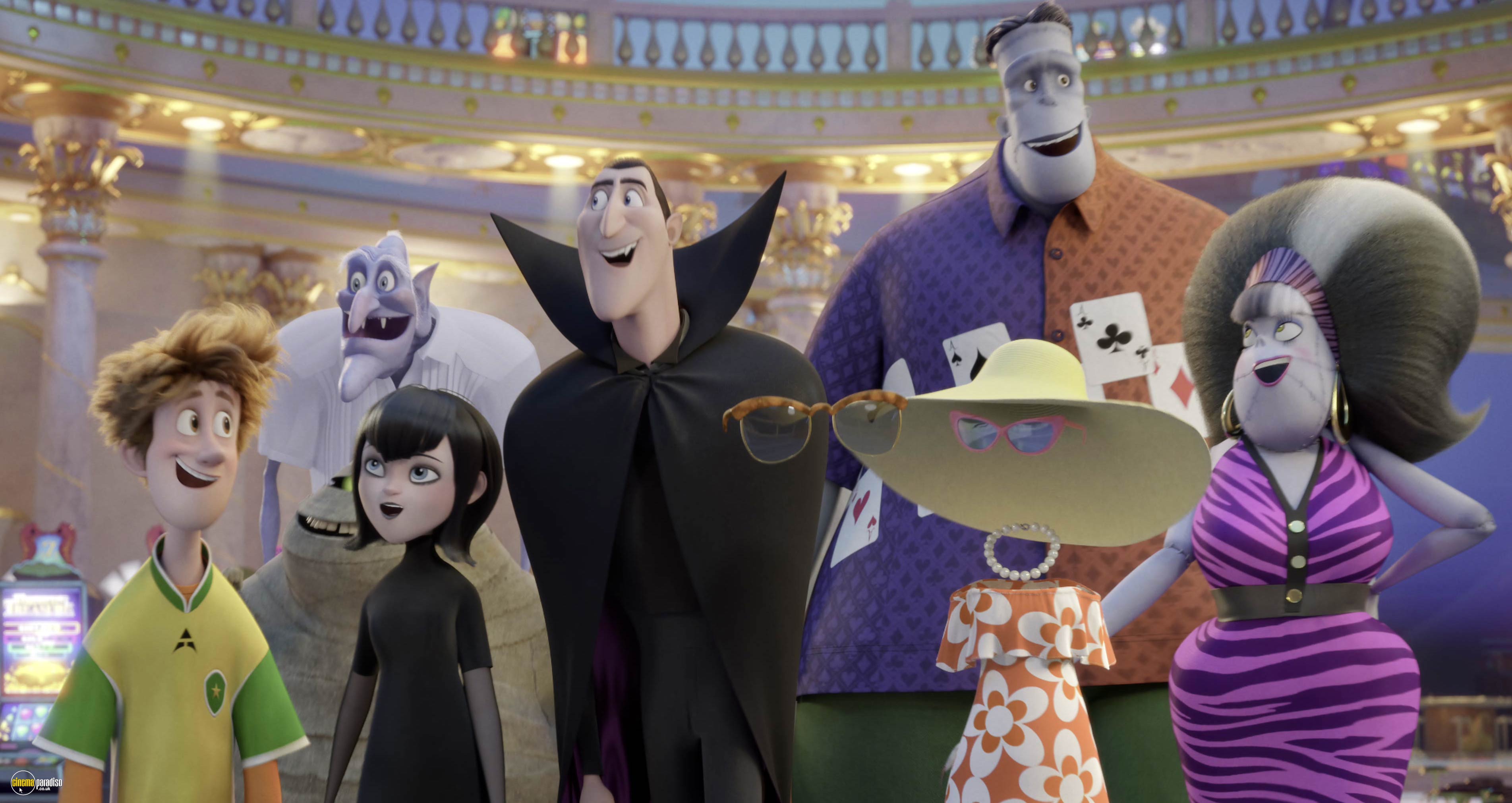
The 2010s also saw the release of Genndy Tartakovsky's Hotel Transylvania (2012) and its sequels, Hotel Transylvania 2 (2015), and Hotel Transylvania 3 (2018), as well as Derek Drymon's Hotel Transylvania: Transformania (2022). Also on the animated front, we have Paul McEvoy, Sungku Cho, and Youngwon Jeong's Scooby-Doo! Frankencreepy (2014) and Steve Hudson's deeply touching, Stitch Head (2025). More recently, the Franken-scene has been shaken up by the Oscar-winning turn of Emma Stone in Yorgos Lanthimos's reimagining, Poor Things (2023), as well as the eye-catching displays of Kathryn Newton in Zelda Williams's Lisa Frankenstein, Grace Glowicki in the self-directed Dead Lover (both 2024), and Emma De Maria in Erica Duke's Frankenstein's Bride (2026).
The likes of Ridley Scott's Blade Runner (1982), John Hughes's Weird Science (1985), Paul Verhoeven's RoboCop (1987), Tim Burton's Edward Scissorhands (1990), Roland Emmerich's Universal Soldier (1992), and Alex Garland's Ex Machina (2014) all have Frankensteinian elements. Moreover, a driver named Frankenstein has dented the odd bumper in the Death Race franchise since David Carradine took the role in Paul Bartel's Death Race 2000 (1975) and Manu Bennett reprised it in G.J. Echternkamp's Death Race 2050 (2016), each of which was produced by Roger Corman. In between times, the part was taken by Jason Statham in Paul W.S. Anderson's Death Race (2008), Luke Goss in Roel Reiné's Death Race 2 (2010) and Death Race 3: Inferno (2013), and by Velislav Pavlov in Don Michael Paul's Death Race: Beyond Anarchy (2018).
As regulars browsers will know, the Cinema Paradiso website is dotted with pages for films that are tantalisingly out of reach or simply unavailable on disc. From this fertile terrain, we would like to draw your attention to two more mono-titlted adaptations of the Shelley text, respectively directed by David Wickes (1992) and Guillermo Del Toro (2025). We would also like to take you back over half a century to namecheck Ishiro Honda's Frankenstein Conquers the World, Robert Gaffney's Frankenstein Meets the Space Monster (both 1965), William Beaudine's Jesse James Meets Frankenstein's Daughter (1966), Armando Crispino's Frankenstein: Italian Style, and Dick Randall's Frankenstein's Castle of Freaks (both 1974).
Myron J. Gold's wonderfully titled Frankenstein's Great Aunt Tillie (1984) is the only entry from the decade that taste forgot, but things picked up again in the 90s with Joel Cohen's Monster Mash: The Movie (1995), Robert Tinnell's Frankenstein and Me (1996), and Peter Werner's House of Frankenstein (1997). Moving into the new millennium, the story continued to prove irresistible to film-makers, as demonstrated by Mitch Marcus and John Blush's Boltneck (2000), Mary Downes's Frankenstein: Birth of a Monster (2003), William Winckler's Frankenstein vs the Creature From Blood Cove (2005), Duke Johnson's Mary Shelley's Frankenhole (2012), Michael Heerlin's Frankenstein's Monster (2013), Brett Register's Frankenstein, MD, Sid Lance's Frankenstein's Monster (all 2014), Daniel Gray Longino's Frankenstein's Monster's Monster, Frankenstein (2019), and Maggie Gyllenhaal's The Bride! (2026).
Don't think we're stopping here, as which self-respecting Cinema Paradisoite wouldn't want to be alerted to the existence of Chano Urueta's The Revived Monster (1953), Richard E. Cunha's Frankenstein's Daughter (1958), Jesús Franco's Dracula, Prisoner of Frankenstein (1972) and Lust For Frankenstein (1998), Mario Mancini's Frankenstein 80, Miguel M. Delgado's Santo vs Frankenstein's Daughter (both 1972), William A. Levey's Blackenstein (1973), Nejat Saydam's My Friend Frankenstein (1975), and Calvin Floyd's Terror of Frankenstein (1977)?
Alongside Alain Jessua's rare arthouse variation, Frankenstein 90 (1984), we get some good old-fashioned indie exploitation in the form of Fred Olen Ray's Billy Frankenstein (1998) and Bikini Frankenstein (2010) and the `Disco' David De Coteau trio of Frankenstein Reborn! (1999), Frankenstein & the Werewolf Reborn! (2005), and 1313: Frankenqueen (2012). Then, there's Josh Miller's I Was a Teenage Frankenstein's Roommate (2003), Larry Fessenden's Depraved (2009), Kornél Mundruczó's Tender Son: The Frankenstein Project (2010), Germán Magariños's Alan Smithee's Frankenstein (2012), Jörg Buttgereit's Green Frankenstein (2013), P.J. Woodside's Frances Stein, Phil Nichols's The Sick and Twisted Tale of Frankenstein, Dan McCloy's Beach Blanket Frankenstein (all 2015), Jeff Leroy's Frankenstein in a Women's Prison, Gautier Cazenave's Sherlock Holmes vs Frankenstein (2017), Jon YonKondy's Baby Frankenstein, and Sam Ashurst's Frankenstein's Creature (2018).
Have you noticed how the titles are becoming evermore gleefully silly in recent time? How about Raffi Atamian, Francesco De Francesco, John Migliore, and Tony Watt's Frankenpimp's Revenge: The Romeo and Juliet Massacre (2020)? Since when, we've had David Weaver's The Last Frankenstein, Chip Bryant's Frankenstein Ruins Halloween, Chaz Buchanan's Hillbilly Frankenstein From Hell, Sophie Godin's The Abominations of Frankenstein (all 2021), Cîmpean Rares Gabriel's Frankenstein: We've Conquered the Death (2022), Bomani J. Story's The Angry Black Girl and Her Monster, Manuel Camilion and Benjamin Edelman's Santastein, Tom Devlin's Las Vegas Frankenstein, Nick Box's Amityville Frankenstein, Tom Zarzecki's Chucky Meets Frankenstein (all 2023),
Arturo and Roy Ambriz and Mireya Mendoza's I Am Frankelda (2025), and Louisa Warren's Bride of Frankenstein (2026). And we've even got Radu Jude's Frankenstein Romania to look forward to and past experience suggests it will be compelling.
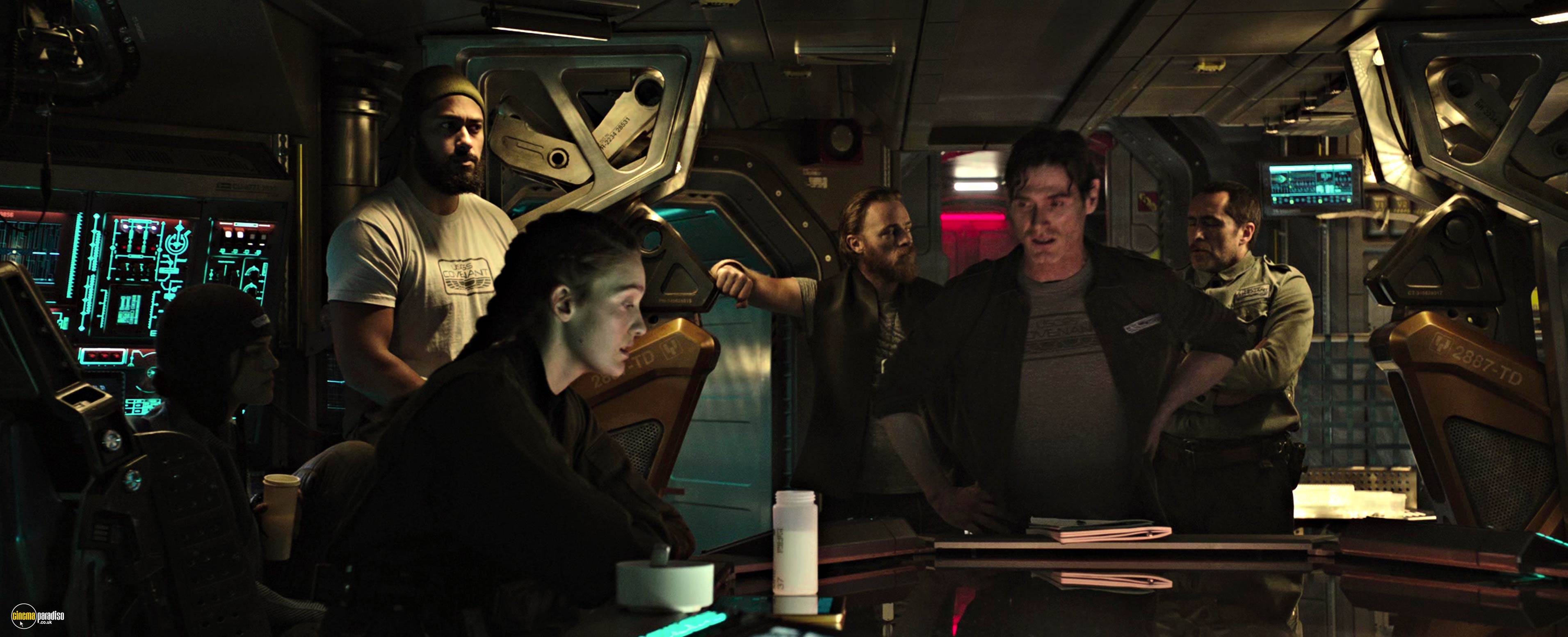
Finally, spare a thought for Percy Bysshe Shelley. He wrote two Gothic novels when he was a teenager. David G. Hopkins adapted Zastrozzi, The Romance (1986) as a four-part Channel Four serial starring Geoff Francis, Mark McGann, and Tilda Swinton in 1986. But no one has touched St Irvyne; or, The Rosicrucian (1811), which was written while Shelley was studying at University College, Oxford. He can take consolation, however, from the fact that poet Tony Harrison based Prometheus (1998) around Shelley's lyric drama, Prometheus Unbound (1820), while Ridley Scott had David the android (Michael Fassbinder) erroneously attribute Shelley's sonnet, `Ozymandias', to Lord Byron in Alien: Covenant (2017). But Percy Bysshe will always remain in his wife's shadow when it comes to big screen credits.
Mentioned films