Rent Eddington (2025)
2.9 of 5 from 217 ratings
2h 22min

Undoubtedly, Aster is at his strongest when he stays grounded: fear, guilt, and resentment simmering in a small town battered by COVID. Masks weren’t tyranny, they were survival, yet the community still cracked. The true horror lies in paranoia and conspiracy corroding trust. A mayoral race weaponises health rules, while George Floyd’s murder and the rise of BLM seep into brittle lives.
The film renders that trauma with force: the unseen threat of infection, the menace of a cough, the loneliness that fractures families. It’s timely, empathetic, and frightening—Aster close to real fear. But then comes the diversion: a fabricated enemy that pulls focus from the sharper nightmare he’d already captured.
From a transatlantic seat, though, the omission glares: how do you revisit COVID politics without Trump or MAGA, the very forces that lit the fire? In their place, caricatures: youths mocked for protesting police brutality, women written off as conspiracists. That isn’t analysis, it’s scorn. And Aster’s habit remains: escalation for its own sake. Each film harsher, stranger, more indulgent. Shock, posed as insight.
Still, it grips. What begins as a piercing study of fear falters into spectacle, yet its unease lingers. Aster may squander truth chasing spectacle, but he has rarely felt more vital.
Lasted about half an hour with this one.
Covid stand off between two characters by director who directed massively overrated midsommer which was, guess what, insufferable and 2.5 hours long and crushingly dull!!
Who cares about covid? Most of us are glad its gone and dont want to be reminded about it. Apparently this flopped hard and its easy to see why. Dull long and boring. Avoid.
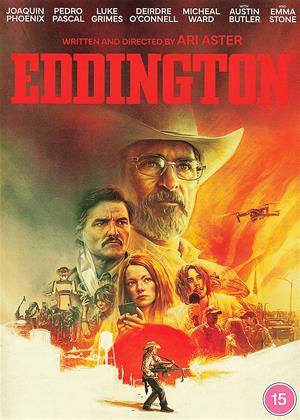
With a contemporary western look and style this dark comedy is a polarising vision of modern America. A satirical look at a society conflicted with conspiracy theorists, racist and gun obsessed people divided by liberalism and extreme right violence. It's certainly unsubtle to say the least and offers little new to say in the Trump era, and yet it's bizarrely riveting and compelling whilst making itself obvious to the point of ridiculousness in what it's trying to say. Joaquin Pheonix stars as Sheriff Joe Cross of the New Mexico town of Eddington. It's 2020 and the height of the Covid 19 pandemic and the town has it's share of sceptics about the disease, including Joe, which sets him against the hispanic Mayor Ted (Pedro Pascal) who has laid out policies around the wearing of masks and distancing which Joe challenges. Their rivalry culminates in Joe deciding to stand for Mayor in the forthcoming elections. Ted and he are old adversaries due to Ted having many years ago dated Joe's wife (Emma Stone), a hysterical and depressed woman. Tensions in the town rise causing protests and public disorder all of which leads to violence by some to resolve their personal issues disguised as political struggle. Director Ari Aster just about includes everything he can think of into the narrative to get his point across and this makes the film a bit of a hammer to crack a walnut but as I said it's a strangely watchable film even for a viewer who watches the daft state of American division from afar.