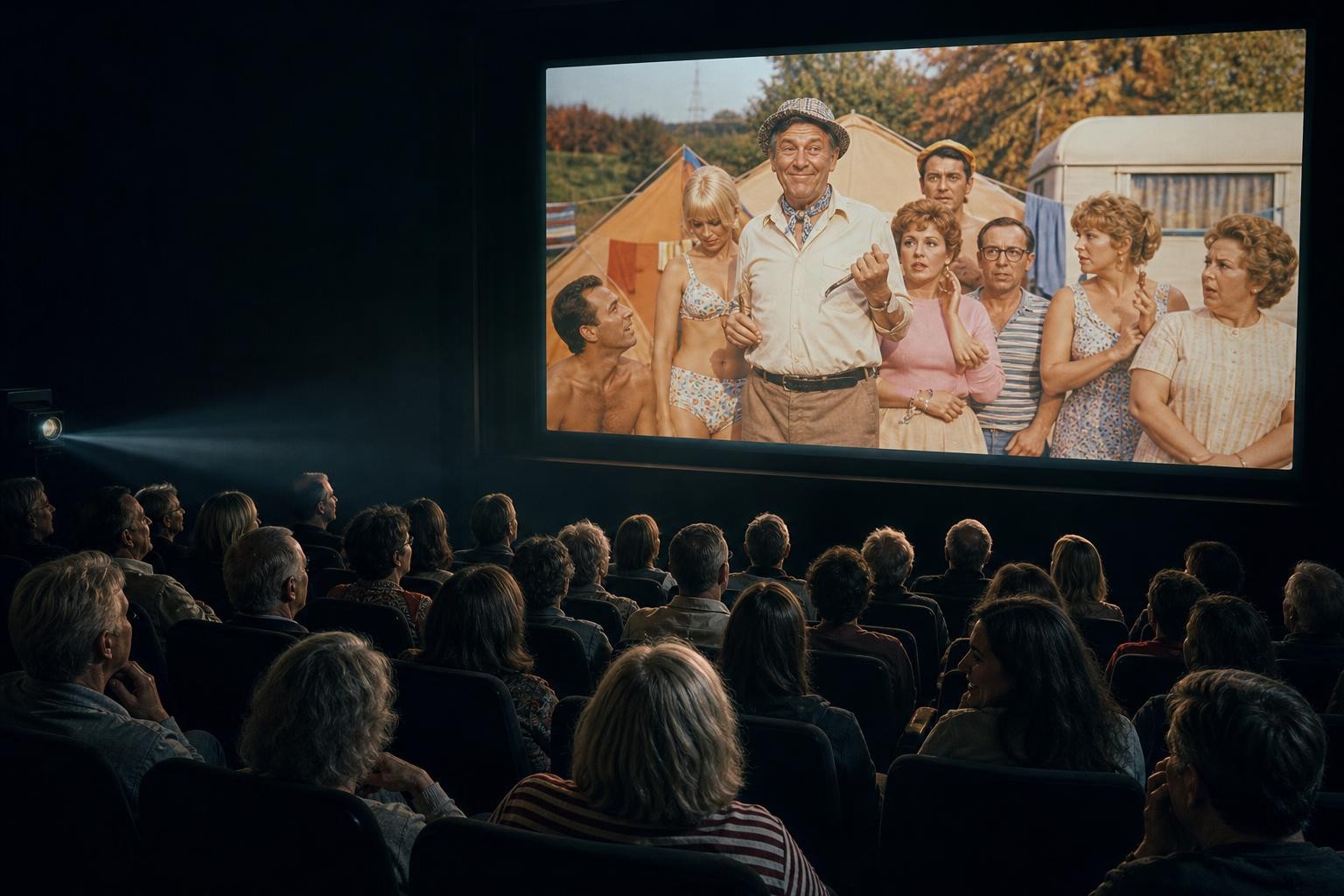
To mark the 50th anniversary of the death of Sid James, Cinema Paradiso harks back to the heyday of the Carry On films in a unique three-part survey.
Everybody knows the Carry On films, even though not everyone loves them in this day and age. Critics fell over themselves to dismiss them as tripe, yet audiences in Britain, Australia, and, initially, the United States couldn't get enough of the silly situations, the cheeky innuendos, and the knowing playing of some of the finest comic actors in the country. Only one of the first 25 films failed to make back its money within weeks of release.
But the makers struggled to keep pace with the increased permissiveness of society and cinema and their efforts to do so in the mid-1970s fell short of the standards they had established with both their workplace sitcoms and their movie pastiches. Moreover, public attitudes had started to change and the Carry Ons began to look tired and tacky. They had always delighted in being risqué, but, as political correctness took hold, they started to cause offence with a younger generation that had grown up in a Britain that had changed significantly since the time the Carry Ons were produced.
While the use of brownface in films reminiscing about Britain's imperial past became as unpardonable as the flagrant objectification of women, it would be foolish to dismiss the Carry Ons out of hand, however. Times may change, but human nature has a stubborn habit of staying the same and the insights into the foibles of those in authority or labouring under delusions of grandeur remain as acute and amusing as ever. They're more Marmite in 2026. But don't give up on the Carry Ons just yet, as they can still sneak up on you and cause a
snigger, as we saw in Part One: On the Job and Part Two: Pardon My Past. Finally, we turn to those series entries that don't fit into a convenient bracket, while also exploring whether, almost 70 years after they were launched, the Carry Ons still make for acceptable viewing in the middle of the third decade of the 21st century.
Odd and Sods
Not all of the Carry Ons fit into the workplace and movie parody categories. So, we shall gather the stragglers here before moving on to look at the projects that never got beyond the planning stage and the various stage and television spin-offs that kept the country laughing five decades ago.
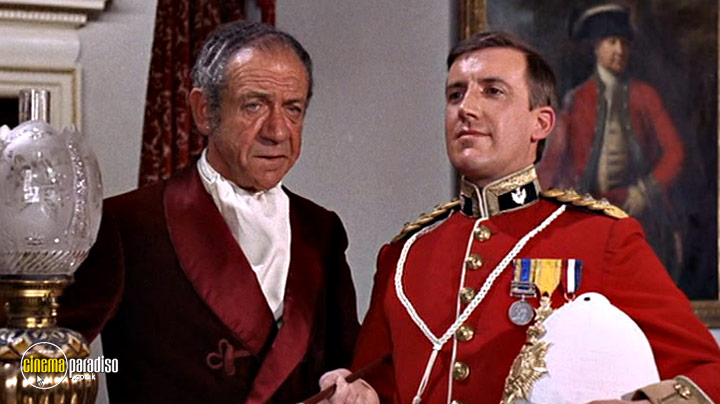
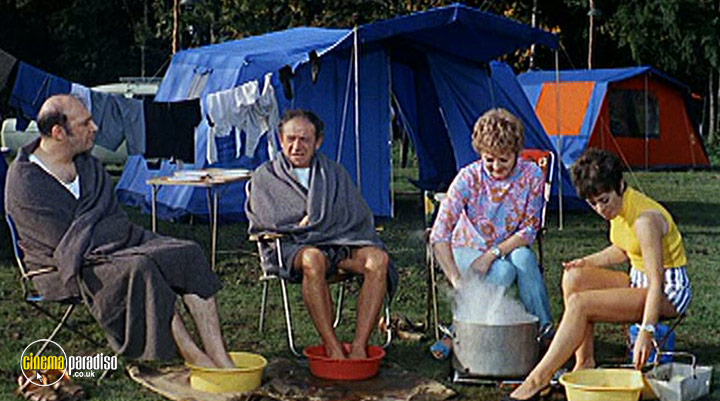
Where better to start than with the 17th entry in the series, Carry On Camping (1969). In fact, producer Peter Rogers had registered the title with the Film Producers Association after the success of Carry On Cruising (1962). He had renewed it four years later and had asked screenwriter Talbot Rothwell to think about a holiday film that would enhance the appeal of the Carry Ons overseas after the franchise had moved to Rank from Anglo-Amalgamated. Thinking Rogers meant taking the gang across the Channel, Rothwell submitted a script that was rejected because he had seemingly misunderstood his brief. Director Gerald Thomas had stipulated a campsite setting and mentioned something about caravans and Rothwell was sent away to redraft while everyone else made Follow That Camel. With Carry On Doctor (both 1967) and Carry On Up the Khyber (1968) now ahead in the pecking order, Camping was pencilled in for October 1968.
One of the inspirations Rothwell drew on were the naturist films that had been popular with niche audiences since the late 1950s. Cinema Paradiso users can sample the fleshly delights of Ramsey Harrington's Pussycat Paradise (aka Nudist Story, 1960) and George Harrison Marks's Naked As Nature Intended (1961). But, sadly, we can't bring you the pioneering Travelling Light (1959), which was directed under the pseudonym, Michael Keatering, by Edward Craven Walker, the inventor of the lava lamp! Sid James clearly liked the idea. He was finishing a summer season run of Wedding Fever in Torquay when he received the screenplay and wrote to Peter Rogers: 'Many thanks for the script. Very funny! I drove Val [his wife] potty laughing aloud. That doesn't often happen when one reads! There are some wonderful moments. So clean too???'
Plumbers Sid Boggle (Sid James) and Bernie Lugg (Bernard Bresslaw) take girlfriends Joan Fussey (Joan Sims) and Anthea Meeks (Dilys Laye) to the pictures, where they see a film about the Paradise nudist camp. Reasoning that the surroundings will persuade the chaste girls to let their guard down, Sid and Bernie spend a small fortune on camping equipment and pay through the nose to gain access to the camp run by farmer Josh Fiddler (Peter Butterworth). However, they discover this is a very different Paradise to the one they had expected, but they are forced to stay when Fiddler refuses them a refund and Joan and Andrea agree to stay, albeit in separate tents.
Meanwhile, as seasoned campers Peter and Harriet Potter (Terry Scott and Betty Marsden) encounter hapless rookie Charlie Muggins (Charles Hawtrey), the girls of the Chayste Place finishing school arrive at the camp under the supervision of Dr Kenneth Soaper (Kenneth Williams) and Miss Haggard (Hattie Jacques). Delighted to see Babs (Barbara Windsor) and her classmates, Sid and Bernie help them erect their tents. But their idyll is interrupted when some hippies take over the next field for a happening headlined by The Flowerbuds.
Rogers would come to regret the denouement, as young people felt that the Carry Ons were siding with the squares. But Camping still topped the year's box-office chart, thanks in no small measure to the infamous scene in which Babs's bikini top flies off during an exercise session. The shot proved difficult to achieve, as a stagehand armed with a fishing rod had to yank the top off when Barbara Windsor did her chest fling. On the first take, however, the tug on the fishing line caught her off balance and she fell face first into the mud. As they were shooting in autumn in the Pinewood orchard, Rogers had ordered the mud to be sprayed green and the fallen leaves to be glued back on to the trees and painted. The cast members were freezing and Windsor had complained about the conditions in no uncertain terms to Kenneth Williams. Unfortunately, she had forgotten she was still miked up and Rogers heard her tirade and kept it in the daily rushes to be shown to the cast and crew, causing another furious outburst because Windsor had feared she'd be fired for her indiscretion.
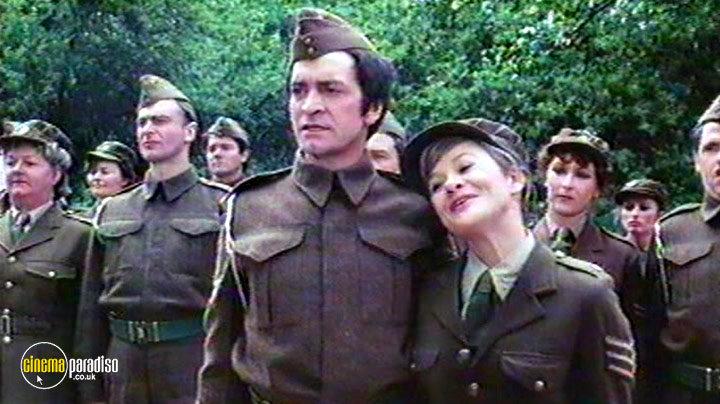
Windsor had wanted Babs to have a posh voice. But she had been forced to use her normal Cockney accent after she had blurted out her first line of the shoot (when Sid peeks at Babs through a knot hole in the shower-room wall) and Gerald Thomas refused to do another take so that she could correct herself. She didn't spend the entire time in the cold, however, as the Ballsworth Youth Hostel scenes were filmed at Heatherden Hall, the Grade II-listed 1865 manor house that stands in the grounds of Pinewood and has done duty in hundreds of films in addition to Carry On Nurse, Carry On Up the Khyber, Carry On Again Doctor, Carry On At Your Convenience, Carry On Behind and Carry On England - all of which are available to rent, of course, from Cinema Paradiso.
During a 2018 BFI retrospective, Camping was named among the five best films in the series, along with Carry On Cleo (1964), Carry On Screaming! (1966), Carry On Up the Khyber (1968), and Carry On Matron (1972). Released the same year as the latter, Carry On Abroad (1972) wouldn't make many people's Top 20. But it has the distinction, along with Matron, of having more regular cast members involved (11) than any other Carry On. Indeed, it would have held the record alone had Terry Scott's scene as an irate Wundatours customer not been cut. Bill Maynard's part as the travel agency's lecherous boss was also junked to keep down the running time.
Abroad allowed Talbot Rothwell to dust down the foreign holiday idea that Peter Rogers had nixed seven films earlier. He also came up with some amusing alternative titles: What a Package, It's All In, and Swiss Hols in the Snow. He also slipped into the opening credits a technical advisor billing for one Sun Tan Lo Tion. Moreover, Rothwell did Charles Hawtrey a favour by making his character fond of a tipple, as the actor's drinking was becoming so problematic that it was difficult to hide. He made it through his 23rd entry in the series, but it would be his last, with his final scene being filmed near Bagshot, aboard a coach taking the holidaymakers to Gatwick Airport.
Vic and Cora Flange (Sid James and Joan Sims) run The Whippit Inn. As she dislikes flying, Cora has decided not to join Vic on holiday in the Spanish resort of Elsbels. However, when she discovers that merry widow Sadie Tompkins (Barbara Windsor) is booked on the same flight, Cora insists on coming on the Wundatours excursion that is being led by courier Stuart Farquhar (Kenneth Williams). Making up the party are Eustace Tuttle (Charles Hawtrey) and his domineering mother (Amelia Bayntun); the unhappily married Stanley and Evelyn Blunt (Kenneth Connor and June Whitfield); Scottish bachelor Bert Conway (Jimmy Logan); the dashing Nicholas Phipps (David Kernan) and his possessive pal, Robin Tweet (John Clive); young friends Lily Maggs (Sally Geeson) and Marge Dawes (Carol Hawkins); and a party of monks that includes the gormless Brother Bernard (Bernard Bresslaw).
On arriving at the Palace Hotel, the travellers discover that it's essentially a building site. Assuming various disguises to give the impression that it's well-staffed, Pepe the manager (Peter Butterworth) tries to deal with all of the complaints. But Floella the cook (Hattie Jacques) is equally unhappy, while their indolent barman son, Georgio (Ray Brooks), is more interested in seducing Evelyn than in serving drinks. And things liven up further when Vic stumbles across the rejuvenating powers of a libation known as Santa Cecilia's Elixir.
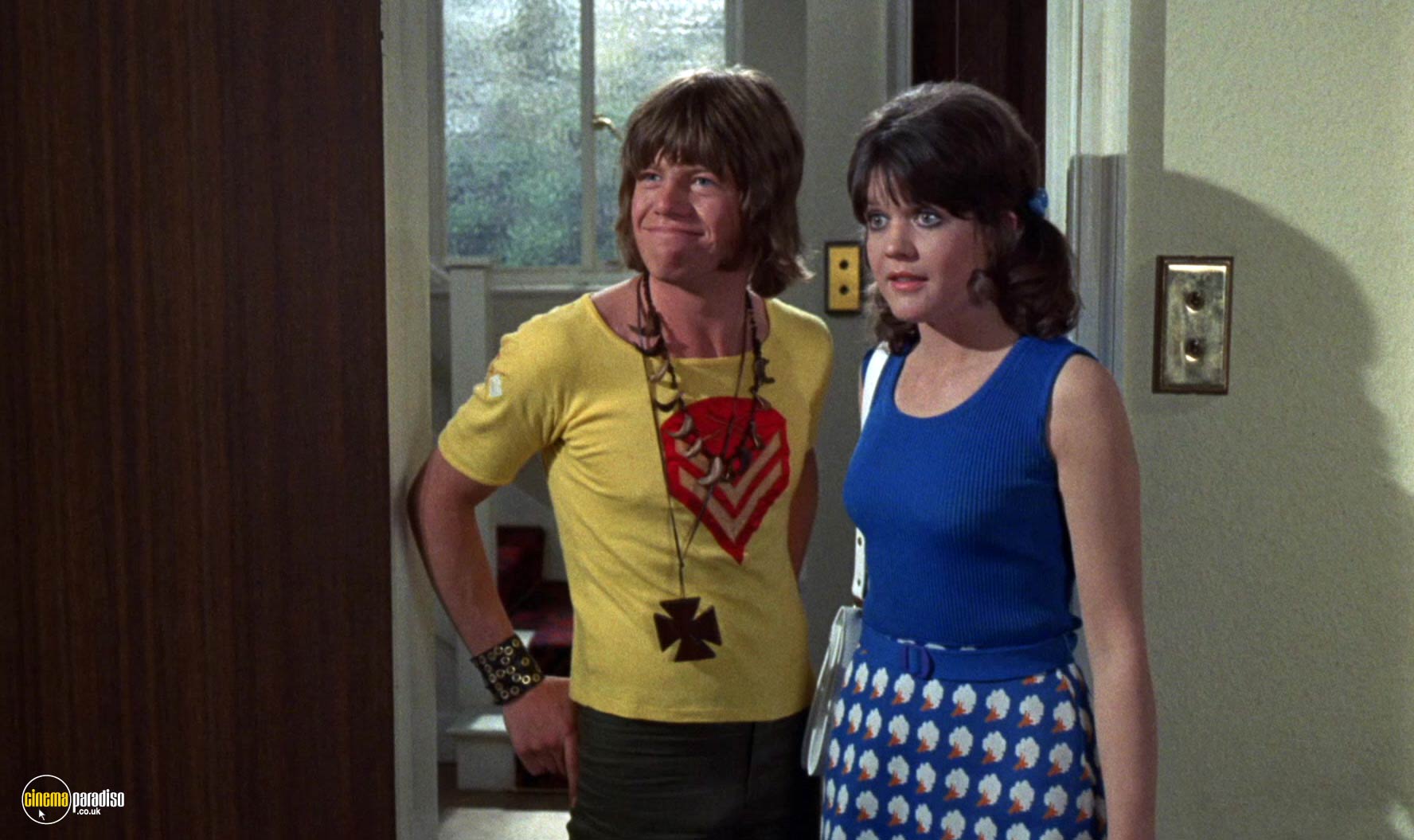
Kenneth Williams jotted in his diary that everyone recognised the hackneyed nature of the scenario and that the acting suffered as a consequence. Sid James also felt tired after completing the film version of Bless This House (1972), which had also been a Roger-Thomas production. Clearly, June Whitfield had forgotten how penny-pinching the pair could be, as she later recalled, 'I wondered where in sunny Europe we would be filming. Alas, the location turned out to be a car park at Pinewood!' This was covered in sand for the beach scenes, while matte paintings were used to supplement the half-built Palace Hotel set to make it look grander. Rogers even cut corners by having Thomas film the party sequence without any background music. As a result, the improvised dance steps rarely fit in with the score composed by Eric Rogers.
Despite everyone being aware they were travelling what the Monthly Film Bulletin would call the 'well-trodden paths of slapstick, double entendre and nudging innuendo', the cast made enough noise while larking about in make-up one day to earn a reprimand from Hollywood icon, Bette Davis, who was filming David Greene's spy thriller, Madame Sin (1972), on the Pinewood lot. By all accounts, she berated them for their lack of professionalism. Evidently, Davis was not a fan of the series, as if anyone demonstrated consistent levels of reputability in the face of tight schedules, meagre budgets, patchy scripts, and paltry wages, it was the Carry On gang!
They all assembled the following April to brace the Brighton breeze while shooting Carry On Girls (1973). There was nothing new about beauty contests in British comedies, as Audrey Hepburn and Joan Collins had auditioned for the lead in Frank Launder's Lady Godiva Rides Again (1951), which cast Sid James as publicist Lew Beeson. He would also guest as a judge in Val Guest's The Beauty Jungle (1964), while Tinmouth Times reporter Norman Wisdom got to cover the contest his sweetheart wins in Robert Asher's Press For Time (1966). Originally entitled, Carry On Beauty Queen, the film's impetus came from the sight of host Bob Hope fulminating against the feminist protesters who had sabotaged the 1970 Miss World event.
Kenneth Williams was initially set to play Mayor Bumble, but had to pass the role on to Kenneth Connor because he was committed to the West End run of My Fat Friend. After Charles Hawtrey had been dropped from the series, Rogers offered Williams the lesser role of TV presenter Cecil Gaybody, but he turned it down and a miscast Jimmy Logan took over. Ironically, the play flopped and Williams found himself at a loose end. Ill health meant that Renée Houston had to cede the part of hotel resident Mrs Dukes to Joan Hickson, while David Lodge stepped into the police inspector's boots after Bill Maynard was offered the lead in 'Kisses At Fifty', which was written by Colin Welland and directed by Michael Apted for the BBC's Play For Today series. June Whitfield dubbed Valerie Leon's lines, while Barbara Windsor had to take lessons in order to ride into town on a motorbike (although she still looks a bit unsteady).
The cast only spent three days on the Sussex coast, with the first scene of the shoot depicting Robin Askwith (in his only Carry On) photographing a naked Margaret Nolan (in the fifth of her six) on the pebble beach in front of Dora Bryan's Clarges Hotel, which also provided the façade for Joan Sims's Palace Hotel, with interiors being built on a soundstage at Pinewood. Slough Town Hall also got to make a cameo, as did Marylebone Railway Station.
The destination for the passengers was Fircombe, the rain-sodden seaside resort with few amenities to attract tourists. In order to drum up business, Councillor Sid Fiddler (Sid James) persuades the town council to sponsor a beauty contest, in spite of the opposition of Women's Libber, Augusta Prodworthy (June Whitfield). Fiddler hires Peter Potter (Bernard Bresslaw) and his fiancée, Paula Perkins (Valerie Leon), to publicise the event, while he arranges for the contestants to stay at the hotel owned by his girlfriend, Connie Philpotts (Joan Sims), where they are pestered by a randy old admiral (Peter Butterworth).
Fiddler exploits the press coverage when old rivals Hope Springs (Barbara Windsor) and Dawn Brakes (Margaret Nolan) have a catfight over a stolen bikini. This culminates in Mayor Frederick Bumble (Kenneth Connor) losing his trousers and his long-suffering wife, Mildred (Patsy Rowlands) joins the Prodworthy protest group. They rise to the bait when TV personality Cecil Gaybody (Jimmy Logan) comes to Fircombe to shoot a piece on the contest and uncovers a rumour that one of the girls is really a man in drag. This is Potter, who has been talked into the stunt by the ever-conniving Fiddler. However, the prim Paula bails Potter out by revealing herself to be a bobby dazzler and taking his alter ego's place in the contest. Prodworthy isn't finished yet, however, and launches Operation Spoilsport, as Fiddler steps on stage as compère.
The BBFC insisted on the odd cut to ensure the film was released with a family friendly A certificate. But much has changed since 1973 and the sniggering jokes about the female form and the chauvinist way in which it's depicted have not worn well. Consequently, this is now regarded as one of the lesser Carry Ons, although it beat Fawlty Towers (1975-79) to having a politically incorrect ex-service guest by two years. It didn't do well at the box, either, and sparked the steady decline that would see the series come to an end within a few years. Nevertheless, Girls proved a landmark in the career of Jack Douglas, as he made such a good impression as William the bungling hotel porter that he was nominated for Most Promising Newcomer at the Evening Standard British Film Awards. He lost out to Edward Fox for Fred Zinnemann's The Day of the Jackal (1973), although Fox was hardly a newcomer, having won the BAFTA for Best Supporting Actor for his performance as Lord Hugh Trimmingham in Joseph Losey's The Go-Between (1971).
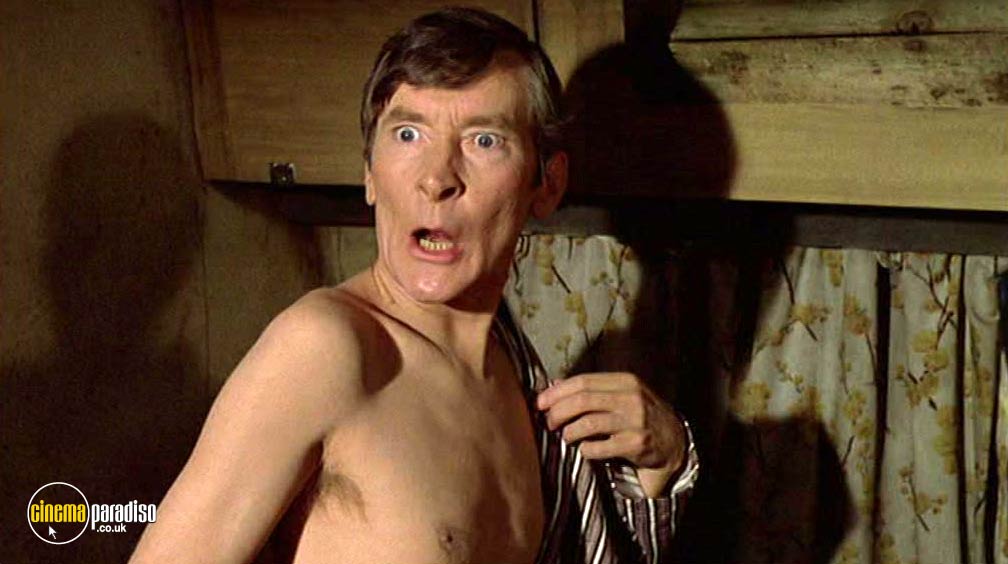
The 27th title in the series, Carry On Behind (1975) was the first not to have been written by Talbot Rothwell since Carry On Cruising (1962). It was also the first to have an actress topping the bill, as German star Elke Sommer was paid £30,000 to try and raise the tone and the franchise's profile in Europe. Only Phil Silvers had previously commanded such a fee (for Follow That Camel), which was five times what highest-earners Kenneth Williams and Sid James had ever taken home from Pinewood. Such an outlay put pressure on producer Peter Rogers and director Gerald Thomas, however, as the former had always said he would walk away from the Carry Ons the moment they started losing money.
A former Special Branch detective who had found work as a security officer, Dave Freeman stumbled into show business after being tasked with booking acts for the American Officers' Club in Regent's Park. He had befriended Benny Hill in 1954 and they had written together for nine years before Freeman started freelancing. He would pen material for Spike Milligan, Peter Sellers, Eric Sykes, Tommy Cooper, and Tony Hancock before scripting episodes of The Avengers and Don Sharp's sci-fi feature, Jules Verne's Rocket to the Moon (1967). Connections with Sid James and Hattie Jacques led to Freeman coming to the attention of Peter Rogers, who hired him to write for the Carry On TV specials (see below). Having scripted the film version of Bless This House, Freeman was invited to submit screenplay ideas. In December 1974, he was asked to rethink Love On Wheels as a Carry On. Essentially a variation on Carry On Camping, it was variously titled Carry On Carrying On, Carry On in a Caravan, and Carry On Caravanning before Rogers settled on Carry On Behind.
Kenneth Williams considered it the worst script of the series and he was forced to tackle it without Sid James and Barbara Windsor, who were respectively touring Australia in The Mating Season and presenting the one-woman show, Carry On Barbara, in New Zealand. Rumours circulated, however, that Rank had asked Rogers to drop the pair because their bawdy badinage felt inappropriate now that James was 61 and Windsor was 37. But age didn't seem to bother the makers. Why else would they have cast Joan Sims as Patsy Rowlands's mother when she was only eight months her senior? Gerald Thomas also proved that acting ability was not necessarily a prerequisite for appearing in a Carry On, when he cast himself as the voice of Sims's profanity-spouting mynah bird.
While wives Sylvie (Liz Fraser) and Vera (Patricia Franklin) are staying at a health farm, butcher Fred Ramsden (Windsor Davies) and his electrician pal, Ernie Bragg (Jack Douglas), book into the Riverside Caravan Site run by Major Leap (Kenneth Connor). They quickly spot Sandra (Carol Hawkins) and Carol (Sherrie Hewson), but Fred knows that Ernie will inadvertently reveal any hanky-panky because he talks in his sleep. However, they are also being surveilled by Daphne Burns (Joan Sims), who is staying with daugher Linda (Patsy Rowland) and her pentheraphobic
husband, Arthur Upmore (Bernard Bresslaw). Also camping nearby are Joe and Norma Baxter (Ian Lavender and Adrienne Posta) and their ginormous Irish Wolfhound, and archaeology professors, Anna Vooshka (Elke Sommer) and Roland Crump (Kenneth Williams), who have been forced to share a caravan while searching for Roman artefacts.
With Peter Butterworth rounding off the regular roster as Sims's absconded handyman husband, the action follows along predictable lines. However, Rogers and Thomas had learned their Camping lesson and made sure that the more youthful characters were in many ways more relatable than their seniors. But their attempts to slip in a little more nudity to keep up with the Confessions films failed to lure in the punters and Carry On England (1976) did even less business. In an effort to revive public interest in the series, Rogers and Thomas decided to release a 20th anniversary greatest clips compilation in the mould of the MGM duo of That's Entertainment (1974) and That's Entertainment 2 (1976) and hired Kenneth Williams and Barbara Windsor for a single day's shooting to link the choices made by Thomas and series editor Jack Gardner for That's Carry On! (1977).
Having run into Nat Cohen at a party, Thomas had sounded him out about access to the Anglo-Amalgamated entries. Now running Anglo-EMI Film Distributors, Cohen recognised that the idea could be a money-spinner and agreed to let Rank distribute the feature in return for a generous percentage. Given six weeks to trawl through the archives, Thomas and Gardner let their enthusiasm get the better of them. 'I knew the films so well,' Gardner recalled. 'Looking at every single Carry On film - sometimes three a day!...we made the mistake of joining all the clips up before editing and sitting in a theatre one day to watch it…it lasted six hours!'
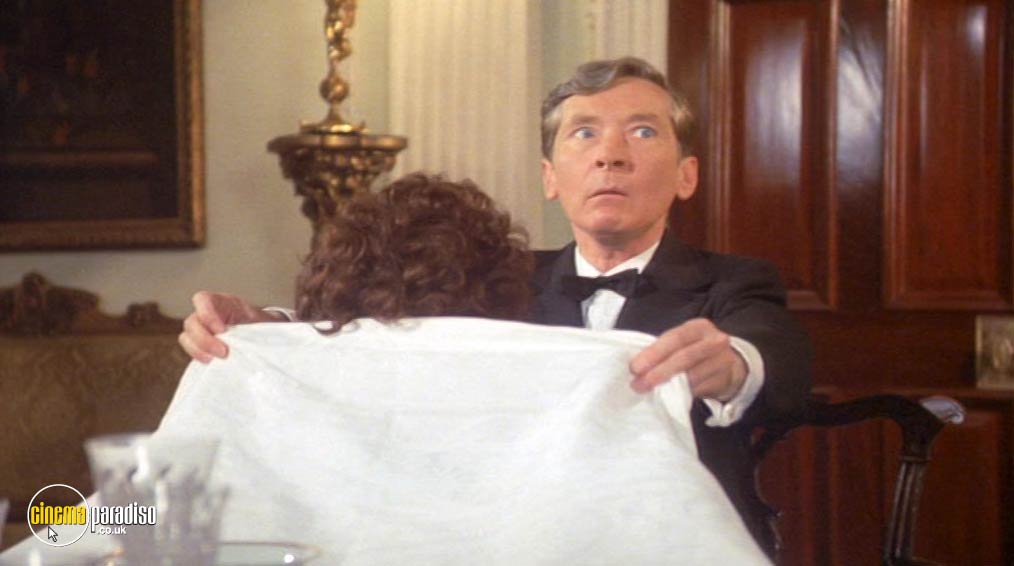
They finally whittled things down to 95 minutes, with Tony Church scripting the repartee between Williams and Windsor, as they get locked in a Pinewood projection room with a hamper full of goodies and no access to a loo! Every film bar Carry On England gets its moment in the projector's beam. Some moments are funnier than others, but it makes for a neat summation of the series. It seems a bit mean, therefore, for the BFI to list it as one of the five worst films in the series, along with Carry On Girls (1973), Carry On England (1976), Carry On Emmannuelle (1978), and Carry On Columbus (1992). Had they not seen Behind?
On the Box
Although the Carry Ons were a cinematic institution, producer Peter Rogers was shrewd enough to realise that his audience was changing as the 1970s dawned. Back in 1958, he had sought to provide family entertainment with a cheekiness that would not have made a maiden aunt blush. Yet, as the Swinging Sixties progressed, a new permissiveness permeated British society and, by the end of the decade, the British Board of Film Censors had started to adopt a more relaxed attitude to bawdy humour and states of undress. In seeking to attract a younger audience, however, Rogers risked alienating their elders, whose cinema-going habit had dipped dramatically after television sets became more prevalent (often on rental deals) in the 1960s.
While preparing Carry On Up the Jungle (1970), Rogers asked Talbot Rothwell to work on a Christmas story that he could sell to ITV as a kind of Carry On Pantomime. The result was Carry On Christmas (1969), which can be rented from Cinema Paradiso as one of four specials on the Carry On Chrismas (2006) disc, which runs for nearly five hours! Taking Charles Dickens's A Christmas Carol as his starting point, Rothwell used each spectral visitation as an excuse to tell a stand-alone story. As one might expect, Sid James was cast as Ebenezer Scrooge, the miser who makes like miserable for his clerk, Bob Cratchit (Bernard Bresslaw). However, the Spirit of Christmas Past (Charles Hawtrey) seeks to show Scrooge the error of his ways by revealing how he had hurt Fanny (Barbara Windsor) by failing to invest in the scheme to create her a mate (Bresslaw) devised by Dr Frank N. Stein (Terry Scott) and his assistant, Count Dracula (Peter Butterworth).
Windsor also played the Spirit of Christmas Present, who shows Scrooge how his reluctance to lend money to poet Robert Browning (Frankie Howerd) meant that he was unable to afford to elope with Elizabeth Barrett (Hattie Jacques), who lived with her cruel father (Scott). But the Spirit of Christmas Future (Bresslaw) finally softens Scrooge's heart by retelling the tale of Cinderella (Windsor), who leaves Buttons (Hawtrey) and her life of drudgery after being transformed by her Fairy Godmother (Howerd).
The reviews were mixed, but viewing figures were sufficiently high for a follow-up to be commissioned. Rothwell stepped aside to allow his Carry On Spying co-scribe Sid Colin to team with Dave Freeman on Carry On Again Christmas (1970), a reworking of Robert Louis Stevenson's Treasure Island that came with the alternative titles, Carry On Long John and I'm Worried About Jim Hawkins. A Thames technicians' strike meant that the all-colour show went out in black and white and that's how it's presented on the disc available from Cinema Paradiso.
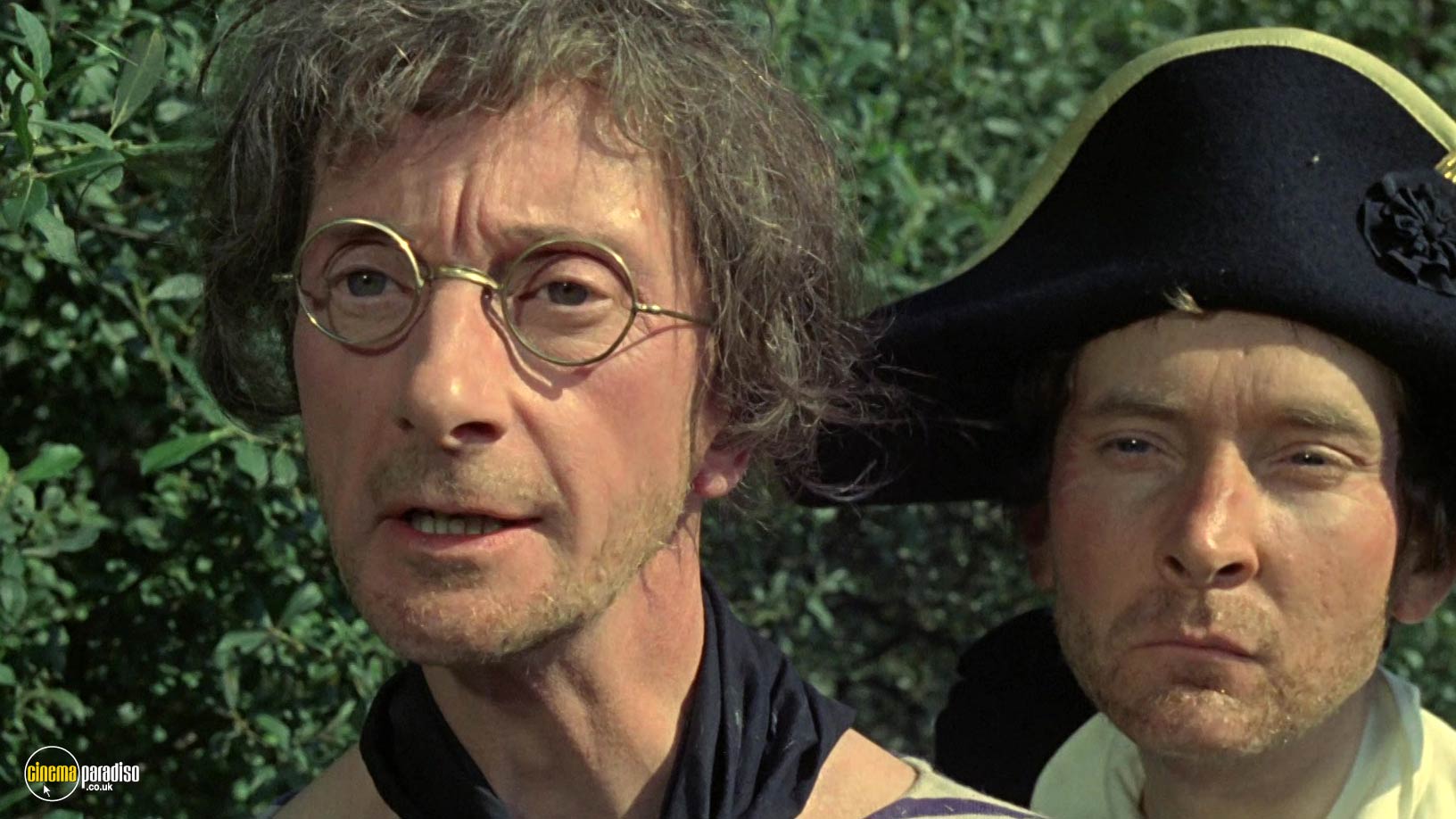
The emphasis was more pantomimic, as Barbara Windsor was cast in the principal boy tradition as Jim Hawkins, who falls in with the piratical Long John Silver (Sid James) in his pursuit of Captain Flint's treasure. However, there are also echoes of Carry On Jack (1964) as Terry Scott (Squire Treyhornay), Kenneth Connor (Dr Livershake), Bernard Bresslaw (Rollicky Bill), and Charles Hawtrey (Old Blind Pew) are joined by newcomers Bob Todd (Ben Gunn) and Wendy Richard (Kate). Much patchier than its predecessor, the second special faced a critical backlash and Thames opted against a third consecutive festive frolic. However, the gang was reassembled for Carry On Christmas (1972), although this proved to be the weakest of the quartet. Problems started when Talbot Rothwell fell ill and Dave Freeman had to step in to finish the teleplay. In order to do so, he dipped into the back catalogue and plucked out the dinner sequence from Carry On Up the Khyber and the madrigals that had been discarded from Carry On Henry (1971). He gave the banquet an 18th-century setting and used it to veer off into an Aladdin pastiche and a sojourn in the Garden of Eden.
With Kenneth Williams having nothing to do with the small-screen incarnations and Sid James being otherwise engaged, Charles Hawtrey made another of his misguided bids to boost his status and was promptly dumped by Rogers when he demanded top billing and a salary to match. His role was divided between Norman Rossington and Brian Oulton, leaving Hattie Jacques to lead the cast in taking multiple roles including Miss Molly Coddle and The Good Fairy. Joan Sims made her TV bow, with Lady Rhoda Cockhorse and Princess YoYo among her roles, while Barbara Windsor returned to play Aladdin and Eve. Kenneth Connor tackled Lieutenant Banghem and Hanky Poo, while Peter Butterworth was his typically amusing self as Sir Francis Fiddler, Captain Dripping, Lieutenant Trembler, and Hole in One. But the misfiring show was stolen by Jack Douglas, whose roles included Ringworm, Adam, and the King of the Underworld.
There were two televisual offerings in 1973. Produced by ATV, What a Carry On! was fronted by Shaw Taylor and centred on the West End hit, Carry On London (see below). Despite containing the only known footage of the stage show, as well as interviews with Sid James, Barbara Windsor, Kenneth Connor, Peter Butterworth, Bernard Bresslaw, and Jack Douglas, no one seems to have bothered placing a recording in the archives. Fortunately, we can bring you Carry On Christmas (1973), which saw Talbot Rothwell return to the writer's table to use the feud between department store Santa, Sid Belcher (Sid James), and his boss (Kenneth Connor) as an excuse to present vignettes set during the Stone Age, the 18th century, the Great War, and the medieval milieu of Robin Hood.
The gags are well-worn and decidedly unwoke, particularly when Joan Sims brings Barbara Windsor to the grotto to sit on Santa's lap. But the cast give it their all, as they always did, with Connor, Douglas, Bresslaw, and Butterworth joining Sims and Windsor in pink tutus for a ballet sequence. In the caveman segment, Sid James plays Seed Pod to Windsor's Crompet, alongside Connor (Anthra Pod) and Sims (Senna Pod), while James is Sir Henry and Connor and Sims essay a bishop and his wife in the Georgian skit. Down in the trenches, we find Captain Ffing-Burke (Bresslaw), Sergeant Ball (James), and Private Parkin (Connor), while Sherwood Forest is home to Robin Hood (James), Will Scarlett (Connor), Friar Tuck (Butterworth), Allan-a-Dale (Jack Douglas), and Little John (Bresslaw) in a saucy rewriting of history that involves Windsor's Maid Marian and Sims's Lady Frances of Bristol.
There was another Christmas special, which is often overlooked, as it only ran for 24 minutes. Essentially, Carry On Laughing's Christmas Classics (1983) was a rip-off of That's Carry On!, but it did bring Kenneth Williams belatedly into the festive fold, alongside Barbara Windsor. This isn't available on disc and is even difficult to find online. Sadly, Cinema Paradiso is also unable to bring you Carry On Laughing, which racked up 13 episodes across two series in 1975. As these are out of reach, we shall content ourselves with a brief overview.
With Talbot Rothwell off the scene, writing duties fell to Dave Freeman and Lew Schwarz (who wrote six episodes each), while Barry Cryer and Dick Vosburgh contributed 'Orgy and Bess', a lampoon of Sir Francis Drake's encounter with the Spanish Armada that saw Sid James bow out of the series after having headlined the first three outings, 'The Prisoner of Spenda', 'The Baron Outlook', and 'The Sobbing Cavalier'. The first series was completed by 'One in the Eye For Harold', which riffed on the Norman Conquest, and 'The Nine Old Cobblers'.
This was followed in the second series by 'The Case of the Screaming Winkles' and 'The Case of the Coughing Parrot' in featuring Jack Douglas as Lord Peter Flimsey and Kenneth Connor as his valet, Punter. They parodied the Dorothy L. Sayers whodunits that had been adapted for the BBC, with Ian Carmichael as Lord Peter Wimsey. Cinema Paradiso users are invited to catch up with the excellent originals by clicking on Clouds of Witness (1972), The Unpleasantness At the Bellona Club, Murder Must Advertise (both 1973), The Nine Tailors (1974), and Five Red Herrings (1975).
Two further episodes, 'And in My Lady's Chamber' and 'Who Needs Kitchener?', took aim at Upstairs, Downstairs (1971-75) by casting Jack Douglas as Clodson the butler and Joan Sims as Mrs Breeches the cook. Another two were set at Camelot, with Connor, Sims, Bresslaw, and Butterworth respectively playing King Arthur, Queen Guinevere, Sir Lancelot, and Merlin in 'Under the Round Table' and 'Short Night, Long Daze'. Rounding things off was 'Lamp Posts of the Empire', a dismaying paean to Britain's imperial past that cast Connor as Henry Morton Stanley and Bresslaw as David Livingstone, alongside Butterworth as Lord Gropefinger and Oscar James as a well-educated witch doctor.
It was perhaps as well that the series ended here, as the sound of barrel scraping was becoming as difficult to ignore as the growing lapses in taste and social decorum. Rogers never missed the opportunity to keep his beloved films in the public eye, however, and sanctioned the Thames clips series, Carry On Laughing (1981-83). Although the BBC had periodically shown Carry On films, the originals had mostly been broadcast by the various ITV franchises and it wasn't until 1983 that Auntie presented its own 'best of' series, under the title, What a Carry On. The Beeb also asked Leslie Phillips to narrate a two-hour radio homage, Carry On Forever!, and the same title was recycled when Martin Clunes (who had appeared in Carry On Columbus, 1992) narrated a three-part history of the series in 2015.
On the Boards
Not content with establishing an outpost on television, Peter Rogers also took the Carry On brand into theatres. Although the show was called Carry On London, it debuted at the Birmingham Hippodrome and ran from 14-29 September 1973 before transferring to the Victoria Palace in the capital, where it opened on 4 October. After 207 performances, the final curtain fell on 30 March 1974, prior to a nationwide tour that continued into the following year.
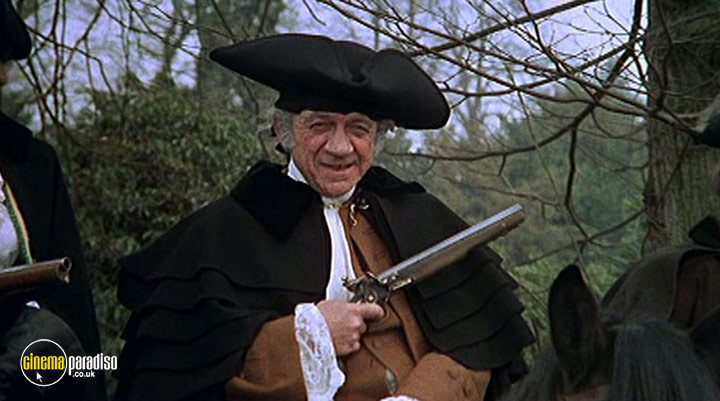
Rogers certainly believed in ensuring that his stars earned their keep, as Carry On Girls, Carry On Dick (1974), and Carry On Laughing were all made during the stage show's run. Kenneth Williams and Joan Sims wanted nothing to do with it, but Sid James, Barbara Windsor, Kenneth Connor, Peter Butterworth, Bernard Bresslaw, and Jack Douglas put themselves through eight shows a week at the Victoria Palace under the direction of the latter's brother, Bill Robertson.
Initially, James was wary of including Douglas in the line-up, as he was more of a comedian and music-hall turn than an actor. Douglas also liked to ad lib and James, who was a stickler for the script, was worried that the show would descend into chaos without structure and discipline. However, audiences warmed to Douglas during the stand-up, song, and dance sequences and James came to enjoy the challenge of playing opposite him. Writer Talbot Rothwell knew that James was the big draw, however, and based the extended sketches on the films in which he had excelled. 'The Scoutmaster' borrowed gags from Carry On Camping, while 'Elizabethan Madrigals' salvaged the rude ditties that Rothwell had written for the original draft of Carry On Henry, so that James could belt out 'Balls, Balls, Banquets, and Balls' every night. In lampooning the various medical comedies, Bernard Bresslaw stole 'Emergency Ward 99', as he donned the matron's uniform in the absence of Hattie Jacques. James and Windsor joined forces on 'Cleopatra's Palace on the Nile', which saw them take the roles of Julius Caesar and Cleo that had been taken in the 1964 feature by Kenneth Williams and Amanda Barrie.
Rather than revisit past glories, Rogers tried something new with Carry On Laughing: The Slimming Factory (1976). This was a standard issue farce set on a health farm that starred Kenneth Connor, Peter Butterworth, Liz Fraser, and Jack Douglas and occupied the Royal Opera House in Scarborough from June to September 1976. However, as the comedy had been written by Sam Cree, several of the other regulars opted not to get involved (out of a mixture of respect and superstition), as Sid James had been appearing in the playwright's The Mating Seasonw when he had collapsed on the stage of the Sunderland Empire on 26 April, just two months before the summer season started.
The last theatrical hurrah was provided by Wot a Carry On in Blackpool (1992), which was written by Barry Cryer and Dick Vosburgh. Jim Dale and Leslie Phillips were toiling in Carry On Columbus when Barbara Windsor and Bernard Bresslaw started rehearsals for this tribute to old-fashioned British entertainment. The premise revolved around a 1940s repertory company based at a seaside theatre, as they performed an array of music-hall numbers, stand-up routines, speciality acts, and sketches. Filling Blackpool's North Pier Theatre from 22 May-27 June and from 26 July-25 October, the show attracted nostalgics, holidaymakers, and curiosity seekers. As is often the case, the punters enjoyed it more than the critics, which is how it should be. Moreover, it provided a positive alternative to Columbus, which was savaged when it opened on 2 October. Regrettably, nobody thought to make a filmed record of any of the stage productions, which will slowly slip from memory because the press paid them so little attention and theatre scholars have yet to take an interest in the Carry On stage triptych.
Records and Regrets
Kenneth Williams was ubiquitous in the first two parts of Cinema Paradiso's Carry On odyssey. But, because he steered clear of the TV and stage offerings, he's been more of a bit player in this third and final instalment. Nevertheless, he still holds the record for the most appearances in the Carry On films, with his 26 outings putting him on top of the podium ahead of Joan Sims (24) and Charles Hawtrey (23). Just missing out on the medals is Sid James (19), who leads a select group whose credits number in the teens: Kenneth Connor (17), Peter Butterworth (16), and Hattie Jacques, and Bernard Bresslaw (14 each). The only other two in double figures are Jim Dale (11) and Barbara Windsor (10), although we should mention tMichael Nightingale (13) and Peter Gilmore (11), who lead the way in the supporting player stakes. Indeed, we've not referred to Nightingale until now, even though he had nine on-screen and four uncredited Carry Ons to his name. Keep an eye out for him. He's the town crier in Carry On Jack, the bank manager in Carry On Cowboy (1965), and the poor chap who keeps getting asked about the locket containing Sir Rodney's mother's false teeth in Don't Lose Your Head (1966).
Honourable mentions should also go to Patsy Rowlands (9), Jack Douglas (8), and Terry Scott (7), especially as the latter had his scenes cut from Carry On At Your Convenience (1971) and Carry On Abroad (1972). While extending our apologies to those who racked up between nine and five credits, we'd like to linger on the members of the Four Up Club, as they include such familiar faces (particularly in the early monochrome offerings) as Leslie Phillips, Eric Barker, Bill Owen, Terence Longden, June Whitfield, Esma Cannon, Liz Fraser, Dilys Laye, Angela Douglas, Jacki Piper, Julian Orchard, Brian Oulton, and Jon Pertwee.
Three's company for Kenneth Cope, John Bluthal, Bernard Cribbins, Shirley Eaton, Sally Geeson, Renée Houston, and Norman Rossington, while it's two and out for Amanda Barrie, Windsor Davies, Fenella Fielding, Anita Harris, Carol Hawkins, Percy Herbert, Frankie Howerd, Richard O'Callaghan, Jimmy Logan, and the wonderful Betty Marsden, whose braying laugh helps make Carry On Camping so irrestible (for all its faults; see below).
As they form the second-longest running British cinematic franchise after the Bond movies, the Carry Ons are also unique in having so many single shot leads. In alphabetical order, let us doff our caps to such one-offers as Robin Askwith (Girls), Dora Bryan, William Hartnell, Bob Monkhouse (all Sergeant ), Roy Castle (Khyber), Harry H. Corbett (Screaming!), Suzanne Danielle (Emmannuelle), Judy Geeson, Melvyn Hayes (both England), Imogen Hassall ( Loving ), Wilfred Hyde-White (Nurse), Donald Houston, Juliet Mills (both Jack), Lance Percival (Cruising), Phil Silvers (Camel), and Elke Sommer (Behind).
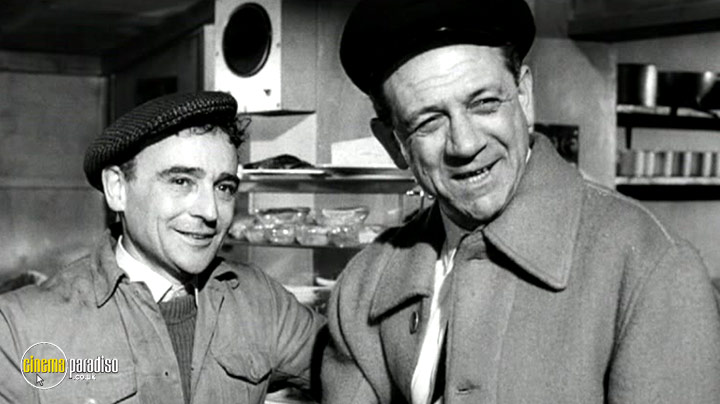
Following on from the roll of honour, we should take a quick gander at the projects that never made it off the drawing board. First up is Carry On Smoking (1961), which would have revisited screenwriter Norman Hudis's tried-and-trusted rubbish raw recruits scenario, with Kenneths Williams and Connor joining Leslie Phillips as trainee fire fighters. However, it was decided that a tragic blaze close to the release date could damage the film's box-office prospects and the idea was filed away. Undaunted, Hudis tried again with Carry On Spaceman, which would have pitched the same trio into an astronaut training programme. As NASA's Gemini launches had caught the public imagination, this seemed to have potential, even though Kenneth More had already starred in Basil Dearden's Man in the Moon (1960). Having just released the first Carry On in colour (Cruising), however, Peter Rogers didn't want to risk another expensive venture and he settled for Carry On Cabby (1963) instead.
Similarly struggling to get off the ground was Carry On Flying (1962), which was to have starred Jim Dale as a rookie in the RAF. However, access to aeroplanes on a tight budget proved an insurmountable problem and Hudis was forced to admit defeat and relocate to Hollywood. This led to Talbot Rothwell becoming the new writer-in-chief, who moved the series away from the workplace and into a past viewed through the prism of cinema. Following his triumph with Carry On Cleo (1964), he suggested Carry On Robin, which would have parodied the tropes established in the recent Richard Greene series, The Adventures of Robin Hood (1955-60), and Terence Fisher's Hammer spin-off, Sword of Sherwood Forest (1960). Perhaps because he was set to be demoted to a supporting role in favour of Jim Dale, Sid James let it be known that he fancied doing a Western parody and Carry On Cowboy (1965) got the nod.
The success of the BBC series, Colditz (1972), resulted in the release of a board game that tasked players with escaping from the infamous Gernan POW camp. Rothwell was clearly a fan, as he proposed Carry On Escaping (1973), which would also chime in with the 10th anniversary of John Sturges's wartime classic, The Great Escape (1963). One can certainly imagine Kenneth Williams as the monocled camp commandant, while Sid James plays the Pat Reid-like leader of the escape committee. As we noted in Part 1 of this survey, Rothwell had first-hand experience of escaping from a Nazi camp, as he and Peter Butterworth had perfected a music-hall routine to distract the German guards when their hut-mates were tunnelling beneath their feet. Perhaps because the idea of the comic Nazis who would populate 'Allo 'Allo! (1982-92) still felt raw some 25 years after the war, Rogers decided against the plan, although he did eventually broach the conflict in Carry On England.
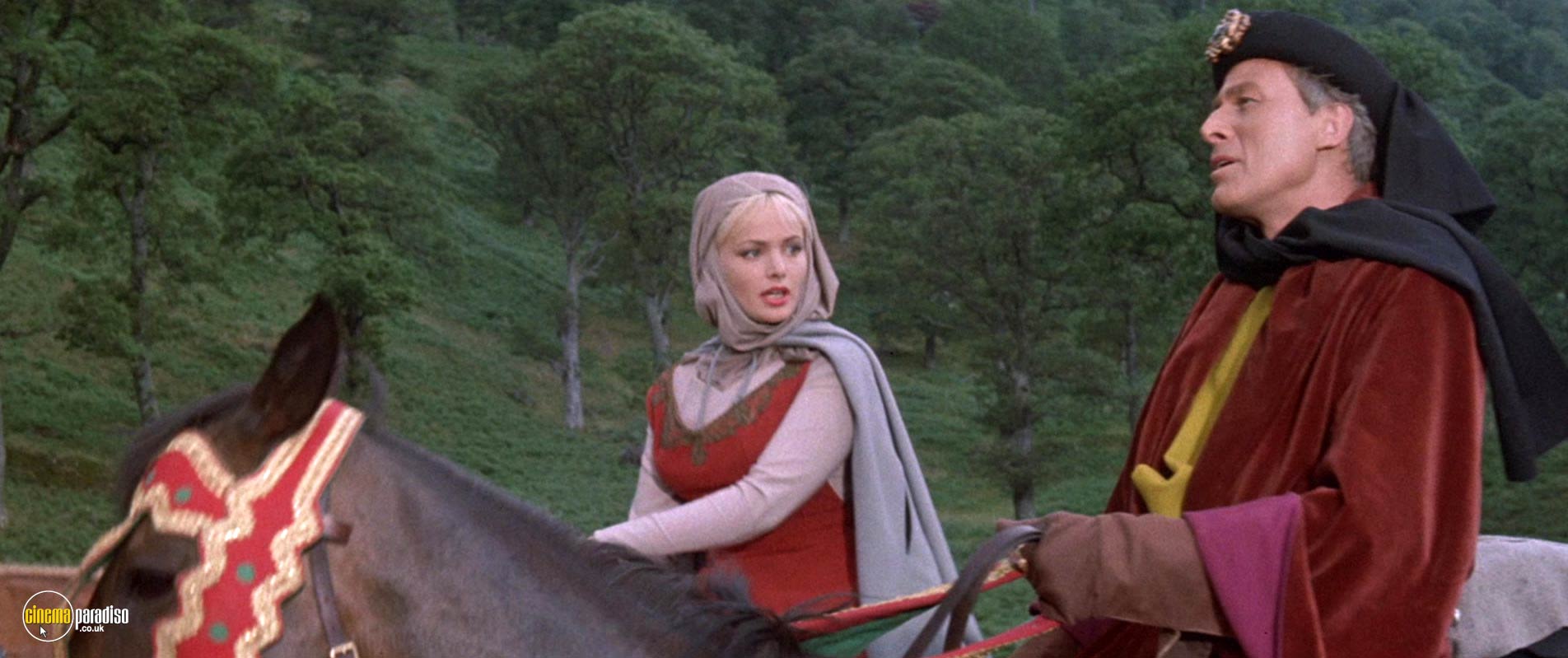
Rothwell had also departed the scene by the time that Rogers attempted to refloat the franchise with Carry On Texas (1980). Kenneth Williams was lined up to play a bungling variation on J.R. Ewing, while roles were seemingly offered to Kenneth Connor, Jack Douglas, Joan Sims, Barbara Windsor, and Jim Dale. There were even rumours that Charles Hawtrey might be invited back into the fold. But Lorimar, the production company behind Dallas (1978-90), had no idea that Rogers operated on a shoestring and demanded a royalty fee that was reportedly 20 times the film's budget. Windsor, Douglas, Bernard Bresslaw, Terry Scott, and Anita Harris were in the mix when the project was revived in 1987, but it was soon returned to the shelf.
Around the same time, Vince Powell came up with Carry On Down Under (1981), which was to have cashed in on the popularity of the series in Australia. Gerald Thomas scouted locations while on holiday, while negotiations were opened with the Australian Film Commission about contributing to the budget. However, the Ozploitation new wave celebrated in Mark Hartley's rousing documentary, Not Quite Hollywood (2008), had demonstrated that an Aussie film culture could exist without relying on the old country. So, the financial deal fell through, although it's unlikely that Kenneth Williams would have made the film without Hattie Jacques, who died in October 1980.
Rogers had always been fond of the medical romps, perhaps because they razzed the Doctor comedies adapted from the writings of Richard Gordon, which had been produced by his wife, Betty Box. The title Carry On Again Nurse had been suggested during the pre-production for Carry On Doctor (1967) and Talbot Rothwell had referred to its predecessor in his alternative titles, Nurse Carries On Again and Death of a Daffodil. It was dusted down again in 1977 and appended to a script penned by George Layton and Jonathan Lynn. However, the tanking of Carry On Emmannuelle did for the franchise's association with Hemdale Films and the project seemed doomed. In 1988, however, Norman Hudis came forward with a story about a hospital facing closure and Rogers was able to persuade Kenneth Williams to join a cast that was set to include Barbara Windsor, Jack Douglas, Kenneth Connor, and a prodigal Charles Hawtrey. In a nice touch, Joan Sims (who was set to play Matron) was going to end the film by turning round a photograph of Hattie Jacques and asking her and the audience, 'Well, did I do alright?' The £1.5 million was already proving difficult to raise, when Williams and Hawtrey died within eight months of each other and the hope of reuniting the old gang one last time disappeared.
At the grand old age of 89, Peter Rogers had one last tilt at taking the Carry On tally to 32 and go some way to expunging the memories of England, Emmannuelle, and Columbus. Borrowing the title of his first stage offering, Rogers announced in 2003 that he would be co-producing Carry On London with James Black. The plot would revolve around a luxury limousine company that had been hired to ferry celerities to an awards ceremony and the likes of Danniella Westbrook, David Jason, Shaun Williamson, and Burt Reynolds were mentioned as cast possibles. By 2006, Peter Richardson of The Comic Book Presents had agreed to direct, with Vinnie Jones and Shane Ritchie now being mentioned in dispatches. With The Young Ones, French and Saunders, Red Dwarf, and Bottom already on his TV CV, Ed Bye hoped to add to Kevin and Perry Go Large (2000) and Fat Slags (2004) in his feature column by reviving the Carry Ons alongside Rogers, who had announced at a 50th anniversary party at Pinewood that he was keen to get the series up and running again.
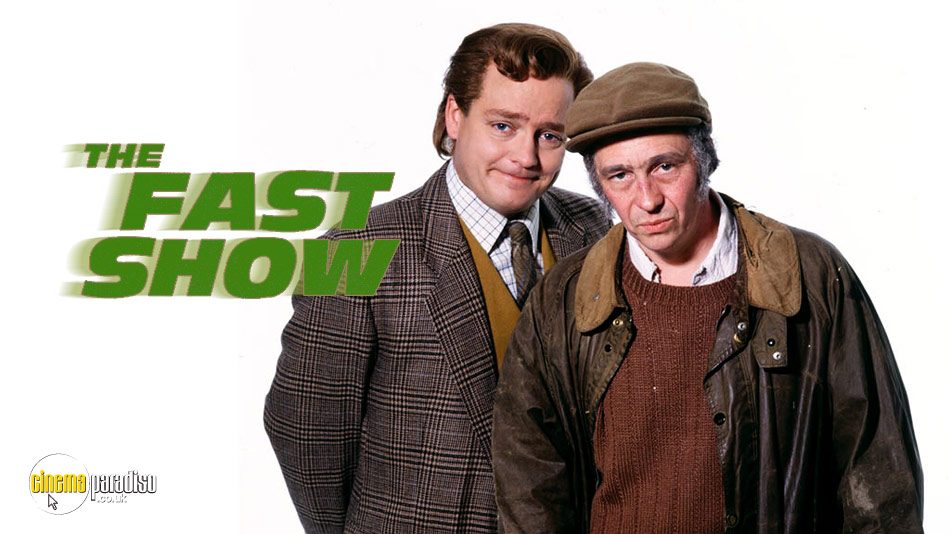
Within a year, however, Bye had been replaced by The Fast Show's Charlie Higson, who anticipated having Paul O'Grady in the Kenneth Williams role and Frank Skinner as the Sid James character, alongside Jennifer Ellison and Liza Tarbuck respectively channelling their inner Barbara Windsor and Hattie Jacques. Lenny Henry, Justin Lee Collins, Jynine James, Meera Syal, and James Dreyfus would also get a look in, as set construction started at Pinewood. However, the 95 year-old Rogers passed away on 28 April 2009 and Carry On London (or Carry On Bananas, as it was called in some quarters) went the way of its unmade predecessors.
In May 2016, Jonathan Sothcott informed the media that his Hereford Films company was ready to embark upon a series reboot with Carry On Doctors and Carry On Campus. Within a year, Sothcott was out. But a friend of Peter Rogers, Brian Baker, declared in September 2019 that he was confident that he could churn out three new Carry Ons in rapid succession after having beaten ITV in a nine-year, £500,000 legal battle over the rights to the films. The plan to shart shooting in the spring of 2020 was scuppered by Covid-19. But the demise of Barbara Windsor in December of that year failed to dampen Baker's spirits, as he confidently asserted that he would use old footage to ensure that 'Barbara will be making an appearance.' He also told the Daily Star Sunday that 'we have got two new stories and we are looking to do one of the old ones again to bring it up to modern day quality - probably Carry On Sergeant.' But his company has since been dissolved and no one has subsequently laid claim to be the savour of the series. But that doesn't mean that someone won't try in the future.
Can We Keep Carrying On?
Seven decades after they started, the Carry On comedies remain a guilty pleasure for many. They can seem dated with their lack of diversity, their stereotypical social outlook, and their blatant smuttiness. Taken together, however, they offer a snapshot of the times in which they were made and, while this wasn't always particularly enlightened when it came to the objectification of women and the depiction of the country's imperial past, they feel less contentious than so much other wince-inducing British entertainment from the same period.
As comedy expert Robert Ross told the Daily Telegraph in May 2025 after Ofcom had issued guidelines that threatened the broadcast integrity of the Carry Ons and their ilk, 'No producer, no actor, no writer of that generation of comedy set out to be malicious or offend on purpose. It was all for good, clean fun.' Around the same time, journalist Robert Taylor opined in The Spectator: 'It appears the Carry On films have made the unpardonable error of reflecting the social and cultural norms of their time rather than having the foresight to mirror those of half a century later.' By contrast, Fiona Sturges wrote in The Guardian: 'Nowadays we might reasonably look upon the worst of the Carry On franchise as we do an elderly relative whose generous distribution of Werther's Originals is accompanied by a stream of low-level bigotry.'
This shrewd observation explains why so many find the Carry Ons simulatneously reassuring and disconcerting. Others, however, have equated their feted consistency of tone and spirit with the politicised nostalgia that brought about Brexit. While it's understandable that much current discussion centres on the franchise's egregious flaws, the films retain an historical significance that also sheds light on prevailing views. Academic Andy Medhurst once averred, 'If you want to find out what a culture thinks about itself, look at what it laughs at.' The early Carry Ons reflected on postwar British life through it public service institutions and, in the process, presented critiques of the patriarchal establishment and class division that contributed to the seismic shift in socio-political attitudes in the 1960s. Indeed, they did so more effectively than the critically acclaimed social realism of the 'kitchen sink' sagas penned by a clique of 'angry young men' because they were seen in vast numbers and afforded working-class audiences an opportunity to see versions of themselves on the screen.
Often mirroring contemporary attitudes towards gender, sexuality, race, colonialism, and the social infrostructure, the Carry Ons were hardly radical manifestos. In many ways, they outlived their usefulness and made themselves look rather ridiculous by ditching insolence and innuendo for blatant bawdiness in a bid to remain relevant in the permissive age. Yet they nurtured a mistrust of authority that helped undermine the cult of deference and point Britain towards social equality. The casts were such practiced performers that they are able to coax us into enjoying what we all know is a bit silly, smutty, corny, and crummy. It may not be so funny any longer, but it's a joke we're all in on. Furthermore, even though times have changed, the Carry Ons still reflect so acutely Britain's notions of itself during a period of diminished global status and domestic readjustment that they still has much to say about who we are today and how we live. As Fiona Sturges put it, 'Such hoary old relics are worthy of our reflection, showing us how far we have come, while reminding us what is yet to be done.'
Sixteen years before the Carry Ons were launched, George Orwell wrote 'The Art of Donald McGill', a 1942 essay on the artist synonymous with the saucy seaside postcard. 'A comic postcard is simply an illustration to a joke,' Orwell wrote, 'invariably a "low" joke, and it stands or falls by its ability to raise a laugh.' Judging by that criterion, the Carry Ons would have to be deemed a success, as they have been raising laughs for 68 years. Indeed, even though Orwell was writing decades before political correctness, let alone woke, several passages from his text could be applied to the 31-film series.

'Your first impression,' Orwell claimed of the postcards, 'is of overpowering vulgarity. This is quite apart from the ever-present obscenity, and apart also from the hideousness of the colours. They have an utter lowness of mental atmosphere which comes out not only in the nature of the jokes but, even more, in the grotesque, staring, blatant quality of the drawings.' Rejig the odd word and he could have been talking about any one of the films made from Camping (1969) onwards. He continued: 'Your second impression, however, is of indefinable familiarity. What do these things remind you of? What are they so like? In the first place, of course, they remind you of the barely different postcards which you probably gazed at in your childhood. But more than this, what you are really looking at is something as traditional as Greek tragedy, a sort of sub-world of smacked bottoms and scrawny mothers-in-law which is a part of Western European consciousness. Not that the jokes, taken one by one, are necessarily stale. Not being debarred from smuttiness, comic postcards repeat themselves less often than the joke columns in reputable magazines, but their basic subject-matter, the kind of joke they are aiming at, never varies.'
In other words, like McGill's postcards, the Carry Ons are part of a longstanding tradition of artefacts going out of fashion as moral standards and cultural tastes change. Orwell went on, 'In general, however, they are not witty, but humorous, and it must be said for McGill's postcards, in particular, that the drawing is often a good deal funnier than the joke beneath it.' The same could certainly be said for the way the Carry On actors socked across the gags rather than the calibre of their content.
Orwell even anticipates the target audience for the Carry Ons and the aspects of British society that they exposed. 'Inter-working-class snobbery,' he wrote. 'Much in these postcards suggests that they are aimed at the better-off working class and poorer middle class. There are many jokes turning on malapropisms, illiteracy, dropped aitches and the rough manners of slum dwellers.' He continued: 'There can be no doubt that these pictures lift the lid off a very widespread repression...When one examines McGill's post cards more closely, one notices that his brand of humour only has a meaning in relation to a fairly strict moral code. So also with jokes about nagging wives and tyrannous mothers-in-law. They do at least imply a stable society in which marriage is indissoluble and family loyalty taken for granted.'
Similarly, Orwell was ahead of the game when it came to claiming that McGill (for which we can read 'the Carry Ons') were too crude to be worth noting. 'There is a constant worldwide conspiracy,' he claimed, 'to pretend that he is not there, or at least that he doesn't matter. Codes of law and morals, or religious systems, never have much room in them for a humorous view of life. Whatever is funny is subversive, every joke is ultimately a custard pie, and the reason why so large a proportion of jokes centre round obscenity is simply that all societies, as the price of survival, have to insist on a fairly high standard of sexual morality. A dirty joke is not, of course, a serious attack upon morality, but it is a sort of mental rebellion, a momentary wish that things were otherwise. So also with all other jokes, which always centre round cowardice, laziness, dishonesty or some other quality which society cannot afford to encourage. Society has always to demand a little more from human beings than it will get in practice. It has to demand faultless discipline and self-sacrifice, it must expect its subjects to work hard, pay their taxes, and be faithful to their wives, it must assume that men think it glorious to die on the battlefield and women want to wear themselves out with child-bearing. The whole of what one may call official literature is founded on such assumptions. I never read the proclamations of generals before battle, the speeches of fuehrers and prime ministers, the solidarity songs of public schools and left-wing political parties, national anthems, Temperance tracts, papal encyclicals and sermons against gambling and contraception, without seeming to hear in the background a chorus of raspberries from all the millions of common men to whom these high sentiments make no appeal. Nevertheless the high sentiments always win in the end, leaders who offer blood, toil, tears and sweat always get more out of their followers than those who offer safety and a good time. When it comes to the pinch, human beings are heroic. Women face childbed and the scrubbing brush, revolutionaries keep their mouths shut in the torture chamber, battleships go down with their guns still firing when their decks are awash. It is only that the other element in man, the lazy, cowardly, debt-bilking adulterer who is inside all of us, can never be suppressed altogether and needs a hearing occasionally.'
Warming to his theme - and one which we can still apply to the Carry Ons - Orwell opined: 'The comic postcards are one expression of his point of view, a humble one, less important than the music halls, but still worthy of attention. In a society which is still basically Christian they naturally concentrate on sex jokes; in a totalitarian society, if they had any freedom of expression at all, they would probably concentrate on laziness or cowardice, but at any rate on the unheroic in one form or another. It will not do to condemn them on the ground that they are vulgar and ugly. That is exactly what they are meant to be. Their whole meaning and virtue is in their unredeemed lowness, not only in the sense of obscenity, but lowness of outlook in every direction whatever. The slightest hint of "higher" influences would ruin them utterly. They stand for the worm's-eye view of life, for the music-hall world where marriage is a dirty joke or a comic disaster, where the rent is always behind and the clothes are always up the spout, where the lawyer is always a crook and the Scotsman always a miser, where the newly-weds make fools of themselves on the hideous beds of seaside lodging-houses and the drunken, red-nosed husbands roll home at four in the morning to meet the linen-nightgowned wives who wait for them behind the front door, poker in hand. Their existence, the fact that people want them, is symptomatically important. Like the music halls, they are a sort of saturnalia, a harmless rebellion against virtue. They express only one tendency in the human mind, but a tendency which is always there and will find its own outlet, like water. On the whole, human beings want to be good, but not too good, and not quite all the time.'
In conclusion, Orwell said of the ribald postcard: 'The corner of the human heart that they speak for might easily manifest itself in worse forms, and I for one should be sorry to see them vanish.' Surely, the same could be said for the Carry Ons. They're not perfect, but they had an crafty understanding of human nature and the society in which the audience dwelt. Life in Britain has undoubtedly changed since these films were made. But not that much in its essentials and not always for the better. Half a century after the last of the original 30 was made, they remind us of who we were and who we aspire to be. We have made progress, but we can't afford to rest on our laurels. For better or worse, we simply have to keep on Carrying On.
Mentioned films