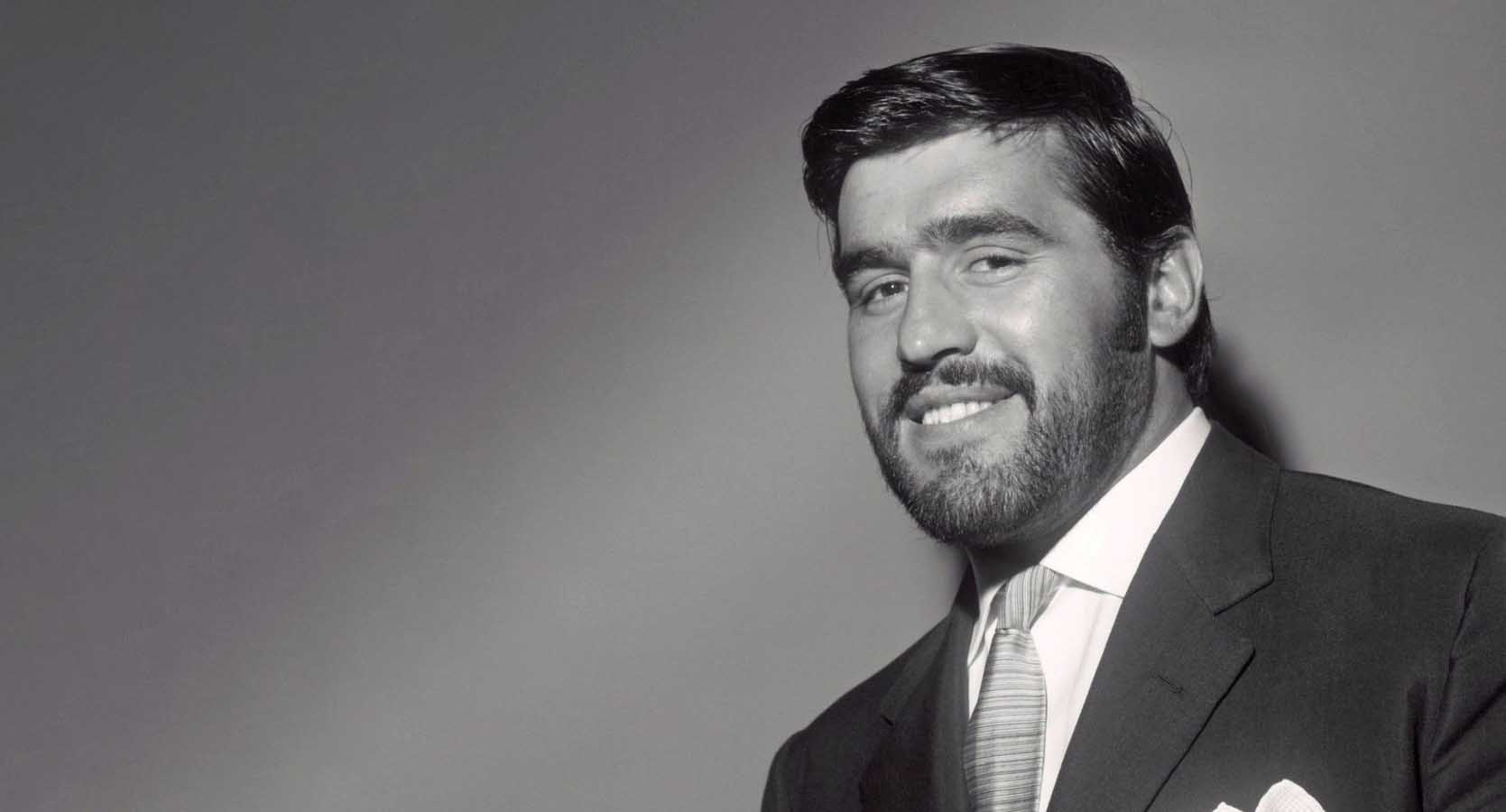
This summer has seen the sad passing of many familiar faces. Cinema Paradiso pays tribute in a two-part Remembering special, which starts with those we lost back in April and May.
We have become so used to instant news coverage that it comes as something of a surprise when a showbiz death is announced months after it has occurred. This has happened twice this summer, as Ann Robinson's demise on 26 September 2025 was revealed on 17 May, which just happens to have been the birthday of Joan Blackman, whose death on 16 March was only made public on 7 August.
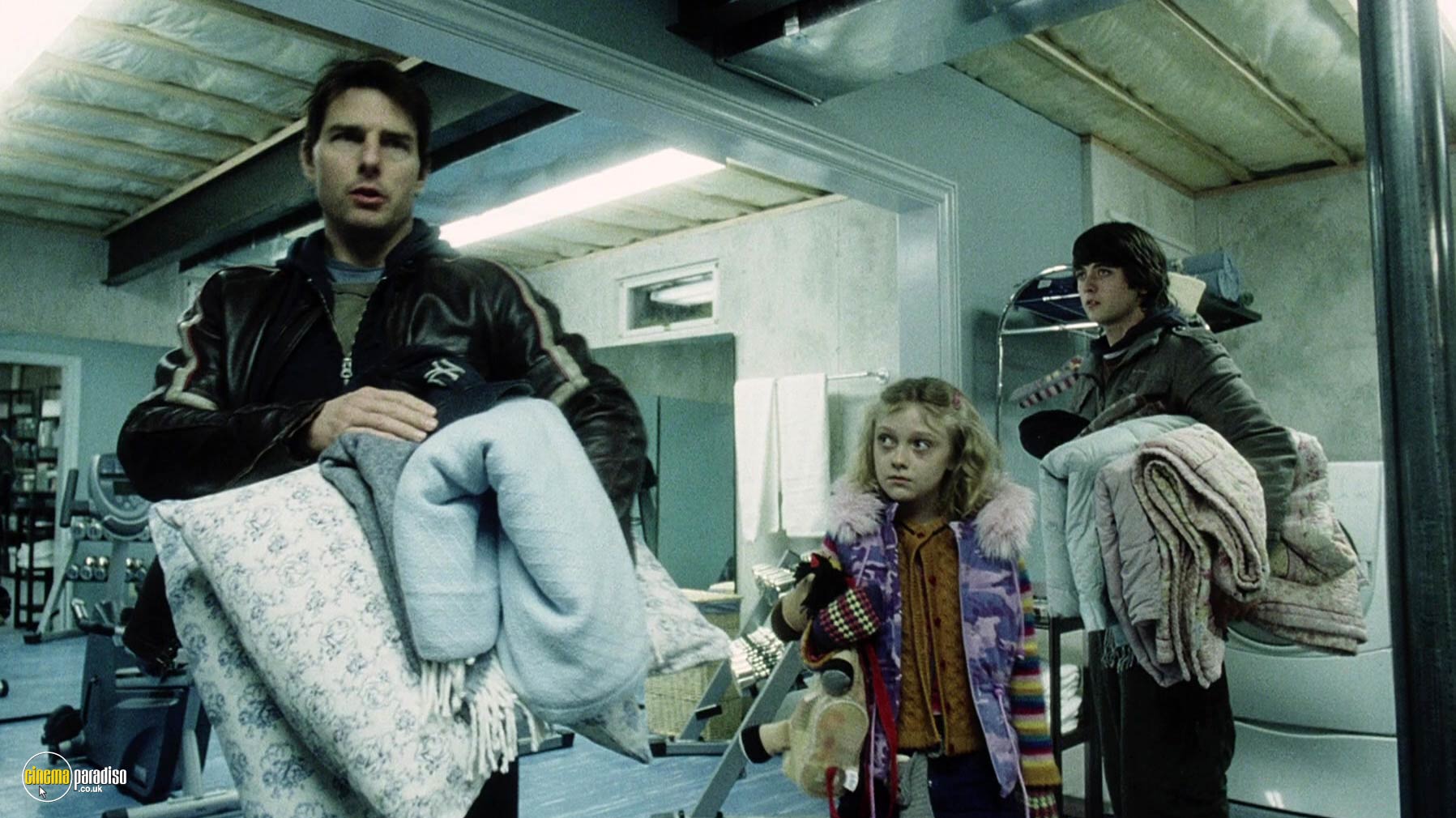
Born in Hollywood on 25 May 1929, Robinson was taught to ride by her banker father when she was just three years old. Lying about her age, she started doing stunt work in 1949, notably doubling for Shelley Winters in Frenchie (1950). Paramount offered her a contract and Robinson played Dr Sylvia Van Buren in George Pal's cult adaptation of H.G. Wells's The War of the Worlds (1953). With her distinctive red hair, Robinson had a key scene in which Gene Barry attacks the alien touching her shoulder with an axe. She reprised the role in three episodes of the 1988 series, War of the Worlds, as well as in the low-budget offerings, Midnight Movie Massacre (1988) and The Naked Monster (2005). When Steven Spielberg remade War of the Worlds (2005), he cast Robinson as Tom Cruise's mother-in-law and had her and Barry recreate their iconic 1953 scene. She also discussed the role in Drive-In Movie Memories (2001). No wonder she once said, `I've gotten more mileage out of War of the Worlds than Vivien Leigh did on Gone With the Wind.'
When Paramount dropped her option, Robinson married a Mexican matador and her career suffered. However, Cinema Paradiso users can see her as Officer Grace Downey in Dragnet (1954), saloon singer Rose Fargo in Gun Brothers (1956), rancher Judy Olliphant in Gun Duel At Durango (1957), and Helen Cox in the 1961 `Ambition' episode of Alfred Hitchcock Presents (1955-65). She also guested in TV series like Perry Mason, Rawhide, and Peter Gunn.
Joan Blackman was born in San Francisco on 17 May 1938 and soon started taking singing and dancing lessons, as her father was a musician. Appearing on television and in military shows during high school, she relocated to Hollywood after winning a beauty contest. Signed up by Burt Lancaster's production company, Blackman made her screen debut in Good Day For a Hanging (1959).
Having appeared with Tony Curtis in The Great Impostor and Jerry Lewis in Visit to a Small Planet (both 1960), Blackman lost the role of Maria in the Oscar-winning West Side Story (1961) to Natalie Wood. Her consolation prize came in happy ever afters with Elvis Presley as Maile Duval in Blue Hawaii (1961) and Rose Grogan in Kid Galahad (1962). A stint as Mario Fowler followed on Peyton Place (1965-66). But, having guested in TV shows like Bonanza and Perry Mason, Blackman eventually found herself in low-budget genre outings such as Pets (1973) and Shivers (1975), although she kept singing in spots around Los Angeles.
APRIL
The daughter of a master character actor, Angela Pleasence was born in Chapeltown in Yorkshire on 17 September 1941. Such was her resemblance to Donald Pleasence that they twice played father and daugher: as Jim and Emily Underwood exacting a cruel price for helping frustrated middle-manager Christopher Lowe (Ian Bannen) deal with his loveless marriage in the `Act of Kindness' segment of the horror anthology, From Beyond the Grave (1974), and as the beatific Reverend Septimus Harding and his devoted daughter, Mrs Grantly, in a BBC adaptation of Anthony Trollope's The Barchester Chronicles (1982).
Trained at the Royal Academy of Dramatic Art, Pleasence struggled initially to emerge from her father's shadow, although she attracted attention as Monica Sutton, a hippie squatting in Elsie Tanner's old house in a 1968 storyline in Coronation Street. She made her name steadily on stage, however, and through such small-screen turns as Liz Grayson in Alan Clarke's take on Peter Terson’s The Last Train Through the Harecastle Tunnel (1969) for The Wednesday Play and as Catherine Howard seducing Keith Michell in The Six Wives of Henry VIII (1970). She would return to Tudor times as Elizabeth I opposite David Tennant in the 2007 Doctor Who episode, `The Shakespeare Code'.
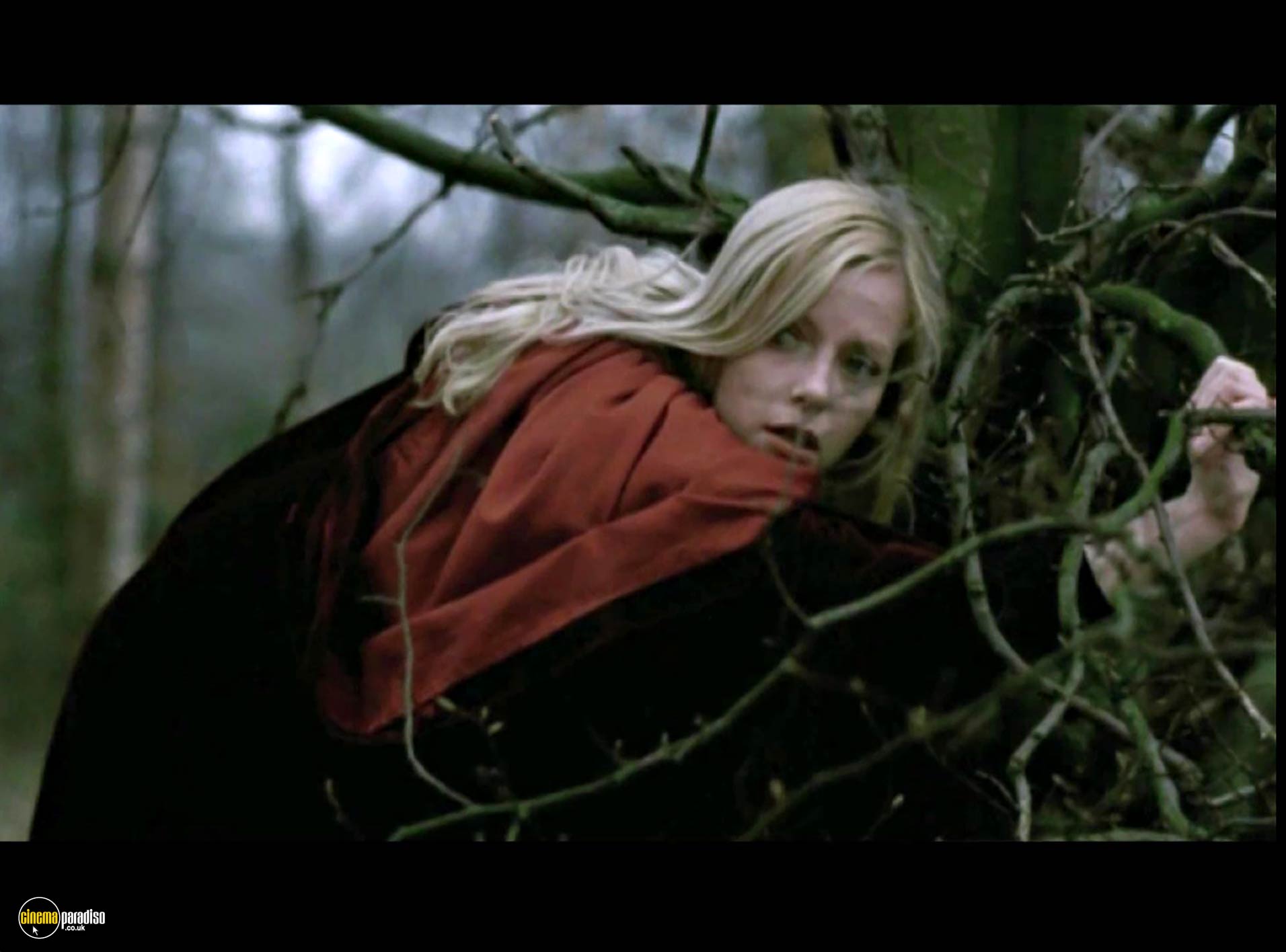
Despite being deeply impressive in horrors like Symptoms (1974) and The Godsend (1980), Pleasance was most in demand for BBC serials, as Lady Bertram in Mansfield Park (1983), The Ghost of Christmas Past to George C. Scott's Scrooge in A Christmas Carol (1984), and Molly Farren in Silas Marner (1985), although she also proved a fine Fantine in Lew Grade's Les Miserables (1978). Capable of being waif-like and frightening, Pleasence never really found her place in movies, in spite of late roles in The Search For John Gissing (2001), Gangs of New York (2002), and The Gigolos (2007). However, she was a reliable guest star in shows like Dixon of Dock Green, The Bill, Midsomer Murders, Casualty, and Agatha Christie's Poirot before making eclectic contributions to Dr Terrible's House of Horrible (2001), The Sarah Jane Adventures (2007), Your Highness (2011), Whitechapel (2013), and Happy Valley (2016), in which she essayed Sarah Lancashire's Croatian neighbour, Winnie. She was 84 when she died on 6 April.
Racking up over 200 film and television roles during a 70-year career, Mario Adorf was one of the most versatile character actors in postwar European cinema. Born in Zurich on 8 September 1930, he was raised in Germany and became a member of the Hitler Youth after spending part of his childhood in an orphanage. Dropping out of the University of Mainz, Adorf started acting and made an immediate impression as Nazi-era serial killer Bruno Lüdke in Robert Siodmak's The Devil Strikes At Night (1957), which was nominated for the Oscar for Best Foreign Film.
Having participated in a Latin American revolution in The Taste of Violence (1961) and maintained a desert oil pipeline in Station Six-Sahara (1963), Adorf was a suspect in Ten Little Indians and went to Hollywood to make Major Dundee (both 1965) for Sam Peckinpah. He then bounced between such Westerns as Winnetou (1963) and The Specialists (1969) and gialli like The Bird With the Crystal Plumage (1970), Short Night of Glass Dolls (1972), and What Have They Done to Your Daughters? (1974), as well as Fernando Di Leo Poliziotteschi like Caliber 9 and The Italian Connection (both 1972).
At the same time, Adorf turned down Billy Wilder's One, Two, Three (1961), Peckinpah's The Wild Bunch (1969) and Francis Ford Coppola's The Godfather (1972). But he became a key figure in Das Neue Kino, playing Kommissar Beizmenne in Volker Schlöndorff's The Lost Honour of Katharina Blum (1975) and Alfred Matzerath in the same director's Oscar-winning adaptation of Gunther Grass's The Tin Drum (1979), which also shared the Palme d'or with Coppola's Apocalypse Now. Adorf was also cast as Schukert in Rainer Werner Fassbinder's Lola (1981).
As well as mini-series like Marco Polo and Smiley's People (both 1982), Adorf adorned such diverse features as Billy Wilder's Fedora (1978), John Frankenheimer's The Holcroft Covenant (1985), Claude Chabrol's Quiet Days in Clichy (1990), and Bille August's Smilla's Sense of Snow (1997). To the end of his long career, he was content to play baddies. `The villain is the [most] interesting role,' he once said. `I don't love the villains as people, as characters, but I know their significance, so I'm happy to lend them my body, my face.' Mostly involved in local television during his later years, often with directors Helmut Dietl and Dieter Wedel, he received a lifetime achievement award in 2004. But he continued to act right up to Ahmet Tas's Real Fight (2023) before passing away in Paris, at the age of 95, on 8 April.
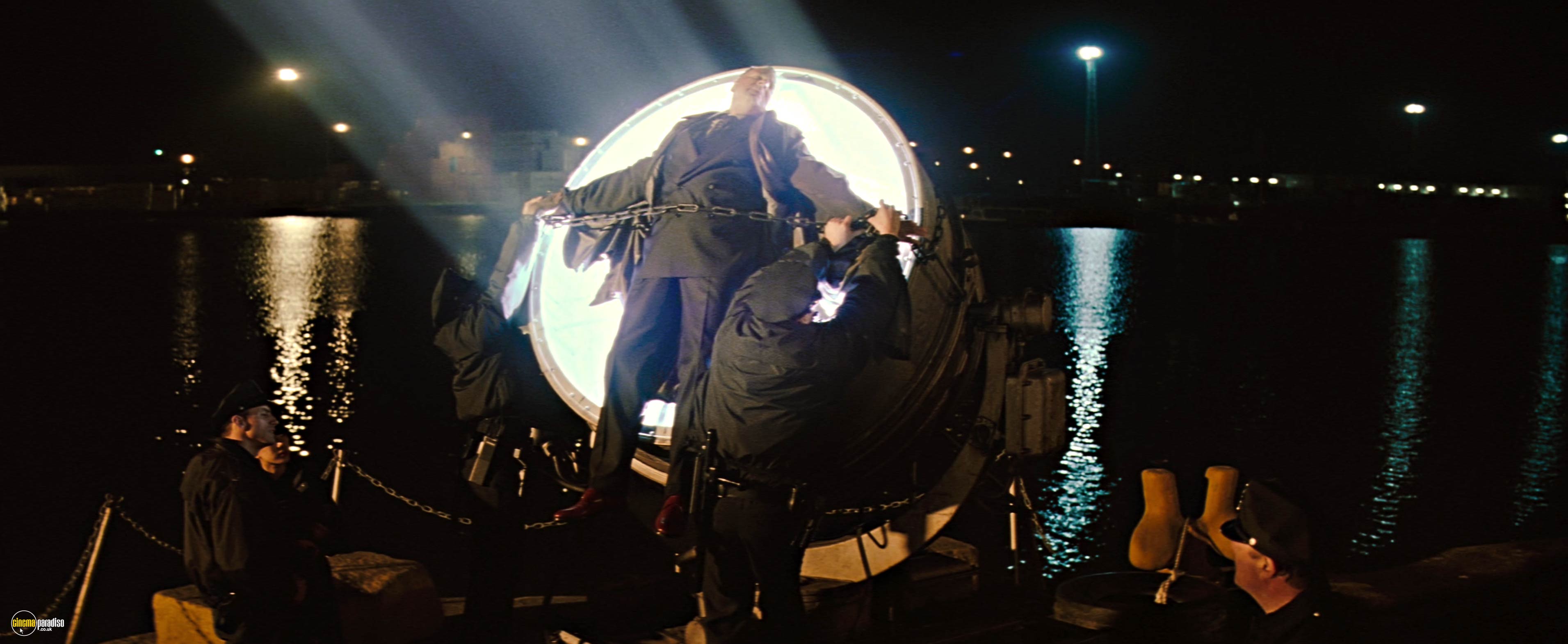
Departing on 22 May at the age of 87, John Nolan did not live to see the success of nephew Christopher's take on The Odyssey (2026). However, the Woolwich-born actor did feature as a policeman in Following (1998), Wayne Enterprises board member Douglas Fredericks in Batman Begins (2005) and The Dark Knight Rises (2012), and the Blind Man in Dunkirk (2017). Moreover, he also took the pivotal role of antagonist John Greer in Seasons Two to Five of the US series, Person of Interest (2011-16), which was devised by Christopher's younger brother, Jonathan.
Born on 22 May 1938, Nolan trained at the Drama Centre in London and took his first roles at the Royal Court Theatre before spending time in Stratford with the Royal Shakespeare Company. On television, he was scientist Geoff Hardcastle in the second series of Doomwatch (1971) and 1920s Mancunian artist Nick Faunt in Shabby Tiger (1973). But he often guested in 70s staples like The Sweeeney, Six Days of Justice, Crown Court, Dickens of London, 1990, and Return of The Saint. Big screen opportinities were rarer, but he headlined the supernatural slasher, Terror (1978).
Married to Kim Hartman in 1975 - who played Private Helga Geerhart in 'Allo 'Allo! (1982-92) - Nolan subsequently popped up in the likes of Enemy At the Door (1980) and Silent Witness (1996) and played Balthazar in Trevor Nunn's Masterpiece Theatre production of The Merchant of Venice (2001). His final role saw Nolan play the Speaker of the High Council in the first season of Dune: Prophecy (2024).
According to the Guinness Book of World Records, Asha Bhosle is the most recorded singer of all time. During an eight-decade career, she sang over 12,000 songs, mostly in Hindi, but she also worked in over 20 other languages. Famously, she had a frosty rivalry with her older sister, Lata Mangeshkar, as their playback vocals featured in hundreds of Bollywood masala movies.
Following the death of her actor-musician father, the 10 year-old Ashalata made her singing debut in the Marathi film, Majha Bal (1943). She worked mostly on low-budget titles before Raj Kapoor hired her for Boot Polish (1954). But it was the partnership with music director O.P. Nayyar, forged on B.R.Chopra's Naya Daur (1957), that made Bhosle a playback star. Unfortunately, her marriage to her sister's secretary in 1949 drove a wedge between them, although they did sing together on such films as Mere Mehboob (1963), Gazal (1964), and Main Tulsi Tere Aangan Ki (1978).
Although Nayyar shaped her destiny, Bhosle also worked well with future husband R.D. Burman after Vijay Anand's Teesri Manzil (1966), often singing duets with Mohammad Rafi. In addition to traditional filmi like Burman's `Dum Maro Dum' from Dev Anand's Haré Rama Haré Krishna (1971), she also mastered ghazals after Muzaffar Ali's Umrao Jaan (1981). The subject of the 1997 Cornershop single, `Brimful of Asha', that Fatboy Slim took to No.1, Bhosle often topped the Indian charts, with songs from the likes of Lagaan (2001) and Filhaal (2002). In 2002, she sang `The Way You Dream' with REM's Michael Stipe in Jamie Catto and Duncan Bridgeman's documentary, 1 Giant Leap (2002), which was also used in Paul Hunter's Bulletproof Monk (2003). At the age of 79, Bhosle made her acclaimed acting debut in Mahesh Kodiyal's Mai (2013). Known for her love of cookery and cricket, Bhosle died in Mumbai at the age of 92 on 12 April.
Cinema Paradiso covered the career of Joy Harmon (died 14 April) in 10 Films to Watch If You Liked Cool Hand Luke, so we shall move on to Mary Rivera, another actress renowned for one role, who passed on the following day, although the news was not made public until early August. Born in Iloilo Province in the Philippines on 2 June 1943, Rivera assisted on a local radio station before working as a teacher and a church missionary in the United States.
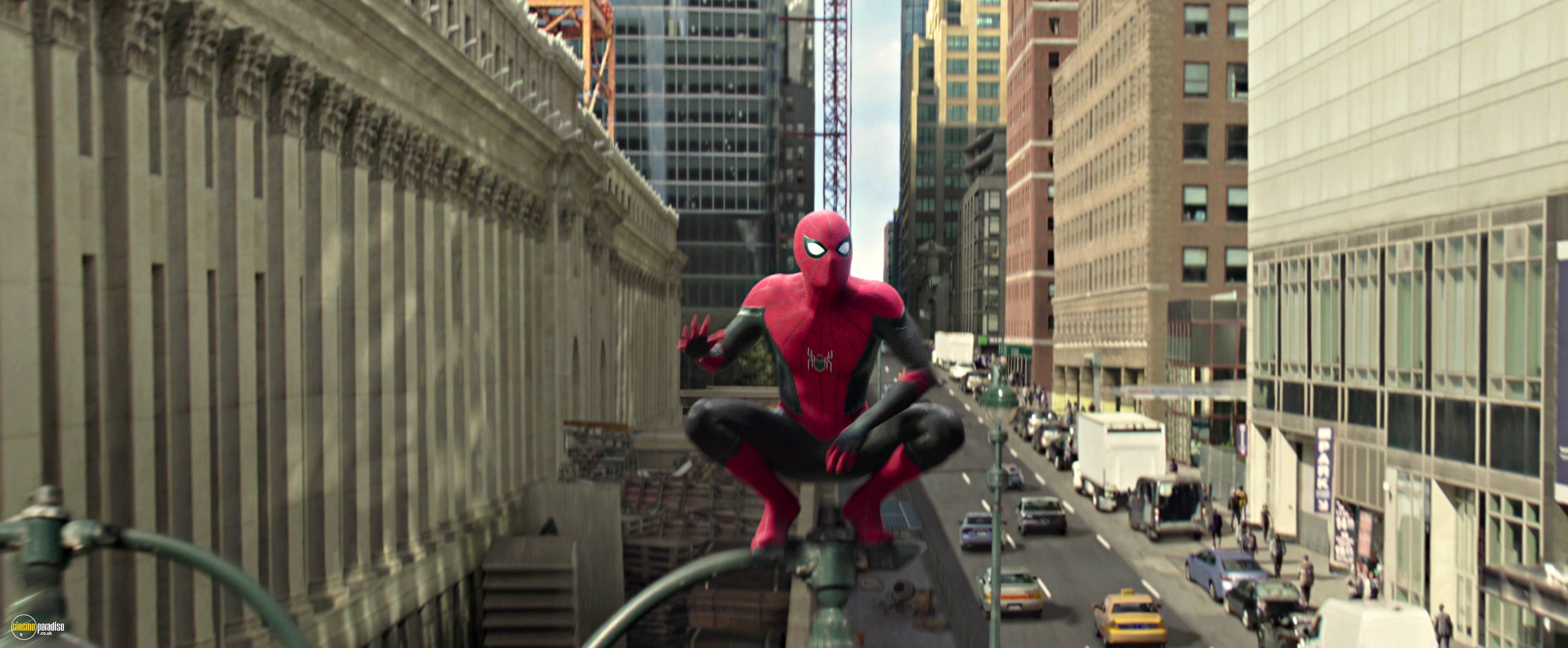
Little is known about her life until she submitted an audition tape after seeing a Facebook ad for a Filipina performer aged between 50-90. She quoted John Steinbeck's The Grapes of Wrath in her piece and was duly cast as the lola of Ned Leeds (Jacob Batalon) in Jon Watts's Spider-Man: No Way Home (2021). Rivera only appears in one scene and speaks in Tagalog (a first for a Hollywood blockbuster), as she chides the visitors to her kitchen, who just happen to be played (for the first time in the Marvel Cinematic Universe) by Tobey Maguire, Andrew Garfield, and Tom Holland.
Nadia Farès was only 57 when she died on 17 April. Born to a Moroccan father and Armenian mother in Marrakesh on 20 December 1968, she grew up in France and had released singles and acted on television before making her feature bow in the comedy, My Wife's Girlfriends (1992). Roles followed in modest hits like Christopher Frank's Love in the Strangest Way (1994) and Claude Lelouch's Men, Women: A User's Manual (1996) before she became a star for playing Fanny Ferreira opposite Vincent Cassel and Jean Reno in Mathieu Kassovitz's The Crimson Rivers (2000).
Having played streetwise agent Hélène Laborie in Florent Emilio Siri's The Nest (2004), Farès got lost in a mangrove swamp with Robert Taylor in Jamie Blanks's Storm Warning (2007). However, ill health dogged her after marrying Hollywood producer Steve Chasman and a decade separated her roles as Agent Jade Kinler in Philip G. Atwell's War and her reunion with Lelouch, as Nadia in Everyone's Life (2017). Raising two daughters in Paris, she made Roger Avary's Lucky Day (2019) and Romuald Boulanger's On the Line (2022) before a cardiac arrest in a swimming pool tragically prevented her from making her directorial debut in September 2026.
Another French actress passed away on the same day. In around 100 film and TV roles, Nathalie Baye cut a distinctive figure with her grace and naturalism. The daughter of two unsuccessful painters, she was born in Mainneville in Normandy on 6 July 1948 and was raised in bohemian penury. She quit school at 16 after struggling with dyslexia and dyscalculia and worked as an au pair in New York, where she also took dance lessons. Returning to Paris, she trained at the famous Cours Simon drama school and the Conservatoire National Supérieur d'Art Dramatique.
Following Robert Wise's Two People (1972), she brought understated vivacity to the role of Joëlle the script girl in François Truffaut's Day For Night (1973) and he cast her again in The Man Who Loved Women (1977) and The Green Room (1978). Instantly in demand with France's biggest directors, Baye played Nathalie in Maurice Pialat's The Mouth Agape (1974), Charlotte in Alain Cavalier's Fill `er Up With Super, and Catherine in Claude Sautet's Mado (both 1976). As she once told The Sunday Telegraph magazine, `It went on from there like a chain, one director after another finding me. I never had to go out asking for work - I couldn't, I'm too shy, or too proud - but I have been lucky not to have had to.'
She won the César for Best Supporting Actress as aspiring journalist Denise Rimbaud in Jean-Luc Godard's Slow Motion (1980), although she was every bit as good as Laurence Cours, seeking to pull herself together after a breakdown in Betrand Tavernier's Une semaine de vcacances (1980), for which she received a César nomination for Best Actress. Having further impressed as Christine in Claude Goretta's La Provinciale (1980), Nina Coline in Pierre Granier-Deferre's Strange Affair, and Charlotte in Bertrand Blier's Beau-père (both 1981), Baye excelled as 16th-century peasant
Bertrande de Rols opposite Gérard Depardieu (with whom she made six films) in Daniel Vigne's The Return of Martin Guerre and as assured streetwalker Nicole Danet in Bob Swaim's thriller, La Balance (both 1982), which brought her the César for Best Actress.
Baye missed out on another after playing Donatienne Pouget, Marie-Thérèse Chatelard, and Geneviève Avranches alongside Alain Delon in Betrand Blier's Notre histoire (1984), although both her male co-workers won their awards. After their romance made headlines, Baye co-starred with singer Johnny Hallyday in Godard's Détective (1985), in which she played Françoise Chenal, the wife of a hard-up pilot (Claude Brasseur). Yet, while she teamed with women directors Diane Kurys and Nicole Garcia for C'est la vie and Every Other Weekend (both 1990), few of Baye's pictures around this period travelled widely outside France.
In a rare English-language excursion, she played virologist Françoise Barré-Sinoussi (the co-discoverer of HIV) in Roger Spottiswoode's And the Band Played On (1993). She was also cast as Michelle opposite Richard E. Grant in Stephen Poliakoff's Food For Love (1997) before fine work as She in Frédéric Fonteyne's A Pornographic Affair and as Angèle in Tonie Marshall's Venus Beauty Institute (both 1999) brought a Volpi Cup at the Venice Film Festival for the former and another Best Supporting César for the latter. Always willing to take a risk, Baye stepped into Joanna Lumley's shoes as Patricia Laroche alongside Josiane Balasko's Edith Mousson in Gabriel Aghion's French version of Absolutely Fabulous (2001). But she was more her normal self as Leonardo DiCaprio's mother, Paula Abagnale, in Steven Spielberg's Catch Me If You Can (2002).

Claude Chabrol sought Baye to play Anne Charpin-Vasseur in his psychological thriller, The Flower of Evil, before she won her second Best Actress César for her turn as Caroline Vaudieu, a recovering alcoholic returning to work as a senior police commander in Paris in Xavier Beauvois's The Young Lieutenant (2005). She was also on fine form as defence lawyer Elisabeth Feldman in Guillaume Canet's Tell No One (2006), but British audiences didn't get to see her in Xavier Beauvois's To Matthieu (2000), Thomas Gilou's Michou d'Auber (2007), Josiane Balasko's A French Gigolo (2008), or Tsai Ming-liang's Face (2008). Cinema Paradiso users can see Baye with Audrey Tautou in Pierre Salvadori's Beautiful Lies (2010), as well as in the Xavier Dolan duo of Laurence Anyways (2012) and It's Only the End of the World (2016), for which she received the last of her 10 César nominations - with the others coming for .
I Married a Shadow (1984), Every Other Weekend (1991), and Feelings (2003).
Appointed a Chevalier of the Legion of Honour in 2009, Baye played Anne Visage in Frédéric Tellier's thriller series, Spin (2012), before guesting as herself in Call My Agent! (2016). She also appeared with daughter Laura Smet in Xavier Beauvois's Great War drama, The Guardians (2017), before bowing out as the dowager Marchioness of Montmirail in Simon Curtis's Downton Abbey: A New Era (2022). She was 77 when she died in Paris of Lewy body dementia, summing up her career in a 2021 TV interview: `It's the profession that came to me. What a great piece of chance it is, to do work that one loves. So many don't.'
Production designer Dean Tavoularis also died in Paris on 22 April. He had been born Constantine Tavoularis to Greek immigrant parents in Lowell, Massachusetts on 18 May 1932, but grew up around the studios in Los Angeles. Having worked as an in-betweener on the Disney classic Lady and the Tramp (1955) and a storyboard artist on 20,000 Leagues Under the Sea (1954), he joined art director Robert Clatwothy on the live-action Hayley Mills twosome, Pollyanna (1960) and The Parent Trap (1961). Following Clatworthy to Warner Bros., Tavoularis's contribution to Inside Daisy Clover (1965) persuaded Arthur Penn to ask him to design Bonnie and Clyde (1967) and Little Big Man (1970).
Suitably impressed, Francis Ford Coppola hired Tavoularis for The Godfather (1972) and they subsequently worked together on 12 further features, namely The Godfather Part II (for which he won his only Oscar), The Conversation (both 1974), Apocalypse Now (1979), One From the Heart (1981), The Outsiders, Rumble Fish (both 1983), Peggy Sue Got Married (1986), Gardens of Stone (1987), Tucker: The Man and His Dream, the `Life Without Zoë' segment of New York Stories (both 1989), The Godfather Part III (1990), and Jack (1996). They also joined forces on Megalopolis before it was abandoned following 9/11, although Beth Mickle and Bradley Rubin were credited when the project was completed in 2024.
Tavoularis met French wife Aurore Clément during the Philippines-based shoot captured in Fax Bahr and George Hickenlooper's Hearts of Darkness: A Filmmaker's Apocalypse (1991), only for Clément's performance to be cut and restored only in Apocalypse Now Redux in 2001. His only non-Coppola Oscar nod came for William Friedkin's The Brink's Job (1978), although he also designed for Michelangelo Antonioni (Zabriskie Point, 1970), Wim Wenders (Hammett, 1982), Warren Beatty (Bulworth, 1998), and Roman Polanski (The Ninth Gate, 1999 & Carnage, 2011). His work on Farewell My Lovely (1975) and Rising Sun (1993) was also top notch. Yet nothing would ever top the Las Vegas Strip that he recreated on the soundstages of Coppola's American Zoetrope studio for One From the Heart, even though the film's failure damaged his reputation. `I didn't work for almost two years,' he told the New York Times in 2003. `The movie was considered a fiasco, and I was perceived as being irresponsible because it went over budget. So I was totally blackballed by Hollywood. I took it as a badge of honour.' In his long retirement, Tavoularis devoted hmself to painting, sculpture, and collage before his death at the age of 93.
Although Abbe Lane died aged 94 on 25 April, the news only broke during the first week of August. This is rather in keeping with her track record with dates, as sources can't decide whether Abigail Lassman was born in New York on 14 December in 1931 or 1932. She started performing on the radio at four and featured in the Vitaphone short, Toyland Casino, in 1938. On Broadway at 19, she was spotted by bandleader Xavier Cugat and had a lengthy spell as his singer and wife (despite the sizeable age difference). They worked together in Fred F. Sears's Chicago Syndicate (1956), in which her number as Connie Peters typified her sensuous stage presence, complete with figure-hugging outfit.
Although she is best remembered as a singer of Latin songs, Lane was also a decent actress, co-starring with Van Heflin (in 3-D) in Wings of the Hawk (1953), Audie Murphy in Ride Clear of Diablo (1954), Glenn Ford in The Americano (1955), Peter Ustinov in The Wanderers (1956), and Cornel Wilde in Maracaibo (1958). The majority of her films were made in Italy, however, where she was a big TV star. Mario Monicelli directed her in A Night of Fame (1949) and Donatella (1956), but outings like The Lady Doctor (1957), Toto in Madrid, Sunset in Naples (both 1959), My Friend, Dr Jekyll (1960), and Julius Caesar Against the Pirates (1962) were strictly mainstream fare. Pope Pius XII was not a fan, however, dubbing her `sinfully sexy' after he saw her on television.
Back in the States after divorcing Cugat in 1964, Lane continued to sing under the billing `The Swingingest Sexpot in Show Business'. In addition to 15 appearances on The Ed Sullivan Show, she also guested in the likes of Burke's Law, The Man From U.N.C.L.E., The Brady Bunch. and Hart to Hart. She also voiced Moll in The Cricket on the Hearth (1966) before bowing out as the senior stewardess in the `Nightmare At 20,000 Feet' episode of Twilight Zone: The Movie (1983) and as the Enchantress in the `Guilt Trip' episode of Amazing Stories (1985), which was directed by Burt Reynolds.
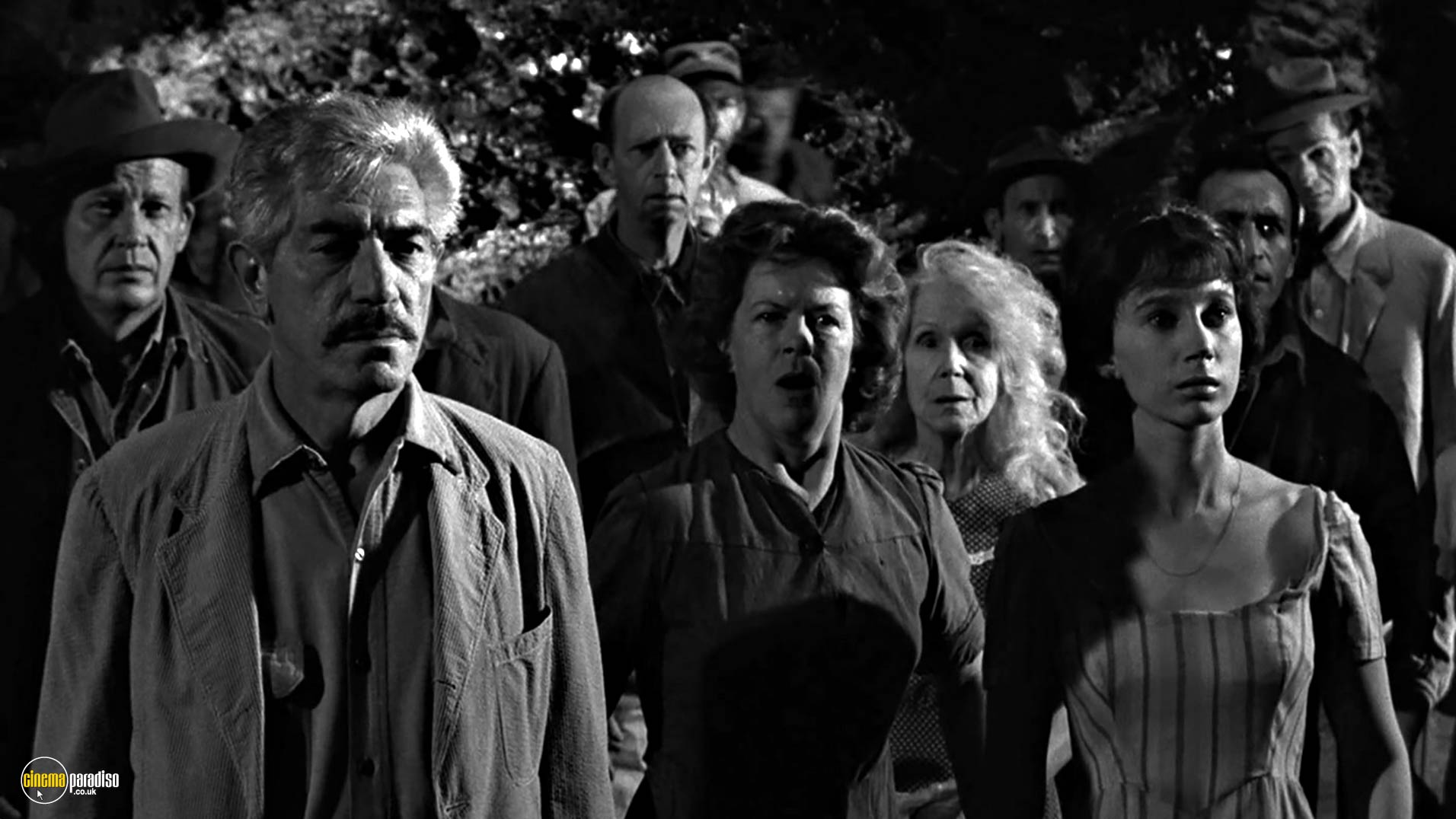
Born to Anglo-German parents in Baden-Baden on 30 September 1932, Antoinette Bower worked with the United Nations International Refugee Organisation before moving into broadcasting in Canada. During a trip to California, she was cast as Lady Gwendenare in an uncredited bit in Carol Reed's Mutiny on the Bounty (1962). Gravitating towards television, she played Miss Greco in `A Woman's Help' (1961) and Elisa Minden in `The Silk Petticoat' (1962) for Alfred Hitchcock Presents, while also catching the eye as Eve Norda stranded on a planet with astronaut Richard Basehart in the 1963 Rod Serling-scripted `Probe 7, Over and Out' episode of The Twilight Zone, and as the scheming Sylvia kissing William Shatner's Captain Kirk in the 1967 `Catspaw' episode of Star Trek.
For much of her career, Bower subsisted on guest roles in TV shows, appearing in Perry Mason, The Man From U.N.C.L.E., Burke's Law, The Fugitive, Hogan's Heroes, Get Smart, Mission: Impossible, Invaders, Ironside, Hawaii Five-O, Columbo, Kojak, The Six Million Dollar Man, Hart to Hart, and Murder, She Wrote. Following an uncredited bit in The Mephisto Waltz (1971), Bower topped the bill as Dr Alix Pardee in the Filipino horror, Superbeast (1972), and menaced an ailing woman as disgraced nurse Edith Harper in Die, Sister Die! (1978). Then, having been wife and mother to Leslie Nielsen and Jamie Lee Curtis in Prom Night (1980), she was kidnapped by Charles Bronson in the The Evil That Men Do (1984). After she stopped acting in 1993, Bower became a carpenter before spending her later years in a Los Angeles retirement home. She died on 30 April at the age of 93.
David Daker also left us on 30 April at the age of 90. Born in Bilston, Staffordshire on 29 September 1935, he so impressed as Long John Silver in a school play that he quit training to be a draughtsman to join the Oxford Playhouse Theatre School. Having learned his trade at Oldham Rep in the late 1950s, he refined his skills in Salisbury,
Birmingham, Cheltenham, and Farnham, although he never quite lost his Black Country accent.
After 84 episodes as PC Owen Culshaw in Z Cars (1967-68), he made his first trip (1968-69) to Weatherfield to play Basil Griffin being cuckolded by Len Fairclough. When he returned to Coronation Street (1981-85), as Rovers Return relief manager Gordon Lewis, he made himself so unpopular by suspending barman Fred Gee that he got sacks full of hate mail. He was also a regular guest on Dixon of Dock Green (1969-72) and played Irongron in `The Time Warrior' (1973-74) and Captain Rigg in `Nightmare of Eden' (1979) on Doctor Who.
A quick scroll through Daker's Cinema Paradiso credts page shows how prolific he was, often taking roles as hard men. Film parts were scarcer, although Lindsay Anderson cast him in both O Lucky Man! (1973) and Britannia Hospital (1982). He was also the father of Kevin (Craig Warnock) in Terry Gilliam's Time Bandits (1981), Ralph Woods in Stardust (1974), and the desk sergeant in I Bought a Vampire Motorcycle (1990). But he was always in demand on the small screen in programmes as different as All Creatures Great and Small, When the Boat Comes In, Rising Damp, Minder, The Gentle Touch, Juliet Bravo, Only Fools and Horses, Hallelujah!, The Bill, Midsomer Murders, Heartbeat, and Holby City.
Among his standout roles were prison bully Jarvis in the last episode of Porridge (1977), Auschwitz commandant Rudolf Höss in Holocaust (1978), Captain Nathan Spiker in Dick Turpin (1979-82), and Josiah Freston in The Woman in Black (1989). He also took on Reignier, Duke of Anjou, Vernon, the Duke of Buckingham, and Lord Hastings in the three parts of the BBC Television Shakespeare adaptation of Henry VI, reprising the latter for Richard III. But Daker (whose private life was sometimes troubled and even tragic) will always be fondly remembered as bungling Midlands entrepreneur Harry Crawford being extricated from scrapes by ex-firefighter pal, Ken (Michael Elphick) in 93 episodes of Boon (1986-95), which attracted audiences of 15 million during its seven-season run.
MAY
Attention all pub quizzers! The death of Garry Watson on 8 May 2026 finally brought the silent era to an end, as he was the last credited actor from the first phase of American screen history. The last actress, Mildred Kornman, has passed on at the age of 97 on 19 August 2022. But Watson has a second claim to fame, as he directly links the silent and sound eras, as his debut, Frank Lloyd's Drag (1929), was released in both formats, as many American movie theatres had not yet wired for sound. Sadly, the film is now lost, but the Watson legend lives on.
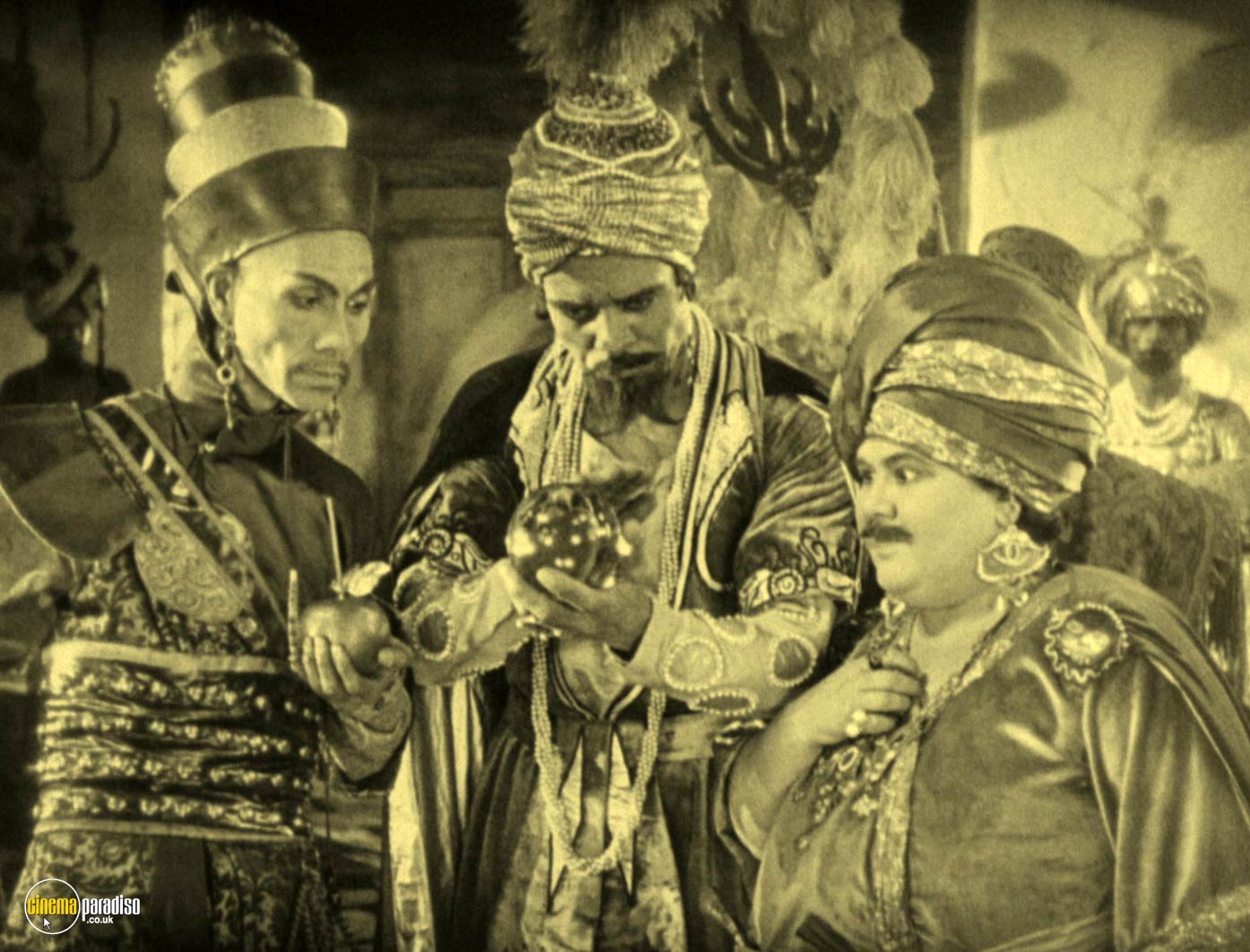
Plasterer James `Coy' Watson and his wife, Golda, had nine children, with Garry coming after Coy, Jr., Vivian, Gloria, Louise, Harry, Billy, and Delmar, but before Bobs (on 27 September 1928). Coy, Sr. broke into films by wrangling horses for such screen cowboys as Buck Jones, Hoot Gibson, and Tom Mix, while Golda washed costumes for the local studios. Eventually, Coy worked in special effects and helped devise the flying carpet for Raoul Walsh's Douglas Fairbanks epic, The Thief of Bagdad (1924).
As Mack Sennett's Keystone lot was 600 yards from the Watson home in Edendale, whenever the King of Slapstick needed a child actor, he hired a Watson, according to their gender and size. Delmar would be the most prolific, racking up over 300 credits. More modestly, Garry only made seven more features and he was uncredited in The Isle of Lost Ships, Live, Love and Laugh (both 1929), Wild Girl (1932), Life Begins At 40 (1935), Knute Rockne All American (1940), and The Exile (1947). But his name reached the screen along with Billy, Delmar, and Harry as the Hopper boys in Frank Capra's Mr Smith Goes to Washington (1939).
Following in the footsteps of their grandfather and uncle, all six Watson brothers became photographers, with Garry's 1960 photo of Steve McQueen with his Ferrari being in the permanent collection at the Getty Museum. He retired in 1986, joining his surviving siblings to receive a rare group star on the Hollywood Walk of Fame in 1999.
Born in Linz on 17 May 1940, the convent-educated Waltraud Lehner was part of the generation that rebelled against Austria's Nazi past and assumed the name Valie Export after a popular brand of cigarettes to distance herself from patriarchal associations. Known as an avant-garde performance artist, photographer, and sculptor, she experimented with a form of `expanded cinema' in such body pieces as `Tap and Touch Cinema' (1968) and `Action Pants: Genital Panic' (1969). She also made several shorts and features, including Invisible Adversaries (1977) and The Practice of Love (1984), in order to critique the depiction of women in the media and `to liberate culture from masculine values'. Frustratingly, her sly, but challenging films are hard to find on disc, as is Claudia Müller's profile, Valie Export: Ikone und Rebellin (2015), even though its narrators are Marina Abramovic and Elfriede Jeline. Export died on 14 May at the age of 85.
Chinese Trinidadian entertainer Jacqueline Chan was born in Port of Spain on 15 July 1934. She left for London at 16 to train as a dancer and was cast in the West End productions of The Teahouse of the August Moon, The King and I, and The World of Suzie Wong. In the 1960 film version of the latter, Chan was cast as Wan Chai girl Nancy Kwan's knitting-obsessed friend, Gwennie Lee. Having played Lotos, the handmaiden forced to drink a poisoned chalice, in Joseph L. Mankiewicz's Cleopatra (1963), Chan plumbed the depths as ill-fated Japanese pearl diver Toshi in Bernard L. Kowalski's Krakatoa: East of Java (1969). Her film career never really took off, however, as she spent time raising a family in Amsterdam. But she still found gainful employment as a singer and as a guest in such TV series as The Saint, Emergency Ward 10, Ghost Squad, The Main Chance, Thomas and Sarah, Reilly: Ace of Spies, The Chinese Detective, and the Shirley MacLaine vehicle, Shirley's World.
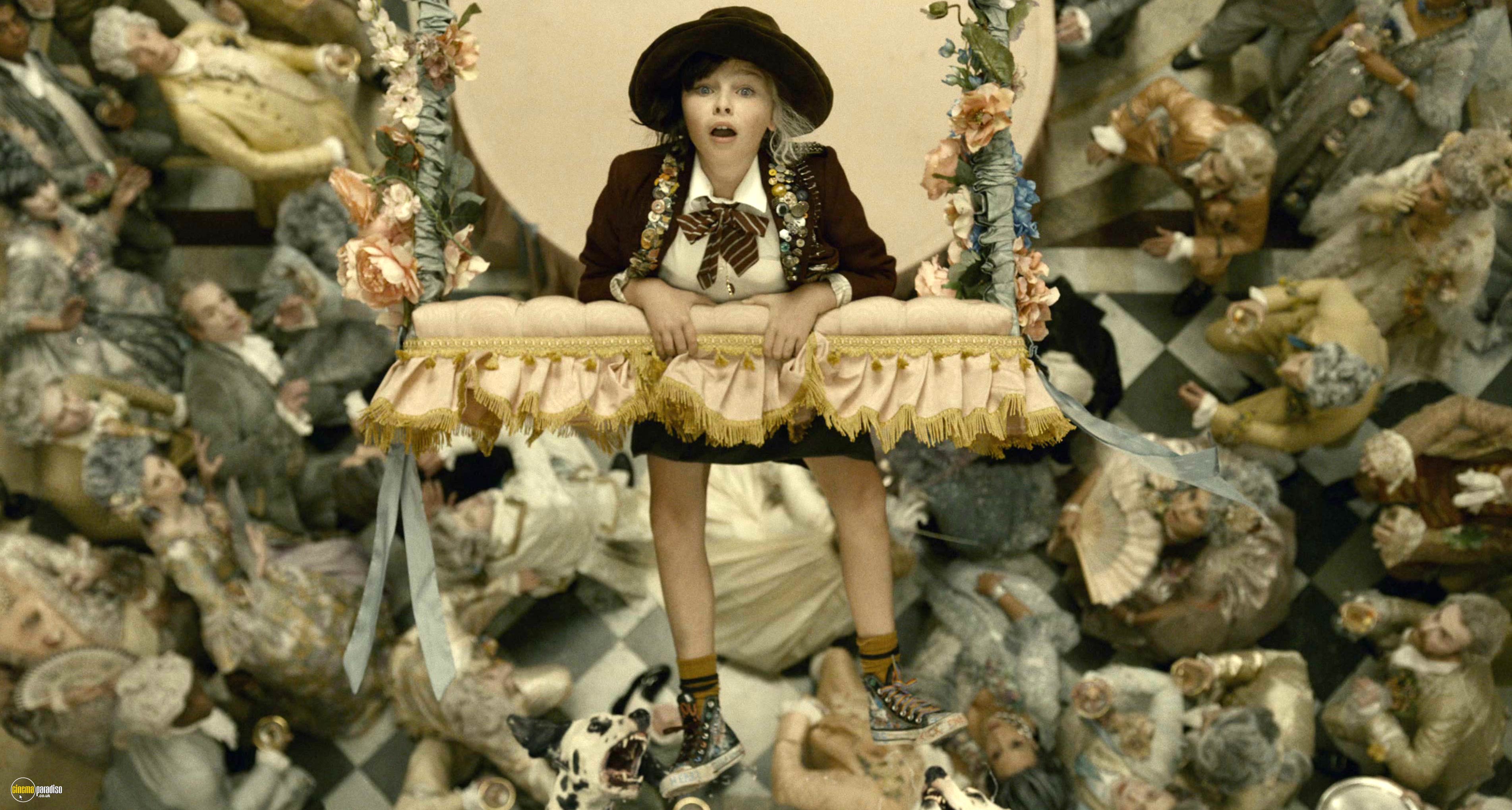
In her later years, Chan took small roles in such diverse features as Wake of Death (2004), A Fantastic Fear of Everything (2012), Cruella (2021), and Supergirl (2026). She was also played by Alice Hewkin in Season 2 of The Crown (2016-23), although her relationship with photographer Anthony Armstrong-Jones was recalled with a degree of controversy, as some critics claimed the depiction was stereotypical, while Chan joked the staircase sex scene looked rather uncomfortable. The liaison with the future Lord Snowden prompted Chan to turn down the lead in A Girl Named Tamiko (1962), as the story felt too close to home and France Nuyen was cast opposite Laurence Harvey's shutterbug.
New Yorker Charles Cioffi racked up 101 credits during the course of a five-decade career, with his three best-known roles being Lieutenant Vic Androzzi in Shaft, stalker Peter Cable in Klute (both 1971), and Tom Cruise's widowed father in All the Right Moves (1983). Born on 31 October 1935, Cioffi established himself in crime flicks like Lucky Luciano (1973) and The Don Is Dead (1973), but he could convince on either side of the law, playing Lt. Matt Reardon in the TV spin-off from Get Christie Love! (1974) and Chief George Morris opposite Telly Savalas in a Kojak quartet in the late 1980s. Sci-fi fans will also recognise him as FBI section chief Scott Blevins in The X-Files (1993-97).
Further features included Gray Lady Down (1978), Time After Time (1979), Missing (1982), Remo Williams: The Adventure Begins (1985), and Used People (1992). But, while he had his moments on stage, Cioffi was very much a TV character actor who never let the side down. Holding his own out West in Bonanza and The Little House on the Prairie, Cioffi graced occasional comedies like Taxi, Frasier, and The Larry Sanders Show, and such dramas as St Elsewhere, Thirtysomething, and Chicago Hope. He also had fun as a veneful businessman in the daytime soap, Days of Our Lives. But his core credits came in crime shows like The Streets of San Francisco, Hawaii Five-O, NYPD Blue, Matlock, LA Law, Murder, She Wrote, and action series like The Six Million Dollar Man, The Bionic Woman, Wonder Woman, The Equalizer, The A-Team, and Lois & Clark. Working until 2008, he died in California on 22 May at the age of 90.
Although born in Paris on 24 November 1930, Albeet Wolsky grew up in New York after his parents fled the war in Europe. Following Korean War duty in Japan, he learned his trade assisting Broadway costume designers Ann Roth and Theoni Aldredge. The latter recommended him for The Heart Is a Lonely Hunter (1968) and he became a fixture in Hollywood. In addition to winning the Academy Award for Bob Fosse's All That Jazz (1979) and Warren Beatty's Bugsy (1991), Wolsky was also nominated for Sophie's Choice (1982), The Journey of Natty Gann (1985), Toys (1992), Across the Universe (2007), and Revolutionary Road (2008). Meryl Streep thanked him in her Best Actress acceptance speech, although he had enjoyed working with her less on Woody Allen's Manhattan (1979), as the actor-director paid little attention to what his actors wore.
Wolsky continued to work regularly with Fosse, as well as Robert Benton, Ivan Reitman, and Paul Mazursky, with whom he worked on 11 features, including Next Stop, Greenwich Village (1978), Moscow on the Hudson (1984), and Down and Out in Beverly Hills (1986). Perhaps most famously among his 80-odd credits, he transformed Olivia Newton-John for the finale of Randal Kleiser's Grease (1978). Wolsky personally stitched the Australian actress into the vintage 1950s sharkskin pants, which sold at a charity auction she organised in 2019 for $162,500. Sandy Olsson's leather jacket commanded $243,000, with the anonymous buyer donating it back to Newton-John, who always referred to it as her `baby'.
Among Wolsky's other credits available to rent from Cinema Paradiso are You Got Mail (1998), Galaxy Quest (1999), The Manchurian Candidate (2004), Birdman, or (The Unexpected Virtue of Ignorance) (2014), Ad Astra (2019), and Amsterdam (2022). The 95 year-old died in Los Angeles on 23 May.
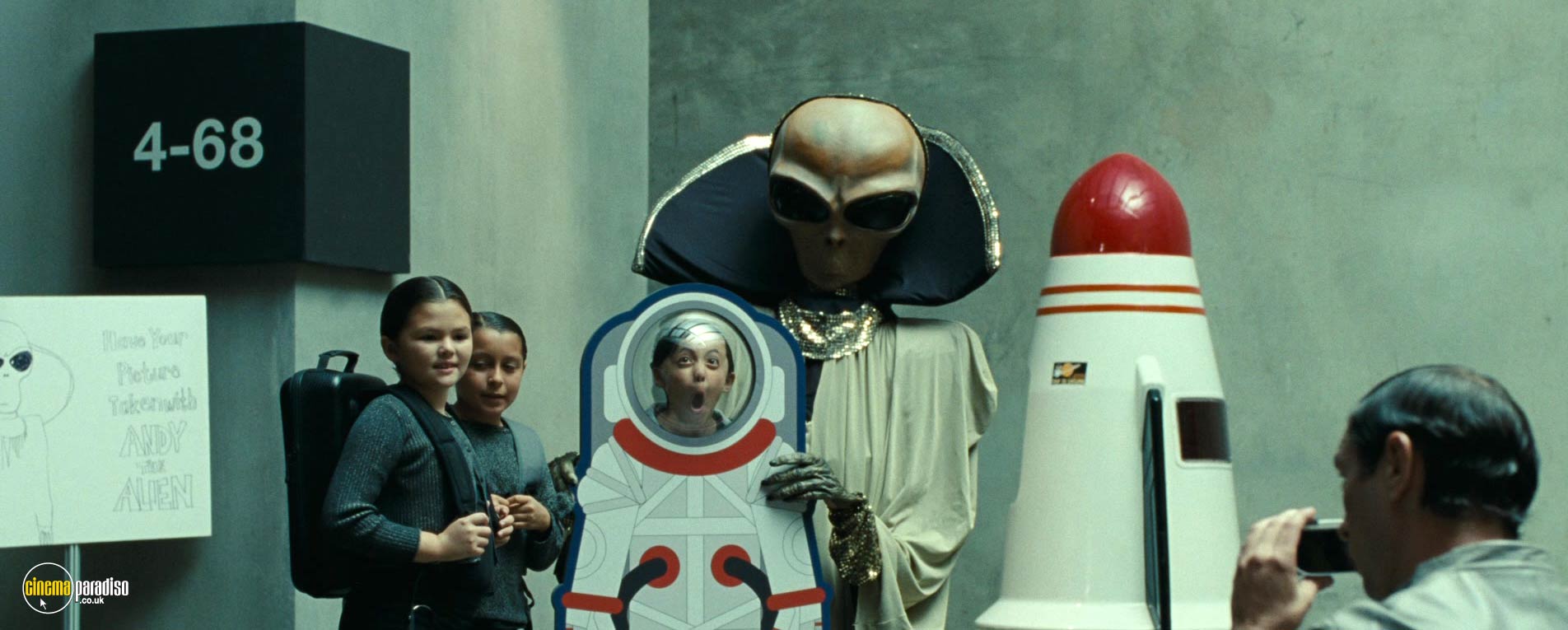
Born in Surrey on 29 June 1939, Brian Johncock was better known as Brian Johnson, the special effects artist who played a key role in science fiction becoming mainstream cinema's most popular and profitable genre. Unable to fulfil a childhood dream of becoming a pilot, he tested the strength of cement and concrete before moving into visual effects after a chat in a pub with Canadian technician, Les Bowie. Amongst his earliest assignments were the matte paintings for Leslie Norman's Dunkirk (1958) and some uncredited effects on the Hammer duo of Quatermass 2 (1957) and Kiss of the Vampire (1963). Derek Maddings brought him to the attention of Gerry and Sylvia Anderson and he worked on Supercar (1960-62), Fireball XL5 (1962-63), and Stingray (1964-65) before being given his own effects unit on Thunderbirds (1965-66).
He next became a member of the large team making spaceship models for Stanley Kubrick's 2001: A Space Odyssey (1968). The effects won an Academy Award. But, as was the custom at the time, it was presented to the director. Having returned to Hammer for Moon Zero Two (1969), Taste the Blood of Dracula, and When Dinosaurs Ruled the Earth (both 1970), Johnson reunited with Kubrick to do uncredited effects work on A Clockwork Orange (1971).
He then followed the odd couple of The Medusa Touch and Revenge of the Pink Panther (both 1978) by winning an Oscar with Nick Allder, H.R. Giger, Carlo Rambaldi and Dennis Ayling for Ridley Scott's Alien (1979), for which he built the Nostromo spacecraft and advised on the iconic `chestbuster' sequence. He would return for James Cameron's Aliens (1986), stepping in mid-shoot to problem solve and land himself a BAFTA with Robert Skotak, John Richardson and Stan Winston. However, he was omitted from the Academy citation.
By this time, Johnson had added a second Oscar to his awards shelf. George Lucas had noticed his work on the Anderson live-action show, Space: 1999 (1975-77), and redesigned the Millennium Falcon for Star Wars (1977). Feeling indebted, he recruited Johnson for the Industrial Light and Magic team on The Empire Strikes Back (1980), which earned him another Oscar, alongside Richard Edlund, Dennis Muren, and Bruce Nicholson.
Another nomination came for Dragonslayer (1981), but later contributions to the likes of The Never Ending Story (1984), Spies Like Us (1985), Slipstream (1989), Dragonheart, and Space Truckers (both 1996), were less feted. Johnson also took a tilt at directing with the children's TV series, Dream Street (2002), and the 2006 short, Scragg n Bones. Long a favourite on the convention circuit, he died at the age of 86 on 25 May.
Marcia Lucas cried at the end of the screening of a rough cut of Star Wars in February 1977. She was convinced that husband George Lucas's space opera was a disaster, despite having helped edit it alongside Richard Chew and Paul Hirsch. However, the game-changing blockbuster brought her an Oscar and, following a small, uncredited contribution to The Empire Strikes Back, she worked with Duwayne Dunham and Sean Barton on Return of the Jedi (1983), although her spouse insisted she had only been involved in the `dying and crying scenes'.
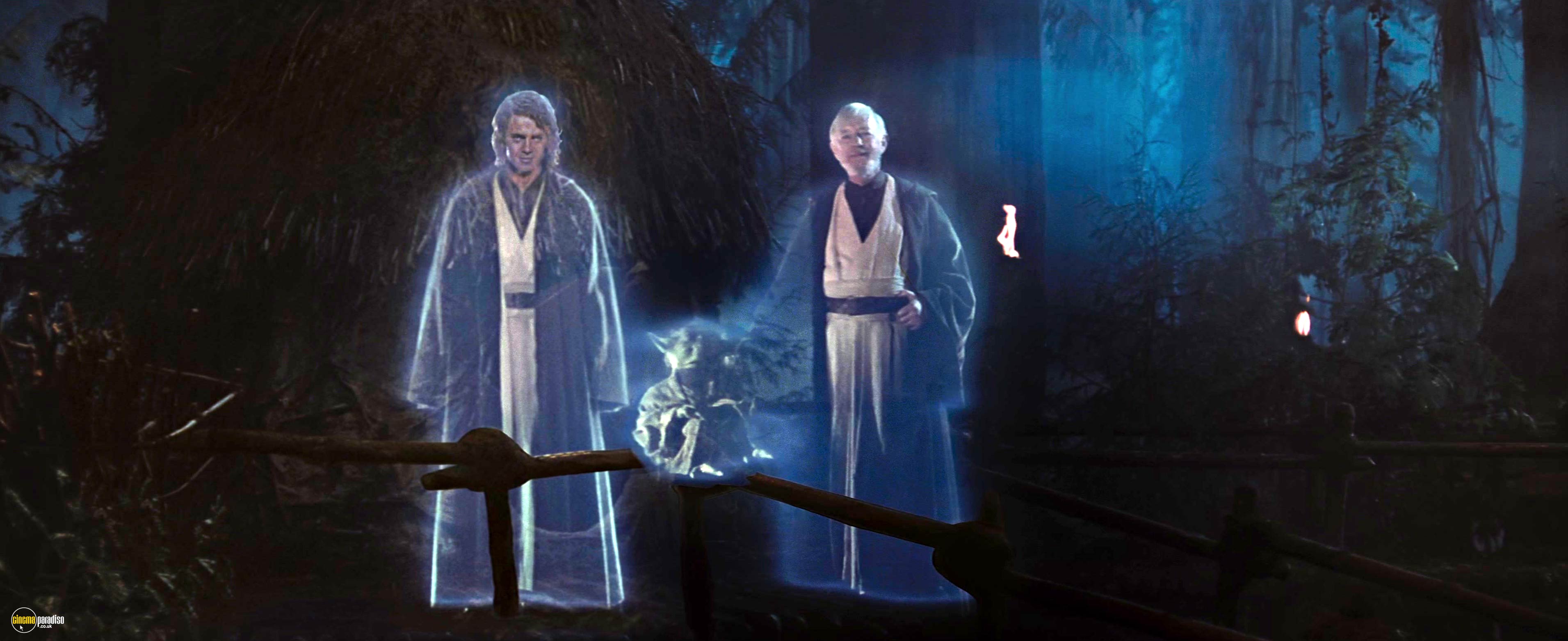
Marcia Lou Griffin had been born on 4 October 1945 in Modesto, California and had started out as a librarian at Sandler Films in the 1960s, where she edited promos and trailers. While working with Verna Fields on the documentary, Journey to the Pacific (1968), she had met Lucas while he was toiling on his University of Southern California graduation project, Electronic Labyrinth: THX 1138 4EB (1967). Becoming an item, they worked on Filmmaker, a `making of' short about Francis Ford Coppola's The Rain People (1968), before she moved on to Haskell Wexler's Medium Cool (1969) and Michael Ritchie's The Candidate (1972).
Despite not liking the film, she served as assitant editor on THX 1138 (1971) and finished editing American Graffiti (1973) when Fields left to work on Steven Spielberg's The Sugarland Express. The pair shared an Oscar nomination, prompting Martin Scorsese to hire Lucas for Alice Doesn't Live Here Anymore (both 1974), which she followed with Taxi Driver (1976) and New York, New York (1977). She also coaxed Spielberg into incorporating Marion Ravenwood (Karen Allen) into the ending of Raiders of the Lost Ark (1981) to give it some heart.
By this time, however, she was unhappy in her marriage, later saying, `For me, the bottom line was just that he was all work and no play. I wanted joy in my life. And George just didn't.' She disputed claims that she had received a $50 million settlement, but abandoned cinema after executive producing Jeffrey Fine's little-seen drama, No Easy Way (1996). Modest to the end about her work on the original trilogy and open about her misgivings about the prequels and sequels, Lucas died of cancer on 27 May at the age of 80.
Finally, we should mention the passing of waspish 87 year-old film critic Rex Reed, who died on 12 May, and 104 year-old French intellectual Edgar Morin, who was the world's second oldest-living film director when he departed on 29 May. A hero of the wartime Resistance, who was revered in his native France, the polymathic sociologist not only co-directed Chronicle of a Summer (1961), with film-maker and anthropologist Jean Rouch, but he also named the documentary's unique style as `cinéma vérité'. Ranking sixth in Sight and Sound's 2019 poll of the best documentaries of all time, this snapshot of Paris in 1960 is built around vox pops with factory workers, office employees, students, artists, and others to present an intimate and insightful overview of everyday life.

Mentioned films