In the second part of Cinema Paradiso's survey of the famous faces we have lost this summer, Remembering moves into June and July.In the first part of Cinema Paradiso's reflection on the film and television people who have died during the late spring and early summer of 2026, we commemorated Angela Pleasence, Mario Adorf, Asha Bhosle, Nathalie Baye, Dean Tavoularis, and David Daker in April, while the May focus fell on Valie Export, Albert Wolsky, Brian Johnson, and Marcia Lucas.
Now, we move on to the hottest June and July on record to pay our respects to the artists in front of and behind the camera who are no longer with us.
JUNE
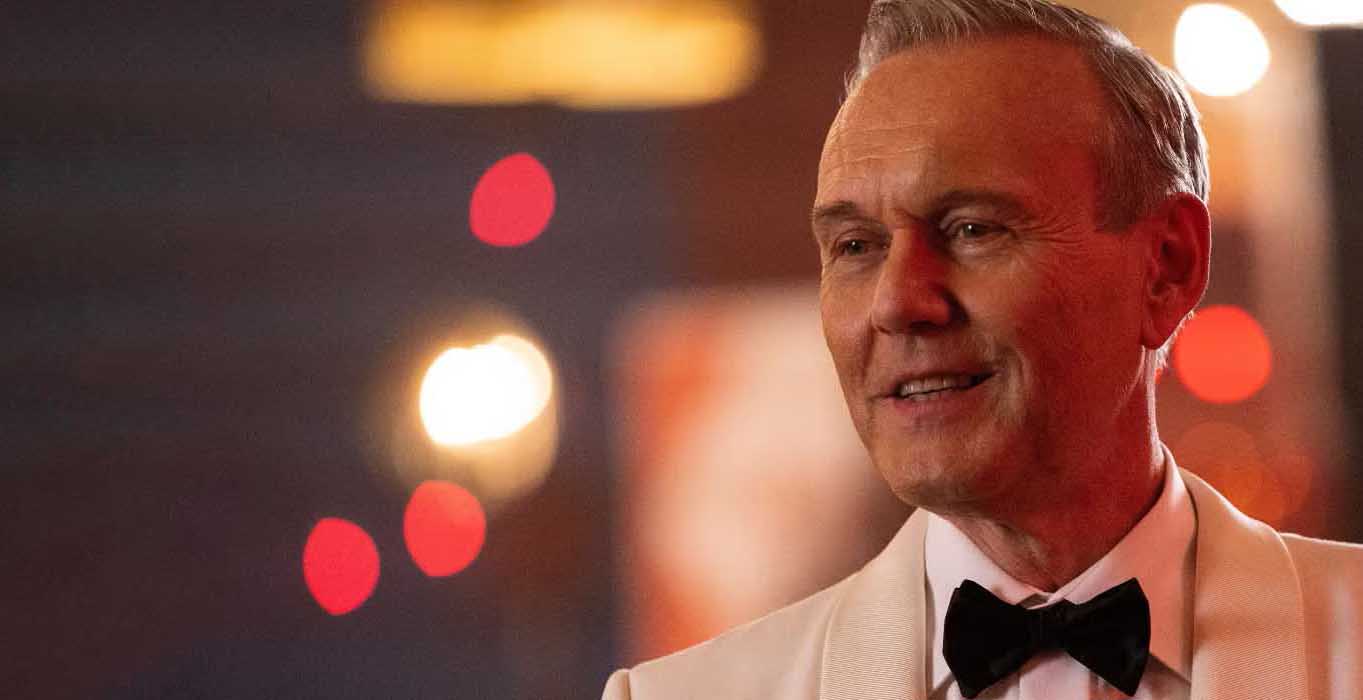
Anthony Head, who died on 1 June at the age of 72, was one of the most recognisable faces on British television. The son of documentarist Seafield Head and actress Helen Shingler (who played Madame Maigret in the 1960s version of Maigret) and the younger brother of actor-singer, Murray Head, he was born in Camden Town on 20 February 1954 and trained at the London Academy of Music and Dramatic Art. Having made his breakthrough on stage in 1978 as Jesus in Godspell, Head would make the role of Frank N. Furter his own in several productions of The Rocky Horror Show (1990-2000). Also busy on television, he appeared in Enemy At the Door, Lillie, Secret Army, and Love in a Cold Climate before getting a taste of cinema in Just Jaeckin's Lady Chatterley's Lover (1981) and Mike Hodges's A Prayer For the Dying (1987).
He found fame, however, opposite Sharon Maughan in 12 adverts for Nescafé Gold Blend coffee (1987-93), which made him seem dashing and debonair. The part (which he reprised with an American accent for the Taster's Choice brand) and the celebrated twinkle in Head's eye raised his profile sufficiently for him to be cast as Sunnydale High School librarian Rupert Giles, the Watcher to Scoobies Buffy Summers (Sarah Michelle Gellar), Willow (Alyson Hannigan), and Xander (Nicholas Brendon), in six seasons of Joss Whedon's Buffy the Vampire Slayer (1997-2003). although he continued to be a welcome guest until the show ended in 2017. A spin-off series was blocked by copywright issues, while Head also lost out to Paul McGann in 1996 to become the Eighth Doctor in Doctor Who (1963-).
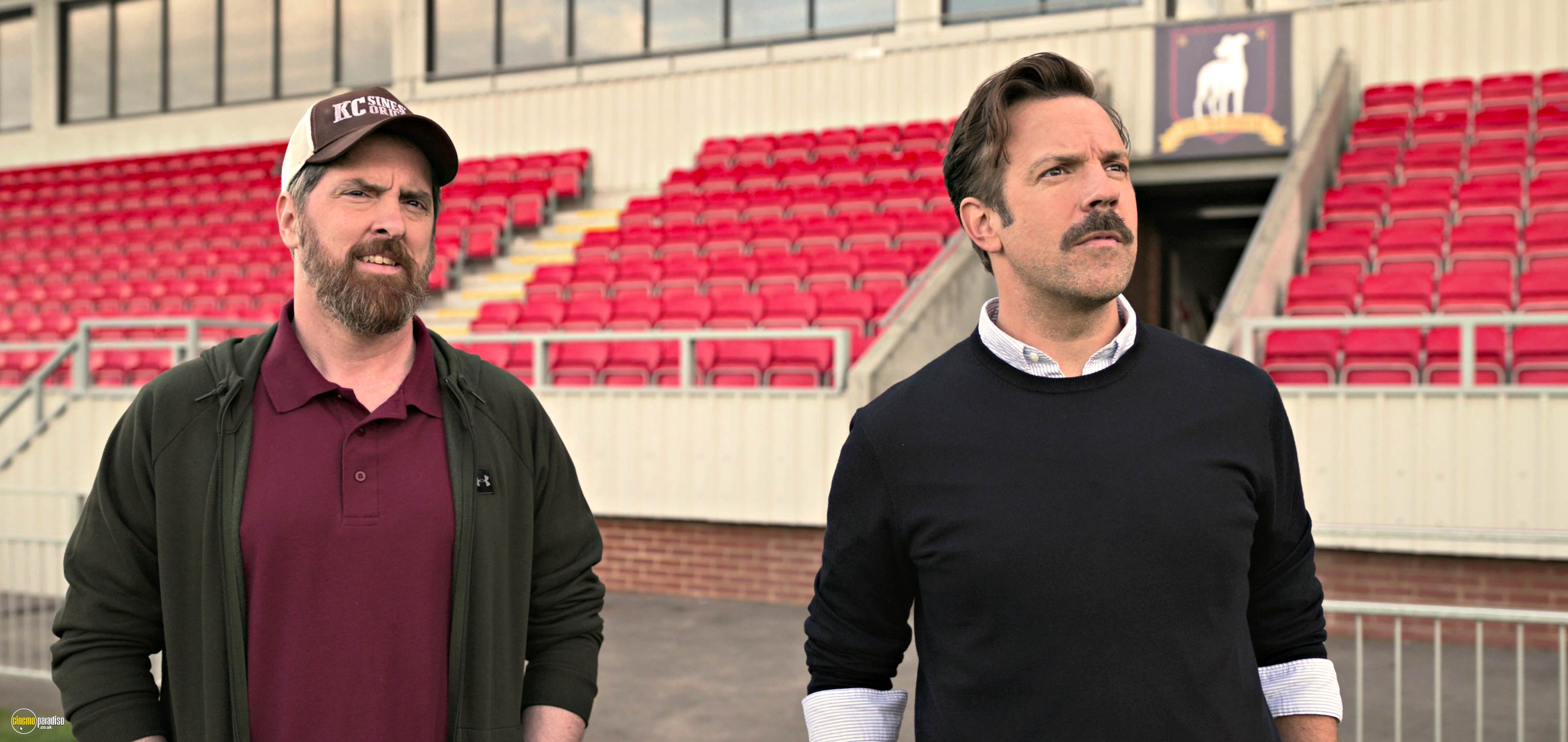
Back in Blighty, Head sparred with David Walliams as Michael the prime minister in Little Britain (2003-06) and played King Uther Pendragon in Merlin (2008-12) and AFC Richmond owner Rupert Mannion in Ted Lasso (2020-23). A quick check through his credits via the Cinema Paradiso Searchline, reveals that Head saw much more TV than film action. Yet, he was Geoffrey Howe opposite an Oscar-winning Meryl Streep in The Iron Lady (2012) and he can also be seen in I'll Be There (2003), Fat Slags (2004), Persuasion (2007), Ghost Rider: Spirit of Vengeance (2011), Percy Jackson: Sea of Monsters (2013), and Despite the Falling Snow (2016). He also guested as the father of Will McKenzie (Simon Bird) in The Inbetweeners Movie (2011), which co-starred daughter Emily as Carli D'Amato.
Later tele-roles included James in Manchild (2002-03), Chester Grant in Monarch of the Glen (2004), the sex-obsessed Stephen Caudwell in Free Agents (2009-12), Senator David Whele in Dominion (2014-15), and Bill in Motherland (2019). He also guested in Silent Witness and Spooks, while his radio credits included Hercules Shipwright in Cabin Pressure (2011-14) and Robin Fairbrother in The Archers (2018).
Someone else who found fame in a commercial, Italian actress Giorgia Moll, died the following day at the age of 88. She was renowned for plugging Pasta del Capitano toothpaste on the long-running comedy show, Carosello (1957-77). Born in Prata di Pordenone on 14 January 1938, Moll dated baseball legend Joe DiMaggio in the mid-1950s and won the title, Miss Cinema. Her early screen outings were little seen outside Italy, but she came to wider attention when she was cast as Phuong, the young Vietnamese woman caught between Audie Murphy and Michael Redgrave in the Joseph L Mankiewicz's adaptation of Graham Greene's The Quiet American (1958), which the author loathed for its twisting of the plot in order to make the US look like an honest broker on the world stage.
Her engagement to John Drew Barrymore hit the headlines when he tried to steal back the ring and Moll told reporters that she wanted `a family life, not a frantic one'. That said, she made around 20 films in a prolific five-year period, notably playing Lorella in Damiano Damiani's Lipstick (1960) and Francesca Vanini, the assistant of boorish American film producer Jack Palance, in Jean-Luc Godard's Le Mépris (1963). Although co-productions like Arthur Lubin's The Thief of Bagdad (1961), Morton DaCosta's Island of Love (1963), and George Marshall's Dark Purpose (1964) have largely been forgotten, Cinema Paradiso users can still see Moll in Luigi Comencini's Misunderstood (1966) and Nadine Trintignant's Crime Thief (1969). Moll retired to raise her family in 1970 and latterly was more interested in photography than mid-80s teleplays like Everyone In and The Two Prisoners.
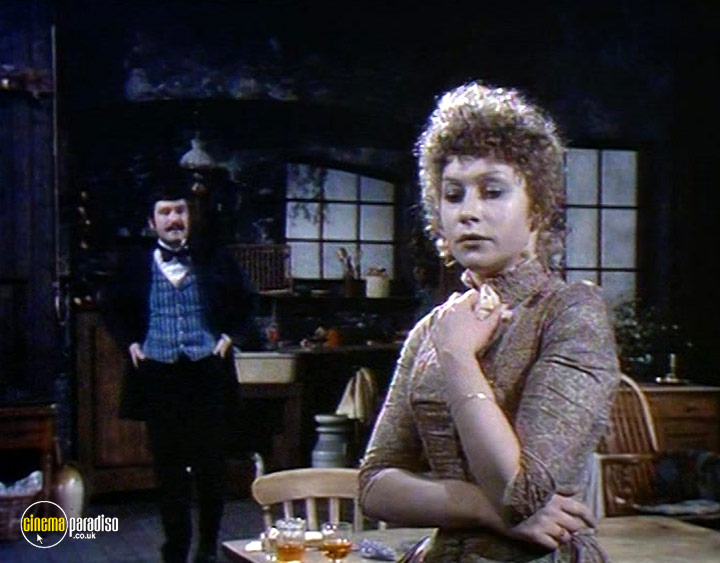
The son of a vicar, Patrick Godfrey was born in London on 13 February 1933. Trained at the Central School of Speech and Drama, he found a niche in BBC radio plays before learning his trade with various repertory companies around the country. A regular at both Stratford and The Globe, he played Cominius in the BBC Television Shakespeare production of Coriolanus (1984). He also played alongside Helen Mirren in the RSC's take on August Strindberg's Miss Julie (1974). But his small-screen break came as Sir Thomas Wriothesley in The Six Wives of Henry VIII (1970).
The Cinema Paradiso Searchline reveals credits in such unsung shows as Mr Rose, Justice, Scorpion Tales, and The Sandbaggers, as well as enduring favourites like A Family At War, Doomwatch, and Doctor Who (`The Savages', 1966 & `The Mind of Evil', 1971). We would also recommend stand alones like A Picture of Katherine Mansfield (1973) and Ballet Shoes (1975), which alerted James Ivory and Ismail Merchant to Godfrey's calm, dignified presence. They chose him for Heat and Dust (1983), A Room With a View (1985), Maurice (1987), and The Remains of the Day (1993).
Frequently cast as establishment types, Godfrey could switch from the Conservative chief whip in The New Statesman (1987) to the Jordan College butler in His Dark Materials (2019). In between, as his beard grew and his hair whitened, he appeared in everything from Miss Marple: Nemesis (1987), Agatha Christie's Poirot: The Kidnapped Prime Minister (1990), and Midsomer Murders: Murder on St. Malley's Day (2009) to Blott on the Landscape (1985), Auf Wiedersehen, Pet (1983-86), Come Home Charlie and Face Them (1990), Soldier Soldier (1993), Dandelion Dead (1994), and Doc Martin (2007). In addition to character parts in Clockwise (1986), On the Black Hill (1988), The Count of Monte Cristo, The Importance of Being Earnest (both 2002), Oliver Twist (2005), The History Boys (2006), The Duchess (2008), Les Misérables (2012), Mr Turner (2014), and Breathe (2017), Godfrey also made a splendid Leonardo Da Vinci coaching Drew Barrymore's Danielle de Barbarac in Andy Tennant's Cinderella reboot, Ever After (1998) and, fittingly, he turned up as Cosimo de' Medici in a 2013 episode of Da Vinci's Demons. Acting into his late 80s, Godfrey died on 4 June at the age of 93.
Marjane Satrapi was only 56 when she passed away on the same day. Born Marjan Ebrahimi to Marxist intellectual parents in Iran on 22 November 1969, she had described her experiences of life on either side of the Islamic Revolution in a comic-book, which she adapted for the screen as Persepolis (2007), with Vincent Paronnaud. Chiara Mastroianni and Catherine Deneuve voiced Marjane and her mother, as the stylised monochrome animation won the Special Jury Prize at Cannes and two Césars. When it was nominated for the Academy Award for Best Animated Feature, Satrapi was subjected to death threats after Tehran branded it Islamophobic.
Despite wonderful performances from Mathieu Amalric and Maria De Medeiros, Chicken With Plums (2011) was too little seen in the UK and isn't available on disc. The same goes for The Gang of the Jotas (2013), in which Satrapi directed herself as a woman on the run. However, Cinema Paradiso members can see serial killer Ryan Reynolds conversing with cat Mr Whiskers and dog Bosco in Voices (2011), which Satrapi made in Hollywood before casting Rosamund Pike as Marie Curie in Radioactive (2015). Starring Monica Bellucci, Dear Paris (2024) proved to be Satrapi's final film, although she had continued to write graphic novels and children's stories. Becoming a French citizen in 2006, she refused the Légion d'honneur because of France's `hypocritical attitude towards Iran'. According to friends, she succumbed to sadness following the death of her husband of 30 years, Swedish producer Mattias Ripa.
Had things been different, Sam Dastor's obituaries following his death at the age of 84 on 5 June might have focussed on his Oscar-winning performance in Richard Attenborough's Gandhi (1982). But he lost out to Ben Kingsley and his subsequent performances as the Mahatma, in Lord Mountbatten: The Last Viceroy (1986) and Jinnah (1998), were overshadowed. Nevertheless, Christopher Lee, Dastor's co-star in the latter, wrote in his autobiography, `For me, he is the definitive Gandhi.'
Born in Bombay on 2 October 1941 to a Parsi family that came to Britain after Independence, Dastor befriended Miriam Margolyes at Cambridge before training at RADA. Renowned for his stage work over a long career, he became familiar to TV viewers as barrister Michael Bloom in 18 cases in Crown Court (1975-79), although he also registered as Cassius Chaerea, the tribune who assassinated Caligula (John Hurt) in I, Claudius (1976). Dastor also played H.R.F. Keating's Inspector Ghote on radio and television, where his credits included Hazell, Wings, Shoestring, Blake's 7, Yes Minister, The Borgias, Van Der Valk, Love Hurts, A Touch of Frost, and Spooks. Films were rarer, but he cropped up in Made (1972), Dangerous Davies: The Last Detective (1981), Such a Long Journey (1998), and The Life and Death of Peter Sellers (2004), in which he played Being There director, Hal Ashby. Dastor died on 5 June at the age of 84.
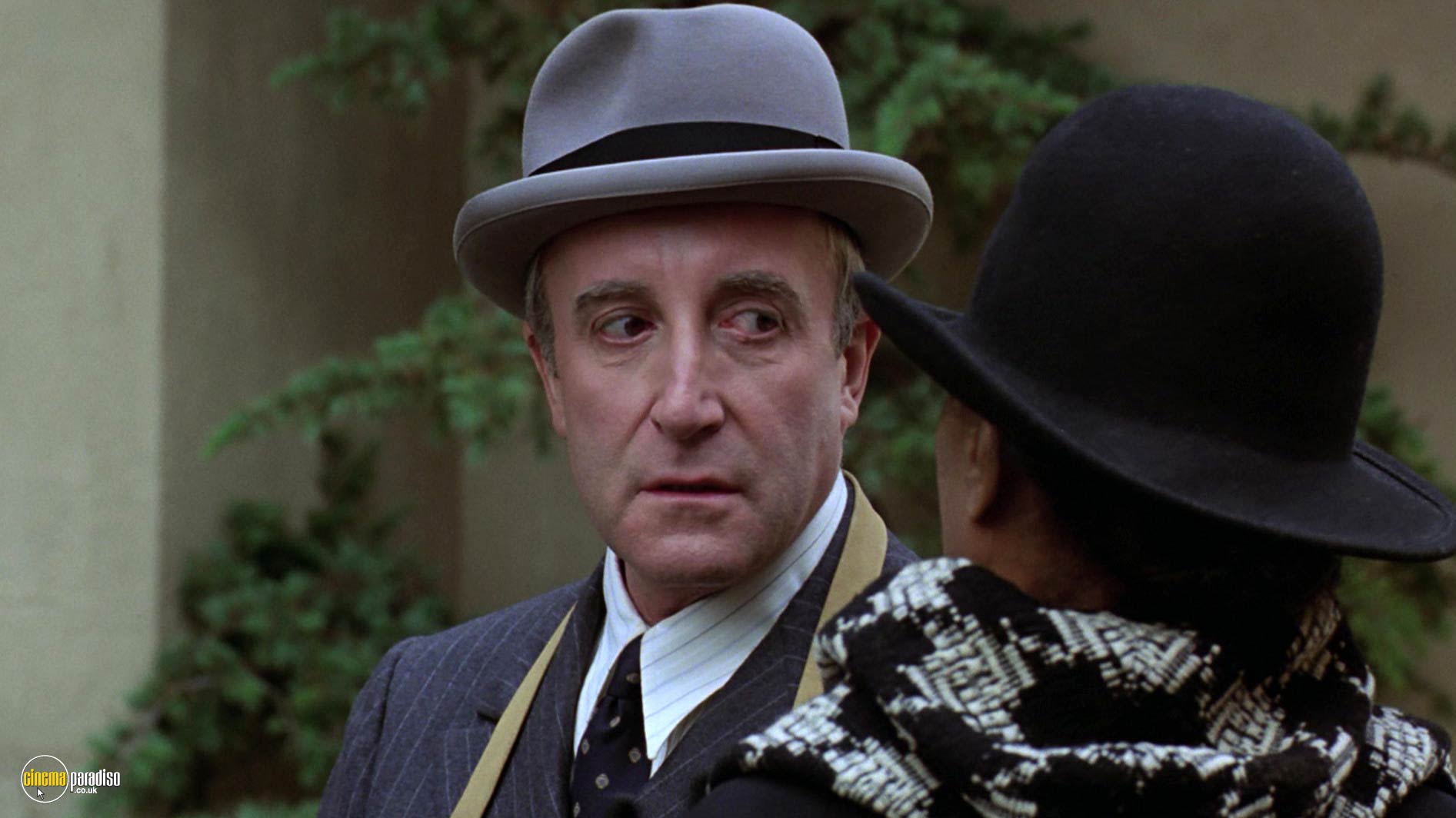
When he passed away on the same day, actor David Sheiner's IMDB credits tallied with his age (98). Born in the Bronx on 13 January 1928, he left the military to take an eight-year scholarship with Lee Strasberg in a class that included James Dean and Marilyn Monroe. On television from the late 1950s, Sheiner ticked off spots in such ephochal shows as Perry Mason, The Fugitive, Bonanza, The Twilight Zone, The Man From U.N.C.L.E., and Mission: Impossible, while also appearing in sci-fi series like Voyage to the Bottom of the Sea, The Invaders, and Planet of the Apes.
Having played James the Elder in George Stevens's The Greatest Story Ever Told (1965), he was cast opposite Jack Lemmon and Walter Matthau as Oscar's accountant, Roy, during the poker sequence in Gene Saks's The Odd Couple (1968) - which was apt, as he once lent Matthau money to prevent gangsters from breaking his legs. Despite his droll display, big-screen roles proved elusive, although Cinema Paradiso can offer A Man Called Gannon (1968), Winning (1969), They Call Me Mister Tibbs! (1970), Battle Creek Brawl (1980), and Blue Thunder (1983). Sheiner also held his own as Guido Lorenz, the partner of Charles Bronson's Detective Lou Torrey in Michael Winner's The Stone Killer (1973). But he never let the side down in later TV outings in Hawaii Five-O, Columbo, The Six Million Dollar Man, Quincy, M.E., The Fall Guy, and Murder, She Wrote. His final credit came in the latter show in 1988 and he enjoyed a long retirement, taking a keen interest in foreign films, having served as a member of the committee that drew up the long lists for the Academy Award category.
Most obits for Margaret Kerry led with the fact that the 97 year-old had been Disney's model for Tinker Bell in Peter Pan (1953). Rumour had it that animator Marc Davis had spent weeks sketching Marilyn Monroe, but it was the holder of the Most Beautiful Legs in Hollywood, whose energy and poise inspired the temperamental fairy's movements. Born Margaret McCarty in Springfield, Illinois on 11 May 1929, Kerry had been adopted by a Los Angeles couple who allowed the six year-old to play a fairy in Max Reinhardt and William Dieterle's A Midsummer Night's Dream (1935). When a fire broke out on the set, she was protected by Mickey Rooney, who was playing Puck.
Much of her childhood was spent acting and/or dancing, using the name Peggy Lynch to body double for Elizabeth Taylor in Clarence Brown's National Velvet (1944). Having changed her name again to play Eddie Cantor's daughter in If You Knew Susie (1948), Kerry moved into television as the daughter in the top-rated sitcom, The Ruggles. She married Dick Brown, whose Syncro-Vox system was used to put human mouths on the 48 animated characters that Kerry voiced in the children's show, Clutch Cargo (1959-60). She also did voiceover work for Space Angel (1962-64) before she focussed on her weekly show on the KKLA Christian radio station. She spent much of her later life working for charitable organisations and attending Disney conventions before dying on 11 June.
Cinema Paradiso doesn't have any films directed by Francis Rigaud. But we mention him because at the time he died, in his birthplace of Asnières-sur-Seine, on 14 June, he was the world's oldest film-maker at the age of 106. Comedies like Les nouveaux aristocrates (1961), Nous irons à Deauville (1962), and Jerk à Istanbul (1967) weren't seen much outside the Francophone sector, but they remain of interest to show what mainstream French audiences were watching during the nouvelle vague.
At 104, his mantel has now passed to Manos Zakarias, the Greek director of the 1948 documentary short, The Truth About the Children of Greece, who was trained at Mosfilm and spent his creative career in the Soviet Union, making Sponge Catchers (1960), Night Passenger (1962), End and Beginning (1963), I'm a Soldier, Mom (1966), One of the Firing Squad (1968), City of First Love (1970), Corner of Arbat and Bouboulinas (1972), and Alias Lukacs (1977) before returning to Greece. Fellow centenarian Lee Grant (who won an Oscar for her performance in Hal Ashby's 1975 satirical classic Shampoo before turning director) is the second-oldest, while Pere Portabella, Allen Baron, Jerry Schatzberg, and Toshio Masuda are all 99.
The name of James Burrows might not immediately mean much. But the sitcoms he directed jelped shape modern American comedy. The son of cherished humorist Abe Burrows - the creator of such filmed Broadway hits as Guys and Dolls, Can-Can, and How to Succeed in Business Without Really Trying - he was born in Los Angeles on 30 December 1940, but grew up in New York. Returning to Hollywood after graduation, he broke into television with episodes of The Mary Tyler Moore Show and The Bob Newhart Show in the mid-1970s. After working on such sitcom standards as Rhoda and Laverne & Shirley, he co-created Cheers (1982–1993) with Glen and Les Charles. Doubling as producer, Burrows directed all bar 35 of its 275 episodes (which amassed 28 Emmys), while also finding time for 76 episodes of Taxi (1978-82), on which he used his trademark four-camera technique.
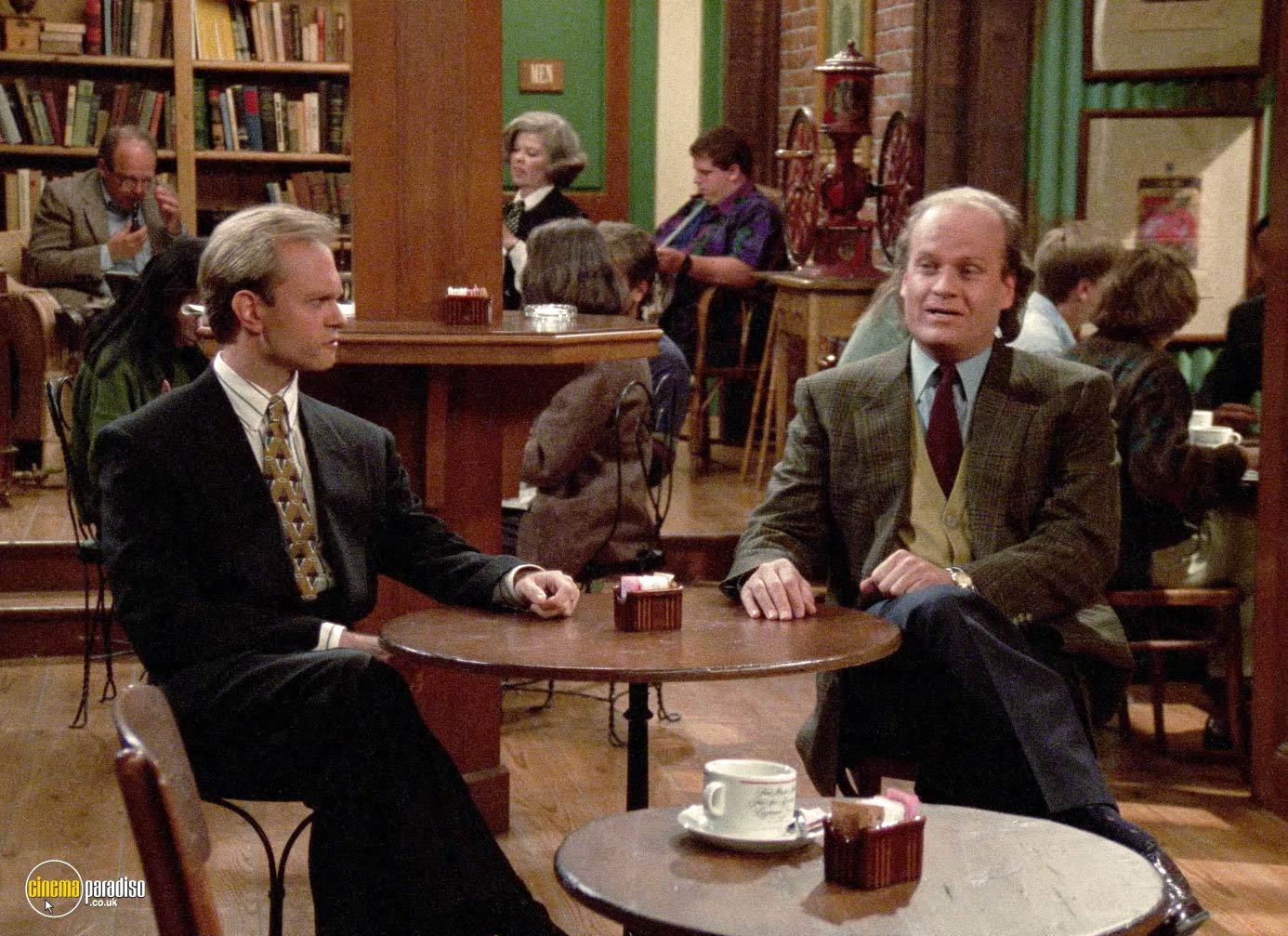
Entrusted with almost 100 pilot episodes, Burrows was known for getting shows optioned after winning an Emmy for `The Good Son', which launched Frasier (1993-2004). He directed 32 episodes before moving on to Friends (18 episodes and an Emmy nominations) and the pilots for 3rd Rock From the Sun (1996-2001) and Dharma and Greg (1997-2002). Alighting on Will & Grace (1998-2006), he directed all 246 episodes, receiving 12 Emmy nominations in the process. He then joined forces with producer Chuck Lorre to helm the pilots for Two and a Half Men (2003-15) and The Big Bang Theory (2007-19). Among his later projects were 2 Broke Girls (2011-16), Mike & Molly (2010-16), and Man With a Plan (2016-2020), with Matt LeBlanc.
In all, he called the shots on over 1000 sitcom episodes, but only made one feature, Partners (1982), a gay comedy thriller that paired Ryan O'Neal and John Hurt. `I'm not a film director,' he once said. `The camera, I leave that to Spielberg and Scorsese. I'm a theatre rat. I stage a play every week, a 20-to25-minute play, and then my camera comes in and covers it. I understand characters, I understand what's funny, I understand the essence of keeping it moving and keeping the energy going. It's all theatrical. If it doesn't happen on that stage, it's never gonna happen on film.' Only once between 1980-2005 did Burrows miss out on a Primetime Emmy nominatoin. He won 11, along with five awards from the Directors Guild of America. A small-screen great, who worked briefly on the Frasier reboot, he died on 19 June at the age of 85.
Born Akihiro Maruyama in Nagasaki on 15 May 1935, the gender-fluid Akihiro Miwa suffered radiation poisoning as a hibakusha survivor of the atom-bombing of the city on 9 August 1945. An early example of a self-made star, he took a leaf from the cross-dressing terakosho pages who had served in feudal era temples and started wearing women's clothing in the mid-1950s. He made his name by strutting through the Ginza shopping district in a purple creation.
Novelist Yukio Mishima was intrigued when Miwa emerged as a gay cabaret singer in the style of Edith Piaf and Yvette Guilbert and cast him as the femme fatale who kidnaps a jewller's daughter in Kenji Fukasaku's transgressive adaptation of Black Lizard (1968). The same director used Miwa in Black Rose Mansions (1969) before he appeared in Shûji Terayama's provocative Throw Away Your Books, Rally in the Streets (1971).
By the time he guested in Takeshi Kitano's Takeshis' (2005), however, Miwa had become better known for voicing anime characters. Studio Ghibli fans will know him as Moro the wolf goddess in Princess Mononoke (1997) and the Witch of the Waste in Howl's Moving Castle (2004), which were both directed by Hayao Miyazaki. Cinema Paradiso members can also hear Miwa as Arceus in Pokémon: Arceus and the Jewel of Life (2009). As he revealed in Pascal-Alex Vincent's documentary, Miwa: A Japanese Icon (2010), he remained an ardent opponent of nuclear weapons until his death, aged 91, on 20 June.
British actor Michael Byrne died on the same day at the age of 86. One of those character actors whose face is more recognisable than his name, he racked up 171 credits during a 60-year career. Born in Hampstead on 7 November 1939 (although some sources insist on 1943), he trained at the Central School of Speech and Drama before joining Laurence Olivier's first National Theatre company at the Old Vic in 1963. He would remain a dependable stage presence for the next five decades.
Having been teamed with a debuting David Bowie in Michael Armstrong's short, The Image (1969), Byrne made an impression as Edward Seymour, Duke of Somerset in Henry VIII and His Six Wives (1970) and Reg Nuttall in Butley (1974). But, with his piercing blue eyes, he found his niche playing such hissable Nazis as Feldwebel Karl Hofer in The Eagle Has Landed, the Gestapo interrogator in Rogue Male (both 1976), Major Schroeder in Force 10 From Navarone (1978), Reinhard Beck in The Scarlet and the Black (1983), SS-Standartenführer Ernst Vogel in Indiana Jones and the Last Crusade (1989), and General Olbricht in The Plot to Kill Hitler (1990). Byrne also fought on the other side, however, as Lt-Colonel Giles Vandeleur in A Bridge Too Far (1977), Communist Resistance leader Paul Vercors in Secret Army (1978), and as concentration camp survivor Ben Kramer bringing Ian McKellen's Nazi war criminal to justice in Stephen King's Apt Pupil (1996).
On television, he did the rounds of the classic series (as a trip to the Cinema Paradiso Searchline will testify), with standout roles being Crown Prince Friedrich of Prussia in Edward VII (1975), Richard the Lionheart in The Devil's Crown (1978), and Peter Guillam in Smiley's People (1982). Later in his career, Byrne also stole scenes as Gail Platt's long-lost father, Ted Page, in Coronation Street (2008-10), while his turn as bullying father Bruce Titchener also caused radio ripples in The Archers (2016-23).
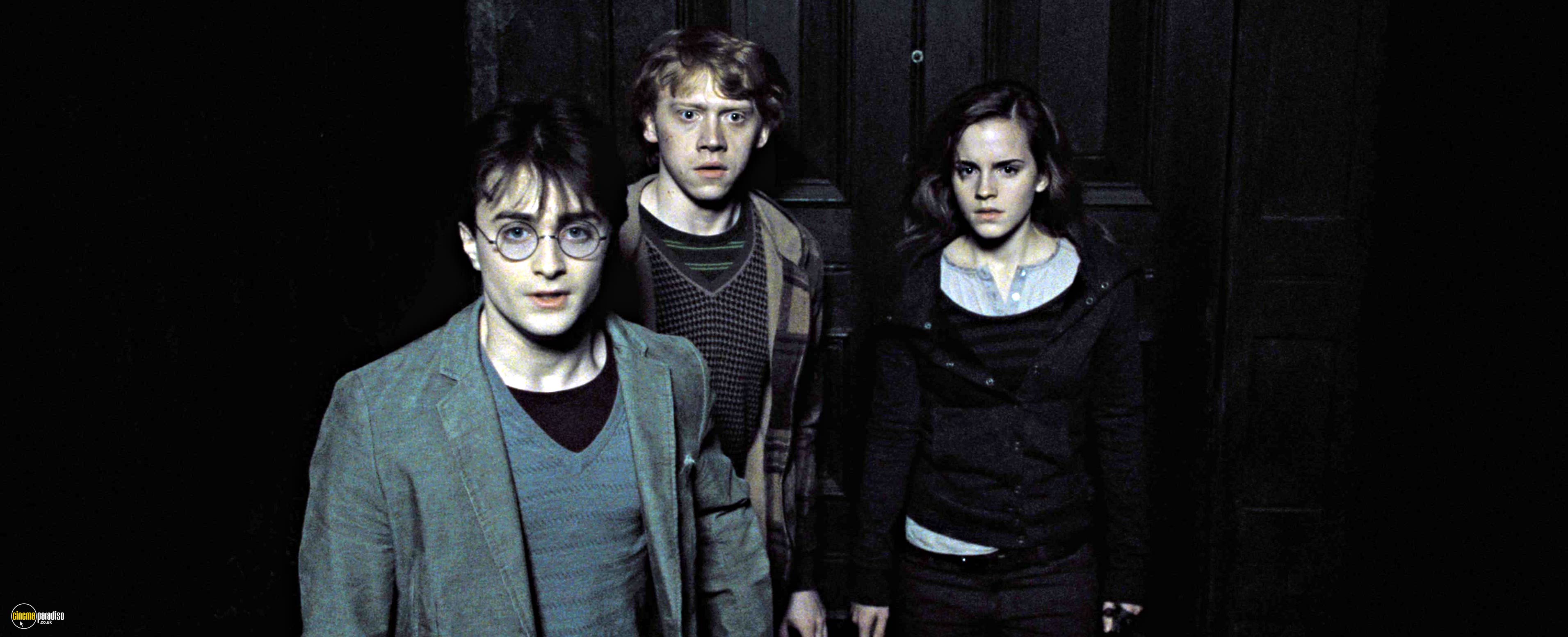
Although he was a versatile performer, villainy came easily and Byrne was notable as the rapacious Smythe in Braveheart (1996) and as Gellert Grindelwald in Harry Potter and the Deathly Hallows, Part 1 (2010). Elsewhere, he was Leonard Scruby in The Good Father (1985), Poyser in Buster (1988), Yuri Vereshagin in The Saint, Admiral Kelly in Tomorrow Never Dies (both 1997), Parson Staffer in Battlefield Earth (2000), Anatoli Grushkov in The Sum of All Fears, newspaper editor Horace Greeley in Gangs of New York (both 2002), Frank White in Quartet (2012), and pioneering South African heart surgeon Christiaan Barnard in Diana (2013).
With the passing of Ann Blyth on 24 June at the age of 98, the title of the earliest surviving Oscar nominee passed to Nancy Olson, who was also cited in the Best Supporting Actress category for Sunset Boulevard (1950). Born Anne Marie Blythe in Mount Kisco in New York on 16 August 1927, Blyth had started acting on the radio at the age of five. But it was her Broadway bow at 13 in Lillian Hellman's Watch on the Rhine (1941) that led to her being snapped up by Universal Studios to debut alongside teen idols Donald O'Connor and Peggy Ryan in Chip Off the Old Block (1944).
While on loan at Warner Bros, however, the 17 year-old Blyth was cast (against type and over Shirley Temple) as Joan Crawford's recklessly snobbish daughter, Veda, in Michael Curtiz's Mildred Pierce (1945). Having seduced and killed stepfather Zachary Scott and slapped her mother (in what was only her fifth feature), Blyth was unfortunate to miss out on the Oscar to the homely Anne Revere for National Velvet. However, she was unable to build on the acclaim, as she broke her back tobogganing in Snow Valley five days after shooting wrapped. Her 14-month recovery in a steel brace was slow and painful, but Blyth held her own against Burt Lancaster in Jules Dassin's classic prison noir, Brute Force (1947).
Having been suspended for refusing another bad girl role in Abandoned (1947), she mastered an English accent to play seductress Doris Mead in Zoltan Korda's A Woman's Vengeance (1948), which was adapted from Aldous Huxley's The Gioconda Smile. But too few of Blyth's pictures from this period are on disc in the UK, including Another Part of the Forest and Mr Peabody and the Mermaid (both 1948), as well as her pairing on The Great Caruso (1951) with Mario Lanza, who walked off the set of The Student Prince (1954), even though he and Blyth had recorded their songs and British replacement Edmund Purdom had to mime along to them. A second teaming in The King's Thief (1955) was not a success.
We can, however, bring you Blyth's performance as convicted murderer Valerie Carns in Douglas Sirk's convent drama, Thunder on the Hill (both 1951) and Michael Curtiz's The Helen Morgan Story (1957), a torch singer biopic that turned out to be Blyth's final feature after her vocals had been dubbed by Gogi Grant. By this time, she had left Universal (which never quite knew what to do with her) for MGM. But dramas like I'll Never Forget You (1951), All the Brothers Were Valiant (1953), and Slander (1957) and the Howard Keel musicals, Rose Marie (1954) and Kismet (1955), are frustratingly out of our reach.
By all accounts, Blyth declined the lead in The Three Faces of Eve (1957), which earned Joanne Woodward the Oscar for Best Actress. But Blyth eventually turned to television, notably being immortal as Pamela Morris and Constance Taylor in the 1964 `Queen of the Nile' episode of The Twilight Zone. She later guested in Quincy, M.E. and Murder, She Wrote. But she spent much of her time before retiring in 1985 on the stage, making the most of her lovely singing voice. In 2001, she looked back on making Our Very Own (1950) in Goldwyn: The Man and His Movies, which was made for HBO's American Masters series.
Glaswegian documentarist Leslie Woodhead was 88 when he died on 26 June. Raised in Yorkshire, he mastered Russian during his National Service and spent time monitoring Soviet activity behind the Iron Curtain before taking his degree in Cambridge. Joining Granada as a trainee, he filmed The Beatles for The Cavern Club (1962) and supervised their October studio appearance in Manchester for People and Places. He would later make How The Beatles Rocked the Kremlin (2009) for the BBC Storyville strand.
In fact, Woodhead came of age as a contributor to World in Action (1963-98), where he pioneered on The Man Who Wouldn't Keep Quiet (1970) the subsequently much-imitated docu-dramatic technique that is used to recreate events that had not (or could not have) been contemporaneously filmed. He would also employ it on items about the Soviet curtailment of the Prague Spring and the rise of Solidarity. His film about the aftermath of Martin Luther King's assassination can be found on Volume 4 of the World in Action DVD anthology.
In addition to working on What the Papers Say and All Our Yesterdays, Woodhead was also part of the team on Disappearing World (1970-93), memorably filming the Mursi tribe in Ethiopia, as well as some Himalayan Sherpas and some Basque shepherds. Considering himself as much a journalist as a film-maker, he also directed films on 9/11, Osama Bin Laden, and Princess Diana, as well as such topical studies as A Cry From the Grave (1999), about the Srebrenica massacre, and Children of Beslan (2006), for which he received an Emmy nomination.
After profiling L.S. Lowry in 1966, Woodhead made The Stones in the Park (1969), which captured The Rolling Stones in Hyde Park just two days after the death of Brian Jones. Later musical excursions included Tony Bennett's New York (1996) and Ella Fitzgerald: Just One of Those Things (2019). He also teamed with Terrence Malick to celebrate Ethiopian long-distance runner Haile Gebrselassie's Olympic triumph in Endurance (1998). In 1986, Woodhead was presented with BAFTA's Desmond Davis Award for outstanding creative contributions to television.

How would you feel if your brother bought your idea for a crime caper and turned it into timeless classic? Ian Kennedy Martin told older sibling Troy Kennedy Martin his concept about staging a robbery in the middle of a traffic jam and sold the outline to see it become The Italian Job (1969). Ian did owe Troy his start as a television writer, however, as he got him a place on the military police series, Redcap (1964-66), on which he formed a firm friendship with John Thaw.
Born in London on 23 May 1936, Ian had drunk his way through Dublin's literary scene after being turfed out of Trinity College. He returned to join the writing pool at the BBC, where he wrote episodes of The Troubleshooters, Colditz, and The Onedin Line. On ITV, he worked on The Saint, Hadleigh, The Protectors, and Special Branch. But he had been so dismayed by the tameness of the latter that he wrote `Regan' for Armchair Cinema in 1974 and Euston Films were so taken by Detective Inspector Jack Regan (John Thaw) and Detective Sergeant George Carter (Dennis Waterman) that they commissioned the ITV series, The Sweeney (1974-76), as well as the spin-off movies, Sweeney! (1977) and Sweeney 2 (1978).
Depicting coppers as tough men who bent the rules to knick the crooks, the series shocked some with its coarse language and violence. But it shook up small- screen police shows and the debt can still be felt half a century later. In fact, Martin fell out with producer Ted Childs early in the proceedings and Troy wound up doing more writing for the series. Ian did write spin-off novels, however, as well as the feature thriller, Mitchell (1975), for Don Joe Baker. But it struggled to find an audience and Martin focussed on groundbreaking series like Juliet Bravo (1980-85) and The Chinese Detective (1981). Later shows included King and Castle (1986-88), The Fourth Floor (1988), and The Knock (1994-2000), while he also contributed to Bergerac (1989) and The Chief (1995). Troy Kennedy Martin died in 2009, with Ian living on to the age of 90 before passing away on 27 June.
Comic actress Anna Dawson died on the same day at the age of 88. Born in Bolton on 27 July 1937, she spent part of her childhood in Tanganyika before training at the Central School of Speech and Drama. She established herself in revue, but became a familiar face after succeeding Billie Whitelaw and Jeanette Hutchinson in playing Jack Warner's daughter, Mary, in 23 episodes of Dixon of Dock Green (1964-66).
Regular small-screen appearances with Brian Rix, Eric Morecambe and Ernie Wise, Benny Hill, Bob Monkhouse, and Dick Emery kept her busy between summer seasons, revues, and pantomimes. But Dawson also followed her feature bow as Becky in Lindsay Anderson's O Lucky Man! (1973) by taking small parts in Love Thy Neighbour (1973), The Sexplorer (1975), and Stand Up, Virgin Soldiers (1977). She can also be seen with Eric Sykes in If You Go Down to the Woods Today (1981), which can be rented from Cinema Paradiso on The Eric Sykes Collection, and Gabrielle and the Doodleman (1984), which can be found on Volume Four of The Children's Film Foundation Bumper Box.
Her final film was Bloodbath At the House of Death (1984), in
which she played a nurse. But she was a regular on The Kenny Everett
Video Show (1978-81), playing Carla to his Captain Kremmen. Elsewhere
on television, she figured in Miss Jones and Son, Rings on
Their Fingers, Robin's Nest, Keep It in the Family,
Super Gran, and At Last Smith & Jones. Her final
role was Violet, the sister of Hyacinth Bucket in Keeping Up Appearances (1995),
before she retired to New Zealand with tenor husband John Boulter, a regular on
The Black and White Minstrel Show, who died last year.
JULY
As Cinema Paradiso has already paid tribute to Penelope Keith (29 June) and Sam Neill (13 July) in their own Remembering articles, we start the new month with Louise Lasser, who passed away in New York on 6 July at the age of 87.
American audiences will always identify Lasser with the pigtailed Ohio housewife in the satirical soap, Mary Hartman, Mary Hartman (1976-77), for which she was nominated for an Emmy. But, as only nine of the 325 episodes were shown on Channel Four in the early 1980s, it made less impact in the UK, where Lasser will always be associated with the first films of Woody Allen, to whom she was married between 1966-70. They met while she was appearing in improv shows in Greenwich Village, when not taking acting classes with Sanford Meisner, understudying Barbra Streisand in the Broadway musical, I Can Get It For You Wholesale, or making TV commercials. Indeed, in 1967, Lasser became the first woman to win a Clio Award for Best Actress in a Commercial (for Florida Orange Juice).
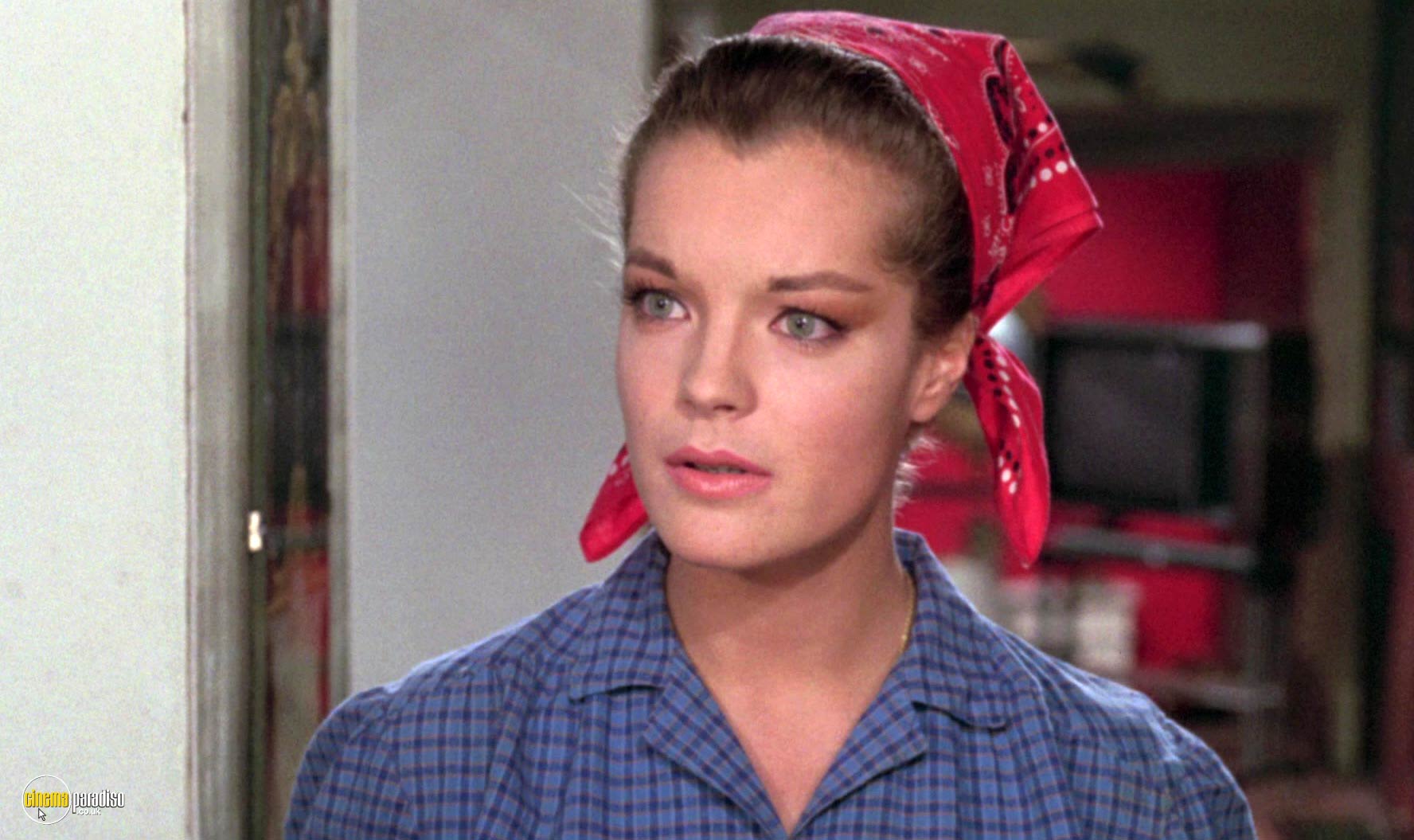
Having starred with Alan Alda in Allen's unsold sitcom pilot, The Laughmakers (1962), Lasser took an uncredited bit as a masseuse in the Allen-scripted What's New Pussycat (1965) before she voiced Suki Yaki (Akiko Wakabayashi) in What's New Tiger Lily? (1966), Allen's dubbed spoof of Senkichi Taniguchi's International Secret Police: Key of Keys (1965). She then played Kay Lewis in Take the Money and Run (1969), Nancy in Bananas (1971), and Gina in Everything You Always Wanted to Know About Sex* (*But Were Afraid to Ask) (1972), although a skit about a black widow spider waiting to consume her mate (Allen) was dropped. Continuing to acknowledge her debt to her ex-husband (who seemingly based Interiors, 1978, on her relationship with her mother), Lasser later guested as Sandy's hapless secretary in Stardust Memories (1980) and appeared fulsomely in Woody Allen: A Documentary (2012).
Follow-up features like Such Good Friends (1971) and Slither (1973) aren't on disc. Nor is Lasser's controversial hosting gig on Saturday Night Live (1976), which sparked rumours that she was difficult to work with. Nevertheless, she landed the recurring roles of Judd Hirsch's wife in the classic sitcom, Taxi (1978-82), and Ed Begley, Jr.'s aunt in the influential medical drama, St Elsewhere (1982-88). Marty Feldman also cast her in In God We Tru$t (1980), while Sam Raimi gave her the lead of Helene Trend in the Coen-scripted Crimewave (1985) and John Grissmer followed suit with Maddy Simmons, the mother of the murderous twins (both Mark Soper) in Blood Rage (1987).
Other films included Surrender (1987), Sing, Rude Awakening (both 1989), Frankenhooker (1990), The Night We Never Met (1993), Sudden Manhattan (1996), and Layin' Low (1996). Lasser was also Mona Jordan, the mother of Jane Adams, Lara Flynn Boyle, and Elizabeth Ashley in Todd Solondz's deeply unsettling Happiness (1998), and Hank Azaria's mom in Mystery Man (1999). As well as playing Beadie, the suicical artist, in Lena Dunham's Girls (2014-15) - a brave performance given that both parents had killed themselves and she struggled for decades with her own mental health - Lasser landed some plum late film roles, as Ada in Requiem For a Dream, Emily in Fast Food Fast Women (both 2000), Martha in Queenie in Love (2001), the landlady in Wolves of Wall Street (2002), Doris Mundt (alongside Renée Taylor) in National Lampoon's Gold Diggers (2003), and as Linda (the antsy woman in the pharmacy) in Owen Kline's Safdie-produced gem, Funny Pages (2022).
Born Joanna Salmon in London on 16 November 1942, Joanna Pettet was raised in Canada after her father died in the war and her mother remarried. Her high-school beau, Allan Shiach, later wrote several acclaimed films under the Allan Scott, including Nicolas Roeg's Don't Look Now (1973), Castaway (1986), and The Witches (1990).
Like Louise Lasser, Pettet studied with Sanford Meisner at the Neighborhood Playhouse in New York and debuted on Broadway before appearing in such TV shows as The Fugitive and Dr Kildare. She moved into film as the unhappily married Kay Strong Peterson in Sidney Lumet's adaptation of Mary McCarthy's The Group (1966) and was feted for her sympathetic performances as Ulrike von Seidlitz-Gabler in Anatole Litvak's The Night of the Generals and Kate Clifton in Peter Yates's Robbery. But her showiest role of 1967 was as Mata Bond in the five-directored Ian Fleming spoof, Casino Royale, in which she played the daughter of Mata Hari and Sir James Bond (David Niven).
Her teaming with Terence Stamp in Blue (1968) should be on disc, as should (even though neither is a classic) the bawdy Denis Norden-scripted Victorian comedy, The Best House in London (1969), which co-starred David Hemmings. But Pettet was seen more in TV-movies like A Cry in the Wildernes (1974), Sex and the Married Woman (1977), and Cry of the Innocent (1980) than such features as the notoriously grisly Welcome to Arrow Beach (1974), The Evil (1978), Double Exposure (1982), and Sweet Country (1987).
Pettet guested four times on Rod Serling's anthology series, Night Gallery (1969-72), with `The House', `Keep in Touch - We'll Think of Something' (which co-starred husband Alex Cord), `The Caterpillar', and `The Girl With the Hungry Eyes' all being available to rent from Cinema Paradiso. As are her appearances in this country on Thriller (1976) and Tales of the Unexpected (1979).
She also took roles on Banacek, Charlie's Angels, The Littlest Hobo, The Love Boat, Knight Rider, Knots Landing, and Murder, She Wrote. In 1984, she played herself in a 007-themed episode of The Fall Guy, which also featured Bond girls Britt Ekland and Lana Wood. However, Pettet retired to Arizona after the little-seen feature, Terror in Paradise (1991). After losing her 26 year-old son to a heroin overdose in 1995, she nursed old flame Alan Bates during his final illness in 2003, and was later played by Rumer Willis in Quentin Tarantino's Once Upon a Time...in Hollywood (2019), as Pettet had been a close friend of Sharon Tate (Margot Robbie) and had lunched with her hours before she was murdered by members of the Manson Family.
This tragedy also loomed large in the career of Barbara Ling. Born in Santa Monica in August 1952, she had created sets and lighting designs for over 200 theatre and opera productions before David Byrne asked her to design his debut feature, True Stories (1986). Establishing herself with projects as different as Susan Seidelman's robo-romance, Making Mr Right, Diane Keaton's documentary, Heaven, and Marek Kanievska's rite of passage, Less Than Zero (both 1987), Ling went up a notch with the 1991 trio of Oliver Stone's The Doors, Jeff Kanew's V.I. Warshawski, and Jon Avnet's Fried Green Tomatoes.
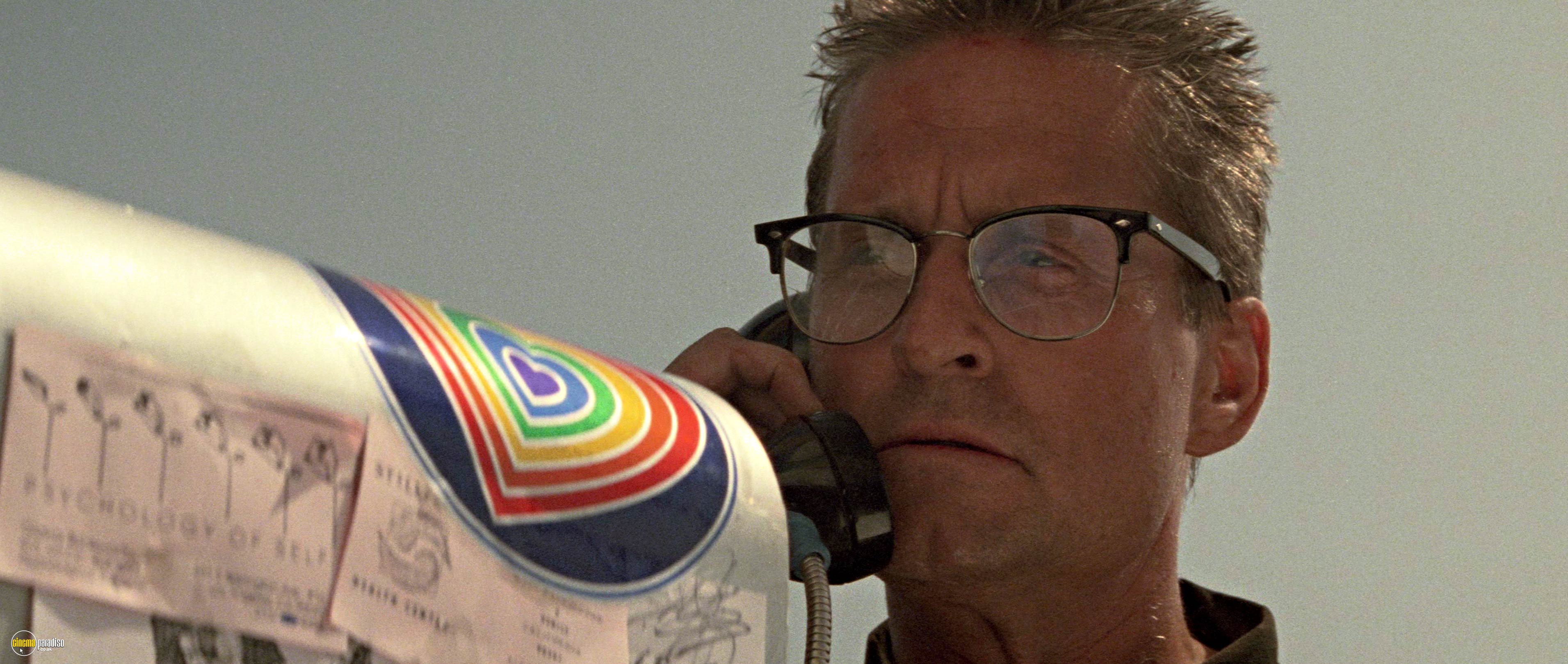
She collaborated with Joel Schumacher on Falling Down (1993) and the Gotham City duo of Batman Forever (1995) and Batman & Robin (1997). She also worked for Sydney Pollack on Random Hearts (1999), while Scott Hicks hired her for Hearts in Atlantis (2001), No Reservations (2007), The Lucky One (2012), and Fallen (2016). But her finest hour came in conjunction with set decorator Nancy Haigh on Tarantino's Once Upon a Time...in Hollywood (2019), for which she recreated the look and feel of Los Angeles in 1969 and for which she was rewarded with an Oscar. Her final two commissions were for Marc Forster's A Man Called Otto (2022) and Antoine Fuqua's Michael Jackson biopic, Michael (2026). She died of cancer at the age of 73 on 9 July.
Wai Ching Ho died the following day aged 83. She had been born in Japanese-occupied Hong Kong on 16 November 1943 and came to the United States in the late 1960s to train at the American Academy of Dramatic Arts in New York. After a lengthy stage grounding, Ho moved into television with the soap One Life to Live in 1983. Her film debut came opposite Robin Williams in Cadillac Man (1990), which she followed with minor roles in Soapdish (1991), Happiness (1998), Keeping the Faith (2000), and The Greatest (2009).
On television, Ho appeared in Law & Order: Criminal Intent, Law & Order: Special Victims Unit, Orange Is the New Black, and Blue Bloods. But her fortunes were about to change. Following such modest fare as The Sorceror's Apprentice (2010), Premium Rush (2012), and Tracers (2015), Ho was cast as crime boss Madame Gao in Daredevil (2015-16) and she reprised the role in such other small-screen entries in the Marvel Cinematic Universe as Iron Fist and The Defenders (both 2017). In addition to voicing Grandma Wu in Pixar's Turning Red (2022), Ho also featured in Listen Up Philip (2014), Lucky Grandma (2019), Hustlers (2019), and The World's Greatest (2022), as well as the TV series, Flight of the Conchords (2007-08) and New Amsterdam (2018). She even voiced a pedestrian in the bestselling video game, Grand Theft Auto: San Andreas (2004).
Fabled Serbian director Ðorde Kadijevic also passed away on 10 July, at the age of 93. Cinema Paradiso may not be able to offer any of his films, but he was a major figure in the Yugoslav Black Wave of the 1960s and directed the country's first horror movie. Born in Šibenik on 6 January 1933, Kadijevic grew up during the Second World War and the hatred and violence he witnessed influenced his work after studying the history of art at university. His first two films, The Feast (1967) and The Trek (1968) tackled war themes, with the former being set on Christmas Day in 1943. However, the Communist crackdown on freedom of expression brought about an end to the new wave in which Kadijevic had thrived alongside the likes of Aleksandar Petrovic, Živojin Pavlovic, Želimir Žilnik, and Dušan Makavejev, of whom only the latter is widely known, although even his notorious W.R.: Mysteries of the Organism (1971) is not currently available on disc.
With his cinematic options limited, Kadijevic moved into television, where he caused a stir with The She-Butterfly (1973), which starred Mirjana Nikolic as a female vampire. Other horrors combining visual lyricism with avant-garde innovation included The Gifts of My Cousin Maria (1969), Ward (1973), The Maiden’s Tune (1973), and A Holy Place (1990). Kadijevic is perhaps best known in the states that once made up Yugoslavia for the biographical TV series, Vuk Karadžic (1987-88), which won the Grand Prix of Europe in Rome.
As accounts differ as to whether Greer Garson was born in London or Castlewellan in County Down, the record books will forever show that Brenda Fricker was the first Irishwoman to win an Academy Award (after the first man had been Barry Fitzgerald for Going My Way, 1944). Born in Dublin on 17 February 1945, Fricker endured a tough childhood. She was Irish dancing national junior champion as a girl, but she was also beaten by her bipolar mother and groomed by her elocution teacher. Appearing in radio plays from the age of nine for RTÉ (where her journalist father was a regular broadcaster), she spent two years recovering from crashing through a car windscreen while cycling at 14 and another fighting tuberculosis. She was also raped at 17 and these ordeals presaged a lifelong battle with her mental health, which included 32 suicide bids, according to her memoir.
Cast as Joan Broderick in Ireland's first soap opera, Tolka Row, Fricker landed a bit part in Ken Hughes's adaptation of W. Somerset Maugham's Of Human Bondage (both 1964). She graced the famous stages at the Gate and Abbey theatres in Dublin before crossing the water after director Barry Davis had cast her in The Sinners (1971). They married in 1979, but he died in 1990 and Fricker decided to stay in the UK, as her career was starting to take off.
Her performance in `Your Man from Six Counties' (1976) can be found on Play For Today, Vol.1, but we can't bring you her turn as Staff Nurse Maloney, supervising the birth of Tracy Langton (later Barlow), in Coronation Street (1977). Fricker returned to films with Stephen Frears's Bloody Kids (1980) and Diarmiud Lawrence's Thomas Hardy-influenced Exploits At West Poley (1985), which can be rented from Cinema Paradiso on Children's Film Foundation Bumper Box Vol.3.
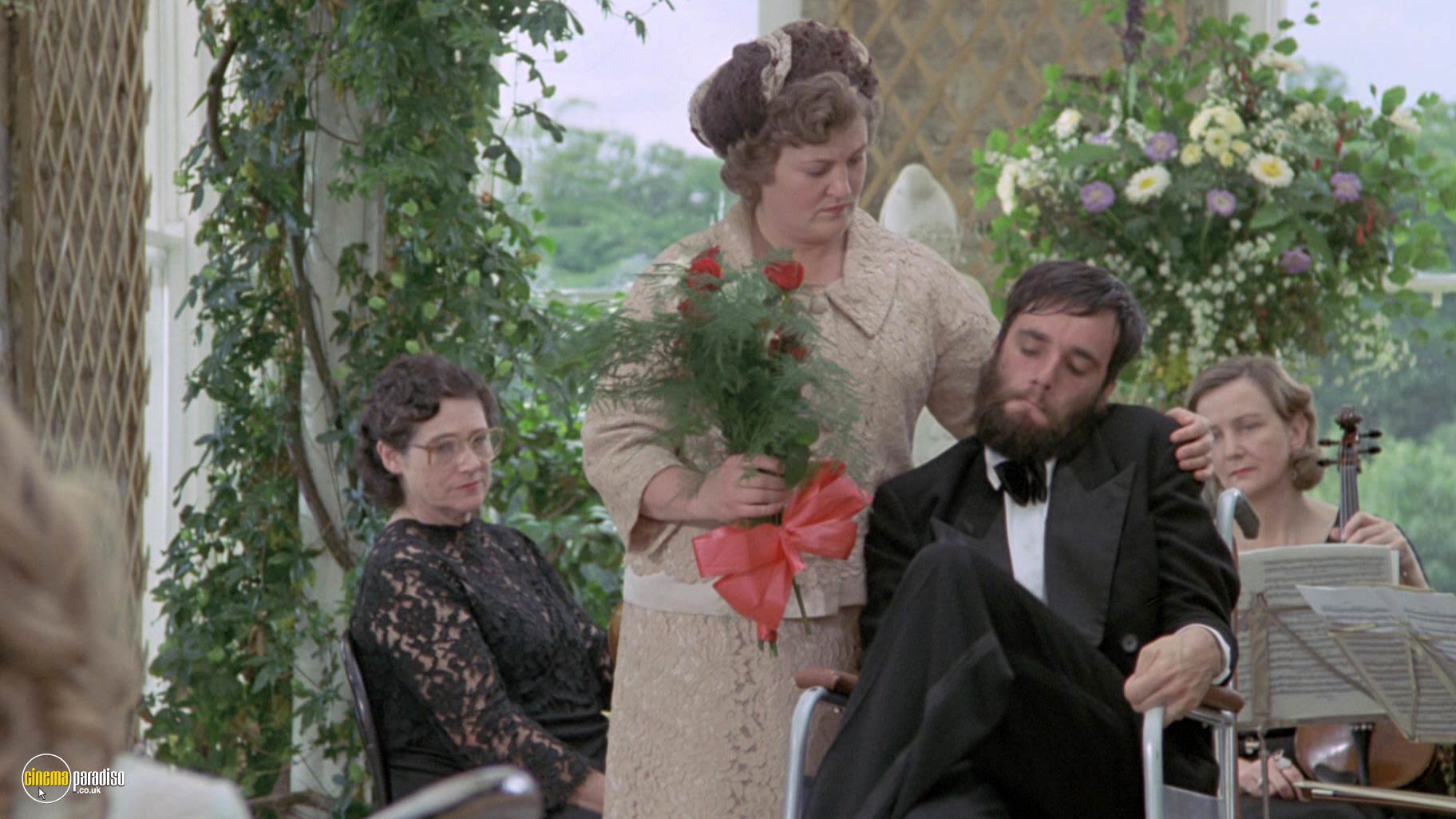
She became a national treasure as Nurse Megan Roach of Holby City's A&E department in the first five series of Casualty (1986-90). Yet Fricker was relieved to leave, as she felt the character had become too angelic, although she made later appearances, including an emotional farewell in 2010. As her stint came to an end, however, she was cast in Jim Sheridan's My Left Foot (1989) as Bridget, the devoted mother of Christy Brown (Daniel Day-Lewis), the Irish artist and writer who had born with cerebral palsy. She earned the Academy Award for Best Supporting Actress for her performance and a reunion with the director on The Field (1990). On accepting the statuette, Fricker thanked Bridget Brown and said, `Anybody who gives birth 22 times deserves one of these, I think.'
She had hoped to return to the theatre. But Fricker was now in demand in Hollywood, where she played the Pigeon Lady in Home Alone 2: Lost in New York (1992), Mike Myers's tabloid-obsessed Scottish mother in So I Married an Axe Murderer (1993), Joseph Gordon-Levitt's foster parent in Angels in the Outfield (1994), and Matthew McConaughey's loyal secretary, Ethel Twitty, in Joel Schumacher's John Grisham adaptation, A Time to Kill (1996). Although she enjoyed the experience, she blamed her Oscar for preventing her from returning to the boards.
Although she continued to work in the US, the majority of Fricker's credits came in the UK, Canada, and Ireland. Spreading her wings, she appeared in Swann, Moll Flanders (both 1996), Painted Angels, The American, Pete's Meteor (all 1998), The War Bride (2001), Torso: The Evelyn Dick Story (2002), Trauma (2004), Closing the Ring (2007), Stone of Destiny (2008), Cloudburst (2011), and A Long Way From Home (2013). But she stayed closer to her Irish roots in A Man of No Importance (1995), Resurrection Man (1998), Veronica Guerin, Watermelon, Conspiracy of Silence (all 2003), Inside I'm Dancing, Omagh (both 2004), Tara Road (2005), How About You (2007), Albert Nobbs (2011), The Miracle Club (2023), and The Swallow (2024).
Fricker also delivered a standout monologue as Lizzie Meany in Kathy Burke's adaptation of Graham Norton's novel, Holding (2022). She also published her autobiography, She Died Young: A Life in Fragments (2025). Delighting in using her Oscar to prop open the bathroom door in her cottage, she died in Dublin at the age of 81 on 16 July.
Tom Chadbon's bank manager father wanted his son to become a solicitor. Born in Luton on 27 February 1946, but raised in Jersey from the age of 12, Chadbon broke rank when he landed a stagehand gig at the Chichester Festival and later trained at RADA. Although he enjoyed theatre, he was predominantly a television actor, making his way with guest slots in shows like Special Branch, Hadleigh, and Softly Softly: Task Force before becoming a familiar face in 1977 as Derek Paynton, the boyfriend (and eventually husband) of Sandra Hutchinson (Nerys Hughes) in Carla Lane's classic sitcom, The Liver Birds (1969-79).
Chadbon's scream on discovering that a ghost has infected his computer in Nigel Kneale's The Stone Tape (1972) has gone down in TV history. But he will be forever be remembered by Time Lord aficionados for playing Duggan, the hapless, trenchcoat-wearing detective who helps Tom Baker prevent the theft of the Mona Lisa in the 1979 Douglas Adams-scripted `City of Death' episode of Doctor Who (1963-), the final part of which attracted an audience of 16 million. Chadbon returned as Mardeen to abet Colin Baker's bid to thwart the robotic Drathro in `The Trial of the Time Lord' (1986) and continued to appear in audiobook adventures.
Staying with science fiction, Chadbon played a hypnotically controlled soldier in an episode of Out of the Unknown (1971), Michael in The Changes (1975), Del Grant in the 1979 `Countdown' episode of Blake's 7 (1978-81), and Maxx Zeller in Space Precinct (1994). But his versatility and blond good looks led to parts in such popular programmes as Within These Walls, Warship, Rumpole of the Bailey, Tales of the Unexpected, Shine on Harvey Moon, Paradise Postponed, Boon, Peak Practice, Hetty Wainthropp Investigates, The Bill, Holby City, Taggart, Silent Witness, A Touch of Frost, Father Brown, Heartbeat, Foyle's War, Midsomer Murders, and Agatha Christie's Poirot.
Frustratingly, we can't bring you Chadbon's assured display as maverick lawyer Lenny Monk in Crown Prosecutor (1995), but we can recommend his roles in such overlooked series as Mitch, Bulman, Devices and Desires, Between the Lines, and Bugs. He is also rather good opposite two different Sherlock Holmes, as Zygovich alongside Christopher Lee in Sherlock Holmes and the Leading Lady (1991) and Inspector Hawkins with Jeremy Brett in the 1994 episodes, `The Cardboard Box' and `The Red Circle', from The Memoirs of Sherlock Holmes. Chadbon also proved a sturdy Frank Crawley in Rebecca (1999) prior to essaying Dr Kenworthy in Where the Heart Is (2001-06). Having crossed swords with Robson Green as Assistant Chief Constable John Brandon in Wire in the Blood (2002-03), he settled into the recurring role of Henry Williams in Casualty (2008-11).
Reminding people of his comic skills, as the Dutch Commissioner in The New Statesman (1992), Chadbon also stole an episode of Peep Show (2008) as Martin (aka `Indiana Ashdown'), the ex-Scots Guardsman romancing Jeremy's mum. But he never quite found his cinematic niche, in spite of solid contributions to The Alf Garnett Saga (1972), The Beast Must Die, Juggernaut, Terror on the Britannic (all 1974), Tess (1979), Dance With a Stranger (1985), and Shooting Fish (1997). He also appeared briefly as a stockbroker opposite Daniel Craig in Casino Royale (2006). Latterly, The 10th Kingdom (2000) and The Last Dragon (2004) set him up nicely to bow out with a cameo as High Septon Maynard in Game of Thrones (2017). He died on 18 July at the age of 80.
Director Chuck Russell was born in Park Ridge, Illinois on 9 May 1952. Having directed low-budget plays in Chicago, he relocated to Los Angeles, where he came into the orbit of indie maverick, Roger Corman. He served as second assistant director on Death Race 2000 (1975) before taking producing credits on such titles as The Hearse (1980) and Hell Night (1981), on which he befriended Frank Darabont.
After sharing a writing credit on the cult thriller, Dreamscape (1984), and producing Girls Just Want to Have Fun (1985) and the Rodney Dangerfield comedy, Back to School (1986), Russell teamed with Darabont to write A Nightmare on Elm Street 3: Dream Warriors (1987) and The Blob (1988), which also earned him his first two directing credits. The latter was a remake of the 1958 sci-fi cheapie of the same name that had raised Steve McQueen's profile. But Russell hit his straps with The Mask (1994), an effects-laden comic-book adaptation that made a huge star of Jim Carrey for his livewire performance as Stanley Ipkiss and the eponymous green-faced, shape-shifting trickster. Russell landed an Oscar nomination for the Tex Avery-inspired visual effects, while the picture banked $351 million.
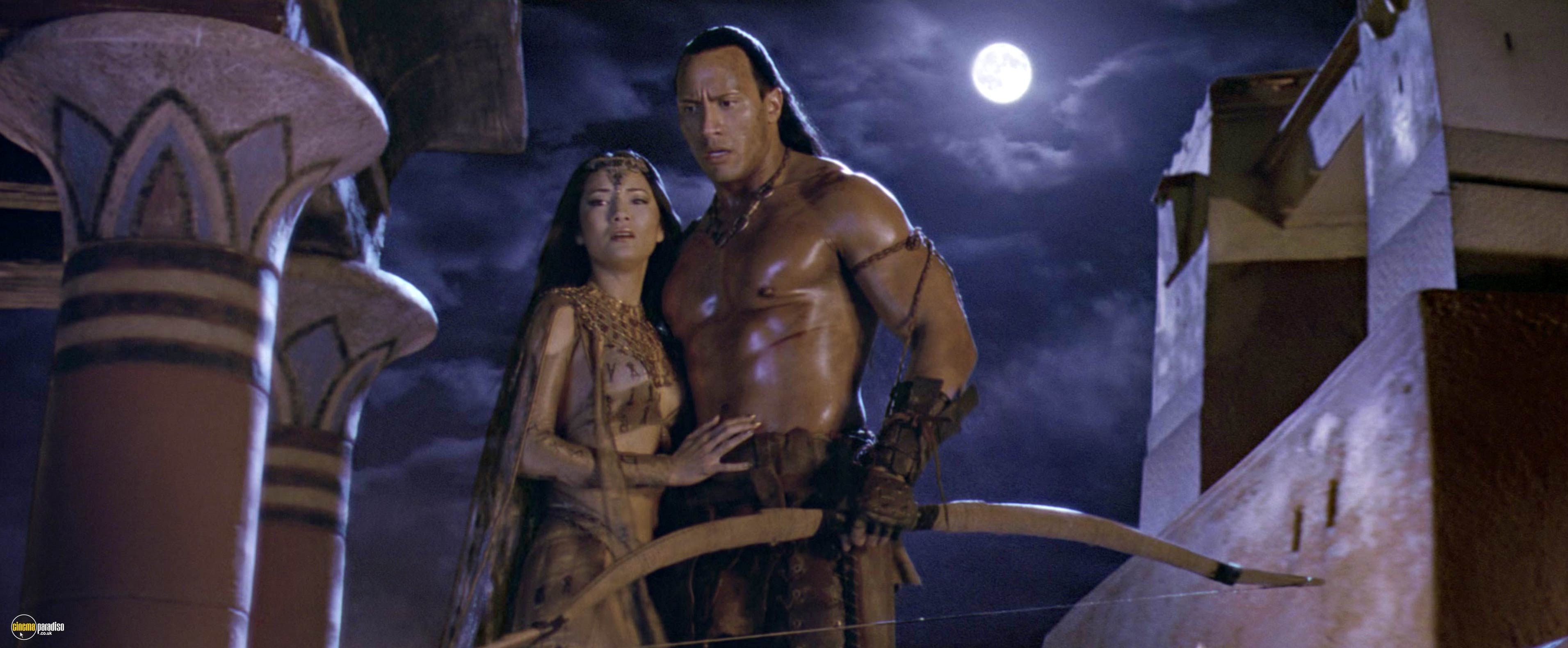
Either side of the Kim Basinger horror, Bless the Child (2000), Russell directed Arnold Schwarzenegger in Eraser (1996) and gave ex-wrestler Dwayne `The Rock' Johnson his first lead in The Scorpion King (2002), a prequel to The Mummy (1999) and The Mummy Returns (2001). Neither brought the same acclaim, however, and Russell was bumped off Tom Cruise's Collateral (2004) by Michael Mann, even though he and Darabont retained executive producing credits. After a couple of other ambitious projects had failed to materialise, Russell dipped out of the game for 14 years before returning with I Am Wrath (2016) and Paradise City (2022), which respectively starred John Travolta and Bruce Willis.
He boldly wrote and directed the Hindi martial arts and eco activism adventure, Junglee (2019). But he only directed one further feature, Witchboard (2024) - a remake of Kevin Tenney's 1986 serial killer possession debut - as he focussed on developing the use of generative AI in the sci-fi duo of Hyperia and b (both 2026), which were made for his company, Neumorphic. Proud of his `pop movie' reputation, Russell died on 22 July in San Diego. He was 74.
The majority of Sheila Ballantine's finest moments came on stage. Born in Hackney on 14 October 1928, she had enjoyed being evacuated during the war and returned to the capital to make her stage bow in The Snow Queen in 1947. As part of the Old Vic company, she learned from Peggy Ashcroft, Irene Worth, and Joan Plowright, while the latter joined her at the Royal Court, where Alan Bates, Robert Stephens, and Wendy Craig were part of the English Stage Company. She later became a fixture with the National Theatre and the Royal Shakespeare Company, while also flourishing during stints in Bristol, Nottingham, and Derby.
Early TV appearances in such serialisations as H.G. Wells's Ann Veronica (1964), Jane Austen's Sense and Sensibility (1971), and Shoulder to Shoulder (1974; in which she played tragic Suffragette Emily Davidson) have never made it to disc. But Cinema Paradiso can offer Ballantine's guest slots in The Public Eye (1966), Crown Court, Six Days of Justice (both 1973), Village Hall (1974), and Jack Rosenthal's mini-series, Sadie, It's Cold Outside (1975). Ballantine's comic turn in `The Party of the First Part' (1978) can be found on Alan Plater on ITV (2011).
Film roles were limited, but Ballantine joined old friend Alan Bates in We Think the World of You (1988) and bowed out as the landlady in Dana Lustig's A Thousand Kisses Deep (2011). This was her final screen role after only appearing twice on television this century, in Blue Murder (2000) and in the Anthony Horowitz-scripted `Plan of Attack' episode of Foyle's War, in which she played landlady, Victoria Hammond. She died at the age of 97 on 24 July.
Comedian and birdwatcher, Bill Oddie had two television careers. Born in Rochdale on 7 July 1941, but raised in Birmingham (while his mother was institutionalised for manic depression), he read English at Cambridge, where he performed with the famous Footlights troupe alongside John Cleese, Graham Chapman, and Tim Brooke-Taylor. Their Cambridge Circus revue ran on Broadway in 1964, but Oddie concentrated on writing on his return to Blighty, earned a reputation for the comic songs composed for That Was the Week That Was and BBC-3 on television and for I'm Sorry I'll Read That Again on the radio.
Following a stint with Bernard Braden on On the Braden Beat, Oddie appeared in The Frost Report and At Last the 1948 Show before joining Graeme Garden, Terry Jones, Michael Palin, and Jonathan Lynn on Twice a Fortnight. He and Garden then hooked up with Brooke-Taylor on the BBC sketch show, Broaden Your Mind (1969). Sadly, Auntie's tape-wiping habit means that few episodes of these shows survive, but Cinema Paradiso members can experience Oddie's gag writing for Ronnie Barker and Tommy Cooper and his tele-scripts for the sitcoms, Doctor in the House and Doctor At Large. They can also see him briefly in the classic Eric Sykes short, The Plank (1967).
Pitching themselves as competitors to Monty Python's Flying Circus (1969-74), Oddie, Brooke-Taylor, and Garden starred in The Goodies (1970-81), as the members of an agency that offered assistance with anything at any time. They won the Silver Rose at Montreux with `Kitten Kong', while Oddie-penned single like `The In-Betweenies', `The Funky Gibbon', and `Black Pudding Bertha' got them on Top of the Pops. Yet the critics felt their reliance on silent slapstick humour and speeded-up camera gags was less sophisticated than the Pythons' verbal wit. Indeed, the show did occupy a slot accessible to younger audiences before it moved to London Weekend for a single season in 1982. The Goodies: The Complete LWT Series is available to rent, as are The Goodies: At Last!, The Goodies: At Last: A Second Helping, and The Goodies: At Last: Back For More, Again (both 1980), and An Audience With The Goodies (2018).
After Garden and Oddie failed to make a go of their sitcom, Astronauts (1982), the trio also voiced the cartoon series, Bananaman (1983) and appeared on the bill at the 1976 Amnesty International show, A Poke in the Eye (With a Sharp Stick) (aka Pleasure At Her Majesty's), which can be seen on The Secret Policeman's Ball: The Early Years (2004).
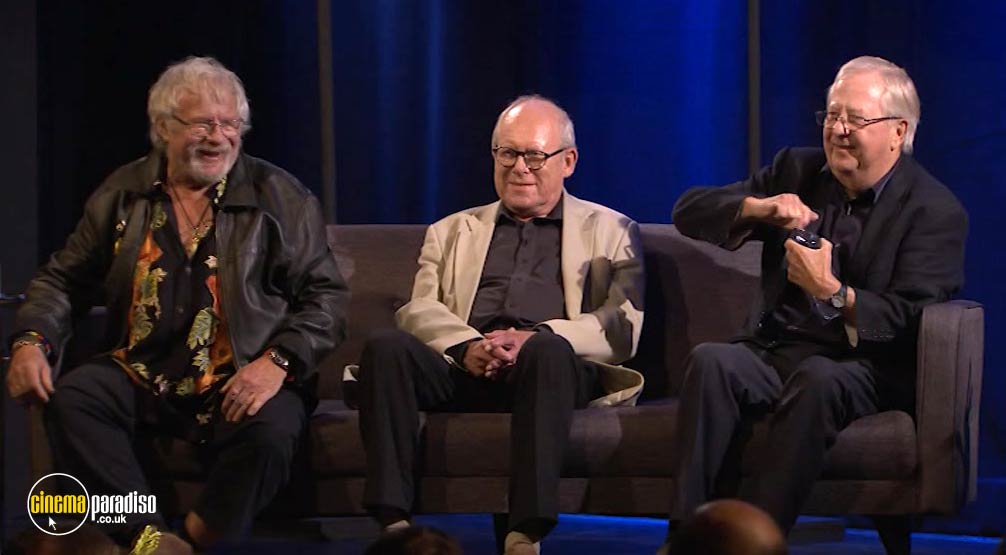
Oddie moved into kids' TV with Tickle on the Tum (1984) and voiced the indomitable Gaul in the 1989 animated feature, Asterix and the Big Fight, and the chimney sweep in Winter in the Willows (1996). He appeared in Married...With Children (1992), The Detectives (1995), and Fun At the Funeral Parlour (2001) and was a guest on Time Team (1997-98), Who Do You Think You Are? (2004), and The Real Marigold Hotel (2017), as well as the panel shows, 8 Out of 10 Cats (2006) and Would I Lie to You? (2011), and the documentaries, Monty Python: Almost the Truth: The Lawyer's Cut (2009) and The Last Impresario (2013).
More notably, he also fronted Birding With Bill Oddie (1997-2000) and Bill Oddie: How to Watch Wildlife (2005). However, his mental health issues meant that he was ambivalent to his fame (having to be talked into attending his This Is You Life recording in 2001 after initially refusing Michael Aspel's invitation) and could sometimes be difficult to work with. An incident with a crew member led to Oddie being dropped in 2008 from Springwatch, which had done so much to alert the British public to climage change. The same year saw the publication of his autobiography, One Flew Into the Cuckoo's Egg, but being removed from his beloved TV show had a detrimental impact on his mental health. Although he returned to an even keel, he died at the age of 85 on 25 July.
Busking from an early age, Dubliner Glen Hansard fronted The Frames and The Swell Season, while his second solo alblum, Didn't He Ramble, was nominated for a Grammy. The Cinema Paradiso focus falls on his filmic achievements, however, following his debut as guitarist Outspan Foster in Alan Parker's BAFTA-winning adaptation of Roddy Doyle's, The Commitments (1991).
His finest screen hour, however, came in John Carney's Once (2007), in which he played the unnamed Grafton Street busker who forms an attachment to a Czech flower seller. Hansard and Markéta Irglová wrote and performed `Falling Slowly', which won the Academy Award for Best Song. Subsequently. Hansard recorded a version of Bob Dylan's `You Ain't Goin' Nowhere' for Todd Haynes's I'm Not There (2007) and voiced a busker in the `In the Name of the Grandfather' episode of The Simpsons (1989-).
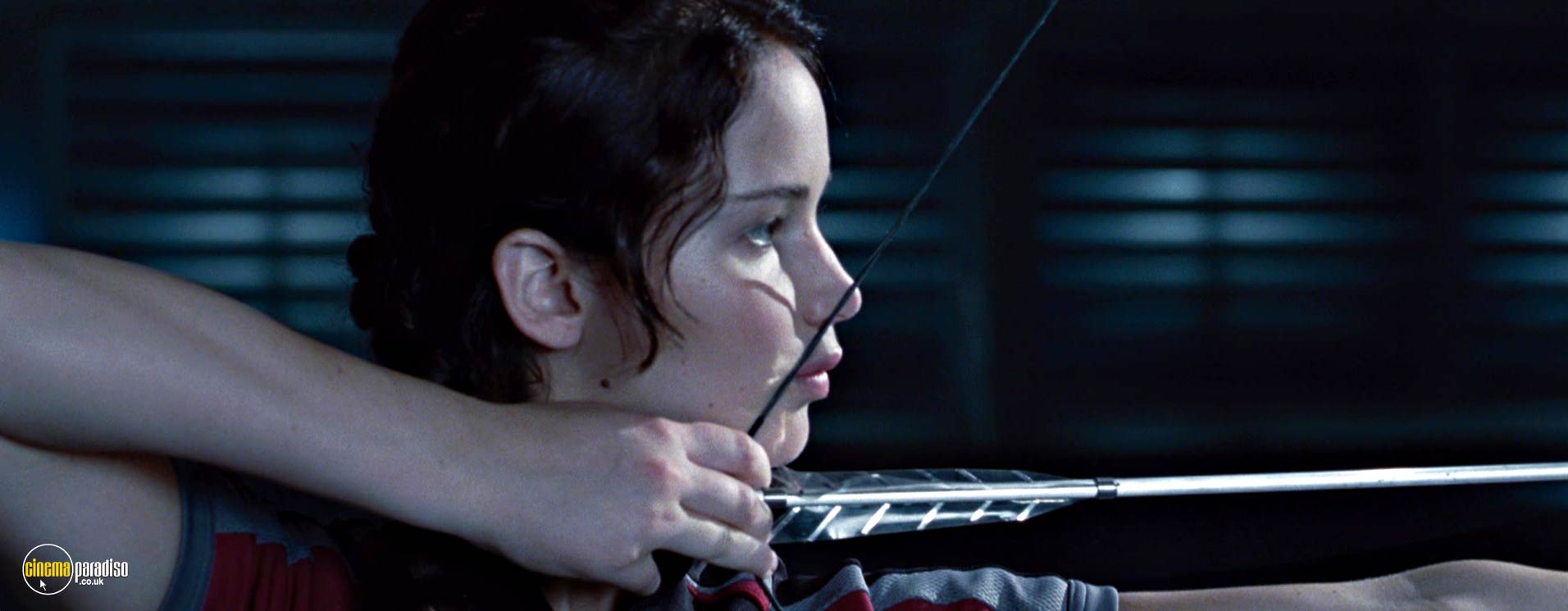
His song, `This Gift', featured on the soundtrack of Peter Hedges's The Odd Life of Timothy Green, while `Take the Heartland' and `Come Away to the Wate' were used on The Hunger Games (both 2012). He also sang `High Hope' in the `Trouble in Candyland' episode of Parenthood and duetted with Lisa Hannigan on `On Love' for Kahlil Gibran's The Prophet (2014). Hansard died after a motorbike accident in the Strawberry Beds district of Dublin on 29 July. He was just 56 years old. May he rest in peace, along with everyone else featured in Cinema Paradiso's special two-part spring/summer edition of Remembering.
Mentioned films