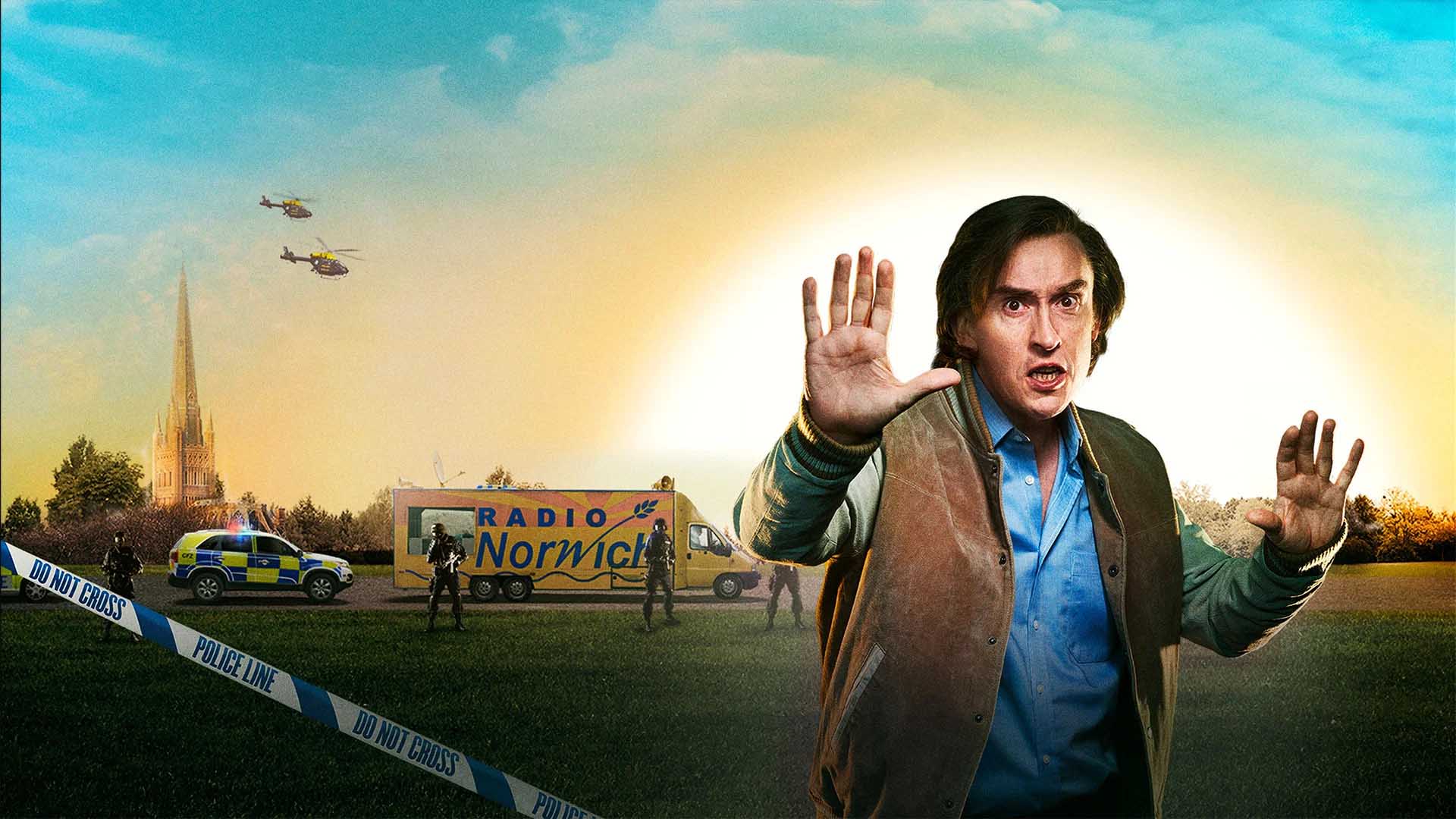
- Having traced its origins back to the early days of radio in Part One, Cinema Paradiso brings the story of the spin-off sitcom up to date, with a detour via British cinema's guilty 70s secret.
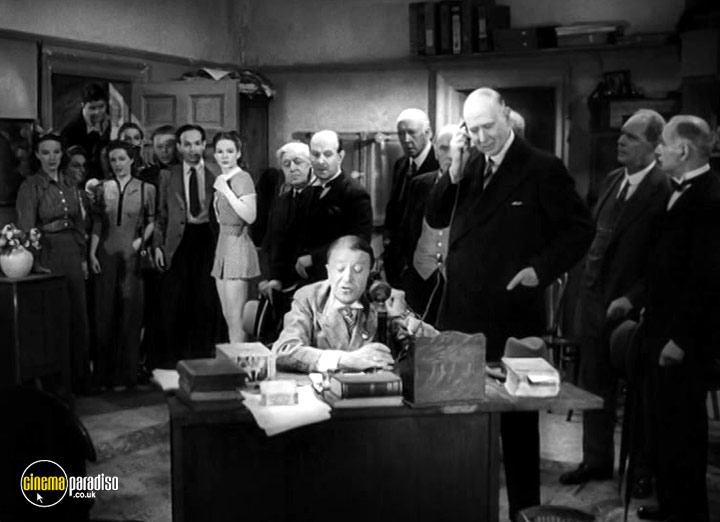
In A Brief History of British Sitcom Spin-Offs, Part One: 1930s-1970s, we traced the origins of this often derided format back to the radio heyday of Liverpudlian comedians like Arthur Askey and Tommy Handley, whose wartime efforts to keep the country's collective chins up were epitomised by Marcel Varnel's The Band Waggon (1940) and Walter Forde's It's That Man Again (1943).
A reluctance to conspire with the new medium that had lured its core audience away meant that the British film industry was slow in the 1950s to recognise the value of making feature versions of the most popular shows on the BBC and the newly launched ITV channel. As a consequence, a chance was missed to record for posterity sitcom favourites that were either not archived because they went out live or were wiped by overzealous technicians seeking to recycle expensive tape reels.
Notwithstanding, a handful of shows from this period made it to the big screen under new titles, with The Army Game (1957-61) resurfacing as Montgomery Tully's I Only Arsked! (1958), while The Larkins (1958-64) became C. M. Pennington-Richards's Inn For Trouble (1960) and Whack-O! (1956-72) emerged in the guise of Bottoms Up (1960). But, despite odd items like Norman Cohen's Till Death Us Do Part (1969), it wasn't until the early 1970s, when British cinema was teetering on the brink, that the sitcom spin-off came into its own.
Cinema Paradiso demonstrated in Part One that the decade was one of hits and misses. Among the best adaptations were Norman Cohen's Dad's Army, Gerald Thomas's Bless This House (1972), Herbert Wise's The Lovers (1973), and the Dick Clement duo of The Likely Lads (1976) and Porridge (1979). For obvious reasons, John Robins's race relations comedy, Love Thy Neighbour (1973), was by far the most controversial. But several other spincoms strayed into salaciousness, including the On the Buses trilogy (1971-73), while others like Cliff Owen's Steptoe and Son (1972) and Joseph McGrath's Rising Damp (1980) failed to duplicate the intricacy and intimacy of their small-screen incarnations.
Despite the popularity of their source sitcoms, several spin-offs have been all-but forgotten. Yet they remain valuable, as they offer insights into the British character then and now. Moreover, by showing up the social mores that were once acceptable and are now considered politically incorrect, they reveal that we still have a way to go to eradicate them entirely from daily life in what is becoming an increasingly fractious nation. Only Cinema Paradiso keeps screen history alive in this manner, as our unrivalled catalogue of over 100,000 titles allows members to explore both the sitcoms and their spin-offs and reach their own conclusions about their value as both nostalgic entertainment and historical artefact.
A Disreputable Detour
We have already seen in Part One how British cinema was plunged into crisis in the 1970s as a result of the closure of Hollywood's UK outposts, a tax hike on high-earning actors and directors, and a sharp decrease in output owing to production companies being severely cash-strapped after their injudicious investment in a 1960s boom that never came. The spin-off sitcom was seen as a cheap and easy way of making quick profits and the softcore sex comedy soon started taking advantage of changes in censorship criteria to allow saucy romps to combine bawdy postcard humour with glimpses of naked skin.
These weren't the first British films to trade on nudity, however. In Carry On Camping (1969), Sid James and Bernard Bresslaw take girlfriends Joan Sims and Dilys Laye to the pictures to see a naturist film in the hope of persuading them to holiday at a nudist camp. A decade had passed since producer Nat Miller had cast Anita Lowe and Carl Conway as members of the Spielplatz nudist camp who attend the Naturist World Congress at Woburn Abbey in Charles Saunders's Nudist Paradise (1959). Later the same year, Edward Craven Walker had used the pseudonym Michael Keatering to direct Travelling Light, a pseudo-documentary that sought to bypass the censors by showing unclothed bodies in a `serious' social study of the phenomenon of naturism.
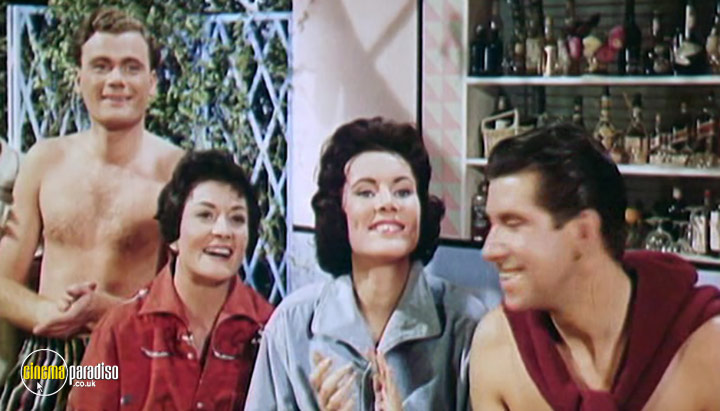
The following year, The Danzigers released Ramsey Herrington's Pussycat Paradise (aka The Nudist Story, 1960), which starred Shelly Martin as a woman who converts to going au naturel while leading a campaign against the nudist colony that has opened on her doorstep. Co-star Brian Cobby would go on to be the voice of BT's Speaking Clock.
Shortly after appearing in Michael Powell's Peeping Tom (1960), Pamela Green headlined Naked As Nature Intended (1961), which was produced by Tony Tenser and Michael Klinger and directed by George Harrison Marks, who would hook up with Green again for The Naked World of Harrison Marks (1966), which was narrated by Valentine Dyall, who had made his name as The Man in Black on BBC radio in the 1940s. Perhaps even more surprisingly, future Blue Peter presenter Valerie Singleton had narrated Arnold L. Miller's Nudes of the World (1961), which he followed, in cahoots with producer Stanley A. Long, with such peek-a-boo actualities as West End Jungle (1961), London in the Raw (1964), and Primitive London (1965). Long himself would turn director with the comic anthology, Sex and the Other Woman (1972), in which Richard Wattis presents four tales of adultery.
Neophyte director Michael Winner had parodied the naturist film in Some Like It Cool (1961), which had followed Julie Wilson's bid to talk fiancé Marc Roland into honeymooning at a nudist camp. Arthur Knight also brought humour to My Bare Lady (1962), which included a cameo by famed American photographer, Arthur `Weegee' Fellig, as a judge at a naked beauty contest. The coyness that characterised these naturist films would be contrasted with cartoonish lust, as the British film industry latched on to the softcore comedy in the 1970s, as a money-making bulwark to the sitcom spin-off.
Some consider Edward Buzzell's Mary Had a Little... (1961) to be the first British sex comedy, as it centres on theatre producer Jack Watling hiring Agnès Laurent to pose as an unmarried pregnant women in order to help him win a bet with John Bentley's doctor about whether hypnotism can produce the perfect baby. But it was the Italian anthology, Sex Can Be Difficult (1962), that saw the emphasis switch from nudity to sex on the continent, where the Danes and Swedes were already producing the X-rated films that would flood Britain and America as censorship was relaxed following the ditching of the Hollywood Production Code in 1968.
Following on from the mildly flirtatious For Men Only (1967), Pete Walker's School For Sex (1969) was the first British sexploitation movie. Derek Aylward stars as a nine-time husband who opens an academy to teach financial extortion to a group young ladies that includes Françoise Pascal and Samantha Bond. Walker also teamed Janet Lynn and Robin Askwith as country kids discovering sex in the city in the Swinging London romp, Cool It Carol (1970), and cast Askwith as a reporter scouring the capital's sleazier venues while seeking a missing German woman in The Four Dimensions of Greta (1972) before he started to specialise in the gory horrors that can be discovered by tapping his name into the Cinema Paradiso Searchline.
Having directed Victor Spinetti and John Bird in This, That and the Other (aka A Promise of Bed, 1969), Derek Ford joined producer Stanley A. Long in grinding out such landmark British porn films as The Wife Swappers and Groupie Girl (both 1970), before veering into comedy with Suburban Wives (1971), Commuter Husbands (1972), and Keep It Up, Jack! (1974). In addition to exposing witchcraft in Notting Hill in Secret Rites (1971), Ford also directed The Sexplorer (1975), a favourite of Quentin Tarantino that stars Monika Reingwald as a kinky Venusian.
While few of Ford's offerings are currently available on disc, Cinema Paradiso can offer such early sex comedies as Donovan Winter's Some Like It Sexy (aka Come Back Peter, 1969), which stars Christopher Matthews as a freewheeling man about town and Collinson sisters, Mary and Madeleine (of Twins of Evil fame), among those he encounters. This barely caused a ripple beside Antony Balch's Secrets of Sex (1970), an anthology about the battle of the genders that was narrated by Valentine Dyall in the guise of an ancient mummy. John Trevelyna, the head of the British Board of Film Censors, considered the picture to be `nasty stuff' and cut 6-9 minutes of footage. However, `the film the censor tried to stop' is available in its restored form on the disc available for rental from Cinema Paradiso.
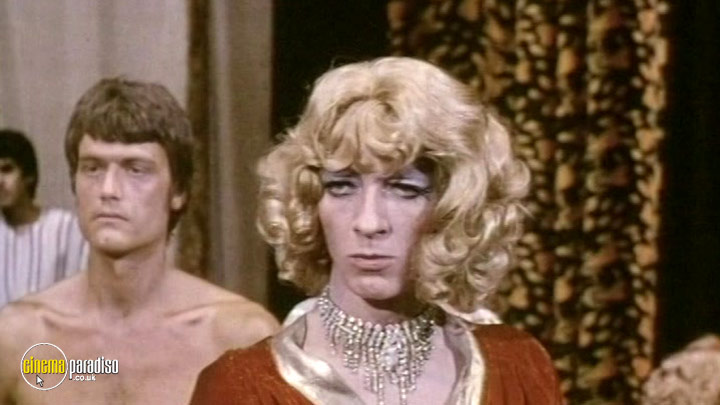
Taking liberties with literature, Malcolm Leigh's Games That Lovers Play (aka Lady Chatterley vs Fanny Hill, 1971) revolves around Lady Evelyn Chatterley (Nan Munro) and Mrs Hill (Diane Hart), who run rival brothels in the 1920s and hope that daughters Constance (Penny Brahms) and Fanny (Joanna Lumley) can win them £1000 for keeping the best house in London. As this hit cinemas, Alistair Foot and Anthony Marriott's critic-proof farce, No Sex Please, We're British, opened in the West End. Over the next 16 years, it racked up 6761 performances (1971-87), compared to just 16 on Broadway. Michael Crawford opted not to reprise the role of Brian Runnicles and Ronnie Corbett took over for Cliff Owen's 1973 feature version, about a bank clerk who keeps receiving parcels of pornography at a branch where the manager (Arthur Lowe) is a renowned moral crusader.
Also based on a stage play, by Sam Cree, James Kenelm Clarke's Let's Get Laid (1978) saw WWII soldier Robin Askwith become involved with Fiona Richmond's theatre troupe and a nest of spies bent on capturing a cigarette lighter with special powers. The great-nephew of peerless Lancashire comedian, Robb Wilton, Askwith would become synonymous with softcore comedy and carried off the most undignified scenes with an aplomb that hasn't always been recognised. Richmond would also emerge as a major star of the post-permissive pornography boom. She was played by Tamsin Egerton opposite Steve Coogan as porn baron Paul Raymond in Michael Winterbottom's The Look of Love (2013), while the sad life of her supposed rival, Mary Millington, is chronicled in Simon Sheridan's Respectable: The Mary Millington Story (2016).
Although a handful of directors specialised in sex comedies, several respected film-makers found themselves having to dabble in softcore as there was no other work available in a British film industry on its uppers. Boasting such CV credits as Barbarella, Danger: Diabolik (both 1968), The Vampire Lovers (1970), Fright, Lust For a Vampire, and Twins of Evil (all 1971), screenwriter Tudor Gates ventured into smut with The Love Box (1972), an anthology of 11 vignettes linked to a magazine's classified ads section that he co-directed with Wilbur Stock under the names Billy and Teddy White. Gates also wrote The Sex Thief (1973) for Martin Campbell, in which David Warbeck plays a cat burglar with insurance investigator Diane Keen and sex-mad copper Michael Armstrong on his tail. The duo would reunite on Intimate Games (1976), which sees college professor George Baker set students an assignment to discover people's fantasies. This is one of many films from the period with Mary Millington in a tiny role. But stars Anna Bergman and Suzy Mandel were joined by such familiar screen faces as Queenie Watts, Hugh Lloyd, and Ian Hendry, who were simply taking the work offered them in hard times. The same is true of Carmen Silvera, the future star of `Allo! `Allo! (1982-92), who plays a vampish lesbian in Don Chaffey's Sex Clinic (aka Clinic Exclusive, 1971), in which Georgina Ward plays the boss of a private health spa. Chaffey had directed such pictures as Jason and the Argonauts, Disney's The Three Lives of Thomasina (1963), One Million Years B.C. (1966), and The Viking Queen (1967), but beggars couldn't be choosers in the British cinema in 1971.
Sharing the disc with Sex Clinic is Norman J. Warren's Spaced Out (1979), a sci-fi sex comedy about three men being kidnapped for tests by female aliens. Experimentation was also to the fore, as the misadventures of the recipient of a pioneering penis transplant are followed in Percy (1971) and Percy's Progress (1974), which were directed by one of the stalwarts of British cinema over the previous quarter-century, Ralph Thomas. He also called the shots on The Love Ban (1973), which stars Nanette Newman as the wife who locks husband Hywel Bennett out of their bedroom after having had six children in eight years.
Another director with a more illustrious past, Val Guest,, took the helm for The Au Pair Girls (1972), which followed the travails of a trio of home helps played by Gabrielle Drake, Astrid Frank, and Me Me Lay. The latter's scenes were mostly filmed at George Harrison's Oxfordshire mansion, Friar Park. John Le Mesurier and Richard O'Sullivan were among the guest stars and the film did well enough for Guest to commit to a sequel, Glamour Incorporated. But it was never made. Continuing the Beatle connection, Joseph McGrath had directed the band's first music videos in the mid-1960s. But changed circumstances led him to take on I'm Not Feeling Myself Tonight (1976), in which Barry Andrews plays an odd job man at James Booth's sex research insititute, who invents an electronic aphrodisiac and has to retrieve it when it's stolen. The feature kept lots of comic dependables gainfully employed, from Ronny Brody, Bob Godfrey, and Chic Murray to Graham Stark, Rita Webb, and Brian Murphy. But, while McGrath was happy to use his own name on this outing, he adopted the pseudonym Croisette Meubles for Girls Come First (1975), the middle part of a trilogy starring John Hamill as artist-cum-househusband Alan Street that also included The Over-Amorous Artist (1974) and Under the Bed (1977), which were both directed by David Grant, the owner of The Pigalle cinema in Soho, who also imported foreign X-raters and produced the infamous animated short, Snow White and the Seven Perverts (1973).
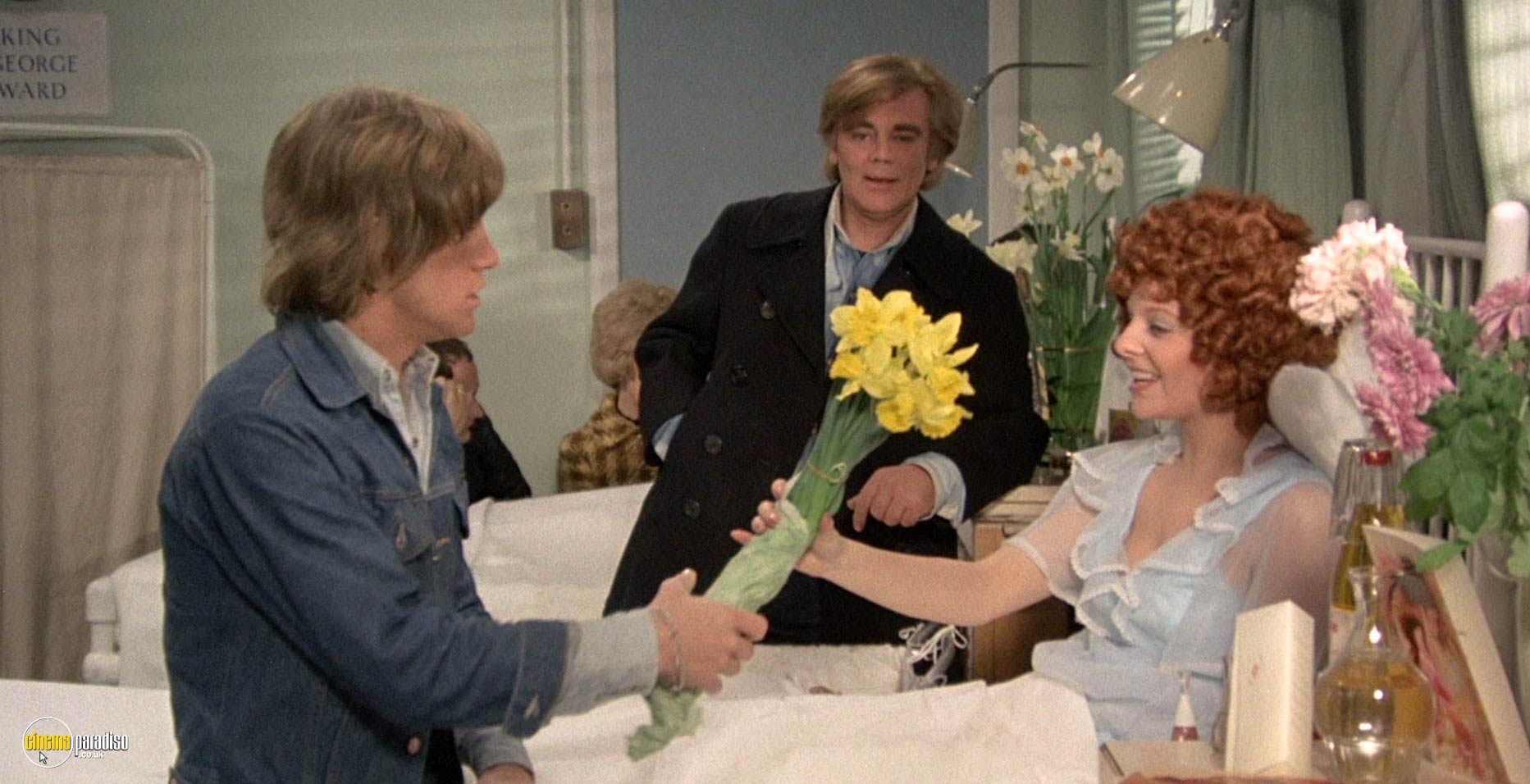
As the audience for softcore comedies in the 1970s was predominantly male, producers often made the heroes identifiable everymen, who had the same urges and temptations as those buying the tickets. Written by Christopher Wood using the pen name of Timothy Lea, a series of saucy novels about the sexual exploits of average Joes working ordinary jobs gave rise to a feature quartet that were the softcore equivalent to Norman Hudis's workplace Carry On films. Robin Askwith played Timmy Lea, who keeps allowing himself to be led astray by his brother-in-law, Sid Noggett (Anthony Booth). In Val Guest's Confessions of a Window Cleaner (1974), Sheila White essayed Timmy's sister Rosie, while Bill Maynard and Dandy Nichols bickered as their parents. The latter would be replaced by Doris Hare, as Norman Cohen completed the sequence with Confessions of a Pop Performer (1975), Confessions of a Driving Instructor (1976), and Confessions From a Holiday Camp (1977), which largely speak for themselves, although Driving Instructor has the added bonus of deft comic turns from Liz Fraser and Irene Handl.
Fraser was also in Garry Poulsen's Under the Doctor (1976), with Barry Evans as a Harley Street quack with an irresistible bedside manner. Continuing the medical theme, Christopher Wood's Confessions of a Night Nurse became Justin Cartwright's Rosie Dixon - Night Nurse (1978), with Debbie Ash from the Hot Gossip dance troupe taking the lead alongside sibling Leslie Ash as her sister. Liz Fraser also joined a guest roster that included Arthur Askey, Beryl Reid, and John Le Mesurier. Yet. somewhat mysteriously, this isn't available on disc. Neither is Derek Ford's What's Up Nurse! (1977), which starred Felicity Devonshire, but boasted a supporting cast that contained such household names as John Le Mesurier, Carry On regulars Peter Butterworth and Jack Douglas, and Andrew Sachs, who played a variation on Manuel from Fawlty Towers. Harry H. Corbett appeared in the sequel, What's Up Superdoc! (1978), alongside Chic Murray, Bill Pertwee, Sheila Steafel, Melvin Hayes, and Hughie Green, who seemingly needed work after the cancellation of the long-running TV talent show, Opportunity Knocks.
Alan Birkinshaw's Confessions of a Sex Maniac (1974) wasn't part of the series, but it cribbed off the title. Imitation was a sincere form of commercial flattery where softcore was concerned and Stanley A. Long sought to cash in by starring Barry Evans in Adventures of a Taxi Driver (1976) before Christopher Neill took over for Adventures of a Private Eye (1977) and Adventures of a Plumber's Mate (1978). Featuring Brendan Price as a vacuum cleaner pusher with some over-eager clients, Wolf Rilla's Secrets of a Door-to-Door Salesman (1973) was co-written by Joseph McGrath. The opening scene was directed by Jonathan Demme before he was replaced by yet a British stalwart who had fallen on hard times and was reduced to taking whatever offer was going.
Staying on the job, actor Derren Nesbitt ill-advisedly turned director-producer-screenwriter on The Amorous Milkman (1975), which flopped in spite of its cast numbering Julie Ege, Diana Dors, Bill Fraser, Fred Emney, Patrick Holt, Roy Kinnear, Ray Barrett, Megs Jenkins, and Arnold Ridley. John Sealey's The Ups and Downs of a Handyman (1976) accompanied Barry Stokes to Sodding Chipbury to see what the female population thought about his DIY skills. But performer were largely going through the motions by this stage of the decade and it's interesting to compare this to, say, Anthony Sloman's Not Tonight, Darling (1971), which had its genuinely sensual moments, as bored housewife Luan Peters falls for travelling salesman Vincent Ball, who shows her a swinging time.
Perhaps the strangest name to find among the softcore credits in the 1970s was that of Hazel Adair. The co-creator of the classic daytime soap, Crossroads (1964-88), was also responsible for Sex Clinic, Roy Austin's Virgin Witch (1972), and Robert Young's Keep It Up Downstairs (1976), which is set in 1904 and turns around the search for a bride for Peregrine (Jack Wild), the heir of Cockshute Castle. With Neil Hallett as butler Percy Hampton, Françoise Pascal as Mimi the French maid, Aimi MacDonald as Christabelle St Clair, Willie Rushton as Snotty Shuttleworth, and Diana Dors as former music-hall star Daisy Dureneck, this is a rare sex comedy set in the past and the satirical snooks cast at Upstairs Downstairs (1971-77) are far from subtle. Adair and ITV wrestling commentator Kent Walton assumed the name Elton Hawke to produce Jim Atkinson's Can You Keep It Up For a Week? (1974), which sees Jeremy Bulloch sign up to a cleaning company with the motto, `Here to Service You', in an effort to keep a job for seven days before proposing to his girlfriend.
The softcore sector itself was ridiculed in Martin Campbell's Eskimo Nell (1975), as film types Harris Tweedle (Christopher Timothy), Dennis Morrison (Michael Armstrong), and Clive Potter (Terence Edmond) struggle to adapt `The Ballad of Eskimo Nell' for the shady Benny U. Murdoch (Roy Kinnear). Despite being hampered by a miniscule budget, they decide to produce a gay Western, a hardcore porno, a Kung Fu-style musical, and a good, old-fashioned piece of family entertainment. Stanley Long reckoned the film summed up his career, but it's much better made than anything he churned out. Screenwriter Michael Armstrong slipped a Mary Whitehouse-style character into the mix, while Campbell showed why he would go on to make such classics as the BBC thriller, Edge of Darkness (1985), as well as the Bond movies, GoldenEye (1995) and Casino Royale (2006).
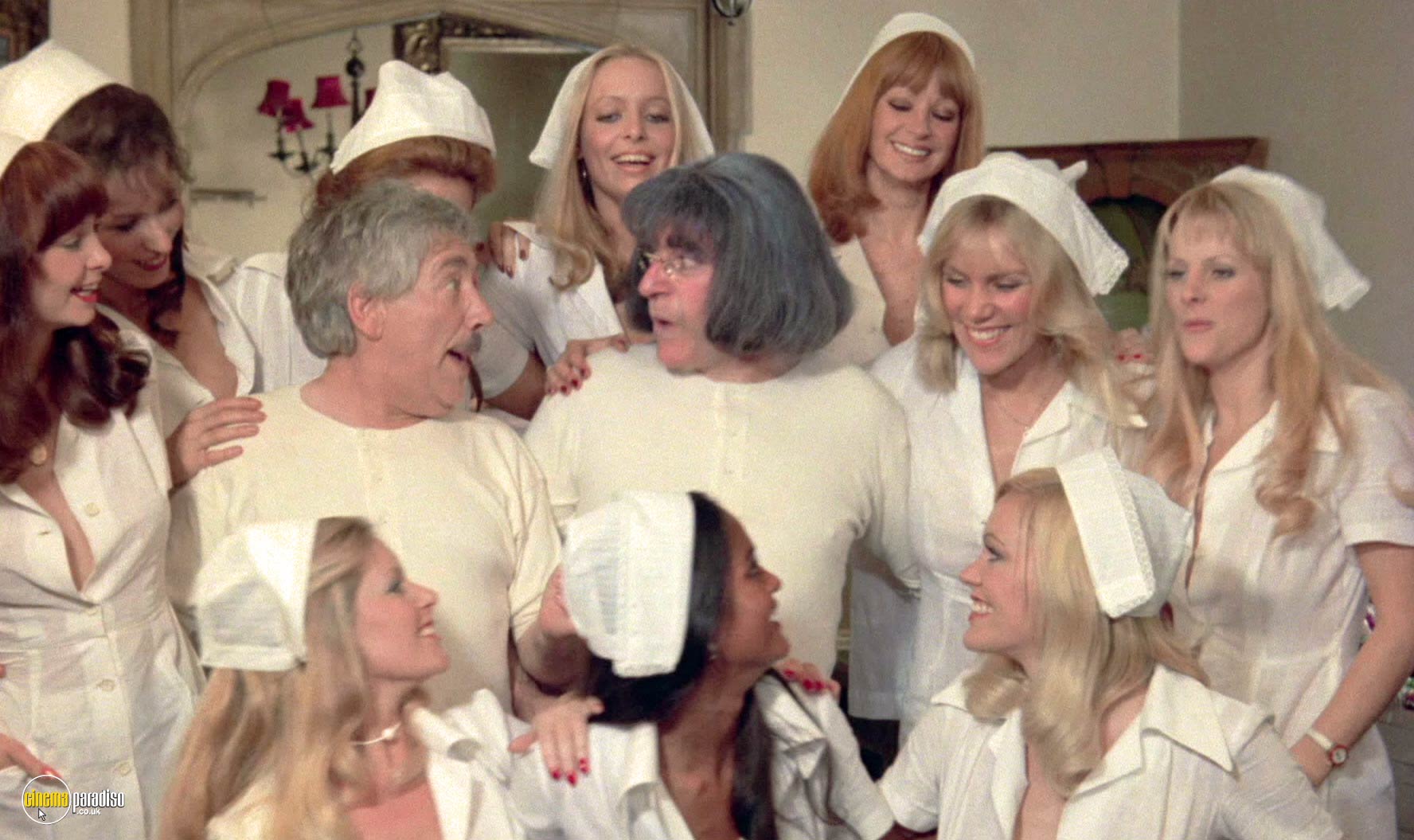
While Eskimo Nell is probably the best softcore comedy of the 1970s, it wasn't the most successful. That was Harrison Marks's Come Play With Me (1977), in which Alfie Bass and the director play forgers hiding out in the Scottish health spa run by Irene Handl's Lady Bovington. Mary Millington played a nurse at the farm, which attracted such screen dependables as Ronald Fraser, Tommy Godfrey, Bob Todd, Rita Webb, Cardew Robinson, Sue Longhurst, Henry McGee, Norman Vaughan, Queenie Watts, and Michael Balfour. Audiences lapped it up and the picture ran continuously at the Moulin Cinema in Great Windmill Street for 201 weeks, between April 1977 to March 1981. Consequently, it resides in the Guinness Book Of World Records as the longest-running booking in British screen history.
The follow-up was Willy Roe's The Playbirds (1978), with Millington playing WPC Lucy Sheridan, who goes undercover to find out who is killing London's top models. Glyn Edwards and Alan Lake co-star as the cops on the case, while Derren Nesbitt, Windsor Davies, and Kenny Lynch provide stellar support. And do look out for the ever-splendid Ballard Berkeley, who was between series as Major Gowen in Fawlty Towers at the time.
David Hughes's Emmanuelle in Soho (1981) was so late to the softcore party that Gerald Thomas had already directed the dreadful Carry On Emmannuelle (1978), which brought the series to a juddering halt after two decades of sniggering fun. With mainstream films now able to include nudity without audiences batting an eye, there was no longer any need for X-rated sex comedies. Besides which, the fortunes of the British film industry had started to pick up and business began to boom in the early 1980s, thanks to companies like Goldcrest, Polygram, and Channel Four.
Softcore farce has ever since been viewed with winces of dismay and
displeasure. Of course, the format was objectifyingly exploitative and makes
for decidedly awkward viewing half a century later. But, from the business
perspective, sex comedies made sense. They were quick, cheap, and easy to make
and often made their money back within a matter of weeks. The novelty of nudity
made them commercially viable, especially as multiplex cinemas could tuck them
away in a smaller screen and turn a blind eye to what has been called `the
dirty mac brigade'. As far as the actors, writers, and directors were
concerned, it was a matter of needs must, as no one really enjoyed peddling
smut. Most, therefore, returned to the day job with a shrug, as a new
generation of situation comedies started to attract the attention of
film-makers.
Spincoms in Tory Times
Margaret Thatcher was elected prime minister in May 1979 and the Conservative Party was to remain in power for the next 18 years. During that time, the British film industry picked itself off the canvas and started punching above its weight. In 1971, at the start of the sitcom spin-off boom, 96 features were produced in this country. But that figure had dropped to an all-time low of 24 in 1981, despite tax cuts enabling some of cinema's high earners to return home.
In response to the divisive policies being pursued by the Thatcher government, a new wave of social realist films by the likes of Ken Loach, Mike Leigh, Stephen Frears, and Alan Clarke exposed the difficulties facing those on the lower rungs. At the same time, a rich vein of heritage cinema emerged, as the likes of Merchant-Ivory used impeccably produced literary adaptations to comment on the enduring character of British society and its shifting class structures. As these films started drawing major award nominations, cinemagoers began patronising the arthouse venues that had started to spring up in competition with the new multiplexes, with the revenues bolstering the efforts of companies like Goldcrest and Polygram to secure British film-making an international reputation.
The launch of Channel Four in 1982 also had cinematic ramifications, as the success of Film Four prompted the BBC to set up its own film unit. In addition to showing on the big screen and their home channels, these releases got a treble chance of being seen, thanks to the rising popularity of rental video cassettes. Such pictures showcased the talents of a new generation of screen actors, with the likes of Daniel Day-Lewis, Gary Oldman, Rupert Everett, Miranda Richardson, Frances Barber, Colin Firth, Tim Roth, and David Thewlis forming what the press called `the Brit Pack'. New voices also started to be heard, thanks to such film collectives as Black Audio and Sankofa, as well as the Newcastle-based Amber Films.
Given such enthusiastic activity, one might suspect that there was no room for sitcom spin-offs. After all, the form had become so discredited by the end of the 1970s that few were sorry to see it go. But a number of features were released in the 1980s that were linked to TV sketch shows rather than sitcoms, as the Thatcher government inspired a satire boom to match that of another period of Tory entrenchment between 1955-64. At the forefront were Not the Nine O'Clock News (1979-82), Spitting Image (1984-96), and Saturday Live (1985-96).
Starring Rowan Atkinson, Mel Smith, Pamela Stephenson, and Griff Rhys-Jones (after Chris Langham had been replaced after one series), Not the Nine O'Clock News offered a mix of topical sketches and comic songs that brought several new writers to the fore, including Richard Curtis (whatever happened to him?), Andy Hamilton (Drop the Dead Donkey and Outnumbered), Clive Anderson (Whose Line Is It Anyway?), and David Renwick (One Foot in the Grave and Jonathan Creek). Although it spawned a stage show and an album, NTNON was too bound into the news agenda to be suitable for cinematic release. However, its stars soon found themselves new vehicles, with the exception of Stephenson, who trained as a clinical psychologist and married comedian Billy Connolly in 1989.
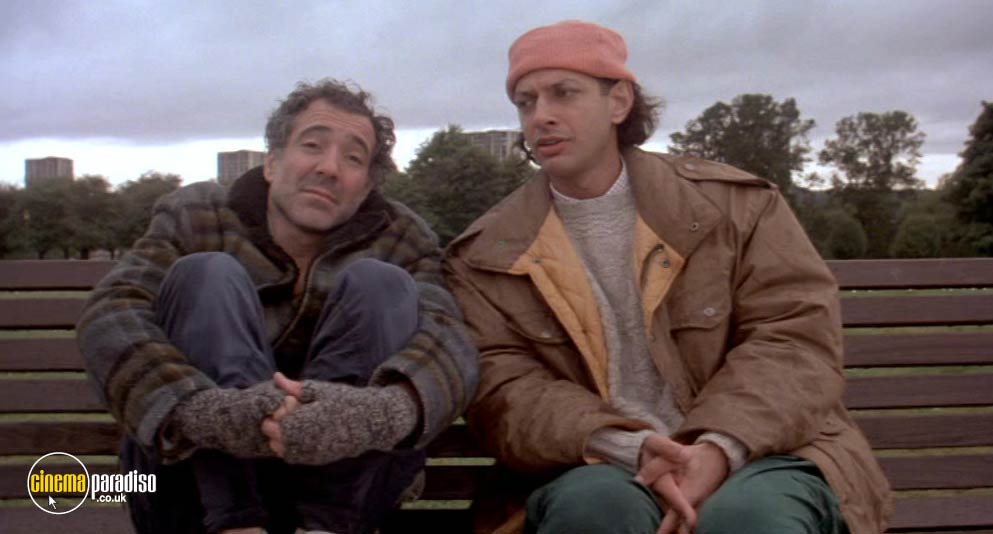
Rhys-Jones and Smith moved on to Alas Smith and Jones (1984-88), whose famous head-to-head conversations can be found on At Last Smith and Jones, Vol.1 (2009). They would also write and star in Mike Hodges's Morons From Outer Space (1985), in which they respectively played a stranded alien named Bernard and TV reporter Graham Sweetley. Turning director, Smith would go on to helm The Tall Guy (1989), Radioland Murders (1994), High Heels and Low Lifes (2002), and Blackball (2003).
Smith also directed Bean (1997), which was spun-off from Rowan Atkinson's ITV series, Mr Bean (1990-95), which chronicled the misfortunes of `a child in a grown man's body' with a talent for doing the wrong thing when in the wrong place at the wrong time. The 14 episodes would inspire 183 short cartoons in Mr Bean: The Animated Series (2002-03), as well as Bean (which took a bungling National Gallery security guard to the US to give a talk on `Whistler's Mother') and Steve Bendelack's Mr Bean's Holiday (2007), which flew our anti-hero to Cannes, where he becomes entangled in the life of Hollywood director Carson Clay (Willem Dafoe).
Atkinson would also headline three espionage comedies that owed their origins to a series of Barclaycard commercials. Cinema Paradiso users can enjoy Johnny English (2003), Johnny English Reborn (2011), and Johnny English Strikes Again (2018), while wondering if the long-rumoured fourth outing will ever see the beam of a cinema projector. We're also still waiting for the first Blackadder film, although Blackadder: Back & Forth (1999) was originally shown in the Millennium Dome. Starting out in the Middle Ages with The Black Adder (1983), Edmund Blackadder found himself at the court of Queen Elizabeth I (Miranda Richardson) in Blackadder II (1986) and in the employ of Prince George (Hugh Laurie) in Blackadder the Third (1987). He served without distinction in the Great War trenches alongside Private Baldrick (Tony Robinson) and Lieutenant George (Laurie) in Blackadder Goes Fourth (1989), which is available from Cinema Paradiso, along with The Cavalier Years and Blackadder's Christmas Carol (both 1988), which can be found on Blackadder: The Specials (2009).
Harry Enfield was heard before he was seen, as part of the voice cast of Spitting Image that included Chris Barrie, Steve Nallon, Rory Bremner, Steve Coogan, and Hugh Dennis. Teaming with Paul Whitehouse, he created characters like Stavros the Greek kebab seller and brash plasterer, Loadsamoney, who each became fixtures on Saturday Live, the Channel Four satire show that was presented by Ben Elton (who would become a key writer on Blackadder and much else besides) and featured regular turns from Stephen Fry, Hugh Laurie, Tracey Ullman, Josie Lawrence, and Julian Clary.
Following his priceless lampoon of Britain's acting elite, Norbert Smith, A Life (1989), Enfield joined forces with Whitehouse and Kathy Burke for Harry Enfield & Chums (1994-98), which introduced such characters as Mr Cholmondley-Warner, The Old Gits, The Scousers, Tim Nice-but-Dim, Wayne and Waynetta Slob, and Smashie and Nicey. But it was the teenagers played by Enfield and Burke who got their own movie, as Ed Bye's Kevin & Perry Go Large (2000) follows the hormonal pair to Ibiza, where they become involved with DJ Eyeball Paul (Rhys Ifans).
Sharing a BAFTA with Whitehouse for Harry & Paul (2007-12), Enfield juggled playing John Shakespeare in Ben Elton's Upstart Crow (2016-20) and Prince Charles in The Windsors (2016-23), with the latter earning him a BAFTA nomination. Neither was spun-off for the big screen, although Elton returned to Stratford, as Kenneth Branagh replaced David Mitchell as William Shakespeare in the biopic, All Is True (2018).
As the Cold War threatened to boil over, Andrew Marshall and David Renwick made light of the situation in the six-part sitcom, Whoops Apocalypse (1986), which Tom Bussmann brought to the big screen later in the year. The film version of Whoops Apocalypse (1986) added a bit of stardust by casting Loretta Swit as America's first female president and Peter Cook as a senile British PM. Despite the excellence of Rik Mayall as Alan B'Stard, Laurence Marks and Maurice Gran's The New Statesman (1987-92) never broke free of its TV moorings and the same proved true of such popular series as Hi-de-Hi! (1980-88), Sorry! (1981-88), Never the Twain (1981-91), Only Fools and Horses (1981-96), `Allo `Allo! (1982-92), Just Good Friends (1983-86), Ever Decreasing Circles (1984-89), Bread (1986-91), and Rab C. Nesbitt (1988-2014).
Created by Rob Grant and Doug Naylor, Red Dwarf (1988-2020) was all set to become a feature reuniting the regulars aboard the eponymous mining spaceship, Rimmer (Chris Barrie), Lister (Craig Charles), Cat (Danny John-Jules), Kryten (Robert Llewellyn), and Holly the computer (Norman Lovett and Hattie Hayridge). Grant and Naylor wrote a script around the turn of the century, which saw the crew return to Earth to discover that Homo Sapienoids had wiped out the human population. Yet, despite Matt Le Blanc and Patricia Arquette being lined up for guest slots, the financing fell through and the project was cancelled at the eleventh hour. Some might have hoped that Ray Cameron's Bloodbath At the House of Death (1984) had met with a similar fate, as it fell way below the standards set in both The Kenny Everett Video Show (1978-81) and The Kenny Everett Television Show (1981-88). But we reckon you should head along to Headstone Manor, if only to see Vincent Price as a 700 year-old satanic priest preparing a ritual in some nearby woods.
At the same time that Peter Richardson was negotiating with Channel Four over the first series of The Comic Strip Presents... (1982-2000), he was being lined up by the BBC to play Mike in The Young Ones (1982-84). Ultimately, he fell out with the producer of the latter show, with Christopher Ryan stepping in to co-star with Rik Mayall (Rick), Adrian Edmondson (Vyvyan Basterd), and Nigel Planer (Neil Pye), as his student housemates in the house leased by Jerzei Balowski (Alexei Sayle). There was no great interest within the group to bringing this groundbreaking show to the cinema, as Mayall, Edmondson, and Planer had already made plans to team up in Filthy, Rich and Catflap (1987).
The former pair were also busy with their double act, The Dangerous Brothers, who appeared regularly on Saturday Live and were clearly in the evolutionary chain that pitched Richie Richard and Eddie Hitler into the same flat at 11 Mafeking Parade, Hammersmith in Bottom (1991-95). This time Mayall and Edmondson stuck with the characters, as they toured a succession of stage shows, all of which are available from Cinema Paradiso: The Stage Show (1993), The Big Number 2 Tour (1995), Hooligan's Island (1997), 2001: An Arse Oddity (2001), Weapons Grade Y-Fronts (2003), and Mindless Violence (2004). Indeed, they enjoyed working together so much that they shuffled the surnames for the Edmondson-directed, Guest House Paradiso (1999), which saw Richie and Eddie running a B&B on the Isle of Wight.
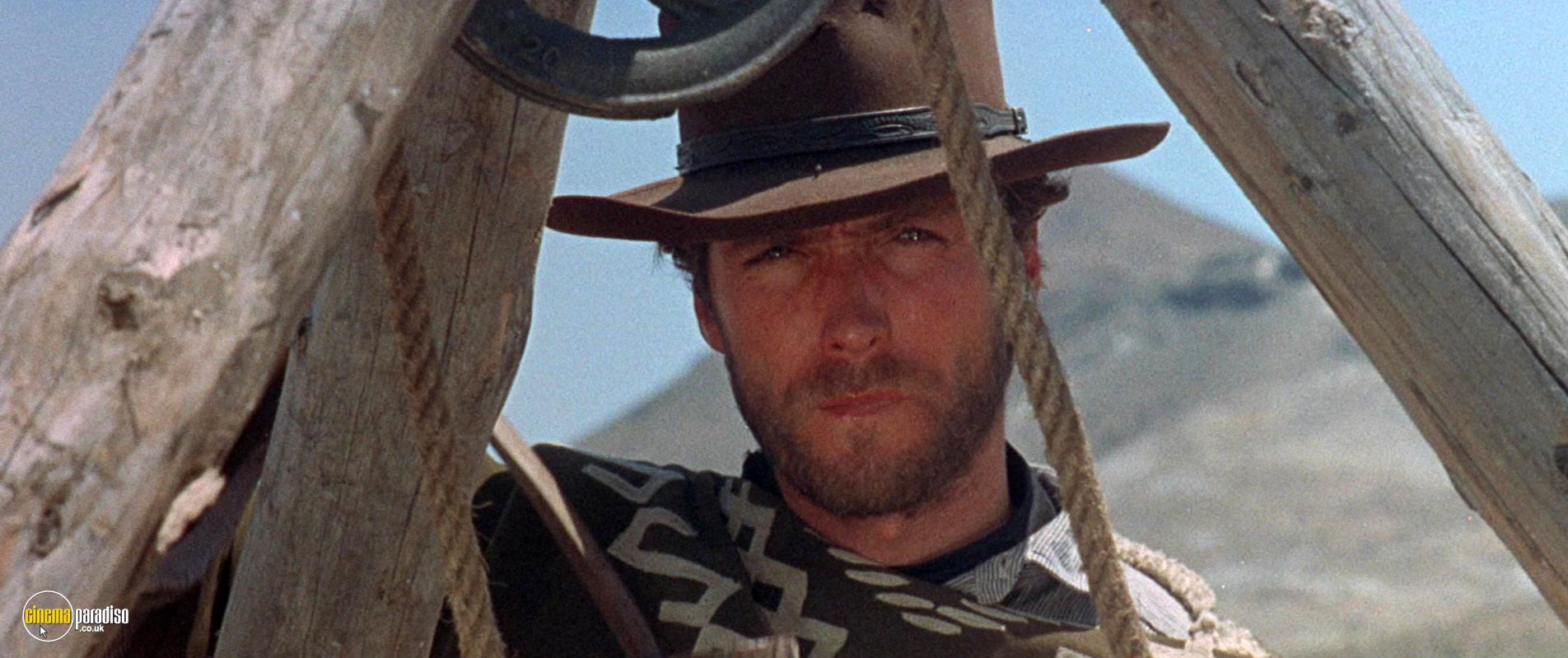
Of course, Mayall and Edmondson were also part of Peter Richardson's merry pranksters on The Comic Strip Presents..., although Mayall sat out the inaugural outing, Five Go Mad in Dorset, which teamed Timmy the Dog with Julian (Richardson), Anne (Jennifer Saunders), Dick (Edmondson), and George (Dawn French). A sequel, Five Go Mad on Mescalin, appeared in the second series, while the group turned to movie parodies with A Fistful of Travellers' Cheques (Sergio Leone's A Fistful of Dollars, 1964) and Consuela (Alfred Hitchcock's Rebecca, 1940).
They also skewered Hollywood excess in The Strike, an account of the 1984 Miners' Strike that cast Al Pacino (Richardson) as Arthur Scargill and Meryl Streep (Saunders) as his wife. Yet the finest entry in the series was Stephen Frears's Mr Jolly Lives Next Door, which cast Mayall and Edmonsdon as the proprietors of Dreamytime Escorts, who are mistaken for their hitman neighbour (Peter Cook) and are ordered to `take out' Nicholas Parsons (wonderful as himself). Saunders and French took minor roles, but would regularly pastiche classic films in their sketch show, French and Saunders (1987-2004). Gems like Gone With the Wind (1939), What Ever Happened to Baby Jane? (1962), The Sound of Music (1965), The Exorcist (1973), Alien (1979), Dangerous Liaisons (1988), Misery (1990), Thelma and Louise, and The Silence of the Lambs (both 1991) can be found on French and Saunders: At the Movies (2005), along with Star Wars: The Phantom Millennium.
Meanwhile, back at The Comic Strip, a couple of features were released outside the series, which count as spin-offs, given the self-contained nature of the show's individual episodes. Co-written and directed by Peter Richardson, The Supergrass (1985) stars Adrian Edmondson as Dennis Carter, who is mistaken for a drug ring insider by Detective Sergeant Troy (Robbie Coltrane) and he has to invent false information to keep him sweet. Jennifer Saunders plays the WPC posing as Dennis's girlfriend in an effort to make Richardson's fellow officer jealous. Richardson and Pete Richens also wrote Eat the Rich (1987), in which the regulars took supporting roles in the story of Alex (Lanah Pellay), a sacked waiter who takes over the exclusive Bastards restaurant and starts serving human flesh to the customers. Paul McCartney, Bill Wyman, Sandie Shaw, and Lemmy were among the surprise diners.
Borrowing the name Eddie Monsoon from a cancelled episode of The Comic Strip, Jennifer Saunders created Absolutely Fabulous (1992-2012), which also drew on the French and Saunders sketch, `Modern Mother and Daughter'. Edina is a hard-partying PR maven, whose substance-fuelled antics with model and magazine fashion editor Patsy Stone (Joanna Lumley) drive student daughter Saffron (Julia Sawalha) to distraction. Less bothered are her mother (June Whitfield) and her clueless assistant, Bubble (Jane Horrocks).
An endless round of special guests dropped in over the years. But it was the French feature spin-off that won the race to the big screen, with Josiane Balasko playing Eddie Mousson and Nathalie Baye taking on Patsy Laroche in Gabriel Aghion's Absolument fabuleux (2012), which saw Saunders take a cameo alongside Catherine Deneuve and Jean-Paul Gaultier. Saunders and Lumley were reunited on Mandie Fletcher's Absolutely Fabulous: The Movie (2016), which saw Eddie and Patsy flee to Cannes after they think they've killed model Kate Moss. Singer Lulu tries to track them down, as the gold-digging Patsy disguises herself as a man in order to lure the wealthy Baroness Lubliana Santa (Marcia Warren) into matrimony.
This marked the end of the Eddie and Patsy story. But being caught in a siege at the North Norfolk Digital station failed to derail Alan Patridge, whose career survived his detour to the cinema in Declan Lowney's Alpha Papa (2013). First appearing as the sports reporter on Armando Iannucci's radio series, On the Hour (1991), Partridge had graduated to a chat show in Knowing Me, Knowing You With Alan Partridge (1992) by the time On the Hour hit the small screen as The Day Today (1994). A TV version of Knowing Me, Knowing You followed later in the year. By the time I'm Alan Partridge (1997) aired, however, he had landed on the graveyard shift on Radio Norwich and was having to live in a motel while waiting for work to be completed on his static caravan.
Departing the BBC, the franchise fetched up on Sky Atlantic via the Foster's lager website for two series of Mid Morning Matters With Alan Partridge (2010), which was followed by Welcome to the Places of My Life, which earned Coogan the BAFTA for Best Male Performance in a Comedy. This can be found on Alan Partridge: Partrimilgrimage - The Specials (2012), along with Open Books - With Martin Bryce. An Emmy followed for Alan Partridge's Scissored Isle (2016), which resulted in a return to the BBC for the spoof magazine show, This Time With Alan Partridge (2019), and How Are You? It's Alan (Partridge), an investigation into the nation's mental health that again featured his long-suffering assistant, Lynn Benfield (Felicity Montague, and brought Coogan another BAFTA. Earlier this year, Coogan hinted that Alan will return in a new incarnation, so keep watching the schedules.
Neil and Rob Gibbons have been Coogan's writing partners since 2010. But Armando Iannucci has hardly been idle. Two years after departing Partridgeworld, he introduced spin doctor Malcolm Tucker (Peter Capaldi), who proved the mainstay of The Thick of It (2004-12), which took the political sitcom to places Yes Minister (1980-84), Yes, Prime Minister (1986-88), and The New Statesman could only have dreamed of going. Iannucci mocked the Special Relationship in the feature spin-off, In the Loop (2009), which tasked Tucker with keeping inept minister Simon Foster (Tom Hollander) out of trouble with bulletheaded American general, George Miller (James Gandolfini). In addition to landing a BAFTA nod, Iannucci also became the first person to receive an Oscar nomination for a British sitcom spin-off.
It could be argued that Eric Thompson deserved one for his screenplay for Dougal and the Blue Cat (1972), which Serge Danot had spun off from his French TV show, Le Manège enchanté. Broadcast on the BBC in the spot before the evening news, The Magic Roundabout (1965-92) was as much for adults as children, as Thompson's scripts were droll and sophisticated. Dave Borthwick's CGI update, The Magic Roundabout (2005), aimed lower, however, with the US version, Doogal (2006), dispensing with the entire British cast barring Ian McKellen (Zebedee) and Kylie Minogue (Florence). Gone were Robbie Williams (Dougal), Jim Broadbent (Brian), Bill Nighy (Dylan), and Joanna Lumley (Ermintrude). What kind of world do we live in?
Although not strictly sitcoms, British TV shows for children often adopt a sitcom or soap format, with familiar settings and recurring characters. It's a great shame nobody ever thought to make a Trumptonshire film mixing figures from Camberwick Green (1966), Trumpton (1967), and Chigley (1969). The Herbs (1968) and The Clangers (1969-72) might also have leant themselves to a feature adaptation, although the latter was updated in 2015, when Michael Palin became the new voice of Clangers. Rumours circulated for many years that Mr Benn (1971) was going to get the live-action treatment, with John Hannah slated to play the bowler-hatted gent with a penchant for dressing up and Ben Kingsley being linked with the role of the enabling shopkeeper. Now, director Kirk Jones hopes to use the success of I Swear (2025) to get the project over the line some time next year.
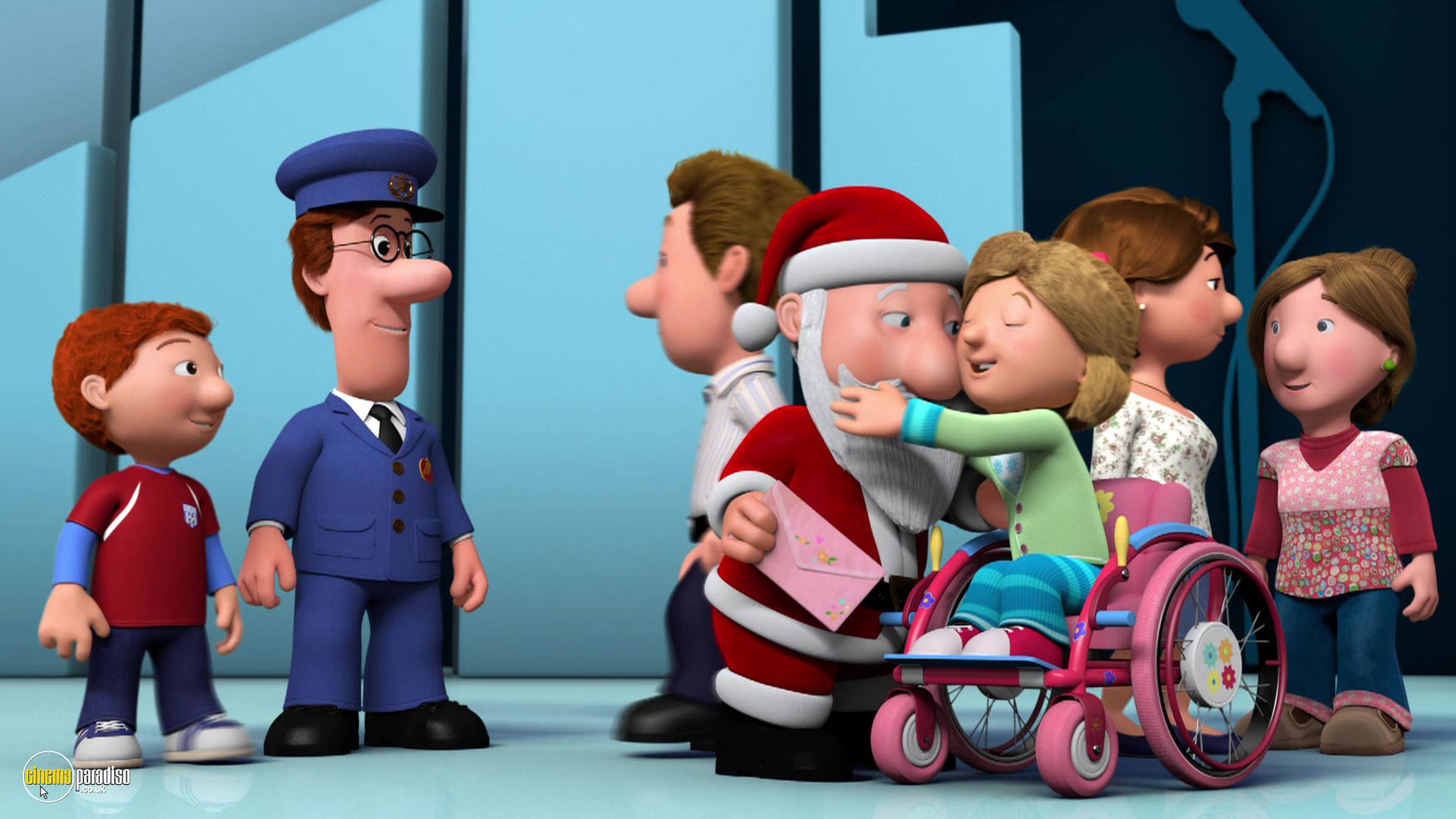
While watching that space, might we point you in the direction of Postman Pat: The Movie (2014), which was spun off from the CBeebies series, Postman Pat (1981-2017), and Fireman Sam: Alien Alert! The Movie (2017), which derived from the BBC1 show, Fireman Sam (1987-). We could also alert you to the numerous films hailing from Thomas the Tank Engine and Friends (1984-2018), which had their beginnings in the storybooks of the Reverend W. Awdry before Britt Allcroft brought them to ITV. Similarly, the recent Paddington films (with Ben Whishaw voicing the ursine migrant from Peru) owe more to the Michael Bond books than the Ivor Wood TV series, Paddington Bear (1976-80), which itself yielded a number of DVD collections narrated by Michael Hordern, including Paddington Bear: Please Look After This Bear and Other Stories and Paddington Bear Hits the Jackpot.
Founded by Peter Lord and Dave Sproxton, Aardman Animations turned 50 on 3 September 2026. According to stories marking the event, Nick Park - who won an Oscar for Creature Comforts (1989) - originally conceived Gromit as a cat. But Wallace's faithful canine companion helped the studio scoop Oscar nominations for A Grand Day Out (1989) and A Matter of Loaf and Death (2008), either side of wins for A Close Shave (1995) and The Wrong Trousers (1993). The intrepid twosome moved into features with Wallace & Gromit: The Curse of the Were-Rabbit (2005), which took the Academy Award for Best Animated Feature, and Wallace & Gromit: Vengeance Most Fowl (2024), which missed out. Spun off from the CBBC series, Shaun the Sheep (2007-), Shaun the Sheep Movie (2015) and A Shaun the Sheep Movie: Farmageddon (2019) were also nominated. So, let's hope it will be third time lucky next spring for Shaun the Sheep: The Beast of Mossy Bottom (2026), which is currently in UK cinemas and will be on disc in the fullness of time.
Spincoms Enter the Digital Era
The small-screen comedy scene has changed considerably since the turn of the century. Proliferating digital outlets mean that the traditional terrestrial channels can no longer command multi-million audiences for their top shows. Nor do they have first pick when it comes to comic stars and writers, as digital channels offer them a chance to break from the norm and come up with new formats and fresh spins.
With alternative comedy very much to the fore following the rise of Alexei Sayle and others from The Comedy Store, the new breed of comedians specialised in experiential stand-up, character sketches, and improvisation. Shows like Whose Line Is It Anyway? (1988-99) were never likely to make it to the big screen, while sketch series like The Mary Whitehouse Experience (1989-90) and its spin-off, Newman and Baddiel in Pieces (1993), proved too short-lived and riven by internal tensions, to endure beyond a couple of sold-out tours that were released on video. These have never been made available on disc, but Cinema Paradiso can still offer Punt and Dennis (1994), starring Steve Punt and Hugh Dennis, who became one of many comedians from this period to make a nice living from panel shows like Have I Got News For You, Mock the Week, QI, and Would I Lie to You?
The sketch format received a major boost from The Fast Show (1994-97), which made stars of Paul Whitehouse, Arabella Weir, Charlie Higson, Simon Day, John Thomson, and Mark Williams. Essentially updating the character and catchphrase rubric devised by the likes of Dick Emery in the 1960s, such series were more likely to transfer to the cinema screen than sitcoms in the Noughties. In 2004, for example, Peter Richardson made a film of John Sessions and Phil Cornwell's cult impersonation show, Stella Street (1997-2001), which brought A listers like Jack Nicholson, Michael Caine, and Al Pacino to a suburban cul-de-sac, where Mick Jagger and Keith Richards run the corner shop.
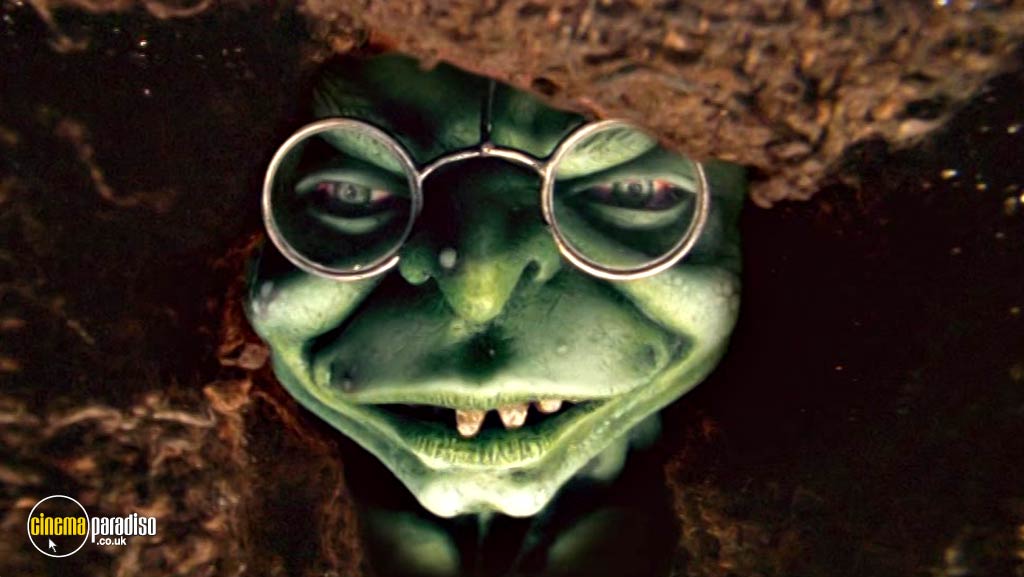
The Royston Vasey store owned by Edward and Tubbs (Reece Shearsmith and Steve Pemberton) proved altogether more sinister in The League of Gentlemen (1993-2003), a surreal sketch show that also featured Mark Gatiss and Jeremy Dyson. In addition to two stage productions, this cult series also appeared in film form as Steve Bendelack's The League of Gentlemen's Apocalypse (2005), a gleefully meta exercise that brought characters like Papa Lazarou, Briss, Herr Lipp, and Geoff Tipps into contact with their creators, while also boasting guest turns from the likes of Michael Sheen, Peter Kay, and Victoria Wood.
The comic creations of Leigh Francis earned themselves a devoted following through Bo' Selecta! (2002-09). But it was Keith Lemon who took on a life of his own, as the presenter of Celebrity Juice (2008-22) and the star of Lemon La Vida Loca (2012-13) and The Keith Lemon Sketch Show (2015-16). He also reached cinema screens in Paul Angunawela's Keith Lemon: The Film (2012), which reveals how a struggling entrepreneur from Leeds made and lost a fortune after an advice guru named Archimedes (Verne Troyer) got him a slot on David Hasselhoff's chat show. A sequel was announced, but it has never materialised.
Keith Lemon: The Film is one of the few titles with a 0% rating on Rotten Tomatoes and it was joined on that ignominious figure by The Nan Movie (2022), which was released without a credited director after new scenes were filmed without Josie Rourke, who had handled the original low-budget shoot. Using flashbacks to pad out the cross-country trek undertaken by Joanie Taylor (Tate) to see her ailing sister, Nell (Katherine Parkinson), the picture owed its origins to The Catherine Tate Show (2004-07), which had spawned four BBC specials between 2009-15.
Type the name Johnny Knoxville into the Cinema Paradiso Searchline and you'll discover the numerous variations on the comic dare/stunt series, Jackass (2000-07), including Jeff Tremaine's Jackass: The Movie (2005). Airing on MTV Europe, Dirty Sanchez (2003-07) offered much the same brand of wince-inducing slapstick. Mathew Pritchard, Lee Dainton, Michael `Pancho' Locke, and Dan Joyce put themselves through the mill in Jim Hickey's Dirty Sanchez: The Movie (2006), which sees Satan (Howard Marks) challenging the boys to riff on the Seven Deadly Sins.
There was nothing so reckless on show in Horrible Histories (2009-21), the often inspired CBBC adaptation of the bestselling books by Terry Deary. Combining fact, sketch, and song, the series has spun off a couple of companions, Yonderland (2013-16) and Ghosts (2019-23), as well as two enjoyable features. Based on a Deary tome, Dominic Brigstocke's Horrible Histories: The Movie - Rotten Romans (2019) follows a teenager named Atti (Sebastian Croft) after he is banished from Rome by the Emperor Nero (Craig Roberts) and winds up in Britain fighting alongside Boudicca (Kate Nash). But Richard Bracewell's Bill (2015) is a stand-alone cod biopic of William Shakespeare that was performed by the Them There theatrical collective behind the BBC Horrible Histories.
While the sketch show was breaking out on the big screen, the situation comedy was finding its feet in the fragmented digital world. Cinema Paradiso users can catch up on those diverse shows that were never given the spin-off treatment, among them Keeping Up Appearances (1990-95), One Foot in the Grave (1990-2000), As Time Goes By (1992-2002),
Goodnight Sweetheart (1993-2016), Men Behaving Badly (1994-98), The Vicar of Dibley (1994-2020), Father Ted (1995-98), The Royle Family (1998-2012), Dinnerladies (1998-2000), My Family (2000-11), and Early Doors (2003-04).
One might have thought that innovative shows like Spaced (1999-2001) and Peep Show (2003-15) might have gone down the movie line. But they remained as resolutely small screen as Lee Mack's Not Going Out (2006-), which is now the second-longest-running British sitcom behind Last of the Summer Wine (1973-2010). Peter Kay also preferred to remain within the tele-format, as he followed Phoenix Nights (2001-02) with Max and Paddy's Road to Nowhere (2004) and the spoof fitness DVD, Max and Paddy's Power of Two (2005). Indeed, instead of expanding on the big screen, Kay confined the action of Car Share (2015-18) to the inside of a red Fiat 500L, as assistant manager John Redmond (Peter Kay) gave promotions rep Kayleigh Kitson (Sian Gibson) a lift to the Greater Manchester supermarket where they both work.
Harking back to the traditional home-and-hearth sitcom setting, much of the action of Friday Night Dinner (2011-20) took place inside the Mill Hill residence where the Goodmans gather for their weekly family meal. The series was devised by Robert Propper, who had started out with The Comic Strip Presents... before writing for such shows as Peter Serafinowicz's cod educational series, Look Around You (2002-05), and script editing the likes of Peep Show, Graham Linehan's The IT Crowd (2006-13), and Him & Her (2010-13), which writer Stefan Golaszewski followed with the even more revered, Mum (2016-19).

Friday Night Dinner paired the late Paul Ritter, Tamsin Grieg, Tom Rosenthal, and Simon Bird, who had come to the fore as Will McKenzie in The Inbetweeners (2008-10), alongside James Buckley's Jay Cartwright, Blake Harrison's Neil Sutherland, and Joe Thomas's Simon Cooper. Chronicling the misadventures of four sixth-formers at Rudge Park Comprehensive, Damon Beesley and Iain Morris's coming-of-age saga spun off into two features, Ben Palmer's The Inbetweeners Movie (2011) and Beesley and Morris's The Inbetweeners 2 (2014), which respectively took the quartet to Malia in Crete and Sydney, Australia. Made for just £3.5m, the first feature broke the UK record for a comedy's opening weekend and went on to gross £65.1m.
The foursome have recently reunited for a third film, but it's unlikely that the cast of The Office (2001-03) could be coaxed back for a follow up to Ricky Gervais's David Brent: Life on the Road (2016). The same goes for the American version, The Office: An American Workplace (2005-13), which switched the setting from the Slough office of the Wernham Hogg paper merchants to the Dunder Mifflin Paper Company in Scranton, Pennsylvania. Mackenzie Crook seems unlikely to want to settle for being second banana again after the success of solo ventures, Detectorists (2014-22) and Small Prophets (2026). Indeed, the former enjoyed its own spin-off, Detectorists: Movie Special (2022), which sees Andy Stone (Mackenzie Crook) and Lance Slater (Toby Jones) fall out over a valuable relic while trying to raise the money to save the scout hut where the Danebury Metal Detecting Club meets.
The rustic Gloucestershire setting also added to the appeal of This Country (2017-20), which saw siblings Daisy May and Charlie Cooper muddle through daily life as cousins Kerry and Kurtan Mucklowe. This felt like it had spin-off potential, but it joins the likes of Outnumbered (2007-24), Citizen Khan (2012-16), Stath Lets Flats (2018-21), I May Destroy You (2020), and Motherland (2017-21) and its spin-off, Amandaland (2025-), in remaining strictly small-screen fare. A staple on ITV between 2007-18, Benidorm is one of the very few British sitcoms to be set abroad, although Steve Coogan and Rob Brydon have ventured further afield since their tour of northern English eateries in The Trip (2010) was scaled up to feature length by Michael Winterbottom later that year. Those who enjoyed The Trip to Italy (2014), The Trip to Spain (2017), and The Trip to Greece (2020) can now look forward to an excursio to Scandinavia for The Trip to the Northern Lights, which was announed last year.
It has recently been revealed that the BBC won't be Christmassing at 92 James Larkin Court in Finglas this year. Created by Brendan O'Connell, Mrs Brown's Boys (2011-) has been virtually critic-proof over the last 15 years, as a loyal fan base continued to tune in. Yet, even though it broke records for an Irish film opening in the UK, Ben Kellett's Mrs Brown's Boys D'Movie (2014) was universally panned, with Empire averring: `almost avant-garde in its commitment to unfunny, it's shambolically performed by the majority of its cast, and shot and edited in a fashion so slapdash it seems like a movie made almost entirely by competition winners'.
Reversing the trend, with the series following the film, Peter Foott's The Young Offenders (2016) has spawned five seasons of shenanigans involving Cork bicycle thieves, Conor MacSweeney (Alex Murphy) and Jock O'Keeffe (Chris Walley). With fine support from Hilary Rose as Conor's fishmonger mother, Mairéad, and Shane Casey as local psycho Billy Murphy, this collaboration between RTÉ2 and BBC3 is well worth catching, although it's a shame only Series One (2018) is currently available to rent. Another feature to generate its own series was the Ricky Tomlinson vehicle, Mike Bassett: England Manager (2001), although the 2015 spin-off didn't get its contract renewed.
BBC3 has been the source of some popular and occasionally pioneering sitcoms, including Two Pints of Lager and a Packet of Crisps (2001-11), Nighty Night (2004), The Mighty Boosh (2004-07), Gavin & Stacey (2007-24), How Not to Live Your Life (2007-11), Cuckoo (2012-19), and Fleabag (2016-18). Two shows launched in 2012 have progressed to the cinema, Bad Education (2012-14) and People Just Do Nothing (2012-18).
Elliot Hegarty's The Bad Education Movie (2015) returns to Abbey Grove School in Watford to follow the further mishaps of spectacularly incompetent teacher, Alfie Wickers (Jack Whitehall), who manages to cause chaos on school trips to Amsterdam and Cornwall after father Martin Wickers (Harry Enfield) and girlfriend Rosie Gulliver (Sarah Solemani) had pleaded for him to be given another chance.
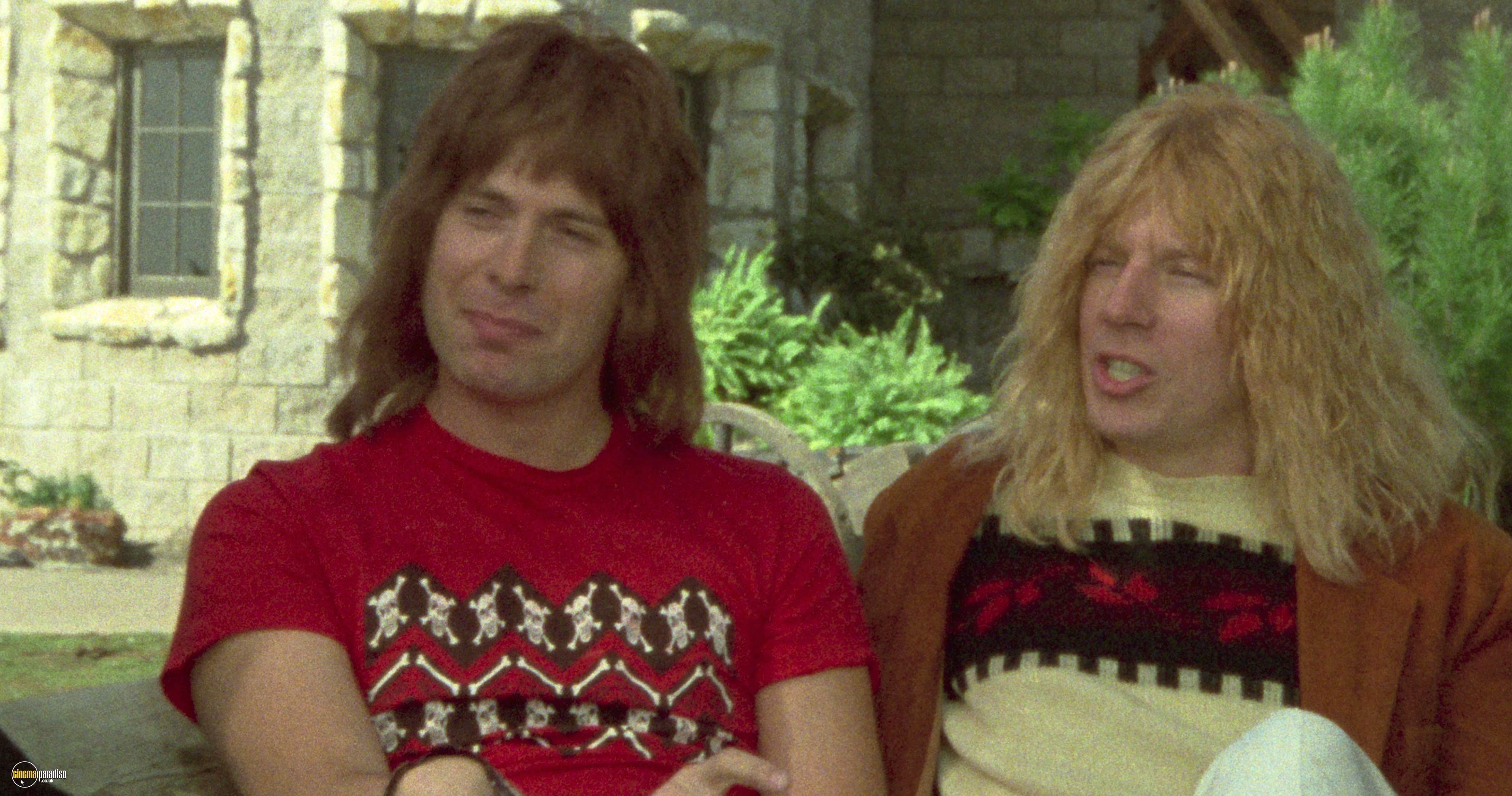
Starting out as a series of online skits before a pilot was aired as part of BBC3's Comedy Feeds, People Just Do Nothing is set in Brentford and centres on Kurupt FM, the pirate radio station run by MC Grindah (Allan `Seapa' Mustafa ), DJ Beats (Hugo Chegwin), DJ Steves (Steve Stamp), DJ Decoy (Dan Sylvester), and their ambitiously, but not always capably entrepreneurial manager, Chabuddy G (Asim Chaudhry). Borrowing a plot strand from Rob Reiner's This Is Spinal Tap (1984), Jack Clough's People Just Do Nothing: Big in Japan (2021) takes the posse to Tokyo after their single, `Heart Monitor Riddem', becomes a hit after being used in a popular game show. However, Taka (Ken Yamamura) has plans to supplant Chabuddy by sewing discord in the ranks by promoting Grindah over everyone else.
Staines in Middlesex provided the setting for Da Ali G Show (2000-04), which enabled Sacha Baron Cohen to develop his standout character from The 11 O'Clock Show (1998-2000), which Cinema Paradiso members can enjoy via Ali G. Innit (1999) and Ali G, Aiii (2000), as well as Ali G: In Da USAiii (2001). No one had made more small-screen spin-off movies in recent times than Baron Cohen, as he followed Mark Mylod's Ali G: Indahouse (2002) with Larry Charles's Borat! Cultural Learnings of America For Make Benefit Glorious Nation of Kazakhstan (2006) and Jason Wolinar's Borat Subsequent Moviefilm: Delivery of Prodigious Bribe to American Regime For Make Benefit Once Glorious Nation of Kazakhstan (2020), which centred on Kazakh TV personality, Borat Sagdiyev.
The second picture brought Baron Cohen a Golden Globe nod for Best Actor in a Musical or Comedy, as well as an Oscar nomination for Best Adapted Screenplay. Moreover, Maria Bakalova became the first Bulgarian to be nominated for an Academy Award when she was listed for Best Supporting Actress for her turn as Borat's daughter, Tutar, who is offered as a bride to U.S. vice president, Mike Pence.

Focussing on Austrian fashion journalist Brüno Gehard, Larry Charles's mockumentary, Brüno (2009), overlapped in its satirical intent with the Ben Stiller duo of Zoolander (2001) and Zoolander 2 (2016), in which the director also played male model, Derek Zoolander. But Baron Cohen has resurrected his most iconic and controversial character for the self-directed, Ali G: Who Iz I? (2026), which is set to see dad-to-be Ali G head Statesward in a bid to regain his former fame in order to provide for his new family. Questions have been asked about whether the character is still appropriate, let alone relevant in a very different country to the one in which Da Ali G Show and Little Britain (2003-06) once thrived.
With the future of linear television up in the air, it remains to be seen whether the sitcom as we know it will survive. But, a century on from the first big-screen spin-offs from popular radio shows, Cinema Paradiso makes it possible to look back and learn about how British situation comedies have always reflected and refined the society in which they are produced and will doubtless continue to do so.
Mentioned films