As Ann-Margret celebrates her 85th birthday, Cinema Paradiso gets to know a performer who never gives anything less than everything.
'I know I'm crazy,' Ann-Margret told Vanity Fair in 1991, 'or I wouldn't be an actress. But I'm not as crazy as people think.' Sixty-five years after she made her first film, the Swedish-born actress, dancer, and singer is still keen to prove the doubters wrong. She has had to bounce back a couple of times, but there's no keeping the irrepressible Ann-Margret down and, as she turns 85, she's far from ready to ride into the sunset on her custom lavender Harley-Davidson motorcycle, with white daisies on the fuel box.
Following in Famous Footsteps
Ann-Margret Olsson was born in Stockholm on 28 April 1941. Greta Garbo and Ingrid Bergman had also been born in the Swedish capital in 1905 and 1915 respectively. But, while they were raised there. Ann-Margret grew up in the United States, as father Carl Gustav had always been drawn to the Land of the Free. Indeed, he had lived there for a while before returning to Sweden in 1937 and marrying Anna Regina Aronsson, who was 18 years his junior. Soon after their only child was born, the Olssons relocated in 1942 to Valsjöbyn, a small settlement in the Krokom Municipality of Jämtland County. Ann-Margret remembered Valsjöbyn being full of lumberjacks and farmers. But it was also close to the Arctic Circle and far from any danger if Nazi Germany had decided to disregard Swedish neutrality during the Second World War.
Gustav was so keen to return Stateside that he settled in Fox Lake, Illinois without his wife and daughter and they only followed in 1946 after Anna had been finally convinced that life would be less of a struggle there than in the icy wilds. No sooner had they disembarked from the liner, Gripsholm, than Gustav whisked them off to Radio City Music Hall in New York and Ann-Margret always took great pride in the fact that she was able to take him back to the venue in 1963 to see her name on the marquee. The following year, Anna got to see her daughter make her Broadway debut there, as she became one of America's fastest rising stars.
But this was many years in the future. With the Olssons now ensconced in Winnetka, Illinois, Ann-Margret became a naturalised citizen in 1949. She started taking dance lessons at the Marjorie Young School of Dance, where she proved to be a natural, as she mastered all of the steps and brought energy and elegance to everything she did. As she had been such a shy child at her grade schools in Fox Lake and Wilmette, Anna decided that performing would do Ann-Margret good and she took a job as a receptionist at a funeral parlour in order to pay for her daughter's stage costumes, which Anna made herself. Ann-Margret often slept in the mourners' room and was allowed to practice on the piano.
When Gus was injured at work, he took to driving his teenage daughter to her engagements. He also ferried her to local TV stations, after she won the $75 first prize on The Morris B. Sachs Amateur Hour for her rendition of 'Make Love to Me'. She also appeared on Don McNeill's Breakfast Club and Ted Mack's Amateur Hour before being hired for $98 a week to sing with a band at the Hotel Muehlbach in Kansas City.
All the while, Ann-Margret studied at New Trier High School and dreamed of following alumni Charlton Heston and Rock Hudson into the movies. A few years above her was Bruce Dern, who was renowned as a track star. So good were her grades that Ann-Margret won a place at Northwestern University. However, she quit after a year because she had set her heart of making it in show business.
Going Mononymous
While she was still living at home, Ann-Margret had auditioned for the Playboy Club in Chicago. Future producer Allan Carr, who was working there at the time, was impressed by her. But Hugh Hefner turned her down, declaring, 'This is such a fresh, innocent girl. She'll marry a dentist and move to Wheeling.' Undaunted, she joined a four-piece group called The Sutteltones and found herself in Las Vegas, sharing a bill at The Dunes hotel and casino with trumpeter Al Hitt and crooner Tony Bennett.
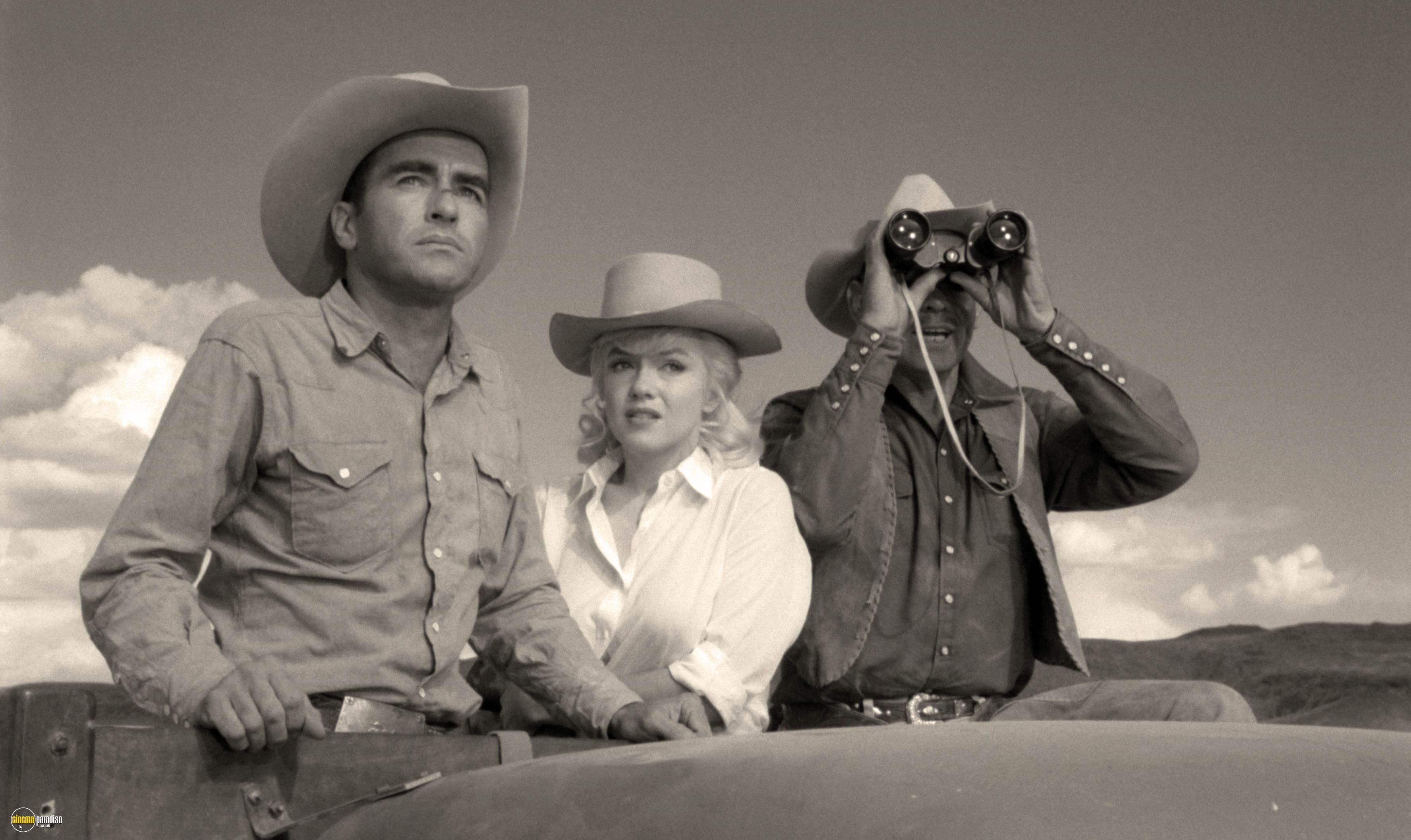
As word spreads about The Suttletones, they are booked to play at the Villa Marina in Newport Beach, California. Ann-Margret was commanding $139 a week, by the time they played Reno and Elko in Nevada. John Huston's The Misfits (1961) was filming nearby and Montgomery Clift was so taken by the show that he invited her to the set. Clark Gable came over to chat, but she didn't get to meet Marilyn Monroe, with whom she would soon be compared. The attention convinced Pierre Cossette and Bobby Roberts to offer their services as managers and they secured her an audition in Los Angeles with veteran comedian, George Burns. They did a softshoe routine together in his annual Vegas Christmas show in December 1960, which prompted Variety to report, 'George Burns has a gold mine in Ann-Margret...she has a definite style of her own, which can easily guide her to star status.'
Life magazine writer Shana Alexander started following Ann-Margret to auditions to discover how a star is born. Shortly before her 20th birthday, she appeared on the esteemed magazine's cover and announced that she was going to drop her surname, as she didn't want her parents to be hurt if any 'mean things' were written about her in the press. She also signed a seven-year screen contract at $300 a week with 20th Century-Fox, but headed first to the RCA Victor recording studio to make her debut album, And Here She Is...Ann-Margret, which was released in 1961.
As radio stations made 'Lost Love' a minor hit, RCA started promoting Ann-Margret as 'the female Elvis' and had her record a version of 'Heartbreak Hotel'. She had more success with 'I Just Don't Understand', which was culled from her second album and reached No.17 during its six-week stay on the Billboard charts. Clearly, the song travelled across the Atlantic, as John Lennon would sing it on the BBC radio show, Pop Go The Beatles, in August 1963.
Having guested on The Jack Benny Program, Ann-Margret was nominated for the Grammy Award for Best New Artist, only to lose out to pianist Peter Nero. She bounced back by going to Nashville to record On the Way Up (with Chet Atkins and Elvis's backing band, The Jordanaires. George Burns wrote the sleeve notes and cheered her on as she took the 34th Academy Awards by storm with her version of Henry Mancini and Mack David's theme for Jack Arnold's Bachelor in Paradise (1961), which teamed Bob Hope and Lana Turner.
Denied the chance to co-star with Elvis in Phil Karlson's Kid Galahad (1962), Ann-Margret got engaged to dashing businessman Burt Sugarman. They split within a matter of weeks, but Ann-Margret could console herself with the International Recognition Award, which was presented in March 1962 by the Hollywood Foreign Press Association. The gossip columnists were more interested in rumours that she was dating baseball pitcher Bo Belinski than they were about hints that Ann-Margret would take the Rita Hayworth role opposite Mickey Callan in a remake of Charles Vidor's Cover Girl (1944). However, their attention soon shifted to the fact that she kept being seen around town with a well-known singer and speculation grew that she would follow Debbie Reynolds and Elizabeth Taylor by becoming the third Mrs Eddie Fisher. As she refused to discuss her love life, however, she received two Sour Apple Awards from the Hollywood Women's Press Club. Not that she would have cared, as she had sold over half a million discs and America was about to discover that not only could Ann-Margret sing and dance, but she could act as well.
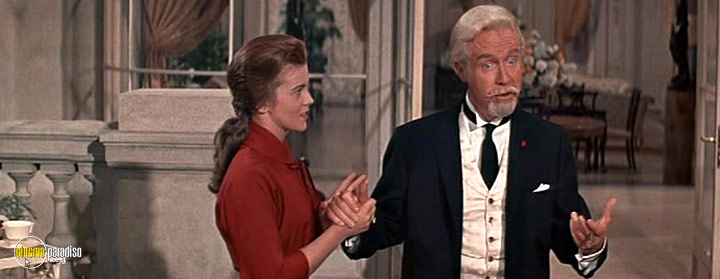
Pocketful of Miracles (1961), a remake of his own Lady For a Day (1933), in which Bette Davis took over from May Robson in the role of Apple Annie. Loaned out to United Artists, Ann-Margret played Louise, the illegitimate daughter who believes her mother is wealthy socialite Mrs E. Worthington Manville rather than a street peddlar. She's not on screen long, but made enough of an impression to share the Golden Globe for Most Promising Newcomer with Jane Fonda and Christine Kaufmann (who would later marry Stanley Kubrick).
Years later, Ann-Margret recalled the role that Davis had played in getting the best out of her on screen. 'I was about to have a close-up,' she told Interview, 'and of course Pocketful of Miracles was my first movie and I didn't know close-shot, medium-shot, you know. She was there and she, at one point, stopped all the filming and said, "Ann-Margret, this is your close-up, I want you to look as good as you possibly can. Makeup! Hair!" The makeup person and hair person came and when they finished she looked and said, "Okay, now we can go on." Oh, she was lookin' out for me. I played her daughter and I really felt like it.'
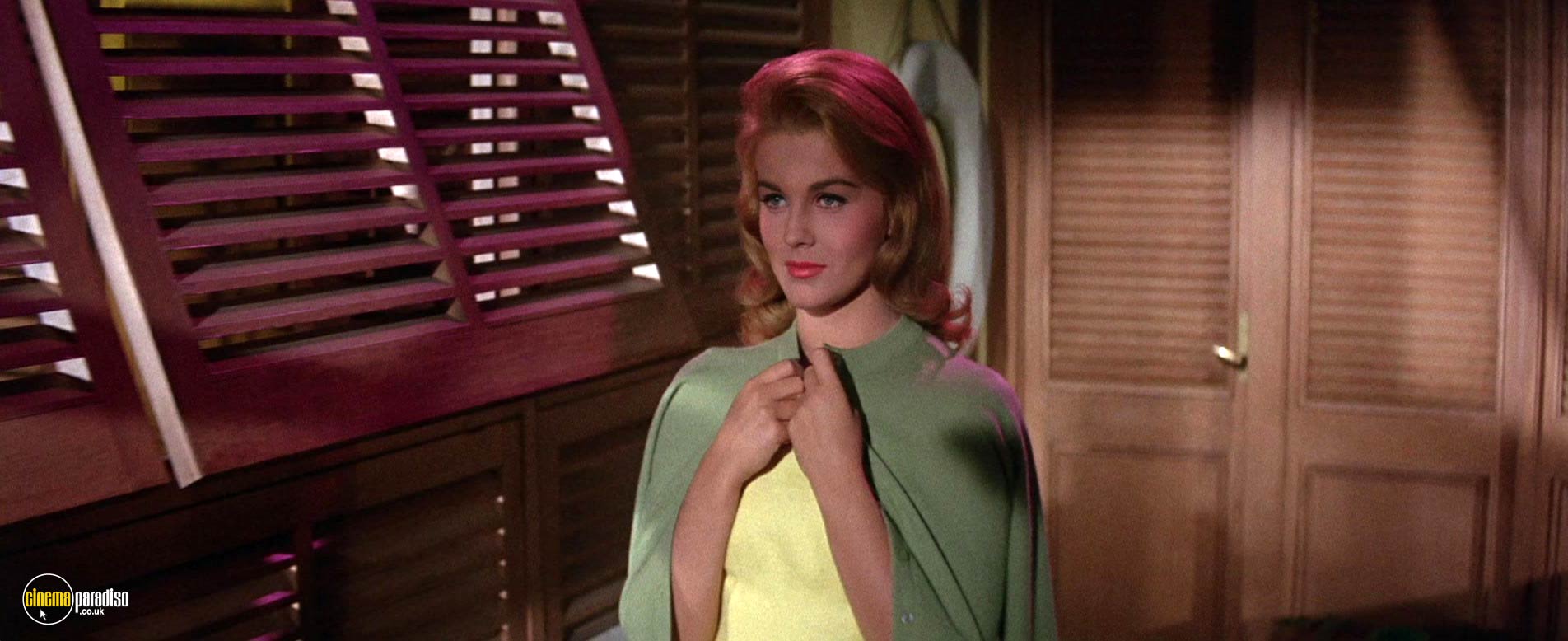
While the final slice of Capracorn got Ann-Margret noticed, it was her next outing that made her a star. Director George Sidney recognised that she was the best thing in Bye Bye Birdie (1963) and spent his own money (three months after wrapping on principal photography) on bookending shots of her singing against a blue screen to showcase her luminous talent. When the picture became a smash, Fox reimbursed Sidney for showing such initiative. The opening scene showed Kim MacAfee lamenting the fact that her pop idol, Conrad Birdie (Jesse Pearson), has been drafted into the US Army. However, she gets a chance to kiss her hero when songwriter Albert Peterson (Dick Van Dyke) suggests that Birdie gives a fan a farewell kiss on The Ed Sullivan Show - a development that does not go down well with Hugo Peabody (Bobby Rydell), Kim's high-school sweetheart in Sweet Apple, Ohio.
Sidney had noticed Ann-Margret on stage at The Sands Casino in Las Vegas on New Year's Eve in 1961. Initially down to produce the film, he had assumed the director's chair after Gower Champion had admitted to not getting the appeal of the story. Sidney was adamant that Ann-Margret was cast as the peppy Kim and annoyed her co-star, Janet Leigh (who was playing Albert's long-suffering girlfriend, Rosie DeLeon) by giving her the majority of the close-ups. Making his feature debut, TV star Dick Van Dyke was less concerned about being upstaged, as was Maureen Stapleton, who played his mother and who declared, 'Nobody was ever as sexy as Ann-Margret - ever!' Manager Pierre Cossette saw things slightly differently, however, telling Cosmopolitan, 'What she is, is every little girl who closes her bedroom door, and looks into her full-length mirror and becomes somebody great.'
Clearly, Fox agreed, as the actress earned $85,000 in recognition of her Golden Globe nomination for Best Actress. The White House had also noticed the emerging star and Ann-Margret was chosen to sing 'Baby Won't You Please Come Home' at President John F. Kennedy's private birthday party at New York's Waldorf Astoria, a year after Marilyn Monroe had delivered her infamous 'Happy Birthday to You'. Comparisons had started being made between the pair before Ann-Margret hired Monroe's stand-in, Evelyn Moriarty, and started using her hairdresser, Sydney Guilaroff, who transformed her into a redhead. He denied there was much overlap between the two, however. 'Marilyn tuned in to a different thing,' he told a reporter, 'she's a much different soul than Ann-Margret. Ann-Margret remembers where she came from. And men didn't use her the way they did Marilyn.'
Meanwhile, George Sidney used his influence at Hanna-Barbera to have them create the character of Ann-Magrock for an episode of The Flintstones (1960-66), in which she sang the lullaby, 'The Littlest Lamb', to Pebbles and joined Fred and Barney Rubble in a final chorus of 'I Ain't Gonna Be Your Fool (No More) '. Moreover, as the plot of Bye Bye Birdie had been inspired by Elvis Presley being inducted into the Army in March 1958, it seemed inevitable that MGM would seek to loan Ann-Margret to team with him in Viva Las Vegas (1964), especially as Sidney was again at the helm.
The storyline turned around the rivalry between racing drivers Lucky Jackson (Presley) and Count Elmo Mancini (Cesare Danova) for hotel swimming instructor, Rusty Martin (Ann-Margret). But, while most critics agree that this was one of The King's better pictures, they give much of the credit to Ann-Margret for goading him into raising his game. The chemistry between the pair was palpable and girlfriend Priscilla Beaulieu reportedly threw a flower vase across the room when she heard that the co-stars had enjoyed a fling. Presley's manager, Colonel Tom Parker, was also irked by the stories and by the fact that Sidney spent much more time filming Ann-Margret's musical numbers than his client's. He got his revenge, however, by cutting the duets, 'You're the Boss' and 'Today, Tomorrow, and Forever', so that Presley and Ann-Margaret only sang together on 'The Lady Loves Me'. In fact, he was more concerned that the newcomer upstaged Elvis, who was becoming bored with making movies. The songs would eventually be released, but recording took a back seat after Ann-Margret's fourth album, Beauty and the Beard (1964), which reunited her with trumpeter Al Hirt. Indeed, RCA Victor opted not to renew her contract in 1966, although music would continue to play a significant part in the Ann-Margret legend.
Caught in the Zeitgeist
Musical tastes changed almost overnight in America following the appearance of The Beatles on Ed Sullivan and the invasion of other British beat groups. Even Elvis felt old-fashioned, as did the kind of music that Ann-Margret had been recording on her first four albums. Cinema moves more slowly than the music industry, but Hollywood was also under pressure to get with the times in the wake of the nouvelle vague's impact on film in Europe and Japan. However, as features are booked into work schedules well before they reach theatres, the studios kept churning out their trusted brand of middle-of-the-road entertainment well into the 1960s. Perhaps, unsurprisingly, many of these felt outdated even before they had been released and audiences (now with television as an option) simply chose to stay away.
Only four films into her career, Ann-Margret found herself on the wrong side of the zeitgeist divide and some started to write her off, as one film after another misfired. It didn't help that she refused to play the fame game, telling one reporters, 'I don't smoke and I don't drink and I hate going to cocktail parties here because all they do is to sit around and tell each other how great they are.' Despite living with her parents in Beverly Hills, she did her share of dating, with the press linking her with music publisher Lou Adler, agent Jack Gilardi, businessman Bert Sugarman, and showbiz stars Eddie Fisher, Frankie Avalon, Ty Hardin, Elvis Presley, Peter Mann, and Vince Edwards. But the press was also obsessed with her earning power after she received $275,000 for two films for MGM in the summer of 1963. She used some of this to buy a $63,000 home for her parents, while she moved into a $320-a-month one-bedroom apartment overlooking Sunset Boulevard, telling
columnist Bob Thomas, 'I think every girl should live by herself as a transition between the time of being with her parents and of getting married. It is better for everyone if she does.'
She earned a further $500,000 in 1964 and was ranked No.8 in the annual box-office chart. But, in their eagerness to showcase her diverse talents, her management team had been signing her up for projects without consultation and not all suited her. In Douglas Heyes's Kitten With a Whip, she played Jody Dvorak, a fugitive delinquent who terrorises John Forsythe's respectable politician. Mamie Van Doren and Nancy Kwan had been linked with the role before Brigitte Bardot turned it down and Ann-Margret gave it her best shot. But the script allowed the improbable situation to become risible in its bid to shock and provoke.
By contrast, Jean Negulesco's The Pleasure Seekers (1964) felt rather conventional. A remake of the same director's Three Coins in the Fountain (1954), it cast Ann-Margret as aspiring actress Fran Hobson, who shares a flat in Madrid with secretary Maggie Williams (Carol Lynley) and the newly arrived Susie Higgins (Pamela Tiffin). She got to sing and show off her flamenco skills, but she didn't get along with her co-stars (refusing to do publicity photos with them) and the film is now best remembered for being Gene Tierney's swan song.
Ann-Margret had higher hopes for Bus Riley's Back in Town (1965), as it had been written by William Inge, whose play had been turned into her favourite film, Elia Kazan's Splendor in the Grass (1961). Accounts differ as to why he removed his name from the credits (and used Walter Gage instead), with some claiming that Ann-Margret had asked for rewrites to make her character more prominent, while she insists that she was forced to shoot three new scenes (having refused to do two more) that undermined what should have been a potent social commentary. She certainly made a splash, as Laurel jumps into her husband's pool in an effort to tempt an old flame (Michael Parks) into an affair after he returns from a stint in the US Navy. But this often feels more like soap opera than meaningful drama and a similar disconnect enervates Ralph Nelson's Once a Thief (1965), which sees Eddie Pedak (Alain Delon) being thwarted in his effors to live a normal life with wife Kristine (Ann-Margret) by his crooked brother Walter (Jack Palance) and shifty detective Mike Vido (Van Heflin).
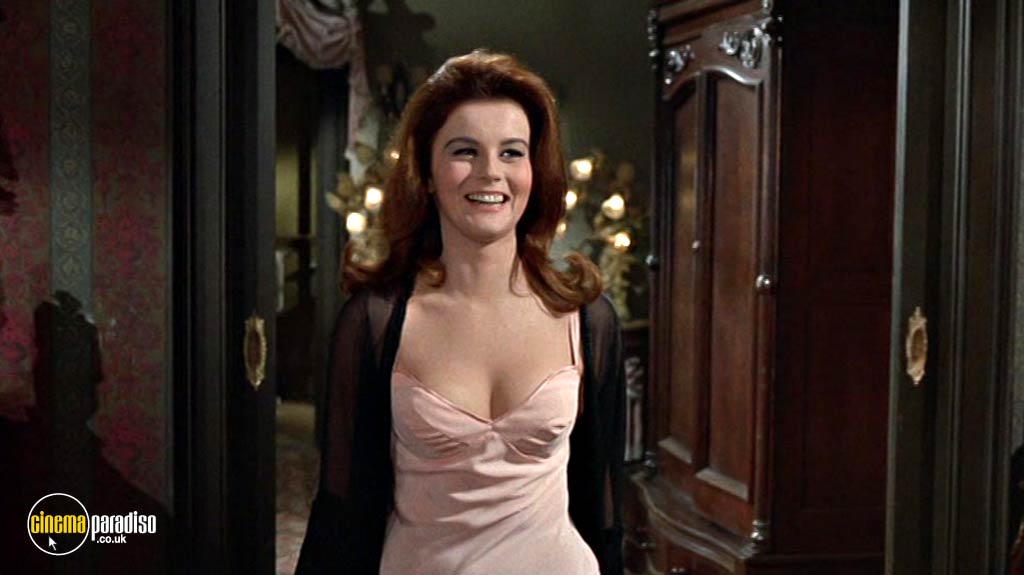
Finding herself contracted to five different studios to do 15 films, Ann-Margret reported to MGM for The Cincinnati Kid (1965), an adaptation of a Richard Jessup novel that had been written by counterculture icon Terry Southern and Ring Lardner, Jr., who was receiving his first credit since being blacklisted during the House UnAmerican Activities Committee witch-hunt in 1947. Norman Jewison took over the direction after Sam Peckinpah (who had personally selected Ann-Margret) was fired and dropped the idea of shooting in monochrome to capture the rundown feel of 1930s New Orleans. Ann-Margret has little to do as Melba, the wife of poker player Shooter (Karl Malden), who is eased out of a big showdown between Lancey 'The Man' Howard (Edward G. Robinson) and Eric 'The Kid' Stoner (Steve McQueen). She remembered later: 'One scene that I did with McQueen, and I happened to be standing on a certain side. He was deaf in one ear, because of all the action movies that he did. So I got on the other side. I'm so glad he told me. I never would have known otherwise.'
Well received and modestly successful at the box office, this gambling saga halted the run of duds. But Ann-Margret was about to go on an even longer losing streak and it says much that only three of her next 10 features are available on disc in this country. Boris Sagal's Made in Paris (1965) was supposed to be a swinging drama for grown-ups that finds fashion buyer Maggie Scott caught in a ménage with designer Marc Fontaine (Louis Jourdan) and columnist Herb Stone (Richard Crenna). But it wasn't as risqué as it liked to think it was, in spite of a spirited nightclub dance sequence.
There was no room for such hip-shaking in Gordon Douglas's Stagecoach, a remake of John Ford's Stagecoach (1939), which cast Ann-Margret as dancehall hostess Dallas, whose travelling companions include a bibulous doctor (Bing Crosby), a whisky salesman (Red Buttons), a marshall (Van Heflin), a pregnant Army wife (Stefanie Powers) and a crook (Robert Cummings). The performances are solid enough, but the original cast a long shadow. Further proof that lightning rarely strikes twice came when Ann-Margret reunited with George Sidney to play Kelly Olsson in The Swinger (both 1966), in which a magazine writer invents an alter ego in order to convince her editor to run some racier stories about liberated women. Written in 10 days, it was supposed to be 'a wild, outrageous "in", what's-happening-in-the-world-today kind of picture'. But, despite its orgy sequence, it missed the target by some way.
During a rare break in her schedule, Ann-Margret flew to Vietnam in March 1966 with Johnny Rivers and bandmates Chuck Day and Mickey Jones to entertain the US troops fighting an increasingly unpopular war. She remains an active supporter of veterans' charities and proudly remembers her USO shows. 'I went to Vietnam twice.' she later recalled. 'I went in 1966 with Johnny Rivers and his bassist and drummer, just four of us. And then, of course, in '68 I went with Bob Hope, when there were a lot more of us [including] Les Brown & His Band of Renown. And I just have such a feeling for everybody. It's hard for me to translate what I feel. I want to bring joy. I truly do. It means the world to me.'
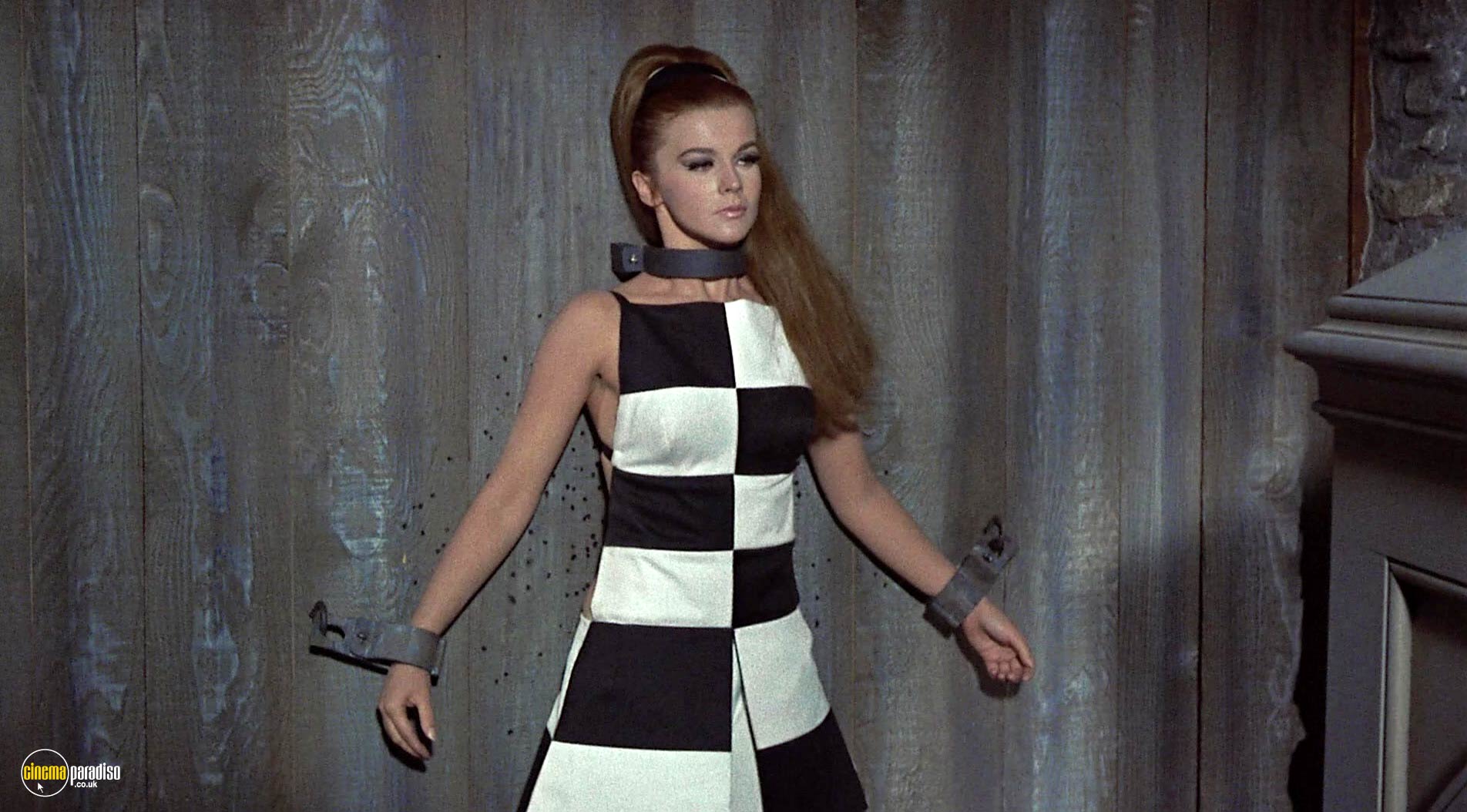
Back in Hollywood, she joined Dean Martin in the second of his four outings as Donald Hamilton's spy, Matt Helm. A sequel to Phil Karlson's The Silencers, Harry Levin's Murderers' Row (both 1966) brings Helm and Suzie together in a Riviera disco during a killing spree by the Bureau of International Government and Order (BIG O) that had begun with the destruction of the Capitol in Washington, DC. Ann-Margret suits the action girl persona and flirts confidently with Dean Martin. But the picture did little to get her out of her box-office rut.
Having first met briefly in 1960, Ann-Margret came across Roger Smith again while making Once a Thief. He was best known for playing private detective Jeff Spencer in 77 Sunset Strip (1958-64), but was happy to quit acting in order to oversee his new wife's career after they married in 1967. Her parents weren't overly impressed, as Smith had a reputation for bluntness. But, finding herself $133,000 in debt and entangled in too many projects, Ann-Margret was glad to let someone take charge. As she told one interviewer, 'I liked to be told where to go, what to do.' One of the things that Smith and producer Allan Carr discovered was that her previous management team had been turning down assignments without telling her, including Mervyn LeRoy's Gypsy (1962), Eliot Silverstein's Cat Ballou (1965), Arthur Penn's Bonnie and Clyde, and Mike Nichols's The Graduate (both 1967).
Stepping back from films, Ann-Margret hit Vegas in July 1967 for a five-week sojourn that earned her rave reviews. Elvis came to watch and, for the next decade, he sent her a guitar-shaped floral arrangement whenever she returned. Smith and Carr aslo landed her a CBS television special, The Ann-Margret Show (1968), which included Bob Hope, Jack Benny, Danny Thomas, and Carol Burnett among the guest stars. This led to Hope inviting her to Saigon for his USO Christmas show. Dean Martin and Lucille Ball (who called her 'Junior' appeared on Ann-Margret: From Hollywood With Love (1969), which earned friend David Winters a Primetime Emmy nomination for his choreography. All she needed now was a decent film script.
A Wandering Player
Frustrated by the offers she kept receiving in Hollywood, Ann-Margret decided to accept an invitation from producer Joseph E. Levine to come to Europe. She made four films in Italy over the next three years and they have been rather unfairly forgotten. Vittorio Gassman won the Donatello for Best Actor for his performance as the grandfather who is seduced by art student Carolina in Dino Risi's The Tiger and the Pussycat (1967), and the pair were reunited in Risi's Mr Kinky (1968), as a hermit and a hippy strive to make sense of the modern world.
She was next recruited by Rossano Brazzi to play the student having an affair with the eminent criminologist who decides to rob a Buenos Aires opera house in Brazzi's heist caper, Seven Men and One Brain (1968). And a crime was also central to Nino Zanchin's Rebus (1969), as Ann-Margret played Laura, a Beirut casino singer who gets hit on by Jeff Miller (Laurence Harvey), an alcoholic croupier who has been coerced by the cops into busting a gang planning a roulette scam.
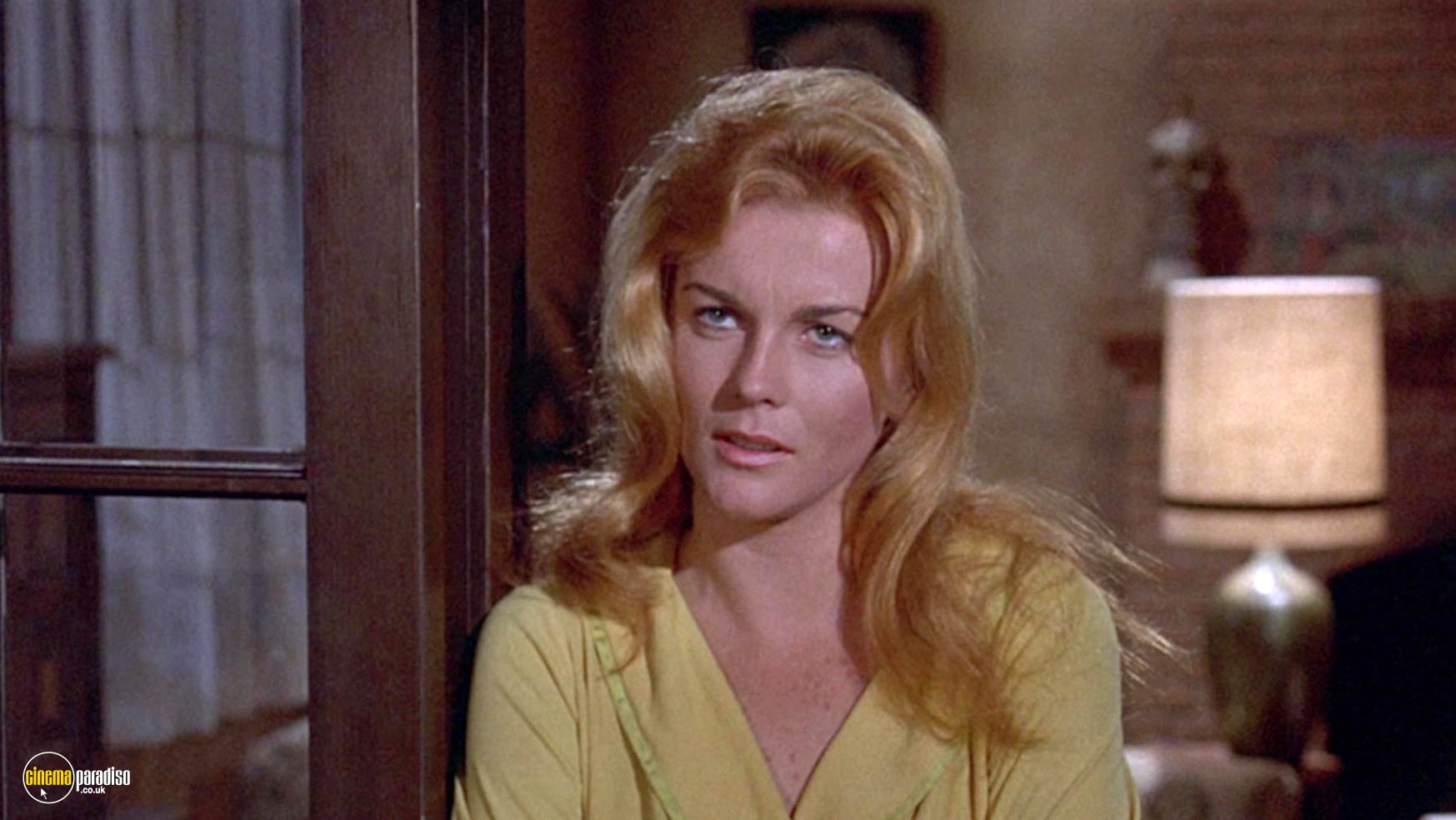
For her first American film in four years, Ann-Margret made the bold choice of Stanley Kramer's R.P.M., which examined the student agitation that had become part of campus life as the war became more unpopular and protests railed against numerous domestic socio-economic injustices. She played Rhoda, a graduate romancing liberal professor Paco Perez (Anthony Quinn), who questions his credentials as discontent mounts at their California college. At the suggestion of her husband (who also wrote the script), she briefly went topless as fashion journalist Ann McCalley, who becomes involved with outlaw biker, C.C. Ryder (Joe Namath), in Seymour Robbie's C.C. and Company (both 1970). One critic suggested that while Namath should have stuck to American football, Ann-Margret might consider it as an option to acting.
Inspired by some of the worst reviews of her career, Ann-Margret gave perhaps her finest performance, as Bobbie Templeton in Mike Nichols's scathing denunciation of male chauvinism, Carnal Knowledge (1971). He passed on Dyan Cannon, Natalie Wood, Jane Fonda, and Raquel Welch after meeting Ann-Margret at a cocktail party, which she almost missed because she had fainted from nerves at what was essentially an audition. Desperate to marry the feckless Jonathan Fuerst (Jack Nicholson), Bobbie endures ennui and humiliation before deciding to take drastic action. Such was the unexpected vulnerability of her performance that Ann-Margret following her Golden Globe win for Best Supporting Actress with nominations from the Academy and the New York Film Critics Circle.
'I knew when I read the script where I had to go,' she later said, 'and it was frightening, really scary. [Nicholson] gave everything he had. I mean, to be on the receiving end of his performance just wiped me out.' The toll taken by the picture meant that she only made one film in each of the next two years. In Jacques Deray's The Outside Man (1972), she cropped up halfway through as Nancy Robson, the manager of a topless bar who helps hitman Lucien Bellon (Jean-Louis Trintignant) lay low in Los Angeles. But she initiates the action in Burt Kennedy's The Train Robbers (1973), as widow Lily Lowe asks Lane (John Wayne) to find the $500,000 in gold that her late husband had stashed away so she can return it for a $50,000 reward in order to clear the family name for her son.
This may not have been one of Duke's best Westerns, but it gave Ann-Margret the chance to wear period clothes for the first time and she more than held her own right up to the final twist. Wayne was so smitten by her that, shortly before he died in June 1979, he told those at his bedside, 'When I die, I want Ann-Margret to dance on my coffin. If you don't see me in five minutes, you'll know I'm dead for sure.'
On 10 September 1972, just three months after bidding Wayne farewell, Ann-Margret plunged 22ft from an elevated platform connecting to the stage at the Sahara Tahoe Hotel, where she was about to perform. Smith commandeered a private plane and flew to Lake Tahoe to get his wife the best care, as she had suffered a broken arm, a broken jaw, and five facial fractures that required months of painful surgery to repair. As her mouth was wired shut, she had to subsist on a liquid diet. Yet she made a remarkable recovery and attended the unveiling of her star on the Hollywood Walk of Fame in July 1973.
Rather than easing back into films gently, Ann-Margret went to Britain to play Nora Walker, the selfish, but well-meaning mother of the catatonic son at the centre of Ken Russell's adaptation of The Who rock opera, Tommy (1975). During the 'Champagne' number, Ann-Margret had to sit in a bath filled with bubbles and baked beans, 'I couldn't really do [a rehearsal] until I actually did it,' she recalled, 'because everyone - all the crew - had on waist-hip boots, and here I was in my cat suit and nylons. But I survived.' In throwing a bottle at the television set, she cut her left hand and still has the scar to this day. The pain proved worthwhile, however, as she won the Golden Globe for Best Actress and received an Oscar nomination in the same category.
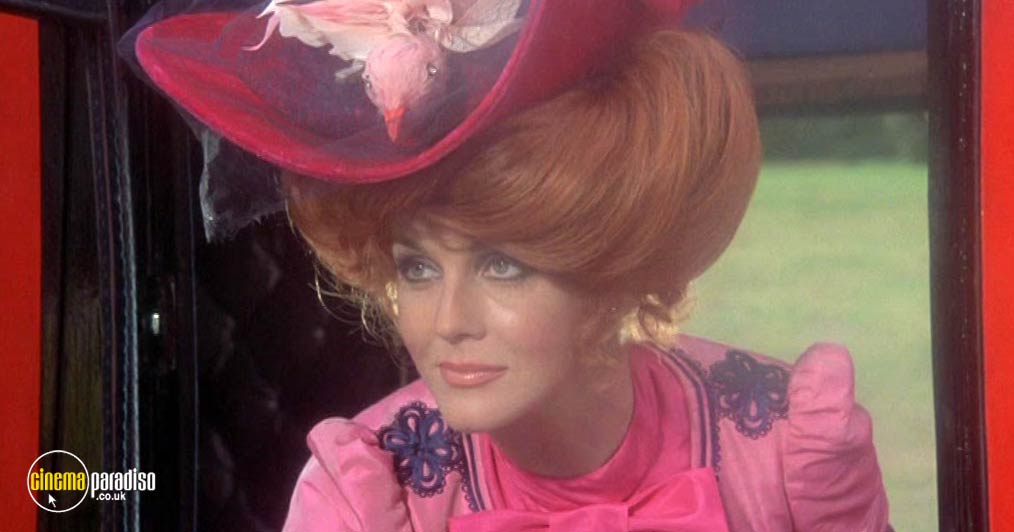
Steering clear of Hollywood, Ann-Margret went to Paris to make Claude Chabrol's The Twist (1976), a Buñuelian satire of bourgeois manners, in which Claire de La Tour Picquet (Stéphane Audran) discovers that both her novelist husband, William Brandeis (Bruce Dern), and his publisher, Jacques Lalouet (Jean-Pierre Cassell), who happens to be her lover, are sleeping with the same Italian translator, Charlie Minerva (Ann-Margret). Britain beckoned for Joseph Andrews, director Tony Richardson's second Henry Fielding adaptation after the Oscar-winning, Tom Jones (1963). Bedecked in 18th-century gowns, Ann-Margret had fun playing the flirtatious Lady Booby, who tries to seduce her young footman (Peter Firth) after the death of her husband and drew herself another Golden Globe nomination, this time for Best Supporting Actress. She also amused herself as grasping stepmother Flavia Geste seeking to relieve identical twins Beau (Michael York) and Digby Geste (Marty Feldman) of a priceless family sapphire in Feldman's directorial debut, The Last Remake of Beau Geste (both 1977).
However, she had the sad duty to attend the funeral of Elvis Presley in August 1977, which she followed by hosting the TV special Memories of Elvis, which featured footage from The '68 Comeback Special (1968) and Aloha From Hawaii (1973). Around this time, she almost landed a musical role of her own, as Allan Carr wanted her to play Sandy Dumbrowski in Randal Kleiser's Grease (1978). However, it was decided the 36 year-old would struggle to play a teenager and 28 year-old Olivia Newton-John got the gig, although Sandy's surname was changed to Olsson in Ann-Margret's honour. Another role to elude her in this period was Beth Jarrett in Robert Redford's Ordinary People (1980), which she lost to Golden Globe winner Mary Tyler Moore because she was apparently too 'unsympathetic'.
Soldiering on, she vamped it up as femme fatale Jezebel Dezire in Robert Moore's The Cheap Detective, a Neil Simon spoof on John Huston's The Maltese Falcon (1941) and Michael Curtiz's Casablanca (1942), which proved a happy coincidence for the actress, as she and Smith had bought the Benedict Canyon house, built by Hedy Lamarr in 1938, where Humphrey Bogart and Lauren Bacall had lived.
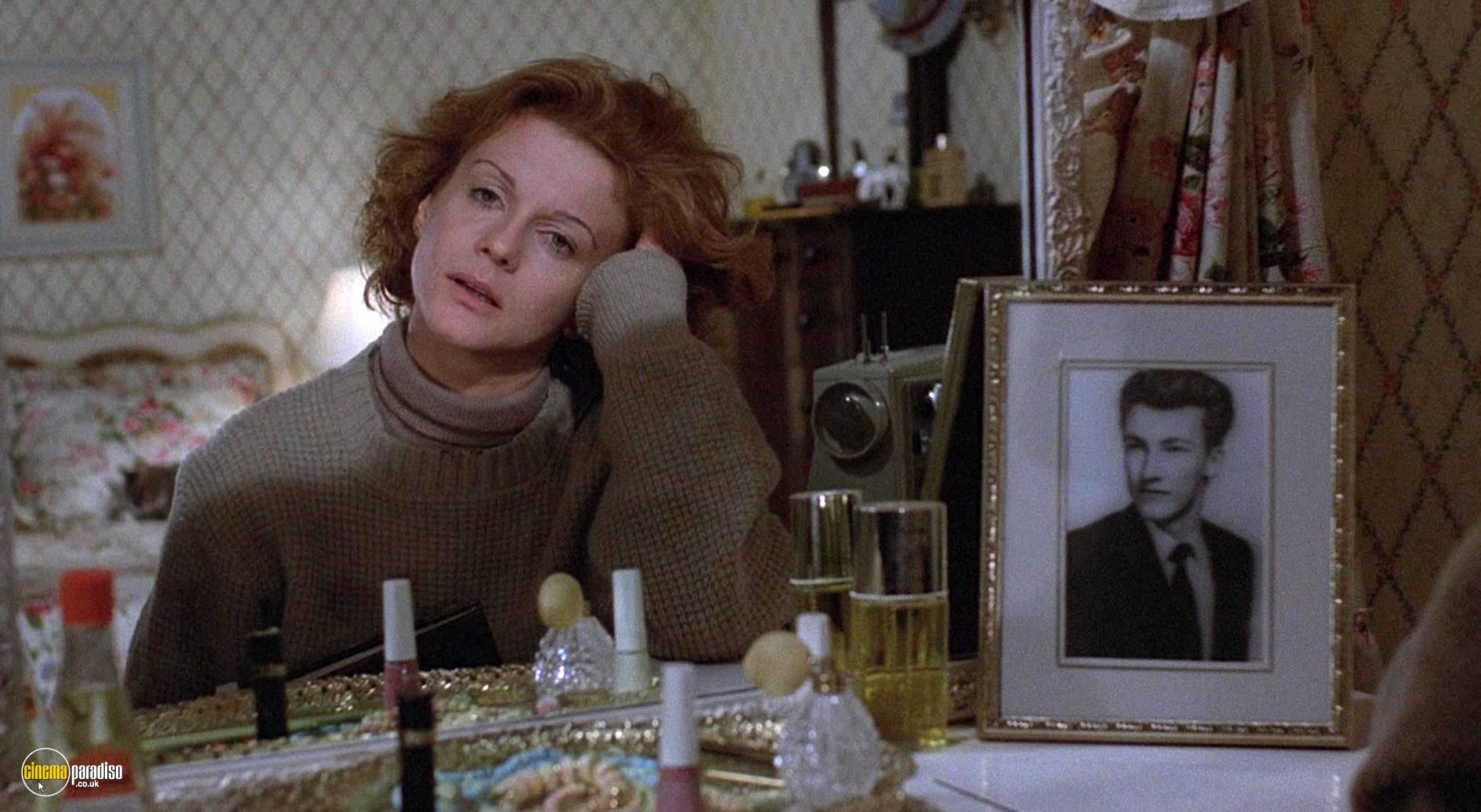
In a change of tack, Ann-Margret agreed to play Peggy Ann Shaw, the old school crush who runs into ventriloquist Corky Withers in Richard Attenborough's Magic (1978). Norman Jewison and Jack Nicholson had been linked with the project before Steven Spielberg tried to cast Robert De Niro, But Attenborough agreed to reunite with William Goldman, who had scripted A Bridge Too Far (1977). He wasn't perhaps the ideal choice for a devil dummy horror, but Goldman liked the film and its leading lady. 'I think Ann-Margret is the least appreciated emotional actress anywhere,' he told one reporter. 'Ann-Margret is everybody's dream and I thought she was just wonderful.'
She's also the best thing in Hal Needham's Cactus Jack (aka The Villain, 1979), a comic Western that sees Handsome Stranger (Arnold Schwarzenegger) protect Charming Jones and the loot bequeathed by her father from outlaw Cactus Jack Slade (Kirk Douglas), who has been hired to rob her by town boss Avery Simpson (Jack Elam). Designed to pay homage to the Warner Bros socko cartoons of Tex Avery, the film was roundly panned (although it has its moments, as you'll discover by clicking the Cinema Paradiso link). But Ann-Margret was beginning to realise that there were much better roles for a woman of her age in TV-movies.
Switching Screens
Still seeking cinema releases that could find a niche in a marketplace increasingly dominated by blockbusters, Ann-Margret teamed with fellow New Trier Township High alumnus Bruce Dern in John Trent's Middle Age Crazy (1980). The marital troubles of Bobby Lee and Sue-Ann Burnett were co-chronicled by rocker Jerry Lee Lewis, who picked up a nomination at the 1st Golden Raspberry Awards for Worst Screenplay. Made the same year, but held back until 1982, Hal Ashby's Lookin' to Get Out escaped that ignominy. But Jon Voight's first screenplay (which included a debut role for daughter, Angelina Jolie) caused so much friction that the studio cut its own version (although a director's cut was released in 2009). Amidst the squabbling, Ann-Margret's role as casino moll Patti Warner rather got lost in the mix. She was better served by Herbert Ross's I Ought to Be in Pictures (1982), a Neil Simon comedy in which make-up artist Steffy Blondell helps hopeful Libby Tucker (Dinah Manoff) make it in Hollywood in spite of the opposition of her father, Herbert (Walter Matthau), who also happens to be Steffy's beau.
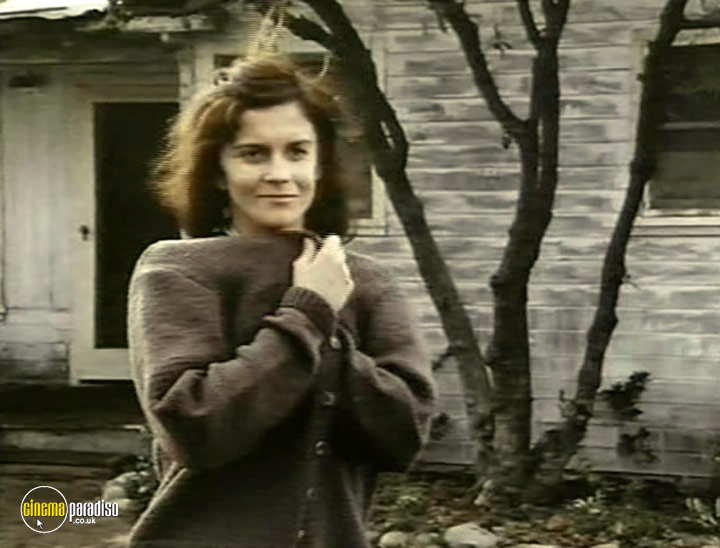
But the first 1980s outing available from Cinema Paradiso is Alan Bridges's The Return of the Soldier (1982), an adaptation of a Rebecca West novel that saw Jenny Baldry support her cousin, Kitty (Julie Christie), when her shell-shocked husband, Chris (Alan Bates), returns from the trenches with no memory of her and a deep reliance on a stranger, Margaret Grey (Glenda Jackson). If this drama tugged on the heartstrings, few were able to avoid tears while watching John Erman's fact-based teleplay, Who Will Love My Children? (1983), which follows the efforts of dying mother Lucile Fray to find suitable homes for her 10 children because she knows that husband Ivan (Frederic Forrest) would not be able to keep them together. Making her first TV appearance since the 1971 musical, Dames At Sea, Ann-Margret took Erman at his word when he told her, 'You can't bring your image with you,' as she gave a poised and poignant performance.
Nominated for a Primetime Emmy Award for Outstanding Lead Actress in a Limited Series or Movie, she lost out to the great Barbara Stanwyck in The Thorn Birds. When she collected her award, however, Stanwyck told the audience, 'I would like to pay a personal tribute at this time to a lady who is a wonderful entertainer...I think she gave one of the finest, most beautiful performances I have ever seen...Ann-Margret, you were superb.' She did win a Golden Globe, however, and repeated the feat the following year for her interpretation of Blanche DuBois in Erman's take on Tennessee Williams's A Streetcar Named Desire (1984).
She found the role extremely taxing, however. 'I never played anyone who lost her mind,' she later confided, 'and I thought I was losing my mind. It was loony-tunes time on that one. I lost ten pounds. Mr Williams wanted me to do Blanche, but he died three days after I was signed. By the last three days of shooting I couldn't quite grasp onto anything. That had never happened before. John Erman came to the trailer, and looked right into my eyes, and he said, "Ann-Margret, this is just a movie. Ann-Margret, this is just a movie. Ann-Margret, this is just a movie...".' Having also worked on Elia Kazan's 1951 version, which earned Vivien Leigh an Oscar, hairstylist Sydney Guilaroff thought Ann-Margret had captured the character better. 'Katharine Hepburn told me she thought Ann-Margret was the best Blanche she ever saw,' he told Vanity Fair, 'and she saw every important Blanche. With Vivien, there was too much focus on her beauty. She was rather too lit, and she overacted in places.'
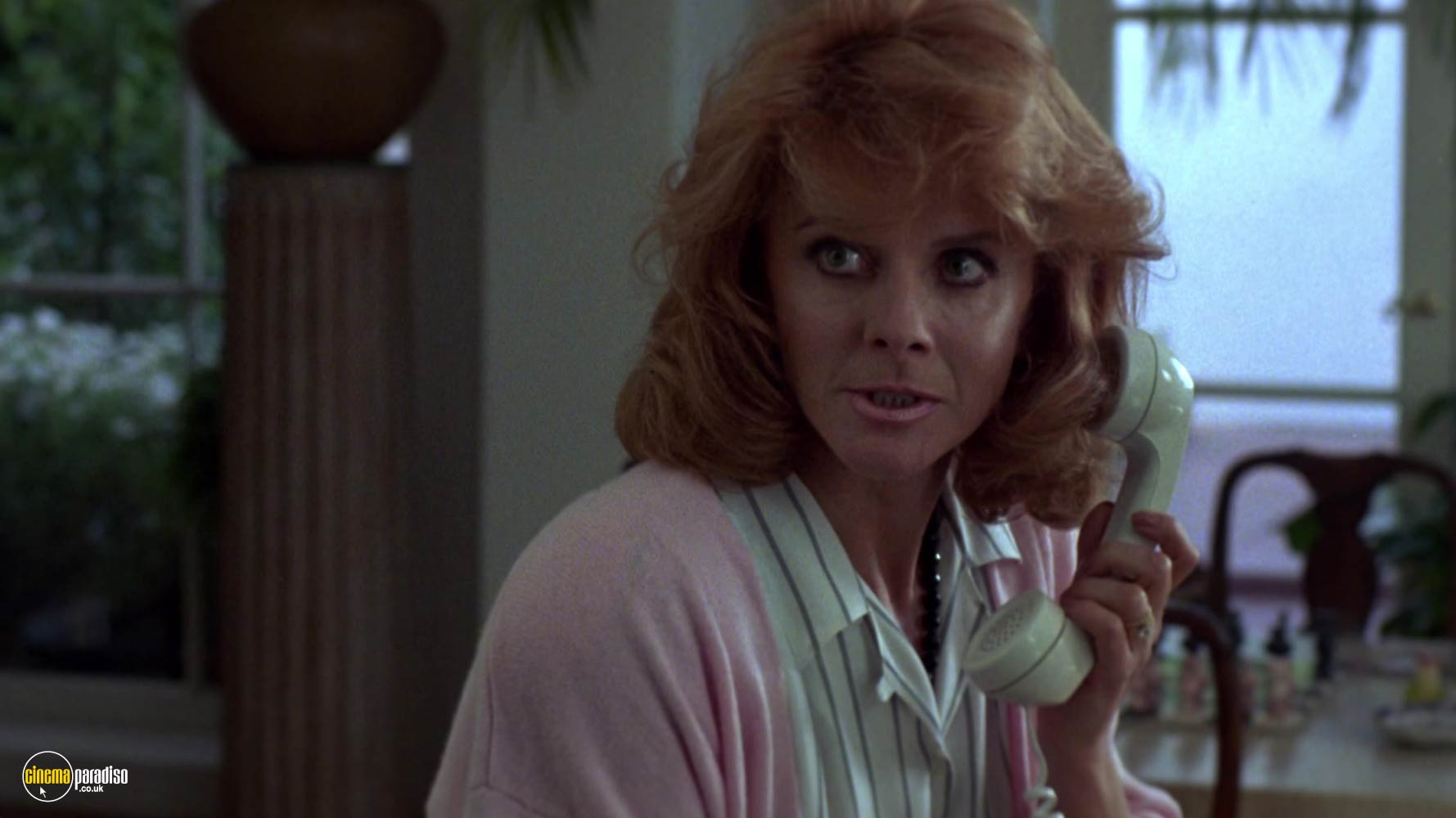
Returning to the big screen, Ann-Margret essayed Audrey Minelli, the waitress for whom steelworker Harry Mackenzie (Gene Hackman) leaves wife Kate (Ellen Burstyn) in Bud Yorkin's Twice in a Lifetime (1985). However, city council candidate Barbara Mitchell was the wronged women in John Frankenheimer's adaptation of Elmore Leonard's 52 Pick-Up (1986), as her builder husband of 23 years (Roy Scheider) warns her that he is being blackmailed because of his fling with a 22 year-old stripper (Kelly Preston). The following year, Ann-Margret partnered Claudette Colbert in her last screen appearance as the cuckqueened wife and grieving mother caught up in a case of mariticide in John Erman's mini-series, The Two Mrs Grenvilles (1987), which earned Sydney Guilaroff an Emmy for Ann-Margret's hairstyle.
On the big screen, but little seen Peter Douglas's The Tiger's Tail (1987) cast Ann-Margret as Rose Butts, an alcoholic who sleeps with Houston high-schooler, Bubber Drumm (C. Thomas Howell), who is half her age and the boyfriend of her daughter, Shirley (Kelly Preston). However, the critics did for Alan Alda's A New Life (1988), in which he and Ann-Margret play Steve and Jackie Giardino, who find themselves single again after their 26-year marriage ends. His debut feature, The Four Seasons (1981), was recently revamped for Netflix, but one suspects the same will never happen for this sombre mid-life drama, whose prompted a three-year acting hiatus during which time Ann-Margret made the headlines for the oddest of reasons, as TV Guide spliced Oprah Winfrey's head on to a 10 year-old picture of her body for its August cover so that it looked as though the 'richest woman on TV' was posing on a pile of money.
Still Going Strong
As she entered her fifties, Ann-Margret embarked upon a new fitness regime that involved walking five miles a day to visit her mother, as well as striding up and down the 186 steps that Roger Smith had had installed at their home. On stage, she remained a bundle of energy, but Hollywood's blind spot when it comes to women of a certain age started to limit her acting options. She impressed alongside Julie Andrews, as mothers of boys living with AIDS in John Erman's Our Sons (1991), while further Golden Globe and Primetime Emmy nominations followed for her supporting turn in the same director's mini-series, Alex Haley's Queen (1993), which starred Halle Berry as the granddaughter of Ann-Margret's 1840s plantation owner, Sally Jackson.
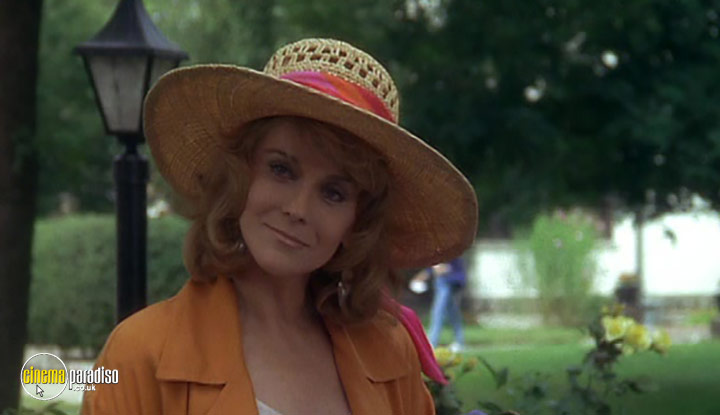
Her return to cinema was less auspicious, however, as she received a Worst Supporting Actress nomination at the Razzies for her work as vaudevillle performer Medda Larksen in Kenny Ortega's Disney musical, Newsies (1992). However, she bounced back in vivacious style as Ariel Truax opposite Jack Lemmon's John Gustafson and Walter Matthau's Max Goldman in Donald Petrie's Grumpy Old Men (1993) and Howard Deutch's sequel, Grumpier Old Men (1995), which added Sophia Loren to the ensemble, as Italian restaurateur Maria Ragetti. But, following the publication of Ann-Margret: My Story (1994), which covered her career, her romances, and her alcoholism, the decade was mostly taken up with mini-series like Scarlett (1994) - a Gone With the Wind (1939) spin-off in which Ann-Margret played Belle Watling - and Seduced By Madness (1996) and such teleplays as Following Her Heart, Nobody's Children (both 1994), Blue Rodeo (1996), and Happy Face Murders (1999). She also appeared in two episodes of the drama series, Four Corners, and drew more Golden Globe and Emmy nods for her performance as socialite and diplomat Pamela Harriman in Waris Hussein's Life of the Party (both 1998), which also earned Ann-Margret a Screen Actors Guild nomination.
Oliver Stone brought her back to the big screen in Any Given Sunday to play Margaret Pagniacci, the mother of Miami Sharks owner, Christine Pagniacci (Cameron Diaz), who feuds with coach Tony D'Amato (Al Pacino) over her plans for the American football team's new direction. Sadly, Steven Soderbergh decided to cut the scene that Ann-Margret had filmed with Peter Fonda for The Limey (both 1999), as 'it pulled you right out of the movie'. However, Cinema Paradiso users can see the encounter among the deleted scenes on the DVD and Blu-ray editions. You don't get these little bonuses on streaming platforms!
We can also bring you Ann-Margret as Mira Verder opposite Burt Reynolds in The Last Producer, in which pill-popping has-been Sonny Wexler battles a younger studio executive (Benjamin Bratt) to prove he has one last hit in him. This was the final film that Reynolds directed and his insights into modern Hollywood are amusingly acute. Meanwhile, in between the teleplay, Perfect Murder, Perfect Town, and guest slots in Touched By an Angel and Popular (as God), Ann-Margret played Cinderella in The 10th Kingdom (all 2000), a fairytale mini-series that also cast Camryn Manheim as Snow White and Dianne Wiest as the Wicked Queen. Rounding off the year, she also recorded the theme song for Brian Levant's The Flintstones in Viva Rock Vegas.
In 2001, Ann-Margret made her first appearance in a stage musical, playing brothel owner Mona Stangley ( the role taken by Dolly Parton on screen in 1982 ) in a touring production of The Best Little Whorehouse in Texas. She also returned to the recording studio to pick up her first Grammy nomination in four decades for God Is Love: The Gospel Sessions. Ten years later, she released God Is Love: The Gospel Sessions 2, which sold as steadily as her 2003 album, Ann-Margret's Christmas Carol Collection. For Joyce Chopra's tele-adaptation of Joyce Carol Oates's Blonde (2001), she played Della Monroe, the maternal grandmother of Marilyn Monroe (Poppy Montgomery), with whom she had been so frequently compared during her early career.
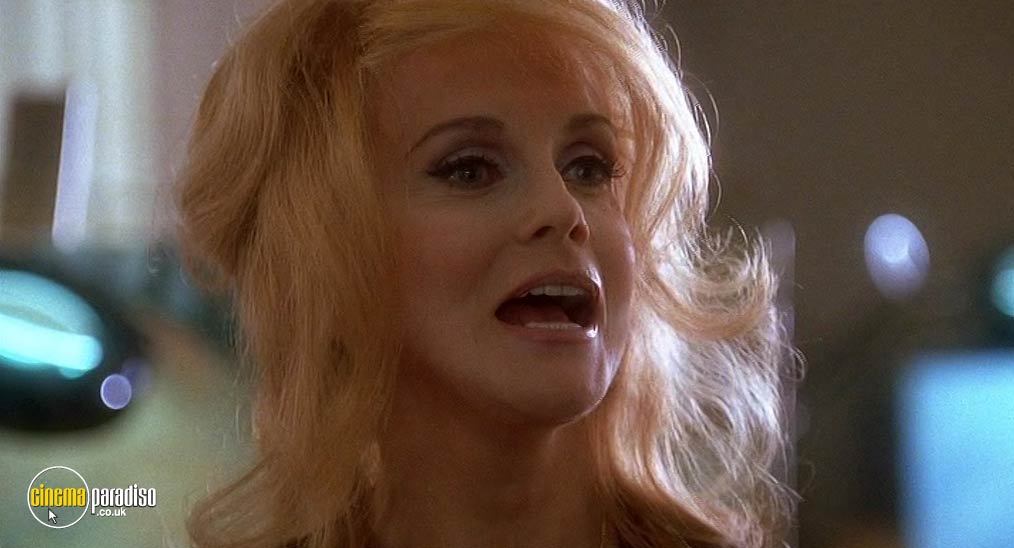
She was next seen as Claire Anders-Blackett, whose private life comes as a surprise to her son when he discovers that the female executor of her estate was also her lover in Karen Leigh Hopkins's A Woman's a Helluva Thing (2001). She followed this by essaying Mrs James, the owner of the Museum of Art Fraud visited by Neal Oliver (James Marsden) on his eventful trip to Danver, Colorado in Bob Gale's Interstate 60 (2002). The emphasis was also on the vehicular in Tim Story's
Taxi (2004), a remake of Luc Besson's 1998 film of the same name in which Ann-Margret cropped up as Mrs Washburn, the tipsy and gossipingly indiscreet mother of undercover NYPD cop, Andy Washburn (Jimmy Fallon).
This scene-stealing cameo came after small-screen roles as Judge Barbara Halsted in Third Watch (2003) and as visually impaired widow Tula Jetters in Michael Tuchner's A Place Called Home (2004). She then dazzled in archival form in Va-va Vroom! (2005), a musical documentary that also featured Raquel Welch, Cher, Cybill Shepherd, Brooke Shields, and Karen Black, and in Rob Klug's Elvis By the Presleys (2006), which starred Priscilla Presley, Lisa Marie Presley, and Riley Keough. This came a year after Ann-Margret had been played by Rose McGowan in James Steven Sadwith's Elvis: The Early Years (2005), which starred Jonathan Rhys-Meyers.
Taking a rare excursion into low-budger indie fare, Ann-Margret joined Dennis Hopper to play Carol Hargrave and Max Lichtenstein, who warn memory expert Taylor Briggs (Billy Zane) about delving too deeply into his serial killer father's past in Bennett Joshua Davlin's debut chiller, Memory (aka Mem-o-re, 2006). The same year also saw her voice Heartbreaker in Tales of the Rat Fink, Ron Mann's animated biography of hot rod and custom car designer Ed 'Big Daddy' Roth. She also appeared in Peyton Reed's romcom, The Break-Up, as Wendy Meyers, whose daughter, Brooke (Jennifer Aniston), can't stop arguing with partner Gary Grobowski (Vince Vaughn), and as Sylvia Newman, who travels to the North Pole with husband Bud (Alan Arkin) to meet her new son-in-law (Tim Allen) in Michael Lembeck's The Santa Clause 3: The Escape Clause.
Jodie Markell directed Ann-Margret on her return to the plays of Tennessee Williams, as played Cornelia Fisher, the aunt who persuades heiress Fisher Willow (Bryce Dallas Howard) to return to Memphis after studying abroad to be introduced to polite society in The Loss of a Teardrop Diamond. Also in 2008, she played Martha in Will Barker's Old Dogs, which reunited her with Kelly Preston, who was co-starring for the first time with both husband John Travolta and their daughter, Ella Bleu. The following year, the 'Love Among the Ruins' episode of Mad Men (2007-15) focussed on Bye Bye Birdie, with Ann-Margret's iconic performance being very much to the fore.

Staying on the small screen, she played Aunt Edie in a 2010 episode of Army Wives, Margot Wilton in a case in CSI: Crime Scene Investigation, and Rita Willis in the 'Bedtime' episode of Law & Order: Special Victims Unit, which brought her a Primetime Emmy Award for Outstanding Guest Actress in a Drama Series. In her latest big-screen comeback, she played Pauline Keller, the mother of the winner of a $36 million lottery jackpot in Gil Cates, Jr.'s Lucky (2011). After appearing in archive footage in Joel Gilbert's Elvis Found Alive (2012), Ann-Margret played June in two episodes of Ray Donovan (2014). Three years later, she took the supporting role of Annie, the grocery store girlfriend of Albert Garner (Alan Arkin), a senior citizen who is planning a bank robbery with buddies Willie Davis (Morgan Freeman) and Joe Harding (Michael Caine) in Zach Braff's Going in Style (2017).
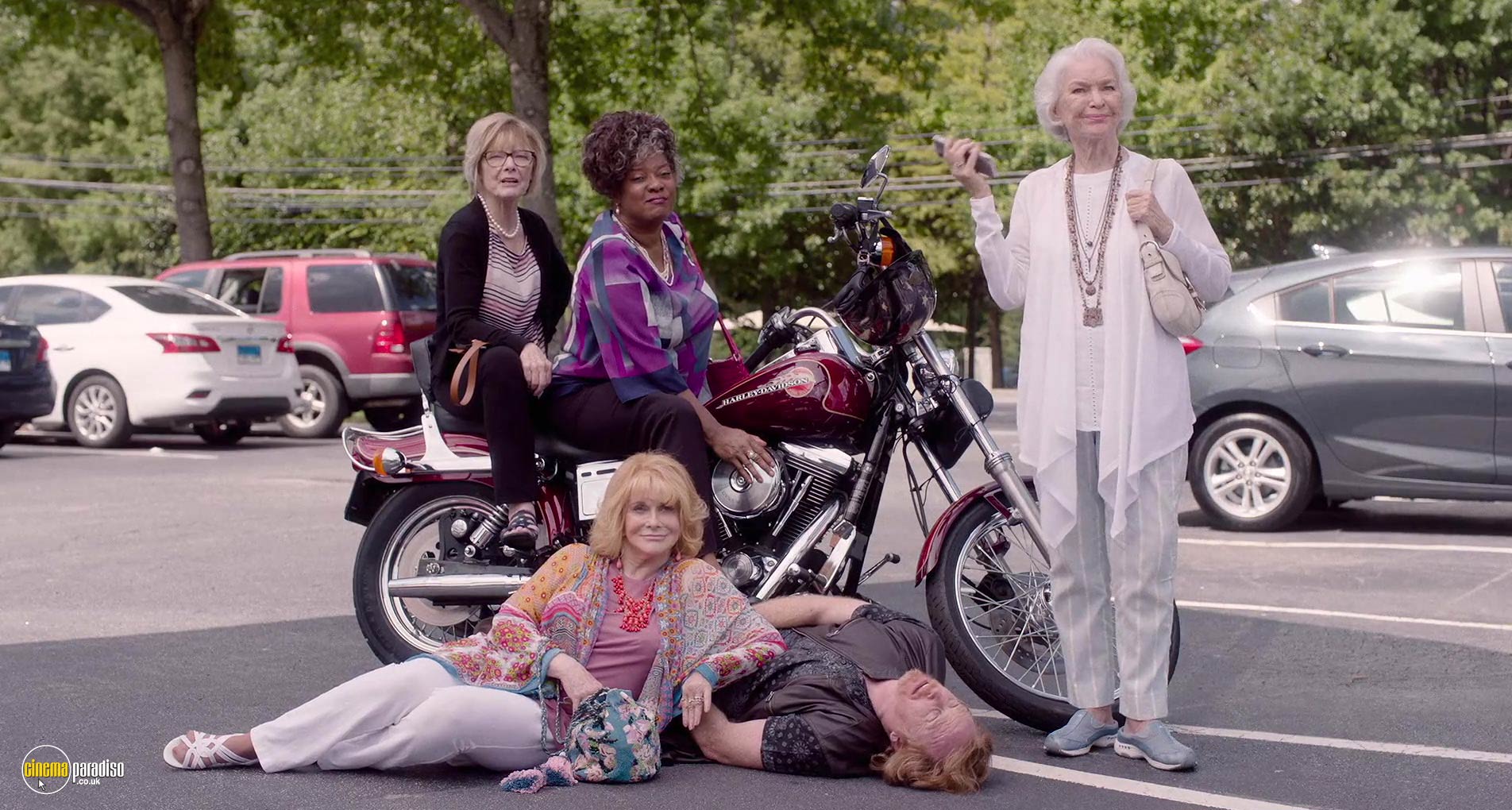
On archive duty again in Thom Zimny's Elvis Presley: The Searcher, Ann-Margret played Barbara in Dan Israelyo and Emilio Roso's Papa, which follows a wealthy man tracking down his biological parents, and Diane in two episodes of the Chuck Lorre comedy, The Kominsky Method (all 2018), which starred Michael Douglas and Alan Arkin, She did two more episodes as Bebe DeBarge in Happy! (2019) before playing Margot Clark in Michael Lembeck's Queen Bees (2021), an ensemble comedy set at the Pine Grove retirement community that also stars Ellen Burstyn. James Caan. Christopher Lloyd, Jane Curtin, and Loretta Devine. This is her last feature to date, while she's not been on television since essaying Grandma Margret in A Holiday Spectacular (2022).
But she has recorded another album, Born to Be Wild, and ended 2023 by being the guest narrator of Disney's Candlelight Processional at Walt Disney World. Moreover, she is working with the producers of a biopic to ensure that they get their facts right and she is very excited by the prospect of being played by Lindsay Lohan and we can hardly wait. In the meantime, Happy Birthday, Ann-Margret, and best wishes for many more.
Essential films