To mark America's sestercentenary, Cinema Paradiso reflects on a British-made account of the War of Independence that caused quite a stir on either side of the Atlantic when it was released 40 years ago.
To many, Hugh Hudson's Revolution (1985) is the British equivalent of Michael Cimino's Heaven's Gate (1980). Each film sought to revise American history by stripping away the mythology and patriotic nostalgia to present a grittily authentic picture of what actually happened respectively during the war against the Crown and on the plains of 19th-century Wyoming. However, the critics took so fiercely against the films that audiences stayed away and the resulting desultory box-office returns did for the companies sponsoring them.
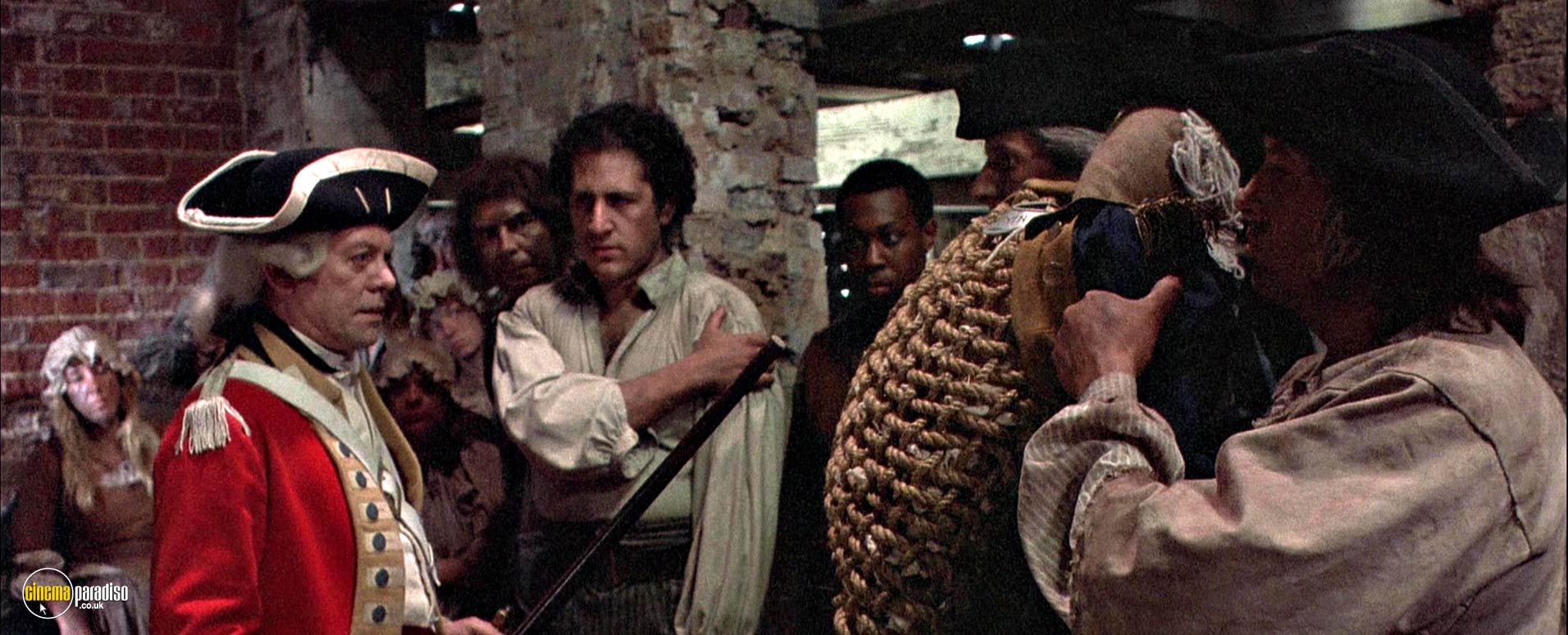
Partially filmed in Oxford, Cimino's epic has been re-evaluated after the release of two landmark tomes, Steven Bach's Final Cut: Art, Money, and Ego in the Making of Heaven's Gate and Charles Elton's Cimino: The Deer Hunter, Heaven's Gate, and the Price of a Vision. No one has yet devoted a book to the making of Revolution, its calamitious reception, and the attempts made by Hugh Hudson and Al Pacino to right the wrongs in Revolution Revisited (2009). As the United States of America marks the 250th anniversary of the issuing of the Declaration of Independence on 4 July 1776, Cinema Paradiso seeks to plug the gap.
The British Are Coming!
Producer Irwin Winkler is 95. He made his debut shepherding Elvis Presley through Double Trouble (1967), but went on to produce a series of Oscar-nominated classics, Sydney Pollack's They Shoot Horses, Don't They? (1969), Martin Scorsese's Raging Bull (1980), and Philip Kaufman's The Right Stuff (1983). In 1976, he rode the spirit of the USA's 200th birthday by turning John G. Avildsen's Rocky into a movie metaphor for the American Dream. But it was to be the war that earned the 13 colonies their independence from Great Britain that would earn Winkler a rare blot on his career copybook.
According to some sources, Winkler sat up in bed one night troubled by the fact that nobody had made a decent film about the ordinary Americans who had fought for liberty between 1776-83. As he pondered the project, he came across the story of a Vietnamese man who had joined up after his son had been abducted into the Viet Cong army after they had gone to a neighbouring village to sell their wares. Convinced that this would make a powerful narrative if relocated to 18th-century New York, Winkler took the outline to Warner Bros, who agreed to finance a screenplay by Robert Dillon. His plot bore a resemblance to Andrew V. McLaglen's Civil War saga, Shenandoah (1965), and the Warner front office was insufficiently impressed.

Winkler believed in the idea, however, and bought the scenario and started seeking new partners, with Hugh Hudson being attached to direct after his Oscar-winning success with Chariots of Fire (1981) and a laudably sober reworking of Edgar Rice Burroughs in Greystoke: The Legend of Tarzan, Lord of the Apes (1984). The combination of script and director appealed to Jake Eberts and Sandy Lieberson of Goldcrest Films, which had been founded in 1977. Based in London, Goldcrest had been on a roll since Chariots had taken Hollywood by storm. At the Academy Awards, screenwriter Colin Welland had proclaimed, 'The British are coming!', and the success of Richard Attenborough's Gandhi (1982), Bill Forsyth's Local Hero (1983), and Roland Joffé's The Killing Fields (1984) seemed to bolster his contention.
Goldcrest was still a small player on the Hollywood scene, however, and asked Winkler to set up a co-production deal with an American studio. In spite of its initial doubts, Warners came aboard, although it had reservations about Hudson's notion that the film could be made as a silent, like D.W. Griffith's 1924 epic, America, which had focussed on an ordinary family becoming caught up in the Revolutionary War.
Winkler's preference was to shoot in the United States, as it didn't feel right to make a picture about the War of Independence in the old colonial backyard. But Goldcrest convinced him that it would be cheaper to work in the UK, where there was a plentiful supply of period costumes and weaponry. In his 2019 memoir, A Life in Movies: Stories From 50 Years in Hollywood, Winkler recalled, 'They convinced me that England had lot of hamlets, wide-open areas and houses that hadn't been changed in 200 years.' He continued, 'Oh, and by the way, a group of dentists in Norway were putting up some of the financing, so we'd have to shoot one or two scenes there. So now we were going to see the Americans defeat the British with British money, a British director, British crew, British locations, and throw in Norway too! I should have run back to the safe shores of New York right then.'
It Ain't My Fight
An opening screed reveals, 'It is 1776, and the world is ruled by two nations - France and England. A state of open hostility has existed for more than 80 years between the two super powers as both strive for world domination. America is the prize possession of England's empire and the most important emergent nation of the 18th century. A declaration of independence from English rule has just been made. The American people are divided; a quarter remain loyal to King George, but England has landed a vast armada on Long Island to crush the rebels. Our story begins on 4th July. 30,000 redcoats are ready to march on New York and a people's army is gathering to oppose them.'
As the rebellious citizens of New York haul down an equestrian statue of George III and hurl it into the Hudson River, fur trapper Tom Dobb (Al Pacino) and his young son, Ned (Sid Owen), dock in the harbour. Defying her mother (Joan Plowright), merchant's daughter Daisy McConnahay (Nastassja Kinski) jumps out of the family carriage to join the throng at the quayside. Standing beside a red-haired woman calling for liberty (Annie Lennox), Daisy browbeats Dobb into surrendering his boat for the revolutionary cause. Wanting nothing to do with the uprising, Dobb tries to resist. But his craft and cargo are commandeered and he is given a compensatory note to redeem on Wall Street.
Leaving Ned outside, Dobb hears Corty (John Wells) declare in a thick Irish accent that the promisory notes will only be valid after victory has been secured, as all available money is needed for the war effort. Unimpressed at being made to wait for his remuneration and a tract of land, Dobb leaves to find Ned missing. He had been attracted by the drums of the marching soldiers and, having realised that they had no funds, he had signed up for the Continental Army for the sum of five shillings. Exasperated by his son's folly, Dobb tries to return the coins and asks the recruiting sergeant (Steven Berkoff) to release the boy for being underage. Jones refuses, however, and Dobb is left with no option but to enlist himself in order to keep an eye on the boy.
As they sail out of New York, Dobb sees Daisy on the dock. He is surprised to see her again in a rapeseed field after the Battle of Brooklyn Heights on 27 August. She had volunteered to assist at a field hospital and had found the wounded Dobb while distributing food to the troops. As he describes the chaos of the encounter, Daisy tends to his injuries and commends Ned on his courage. However, the meeting is fleeting, as mounted officers drive the conscripts back into line, leaving Daisy to return to the city to ask her father (Dave King) to send barrels of dried fish to feed the heroes. As he is only interested in profit and seeks to protect his interests by waiting to see who prevails in the conflict, McConnahay only donates a fraction of what his daughter had requested.
Returning to the battlefield, the Dobbs witness the ruthlessness of the redcoated Sergeant Major Peasy (Donald Sutherland), a Yorkshireman who relishes finishing off the fallen Americans with a half-pike. Fleeing from the retreat, Dobb and Ned return to New York to seek employment. They run into Daisy, however, who denounces Dobb as a coward for running away and, amidst the furore on the street, he is arrested by the British. With her mother despairing of her antics, Daisy is persuaded to dress up to greet Lord Hampton (Richard O'Brien) when he is billeted on their home. Offended by his crude advances, Daisy stabs Hampton and answers her mother's demand that the chooses between her family and the cause by stalking out of the house in the middle of the night.
As punishment for being a rebel, Dobb is forced to drag an effigy of George Washington through the countryside so that the British officers can exercise their dogs and horses. His fellow prisoner is mauled to death, but Dobb manages to escape and goes in search of Ned. He has palled up with Merle (Eric Milota) and a gang of street kids. But he comes to the attention of Peasy, who attempts to force him into joining the British army. When he refuses, the boy has the soles of his feet whipped and is tied up outside until he changes his mind. Learning of Ned's plight, Dobb infiltrates the camp and rescues the boy and Merle. He also kills the Iroquois scouts that Peasy had dispatched to recapture them and they are sheltered by Ongwata (Graham Greene) in a Huron encampment.
While recovering over six months, Dobb realises that he now has a cause to fight for and he and Ned re-enlist in the Continental Army. They are pardoned for having deserted and see plenty of action before running into Daisy again at Valley Forge. Ned (Dexter Fletcher) has befriended Bella (Rebecca Calder), the daughter of the fort's gunner, Israel David (Harry Ditson). Romance is also in the air for Dobb and Daisy, who dream of living in peace and freedom and sailing away into bliss. But Daisy is determined to do her duty and she leaves with a wagon train of wounded volunteers. A few days later, Dobb learns that the convoy had been attacked by Loyalists and he fears that Daisy has perished in the flames. Nevertheless, he is happy for Ned when he marries Bella before they return to the fight.
Three years pass and father and son have survived to tackle the depleted British at Yorktown in 1883. In the heat of battle, they come across a wounded Peasy. But Dobb decides against putting him out of his misery, as he wants him to spend the rest of his life enduring the humiliation of defeat. With victory assured, the pair return to New York, where Dobb discovers that he will not receive either compensation or land for his efforts, as the new United States government needs the money to establish the nation. Urging Ned to take the pregnant Bella and find somewhere to farm upriver, Dobb pushes through the crowds, as he weighs up his options. Quite by chance, he finds Daisy chatting with some children. Overjoyed that she has survived the wagon train attack, he holds her close.
A Norfolk Nightmare
In his autobiography, Irwin Winkler revealed that the CAA talent agency had proposed Michael Douglas and Robert Duvall for the role of Tom Dobb. He has also claimed that Sylvester Stallone was desperate to play a very different kind of all-American hero, while other sources have placed Harrison Ford, Richard Gere, Dustin Hoffman, and Sam Shepard in the frame. But once Winkler and Hugh Hudson learned that Al Pacino was interested, they knew they had their man, with the producer being particularly keen having gotten along so well with the actor on Arthur Hiller's Author! Author! (1982).
The rest of the cast fell into place relatively easily, with Pacino being the only American in a major role. Canadian Donald Sutherland and German Nastassja Kinski took the other principal parts, while Joan Plowright led a British contingent that also included Felicity Dean, Kate Hardie, Jesse Birdsall, and Robbie Coltrane in minor roles. See if you can spot them when you order the film from Cinema Paradiso.
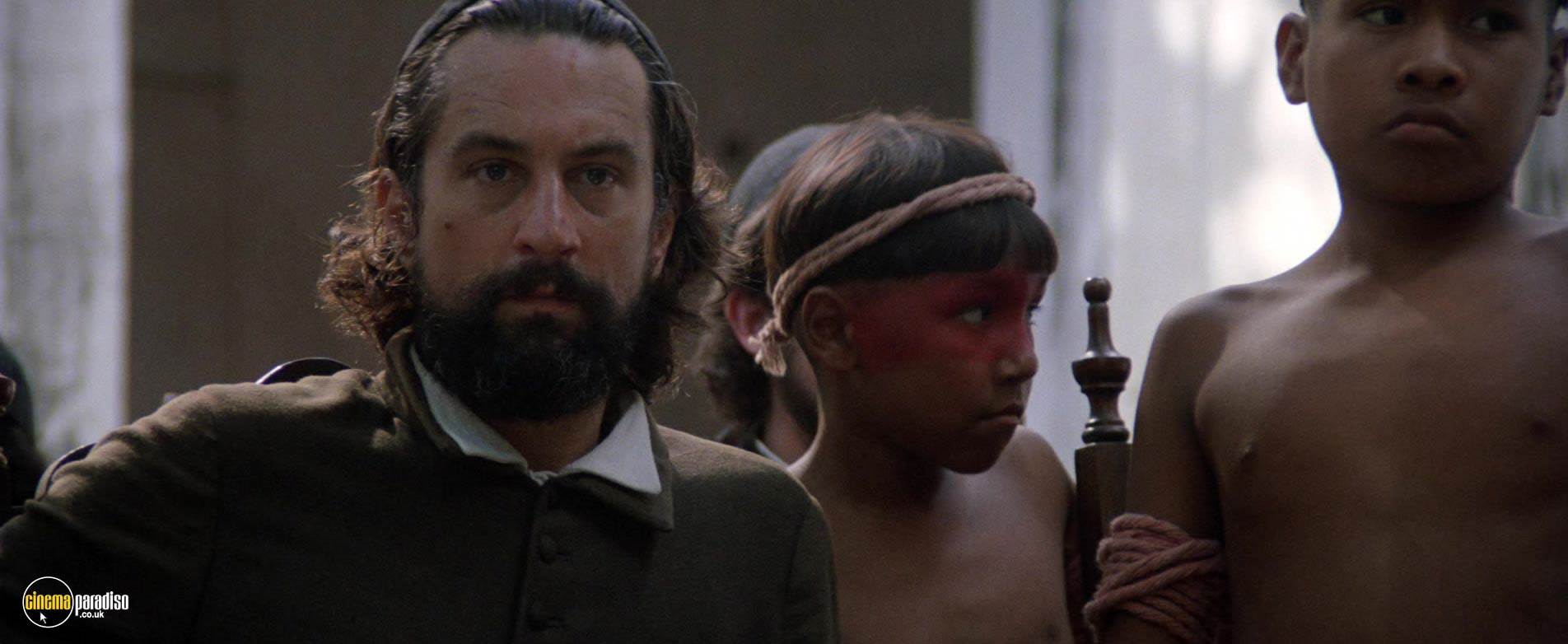
The press was full of stories about Hudson continuing his bid to become the new David Lean, while articles enthused about Goldcrest being the coming force, as they pressed on with Julien Temple's Absolute Beginners and Roland Joffé's The Mission (both 1986) at the same time as sponsoring Revolution. With both Channel Four and the BBC investing in features and Ismail Merchant and James Ivory making heritage pictures that won prizes and audience approval around the world, it seemed as though British cinema was on an upswing after the troughs of the 1970s.
Goldcrest had $53 million invested in its three features, with half of that being assigned to Revolution, which started shooting in February 1985 in the old maritime quarter of King's Lynn in Norfolk. Production designer Assheton Gorton did a wonderful job redressing the buildings to create 1770s New York. He also had a wooden fort constructed at Challaborough Bay in Devon, which also hosted the major battle sequences on the adaptable expanses of Dartmoor. Ex-service personnel provided the extras, many of whom travelled from Plymouth. Dozens also signed up to play New Yorkers in King's Lynn, although some also found themselves at the Army's Stanford Training Area at West Tofts near Thetford. The exterior of Melton Constable Hall and its grounds can also be seen in the film, as can the Dean's Meadow and Cherry Hill Park areas of Ely in Cambridgeshire, which stood in for Philadelphia in the scenes in which Sergeant Major Peasy oversees the funeral of the fallen drummer boy.
Considering the picturesque nature of the settings, it should have been a fun shoot. But it was anything but, as Hugh Hudson recalled in 2009: 'We'd started filming in February but it remained below freezing for four weeks during build and prep, and then when the thaw arrived, it didn't stop raining for six weeks. It was like the Somme.'
The mud made it difficult for the crew to move the cannons used in the battle sequences, while the incessant rain meant that drying out breaks had to be incorporated into the daily schedule. Further delays were caused when Al Pacino's cold developed into pneumonia. Hudson recognised the sacrifices his star was making. 'Pacino was sick for the first half of the shoot,' he told The Guardian, 'and I felt bad about that. I wanted the film to be wet and muddy, to show how tough it was for the soldiers, how squalid a beginning America had. But Al was a supportive man who shared my vision. We knew we were trying something unusual - long takes, hand-held camera work and having an anti-hero. We were filming in an age of American triumphalism, cinema was full of action heroes but Pacino could see it was a great part and I loved the idea of this street rat who was cowardly yet tough, and I think it's some of the most moving acting he's ever done.'
Despite the shaky start, Hudson never regretted his decision to film in Norfolk. 'King's Lynn was the best place in the world to film it,' he insisted. 'I'd scouted locations in America and only Williamsburg was suitable, but it's too much of a museum piece. King's Lynn had the right main street and light, so we combined shooting there with trips to Dartmoor for the battlegrounds. The escape through the forest and waterfalls was shot in Norway, because we got some money from Norwegian dentists who were investing in film. Never was the expression "like pulling teeth" more apt.'
Irwin Winkler was less convinced, as he subsisted on Harrod's food hampers, which his driver used to bring back on a daily basis after dropping the exposed film at a laboratory in London. He grumbled in his memoir: 'In King's Lynn, there were no good restaurants, bars, or first-class hotels to escape to at the end of a long day.' He continued: 'Usually on a location like this there is quite a lot of flirting and some passionate love affairs and some drunken fights. We had the heavy drinking and a couple of fights but not much love.'
Despite the paparazzi pursuing Pacino and Kinski for evidence of a fling, she kept flitting off to Paris to see her new Egyptian film-maker husband, Ibrahim Moussa. On one occasion, she reported back two days late, but ill-discipline on the set was rife. Production staff discovered that extras were clocking in to ensure they would be paid before bunking off to avoid hanging around in the cold. Some even took the bus home and reported back at the end of the day. On one occasion, some extras were caught in period uniforms in an amusement arcade, while a disgruntled group walked off the set in protest at the conditions. With the unit paying £20 a day and providing a hot meal, there was no problem recruiting replacements. But the need to corral them proved a distraction to Hudson, who also conducted lengthy consulations with cinematographer Bernard Lutic on how to light the scenery and the costumes to give the imagery an authentic period feel. This meant that Hudson had little time to work with his actors, with Method devotee Pacino being particularly frustrated when his requests to discuss Dobb's motivation for a scene were fell on deaf ears.
Although Winkler had been promised costumes for hundreds, he felt cheated by the costs racked up by the wardrobe department, which had based itself in Bishop's Lynn House in the Tuesday Market Place, where an entire floor was required to store and maintain the British and American military uniforms, as well as the civilian apparel. With the rain and mud making life impossible, the laundry was kept busy to ensure outfits were washed and ready each morning. Those required to don redcoats and process through New York were put through their paces at the King's Lynn cattle market at Hardwick Narrows, where the extras were trained to march in formation. They were also taught how to hold their muskets and were kept from stepping out of line by retired military policeman, Ivor King. However, he couldn't prevent someone sabotaging the set, while 20 extras were fired for being drunk.

The last scene was dedicated to 62 year-old war veteran Frank Alexander, who collapsed in the wardroble department and died despite efforts to revive him. Spirits were low, therefore, when the cast and crew decamped to Devon. Director Alan Parker visited the set for his fabled documentary, A Turnip Head's Guide to the British Film Industry (1986). While he was there, a £250,000 camera crane slipped down a hill during a night of heavy rain and had to be fished out of a river. To make matters worse, chemicals seeped into the water and Parker observed that the accident served as an ill omen for the film's critical and commerical fate. A £20,000 production marquee also caught fire during the shoot. Like Parker and Hudson, photographer Don McCullin had worked in advertising and Hudson invited his old friend from Collett Dickenson Pearce to capture some still images on the set. But he didn't consider it an enjoyable experience. Annie Lennox of Eurythmics also hated her time on the film and her misery was compounded when the song performed by Liberty Woman towards the end of the film was dubbed by an unknown singer. She only returned for Basements (1987), Robert Altman's take on Harold Pinter's The Dumb Waiter, and Derek Jarman's Edward II (1991).
Redcoats and Red Faces
Hoping it had another Chariots of Fire or Gandhi on its hands, Goldcrest announced that Revolution would hit American cinemas on Christmas Day. This was the last possible date that could qualify the film for the Academy Awards. But Goldcrest had another reason for wanting to rush the release, as it had over-stretched itself by bankrolling three expensive productions at once and it needed a quick return in order to balance the books.
The announcement took Irwin Winkler and Hugh Hudson by surprise, as they were beavering away in a Soho editing suite. Faced with picking their way through the rushes, the pair knew they were nowhere near creating the film they had envisaged. Even the rough print left Hudson feeling frustrated. He told The Guardian, 'I'd taken it to my friend Lindsay Anderson, who said it needed a voice-over narration, but we didn't have time.'
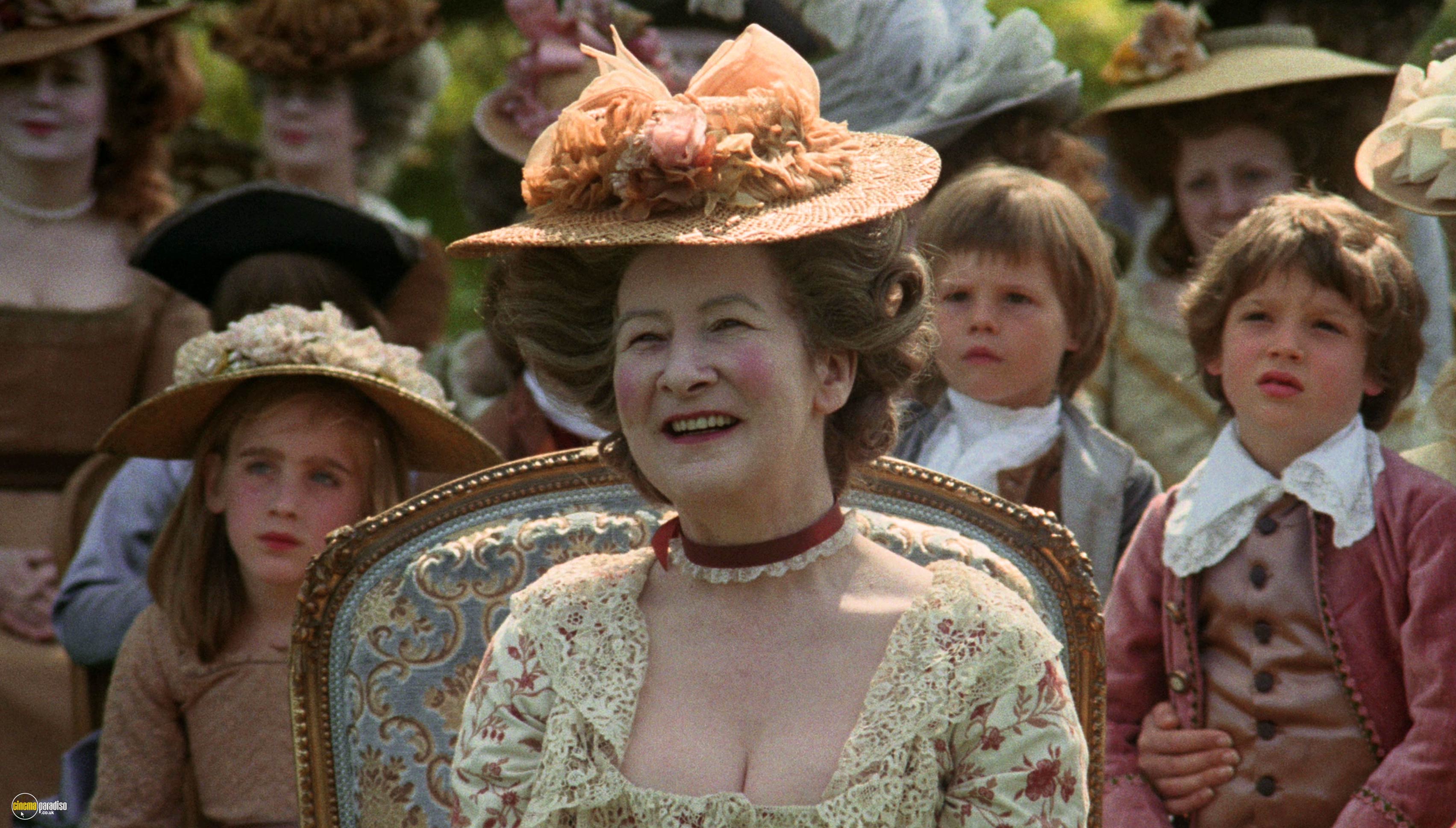
Warners and Goldcrest were clearly expecting something akin to Stanley Kubrick's Barry Lyndon (1975). But Hudson wanted to temper the grand sweep of the historical epic by demonstrating the cruelty and futility of warface, while also noting that there were heroes and villains on both sides of the 1776-83 conflict. In order to emphasise the latter points, he realised that he needed to emulate Kubrick by including off-screen narration. Such was the tightness of the deadline, however, that there simply wasn't time to get Al Pacino into a dubbing studio. A plan to have Ned narrate from old age also failed to materialise.
Hudson also had problems with the score. John Corigliano had composed three principal melodies: a love theme for Dobb and Daisy, an evocation of childhood, and a lament for the brutality and waste of war. Flautist James Galway had been hired to combine flute and tin whistle in the second theme to suggest the innocence of youth. But Corigliano was unhappy with the mixing of the recording and the way in which it was used in the final edit. To add insult to injury, RCA Records cancelled the soundtrack album after the critics returned their verdict. Indeed, he was so disenchanted with composing for the screen that he focussed exclusively on concert pieces for the next 14 years, until he returned to score François Girard's The Red Violin (1999). It was long presumed that the master tapes had been lost, but they came to light in 2007 and the score was issued on CD, two years later.
It's safe to say that the reviews were savage, with the American critics being particularly vituperative. The famously irascible Vincent Canby of The New York Times dubbed it 'a mess, but one that's so giddily misguided that it's sometimes a good deal of fun for all of the wrong reasons. Characters who have met briefly early in the film later stage hugely emotional, tearful reconciliations.' Pauline Kael wrote in The New Yorker that 'everything in this picture, which goes from the beginning of the American War of Independence in 1776 to the end of combat in 1783, seems dissociated. The director, Hugh Hudson, plunges us into gritty, muddy re-stagings of famous campaigns, but we don't find out what's going on in these campaigns, or what their importance is in the course of the war...Hudson and the scriptwriter, Robert Dillon, present the war as a primal Oedipal revolt of the Colonies against the parent country, and the relationships of the characters are designed in Oedipal pairs; Hudson also stages torture orgies to indicate how sadistic the redcoats are, and scenes are devised to set up echoes of the Rocky series and Rambo. This is a certifiably loony picture; it's so bad it puts you in a state of shock.'
In Britain, Time Out's Tony Rayns called Revolution 'an almost inconceivable disaster which tries for a worm's eye view of the American Revolution...maybe the original script had a shape and a grasp of events. If so, it has gone. There has clearly been drastic cutting, and nothing is left but a cortège of fragments and mismatched cuts. It's also the first 70 mm movie that looks as if it was shot hand-held on 16 mm and blown up for the big screen. Director? I didn't catch the credit. Was there one?'
Variety declared, 'Watching Revolution is a little like visiting a museum - it looks good without really being alive. The film doesn't tell a story so much as it uses characters to illustrate what the American Revolution has come to mean.' But the reviewer did concede that while the central story 'is full of holes, the larger canvas is staged beautifully and realised, due in good part to Assheton Gorton's production design'. Pam Cook also found things to admire in The Monthly Film Bulletin, as she lauded Hudson for adopting a poetic approach rather than a reportagistic one to the chaos of war and how it sweeps people along. She saw similarities with the silent pictures of D.W. Griffith and Sergei Eisenstein in the way the action focussed on the individual within the collective and felt it took risks in a way that was closer in spirit to Michael Powell and Emeric Pressburger than David Lean.
Cook also commended the way in which Dobb realises that he is fighting less to expel the British than to ensure that his son can live in peace on his own terms. She also declared that Peasy was anything but a barbaric villain, as he was trapped in the class system of his homeland that coerced him to fight for his superiors, even though victory would not benefit him one jot. According to Cook, Peasy had more in common with the rebels and this even-handed approach was rare in war films, as directors inevitably took sides.
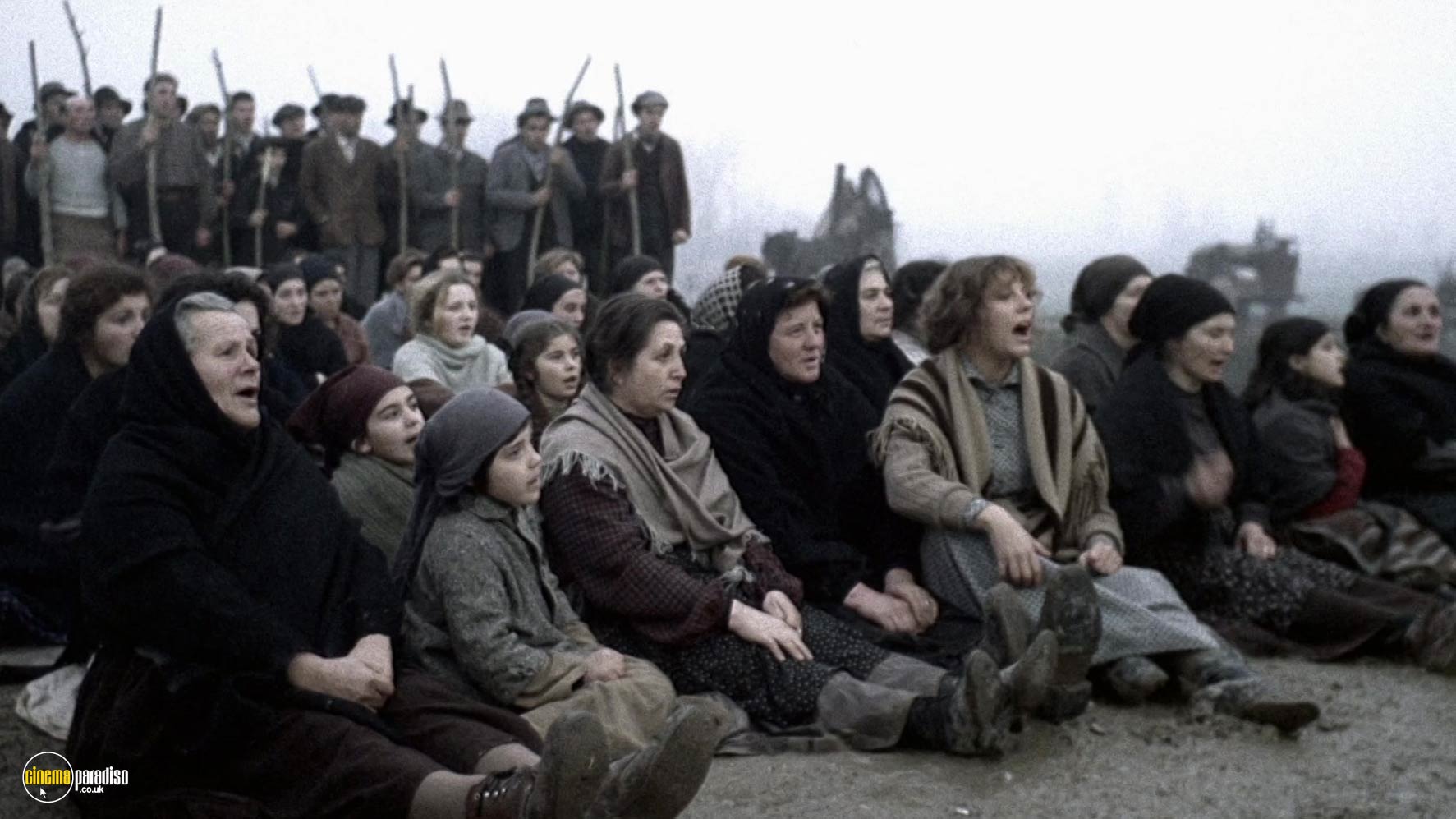
Sutherland's accent was variously claimed to have derived from Northern Ireland, the West Country, and Yorkshire, with his torturing of Ned's bare soles earning comparisons with the cruelty he had meted out as Attila in Bernardo Bertolucci's 1900 (1976). Nastassja Kinski's accent was also unfavourably compared to that of Joan Plowright playing her mother. Several critics also complained that the lack of backstory make's Daisy's avowal of the cause seem capricious rather than committed, while others mocked the fact that she had a habit of turning up whenever there was a lull in the fighting and Pacino had nothing better to do than moon over her.
The real vitriol, however, was reserved for Pacino and Hudson. Despite his assertion that he had put in extensive research to find Dobb's accent, Pacino was lambasted for his anachronistic Bronx brogue and for lurching through scenes like a zombie. He was nominated for Worst Actor at the 6th Golden Raspberry Awards, only to be pipped by Sylvester Stallone for his combined efforts in Rocky IV and Rambo: First Blood II. The later saved Revolution from the ignominy of being named Worst Picture, while Stallone spared Hudson's blushes with Rocky IV, which also left John Corigliano indebted to Vince DiCola in the Worst Score stakes. There was nowhere to hide at the Hastings Bad Cinema Society's 8th Stinkers Bad Movie Awards, however, as Revolution was named Worst Picture.
As a result of such withering condemnation, Pacino had nothing to do with cinema for the next four years, concentrating solely on the stage prior to his return in Harold Becker's Sea of Love (1989). As he later remarked, 'Revolution was one of those things that happen in a career, where you learn so much from it because it was such a disorienting experience. I expected they would have worked on that film, but they just let it go. They put half a film out. I was appalled and shocked by that. I didn't know what to do. It was that single film that took the rug out from under me. I lost interest for a while.'
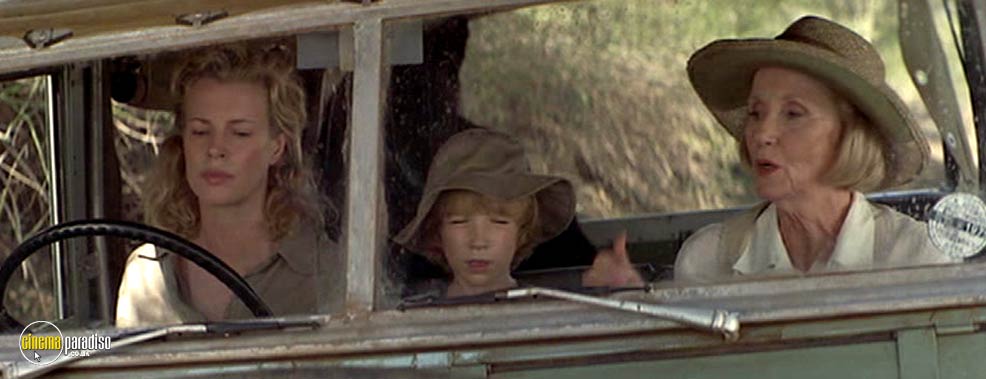
In all, Revolution had cost $28 million to make. But its US gross of $346,761 rendered it one of the biggest flops in screen history. Goldcrest lost £9.6 million on its £15.6 million investment and the company took quite some time to recover. Hugh Hudson's own career stalled, with I Dreamed of Africa (2000) being the only one of his subsequent titles to be available to rent via Cinema Paradiso. Such was his frustration with the rush-released edit that he sounded out Pacino about producing a new cut that would better reflect their original vision. New linking passages were devised for Pacino to record in his now-growlier voice and Revolution Revisited was presented in 2009. The BFI released this as The Director's Cut in 2012 in a dual edition DVD and Blu-ray that also included the 1985 version for comparison.
Unusually, the revisitation is some 10 minutes shorter, as Hudson removed the scenes in which Daisy visits her father and Ned and Merle discuss Washington's tactics, while Hudson made the ending more ambiguous by simply showing Dobb pushing his way through the New York throng after having bidden farewell to Ned. As Hudson recalled in 2009: 'The scorn heaped on my film was painful but perhaps right - it was incomplete and that has rankled with me and Pacino ever since. It's been like a black sheep in our careers, but you have to pay attention to black sheep as they're often the most interesting ones in the family. So I wrote a whole new voice-over, pages of the stuff, trying to re-enter the head of Pacino's character, and finally, Warner Bros has given us the money to re-record it...I went to New York last year and sat with Pacino for five days as we laid down this new track. It's his current voice, much gruffer than his voice in the film. It gives it an air of sadness, the feel of a wiser man looking back. Maybe that's what's so fitting.'
While the director and his star felt vindicated, the critical tide continued to pull against them. Jay Weissberg wrote in Variety, 'Unfortunately, the new cut cannot hide the still problematic casting, much remarked on at the time: Pacino's accent remains unplaceable, while Kinski's vocal patterns are completely different from those of her character's mother (Joan Plowright) and sisters...The British characters, notably those played by Donald Sutherland, Richard O'Brien and Paul Brooke, are all pederasts, twits or both, and the script still strains credulity by having Kinski's character more than once appear at the right place, at the right time. Hudson's refusal to turn the War of Independence into a rousing celebratory affair makes Revolution one of the more interesting films to directly deal with the topic, but even this new version can't hide flaws too embedded in the script to disguise.'
Almost four decades after the debacle, Pacino addressed the film in Sonny Boy: A Memoir (2024). 'I don't know what went wrong with Revolution, after we had done it of course. Sometimes its just the usual culprits. I must admit, I like the director, Hugh Hudson, the British filmmaker who had just won an Oscar for Chariots of Fire. He had quite the persuasive tongue when he talked me into doing the project...Hugh was an artist who did what he wanted to do. He was still in the throes of "I can do anything" euphoria...when they finally put together a rough cut of the film and showed it to me, I said "Hugh, it's just not ready. There is greatness in it, but if it's released like this, it just won't go well." He seemed to understand that some changes were needed and we talked about adding some more voice-over narration, but that's all he was allowed time for. Warner Bros. wanted it out, and they wanted it out December so it could qualify for the Oscars. This film wasn't watchable! Qualify for the Oscars? The studio put together a publicity campaign that was capitalising on my fame at the time. They sold Revolution with my face. When you looked at the posters all you saw was my head with that vacant shell-shock look. I don't know where I got that from! I saw it and I thought, "This is just not the film." Sadly, it was a disaster.'
A Complete Flop?
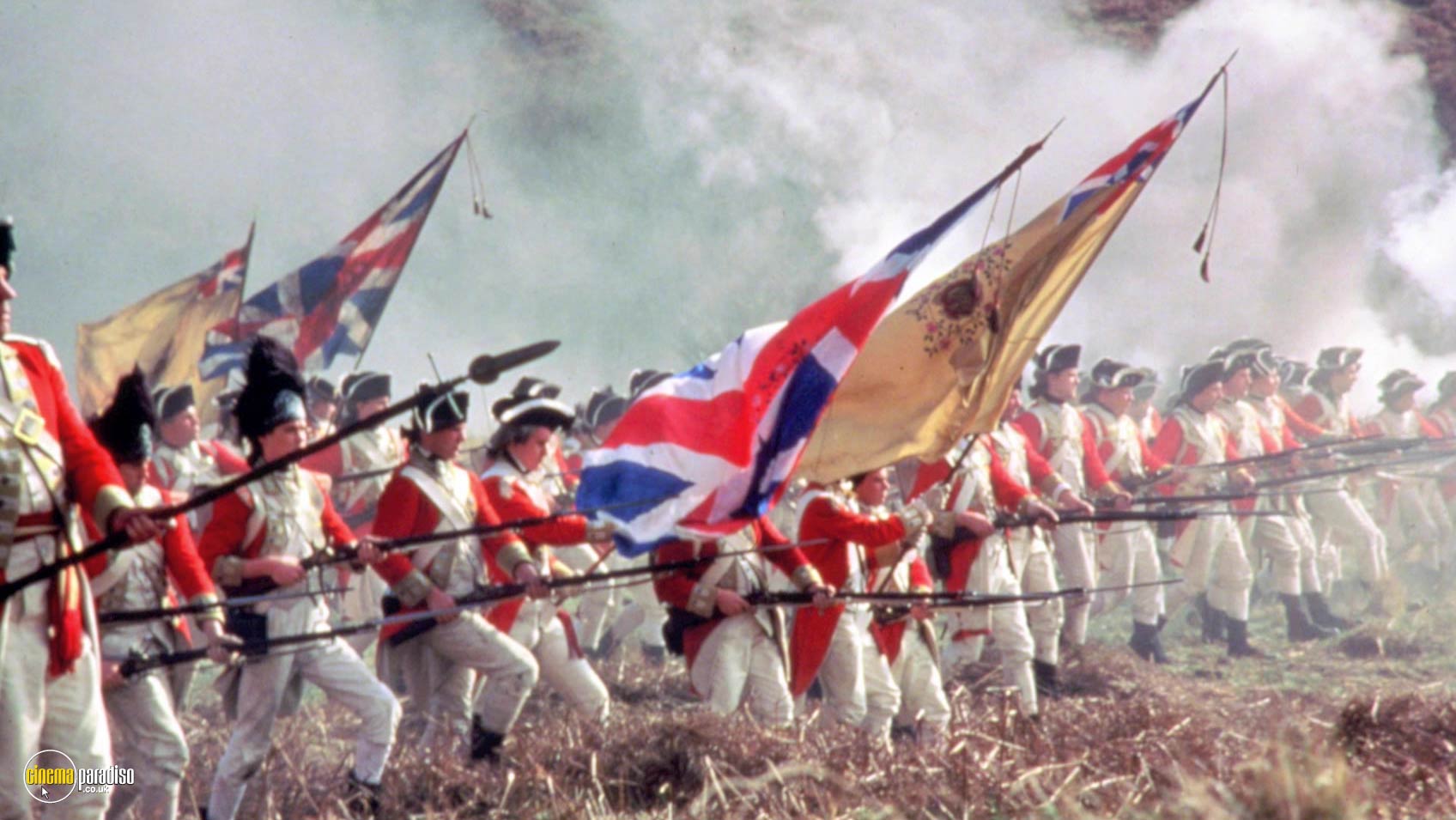
Influenced by Peter Watkins's Culloden (1964), Hugh Hudson had wanted to present a major historical event from the perspective of a foot soldier rather than a commander, an everyman rather than a Founding Father. He also set out to subvert the conventions of the historical epic, notably using handheld cameras with a widescreen format. Similarly, he downplayed the colour and glamour of the costumes by making them shabby and drab. On the battleground, the emphasis was on mud, blood, and guts in order to show conflict in its grim reality and to reflect the experience of those militiaman who had fought without reward, as the promises made to them when they signed up had simply not been kept. For many, therefore, liberty rang hollow, as they were no better off in everyday terms than they had been under the Crown.
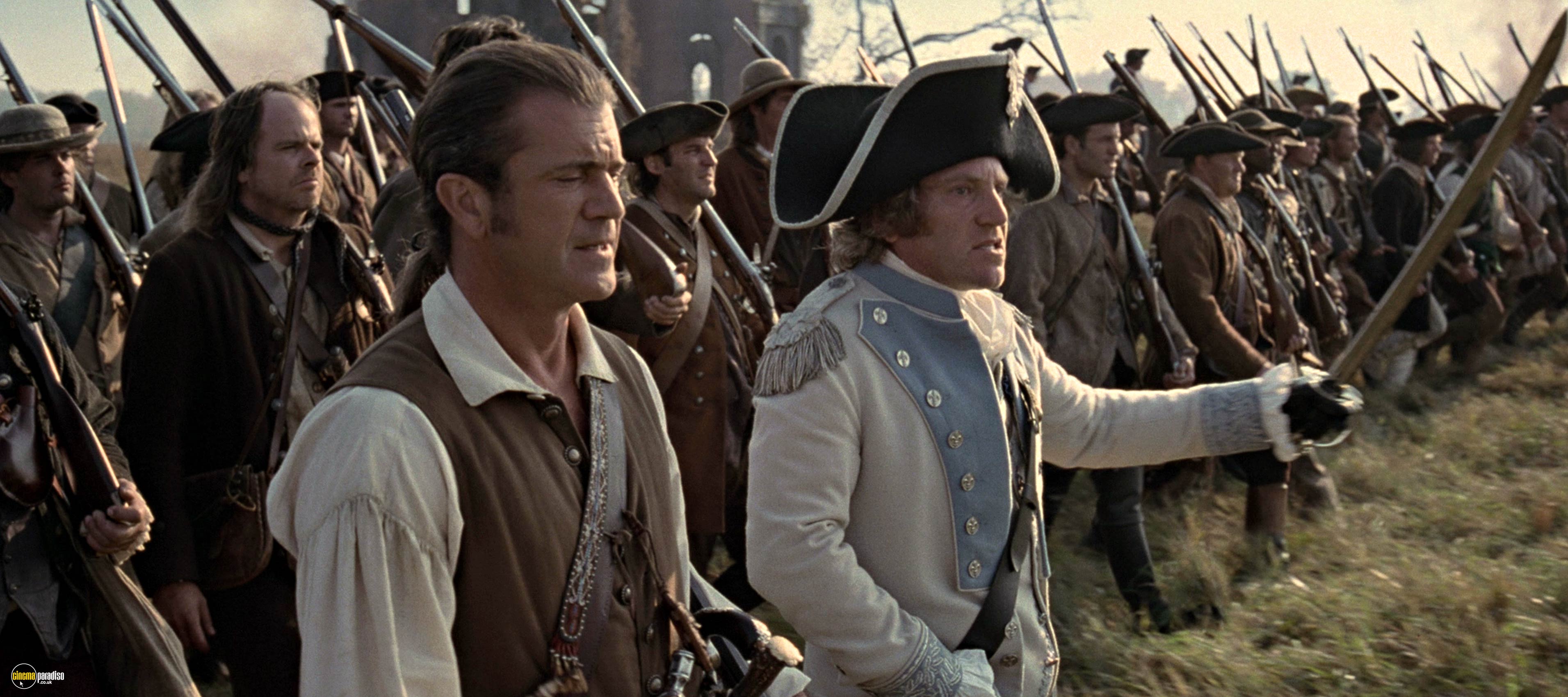
Hudson also avoided a conventional hero in making Tom Dobb a reluctant revolutionary, whose principal aim is not to fight for the 13 colonie but to protect his vulnerable son. Even the customary romantic subplot was toned down, to the point that it was scaled back in the director's cut. These were all bold gambits for a mainstream historical adventure. But they were also risky at a time when American audiences under Ronald Reagan wanted celebrations of national machismo, as in Ted Kotcheff's First Blood (1982), with Sylvester Stallone as the uber-heroic John Rambo. To many in the United States, therefore, it seemed as though the Brits were not only trying to refight the War of Independence, but they were also seeking to devalue the prize. Had Pacino played Dobb like Mel Gibson later essayed Benjamin Martin in Roland Emmerich's The Patriot (2000), there wouldn't have been a problem. But Reaganite America wasn't going to stand for anyone debunking the mythology surrounding the birth of the nation and the listing of British TV stalwart Frank Windsor as George Washington in the closing credits - even though he doesn't actually appear in the film - was the last straw. Consequently, Revolution was reviled, ridiculed, and rejected.
For all the opprobrium, however, Hudson and screenwriter Robert Dillon largely get their facts right and offered some interesting observations on the colonial era and how the war was fought. The toppling of George III's statue actually happened and outraged the Loyalists who actively supported the British occupation. Their continued backing of the monarchy meant that this was as much a civil war as a struggle for independence, as was made clear by the reception afforded the redcoats when they marched through New York after the rebels had been defeated on Long Island. Daisy might shout for liberty on the waterfront, but the rest of the McConnahay clan remain loyal to London, although it's clear from her meeting with her father that he is a slippery character who will back anyone who is good for his business.
It's also notable that the family owns slaves, with Daisy being accompanied by her maid, Cuffy (Cheryl Anne Miller). A liveried Black page boy is also visible during Lord Hampton's visit to the family home. New York was an important slave trading port and it very much reveals Hollywood's attitude to performers of colour in the mid-1980s that there isn't a Black Loyalist leader somewhere in the story. There are some Native American characters, however, with Peasy commanding some Iroquois warriors and the Hurons under Ongwata throwing in their lot with the rebels. While Hudson and Dillon note the divisions within the First American tribes, however, they don't examine them in much depth.
Women certainly played their part in the revolution, with some getting their hands dirtier than Daisy. The obvious example is Mary Hays and Hudson and Dillon reference her by showing a woman taking control of a cannon at Yorktown. However, the early scene of the women leading the protest against Dobb when he refuses to give up his boat are also rooted in fact and compares the role of women on either side of the divide. This aspect also raises the issue of class and the film makes it clear that Dobb is a working man who shuns urban living in order to work in the great outdoors. As a reluctant volunteer, he is fighting for survival not a cause and, thus, he feels no shame in telling Daisy that he ran from the battlefield at Brooklyn Heights because 'It ain't my fight.' He had earlier declared, 'King or Congress is all the same to me!' It was an audacious move by the film-makers to centre the action on a character who isn't conventionally heroic. Similarly, by showing Dobb being betrayed by the victors - 'What happened to the 150 acres that I was promised?' 'It was sold by Congress to speculators to pay for the war debt.' - Hudson and Dillon confirm that the conflict merely replaced one hierarchy with another and that this situation pertains to the present day. Historian Maya Jasanoff claimed that, for many, the American Revolution was less a 'war of ideals' than a 'war of ordeals', as they bore the brunt of the casualties without reaping many of the rewards because that was their lot in society. Revolution may be flawed as a film, but its history and analysis of 1776's enduring legacy are pretty shrewd. Indeed, as America marks the 250th anniversary of its founding, some might reflect on its guiding principles and the fact that liberty still isn't a given in the Land of the Free.
Mentioned films