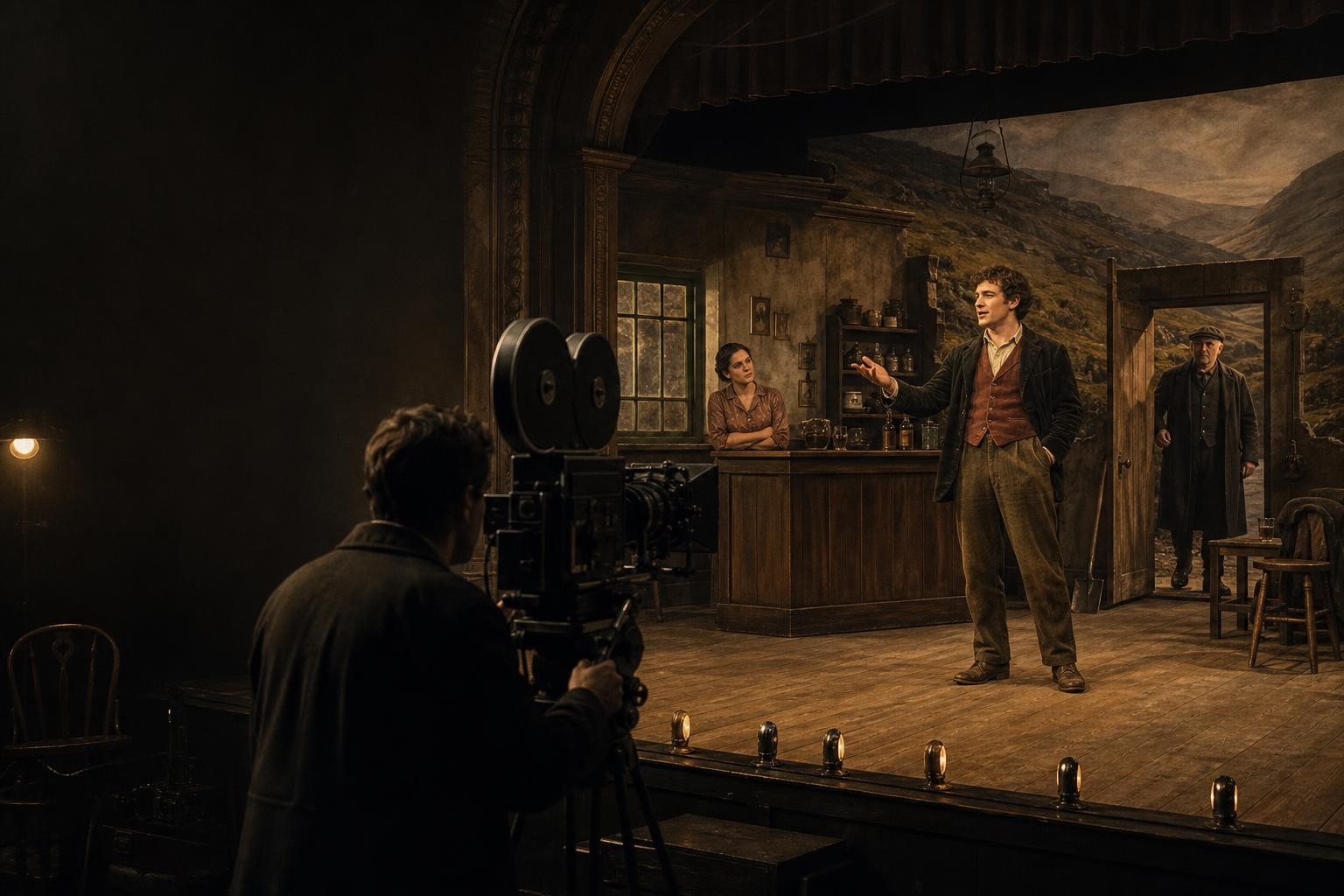
With the National Theatre presenting John Millington Synge's Playboy of the Western World in cinemas from 28 May, Cinema Paradiso presents Part II of an exploration into how Irish plays have been adapted for the screen over the last century.
In the first part of this unique survey of films made from Irish stage plays, we looked at the country's contribution to Restoration comedy and celebrated the achievements of such forgotten figures as Dion Boucicault, and dwelt on the enduring classics written by those twin titans, Oscar Wilde and George Bernard Shaw. Now, we move on to the rise of the Abbey Theatre in Dublin and the global spread of Irish drama.
The Abbey Habit
Born Isabella Augusta Persse at Roxborough in County Galway, Augusta, Lady Gregory (1852-1932) was Ireland's greatest literary hostess and the co-founder of both the Irish Literary Theatre and Dublin's Abbey Theatre, with W.B. Yeats and Edward Martyn. Based at Coole Park, she advocated a brand of cultural nationalism that cleaved to the Aristotelian maxim, 'To think like a wise man, but to express oneself like the common people.' In addition to producing poems, pamphlets, and short stories, Lady Gregory also wrote a book of Irish myths and a number of plays. A segment in John Ford's The Rising of the Moon (1957) was based on her 1907 play about an escaped Irish rebel, while several of her plays were adapted for television, including The Workhouse Ward (1936), Hyacinth Halvey (1938), and Spreading the News (1939). In Jack Cardiff's Young Cassidy (1965), she was played by Dame Edith Evans.
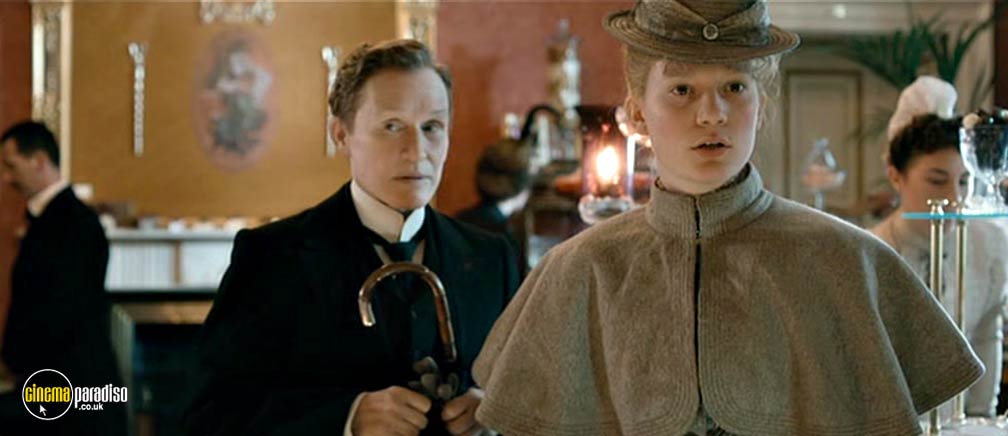
George Moore (1852-1933) was one of Lady Gregory's devotees. His plays included Diarmuid and Grania (1901), which he co-wrote with W.B. Yeats and which boasted incidental music by Edward Elgar. However, he was better known as a novelist, with works like A Modern Lover (1883) being regarded as scandalously racy. Ian Dalrymple and Peter Proud adapted Esther Waters (1948), which starred Kathleen Ryan as an Irish girl sent into service in London who is seduced and abandoned by dashing footman, Dirk Bogarde. Moore further tackled women's rights in Albert Nobbs, which centres on a woman posing as a man in order to work as a butler at the Morrison Hotel under Mrs Baker. Glenn Close won an Obie for the Off-Broadway stage version and she and Janet McAteer earned Oscar, Golden Globe, and Screen Actors Guild nominations for their work in Rodrigo García's splendid 2012 film adaptation.
Nobel laureate William Butler Yeats (1865-1939) will always be best known to most for his verses. But the co-founder of the Abbey was also a prolific playwright. His 1906 play, Deirdre, was broadcast on television in 1938 and 1965 (the latter version featuring Cyril Cusack, T.P. McKenna, and Fionnula Flanagan), while The Land of Heart's Desire was shown in 1948. Tyrone Guthrie filmed Yeats's stage interpretation of Sophocles's Oedipus Rex (1957), with the messenger being played by Douglas Rain, who would go on to voice HAL 9000 in Stanley Kubrick's 2001: A Space Odyssey (1968). Mary McGuckian made her directorial debut with Words Upon the Window Pane (1994), which had been adapted for television in 1938 and 1946. It features Jim Sheridan as the spirit of Jonathan Swift, whose lovers, Vanessa (Orla Brady) and Stella (Brid Brennan), appear during séances involving an all-star cast (why is this not better known?). Five years later, actor Patrick Bergin and director wife Paula Fraser-Bergin produced the 'Some Other Place' trilogy that was comprised of The Countess Cathleen, The Cat and the Moon, and Calvary, in which Bergin played Jesus Christ. Michael Redgrave essayed Yeats in Young Cassidy, but Danny Huston was being lined up to play him in The End of Romance in 2015, with Tamsin Greig as Maud Gonne, but this has yet to materialise.
Hailing from Rathfarnham in County Dublin, John Millington Synge (1871-1909) was another Abbey insider. He caused street protests with his 1907 play, The Playboy of the Western World, in which Christy Mahon boasts to the denizens of Flaherty's tavern that he is on the run because he killed his father with a spade. Gary Raymond played the rogue in Brian Desmond Hurst's spirited 1962 film, which co-starred Siobhán McKenna as lovesick barmaid Pegeen and Niall MacGinnis as the tyrant who isn't quite as dead as his son claims him to be. This Irish Revival classic has also been televised in 1946, 1953, twice in 1958, 1964, 1974, 1978 (as The Heart's a Wonder), 1983, 1985, and 1986. A 1994 TV-movie adaptation was entitled Paris or Somewhere. Set in rural Saskatchewan, it starred Callum Keith Rennie as Christy and Molly Parker as Peg, the daughter of a local store owner and bootlegger. Sean Brosnan also put the Synge text in an American setting for My Father Die (2016), while a disc of the 2026 National Theatre Live production is due for release soon.
Synge's fiancée, Maire O'Neill, had guested in Hurst's 1935 short screen version of Riders to the Sea (1904), which starred the indomitable Sara Allgood as a woman who had lost her father, husband, and two sons to the sea. This was televised in 1952 and twice in 1960, while Ronan O'Leary directed a featurette version in 1987, with Geraldine Page as the grieving Maurya. Synge's 1903 play, In the Shadow of the Glen (1903), was popular on television in the postwar period (1948, 1949, 1954, 1959, 1960), but hasn't been seen for almost seven decades. Synge died at the age of 37 in 1909, with his final play, Deirdre of the Sorrows, featuring in a 1956 BBC Omnibus programme on Plays of the Irish Renaissance.
Although it was often translated for teleplays across Europe, Synge's canon demonstrates how writers can go out of fashion with film and TV makers, as there hasn't been a single adaptation this century. Edward John Moreton Drax Plunkett (1878-1957) has not suffered the same fate. Lord Dunsany's play, The Pirates of the Round Pond, aired as The Pirates of Central Park in 2001, while a dramatised reading of Charon appeared in the American TV series, Fantasmagori (2017). Previously, Boris Karloff had fronted the 1949 Suspense episode, 'A Night At an Inn', which drew on Dunsany's Halsted Welles, while Ronald Colman had headlined Robert Florey's 1952 Four Star Playhouse presentation of The Lost Silk Hat.
On the big screen, Dick Powell played a journalist who could see into the future in René Clair's two-time Oscar-nominated comedy, It Happened Tomorrow (1944), which counted Dunsany's 1928 one-act play, The Jest of Hahalaba, among its influences. Subsequently, Digby Ramsey based his shorts Nature and Time (1976), In the Twilight (1978), and The Pledge (1981) on Dunsany stories, with the latter being scored by Michael Nyman. While these are hard to find, however, Cinema Paradiso can bring you New Zealander Toa Fraser's admirable Dean Spanley (2008), which was adapted from the Dunsany novella, My Talks With Dean Spanley, which starred Peter O'Toole as the curmudgeonly Edwardian patriarch who is persuaded to reassess his opinion of younger son Jeremy Northam by the mystical Sam Neill and his supply of Hungarian Tokay wine.
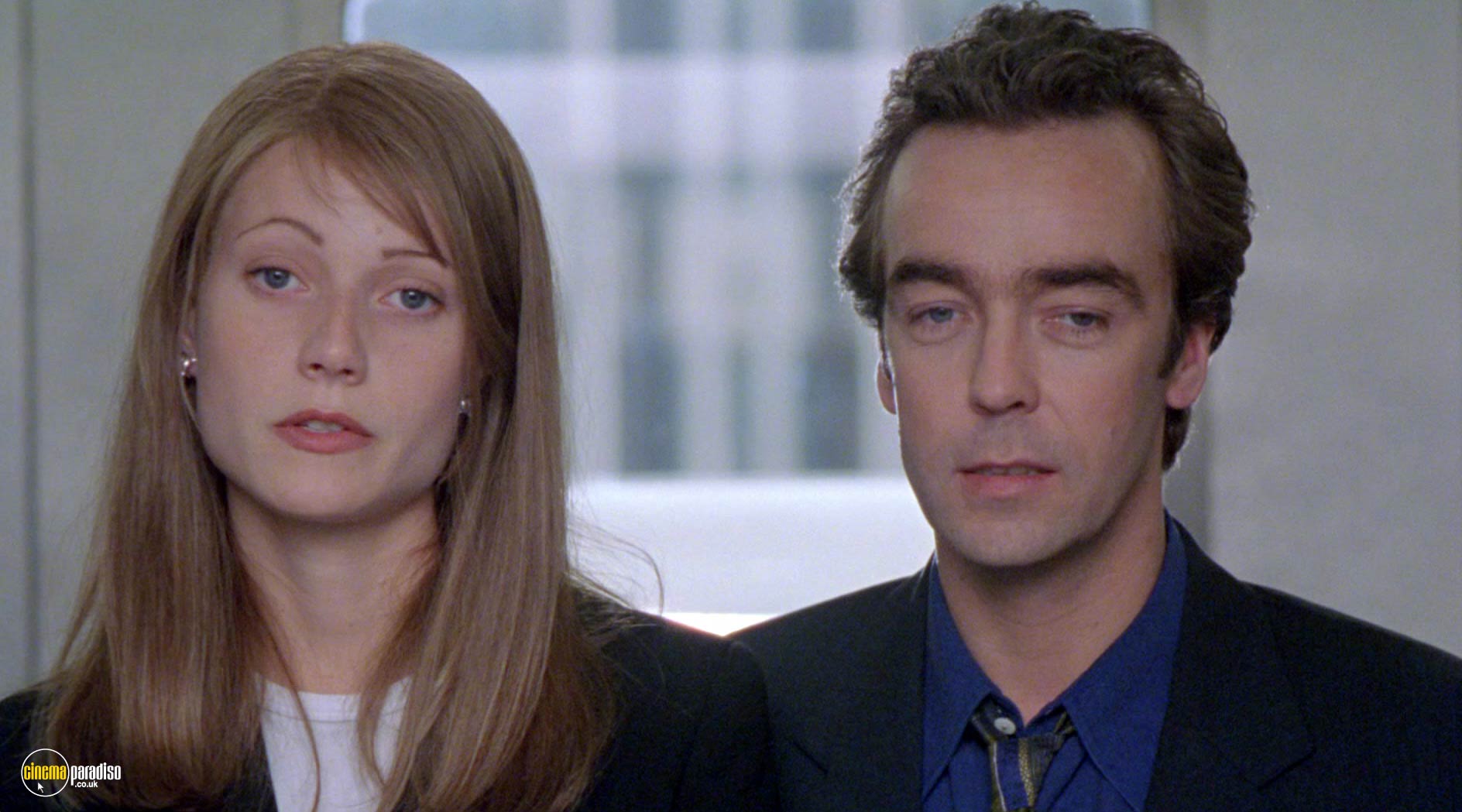
Dunsany's 1924 fantasy, The King of Elfland's Daughter, has often been optioned for the screen, while in the 1960s George Pal acquired the rights to the 1952 sci-fi novel, The Last Revolution. Neither has been filmed to date, however, although Dunsany's 1921 play, If, was a key inspiration for Peter Howitt's Sliding Doors (1998), which stars Gwyneth Paltrow as a London publicist whose life takes different turns, depending on whether or not she catches a Tube train.
We're cheating a bit by including Hamilton Deane (1879-1958), as compatriot Bram Stoker wrote the source of his 1924 play, Dracula. However, the stage version has twice been adapted for the screen since being revised by John C. Baldeston for its 1927 Broadway transfer. Hungarian Bela Lugosi was paid a mere $3500 for his iconic performance in Tod Browning's Dracula (1931) and we're prepared to bet that Frank Langella's fee for John Badham's Dracula (1979) was considerably higher. Dozens of other films have centred on the vampiric count, but Francis Ford Coppola's Bram Stoker's Dracula (1992) is the most faithful adaptation of the 1897 novel.
Connemara playwright Monckton Hoffe (1880-1951) also enjoyed success as a screenwriter, with Gregory La Cava's What Every Woman Knows (1934), E.A. Dupont's The Bishop Misbehaves (1935), and Richard Boleslawski's The Last of Mrs Cheyney (1937). The latter teamed Joan Crawford with William Powell and Robert Montgomery, who played Lord Peter Whimsey in Arthur B. Woods's Hoffe-scripted take on the Dorothy L. Sayers mystery Busman's Honeymoon (aka Haunted Honeymoon, 1940). Hoffe also penned Richard Eichberg and Walter Summers's The Flame of Love (aka The Road to Dishonour, 1930), which is set in Romanov Russia on the eve of the Great War and stars Anna Mae Wong as a Chinese dancing girl who falls for John Longden, an adjutant to lustful Grand Duke Georg H. Schnell.
As for Hoffe's own plays, Lady Cristilinda (1922) inspired both Allan Dwan's Panthea (1917), a lost version starring Norma Talmadge, and Frank Borzage's Street Angel (1928), which earned Janet Gaynor the first Academy Award for Best Actress, along with her work in Borzage's 7th Heaven and F.W. Murnau's Sunrise (both 1927). The Faithful Heart was adapted in 1922 and 1932, while Herbert Wilcox's The Little Damozel (1933) starred Anna Neagle in a lost talkie version (with music by Noël Coward) of a play that had been filmed in 1916. Hoffe also adapted Coward's Bitter Sweet (1933) for Neagle and they got on so well with him that he was cast as Lord Stratford in The Lady With a Lamp (1951) before he co-scripted Wilcox's Neagle-Michael Wilding outing, Derby Day (1952).
Hoffe's story, 'Two Bad Hats', was the model for Preston Sturges's The Lady Eve (1941), a screwball classic in which con artists Barbara Stanwyck and Charles Coburn seek to dupe brewery heir and snake enthusiast Henry Fonda. This was remade by Norman Taurog as The Birds and the Bees (1958), with Mitzi Gaynor, David Niven, and George Gobel, which is currently unavailable. However, Cinema Paradiso users can rent Compton Bennett's Daybreak (1948), which drew on Hoffe's 'Grim Fairy Tale' to show how London barber Eric Portman moonlights as a hangman before marrying Ann Todd after coming into money. Also available is John Guillermin's take on the Hoffe play, Four Days (1951), which centres on businessman Hugh McDermott, who discovers that neglected wife Kathleen Byron is having an affair with employee Peter Reynolds.
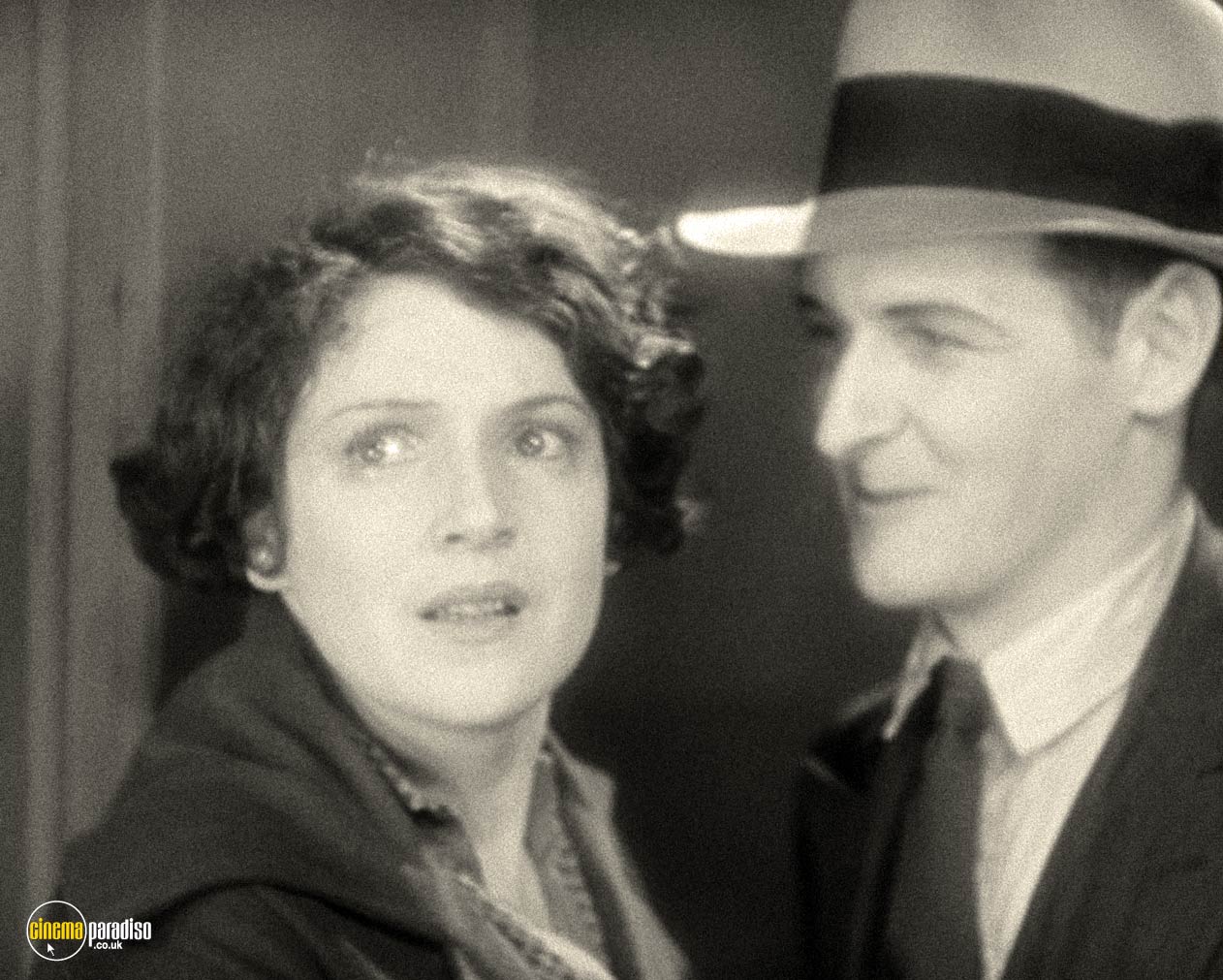
This isn't the kind of scenario that would have interested working-class Dubliner Seán O'Casey (1880-1964). His memoir, Mirror in My House, inspired Jack Cardiff's Young Cassidy, which starred Rod Taylor, Julie Christie, and Maggie Smith. The first of the 67 adaptations listed on IMDB was Alfred Hitchcock's Juno and the Paycock (1930), which cast Sara Allgood and Edward Chapman as Juno and Captain Jack Boyle, whose hardscrabble life takes a turn for the worse after they learn they've inherited a fortune. Small-screen versions came in 1938, 1951, 1952, 1957, and 1960 (twice), although there have been none since 1965.
John Ford's interpretation of The Plough and the Stars (1937) followed, with Barbara Stanwyck playing the Dublin landlady who discovers that her husband has been caught up in anti-British activity. This was also adapted for television in 1960, 1967, 1973, and 1995, while the 1957 take on The Shadow of a Gunman (1923) has been followed by both a 1972 TV-movie version, with Richard Dreyfuss and Frank Converse, and a 1995 Performance presentation starring Kenneth Branagh and Stephen Rea. A number of one-act plays have also been transmitted, including The End of the Beginning (1937; 1938, 1947, 1960), A Pound on Demand (1939; 1960), and Bedtime Story (1959; 1962). O'Casey's 1927 play, The Silver Tassie (2000), is the last of his works to have been adapted to date, as he has slipped out of vogue, with the tragicomic realism of the Dublin Trilogy seeming melodramatic to modern audiences. That said, his best plays are regularly revived for the stage, particularly in Ireland.
An Eire Era
Proclaimed during the 1916 Easter Uprising and formally established three years later, the Poblacht na hÉireann (aka Saorstát Éireann) confirmed the independence of the Irish Republic from the United Kingdom. While this was a significant development, it had little immediate impact on Irish drama, as many of the country's leading playwrights had supported the nationalist cause. Alongside the old guard, however, a number of new writers began to emerge and establish themselves on page, stage, and screen.
A great friend of James Joyce, Padraic Colum (1881-1972) authored such notable plays as Broken Soil (1903), The Land (1905), and Thomas Muskerry (1910). But he became better known for his children's stories and, during a visit to New York, he was asked to write the script for John Paul's Hansel and Gretel (1954), a stop-motion version of the Grimm fairytale that was produced by RKO.
The prolific George Shiels (1881-1949), only had one play adapted for the screen, with The New Gossoon (1930) becoming George Pollock's Sally's Irish Rogue (1958), which stars Julie Harris as the daughter of poacher Henry Brogan. This is hard to find, unfortunately, and you will also have to search to track down screen adaptations of Exiles (1918), the only play written by James Joyce (1882-1941). Mira Trailovic made the first for Yugoslavian television in 1973, which was followed a year later by a 1974 colleboration between RTÉ and the Abbey Theatre, which became the first Irish studio drama to be broadcast in colour when it went out on 2 October 1974. A second was transmitted in 1980, since when French director Guy Pinon has adapted Exiles as La femme à abattre (1993).
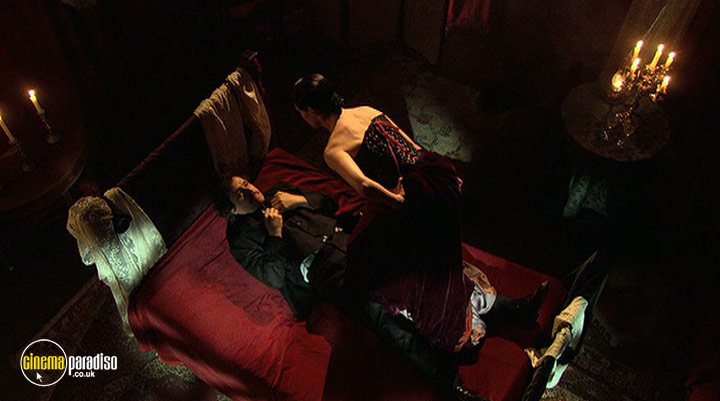
The remaining Joycean outings have come from his novels and short stories. Joseph Strick starred Milo O'Shea as Leopold Bloom in his bold take on Ulysses (1967), which featured Barbara Jefford as Molly and Maurice Roëves as Stephen Daedalus. The roles were taken for the 16 June 1904 perambulations by Stephen Rea, Hugh O'Conor, and Angelina Ball in Sean Walsh's Bloom (2003). But things are not quite as straightforward in Manoel De Oliveira's I'm Going Home (2001), as William Shakespeare's The Tempest and Eugène Ionesco's Exit the King form the backdrop of a story that sees Paris-based thespian Michel Piccoli being miscast as Bloom in American director John Malkovich's version of Ulysses.
Strick also took a tilt at A Portrait of the Artist As a Young Man (1977), with Bosco Hogan and T.P. McKenna sharing the role of Stephen Dedalus. This has also been reworked for television as Stephen D (1972), with Doal McCann. Dancer Jean Erdman ingeniously shaped The Coach With Six Insides (1964) from Joyce's notoriously challenging Finnegans Wake (1939). She also choregraphed and performed the short, whose 28-minute running time is dwarfed bythe eight hours required by Michael Kvium and Christian Lemmerz's video installation, The Wake (2000).
The finest adaptation of a Joyce story, however, is undoubtedly John Huston's The Dead (1987), the Hollywood veteran's final picture, which cast Donal McCann and Anjelica Huston as Gabriel and Gretta Conroy, who attend the traditional Epiphany dinner hosted by her aunts, Kate (Helena Carroll) and Julia Morkan (Cathleen Delaney). This was also revised for television in 2000, with the other stories to receive the small-screen treatment being 'The Boarding House' (1956, 1960), 'Eveline' (1968), 'Two Gallants' (1972), 'Two Sisters' (1973), 'Grace' (1973), 'Clay' (1974), 'A Painful Case' (1984), and 'An Encounter' (2006). In 2014, Travis Mills created a centenary series of shorts from The Dubliners (1914): The Sisters, An Encounter, Araby, Eveline, After the Race, Two Gallants, The Boarding House, A Little Cloud, Counterparts, Clay, A Painful Case, Ivy Day in the Committee Room, A Mother, Grace, and The Dead.
It's perhaps surprising the Irish language plays of Máiréad Ní Ghráda (1896-1971) haven't been adapted more often, especially as An Triail caused a sensation when Michael Garvey directed it for RTÉ in 1965, as this study of single motherhood starring a debuting Fionnula Flanagan was even more trenchant than Ken Loach's Cathy Come Home (1966). Fittingly for the first female announcer on Irish radio, this was the first play in Irish to be broadcast and it's still on the Leaving Certificate Irish curriculum to this day. Surely film-makers should be exploring other key works like Micheál (1933), An Uacht (1935), An Grá agus an Gárda (1937), Lá Buí Bealtaine (1953), and Breithiúnas (1968).
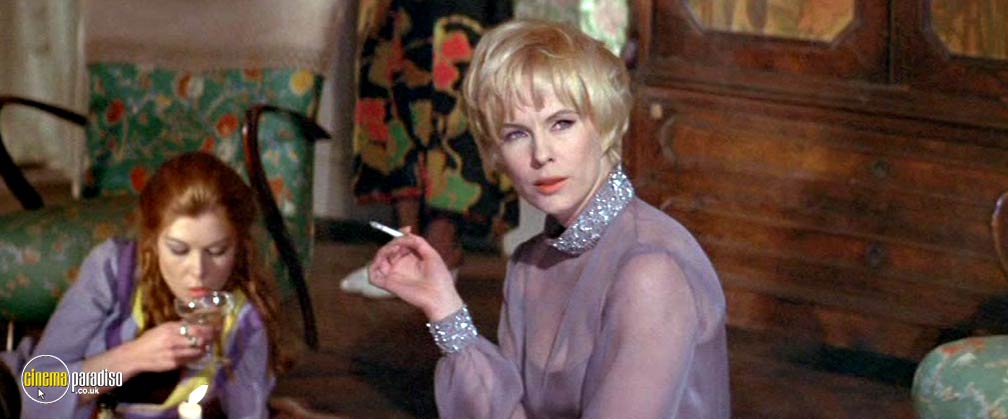
Micheál Mac Liammóir (1899-1978) was a classic 'Plastic Paddy'. Despite claiming to hail from Cork, he had no Irish connections when he was born Alfred Willmore in Willesden. Indeed, he appeared under that name in such silents as Enoch Arden (1914), The Little Minister (1915), and Comin' Thro' the Rye (1916). Drawn to Dublin, he invented a past that no one bothered to check and achieved fame alongside partner Hilton Edwards as the founder of the Gate Theatre, where a young Orson Welles made his name. Mac Liammóir played Iago opposite Welles in Othello and produced him in Edwards's haunting, Oscar-nominated short, Return to Glennascaul (both 1951). The latter is available on the BFI's Short, Sharp Shocks, Volume 3 (2023). Although none of his plays have been filmed, Mac Liammóir can be seen in 'Duet For Two Hands' - from the Hour of Mystery series that can be rented from Cinema Paradiso on ABC Nights In: Hello, My Daleks! (2021) - and such features as John Huston's The Kremlin Letter (1969) and Curtis Harrington's What's the Matter With Helen? (1971). He also provided the sardonic narration for Tony Richardson's Oscar-winning adaptation of Henry Fielding's Tom Jones (1963).
Denis Johnston (1901-84) was much feted in the postwar period, when several of his plays appeared on television. Suffice to say, none of the adaptations of The Last Voyage of Captain Grant (1938), The Parnell Commission (1939), Weep For the Cyclops (1947), Death At Newtownstewart, The Unthinking Lobster (both 1948), The Call to Arms (1949), The Golden Cuckoo (1956), A Fourth For Bridge (1957), The Siege At Killyfaddy (1960), and The Old Lady Says No! Or Who Wounded Maud McCutcheon? (1964) are available to rent on disc. And the same goes for the three versions of The Moon in the Yellow River (1937, 1947, 1954) and six decades have now passed since one of Johnston's dramas has graced British or Irish TV screens.
Cinema Paradiso members can, however, order Brian Desmond Hurst's Ourselves Alone (1936), which turns around the rivalry between Irish Police Inspector Hannay (John Lodge) and Captain Wiltshire of the Royal Intelligence Corps (John Loder) for Maureen Elliot (Antoinette Cellier), whose brother is an IRA leader. Considered so combustible that it was banned in Northern Ireland, this controversial film was dismissed by Graham Greene in his review for The Spectator as, 'One of the silliest pictures which even an English studio has yet managed to turn out.' Interestingly, Johnston had directed Guests of the Nation (1935), an important featurette that had been inspired by a Frank O'Connor story that sees IRA man Cyril Cusack get along with Barry Fitzgerald (making his film debut), as the British prisoner he's guarding. This is virtually impossible to track down, but should, surely, have been released on disc long before now.
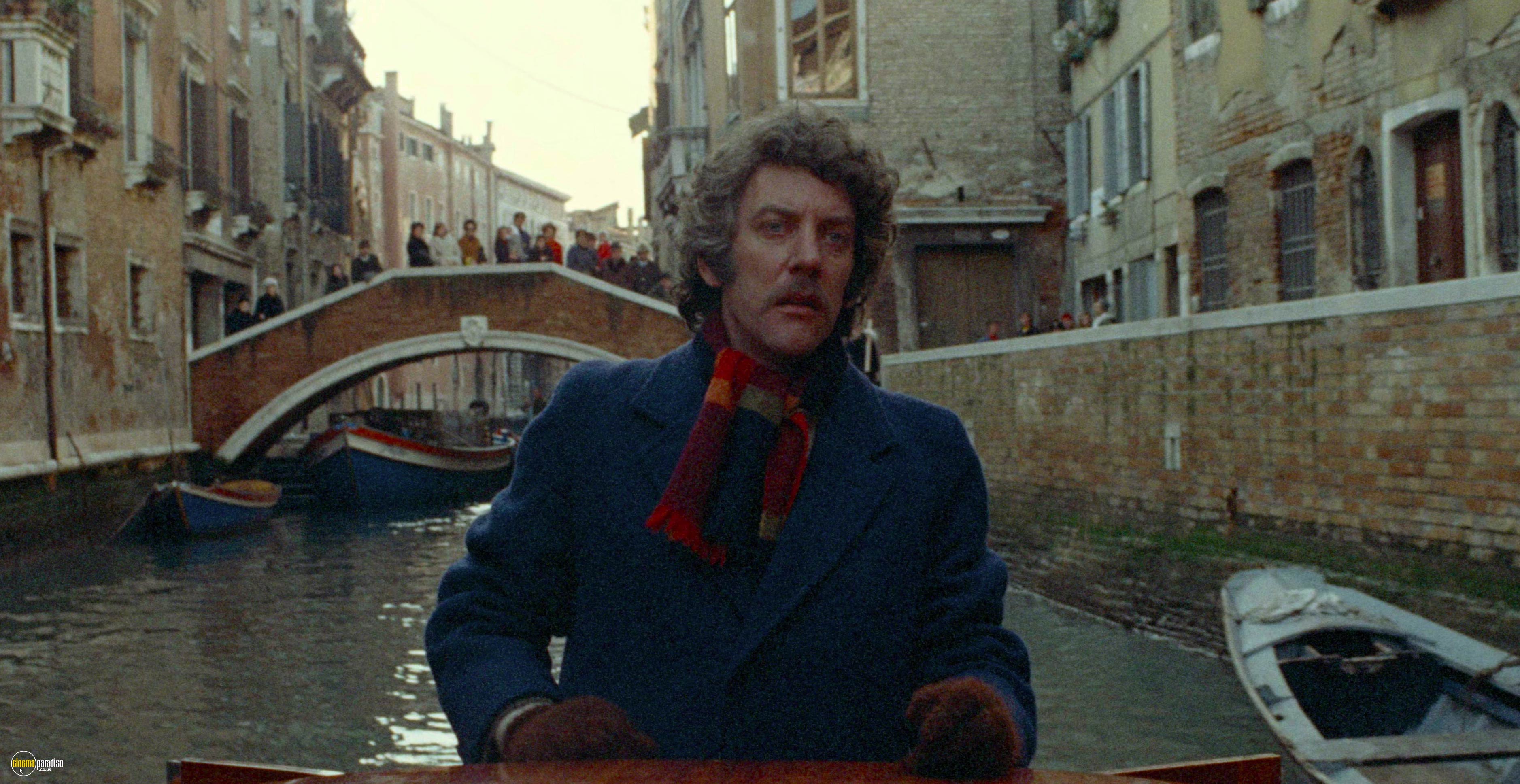
Johnston took a minor role in the film and can also seen in Hurst's take on Synge's Riders to the Sea (1935). Daughter Jennifer Johnston (1930-2025) was also a author, who also wrote plays and screenplays. Notably, she provided the roles in Michael Whyte's The Railway Station Man (1992) that reunited Donald Sutherland and Julie Christie after Nicolas Roeg's Don't Look Now (1973). Her award-winning play, The Old Jest, was filmed by Robert Knights as The Dawning (1988), with Anthony Hopkins as the IRA fugitive in 1920s Ireland who dupes schoolgirl Rebecca Pidgeon into passing messages that result in attacks on the British troops stationed nearby. With Jean Simmons, Trevor Howard, Hugh Grant, and Adrian Dunbar all in the cast, this deserves to be better known.
The same goes for the novels and stage works of Molly Keane (1904-96), who sometimes used the pen name M.J. Farrell. Plays Spring Meeting (1941) and Treasure Hunt (1952) were respectively filmed by Walter C. Mycroft, with Enid Stamp-Taylor and Michael Wilding, and by John Paddy Carstairs, with Martita Hunt and Jimmy Edwards. In 1983, Hugh Leonard adapted Keane's splendid novel, Good Behaviour, as a three-part serial, while Andrew Davies reworked Time After Time (1986) for Screen Two, with each being directed by Bill Hays. Although none of her plays were adapted, Mary Manning (1905-99) took various roles in a wave of silent films (mostly lost) made by Irish Amateur Films in the early 1930s, including By Accident, Bank Holiday, Pathetic Gazette, and Screening in the Rain (all 1930), the latter of which co-starred Hilton Edwards and Micheál MacLiamóir. She also adapted the short story for Denis Johnston's aforementioned Guests of the Nation (1935).
Born in the Foxrock district of Dublin, Samuel Beckett (1906-89) is the only winner of the Nobel Prize for Literature to have played First Class Cricket (two games against Northamptonshire). Starting out as a literary critic, he turned to fiction with Dream of Fair to Middling Women in 1932. Volumes of poems, essays, and reviews followed before Beckett wrote to Sergei Eisenstein in 1936, offering to work as an apprentice to himself and Vsevolod Pudovkin. Having fallen out with his mother, he relocated to Paris, where he survived a stabbing by a pimp named Prudent in 1938. James Joyce paid for his private room and he also befriended Marcel Duchamp before fighting with the Maquis during the war.
IMDB lists 168 adaptations of Beckett's work, including Anthony Asquith's Zero (1960), which centres on an obese man struggling to reach a jug of water. It's not clear whether he wrote the scenario for this hard-to-see short, but he certainly signed Alan Schneider's Film (1965), which is usually considered the only screenplay that the Irishman wrote. Despite Beckett wanting to cast Charlie Chaplin, Buster Keaton starred as the man being followed by a camera and Cinema Paradiso users can learn about the making of the film by watching Ross Lipman's Notfilm (2015). However, it's not currently possible to rent David Rayner Clark's 1979 remake of Film, which starred Max Wall. Nor can we bring you Carlo Di Carlo's Atto senza parole Secondo (1967) or Beckett's sole excursion behind the camera on Comédie (1964), an experimental adaptation of his 1963 play that he co-directed with Marin Karmitz, Jean Ravel, and Jean-Marie Serreau. Starring Eléonore Hirt, Michael Lonsdale, and Delphine Seyrig, it was unveiled at the Venice Biennale in 1966.

This was the same year that Czechoslovakian director Juraj Jakubisko chose a variation on the 1953 absurdist masterpiece, Waiting For Godot, for his graduation film, prior to making Birds, Orphans and Fools (1969). A year later, Aba Hayford, Franz Manfred Liersch, and Zdenka Macharácková adapted Beckett's Play for their short, Das Spiel. One of his Four Poems was also turned into B.S. Johnson's one-minute avant-garde short, Poem (1971). Beckett had written In a Wake For Sam with Billie Whitelaw in mind and her performance was captured on film by Anthony Page in Not I (1973), which shows only the actress's mouth for the entire 13-minute monologue. She would also be to the fore in D.A. Pennebaker and Chris Hegedus's Rockaby (1982), in which she meets Alan Schneider, the director who had launched many of Beckett's plays in New York.
Philip Glass composed the score for Lee Breuer's experimental adaptation of the novel, The Lost Ones (1975), which was released the same year as Peter Gidal's Conditions of Illusion, which made use of quotes from Beckett and Marxist philosopher Louis Althusser. Swede Hans Åke Gabrielsson starred and directed a 1976 take on the mime play, Act Without Words II, while Irene Worth gave a memorable performance as the chatty optismist fighting doubt in David Heeley's Happy Days (1980).
Six years later, Portugeuse auteur Manoel De Oliveira borrowed some Beckettian prose for My Case (1986), while compatriot Maria De Medeiros directed herself in Fragmento II (1988). The same year saw Jim Reilly take cameras into a maximum security wing to film Jan Jönson workshopping with inmates in Godot in San Quentin (1988). Russian maverick Aleksey Balabanov took on Happy Days in 1991, which coincided with Peter Jeffries's filmed record of Walter D. Asmus's stage production of Waiting For Godot, which remarkably teamed Leslie Grantham and Brian Blessed as Vladimir and Estragon. How can this not be on disc? Somebody? Surely?
Frustratingly, the seminal 2005 Beckett on Film collection is not available to rent, as it contains several peerless interpretations. Let us taunt you with mention of Atom Egoyan's Krapp's Last Tape (2000), Neil Jordan's Not I (2000), Patricia Rozema's Happy Days (2000), Conor McPherson's Endgame, Damien O'Donnell's What Where, John Crowley's Come and Go, Richard Eyre's Rockaby, Kieron J. Walsh's Rough For Theatre I, Katie Mitchell's Rough For Theatre II, Charles Garrad's That Time (all 2000), David Mamet's Catastrophe, Damien Hirst's Breath, Robin Lefevre's A Piece of Monologue, Anthony Minghella's Play (2001), Walter D. Asmus's Footfalls, Enda Hughes's Act Without Words II (2001), Michael Lindsay-Hogg's Waiting For Godot (all 2001), Charles Sturridge's Ohio Impromptu, and Karel Reisz's Act Without Words I (both 2002).
Since this set was issued, there have been more TV adaptations and a lot of obscure shorts, including Gabriele Stellbaum's The Principle (2004), Christophe Philippe and Matthias Urban's Fin du Partie, Ioannis Protonotarios's What Where, Victor Jorge's He Joe (all 2005), Tom Skipp's Krapp's Last Tape, Stephen Armourae and Caroline Boulton's Catastrophe, Eric Holloway's Come and Go (all 2007), Spyros Athinaiou's Ohio Impromptu (2008), Barbara Bargiel's Poison (2013), Joanna Zastrózna's Molehill (2014), Germain Le Carpentier's Les anges ne rêvent pas (2016), Daniele De Plano, Nicholas Hunt, and Anthony Souter's Words and Music, Atefeh Kheirabadi and Mehrad Sepahnia's Kommen und Gehen (both 2020), and Austin McLeod's Play (2022). There have also been some new interpretations of Waiting For Godot (although, sadly, not Rik Mayall and Adrian Edmondson's stage version because nobody had the sense to film it), with Rudi Aznak and Ran Shelomi playing Didi and Gogo in the former's 2013 take, while Ethan Hawke and John Leguizamo took the roles in Scott Elliot's 2021 Covid-recorded variation. Lastly, Jean-Luc Godard quoted Beckett in Film socialisme (2010), while Gabriel Byrne played two sides of the writer in James Marsh's biopic, Dance First (2023), which is puzzlingly unavailable in the UK.
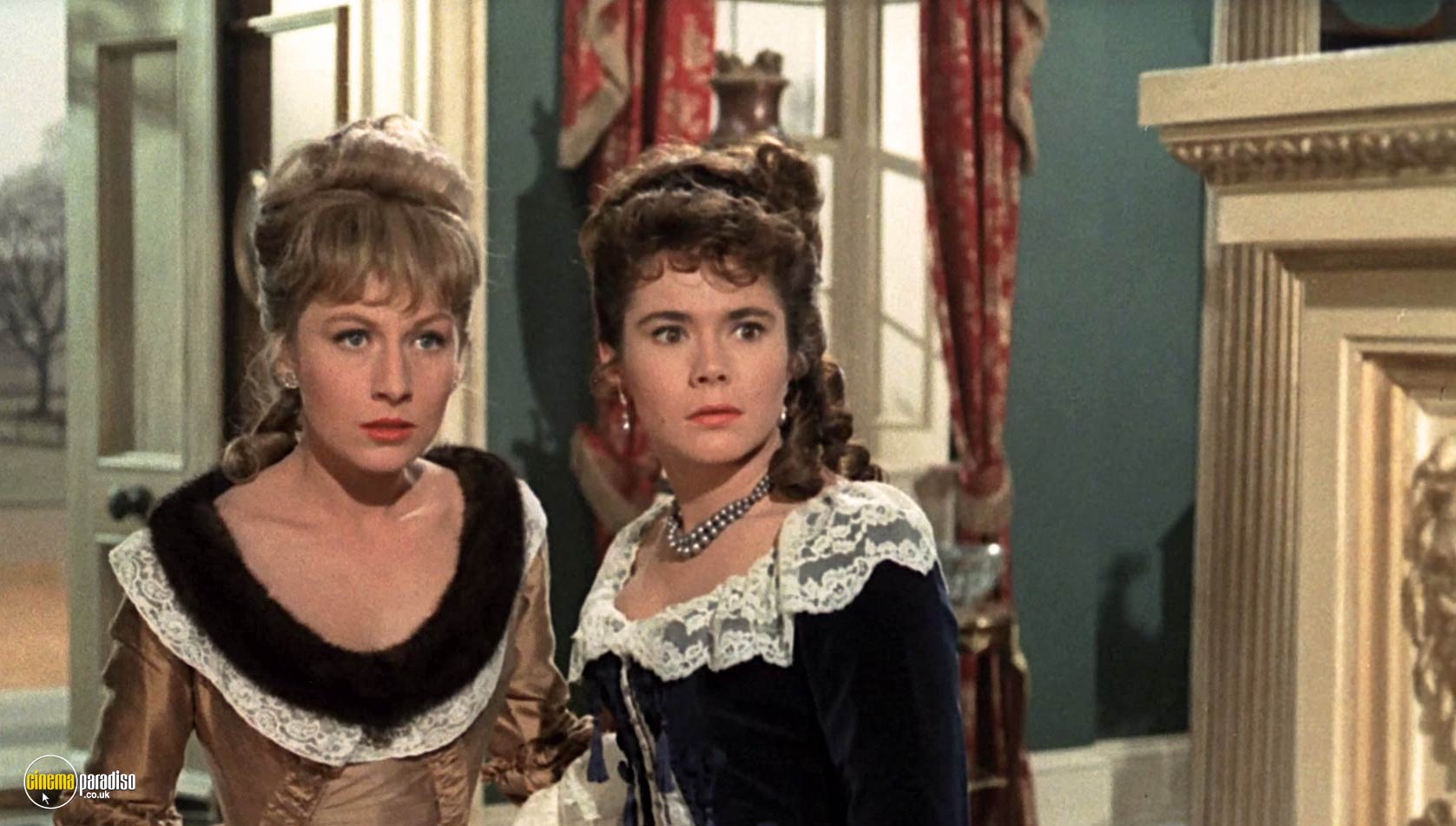
Although a prolific playwright, Joseph Tomelty (1911-95) will be better known to many as a character actor. It's cheating again, but we're going to recommend a few roles and urge you to use the Cinema Paradiso Searchline to discover the rest. He was Jimmy the cabby in Carol Reed's Odd Man Out (1947) before playing Dan McEntee in Terry Bishop's You're Only Young Twice, Dr Brannigan in Basil Dearden's The Gentle Gunman, and Will Sparks in David Lean's The Sound Barrier (all 1952). He reunited with Lean as Jim Heeler in Hobson's Choice (1954), which he made the same year as Devil Girl From Mars, Happy Ever After, and The Young Lovers, and a year after he had been Mr Pedelty in Anthony Pelissier's Meet Mr Lucifer (1953), which can be found on Volume 9 of The Ealing Studios Rarities Collection. Tomelty packed five pictures into 1955: Simba, A Kid For Two Farthings, John and Julie, Timeslip, and A Prize of Gold. His familiar Irish brogue was dubbed by John Huston himself when he essayed Peter Coffin in Moby Dick (1956), and he remained at sea as Dr William O'Loughlin aboard RMS Titanic in A Night to Remember (1958) and as Dalrymple in The Captain's Table (1959). Around this time, Tomelty also cropped up in Tread Softly Stranger (1958), Life Is a Circus, Hell Is a City (both 1960), Sword of Lancelot (1963), and The Black Torment (1964). Hopefully, there's plenty there to tempt you.
We'll mention John B. Keane (1928-2002) in passing, as his play was the inspiration for Jim Sheridan's The Field (1990), which saw Limerick's own Richard Harris in imposing form as Bull McCabe, who is desperate to retain a rented plot of land in the south-western village of Carraigthomond. Harris was a fabled toper, but he would have struggled to keep up with Brendan Behan (1923-64), the Dubliner who served time behind bars as a teenager in East Anglia after being caught on an IRA bombing mission to Liverpool. Filmed for Finnish television in 1968, Behan's autobiography, Borstal Boy, was brought to the big screen by Peter Sheridan in 2000, with Shawn Hatosy as Brendan and Michael York as James Joyce. But this remains the last Behan adaptation anywhere in the world.
Behan's first play, The Quare Fellow, opened in Dublin in 1954, but gained a certain notoriety when he gave a drunken interview on the BBC with Malcolm Muggeridge. Broadcast on television in 1958 and 1964, it received the feature treatment in Arthur Dreifuss's The Quare Fellow (1962), in which Patrick McGoohan plays Mountjoy Prison warder Thomas Crimmin, whose belief in capital punishment is shaken when the widow of an executed man (Sylvia Syms) comes forward with fresh evidence.
The 1958 play, The Hostage, has been televised on several occasions (1962, 1966, 1967, 1970, 1977 (twice), 1988, 1996), while the radio play, The Garden Party, was adapted in 1972. But Behan's star was on the wane by the time he died in Dublin at the age of 41. He once described himself as 'a drinker with a writing problem', but his later life would surely make a compelling subject for a film.
Across Borders and a Century
Turning to those talents born after the formation of the republic, we begin with Hugh Leonard (1926-2009), who was born John Byrne in Dublin and became the first Irish writer to find a niche on television. In addition to 23 original plays for various drama showcases like Play For Today and Armchair Theatre, Leonard also contributed to shows like Public Eye (1966), Sherlock Holmes (1968), Me Mammy (1969-71), Father Brown (1974), The Irish R.M. (1985), and The Inspector Alleyn Mysteries (1993). He was also a dab hand at such serial adaptations as Great Expectations (1967), 'Wuthering Heights' (1967 & 1978), Dombey and Son (1969), The Moonstone (1972), and RTÉ's landmark seven-part adaptation of James Plunkett's novel, Strumpet City (1980). Leonard also wrote screenplays for features like Kevin Billington's Interlude, Gordon Flemyng's Great Catherine (both 1968), Ralph Thomas's Percy (1971), Bob Kellett's Our Miss Fred (1972), and John Irvin's Widows' Peak (1994). He also earned a Tony and a Drama Desk Award for his stage play, Da (1988), which was filmed by Matt Clark in 1988, with Barnard Hughes reprising his Tony-winning role as Nick Tynan, whose ghost accompanies son Charlie (Martin Sheen) on a funereal visit to his childhood home of Dalkey.
A native of Knockmoyle in County Tyrone, Brian Friel (1929-2015) made his name in 1964 with Philadelphia, Here I Come, which racked up the Tony nominations when it transferred to New York. In John Quested's 1977 film version, Donal McCann excels as Gar O'Donnell, who debates with himself (as Public Gar and Private Gar), whether he should abandon his father (Eamon Kelly) and go and live with his aunt (Siobhán McKenna) in America. The summer of 1936 provides the backdrop for Pat O'Connor's Dancing At Lughnasa (1998), which shows how the Mundy sisters - Kate (Meryl Streep), Christina (Catherine McCormack), Maggie (Kathy Burke), Rose (Sophie Thompson), and Agnes (Bríd Brennan) respond to the return to Ballybeg of patriarch Jack (Michael Gambon) and the arrival of Gerry Evans (Rhys Ifans), the father of Christina's son. Three of Friel's other plays, Freedom of the City, The Loves of Cass Maguire (both 1975), and Crystal and Fox (1977), were adapted as teleplays, while filmed stage productions have been released of Translations (2018) and Faith Healer (2020).
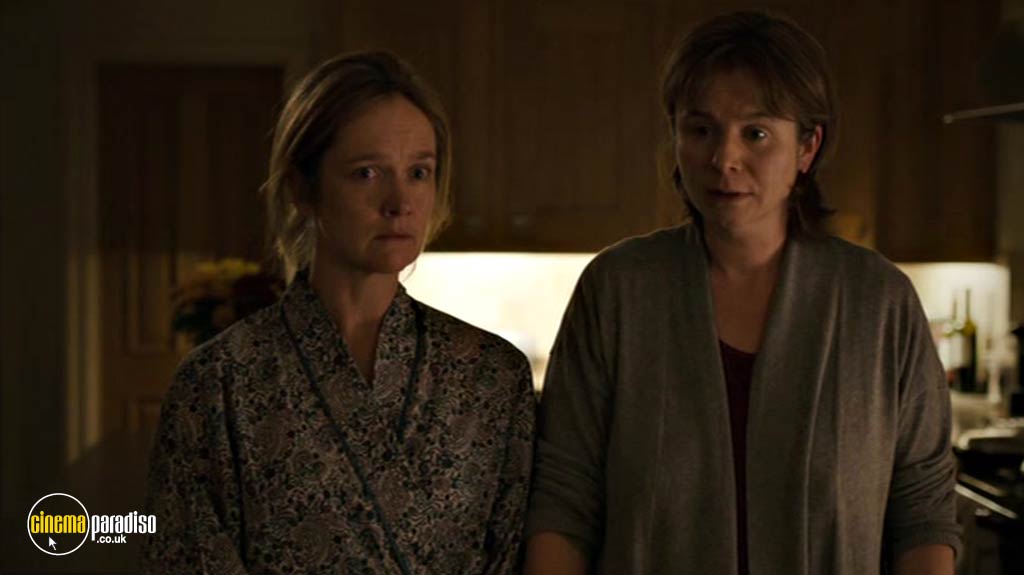
Fellow Ulsterman Frank McGuinness (b 1953) adapted Lughnasa (and moved the pivotal dance in the process), although none of his own plays have so far been translated to the screen. When not writing operas and novels, McGuinness has penned TV works like Danny Boyle's Scout (1987), Simon Curtis's A Short Stay in Switzerland (2009), and Brian Percival's A Song For Jenny (2015), as well as episodes of the sci-fi series, Lexx (1997-2002). He also produced the first draft of Kate O'Brien's banned 1936 novel, Mary Lavelle, for Nick Hamm's Talk of Angels (1998).
Singer-turned-playwright Billy Roche (b 1949) is renowned for 'The Wexford Trilogy' that Stuart Burge directed for the BBC in 1993. He also scripted Gillies MacKinnon's Trojan Eddie (1996), in which Stephen Rea plays the eponymous small-time hustler whose relationship with traveller godfather Richard Harris starts to deteriorate when he falls in love with the boss's niece. It's surprising that no one has adapted the Marie Jones (b 1951) play, Stones in His Pockets, which chronicles the impact of a Hollywood film crew descending upon a small Irish village to shoot a movie. There are echoes here of Chris O'Dowd's series, Small Town, Big Story (2025), in which producer Christina Hendricks uncovers a secret when she comes to film in the rural Northern Irish town of Drumbán. With its interstellar undercurrents, this also bears a similarity to Jon Wright's Grabbers (2012).
Dawn French drew warm reviews for her performance in My Brilliant Divorce (2004), which was written by Galway's Geraldine Aron (b 1951). Michèle Laroque filmed the play as Brillantissime (2018), but it had little impact. Colm Tóibín (1955) qualifies for this article even though his first play, Beauty in a Broken Place (2004), has yet to be filmed. His Booker shortlisted novel, The Blackwater Lightship was directed for television by John Erman in 2004 and earned Angela Lansbury an Emmy nomination. Saoirse Ronan received Oscar, BAFTA, and Golden Globe nominations for her display as Eilis Lacey, who returns to Enniscorthy to deal with a family matter and finds herself torn between Italian-American husband Emory Cohen and hometown charmer Domhnall Gleeson in John Crowley's version of Brooklyn (2015), which was adapted for the screen by Nick Hornby. Volker Schlöndorff has subsequently directed Return to Montauk (2017), in which Stellan Skarsgård's novelist seeks to discover whether he made a mistake in parting company from Nina Hoss 17 years earlier.
Like Tóibín, Roddy Doyle (b 1958) is best known as a novelist. However, he has written seven plays to set alongside the 11 books, the most celebrated of which are The Commitments (1991), The Snapper (1993) and The Van (1996), which form 'The Barrytown Trilogy'. Doyle wrote the screenplays for the films, with the first being directed by Alan Parker and the other two by Stephen Frears (with the middle part also having been adapted for the stage). However, none of Doyle's plays have been filmed thus far, although he has also scripted Michael Winterbottom's TV series, Family (1994), as well as Kieron J. Walsh's When Brendan Met Trudy (2000), Paddy Breathnach's Rosie (2018), and Enzo D'Alò's animation, A Greyhound of a Girl (2023). Doyle's story, 'New Boy', was also adapted into a 2008 Academy Award-nominated short by Steph Green.
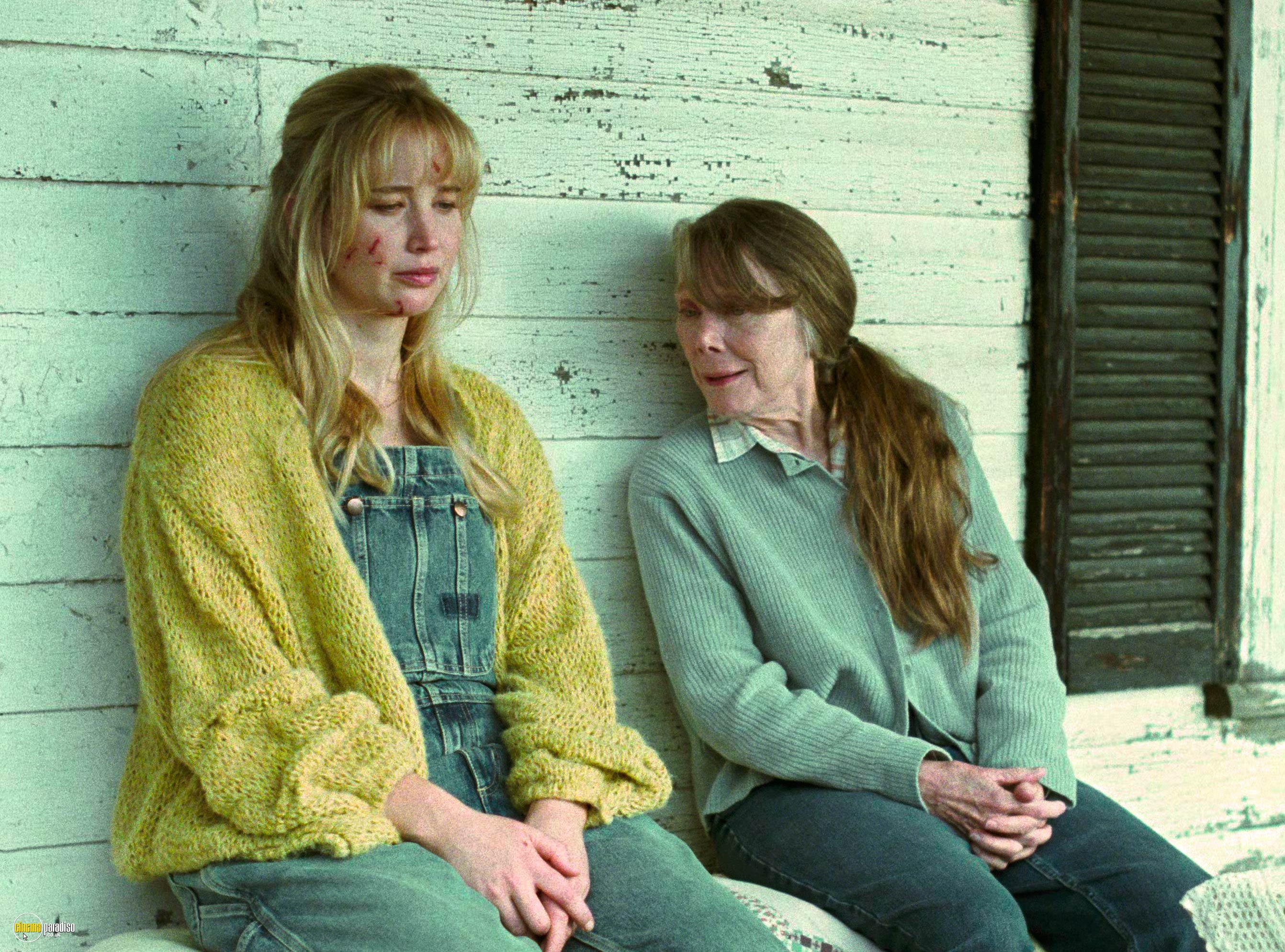
Playwright Anne-Marie Casey (b 1965) has adapted Maeve Binchy's South Africa-set Anner House (2007) for director Stephen Burke, while Pat O'Connor is attached to direct her adaptation of William Trevor's The Story of Lucy Gault. Dubliner Enda Walsh (b 1967) hasn't looked back since seeing his debut play, Disco Pigs, filmed by Kirsten Sheridan in 2001. After he teamed with Steve McQueen on the Bobby Sands drama, Hunger (2008), Hideo Nakata adapted Chatroom (2010) before Walsh collaborated with David Bowie on the 2015 stage musical, Lazarus (which has surprisingly not been filmed). He has also written Jaron Albertin's Weightless (2018), the stop-motion animation, The House (2022), and Imran Perretta's Ish (2025), while also adapting Claire Keegan's Small Things Like These (2024) for Tim Mielants and Ariana Harwicz's Die, My Love (2025) for Lynne Ramsay. Very much in demand, Walsh has four projects in development: Eva Ibbotson's Island of the Aunts; the Rufus Wainwright biopic, Jules in the City; a new version of Chitty Chitty Bang Bang; and Gitta Sereny's Into That Darkness, which exposes the crimes of Franz Stangl, the SS commandant of the Sobibor and Treblinka extermination camps.
In addition to his plays, Dubliner Colin Teevan (1968) has also written for multiple shows including Single Handed (2011), Vera (2012), Silk (2014), Charlie (2015), Rebellion (2016), and Das Boot (2021-). His first feature, Der Tiger (2025), was co-scripted by director Dennis Gansel and follows a German tank behind enemy lines. Northern Irishman Ewen Glass (1982) has written several shorts, including We Saw Zebras (2009), Thunder From Her Heart, Straggler From '45, A Story About Ian (all 2011), Messages in Bottles (2012), Upwardly Mobile (2013), and Towers (2015). In addition to 18 episodes of Hollyoaks, he has also scripted Asham Kamboj's Basement (2010), an unsettling rural chiller with Danny Dyer, Jimi Mistry, Lois Winstone, Emily Beecham, Kierston Wareing, as well as Mitu Misra's Lies We Tell (2017), with Harvey Keitel and Gabriel Byrne, and Peter Magat's Little Kingdom (2019), which is set in Slovakia in 1944.
Born in Camberwell to an Irish mother, Martin McDonagh (b 1970) spent childhood holidays in Galway and Ireland has provided the backdrop for his first six plays, which were divided into trilogies set in Galway and the Aran Islands. Some have speculated that the unfinished final part of the second triptych overlaps with The Banshees of Inisherin (2022), which earned nine Oscar nominations, including Best Picture, Best Director, and Best Original Screenplay, the category in which McDonagh prevailed at the Golden Globes and the BAFTAs, where it also took Outstanding British Film.
The plays have earned McDonagh five Tony nominations, but he's best known for the films he has written and directed, including Six Shooter (2004), which won the Academy Award for Best Live-Action Short. He reunited with Brendan Gleeson on his feature bow, In Bruges (2008), which earned him an Oscar nod for Best Original Screenplay, and he reteamed with co-star Colin Farrell on Seven Psychopaths (2012) before guiding Frances McDormand to a second Oscar in Three Billboards Outside Ebbing, Missouri (2017), for which he was recognised in the Best Picture and Original Screenplay categories. McDonagh, who also served as executive producer on brother John Michael's The Second Death (2000) and The Guard (2011), is currently putting the finishing touches to Wild Horse Nine, which will be released in the autumn.
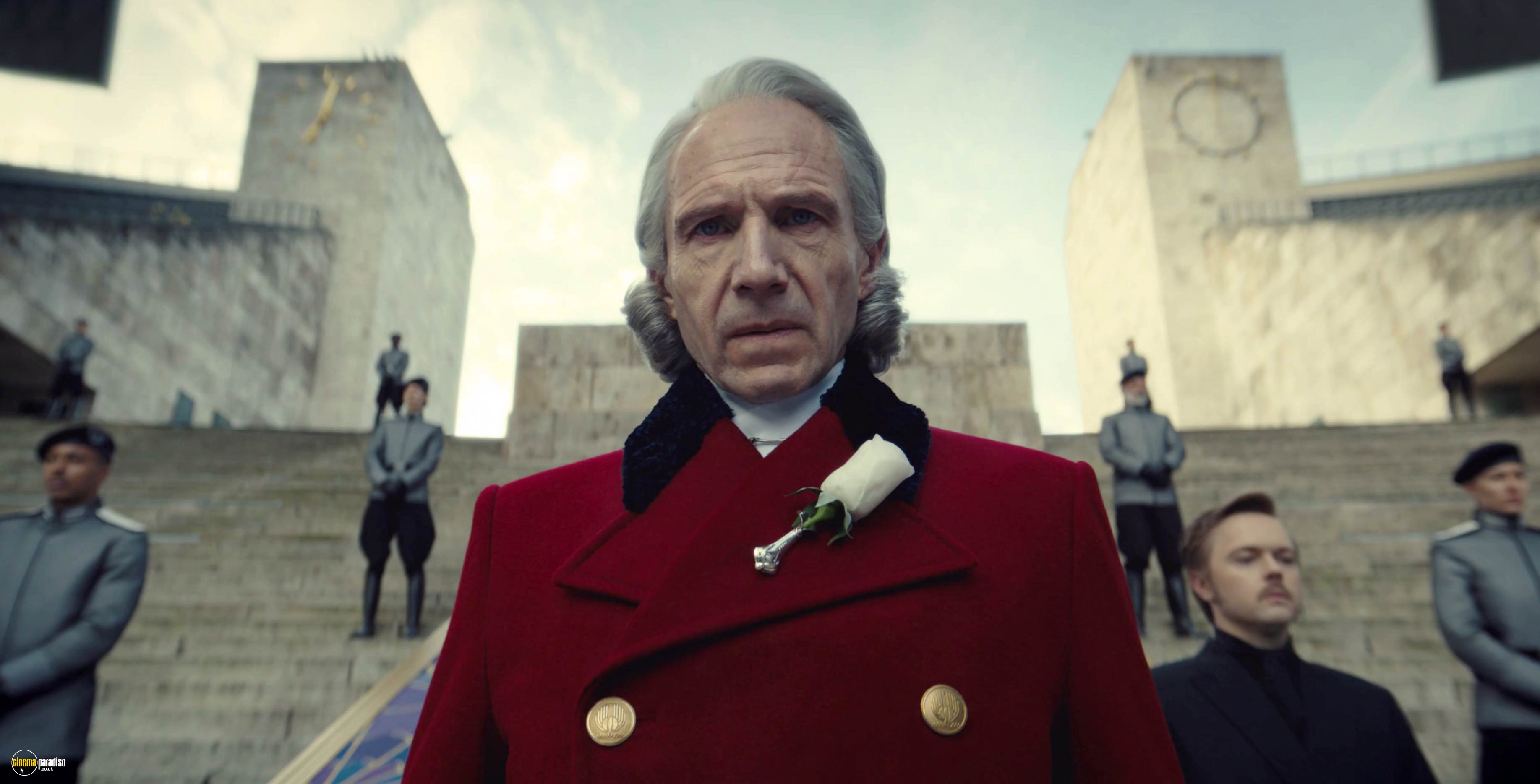
Although an acclaimed playwright, Dubliner Conor McPherson (b 1971) has only transferred one of his plays, Girl of the North Country (2024), to the big screen. Set in Duluth, Minnesota in 1934, it made inspired use of Bob Dylan songs. Having scripted Paddy Breathnach's I Went Down (1997), McPherson made his directorial debut with Saltwater (2000), which he has followed (as writer-director) with The Actors (2003) and The Eclipse (2009). After scripting the Gabriel Byrne vehicle, Quirke (2014), he wrote three episodes of Paula (2017) and filmed his adaptation of Anton Chekhov's Uncle Vanya (2020). In addition to co-adapting Eoin Colfer's Artemis Fowl (2020) for Kenneth Branagh, McPherson has also written stage versions of Daphne Du Maurier's The Birds (2009) and Suzanne Collins's The Hunger Games (2025), which are available in film from Cinema Paradiso as Alfred Hitchcock's The Birds (1963) and Gary Ross's The Hunger Games (2012), with the latter having also spawned the sequels, Catching Fire (2013), Mockingjay, Part 1 (2014), Mockingjay, Part 2 (2015), The Ballad of Songbirds and Snakes (2023), and Sunrise on the Reaping (2026), which is due for release this autumn. Wherever you look, there's an adaptation of an Irish play or a script penned by an Irish writer. The debt cinema owes to the Emerald Isle is incalculable.
Mentioned films