A Shocking Image of Reality
- The Killing Fields review by CV
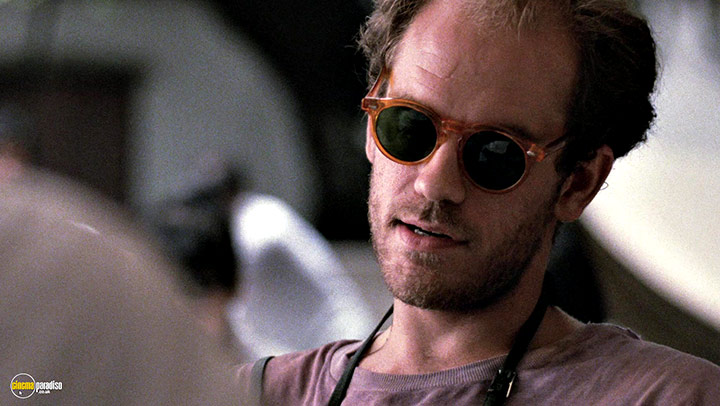
This film emphasises the importance of international reporting particularly when its content is adverse to the reputation of the reporter's own country. I remember the reporting of the Vietnam War on television as it happened but was confused about the involvement of Cambodia. The Americans helped themselves to chasing the Khmer Rouge into Cambodia which involved clumsy indiscriminate bombing of innocent civilians. The second half of the film reveals just what the Killing Fields were.
The filming, often on the run, like reporting footage gives, a strong immanence and brutal reality to the subject. Like other reviewers' experience it leaves a lasting impression and strong cathartic response. The music by Gary Oldfield is often haunting and disturbing and accompanying the helicopter sequences especially creates a strangely alien-like apparition. The choice of John Lennon's Imagine towards the end is quite gauche and frustrating however!
3 out of 3 members found this review helpful.
Perhaps one of the best anti-war films
- The Killing Fields review by RP
I saw this at the cinema way back in 1985, and watching it again reinforced the lasting impression that it made on me then and has stayed with me for over 25 years. Beautifully photographed, it is perhaps one of the best anti-war films ever made.
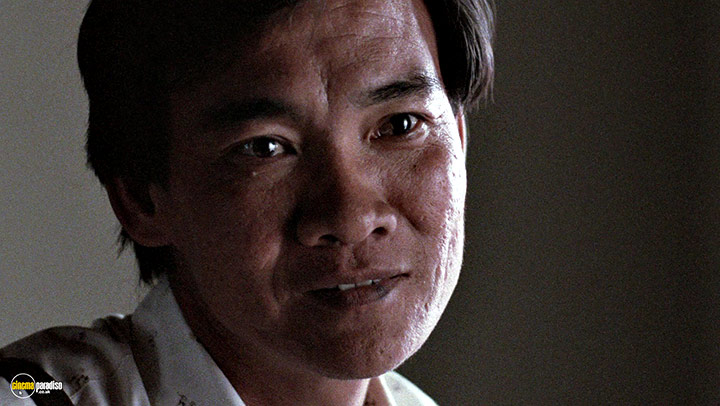
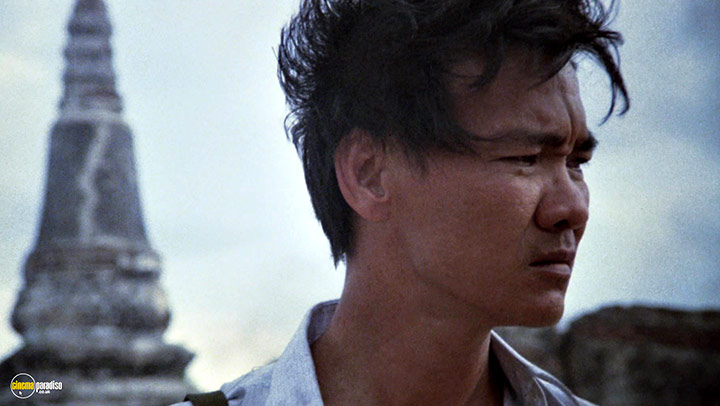
Set in the time of the takeover of Cambodia by the Khmer Rouge under the brutal tyrant Pol Pot, it tells the story of Dith Pran, the guide for a party of journalists who is captured when the capital Phnom Penh falls. It pulls few punches as it shows the brutality with which all are treated - but a special fate awaits Dith Pran as he is sent to a re-education camp in the fields - the 'killing fields' of the title. 5/5 stars.
3 out of 3 members found this review helpful.
Historically interesting, brutal but slow.
- The Killing Fields review by JD
I did not know the history of the American invasion of Cambodia nor the exact politics of the Khmer Rouge. This film shows all too graphically the systematic genocide as a result of American incompetence and then in its wake a fanatical regime of terror. There is a lot wrong with this film though. The American and Cambodian accents are hard to understand. Fortunately there are subtitles. The plot although historically fascinating is slow and any drama is solely because of the bleak terrifying brutality of the situation not because of any plot twist or development. The relationships between the characters is critical to the plot but is not convincingly pulled together.The 2 hours 20 minutes pass slowly.
2 out of 3 members found this review helpful.
The Photo That Won’t Stop Fading
- The Killing Fields review by griggs
I suspect The Killing Fields would have hit me harder in 1984. Forty-two years on, I’d only met the Khmer Rouge through books and documentaries, and I hoped Roland Joffé would make that history feel unbearable. The film, though, leans on the shock of viewers meeting all this for the first time. I’ve read the accounts and seen the photographs, so the visceral punch feels diluted.
The fall of Phnom Penh is the best stretch. There’s a nasty, panicky momentum to the evacuation, and the embassy scenes hang a man’s life on a passport photo that won’t stop fading. Sam Waterston is fine as Sydney Schanberg, though I kept wanting the camera to drift back to Haing S. Ngor’s Dith Pran. Ngor survived the Khmer Rouge himself, and he never once pushes for your sympathy. He just endures, which is the most affecting thing in the film.
The trouble is the second half loses its urgency, even with Pran wading through a swamp of skeletons. Closing on John Lennon’s Imagine feels like the film doesn’t trust Ngor’s face to finish the job. The history has lost none of its horror. Oddly, the film has.
1 out of 1 members found this review helpful.
Exit Wounds
- The Killing Fields review by Steve
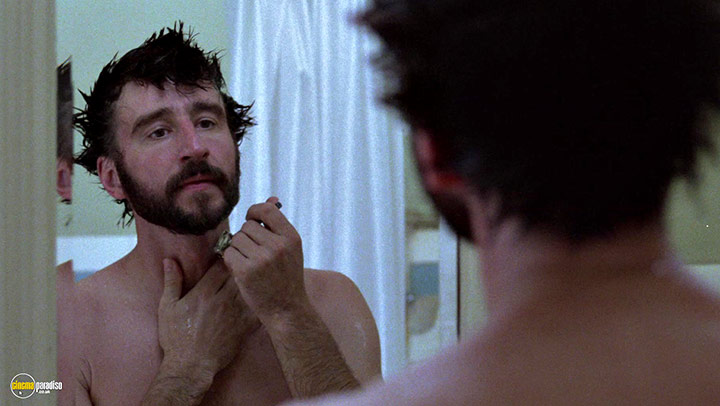
Devastating real life biopic from the civil war in Cambodia, which led to the murder of up to two million citizens by the Khmer Rouge under the dictatorship of Pol Pot. Inevitably the focus is on an American... Sydney Schanberg was a reporter for the New York Times caught up in the bloodletting initiated by the Communist regime.
But the emotional driver is his relationship with local translator Dith Pran, who was sent to the labour camps where survival was mostly a matter of luck; and from where he attempts an extremely hazardous escape by foot over the mountains into Thailand. Sam Waterston is fine as the brash American taking huge risks for his byline.
But the main the reason to watch is the Oscar winning performance as Dith Pran by Haing S. Ngor, himself a Cambodian who survived the killing fields, but who had never acted before. Director Roland Joffé- on debut- noted that the conflict is ultimately the context for the emotional overload of the friendship, which is overwhelming.
Except for the human interest, this doesn't get made; though the recreation the of genocide is still harrowing. The Oscar winning photography is mostly about the edgy anxiety of the constant danger, but also at times reflects the tranquil beauty of the country. The only significant flaw is playing Imagine by John Lennon in the epilogue.
0 out of 0 members found this review helpful.