As Joel and Ethan Coen's Fargo (1996) notches its 30th anniversary, Cinema Paradiso heads to Brainerd to take a good look inside that woodchipper.
Joel and Ethan Coen grew up in the Minnesota town of St Louis Park, not far from the twin cities of Minneapolis and St Paul. About 130 miles north lies the city of Brainerd, while another 145 or so miles to the west brings travellers to Fargo, North Dakota.
A few films covering the state's history had been made there, among them Joseph Kane's Dakota (1945) and John Hanson and Rob Nilsson's Northern Lights (1978), while the Dakota Badlands had provided the setting for Kevin Costner's Dances With Wolves (1990) and Michael Apted's Thunderheart (1992). Meanwhile, Minneapolis and its environs had hosted such items as George Seaton's Airport (1970), Albert Magnoli's Purple Rain (1984), Donald Petrie's Grumpy Old Men, Tony Bill's Untamed Heart (both 1993), and Kevin Smith's Mallrats (1995).
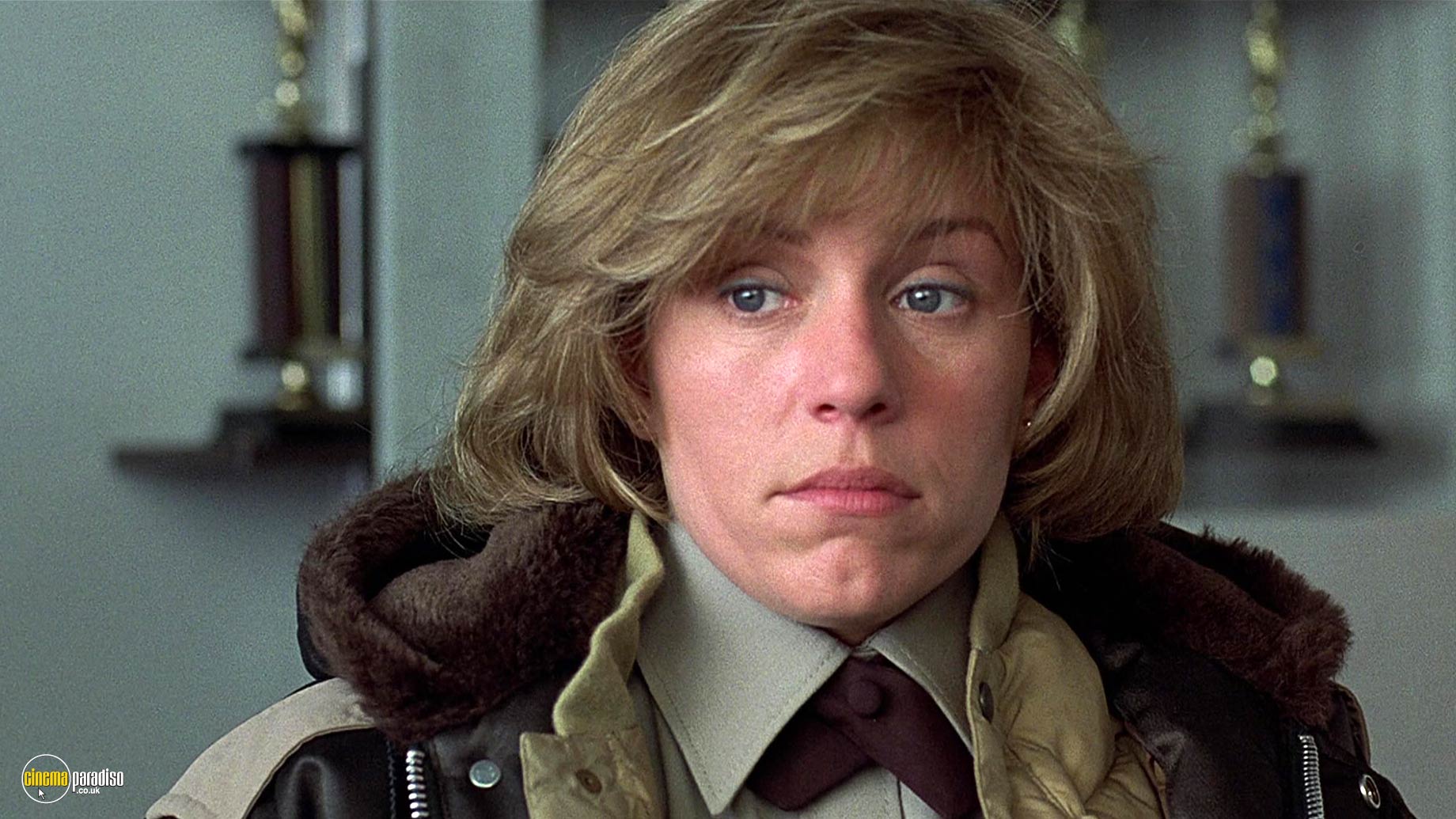
But, even though Costner's revisionist Western won the Academy Award for Best Picture, no one film has done more to put Minnesota and North Dakota on the cinematic map than Fargo (1996).
A True Story That Might Not Have Happened
'THIS IS A TRUE STORY.' begins the caption that opens Fargo. 'The events depicted in this film took place in Minnesota in 1987. At the request of the survivors, the names have been changed. Out of respect for the dead, the rest has been told exactly as it occurred.' Even in 1996, anyone familiar with the works of Joel and Ethan Coen would have known to take this statement with a pinch of salt. The makers of Blood Simple (1984), Raising Arizona (1987), Miller's Crossing (1990), Barton Fink (1991), and The Hudsucker Proxy had gained a reputation for being mischievous when it came to discussing their work. But they took things to a new level with their sixth feature, a crime drama that was both grimly violent and deadpanly funny.
At various times over the last three decades, the Coens have sworn that Fargo is entirely factual and wholly fictional. They told actor Peter Stormare, 'It is a true story, but it might not have happened,' by which they meant that the different plot elements are rooted in fact, but they took place in isolation and have only been brought into a single narrative in the screenplay. Joel put it another way in 2015: 'It's completely made up. Or, as we like to say, the only thing that's true about it is that it's a story.'
There are true-life trails to be followed and some of them run close to where the Coens grew up and shot their first home-made movies. On Wednesday 6 March 1963, Carol Thompson was stabbed in the neck by an intruder in her St Paul home. However, the perpetrator had been hired by her husband and the father of her three children, Tilmer Eugene Thompson. On further investigation, it transpired that the respected attorney had a mistress who was no longer prepared to be the other woman and that Thompson had taken out serveral life insurance policies on his wife prior to the attack.
Despite the proximity of the case to St Louis Park, the Coens claim the Thompson saga had no bearing on the plotline of Fargo. Similarly, even though they only lived 13 miles away, they denied the influence of the kidnapping of Virginia Piper in Orono, Minnesota on 27 July 1972. Her husband, Harry, was a prominent investment banker in the Twin Cites and a $1 million ransom was demanded for Ginny's safe return. Ignoring the FBI, Piper had tried to deliver the money himself, but never saw who removed it from his car while he was making a phone call outside a seedy bar. His wife was found two days later, chained to a tree in a park outside Duluth.
Ginny Piper survived and Kenneth Callahan and Donald Larson, the two men charged years later with her abduction were freed without a conviction after two trials. Danish flight attendant Helle Crafts was not so fortunate, however, as she was bludgeoned to death on 19 November 1986 after accusing her pilot husband, Richard, of adultery with another stewardess. When her disappearance was reported, Crafts claimed that his wife had returned to Europe to visit her family. However, he became the first person in Connecticut to be found guilty of murder without the victim's body being found. But enough fragments were recovered from the family home and from Lake Zoar to persuade prosecutors that Crafts had cut up Helle's corpse with a chainsaw and fed it into a rented woodchipper. According to the 2003 Special Edition DVD of Fargo, this case did impact upon the Coens, who incorporated elements into their screenplay. Maybe they also saw Jon McBride's low-budget slasher, Woodchipper Massacre (1988) ?
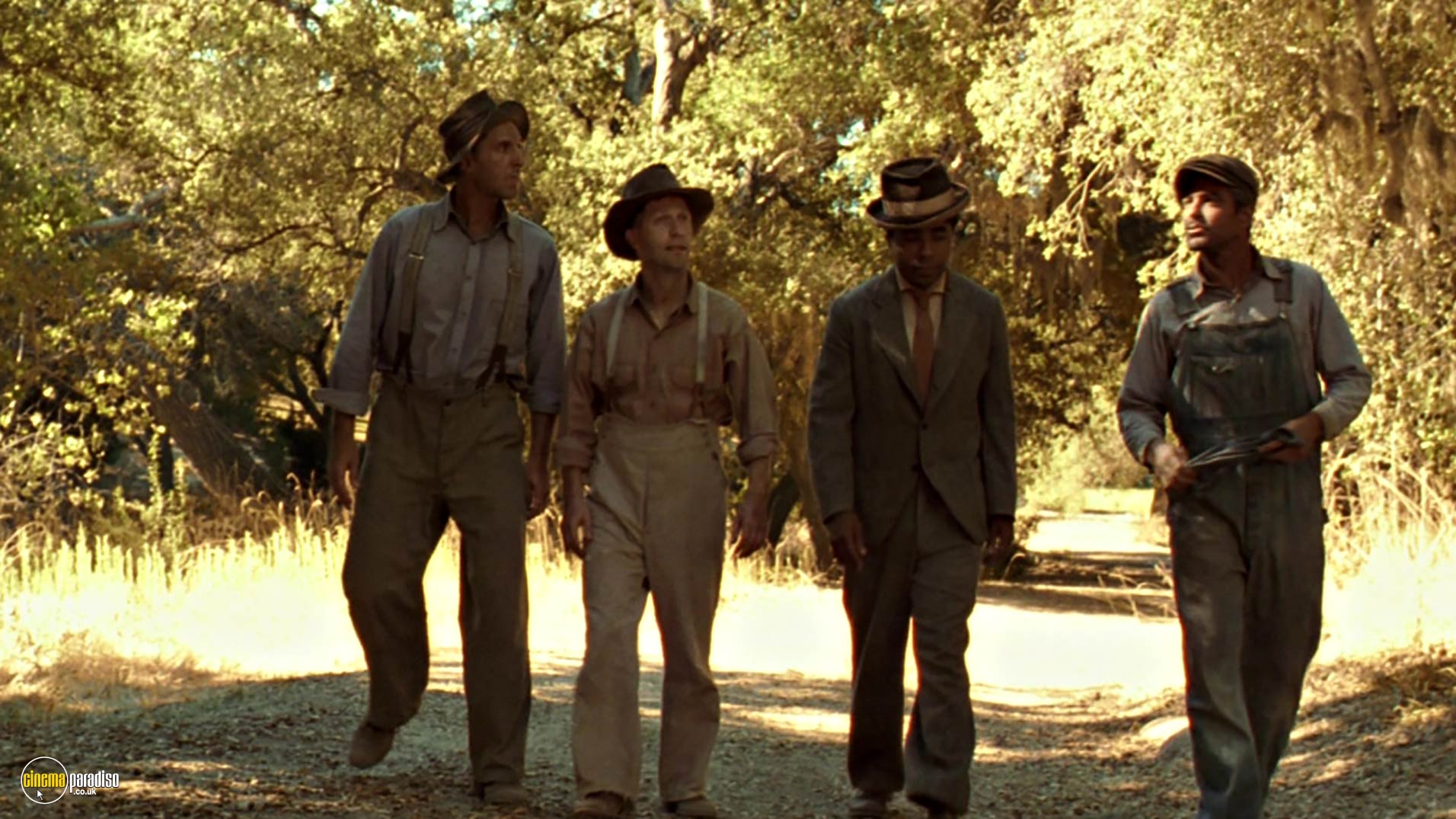
Despite initially making good progress, the script was set aside for a while, after Joel and Ethan reached 60 pages and couldn't think what to do next after mechanic Shep Proudfoot had confronted hitman Carl Showalter about getting him into trouble with the police. Always looking forward - as they had done when they had embarked upon Barton Fink after getting bogged down with Miller's Crossing - the siblings started work on another script, which would eventually see a projector beam as O Brother, Where Art Thou? in 2000. Hitting upon the idea that Shep would give Carl a darn good thrashing, the Coens got back into the Fargo groove and had the scenario ready for shooting in January 1995.
Minnesota Nice
It's 1987 and Jerome Lundegaard (William H. Macy) needs quick cash after embezzling a sizeable sum via the Minneapolis car dealership owned by his father-in-law, Wade Gustafson (Harve Presnell), where he works as the executive sales manager. Tipped off by mechanic Shep Proudfoot (Steve Reevis), Jerry makes contact with a couple of out-of-town ne'er-do-wells, Carl Showalter (Steve Buscemi) and Gaear Grimsrud (Peter Stormare). He gets off to a bad start, by arriving an hour late for their meeting in the King of Club tavern in Fargo, North Dakota. Moreover, he confuses Carl with his imprecise instructions for the kidnapping of his wife, Jean (Kristin Rudrüd), and the share they are to receive from the $80,000 ransom money. Agreeing to let them keep the tan-coloured Oldsmobile Cutlass Ciera he has stolen off the lot and towed to the rendezvous, Jerry believes he's struck a deal with ruthless professionals. But they are more interested in finding a couple of hookers (Larissa Kokernot and Melissa Peterman) to celebrate their good fortune.
Returning home to be greeted cheerily by his wife and less so enthusiastically by his father-in-law and teenage son, Scotty (Tony Denman), Jerry frets through supper because he wants to press Wade on a 'sweet' real estate deal he's stumbled upon, with a view to building a parking lot. He needs Wade to loan him $750,000 and thinks he's talked him round when Wade promises to speak to his financial consultant, Stan Grossman (Larry Brandenburg). Thinking he's on easy street, Jerry pops down to the auto bay to ask Shep for Carl's number so he can call off the kidnapping. But Shep doesn't have any contact details and Jerry's day gets worse when Wade informs him that he's going to take over the land deal himself and is only prepared to pay Jerry a token finder's fee.
Distraught, Jerry slumps in his office chair, where he has already been abused by a customer who feels duped because he had added some expensive TruCoat to the paintowork of his new car and been harassed over the phone by loan company official, Reilly Diefenbach (Warren Keith), over the registration numbers that he had deliberately smudged on a fraudulent claim form. Heading home with a bag of groceries, Jerry is taken aback when he finds that Jean has been abducted, although he knows nothing of the botched job that saw his wife bite Gaear's finger before she fell downstairs while wrapped in the shower curtain after trying to hide from the interlopers in the bathroom. While Jerry rehearses how he is going to break the news to Wade, Carl and his silent accomplice are heading towards a cabin near Moose Lake, with a shrouded Jean moaning on the back seat. As Carl has forgotten to change the licence plates, however, they are pulled over on a snowy road by a state trooper (James Gaulke), who takes exception to the fact that Carl tries to bribe him.
Not one for messing around, Gaear shoots the officer and tells Carl to move the body to the side of the road. As he's hauling the corpse, however, a couple drive past in a car and try to speed away after realising what they have witnessed. Gaear gives pursuit in the squad car and guns down the driver (J. Todd Anderson) after he flips the car and tries to scarper across a snow-covered field. Without batting an eyelid, Gaear also shoots the passenger (Michelle Suzanne LeDoux), who is hanging upside down by her seatbelt.
The next morning, after husband Norm (John Carroll Lynch) has cooked her some breakfast eggs, Brainerd police chief Marge Gunderson (Frances McDormand) joins Deputy Lou Getchell (Bruce Bohne) at the crime scenes. As she's seven months pregnant, she barfs in the snow from morning sickness before continuing her examination of the evidence. She corrects Lou when he fails to realise that the letters 'D.L.R.' on the Oldsmobile's plates denote that it's a dealer car and she pays a visit to the Gustafson lot after learning that two outsiders had spent the night with a couple of companions at the Blue Ox, from where they had phoned Shep. He denies any knowledge of the call, while Jerry assures Marge that no vehicles are missing off the lot. While in Minneapolis, Marge looks up old school friend, Mike Yanagita (Steve Park). After he awkwardly tries to sit next to her and put an arm around her, Marge explains that she's married to Norm 'Son of a' Gunderson and Mike becomes emotional while telling her that his wife, Linda Cooksey, has died of cancer.
While packing in her hotel room, Marge learns from another old classmate that Mike still lives with his parents and had stalked Linda, who is very much alive. Realising that lonely and desperate people can tell convincing lies, Marge returns to Norm, who is working on a painting of a mallard duck for a postage stamp competition. Meanwhile, Jerry, who has failed to reassure Scotty that his mother will be okay, informs Wade that the kidnappers want $1 million. Furious that he's not allowed to get the police involved, Wade insists on taking over negotiations himself and Jerry panics because Carl believes the sum is only $80,000. Determined to enjoy himself in the Twin Cities while Gaear keeps watch over Jean by the lake, Carl hires an escort (Michelle Hutchison) and takes her to see José Feliciano at a cabaret club. However, when Carl takes her back to Shep's apartment, he gets pulped for getting the mechanic in trouble with the police.
Battered and bruised, a seething Carl orders Jerry to bring the money to a parking lot. However, Wade insists on being the bagman and Carl shoots him when he tries to barter over the ransom. With his dying breath, Wade fires back and grazes Carl's chin, leaving him in such a foul mood that he blasts the parking attendant when he insists on him paying the full fee for a minimum stay. En route to Moose Lake, Carl discovers that the bag contains $1 million and counts out the $80,000 to share with Gaear before burying the case by a fence in a snowed-under field.
Meanwhile, Marge returns to the dealership to ask Jerry to double check about any missing vehicles. Making a poor job of co-operating, he lays low at the wheel of his car and makes a break before Marge can stop him. She alerts the state police, who arrest the bawling Jerry at a cheap motel outside Bismarck, North Dakota, where he is staying under the name of Anderson. Learning that a bartender called Mohra (Bain Boehlke) had overheard a customer boasting about having killed someone, Marge drives out to Moose Lake and spots the tan Ciera parked outside the cabin. She finds Gaear feeding body parts into a woodchipper, as he had killed Jean after she had refused to keep quiet and had bludgeoned Carl with an axe after they had argued over who should get to keep the car. Shooting him in the leg, as he tries to escape, Marge drives Gaear back to Brainerd and asks him why people commit such terrible crimes for a little bit of money?
Snuggling at home with Norm, Marge is thrilled to learn that the Postal Service has chosen his mallard for the 3c stamp. He's disappointed that his rivals, the Hautman brothers, had been selected for the 29c stamp, but Marge reminds him that smaller denomination stamps come in handy when the price of first-class postage goes up. Suitably reassured, Norm hunkers down with his wife, knowing their baby is going to have the best mom.
There's No Business Like No Snow Business
The roles of Marge Gunderson, Carl Showalter, and Gaear Grimsrud were written specifically for Frances McDormand. Steve Buscemi, and Peter Stormare. As those who have read Cinema Paradiso's Getting to Know article
will be aware, the debuting McDormand had fallen in love with Joel Coen while playing the scheming femme fatale in Blood Simple, but her husband and brother-in-law had only offered her smaller parts in Raising Arizona, Miller's Crossing, and Barton Fink. She wasn't bowled over by the first draft of Fargo and wasn't wholly enamoured with her part, as she felt throughout the production that the Coens never believed that Marge was the hero of the story. Ethan even declared Carl the key character because he was 'the classic sane man in a land of the insane'. Indeed, he even averred that Marge was 'the bad guy' and was genuinely surprised when people took her to their hearts because he (and McDormand) felt she was 'sure of herself to an alarming degree'.
Some sources have stated that McDormand partially based Marge on her sister, Dot, who was a chaplain at a women's maximum-security prison. Perhaps this is why she grew into the role, although McDormand has credited the birdseed-filled pregnancy belly made by costume designer, Mary Zophres, as it fitted so snugly that it almost became part of her. Having just adopted a son, Pedro, with Joel, McDormand spoke to a seven-month pregnant cop named Nancy to get an insight into how the bump changed her approach to the job. A member of the Vice Squad in St Paul, Nancy also taught McDormand how to fire a gun and how to move with her protuberance.
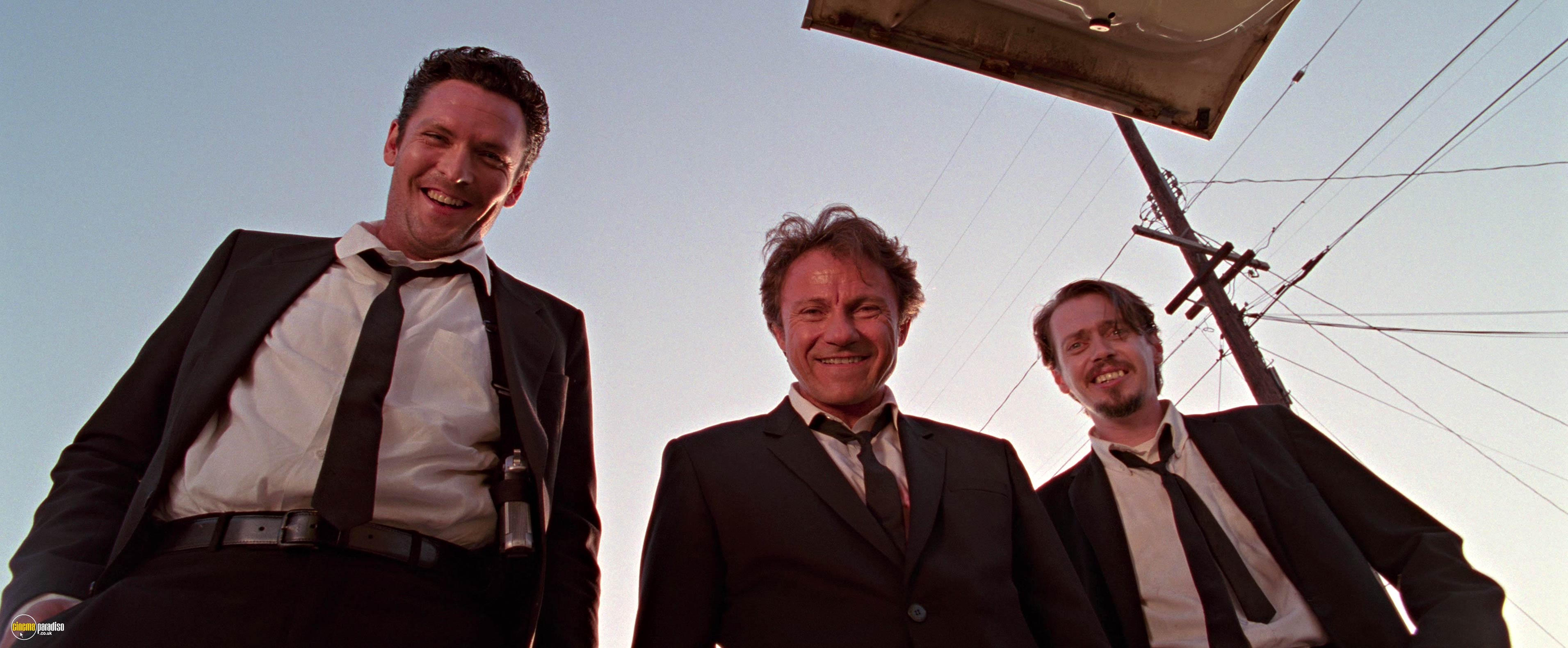
New Yorker Steve Buscemi had established his reputation in such indie pictures as Bill Sherwood's Parting Glances (1986), Jim Jarmusch's Mystery Train (1989), and Alexander Rockwell's In the Soup (1992). However, it was his performance as Mr Pink in Quentin Tarantino's Reservoir Dogs (1992) that made his name. Buscemi had taken minor roles in Miller's Crossing, Barton Fink, and The Hudsucker Proxy and it amused the Coens to cast such a quiet man off camera as the garrulous Carl. By contrast, Gaear is the blonde silent type and the Coens were intent on casting Swede Peter Stormare after Ethan had spotted him playing the lead in Ingmar Bergman's Brooklyn Academy of Music production of Hamlet in 1988. They had offered him the specially written part of 'The Swede' in Miller's Crossing, but the Royal Dramatic Theatre in Stockholm had refused to release Stormare for the shoot. However, the Coens bumped into him again when he co-starred with McDormand in Elisabeth Egloff's play, The Swan, in 1993, and they promised him a role in their next picture.
Apart from their talent and physical disparity, the Coens had another reason for casting Stormare and Buescmi, as Ethan explained. 'One of the reasons for making them simple-minded,' he said, 'was our desire to go against the Hollywood cliché of the bad guy as a super-professional who controls everything he does. In fact, in most cases criminals belong to the strata of society least equipped to face life, and that's the reason they're caught so often. In this sense too, our movie is closer to life than the conventions of cinema and genre movies.'
Hailing from Miami, Florida, William H. Macy had to work hard to land the role of Jerry Lundergaard, which had been earmarked for local actor Bill Schoppert, who had starred in the 1982 Minnesotan film, The Personals. As Macy told the BFI: 'I read for the sheriff. Joel and Ethan said: 'That's real good. You want to go out and read Jerry?' They gave me about 20 minutes. I came in and read. They said, 'That's real good. You want to go home and work on it and come in tomorrow?' So I went home. Every actor I know did shifts [auditioning]. I went in and read it again. And they said: 'That's real good. We'll let you know.'
On hearing there was going to be an additional casting session in New York, Macy took a plane and gatecrashed the audition. Marching in, he informed the brothers that he had come to prevent them from making the most colossal mistake of their lives, as he had been born to play Jerry. Aware that Ethan had a new puppy, he even took a risk and joked, 'I'll shoot your dog if you don't give me this role.' The gambit paid off, although it was a while before Macy heard the good news. 'I had a little place in Vermont, a little cold-water cabin. I was all by myself and I got the call: 'You got Fargo.' I didn't have anyone to tell. I was running around in this 12-by-20 cabin screaming my head off. I ran outside. I was so excited because I knew it was a game-changer for me.'
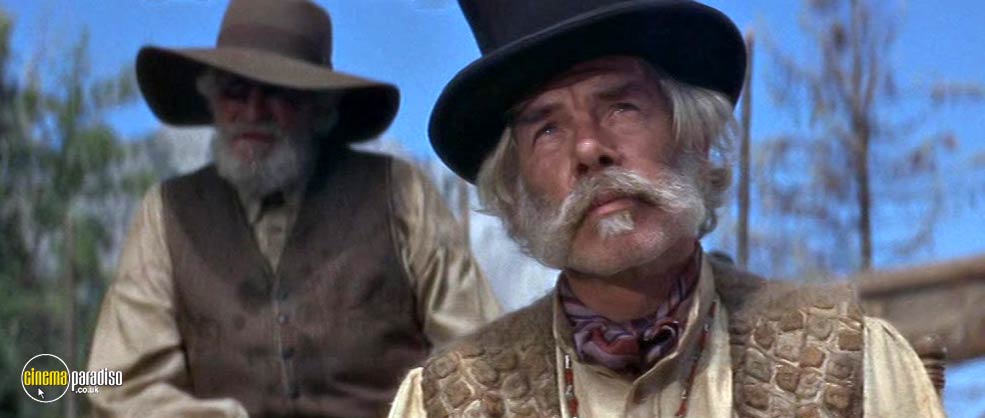
Ethan later admitted, 'I don't think either of us realised what a tough acting challenge we were handing Bill Macy with this part. Jerry's a fascinating mix of the completely ingenuous and the utterly deceitful. Yet he's also guileless; even though he set these horrible events in motion, he's surprised when they go wrong.' Wade Gustafson was a better judge of character, as he had Jerry taped as a loser from the moment he met his daughter. In order to play him, the Coens cast stage actor Harve Presnell, who was making his first film since Joshua Logan's Paint Your Wagon (1969). The break transformed his screen career, although he was indebted to Larry Brandenburg, who played financial partner, Stan Grossman, as the Minnesotan helped Presnell master the distinctive Nordic-inflected accent.
This came more naturally to Colorado-born John Carroll Lynch, who had been working locally on stage when he heard about Fargo. He was noticed in early auditions by casting director Jane Drake Brody and lined up to play Norm 'Son of a' Gunderson. He and McDormand met up during rehearsals to work on the married couple's rapport and they came to the conclusion that Norm had also once been part of the Brainerd police department. But the Coens nixed the idea because they wanted him to have no interest in her work so he could provide a safe haven for her to switch off from the gruesome case when she came home.
Amusingly, the Hautmans who beat Norm to the higher value stamp, were actually childhood friends of the Coens and won lots of federal painting competitions. Indeed, some of Robert Hautman's equipment was acquired for Norm's studio. Another cast from local theatre was Bain Boehlke, who plays Mr Mohra, the man who brushes the melting snow with a broom while telling Office Olson (Cliff Rakerd) about the goings on at the lake. He had founded his own theatre called The Jungle. However, as Todd Melby revealed in his excellent A Lot Can Happen in the Middle of Nowhere: The Untold Story of the Making of Fargo (2021), Boehlke knew little about cinema and only believed that the film was real when he saw the trailer while watching something else at his local picturehouse.
Brooklynite Stephen Park had come to prominence as Sonny the Korean shopkeeper in Spike Lee's Do the Right Thing (1989), although he had also impressed as Detective Brian alongside Robert Duvall in Joel Schumacher's Falling Down (1993). He had not wanted to play Marge's old classmate, Mike Yanagita, as he was described in the script as fat and balding. Park was also concerned that Mike gave the wrong impression of Asian Americans. However, he realised that he was crucial to helping Marge (who he knew by her maiden name of Olmstead) get a handle on Jerry's character and crack the case. Such was the impact of his performance that Bong Joon-ho became a fan and later cast Park in Snowpiercer (2013).
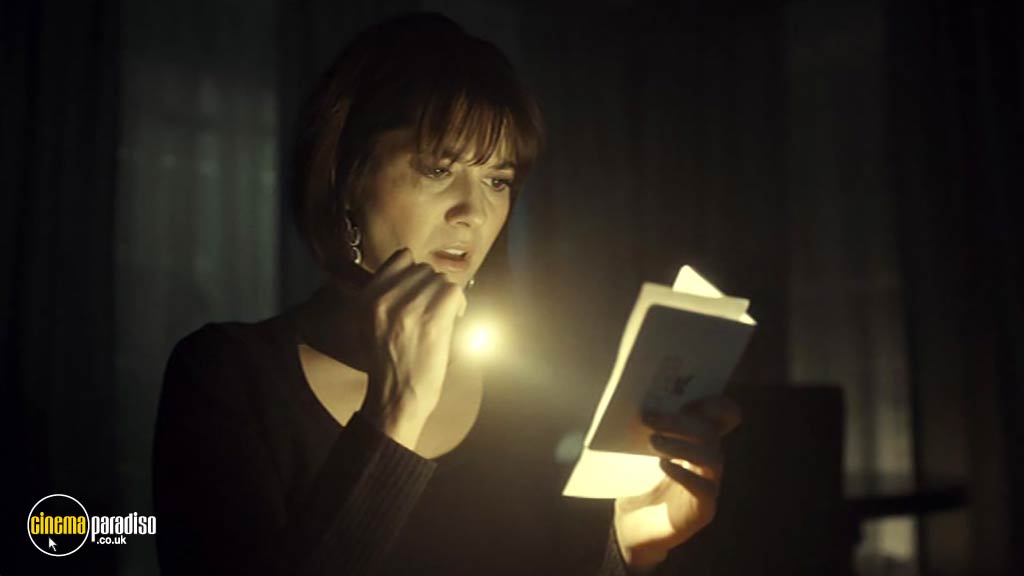
While preparing for the shoot, Frances McDormand struggled to settle into the role of Marge Gunderson because she kept slipping out of the Minnesotan accent. She worked with voice coach, Liz Himelstein, whose credits included John Waters's Cry-Baby (1990), Herbert Ross's True Colours (1991), and Brian De Palma's Carlito's Way (1993). Her secret was to help actors catch their character's cadence rather than simply teaching them how to imitate a regional accent and Ewan McGregor sought her out when he came to star in Season Three of Fargo in 2017, when he was cast as feuding brothers, Emmit and Ray Stussy.
However, McDormand sought additional assitance from Larissa Kokernot, a native Minnesotan who plays Hooker #1 and describes Carl as "funny lookin'". She gave her character a backstory and the name Becky, while Melissa Peterman decided that Hooker #2 was called Chevrolet and needed to ad-lib the line 'Go Bears!', when Marge interviews the pair in the Loch Ness club. Michelle Hutchison, who was cast a the escort who sleeps with Carl after seeing José Feliciano at the Chanhassen Dinner Theatre, reckoned her character was a country girl from Otter Tail County named Debbi Johnson. Her sex talk with Carl was improvised and she couldn't resist pointing out to McDormand at the local premiere that an extra 'n' had been added to her name in the credits.
Kristin Rudrüd was actually from Fargo and she intuited that Jean Lundegaard was crying on the inside while maintaining her homely smile. Jean is an avid knitter (Scotty clings on to one of the jumpers after his mother disappears) and very much a daddy's girl, who has filled the house with porcelain pigs. Rudrüd only utters a few words in the most wonderful accent, but when the Coens asked her to scream like Janet Leigh in Psycho (1960), when Carl breaks into the house, she had no idea what they meant, as she never watched horror films because she found them too frightening.
With the cast and financing in place, the Coens rented office space in St Paul to serve as both a production base and a mini-studio, where sets could be built. Shooting started in January 1995, with the first four days being spent at Wally McCarthy's Olds in Richfield, which stood in for Wade Gustafson's dealership. It was here that Jerry tried to dupe customers into adding TruCoat to their deals and sought to cook the books by filling in loan forms with a blunt pencil to make them less legible. His office is filled with tacky golf trophies, as Marge notices before he does a runner after famoulsy protesting, 'Well, heck! If you wanna...If you wanna play games here, I'm working with ya on this thing here, but...Okay!...I'm co-operating here!'
Edina City Hall stood in for Brainerd's police headquarters, where Norm brings Marge an Arby's lunch and gets food on her cheek by kissing her. They later tuck into a hearty canteen meal, while Norm polishes off Marge's uneaten eggs and falls asleep eating crisps in bed while watching late-night television. The next stop was King of Clubs, a blue-collar bar in a northern suburb of Minneapolis, which stood in for Fargo, North Dakota. Despite the city giving the film its title, little of the action is actually set there. But the Coens felt it made for a punchier title than 'Brainerd'.
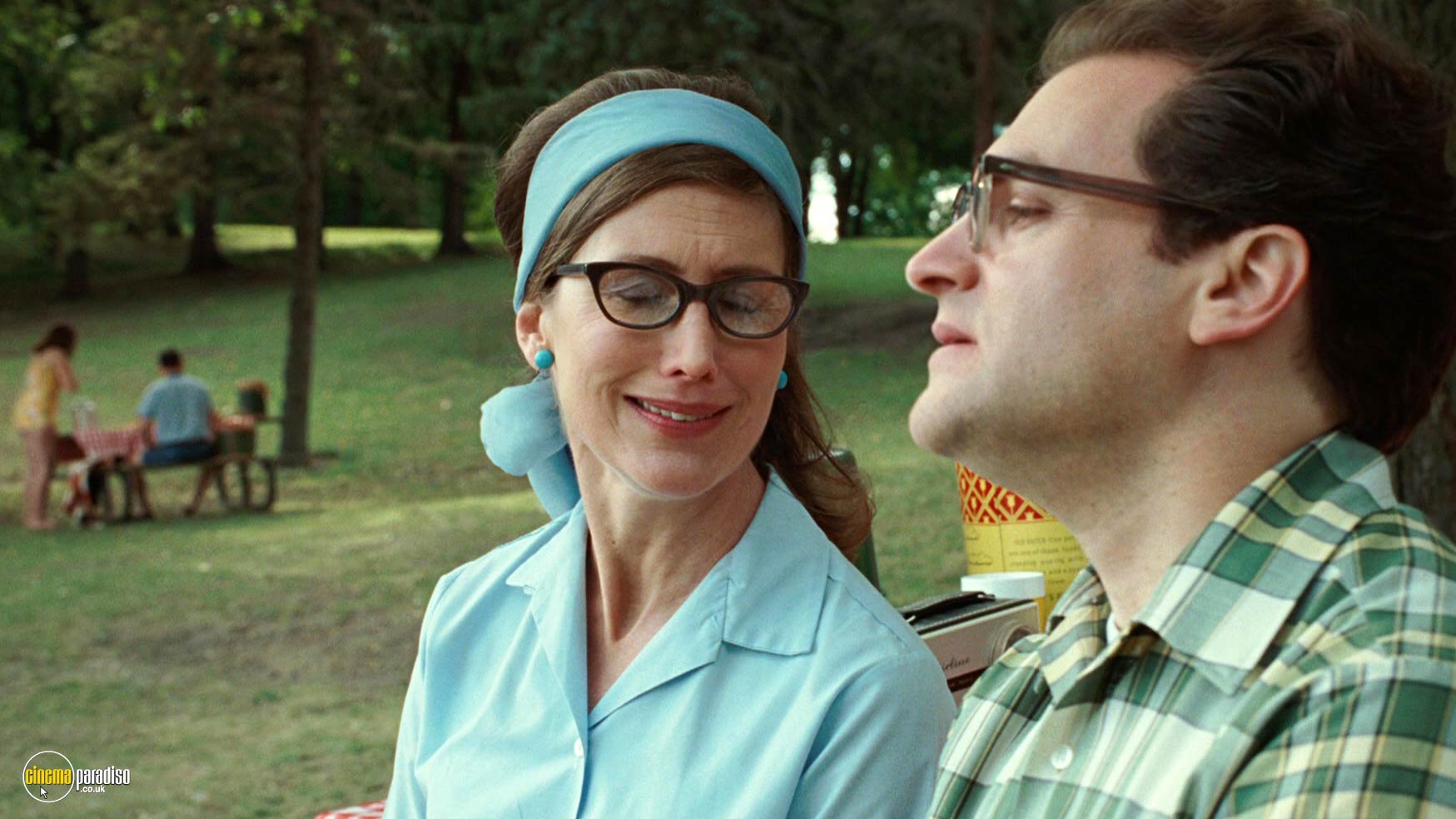
Six days were then spent at a large property in the Eden Prairie part of Minneapolis, which was transformed into the Lundegaard home by production designer Rick Heinrichs and set decorators, Steve Speers and Lauri Gaffin. Together with costumier Mary Zophres, they ensured that the film had the authentic look and feel to go with the Minnesota Nice attitude of the characters. Look out for the diner checkout girl and the desk staff at the Minneapolis hotel, as well as the two hookers. In addition to the sing-song rhythms of their dialogue, they also nod their heads in order to make an empathetic connection with friends and strangers alike. It's all rather sweet and, although the Coens poke gentle fun at the accent and mannerisms they had grown up with, there's also a little nostalgic affection, even though they had long moved away and would only return for A Serious Man (2009).
A key scene shot in the house was Jean's attempt to flee the bathroom while entangled in the shower curtain. In order to perform the stair tumble, stunt director Jery Hewitt hired his new wife, Jennifer Lamb Hewitt, to double for Kristin Rudrüd. However, a slight change in the layout of the set meant that Hewitt got her bearings slightly off and, instead of careering on to the landing, she ran smack into the door jamb and brought up a huge lump on her forehead. Undaunted, however, she performed the stair stunt shortly afterwards.
Rich Heinrichs had to build two Paul Bunyan statues before the Coens were happy with the axe-wielding pioneer who stands at the side of the highway to welcome visitors to Brainerd. Heinrichs also found the woodchipper, which he stripped down to remove any potentially dangerous parts before giving it the new brand name of 'Eager Beaver'. Special effects artist Paul Murphy created the flying flesh that spurts out of the innards, as Gaear is using a piece of wood to force Carl's leg into the blades. When Fargo was released on VHS in 1997, the Widescreen Collector's Edition came with a snow globe that mingled white and red flakes to grimly amusing effect. A later globe depicted the car that winds up on its roof in the snow.
Square Lake on the Wisconsin border stood in for Moose Lake and three days were spent filming Carl laughing at Jean when she slips in the snow while trying run away blindfolded; Gaear attacking Carl with an axe; and Marge creeping through the snow to make her arrest. Despite this being a tense sequence, the Coens and cinematographe Roger Deakins had decided to keep the camera relatively still to reflect the slower pace of life in Minnesota and to keep the audience at a distance to remind them that they are outsiders in these tight-knit communities. By holding static shots, however, the Coens were also able to present the characters in the setting that was so familiar to them. What was unfamiliar, however, was the lack of snow during the first two months of 1995 and vast amounts of fake snow had to be created and maintained to generate the wintry bleakness that was the essential backdrop to proceedings.
Having filmed the scenes in which Carl and Gaear cavort with the hookers and Jerry howls with anguish as he's being arrested in a Bismarck motel, the Coens took the decision to travel 315 miles northwest of Minneapolis in search of real snow. They set up camp in the Holiday Inn in Grand Forks, North Dakota and chose the long stretch of road outside Grafton for the spot where Marge and Deputy Lou examine the abandoned vehicles. There's nothing to see for miles around and this sense of vast, featureless wilderness made it all the more amusing when Carl (who is bleeding profusely from his face) selects a random spot by a fence (which he is never likely to remember again) in which to bury the loot he has withheld from Gaear.
The production moved on 90 minutes north to Pembina County to film the nocturnal sequences in which Carl is pulled over by the state trooper and Gaear speeds after the rubbernecking motorists who make the mistake of slowing down to watch Carl lugging the dead cop's corpse. The man playing the driver who gets gunned down in the snowy field was storyboard artist J. Todd Anderson and another crew member, production office assistant Bix Skahill, got to play the night-time parking attendant, who is callously shot by a hacked off Carl. He shouldn't be confused, however, with the daytime parking lot attendant, played by John Warkentin, who insists on Carl paying the $4 fee, even though he has just slipped in and out to steal some licence plates. It's important to get these things right, as Fargo fans are sticklers for details and will insist that you note that actor Bruce Campbell put in an uncredited cameo as the man learning he's going to be a father in the TV soap that Gaear is calmly watching at the lakeside cabin having murdered Jean because she wouldn't keep quiet.
Three Darn Tootin' Decades Later...
Aware that the name 'Coen' cropped up a lot in the credits for Blood Simple, Joel and Ethan had invented a pseudonym for the film's editor. They told the press that Roderick Jaynes was an elderly British editor who rarely left home. But he achieved a piece of screen history when he was nominated for the Academy Award for Best Editing for his work on Fargo.
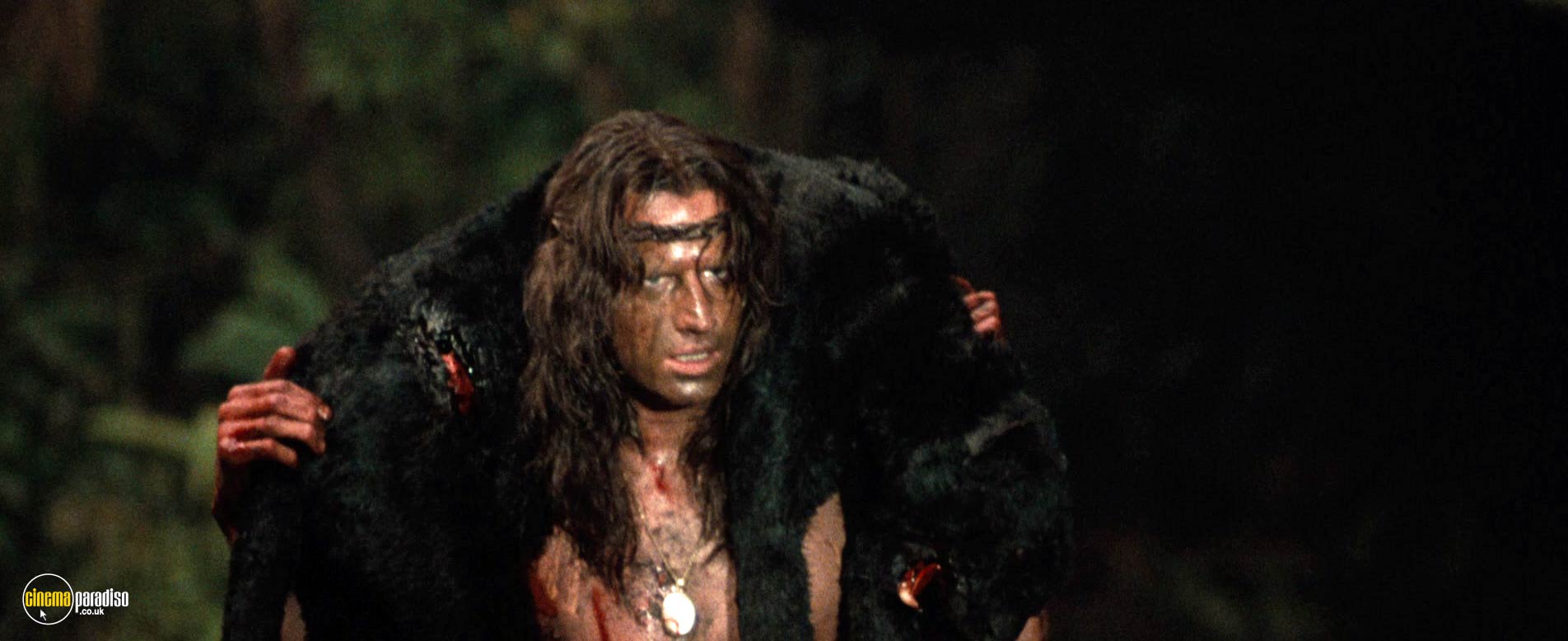
He would receive a second nod for No Country For Old Men (2007), which makes him the only non-existent person to be nominated twice. Jaynes wasn't the first, however. That was Adrien Joyce, which was the name used by Carole Eastman for her contribution to the screenplay of Bob Rafelson's Five Easy Pieces (1971). The most bizarre writing citation, however, belongs to P.H. Vazak, who was the Hungarian sheepdog that Robert Towne credited when he removed his own name from Hugh Hudson's Greystoke: The Legend of Tarzan, Lord of the Apes (1985). Subsequently, Charlie Kaufman invented a fictitious brother named Donald to sign the screenplay for Adaptation (2002), while Jean-Marc Vallée paid tribute to Jack Nicholson's character in Miloš Forman's One Flew Over the Cuckoo's Nest (1975) by crediting John Mac McMurphy as the editor of Dallas Buyers Club (2013).
One of the decisions Jaynes took on Fargo was to remove the film's only Black character. Frances McDormand's Yale Drama School classmate, Isabell Monk O'Connor, had been cast as Detective Sibert, the cop Marge consults on arriving in Minneapolis. Despite them discussing children and parkas, the Coens had been underwhelmed by the scene and reshot it with Marge speaking to Sibert by phone and asking if she could recommend somewhere to lunch in the downtown area. It was also decided that Steve Reevis's voice lacked menace as Shep Proudfoot, so his lines were redubbed by Bruce Bohne, who played Deputy Lou.
Following a premiere at the Fargo Theatre, the picture was released into 36 American cinemas on 8 March 1996. Such was the word of mouth that it was showing in 412 venues by the third week and went on to gross $36 million abroad, as part of its $60.6 million tally. The reviews were largely positive, with USA Today calling the film 'a nifty bit of nastiness', while most critics praised Roger Deakins's photography and Frances McDormand's acting. Over time, however, the contributions of William H. Macy, Steve Buscemi, and Peter Stormare have also been lauded, as Fargo went on to achieve cult status.
Joel Coen was named Best Director at Cannes, but the film suffered a shut out after receiving four Golden Globe nominations, with Miloš Forman taking Best Director for The People vs Larry Flynt and Madonna being named Best Actress in a Comedy or Musical for Alan Parker's Evita. Joel converted the only one of six BAFTA nominations, with McDormand missing out to Brenda Blethyn for Mike Leigh's Secrets & Lies. On Oscar night, however, the siblings won Best Original Screenplay to make up for missing out on Best Picture, Director, and Editing. Roger Deakins was also spurned, along with Macy for Best Supporting Actor. But McDormand followed up her Screen Actors Guild Award by winning her first Oscar for Best Actress, which she has sine followed with two more for Martin McDonagh's Three Billboards Outside Ebbing, Missouri (2017) and Chloé Zhao's Nomadland (2020). Only Katharine Hepburn has won the award more times.
McDormand went on to appear in three further Coen pictures, The Man Who Wasn't There (2001), Burn After Reading (2008), and Hail, Caesar! (2016), while she also played the scheming Scottish spouse opposite Denzel Washington in Joel's The Tragedy of Macbeth (2021). This was his first solo outing as a director after the brothers had decided to end their film-making partnership following The Ballad of Buster Scruggs (2018). Having joked that he was 'too old and lazy' to keep up with his sibling's schedules, Ethan has also since flown alone on Drive-Away Dolls (2024), which he co-wrote with his editor wife, Tricia Cooke.
The Coens had promised that changes would be made within the organisation when the press tumbled that Fargo had not been based on an entirely true story, as they had been led to believe. William H. Macy tells the story at the end of Jeffrey Schwartz's Minnesota Nice (2003), a 25-minute documentary, in which the Coens describe their home state as 'Siberia with family restuarants.' This is available to view on the Blu-ray version and is full of splendid anecdotes about the making of the film.
There's no mention, however, of Fargo (1997), a TV pilot that was written by Robert Palm and Bruce Paltrow (father of Gwyneth) and directed by Oscar-winning actress, Kathy Bates, who had cut her teeth with single episodes of Homicide: Life on the Street (1993-99) and NYPD Blue (1993-2005). Edie Falco and Matt Molloy were cast as Marge and Norm Gunderson, while Bruce Bohne returned as Officer Lou. But none of the networks were tempted to commission a series and the show sat on the shelf until it was aired in 2003, as part of the Brilliant But Cancelled series.
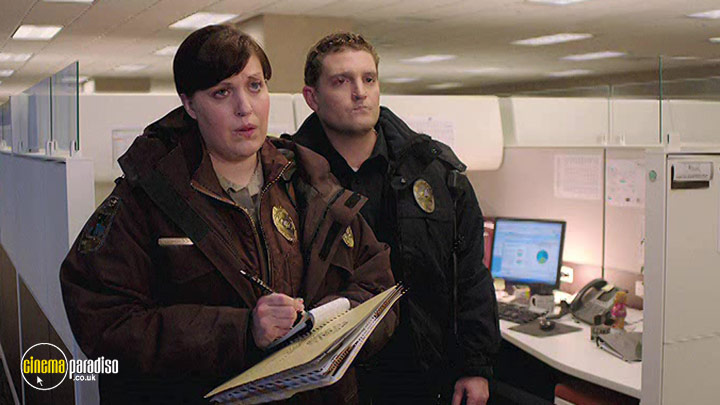
The Coens had been relieved the pilot flopped, but they were more enthusiastic when Noah Hawley proposed another small-screen spin-off in 2014. Indeed, they served as executive producers on all five series of Fargo (2014-24), three of which are available to rent from Cinema Paradiso. In the First Season (which is set in 2006), Deputy Molly Solverson (Allison Tolman) and Officer Gus Grimly (Colin Hanks) are called in to investigate when hitman Lorne Malvo (Billy Bob Thornton) pairs with mild-mannered insurance salesman, Lester Nygaard (Martin Freeman), for a killing spree in the town of Bemidji, Minnesota. The show picked up 18 Primetime Emmy nominations, winning for Outstanding Miniseries, Outstanding Directing, and Outstanding Casting, while also scooping the Golden Globes for Best Miniseries or Television Film and Best Actor for Thornton.
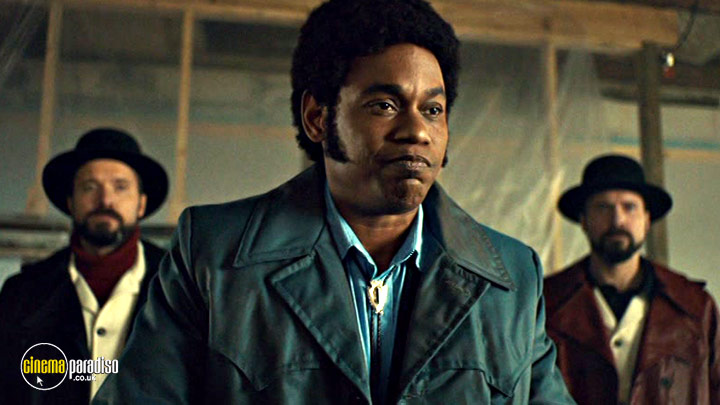
Harking back to 1979, the Second Season saw Rock County Sheriff Hank Larsson (Ted Danson) and State Trooper son-in-law Lou Solverson (Patrick Wilson) become involved with matriarch Floyd Gerhardt (Jean Smart) after a member of her Fargo crime family is killed in a hit-and-run accident by beautician Peggy Blumquist (Kirsten Dunst) and her butcher husband, Ed (Jesse Plemons). More nominations followed before Season Three earned Ewan McGregor a Golden Globe for his dual performance as St Cloud probation officer Ray Stussy and his richer brother, Emmit, who dubs himself the Parking Lot King of Minnesota. Things backfire, however, when, in 2010, Ray and parolee girlfriend Nikki Swango (Mary Elizabeth Winstead) decide to steal one of Emmit's valuable postage stamps and a couple of deaths come to the attention of both Eden Valley police chief, Gloria Burgle (Carrie Coon), and ruthless loan shark, V. M. Varga (David Thewlis).
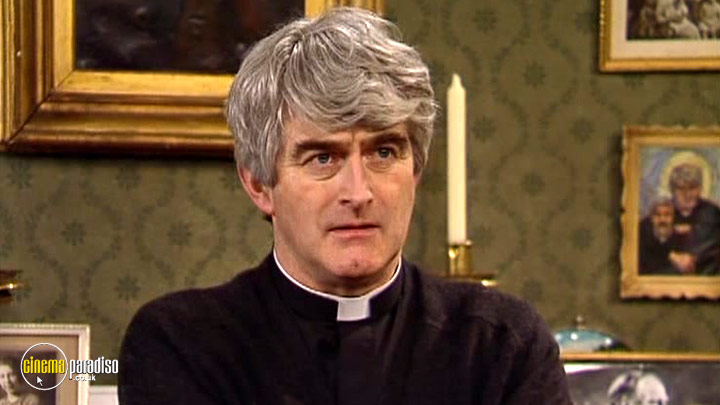
While the BFI speculated on whether Nicholas Ray's On Dangerous Ground (1951), Jacques Tourneur's Nightfall (1957), Akira Kurosawa's High and Low (1963), David Lynch and Mark Frost's Twin Peaks (1990-91), and Joe Berlinger and Bruce Sinofsky's My Brother's Keeper (1992) influenced the Coens, critics noticed the impact that Fargo had on such features as Sam Raimi's A Simple Plan (1998), Harold Ramis's The Ice Harvest (2005), and David Zellner's Kumiko, the Treasure Hunter (2014). Homage references also cropped up elsewhere, with the aptly named Peadar Lamb playing sheep king Fargo Boyle in the 1998 'Chirpy Burpy Cheap Sheep' episode of Father Ted (1995-98); Dunder Mifflin receptionist Pam Beesly (Jenna Fischer) choosing Fargo as a desert island film in an episode of The Office: An American Workplace (2005-13); and Lois (Alex Borstein) chucking Brian (Seth MacFarlane) into a woodchipper after he steals her wine in the 2020 'La Famiglia Guy' episode of Family Guy (1999-).
Some have claimed that Lois's father, Carter Pewterschmidt, is based on Wade Gustafson. However, we're not aware that anyone has postulated that Marge Gunderson's first name was inspired by Marge Simpson. There's a 6ft statue of the Brainerd police chief in the Fargo Theatre, titled 'Wood Chip Marge'. As for the woodchipper, William H. Macy bitterly regrets not buying it when props were auctioned off at the end of the shoot. It was snapped up by dolly grip Milo Durben, who used it on his property. But the Eager Beaver is currently on display in the Fargo-Moorhead Visitors Centre. So, if you're ever in North Dakota and wonder whether you should pop along and see it, we can only say, 'Heck, you betcha!'
Mentioned films