Rent The Shrouds (2024)
2.8 of 5 from 111 ratings
1h 59min
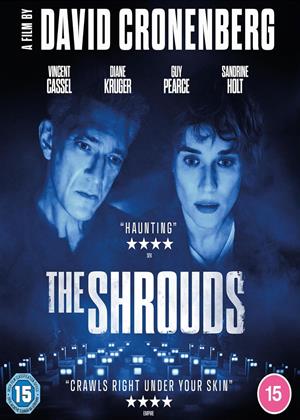
The Shrouds is a strange, thoughtful film—one that lingers long after it ends. Cronenberg has crafted something dense with ideas, rooted in grief and death—subjects we don't talk about nearly enough. We spend so much time trying to live well, yet we rarely ask what it means to die well, or lose someone well. Films like this matter because they create space for that conversation.
The tone is subdued throughout. Vincent Cassel, playing a grieving tech entrepreneur Karsh, gives a deliberately flat performance that mirrors the numbness of mourning. Anyone who's lived through grief and depression will recognise the fog Karsh is wading through—the slow, soupy sense of time, the absence of energy or feeling.
Beneath the surface, the film explores how we memorialise the dead, how technology reshapes our most intimate experiences, and whether capitalism can ever make peace with mortality. The conspiracy thread taps into all of this: vandalised graves, hacked livestreams, and suspicions of corporate or geopolitical sabotage. These ideas may sound far-fetched, but they feel plausible. In Cronenberg's hands, conspiracy becomes a symptom of grief—irrational, desperate, and strangely credible.
It's not perfect, but it's gripping in its own quiet way—and well worth the emotional excavation.
A weird science fiction horror from writer & director David Cronenberg that continues his fetish for body horror all wrapped up in a confusing and slow film about grief and loss. Vincent Cassel stars as wealthy entrepreneur Karsh, who following his wife's prolonged illness and death from cancer built a cemetery, with posh restaurant attached, where the bodies of loved ones are wrapped in Chinese designed shrouds that allow relatives to morbidly watch their dear departed loved ones slowly decay. This is somehow meant to be a release from pain or more likely a way to prolong it. Either way Karsh has successfully extended this idea to cemeteries around the world. But when the one where his wife is interred is vandalised he suspects various culprits from Russians to Chinese to his nerdy ex brother in-law Maury (Guy Pearce), who is annoyed that Karsh is bonking his ex-wife who is the twin of Karsh's wife. It's all slightly confusing and slow and ultimately it's an exasperating film that seems to go nowhere possibly suggesting that grief is never ending. It's a tiresome film that is visually interesting, has a creepy and deep score by Howard Shore, and disturbing visions of decaying corpses and the wife (Diane Kruger who also plays the twin sister) in various states of her illness as she loses body parts to surgery. In many ways it's an unpleasant film rather than cleverly creepy or disturbing and sadly it's a little boring.