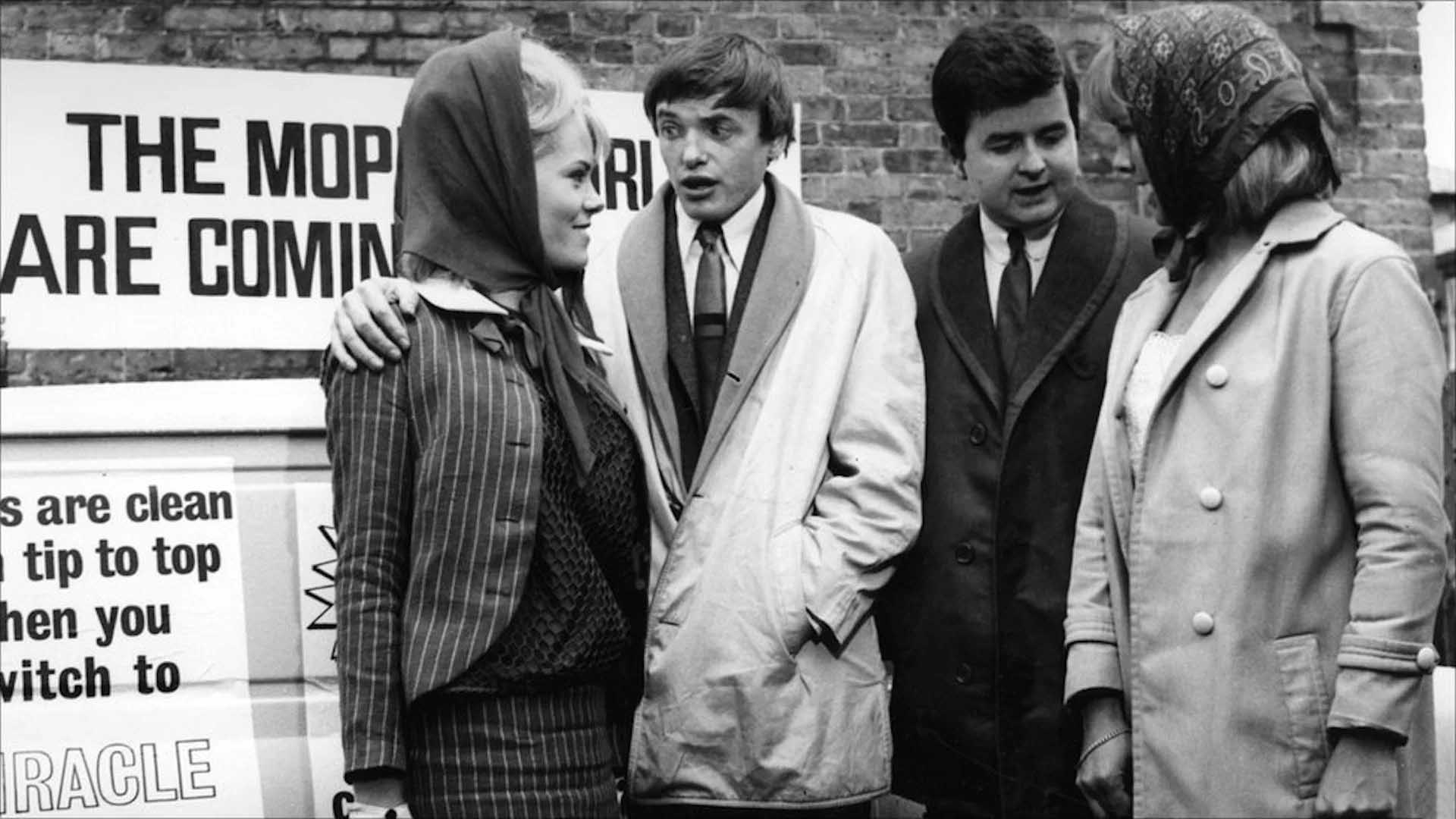
Following the sad passing of Richard O'Sullivan of Man About the House fame, Cinema Paradiso is setting out to find Britain's best sitcom spin-offs. In Part One, we head from the spincom's radio origins towards its golden age.
The son of a garage mechanic, Richard O'Sullivan was born in Chiswick on 7 May 1944. At the age of eight, he enrolled at the Corona Stage Academy to learn tap dancing and lose an Irish accent that he had picked up on holiday. But he proved such a talent that he made his film debut as a singing Sunday School boy in J. Lee Thompson's thriller, The Yellow Balloon. Having played Ninno Gonzar in Brian Desmond Hurst's Malta Story (both 1953), O'Sullivan was more prominent as Trevor Howard's son in Mario Soldati's The Stranger's Hand (1954), which really should be on disc in this country, as Guy Elmes's lovely script was based on an original treatment by Graham Greene (so should the TV anthology, Shades of Greene, by the way).
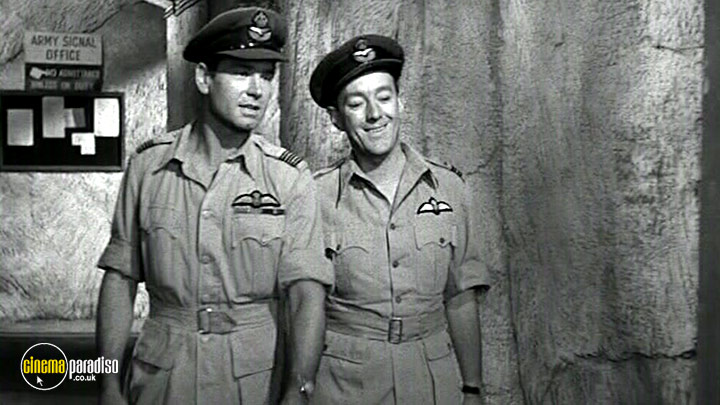
Firmly established as one of postwar Britain's most versatile child stars, O'Sullivan played Peter Finch as a boy in Cyril Frankel's Make Me an Offer and got to co-star with Hedy Lamarr in the Empress Josephine segment of Marc Allégret and Edgar G. Ulmer's Loves of Three Queens (both 1954). He was rescued from medieval kidnappers by Errol Flynn's Black Prince in Henry Levin's The Dark Avenger (1955) and was John Gregson's son in Roy Ward Baker's Jacqueline (1956), which was made the same year in which O'Sullivan got to jazz it up with teacher John Mills in Cyril Frankel's It's Great to Be Young. Back in the classroom, he led the sabotage bid to prevent Ted Ray's headmaster from leaving Maudlin Street School in Gerald Thomas's Carry on Teacher (1959) and caused anti-caning master Max Bygraves to go against his beliefs in Leslie Norman's Spare the Rod (1961).
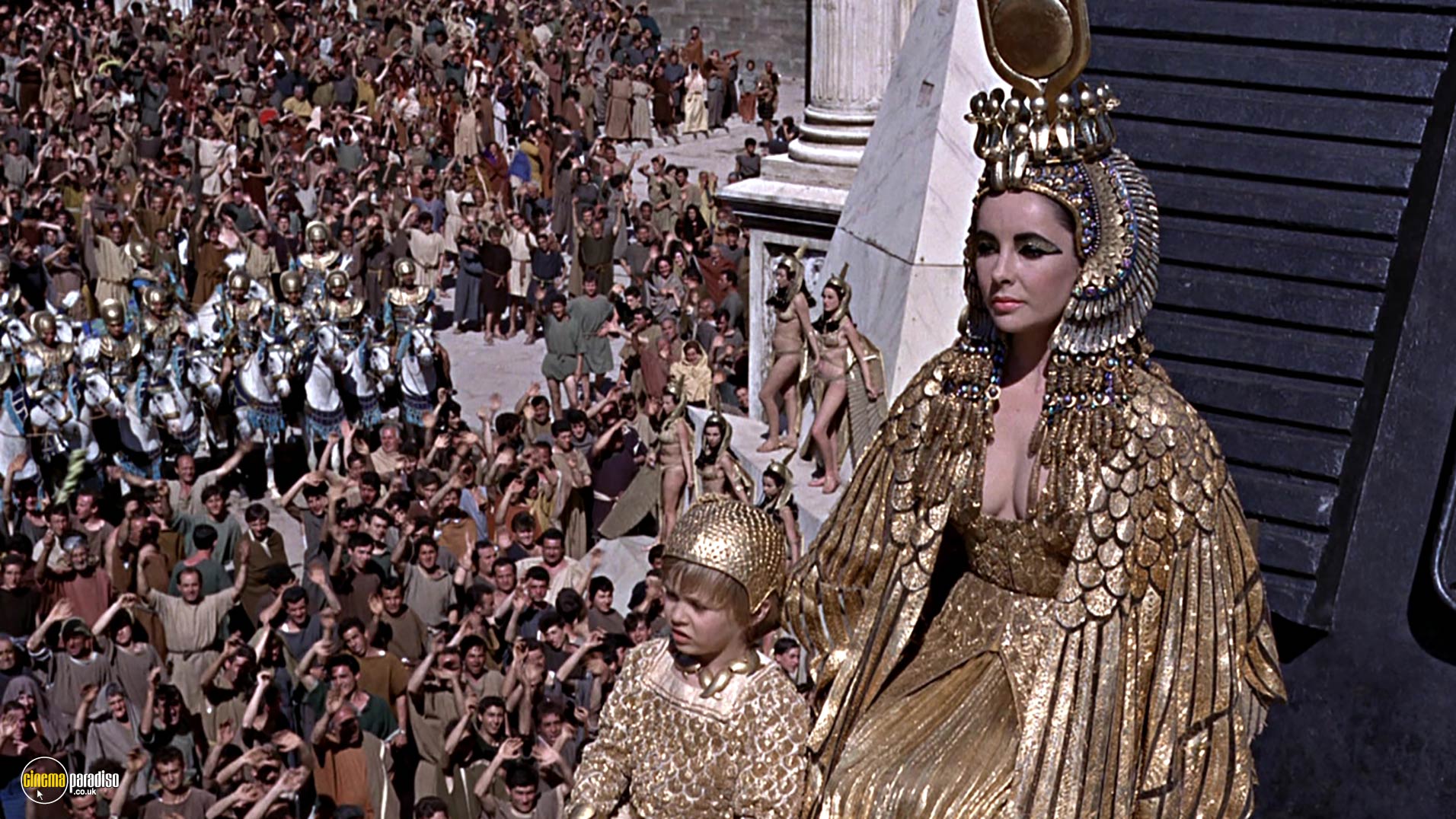
Prior to this, O'Sullivan had fronted the Children's Film Foundation's first serial, Raiders of the River (1956), and the BBC's adaptation of Frances Hodgson Burnett's Little Lord Fauntleroy (1957). He had also reunited with Frankel in the children's hospital saga, No Time For Tears, and with Brian Desmond Hurst to play King Louis XVII in Dangerous Exile (both 1957). O'Sullivan had also started showing up on TV series like The Adventures of Robin Hood (1955-59), Emergency Ward 10 (1957-67), Sword of Freedom (1959), and The Four Just Men (1960), all of which are available to rent from Cinema Paradiso. As is Fred Zinnemann's The Nun's Story (1959), in which O'Sullivan was uncredited as Audrey Hepburn's young brother, Pierre van der Mal. An even bigger Hollywood opportunity followed, when he was cast as Ptolemy alongside sister Elizabeth Taylor in Joseph L. Mankiewicz's infamous epic, Cleopatra (1963).
The 15 year-old O'Sullivan appeared as Ted Theobald opposite Patricia Dainton as a blind murder witness in Wolf Rilla's Witness in the Dark (1959). But he fetched up in some more obscure titles around this time, including And Women Shall Weep, A Story of David (both 1960), and The Webster Boy (1962), an Irish film in which O'Sullivan took the title role opposite John Cassavetes. Any time anyone wants to release this trio on disc, there are bound to be many takers.
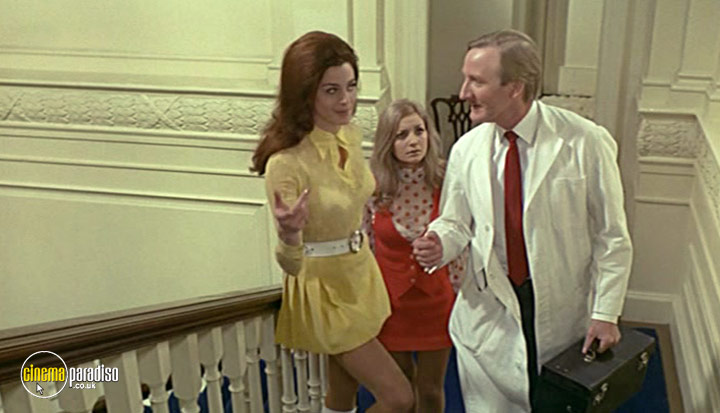
There's no problem getting hold of The Young Ones (1961) or Wonderful Life (1964), however, as O'Sullivan's Ernest and Edward were close pals of Cliff Richard. He also proved a willing foil to John Leyton, Mike Sarne, and Freddie and The Dreamers as Jimmy Dainty in Every Day's a Holiday (1964). But, with one-off TV drama series and old favourites like Dixon of Dock Green taking up more of his time, along with such shows as Redcap (1964-68) and serials like Great Expectations (1967; as Herbert Pocket), O'Sullivan began to drift away from the cinema scene. Indeed, he had to man the pumps at his father's garage and drive a taxi for a while in order to pay the bills. But he did make the odd feature and we can bring you his performances in A Dandy in Aspic (1968) and The Haunted House of Terror (1969), along with the saucy comic triptych of Futtocks End (1970), Au Pair Girls (1972), and Can You Keep It Up For a Week? (1974).
Having been hit in the face by a cricket ball as a boy, O'Sullivan had a lop-sided grin and this and his insouciant acting style reinforced his modish charm, as he became a sitcom regular in the early 1970s. He started out with turns as Steve and Howard in two episodes of Father, Dear Father (1968-79) before spending 10 episodes as Dr Lawrence Bingham in Doctor At Large (1971), which was based on the Richard Gordon books that had inspired the Rank big-screen series that was comprised of Doctor in the House (1954), Doctor At Sea (1955), Doctor At Large (1957), Doctor in Love (1960), Doctor in Distress (1963), Doctor in Clover (1966), and Doctor in Trouble (1970). Among the writers of the ITV series were such comedy luminaries as John Cleese, Graham Chapman, Graeme Garden, Bill Oddie, and Jonathan Lynn, which ensured there was a sizeable armchair audience awaiting Doctor in Charge (1972-73).
Neither Now Look Here (1971) nor Alcock and Gander (1972) took off, in spite of the respective presences of Ronnie Corbett and Beryl Reid. But O'Sullivan hit the big time in 39 episodes as Robin Tripp, alongside housemates Chrissy Plummer (Paula Wilcox) and Jo (Sally Thomsett) and landlords George (Brian Murphy) and Mildred Roper (Yootha Joyce) in Man About the House (1972-76). He reprised the role in 48 episodes of Robin's Nest (1977-81), which was also scripted by Brian Cooke and Johnnie Mortimer (who had worked with O'Sullivan on the Leslie Phillips sitcom, Foreign Affairs, in 1966) and co-starred Tessa Wyatt as Vicky and Tony Britton as her disapproving father (and the owner of Robin's restaurant), James Nicholls. Although dismissed by many today for their use of innuendo, these sitcoms were considered progressive because Robin shared a flat with two single girls in the former and lived `in sin' with his girlfriend in the latter. This was a first for British television and required the express permission of the Independent Broadcasting Authority. Yet each Tripp series commanded audiences of 16 million at their peak.
Clips from Man About the House were anthologised in All-Star Comedy Carnival (2016) and we'll return to it in our spin-off survey below. But, before taking our leave of Richard O'Sullivan's career, we should mention his change of direction to headline the Saturday teatime highwayman series, Dick Turpin (1982), and his later sitcom outings as widowed advertising executive Simon Harrap in 52 episodes of Me and My Girl (1984-88) and psychiatrist Adam Charlesworth in 9 episodes of Trouble in Mind (1991).
Radio Days
On 20 October 1922, Helena Millais became the first comic to perform on British radio when she appeared on the roof of the Marconi Company's Strand office to play her Cockney character, Our Lizzie, on the London Radio Station, 2LO. Millais had made a couple of propaganda shorts during the Great War, Meg of the Slums and The Stronger Will (both 1916), but she never returned to the screen after Victory and Peace (1918), even though she performed with ENSA during the Second World War.
Indeed, despite the occasional audio drama being adapted for the screen, cinema and radio had an uneasy relationship in the UK for the first two decades of their co-existence. The majority of radio's star singers and comedians had honed their skills in the country's music-hall theatres and several can be seen in such features as Elstree Calling (1930), Radio Parade of 1935, and Death At Broadcasting House (both 1934). The latter included a guest appearance by Gillie Potter, who was known for his radio talks from the fictional hamlet of Hogsnorton.
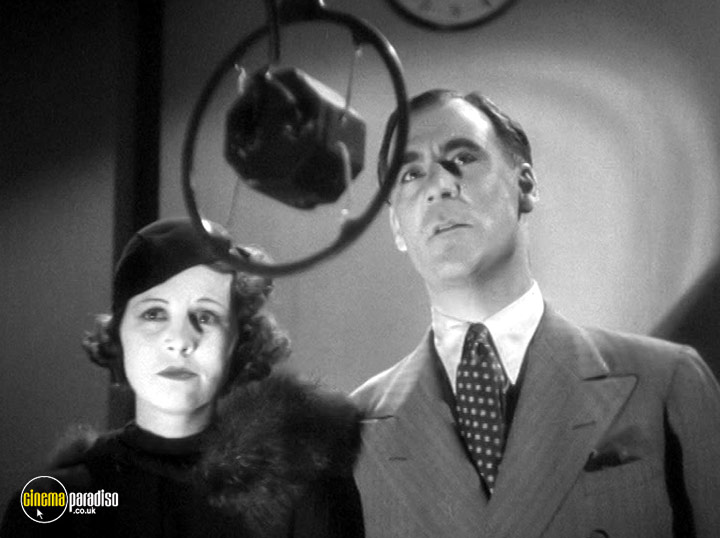
Gracie Fields, George Formby, and Will Hay (who runs the National Broadcasting Group in Radio Parade) were regulars on the BBC during the 1930s. But it took a while for the company to follow the American radio trend for situation comedies. The first recurring show, The Strange Adventures of Mr Penny (1936), was turned into a film by David MacDonald as Meet Mr Penny (1938), which should be on disc as the UK's first sitcom spin-off. Richard Goolden reprised his role as timid solicitor's clerk, Henry Penny, who unites his neighbours in a campaign to prevent the greedy Allgood (Vic Oliver) from building a warehouse on their allotment. Having acquired the rights to writer Maurice Moiseiwitsch's show, British National Films hoped to launch a series. But plans had to be scrapped after a sequel, The Pennys Abroad, failed to materialise.
Two BBC shows launched during the late 1930s reached their peak popularity during the Second World War. Each found its way on to the screen, although neither really did its source justice. In Marcel Varnel's Band Waggon (1940), Arthur Askey and Richard `Stinker' Murdoch are evicted from the roof of Broadcasting House and discover a Nazi plot to hijack the airwaves from a haunted castle. Interestingly, the idea of jamming transmissions recurred in Lance Comfort's Make Mine a Million (1959), in which Askey played a make-up artist conned into advertising Bonko washing powder by the unscrupulous Sidney James (who else?).
Trading on their radio personas, Big-Hearted Arthur and Stinker would join forces again in Charley's (Big-Hearted) Aunt (1940), The Ghost Train, and I Thank You (both 1941), while Askey returned to Auntie in Back Room Boy (1942) to press the button that launched the `pips' time signal. He also went solo in King Arthur Was a Gentleman (1942), Miss London Limited (1943), and Bees in Paradise (1944), while Murdoch went on to accompany Vera Lynn in One Exciting Night (1944).
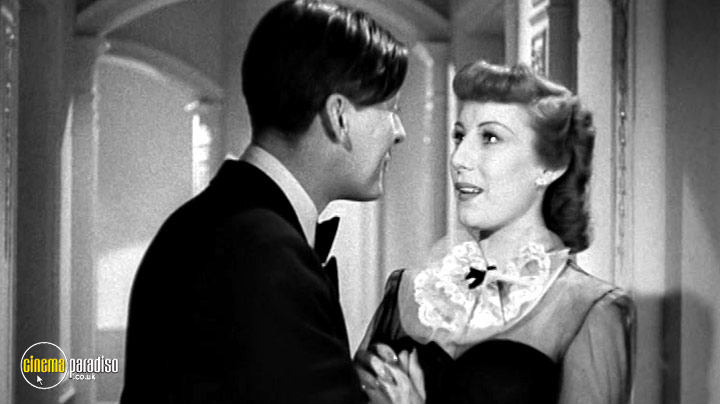
Like Askey, Tommy Handley also hailed from Liverpool and his radio show, It's That Man Again (1939-49), became such a fixture of British life that it was simply known as `ITMA'. Handley had first appeared on the BBC in 1924 and had formed the `Mr Murgatroyd and Mr Winterbottom' double act with Ronald Frankau, whose catchphrase was `Two minds with not a single thought.' But it was ITMA that sustained British morale during the war, with George VI's family being huge fans, although Bob Hope couldn't understand Handley's rapid Scouse delivery. Walter Forde's It's That Man Again (1943) saw the chiselling mayor of Foaming at the Mouth try to make a go of a bombed-out theatre. Radio regulars Dorothy Summers (Mrs Mopp), Jack Train (Lefty & Funf), Sidney Keith (Sam Scram), and Horace Percival (Ali Oop) all appeared and it's a shame that Handley was too busy with live shows and the radio make any more films than just Time Flies (1944), a sci-fi romp that's currently out of our orbit.
Although they were best known for their anarchic stage shows, The Crazy Gang were always welcome at the Beeb, whether as a sextet or as one of its component double acts. Bud Flanagan and Chesney Allen, Jimmy Nervo and Teddy Knox, and Charlie Naughton and Jimmy Gold were not sitcom types. They anticipated The Goons and the Monty Python troupe and Cinema Paradiso users can enjoy their distinctive brand of mayhem in The Frozen Limits (1939) and Gasbags (1941), while Flanagan and Allen can also be found in Dreaming (1944) and Here Comes the Sun (1946), as well as Humphrey Jennings's masterly tribute to the Auxiliary Fire Service, I Was a Fireman (1943), which would make an intriguing double bill with Ches and Bud's 1935 vehicle, A Fire Has Been Arranged.
A talent for disruption also made sisters Doris and Ethel Waters popular on radio and film. They had first graced the airwaves back in 1927 and were recording artists on the Parlophone label three decades before The Beatles. Regular appearances on Henry Hall's Guest Night and Workers' Playtime made Cockney chatterboxes Gert and Daisy national treasures, with Winston Churchill commending their cookery and household thrift hints on the BBC. Such was their significance that Nazi propagandist Lord Haw Haw (why has no one ever made a biopic of William Joyce?) declared `the people of Grimsby must not think that Gert and Daisy can save them from the might of the Luftwaffe'. The sisters made three films for the bargain-basement Butcher's Film Service, with Gert and Daisy's Weekend (1941) and It's in the Bag (1944) being on individual discs, while Gert and Daisy Clean Up (1942) is available on The Renown Comedy Collection: Vol.2 (2017).
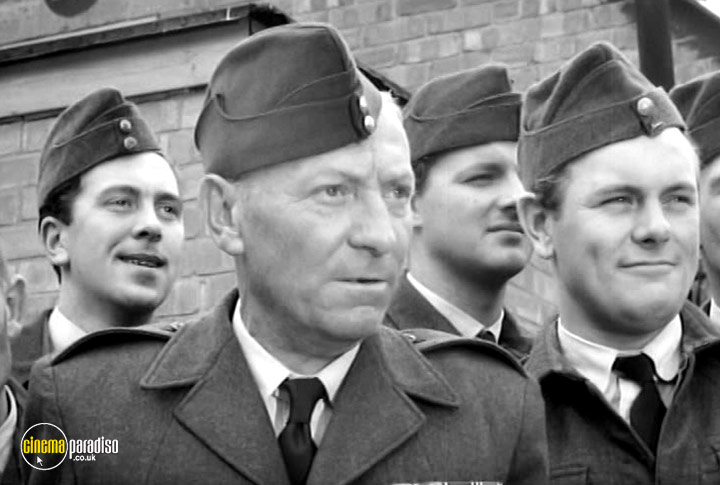
It's a shame that there are also gaps in Cinema Paradiso's collection of Frank Randle comedies. Like Max Miller before him, the Lancastrian maverick was considered too risky for live radio broadcasts and his fame depended on his raucous stage shows. Cinema rather smoothed him out, although the brand of subversive satire that championed the worker hasn't aged particularly well. Nevertheless, he's still a sight to see in pictures like Somewhere in Camp (1942), Somewhere on Leave (1943), Home Sweet Home (1945), Holidays With Pay (1948), When You Come Home (1948), School For Randle (1949), and It's a Grand Life (1953). Missing, however, is Somewhere in Civvies (1943), which gave audiences a rare chance to see overlooked radio comedienne, Suzette Tarri, who had debuted on the BBC in 1923 and became known for quirky characters like Our Ada in the 1930s and beyond. She was a great influence on Ken Dodd, with her feather duster inspiring his famous tickling stick.
After the war, a number of influential radio shows commanded loyal followings,
including Much-Binding-in-the-Marsh (1944-54), which was written by
stars Richard Murdoch and Kenneth Horne; Take It From Here (1948-60),
which paired Jimmy Edwards and Dick Bentley in scripts by Frank Muir and Denis
Norden; Up the Pole (1947-52), a sitcom starring Jimmy Jewel and Ben
Warriss; Ray's a Laugh (1949-61), a mix of sketches and variety with Ted
Ray that was fashioned to fit the ITMA slot; and Beyond Our Ken
(1958-64) and Round the Horne (1965-68), a pair of fast-moving skit
shows that surrounded Kenneth Horne with Kenneth Williams, Hugh Paddick, Betty
Marsden, and Bill Pertwee.
While much loved and imitated, the latter duo never reached a screen of any kind. However, Educating Archie (1950-60) and The Clitheroe Kid (1956-70) became hit TV shows, with the latter Jimmy Clitheroe spin-off being entitled, That's My Boy (1963). The former regularly had 15 million tune in to hear ventriloquist Peter Brough's lips move, as he voiced Archie Andrews, the doll whose radio tutor was successively played by Robert Moreton and Tony Hancock, who found fame as Anthony Aloysius St John Hancock of 23 Railway Cuttings, East Cheam in Hancock's Half Hour (1954-59). Scripted by Ray Galton and Alan Simpson and featuring Sid James, Bill Kerr, Kenneth Williams, and Hattie Jacques, the show moved on to BBC television, as Hancock's Half Hour (1956-60), with Sid, and as Hancock (1961), without him. The morose persona carried over into the features. The Rebel (1961) and The Punch and Judy Man (1963), and the ITV series, Hancock (1963). But Hancock's powers were waning and he died in Australia in June 1968 at the age of 44.
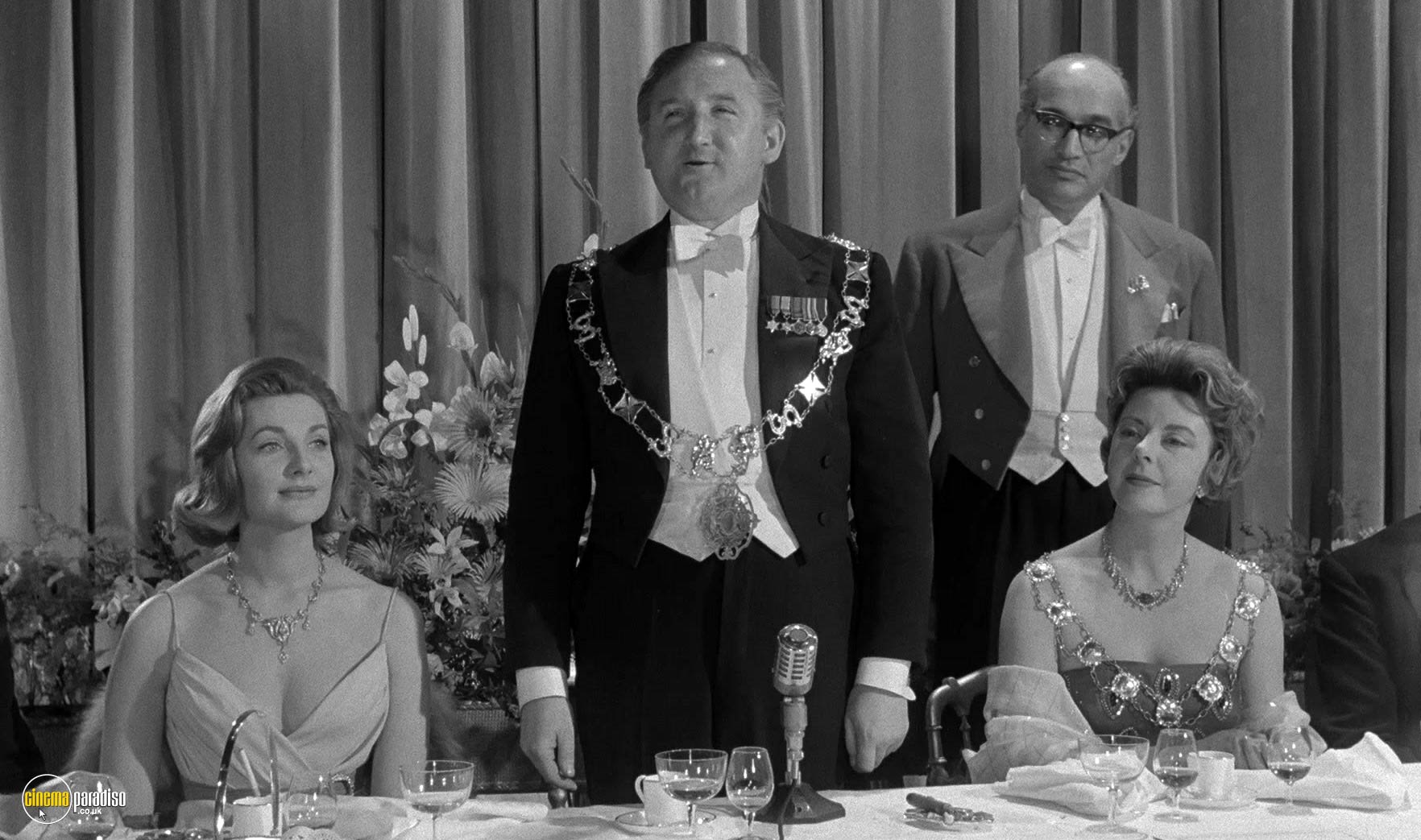
Having previously transferred one radio show into a feature film with Hi Gang (1941), the American pairing of Ben Lyon and Bebe Daniels repeated the trick with their BBC radio sitcom, Life With the Lyons (1950-61). The first film, Life With the Lyons (1954), saw Ben and Bebe, along with children Richard and Barbara, try to stay on the right side of their fussy landlord. The following year, Lyons in Paris (1955) took them to the French capital, where Barbara fell for an existentialist artist. It does seems a bit random, however, that these two films are on disc, when the 1959 movie spin-off from the hugely popular radio standby, The Navy Lark (1959-77), isn't. One of the longest-running sitcoms in radio history, the misadventures of the crew of HMS Troutbridge were expertly delivered by stalwarts Leslie Phillips, Jon Pertwee and Stephen Murray, although Phillips alone made the film, in which he found ways to keep the naval base on the Channel Island of Boonsey from being decommissioned.
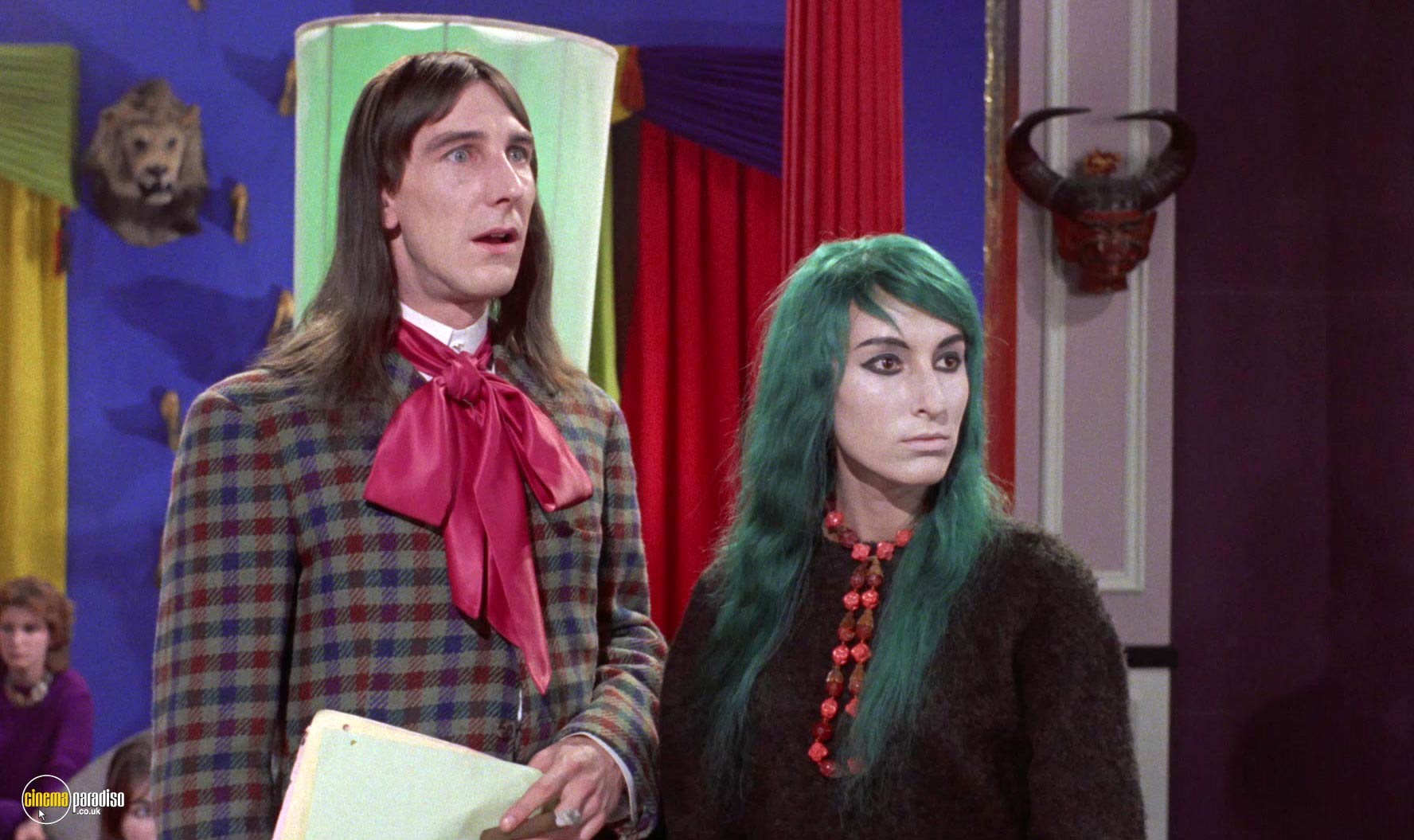
Technically, The Goon Show (1951-60) wasn't a sitcom. It was far too madcap for that. But we must mention it here, as no radio comedy has exerted a comparable influence (which is still felt today) and it's still a mystery why nobody has ever released The Telegoons (1963-64) on disc, as every episode of this TV puppet version survived being wiped by the BBC. Although none of the films made by Spike Milligan, Peter Sellers, and Harry Secombe was a direct Goon spin-off, the show's zany humour is readily evident in Let's Go Crazy, Penny Points to Paradise (both 1951), Down Among the Z Men (1952), The Case of the Mukkinese Battle-Horn (1956) and Dick Lester's Oscar-nominated short, The Running Jumping & Standing Still Film (1959), which features on the BFI compilation, The Lacey Rituals (2012). And if this lot isn't enough to keep you going, seek out London Entertains (1951), which can be rented from Cinema Paradiso on Music Hall and Variety Act Memories: Vol.1 (2018).
TV Times
When situation comedies first appeared on British television, the distinctive Ealing brand of humour was riding high, while Frank Launder and Sidney Gilliat enjoyed a decent run of hits that included their St Trinian's farces. As did the Boulting Brothers, along with such directors for hire as Mario Zampi, Robert Day, Robert Asher, and Henry Cornelius, whose Genevieve (1953) was one of the biggest comedy hits of the 1950s.
By the middle of the decade, Norman Wisdom was being guided to stardom by John Paddy Carstairs (as we saw in Cinema Paradiso's Getting to Know article), while our three-part piece on the Carry On films showed how director Gerald Thomas and producer Peter Rogers were in competition for favour at Rank with Thomas's brother, Ralph, and Rogers's wife, Muriel Box, who were responsible for the Doctor comedies mentioned earlier.
While film comedy could occasionally be a bit cheeky, the sitcom knew that people tuning in to the BBC and (from 22 September 1955) the new ITV channels would not want to be offended in their own living rooms. As a consequence, they assumed a cosy, conservative air that connected with the viewer by siting storylines in the everyday settings they could recognise. This was less escapism than empathism, as sitcoms needed the viewer to be au fait with the milieu, the characters, and the timbre of the humour. This familiarity could only come from the blend of unhurried storytelling, continuity, and intimacy that only a multi-part programme could bring. Sitcoms grew on people and gradually became appointment television, especially at a time when shows had to be watched when they went out, as there was no way to record or retrieve them. The best ones could hope for was a repeat, although they were rare at a time when a lot of BBC and ITV shows went out live or were not archived.
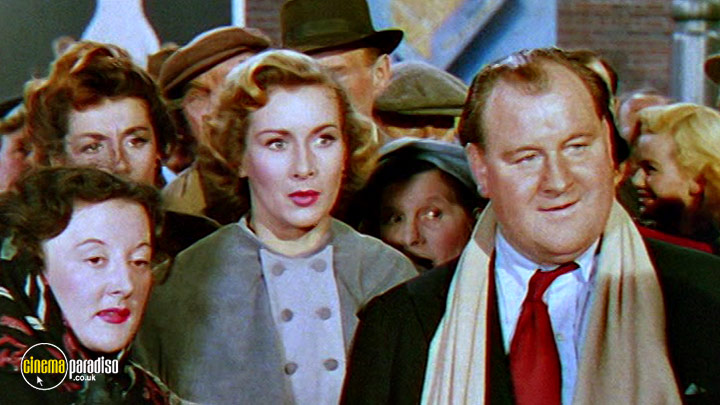
Sitcoms were relatively easy to adapt to film, as the hard work had been done by the TV series in establishing the characters and the setting. What the cinema version offered was the chance of seeing one's favourites on a big screen and, possibly, in colour. Spin-offs could also break out of the studio confines and remove the characters from their comfort zones by taking them somewhere new. Holidays were a popular way of turning sitcom favourites into fishes out of water, although this reversed the trend set in British cinema's first domestic series, which was directed by Ken Annakin for producer Betty Box. Cinema Paradiso users can order The Huggett Collection to see how Jack Warner and Kathleen Harrison's brood returned home after Holiday Camp (1947) and dealt with the same vicissitudes of postwar austerity that the audience was enduring in Here Come the Huggetts (1948), Vote For Huggett, and The Huggetts Abroad (both 1949), which sent them on vacation again.
Although few households had television sets before Queen Elizabeth II's Coronation in June 1953, British film studios soon started to repackage popular shows for the big screen. The first to be made over was the pioneering BBC soap, The Grove Family (1954-57), which was given a comic edge in John Warrington's It's a Great Day (1955), as builder Bob Grove (Edward Evans) worries wife Gladys (Ruth Dunning) when he takes the advice of his son, Jack (Peter Bryant), and buys some materials from shady dealer Harry Mason (Sid James, yes, him again) to finish a job in time for a Royal visit.
A number of early TV stars recycled their screen personas to play characters who were different only in name. Among them was Richard Hearne, whose well-meaning bungling from Mr Pastry's Progress (1950-51) cropped up in features like Something in the City (1950), Madame Louise (1951), Miss Robin Hood (1952), and Tons of Trouble (1956), which is among the goodies on the aforementioned Renown Comedy Collection: Vol.2. Charlie Drake was a similar case, with the characters he played in the films Sands of the Desert (1960), Petticoat Pirates (1961), The Cracksman (1963), and Mister Ten Percent (1967) relating to the accident-prone Charlie in his sitcom, The Worker (1965-70).
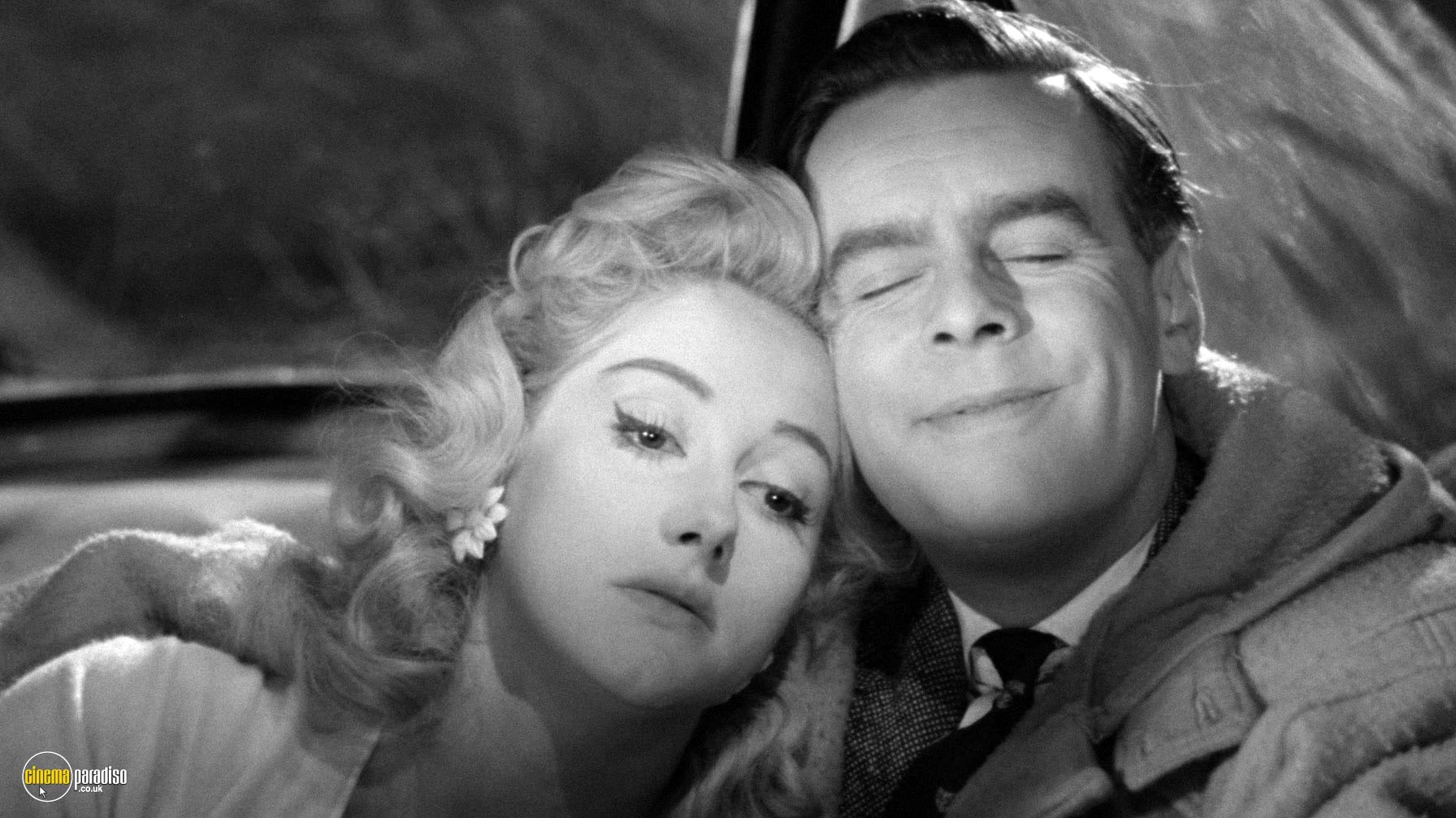
For reasons that presumably made sense at the time, a number of sitcoms failed to make it to the big screen under their original title. Created for Granada by Sid Colin, The Army Game (1957-61) riffed on National Service and took its cues from the Boulting classic, Private's Progress (1956), which starred Ian Carmichael and Richard Attenborough and led on to the even sharper union satire, I'm All Right Jack (1959). William Hartnell's Sgt. Maj. Percy Bullimore had tried to keep order at Nether Hopping barracks. But he wasn't there to help out when Corporal Springer (Michael Medwin) and privates Popeye Popplewell (Bernard Bresslaw), Boots Bisley (Alfie Bass), Cupcake Cook (Norman Rossington), and Professor Hatchett (Charles Hawtrey) found themselves manning an outpost in the Middle East in Montgomery Tully's I Only Arsked! (1958). Bass would hook up with Bill Fraser's Sgt. Maj. Claude Snudge in the spin-off sitcom, Bootsie and Snudge (1960-63), which was revived for a one-off series in 1974. The National Service scenario was later dusted down for Get Some In! (1975-78), which centred on the efforts of the recruits at RAF Skelton in 1955 to defy Corporal Percy Marsh (Tony Selby).
Scripted by Frank Muir and Denis Norden, Whack-O! (1956-72) saw the cane-bending Professor James Edwards impose himself on the boys in his charge at Chiselbury School for the Sons of Gentlefolk. However, he was confronted with a new chair of governors in Mario Zampi's feature version, Bottoms Up! (1960), and Lady Gore-Willoughby (Martita Hunt) makes no secret of the fact that she wants the scheming Edwards gone. At least the setting remained the same. The ATV series, The Larkins (1958-64), had been set at 66 Sycamore Street. But the scene shifted to The Earl of Osbourne pub in C.M. Pennington-Richards's Inn for Trouble (1960), which saw Alf and Ada Larkin (David Kossoff and Peggy Mount) lock horns with a property developer bent on bulldozing their premises and replacing them with a roadhouse. Notable for containing the final film performances of A.E. Matthews and Will Hay stooge Graham Moffatt (who appeared in his share of sitcom spin-offs), this strives to revive the Ealing underdog conceit with amusing results.
Not every popular sitcom made its way on to the cinema screen. Classics like The Rag Trade (1961-63) and Not in Front of the Children (1967-70) remained TV staples. But the odd radio show continued to attract film-makers. Rather unusually, The Men From the Ministry (1962-77) managed to bypass Auntie's television stations to emerge as a feature film in South Africa. Yet, the Whitehall setting remained the same, with director Tom Meehan taking over the Sir Gregory Pitkin role from Ronald Baddiley, while Richard Lamb (Richard Murdoch) and Roland Lennox-Brown (Deryck Guyler) passed on to John Simpson and Roger Service. This is a real curio and is next to impossible to track down. So, there would be considerable interest if an intrepid distributor decided to pick it up for UK release.
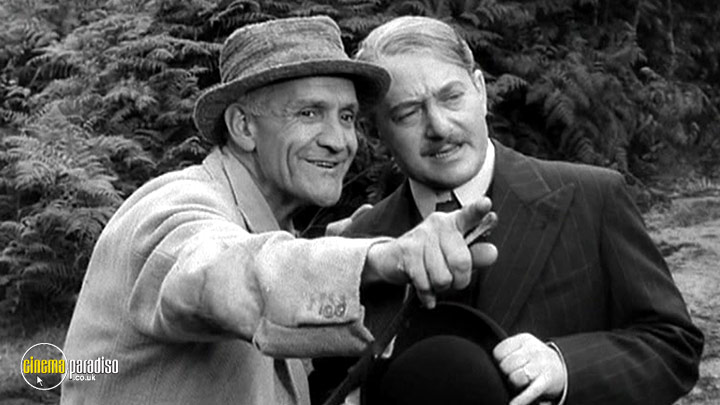
Although Eric Morecambe and Ernie Wise didn't do sitcoms, there was a cosy domesticity about the sketches set in the living room and bedroom of their flat in the BBC heyday of The Morecambe and Wise Show (1968-77). They were on ITV when they made their first films, The Intelligence Men (1965), That Riviera Touch (1966), and The Magnificent Two (1967), which all played on their established rapport and were written by Dick Hills and Sid Green. Their best stuff, however, was scripted by Liverpudlian Eddie Braben, but he had parted company by the time the duo made the overlooked, Night Train to Murder (1983).
Having cut his teeth writing for The Arthur Haynes Show (1956-66), Johnny Speight brought a new edge to situation comedy when he drew on his docker father's reactionary ideas to create the argumentatively opinionated Alf Garnett for Warren Mitchell in Till Death Us Do Part (1965-75). Regulars Dandy Nichols, Una Stubbs, and Anthony Booth revelled in baiting Mitchell in Norman Cohen's 1969 feature version, which divides into two segments, as Alf and Else contend with the Blitz and as Rita and Mike break off from bickering about politics long enough to get married. Adrienne Posta and Paul Angelis took over the roles in Bob Kellett's follow-up, The Alf Garnett Saga (1972), which is curiously off limits at present. However, Cinema Paradiso catches up with the Garnetts in Till Death... (1981) and In Sickness and in Health (1985-92), which continued to ruffle critical feathers in presenting a conservative working-class perspective on a changing society that has much to offer when it comes to understanding post-Brexit Britain.
The East End setting was replaced by Astoria in the Queens district of New York for the American remake, All in the Family (1971-77), which starred Carroll Baker as Archie Bunker and Jean Stapleton as his long-suffering wife, Edith. As we saw in our tribute to Rob Reiner earlier this year, the role of son-in-law Michael `Meathead' Stivic allowed him to emerge from father Carl Reiner's shadow and become a comic talent in his own right.
The film version of Till Death Us Do Part ends with Alf and Else being forced to move out of 10 Darning Street in Wapping and relocate to a tower block in Essex. Social mobility would become a recurring theme in British sitcoms over the following decade and it's noticeable that, away from the canned laughter, a number of the film versions err towards the social realist style that had been dominant in British cinema in the early 1960s. They never achieved the incisiveness of Ken Loach or Mike Leigh's feature work. But it would be a mistake to write off the sitcom spin-offs of the 1960s and 70s entirely, as they held a mirror up the audience and their enduring value lies in the fact that traces of the reflection are still evident in our own supposedly more enlightened era.
The `Golden' Age
No decade generated more spincoms than the 1970s. This has less to do with the quality of the programmes being shown on the BBC and ITV than with the state of the British film industry at the time. Buoyed by the global success of the James Bond series and emboldened by the cultural impetus that pop music had given the Swinging Sixties, studio executives decided the time was right for a British film boom and they invested heavily in a string of lavish co-productions with Hollywood and some European companies. When these failed to find an audience, however, the American studios withdrew en masse in the wake of steepling tax hikes and left some the UK's most storied soundstages empty.
As the crime quickies that had sustained output in the postwar period had moved on to television, the studios needed to find content that could also be filmed cheaply and quickly. As we shall see in Part Two, one answer to the quandary was comic softcore pornography. But another was to make big-screen adaptations of ratings-snaring TV shows, which offered the added incentive of creating a new generation of economically viable film stars to replace the established names who had been frightened off by tax rates for the rich (that could rise to as much as 98%) and could now only afford to spend a limited number of days in the UK each year. Hammer and British Lion led the way, but EMI, Associated London, and latterly Lew Grade's ITC all dipped their toes into sitcom waters. As few households could afford to rent a colour telly, let alone buy one, many jumped at the chance to watch their small-screen favourites in their full cinematic glory, with a Kia-ora orange drink in one hand and a bag of Butterkist popcorn in the other.
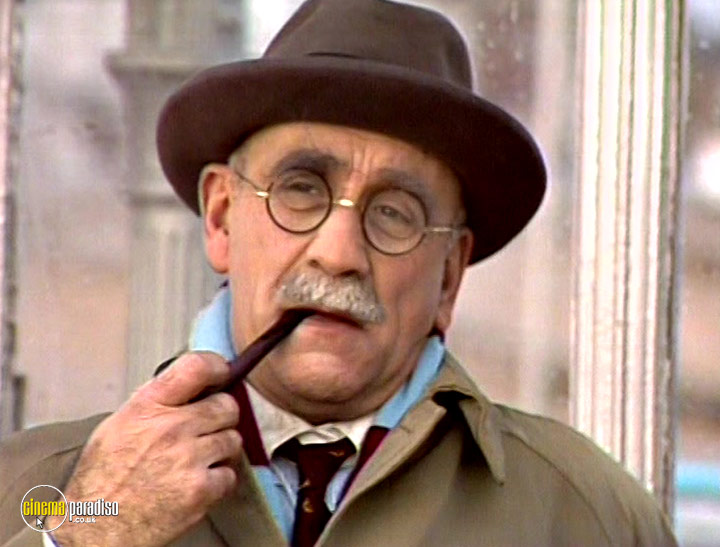
The BBC stole the march with Norman Cohen's Dad's Army (1971), which saw writers Jimmy Perry and David Croft recycle material from the series (1968-77) that had been jointly inspired by Robb Wilton's `The Day War Broke Out' radio sketch and Perry's experiences in the Home Guard during the Second World War. The action followed the formation of the Walmington-on-Sea platoon by bank manager George Mainwaring (Arthur Lowe), who chose chief clerk Arthur Wilson (John Le Mesurier) as his sergeant and butcher Jack Jones (Clive Dunn) as his lance corporal. Undertaker James Frazer (John Laurie), retired tailor Charles Godfrey (Arnold Ridley), spiv Joe Walker (James Beck), and bank junior Frank Pike (Ian Lavender) made up the front row of the ranks training at the church hall, under the disapproving gaze of vicar Timothy Farthing (Frank Williams), verger Maurice Yeatman (Edward Sinclair), and greengrocer and ARP warden, William Hodges (Bill Pertwee).
All were present and correct in the feature, although Liz Fraser replaced Janet Davies as Mavis Pike, the mother of Frank and landlady of Sgt Wilson (who is often posited as being Pike's father rather than his uncle). The story ended with the platoon overcoming all odds to triumph at a war games exercise, but Oliver Parker's 2016 take on Dad's Army went its own way, leaving a stellar cast to struggle to fill the boots of their predecessors: Toby Jones (Mainwaring), Bill Nighy (Wilson), Tom Courtenay (Jones), Bill Paterson (Frazer,), Michael Gambon (Godfrey), Blake Harrison (Pike) and Daniel Mays (Walker). Only Frank Williams appeared in the two features made 45 years apart.
An Italian holiday and a trip to the theatre inspired BBC Head of Comedy Michael Mills to ask Carry On scribe Talbot Rothwell to create Up Pompeii (1969-70). Frankie Howerd was cast as Lurcio the gossiping slave on the strength of his performance in the West End version of A Funny Thing Happened on the Way to the Forum, a comic musical that had been filmed by Richard Lester with Zero Mostel, Phil Silvers, and Buster Keaton in 1966. Sid Colin wrote Bob Kellett's film version, Up Pompeii (1971), which involves a scroll containing the names of Nero's assassins and the eruption of Mount Vesuvius. Such was its success that Kellett coaxed Howerd into taking the dual roles of Lurkalot and Richard the Lionheart in Up the Chastity Belt (1971) and playing household servant Lurk in Up the Front (1972), which were respectively set in the Middle Ages and during the Great War.
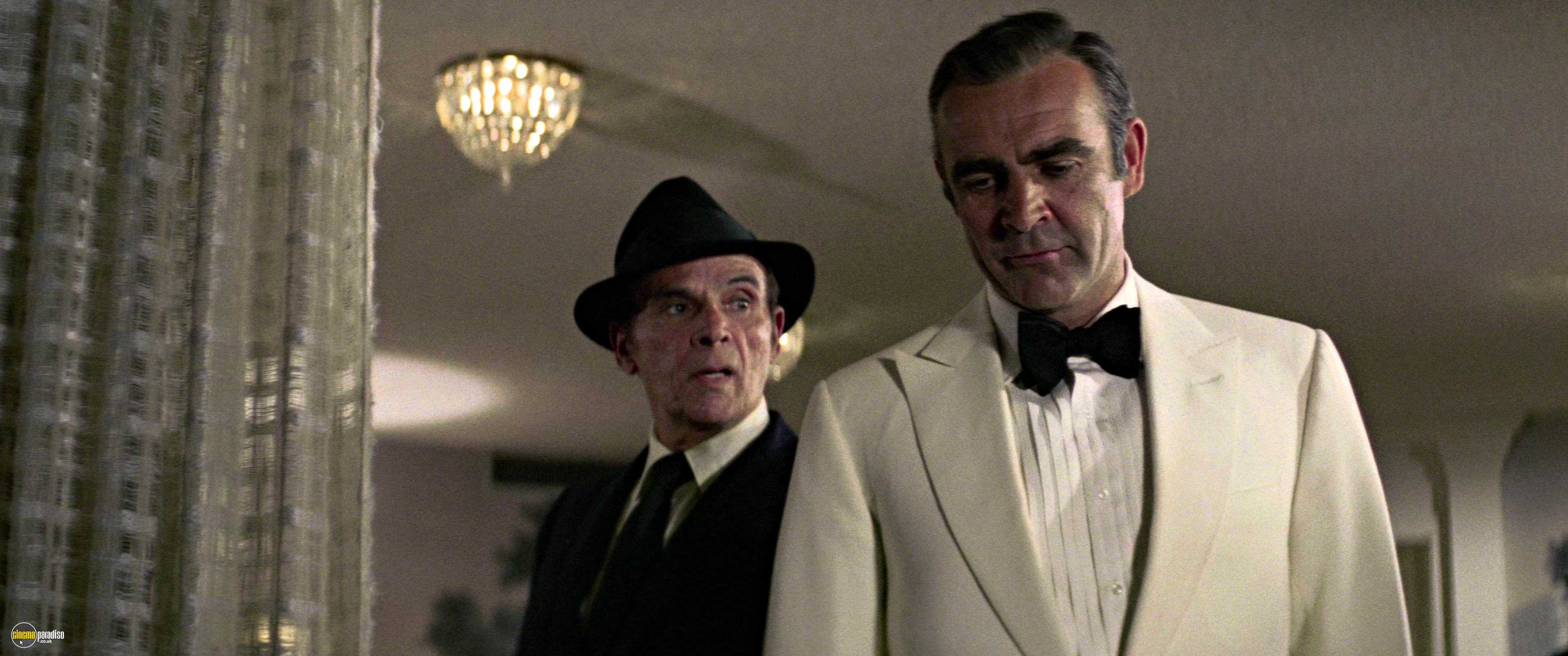
The Rag Trade writing team of Ronald Chesney and Ronald Wolfe were behind On the Buses (1969-73), which was commissioned by Frank Muir, who was then head of entertainment at London Weekend Television. Stan Butler (Reg Varney) and Jack Harper (Bob Grant) manned the No.11 bus operated by the Luxton and District Motor Traction Company. When not tormenting Inspector Cyril Blake (Stephen Lewis), Stan was enduring a torrid home life with his mum (Doris Hare, who replaced Cicely Courtneidge after the first series), sister Olive (Anna Karen), and her workshy husband, Arthur Rudge (Michael Robbins). The leering attitude of Stan and Jack towards the female clippies and the dowdy depiction of Olive has rightly earned the series censure in subsequent years. But the postcard humour and working-class preoccupations made the show popular with 70s audiences and enabled Harry Booth's On the Buses (1971) to pip the Bond movie, Diamonds Are Forever, in the end-of-year box-office chart.
Booth's Mutiny on the Buses (1972) and Bryan Izzard's Holiday on the Buses (1973) appeared to diminishing returns and such increased critical ire that a fourth outing was cancelled. The American spin-off, Lotsa Luck (1973-74), tanked, but the films made plenty of money for Hammer, which had fallen on hard times after its horror heyday.
The success of Sidney Poitier in James Clavell's To Sir, With Love (1967) no doubt inspired John Esmonde and Bob Larbey to create Please Sir! (1968-72) for LWT. John Alderton starred as the hapless Bernard Hedges, a teacher at Fenn Street School, whose staff included head Mr Cromwell (Noel Howlett), senior mistress Doris Ewell (Joan Sanderson), chemistry teacher Mr Price (Richard Davies), and janitor Norman Potter (Deryck Guyler). The students in 5C included Maureen Bullock (Liz Gebhardt), Eric Duffy (Peter Cleall), Frankie Abbott (David Barry), and Dennis Dunstable (Peter Denyer) and they were joined by Sharon Eversleigh (Carol Hawkins) in Mark Stuart's feature, Please Sir! (1971), which saw 5C come up against the posh kids of Boulters School on a camping holiday. Alderton departed for My Wife Next Door (1972) and No, Honestly (1974), although the pupils reconvened for The Fenn Street Gang (1971-73).

The last TV-related feature from 1971 was Ian MacNaughton's And Now For Something Completely Different (1971). This was a `best of' collection from the sketches shown on the BBC in Monty Python's Flying Circus (1969-74), but it gives us an excuse to point you in the direction of Monty Python and the Holy Grail (1975), Monty Python's Life of Brian (1979), Monty Python Live At the Hollywood Bowl (1982), and Monty Python's The Meaning of Life (1983), as well as the Cinema Paradiso articles, 10 Films to Watch if You Like Monty Python's Life of Brian and And Now For Something Completely Similar: Solo Pythons.
The Dick Emery Show (1963-81) also employed a sketch format, with Emery switching between such characters as James Maynard Kitchener Lampwick, Bovver Boy, the Reverend Chislett, Hetty, and Mandy. The latter's vox pop catchphrase provided the title for Cliff Owen's Ooh…You Are Awful (1972), in which Emery also played inept con man, Charlie Tully. Fans should also keep an eye out for Dick Emery: The Best of Dick Emery (2005) and Dick Emery: The Thames Television Specials (2010).
Two fine spin-offs top and tail a 1972 quintet that demonstrated that it wasn't always the most beloved sitcoms that got the film treatment. After all, nobody ever adapted such fondly remembered shows as The Goodies (1970-80), Some Mothers Do 'Ave 'Em (1973-76), The Last of the Summer Wine (1973-2010), Fawlty Towers (1975-79), I Didn't Know You Cared (1975-79), The Good Life (1975-78), To the Manor Born (1979-83), The Fall and Rise of Reginald Perrin (1977-79), Fairly Secret Army (1984-86), Citizen Smith (1977-80), Terry and June (1979-87), or In Loving Memory (1979-86). Indeed, none of Carla Lane's classic shows made it to celluloid, among them The Liver Birds (1969-79), Butterflies (1978-83), Solo (1981-82), The Mistress (1985-87), and Bread (1986-91).
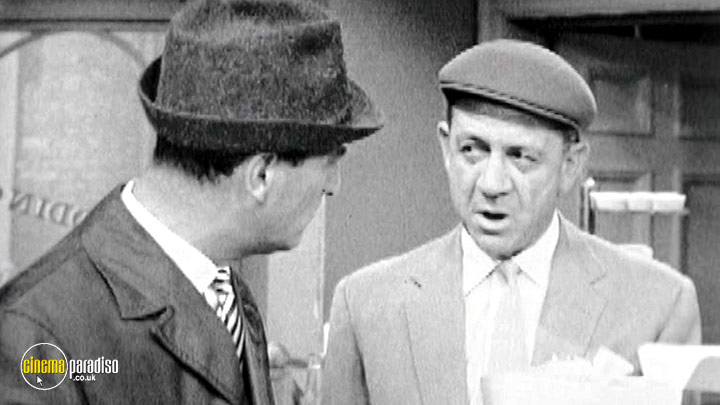
Sid James moved between film and television with consummate ease. After being ditched by Hancock, he headlined the sitcoms Citizen James (1960-62), Taxi! (1963-64), George and the Dragon (1968), and Two in Clover (1970). His best small-screen venture, however, was Vince Powell and Harry Driver's Bless This House (1971-76), which cast him as suburban everyman Sid Abbott alongside Diana Coupland as his indulgent wife and Robin Stewart and Sally Geeson as his free-spirited live-at-home kids. All reported for Bless This House (1972), which was handled by the Carry On twosome of Peter Rogers and Gerald Thomas and featured Terry Scott as the annoying new neighbour (married for the first time to June Whitfield) with a nasty case of oneupmanship. The reviews were rotten, but the film did sufficient business for a sequel to be in the pipeline when James died on stage in Sunderland in April 1976.
Powell and Driver also wrote For the Love of Ada (1970-71), which centred on the hesitant romance between widow Ada Cresswell (Irene Handl) and gravedigger Walter Bingley (Wilfred Pickles), which meets with the disapproval of her daughter, Ruth (Barbara Mitchell), and her socially awkward son-in-law, Leslie Pollitt (Jack Smethurst). Ronnie Baxter's feature version, For the Love of Ada (1972), turns on the mishaps that occur when Leslie tries to help Walter organise a secret party for the elderly couple's first wedding anniversary.
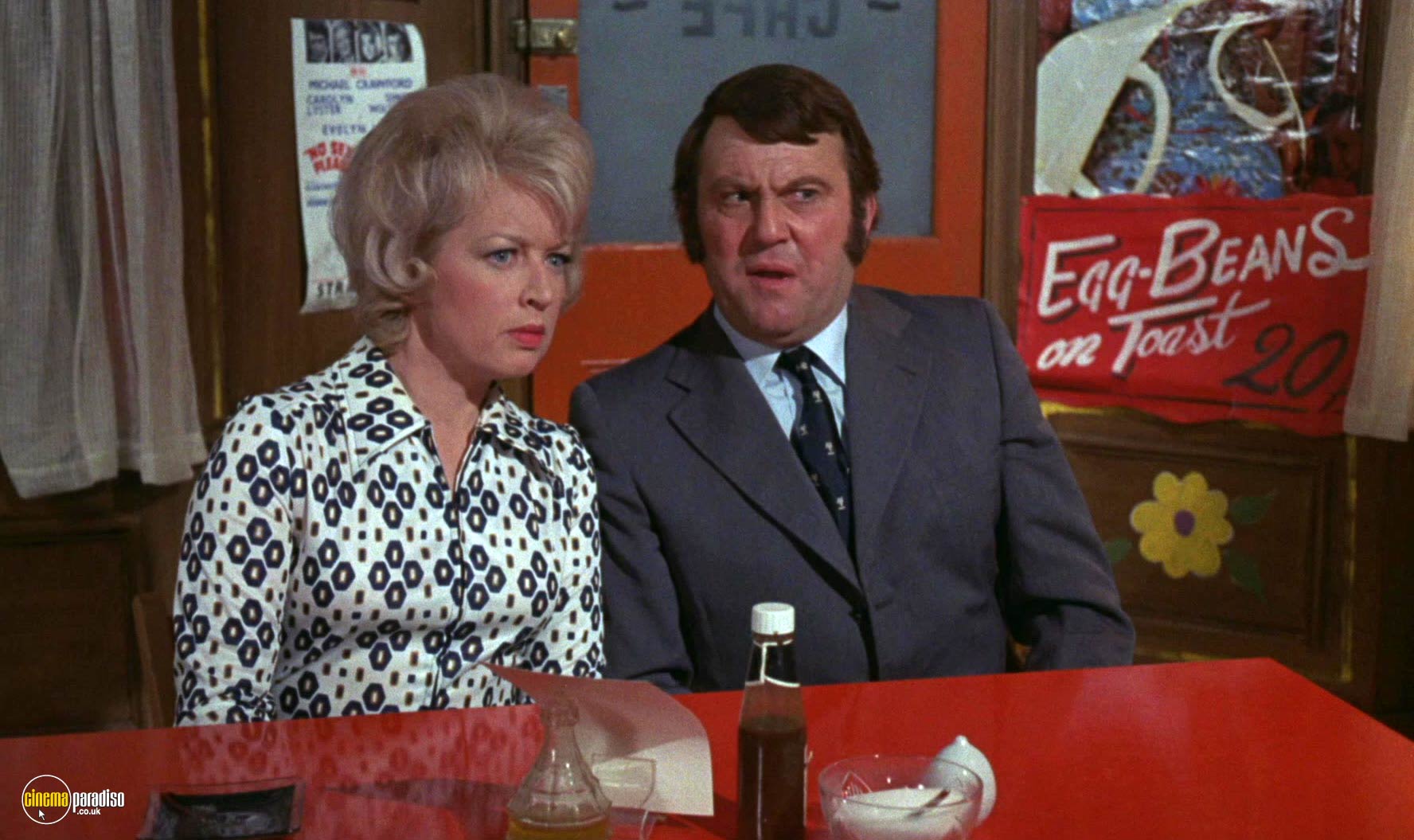
The same kind of gentle humour, aimed at an ageing working-class audience, could be found in another Powell and Driver sitcom, Nearest and Dearest (1968-73). This ran for seven series and charted the bickerings of sibling pickle makers Nellie (Hylda Baker) and Eli Pledge (Jimmy Jewell). Made for Hammer, John Robins's Nearest and Dearest (1972) took viewers away from the troubles facing Pledge's Purer Pickles in Colne to the Blackpool boarding house of the gold-digging Mrs Rowbottom (Yootha Joyce), who tries to pair Nellie off with Vernon Smallpiece (Norman Mitchell) while bagging Eli for herself. No one did mid-life sexual frustration better than Yootha Joyce (as we shall confirm below) and she rather upstages the sitcom stalwarts. But the indefatigable Baker bashed on regardless to play Lancashire lass Nellie Pickersgill running the Brown Cow pub in London in Not On Your Nellie (1974-75). As for the US remake of Nearest and Dearest, Thicker Than Water, it lasted just 13 episodes, in spite of the best efforts of Richard Long and Julie Harris, whose five Tony Awards remains an unbroken record.
Few sitcoms graduated to the big screen on the strength of one series. But the BBC's That's Your Funeral (1971) managed the feat after the series had been cancelled after six episodes. Set in the northern town of Worsfield, the 1972 feature of the same name saw funeral director Emanuel Holroyd (Raymond Huntley) and assistants Basil Buldstrode (Bill Fraser) and Percy (David Battley) exposing some drug-smuggling rivals while competing to bury a local dignitary. Director John Robins became something of a dab hand at spin-offs after having handled 15 episodes of The Marty Feldman Comedy Machine (1971-72) and 14 more for The Benny Hill Show (1969-74), with several sketches finding their way on to The Best of Benny Hill (2001).
Having been moved on by Hancock, Ray Galton and Alan Simpson took themselves to 26a Oil Drum Lane in Shepherd's Bush to follow the fortunes of a father-son rag`n'bone business in the BBC sitcom, Steptoe and Son (1962-65). The original series was recorded in black and white and sparked the `he's so clean' gags when Wilfrid Brambell played Paul McCartney's Irish grandfather in A Hard Day's Night (1964). But the show was parked not long after a US variation starring Lee Tracy and Aldo Ray went unseen - although Cinema Paradiso users can order it by clicking on Steptoe and Son: The 'Lost' Unaired 1965 American Pilot (1965). Memories were sufficiently fond of Albert (Brambell) and Harold (Harry H. Corbett) for Steptoe to be revived in 1970 and this four-year run in colour generated two film spin-offs.
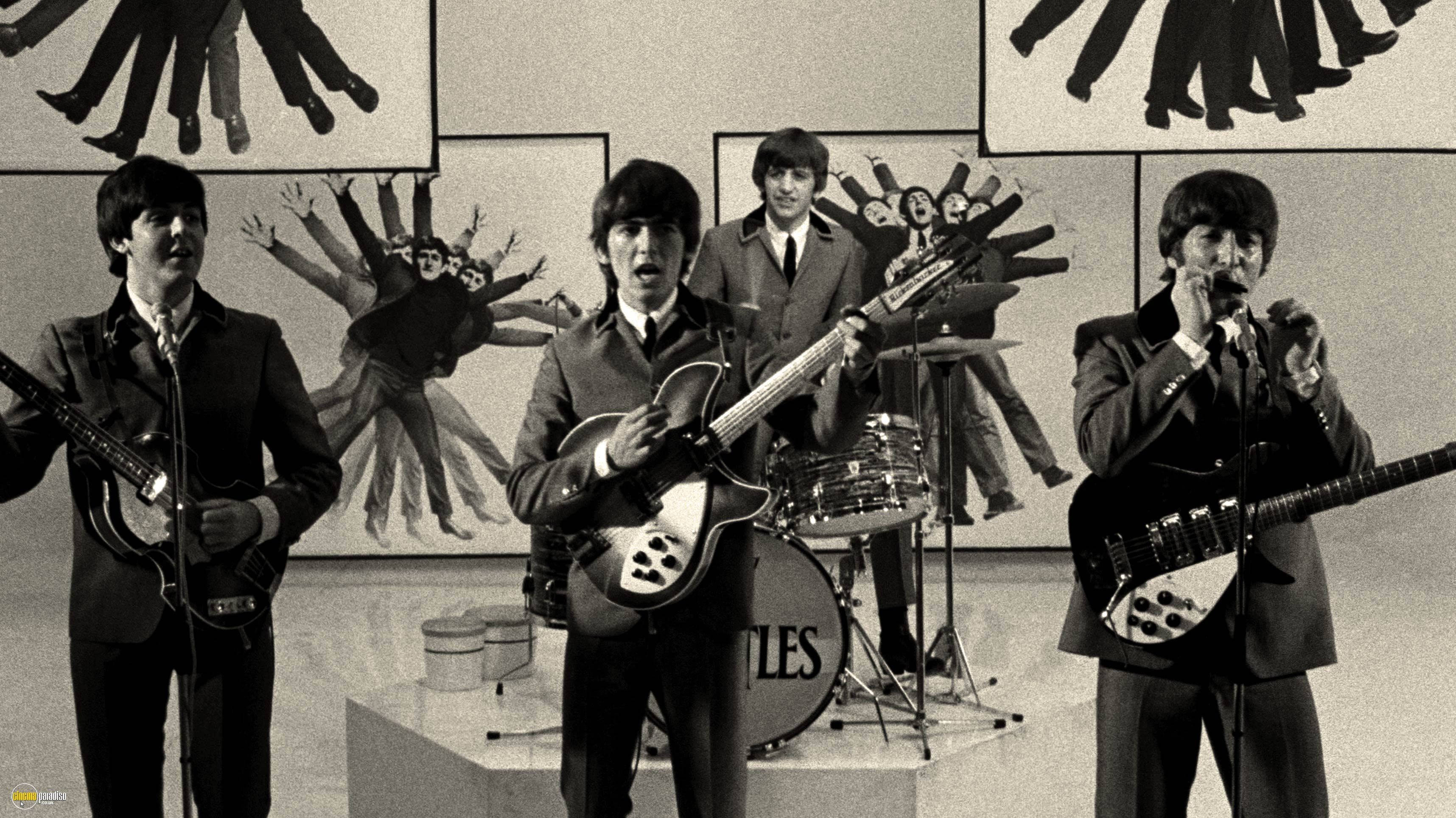
In Cliff Owen's Steptoe and Son (1972), Albert feels resentful when Harold gets married to a stripper named Zita (Carolyn Seymour) and insists on accompanying them on their Spanish honeymoon. However, the story takes a darker turn when Zita does a flit and leaves Harold to raise what he presumes is his son. Galton and Simpson also scripted Peter Sykes's Steptoe and Son Ride Again (1973), in which the pair buy a greyhound with the money reserved to buy a successor to their horse, Hercules. When it loses and gangsters pursue them for their debts owed, Harold feigns Albert's death in order to claim on the life insurance.
Despite the odd moment of sentimental affection amidst the innuendo, this was a sad way for the Steptoe story to end. But the BBC drama, The Curse of Steptoe (2003) - which can be rented as part of Comedy Legends (2008) - reveals how much Method actor Corbett (Jason Isaacs) despised his gay, alcoholic co-star (Phil Davis) and refused to continue the partnership after a miserable tour of the Steptoe stage show in Australia.
In addition to Steptoe and Son Ride Again and Holiday on the Buses, four other sitcom conversions also reached British cinema screens in 1973, making it the format's busiest year. The standard of the offerings varied greatly, however.
Viewers really do have to be of a certain vintage to remember Powell and Driver's Never Mind the Quality, Feel the Width, which ran on ITV between 1967-71. Ronnie Baxter's feature version was more of an exhumation than a celebration, as the series had been off air for two years. Launched from an episode of Armchair Theatre, the show centred around the uneasy working relationship between two Whitechapel tailors, Jewish jacket maker Manny Cohen (John Bluthal) and Irish trouser cutter, Patrick Kelly (Joe Lynch). With their respective rabbi and parish priest dropping in to stir the pot, the series was commended by the World Council of Churches for promoting inter-faith unity. David Kossoff, Dennis Price, and Chelsea footballer Peter Osgood were among the guest stars, while the ever-wonderful Yootha Joyce and ukulele-playing Opportunity Knocks winner Wendy King made it into the film, with the latter being Patrick and Manny's new assistant. She adds to the tensions in the workshop, as do an injudicious flutter and a burglary before the pair wind up in Rome posing as Catholic priests.
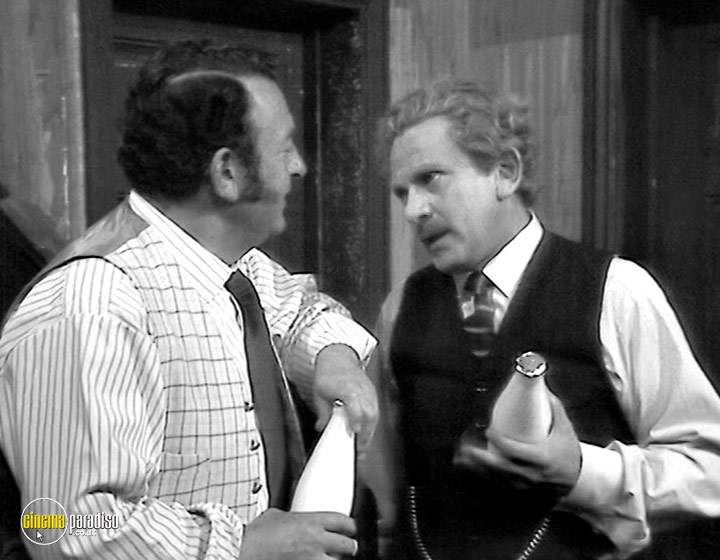
William G. Stewart of Fifteen to One (1988-2003) fame was the driving force behind Father, Dear Father, which became an ITV staple over seven series between 1968-73. Scripted by Brian Cooke and Johnnie Mortimer, the scenario centred around divorced British novelist Patrick Glover (Patrick Cargill), who is raising teenage daughters, Karen (Ann Holloway) and Anna (Natasha Pyne), in a Hampstead home run by the unflappable Nanny (Noel Dyson). Despite his urbane exterior, Patrick is forever being flustered by his ex-wife, Barbara (Ursula Howells), and her new husband, Bill Mossman (initially Patrick Holt, then Tony Britton), as well as his shifty brother, Philip (Donald Sinden), his dotty mother (Joyce Carey), and his calmly organised agent Georgie Thompson (Sally Bazely, then Dawn Addams).
Along with St Bernard dog, H.G. Wells, the majority of the regulars made it into Stewart's 1973 feature, which sees the girls try to matchmake their father with Georgie (Jill Melford), only for him to propose to cleaning lady Mrs Stoppard (Beryl Reid) by mistake. Richard O'Sullivan guested as Anna's beau, while Jack Watling took over as Bill. Intriguingly, Cargill and Dyson also starred in Father, Dear Father in Australia (1978), in which Patrick goes Down Under to keep an eye on Philip's daughters, Liz (Sally Conabere) and Sue (Sigrid Thornton). There was also a German variation entitled Oh, This Father (1978-81). But nobody ever made film version of the Derek Nimmo sitcom, Oh, Father (1973), or its religion-related predecessors, Oh, Brother! (1968), and All Gas and Gaiters (1966-71).
Perhaps the pick of the 1973 releases was Herbert Wise's The Lovers, which was written by the great Jack Rosenthal, the prolific playwright who amassed over 150 credits during his award-winning career. Having started out on Coronation Street, he created Pardon the Expression (1965-66) as a spin-off for Leonard Swindley (Arthur Lowe) and he went on to devise Mrs Thursday (1966-67), The Dustbinmen (1969-70), Village Hall (1974), Sadie, It's Cold Outside (1975) and London's Burning (1988-2002). He also wrote The Knowledge (1979), P'tang Yang Kipperbang (1982), and The Chain (1984), while also co-scripting Yentl (1983) with Barbra Steisand. His exceptional single dramas, The Evacuees (1975), Bar Mitzvah Boy (1976), Spend Spend Spend (1977), Eskimo Day (1996), and Cold Enough For Snow (1997), are available on Jack Rosenthal At the BBC (2011).
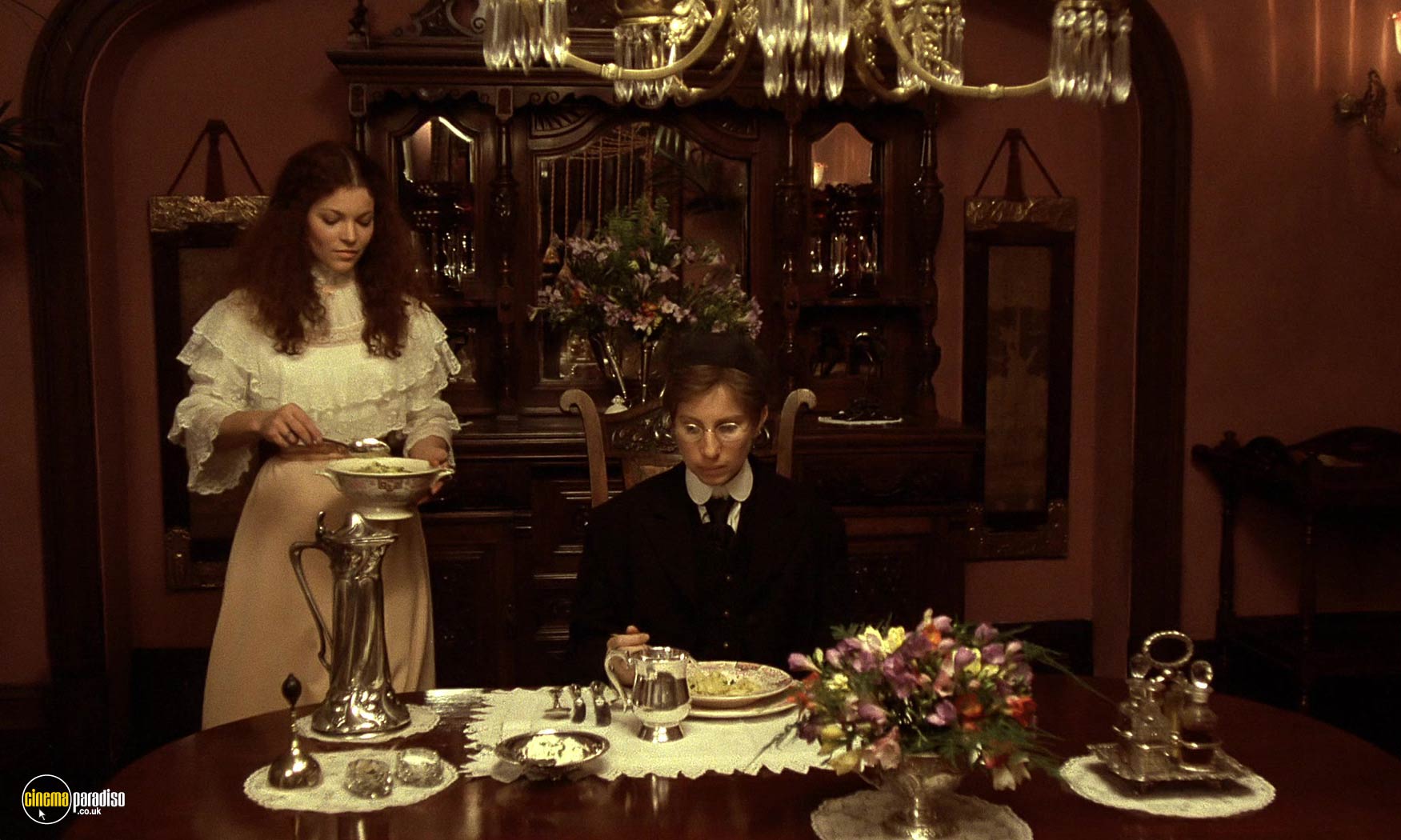
No one else keeps screen history alive like Cinema Paradiso and users are urged to watch both the ITV and the feature versions of The Lovers, as not only is Rosenthal's writing top notch, but Paula Wilcox and Richard Beckinsale are a joy to watch as Mancunian couple Beryl Battersby (Paula Wilcox) and Geoffrey Scrimshaw (Richard Beckinsale), whose on-off relationship is chronicled with shrewd insight into working-class mores and the the trickle-down impact of the Swinging Sixties on provincial life.
Much though we might want to avoid the fact, Vince Powell and Harry Driver's Love Thy Neighbour (1972-76) was only a mildly distorted view of race relations in 1970s Britain, as the byplay between a white Twickenham couple and the Trinidadian newcomers next door revealed how slowly integration had progressed since the subject had first been broached in sitcom form in Till Death Us Do Part. The insults hurled between Eddie Booth (Jack Smethurst) and Bill Reynolds (Rudolph Walker) make the toes curl today and clips are repeatedly used in shows seeking to highlight how crass popular entertainment was in the 1970s. But series don't run for eight seasons unless they chime in with public experience and, instead of dismissing items of this kind, we should study them to see what has changed and where there is still room for improvement in our supposedly enlightened and accepting Gen-Z times.
In John Robins's Love Thy Neighbour (1973), Eddie and Bill find themselves trapped on a cruise liner after wives Joan (Kate Williams) and Barbie (Nina Baden Semper) - who get along famously without any of their husbands' bigotry - win a competition and invite Joan's mother (Patricia Hayes) and Bill's father (Charles Hyatt) to come along, too. The Manchester Evening News declared it, `the most successful case I have seen yet of a television comedy series transferring to the big screen' and it finished the year at No.15 on the box-office charts.
Three years were to pass before ITV responded with The Fosters (1976-77), which was based on the US show, Good Times (1974-79) and became the first British sitcom to boast an all-Black cast. Set in South London, it centred on Sam Foster (Norman Beaton) trying to remain upbeat while battling to feed his family. The Guyana-born actor would also headline Desmond's (1989-94), a Channel 4 sitcom that was set in a barber's shop in Peckham. It was even longer, however, before the BBC came up with Goodness Gracious Me (1998-2000) and The Kumars At No.42 (2002) to reflect the experience of British Asians.
Mercifully, we were spared Spike Milligan putting on brownface for a feature version of Curry and Chips (1969) and neither Mind Your Language (1977-79) nor It Ain't Half Hot Mum (1974-81) reached the big screen. But, while the content may seem incendiary, it would be foolish to deny the lessons that such shows still have to teach in a society as divided as our own currently is.
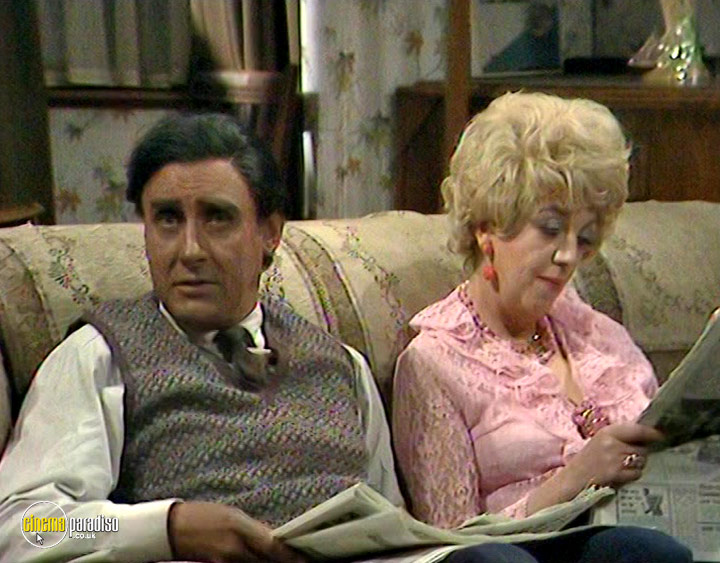
One of the co-stars of Curry and Chips was Milligan's old pal, Eric Sykes. No feature was ever spun off from his sitcom, Sykes (1972-79), which reunited the deaf writer-comedian with Hattie Jacques after Sykes and a... (1960-65) and Sykes and a Big, Big Show (1971), bits of which can be seen on The Best of Eric Sykes (2005). They play siblings, who are forever getting in a tangle along with neighbour Charles Fulbright-Brown (Richard Wattis) and PC Corky Turnbull (Deryck Guyler). Sadly, the series ended when Jacques died in October 1980. But Sykes can also be seen in a series of short films that exploited his TV persona and Cinema Paradiso heartily recommends The Eric Sykes Collection (2024), which brings together such gems as The Plank (1967 & 1979), Rhubarb (1969), It's Your Move (1969 & 1982), If You Go Down in the Woods Today (1981), and Mr H. Is Late (1988).
Returning to the sitcom spin-offs, we have already mentioned Cooke and Mortimer's Man About the House (1973-76) in our opening appreciation of Richard O'Sullivan. The premise was mildly bold for the time, as trainee chef Robin Tripp shared a flat with two single girls, Chrissy Plummer (Paula Wilcox) and Jo (Sally Thomsett), whose surname was never revealed. In order to waylay the fears of landlord George Roper (Brian Murphy), Robin had to pretend to be gay, although landlady Mildred (Yootha Joyce) was in on the ruse. In John Robin's Man About the House (1974), George is tempted to sell the house to property developer Morris Pluthero (Peter Cellier) and his grasping boss, Mr Spiros (Arthur Lowe). But the flatmates raise a petition that comes to the attention of MP Sir Edmund Weir (Patrick Newell), who has billeted mistress Hazel Lovett (Aimee MacDonald) in the same row.
Once again, it would be easy to dismiss this as outdated tat. But the original series was so admired that it was remade in the United States as Three's Company (1979-84), with John Ritter, Joyce DeWitt, and Suzanne Somers, while variations were also popular in Holland, Sweden, Norway, Poland, and the Soviet Union, as well as Argentina, Chile, and Ecuador. A spin-off series also went down well in the UK, with Robin's Nest (1977-81) focussing on Tripp's bistro, which was sponsored by James Nicholls (Tony Britton), who thoroughly disapproved of the fact that his employee was living with his daughter, Vicky (Tessa Wyatt). This was the first sitcom to depict a non-married co-habiting couple and its notoriety increased when Wyatt left Radio One DJ Tony Blackburn to shack up with O'Sullivan (who had also dated Thomsett when they were making Man About the House).
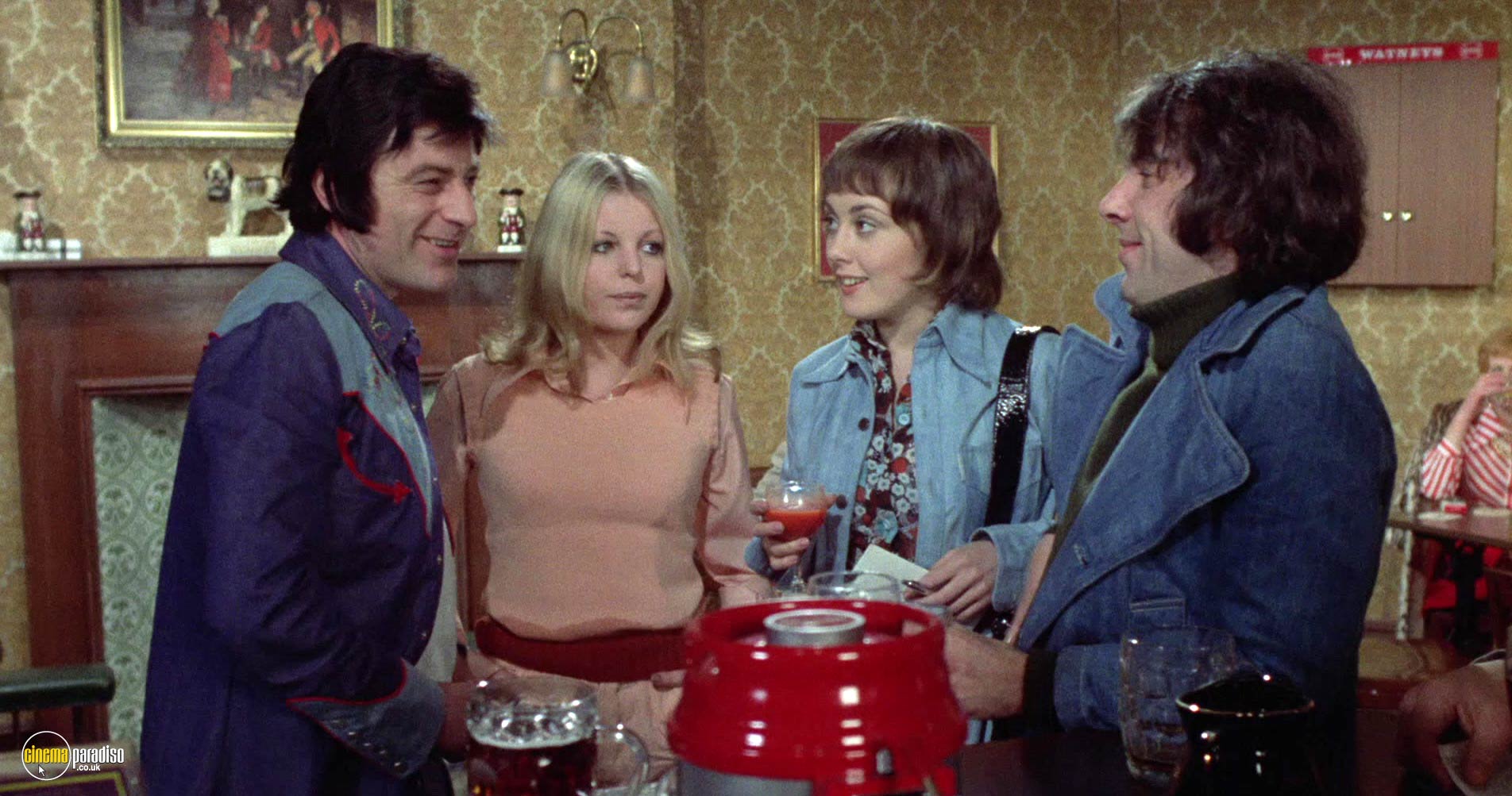
Robin's Afghan coat is now considered of the great garments in sitcom lore and clothes certainly made the man in the case of the suited and booted Bob Ferris (Rodney Bewes) in a 70s sitcom that stood alone in reflecting on how its characters had changed since they had first been introduced a decade earlier. Created by Dick Clement and Ian La Frenais, The Likely Lads (1964-66) followed the (mis)fortunes of Bob and his best mate, Terry Collier (James Bolam), as they try to find their place in a changing world while working at the Ellison's Electrical factory in Newcastle. Thanks to the eager beavers at the Beeb, only 10 episodes of the monochrome series have survived.
When the show ended, Bewes drifted off into Father, Dear Father, Virgin of the Secret Service (1968), Shirley's World (1971), and Dear Mother, Love Albert (1972), while Bolam moved away from sitcoms to appear in a range of films and drama series. Clement and La Frenais reunited them, however, in What Ever Happened to the Likely Lads? (1973-74), whose 27 episodes over two series were also adapted for the radio. Bob had gone up in the world and is now a manager at a construction company and is about to move into a new residence on the Elm Lodge housing estate. Terry, however, has returned to the North-East after a miserable time in the Army, during which he had married a West German girl. He is back living with his sister, Audrey (Sheila Fearn), while Bob is engaged to librarian Thelma Chambers (Brigit Forsyth), who wants him to stop drinking in The Fax Ox with the workshy Terry, as she considers him a bad influence.
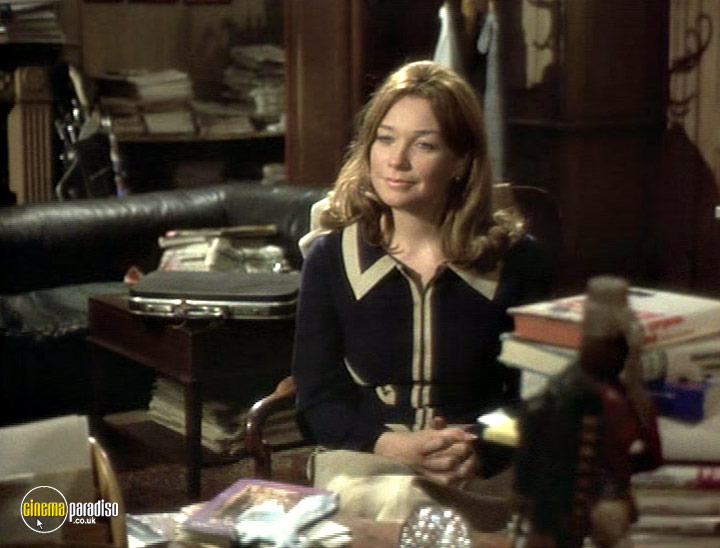
In Michael Tuchner's feature, The Likely Lads (1976), however, Thelma agrees to go on a caravanning trip to Northumberland because she has hopes that Terry will be tamed by his new Finnish girlfriend, Christina (Mary Tamm). Naturally, the expedition ends in disaster and, after Terry loses his job promoting washing powder, Bob takes him to Whitley Bay for the weekend. But they soon get into hot water at their B&B, when Terry hooks up with landlady Laura (Zena Walker) and Bob tries to seduce her daughter, Dawn (Anulka Dziubinska). Some were disappointed to see bedroom farce introduced into a series that had explored social change and class expectation with such wit and acuity. But this is still one of the better sitcom spin-offs and is by far the best of those employing the holiday device to justify the big-screen transfer.
The same cannot be said of Bob Kellett's Are You Being Served?
(1977), which derived from Jeremy Lloyd and David Croft's long-running BBC
sitcom of the same name (1972-85), which chalked up 70 episodes over 10
seasons. Set on the first floor of the Grace Brothers department store, the
series dwelt on the rivalry between Mrs Betty Slocombe (Molly Sugden) and Miss
Shirley Brahms (Wendy Richard) from the women's lingerie department and the
gents' outfitting trio of Mr Ernest Grainger (Arthur Brough), Mr Wilberforce
Claybourne Humphries (John Inman), and Mr James Lucas (Trevor Bannister).
Seeking to keep order is Captain Stephen Peacock (Frank Thornton), who reports
to Mr Cuthbert Rumbold (Nicholas Smith) on behalf of the wheelchair-bound
`Young' Mr Grace (Harold Bennett). Based on a stage show that had summered at
the Winter Gardens in Blackpool, the film, however, was essentially a rehash of
Carry On Abroad (1972), as the staff are rewarded for their
efforts with a holiday on the Costa Plonka in Spain. They are annoyed to
discover that they have been put up in tents, but this proves to be the least
of their troubles when they find themselves caught between revolutionaries and
government troops. Rather snootily proclaiming British superiority to Johnny
Foreigner, the low-budget romp was filmed at Elstree Studios and was coolly
received by critics and audiences alike.
Skipping forward two years, we come to 1979, which saw classic releases based on a unique variety show and a sitcom masterpiece. Lew Grade took a chance on The Muppet Show (1976-81) after the major American networks had passed on a concept featuring the puppets from Sesame Street running a music hall. Fronted by Kermit the Frog (Jim Henson), the series had a guest star interacting with characters like Miss Piggy, Fozzie Bear, and Gonzo the Great, whose performances were harshly judged from their theatre box by hecklers Statler and Waldorf.
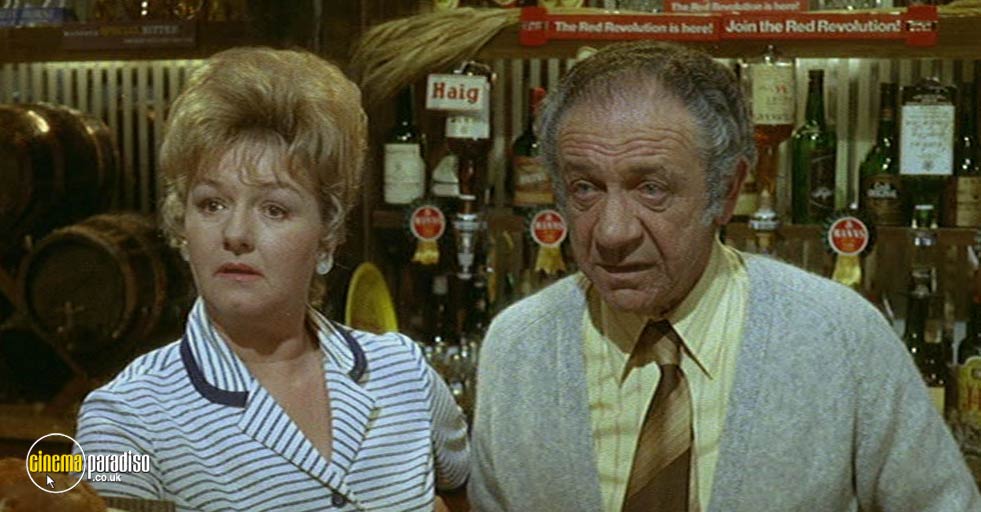
James Frawley's The Muppet Movie (1979) was an origins story that followed Kermit on a journey from his Florida swamp and saw him meet the various friends with whom he would share success in Los Angeles. En route, our green hero encounters James Coburn, Madeline Kahn, and Telly Savalas at El Sleezo Café; Elliott Gould as the compère of the Bogen County Beauty Pageant; Bob Hope, Richard Pryor, and Edgar Bergen and Charlie McCarthy at the County Fair; Steve Martin as a rude waiter; Mel Brooks as a mad scientist; and Orson Welles as a Hollywood movie producer named Lew Lord. What more could anyone ask for, except more of the same in The Great Muppet Caper (1981), The Muppets Take Manhattan (1984), The Muppet Christmas Carol (1992), Muppet Treasure Island (1996), Muppets From Space (1999), The Muppets (2011), and Muppets Most Wanted (2014)?
Having made his way from the boards to the BBC, Ronnie Barker got his radio start in The Navy Lark before becoming a familiar face alongside Ronnie Corbett and John Cleese on The Frost Report (1966-67). He would maintain his relationship with Corbett in The Two Ronnies (1971-87), but he liked to have solo projects on the go after the success of Hark At Barker, Futtocks End (both 1970), Six Dates With Barker (1971), and Seven of One (1973). His best role was Norman Stanley Fletcher, the HM Slade Prison inmate he played in Porridge (1974-77) and its spin-off, Going Straight (1978).
Both series were scripted by Dick Clement and Ian La Frenais, who were also behind the 1979 feature, Porridge, which reunited Fletch with cellmate Lennie Godber (Richard Beckinsale), inmates Harry Grout (Peter Vaughan), Bunny Warren (Sam Kelly), and Horrible Ives (Ken Jones), and warders Mackay (Fulton Mackay) and Barrowclough (Brian Wilde). However, the writers subverted the sitcom format by having Fletcher and Godber escape accidentally during a charity football match and have to find a way smuggle themselves back through the gates before lock-up.
Such was the show's popularity that it was shown in the US as Doing Time. Yet, when Clement and La Frenais tried to launch an American version, On the Rocks (1975), it only lasted a single season. Barker proved just as effective as corner shopkeeper Albert Arkwright in Open All Hours (1976-85), a Roy Clarke sitcom that had started life as an episode of Seven of One. Despite excellent performances from a stuttering Barker, David Jason as his nephew, Granville, and Linda Barron as Nurse Gladys Emmanuel, the series was never filmed, although it was later revived with Jason as Still Open All Hours (2014-19).
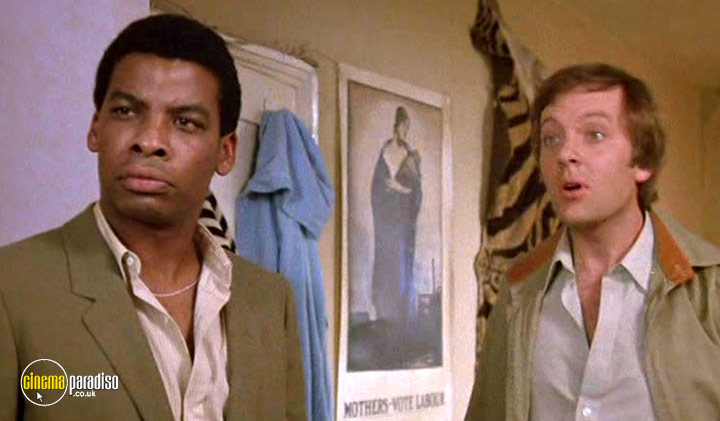
In addition to his fine work in The Lovers and Porridge, Richard Beckinsale was also a key cast member of the ITV sitcom, Rising Damp (1974-78), which Eric Chappell had adapted from his play, The Banana Box. He played medical student Alan Moore, who occupied the top floor of the house owned by Rupert Rigby (Leonard Rossiter), the seedy, miserly landlord who haughtily regards Moore with disdain and planning student Philip Smith (Don Warrington) with suspicion because he claims to be the son of an African chief. However, Rigsby has the hots for college administrator Ruth Jones (Frances De la Tour) and keeps trying to convince her that he's a man of learning and discernment. By the time Joseph McGrath came to make the cinematic version of Rising Damp (1980), however, Beckinsale had died of a heart attack at the age of 31 and Christopher Strauli was left to strive manfully to replace him, as art student John Harris. Denholm Elliott stole the show, however, as conman Charles Seymour, who tries to dupe Rigsby and seduce Miss Jones.
Another death meant that a pall rather than a curtain came down on the heyday of the sitcom spin-off. Yootha Joyce died a month after the release of Philip Frazer Jones's feature, George and Mildred (1980), which performed so badly at the box office that the producers sold it to ITV for broadcast on Christmas Day. Cooke and Mortimer's sitcom, George and Mildred (1976-79) had been spun off from Man About the House and kept viewers amused during the growing discontent that would eventually see Jim Callaghan's Labour government being ousted by Margaret Thatcher's Conservatives in May 1979. The series took the Ropers to a housing estate in Hampton Wick, where they received a very different welcome from their snooty neighbour, Jeffrey Fourmile (Norman Eshle), and his wife Anne (Sheila Fearn) and inquisitive son, Tristram (Nicholas Bond-Owen). Curiously, they are sidelined in the film, as George tries to arrange a 27th anniversary dinner at the eaterie where the couple had had their first date. However, he's mistaken for a hitman and this brings them into the orbit of ruthless gangster, Harry Pinto (Stratford Johns). Troupers to the last, Murphy and Joyce remained resolutely in their Roper characterisations, as the darkly bizarre plot erupted around them. It was a sad way for a talent like Joyce to bow out, but contemporary reviews were a good deal more tolerant than more recent claims that this is `one of the worst films ever made in Britain...so strikingly bad, it seems to have been assembled with a genuine contempt for its audience'.
This is unfair, as no one sets out to make a bad film and latterday reviewers don't always take context into account when appraising pictures from erstwhile eras. As we shall see in the second part of this survey, the art of making spincoms became no easier over the ensuing decades, with some post-millennial offerings being every bit as meagre as their 70s counterparts.
Between 1968-80, over 30 features were adapted from popular television shows. Cinema Paradiso provides a unique service in being able to bring users - in many cases - the original sitcom (or as many episodes that have survived) AND the spin-off feature. No one else makes this offer - not even the BBC iPlayer or Britbox - and making these titles available allows audiences to arrive at a greater understanding of the shows/films and the times in which they were produced.
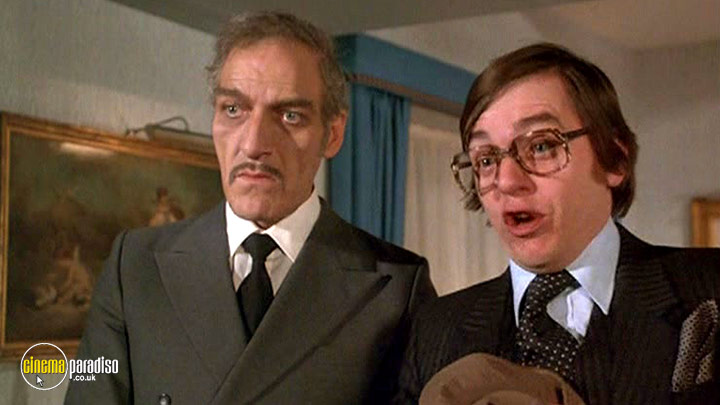
Along with comic smut and hardcore porn, the spin-off sitcom was the only cinematic trend to last the decade and, in doing, it helped keep the British film industry buoyant enough for Channel Four, Goldcrest, Working Title, and others to refloat it in the 1980s. Although they usually stopped short of nudity, these glorified sitcoms still objectified women and the sight of middle-aged men ogling scantily clad girls is as much a demerit against them as their chavinism, homophobia, and racism. Yet the were set in a recognisable Britain that was enduring the decline of its traditional industrial heartlands and the collapse of the codes and communities that they had engendered. Resentment was rife in a country that was stumbling towards its new place in a post-imperial world. Self-doubt filtered down from the upper echelons, as self-awareness rose up from the margins. It was a slow and painful process and if sitcoms and their spin-off movies sometimes got things wrong, we should be grateful that they exist, so that we can see how far we have come in five decades and how far we still have to go in so many areas of life today.
Mentioned films