One hundred years ago, director Alfred Hitchcock cropped up in two scenes of his new film, The Lodger. As Cinema Paradiso recalls, he would continue to make cameo appearances in his peerless thrillers until the end of his career. Can you spot them all?
Alfred Hitchcock made 36 self-referential cameos in his 53 feature films. In all, they amount to just over five minutes of screen time. Yet these fleeting appearances have been eagerly anticipated by movie-goers since the first was filmed 100 years ago. They have also been much debated by critics, with some insisting that they are merely a bit of impish fun, while others argue that they offer insights into Hitchcock's personality and artistic preoccupations.

It's likely that self-portraits have been slipped into artworks since the first cave drawings. But the first to be potentially identifiable in his work is the Flemish painter Jan van Eyck, who is seemingly the subject of the 1433 canvas, 'Portrait of a Man', which hangs in the National Gallery in London. The first film-maker to have a guest in one of his own works was Auguste Lumière, who can be seen at the table in Repas de Bébé, which was shown to the first paying cinema audience on 28 December 1895 and can be found on the BFI's 2005 Early Cinema - Primitives and Pioneers collection.
In their way, Hitchcock's cameos were as much a statement of authorship as the pea pods that Dutch sculptor and woodcarver Grinling Gibbons added to everything he produced. They are like a signature and lots of other directors have followed Hitchcock in popping up in their pictures. No one has done it with such consistent wit and acuity, however, and few would dispute that Hitch will forever be the cameo king.
The Twenties
Having failed to complete his first directorial assignment, Number Thirteen (1922), Alfred Hitchcock was too busy trying to make a good impression with his first two features to bother with cameo appearances. However, neither The Pleasure Garden (1925) nor The Mountain Eagle (1926) had gone down well with C.M. Woolf, the head of Gainsborough Pictures. Indeed, he had shelved the silents and had grave misgivings when production chief, Michael Balcon, decided to offer Hitchcock the chance to direct an adaptation of Marie Belloc Lowndes's 1913 novel, The Lodger.
Hitchcock started work on The Lodger: A Story of the London Fog on 25 February 1926 and the shoot lasted six weeks. However, Balcon was dismayed by the first cut and it seemed likely that a third feature in a row would end up on the Gainsborough shelf. However, leading man Ivor Novello had scored such a hit in Graham Cutts's The Rat (1925) that Balcon needed another film starring the Welsh matinee idol to rush into cinemas. In an effort to make The Lodger more commercial, he hired critic Ivor Montagu, who suggested a series of edits and re-shoots that Hitchcock took in good part, even though he was frustrated that none of his employers could see what he was trying to do with a style that owed much to German Expressionist items like F.W. Murnau's The Last Laugh (1924), which Hitchcock had watched being filmed during a visit to the Weimar Republic.
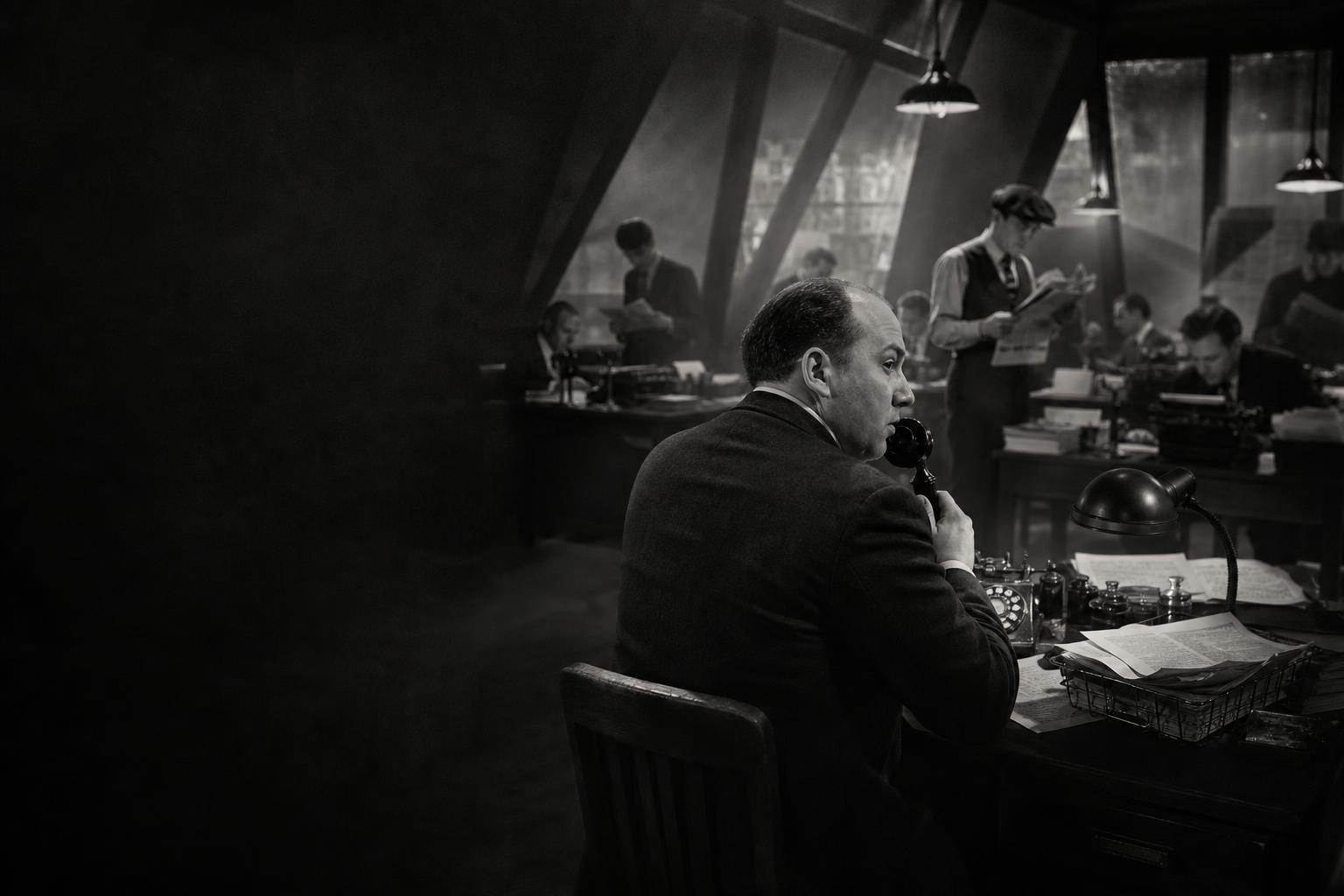
One of the shots that Montagu left in place occurs four minutes and 44 seconds (04:44) into the action, after a seventh blonde woman has been murdered on a London Tuesday by a killer known as 'The Avenger'. In a montage showing how news of the killing was transmitted by modern technology, a man on the phone in a newsroom sits with his back to the camera. He's on screen for a matter of seconds, but it's clear to see that the harassed newsman is being played by Alfred Hitchcock. He would claim that the actor who had been hired for the scene failed to turn up. So, in order to keep the camera rolling, he had stepped into the breach and played the part himself.
However, biographer Patrick McGilligan questions Hitchcock's claim and points to the fact that his wife and assistant director, Alma Reville, appeared in the same passage as the woman listening to the wireless with headphones. McGilligan also notes that Hitchcock liked a prank and most likely decided to play a desk-bound newshound as a nod to his friends in the press. But he was also a keen student of cinema and knew that D.W. Griffith had made occasional appearances while trying to forge his reputation and he had become one of the most recognisable directors alongside Cecil B. DeMille, who also had a talent for self-promotion. Hitchcock had also noted that fellow Londoner Charlie Chaplin had given himself a cameo in A Woman of Paris (1923) after deciding against taking a starring role.
But Hitchcock also had a serious reason for cameoing in The Lodger. He had endured a tough time at the hands of Woolf, Cutts, and Balcon and was fighting for his directorial future with his third feature. His cameo is something of an act of defiance, therefore, as though he's showing those with the power to make or break him that he has confidence in his own ability and doesn't give a hang whether they cut him out of the picture or not. This may explain why there's a speculative second appearance at the film's end (1:23:50), with Hitchcock donning a grey cap to join the angry mob surrounding the lodger as cop Joe Chandler (Malcolm Keen) tries to free him after his handcuffed hands become snagged on some park railings.
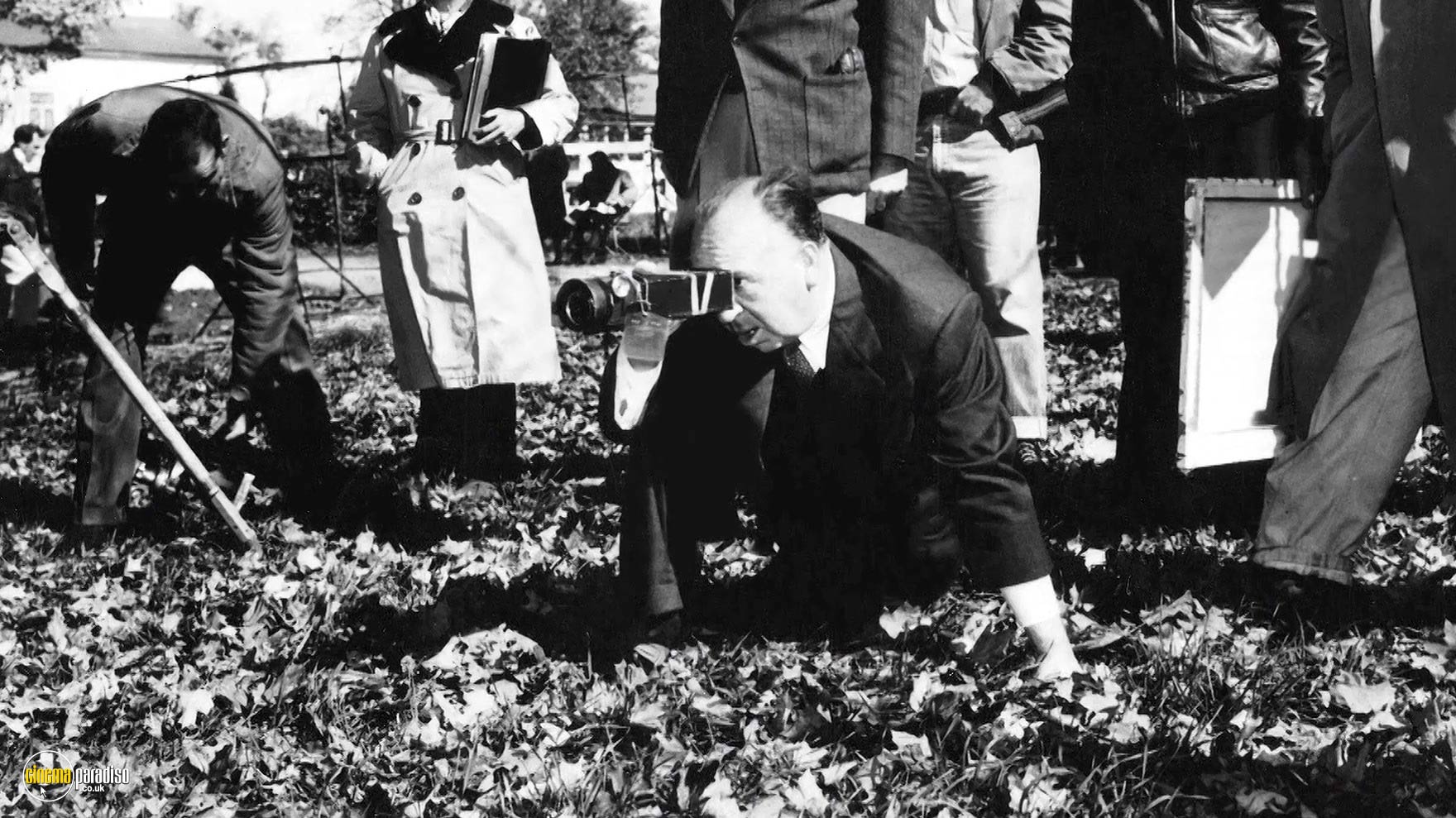
In the week-long 1966 interview at the centre of James Kent's Hitchcock/Truffaut (2015), François Truffaut acknowledges this second appearance. While collaborating with Hitchcock on the screenplay for his unrealised final project, The Short Night, however, American writer David Freeman had asked about his cameos in The Lodger and Hitch had teasingly admitted and denied his presence in the crowd scene. However, a second, less obvious cameo during a crucial scene would have been impossible to cut and would have ensured his pyrrhic victory over the studio suits.
Hitchcock was a keen member of the Film Society, which screened pictures not readily available in mainstream London cinemas. During a gathering at director Adrian Brunel's flat, the discussion had turned to the reasons why directors make films and who they make them for. Montagu recalled that Hitchcock had surprised everyone by saying that he didn't set out to impress the studio chiefs, the distributors, the exhibitors, or the public. His target audience was always the press, as their reviews, articles, and news reports helped shape a director's profile and reputation - the things they most needed in order to acquire the freedom to work on their own terms. Thus, it would seem as though Hitchcock initially used his cameos to amuse the press pack, whose good opinions would generate the kind of publicity that would make him a commodity his home studios would go out of their way to accommodate.
Indeed, Hitchcock used the papers to plant stories about refusing to do The Silent Warrior for Gainsborough and about British International Pictures seeking to hire the country's hottest new director. Yet he only make one more cameo in his next six films, even though they afforded copious opportunities for Hitchcock to put in an appearance if he had wanted to. There's a possible sighting of him two minutes into The Ring (1927), as a portly man in a black blazer gives handouts to the small crowd gathered in front of the fairground booth in which boxer 'One Round' Jack Sander (Carl Brisson) takes on all-comers. But he's almost certainly absent from Downhill (1927), The Farmer's Wife, Champagne (both 1928), and The Manxman (1929). But he can be spotted at the 21:15 mark in Easy Virtue (1928), as he dabs the back of his neck in the Riviera heat before opening the gate to the hotel tennis court, while carrying a walking stick. It's a purely incidental appearance, as the focus of the scene is the seated Larita Filton (Isabel Jeans), who half looks up at him. But it's the first cameo in which Hitchcock's face can be seen and it also broke the sequence of no-shows that has never been satisfactorily explained by biographers or scholars alike. But even this casual stroll on has a diegetic significance, as we shall reveal in the last section of the second article on Hitchcock's cameos.
There is, of course, the possibility that he is there somewhere in the other silents and has simply gone unnoticed. Hitch wasn't usually one for hiding his light under a bushel, but it might have amused him to keep one or two cameos quiet so that they could remain his own private joke. He could also have decided that his telltale presence would have been a distraction from the storyline, while the schedule might have precluded an opportunity to set up a suitable shot. We shall never know, but it's worth renting the available silents from Cinema Paradiso and watching them with a magnifying glass or some facial recognition software!
If this was one of the more blink-and-miss him cameos, there's no mistaking Hitchcock 10:25 into Blackmail (1929). He's on screen for a full 19 seconds, facing out and minding his own business while reading a book on the Underground. However, a small boy (Jacque Carter) in the adjoining cross-seat sitting opposite chief protagonists Alice White (Anny Ondra) and Frank Webber (John Longden) clambers up and tugs on the brim of Hitch's hat. Indignant, he turns to prod the lad's mother and suggest she keeps him under better control. But the little tyke has other ideas, as he pulls Frank's hat before standing on the seat to give a now nervous Hitchcock a long, hard stare.
As a five or six year-old, Hitchcock had been warned by his greengrocer father that naughty boys were punished. Indeed, William even arranged with a local bobby in Leytonstone to have his son locked in a cell for a few minutes to drive the message home. It's tempting to see this cameo (in which Hitch is the butt of the joke) as a chance for the adult to live out some of the juvenile mischief in which he had been too scared to indulge as a boy. But even though he moves his lips, Hitchcock isn't heard speaking, even in the talkie version that was decided upon while shooting was still ongoing. Of course, Hitchcock's voice would become familiar from feature trailers and the introductions to his TV shows. However, he only spoke once in a feature and, even then, he was only seen in silhouette - as we shall see...
The Thirties
There were no cameos in the Sean O'Casey stage transfer, Juno and the Paycock; the lost short, The Elastic Affair; or the musical revue, Elstree Calling (all 1930). Hitchcock would also be absent from The Skin Game (1931), Waltzes From Vienna (1934) - which can be found on The Jessie Matthews Revue: Vol.2 - and Jamaica Inn (1939). But, thanks to the efforts of his own PR company, Hitchcock Baker Productions, he was easily the best-known British director of the 1930s and most domestic film-goers would have recognised him when he popped up in seven (or is it eight) of the features he made across the 1930s.
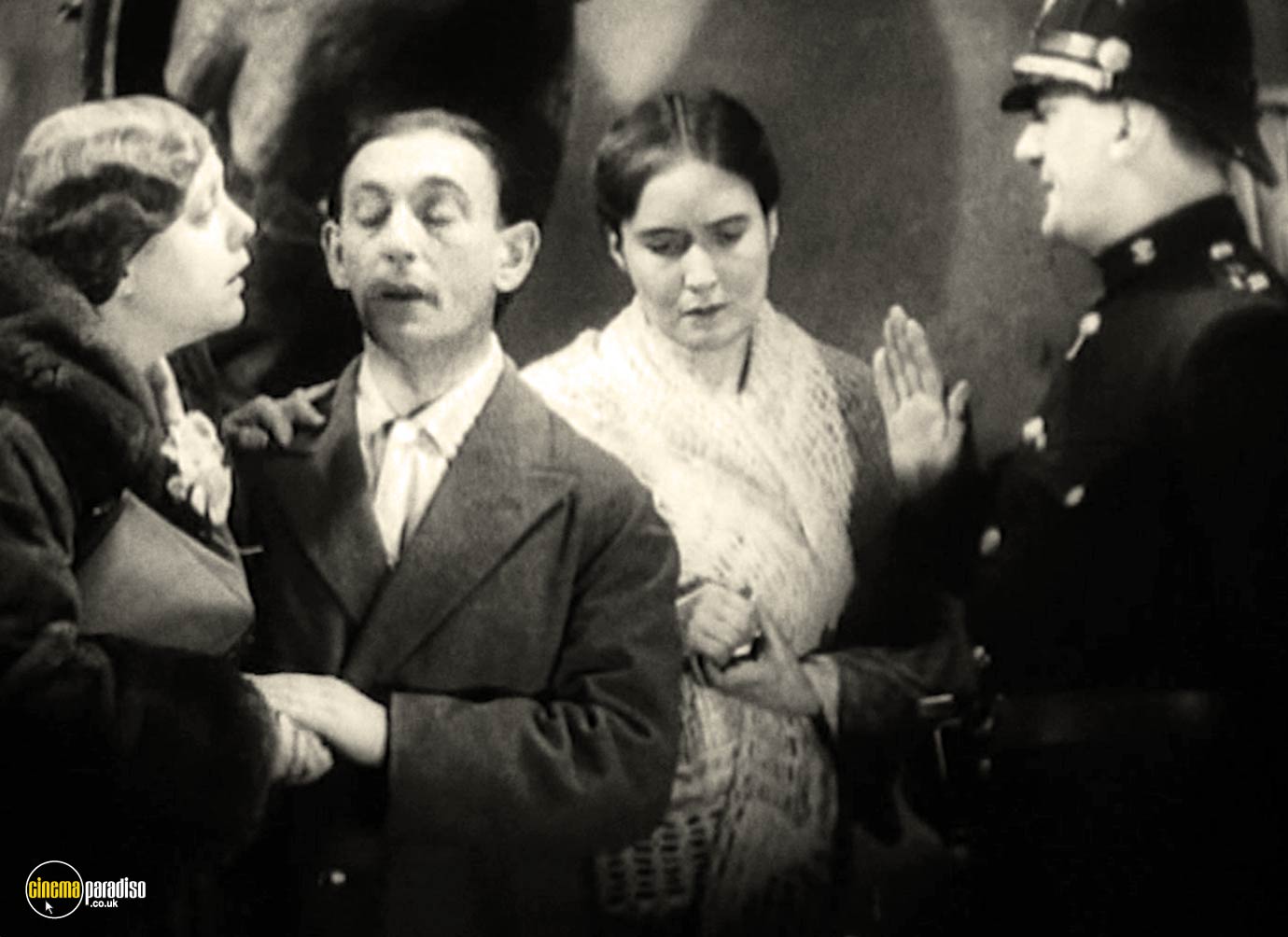
Fifteen seconds short of the hour in his third talkie, Murder! (1930), Hitchcock remained silent, as he hurries past a boarding house with an unidentified female companion. He's wearing a hat and overcoat and doesn't pay any attention to Sir John Menier (Herbert Marshall) and Doucie (Phyllis Konstam), and Ted Markham (Edward Chapman), who are plotting their next move outside the scene of the crime. The screenplay was adapted from Enter Sir John, a novel written by Clemence Dane and Helen Simpson, and it was translated into German for Mary (1931), which was filmed simultaneously at Elstree with an imported cast. Intriguingly, however, Hitchcock didn't appear in this version and no one seems to know why.
He wanted to return at the end of Rich and Strange (1931), as a film director listening to Fred and Emily Hill (Henry Kendall and Joan Barry) relating the experiences that the audience had just been watching. In a splendidly self-reflexive moment, Hitch would have informed the couple that the story would never make a good film. However, he obviously felt that he was making himself too much of a hostage to fortune for the critics and cut the scene.
Instead, he appeared fleetingly at 51:25 in Number Seventeen (1932), an adaptation of a Joseph Farjeon play that had previously been filmed as Number 17 (1928) by Géza von Bolváry. Ironically, Hitch had wanted to direct the John Van Druten play, London Wall, which reached the screen as After Office Hours (1932) under the direction of Thomas Bentley, who had actually wanted to make Number Seventeen. Not everyone agrees about this cameo, which sees a behatted Hitchcock turning round briefly while being bounced around on a bus that has been commandeered by Barton (John Stuart) in order to chase after a train that has been boarded by some crooks pursuing a purloined diamond necklace. Despite telling Truffaut that the film was negligible, Hitchcock thoroughly enjoyed using miniatures to create this spectacular scene and couldn't resist putting himself at the heart of it, albeit for only four seconds.
In perhaps his most bizarre screen appearance, Hitchcock greeted party guests at his flat at 153 Cromwell Road in full drag, complete with make-up and wig, and had the evening filmed as a home movie. This was still in existence in 1976, when Hitch had it screened at Universal Studios. But it seemingly disappeared during the dismantling of the director's office, although we reckon someone has it tucked away somewhere.
Back in 1934, Hitchcock waited until 33:25 to walk across the road in a dark trenchcoat as a bus passes in The Man Who Knew Too Much. Made for Gaumont-British and scripted by Charles Bennett and D.B. Wyndham-Lewis, this had started out with the front office asking Hitchcock to come up with a scenario to suit the title, Bulldog Drummond's Baby. Inspired by the rise of Nazism in Germany, the story centred on a couple, Bob and Jill Lawrence (Leslie Banks and Edna Best), who stumble across an assassination plot after their teenage daughter (Nova Pilbeam) is abducted. This was the only British film that Hitchcock remade in Hollywood, although they are very different works.
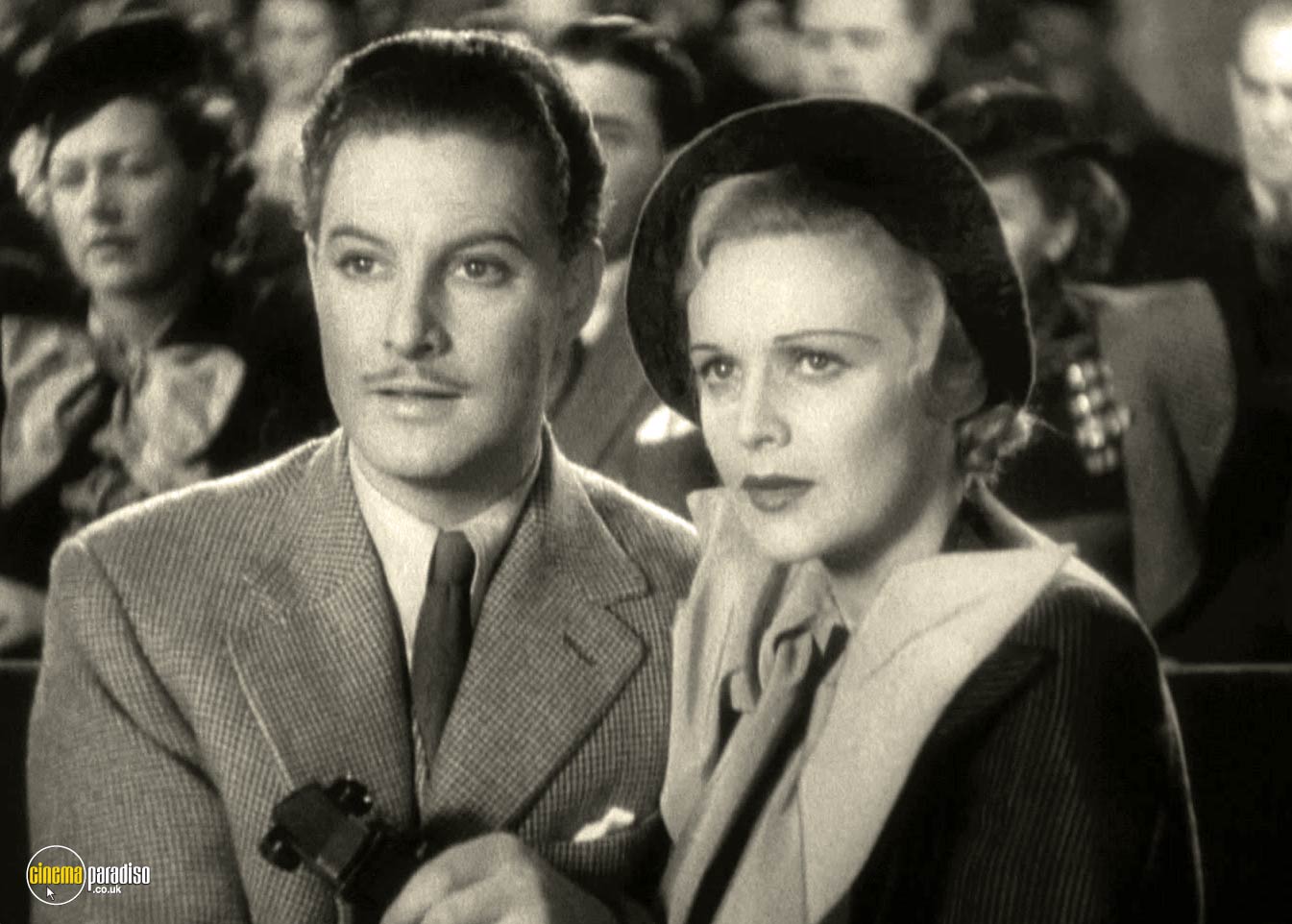
Hitchcock's old nemesis, C.M. Woolf, was in charge of distribution at Gaumont-British and he tried to deface The Man Who Knew Too Much by asking Maurice Elvey to shoot some scenes to make it less 'arty'. Having been countermanded by Michael Balcon, Woolf insited on showing the film in London as the lower half of a double bill. He also set out to prevent Hitchcock from adapting John Buchan's novel, The 39 Steps (1935), even ordering him to start work on Floradora, a life of the fin-de-siècle music hall star, Leslie Stuart. Once again, Balcon intervened and Hitch got to cameo on 06:56 by tossing away a cigarette packet, as he walks past the bus stop outside the music-hall theatre from which Richard Hannay (Robert Donat) and Annabella Smith (Lucie Mannheim) are beating a hurried retreat after gunshots have interrupted Mr Memory (Wylie Watson) in the middle of his act. This is actually a double cameo, as screenwriter Charles Bennett is also on the pavement, as the 25A pulls up and Hannay and Smith jump aboard. But we're not convinced by the claims of some commentators that Hitchcock can be seen among the panicked patrons fleeing for the exits as the shots ring out in the auditorium.
Similarly, it seems unlikely that the man descending the gang plank of the ship bringing Richard Ashenden (John Gielgud) to Switzerland around 08:19 in The Secret Agent is Hitchcock. Some have identified the bearded, bowler-hatted figure as Francis De Woolfe, but he would only have been 23 at the time and this fellow looks older. There's no doubt, however, that Hitchcock can be seen in Sabotage (both 1936), which had been adapted from Joseph Conrad's 1907 novel, The Secret Agent. He appears at 08:56 in a hat and coat outside the Bijou movie house, looking up as the streetlights come back on after a power cut that had been caused by the venue's owner, Karl Verloc (Oscar Homolka). It's another fly-by-night cameo, but Hitch again managed to insert himself outside a place of major significance to the plot. The cinema will shortly play the Walt Disney cartoon, Who Killed Cock Robin? (1935), as the owner's wife (Sylvia Sidney) hears some dreadful news about her younger brother. Cinema Paradiso users can watch the Oscar-nominated David Hand gem on Walt Disney Treasures: Silly Symphonies (2001).
Having missed out on The Secret Agent because he was doing a play, Robert Donat had to be replaced by John Loder in Sabotage after he was hospitalised following a severe asthma attack. He remained friends with Hitchcock, who kept offering him parts that either clashed with the actor's schedule or were handed on because of his indecisiveness (including Maxim De Winter). By contrast, Hitchcock had made up his mind that he had outgrown the British film industry and his thoughts started turning towards Hollywood after a string of excellent Stateside reviews. Michael Balcon had blocked approaches from agent Myron Selznick, but he didn't work with Hitchcock again after Sabotage (although he did try to sign him to MGM-British) and the director made Young and Innocent (1937), The Lady Vanishes (1938), and Jamaica Inn (1939) to wind down his contract.
Sponsored by Gainsborough, the former was adapted from Josephine Tey's A Shilling For Candles and centres on the efforts of writer Robert Tisdall (Derrick De Marney) to convince chief constable's daugher Erica Burgoyne (Nova Pilbeam) to help him prove his innocence in a murder case. Hitchcock comes on the scene at 15:52 to play a cloth-capped photographer holding a small camera behind the policeman outside the courthouse, who doesn't recognise Tisdall when he dons a pair of thick spectacles to do a bunk. This is one of Hitch's funniest cameos, as he tries to show the duty constable that he has a camera and, therefore, can't be expected to join the search for the fugitive. He waves his right hand about and twice looks as though he is going to speak. But he gets jostled in the confusion as the copper argues with a man who doesn't see why he should have to go and search the spinney. The impression is that the photographer isn't very good at his job. But Hitchcock was most certainly on a roll and must have been delighted during a family holiday to New York to read that RKO claimed to have lined him up for two projects: The Saint in New York (which would be filmed by in Ben Holmes in 1938) and an adaptation of Patrick Quentin's novel, A Puzzle For Fools (which never got made). Independent producer David O. Selznick also heard the rumours and stepped up his own efforts to offer Hitchcock a contract.

In the meantime, Hitch returned to Blighty to supplant Roy William Neill as the director of Frank Launder and Sidney Gilliat's adaptation of Ethel Lina White's novel, The Wheel Spins. Starring Michael Redgrave and Margaret Lockwood as Gilbert Redman and Iris Henderson, the pair who team to discover the whereabouts of Miss Froy (Dame May Whitty), who had seemingly vanished form a trans-continental train, The Lady Vanishes (1938) is one of Hitchcock's best Briths pictures. He delayed his entry until 1:32:31, when he is seen in a black coat walking along the platform at Victoria Station, smoking a cigarette and carrying a small bag. Although the character has clearly arrived back in London, it's possible to see this as Hitch code for his readiness to embark upon his own travels and try his luck in Hollywood.
Before his departure, he honoured a promise to make a film with Charles Laughton rather than reuniting with Nova Pilbeam on trailed titles, Empty World and False Witness. But he kept himself behind the camera in adapting Daphne Du Maurier's period piece, Jamaica Inn. The same author would provide the source for Hitchcock's Hollywood debut, although Selznick had initially wanted him to adapt The Titanic, a novel by Wilson Mizner and Carl Harbraugh. There was also a brief mention in a Selznick memo of tailoring Charles Morgan's West End play, The Flashing Stream, for Carole Lombard. But Hitchcock was intent on making his US bow with a very British story.
The Forties
It seems a little odd that Hitchcock was able to continue making cameo appearances after he arrived in Hollywood. While he was renowned as one of Europe's finest film-makers, he was very much an outsider who had to prove himself within the studio system and David O. Selznick had given him both barrels in a voluminous memo about the first draft of his screenplay for Rebecca (1940). Maybe Hitchcock decided to slip himself into the action late in the day (at 2:06:57) to show his producer that he was still his own man? But it's one of his most self-effacing incursions, as he appears in a hat and coat behind Jack Favell (George Sanders), as he is being chided by a policeman for parking in the wrong place after leaving a telephone box, having called Mrs Danvers (Judith Anderson) with the truth about the demise of the first Mrs De Winter.
Even before he started shooting Rebecca, Hitchcock was planning an escape from Selznick, who had been on his case despite being preoccupied with Gone With the Wind (1939). Producer Walter Wanger offered Hitch the chance to remake The Man Who Knew Too Much in an American setting or to revisit Richard Hannay with Robert Donat in John Buchan's sequel, Greenmantle. With war having broken out in Europe, however, and with Hitchcock being lambasted in the British press for luxuriating in Hollywood when his compatriots faced the threat of invasion, it was decided to make Foreign Correspondent (1940) instead. Loosely based on Personal History, the memoirs of reporter Vincent Sheean, the story follows the efforts of New York Morning Globe reporter John Jones (Joel McCrea) to expose the fact that a Dutch diplomat named Van Meer (Albert Bassermann) has been replaced by a lookalike before a major peace conference in London. A hatted Hitchcock can be seen reading a newspaper on the street (12:44) at the moment Jones (who uses the pen name Huntley Haverstock) hears Van Meer's name being called by the concierge as the Dutchman leaves the Carlton Hotel and the American turns to join him on a taxi ride. It's another brief appearance, but Hitch shows himself as an everyman trying to keep abreast of the situation in a time of crisis. He may also have been signalling to those questioning his patriotism back home that he was fully aware of what they were enduring and that he was doing his bit (Production Code permitting) by alerting Americans to the fact that their country needed to be ready to join the global fight against totalitarianism. In fact, Hitchcock had volunteered to make propaganda films of the Ministry of Information, but nobody had taken him up on his offer. Having paid out of his own pocket to have two documentary shorts, David MacDonald's Men of the Lightship (1940) and Harry Watt's Target For Tonight (1941) redubbed for the American market, he would eventually make Bon Voyage and Aventure Malgache (both 1944), to boost resistance in France. But the shorts (neither of which featured Hitchcock) were withheld because their message was deemed ambiguous at a time when clarity was of the essence.
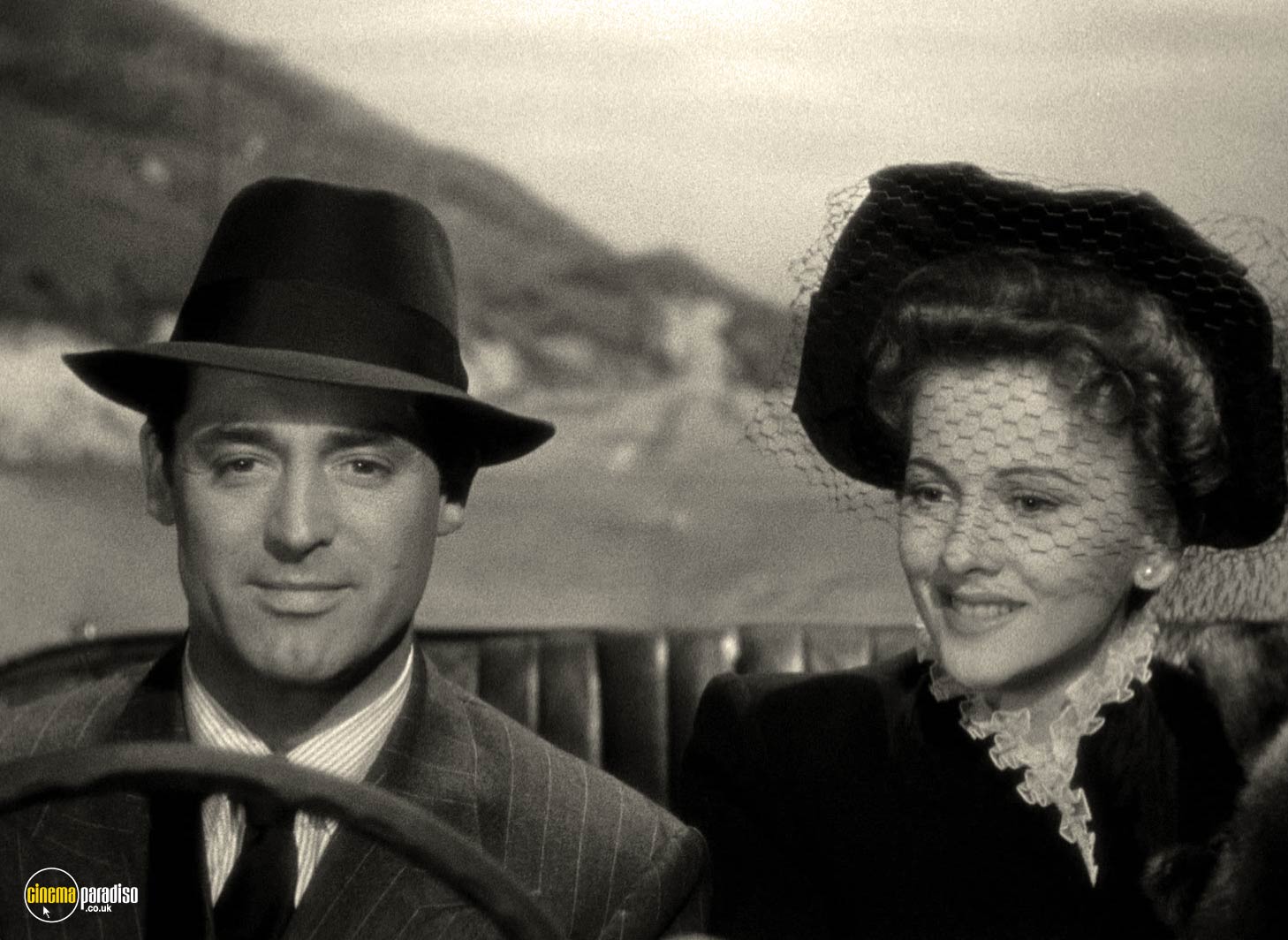
Both Rebecca and Foreign Correspondent were nominated for Best Picture, with the former winning. However, Hitchcock was beaten to Best Director by John Ford for The Grapes of Wrath (1940). Rumours spread that his next assignment would be The Constant Nymph with Laurence Olivier and Vivien Leigh, Back Street with Margarent Sullavan, A Woman's Face with Joan Crawford, or Escape with Norma Shearer. As 20th Century-Fox tried to entice Hitchcock with Rogue Male and Columbia promised him either Laurence Olivier in a version of James Hilton's And Now Goodbye or Cary Grant in the costume drama, Royal Mail, Selznick proposed a colour remake of The Lodger with Jean Gabin and either Ingrid Bergman or Joan Fontaine. Hitchcock hadn't warmed to the latter during the making of Rebecca, but he would direct her to an Oscar in Suspicion (1941), an adaptation of Francis Iles's novel, Before the Fact, in which Fontaine co-starred with Cary Grant.
Cameo spotters are divided over this tale of a wife's misgivings about her outwardly bonhomous husband. Some claim Hitchcock can be seen leading a horse at 03:25 during the scene before the village hunt. But the groom is far too svelte for Hitch, who had ballooned to 325lbs around this time. He does crop up at 44:58, however, when he can be seen in long shot posting a letter outside the bookshop. Once again, he shows up at a key moment in the scenario, as Lina (Fontaine) has gone to the village the morning after Johnnie (Grant) had tutted that his friend Beaky (Nigel Bruce) might not be so lucky next time, after he had survived a violent attack after drinking brandy. In the original screenplay, Hitchcock had wanted Lina to post a letter voicing her suspicions of her spouse, but the front office had nixed the idea because it didn't want Grant to play a villain. This, therefore, was his way of honouring Lina's intention, even though the man at the pillar box could have known nothing of what had happened at the Aysgarth's home the night before.
This was actually the second picture that Hitchcock made for RKO in 1941. He had hoped to team Carole Lombard and Cary Grant in Mr & Mrs Smith, a screwball in which an amiably argumentative couple discover that they're not legally married. When the Bristolian proved unavailable, Robert Montgomery was cast and struck up a zinging rapport with the ever-gregarious Lombard. She enjoyed the shoot enormously and was particularly pleased when Hitchcock agreed to let her direct his cameo. This occurs at 42:57 and has Hitchcock walk under a hotel canopy smoking a cigar, while Montgomery turns to look at him and the camera pulls up and away from them on a crane. It was the most technically flamboyant cameo of his entire career and he had nothing to do with it other than put one foot in front of the other. Moreover, in a follow-up to her unleashing three heifers on the set in response to Hitchcock's barb that actors were like cattle, Lombard also put him through several retakes before she was satisfied.
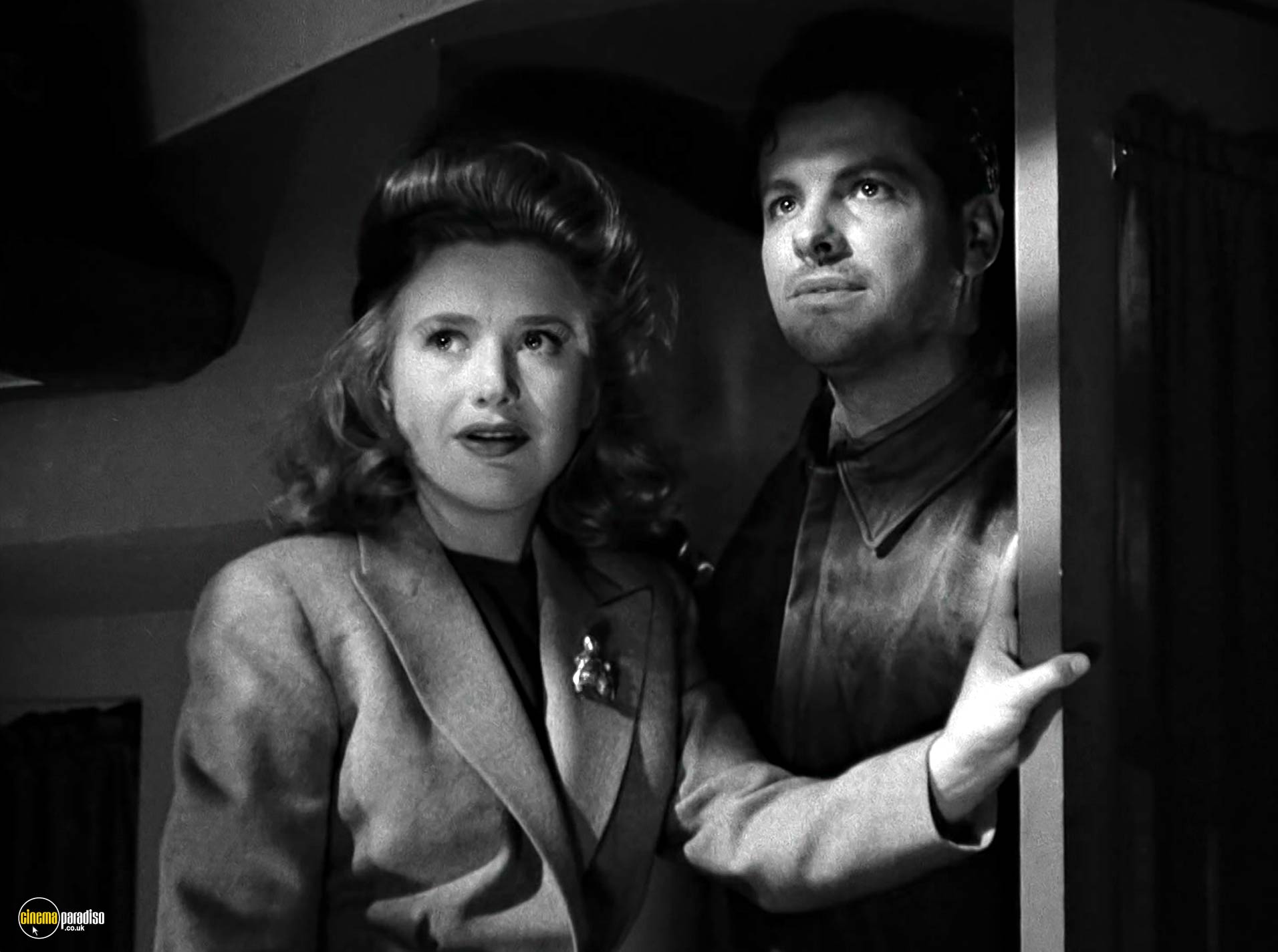
Reluctant to loan Hitchcock out again, Selznick considered pairing him with Ingrid Bergman on one of Three Faces East, The White Feather, Letter From an Unknown Woman, The Man in Half Moon Street, and The Woman in White. Underling Val Lewton (who would go on to become the master of understated horror) even considered Hitchcock for Les Misérables, The Bat, and Treasure Island! Ultimately, he signed to direct Saboteur (1942) at Universal, which Selznick had hoped to make with Gene Kelly as the everyman uncovering a Fifth Columnist plot. Hitch had to settle for Robert Cummings and struggled to connect with the storyline. However, it didn't help that Alma (on whom Hitckcock relied heavily while developing a project) was in New York chaperoning their teenage daughter, Pat, while she made her Broadway debut, or that Hitchcock was alone when news came through that landlady Carole Lombard had been killed in a plane crash while selling war bonds. Perhaps his mood suggested the cameo at 1:04:45, which sees Hitchcock queueing at night in front of the Cut Rate Drugs store when the saboteurs' car pulls up. He told Truffaut that he had previously filmed a scene in which he and Dorothy Parker had played a couple in a car, with the latter declaring fondly, 'My, they must be terribly in love!', on misunderstanding the clench on the side of the road between Barry Kane (Cummings) and his billboard model hostage, Patricia Martin (Priscilla Lane). Adding to the wit of the scene, Hitchcock, who hated driving, positioned himself behind the wheel.
Scheduling problems meant that Hitchcock was unable to film a proposed segment in Forever and a Day (1943), in which Cary Grant and Ida Lupino play a handyman and a housemaid dreaming of a fresh start in the United States on the day of Queen Victoria's funeral in 1901. It was filmed instead by René Clair, with Brian Aherne replacing Grant. Around this time Hitchcock, turned down Gaslight (1944), which would earn Ingrid Bergman an Oscar, while Selznick vetoed his fixation on a story about a bigamous ventriloquist. A.E.W. Mason's No Other Tiger was also considered before Hitch latched on to Gordon McDonell's story, 'Uncle Charlie', which became the basis of Shadow of a Doubt (1943).
This is another of Hitchcock's best cameos. He's seen from behind at 16:27 playing cards on the train to Santa Rosa with a doctor and his wife (Edward Fielding and Sarah Edwards). She urges her husband to let the porter know that he could help a stricken passenger - Uncle Charlie (Joseph Cotten) travelling under the name Otis - but he insists he's on vacation and doesn't want to be disturbed. Looking across the table, however, the medic notices that his fellow bridge player is also looking unwell, despite holding a hand of 13 spades! Amusing though this is, the scene also has a gallows edge to it, as it was filmed while Hitchcock was fretting over the condition of his 79 year-old mother, Emma (after whom Patricia Collinge's character is named), back in Britain. He learned of her death after returning from location shooting and felt lasting guilt at both not being at her bedside or being able to attend her funeral.

Berthed at Fox for his next two pictures, Hitchcock bridled at the idea of adapting A.J. Cronin's The Keys of the Kingdom (which was filmed by John M. Stahl instead) and sought Ernest Hemingway to script a film about survivors of a freighter sinking coping with a Nazi submariner in their ranks while drifting on the ocean. He declined and John Steinbeck collaborated on Lifeboat (1943), which Hitch made to challenge himself to make a tense drama within a restricted space. The setting made his cameo a bit tricky and he considered playing a corpse that floats past the boat. However, he hit upon the ingenious idea of having himself pose for the 'Before' and 'After' pictures in a newspaper advertisement for Reduco Obesity Slayer. The image is on camera at the 25-minute mark, as William Bendix reads aloud from an article about some people being stranded in a boat for 80 days. What's so amusing about the photographs is that the slimmed down version looks so miserable, which reflected Hitchcock's love of eating and aversion to dieting. However, following his brother's sudden death and the shock he received from a nasty fall, he took to breakfasting and lunching on black coffee, while only having a small steak and salad for supper. He shed around a third of his body weight and the pictures used in the spoof ad were genuine. One might call it Method cameoing and Hitch confided in François Truffaut that this was his favourite role
Despite Hitchcock being nominated for Best Director again, Lifeboat was accused of admiring Nazi cunning, when the intention had clearly been to warn against the ruthlessness of an implacable foe. Selznick sought to defuse the row by having Hitchcock make the two-minute War Bond promo, The Fighting Generation (1944), which starred the producer's new love interest, Jennifer Jones. However, he refused Hitchcock's request to adapt J.M. Barrie's Mary Rose and Selznick's intimation that he wanted to do something about the healing power of psychiatry led the director to Francis Beeding's The House of Dr Edwardes, which would become the basis of Spellbound (1945). A dream sequence designed by Salvador Dalí rather overshadowed Hitchcock's cameo, which saw him emerge from the elevator at the Empire State Hotel at 39:01. Sporting a double-breasted suit, smoking a cigarette, and carrying a violin case, he turns left into the lobby and doesn't seem to be noticed by Dr Constance Petersen (Ingrid Bergman). However, the film's trailer made darn sure that everyone spotted Hitchcock, as the narrator tells us not to forget the man freeze-framed on leaving the lift, as he is responsible for the situation that brings Dr Petersen and Dr Anthony Edwardes (Gregory Peck) together at the Green Manors mental health institution in Vermont.

Although John Taintor Foote's Saturday Evening Post serial, 'The Song of the Dragon', provided the starting point for Notorious (1946), Hitchcock and screenwriter Ben Hecht based the scenario on the fact that a couple of Hollywood acquaintance had been required to seduce suspected German double agents during the war. Delighted to have Ingrid Bergman and Cary Grant sign up to play Nazi spy's daughter Alicia Huberman and government agent, T.R. Devlin, Hitch set about making his first proper love story. As if emboldened by the Spellbound trailer, he decided to use his cameo to remind the audience that he was the Master of Suspense who was controlling every second of what they were watching. Thus, he shows up at 1:04:44 conspicuously to quaff a glass of champage before strolling out of shot. By helping to diminish the supplies of bubbly at the Rio home of Huberman's target, exiled Nazi Alex Sebastian (Claude Rains), Hitchcock caused Huberman and Devlin to fetch more supplies from the cellar, where they discover the film's MacGuffin.
It was the bold gesture of a director who knew his worth. Yet this wasn't his original intention. Hitchcock had wanted to play a deaf and non-vocal man who gets slapped by a pretty girl on the street for something he has signed to her. This was a risqué gag and Hitch was forced to abandon it after rumours reached the Production Code office and RKO ordered him to think again. Compensation came in the form of his third Oscar nomination for Best Director.
Mentioning in passing the government-sponsored documentary short, Watchtower For Tomorrow (1945), and leaving Andre Singer's Night Will Fall (2014) to explain Hitchcock's role in Sidney Bernstein's Holocaust film, German Concentration Camps Factual Survey, we move on to The Paradine Case (1947), which was adapted from a 1933 novel by Robert Hichens. Hitchcock undertook this to terminate his relationship with Selznick and turned down RKO offers to make The Lost Weekend, The Spiral Staircase, Love Letters, The Devil's Disciple, Murders in the Rue Morgue, and an adaptation of Henry James's The Turn of the Screw, with Joan Fontaine as the governess.
Ailing throughout the shoot, Hitchcock invested little inspiration in the courtroom drama that sees Maddalena Anna Paradine (Alida Valli) in the dock for poisoning her husband. She is defended by Anthony Keane (Gregory Peck), who falls for her during the hearing, despite knowing that any liaison would be reckless. Perhaps because he was himself hopelessly in love at the time with Ingrid Bergman, Hitchcock placed himself in a scene with Keane, as they exit a railway station in Cumberland. In several cameos, Hitchcock moved out of shot and he does so again here, with something of a spring in his step, as he wears a light suit and hat, carries a cello case, and draws on a cigarette. Perhaps he was reflecting the fact he was walking out on his collaboration with the controlling Selznick in order to become his own producer under the Transatlantic Pictures banner that he had established with Sidney Bernstein?
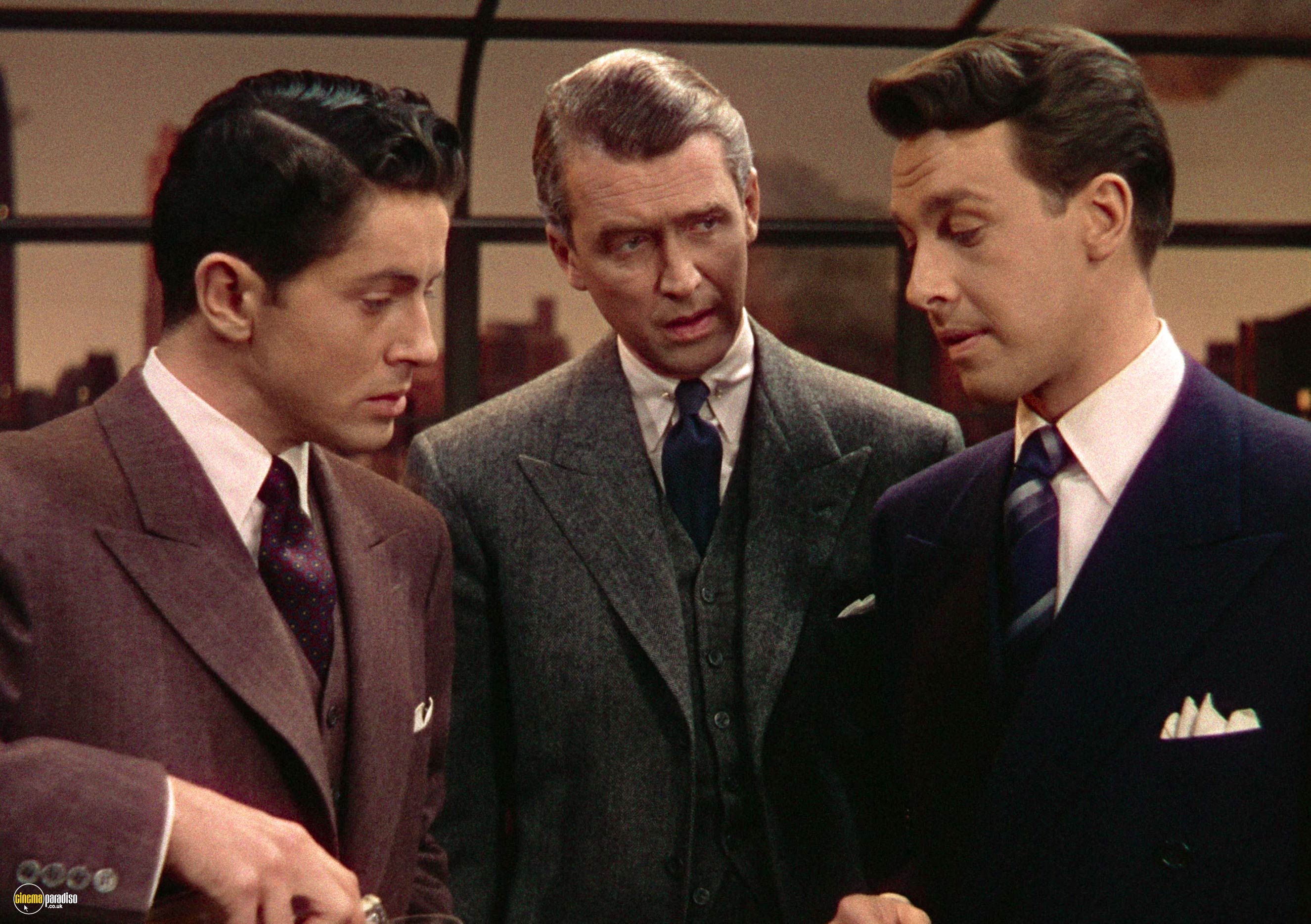
As they needed something to fill a gap while they waited for Ingrid Bergman to become available, the pair alighted upon Patrick Hamilton's 1929 play about aesthetes Brandon Shaw (John Dall) and Phillip Morgan (Farley Granger), who murder an old friend and hide his body in a trunk in the room in which they are about to host a dinner party for their old tutor, Rupert Cadell (James Stewart). Having decided to film Rope (1948) on a single set in long takes, Hitchcock was again faced with the problem of how to accommodate his cameo. In fact, he seems to have found two solutions, as he appears to walk along the street below the apartment at 01:51, while his profile can be seen at 55:19 in the red neon of a Reduco advertisement in the nocturnal Manhattan skyline. Playwright Arthur Laurents vouchsafed for the post-credits walk-on in Laurent Bouzereau's 'making of' documentary, Rope Unleashed (2001). But Warner Bros records make no mention of Hitchcock holding a newspaper and walking along beside a female companion. Strolling into view just as his name credit fades from the screen would certainly have announced his newfound independence, but does the figure looks a little too trim? What do you think? Rent Hitchcock's first excursion into colour from Cinema Paradiso and let us know your decision.
With Cary Grant reluctant to commit to Weep No More or a modern-day variation on Hamlet, Hitchcock considered launching Transatlantic with either a film about 18th-century highwayman Jack Sheppard, an adaptation of R.D. Blackmore's Lorna Doone, or a reworking of Margaret Wilson's Death Row novel, The Dark Duty. When none of these appealed enough, he made the decision to plump for Helen Simpson's 1830s Australian saga, Under Capricorn (1949), which surprised many because he had sworn off costume pictures after his ill-advised sojourn in Vienna. Filming in long takes and Technicolor on Elstree soundstages, Hitchcock tried to convince cast and crew that he cared a fig about ex-convict Samson Flusky (Joseph Cotten), his dipsomaniac wife, Lady Henrietta (Ingrid Bergman), or the governor's cousin, Charles Adare (Michael Wilding). But he did care about his chosen shooting method and this upset his stars to the extent that the atmosphere on set was gloomy for much of the time.
Perhaps to cheer himself up, Hitchcock donned a brown top hat and a greyish blue coat to stand with his back to the camera at 02:11 and listen to the governor's speech in Sydney's main square. If this sighting is disputed (despite the telltale jowls), he can definitely be seen in a brown coat alongside two other men at 12:17, as a carriage draws up in front of the steps of Government House. He could have been reflecting on the fact that, like the past, Britain had become a foreign place to him, as several former colleagues still resented his perceived abnegation of wartime duties. Moreover, with no home in London, he had to live in Claridge's hotel during his stay. But Hitchcock certainly didn't feel like a man out of his time, as he was pioneering new techniques and was already working on his next two pictures, as we'll see in Hitchcock's Cameos, 1950-76.
Mentioned films