Top 10 Moon Movies
Top 10 Moon Movies
The 10 selections at a glance
Our complete selection
A Trip to the Moon (1902)

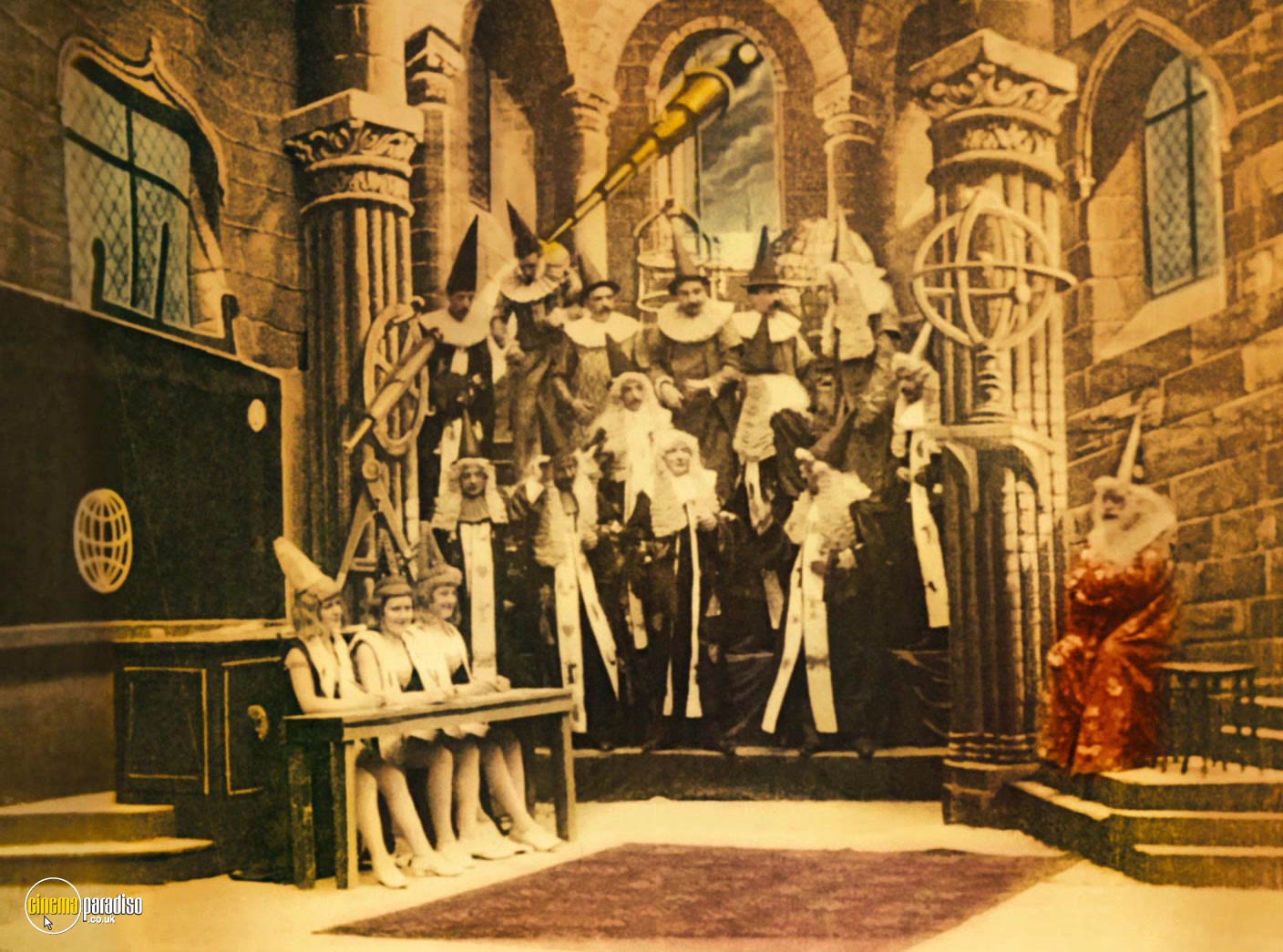
Professor Barbenfouillis leads his fellow Astronomy Club members on a lunar expedition that begins with a large cannon firing their spaceship into the Man in the Moon's eye. After dozing off in a cave, however, the explorers are captured by some insectoid Selenites and taken to their king.

Woman in the Moon (1929)
Spy Walter Turner (Fritz Rasp) smuggles himself aboard the Friede rocket that is bound for the Moon in order to test the theory put forward by Professor Manfeldt (Guy Pohl) that it has large reserves of gold. Soon after blast off, however, the crew discover that a young boy named Gustav (Gustl Gstettenbaur) has stowed away with his collection of science fiction magazines.
Destination Moon (1950)
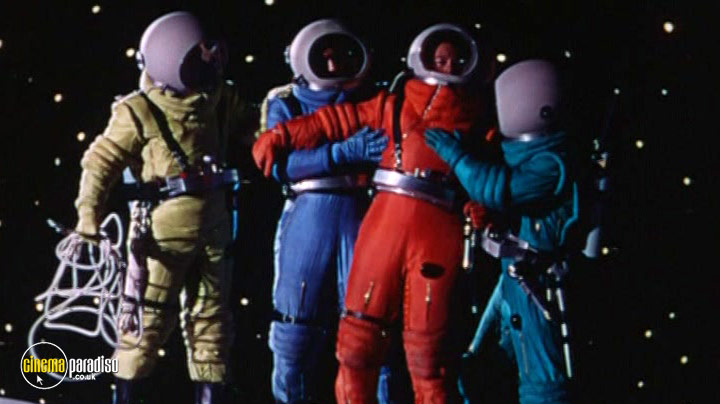
Rocket scientist Charles Cargraves (Warner Anderson), aviation tycoon Jim Barnes (John Archer), and space enthusiast General Thayer (Tom Powers) build a rocket named Luna with the intention of claiming the Moon, 'By the grace of God, and in the name of the United States of America...on behalf of, and for the benefit of, all mankind.'
First Men in the Moon (1964)
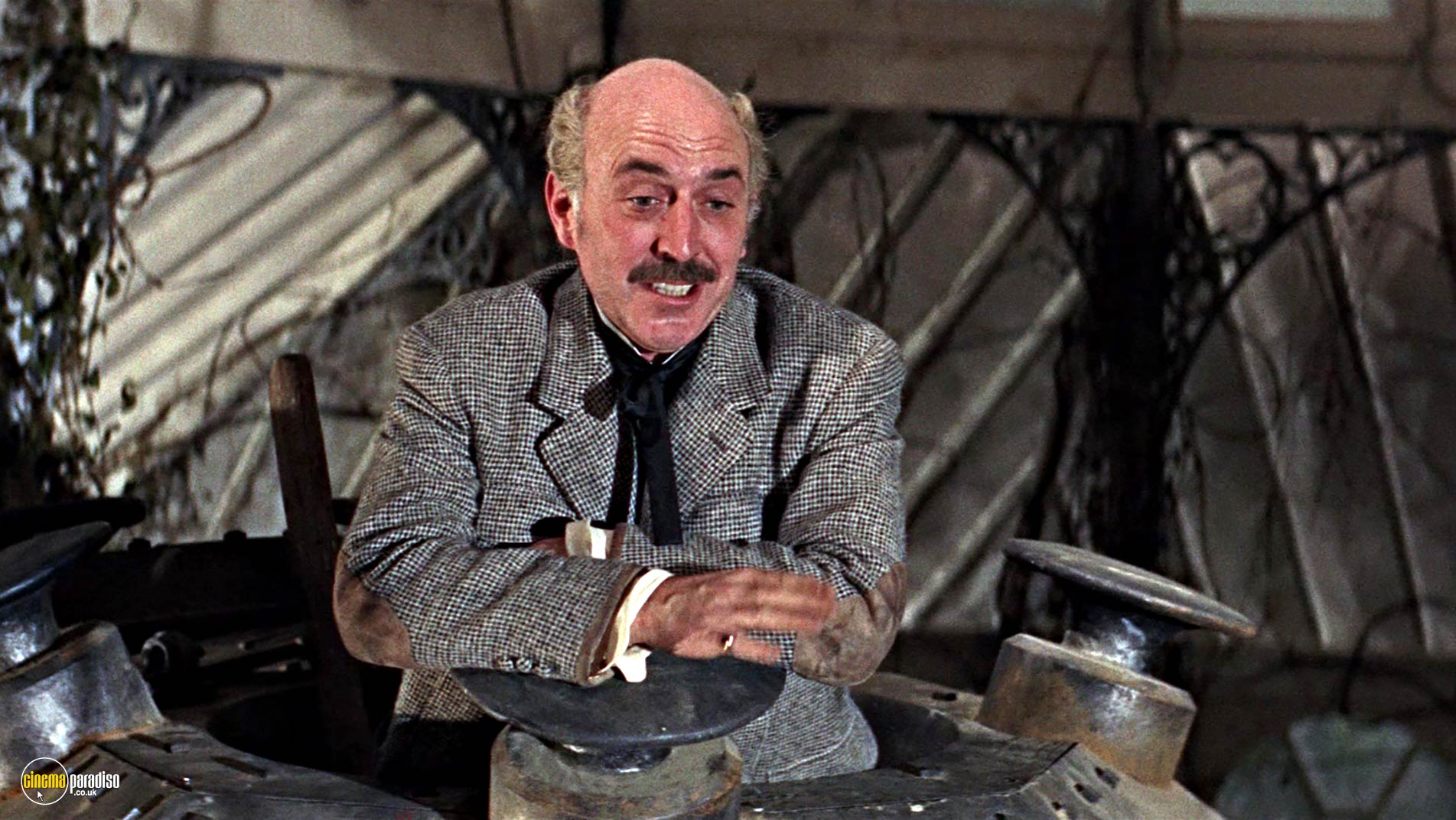
After a Union Jack is found by a lunar landing party, Arnold Bedford (Edward Judd) explains how he walked on the Moon in 1899 after having constructed a rocket with inventor Joseph Cavor (Lionel Jeffries) and blasted off into space with fiancée Kate Callender (Martha Hyer) also part of the pioneering crew that met the Grand Lunar, saw off the Selenites, and dispatched the 'Moon Bull'.
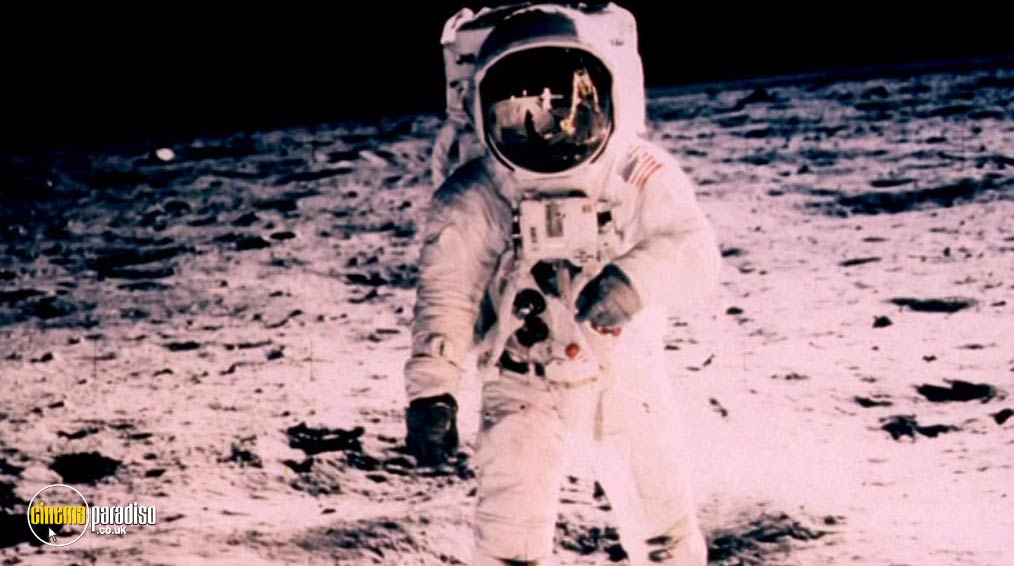
Moonwalk One (1970)
In addition to having been access to the 70mm, 35mm, and 16mm footage captured by NASA, as well as its video and still photography archives, director Theo Kamecke also recorded how the world responded to the fact that Neil Armstrong and Buzz Aldrin had stepped on to the lunar surface in July 1969.
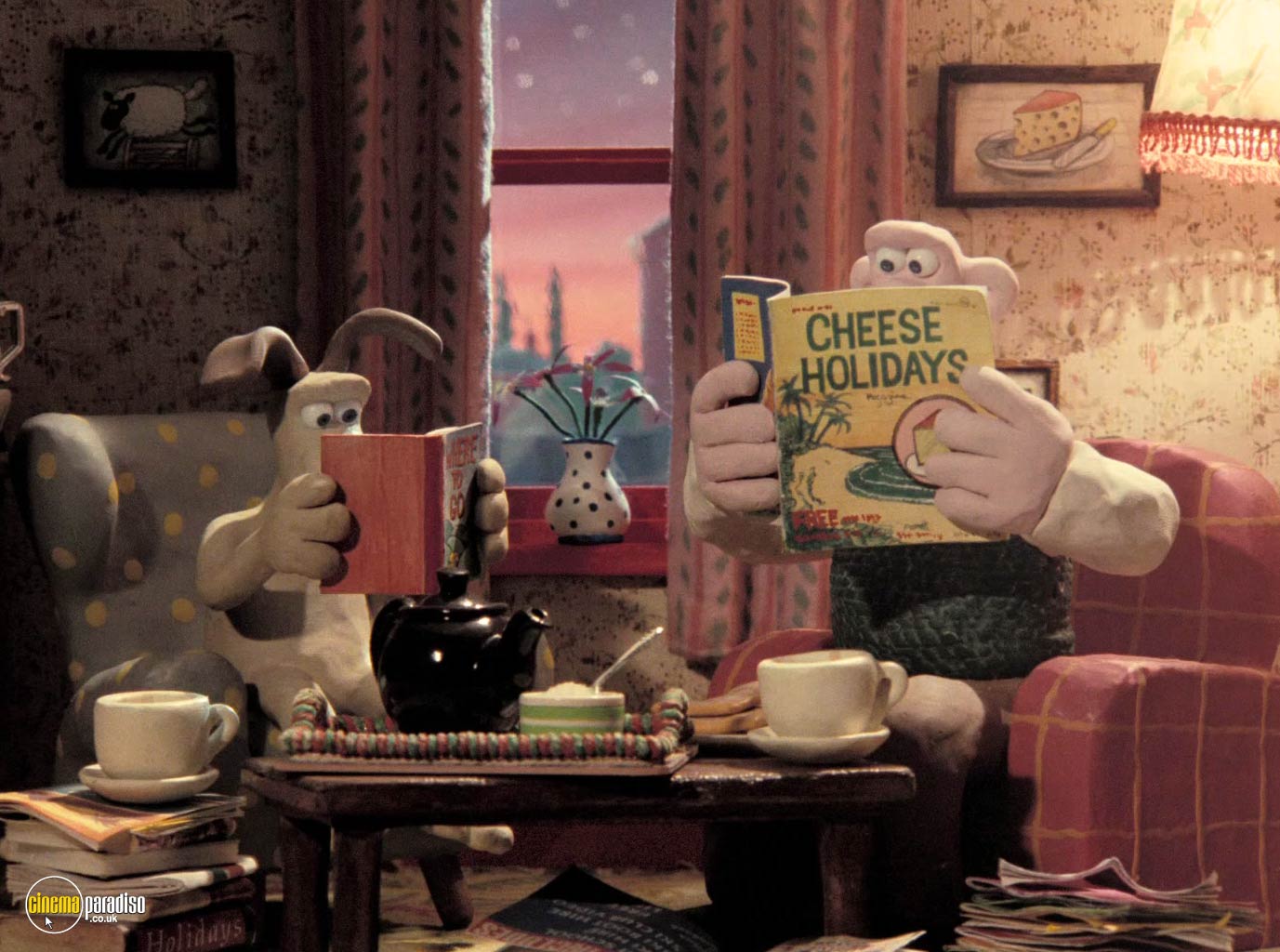
Wallace and Gromit: A Grand Day Out (1989)
Having run out of cheese, Wallace (Peter Sallis) and Gromit build themselves a rocket and set off to the Moon to replenish their stocks. However, their visit it complicated by a coin-operated robot with a burning desire to go skiing.

Apollo 13 (1995)
On the third day of the third lunar mission, an explosion denies Jim Lovell (Tom Hanks) the long-cherished ambition to walk on the Moon. However, NASA realises that even getting Lovell and fellow astronauts Jack Swigert (Kevin Bacon) and Fred Haise (Bill Paxton) home safely will be a monumental achievement.
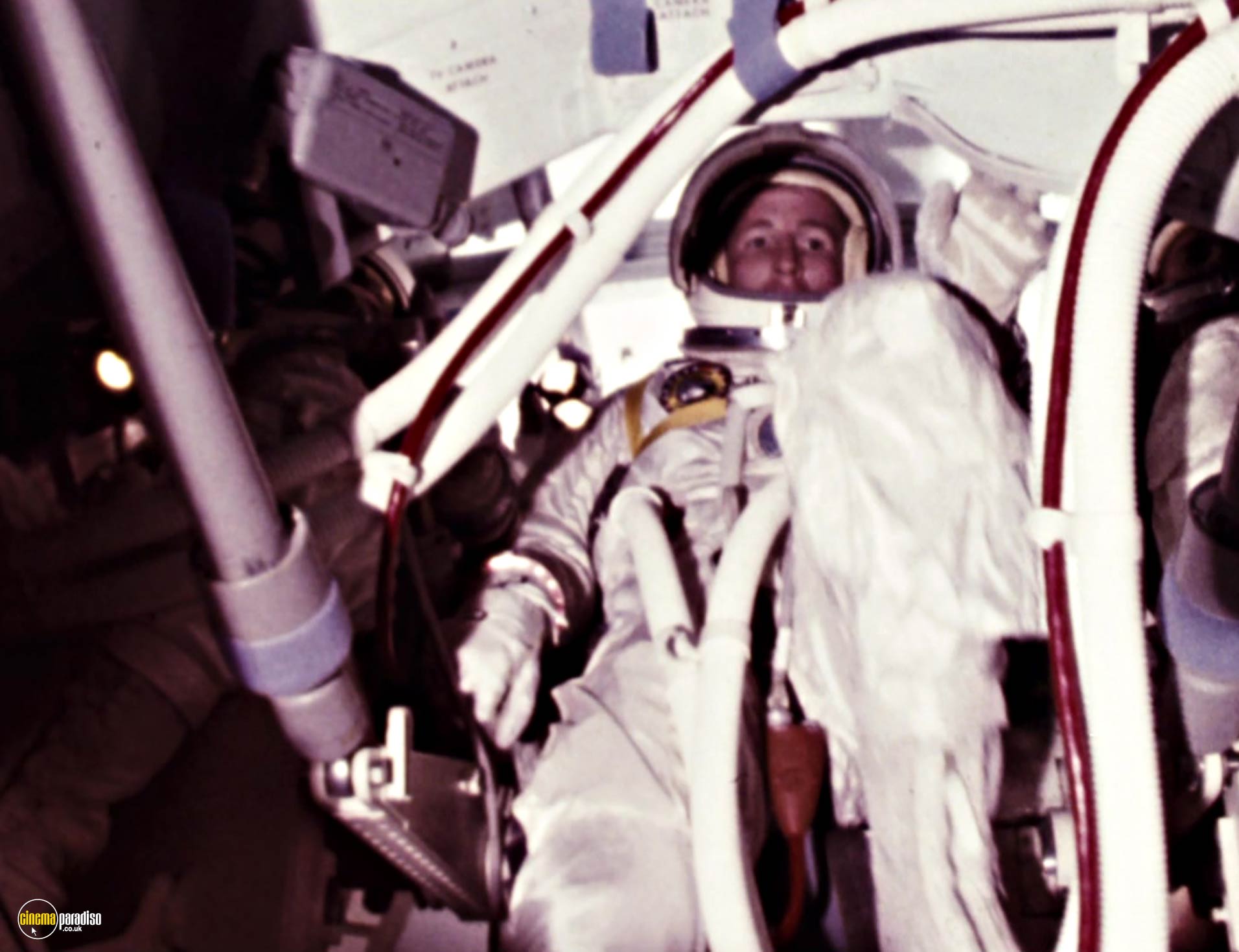
In the Shadow of the Moon (2007)
Bringing together the only 12 men to have walked on the lunar surface, from Neil Armstrong to Gene Cernan, this is a unique insight into a heroic, yet humbling experience that makes exceptional use of the remastered footage that had been sent back to NASA by the Apollo crews between 1967-72.
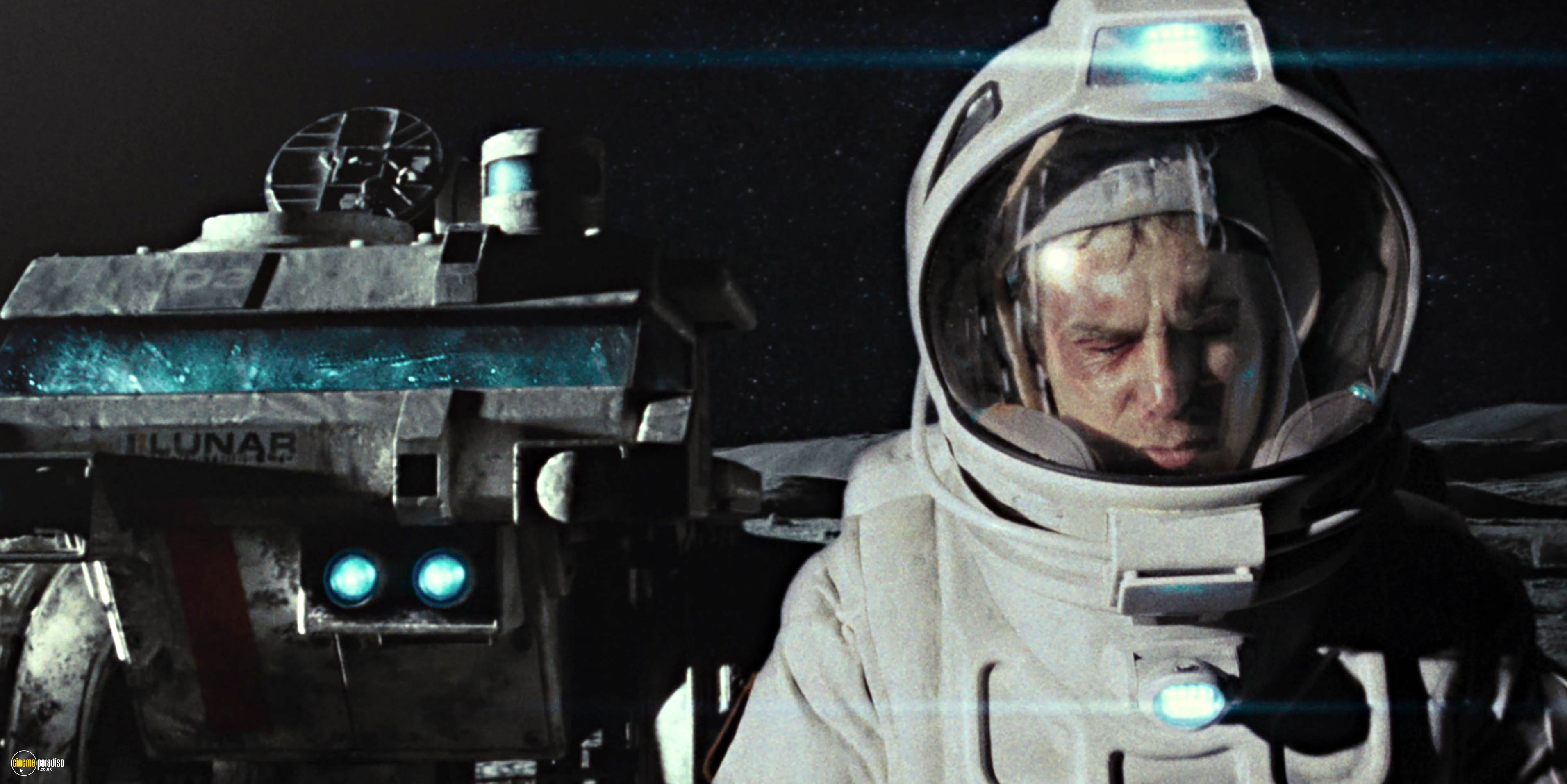
Moon (2009)
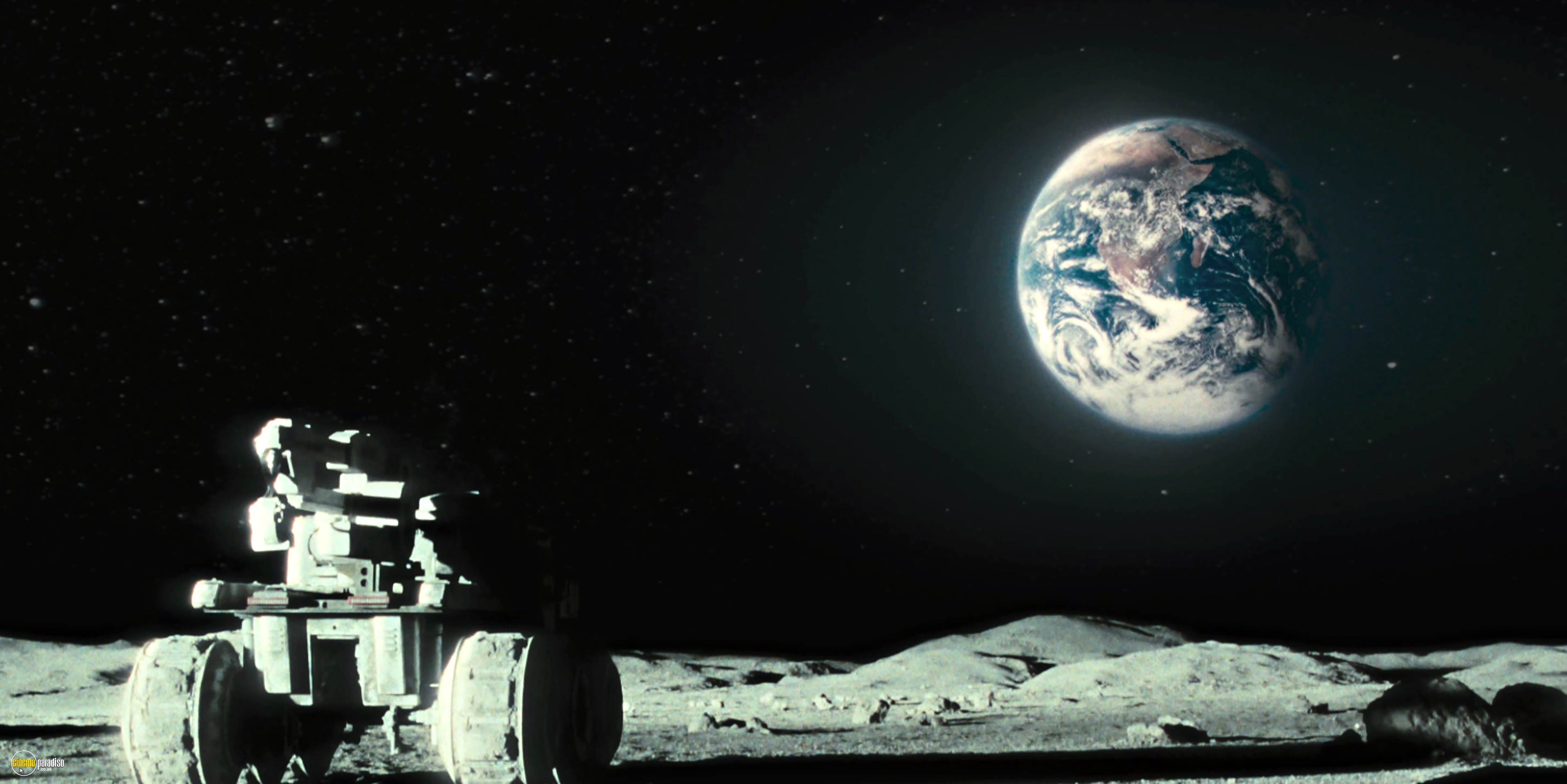
Two weeks before his the end of his three-year stint running the Lunar Industries Sarang Station mining operation on the dark side of the Moon, Sam Bell (Sam Rockwell), runs into his doppelganger after crashing his lunar rover.
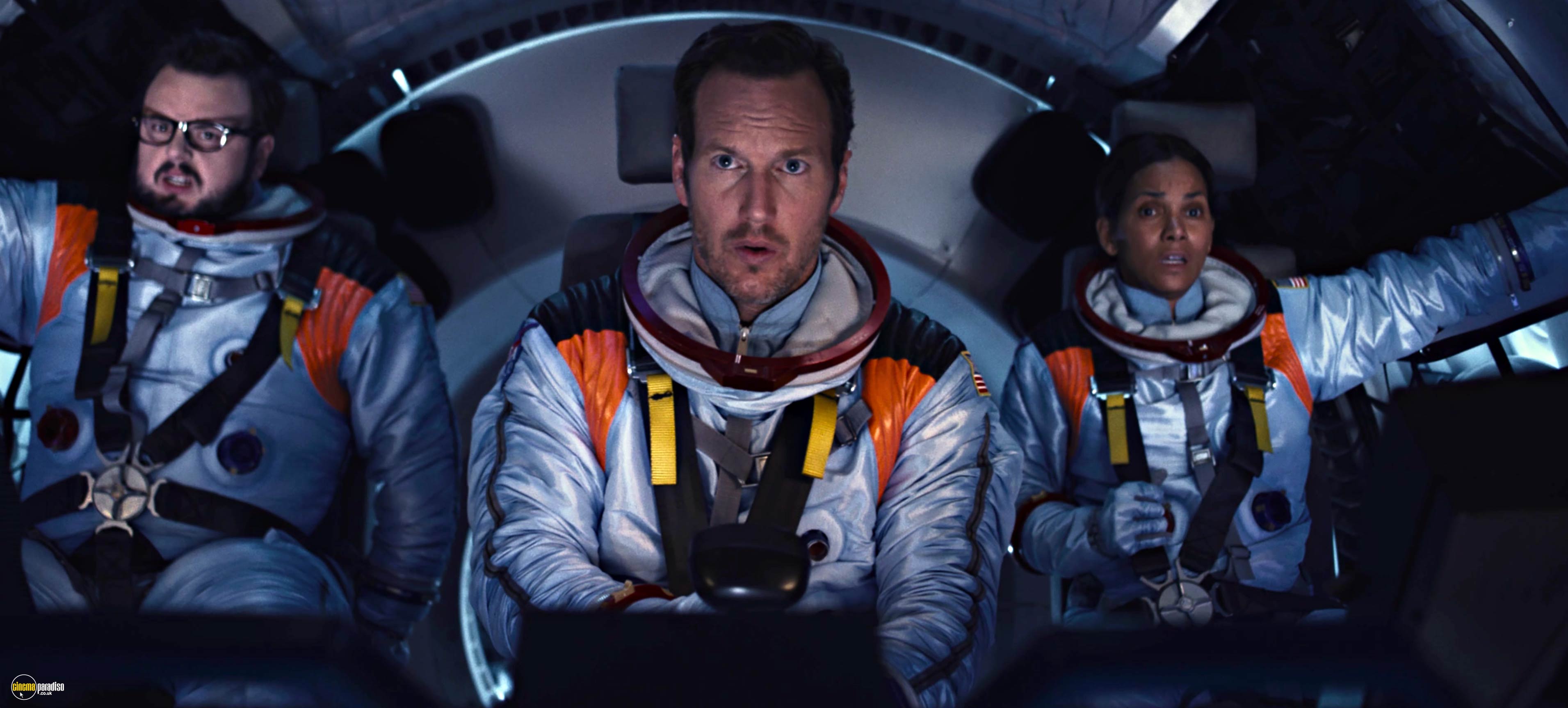
Moonfall (2022)
Having hushed up the discoveries made by Apollo 11 and Apollo 12, NASA fires astronaut Brian Harper (Patrick Wilson) when he reports an alien attack on his spaceship. However, when the Moon starts moving closer to Earth, Harper and former crewmate Jocinda Fowler (Halle Berry) have to take the Endeavour shuttle out of a museum in a last-ditch effort to defeat the extraterrstrial menace and restore the Moon to its proper orbit.
More about these films
With Artemis II's dark side odyssey reigniting interest in all things lunar, Cinema Paradiso picks out those moon movies that have been captivating audiences since the dawn of the screen age.
Before anyone asks, this is a survey of films centring on the Moon that lies, on average, 238,855 miles from Earth. So, there won't be any references to the likes of Pandora, the habitable extrasolar moon that features in James Cameron's Avatar (2009) and its sequels, Avatar: The Way of Water (2022) and Avatar: Fire and Ash (2025).
We're also excluding all those films - and there hundreds in all languages - with the word 'moon' in their title. So, don't come here looking for the likes of Roscoe Arbuckle's Moonshine (1918; which is on The Complete Buster Keaton Short Films 1917-23 ), J. Searle Dawley's The Harvest Moon (1920); Lothar Mendes's Moonlight Sonata (1937), Arthur Crabtree's Madonna of the Seven Moons (1945), Guy Hamilton's Charley Moon (1956), James Neilson's The Moon-Spinners (1964), Mario Bava's Five Dolls For an August Moon (1970), Jerzy Skolimowski's Moonlighting (1982), Miloš Forman's Man on the Moon (1999), Chris Weitz's The Twilight Saga: New Moon (2009), Barry Jenkins's Moonlight (2016), or Christopher Winterbauer's Moonshot (2022).
Perhaps we should mention here, however, the handful of features that have a tangential connection with the Moon. For example, an angry mob tries to destroy the space gun that is to be used for the first crewed spaceflight in the final 2036 section of William Cameron Menzies's adaptation of H.G. Wells's Things to Come (1936). Then, there are the naughty Czech twins, Jacek and Placek, who hatch a plan to get their hands on some gold in Jan Batory's short animation, The Two Who Stole the Moon (1962). Their misdeeds pale, however, beside those of which amnesiac translator Florinda Bolkan believes scientist Klaus Kinski to be culpable, as she is tormented by the recurring image of an astronaut abandoned on the lunar surface in Luigi Bazzoni's giallo, Footprints on the Moon (1975).
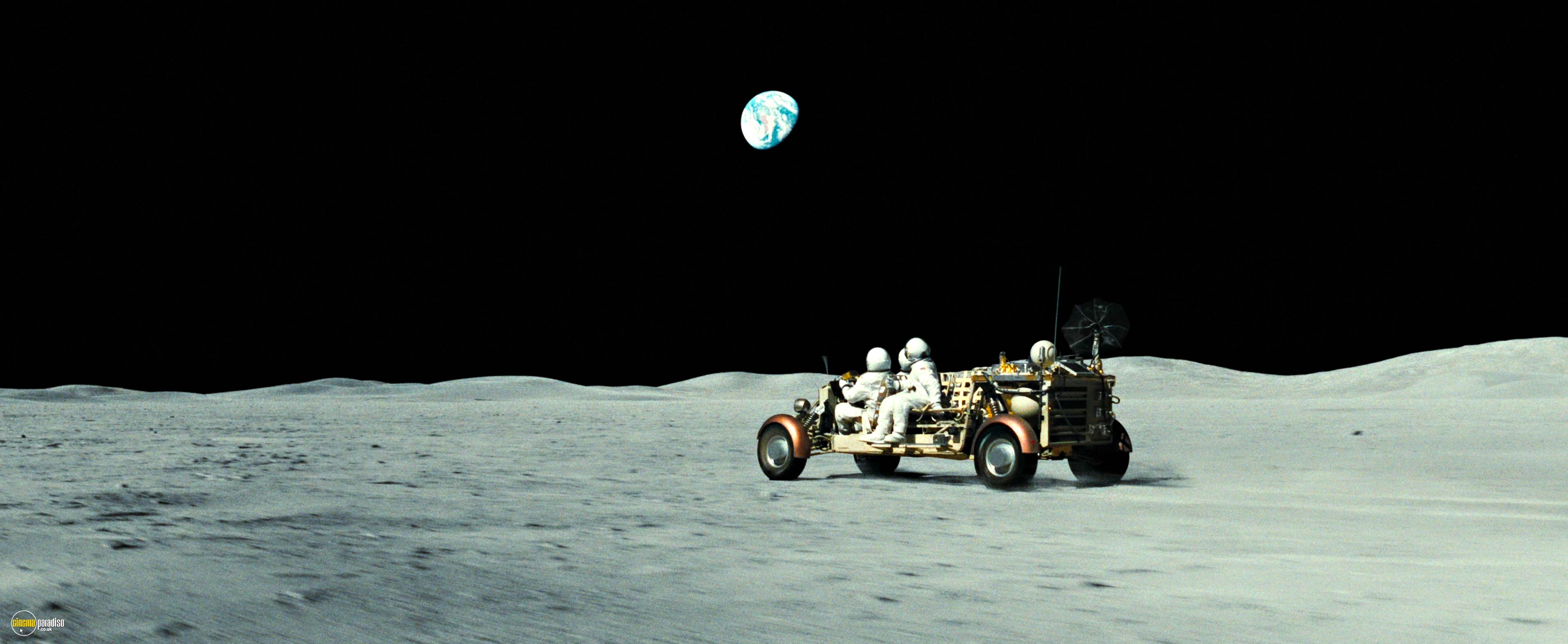
Coming between the Disney duo of Zenon: Girl of the 21st Century (1999), and Zenon: Z3 (2004), Manny Coto's Zenon: The Zequel (2001) sees 15 year-old Zenon Kar (Kirsten Storms) crash land on the Moon when she leaves her space station home to meet with some inquisitive aliens. Eager to help when the accidental destruction of the Moon by lunar colonists has a detrimental impact upon the Earth, Dr Alexander Hartdegen (Guy Pearce) is accidentally propelled to16 July 802,701 in Simon Wells's take on The Time Machine (2002), the H.G. Wells novel that was also filmed by George Pal in 1960 (and, from which 82 year-old Alan Young contributes a cameo). The unseen Man in the Moon warns Nicholas St North (Alec Baldwin) about Pitch Black (Jude Law) and the threat he poses to children's dreams in Peter Ramsey's Rise of the Guardians (2012), while a conversation with Colonel Thomas Pruitt (Donald Sutherland) at the Moon SpaceCom base sends Roy McBride (Brad Pitt) on a mission to Mars aboard the cruiser Cepheus in an effort to make contact with the Lima Project in James Gray's Ad Astra (2019).
Silent Excursions
Within a year of Louis and Auguste Lumière giving the first paying cinema show on 28 December 1895, magician-turned-moviemaker Georges Méliès had gone into orbit. The first of his hugely influential films about the Moon was A Nightmare (1896), a two-minute trick title about a man (Méliès in a nightshirt and sleeping cap) having a disturbed night. At one point, he is confronted by a grinning Man in the Moon, who tries to munch on his arm.
As Cinema Paradiso members might have seen in the second part of our MCU: The Méliès Cinematic Universe articles, Part 1 and Part 2, the Master of Montreuil tackled a dizzying variety of topics during a 17-year career that yielded around 500 short films. Many regard him as the founding father of screen science fiction, and he let his imagination run riot in The Astronomer's Dream (1898), which was adapted from his stage show, The Farces of the Moon or the Misadventures of Nostradamus. He plays a medieval stargazer whose telescope is swallowed by a grinning Man in the Moon, who spits out a couple of small clowns, only for the astronomer to hurl them back into the Moon's maw. As it enters a crescent phase, lunar goddess Phoebe (Jehanne d'Alcy, the Mrs Méliès in Martin Scorsese's Hugo, 2011) reclines in the C shape before putting the astronomer back together again after he's chewed into pieces by the malevolent Moon.

Such féeries were mere dress rehearsals for Méliès's masterpiece, A Trip to the Moon (1902), which was inspired by the Jules Verne tomes, From the Earth to the Moon and Around the Moon. The former also gave its name to the TV series, From the Earth to the Moon (1998), in which Tom Hanks plays an assistant to Méliès (Tchéky Karyo), as he guides his cast through his groundbreaking adventure. The director also took the role of Professor Barbenfouillis, who leads fellow Astronomy Club members - Nostradamus, Alcofrisbas, Omega, Micromegas, and Parafaragaramus - on a lunar expedition that begins with a large cannon firing their spaceship into the Man in the Moon's eye. After dozing off in a cave, the explorers are captured by some insectoid Selenites and taken to their king. However, they discover that the aliens break easily when subjected to force and they just about manage to beat a hasty retreat and splash down back on Earth.
A wonder of primitive technical ingenuity and chutzpadik showmanship, this 16-minute, 124 year-old marvel is one of the most important films ever made, as it showed rival film-makers what the new medium was capable of, in terms of storytelling and spectacle. A handpainted colour version was discovered in 1993 and an account of its painstaking restoration is given in The Extraordinary Voyage, an hour-long documentary featuring Michel Gondry, Jean-Pierre Jeunet, Costa-Gavras, and Michel Hazanavicius, which is included in the disc available to rent from Cinema Paradiso.
Méliès returned to the orb for The Eclipse, or The Courtship of the Sun and Moon (1907), as an astronomer gets hot under the collar while watching the Sun and Moon getting amorous during an eclipse that lures several heavenly bodies into the night sky. This saucy short also features a man reclining on Saturn's ring two years after a car had circumnavigated the planet in Walter R. Booth's The '?' Motorist (1905), which also shows the fugitive couple race their jalopy around the Moon before they come back to Earth with a bump. This witty chase can be rented from Cinema Paradiso as part of the BFI's 62-title R.W. Paul: The Complete Surviving Films 1895-1908 (2008).
Running 13 minutes, Enrico Novelli's A Marriage in the Moon (1910) is the oldest surviving Italian sci-fi film and it turns on an astronomer's building a rocket so that he can travel to the Moon and ask for the hand of his Martian lover from her protective father. Taken from the director's novel, The Colony, this ambitious space opera involves a battle with a lunar monster. It can be found on YouTube, but it's no longer possible to see the lost British title, Bruce Gordon and J.L.V. Leigh's The First Men in the Moon (1919), which shows how inventor Samson Cavor flies to the Moon to meet the Grand Lunar in a sphere coated with gravity-nullifying Cavorite.
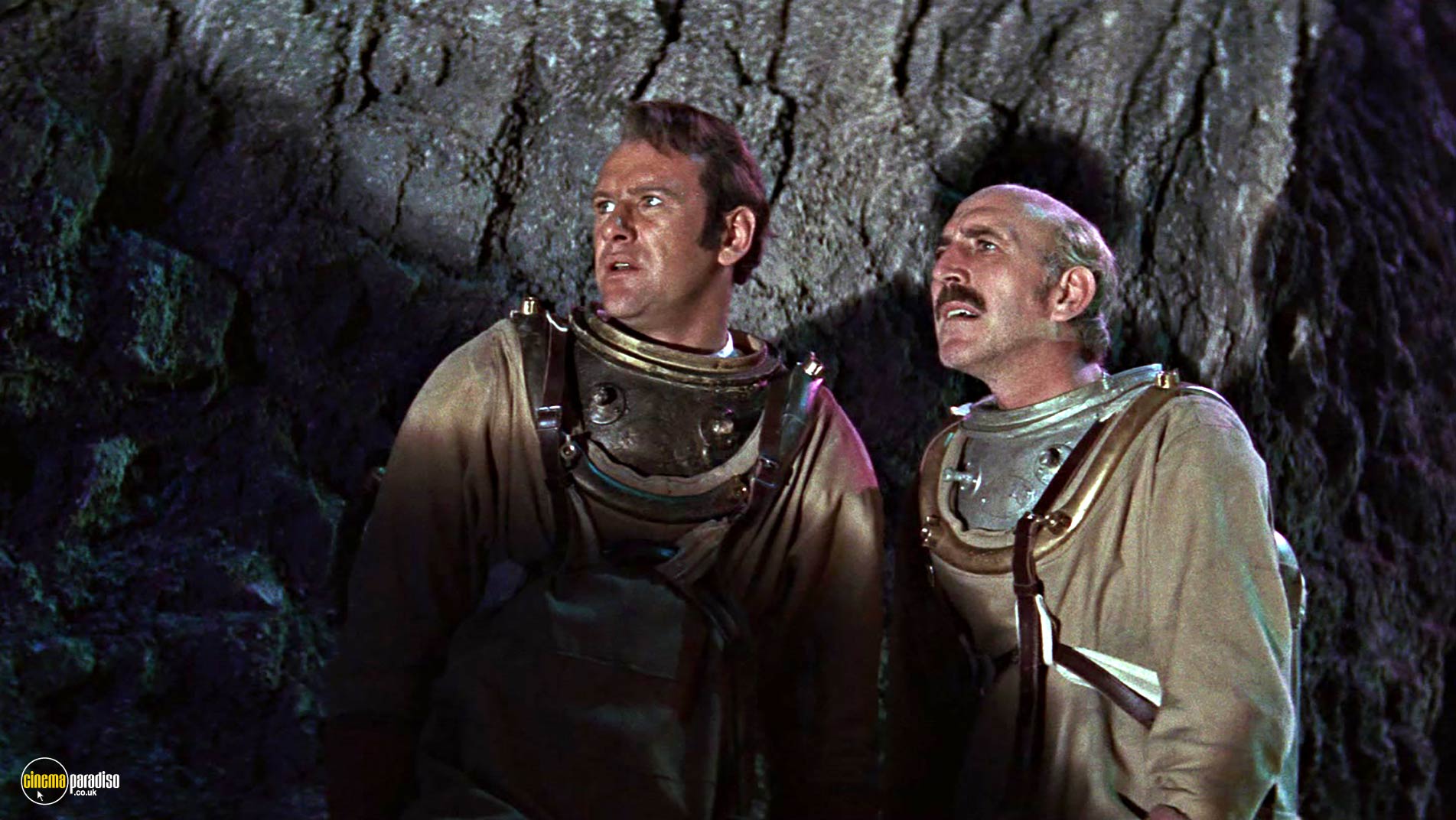
This was the first film based H.G. Wells's 1901 novel, although Méliès borrowed the Selenites for his trip the following year. Almost half a century later. stop-motion maestro Ray Harryhausen made a thrilling contribution to Nathan Juran's First Men in the Moon (1964), which casts Edward Judd as a care home resident whose 1899 excursion in the company of Cavor (Lionel Jeffries) is related in flashback after astronauts find a Union Jack and a Victorian court summons on the lunar surface for a woman from Dymchurch. Mark Gatiss and Rory Kinnear took over the roles of Cavor and Bedford in Damon Thomas's BBC version, The First Men in the Moon (2010), which adheres to the Wellsian text more closely than its predecessors. And good fun it is, too!
Thea von Harbou adapted her own novel for husband Fritz Lang's Woman in the Moon (1929), which introduced the notion of a countdown for a rocket launch. A splendidly convoluted set-up sees a spy (Fritz Rasp) smuggle himself aboard a rocket that is bound for the Moon to test the theory put forward by Professor Manfeldt (Guy Pohl) that it has large reserves of gold. Rocket scientist Hermann Oberth served as an adviser on the set at UFA's Babelsberg Studio and many of his ideas, including the multi-stage rocket, were utilised when manned spaceflight became a reality in the late 1950s. This was Lang's last silent and it contains echoes of Metropolis (1926) in its warning about the evils of greed and power lust.
Fly Me to the Moon
A great admirer of Lang's film was Wernher von Braun, who would spend much of the next 15 years developing militarised rockets for the Third Reich. Smuggled out of Germany as part of Operation Paperclip, he became a key player in the US space programme, collaborating in his spare time on a series of TV shows with Walt Disney prior to designing the Saturn V rocket that was to prove crucial to NASA's bid to win the space race with the USSR. The knowledge held by Soviet scientists was evident from Vasili Zhuravlov's sci-fi silent, Cosmic Voyage (1936), which was set a decade into the future and depicted weightlessness in space, as an ageing professor defies an envious rival to blast off with two younger companions and make a successful Moon landing.
Despite the advances shown in European pictures, Hollywood stuck to Flash Gordonesque antics in serials like Spencer Gordon Bennet and Thomas Carr's Brick Bradford (1947) and Fred C. Bannon's Radar Men From the Moon (1953). Based on a popular comic strip, the former sees scientist Gregor Tymak (John Merton) flee to the dark side of the Moon to prevent a spy getting hold of his interceptor ray. However, he falls foul of the despotic Queen Khanna (Carol Forman) and Kane Richmond's eponymous government agent has to use a time machine to travel back 200 years in order to save the day. Recycling effects from King of the Rocket Men (1949), the latter 12-parter pitted civilian researcher Commando Cody (George Wallace) against Retik (Roy Barcroft), the cruel ruler of the Moon, who plans a full-scale invasion of Earth to move the lunar population to a more sustainable home.
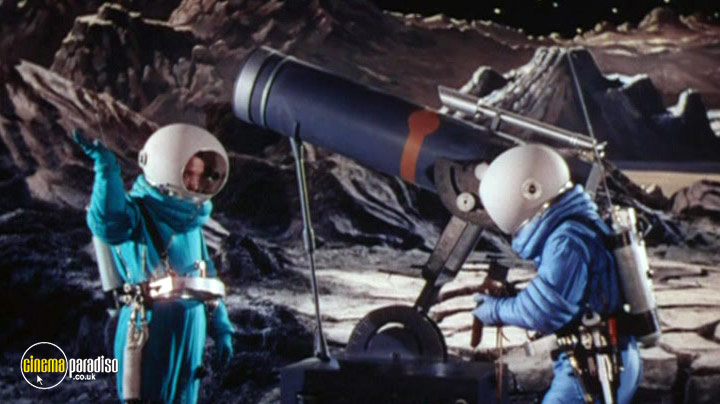
Released between these splendidly fanciful chapterplays (what a shame it is that so few of them are available on disc) was a film that shifted Hollywood's perspective on space travel by examining the scientific and engineering practicalities of launching a rocket and keeping it in orbit. Produced by Hungarian Puppetoon creator, George Pal, and co-scripted by bestselling author, Robert. A. Henlein, Irving Pichel's Destination Moon (1950) was photographed in Technicolor to bring exciting immediacy to the mission to fund and construct Luna, to navigate her (complete with magnetic boot space walks) to the Moon's surface, and then to return home with dwindling supplies of fuel. John Archer leads the crew with the kind of resourceful stoicism that would become a trademark of the Apollo commanders, while Chesley Bonestell's matte paintings and rocket design (abetted by Henlein) make this a key staging post in the evolution of science fact/fiction, all the more so since private enterprise has come to play an increasingly significant role in US space exploration.
As the Cold War began to bite, Hollywood started using science fiction to comment on the threat posed by the Soviet Union, with nuclear weapons also being a popular target for allegories about monsters and mutations. Warnings about fifth columnists were also common, among them Richard Talmadge's Project Moonbase, which was co-scripted by Robert A. Heinlein and imagines a 1970 with a woman in the White House and an enemy agent threatening to sabotage an American space station and a planned lunar base. Once again depicting space travel in a feasibly realistic manner, this adopted a more serious approach than Arthur Hilton's Cat-Women of the Moon (both 1953), which sees Alpha (Carol Brewster) use her powers to control navigator Helen Salinger (Marie Windsor), so that her hepcat sisterhood can capture a visiting spaceship and fly to Earth in order to escape the dwindling air supply and giant spiders on the Moon. With a score by Elmer Bernstein, this curio deserves to be on disc, if only for the Chesley Bonestell moonscapes and the spacecraft's wooden furniture.
Jules Verne provides the inspiration for Byron Haskin's From the Earth to the Moon, which is set shortly after the US Civil War and shows rival scientists Joseph Cotten and George Sanders joining forces to create a spaceship capable of reaching the Moon, in spite of a treacherous act of sabotage. Borrowing from Cat-Women of the Moon, Richard E. Cunha's Missile to the Moon (both 1958) is a low-budget indie that shows the crew of a moonshot dispense with their helmets and suits after discovering that the Moon has breathable air. A catfight between lunar queen K.T. Stevens and stowaway Cathy Downs earned this a certain notoriety.
The godfather of Godzilla got in on the orbital action in Battle in Outer Space (1959), which sees Ishirô Honda follow the two SPIP rockets launched by the United Nations to eradicate a base established on the Moon by aliens from the planet Natal. The first film to depict a lunar rover, this tussle with mind-controlling fiends may not be the subtlest anti-Communist film ever made, but it's done with conviction and is full of explosive set-pieces. Despite a bit of in-fighting, co-operation is also the name of the game in David Bradley's 12 to the Moon (1960), as the International Space Order sends a multi-racial crew of 10 men, two women and cats Mimi and Rodolfo to claim the Moon for the benefit of all in Lunar Eagle 1. However, their arrival annoys the Great Co-ordinator, who possesses a giant freezing device capable of reaching Earth.
The Moon folk were fascinated by a couple of the astronauts kissing, so goodness knows what they would have made of the goings-on in Doris Wishman and Raymond Phelan's sexploitation classic, Nude on the Moon (1961). Having spent his inheritance on a rocket, a scientist is granted permission by the Moon Queen to photograph her topless subjects, only for a sudden oxygen shortage to make him dash back to Earth without his camera.
The fare is more wholesome in James Neilson's Moon Pilot (1962), which followed on from the Disney TV episodes, Man in Space, Man on the Moon (both 1955), and Mars and Beyond (1957), which were all directed by animator Ward Kimball and did much to enthuse American youth about the space programme. Walt Disney personally produced this venture, which sees astronaut Tom Tryon being joined on a flight around the Moon by alien Dani Saval, who isn't convinced that his rocket is entirely safe. Released before President John F. Kennedy made his speech about putting a man on the Moon by the end of the decade, this should be better remembered. The same can't be said for Giacomo Gentilomo's Hercules Against the Moon Men (1964), which brings an alien threat to Ancient Greece because the power-crazed Queen Samara (Jany Clair) has done a deal with lunar invaders who need the blood of Earth children to revive their dead ruler. If only Hercules (Alan Steel) could get the better of Redolphis the metal-headed giant (Roberto Ceccacci).
This sword-and-sandal outing can't hold a candle to Pavel Klushantsev's Luna (1965), a fascinating hybrid follow-up to the documentary, Road to the Stars (1957), which opens with a serious discussion of the latest developments in space travel before concluding with a speculative segment showing life on the lunar surface and the building settlements. Curio seekers would also enjoy Hugo Grimaldi and Arthur C. Pierce's Mutiny in Outer Space (1965), which boards Space Station X-7 to chronicle the effects that a fungus collected from a Moon cave have on the officers and crew. As it was shot in six days for $90,000, this indie has rather been forgotten, but it clearly anticipates bigger budget fodder like Kinji Fukasaku's The Green Slime (1968) (. Released the same year, T.P. Sunduram's Chand Par Chadayee (1968) is a rare Bollywood Moon movie, which takes 150 minutes to cover all the threats posed to astronaut Dara Singh and sidekick Bhagwan by a range of alien warriors and monsters.
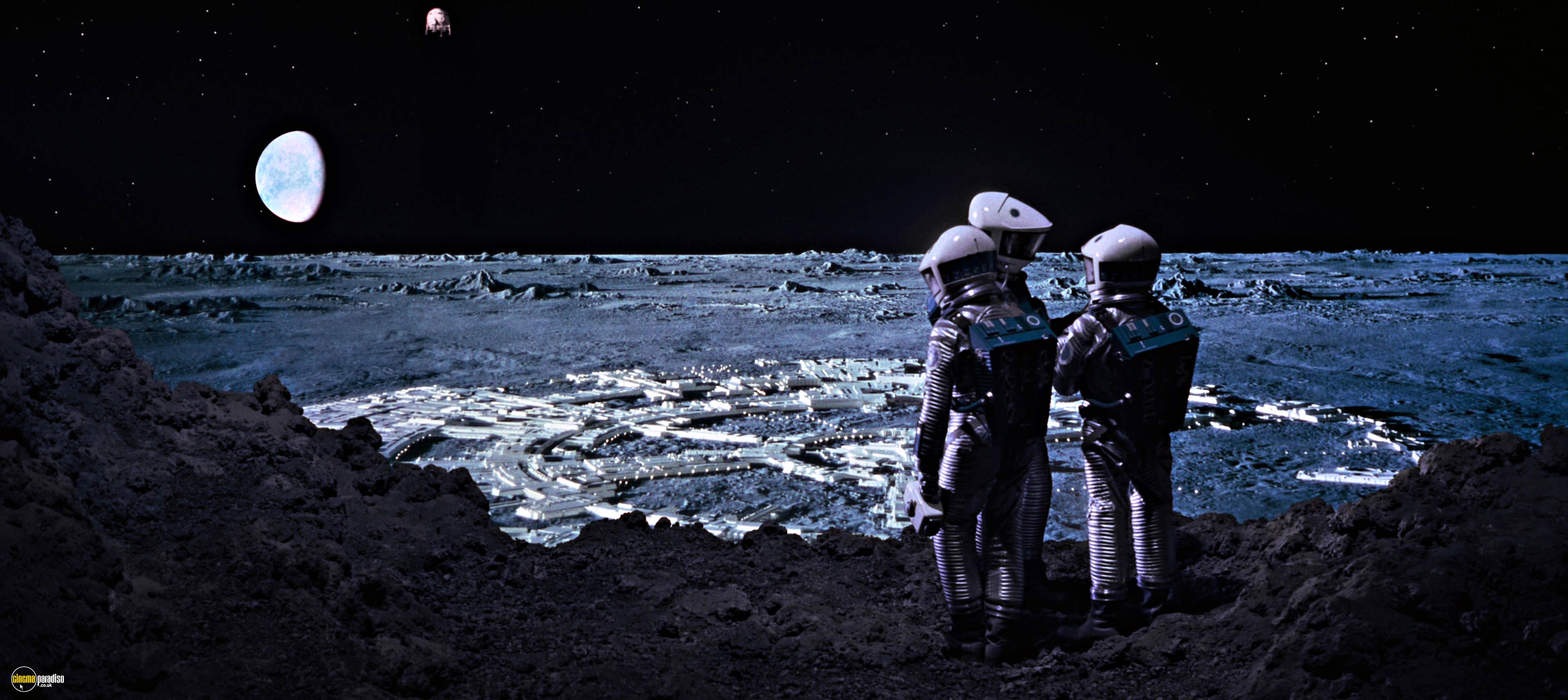
With the Apollo missions now well under way and the Soviet Soyuz programme playing catch up, the time was ripe for a space race picture like Robert Altman's Countdown (1967), which focusses on the bid to launch the first crewed mission to the Moon and how geologist James Caan was chosen ahead of flying ace Robert Duvall to occupy the hot seat. But, as preparations were being made for the Apollo 8 voyage that would show us Earth as it had never been seen before, Stanley Kubrick was putting the finishing touches to 2001: A Space Odyssey (1968), which has its very own Moon sequence, as Dr Heywood Floyd (William Sylvester) of the United States National Council of Astronautics arrives at the Clavius base to conduct a top secret search for the monolith that had been buried near the Tycho crater some four million years earlier. Filmed at Shepperton and Borehamwood, this titan of space movies contrasts starkly with another British-made outing of the same vintage, Roy Ward Baker's Moon Zero Two (1969), which was produced for considerably less money and in-depth research by Hammer. Like so many Moon movies that aren't currently on disc, it would prove highly popular, as who could resist a 2021 scenario in which communities like Moon City and Farside 5 are being overrun by avaricious outsiders whose motives aren't exactly scientifically driven where giant sapphire asteroids are concerned.
The Real Stuff
The men who travelled to the Moon stood on the shoulders of giants, as Philip Kaufman reveals in his outstanding adaptation of Tom Wolfe's The Right Stuff (1983). Converting half of its eight Oscar nominations, this tribute to the Mercury Seven who were selected to train for America's first human spaceflight may not got into lunar orbit. But without the courage and sacrifice of Alan Shepard, Gus Grissom, Gordon Cooper, Wally Schirra, Deke Slayton, John Glenn, and Scott Carpenter, the fabled Apollo missions would never had left Cape Kennedy. Sadly, the achievements of the Gemini and early Apollo flights have rather been forgotten (along with the tragedy that befell Apollo 1 in 1967). But the exploits of Frank Borman, Jim Lovell, and William Anders in December 1968 captured the imagination of the entire world, as Paul J. Hildebrandt recalls in the compelling documentary. First to the Moon: The Journey of Apollo 8 (2018). There's also a three-disc set, Apollo 8: Leaving the Cradle (2005), which gathers some of the television coverage of the mission that revealed Earth to be a blue globe suspended in darkness.
Indeed, the best way to relive the Moon landings is through documentaries like For All Mankind (1989), for which director Al Reinert unearthed the 16mm footage that the Apollo crews had captured between 1968 and 1972 and which had been left in a storage vault at NASA. With commentary by many of the astronauts involved and a score by Brian Eno, this would make an epic double bill with David Sington's In the Shadow of the Moon (2007), which brought together the only 12 men to have walked on the lunar surface to relive their experience through the remastered footage sent back to NASA.
The Americans didn't have it all their own way in the 1960s, however, as is demonstrated by Vadim Gasanov's Race to the Moon (2005), which reveals how the Soviets threatened to launch a rocket of their own on 16 July 1969 and potentially fly it close to Apollo 11. President Richard Nixon gave the command for the Saturn V to blast off and its unhindered flight is commemorated in Theo Kamecke's Moonwalk One (1970), which was the second documentary feature about the journey undertaken by Neil Armstrong, Buzz Aldrin, and Michael Collins after Bill Gibson's Footprints on the Moon (1969), which was narrated by Wernher von Braun and edited by John F. Link, Jr., who would go on to receive an Oscar nomination for Die Hard (1988). Kamecke was only commissioned by NASA to record the mission six weeks before it launched, yet he also managed to capture how the world reacted to the history being made in outer space. Somehow, however, this landmark item was virtually forgotten until researchers stumbled across the last surviving 35mm print in 2007. The version available to rent from Cinema Paradiso is the High Definition digital print, which was supervised by Kamecke, who also provides a commentary.
According to Rob Sitch's The Dish (2000), the watching mass of humanity would have seen nothing of Armstrong and Aldrin were it not for a satellite dish positioned outside an Australian sheep-farming town and the one man who knew how it worked, Cliff Buxton (Sam Neill). Armstrong's small step was seen by millions and Damien Chazelle's First Man (2018) tells the human story behind it, with Ryan Gosling playing the Eagle commander and Claire Foy his first wife, Janet. Watch this along with the documentary featurette, Neil Armstrong: One Small Step (2018) to discover how tough it was readjusting to normal life after the adventure and privilege of a lifetime.
Corey Stoll essayed Buzz Aldrin alongside Gosling, but the man himself can be seen handing out Halloween treats in 'The Holographic Excitation', a 2012 episode of The Big Bang Theory (2007-18). The moment Aldrin punched an Apollo 11 conspiracy theorist is also referenced in the 2003 'Don't Make Me Over' episode of Family Guy (1999-).
The first screen hint that NASA had faked the Moon landing can be seen in Guy Hamilton's Diamonds Are Forever (1971), as James Bond (Sean Connery) sees a lunar set being prepared and has to dodge the ambling astronauts while making his getaway in a Moon buggy. Connery would play a space martial overseeing a mining colony on the Jovian moon of Io in Peter Hyams's Outland (1981), which came four years after the director had boosted the conspiracy cause with Capricorn One (1977), which reveals how Mission Control communicated with astronauts James Brolin, O.J Simpson, and Sam Waterston in a TV studio while faking a landing on Mars.
Matthew Johnson's Operation Avalanche (2016) harks back to 1967 to show how CIA agents Matt Johnson and Owen Williams go undercover at NASA to root out a Soviet mole and stumble across the apparatus to fake the 1969 Eagle landing. In Antoine Bardou-Jacquet's Moonwalkers (2015), the burden for coaxing Stanley Kubrick into filming bogus Moon footage falls on CIA agent Ron Perlman and Rupert Grint, who manages a grungy British rock band. Marketing specialist Kelly Jones (Scarlett Johansson) is also summoned to the Kennedy Space Centre in Greg Berlanti's Fly Me to the Moon (2024) in order to meet Apollo 11 launch director Cole Davis (Channing Tatum) and make contingency plans for a dummy landing in case something goes wrong with the real thing.
Just a year after John Sturges's Marooned (1969) had shown Richard Crenna, James Franciscus, and Gene Hackman getting trapped in their Ironman One space station, the real thing almost happened, as Ron Howard's nine-time Oscar-nominated Apollo 13 (1995) demonstrates. Commander Jim Lovell (Tom Hanks), Jack Swigert (Kevin Bacon), and Fred Haise (Bill Paxton) had been three days into their flight when disaster struck and mission controller Gene Kranz (Ed Harris) had to find a way to return the crew to Earth with dwindling supplies of fuel and air. Even if you know the outcome, the tension is unbearable throughout the film and we recommend that Cinema Paradiso users follow it up with Lawrence Doheny's Apollo 13: Houston We've Got a Problem (1995), which recalls how an exploding oxygen tank on 14 April 1970 damaged the Odyssey service module and left the crew having to use the Aquarius lunar lander as a lifeboat.
Although he was glad to survive, Lovell regretted not getting to walk on the Moon until the day he died at the age of 97 in 2025. Only Buzz Aldrin (Apollo 11), David Scott (Apollo 15), Charles Duke (Apollo 16), and Harrison Schmitt (Apollo 17) remain from the dozen who feature in Mark Cowen's Magnificent Desolation: Walking on the Moon (2005), an IMAX presentation that was written and produced by Tom Hanks and which took its title from Aldrin's contention that the lunar surface resembled 'magnificent desolation'. The final foot to have left the Moon to this point in time belonged to Gene Cerman and his route from naval captain to NASA astronaut is charted in Mark Craig's The Last Man on the Moon (2014), which also reflects on his life after 14 December 1972 and the memories that sustained him on his Texan ranch until he died aged 82 on 16 January 2017.
Before we leave the true-life stories, however, we should pause to remember Katherine Johnson (Taraji P. Henson), Dorothy Vaughan (Octavia Spencer), and Mary Jackson (Janelle Monae), the three African American mathematicians who overcame racial and gender prejudice to make key contributions to the Apollo programme and beyond. Their struggles and successes are recalled in Theodore Melfi's Hidden Figures (2016), which earned three Oscar nominations, including a Best Supporting Actress nod for Octavia Spencer to go with her Golden Globe and Screen Actors Guikl recognition.
Lunar Laughs
It may seem an odd place to start a section of comedies with a lunar setting, but Josef von Báky made Münchhausen (1943) in Nazi Germany in the middle of the Second World War. Propaganda Minister Joseph Goebbels commissioned the film to mark the 25th anniversary of the UFA studio and hired Erich Kästner to adapt Rudolph Erich Raspe's 1785 novel about a tall-tale-telling baron. The author of Emil and the Detectives (which had been filmed by Gerhard Lamprecht in 1931) used the pseudonym Berthold Bürger for the assignment, which annoyed Adolf Hitler because of its sly comments on power. Filmed in Agfacolor, the Moon sequence sees Hieronymus von Münchhausen (Hans Albers) land in a hot-air balloon with Christian Kuchenreutter (Hermann Speelmans) and discover how time moves more quickly. This proves fatal for the loyal companion, although the baron manages to return to Earth to tell of his encounter with the Moon Man (Wilhelm Bendow). When he came to make The Adventures of Baron Munchausen (1988), Terry Gilliam had his anti-hero (John Neville) encounter the King (Robin Williams, credited as Ray D. Tutto) and Queen of the Moon (Valentina Cortese), with whom he shared a romantic past.
There are plenty more far-fetched shenanigans in Richard Lester's The Mouse on the Moon (1963), a sequel to Jack Arnold's The Mouse That Roared (1959) that sees Ron Moody and Margaret Rutherford take on roles that had been created by Peter Sellers. Bernard Cribbins and David Kossoff steal the show, however, as Grand Fenwick sends a wine-fuelled rocket to the Moon. The science is markedly more credible in Basil Dearden's Man in the Moon (1960). as William Blood (Kenneth More) is selected for astronaut training on the basis that nothing ever bothers him and he never gets sick. Indeed, he cheerfully endures all sorts of tests at the National Atomic Research Station & Technological Institute (N.A.A.R.S.T.I.) prior to blasting off from a launch site in Australia for what turns out to be a shorter journey than he had anticipated.
The lunar humour fell flat in Gordon Douglas's Way...Way Out (1966), which pairs Jerry Lewis and Connie Stevens as a 1980s American couple who contract a marriage of convenience in order to share living quarters in a Moon base that has been driving the all-male crews crackers. All seems to be going well until they meet their Soviet neighbours, Dick Shawn and Anita Ekberg. The best laid plans also go awry in Ken Finleman's Airplane II: The Sequel (1982), as lunar shuttle XR-2300 test pilot Ted Stryker (Robert Hays) doesn't think that Mayflower One should be allowed to take off and computer officer Elaine Dickinson (Julie Hagerty) quickly realises it was a good job that her old flame has smuggled himself aboard.
The pastiche space opera that keeps breaking down on WIDB-TV in the anthology comedy, Amazon Women on the Moon (1987), stars Sybil Danning as Queen Lara and Steve Forrest as Captain Steve Nelson, as well as some very large spiders. Robert K. Weiss directed this segment, which takes its cues from such B gems as Fire Maidens From Outer Space (1955), Forbidden Planet (1956), and Queen of Outer Space (1958). John Landis and Joe Dante are among the other contributors. But there's no doubt that Nick Park is the genius behind A Grand Day Out (1989), which sees Wallace (Peter Sallis) and Gromit build a rocket to fly to the Moon because they are running low on cheese. However, they come across a coin-operated robot that starts behaving erratically after seeing a skiing magazine. We suggest you rent this with either of the Oliver Postgate classics, Clangers (1971-72) or Clangers (1974), in order to get the full wacky Moon experience. Or why not sample some of the updated episodes on Clangers: The Flying Froglets and Other Clangery Tales and Clangers: The Singing Asteroid and Other Clangery Tales (both 2015).
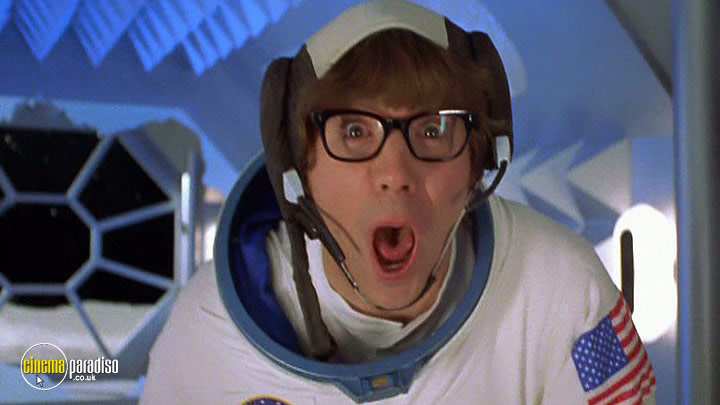
Austin Powers (Mike Myers) and Felicity Shagwell (Heather Graham) follow Dr Evil (Myers) and Mini-Me (Vern Troyer) to the Moon to prevent them from obliterating Earth with a giant laser in Jay Roach's Austin Powers: The Spy Who Shagged Me (1999). A nifty trick with a time machine saves the day, but Leslie Nielsen relies more on luck than judgement when Agent Dick Dix is sent to the Vegan Moon base to investigate reports that a clone of the US president is being prepared for a switcheroo coup in Allan A. Goldstein's 2001: A Space Travesty (2000).
Cloning is also to the fore in Ron Underwood's The Adventures of Pluto Nash (2002), as we zip forward to the 2080s to find Eddie Murphy running a nightclub in the Little America part of the Moon colony; However, a lunar gangster named Rex Crater wants to acquire the premises on the cheap and Murphy has to outsmart him with the help of aspiring singer Rosario Dawson, pool shark Peter Boyle, and robot cop, Dennis Quaid. The humour is more subtle in Aleksei Fedorchenko's First on the Moon (2005), a mockumentary that reveals how Soviet cosmonaut Ivan Sergeyevich Kharlamovv (Boris Vlasov) reached the Moon in a top secret mission in 1938, only to take his time about getting home after crash landing in Chile and taking the scenic route via China and Mongolia.
Sadly, we can't bring you Henry Selick's Moongirl (2005), an animated short that transports a young boy to the Moon while he's doing a bit of night fishing, or Ali Samadi Ahadi's Moonbound (2015), an animated adaptation of German Arne Nolting's much-loved children's book, which follows two siblings in their bid to overcome the evil Moon Man and restore peace to the Milky Way. But we can end this section in grand style. Following Air Buddies (2006) and Snow Buddies (2008), Robert Vince's Space Buddies (2009) sees Disney's adorable doggies, Buddha, Rosebud, Budderball, B-Dawg, and Mudbud take a shuttle trip to the Moon, where they require the assistance of a Russian Bull Terrier named Spudnick to make it home with a souvenir rock sample for Buddha's young owner.
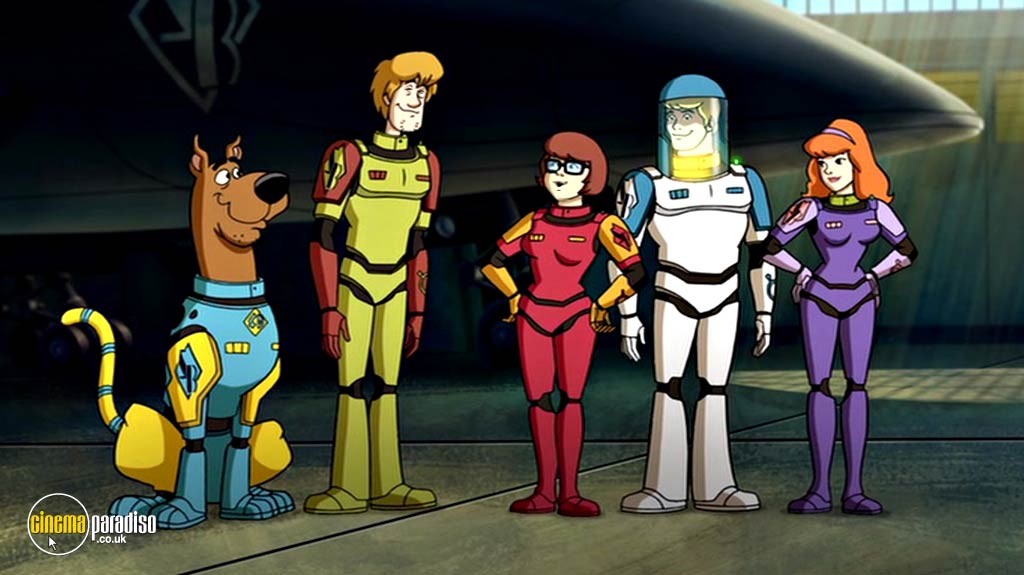
With a great reveal about the owner of the voice of mission controller, Gravity, this would go down well with younger children alongside Chris Renaud and Pierre Coffin's Despicable Me (2010), in which supervillain Felonious Gru (Steve Carell) adopts orphans Margo (Miranda Cosgrove), Edith (Dana Gaier), and Agnes (Elsie Fisher), as part of a fiendish plan to steal the Moon with his ever-mischievous Minions after they are beaten to the Great Pyramid of Giza by rival baddie, Vector (Jason Segel). Perhaps you could apply to Cinema Paradiso for an extra disc in order to enjoy a triple bill with Paul McEvoy's Scooby-Doo! Moon Monster Madness (2015), which sees the Mystery Machine crew take a giant leap when they win seats on Sly Star One in a lottery. But wherever Scooby, Shaggy, Fred, Daphne, and Velma go, trouble is sure to follow and an alien attack causes the shuttle to land on the dark side of the Moon away from billionaire Sly Baron's state-of-the-art compound.
Beyond Apollo
With the space race won and the Moon conquered, Americans lost interest in NASA's lunar exploits and the final three Apollo missions were cancelled following budget cuts. The Space Shuttle and Skylab failed to capture the attention in the same way in a country fixating on the losing war in Vietnam and the fallout from the Watergate break-in. Film-makers followed the trend, with Tom Clegg's Destination Moonbase-Alpha (1978), a feature spin-off from Gerry and Sylvia Anderson's TV series, Space: 1999 (1975-77), marking a shift away from science fact-based stories and a return to 50s-style escapism, as aliens intent on tapping its radiation supplies jolt the Moon out of orbit, leaving Commander John Koenig (Martin Landau) and his 310 fellow colonists to wait anxiously for a rescue ship from Earth.
As comic-book movies became more frequent at the start of the blockbuster era, the Moon found itself being co-opted by the franchise that had been launched with Richard Donner's Superman (1980). In Superman II (1980), the villainous Kryptonian trio of General Zod (Terence Stamp), Ursa (Sarah Douglas), and Non (Jack O'Halloran) are liberated from the Phantom Zone and stop off on the Moon to try out their new sun-generated powers by killing some astronauts before heading for Earth intent on conquest. Richard Lester directed the version that was released in cinemas, but we can also bring you Richard Donner's cut of Superman II, which includes rediscovered scenes featuring Marlon Brando as Jor-El that offer fresh insights into his relationship with son Kal-El (aka Clark Kent, aka Superman). Having trousered a pay rise, Christopher Reeve returned in Sidney J. Furie's Superman IV: The Quest For Peace (1987) to thwart Lex Luthor (Gene Hackman) by battling his creation, Nuclear Man (Mark Pillow), on the surface of the Moon before pushing it into an eclipse in a bid to cut off the superhuman entity's energy supply.
The scene shifts to 2068 for Robert Mandell's Revenge of the Mysterons From Mars (1981), a features spin-off from the Supermarionation series, Captain Scarlet and the Mysterons (1967-68) that was cobbled together from four episodes, 'Shadow of Fear', 'Lunarville 7', 'Crater 101', and 'Dangerous Rendezvous'. The plotline revolves around an attempt by the Mysterons to build a base on the dark side of the Moon, which has been declared a neutral zone by the Lunar Controller. So, Spectrum agents Captain Scarlet (Francis Matthew), Captain Blue (Ed Bishop), and Lieutenant Green (Cy Grant) are sent to Lunarville 7 to investigate. Concert pianist Zach Galligan is more reluctant about travelling to the Moon in Tom Schiller's Nothing Lasts Forever (1984) after he is ordered there by the tramps he has discovered are running New York and all the world's other major cities.
Opening intriguingly with a robotic eye watching Apollo 11's lunar module blasting off the Moon's surface, Robert Dyke's Moontrap (1989) sends astronauts Jason Grant (Walter Koenig) and Ray Tanner (Bruce Campbell) back to the Moon in the last Saturn V rocket after the shuttle Grant was commanding picks up a pod containing a mummified human corpse. Much to their surprise, the pair discover the ruins of an ancient civilisation and find themselves duelling with some vicious Kaalium cyborgs. This cult favourite got a long overdue sequel when Dyke directed Moontrap: Target Earth (2017), which sees Scout (Sarah Butler) find an ancient spaceship buried on Earth and travel to the Moon to discover the sophisticated machines that are preserving the secrets of a forgotten civilisation.
Moon City provides the starting point for Philippe Mora's Precious Find (aka Space Defender, 1996), which sends prospector Harold Pruett in search of gold in the company of gambler Rutger Hauer, spaceship skipper Joan Chen, and untrustworthy entrepreneur, Brion James. Deserving a little more cult kudos, this isn't currently on disc and neither is Craig Baldwin's Mock Up on Mu (2008), an 'available footage' experiment that envisages that L. Ron Hubbard (Damon Packard) is living in a Scientology theme park on the Moon. With Lockheed Martin, Aleister Crowley, rocket scientist Jack Parsons, and beatnik Margaret Cameron also involved, this would surely accrue a cult following if it was more readily available to view.
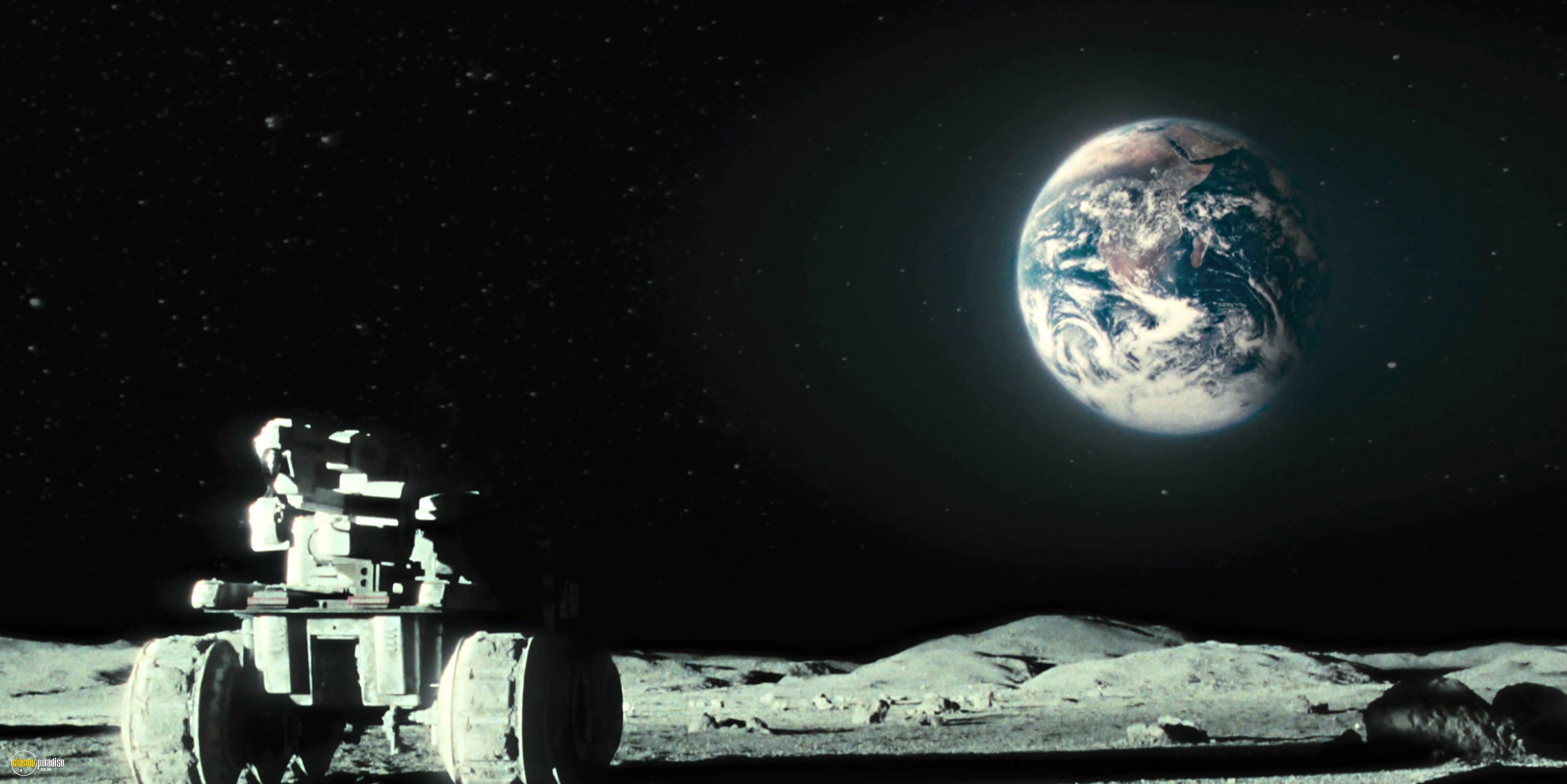
There are no such problems when it comes to Duncan Jones's feature bow, Moon (2009), which is one of the most accomplished sci-fi films of the 21st century. At its centre is Sam Bell (Sam Rockwell), who relies on a computer named GERTY for support and company during his three-year stint running the Lunar Industries Sarang Station mining operation on the dark side of the Moon. Following an accident on his lunar rover just two weeks before his return to his wife and daughter, however, Sam comes across his doppelganger and makes some disturbing discoveries about the nature of his mission. Given the fact that the director is the son of David Bowie, it's tempting to some up the action with the 'Space Oddity' lyric, 'Planet Earth is blue and there's nothing I can do.'
The same sense of helplessness is also evident in Gonzalo López-Gallego's Apollo 18 (2011), a found footage outing that was produced by Timur Bekmambetov and describes what happened when NASA sent an Apollo flight to the Moon to install a warning detector against Soviet missiles. However, astronauts Ben Anderson (Warren Christie) and Nate Walker (Lloyd Owen) not only discover the body of a dead cosmonaut near a functioning Soyuz lander, but they also run into some hostile rock-dwelling aliens. Some more Apollo astronauts do a tour of inspection at the start of Michael Bay's Transformers: Dark of the Moon (2011), as the crew of Apollo 11 use their historic mission as cover to check up on The Ark and the device it was carrying when it crash landed on the dark side of the Moon in 1962. What they don't know, however, is that the Decepticons got their first and it's only when Sam Witwicky (Shia LaBeouf) finds photos of the Pillars of the Moon that he learns the truth about Sentinel Prime (Leonard Nimoy), the leader of the Autobots and the mentor of Optimus Prime (Peter Cullen).
There's more lunar trouble afoot in Barry Sonnenfeld's Men in Black 3, as Boris the Animal (Jermane Clement) escapes from a maximum security prison on the Moon in 2010 and takes a time machine back to 1969, prompting Agents J (Will Smith) and K (Tommy Lee Jones) to follow in order to protect the launch of Apollo 11. As Timo Vuorensola reveals in Iron Sky (both 2012), however, this wasn't the first human landing on the Moon at all, as the Nazis got there first in 1945. They've been laying low, while working on the Götterdämmerung that will carry an invasion force back to Earth. However, the US sends a mission to the Moon and Black astronaut James Washington (Christopher Kirby) is kidnapped when he strays too close to the secret headquarters on the dark side. His smartphone fascinates Doktor Richter (Tilo Prückner), who realises it could power the new Wunderwaffe that would allow Führer Wolfgang Kortzfleisch (Udo Kier) to return in triumph.
Vuorensola added 20 minutes to a director's cut before turning to Iron Sky: The Coming Race (2019), which opens in 2047, three decades after the battle between Earth and the Moon Nazis. The survivors now live in the Neomenia base, where Kortzfleisch reveals that he hails from the Vril race of reptiles that had dwelt on Earth along with the dinosaurs. However, he had created Adam and Eve from a pair of monkeys and humankind had driven the Vril underground. Now, he urges Washington's daughter, Obi (Lara Rossi), to travel to Earth to find the supply of Vrilia that could help extend life in Neomenia. Standing in her way. though, is Adolf Hitler (also Kier), who just happens to be riding a Tyrannosaurus Rex.
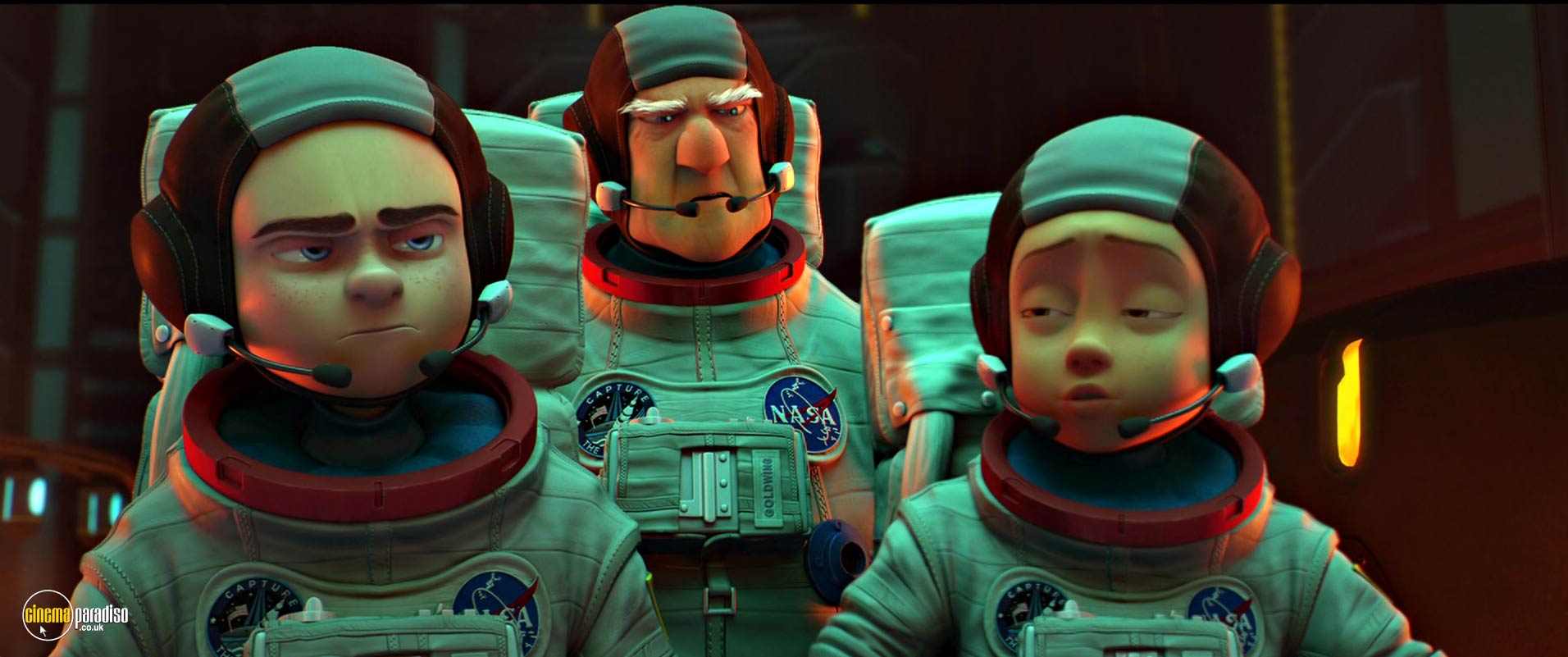
Bought by Paramount alongside Tad the Lost Explorer and the Curse of the Mummy (2022), Enrique Gato's Capture the Flag (2015) is a Goya-winning adventure that takes 12 year-old Mike Goldwing (Lorraine Pilkington) into orbit with two pals, his astronaut grandfather, and his pet iguana in an effort to stop billionaire Richard Carson III (Sam Fink) from stealing the Moon's supply of Helium-3 and to protect the flag planted during the Apollo 11 lunar landing for which Grandpa Frank (Paul Kelleher) had been chosen back in 1969. While Cinema Paradiso can recommend a Gato double bill, we're not able to bring you Glen Keane's Over the Moon (2020), which follows 11 year-old Fei Fei (Cathy Ang) to the Moon, as she seeks to prove to her doubting stepmother-to-be, Mrs Zhong (Sandra Oh), and her Auntie Ling (Margaret Cho) that Chang'e (Phillipa Soo) really did turn into a Moon goddess and still waits there for her beloved. The trouble is, the paper lantern rocket in which Fei Fei and pet rabbit Bungee are travelling gets blown off course because her soon-to-be stepbrother has smuggled himself aboard.
Did you know that flashing lights greeted the Apollo 11 duo in 1969 or that Apollo 12's astronauts discovered that the Moon is hollow? You don't know these things because NASA covered them up, along with claims that a shuttle was attacked by a swarm of alien technology in 2011. At least, that's the theory propounded in Roland Emmerich's Moonfall (2022). But, with the Moon's orbit drawing it closer to Earth, shuttle survivors Jocinda Fowler (Halle Berry) and Brian Harper (Patrick Wilson) have to take the Endeavour shuttle out of a museum in a bid to defeat the aliens and restore the Moon to its proper place in the night sky. And, just to add to the fun, conspiracy theorist, K.C. Houseman (John Bradley), has a cat named Fuzz Aldrin.
Disney produced Kyle Patrick Alvarez's Crater (2023), which has so far been limited to a digital release. Set in 2257, it follows a teenager and his four friends on a last adventure on the Moon's surface after he is ordered to leave for the space colony on Omega following the death of his miner father. What the quintet discover will changes their lives forever. Not to be confused with Stephan Schesch and Sarah Clara Weber's 2012 animation of the same name, Chiyu Zhang's Moon Man (2022) sees the sole man left behind after the Moon is evacuated following the Earth's collision with an asteroid seek to use the lunar lander abandoned by Apollo 18 in a bid to reach an orbiting space station.
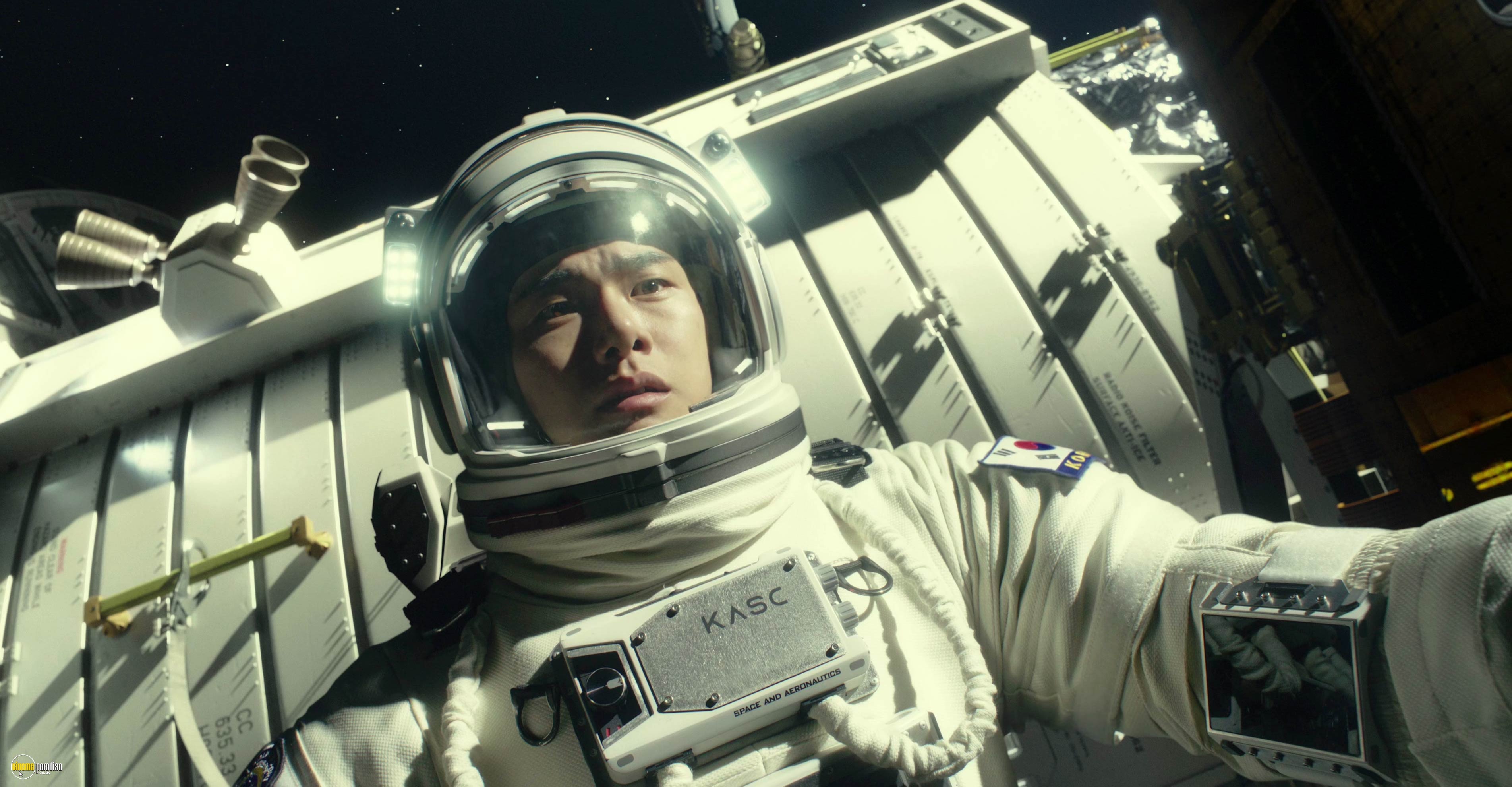
Five years after South Korea's first crewed flight to the Moon is lost to an explosion, a second blasts off in Kim Yong-hwa's The Moon. However, a solar wind causes the craft to malfunction and the suits at the Niro space centre turn to former chief, Kim Jae-guk (Sul Kyung-gu), to rescue stranded astronaut, Hwang Sun-woo (Doh Kyung-soo). Also released in 2023, Frant Gwo's The Wandering Earth II centres on the crisis sparked by the expansion of the Sun. One plan is to manufacture engines that would push Earth out of the Solar System. But events at a research centre on the lunar surface threaten to put the Moon on a catastrophic collision course. 'Twas ever thus!