Richard Chamberlain died two days before his 91st birthday. Cinema Paradiso reflects on the career of a small-screen superstar.
When asked about his legacy during a 2010 interview for the Archive of American Television, Richard Chamberlain joked, 'I am not interested in being remembered.' But the memories have come flooding back since he passed away on 29 March and they prove that Chamberlain was much more than the 'King of the Mini-Series'.
Beverly Hills Boy
George Richard Chamberlain was born on 31 March 1934, in Beverly Hills, California. As he was quick to point out, he landed 'the wrong side of Wilshire Boulevard', as Charles Axion Chamberlain had no connection to the Hollywood studio system. He was a shop equipment salesman from Indiana, while wife Elsa Winnifred (née von Benzon) stayed home to raise Richard and his older brother, William. He would later join his father in a refrigerator business, although Charles was often away, as he was an early member of Alcoholics Anonymous and became a noted conventions speaker.
Richard revealed that he didn't have a particularly good relationship with his father. But he also admitted to being a troubled youth, describing himself as being 'a shy, serious, lugubrious kid, painfully thin, with a long, sad face'. However, he discovered a talent for athletics at Beverly Hills High School. Moreover, he also starred in such student production as The Pied Piper of Hamelin and I Remember Mama.
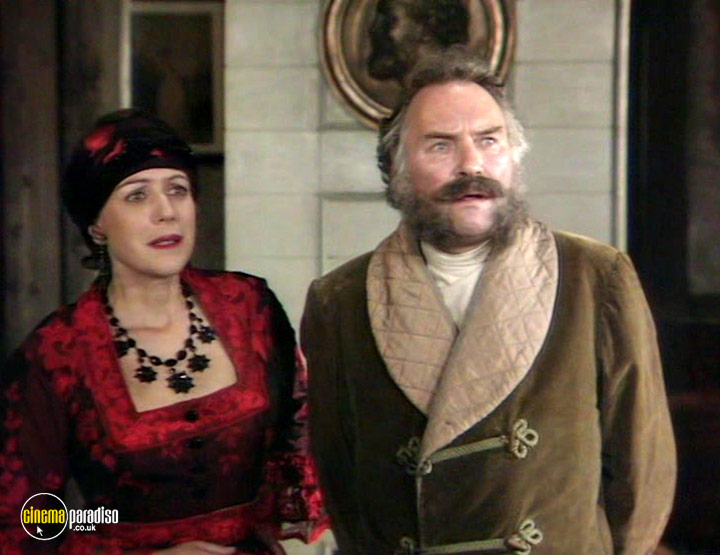
Despite claiming to be 'uncooperative' in class, Chamberlain was a bright pupil and applied to Pomona College in Claremont to study art history and painting. He would continue to paint for the rest of his life. But it was acting that gave him the greatest pleasure and he excelled as Captain Bluntschli in a campus production of George Bernard Shaw's Arms and the Man. 'I wasn't that attracted to real life,' Chamberlain told an interviewer. 'I liked fantasy life. I liked role-playing and all that stuff. I was really set up to be an actor, because that was when I was happiest, essentially being someone else.'
A Paramount scout spotted him on stage and contract negotiations were ongoing when Chamberlain was drafted for National Service in 1956. As he was dating girls at the time and resisting the realisation he was gay, he got round the ban on homosexuals serving in the military and spent 18 months in a backwater in South Korea, which had recently been created following a civil war that has never formally ended. He rose to the rank of sergeant and returned Stateside to take jobs as a chauffeur, a supermarket assistant, and a construction worker in order to pay for acting classes.
In the Company of Angels
Chamberlain's acting teacher was Jeff Corey, a versatile character actor whose screen career had stalled when he was blacklisted during the investigations of the infamous Hollywood UnAmerican Activities Committee. Cinema Paradiso users can access his credits by typing his name into the Searchline. But we'll draw your attention to Corey's performance as xenophobic vigilante Luke Benson in Lee Sholem's Superman and the Mole Men (1951), which was edited into the two-part 'The Unknown People' storyline for The Adventures of Superman (1952-58).
Corey taught the 'sense memory' brand of Method acting and included James Dean, James Coburn, and Jane and Peter Fonda among his students. As he was still struggling with his sexuality, Chamberlain found it difficult to channel his emotions. But Corey gave him confidence and he formed the Company of Angels in 1959, with Leonard Nimoy and Vic Morrow. Productions such as La Ronde and The Caine Mutiny Court-Martial attracted attention and Chamberlain acquired an agent, Monique James, who started getting him TV work.
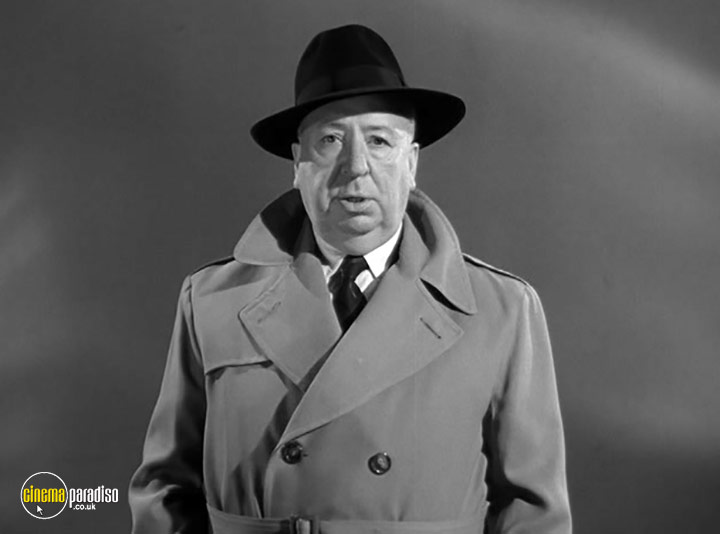
He made his first appearance as Chad Pine in 'Road Hog', a 1959 episode in Alfred Hitchcock Presents (1955-62), which co-starred Raymond Massey as his father. Further slots followed in Rescue 8 (1958-60), Bourbon Street Beat (1959), Gunsmoke (1955-75), Mr Lucky (1959-60), Boris Karloff Presents (1960-62), Riverboat (1959-61), The Deputy (1959-61), and Whispering Smith (1961). However, his good looks counted against him, as producers refused to accept him as a serious actor, even though he had broken into films with bit parts in William Witney's The Secret of the Purple Reef (1960), a low-budget thriller set in Puerto Rico, and Joseph Newmn's A Thunder of Drums (1961), a Western about the US Cavalry clashing with Apaches in Arizona.
While Chamberlain was content to be in work, a former classmate had bigger ambitions for him. George LeMaire was the son of a studio executive and had landed a job in the front office at MGM. While leafing through a catalogue of head shots, he had recognised Chamberlain and invited him to an interview. He impressed sufficiently to be offered the lead in a Western pilot entitled Paradise Kid. It proved to be a misfire and was never broadcast. But an NBC suit casting a new medical series happened to see it and summoned Chamberlain to his office.
Calling Dr Perfect
Dr James Kildare first appeared in the pages of Cosmopolitan in a March 1936 story written by Frederick Schiller Faust under the name Max Brand. The title was reused when Paramount starred Joel McCrea in Alfred Santell's Internes Can't Take Money (1937). However, Brand was persuaded to sell the rights to MGM, when the studio offered him a writing contract. He sent Kildare to Blair General Hospital, where he came under the supervision of Dr Leonard Gillespie. Lew Ayres and Lionel Barrymore took the roles in nine features, with the latter continuing in six further pictures after the pacifist Ayres took up a medical role during the Second World War. The pair reunited on the radio between 1949-52, but MGM was keen to transfer the franchise to television and NBC began scouting for a clean-cut lead after a pilot episode with Ayres was deemed unsuitable.
William Shatner and James Franciscus turned down the lead in Dr Kildare (1961-66), but Chamberlain had no hesitation in accepting and his cause was helped by the fact that Raymond Massey, who had been cast as Dr Gillespie, had taken a shine to him when they had worked on Alfred Hitchcock Presents. In the first episode, broadcast on 28 September 1961, Gillespie tells Kildare, 'Our job is to keep people alive, not to tell them how to live.' However, over the next 190 episodes, Kildare would go above and beyond in helping his patients, as the show - like its chief competitor, Ben Casey (1961-66) - tackled many medical issues that had previously been considered taboo on television.
Although he considered him 'a prig' and 'a bore', Kildare turned Chamberlain into a heartthrob. At the height of the show's popularity, he was receiving 12,000 fan letters a week, which was more than Clark Gable received in his heyday. Moreover, people wrote to Kildare asking for medical advice and applications to medical schools increased across the United States. While they recognised the service the series provided, MGM and NBC also considered it a money-making machine and agreed merchndising deals for books, comic, dolls, games, and candy bars. As he could hold a tune, Chamberlain recorded 'Three Stars Will Shine Tonight' to the show's theme tune in 1962 and followed this Top 10 Billboard hit with covers of 'All I Have To Do Is Dream' and 'Love Me Tender'. He even released an album, Richard Chamberlain Sings.
'I went through life pretending to be perfect,' Chamberlain later explained, 'and that helped me play Dr Kildare, because he was close to perfect.' He won a Golden Globe for his performance, but eventually began to feel suffocated by the role. 'It was agony talking to the press,' he later admitted, 'because I could never speak my mind - I always had to say that everything was lovely and beautiful and true. Even my reactions to life became stereotyped because of Kildare's.' He was not sorry, therefore, when the plug was pulled after ratings started to slide.

Indeed, Chamberlain was so concerned that all he would be offered were wholesome roles that he decided to leave Hollywood and make his debut on stage. He was cast alongside Mary Tyler-Moore in Holly Golightly, a musical that had been adapted from the Truman Capote novella that had been filmed by Blake Edwards as Breakfast At Tiffany's (1961). Throughout rehearsals and the try-outs in Philadelphia and Boston, the script had undergone such extensive revision that producer David Merrick changed the title to Capote's original in an effort to shake the production's bad reputation. The gambit failed and the show closed after just four days, prompting William Goldman to opine that its ignominious failure gave it 'an immortality most productions never dare aspire to'.
Time Out
Beating a hasty retreat, Chamberlain crossed the Atlantic and spent the next three years refining his craft in Britain. He had felt at home in London after having appeared on Eamonn Andrews's chat show in 1967 and met his idol, Sir Noël Coward. So, when Sir Cedric Hardwicke informed him that he had become a star before he had learned to act, Chamberlain decided to seek a voice coach and take a crash course in classical stage technique.
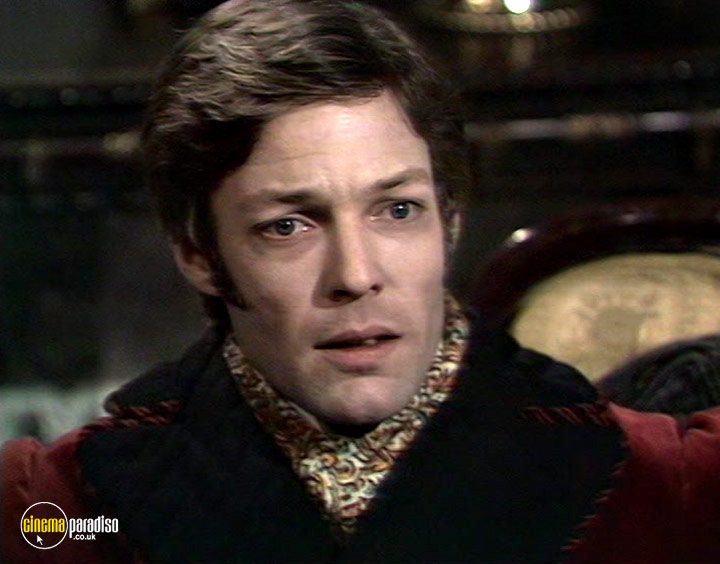
Being a major Hollywood star, of course, he was soon in demand and he took the role of the consumptive Ralph Touchett in James Cellan Jones's six-part BBC adptation of Henry James's The Portrait of a Lady (1968), in which Suzanne Neve took the part of Isabel Archer that was played by Nicole Kidman in Jane Campion's 1996 big-screen version. By all accounts, when Chamberlain was presented to Queen Elizabeth II at a royal premiere, she told him, 'Oh yes, we watched that,' before adding, 'Well, not all of it.'
Someone else who caught the programme was the artistic director of the Birmingham Repertory Theatre, who invited Chamberlain to be the first American to play Hamlet on a British stage since John Barrymore in 1925. Although daunted by the prospect of playing William Shakespeare's most complex character, he was reassured by the fact he could fail without the London critics coming to the Midlands to watch. However, his director had grave misgivings about Chamberlain's interpretation and he confessed that he would have fired him if his contract hadn't been so watertight. Even into the last days of rehearsal, Chamberlain was struggling with the part. But it fell into place at the eleventh hour and the reviews were glowing.
'The perturbed spirit of Dr Kildare may rest at last,' claimed the Daily Mail, which continued, 'In Mr Chamberlain we have no mean actor.' But The Times was even more supportive: 'Anyone who comes to this production to scoff at the sight of a popular American television actor, Richard Chamberlain, playing Hamlet will be in for a deep disappointment.'
Frustrated that an engagement in America prevented him from transferring the show to the West End, Chamberlain teamed with George LeMaire to restage Hamlet for the Hallmark Hall of Fame series. Once again, the reviews were enthusiastic, while a double disc recording of the broadcast was nominated for a Grammy. But Chamberlain was still viewed as Dr Kildare showing off his party pieces rather than as a serious actor.
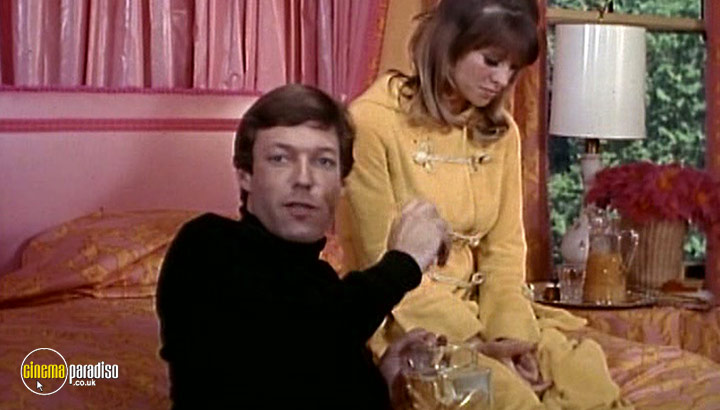
While still in Britain, he had tried to relaunch his film career after Boris Sagal's Twilight of Honour (1963) and Alex Segal's Joy in the Morning (1965) had failed to cash in on his TV fame. Fellow Yank in exile, Richard Lester, cast Chamberlain as David Danner, the abusive architect married to Julie Christie's eponymous free spirit in Petulia (1968), but it only came to be seen as a classic dissection of American society after failing at the box office.
Time has not been so kind to Bryan Forbes's take on Jean Giraudoux's The Madwoman of Chaillot (1969), in which Chamberlain played Roderick, the nephew-in-law of Donald Pleasence's prospector, who wants to drill for oil beneath the estate of Countess Aurora (Katharine Hepburn). With Charles Boyer, Yul Brynner, Paul Henreid, Danny Kaye, Edith Evans, and Giulietta Masina also in the stellar cast, this should have achieved the same kind of cult status as Ken Russell's The Music Lovers (1971), which Chamberlain bashfully promoted during a rather monosyllabic appearance on Desert Island Discs. Then again, this extraordinary biopic of gay Russian composer Pyotr Ilyich Tchaikovsky and his frustrated wife, Antonina Milyukova, could boast the unforgettable sight of Chamberlain and Glenda Jackson cavorting on the floor of a train carriage.
Between these quirky offerings, Chamberlain essayed Octavius in Stuart Burge's 1970 interpretation of Shakespeare's Julius Caesar, which co-starred John Gielgud in the title role, Charlton Heston as Mark Antony, and Jason Robards as Brutus. Remaining in period garb, Chamberlain excelled as the foppish Lord Byron flirting with Sarah Miles in Lady Caroline Lamb (1972), a biopic that was written and directed by her husband, Robert Bolt. There is no excuse for this not being on disc and the same could be argued for the 1974 teleplay that recorded for posterity the 1972 production of Christopher Fry's The Lady's Not For Burning that had seen Chamberlain become the first American to headline at the Chichester Festival, when he played world-weary 15th-century soldier, Thomas Mendip, opposite Eileen Atkins's accused witch, Jennet Jourdemayne.
Tele-Icon
Any fondness the Royal Family might have had for Chamberlain during his British sojourn quickly evaporated when he played Edward VIII opposite Faye Dunaway's Wallis Simpson in Paul Wendkos's The Woman I Love (1972). Never shown in this country, supposedly because of the slant it put on the Abdication Crisis of 1936, this hour-long drama has vanished from view in the same way as Alan Bridges's Crown Matrimonial (1974), which starred Greer Garson as Queen Mary.
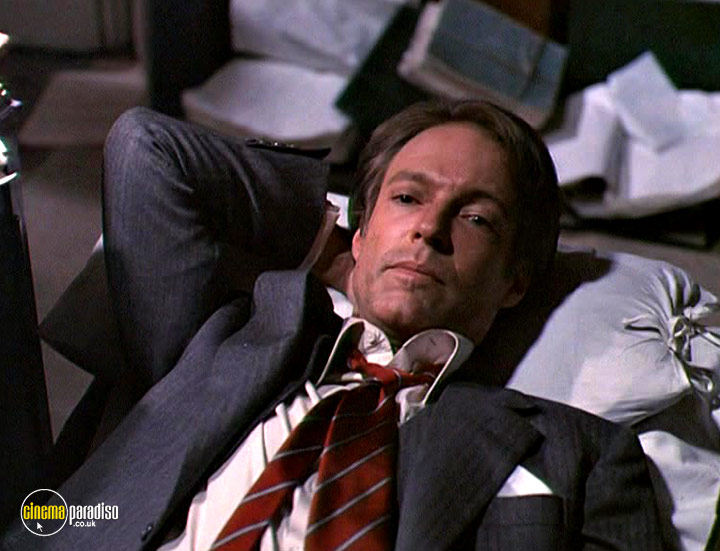
Several of Chamberlain's TV-movies from this period are unavailable on disc, which is a shame, as he is very good in the title role of George Schaefer's F. Scott Fitzgerald and 'The Last of the Belles' (1974), as explorer Frederick Cook in Robert Day's Cook and Peary: The Race to the Pole (1983), and as the great lover in Simon Langton's Casanova (1987). However, Cinema Paradiso can bring you Lamont Johnson's Wahlenberg: A Hero's Story (1985), which earned Chamberlain a Golden Globe nomination for his portrayal of Raoul Wallenberg, a Swedish diplomat who saved the lives of around 100,000 Hungarian Jews in 1944 by issuing them with Swedish passports and travel permits.
But the single drama was less Chamberlain's forte than the mini-series. The popularity of this multi-part format had been enhanced by the 1977 adaptation of Alex Haley's Roots and Chamberlain became its poster boy. He started out playing Scottish trader Alexander McKeag in the early episodes of Centennial (1978-79), a 12-part, 26-hour adaptation of James A. Michener's bestseller about a Colorado town from its founding in 1795 to the present day. In his TV Archive interview, Chamberlain cited this as his favourite role, as it gave him a rare opportunity to play a muscular outdoorsman.
He was even more feted for his work as Pilot-Major John Blackthorne in Jerry London's version of James Clavell's Shogun (1980). When he first lobbied for the role, he learned that Robert Redford had already been cast in a feature adaptation. However, this fell through and Chamberlain was frustrated to discover that Sean Connery was being lined up for a teleplay. This also failed to materialise and, after Roger Moore and Albert Finney had spurned advances, NBC finally offered the part to Chamberlain.
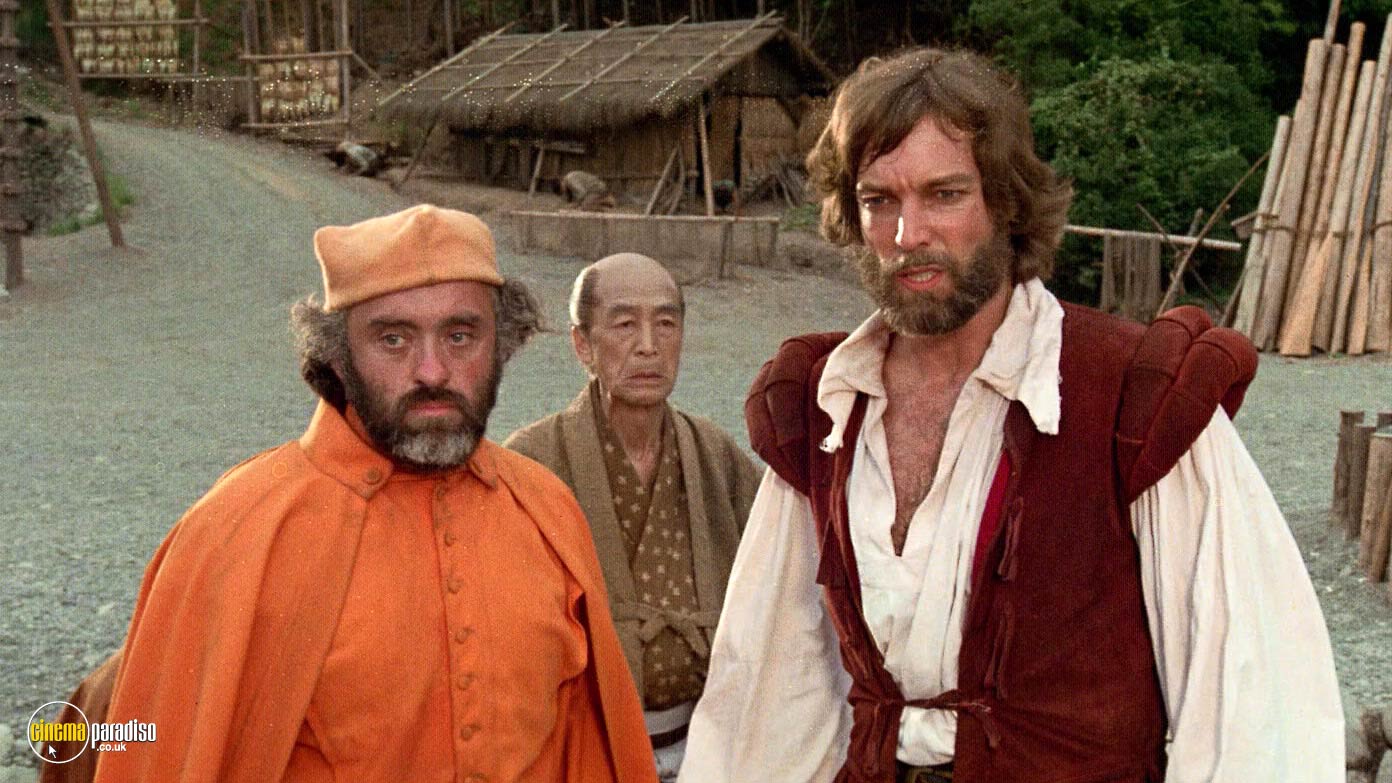
Shipwrecked off the coast of Japan in 1600, Blackthorne is forced to relinquish his English identity after he is captured by samurai warriors. While he satisfies Lord Toronaga (Toshiro Mifune) that he is not in cahoots with the Portuguese traders and Jesuits priests who have established footholds in the region, Blackthorne risks alienating the would-be shogun by befriending his converted confidante, Lady Mariko (Yoko Shimada). The winner of the Primetime Emmy for Outstanding Limited series, the five-parter brought Chamberlain an Emmy nomination and another Golden Globe. If you enjoyed the 2024 version of Shogun, which won a record 18 Emmys and four Globes, then you have to see the original.
Now known as the 'King of the Mini-Series', Chamberlain scored another hit with Daryl Duke's adaptation of Colleen McCullough's racy bestseller, The Thorn Birds (1983). This four-parter commanded an astonishing 59% of the American TV audience and drew 16 Emmy nominations, including one for Chamberlain to go with his Golden Globe victory. He considered the illicit romance in the Australian outback between Father Ralph de Bricassart and parishioner Meggie Cleary (Rachel Ward) to be 'one of the great love affairs in the history of the world, except God was in there between them'. But McCullough detested the mini-series, calling it 'instant vomit' before declaring 'Ward couldn't act her way out of a paper bag and Chamberlain wandered about all wet and wide-eyed.'
We at Cinema Paradiso would beg to disagree, if only for the fact that Chamberlain is so good in his scenes with Barbara Stanwyck, who took home the Emmy and Golden Globe for her work as wealthy sheep rancher Mary Carson, who vows to destroy the priest who has the temerity to reject her advances. Chamberlain was alone in returning for the follow-up series, The Thorn Birds: The Missing Years (1996), which saw Amanda Donohoe replace Ward, who had married co-star Bryan Brown. The reviews were not kind, but Chamberlain completists wouldn't want to miss out.
Aware that some critics dismissed mini-series as glorified soaps, Chamberlain compared acting in them to performing Shakespeare. 'It's a very special knack to keep the ideas clear through a whole soliloquy with qualifying asides and pick up the line again,' he told the New York Times in 1988. 'A 10-hour mini-series is similar. You must keep the overall design in your mind while shooting totally out of sequence.' But not every show found its audience, even though he enjoyed playing explorer and maverick politician John C. Fremont in Dream West (1986). He was also disappointed that Island Son (1989-90) only lasted one season, as he had come up with the idea of making Dr Daniel Kulani a kind of Hawaiian Kildare. His hopes were also dashed for Too Rich: The Secret Life of Doris Duke (1999), in which he co-starred with Lauren Bacall in the story of a tobacco heiress and her Irish butler, Bernard Lafferty.
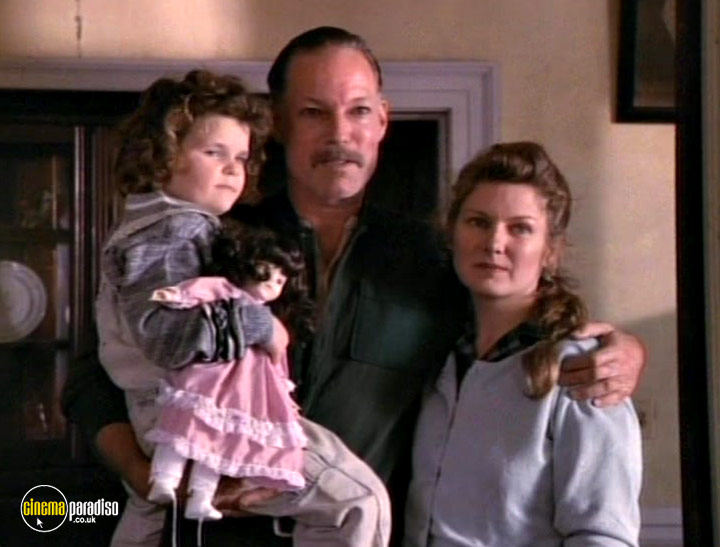
As the mini-series began to go out of fashion, Chamberlain returned to teleplays. Few of these have received a UK disc release, however, including Aftermath: A Test of Love (1991), Ordeal of the Arctic (1993), All the Winters That Have Been, and The Lost Daughter (both 1997). But Cinema Paradiso users can rent David Greene's Night of the Hunter (1991), a fascinating piece of casting that sees Chamberlain take on the role of murderous con man Harry Powell, which had been played in Charles Laughton's sole directorial outing, The Night of the Hunter (1955), by Robert Mitchum.
All For One
Richard Lester had been taken with Chamberlain when he directed him in Petulia and had no hesitation in casting him as Aramis in The Three Musketeers (1973). Michael York took the role of D'Artagnan, while Oliver Reed and Frank Finlay played Athos and Porthos in George MacDonald Fraser's lively take on the Alexandre Dumas novel that had briefly been considered a suitable vehicle for The Beatles after Lester had directed them in A Hard Day's Night (1964) and Help! (1965). As the swordsman with a clerical calling, Chamberlain oozed wit and charm and proved a dab hand with repartee. He would reprise the role in The Four Musketeers (1974) and The Return of the Musketeers (1989), with the former also seeing the return of Faye Dunaway (Milady De Winter), Raquel Welch (Constance), Charlton Heston (Cardinal Richelieu), Christopher Lee (De Rochefort), Jean-Pierre Cassel (Louis XIII), and Geraldine Chaplin (Anne of Austria). The latter shoot was blighted by the tragic death of Roy Kinnear, who fell from his horse during a location scene.
Remaining in Dumas territory (although taking a leaf from the books of père rather than fils), the Emmy-nominated Chamberlain furrowed his brow as Edmond Dantès while assuming an array of disguises to avenge himself on those who had wronged him in David Greene's The Count of Monte-Cristo (1975). Tony Curtis, Trevor Howard, Kate Nelligan, and Donald Pleasence rounded off the cast, while Louis Jourdan (who was in both), Jenny Agutter, Ralph Richardson, and Patrick McGoohan schemed at the French court in William Bast's The Man in the Iron Mask (1977), which saw Chamberlain play both Louis XIV and his twin brother, Philippe.
Such was Chamberlain's standing in Hollywood in 1974 that he was chosen to play the villain of the piece in John Guillermin's disaster smash, The Towering Inferno. The son-in-law of developer James Duncan (William Holden), electrical sub-contractor Roger Simmons undermines the integrity of the Glass Tower designed by architect Doug Roberts (Paul Newman) and showed such little remorse that audiences cheered when he met his fiery end. But, while he excelled as the suave antagonist, Chamberlain was still perceived as a lightweight lead. Even at 41, he still caused intakes of breath as Prince Edward in Bryan Forbes's The Slipper and the Rose (1976), a musical reinterpretation of Cinderella that co-starred Gemma Craven as Cinders, Margaret Lockwood as the Wicked Stepmother, and Kenneth More as the Lord High Chamberlain.
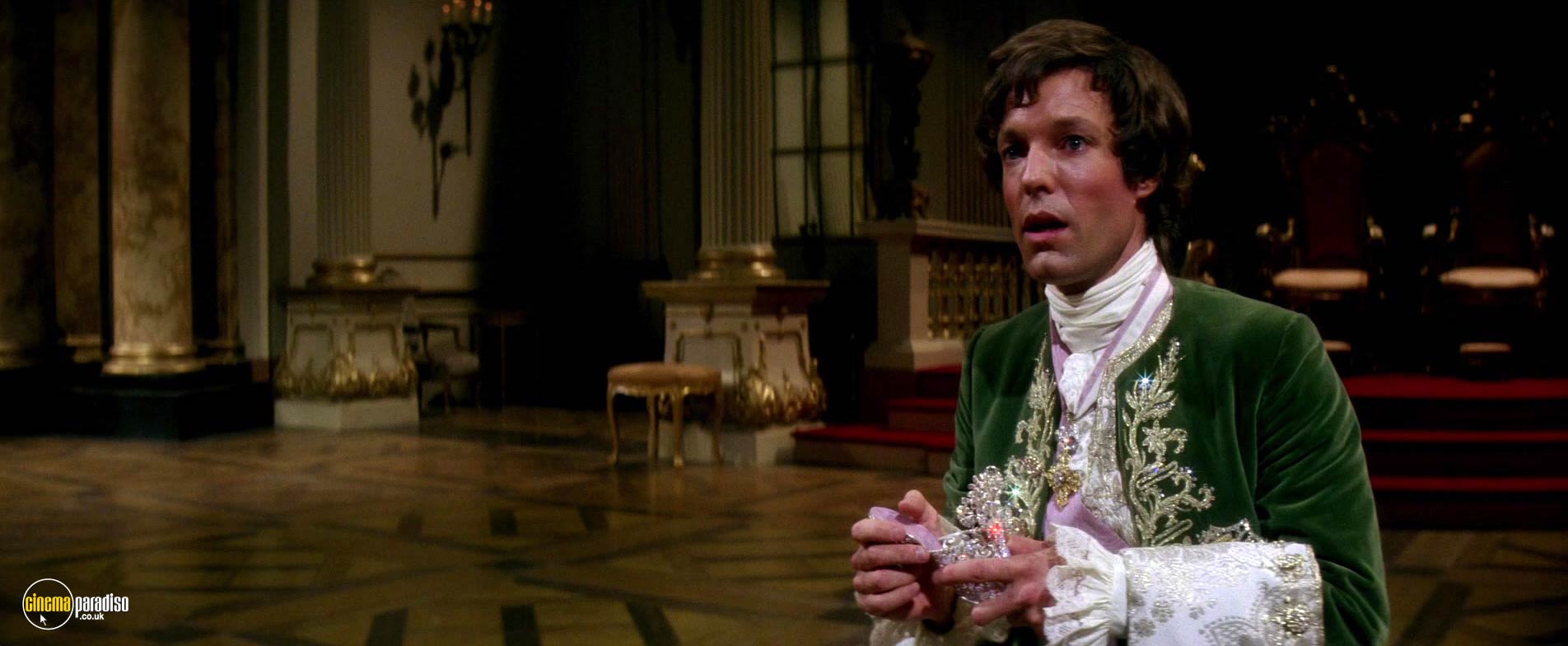
While critics were busy looking down their noses at this jovial fairytale, they largely overlooked Chamberlain's excellent performance as lawyer David Burton discovering an unexpected connection with the group of Aboriginal men he has been assigned to defend on a murder charge in Peter Weir's The Last Wave (1977). However, there was nothing but negative buzz around Irwin Allen's The Swarm (1978), which pitched Chamberlain into another disaster scenario, this time as Dr Hubbard, a scientist at a nuclear plant near Houston, Texas that is overrun by killer bees. Among the others stung by this box-office dud (which means 'rent immediately', of course) were Michael Caine, Olivia De Havilland, Richard Widmark, Henry Fonda, and Fred MacMurray.
Eager to test himself in another genre, Chamberlain signed up to play bearded hero Nat Bridger in Michael Anderson's Murder By Phone (1982), a sci-fi slasher in which a disgruntled telephone company employee discovers a way to torment customers. However, he returned to the adventure format for J. Lee Thompson's King Solomon's Mines (1985) and Gary Nelson's Allan Quatermain and the Lost City of Gold (1986), which were both adapted from the writings of H. Rider Haggard and co-starred Sharon Stone.
Sticking with action, Chamberlain became the first actor to play Jason Bourne in Roger Young's Emmy-nominated reworking of Robert Ludlum's The Bourne Identity (1988). Although made for television, this has a big-screen feel and more than holds its own against Doug Liman's The Bourne Identity (2002), Paul Greengrass's The Bourne Supremacy (2004), The Bourne Ultimatum (2007), and Jason Bourne (2016), and Tony Gilroy's The Bourne Legacy (2012). However, this twisting thriller proved to be Chamberlain's last high-profile leading role.
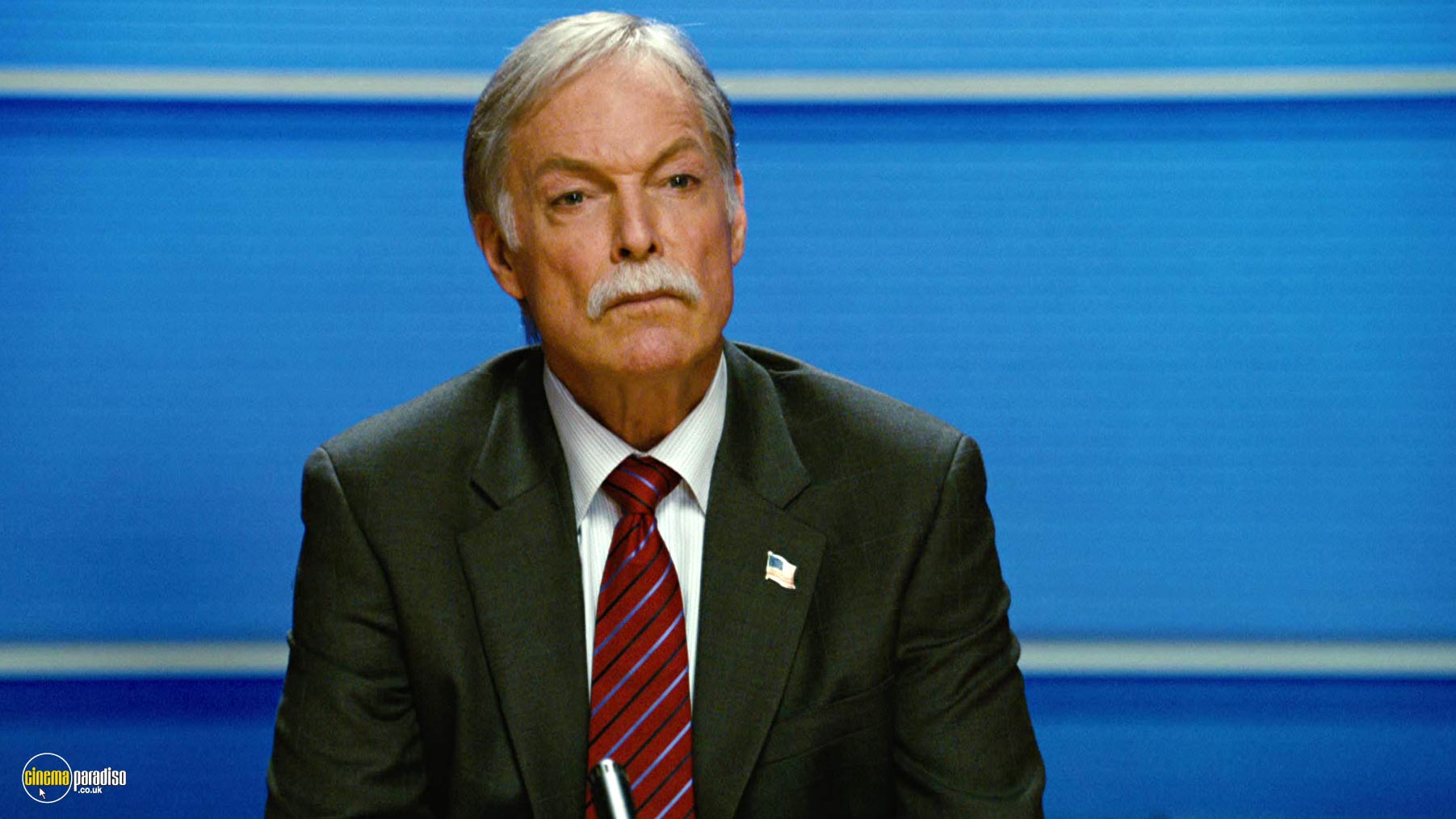
He took the part of photo-journalist Jonathan Griffin in Temístocles López's indie, Bird of Prey (1995), which was filmed in the Bulgarian capital, Sofia. However, it was barely seen, while his performances as dying lawyer Thaddeus MacKenzie and the embezzling Huddlestone in James Merendino's River Made to Drown In (1997) and C. Grant Mitchell's The Pavilion (2000) were consigned to the bargain video bin. Indeed, Chamberlain didn't make another movie until he cameo'd as Councilman Banks in Dennis Dugan's I Now Pronounce You Chuck and Larry (2007), which starred Adam Sandler and Kevin James. The same year took him to Ireland to play boxing coach Denis O'Leary, as Sean Kelleher (Michael Madsen) comes out of retirement to fight Smasher O'Driscoll (Vinnie Jones) to raise funds for his estranged son's medical bills in Mark Mahon's Strength and Honour.
Cameo King
Despite his unhappy experience with Breakfast At Tiffany's, Chamberlain continued to enjoy live performance. In order to bounce back, he spent the summer in stock productions of The Philadelphia Story and Private Lives, while he returned from England with the confidence to tackle Shakespeare's Richard II for both the Seattle Repertory Theatre and the Centre Theatre Group in Los Angeles, with the latter version being directed by Jonathan Miller.
In 1973, he took the lead in Cyrano de Bergerac before being nominated for Drama Desk Awards for playing the Reverend Lawrence in Tennessee Williams's The Night of the Iguana (1976) and Wild Bill Hickok in Thomas Babe's Fathers and Sons (1978). He also returned to Broadway as Charles Condomine in Blithe Spirit (1987), Henry Higgins in My Fair Lady (1993), and Georg von Trapp in The Sound of Music (1999), while also touring as Ebenezer in Scrooge (2005) and King Arthur in Spamalot (2008-09). A busy 2012 saw him essay Dr Sloper in a Pasadena Playhouse revival of Henry James's The Heiress, while he played Fr Merrin to Brooke Shields's Chris MacNeil in the Geffen Playhouse's summer presentation of The Exorcist. He kept the dog collar for his final stage role, which was a cameo as Father Donald in David Rabe's dark comedy, Sticks and Bones, which left the rest of the evening free after 20 minutes of shameless scene stealing.
By this time, Chamberlain was an openly gay man. He had remained closeted for decades, as he explained, 'I thought there was something very, very deeply wrong with me and I wanted to cover it up. I remember making a pact with myself that I would never, ever reveal this secret, ever.' He also knew his career depended on discretion. 'I would have been a happier person being out of the closet and being free. But I had other motives that made me happy. I was a working actor and for me, that was most important.'
His relationships with Wesley Eure and Martin Rabbett were respected within the industry. But, while he was outed in the French magazine, Nous Deux, in 1989, Chamberlain made no comment until he revealed in his autobiography, Shattered Love (2003): 'The care and protection of my partly fabricated public persona became a built-in, habitual part of myself, along with the fear of exposure that I worried might stop my career cold.' He continued: 'Suddenly, all that fear, all that self-dislike...it was like an angel had put her hand on my head and said, "It's over, all that negative stuff is over." Being gay is one of the least interesting facts you can know about a person.'
Once free of the dread of scandal, Chamberlain started to have fun with his new image. As early as 2002, he had dragged up to play Craig Ferguson's mother, Maggie Wick, in two episodes of The Drew Carey Show. But he then popped up in 2005 as the elderly Clyde in Will & Grace (1998-2019) before playing gay millionaire Arthur Stiles, who coerces his boyfriend into having plastic surgery so that he comes to resemble him in a 2006 episode of Nip/Tuck (2003-09).
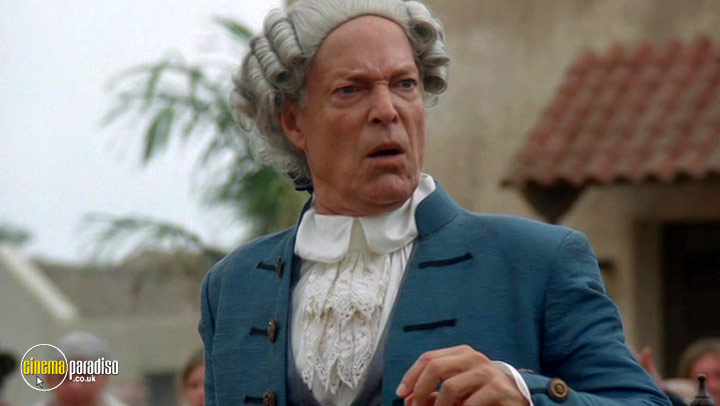
After guesting as Jack Clay in Touched By an Angel (1994-2003) and as James Whittaker Wright III in Hustle (2004-12), Chamberlain spent three episodes of Blackbeard (2006), as Governor Charles Eden. The following year, he turned up on Wisteria Lane as Glen Wingfield, the stepfather of Lynette Scavo (Felicity Huffman) in the 'Distant Past' episode of Desperate Housewives (2004-11).
After revelling in a little villainy as Belgian Adelbert De Smet in Chuck (2007-12), Chamberlain took the recurring role of Ron Rifkin's old flame, Jonathan Byrold, in Brothers & Sisters (2006-11) before amusing himself as Archie Leach (Cary Grant's real name, of course) in two episodes of Leverage (2008-12). In 2011, he returned to the big screen, as Monsignor Murphy in Anne Renton's comedy, The Perfect Family, and as the owner of the Rock Club in Laura Newman's We Are the Hartmans. The same year, he voiced Zigg in ThunderCats and returned to the dubbing stage to play Highfather in Sam Liu's Justice League: Gods and Monsters (2015).

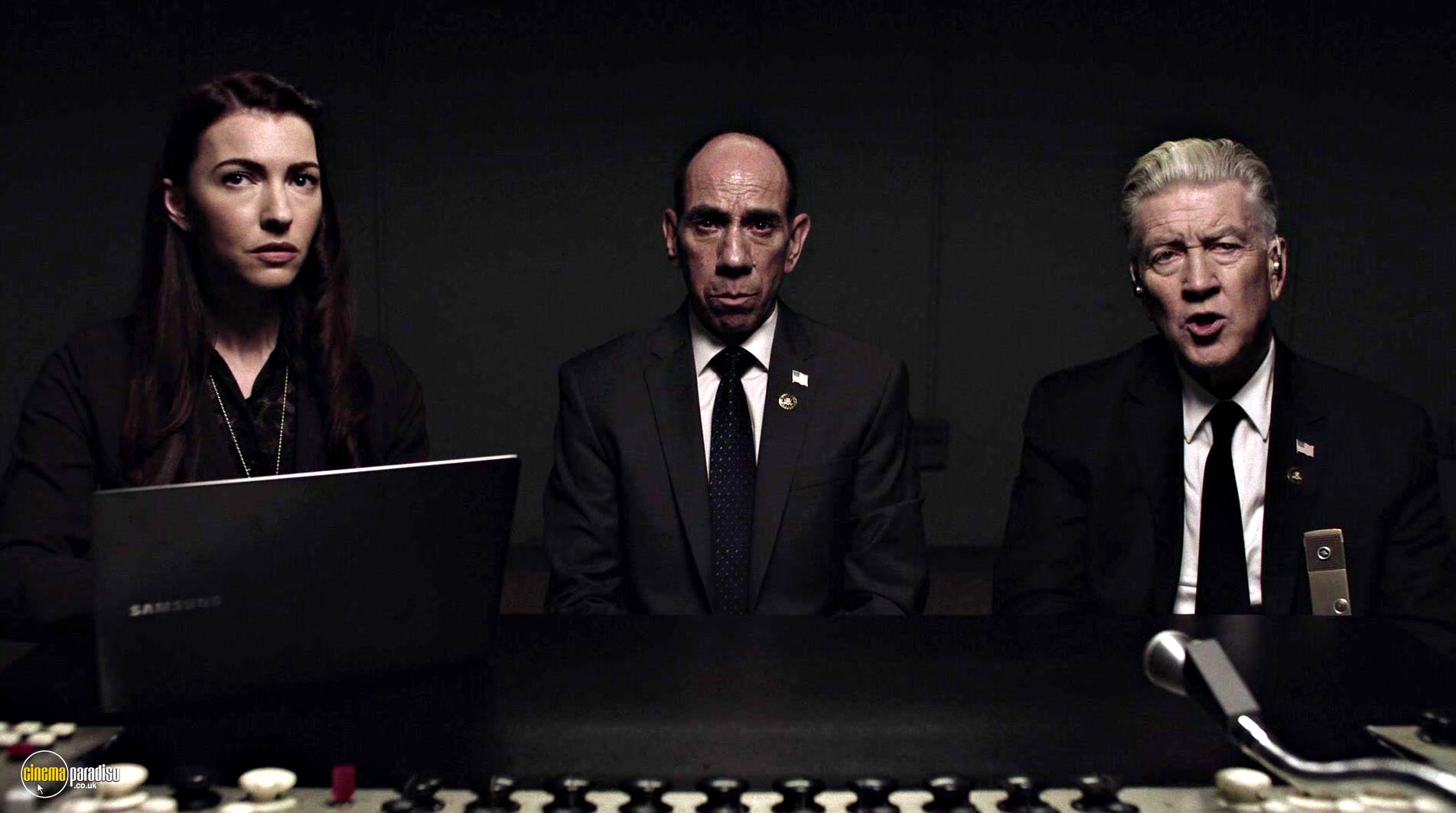
David Lynch came calling in 2017 and Chamberlain guested as Bill Kennedy, the secretary to the transgender FBI Chief of Staff, Denise Bryson (David Duchovny), in Twin Peaks: The Return, which was broadcast in the same year that Chamberlain played a creepy oncologist in The Black Ghiandola, a short that was co-directed for Make a Wish by Catherine Hardwicke, Theodore Melfi, and Sam Raimi. Horror beckoned again the following year, as he played plastic surgeon Dr Leneer in Joe Dante's 'Mirari' segment of Nightmare Cinema (2018). As his scene with Max von Sydow was cut from Nicholas Dimitropoulos's Echoes of the Past (2021), Chamberlain's final role was that of Igor the drama coach in Igor Sunara's mystery, Finding Julia (2019).
Richard Chamberlain died on 29 March in Waimanalo, Hawaii after complications arose following a stroke. Dr Kildare cast a long shadow. But there would never have been a St Elsewhere (1982-88), E.R. (1994-2008), or Scrubs (2001-09) without it. Similarly, the box sets to which modern viewers have become addicted are indebted to the mini-series that even the warmest tributes to Chamberlain considered cheesy. So it's time to reassess the achievement of an actor who helped transform American television at a time when it exerted its greatest influence on audiences worldwide.
Mentioned films