Rent Jacquot de Nantes (1991)
3.9 of 5 from 116 ratings
1h 58min



Agnès Varda made a film about the childhood of the man she loved. It's tender and beautifully made. I suspect I needed to love Jacques Demy a little more myself.
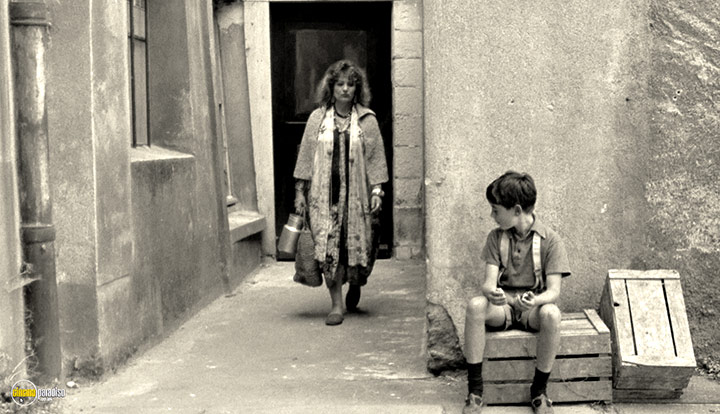
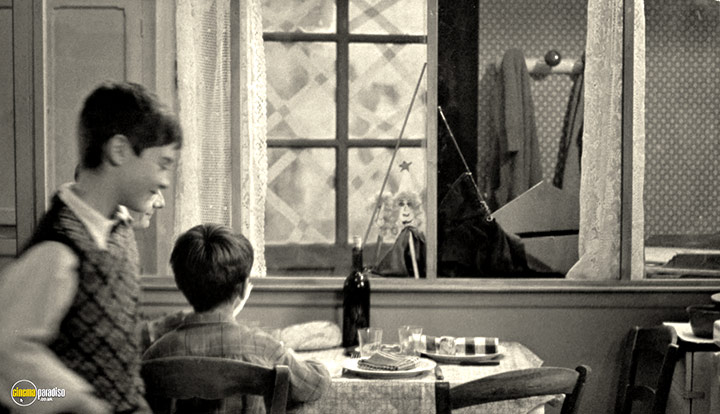
Young Jacquot grows up in a Nantes garage full of singing, turning whatever's lying around into a production. Cue puppet shows, attic animation, and dolly shots done on a roller skate. The grown-ups tell him to find a more sensible hobby. Thankfully, he keeps at it.
The black-and-white is gorgeous, and colour floods in for the operettas and stage shows. Clips from Demy's later films reveal where all this ended up.
I could see how much every memory meant to Varda. It felt like being shown somebody else's family photos: carefully kept, clearly treasured, and never quite mine.
Still, she's sent me straight back to Demy's films, which was probably the plan all along.
This film is amongst the elite, when it comes to the art of film making. The director adopts methods of conveying to his audience time and place, telling us whether we are about to go backwards or forwards in time.
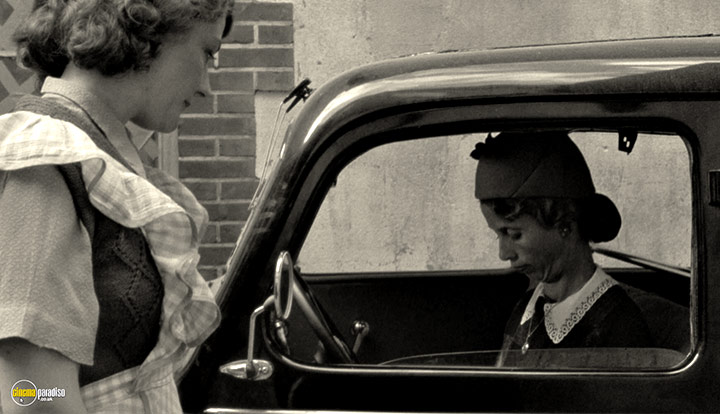
Considering Demy and his friends were all children, the acting was truly superb and one quickly becomes absorbed in the story. The scenes surrounding the action were as real and natural as you would ever see in film, the director of photography painting with light.
This film has an element of cleverness, that breaks the rules of film grammar per se, yet works. It would never surprise me if it became a classic, given time. It is one of those pieces of work that comes together simply, due to all the elements being so well performed. The casting director did a splendid job of choice, the editing was precise and the script superb. The Director is an artist extraordinaire.
This film bears the true essence that is France alone, so-much-so that had it been made in England, it wouldn't have worked.
I loved this film for its portrayal of an almost idealised France which nevertheless comes across as very real. The sense of place is immediate and the actors very natural and appealing. The references throughout to Demy's films and his own presence as an adult don't interrupt the flow of the narrative at all and only serve to further one's involvement with the characters. Up there with my best cinema experiences.