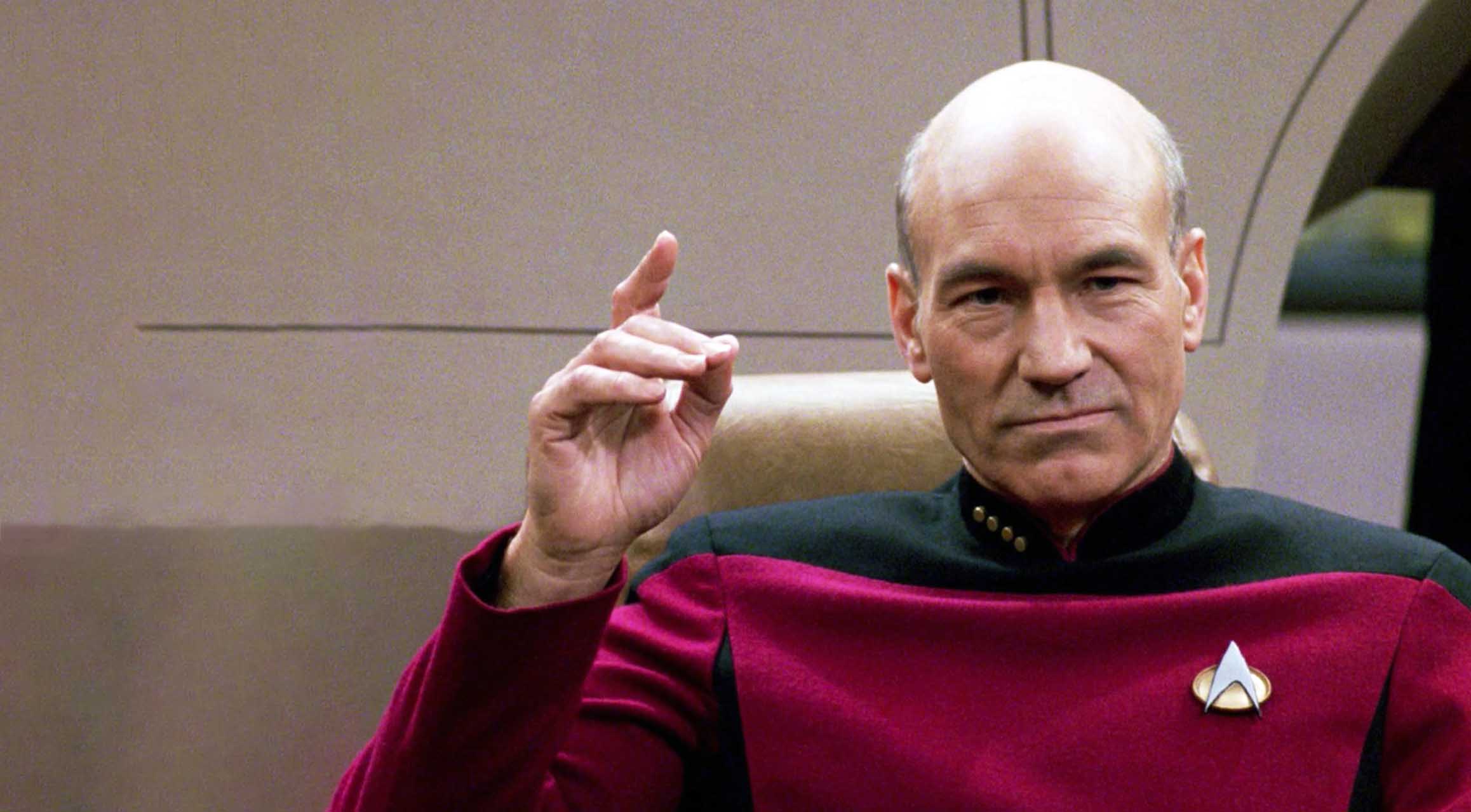
Following his death at the age of 86, Cinema Paradiso fondly remembers Patrick Stewart.
Outside an actors' strike and a pandemic, Patrick Stewart reckoned he was out of work for less than a month following his stage debut in 1957. He didn't spend lockdown doing jigsaw puzzles, either, as he started writing his memoir, Make It So (2023). The audio version would be perfect for any potential documentary about his wonderfully varied life and career, as he was a born storyteller, who freely admitted that he couldn't help embellishing anecdotes if it made them more memorable.
Act IV, Scene I
Patrick Stewart was born on 13 July 1940 in his parents' bed in a one-up, one-down terraced house in Mirfield in the West Riding of Yorkshire. Having already given birth to Geoffrey and Trevor, mother Gladys (née Barrowclough) returned to work at a local mill as a weaver. Father Alfred, however, was a complicated character and Stewart only really got to know him during an appearance on the BBC's Who Do You Think You Are? He discovered that Alf had joined the army in 1925 after getting Gladys pregnant and leaving her with no option than to coerce him into accepting Geoffrey's paternity in court. It was only after his stint as a military policeman that he married her in 1933. But he was called up on the outbreak of the Second World War and travelled to France in April 1940 with an inexperienced unit of the King's Own Yorkshire Light Infantry (nicknamed `The K.O.Y.L.I.s'). The plan was for Alf's men to build a railway to transport supplies and ammunition, but the speed of Blitzkrieg led to their dispatch to Abbeville to be little more than `speed bumps' to slow the advance. Having witnessed pitiless air assaults on fleeing refugees, Alf somehow guided his stranded party to Cherbourg, where they were picked up from the beach just hours before the Wehrmacht took the town.
Stewart was shown a press cutting in which his father had revealed that he was suffering from shell shock. Nevertheless, at 38, he signed up to join the 2nd Battalion, Parachute Regiment in 1943 and took part in Operation Dragoon in August 1944 to liberate Southern France. By now a Regimental Sergeant Major, Alf was also tasked with restoring morale with the paratroopers who had survived the shambles at Arnhem (which was retold in Richard Attenborough's A Bridge Too Far, 1977). Only a trusted soldier would have been given such a responsibility and, through the programme, Stewart gained a new respect for his father as a man of courage and a natural leader.
On returning to civvy street, however, Alf could only find work as a postman or a casual labourer. Still suffering from Post-Traumatic Stress Disorder, he often took his anger out on Gladys. Trevor and Patrick used to listen to the arguments and occasionally tried to intervene. But Alf was a powerful man, who Stewart described as `a weekend alcoholic'. He clarified, `Rigorously, from Monday to the end of the working day on Friday, he never drank. But Friday nights, the drinking through the weekend would begin, which made weekends always perilous, never fun.'
On one occasion, Alf broke a pint glass over Gladys's head and she had bled profusely until an ambulance had come. A policeman attending the scene, however, decided that she had got what she deserved for provoking her husband's wrath. Stewart recalls his father remaining calm throughout the furore, even folding his clothes neatly before going to bed. He also remembered the only time that Alf struck him. The family was on holiday in Blackpool when Alf made Patrick close his eyes because he had a surprise. He placed a peach in his hand. But, as the nine year-old had never felt one before, he got scared and the fruit splatted on to the pavement, prompting Alf to clip him for wasting good food and hard-earned cash.
Life was often tough at 17 Camm Lane, as there was no running hot water and Patrick had to share a bed for many years with Trevor, who was five years his senior. When Alf became violent, he would seek refuge in the outside privvy and try to read in the dim light. There were only four books in the house, two of Alf's old army manuals, a battered dictionary, and an outdated encyclopedia that had been handed down by Gladys's father. `That was until I found the library,' Stewart revealed in an interview, `which was critical. Other than the radio, our home life didn't have much to offer, and occasionally it had horror to offer.'
Alf died in 1980, three years after Gladys. `My father was a very potent individual,' Stewart reflected in 2008, `a very powerful man, who got what he wanted. It was said that when he strode on to the parade ground, birds stopped singing. It was many, many years before I realised how my father inserted himself into my work.' On another occasion, Stewart divulged, `There were years when I hated my father so deeply and feared him, too...I think my discipline comes from him. My self-discipline - sometimes at a cost. But the impact of him, the subtle impact, I have only come to understand. This is the result of 25, 30 years of therapy.'
A shy boy, Patrick attended Crowlees Junior and Infants School in Mirfield, where he developed the `outrageous dream' of becoming a long-distance lorry driver. At the age of 11, he ran into the hills to avoid taking the entrance exam to the local grammar school. `I suspect that might just have been fear,' he later surmised. `Fear that I might pass, be elevated into this different world, which I couldn't have handled, I know I couldn't have handled it. Perhaps I did myself a big favour.'
Had he not gone to Mirfield Secondary Modern School in 1951, he would not have met the two teachers who passed on their love of acting. Ruth Wynn Owen, who had once understudied Peggy Aschcroft, helped him tame his Yorkshire accent. But it was form master Cecil Dormand, who changed Stewart's life during an English lesson in which he instructed him to play Shylock in a class reading of Act IV, Scene I of The Merchant of Venice. As he recalled in a Guardian article: `He cast all the speaking roles and told us to start reading. We all did, but silently. "No, no, you idiots, not to yourselves!" he yelled. "Out loud! This is a play, not a poem. It's life. It's real."
He continued: `The first words - "I have possessed your grace of what I purpose" - was the first line of Shakespeare I ever read. I barely understood a word, but I loved the feel of the words and sounds in my mouth. A 400 year-old writer reached out a hand in invitation to me that morning. I felt a sense of an internal, private me being released and connecting with something mysterious, alien and exciting. I was hooked.'
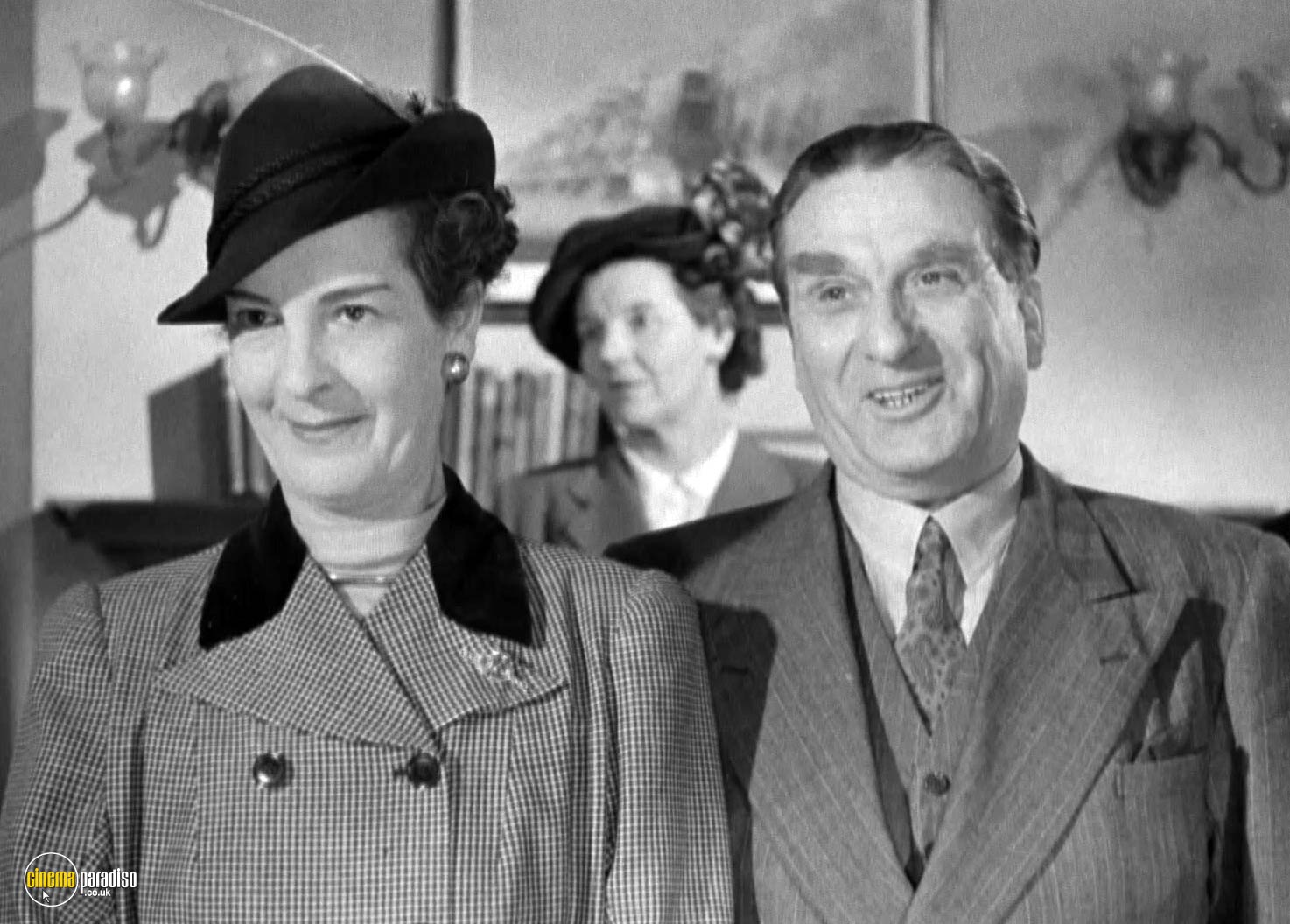
Everyone liked `Cec' because he was easy-going, enthusiastic, and nurturing. He also had a sense of humour and used to ping chalk at pupils who had dozed off. If they caught the projectile, however, he made the rest of the class give them a round of applause. Shortly after the Shylock episode, he cast Stewart in an amateur production of The Happiest Days of Your Life, the 1950 Frank Launder school comedy that had starred Alastair Sim and Margaret Rutherford. As he recalled: `I played a young pupil named Hopcroft Minor. There were 100 or more people in the audience, which should have been unnerving and intimidating, but I felt fearless and entirely at home. I felt safe on stage and I always have since. Perhaps it was because I wasn't being Patrick Stewart but Hopcroft Minor.'
Such was the success of the production that Dormand asked Alf and Gladys if Patrick could attend the eight-day Easter residential drama course that county drama adviser Gerald Tyler had organised. `The head said I could go as a representative of the school,' Stewart recalled. `This was where I first had formal acting lessons. Many years later, I learned that Cec must have paid for me to go on the course himself.' It was at Mytholmroyd that Stewart met older, conational Yorkshireman Brian Blessed, who would remain a lifelong friend.
Gladys had taken minor roles in plays staged by the Old Bank Methodist Drama Group, which was an all-female troupe. Trevor had also appeared in pantomimes. But Stewart was surprised to learn from his paternal grandmother that her husband, William, had abandoned their four children to become an actor in London. When the police eventually tracked him down for unpaid maintenance, he was on stage at the Elephant and Castle Theatre and promised to come quietly at the end of the show. Instead, he exited from the other side of the stage and was never seen again, although there were rumours that he had fled to the United States.
Stewart later mused in his memoir on how common such clubs were in working towns. `There were, I think, 11 different religious houses in my town and every single one of them had a drama club...Over the years I've come to understand what a profound impact that had on me. That you were not considered odd if you went on stage, pretending to be someone else. Nobody laughed at you. Nobody made fun of you. Even my pals, who usually would have made fun of me, they would not do it about play acting.'
While not academically gifted, Stewart had shown promise as an actor and Dormand urged him to keep performing when he left school at 15 because he was certain he had a bright future. However, he had to resort to subterfuge in order to follow his star.
The Roving Reporter
Leaving school at 15 with no qualifications, Stewart was somewhat fortunate to be taken on as a cub reporter at the Mirfield & District Reporter. In addition to writing obituaries, Stewart was also given evening assignments because he was the office junior. These often clashed with amdram rehearsals, however, and he took to making up reports when he couldn't persuade colleagues to cover a story in his place and write it up under his byline. On one occasion, he failed to mention that a council meeting had been interrupted by a large fire in a neighbouring mill and he was summoned to the editor's office. On being told he had to make a choice between journalism and acting, Stewart quit on the spot.
Finding work in a furniture store, he now had his evenings free, although he often turned his dealings with customers into mini-dramas in order to polish his improvisational skills. He also took up boxing to keep fit and hone his powers of concentration and discipline. Such dedication impressed the grants committee at West Riding Council and he was awarded a bursary to spend two years at the Bristol Old Vic Theatre School. Once again, he found himself alongside Brian Blessed and later looked back fondly on his student days, as he used to sneak into dress rehearsals at the Theatre Royal and recalls Peter O'Toole bellowing at his fellow interlopers to keep quiet after having deliberately made them laugh by fooling around on stage.
Going bald by the age of 17, Stewart invested in various wonder tonics to strengthen his hair, which he meticulously combed over. The style annoyed Hungarian classmate George Kishvalvi, when he was directing Stewart in a student production. He told him that he would never be an actor until he learned to accept himself and Stewart recalls how the émigré had held him down while his wife `came at me with scissors, pulling my hair up and chopping it very short' Still feeling insecure, Stewart used to wear a wig when applying for jobs. `I would go to auditions with a hairpiece,' he later confessed. `I'd start with it on, but then I would remove it for the director and say, "See what you've got? A young actor in his twenties and a character actor as well - two for the price of one."'
The gambit eventually paid off and Stewart made his professional stage bow in August 1959, as pirate Tom Morgan in an adaptation of Treasure Island at the Theatre Royal in Lincoln, although he had previously played Cutpurse in Cyrano de Bergerac at the Old Vic in May 1959, while still a student.
Seasons followed in Sheffield, Manchester, and Liverpool. He also signed up for an Old Vic tour of Australia, even though he only had one line across Twelfth Night, Duel of Angels, and Lady of the Camelias. The latter, however, required him to spend a couple of minutes each night in a small off-stage compartment with Vivien Leigh, who gave him a yellow handkerchief doused in her perfume at his 21st birthday party in Melbourne.
Back in Bristol, Stewart was feted for his 1965 performance as Shylock in The Merchant of Venice and for his lead in Bertolt Brecht's The Life of Galileo. As a consequence, he was invited to join the Royal Shakespeare Company the following year.
RSC and All That
Although he often found himself playing secondary characters, Stewart became such a valuable member of the RSC that he was named an associate artist in 1967, the year in which he joined Alan Howard, Ian Richardson, Helen Mirren, and Ben Kingsley in Trevor Nunn's acclaimed staging of Thomas Middleton's The Revenger's Tragedy. By then, he had already played the Player King in Hamlet, the Dauphin in Henry V, and Grumio in The Taming of the Shrew. With his distinctive baritone voice, he would also essay Cornwall in King Lear, Lantern Leatherhead in Ben Jonson's Bartholomew Fair, Launce in Two Gentlemen of Verona, Touchstone in As You Like It, Hector in Troilus and Cressida, Aufidius in Coriolanus, and Cassius in Julius Caesar.
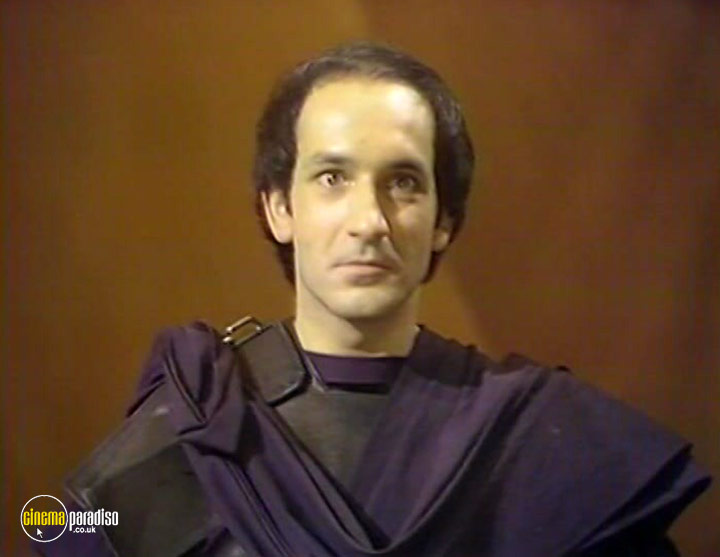
Stewart also drew praise as Snout in Peter Brook's fabled 1970 production of A Midsummer Night's Dream - which brought him his Broadway debut - and as Enobarbus in Trevor Nunn's Antony and Cleopatra, which was filmed for television by Jon Scoffield and can be rented from Cinema Paradiso. Despite his company man reputation, Stewart hoped for more leads than King John (1970) and he told Sue Lawley on Desert Island Discs in 2005 that he regretted never having had the chance to play the likes of Hamlet, Iago, Henry V, or Richard III. He did, however, star as William Shakespeare in Edward Bond's Bingo (1977), which shows the playwright struggling to cope with his success.
Among the other roles that reinforced Stewart's burgeoning reputation were Bulgarian Communist Christo Kabak in Trevor Griffiths's Occupations, Dr Astrov in Anton Chekhov's Uncle Vanya, and George to Billie Whitelaw's Martha in Edward Albee's Who's Afraid of Virginia Woolf? He also proved a perfect partner to Glenda Jackson as Ejlert Løvborg in Henrik Ibsen's Hedda Gabler, which Trevor Nunn filmed as Hedda (1975).
One role gave Stewart trouble, however. Richard Eyre had cast him as Leontes in The Winter's Tale in 1981 and he had no idea how to play him. Dame Peggy Ashcroft had advised him to steer clear of the role because Leontes was such a cruel villain that everyone in the audience hates him. But Eyre suggested that Stewart applied a little Method to the problem and he drew on his resentment towards his father to find the anger he needed for the part. The following year, he became the first actor to speak on the new stage at The Barbican in Trevor Nunn's Henry IV, Part One. Another triumph followed, when Stewart appeared with the London Symphony Orchestra in Tom Stoppard's Every Good Boy Deserves Favour. He emerged from the orchestra to play a doctor in a Soviet mental hospital and conductor André Previn used to put soap on the strings of his violin to prevent it making a noise, while Stewart bowed furiously.
He appeared in over 60 productions with the RSC until 1982, during which time he forged a link with Professor Homer Swander, who asked him to read extracts from Shakespeare to bring them alive for his students at the University of California, Santa Barbara. This led to Stewart becoming a member of Actors in Residence, which gave readings in colleges across the USA. One night in 1986, Stewart was leading a session in Los Angeles when Robert H. Justman, a producer involved in a spin-off series of Star Trek (1966-69), turned to his wife and said, `We've found our captain.'
We'll come to this phase in Stewart's career presently, although he had been reluctant to sign up for a long-term commitment, as his first love was the theatre. He would later refer to a `gaping hole' on his CV, where the great Shakespearean roles should have been. But his stint in outer space gave Stewart a new confidence and several esteemed critics claimed that he became a better stage actor as a result.
Missing the stage during his TV exile, Stewart wrote a one-man show based on Charles Dickens's A Christmas Carol, a story he had performed in Mirfield to raise funds for a new church organ. Playing over 40 characters, Stewart earned the Drama Desk Award for Outstanding One-Person Show for his Broadway run. An Olivier followed in 1994 for Best Entertainment For Solo Performance after a festive season in London. He would return to the West End in 2005 after having played Los Angeles in 1996 and Broadway in 2001, with the proceeds all going to a 9/11 charity. Moreover, he would receive a Screen Actors Guild Award nomination for his turn as Scrooge in David Hugh Jones's A Christmas Carol (1999), which is available from Cinema Paradiso.
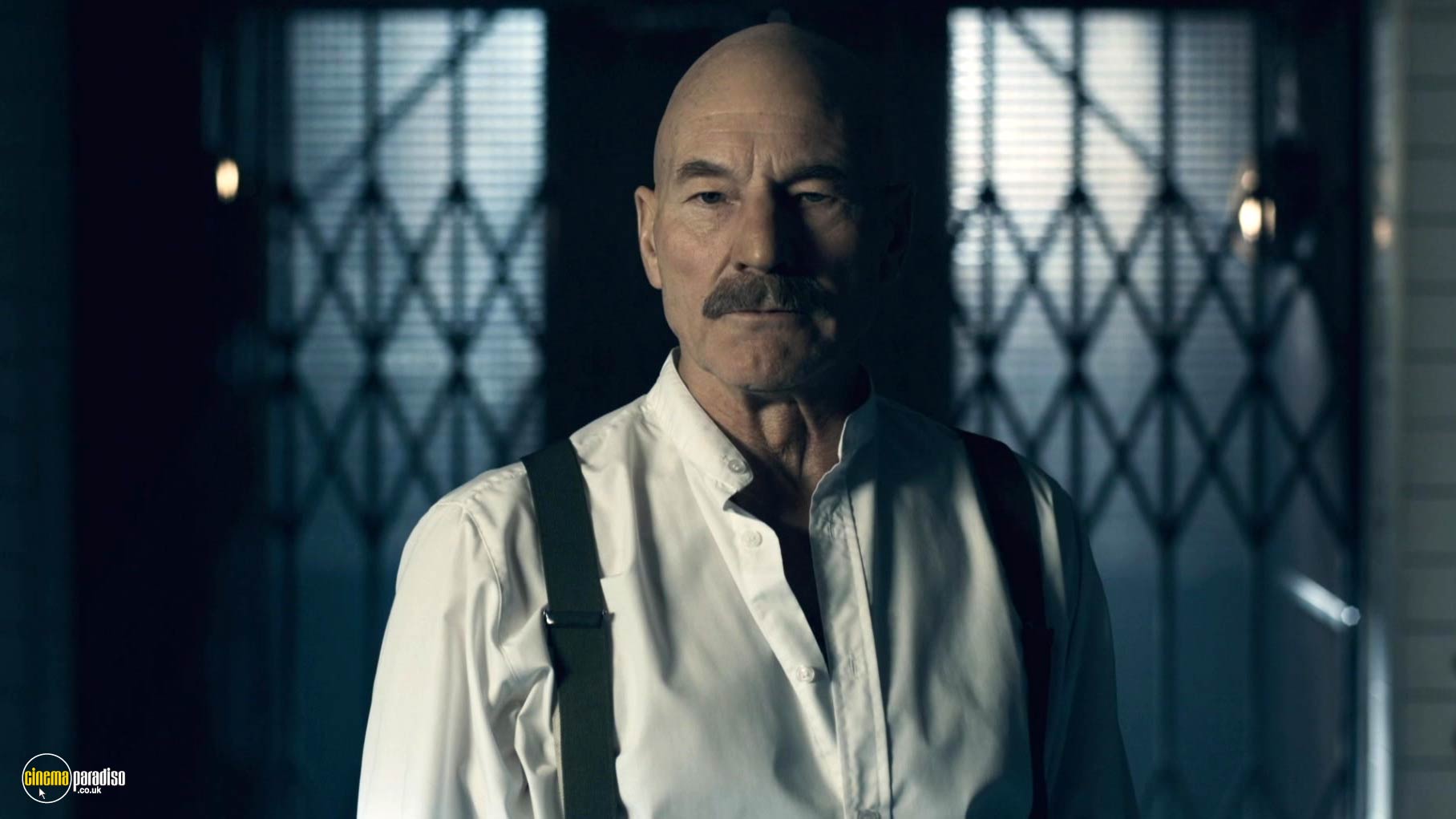
Unleashed back on to the stage, Stewart played Prospero in The Tempest as part of Shakespeare in the Park and then on Broadway in 1995 before reprising the role during the Royal Shakespeare Company's Complete Works Festival in 2006. In 1997, he was the Moor in Jude Kelly's `photo negative' production of Othello, with an otherwise all-Black cast. A decade later, he was acclaimed for his teaming with Harriet Walter in Antony and Cleopatra, which he followed by taking the title role in Macbeth at the age of 67. He grew a moustache for show and later revealed, `My father didn't have one, but when I looked in the mirror just before I went on stage I saw my father's face staring straight back at me.'
The following year, Stewart won the Olivier Award for Best Supporting Actor for his work as the Ghost and Claudius opposite David Tennant in Hamlet, which is available to rent on DVD and Blu-ray. He also relished teaming with old friend Ian McKellen to play Vladimir and Estragon in Samuel Beckett's Waiting For Godot (2009), as it fulfilled a 50-year ambition to appear in the play after having seen Peter O'Toole's Vladimir in Bristol when he was a student. The knights took the play to Broadway in 2014, twinning it with Harold Pinter's No Man's Land.
Throw in Malvolio in Twelfth Night, Halvard Solness in Ibsen's The Master Builder, and Davies in Pinter's The Caretaker and you have quite a career on the boards. Fittingly, one of Stewart's final stage engagements saw him play veteran thespian Mr Robert, jousting with Joshua Jackson's upcoming John, in David Mamet's A Life in the Theatre. But what about his life on the screen?
Seen on Screen
It's fair to say that Patrick Stewart got off to a slow start on the screen. He was first seen as Jack in Story Parade (1964) before he played two roles in the Theatre 625 production of Oliver Goldsmith's She Stoops to Conquer (1966). The following year, he was glimpsed as a fire officer in an episode of Coronation Street, while he and Ian Richardson played the gravedigger and Hamlet in an Episode Six scene for Kenneth Clark's cultural masterpiece, Civilisation (1969).
During the 1970s, Stewart graced several drama showcases on the BBC and ITV,
notably playing Rodion Nemov in the BBC Play of the Month adaptation of
Aleksandr Solzhenitsyn's The Love-Girl and the Innocent (1973),
which can be rented from Cinema Paradiso on Alan Clarke At the BBC:
Vol.1: Dissent 1969-1977 (2016). He also took guest roles in such
excellent series as Fall of Eagles and TV movies like The
Gathering Storm (both 1974), in which his bald head came in handy for
playing Vladimir Ilych Lenin and Clement Attlee. Having played Wulfric in an
episode of Churchill's People, he made his feature debut as Tilney in
Don Sharp's Hennessey (1975), which starred Rod Steiger, who had so
fascinated the teenage Stewart alongside Marlon Brando in Elia Kazan's On
the Waterfront (1954) that he chose Leonard Bernstein's
score as one of his eight pieces on Desert Island Discs.
In a rare romantic lead, Stewart was John Thornton to Rosalind Shanks's Margaret Hale in the BBC serialisation of Elizabeth Gaskell's North and South (1975). He followed this by playing Sejanus, the menacing right-hand man of the Emperor Tiberius (George Baker), in the BBC's superb take on Robert Graves's I, Claudius (1976), and he was equally uncompromising as Karla, the head of the Soviet Thirteenth Directorate, in John Le Carré's Tinker Tailor Soldier Spy (1979) and Smiley's People (1982), which starred the inscrutable Alec Guinness.
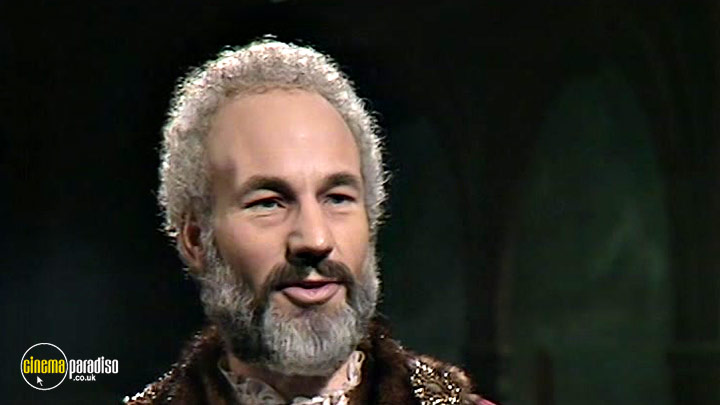
Reuniting with Derek Jacobi, Stewart was Claudius to his Hamlet in Hamlet, Prince of Denmark (1980), which formed part of the BBC Television Shakespeare series. The same year saw a change of direction, as Stewart played Dr Robert Knox in Julian Aymes's The Anatomist and he would delve into the murky world of bodysnatching again as Professor Macklin in Freddie Francis's The Doctor and the Devils (1985). Having essayed Wilkins in Jack Gold's Little Lord Fauntleroy, with Alec Guinness and Ricky Schroeder, Stewart found himself in a bona fide cult hit, as King Leodegrance, the father of Guenevere (Cherie Lunghi) in John Boorman's Arthurian fantasy, Excalibur (both 1981).
The same year, he had his first taste of series television, as he played psychiatric consultant Dr Edward Roebuck in 20 episodes of Maybury for the BBC. During a busy 1984, Stewart followed Polish head of state Wladyslaw Gomulka in Herbert Wise's Pope John Paul II by playing Duffner in Masato Harada's motorcycling action drama, Uindii (aka Windy Story). He was also cast as Gurney Halleck, the adviser to Paul Atreides (Kyle MacLachlan) in David Lynch's esoteric take on Frank Herbert's Dune (1984), during which Stewart had an awkward off-camera conversation with Sting (who he didn't know from Adam), in which he asked if he played in a police band.
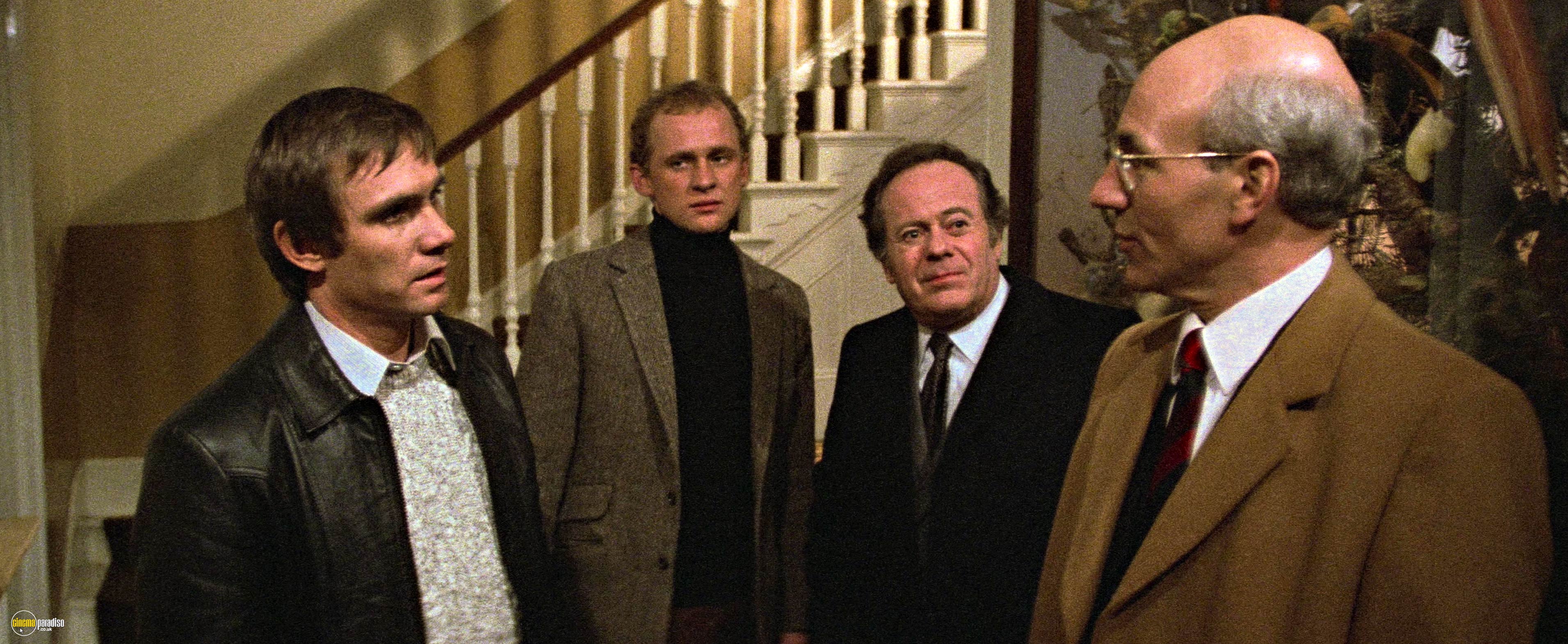
No sooner was he done with Colonel Peters in Jonathan Sanger's Code Name: Emerald than Stewart cropped up as hospital manager Dr Armstrong in Tobe Hooper's Lifeforce and as a Russian general in Peter Hunt's Wild Geese II, which centred on a bid to free Rudolf Hess from Spandau Prison in Berlin. Completing a packed 1985, Stewart was Lorenzo Querini in David Tucker's little-seen The Holy Experiment before he tackled the small-screen duo of The Mozart Inquest (1986) and The Devil's Disciple (1987), in which he respectively played Antonio Salieri and Anthony Anderson in the Screenplay and Theatre Night series.
In between came a reunion with Trevor Nunn that saw him play Henry Grey, Duke of Suffolk, as he plots to put daughter Lady Jane Grey (Helena Bonham Carter) on the English throne in Lady Jane (1986). He wouldn't make another feature for five years, however, as his career was about to go into warp speed.
Making It So
Nothing came easy after Stewart was cast as Captain Jean-Luc Picard in Star Trek: The Next Generation (1987-94). Gene Roddenberry, the creator of the original series, had such misgivings about `the bald English guy' that he reportedly told staff, `Patrick Stewart's name should never, ever be mentioned in my presence again!' It took Stewart three auditions over six months to land the role, with Patrick Bauchau, Yaphet Kotto, Stephen Macht, Edward James Olmos, and Mitch Ryan all being mentioned in dispatches.
Stewart admitted knowing little about Star Trek and had such negligible interest in science fiction that he had once asked Lalla Ward why she had wasted her talent playing Romana II in Doctor Who (1979-81). Ian McKellen pleaded with Stewart not to throw his stage career away on a silly sci-fi series. But he was tempted by both the money and the boost the show would give to his profile. He had misgivings about signing a long-term contract, however, as his commitment would limit his stage opportunities. But insiders assured him that the spin-off wouldn't last beyond the first season because Trekkies were so loyal to the USS Enterprise crew led by Captain James Tiberius Kirk (William Shatner), which had enjoyed a new lease of life on the big screen in Star Trek: The Motion Picture (1979), Star Trek II: The Wrath of Khan (1982), Star Trek III: The Search For Spock (1984), and Star Trek IV: The Voyage Home (1987). Two more instalments would follow, Star Trek V: The Final Frontier (1989) and Star Trek VI: The Undiscovered Country (1992).
Having battled to get the role, Stewart discovered that the Screen Actors Guild already had a Patrick Stewart on its books and he had to use the name, Patrick Hewes Stewart, while he negotiated a compensation deal with his namesake. But he was far from a household name in Britain, let alone in the United States and many would have concurred with the Los Angeles Times when it announced that Picard would be played by `an unknown British Shakespearean actor'. Mischievously, one of Stewart's castmates pasted the phrase on his dressing-room door.
Picard's crew consisted of William Riker (Jonathan Frakes), Data (Brent Spiner), Worf (Michael Dorn), Geordi La Forge (LeVar Burton), Deanna Troi (Marina Sirtis), Tasha Yar (Denise Crosby), Dr Beverly Crusher (Gates McFadden), and Wesley Crusher (Wil Wheaton). But Stewart didn't initially cotton on to the American way of working and once berated his fellow actors for their relaxed attitude on set with the words, `We're not here to have fun.' Despite living out of a suitcase and being on call at 4:45am each day, he got into the swing of things as Season One progressed and felt more at home after Roddenberry closed down a reporter who had snarked, `Surely they would have cured baldness by the 24th century,' by responding, `In the 24th century, they wouldn't care.'
It also helped that he was able to see past the technobabble that had initially made his heart sink when he saw it in the script and started to take the scenario more seriously after realising that Picard was every bit as noble as the Shakespearean characters he had played on stage. In his memoir, he wrote: `I should play Jean-Luc, I realised, as if he were a character in Henry IV, which is about brave men.' As both Jonathan Frakes and Marina Sirtis revealed, however, the rest of the cast also responded to Stewart's levels of professionalism and raised their game as a consequence. Audiences responded to both the acting and the well-written scripts, with viewing figures rising across the 178 episodes. Indeed, the final episode, `All Good Things...', drew 30 million viewers.
Most importantly, Trekkies bought into the series and Stewart was amazed on attending his first Star Trek convention to be met by two and a half thousand people who `already knew more about me than I could ever possibly have believed'. In 1992, TV Guide declared him `the most bodacious' man on television', while he received a star on the Hollywood Walk of Fame in 1996. The series also made him rich. Yet, while it racked up 19 Emmy during its run, Stewart was never nominated once, although he did receive a nod from the Screen Actors Guild for Outstanding Performance by a Male Actor in a Drama Series in 1995.
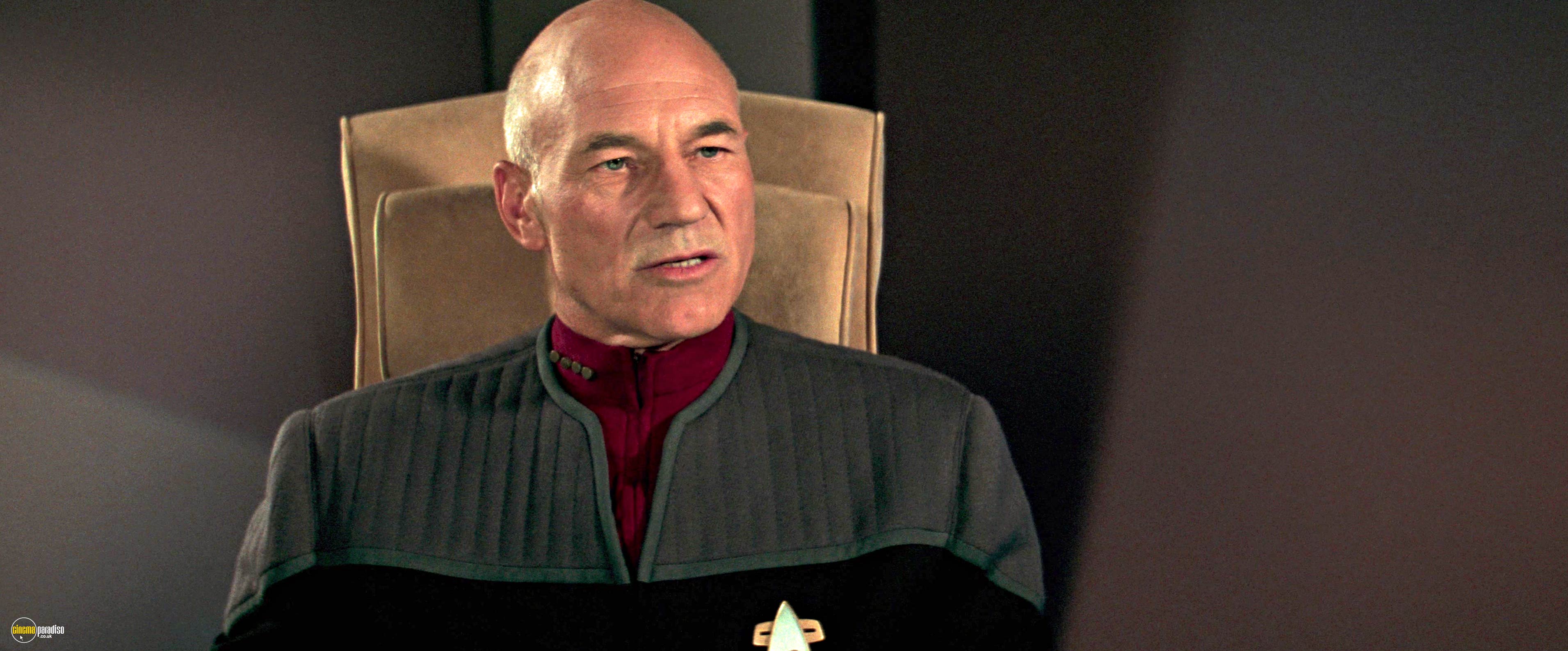
Reflecting on the highlight of his career in 2011, Stewart chose Star Trek: The Next Generation, because `it changed everything'. He continued, `The fact is all of those years in the Royal Shakespeare Company - playing all those kings, emperors, princes and tragic heroes - were nothing but preparation for sitting in the captain's chair of the Enterprise.' He went on to play the role in `Emissary', the 1993 pilot episode of Star Trek: Deep Space Nine, before taking Picard to the big screen in Star Trek Generations (1994), Star Trek: First Contact (1996), Star Trek: Insurrection (1998), and Star Trek: Nemesis (2002). Such was his commitment to the role that he returned to it for 30 episodes across three seasons of Star Trek: Picard (2020-23), which focussed on the retired Starfleet admiral. In the final season, Stewart was reunited with Brent Spiner, LeVar Burton, Michael Dorn, Jonathan Frakes, Gates McFadden, and Marina Sirtis, as the crew of the Enterprise set out to save the son Picard never knew he had.
As Next Generation ended, Stewart realised that it was going to be difficult to simply shed Picard. `It came to a point,' he later reflected, `where I had no idea where Picard began and I ended. We completely overlapped. His voice became my voice, and there were other elements of him that became me.' He even discussed the impact the part had on his life when William Shatner came to his home in Little Tew in Oxfordshire for The Captains (2014), which was released alongside Chaos on the Bridge, in which Shatner traced the travails of the various TV incarnations of Star Trek. In a later interview, Stewart conceded, `Looking back now it still frightens me a little bit to think that so much of my life was totally devoted to Star Trek and almost nothing else.'
He told The Times, `No director in Hollywood wanted to cast this grand, deep-voiced, bald English guy because everybody knew he was Picard and couldn't possibly be anybody else. In the event, he effectively reprised the part as Professor Charles Xavier - a grand, deep-voiced, bald English guy - in the X-Men films.'
When approached about joining the cast of Bryan Singer's X-Men (2000), Stewart agains felt reluctant to commit to such a commercial project as this adaptation of Stan Lee and Jack Kirby's Marvel Comic series. This time, however, Ian McKellen was urging him to sign up, as he had agreed to play Erik Lehnsherr (aka Magneto), who doubts Xavier's contention that humans and mutants can live together peacefully. Completing the cast were Hugh Jackman as Logan/Wolverine, Halle Berry as Ororo Munroe/Storm, James Marsden as Scott Summers/ Cyclops, Anna Paquin as Marie D'Ancanto/Rogue, Shawn Ashmore as Bobby Drake/Iceman, Rebecca Romijn-Stamos as Mystique, and Famke Janssen as Jean Grey.
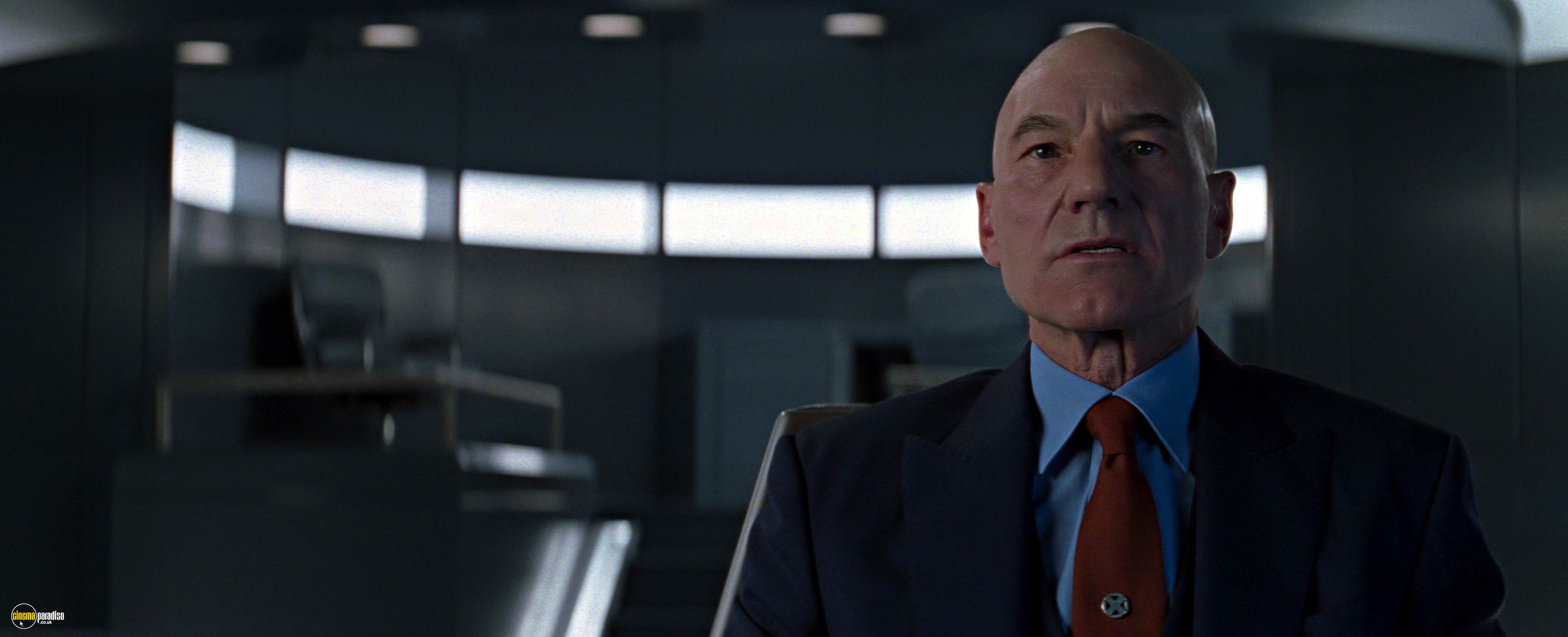
Once again finding complexities in a role that challenged him, Stewart played Xavier in X2 (2003) and X-Men: The Last Stand (2006) before returning for the prequels, X-Men: First Class (2011), X-Men: Days of Future Past (2014), X-Men: Apocalypse (2016), and Dark Phoenix (2019), as well as the Wolverine trilogy of Wolverine (2009), The Wolverine (2013), and Logan (2017). He even cropped up in Doctor Strange in the Multiverse of Madness (2022) and voiced the role in such video games as X-Men Legends, X-Men Legends II, and X-Men: Next Dimension. Indeed, Stewart's final film appearance was as Charles Xavier in Avengers: Doomsday, which is due to release at the end of 2026.
When asked if he approached Marvel Comics as seriously as the classics, Stewart replied: `Absolutely. The moment you don't do that...go on! Give it up. It is as important a serious piece of work as Strindberg or Ibsen. You don't shortchange the work because it is a comic book franchise for a studio. I think entertaining is a serious business and shouldn't be taken half-heartedly.' For almost 40 years, he brought his stage technique and RSC gravitas to his franchise blockbusters and, in return, they gave him a freedom, authority, and confidence that made him a better actor. Yet, while the headlines following his death inevitably referenced the fanboy favourites, there was so much more to Patrick Stewart, both before and after Picard and Xavier.
Sounds Familiar
There have been few more distinctive voices in film or television over the last four decades than Patrick Stewart's sonorous baritone, which retained a hint of northern brogue, despite taking elocution lessons early in his career. In addition to reciting verse, narrating, or bringing depth to dramatic characters, Stewart also used voiceovers to demonstrate his rascally sense of humour, particularly in conjunction with Seth MacFarlane.
His first animated assignment was Martin Rosen's adaptation of Richard Adams's The Plague Dogs (1982), in which Stewart played Major John Awdry, the army officer sent to recapture escaped lab hounds Rowf (Christopher Benjamin) and Snitter (John Hurt) after it is mistakenly reported that they are carrying bubonic plague. Having won a Spoken Word Grammy for narrating Sergei Prokofiev's Peter and the Wolf, he was invited to deliver the prologue and epilogue of Tim Burton and Henry Selick's The Nightmare Before Christmas (both 1993), only to be replaced by Ed Ivory (who also voiced Santa Claus). However, Stewart was cast as the piratical Adventure alongside Whoopi Goldberg's Fantasy and Frank Welker's Horror accompanying Richard Tyler (Macaulay Culkin) on his literary journey in Joe Johnston and Maurice Hunt's The Pagemaster (1994).
Having narrated 500 Nations (1995), an eight-part history of the Indigenous peoples of the Americas, Stewart was one of the narrators of the six-part BBC documentary series, Sex and the Silver Screen (1996). Then, he cropped up as Number One in the `Homer the Great' episode of The Simpsons (1995). Three years later, he brought menace to the part of Pharaoh Seti, who orders the slaughter of all newborn Hebrew baby boys in Brenda Chapman, Steve Hickner, and Simon Wells's animated Moses saga, Prince of Egypt (1998), which Stewart followed by voicing Napoleon, the dictatorial pig, in John Stephenson's tele-adaptation of George Orwell's Animal Farm (1999). The same year saw him narrate a series of videos promoting Mirfield's neighbouring town, Dewsbury.
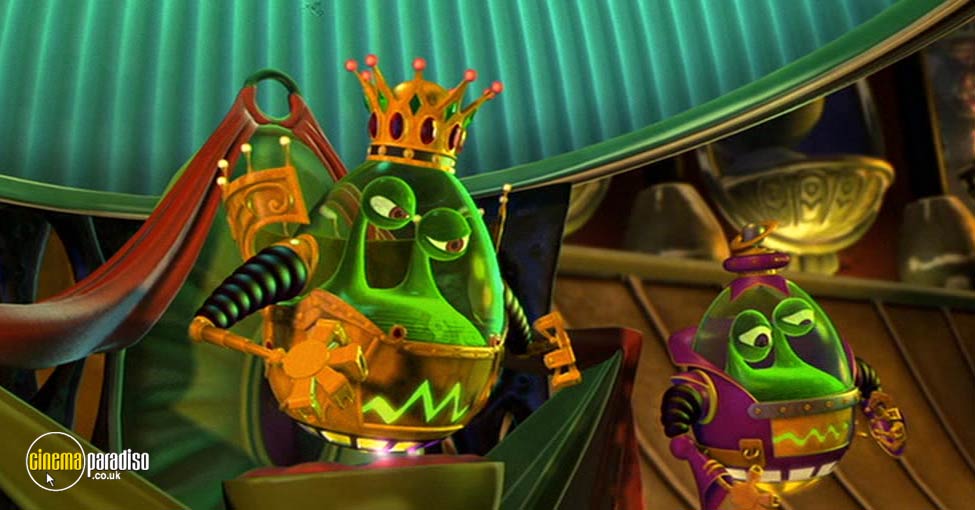
Starting the new millennium, Stewart recorded The Complete Shakespeare Sonnets before his voice was sampled from Star Trek: First Contact for the `Something You Can Do with Your Finger' episode of South Park (both 2000). He enjoyed himself as King Goobot V, the leader of the Yolkians who kidnaps all the grown-ups from Retroville in John A. Davis's Jimmy Neutron: Boy Genius (2001) before taking on dubbing duties as Lord Yupa in Disney's 2003 English-language take on Hayao Miyazaki's 1984 Studio Ghibli fantasy, Nausicaä of the Valley of the Wind, and as Dr Lloyd Steam in Katsuhiro Otomo's Steamboy. Also in 2004, he played Albert Drollinger, the animator who created the characters who find themselves at large in the human world in Lenard Fritz Krawinkel and Holger Tappe's Boo, Zino & the Snurks.
Stewart's longest-running vocal association, however, was with Seth MacFarlane. As CIA Deputy Director Avery Bullock, his voice and likeness featured in 125 episodes of American Dad (2005-). But he also narrated MacFarlane's Ted (2012) and Ted 2 (2015) and made an uncredited cameo as the Dream Voice in A Million Ways to Die in the West (2015). Most significantly, he also made several guest appearances in Family Guy (1999-). He was Picard in `Peter's Got Woods' (2005) before he swapped voices with Peter Griffin in `No Meals on Wheels' (2007). Having crossed over as Bullock for `Lois Kills Stewie' (2007), he played himself alongside several other Next Generation stalwarts in `Not All Dogs Go to Heaven' (2009), a wonderful romp in which Stewie teleports the cast to his bedroom and takes them for a day out to the fair.
The same year, Stewart voiced Melvin Shivelman in the Woody Allen parody, Bullets Over Broadway, in `Fox-y Lady' before he guested as a black cat who teaches English literature in `And Then There Were Fewer'. Later in 2010, he was Richard `Dick' Pump in `Halloween on Spooner Street'. He also narrated `Vestigial Peter' (2013) and appeared as a water bear or tardigrade in `Big Trouble in Little Quahog' (2018). But Stewart's only recurring gig was as the inner monologue of baby Susie Swanson in `The Hand That Rocks the Wheelchair', `Thanksgiving' (both 2011), `Internal Affairs', and `Joe's Revenge' (both 2012).
Away from Fuzzy Door Productions, Stewart shared narrating duties with Ian Holm on Justin Hardy's The Last Dragon (2004) and Cinema Paradiso users can also hear his authoritative contributions to High Spirits With Shirley Ghostman (2005), Earth (2007), Inside Planet Earth (2009), Mountain Gorilla (2010), African Cats (2011), Journey to Le Mans, and Sinbad: The Fifth Voyage (both 2014). They can also savour him voicing Mr Woolensworth, the strict teacher at Oakey Oaks Middle School, in Mark Dindal's Chicken Little. Also in 2005, he could be heard as The Raven in Julian Gibbs's The Snow Queen, while he was also The Great Prince of the Forest in Brian Pimental's Bambi 2 (2006). Changing tack, he was Max Winters, the tycoon searching for the thirteen monster, in Kevin Munroe's TMNT (2007).
Fresh from essaying the statuesque Bill Shakespeare in Kelly Asbury's Gnomeo and Juliet (2011), Stewart had fun as Ariscratle, the saber-toothed squirrel ruler of the island of Scratlantis, in Steve Martino's Ice Age 4: Continental Drift (2012). In addition to contributing voices to Robot Chicken (2012-14), he also guested as the Master of the Hunt in the 2012 `31st Century Fox' episode of Futurama (1999-) prior to making a return to Springfield, as Homer's unnamed co-worker at the nuclear power plant in the `The Fabulous Faker Boy' episode of The Simpsons.
Also in 2013, Stewart played Tugg the talking tree who sacrifices his roots to make a boat in Will Finn's Legends of Oz: Dorothy's Return, which he followed by voicing astronomer William Herschel in `A Sky Full of Ghosts', a 2014 episode of Cosmos: A Spacetime Odyssey. He would reprise the role in `Lost City of Life' in Cosmos: Possible Worlds (2020). In between times, he appeared as himself in an episode of Unbreakable Kimmy Schmidt, which went out the same year as the documentary series, Connected Universe, which Stewart narrated. Also in 2016, he voiced the captain of the flagship battle cruiser in Aaron Woodley's Spark: A Space Tail and followed in the footsteps of Sean Connery by voicing Draco in Patrik Syverson's Dragonheart: Battle For the Heartfire.

He took great delight in informing the media that his Poop in Tony Leondis's The Emoji Movie (2017) had been `a lifelong work in progress', But he accepted fewer voiceover offers in his later years, although he was Nettlebrand in Tomer Eshed's Dragon Rider (2020), Pigtrick Stewart in Riz Ahmed's Bait, and Sir Ritchfield, the elderly Boreray Blackface ram in Kyle Balda's The Sheep Detectives (both 2026).
Not content with these impressive credits, Stewart also voiced commercials for TSB Bank, Domestos bleach, Shell petrol, and Moneysupermarket.com. He also contributed to numerous video games, including Castlevania: Lords of Shadow, Forgotten Realms: Demon Stone, Lands of Lore: The Throne of Chaos, and The Elder Scrolls IV: Oblivion. Furthermore, he reprised the role of Picard for Star Trek: Armada, Armada II, Star Trek: Starfleet Command III, Star Trek: Invasion, Bridge Commander, Elite Force II, and Star Trek: Legacy, while also returning as Charles Xavier in X2: Wolverine's Revenge.
He could be heard as the voice of the Magic Mirror in Disneyland's live show, Snow White: An Enchanting Musical, as well as in the fulldome video shows, MarsQuest and The Voyager Encounters. On disc, he emulated William Shatner by narrating a recording of Antonio Vivaldi's The Four Seasons (1995), while he also narrated Rick Wakeman's album, Return to the Centre of the Earth (1999), and a 2004 audio adaptation of C. S. Lewis's The Last Battle. Throughout his career, Stewart took his voice work as seriously as his acting. But it also gave him a platform to demonstrate the sense of humour that also became more evident in his later screen roles.
I've Seen Everything
Although Star Trek took up much of Stewart's time for over a decade, he managed to squeeze in the odd extra-curricular assignment to provide a change of scenery. He stole the show in Steve Martin's L.A. Story (1991), with Mr Perdue from L'Idiot earning the nickname, `the Maitre D' from Hell', while he held his own against Pierce Brosnan and Christopher Lee as Malcolm Philpott, the head of the United Nations Anti-Crime Organisation in David Jackson's Death Train (aka Detonator, 1993), which boasted a screenplay by Alistair McLean. Later that year, he made an imposing Richard the Lionheart in Mel Brooks's Robin Hood: Men in Tights before turning baddie, as wheelchair-bound drug baron Peter Loomis in Deran Sarafian's Gunmen.
Having joined Billy Crystal and Robin Williams to play Sgt Mulvaney in Vincent Paterson's In Search of Dr Seuss (1994), Stewart essayed Sterling, the flamboyantly gay interior decorator in Christopher Ashley's adaptation of Paul Rudnick's AIDS romcom, Jeffrey. This has earned something of a cult cachet, but Eleanor Bergstein's Let It Be Me (both 1995) has somehow slipped through the net, even though Stewart's John gets to share dance classes with Leslie Caron's widowed Marguerite.
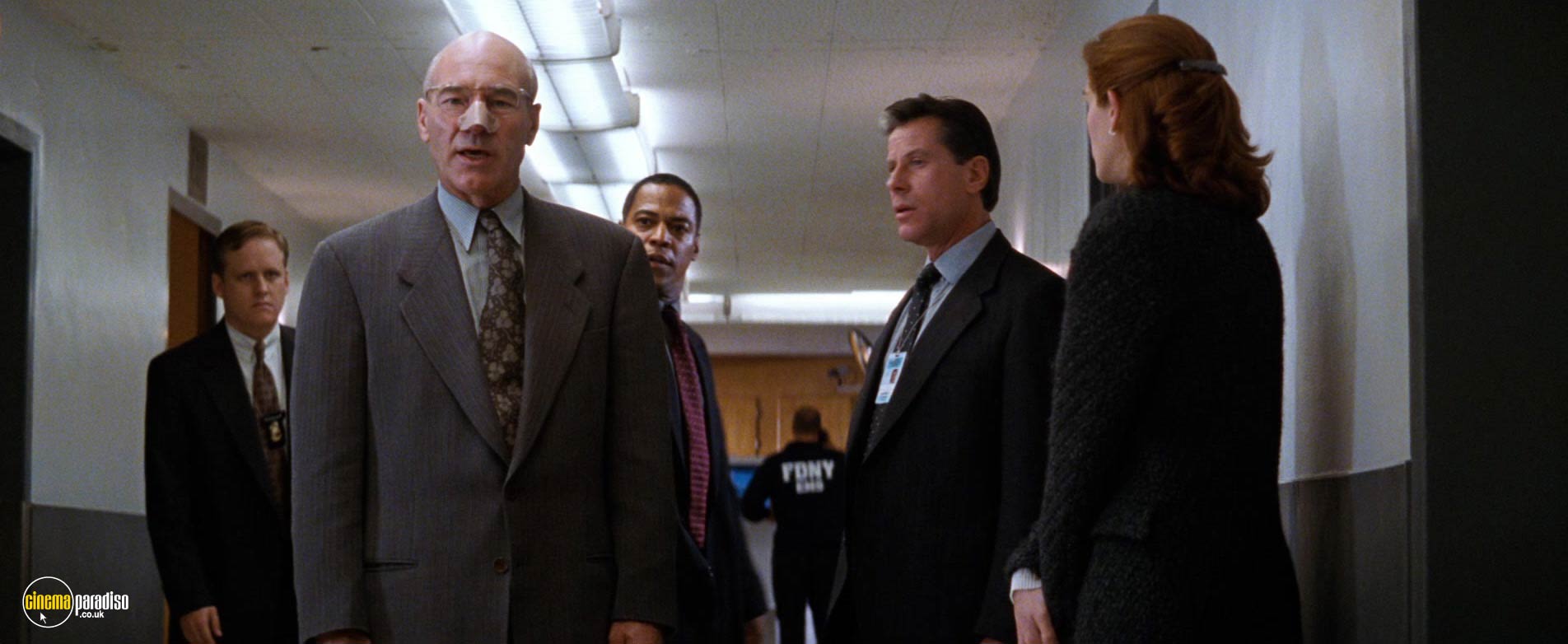
It's also baffling why it's possible to see Stewart as Sir Simon in Syd Macartney's take on Oscar Wilde's The Canterville Ghost (1996), but not his interpretations of Captain Ahab in Franc Roddam's two-part retelling of Herman Melville's Moby Dick (1998), which earned him Emmy and Golden Globe nominations. However, Cinema Paradiso users can order Richard Donner's Conspiracy Theory, in which Stewart oozed menace as Dr Jonas, the psychiatrist with a bandaged nose leading the CIA pursuit of Mel Gibson's Jerry Fletcher, and Roger Christian's Masterminds (both 1997), which sees security consultant Rafe Bentley take hostages at Shady Glen school in order to extract a ransom from a businessman who had fired him for embezzlement.
Another overlooked Stewart performance had him play an East Anglian tulip farmer with a penchant for line-dancing and violent crime in Betsan Morris Evans's Dad Savage, which was followed by Eric Steven Sahl's Safe House (both 1998), in which Mace Sowell, a former operative for the Defense Intelligence Agency, is disbelieved that a presidential candidate is out to kill him because he has been diagnosed with the first stages of Alzheimer's.
Having played Captain James Cook in Gail K. Evenari's docudrama, Wayfinders (1998), Stewart got round to filming his cherished role of Ebnenezer Scrooge in David Hugh Jones's A Christmas Carol (1999). He also got to play a variation on a major Shakespearean figure in Uli Edel's King of Texas (2002), for which he acquired flowing white locks and a long beard to play cattle baron John Lear coming to regret dividing his lands between grasping daughters, Susannah (Marcia Gay Harden) and Rebecca (Lauren Holly).
In 2003, Stewart camped it up as egomaniacal Seattle opera director Alastair Burke hitting on Frasier Crane (Kelsey Grammer) in `The Doctor Is Out' episode of Frasier. He then got to step into the shoes of hero Peter O'Toole by playing Henry II opposite Glenn Close's Eleanor of Aquitaine in Andrei Konchalovsky's The Lion in Winter (ala Lionheart, 2003), for which he received a Golden Globe nomination for his performance and an Emmy for his role as executive producer.
In a busy 2005, Stewart played Captain Nemo in Russell Mulcahy's Mysterious Island before taking on the role of Professor Ian Hood in Stephen Gallagher's four-part ITV thriller, Eleventh Hour. Next up, he played the older version of sportswriter Dent McSkimming looking back on the USA's 1-0 win over England at the 1950 World Cup in David Anspaugh's The Game of Their Lives. But the highlight of the year, without doubt, was Stewart's guest turn in Extras, in which he stuns Andy Millman (Ricky Gervais) with his outline for a comedy in which his James Bond-like character has the power to make women's clothes fall off. Played in deadpan earnest, this is a comic masterclass and `I've seen everything,' was added to Stewart's list of catchphrases.
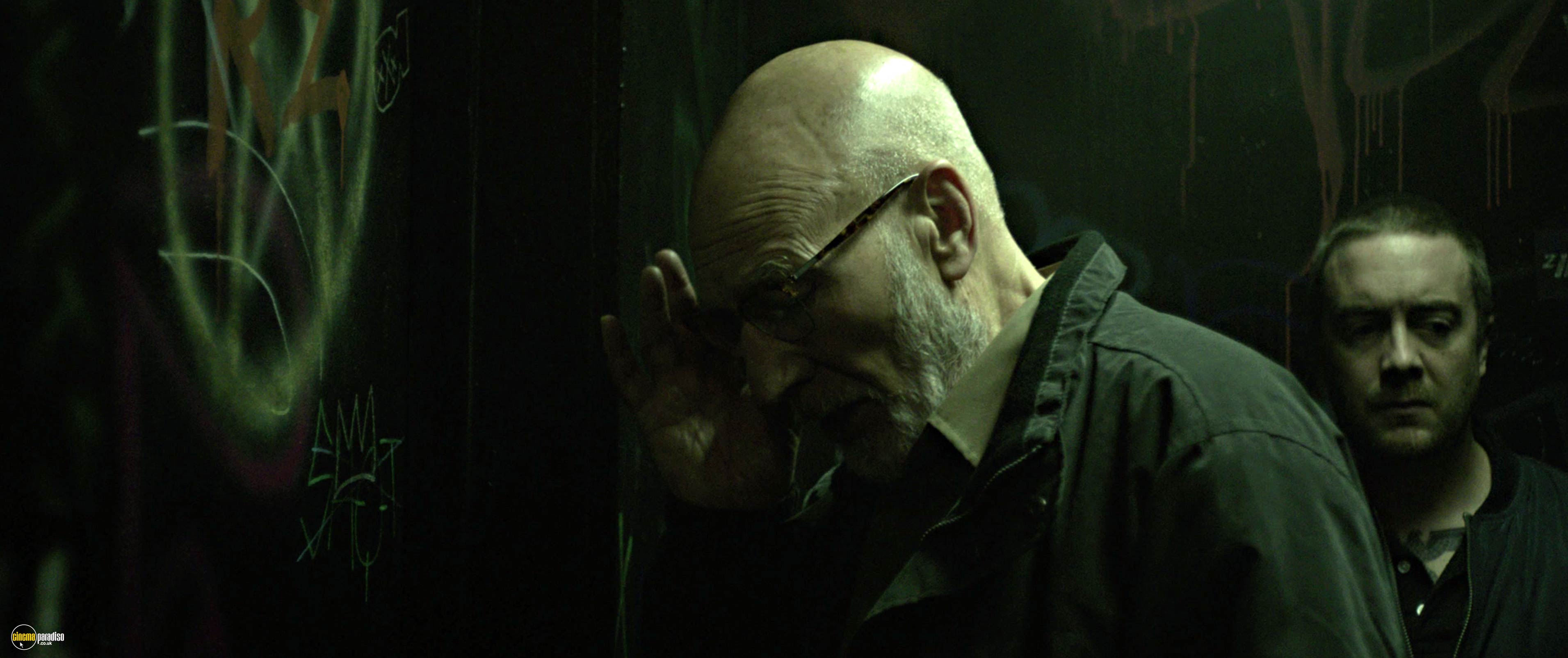
Meeting his motoracing hero, Stirling Moss, in the BBC2 series, Racing Legends, was Stewart's highlight of 2012. But he also played John of Gaunt in two episodes of The Hollow Crown and filmed the role of Michael Simpson, an aristocratic actor trying to lay claim to an estate in Israel, in Reshef Levi's Hunting Elephants (2013). Sadly, neither this nor Stephen Belba's Match (2014) is available to rent, even though Stewart excels as Juilliard ballet instructor, Tobi Powell, who discovers that a couple of interviewers (Carla Gugino and Matthew Lillard) have an ulterior motive for their visit. But Cinema Paradiso members can marvel at Stewart's display as neo-Nazi skinhead, Darcy, who has murderous plans for the metal band Cowcatcher at a small club in the Oregon woods in Jeremy Saulnier's pulse-stopping, Green Room (2015).
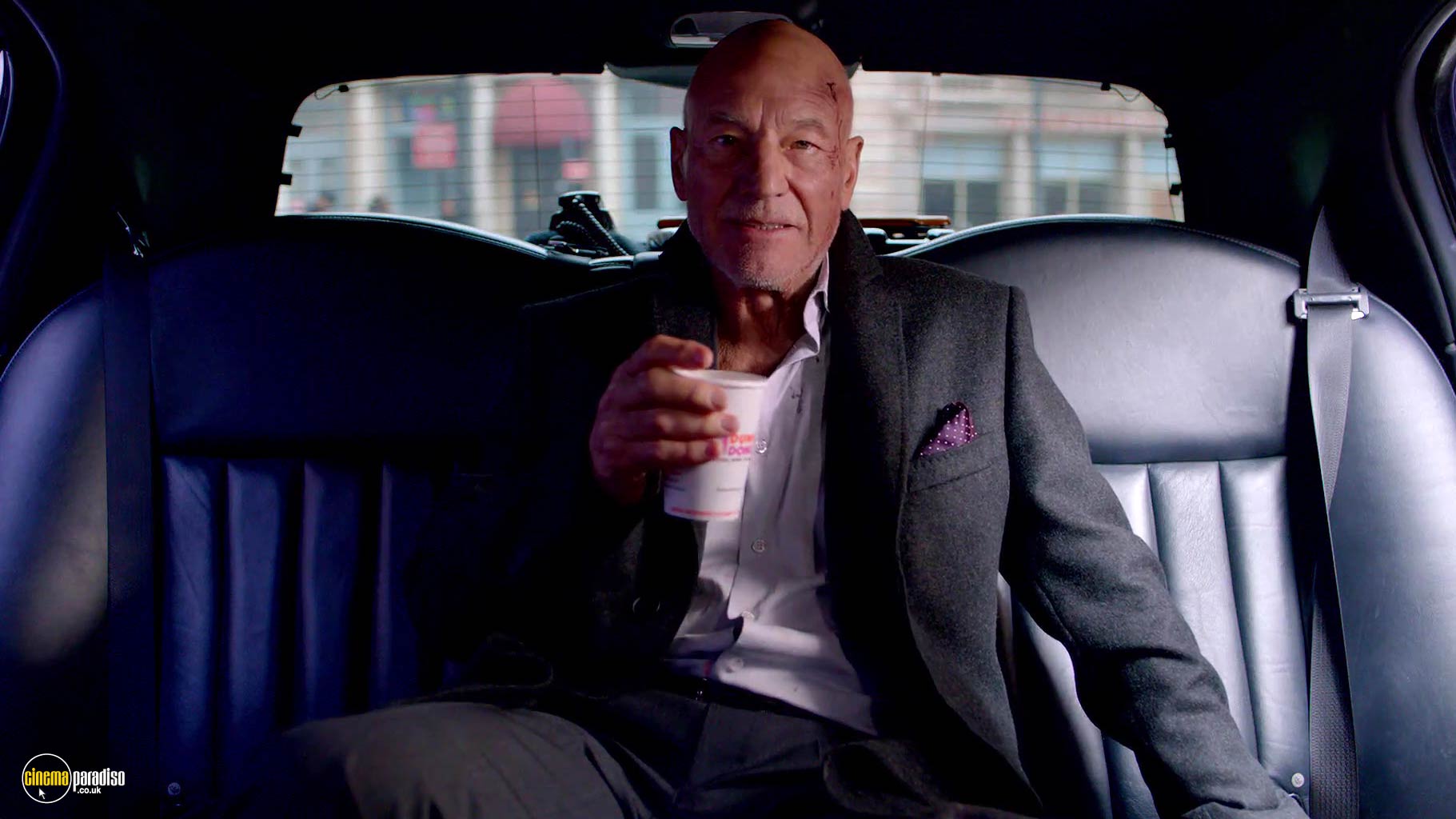
Seth MacFarlane was among the executive producers on Blunt Talk (2015-16), a sitcom in which Falklands War veteran-turned-newscaster, Walter Blunt, tries to reinvent himself in America. Stewart's character shares his name with Sir Walter Blunt, the loyal knight from Henry IV, Part One he had played on his RSC debut half a century earlier. There were also echoes of the past in Mitch Davis's Christmas Eve (2015), as Manhattan businessman Harris gets trapped in a lift and monologues his way to a better understanding of his fellow citizens. Despite not being helped by a mawkish script, Stewart still manages to draw on his wealth of Scroogian experience to make this worth a festive rental.
A reunion with Glenn Close followed in Damian Harris's The Wilde Wedding (2017), in which actress Eve Wilde hopes that Harold is Mr Right after three failed marriages. However, Husband No.1 (John Malkovich) also comes to the ceremony and tension soon mounts as Harold's two daughters get to know their new relations. Having had his say on Brexit in David Nicholas Wilkinson's Postcards From the 48% (2018), Stewart took on the role of John Bosley alongside Kristen Stewart's Sabina Wilson, Naomi Scott's Elena Houglin, and Ella Balinska's Jane Kano in Elizabeth Banks's Charlie's Angels (2019).
In a change of pace, Stewart played concert pianist Henry Cole struggling with stage fright before his comeback in Claude Lalonde's Life With Music (aka Coda, 2019), which co-stars Katie Holmes as empathetic New Yorker music critic, Helen Morrison. The same year saw Stewart make his final appearance in a non-franchise feature, as he played the older Merlin in Joe Cornish's The Kid Who Would Be King, a modern-day telling of the Arthurian legend in which Angus Imrie shares the role of the wizard who can change his age at will.
Patrick Stewart died in Los Angeles at the age of 86 on 28 October 2026 after `a brief and poignant journey' with Alzheimer's disease and Lewy body dementia. He was nursed by third wife, Sunny Ozell, a singer-songwriter who was 38 years his junior, after he had previously been married to Sheila Falconer (1966-90), with whom he had a son (Daniel) and a daughter (Sophia), and Next Generation producer, Wendy Neuss (1997-2000). Stewart and Ozell's wedding ceremony was performed by Ian McKellen in a Mexican restaurant, where the waiter kept butting in to try and take their order.
A lifelong supporter of Huddersfield Town, Stewart had been honoured to be appointed chancellor of the University of Huddersfield (2004-15), where he had used his position to bestow an honorary doctorate upon Cecil Dormand, the teacher who had made his acting life possible. It's tempting to think that Stewart uttered, `Make it so,' as he signed the declaration.
Mentioned films