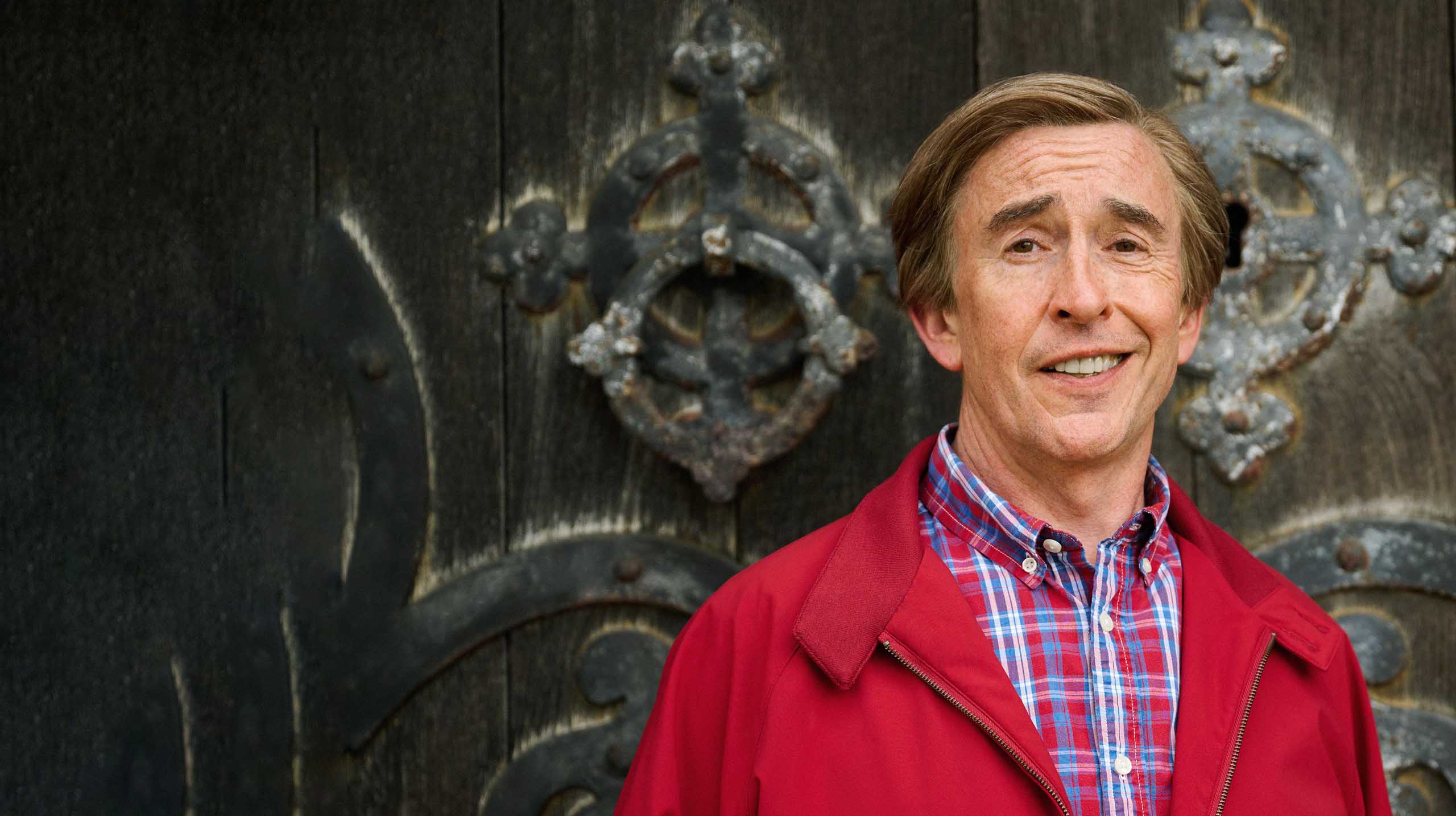
With 24 Hour Party People back in cinemas to mark its 24th anniversary and The Trip to the Northern Lights due to premiere next month, this seems like a good time to get to know Steve Coogan.
`Most of my life has been spent wanting to be somebody else,' wrote Steve Coogan in the first line of his autobiography, Easily Distracted (2015). He discovered his talent for impressions at an early age and people kept telling him that he should be on the telly. Getting there, however, was easier said than done.
Stevie Wonder
Stephen John Coogan was born in Middleton, Lancashire on 14 October 1965. He was the fourth of six children, with Clare, Martin, and David being older and Kevin, and Brendan being younger. Father Tony was an engineer for IBM, but he had been playing in a dance band when he first met Kathleen Coonan, who only had to change one letter of her surname when she got married.
Both parents came from Irish Catholic families and the Coogan kids spent part of each summer in Ireland. Their grandparents lived nearby, however, with `The Spongers' being filmed on their maternal grandmother's housing estate. Cinema Paradiso users can see this hard-hitting social drama on Play For Today, Vol. 2. Kathleen and Tony also fostered several children while Steve was growing up, as they believed it was their Christian duty to help those less fortunate than themselves.
As a boy, Coogan suffered from nightmares linked to the lumbar puncture he had undergone while afflicted with meningitis when he was two. He also lost his memory for six months after being knocked off his bike in 1977. But he has nothing but happy memories of his childhood in a loving household in which a full set of the Encyclopedia Britannica was considered more important than a colour television.
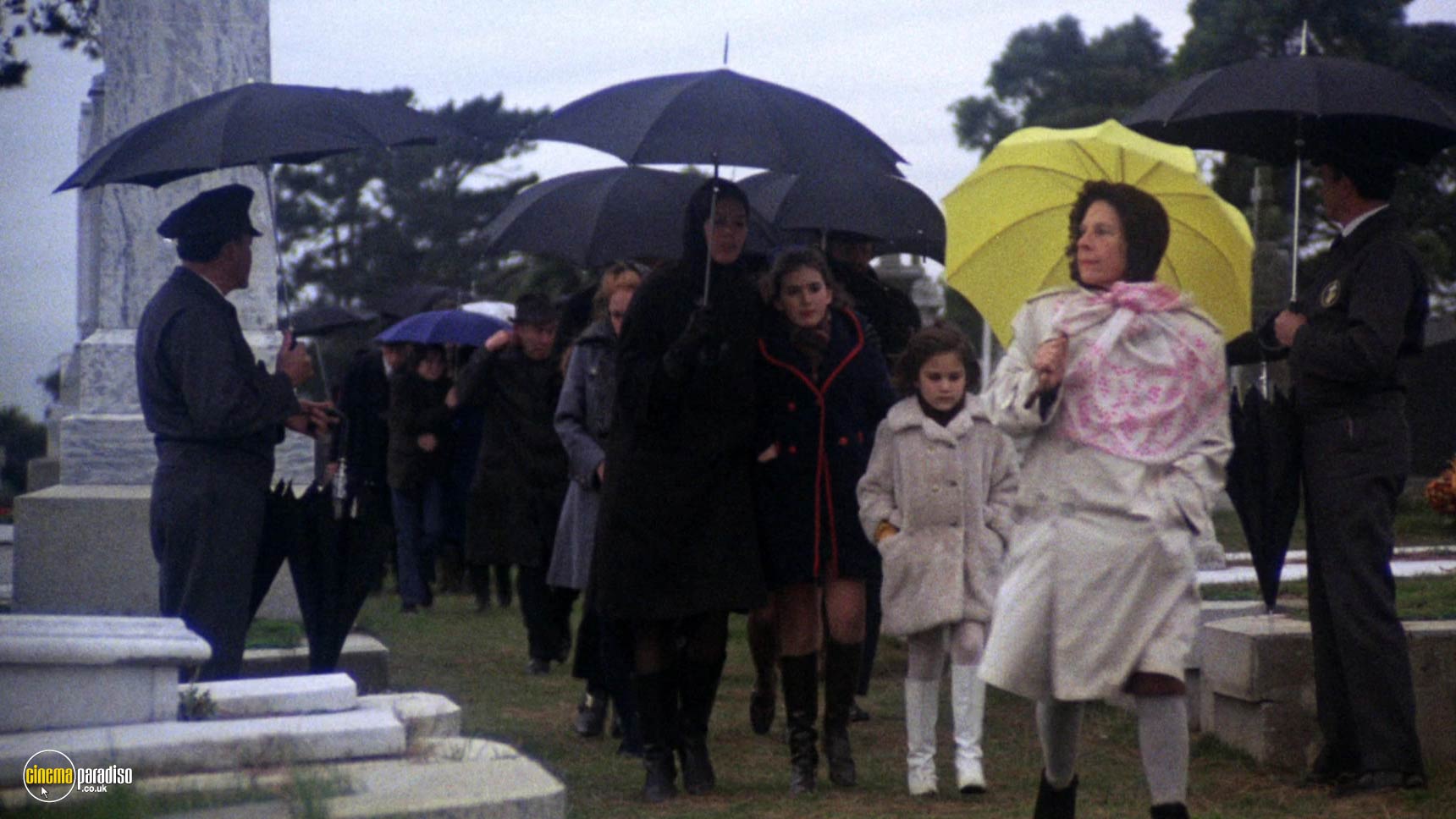
In 1972, the six year-old Coogan appeared in The Wizard of Oz at St Thomas More Roman Catholic Primary School and he was mortified by how awful his Flying Monkey ears were when cameras from Granada Television came to record the show. An altar boy until his mid-teens, he moved on to Cardinal Langley Roman Catholic High School, where he was considered a daydreamer who worked slowly and didn't always understand what was being required of him. An aunt called him Stevie Wonder, while his siblings used to joke that he wouldn't be out of place in Hal Ashby's Harold and Maude (1971) or Some Mothers Do `Ave `Em (1973-78).
In Easily Distracted, Coogan claimed, `I am a product of my Catholic upbringing, my Irish roots, my lower-middle-class background. Of the north, of suburbia, of the grammar school system and the television generation.' He listed children's programmes like Trumpton (1967), Clangers (1971-72), and Bagpuss (1974) among his favourites, along with Tiswas (1974-82). Family appointment viewing of Morecambe & Wise and Mike Yarwood also left an impression, especially as he discovered he was also a natural mimic and he started recording shows on his older brother's cassette recorder so that he could study the voices and delivery patterns of the characters in the likes of Monty Python's Flying Circus (1969-74) and its spin-off series, Fawlty Towers (1975-79) and Ripping Yarns (1976-78).
Although he wrote, `The BBC was my education,' Coogan also learnt a lot from his father's collection of comedy LPs. In addition to The Goons, he also became a fan of Tony Hancock and his writers, Ray Galton and Alan Simpson, who would go on to create Steptoe and Son (1962-74). Another writing team who proved influential were Dick Clement and Ian Le Frenais, who wrote The Likely Lads (1964-66), Whatever Happened to The Likely Lads? (1973-74), and Porridge (1974-77).
Always a lover of fast cars and slick action, Coogan also developed a taste for James Bond movies, as well as The Persuaders! (1971-72) and The New Avengers (1976-77). But it was comedy that most intrigued him. Admitting a soft spot for The Good Life (1975-78), he later identified Dad's Army (1968-77), Rising Damp (1974-78), and Fawlty Towers as the shows that had the biggest impact on his most famous creation, as there were elements of Captain Mainwaring, Rigsby, and Basil Fawlty in Alan Partridge. Curiously, he has also credited Les Dawson with being an influence on one of another early creation, Paul Calf, although he was also rooted in both the co-workers who had mocked Coogan for reading The Guardian after he landed a job at a chemical plant in Rochdale and the Hooray Henrys who had brayed so irritatingly at his student pub.
Pauline Calf was modelled on one of the girls who had thumped the older boys after Cardinal Langley became a co-educational comprehensive during Coogan's third year. Around this time, he discovered The Young Ones (1982-84) and the fact that Rik Mayall had hit such heights after studying in Manchester convinced Coogan that he also had a chance of making it in comedy. As his parents had always hoped that he would become a teacher, they were concerned by his career choice, with his father informing him that he would never make a living from acting the goat.
Making an Impression
Despite having to settle for Polonius after brother Kevin had pipped him to the title role in a school production of Hamlet, Coogan had set his heart on becoming an actor. He had returned to Cardinal Langley to resit his A levels, but dropped out after seeing a Job Centre listing for a small regional theatre company. Coogan credits director Andy Mulligan with teaching him to lose his inhibitions in the playlets the small company performed for schools and adult education centres. Mulligan also helped him prepare for his audition for the Diploma in Theatre course at Manchester Polytechnic after failed auditions at some of London's prestigious drama schools had left him feeling like `Frank Spencer drowning in a sea of Mr Darcys.'
Having enacted speeches from William Shakespeare and Arnold Wesker, Coogan returned to the audition stage in the guise of Duncan Thickett, the doltish wannabe thespian who was his first comic character. He was offered a place on the spot, but waited to see whether the gambit would also work at his RADA callback. When it didn't he decided to follow in the footsteps of Bernard Hill and David Threlfall and study at the Poly where Victoria Wood had met Julie Walters met at an audition.
Among the pals Coogan made were John Thomson and Simon Greenall, who would go on to play key roles in his early success. Two years above Coogan, Greenhall invited him to work on The Buzz at BBC Radio Manchester. This gave him the confidence to do impression sets at local pubs and he soon came to prefer playing live and hearing punters laugh to listening to his lecturers trying to drum the importance of Stanislavski and Brecht into him. He also started making good money recording commercials for Piccadilly Radio and even got to be a spear carrier in a Royal Exchange production of Sophocles's Oedipus, starring David Threlfall.
Combining stand-up with emcee slots on the burgeoning Manctester music scene, Coogan's star began to rise. Having been invited to appear on First Exposure (1988), the 22 year-old was recruited by Spitting Image (1984-96), the satirical puppet show whose digs at the establishment had made it essential viewing. Working alongside Chris Barrie, Harry Enfield, Jon Glover, Steve Nallon, and Kate Robbins, Coogan started out voicing Douglas Hird and Jeffrey Archer before branching out over the next six years to do Stephen Fry, Ben Elton, Stan Laurel, Geoffrey Howe, John Major, Neil Kinnock, and Paddy Ashdown. In all, he did 65 episodes.
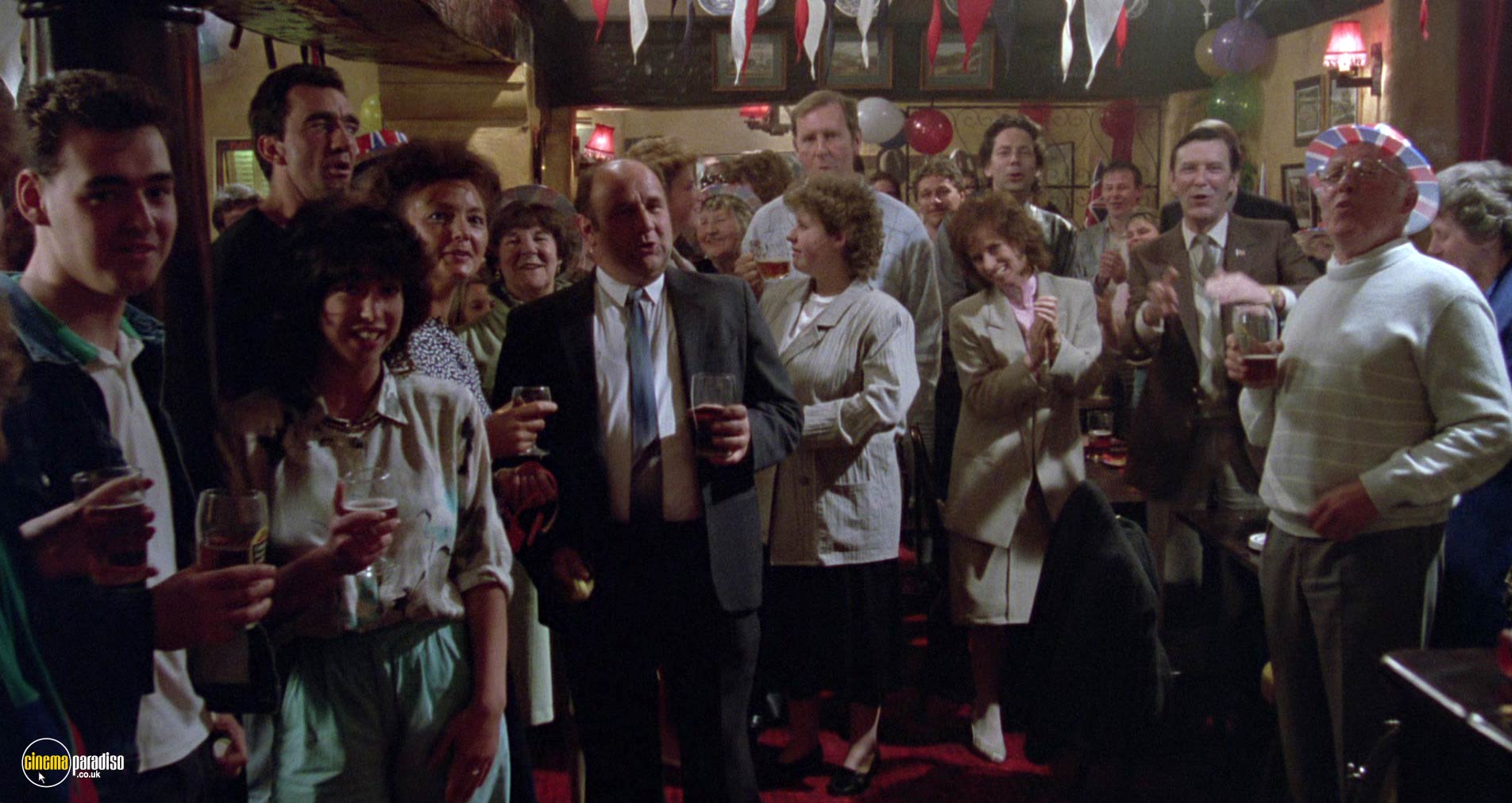
None of this impressed Coogan's tutors, but it did lead to him guesting on Sunday Night At the London Palladium with Jimmy Tarbuck in October 1988. He also went on to work with (and learn from) veterans like Ken Dodd and Bob Monkhouse, even though Coogan was keen to place himself on the alternative side of the comedy circuit. Moreover, he made his acting debut, as an unnamed youth in Paul Greengrass's Resurrected (1989), and even appeared in a series of sketches for the Observation Round on The Krypton Factor (1977-95).
The first bump in the road came during the Edinburgh Festival in the summer of 1990. He shared an act with Frank Skinner, who was a hit, while Coogan flopped. Determined to bounce back, he started working on new characters, including Ernest Moss and Gareth Gannet, who would eventually become Cheeseman. The gobby Duncan Disorderly was renamed Paul Calf, who acquired a sister named Pauline Calf, who gave Coogan the chance to dip into the music-hall bag of tricks and perform in drag. However, he decided against a swift return to Scotland, as he wanted to make sure the show was airtight. Instead, he signed up to do impressions and some topical comedy alongside Tony Wilson for Granada Up Front (1991). He also took a residency gig at a resort in Rhodes, where the holidaymakers didn't always approve of his material. This experience proved pivotal, as it prompted Coogan to stop both caring what people thought of him and trying to please everyone. Seeing Frank Skinner win the Perrier Award at Edinburgh did little to improve Coogan's mood. But he returned to London, where a conversation with writer-comedian Patrick Marber changed his direction and his fortunes.
Aha
It was Marber who brought Steve Coogan to Armando Iannucci's attention when he was developing his new BBC radio news spoof, On the Hour (1991-92). He was hired initially alongside Rebecca Front, Doon Mackichan, and David Schneider to voice the various characters interacting with anchor Christopher Morris (Chris Morris). But Iannucci needed a generic sports reporter in the mould of Elton Welsby, Jim Rosenthal, and John Motson and Alan Partridge was born when Coogan instantly found his voice and started improvising.
As Iannucci recalled, `The original notion was just to get Steve to do a sports-presenter voice, but when he came out with the voice, the whole persona came together almost instantly. I think I might have said "That guy is an Alan!," and someone else said, "Yeah, and he's a Partridge!," and then it made sense to have him come from Norwich, because it's never really been the focus of any comedy geographically. It's off to one side, just annoyingly a bit too far away from London for someone who has ambitions.'
Coogan has admitted that he felt intimidated by the older, Oxford-educated Marber and Iannucci. But he also regarded them as mentors who inspired him to up his game. As Marber once explained, `Steve comes from a large family, with older brothers, and Armando and I were like his comedy older brothers. He liked being the naughty one, and he liked us telling him, "That’s funny...that's not funny."' Marber continued, `Steve had a lot of characters before Alan, but I could tell that, as an actor, he could see the world through the eyes of that character forever. He knew that man's car, that man's sofa, his wife, his kids. He found this other Steve - this nightmare Steve.'
Mercilessly teased by Morris for being out of his depth, Partridge discovered a way (to quote Marber) of being `brave in the face of his own humiliation' and he remained on the team when the show transferred to BBC 2 as The Day Today (1994). His part was boosted, although Coogan thought he was funnier as Keith Mandement, the swimming pool night attendant who points to 18 years without fatalities after someone had died on his watch in 1980.
Although Partridge was an ensemble character, Marber suggested giving him his own radio chat show and Knowing Me, Knowing You With Alan Partridge launched in December 1992. Taking its title from an ABBA song that also gave Alan his catchphrase, the six-part series soon gained a following. Marber was quick to recognise Partridge's potential. `I remember Patrick said to me after our first radio recording,' Coogan recalled. `"This character will change your life." I went, "What?" And he said, "This character is going to change your life - I hope you're ready. Years from now, people will shout `A-ha!' at you from across the street." He really was terribly prophetic.'
It was Marber who suggested that Coogan created an entire backstory from Alan's birth in the Queen Elizabeth Hospital in King's Lynn on 2 April 1955. In addition to details about his family (ex-wife Carol and children Fernando and Denise), Coogan also came up with Alan's hobbies, likes and dislikes, attitudes and prejudices. He made him a Thatcherite Little Englander who has no filter and doesn't always think before he speaks. A verbal manspreader, he bluffs to save face, bullies and belittles guests and colleagues, and harbours deep resentments. He should be wholly objectionable. But the mass of insecurites mean that there are bits of Partridge in his viewers, who can't help but identify with his misjudgements and frustrations with himself and the world. As Coogan later claimed, `70 percent of the British population are like Alan Partridge.' While on the subject of percentages, he also opined on another occasion that `Most movie stars are 80% versions of who they are off camera.'
Pondering similarities between himself and his character, Coogan wrote: `Alan is a conduit for all my demons. Clearly he's a bit like me. I have inadequacies and that's OK. What makes it work is my being comfortable with that and giving vent to them through Alan.' Which begs the question, of course, how much of Coogan is in Paul Calf, Ernest Moss, and Duncan Thickett, the characters he played alongside Patridge in Steve Coogan in Character With John Thomson, the Marber-directed show that won the Perrier?
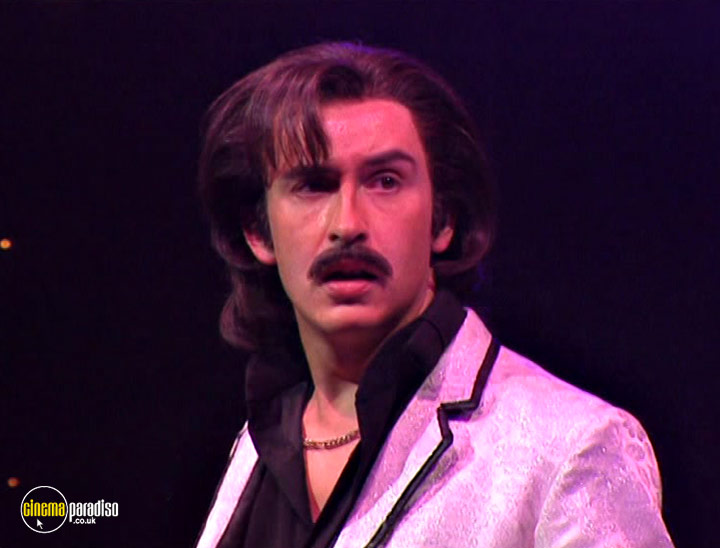
Over the next two years, Coogan cropped up as the lead singer of Go West in the `Water' episode of The Smell of Reeves and Mortimer and played Stebbings in two episodes of Harry (both 1993). He was also a regular on Jonathan Ross's Saturday Zoo on Channel Four and toured the Live `n' Lewd show that went to video alongside the BAFTA-winning Pauline Calf's Wedding Video in 1994. Initially named Duncan Disorderly, Paul Calf was an abrasive, blonde-mulleted lout from Ottle, who hates students, loves Wagon Wheels, and supports Manchester City, when not trying to get back with his girlfriend, Julie. He drives a Ford Cortina that is maintained by his mechanic friend, Fat Bob (John Thomson), who became his brother-in-law.
In what was something of annus mirabilis, Coogan followed these hits with The Day Today (1994) and the TV version of Knowing Me, Knowing You With Alan Partridge (1994-95). Sharing many of the same writers and performers, the programmes made Coogan a star. `We were shocked,' confessed Armando Iannucci. `We never thought Alan would be as big as Basil Fawlty, but people responded immediately. It's funny, a lot of people tell me they know an Alan Partridge, but no one ever says they are Alan Partridge. But that's the key: people felt like they already knew him, maybe because we spent a lot of time on all the background detail.'
With his combed-over hair, chat show Alan wore a double-breasted blazer bearing a crest depicting a partridge, a pear tree, and a microphone, along with the Latin motto, `Cognoscens me cognoscens te aha'. So confident was he that his launch show was going to go down in the annals, Alan declared: `Tonight is what I call a J.F.K. kind of a night. Because just as everyone can remember what they were doing when President Kennedy was shot in the head, I like to think that, 30 years from now, people will remember what they were doing when I first said, "Aha!"'
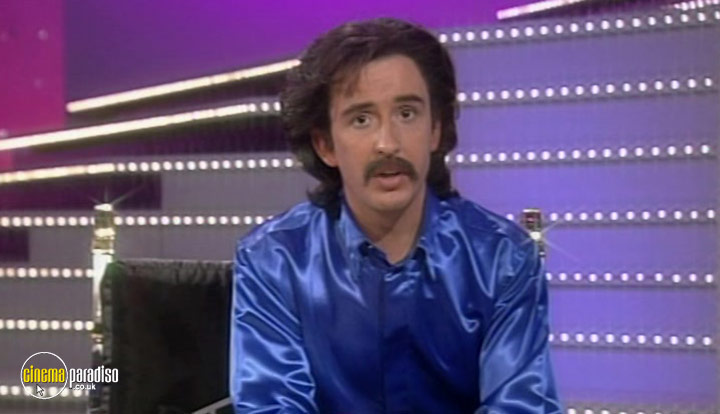
It was quite a statement and it has proved to be entirely prophetic. But Coogan also produced other shows that have rather unfairly gone under the radar. Among them is Coogan's Run (1995), the highlight of which is `A Handyman For All Seasons', a monochrome Ealing pastiche set in the 1960s that saw Coogan play both the fixiting Ernest Moss and Paul Calf's father, Peter. On a roll, Coogan next devoted two shows to a Portuguese Eurovision Song Contest winner, The Tony Ferrino Phenomenon and Introducing Tony Ferrino - Who? and Why? - A Quest (both 1997). Ironically, Coogan had missed out on a guest slot in the `Song For Europe' episode of Father Ted (1996),
The latter pair were co-written with Henry Normal, with whom Coogan would form Baby Cow Productions. Speaking of his partner's appetite for work, Normal once told a reporter, `I don't think he has a day off unless he's forced to. Even if he has a day off, who knows what's going on in his head? He could be doing a sitcom about having a day off.'
But Coogan turned to Iannucci and Peter Baynham to collaborate on I'm Alan Partridge (1997), which followed Alan's fortunes after his dismissal by the BBC. Holding down the graveyard shift on Radio Norwich and living in the Linton Travel Tavern, Alan keeps having flashbacks to his Toblerone-fuelled weight gain and nervous breakdown. But he is determined to bounce back, as he trades barbs with fellow DJ Dave Clifton (Phil Cornwell), pitches ideas to BBC bigwig Tony Hayers (David Schneider), and behave abominably towards his long-suffering assistant, Lynn Benfield (Felicity Montagu). Geordie handyman Michael (old friend Simon Greenall) moved from the motel to the BP filling station for the second series (2002), which sees Alan presenting Up With the Partridge on Radio Norwich and living in a static caravan on the site of his new home, with his Ukrainian girlfriend, Sonja (Amelia Bulimore).
The first season earned Coogan BAFTAs for Best Comedy Performance and Best Comedy Series, with Iannucci claiming it was `a kind of social X-ray of male middle-aged Middle England'. But Coogan took a five-year break between series, during which he toured with Simon Pegg and Julia Davis in Steve Coogan: The Man Who Thinks He's It (1998), which culminated in a 10-week residency at the Lyceum Theatre in London. He played Partridge, the Calfs, Tony Ferrino, and Duncan Thickett in a conscious effort to reclaim the variety format from the political incorrectness of old school stand-ups. However, a number of shows had to be cancelled because of the hard-partying lifestyle that had made Coogan a target for the tabloids. However, he fought back after his phone was hacked and he took great pride in helping to bring down Rupert Murdoch's The News of the World and playing his part in the Hacked Off campaign and the 2011 Leveson Inquiry into journalistic standards.
Acting Up
Coogan's ambition had always been to act. Comedy had been a lucrative distraction and it had opened doors. But a good deal of pigeonholing goes on in show business and casting directors took some convincing that Coogan could do more than impressions and funny characters. Frank Oz entrusted him with the part of Tommy Atkins, the plastic Great War soldier who comes to life, in his adaptation of Lynne Reid Banks's The Indian in the Cupboard (1995), while Coogan got to fulfil a childhood dream when he appeared alongside John Cleese, Eric Idle, and Michael Palin as Mole in Terry Jones's charming reworking of Kenneth Grahame's The Wind in the Willows (1996), in which the director also played Toad of Toad Hall.
Another children's classic beckoned, as Coogan played The Gnat opposite Kate Beckinsale in a Channel Four version of Lewis Carroll's Through the Looking Glass (1998). Frustratingly, we can't bring you Coogan's turn as Danny Skeggs in `The Kidnapper' episode of Tales From the Crypt (1996) or his reunion with Paul Greengrass as Sunday People reporter Mike Gabbert exposing corruption at Sheffield Wednesday in the early 1960s in The Fix (1997). Also out of reach is Malcolm Mowbray's The Revenger's Comedies (aka Sweet Revenge, 1998), an Alan Ayckbourn adaptation that saw Coogan play the oleaginous Bruce Tick opposite Sam Neill and Helena Bonham Carter.
Slightly frustrated with the roles he had been given, Coogan decided to write one for himself with Henry Normal. `The best work I really do,' he commented, `is when I generate it myself. It's taken me a long time to realise that no one's going to walk through the door and give me the role of a lifetime, just hand it to me on a plate. It's never going to happen.' Sadly, Simon Garden in John Duigan's The Parole Officer (2001) didn't overly impress the critics. But the comedy demonstrated that Baby Cow was developing a degree of clout that would eventually allow Coogan to pick and choose his own projects.
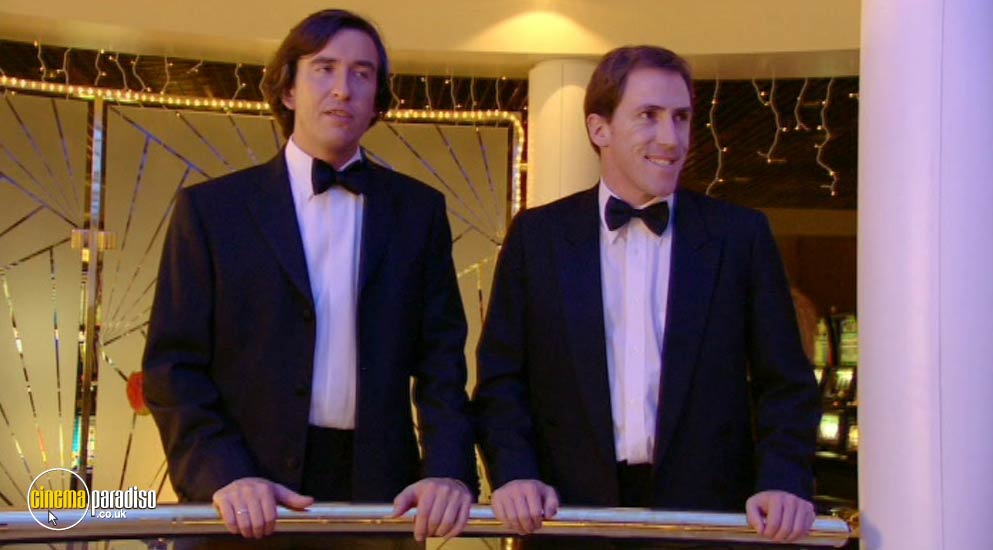
He also had an `in' at the BBC, where he was paired with Rob Brydon for Declan Lowney's Cruise of the Gods (2002), in which they played Andy Van Allen (Brydon) and Nick Lee (Coogan), the stars of the cult 80s sci-fi series, The Children of Castor, who reunite on a fan cruise after Lee had gone on to bigger and better things. Having impressed in the title role of Oliver Parker's The Private Life of Samuel Pepys, Coogan played himself in the `Cousins' segment of Jim Jarmusch's Coffee and Cigarettes (both 2003), in which he and Alfred Molina debate whether they could be related.
Although he was becoming a familiar face on screen, Coogan's gift for voices meant he was always in demand for dubbing work. He was Blitzen the reindeer in three festive animations, Hooves of Fire (1999), Legend of the Lost Tribe (2002), and Close Encounters of the Herd Kind (2007), which can be rented from Cinema Paradiso on Robbie the Reindeer Triology: The Whole Herd. Having contributed various voices to six episodes of Bob and Margaret (1998), he played Commander Harris in Combat Sheep (2001), he voiced thoroughbred horse Philip Masterson-Bowie and sparrow Mark Andrews (aka Glen Belt) in Peter Baynham's I Am Not an Animal (2004), which was produced by Baby Cow for the BBC. Also in 2004, Coogan voiced Heston, the serpentine sidekick of King Regent Sir Edgar (Cary Elwes) in Tommy O'Haver's Ella Enchanted, which starred Anne Hathaway, who has been cursed with obeying every command she is given.
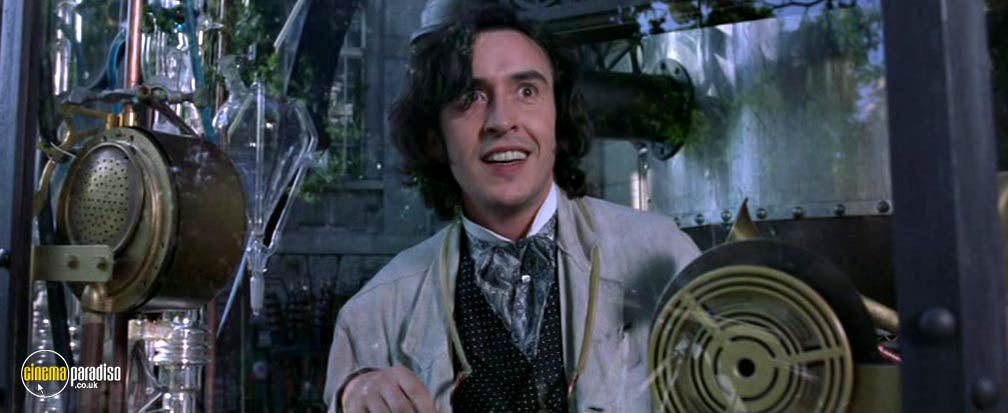
Back in front of the camera, Coogan followed in the footsteps of David Niven (1956) and Pierce Brosnan (1989) in essaying Phileas Fogg, the hero of Jules Verne's Around the World in 80 Days (2004). Jackie Chan played the Chinese thief hired as Fogg's valet, Passepartout, in Frank Coraci's loose rendition, which earned Razzie nominations for Worst Remake and Worst Supporting Actor, for Arnold Schwarzenegger as Prince Hapi. David Tennant has since played Fogg in Steve Barron's eight-part 2021 mini-series. But none can match Michael Anderson's all-star Todd-AO original, which won the Academy Award for Best Picture.
Returning to comedy, Coogan played Charley Peppitone, a gay Los Angeles restaurateur and the stepbrother of Mamie Toll (Lisa Kudrow) in Don Roos's Happy Endings (2005). This ensemble screwball drew mixed notices, as did Kurt Mattila and Matt Checkowski's The Alibi, in which Ray Elliot, who runs an agency to provide erring spouses with alibis, gets into a pickle when he switches places with a client and has to rely on partner, Lola Davis (Rebecca Romijn), to bail him out. This black comedy was little seen, but Sophia Coppola's Marie Antoinette (both 2006) was widely acclaimed, as was Coogan for his supporting turn as Ambassador Mercy escorting Kirsten Dunst's Austrian princess to Versailles.
By now well established in Hollywood, Coogan was paired with Owen Wilson to play miniature Roman soldier Octavius and cowboy Jedediah in Shawn Levy's Night At the Museum (2006), which was followed by Night At the Museum: Battle of the Smithsonian (2009) and Night At the Museum: Secret of the Tomb (2014). He also guested as Larry David's psychiatrist, Dr Bright, in a Season Five episode of Curb Your Enthusiasm before joining Ian McKellen and Julia Davis in providing voices for Joe Tucker's splendid National Film and Television animated short, For the Love of God (both 2007), in which balding loner Graham seeks solace from a talking jackdaw in dealing with his overbearing mother.
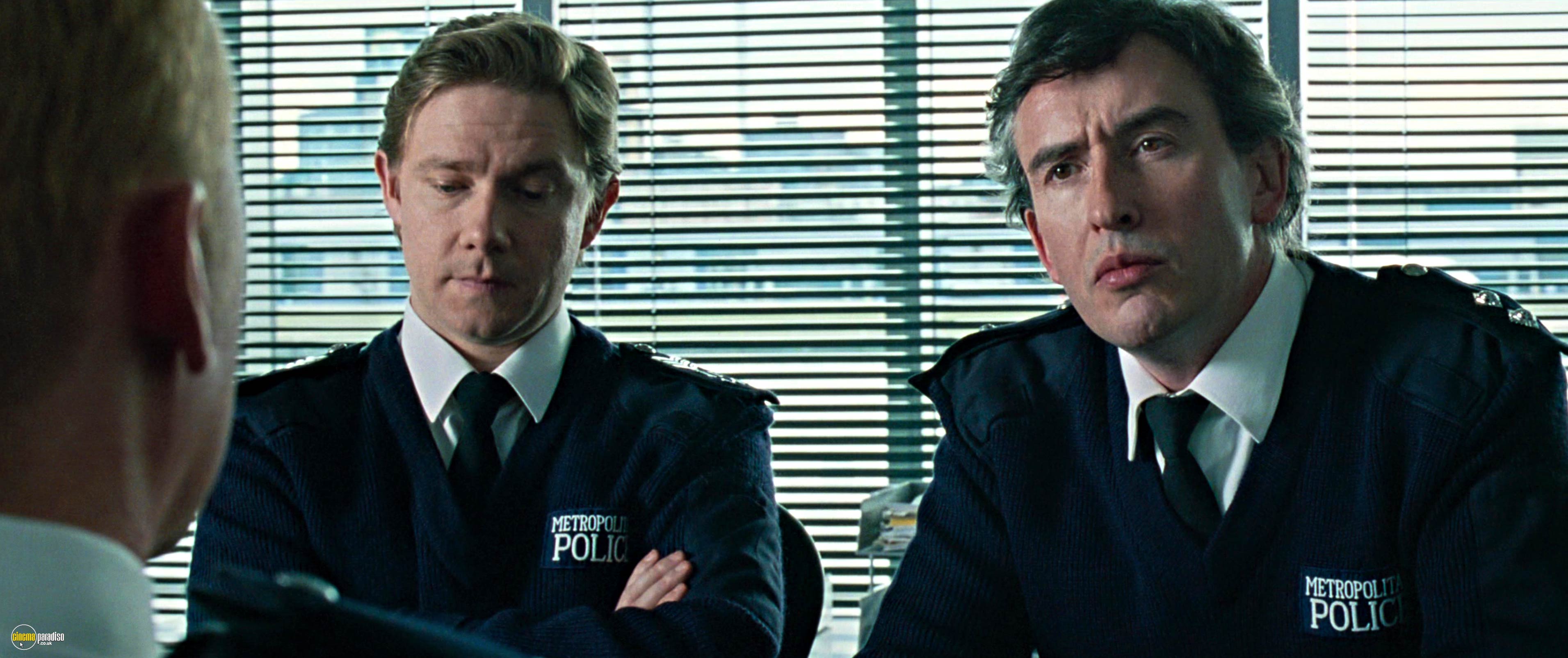
An uncredited cameo as a Metropolitan Police Inspector in Edgar Wright's Hot Fuzz (2007) was followed by a couple of so-so Hollywood assignments. He was better than the material in both Andrew Fleming's Hamlet 2, in which washed-up actor Dana Marschz has to save the drama programme at a Tucson high school with a time-travelling sequel to Shakespeare's Danish play, and Peter Tolan's Finding Amanda, in which Coogan appeared down the cast list as Las Vegas casino pit boss, Michael Henry. Another small part had a bigger impact in Ben Stiller's Tropic Thunder (all 2008), however, as Coogan held his own against Robert Downey, Jr., Jack Black, Nick Nolte and Tom Cruise as Damien Cockburn, the inexperienced film director who drops his cast in the jungle while shooting a Vietnam epic.
Back in Blighty, Coogan revealed new depths as Bob `Bing' Crosby, a Mancunian binman with a gambling problem in Craig Cash and Phil Mealy's Sunshine (2008), which deserves to be on disc alongside the pair's magnificent sitcom, Early Doors (2003-04). Continuing a busy year, Coogan voiced Roderick Rat in John Henderson's Tales of the Riverbank, a puppet remake of a beloved 1960s Watch With Mother programme voiced by the peerless Johnny Morris. Stephen Fry narrated as Owl, while Ardal O'Hanlon and Jim Broadbent played Roderick's castaway companions, Hammy Hamster and G.P. the Guinea Pig. Coogan would also be heard and not seen as the narrator of Frank Pudneys's short, Marvin; as Satan in 10 episodes of Neighbors From Hell; and as Raisin the Dachshund in Tom Dey's Marmaduke (all 2010), which starred Owen Wilson as the eponymous Great Dane and Emma Stone as an Australian Shepherd named Mazie.
Coogan served as executive producer for the first time on Jonathan Glatzer's What Goes Up, in which he also played Campbell Babbitt, a journalist who is confronted by an old friend's high school class after he returns to Concord, New Hampshire seeking a story about hometown girl, Christa McAuliffe, before she blasts off on the Challenger Space Shuttle in 1986. Another reunion followed when Coogan cameo'd as Paul Michaelson, the Northampton resident complaining to MP Simon Foster (Tom Hollander) about an unsafe wall, in Armando Iannucci's In the Loop (both 2009), a spin-off from the BBC sitcom, The Thick of It (2005-12), which had given the world Rottweiler Director of Communications, Malcolm Tucker (Peter Capaldi).
Seemingly incapable of not working, Coogan gave a lecture as the browbeat Ivan Ivanovich Nyukhin in `The Dangers of Tobacco', one of the six Anton Chekhov vignettes gathered in the BBC series, Chekhov: Comedy Shorts. He followed this by portraying Hades in Chris Columbus's Percy Jackson & the Olympians: The Lightning Thief and by striving to keep one step ahead of Allen Gamble (Will Ferrell) and Terry Holtz (Mark Wahlberg), the NYPD detectives investating his kidnap, as multi-billionaire Sir David Ershon in Adam McKay's The Other Guys (all 2010).
Ladling on the pomposity, Coogan was Dylan Anderson, the brother-in-law of hapless organic farmer Ned Rochlin in Jesse Peretz's Our Idiot Brother, which co-starred Elizabeth Banks, Zooey Deschanel and Emily Mortimer, as Ned's concerned sisters. He also played maverick film director Michael Brandon being followed around London for Justin Theroux's Documental, which was made as a pilot for an HBO series that was never optioned. More remarkable, however, was Darkwood Manor (all 2011), in which Coogan appeared as himself as a favour to director Liam Hopper, a 17 year-old A-level student, who spent three years making this low-budget horror movie as a project at Dorothy Stringer School, near Coogan's then-home in Brighton.
Heading back to Hollywood, Coogan guested as Langdon Tharp, the author worshipped by aspiring, but blocked writer Calvin Weir-Fields (Paul Dano) in Jonathan Dayton and Valerie Faris's Ruby Sparks, which starred screenwriter Zoe Kazan in the title role. He morphed into art director Beale in Scott McGehee and David Siegel's modern-dress retelling of Henry James's What Maisie Knew, which starred Onata Aprile as the six year-old caught between parents Beale and Susanna (Julianne Moore) and their new partners, Lincoln (Alexander Skarsgård) and Margo (Joanna Vanderham). Further demonstrating Coogan's growing versatility and confidence in non-comedic roles, this underrated drama rounded off a year in which he also featured in John Ross's BBC documentary, Evidently: John Cooper Clarke; voiced cruise director Rowan Priddis in The Simpsons episode, `A Totally Fun Thing That Bart Will Never Do Again'; and narrated Daniel Shute's musical animation, Uncle Wormsley's Christmas (all 2012), which also featured the voices of Julia Davis, John Thomson, and Julian Barratt. But this section only tells half the decade's story...
North Norfolk Digital
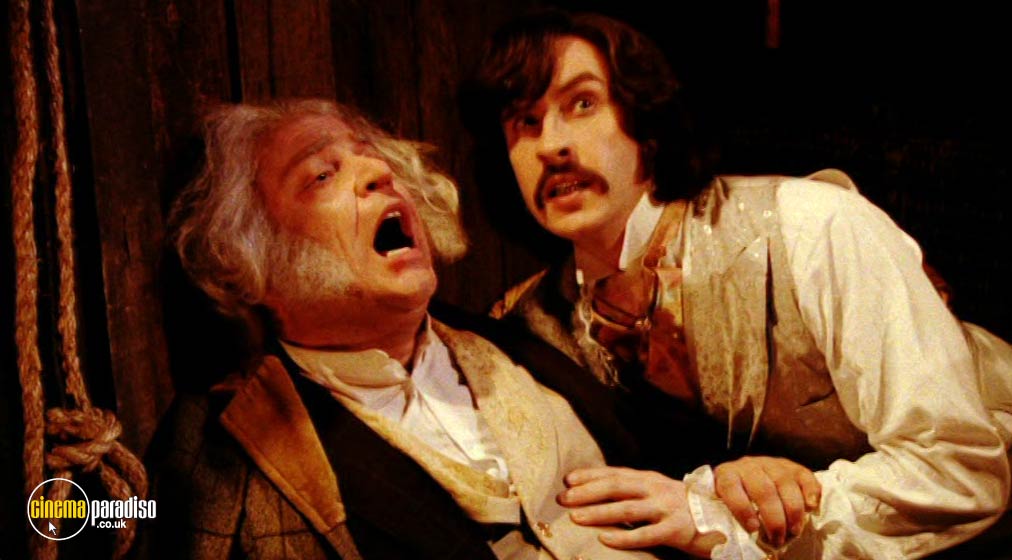
After his adventures on the big screen and in American television, Coogan returned to the BBC as Alan Partridge sang a medley of Kate Bush songs for Comic Relief. He contributed voiceovers to Caroline Aherne's Mrs Merton and Malcolm (both 1999), which was co-scripted by Henry Normal, before headlining Dr Terrible's House of Horrible (2001). This parodic homage to the horror anthologies produced in the 1970s by Amicus, Tigon, and Hammer saw Coogan introduce each episode in which he took a prominent role. Despite some funny moments, the series failed to fire the public's imagination.
While Baby Cow sponsored such shows as The Mighty Boosh, Nighty Night, The Keith Barrett Show, Ideal, and Sensitive Skin, Coogan revisited a couple of old friends in Paul and Pauline Calf's Cheese and Ham Sandwich (2003). The same year saw Alan Partridge return in Anglian Lives, in which he was rigorously interviewed about the low points in his life. This spoof show can be found as an extra on the Series 2 disc of I'm Alan Partridge. Around this time, Coogan turned down the chance to play Partridge in a McDonald's advert. Curious to see how much they would pay, he kept knocking back offers until a fee of £2m was mentioned. As he told Piers Morgan in GQ, `I wish I'd bloody done it now. It's a lot of money, isn't it? My decision wasn't entirely philanthropic or magnanimous.'
Having guest hosted the charity show, Alan Partridge Presents: The Cream of British Comedy (2005), Coogan teamed up with Vic Reeves and Bob Mortimer for Monkey Trousers (2005), an anarchic sketch show for which he created a creepy toyshop owner named Roy. He also popped up as a pilot in the launch show of Little Britain (2003-06). However, he took audiences by surprise with his next creation, Tommy Saxondale, the bearded ex-roadie with anger management issues who runs his own pest control business in Stevenage. Coogan ranks Saxondale (2006-07) among his best work, noting in an interview, `With Tom Saxondale, he's sometimes the butt of the joke, but he's sometimes the creator of the joke, so sometimes he's laughing with the audience, so you have more scope for comedy.'
He didn't catch on, however, and Coogan decided to hit the road again with Steve Coogan as Alan Partridge and Other Less Successful Characters, which flagged up how Alan overshadowed his stable mates. Reviews were mixed, but fans flocked to the show, which was released on DVD in 2008. There's no way Cinema Paradiso can currently access Steve Coogan: The Inside Story, a spoof documentary that features Vic Reeves, Bob Mortimer, and Julia Davis. However, we can offer users Monty Python: Almost the Truth (Lawyers Cut), which features Coogan among the many Python worshippers, and Believe: The Eddie Izzard Story (all 2009).
Having parted ways with Marber and Iannucci, Coogan wasn't convinced that Alan Partridge had a future. He even called him an `albatross' in an interview, as he was bored with people coming up to him and shouting, `Aha!'. It also annoyed him that people so identified him with Partridge that he believed it was costing him prime roles. `I must be one of the only people in Britain, of a certain calibre of performer, that's not been in any of the Potters,' he told one interviewer, as he conceded that his daughter was embarrassed that he had not been invited to Hogwarts. As a lifelong 007 aficionado, Coogan also fancied playing a Bond villain. But he realised that `people would go, "Well, he's not really a threat, because he's Alan Partridge."'
`I could stop it completely,' he explained, `but I've realised I don't want to stop being Alan. Because when I go into the writing room, it still feels fresh to me. And if I'm walking down the street on my own, I'll start chuckling at a thought that would be funny for Alan to say. And then I think, I'm laughing at a character in my head that's already known to everyone in this country. It's a bit weird.'
Fortunately, twins Neil and Rob Gibbons came along at the right time and convinced Coogan that Alan could go in a new direction, having previously voiced the title character in their 2009 animated short, Pigsy Doodle. They experimented with the format in a series of webisodes for the Foster's Funny YouTube channel and these were re-edited and broadcast on Sky as Mid Morning Matters With Alan Partridge (2010-16). Filmed from a webcam in the studios of North Norfolk Digital, the series paired Alan with `Sidekick Simon' Denton (Tim Key), who managed to inspire and irritate the veteran DJ in equal measure.
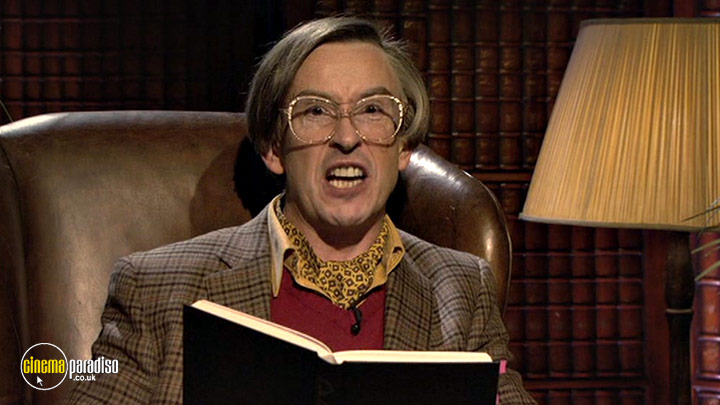
Buoyed by his new writing partners, Coogan penned a cod autobiography, I, Partridge: We Need to Talk About Alan (2011), which became a bestseller and was followed byAlan Partridge: Nomad (2016) and Big Beacon (2023). He also released Alan Partridge: Welcome to the Places of My Life and Alan Partridge on Open Books With Martin Bryce in successive weeks on Sky Atlantic in 2012. The former (`A Partridge pilgrimage. Or a Partrimage. A Pilgrimartridge. A Partrimiligrimage.') brought a second BAFTA for Best Comic Performance and can be found on Alan Partridge: Partrimilgrimage - The Specials.
Up to this point, Alan Partridge had been a television or stage character. But he made the transition to the big screen in Declan Lowney's Alan Partridge: Alpha Papa (2013). The project had originally centred on an al-Qaeda hostage situation at the BBC, during which the terrorists watch an Aladdin panto in which Alan is blacked up to play Ali Baba - and they love it! When Coogan pitched the story in Hollywood, a producer countered with a story about Alan scouring the world for love, only to discover that he already works with Miss Right in a Norwich chip shop.
Coogan's suggested titles were Hectic Danger Day and Colossal Velocity. But the 2005 London bombings forced a complete rethink and the focus shifted to sacked DJ Pat Farrell taking over North Norfolk Digital in a scenario influenced by Sidney Lumet's Dog Day Afternoon (1975) and Network (1976) - a picture to which Alan would return with his famous This Time rant, `I am hopping mad, and I want something in the middle!' With Iannucci committed to Veep (2012-19) in the US, Coogan was left to rewrite the script with the Gibbons twins (although Iannucci would be on hand during the edit). Delays caused Brendan Gleeson to walk away, but Colm Meaney stepped in and things went smoothly(ish) after Coogan stepped in at the end of the first week to tell Lowney to keep his camera still.
Rating Alpha Papa the hardest thing he's ever done, Coogan is proud of Partridge reaching the big screen, even though he does behave badly. Taking aim at soulless corporations and lauding the local DJs who serve their communities, the film was well received and convinced Coogan that Alan still had things to say and do. `It's like an old school friend,' he told a reporter. `You get sick of someone because you spend a lot of time with him, and then, when he's been away for a long time, you think, You know, I kind of miss that person, even though I found him annoying at the time.'
Consequently, he returned to explore the class divide in Alan Partridge's Scissored Isle (2016) before the BBC paid tribute (of a kind) in the mockumentary, Alan Partridge Why, When, Where, How and Whom (2017). This isn't currently on disc, nor is the ongoing Audible podcast, From the Oasthouse (2020-). But Cinema Paradiso users can watch Alan's excruciatingly fascinating stint on the sofa with Jennie Gresham (Susannah Fielding) in This Time With Alan Partridge (2019-21). Bringing Partridge back to the BBC, this spoof on The One Show saw Alan locking horns with location reporter Ruth Duggan (Lolly Adefope), who delights in a deadpan manner in contradicting everything that he says. With Lynn and Simon also returning, this overcame some lukewarm reviews to be hailed as one of Coogan's sharpest shows.
Following a second series, Coogan took Alan back on the road (to a mixed reception) in Stratagem (2022) before checking in on his progress after his on-screen meltdown in How Are You? It's Alan (Partridge) (2024), in which he examined the nation's mental health. Allowing the audience a glimpse of Alan's insights into his own insecurities, this audacious show landed Coogan a third BAFTA for Best Actor in a Comedy. Not bad for someone who started out as the butt of a joke he still doesn't get.
Tripping
Coogan was 10 when he first met Granada Reports presenter Tony Wilson, who had been invited to a party at the family home by his aunt, who was a make-up artist at the Manchester TV station. Wilson formed part of Coogan's impression repertoire when he started out and he got to play his fabled Hacienda Club when he emcee'd a gig by his brother Martin's band, The Mock Turtles, in 1986. He even got to work with Wilson on Granada Up Front (1991). But he only discovered that he had been cast to play him in 24 Hour Party People (2002) in a roundabout way.
`I read in a newspaper,' te told The Guardian, `that Michael Winterbottom was going to make a film about the Manchester music scene and Steve Coogan was going to play Tony Wilson. This was the first I'd heard about it, so I rang him up and he said: "Sorry, I hadn't got round to asking you. Will you do it?" I said yes because I didn't want anyone else to.' He found the experience to be exhilarating, however, as not only had Winterbottom exactly recreated the Hacienda inside a Manchester warehouse, but he also enabled Coogan to prove to himself that he had an alternative path to non-stop comedy.
`Working with Michael,' Coogan recalled, `was free-form, it was about not over-engineering something. Comedy is quite a safe place to be if you get the laugh, but Michael taught me not to do the joke. Embrace the tension, the awkwardness.' The film was also a trip down memory lane, as Coogan had been a fan of Factory Records bands like Joy Division, New Order, and Happy Mondays.
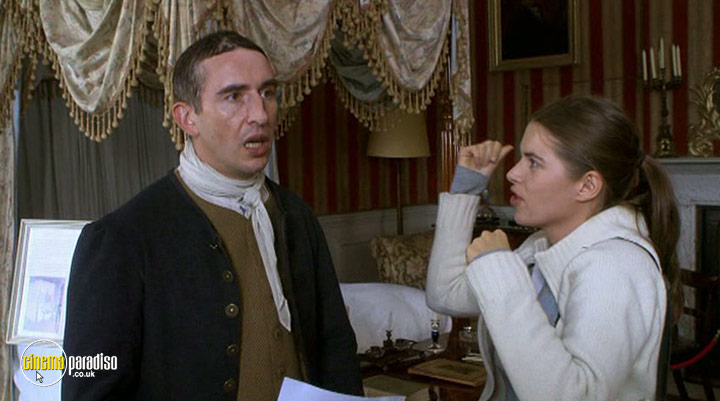
Buoyed by the experience, Coogan readily signed up for A Cock and Bull Story (2005), Winterbottom's bid to adapt the supposedly unfilmable text of Laurence Sterne's The Life and Opinions of Tristram Shandy, Gentleman (1759-67). In addition to playing Tristram Shandy and his father, Walter, Coogan (who didn't bother reading the book) also played himself struggling with his private life as well as his rivalry with Rob Brydon, who considers himself a co-star because Captain Toby Shandy is such a key character. Improvising their banter, Coogan and Brydon bounce off each other, as well as castmates Gillian Anderson, Keeley Hawes, Stephen Fry, Shirley Henderson, and Dylan Moran, who also double up as lightly fictionalised versions of themselves.
Despite finding the concept engagingly challenging, Coogan and Brydon were reluctant when Winterbottom suggested pairing them again in The Trip (2010), a six-part TV series, in which they would tour northern England so that Coogan could write a series of restaurant reviews for The Observer. Despite concurring that a scenario involving them trading impressions and insults while driving and dining seemed uncool and self-aggrandising, the duo allowed themselves to be talked round and realised on location that the concept was both clever and liberating. As Coogan later enthused, `I'll always work with Michael. I love working with him and I trust his judgment. The very worst thing you could say about a Michael Winterbottom project is that it is a Noble Failure. It would never be a bad piece of work.'
Reflecting on his byplay with Brydon (with whom he is keen to stress he does not socialise), Coogan has said, `I like playing with the fact that it might be me, to give it a bit more edge. So some of the conversations with Rob are funny, but some of them are very uncomfortable. They're sort of genuine arguments. It's a sort of an exaggeration of real life.' He considers The Trip to be `Last of the Summer Wine for Guardian readers,' but it won the BAFTA for Best Situation Comedy and earned him the award for Best Male Comedy Performance. Moreover, it was also edited down to feature length for a successful cinema run.
Four years later, therefore, Coogan and Brydon had fewer misgivings about making The Trip to Italy (2014), especially as the series would take them to some fabulous locations as they travelled the length of the peninsula. That said, they joked in interviews about doing little of the homework that Winterbottom had given them before the shoot, although they did get round to watching William Wyler's Roman Holiday (1953) and Federico Fellini's La dolce vita (1960). Once again teasing the line between fact and fiction, the series saw Coogan and Brydon bond more closely off screen and they reported back for duty on The Trip to Spain (2017), which also saw Claire Keegan return as Coogan's assistant, Emma. This time, Coogan was retracing his teenage steps with the intention of writing a memoir. But the tone and format remained the same, even though they took the series to Sky Atlantic after the BBC had asked them to do the same job as before on a smaller budget.
Joking during press junkets about the content that Winterbottom cuts out of the shows to avoid controversy, Coogan and Brydon admitted to getting along better than ever. Consequently, they readily agreed to do The Trip to Greece (2020), which pitched them on roughly the same homeward route that Odysseus had taken after the fall of Troy. However, Winterbottom had announced that this would be the final excursion and Coogan and Brydon approached it with a sense of journey's end.
During the course of the series, Coogan and Winterbottom had collaborated on two further features. In The Look of Love (2013), Coogan (in what he considers his best performance) had played Paul Raymond, the owner of the Raymond Revuebar in Soho and Men Only magazine. Anna Friel was cast as wife Jean and Imogen Poots as his tragic daughter, Debbie, while Tamsin Egerton played Amber St George, a stand-in for Fiona Richmond, whose work in Not Tonight, Darling (1971), Exposé (1976), Let's Get Laid (1977), History of the World, Part I (1981), and Eat the Rich (1987) can be rented from Cinema Paradiso.
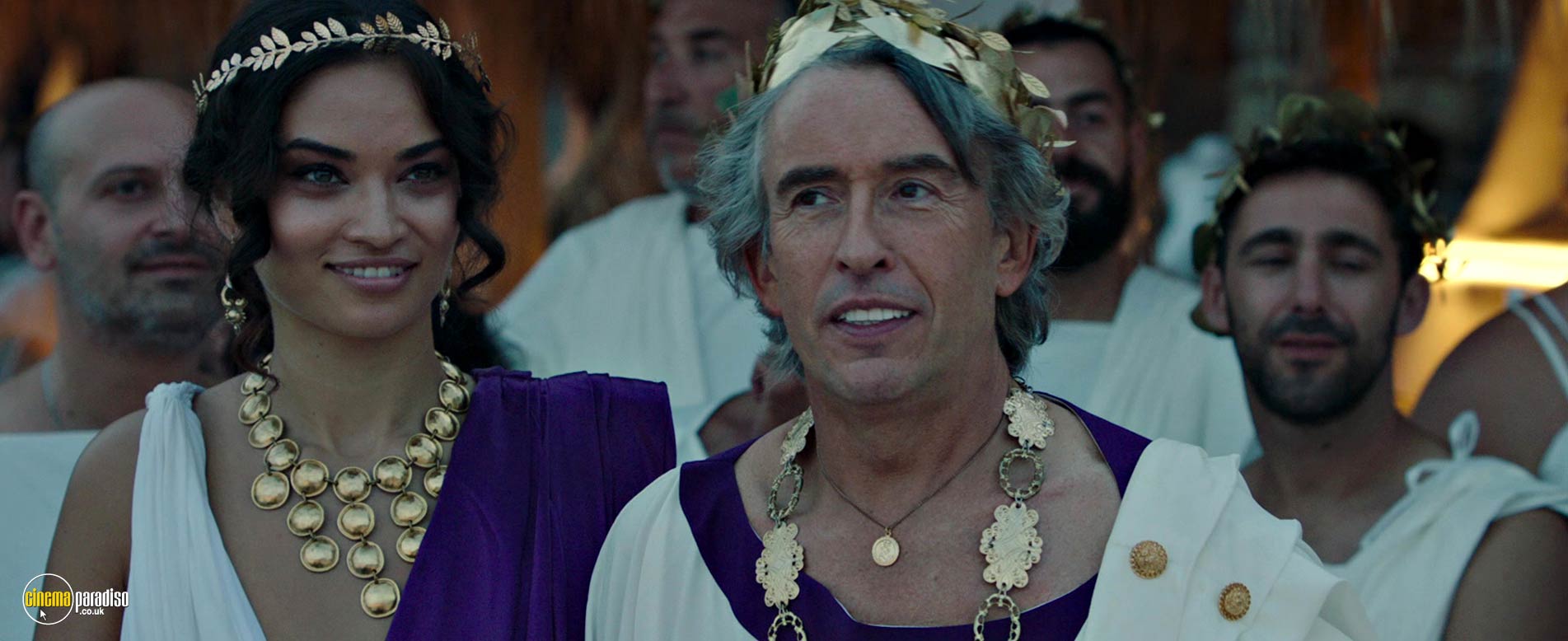
For Greed (2019), Winterbottom came to Coogan after Sacha Baron Cohen had withdrawn to play billionaire high-street fashion mogul, Sir Richard McCreadie, who had been modelled on Arcadia Group chairman, Philip Green. Nicknamed `Greedy', McCreadie is about to celebrate his 60th birthday with a Gladiator-themed party on the Greek island of Mykonos. But news breaks in the run-up that his fortune has been amassed through a combination of corruption, tax avoidance, asset stripping, and the use of sweatshops in South-East Asia to produce his clothing lines. Drawing mixed reviews, the picture prompted a seven-year Coogan/Winterbottom hiatus, with the actor explaining, `I have lots of different professional relationships, creative relationships, which is really great, because it brings different things out of me. And these relationships are like creative marriages. And so, in that respect, I'm an artistic bigamist. It's a little bit of a midlife crisis: "I've got to get all this stuff done."'
Having explored other avenues, however, Coogan was happy to reunite with Winterbottom and Brydon on The Trip to the Northern Lights (2026), which takes the series to Scandinavia. Having made documentaries about Swedish silent cinema and Ingmar Bergman, Winterbottom was familiar with much of the terrain and he even slipped in a pastiche of The Seventh Seal (1957) into one of the recurring dream sequences. Once again, life and art overlap, although Winterbottom told the BFI homepage that Coogan's mid-life crisis in the series is more figmental than factual. `One of the great things about Steve,' he said, `is that he doesn't want to project a great image of himself. He's not worried about appearing, in this case, lonely or grumpy. There have been various points where the story has been closer to Steve's real situations - what's going on with his girlfriend or what's going on with his family. But in reality, Steve isn't lonely these days, so that's a purely fictional element.'
Knotty, Nuanced, and Tender
`For a few years,' Coogan told The Guardian, `I'd been railing against postmodernism and irony. I've got this real anger against people who think the best way of dealing with the world is through sardonic eyes. It's a depressing, defeatist view of humanity. And I wanted to do something that was sincere, that was not smart and clever for its own sake. I had this notion that the most radical, avant-garde thing I could do was to talk about love. There's nothing that will make an intellectual's buttocks clench more than to talk about love.'
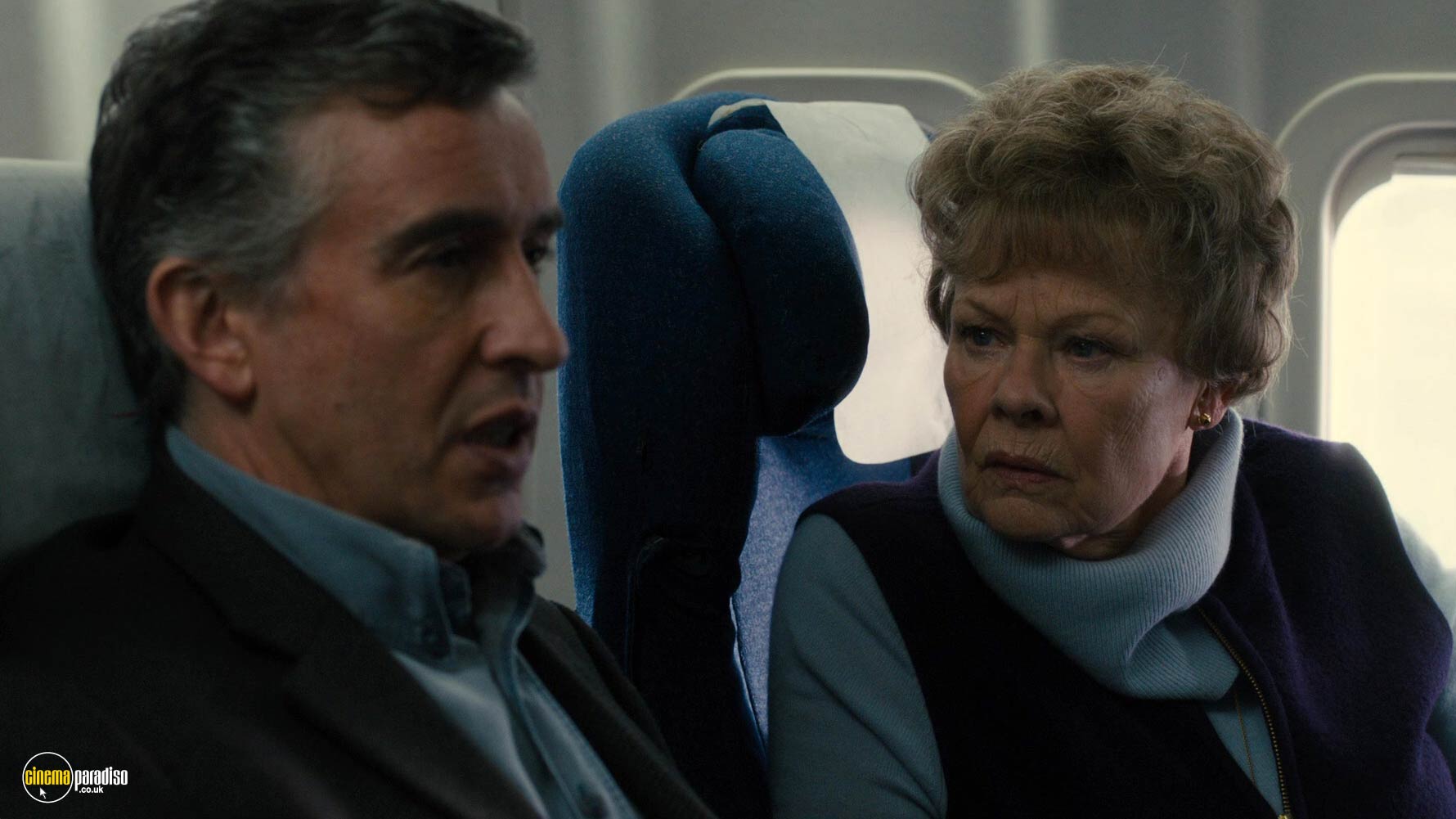
While in New York filming The Other Guys, Coogan read an online article by Martin Sixsmith about an Irish woman searching for the son who had been taken from her by Magdalene laundry nuns half a century earlier. Having long since lost his Catholic faith, Coogan was moved by the story and optioned Sixsmith's book, The Lost Child of Philomena Lee, with a view to making his first serious drama as an actor-producer. Having written the screenplay with Jeff Pope, he recruited Stephen Frears to direct and Judi Dench to play Philomena opposite himself as the journalist. Given a 10-minute standing ovation at the Venice Film Festival, Philomena (2013) won nine awards at the event, including Best Screenplay. A David Di Donatello win would follow in the same category before a Best Film triumph at the European Film Awards. The 48 year-old Coogan also shared BAFTA, Golden Globe, and Oscar nominations for the script, while also picking up a Best Picture nod at the Academy Awards to go with Dench's recognition for Best Actress and Alexandre Desplat's for Best Original Score.
Not everything Coogan touched in 2013 turned to gold, however. He had been cast as Vincent, a cop-turned-lawyer in Doubt, which had been written by House creator, David Shore. But ABC didn't take up the option and Coogan moved on to voice Silas Riddor Ramsbottom, the director of the Anti-Villain League, in Despicable Me 2. Typically, he made such a good job of it that he was invited back for Despicable Me 3 (2017), in which he also voiced Fritz, Minions: The Rise of Gru (2022), and Despicable Me 4 (2024). Interestingly, in Minions (2015), he had played Professor Flux and the Tower Guard, while he further demonstrated his vocal versatility as cats Ozone and Reginald in The Secret Life of Pets (2016) and as The Devil in The Adventures of Drunky (2018), a feature version of which is in the pipeline.
Back on the studio floor, Coogan cameo'd as himself in the BBC drama, The Lost Honour of Christopher Jefferies, and joined Hugh Grant and John Bishop in Rich Peppiatt's satirical documentary, One Rogue Reporter. He also essayed scarcastic 1970s schoolmaster Mr Banks in Elaine Constantine's Northern Soul (all 2014) and British-born lawyer, Johan Weber, seeking to defend the South African prison guard who had killed seven defenceless Black inmates in Oliver Schmitz's Shepherds and Butchers. In a distinct change of pace, Coogan also played New York advertising executive Thom Payne stressing out under a younger boss in the US sitcom, Happyish (both 2015).
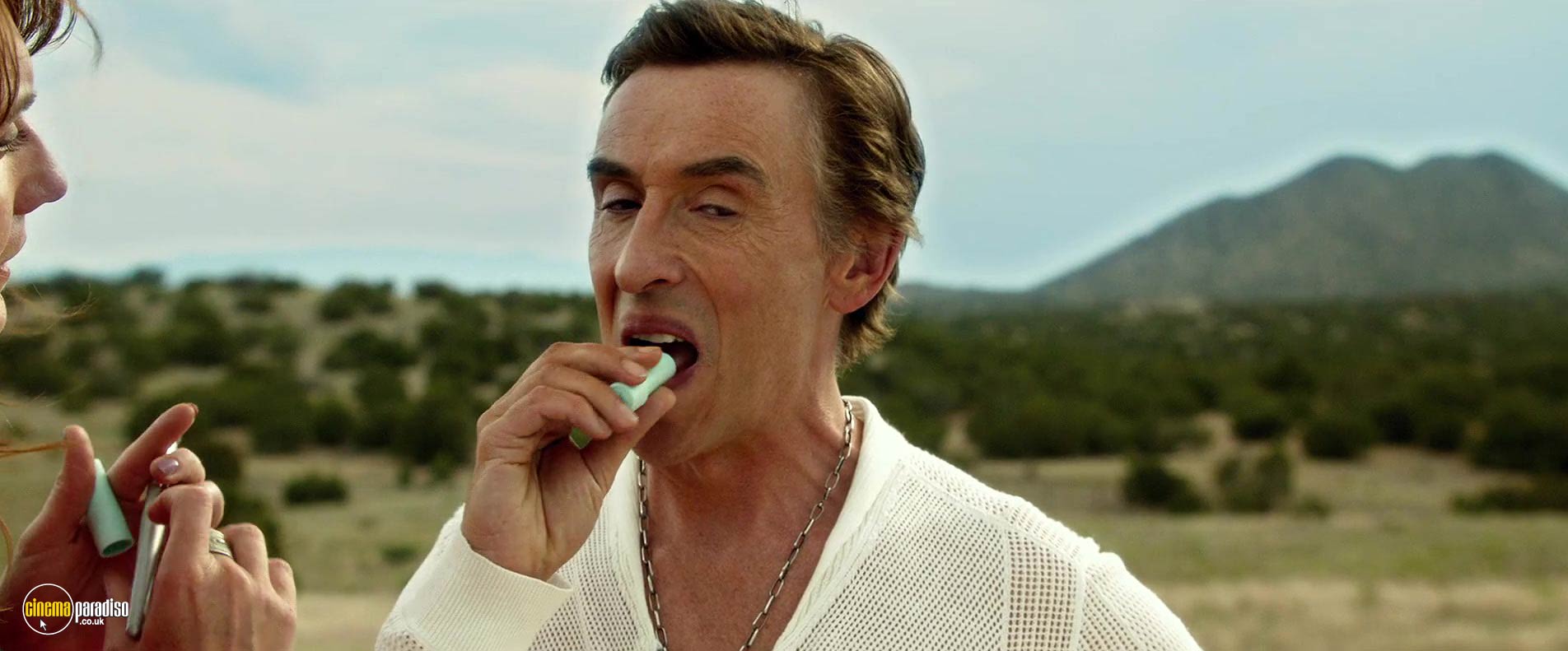
Hard on a couple of episodes playing Malador and Feffenhoffer in Zapped, Warren Beatty came calling to cast Coogan as Colonel Nigel Briggs in Rules Don't Apply, in which the veteran actor played RKO Studios boss Howard Hughes in the 1950s. He was on better form in Sean Foley's Mindhorn (all 2016), however, as cocky TV actor Peter Eastman, who had gone on to better things after having played the sidekick to Richard Thorncroft (Julian Barratt) in a 1980s sci-fi crime show. In Oren Moverman's The Dinner (2017), the third screen adaptation of Dutchman Herman Koch's bestseller, Coogan found himself playing former history teacher Paul Lohman, whose congressman brother Stan (Richard Gere) is running for governor and suggests a night out with their respective wives, Claire (Laura Linney) and Katelyn (Rebecca Hall). But this is anything but a happy family gathering and TV chef Erasmus Brumble (Coogan) and gay producer partner, Paul Morgan (Paul Rudd), have to get used to being a three-part unit when the former's 10 year-old grandson (Jack Gore) descends upon them out of the blue in Andrew Fleming's Ideal Home (2018).
Sadly, we can't bring you Coogan's turns as Mitch, who leads a cancer support group, in Stephanie Lang's Irreplaceable You, or as Lionel Macomb, the conservative American talk show host whose life is turned upside down by his biracial teenage niece (Taylor Russell) in Frank Coraci's Hot Air. But Cinema Paradiso members can catch Coogan's uncredited cameo as poisoner Gustav Klinger in Etan Cohen's Holmes & Watson (all 2018), which starred Will Ferrell and John C. Reilly.
They may also remember that we did a What to Watch Next article on Jon S. Baird's Stan & Ollie (2018), which reunited Coogan and Reilly as Stan Laurel and Oliver Hardy on their tour of British music-hall venues in 1953. Despite Reilly needing to spend four hours a day in make-up, it was Coogan who drew the best notices and landed a BAFTA nomination for Best Actor. Staying in biopic mode, he played philologist Frederick James Furnivall in The Professor and the Madman, which was directed by Farhad Safinia under the pseudonym, P.B. Sherborne. Mel Gibson and Sean Penn starred as James Murray, the driving force behind the Oxford English Dictionary, and W. C. Minor, the doctor confined in the Broadmoor Criminal Lunatic Asylum at Crowthorne who contributed more than 10,000 entries.
Another true story was retold with what turned out to be rather expensive tweaks in Stephen Frears's The Lost King (2022), which was scripted by Coogan and Jeff Pope from Philippa Langley's The King's Grave: The Search For Richard III, an account of the Edinburgh-based amateur historian's battles with the University of Leicester over the burial site of the last Yorkist king. Coogan co-starred alongside Sally Hawkins as Philippa's estranged husband, John. But academic Richard Taylor took exception to his depiction and won a substaintial damages and costs in a defamation case. Coogan offered to debate Taylor in a public forum, but his invitation was declined.
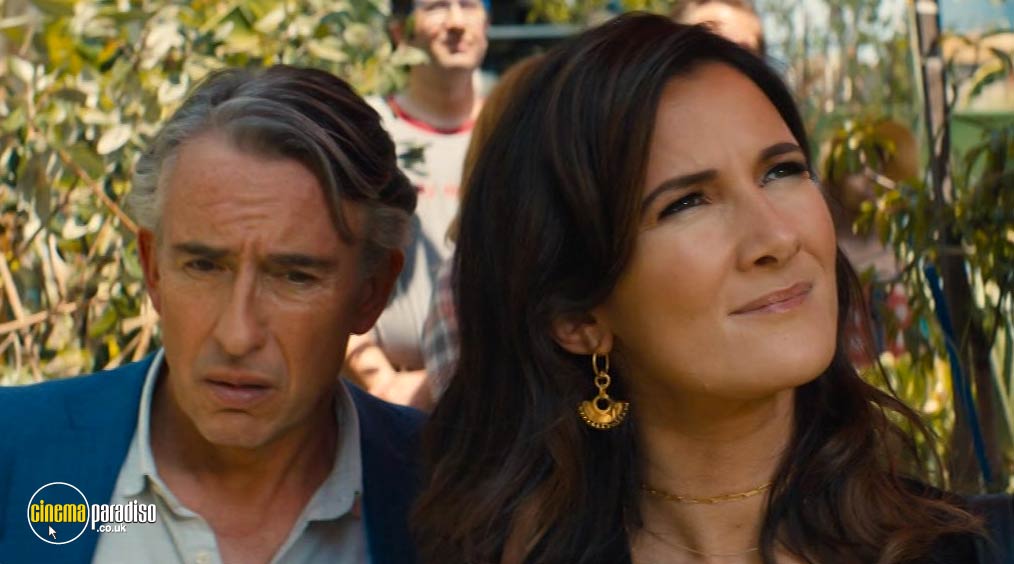
Prior to this project, which Coogan also co-produced, he had played Detective Clive Driscoll investigating the cold case of Stephen Lawrence in Alrick Riley's mini-series, Stephen. He had then changed gear to portray Cameron, a producer relying on feminist film-maker Bobby (Sarah Solemani) to help him salvage a toxic project in Chivalry (both 2022), a Channel Four sitcom that was written by its stars. Coogan then took one of the biggest risks of his career, when he accepted the role of disgraced DJ Jimmy Savile in Sandra Goldbacher and David Blair's The Reckoning (2023). His performance earned praise and a BAFTA nomination for Best Actor, but the majority of reviews felt the BBC series was in dubious taste.
Having guested as Lord Roderick Cravensworth in an episode of What We Do in the Shadows, Coogan played Paddy Meyers, the TV personality who interviews Arthur Fleck (Joaquin Phoenix) inside Arkham Asylum in Todd Phillips's Joker: Folie à Deux (2024). The same year also saw Coogan take on another true-life role as Tom Mitchell in Peter Cattaneo's The Penguin Lessons, which draws on Mitchell's account of his time as a teacher in Argentina when he acquired an inseparable companion in Juan Salvador, the Magellanic penguin he had rescued from an oil-slicked beach in Uruguay. He also returned to the realm of impersonations to narrate Jack Cocker's documentary, From Roger Moore With Love.
Remaining busy, Coogan teamed with Harriet Walter to play Weekend World presenter Brian Walden and Margaret Thatcher in Stephen Frears's Brian and Maggie, which was written for Channel Four by James Graham. Confrontation remained the order of the day, as Coogan's Mick McCarthy locked horns with Éanna Hardwicke's Roy Keane in Glenn Leyburn and Lisa Barros D'Sa's Saipan, which recreated the tension inside the Republic of Ireland camp before the 2002 World Cup in Japan and South Korea.
Also in 2025, Coogan voiced Barnabus in five episodes of The Sandman, a fantasy TV series inspired by a DC comic by Neil Gaiman's. He next pulled a surprise by taking to the stage as Dr Strangelove, President Merkin Muffley, Group Captain Lionel Mandrake, and Major T.J. `King' Kong in Armando Iannucci's stage adaptation of Stanley Kubrick's Dr Strangelove or: How I Learned to Stop Worrying and Love the Bomb (1964). The first three roles had been played by Peter Sellers and Coogan has often been compared to him because of his versatility and occasionally contentious private life. Indeed, he was linked with the title role of Stephen Hopkins's The Life and Death of Peter Sellers (2004) before Geoffrey Rush was cast.
More recently, Coogan received some of the best notices of his career for his work in Legends (2026), as Don Clarke, the head of the UK Customs operation to infiltrate the gangs smuggling drugs into the country in the 1990s. He will next be seen on the big screen in Michael Cera's first feature, Love Is Not the Answer, in which he's slated to play greying heartthrob, Tom O'Neill, who has been cast in a new movie opposite Jean Harper (Pamela Anderson), whose fading career is not helped by having to care for her dependent adult son. Then there's his turn in Season Four of The White Lotus to look forward to, in which he will mill around the Cannes Film Festival with the likes of Ben Kingsley, Vincent Cassell, Heather Graham, and Laura Dern, who stepped in after Helena Bonham Carter departed a week into shooting, prompting Coogan to reveal, `It just went in a different direction. It was like, sometimes you find that something isn't working the way you want it to, in terms of, like, the character and the dynamic of the whole story. So that was just a mutual decision...The whole part was rewritten from scratch.'
Coogan has now passed 150 acting credits on IMDB, the most recent of which saw him playing Philip Cantwell in an episode of Funboys, the BBC sitcom set in the Northern Irish village of Ballymacnoose. With his readiness to take roles in film and television projects alike, it's likely that he will keep racking them up for years to come. Perhaps he and Brydon could return to their roots in trips to Ireland and Wales? Maybe he will try his hand at directing? And there's always the next step along Alan Partridge's journey. But Coogan has said that comedy is a young man's game: `It's fine to be biting, acerbic and silly when you're young,' he told The Guardian. `But when you grow up you need to act like a grownup...Maybe that just means I've got flabby and middle aged.' In the same interview, he remembered Rob Brydon once saying, `The trouble with you is that you're not funny any more.' But he realised the taunt didn't bother him. `That's not the worst thing you can say to me,' he said. `I don't think: "Oh my God, if I'm not funny my whole existence will crumble." It's not my oxygen, being funny all the time...I mean, if someone said I was boring, that would bother me. But if I'm no longer funny, well, then I'll do something not funny. There are a lot of other things to be.'
Mentioned films