As he juggles presiding over the jury at the 82nd Venice Film Festival with preparing to make his next feature in Danish, Cinema Paradiso looks to provide the lowdown on Alexander Payne.
It's a busy summer for Alexander Payne. He is due to receive the Pardo d'Onore at the Locarno Film Festival before moving on to the Lido. Here, he will preside over a Venice jury that is comprised of Romanian director Cristian Mungi, Iranian director Mohammad Rasoulof, French director Stéphane Brizé, Italian director Maura Delpero, Brazilian actress Fernanda Torres, and Chinese actress Zhao Tao. Payne has said that he would rather be making films than doing interviews or being photographed on the red carpet. But he will have to put up with the lenses being focussed on him for a little while.
'I wish I were making a movie all the time,' he once told a reporter. However, he qualified his ambition by saying, 'But I also want to speak only when I have something to say.' This attitude explains why Payne appears not to be a particularly prolific film-maker. He's in good company, however. Sergio Leone only made seven features, while Quentin Tarantino plans to retire after his tenth. Idols Hal Ashby and Stanley Kubrick only directed 12 and 13 features respectively. Due to start shooting next spring, Somewhere Out There, with Norwegian actress Renate Reinsve, will be Payne's ninth - although, as we shall see, he always has lots of projects on the go at various stages of development.
He blames his limited filmography on being a screenplay perfectionist. But the effort and attention at the script stage invariably pays off, as Payne's pictures are rated among the most consistent and compelling of recent years. Someone once said that he makes 'films about people, people stuck in their own lives, at the end of a long line of bad decisions'. He admits, 'I like to do stories about people who find ways to love one another when it's difficult.'
Yet, as he told The Guardian, 'I always say that I make comedies. John Ford used to say: "I'm John Ford and I make Westerns." I say: "I'm Alexander Payne and I make comedies," because I try to maintain a comic attitude, even towards dramatic material. Keep it nimble, keep it charming. But that's life, isn't it? And it's a corny analogy, but life isn't single notes, it's chords. Minor keys and major keys. Harmolipi, bittersweet.'
Papadopoulos and Sons
The word 'harmolipi' is used to describe the sensation of experiencing happiness and sadness simultaneously. It's Greek and is entirely apt for Alexander Payne, as he holds dual US-Greek citizenship. His paternal grandfather, Nicholas Papadopoulos, changed his surname in 1915 on settling in Omaha, Nebraska to open The Virginia Cafe with his wife, Clara Rose Hoffman. Their son, George, took over the Douglas Street restaurant in the 1960s with his wife, Peggy Constantine. They raised three sons in the Dundee neighbourhood, with the youngest being Constantine Alexander Payne, who was born in Omaha on 10 February 1961.
A film fan from the age of four, he attended Brownell-Talbot School, Dundee Elementary School, and Lewis and Clark Junior High. Following the 1975 Omaha tornado, however, Payne had to enrol at Creighton Preparatory School while his junior high was being repaired. He liked it so much that he went full time and received a Jesuit education, even though he wasn't a Roman Catholic.
He flourished over the next four years, writing a witty column for the school newspaper, while also editing the annual yearbook. Leaving in 1979, he studied Spanish and History at Stanford University, spending part of his course at the University of Salamanca in Spain. On graduating, Payne spent a few months in the Colombian city of Medellin, where he wrote an article about social change in the first three decades of the 20th century.
His plan was to become a journalist and he accepted a place at Columbia University. However, Payne was also fascinated by cinema and felt drawn to film-making. Realising he could always change tack if things didn't work out, he applied to five different film schools. He landed a place at UCLA, whose alumni included Francis Ford Coppola, Curtis Harrington, Carroll Ballard, Larry Clark, Alex Cox, Julie Dash, Rob Reiner, Tim Robbins, Ben Stiller, Shane Black, Gina Prince-Bythewood, Gore Verbinski, and Alex Gibney.
Learning His Kraft
Payne's passion for film derived from the 8mm projector that George had been given by the Kraft foods company in gratitude for his custom. The restaurant burned down in 1969, but the projector beam kept flickering for many years beyond. Initially, Payne and his brothers watched Abbott and Costello comedies, many of which can be rented from Cinema Paradiso if you enter Bud or Lou's names into the Searchline. But he soon became hooked on Westerns, with William A. Wellman's Westward the Women (1951) and Sam Peckinpah's Ride the High Country (1962) being his favourites.
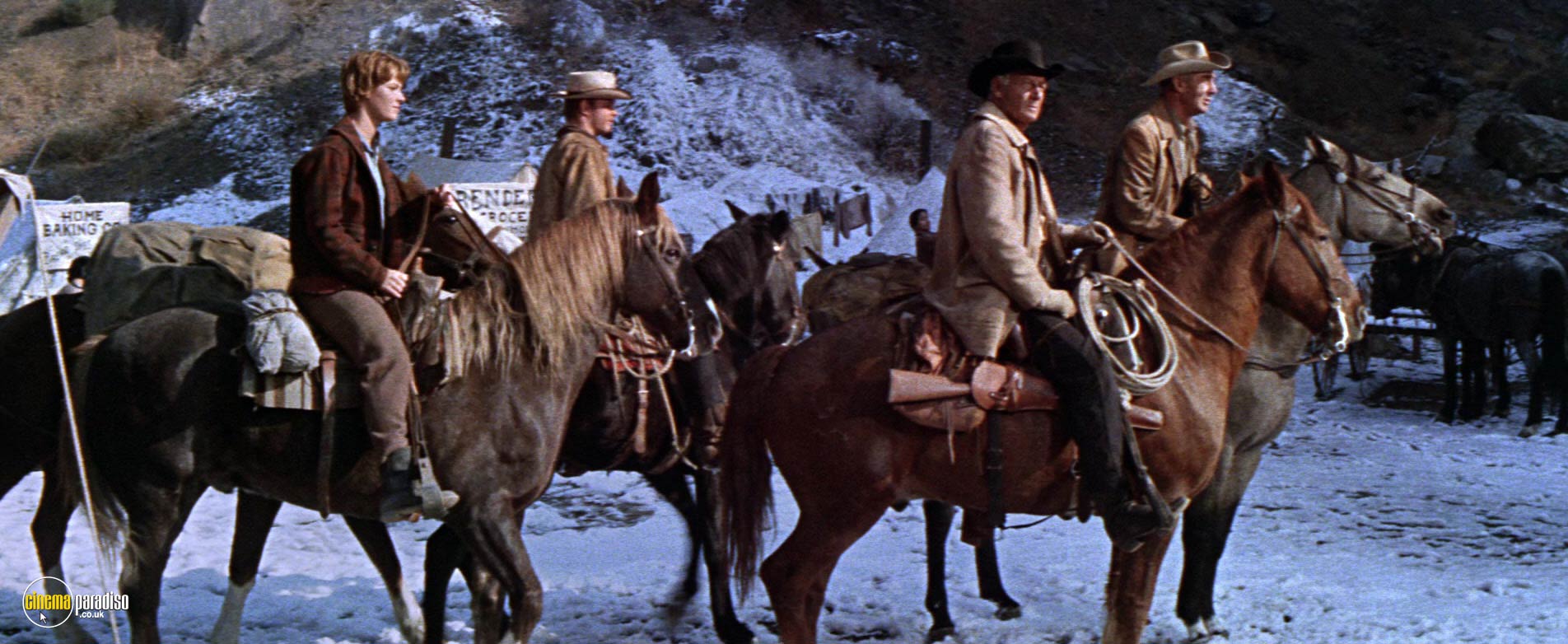
When he was 14, Payne received a Super8 camera (which he still has) and started making little films of his own. The thrill he got from producing these homemade shorts prompted him to go to UCLA, where his taste in cinema was refined. As he told one interviewer; 'As a child I was impressed by [Charlie Chaplin's] Modern Times. Then, in Salamanca, Spain, because the censorship was lifted and it had not been released in Spain, I saw [Federico Fellini's] La dolce vita. And, above all, I discovered [Luis Buñuel's] Viridiana. I never thought a film could be so beautiful and subversive.'
But it was a restored print of Akira Kurosawa's The Seven Samurai (1954) that made up Payne's mind about pursuing film as a career. 'I decided I would try to study film,' he revealed, 'more out of my passion as a viewer than creative drive. I thought, "I'll never climb a mountain that high, but I want to be on that mountain." And I've repeated that phrase to myself numerous times in my life. It doesn't matter if the result is failure, what matters is trying things.'
He certainly experimented in Carmen (1985), a 15-minute student short that reworked Bizet's opera as an encounter between a lady in red and a gas station attendant with learning difficulties. Dialogue free, it made use of musical snatches and sound effects and was briefly made available online in 2014. It's still possible, however, to see Payne's markedly more sophisticated 49-minute graduation piece, The Passion of Martin (1990). Based on a novel by Ernesto Sabato, this dark comedy centres on the increasingly unhealthy fixation that a 30 year-old fine art photographer (Charley Hayward) develops for the woman (Lisa Zane) who had backed his pretentious exhibition.
Making use of voiceover narrative (which would become a Payne trait), it pushed the boundaries between skin-crawl comedy, erotic exploitation, espionage suspense, and cutting character study. It's very much a young man's film, but it made the rounds of the festival circuit and not only secured Payne an agent, but also brought in offers to write and direct a feature. However, Payne found the projects underwhelming and instead accepted a two-year writing deal with Universal.
Looking back, he recalled: 'I wrote a script for Universal and they paid me a bunch of money and they hated it. They had said, "Write whatever you want. If we like it you can direct it." The Velvet Coffin: you get a studio deal, they give you money, and you never make a movie.' The story the studio rejected was about a man struggling to come to terms with his enforced retirement. As we shall see, Payne would recycle it to excellent effect. In the meantime, the $60,000 studio bursary enabled him to live comfortably enough for two years, although he supplemented it by making a couple of comic shorts for the Playboy Channel's Inside Out anthologies, My Secret Moments (1991) and The Houseguest (1992).
Recognising that 'my tiny little star had cooled,' Payne endured a painful period that was not made any easier by parental concern. As one article recorded, George and Peggy wanted to know 'How much longer are you gonna give it?' and 'Why don't you just get a job as an assistant editor?' They also averred, 'We didn't send you to Stanford to be a waiter!' It was time for Payne to make a big decision.
Payne and Gain
Rather than keep butting his head in Hollywood, Payne returned to Omaha in order to make his feature bow with Citizen Ruth (1996). Co-scripted by Jim Taylor, the story centres on Ruth Stoops (Laura Dern), an addict who discovers she's pregnant after having had her previous four children taken into care. Warned by a judge that she could face felony charges for endangering a foetus, Ruth agree to a termination in order to reduce her sentence. However, anti-abortion activists Norm and Gail Stoney (Kurtwood Smith and Mary Kay Place) offer her $150,000 to keep the child and Ruth is tempted until she's won over by women's rights campaigner Diane Siegler (Swoozie Kurz) and her girlfriend, Rachel (Kelly Preston).
With Burt Reynolds and Tippi Hedren cameoing as a televangelist and a pro-choice advocate, Citizen Ruth was as much a satire on fanaticism and compromised morality as it was a provocative take the abortion debate. Following its launch at the Sundance Film Festival, the reviews were largely positive, with Dern being feted for her audacious performance. But the film was held back in the US after the furore caused by Antonia Bird's Priest (1994) and it wound up being little seen. It's nearly 30 years old, but its insights into the emotionality of American political debate are more relevant than ever and it's high time it was released on disc in the UK.
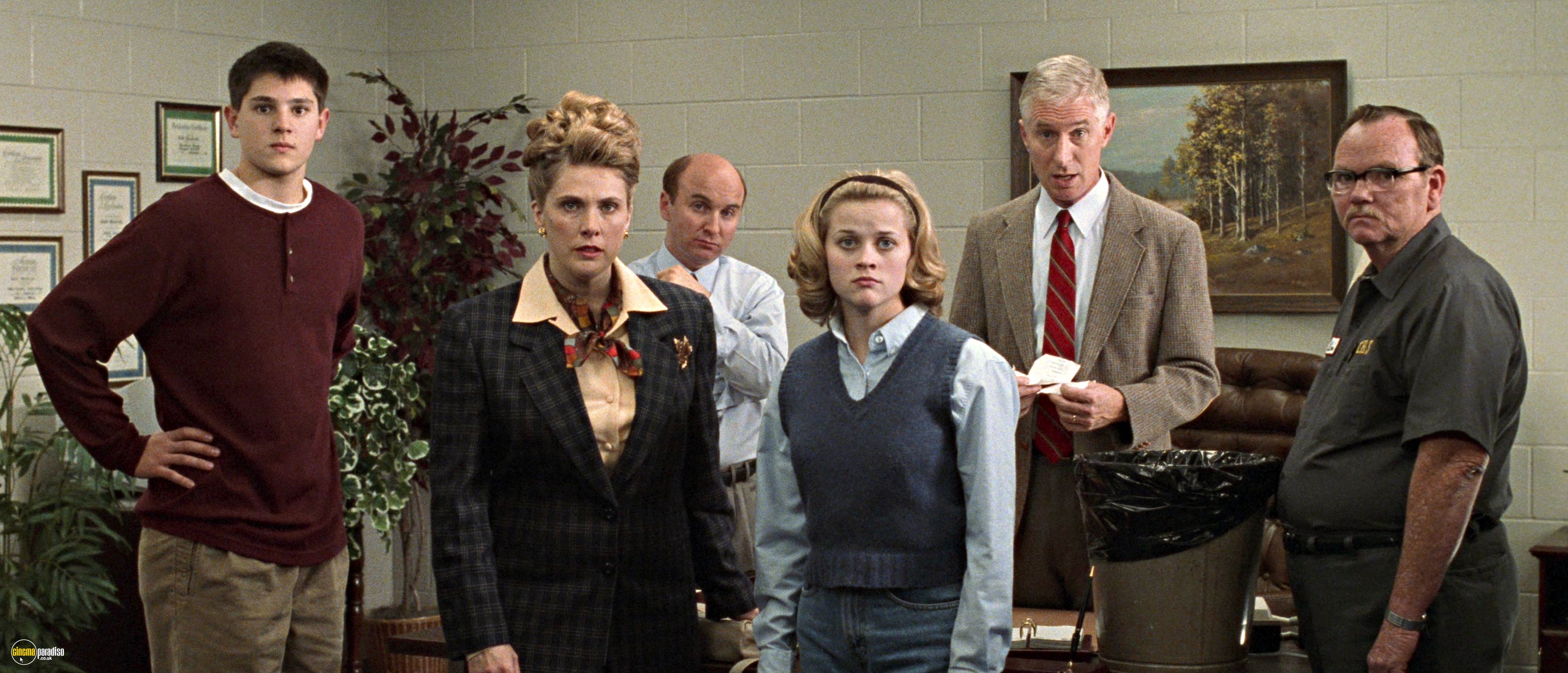
An unpublished book manuscript by Tom Perrotta provided the inspiration for Payne's sophomore outing, Election (1999). Initially, however, he wasn't keen, as he didn't want to do a teenpic. 'It was set in a high school, but it wasn't a high school story, per se. Also what attracted me was the formal exercise of doing a movie with multiple points of view and multiple voice-overs.' Indeed, Payne also used freeze frames and flashbacks to give the action a visual frisson and he was rewarded with an Independent Spirit Award for Best Film.
Jim McAllister (Matthew Broderick) is a popular social studies teacher at George Washington Carver High School in Omaha, Nebraska. However, he has a bee in his bonnet about Tracy Flick (Reese Witherspoon), an overachieving junior with a pushy mother who (deservedly) cost friend Dave Novotny (Mark Herelik) his job after an ill-advised affair. So, when she runs for student president, McAllister actively encourages genial jock Paul Metlzer (Chris Klein) to run against her. All seems to be going well, until Paul starts dating Lisa Flanagan (Frankie Ingrassia), the alienated friend of his lesbian sister, Tammy (Jessica Campbell), who enters the race to exact her revenge.
Savage in its satire and pitch dark in its humour, this hilarious exposé of the American political psyche eared Payne and Taylor an Oscar nomination for Best Adapted Screenplay. It also brought Witherspoon a deserved Golden Globe nomination for Best Actress in a Musical or Comedy. Although it only enjoy mixed box-office fortunes, Election was hailed by the critics. Moreover, it has become a cult classic, even more so after a video of a rough print was unearthed at a yard sale in 2011, which retained the novel's original ending, which had been jettisoned after poor test screening results. Such is the picture's status that there was considerable excitement in the entertainment press when rumours of an overdue sequel started to circulate after Perrotta published Tracy Flick Can't Win in 2022.
Coming off the back of a critical rather than a commercial success, Payne found it difficult to get projects off the drawing board. In 1999, he was linked with Esquivel, a biopic of Mexican pianist and composer, Juan García Esquivel, which was to have starred John Leguizamo. Around the same time, Payne was rumoured to be adapting Paul Auster's The Locked Room and Oscar Wilde's The Picture of Dorian Gray. Nothing came of either project, however, while Payne passed on a 2003 Coen-scipted remake of Ronald Neame's Gambit (1966), as he didn't want to work from someone else's screenplay. Ultimately, Michael Hoffman took the helm in 2012, with Colin Firth and Cameron Diaz taking the roles that had been played by Michael Caine and Shirley Maclaine.
While waiting for the right property to come along, Payne did an uncredited script polish for Jay Roach's Meet the Parents (2000). The following year, Payne and Taylor worked on a draft of Joe Johnson's Jurassic Park 3 (2001). Eventually, however, he realised that the best script he had in stock was the one that had been rejected by Universal several years earlier.
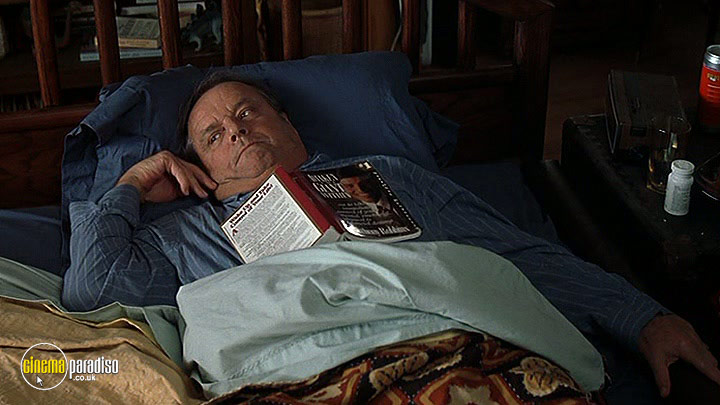
Payne's plot for The Coward had boiled down to ' The Graduate at age sixty-five'. When he discovered a Louis Begley novel that echoed its themes, Payne merged the two stories to create About Schmidt (2002), which Begley considered 'a gem of original filmmaking' because 'my most important themes were treated with great intelligence and sensitivity'.
Having lost his wife shortly after retiring from the Woodmen of the World insurance company, Warren Schmidt (Jack Nicholson) starts to question the point of his existence. After discovering that he had been cuckolded for years, he pours out his feelings in a series of rambling letters addressed to Ndugu Umbo, the six year-old Tanzanian boy he is sponsoring through an aid scheme. At the funeral, Schmidt's daughter, Jeannie (Hope Davis), chides him for being a cheapskate and he determines to stop her forthcoming wedding to shady waterbed salesman, Randall Hertzell (Dermot Mulroney). But, as he sets out for the ceremony, the Winnebago trip from Omaha to Denver will change Schmidt's view on life.
Premiering to glowing reviews at Cannes, About Schmidt proved to be a box-office hit. It also earned Payne a Golden Globe for his screenplay, although he was bafflingly omitted from the Oscar shortlist. Having picked up a Globe of his own, Jack Nicholson missed out on a fourth Academy Award for what many consider the best performance of his later career. As Jeannie's future mother-in-law, Kathy Bates lost out in the Best Supporting Actress category at both the Oscars and the BAFTAs, despite having had a lively on-set debate with Payne about how much of her torso was going to be on view in the pivotal hot tub scene.
When asked by The Hollywood Reporter to outline his strengths as a writer, Payne replied, 'I have very good spelling, and my grammar's quite good.' He further proved he had a way with words when he persuaded Sandra Oh to marry him on New Year's Day in 2003. As Cinema Paradiso members will remember from our Getting to Know article on the Canadian Korean actress, the union didn't last long. But it did yield Oh one of the standout out moments of her storied career.
Ups, Downs, and In-Betweens
George Clooney wanted to play the washed-up actor in Sideways (2004), but Payne was convinced that Thomas Haden Church was a better fit. 'I thought we'd get along well,' the director later mused, 'and I'm such a fan of his, but he wasn't right for that part.' His hunch proved correct, as did his decision to cast Paul Giamatti as Miles Raymond, the divorced teacher and unpublished writer who takes his pal to the vineyards of Santa Barbara County for a stag week prior to Jack's marriage to the trusting Christine Erganian (Alysia Reiner).
Working from a novel by Rex Pickett, Payne and Jim Taylor used the odyssey to examine middle-aged male foibles, while also celebrating California's viticulture. At a winery in the Santa Ynez Valley, the friends meet wine pourers Maya (Victoria Madsen) and Stephanie (Sandra Oh) and, while Jack and the latter tumble into bed, Miles and Maya confide their hopes and fears. Indeed, he even entrusts her with the unpublished manuscript that had just been rejected for the umpteenth time.
Phedon Papamichael's sun-kissed views of wine country and Rolfe Kent's jazzy score were much admired, as were the performances, with Haden Church and Madsen receiving Oscar nominations to add to their Golden Globe citations. But it was the quality of the writing that made Sideways stand out, with Payne and Taylor making history by becoming the first to claim awards from all four major American critics circles. They also won the Oscar, Globe, BAFTA, and Writers Guild prizes, while also having a marked effect on wine sales.
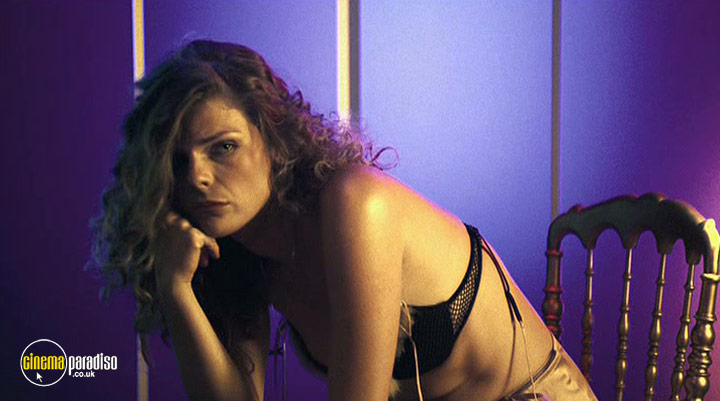
Yet Payne didn't make another feature for seven years, with his sole outing being '14e arrondisement', which was the concluding part of the 18-episode portmanteau picture, Paris, je t'aime (2006). It's an exquisite miniature, however, as it accompanies an American tourist, Carol (Margo Martindale), on a solo visit to the City of Light that proves emotionally overwhelming. Do check it out, as it tops contributions by the likes of Gus Van Sant, Joel and Ethan Coen, Walter Salles, Alfonso Cuarón, Olivier Assayas, Wes Craven, and Tom Tykwer.
Payne was anything but idle during his directorial hiatus. Having executive produced Niels Mueller's The Assassination of Richard Nixon (2004) and Sue Kramer's Gray Matters (2006), he performed similar duties on Mike Cahill's King of California and Tamara Jenkins's The Savages (both 2007). The same year saw him join forces with Taylor on the screenplay of Dennis Dugan's I Now Pronounce You Chuck and Larry, although Adam Sandler has since claimed to have rewritten most of it himself.
Since directing and executive producing the pilot episode of the TV series, Hung (2009-11), Payne has also exec'd Miguel Arteta's Cedar Rapids (2011), David Zellner's Kumiko, the Treasure Hunter (2014), regular editor Kevin Tent's Crash Pad (2017), and Mueller's Small Town Wisconsin (2020). The fact the latter pair aren't on disc in the UK will frustrate the Payne completists among the Cinema Paradiso membership. But we can get you back on track with his next feature outing behind the camera.
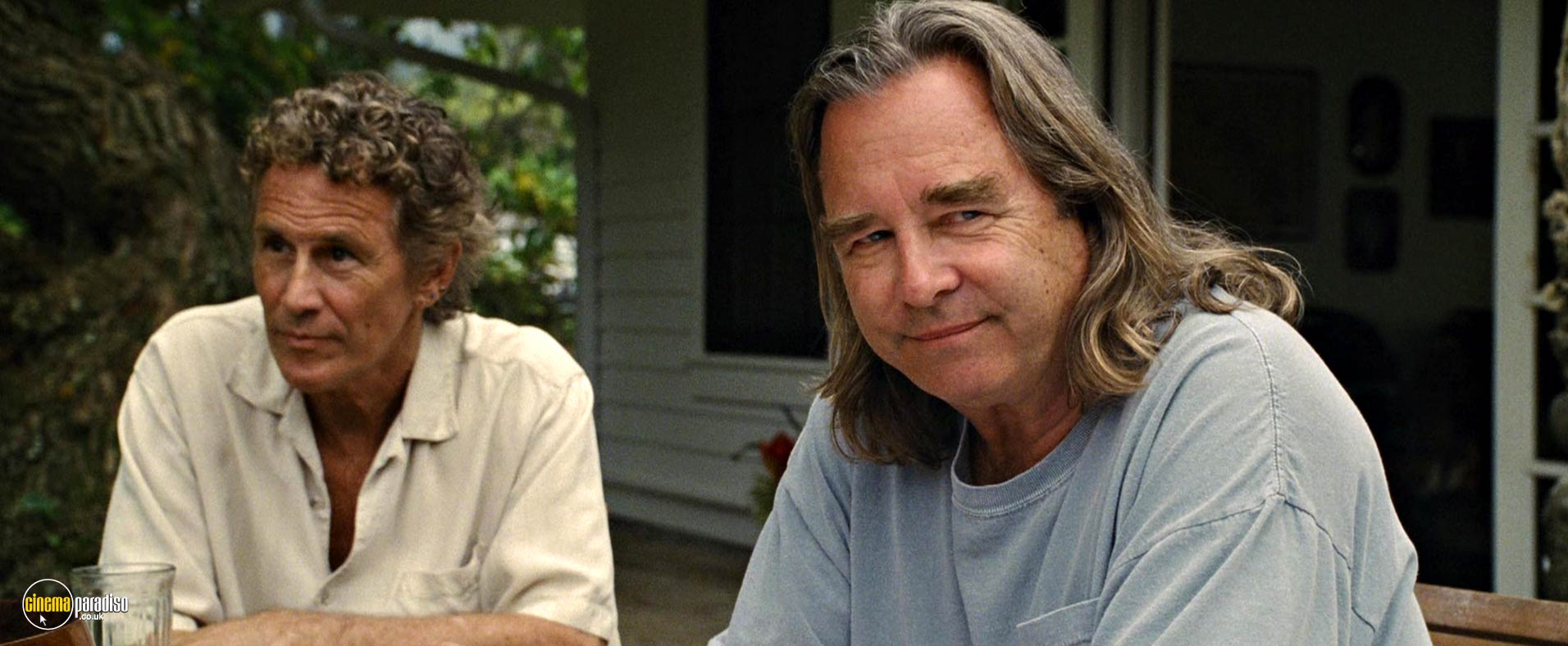
A novel by Kaui Hart Hemmings inspired The Descendants (2011), which saw Payne plump for Nat Faxon and Jim Rash as writing partners instead of Jim Taylor. It also afforded him the opportunity to work with George Clooney, which worked out well for both men, as they won the Golden Globes for Best Picture - Drama and Best Actor - Drama.
Clooney plays Matt King, a Hawaiian lawyer who is negotiating a deal for a 25,000-acre parcel of land that had belonged to his family for generations when his wife is left comatose after a boating accident. Forced to raise daughters Alex (Shailene Woodley) and Scottie (Amara Miller) alone, the workaholic Matt is thrown for a loop when he discovers that his spouse had been cheating on him with Brian Speer (Matthew Lillard), a realtor whose company is pitching to handle the family plot contract.
Switching between drama and comedy, the film chronicles how Matt learns how to become a father, while dealing with his disapproving father-in-law (Robert Forster), his grasping cousin (Beau Bridges), Speer's clueless wife (Judy Greer), and Alex's slacker friend, Sid (Nick Krause). Once again, the acting is outstanding, with Clooney landing an Oscar nomination, along with editor Kevin Tent. In addition to winning a second Academy Award for Best Adapted Screenplay, Payne was also nominated for Best Director, only to lose out to Michel Hazanavicius, who also took Best Picture with The Artist (2012).
Payne was particularly pleased with the final shot, in which Matt and his daughters hunker down on the sofa to watch TV while eating ice cream under a quilt. 'Well, that's what life is,' he explained, 'this collection of extraordinarily ordinary moments. We just need to pay attention to them all. Wake up and pay attention to how beautiful it all is.' His own life seemed especially wonderful during this period, as he met Maria Kontos while researching his ancestors in Greece and they married in 2015. Two years later, Kontos gave birth to daughter, Despina Evangeline. But the couple divorced in 2022, the same year that Payne became a Greek citizen.
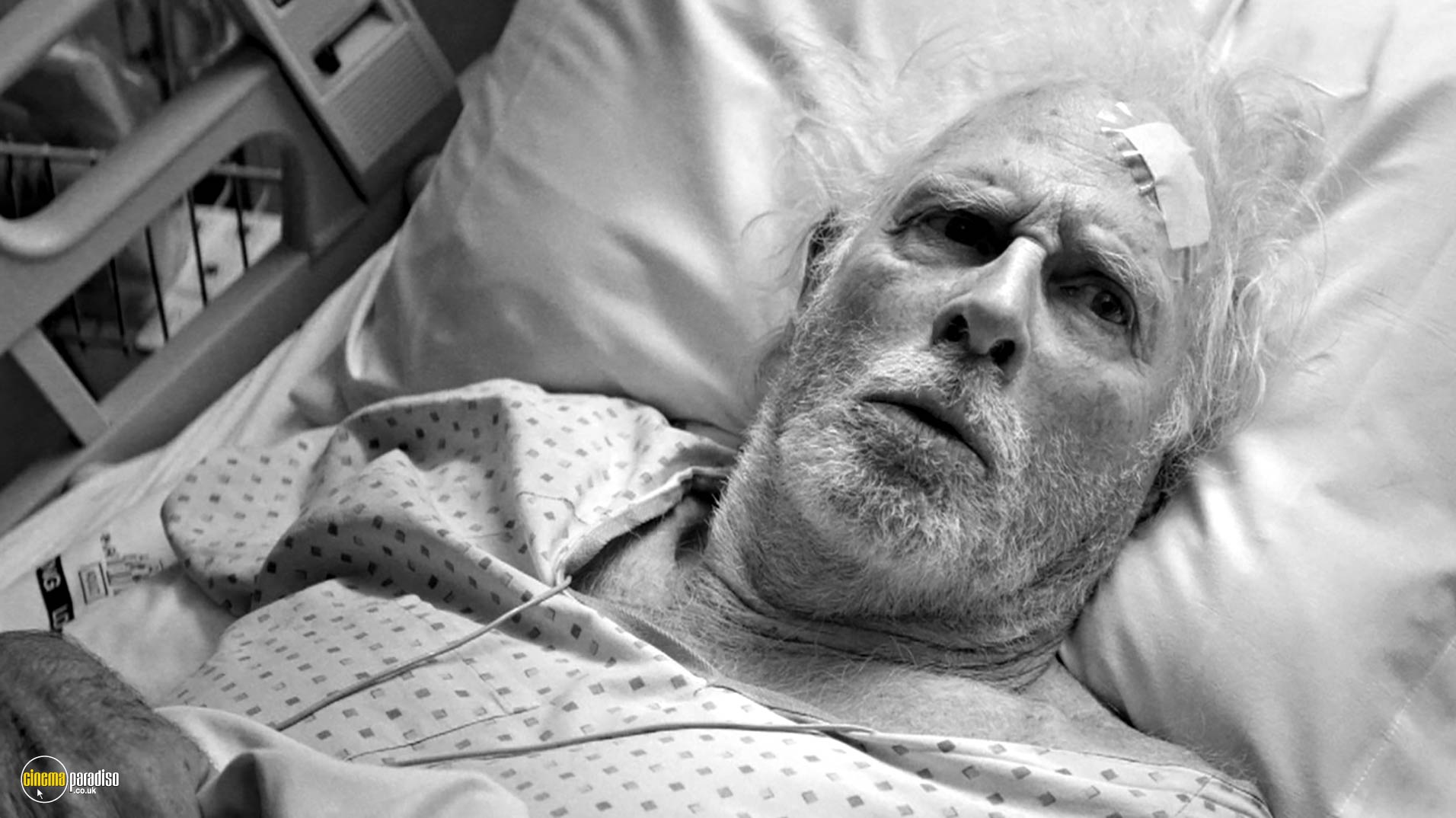
Having executive produced assistant Anna Musso's short, Run Fast (2014), Payne turned his attention to his next feature, Nebraska (2013). He had read Bob Nelson's script while making About Schmidt and asked if he could direct it after The Descendants because he didn't want to make consecutive road movies. Paramount wanted a major name in the lead. But Jack Nicholson and Gene Hackman had retired from acting, while Robert De Niro and Robert Duvall turned the part down. Payne was, therefore, able to cast his first choice Bruce Dern, who repaid his faith by winning the Best Actor prize at Cannes.
He played Woody Grant, an alcoholic Korean War veteran, who insists on travelling from Billings, Montana to Lincoln, Nebraska because he believes he has won a large sum of money in a sweepstake. Wife Kate (June Squibb) and sons Ross (Bob Odenkirk) and David (Will Forte) know the notification is a scam. But the latter agrees to escort his father on the fool's errand because hc can detour to Woody's hometown of Hawthorne, so Woody can catch up with his brother, Ray (Rance Howard), as well as friends like Ed (Stacy Keach) and old flame Peg (Angela McEwan).
Casey Affleck, Matthew Modine, and Paul Rudd had all lobbied to play David. But Payne thought Forte looked more believably Midwestern and Forte could have counted himself unlucky to miss out on an Oscar nomination after Dern and Squibb had been shortlisted for Best Actor and Best Supporting Actress. Alongside Bob Nelson for his Original Screenplay, Phedon Papamichael was recognised for his cinematography, which was shot in colour and rendered monochrome during post-production. Along with a Best Picture nod, the film also brought Payne another nomination for Best Director, but he was pipped by Alfonso Cuarón for Gravity, while Steve McQueen's 12 Years a Slave (both 2013) took the top prize.
Payne was proud of the fact that Nebraska had cost just $13.5 million. 'I want low budgets because freedom lies in the lower budgets,' he told one interviewer. 'The more expensive a movie is - anywhere in the world - the more they control that money. They're going to want to try and influence you and even if you're strong and can fight their influences, still they seep in, and you don't want anyone really talking to you while you're making the film, especially people who are only thinking about money. And the way to do that is by purposely keeping the costs low. I want low budgets. I don't want anyone thinking about what I'm doing.'
During the shoot, Payne had been linked with adaptations of Daniel Clowes's graphic novel, Wilson, and Denis Hamill's novel, Fork in the Road. Neither project got off the ground and the same fate befell an expansion of Jim Taylor's 2004 short, The Lost Cause. In November 2013, rumours circulated that Payne would direct The Judge's Will, the story of an elderly Delhi magistrate seeking to make provision for his much younger wife, which James Ivory had scripted from a New Yorker article by his Merchant Ivory screenwriter, Ruth Prawer Jhabvala.
Payne likes to keep irons in the fire, but a decade has passed since he was linked with La Vida Norteña, in which a Nebraskan mayor befriends a Latin music promoter. Another project to stall was Septillion to One, a biopic of Joan Ginther, who won the Texas State Lottery four times. Scripted by
Adam R. Perlman and Graham Sack, the comedy passed to Mark Romanek, but has yet to be made. But movies often take years to reach the screen, as was the case with Downsizing (2017), which took over a decade to write and was slated to team Paul Giamatti and Reese Witherspoon before Matt Damon and Kristen Wiig signed up.
They play Omaha couple, Paul and Audrey Safranek, who agree to join the community of miniaturised humans founded in a bid to counter overpopulation and global warming by Norwegian scientist Dr Jørgen Asbjørnsen (Rolf Lassgård). At the eleventh hour, however, Audrey backs out, leaving the shrunken Paul to find a niche after befriending eccentric Serbian neighbour, Dusan Mirkovic (Christoph Waltz), and one-legged Vietnamese activist, Ngoc Lan Tran (Hong Chau), who helps Leisureland's have-nots while protesting against the degrading living conditions.
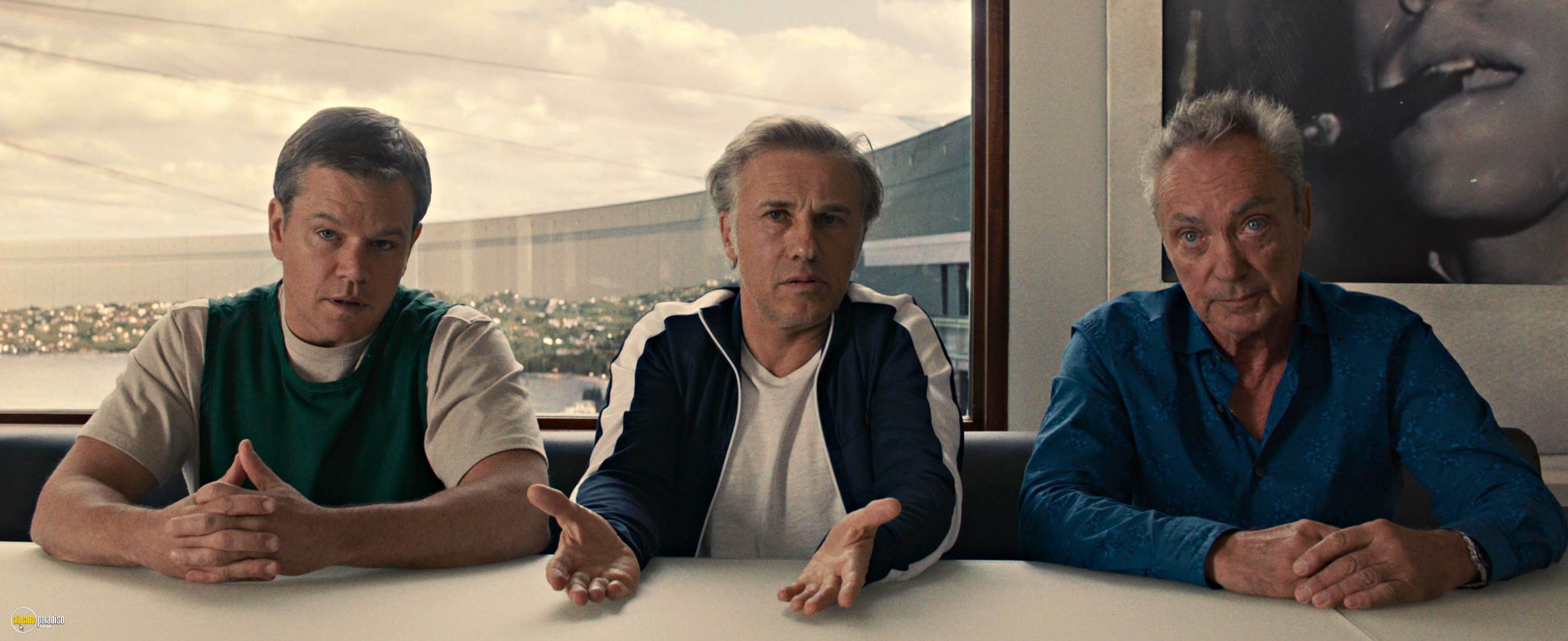
More ambitious in scale than Payne's previous work, Downsizing felt less like a passion project than something that had to be ticked off. The reviews and the takings were disappointing and Payne admitted, 'I'm just glad it's over and I can get on to something new. It was a very long process. The script took a long time to corral, finding financing was nearly impossible, and the movie fell apart three times before finally gelling. Production was long and costly, and it was tricky to pinpoint the final movie in the editing room. It's a film I had to get out of my system - Jim and I believed in it for all these years, believed in its wacky but very interesting idea, and we finally got it made.'
The verdict is that this is the low point of Payne's career. But it's a film full of fascinating ideas and contains a speech about love-making by Hong Chau that is heartbreakingly beautiful in its crudity. Its potency hit home in August 2020 when actress Rose McGowan followed up a revelation made in a 2018 interview with Ronan Farrow by accusing Payne of statutory rape when she was 15 years old. On 4 September, the director responded with a statement in Deadline and he has not addressed the issue since:
'Rose McGowan and I have always had very cordial interactions, and I have admired her commitment to activism and her voice in an important, historic movement. However, what she has said about me in recent social media posts is simply untrue. Rose is mistaken in saying we met when she was fifteen, in the late 1980s. I was a full-time film student at UCLA from 1984 until 1990, and I know that our paths never crossed. She claims that I showed her a "soft-core porn movie" I had directed for Showtime "under a different name." This would have been impossible, since I had never directed anything professionally, lurid or otherwise. I have also never worked for Showtime or directed under any name other than my own. Rose and I did meet years later, in 1991, during my first directing job, when she auditioned for a comic short I was making for a Playboy Channel series. Although she did not get the part, she left a note for me at the casting desk asking that I call her. I had no reason to question how old she was, since the role she read for required an actor who was of age. We later went out on a couple of dates and remained on friendly terms for years. While I cannot allow false statements about events twenty-nine years ago to go uncorrected, I will continue to wish only the best for Rose.'
McGowan denounced Payne as a liar in Variety, going on to say: 'I told Payne to acknowledge and apologise, he has not. I said I didn't want to destroy, now I do. Why do these men always lie? I will now make it a mission to expose him. I am not the only one. I want people that have watched his films to know his morals are in your mind, his thoughts have become yours. Like in his "comedy" Election, where the middle-aged teacher that fantasises having sex with his young student, Reese Witherspoon. I want people to know Hollywood perpetrators show you who they are, their skewed view normalised. Men like Predator Payne, who profited from working Weinstein, must be stopped from not only assaulting, but must also be prevented from infecting the masses with their propaganda.'
Since these statements were issued, silence appears to have descended over the matter, as there are no obviously evident online references to the case that postdate September 2020. We must make of this what we will.
Following his first critical setback with Downsizing, Payne became involved with a Netflix adaptation of Karl Ove Knausgård's articles for the New York Times Magazine. Mads Mikkelsen was cast in My Saga, only for it to be cancelled a week before shooting was due to start because Knausgård objected to being depicted on screen. Despite holding talks with Amazon Studios in March 2018, Payne passed on The Burial (2023), the true story of a Mississippi-based lawyer helping a funeral home director prove that he was swindled by a larger operation. Clearly seeking to challenge himself by tackling something different, Payne showed interest in a comedy horror with Emma Stone and Ralph Fiennes being attached. The latter stayed on for Mark Mylod's The Menu (2022), but Nicholas Hoult was accompanied as the foodie enduring a hellish night of haut cuisine by Anya Taylor Joy.
Sticking with the food theme, Payne was mentioned as a possible director of a Minnesota-set, English-language remake of Gabriel Axel's Oscar-winning masterpiece, Babette's Feast. But nothing has since transpired, while Will Sharpe rather than Payne brought Landscapers to HBO in 2021, with Olivia Colman and David Thewlis starring as a Mansfield couple who murder her parents in 1998.
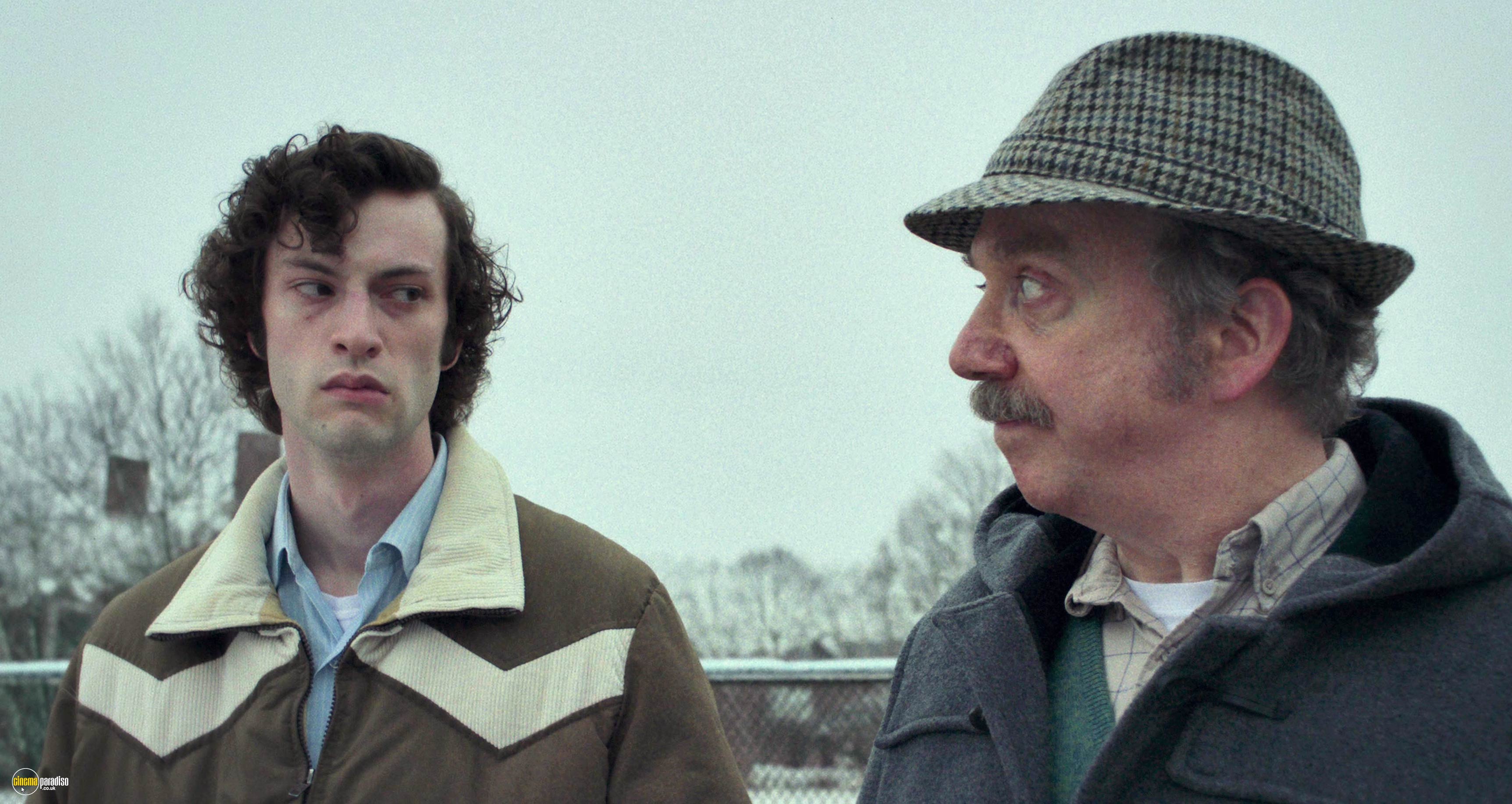
After a prolonged period of accusation and frustration, Payne reclaimed his reputation for film excellence with The Holdovers (2023), which had been simmering on the backburner since Payne had seen Marcel Pagnol's wonderful Merlusse (1933) at the 2011 Telluride Film Festival. He described the story of a teacher looking after some students over the festive season as 'stealable'. He declared, 'Kids who have nowhere to go over Christmas break. And then the very disliked teacher taking care of him who has a wonky eye. Even in the French movie, he has a wonky eye. So that's the setup I took. And I didn't know what the hell the story was going to be.'
While he was still pondering the project, however, Payne discovered that David Hemingson had written a TV pilot on an identical theme. 'I just called the guy up,' Payne explained, 'And I said, "I've never heard of you. I like your pilot. I don't want to do it. But would you consider writing a feature based on an idea I have set in that same milieu?" And he agreed. And that's how miraculously it came about.'
Ultimately, the action was set at the New England boys boarding school of Barton Academy at the end of 1970. Alumnus teacher Paul Hunham (Paul Giamatti) is left in charge of five youths, although an act of parental generosity leaves him and cook Mary Lamb (Da'Vine Joy Randolph) to supervise the rebellious Angus Tully (Dominic Sessa, who was chosen from 800 applicants), With Mary having just lost her son in Vietnam, Paul is happy to drive her to stay with relatives, while he and Tully visit Boston.
Although Giamatti received an Oscar nomination for Best Actor, it was Rudolph who took the acting honours, as she added an Academy Award to her Golden Globe and BAFTA. There was no way past Christopher Nolan's Oppenheimer for Best Picture, but Payne enjoyed the shoot and the films he showed to the cast and crew in order to get them in the right 1970s frame of mind. 'On this occasion I showed The Graduate, Klute, Paper Moon, The Landlord, Harold and Maude and The Last Detail. ' In order to capture the filming styles of the period, Payne also watched pictures by Mike Nichols and Carlos Saura. Hit the Cinema Paradiso Searchline to see what they may be.
He had little truck with Simon Stephenson's charge in Variety that The Holdovers had been plagiarised from his 2013 screenplay, Frisco. Instead, continued developing projects of his own. During the pandemic, Payne revealed that he was working on a screenplay based on a Vanity Fair article about rival Parisian antique dealers. Jim Taylor was back onboard, along with two French writers to translate the dialogue. Despite the text being 'maybe 65 percent there', it remains a tantilisation. Taylor also co-scripted Tucker Ames As Himself, which Payne has described as a 'sort of a parody of a Bill Gates guy who gets his comeuppance in some way'.
In addition to a documentary about film critic and historian Jeanine Basinger, Payne also has Tracy Flick Can't Win on the books, along with an Anthony Mann-style psychological Western set in Custer County, Nebraska in 1886, which Payne wants to make with David Hemingson and Paul Giamatti. First up, though, appears to be the Danish-language Somewhere Out There, with Renate Reinsve. Before that, Payne is off to the 82nd Venice Film Festival. He told the press, 'It's an enormous honour and joy to serve on the jury at Venice. Although I share a filmmaker's ambivalence about comparing films against one another, I revere the Venice Film Festival's nearly 100-year history of loudly celebrating film as an art form. I couldn't be more excited.'
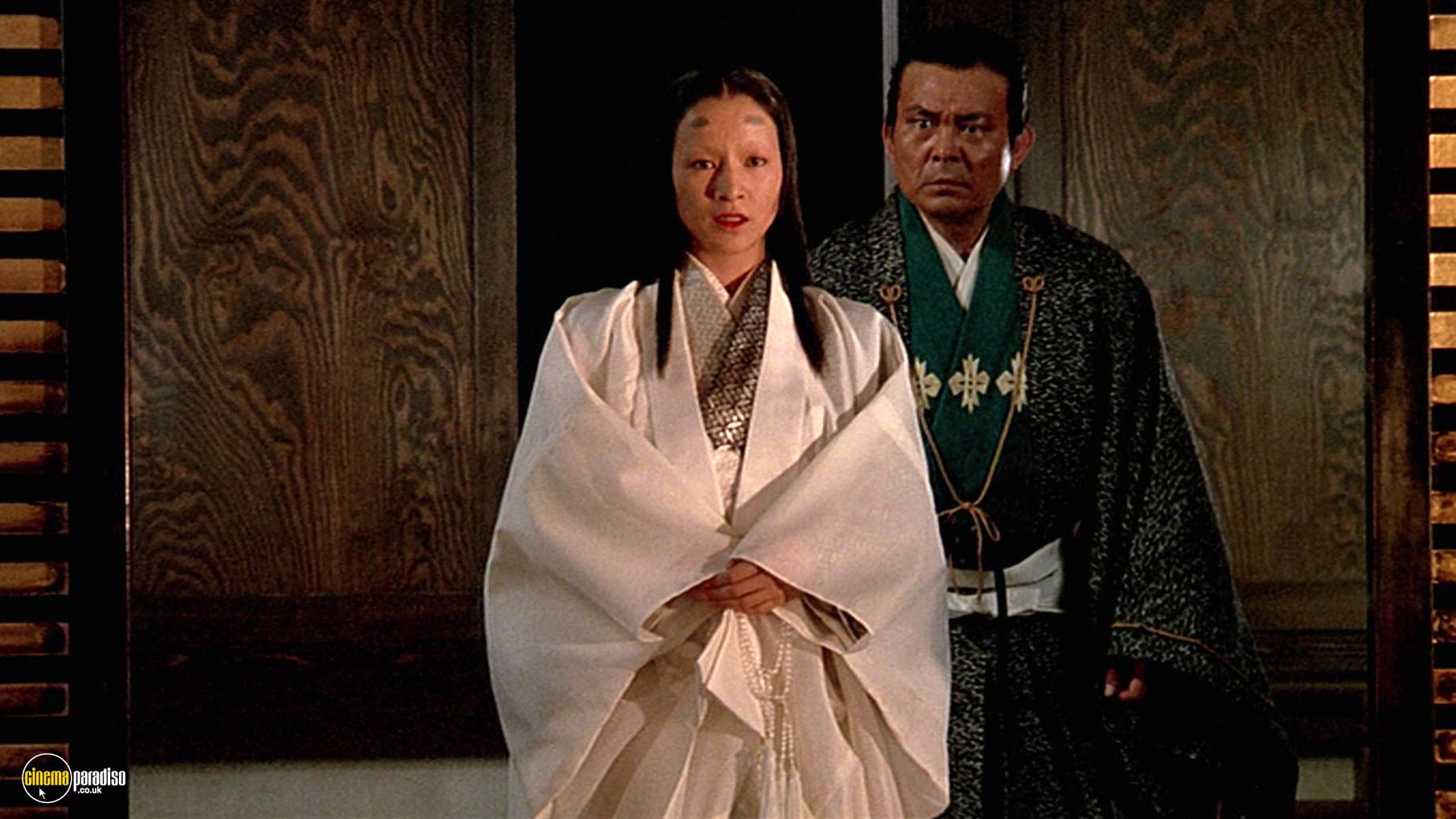
Maybe the experience will ignite his creativity. Payne recently recalled seeing Akira Kurosawa introduce a screening of Ran (1985) in Los Angeles. 'He said, "I've made 30 feature films, I'm almost 80 years old, and yet I feel as though I have less of an idea now of what a movie is than when I was younger." I thought he was just trying to play Mr Humble. Now his words are haunting. I think my gravestone will read, "I was just getting started."' Let's hope Alexander Payne keeps getting started for a long time to come.
Mentioned films