Just three months after Cinema Paradiso marked the release of Spinal Tap II: The End Continues, its director has died in tragic circumstances. We look back on the life and work of Rob Reiner.
As someone once said, 'There's a fine line between stupid and clever.' Critic David Thomson claimed in The New Biographical Dictionary of Film that Rob Reiner's features succeded because they had 'that old, unbeatable sense of silly things that work'. This feels unfair, as not only were Reiner's early outings so much more sophisticated, but also because he was never under any illusions about his talent.
Reiner told one reporter, 'I'm a good writer, but I'm not a great writer. I'm a good actor, not a great one. I have some musical ability, but I'm not a great musician, and I have a sense of composition and colours, but I'm not a great artist. So directing is the one job where I can pull all those qualities together.' As so many people have said since the 78 year-old Reiner and his 68 year-old wife, Michelle, were senselessly murdered, there was a good deal more to his capacity for making memorable movies than a mere accumulation of average accomplishments.
Screenwriting collaborator William Goldman put it succinctly: 'There's a certain flintiness to Rob's films. They're funny, but they're not simpy.' Detractors decried Reiner for lacking an identifiable style. But his personality and the themes closest to his heart are evident across his output, even when, in his later years, the happy knack of making zeitgeist-defining revisionist genre gems somewhat deserted him.
Spotlight and Shadow
Robert Norman Reiner was born in the Bronx district of New York on 6 March 1947. Along with younger siblings, Annie and Lucas, he grew up in both the spotlight of his father's fame and in his shadow. Dad was Carl Reiner, a comedy writer and performer, who had become a household name as part of the ensemble of Sid Caesar's Your Show of Shows (1950-54), which became appointment viewing in just about every American household that had a television set when Rob was a small boy.

Mother Estelle was also an actress and jazz singer and she kept open house to her husband's famous friends, who often turned up to work on the scripts that burned through 90 minutes of material each week. Among the regulars were Mel Brooks and Neil Simon, who would respectively memorialise their time on the show in Richard Benjamin's My Favorite Year (1982), which Brooks produced, and in the 1993 Broadway play, Laughter on the 23rd Floor, which Benjamin filmed for television in 2001. Carl also channelled his experiences into comedy, as his family's life in the affluence suburb of New Rochelle provided inspiration for The Dick Van Dyke Show (1961-66), which charted the ups and downs of comedy writer Rob Petrie and his wife, Laura (Mary Tyler Moore), as he worked to tight weekly schedules on The Alan Brady Show.
Originally only heard as an off-screen voice, but an active character from Season Four, the insecure, toupée-wearing Brady was played by Carl Reiner, who doubled as the show runner and contributing writer. Such pressurised involvement meant that Reiner sometimes didn't see that his eldest son was struggling to find his place in a glitzy world that became even more stellar after the family moved to Los Angeles in the early 1960s. When comedy writer Norman Lear noted how funny the eight year-old Rob was, his father had replied, 'That kid? I don't know. He's a sullen child.'
While attending Beverly Hills High School, Rob tried to keep a low profile, even though several classmates also had famous parents. Eventually, however, he was talked into appearing in a school production and he later remembered thinking while on the stage, 'I finally feel comfortable.' At 14, he took a small part in the TV series, Manhunt (1959-61) and landed the bit part of a horse-wrangler named Thomas in a 1962 episode of Wagon Train. He later followed his parents' suggestion to spend the summer doing theatre in the holiday resorts of the Pocono Mountains and also gained experience at the Bucks County Playhouse in New Hope, Pennsylvania. These trips fired his enthusiasm and Rob Reiner applied to study Theatre Arts at UCLA. Here he shared classes with film students Jim Morrison and Ray Manzarek, who would go on to form The Doors. Another classmate was Richard Dreyfus, who joined Reiner, Phil Mishkin, and Larry Bishop (whose father was Rat Pack member, Joey Bishop) in an improv group called, The Session, which took its social satirical cues from the comedian, Mort Sahl.
All in the Family
'I loved my father and he loved me,' Reiner once told a reporter, 'but as a kid growing up, I don't think he understood me. I was odd to him and I don't think he quite got me.' Indeed, it was only after Carl saw the 19 year-old Rob directing a production of Jean-Paul Sartre's existentialist play, Huis clos, that he realised he had considerable promise. 'The next day he told me in the back yard, "I'm not worried about you." So clearly, before that, he was worried!'
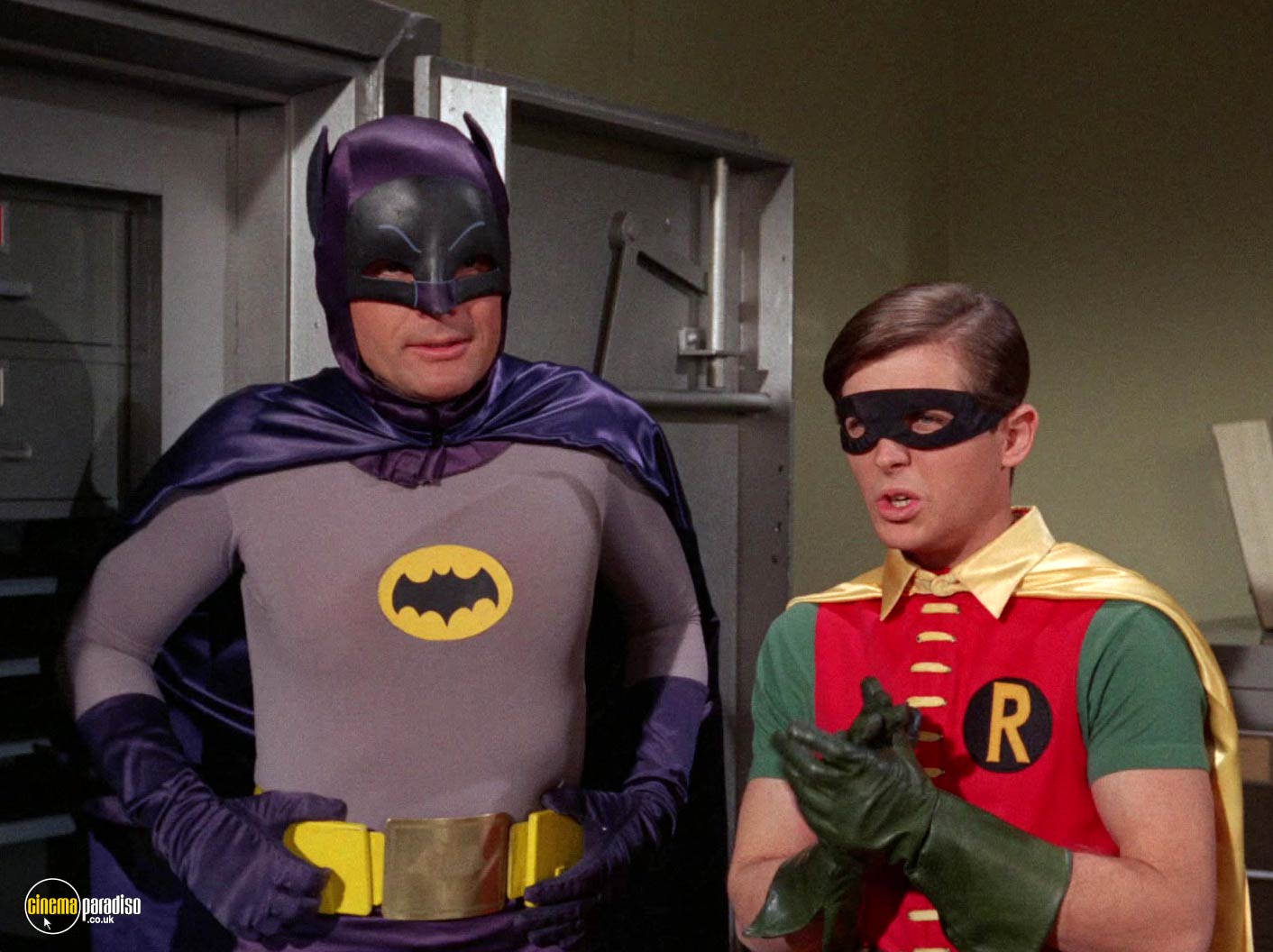
While still only 19, Reiner and Larry Bishop were hired by the Hungry I club in San Francisco to be the warm-up act for singer, Carmen McRae. They also became involved in Alan Myerson's improv troupe, The Committee, whose members would later be recruited by George Lucas to ad-lib the off-screen dialogue for THX 1138 (1971). In addition to appearing with the group in Garson Kanin's Where It's At (1969), Reiner also wrote sketches with Steve Martin for The Smothers Brothers Comedy Hour (1968-69). He also started picking up acting gigs on television, working three times with Marlo Thomas on That Girl (1966-67). He was a delivery boy in the 1967 Batman episode, 'The Penguin Declines', and followed this with slots in Hey, Landlord, The Andy Griffith Show, Gomer Pyle: USMC, The Beverly Hillbillies, and Room 222. He even took the title role in 'A Man Called Snake', a 1971 episode of The Partridge Family.
Despite making steady progess, Reiner still experienced some setbacks. Indeed, his confidence was severely shaken when his father turned him down for his preferred role in the film he was directing, Enter Laughing (1967), even though he landed the lesser part of Clark Baxter. Carl also cast him as Roger in Where's Poppa? (1970), which came between the parts of Lucky Couloris in Paul Bogart's Hall of Anger (1969) and Don in Anthony Newley's Summertime (1971). Carl would later say about Rob, 'he turned out better than me, and I love it', but Reiner, Jr. was always wary of using his father's fame to further his own career. As he later declared, 'If you're a nepo baby, doors will open. But you have to deliver. If you don't deliver, the door will close just as fast as it opened.'
Indeed, Reiner put his big break down to the man he once called his 'second father'. Speaking after Norman Lear's death at the age of 101 in 2023, Reiner claimed, 'Norman was the first guy who recognised that I had any talent.' He continued, 'It wasn't just that he hired me for All in the Family. It was that I saw, in how he conducted his life, that there was room to be an activist as well. That you could use your celebrity, your good fortune, to help make some change.'
Lear borrowed the concept for All in the Family from Johnny Speight's controversial BBC sitcom, Till Death Us Do Part (1965-75), with Warren Mitchell's ultra-Conservative Alf Garnett being replaced by Carroll O'Connor's right-spouting Archie Bunker and Anthony Booth's Labour-voting son-in-law, Mike Rawlins, becoming liberal Mike 'Meathead' Stivic. Reiner beat both Richard Dreyfuss and Harrison Ford to the role in what was America's most-watched programme for five consecutive years. He was rewarded with two Emmys from five nominations and five Golden Globe citations. Even after leaving the show in 1978, Reiner still put in a couple of guest appearances in the spin-off, Archie Bunker's Place (1979-83).
During the run of the series, Reiner married Penny Marshall, who had grown up around the corner from the Reiners in New York. Yet they only met for the first time at the audition for All in the Family, where Marshall was reading for the role of Meathead's wife, Gloria. The part went to Sally Struthers, but Marshall and Reiner would star together in Richard Michaels's comedy, How Come Nobody Is On Our Side, which was made in 1971, but sat on a shelf for three years before getting a patchy release. They would also hook up in a 1974 episode of The Odd Couple (1970-75), which Garry Marshall had adapted from the Neil Simon play that had been filmed by Gene Saks in 1968, with Tony Randall and Jack Klugman taking over the roles of Felix Unger and Oscar Madison that had originally been played by Jack Lemmon and Walter Matthau.
Penny Marshall would go on to headline Laverne & Shirley (1976-83), which was co-created by her director brother, Garry. She would team with her husband again on James Burrow's teleplay, More Than Friends (1978), a romantic comedy written by Reiner and Mishkin that pondered whether men and women could be friends. Reiner would adopt Penny's daughter, Tracy, whose credits can be found by tapping 'Tracy Reiner' into the Cinema Paradiso Searchline. The marriage would end after 10 years, but they remained good friends until Marshall died after a lauded directing career in 2018.
Back at All in the Family, Reiner started mooching around behind the scenes to discover how the episodes were put together. He also began frequenting the writers' room and wrote four episodes of the show before joining forces with Garry Marshall and Phil Mishkin to help script the first episode of Happy Days in 1974. Reiner and Mishkin also teamed on The Super (1972), in which Richard S. Castellano played the tightly wound Italian American superintendent of a New York apartment building.

Having guested in a 1976 episode of The Rockford Files, as Larry 'King' Sturtevant, Reiner got to work with Sid Caesar in Alan Arkin's Fire Sale (1977), a manic comedy about a family's mismanagement of a department store. The jobs convinced him that he was ready to leave All in the Family and devote less time to acting and more to writing and directing. However, he was aware that the public would never forget his sitcom character. 'I could win the Nobel Prize,' he mused, 'and they'd write "Meathead wins the Nobel Prize."'
Calling the Shots
Although he continued to guest in his father's films, giving Steve Martin a ride in his truck in The Jerk (1979), and kept taking leads in TV-movies like Million Dollar Infield (1982), Reiner had set his heart on directing. Regular readers will know that Cinema Paradiso recently took a deep dive into the making of his feature bow, This Is Spinal Tap (1984), in one of our What to Watch Next articles. We direct you there for more details about Marty DiBergi's encounter with Nigel Tufnel, David St Hubbins, and Derek Smalls, while we press on to explore the other titles in what was one of the most spectacular neophyte streaks in Hollywood history.
Written by Steven L. Bloom and Jonathan Roberts, The Sure Thing (1985) was a step into John Hughes territory that unintentionally echoed Frank Capra's Oscar-winning screwball, It Happened One Night (1934). As John Cusack was only 16, Reiner had misgivings about his suitability for the role of Walter 'Gib' Gibson. But he rose to the occasion, as the unlucky in love Gib travels from New England to California to hook up with a 'sure thing' (Nicollete Sheridan) lined up for him at UCLA by his high-school buddy, Lance (Anthony Edwards). Unfortunately, Gib manages to annoy the couple giving him a lift by squabbling with Alison Bradbury (Daphne Zuniga), the classmate he had unsuccessfully attempted to woo.
Forced to make their own way across country and endure a series of misadventures, Gib and Alison followed in the footsteps of not only Clark Gable and Claudette Colbert, but also Cary Grant and Katharine Hepburn, Rock Hudson and Doris Day, and any number of star-crossed romcom couples. The proven formula pleased critics and moviegoers alike and Reiner relished having a Christmas box-office hit. It also boosted his confidence as a director and convinced him that he was the right man to replace Adrian Lyne on Stand By Me (1986), which had been adapted from the Stephen King novella, The Body. Norman Lear had such belief in Reiner that he invested $7.5 million of his own money in the project.
Set in the town of Castle Rock on Labour Day in 1959, the action follows teenager Gordie Lachance (Wil Wheaton) and his pals, Chris Chambers (River Phoenix), Teddy Duchamp (Corey Feldman), and Vern Tessio (Jerry O'Connell, as they go in search of the corpse of a missing boy named Ray Brower. Confrontations with junkyard owner, Milo Pressman (William Bronder), and local tough nut Ace Merrill (Kiefer Sutherland) ensue, as the youths confide their hopes and fears on the journey. Gordie also reveals his talent as a writer when he describes how a pie-eating contest turned into a barf-o-rama.
In a 2011 interview, Reiner had explained: 'In the book, it was about four boys, but...once I made Gordie the central focus of the piece then it made sense to me: this movie was all about a kid who didn't feel good about himself and whose father didn't love him. And through the experience of going to find the dead body and his friendship with these boys, he began to feel empowered and went on to become a very successful writer. He basically became Stephen King.' But he also became Rob Reiner, who had also had to emerge from his father's shadow in order to forge his own creative identity. As he told another reporter, 'It was the first time I was making a film that was very different from anything my father would've made. It married drama and comedy and nostalgia and melancholy and was more representative of an extension of myself.'

King was delighted with the picture and informed Reiner that he could have first refusal on all his other works for $1 a pop. The director repaid the gesture by naming his new production company for Castle Rock, which was the setting for so many King stories. Before he could become his own producer, however, Reiner had to make another film as a director for hire. Richard Lester, François Truffaut, Robert Redford, and Norman Jewison had all tried to bring William Goldman's The Princess Bride to the big screen and Reiner had loved the book after being given it by his father. He was afforded the opportunity to tackle the swashbuckling fairytale by 20th Century-Fox, with Norman Lear again helping swing the deal to make The Princess Bride (1987) a reality.
Opening with an elderly man (Peter Falk) reading to his ailing grandson (Fred Savage), the story transports us to the kingdom of Florin, where Buttercup (Robin Wright) dreams of settling down with Westley (Cary Elwes), a humble farmboy. However, after she learns that he has been attacked on a fortune-making voyage by Dread Pirate Roberts, she is forcibly betrothed to Prince Humperdinck (Chris Sarandon) and abducted by hissable Sicilian, Vizzini (Wallace Shawn), and his henchmen, Fezzik (André the Giant), and Inigo Montoya (Mandy Patinkin), who is seeking revenge on the six-fingered man who had killed his father.
Shooting in Britain and Ireland, Reiner had a ball making a postmodern classic that received an Oscar nomination for Best Song for Mark Knopfler's 'Storybook Love'. Phyllis Dalton's costumes won at the Saturn Awards, where Robin Wright was nominated for Best Actress for a role that had been coveted by Uma Thurman, Sean Young, Suzy Amis, Courteney Cox, Alexandra Paul, Whoopi Goldberg, and Meg Ryan. The latter might have missed out on this timeless gem, which was has been rumoured down the years to be set for a musicalisation and a remake. But compensation would come two years later in one of the most influential romcoms of all time.
In 1984, Reiner and producer Andrew Scheinman had pitched a story idea to writer Nora Ephron, who hadn't thought much of it. However, she spent a second meeting quizzing Reiner about his love life following his divorce from Penny Marshall. 'I was in the middle of my single life.' Reiner later recalled. 'I'd been divorced for a while. I'd been out a number of times, all these disastrous, confusing relationships one after another.' Ephron was particularly intrigued by his insistence that men and women couldn't become friends because sexual attraction would always get in the way and she started developing a story, with help from Reiner's close friend, Billy Crystal, who was bemused why Tom Hanks, Richard Dreyfuss, Michael Keaton, and Albert Brooks were being considered for the male lead, when he knew the character inside out. During the four-year incubation, the project was known variously as Boy Meets Girl, Play Melancholy Baby, It Had to Be You, How They Met, How We Met, and Harry, This Is Sally.
In 1977, Harry Burns (Crystal) is dating a friend of Sally Albright (Meg Ryan) at the University of Chicago. Consequently, they find themselves sharing a car heading to New York, only for them to get into an argument about whether men and women can become friends. Five years later, the pair meet again on an aeroplane and lapse into the same debate. Yet, five years further down the line, after they bump into each other in a bookshop, Harry and Sally agree to stay in touch, in spite of an awkward New Year's Eve kiss. When an attempt to pair off the other with best friends, Jess (Bruno Kirby) and Marie (Carrie Fisher), results in the strangers marrying, Harry and Sally spend the night together. But can their relationship survive such intimacy?
There won't be many Cinema Paradiso users who don't know the answer to that question. But they all know that When Harry Met Sally... (1989) is a classic of its kind. Yet the ending might have been completely different if Reiner hadn't fallen for on-set photographer, Michele Singer, who would become his second wife and the mother of their three children, Nick, Jake, and Romy. The happy ever after helped turn the picture into a box-office smash and earn Ephron an Oscar nomination. However, the film's most famous line, 'I'll have what she's having' (which was delivered by Estelle Reiner), was coined by Billy Crystal.
Away from his own pictures, Reiner continued to act for other people. He played Joel in Danny DeVito's Throw Momma From the Train (1987), Max King III in Carl Gottlieb's Depression-era teleplay, Partners in Life, Joe Pierce in Mike Nichols's Postcards From the Edge (1990), Jay Mathews in Nora Ephron's Sleepless in Seattle (1993), Sheldon Flender in Woody Allen's Bullets Over Broadway, and Dr Klinsky in Ephron's Mixed Nuts (both 1994), while also cropping up as himself in four episodes of It's Garry Shandling's Show (1987-89). Moreover, Castle Rock started to release its own pictures, as well as sponsoring the hit TV show, Seinfeld (1990-97). Following Ted Kotcheff's Winter People (1989), it went on a roll that included Carl Reiner's Sibling Rivalry (1990), Ron Underwood's City Slickers (1991), Andrew Bergman's Honeymoon in Vegas, Billy Crystal's Mr Saturday Night (both 1992), Wolfgang Petersen's In the Line of Fire, Fraser C. Heston's Needful Things, Harold Becker's Malice (all 1993), and Paul Weiland's City Slickers II: The Legend of Curly's Gold (1994).
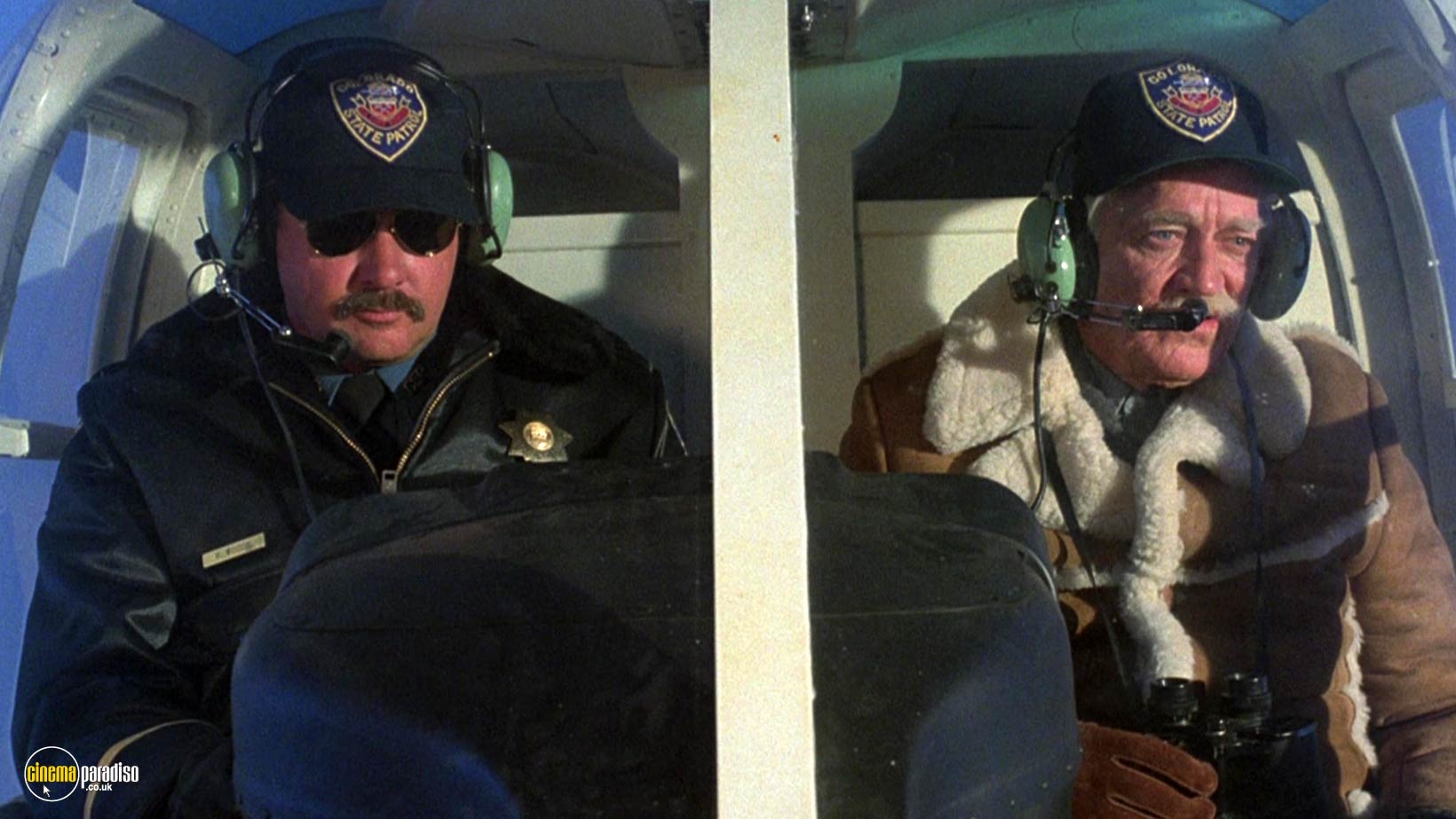
One of the perks of Castle Rock was that Reiner could make his own decisions as a director. He could hire William Goldman to adapt Stephen King's Misery (1990) and then come up with the surprise casting of James Caan as novelist Paul Sheldon and Kathy Bates as superfan Annie Wilkes after the roles had been respectively turned down by William Hurt, Kevin Kline, Michael Douglas, Harrison Ford, Dustin Hoffman, Robert De Niro, Al Pacino, Richard Dreyfuss, Gene Hackman, Robert Redford, and Warren Beatty, and by Anjelica Huston and Bette Midler.
Reiner could also decide to have Annie break Paul's leg with a sledgehammer rather than cut it off, as had been the case in King's text. All concerned were happy with the narrative, in which a bestselling author is rescued from his car after a crash and forced to abandon his change of literary direction by resurrecting an obsessive fan's favourite character, Misery Chastain.
Reiner took a bit part as a helicopter pilot, but Kathy Bates won the Golden Globe and the Academy Award for Best Actress for her fiendishly nuanced performance. Only John Hughes's Home Alone (1990) topped Misery at the US box office and Reiner had proved that he could do melodramatic horror, as well as spoofs, romcoms, rites of passage, and fairytales. He would next show himself capable of suspensful legal drama and directing superstars, as he cast Jack Nicholson. Demi Moore, and Tom Cruise in Aaron Sorkin's adaptation of his own acclaimed stage play, A Few Good Men (1992) - which went on to gross $243 million on a $40 million budget.
Cruise plays US Navy JAG Corps Lieutenant Daniel Kaffee, who is assigned to defend Lance Corporal Harold Dawson (Wolfgang Bodison) and Private First Class Louden Downey (James Marshall) when they are accused of murdering a Marine in detention at the Guantanamo Bay Naval Base in Cuba. Kaffee's superior, Lieutenant Commander Joanne Galloway (Moore) suspects that the pair were acting on a 'code red' order from above. But Base Commander Colonel Nathan Jessep (Nicholson) questions whether Kaffee and Galloway can handle the truth.
In addition to being nominated for Best Picture, this gripping courtroom drama was also up for Best Editing, Sound Mixing, and Best Supporting Actor for Nicholson, who was paid $5 million for 10 days' work. Like Nicholson, Cruise, Sorkin, and Reiner were also nominated at the Golden Globes. But Reiner would only receive one more nod from any of the major Hollywood awards bodies. Indeed, he would never again find himself on such a crest of a cinematic wave when he could simply do no wrong, as his next film would be a such an unexpectedly momentous failure that his career and reputation would never quite recover from the consequences.
Bumps in the Road
Alan Zweibel's 1984 novel, North: The Tale of a 9-Year-Old Boy Who Becomes a Free Agent and Travels the World in Search of the Perfect Parents, appealed to Reiner on several levels. Perhaps he saw something of his own history in a plotline that sees a young boy (Elijah Wood) seek to divorce the parents who had made him feel unappreciated and be given a year by a judge to find suitable replacements or be sent to an orphanage.
Jason Alexander and Julia Louis-Dreyfus star as the discarded parents, while Bruce Willis, Kathy Bates, Dan Aykroyd, Kelly McGillis, and a debuting Scarlett Johansson pop up in the course of the odyssey. But critics had their knives out for North (1994), with Roger Ebert branding it 'one of the worst movies ever made'. It's nowhere near that bad, of course, even though it drew Golden Raspberry nominations for Worst Picture, Actor (Willis), Supporting Actor (Aykroyd), Supporting Actress (Bates), Director (Reiner), and Screenplay. Only Richard Rush's Color of Night (9) accrued more nominations, although Steven Segal's On Deadly Ground also racked up six. Yet they're both available to rent from Cinema Paradiso when North isn't.
We can bring you Reiner's return to form with The American President (1996), an Aaron Sorkin-scripted romcom-cum-political satire that earned the writer and director Golden Globe nominations alongside Michael Douglas and Annette Bening, who played widowed Commander in Chief Andrew Shepherd and environmental lobbyist Sydney Ellen Wade. In fact, Robert Redford and Emma Thompson had been the first choices (and they would finally get together on A Walk in the Woods, 2015). The Oval Office set would be reused for Nixon (1995) and Independence Day (1996), while Sorkin would be inspired by his research into the workings of Washington to write The West Wing (1999-2006), which starred Martin Sheen, who has the supporting role here of White House Chief of Staff, A.J. MacInerney.
As a committed Democratic activist, Reiner wanted to use cinema to shine a light on American society. However, his first overtly political film, Ghosts of Mississippi (1996), was dismissed for peddling a white saviour narrative in showing how lawyer Bobby DeLaughter (Alec Baldwin) promised Myrlie Evers (Whoopi Goldberg) that he would bring Ku Klux Klan member Byron De La Beckwith (James Woods) to justice for the 1963 murder of her husband, civil rights campaigner, Medgar Evers.
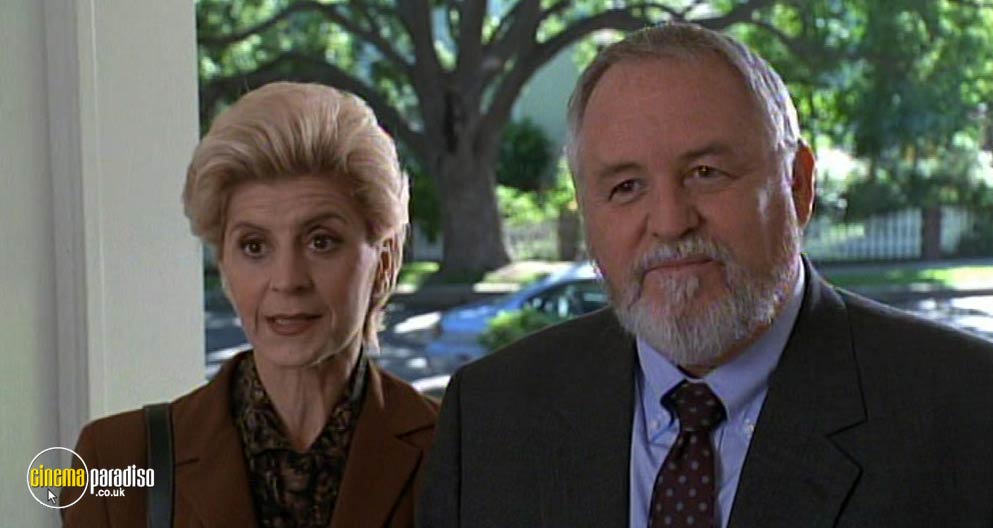
Taking stock, Reiner took the role of Dr Townsend in Bye Bye Love, Dr Plosner in For Better or Worse (1995), Dr Morris Packman in The First Wives Club, Albert the chauffeur in Mad Dog Time (both 1996), Izzy Rosenblatt in Primary Colors (1998), himself in The Muse, and Whitaker in EdTV (all 1999). He also took a cameo as Stan in The Story of Us (1999), a chronicle of the 15-year marriage of Ben and Katie Jordan (Bruce Willis and Michelle Pfeiffer), whose non-linear structure prompted many critics to detect similarities with Stanley Donen's Two For the Road (1967), which had starred Albert Finney and Audrey Hepburn. Willis came in for considerable stick (largely for being miscast), while Alan Zweibel and Jessie Nelson were castigated for the formulaic superficiality of their screenplay. But the overwhelming verdict was that Reiner had lost his touch and he didn't return to the director's chair for four years.
Across the same period, however, Castle Rock continued to sponsor films that either struck a chord with mainstream audiences or found an arthouse niche. Amongst the title released were Whit Stillman's Barcelona, Frank Darabont's The Shawshank Redemption (both 1994), Richard Linklater's Before Sunrise, Taylor Hackford's Dolores Claiborne, Billy Crystal's Forget Paris, John Boorman's Beyond Rangoon, Oliver Parker's Othello, Mel Brooks's Dracula: Dead and Loving It (all 1995), Kenneth Branagh's In the Bleak Midwinter, Harold Becker's City Hall, John Sayles's Lone Star. Andrew Bergman's Striptease, Fraser Heston's Alaska, Lee David Zlotoff's The Spitfire Grill, Michael Apted's Extreme Measures, Kenneth Branagh's Hamlet, Terry George's Some Mother's Son (all 1996), Christopher Guest's Waiting For Guffman, Richard Linklater's SubUrbia, and Clint Eastwood's Absolute Power (all 1997). Not a bad roster, as we're sure you'll agree, and plenty to tempt your clicking finger!

Feeling ready to resume his career behind the camera. Reiner took inspiration for Alex & Emma (2001) from the story of how Fyodor Dostoevsky came to write The Gambler. However, in cutting away from the scenes of stenographer Emma Dinsmore (Kate Hudson) trying to help heavily indebted novelist Alex Sheldon (Luke Wilson) write a book within 30 days or face the wrath of his publishers and some Cuban thugs, Reiner and screenwriter Jeremy Leven borrowed the core concept of Richard Quine's Paris When It Sizzles (1964), which had cast William Holden and Audrey Hepburn in a similar scenario that had itself owed much to Julien Duvivier's Holiday For Henrietta (1952)
Sparing the leads for trying their best in a losing cause, the critics turned their ire on Reiner, as the film tanked at the domestic box office. Undaunted, he returned with Rumour Has It (2005), which was written by Ted Griffin and starred Jennifer Aniston as Sarah Huttinger, a personal column scribe for The New York Times who discovers during a family wedding that her mother and grandmother might have given Charles Webb the idea for The Graduate (1967). It's a decent idea and supporting players Kevin Costner, Mark Ruffalo, Richard Jenkins, and Shirley MacLaine made the most of replacing Charlie Hunnam, Lesley Ann Warren, Tony Bill, and Greta Scacchi, who had started shooting with Griffin as the director. But critics were largely dismissive, declaring the plot gimmicky and lacking in wit and drama. However, Aniston is her usual watchable self and Reiner's joviality shines through in a way that suggests he might have salvaged this had he been given more time to rework the script before hitting the studio floor. For commentators at the time, however, this furnished further proof that he had lost his hit-making mojo.
Getting Things Done
There was much more to Rob Reiner than film-making. He was also a liberal activist and, in that regard, he followed in his father's footsteps. He told one reporter about a visit that Carl Reiner had received from the FBI in the 1950s to inquire whether he knew any Communists. 'He said: "I probably do, but if I did I wouldn't tell you."' Mother Estelle was also behind the anti-Vietnam group, Another Mother For Peace. Staunch supporters of the Democratic Party, Reiner and wife Michelle Singer campaigned to make same-sex marriage a constitutional right. Indeed, his 2012 teleplay, 8, was based on Dustin Lance Black's stage play about the trial to overturn California's Proposition 8. Given that it stars Brad Pitt, George Clooney, Jamie Lee Curtis, Kevin Bacon, Martin Sheen, John C. Reilly, Christine Lahti, and George Takei, it's a shame that it has become so difficult to see.
The Reiners also founded the I Am Your Child Foundation in 1997, which they followed seven years later with Parents' Action For Children, which sought to raise awareness of the importance of a child's early years. Moreover, they championed a scheme to fund childhood health and education programmess with taxes raised from the sale of tobacco. Such was Reiner's energy and clout that he was mooted as a candidate to challenge California Governor Arnold Schwarzenegger in 2006. However, he scotched the rumours with the killer line, 'I don't want to be an elected official, I want to get things done.'
Reiner was also an outspoken critic of Donald Trump, accusing him during the 2016 presidential election campaign of being racist, antisemitic, homophobic, and sexist. Ironically, Singer had taken the picture that was used on the cover of Trump's bestselling 1987 book, The Art of the Deal, causing her husband to quip, 'She has a lot to atone for.' In 2021, Reiner announced that he was working on a TV series entitled, The Spy and the Asset, which would expose the truth about the relationship between Trump and Vladimir Putin. This went unmade, but Reiner did produce Dan Partland's documentary, God & Country (2024), which assessed the threat posed to US democracy by Christian nationalism. Although born into a Jewish family, Reiner had not observed the faith and had declared himself an atheist. However, he also expressed an empathy towards Buddhism and claimed in September 2025, 'I'm Jewish, but I believe in the teachings of Jesus and I believe in "do unto others" and I believe in forgiveness.'
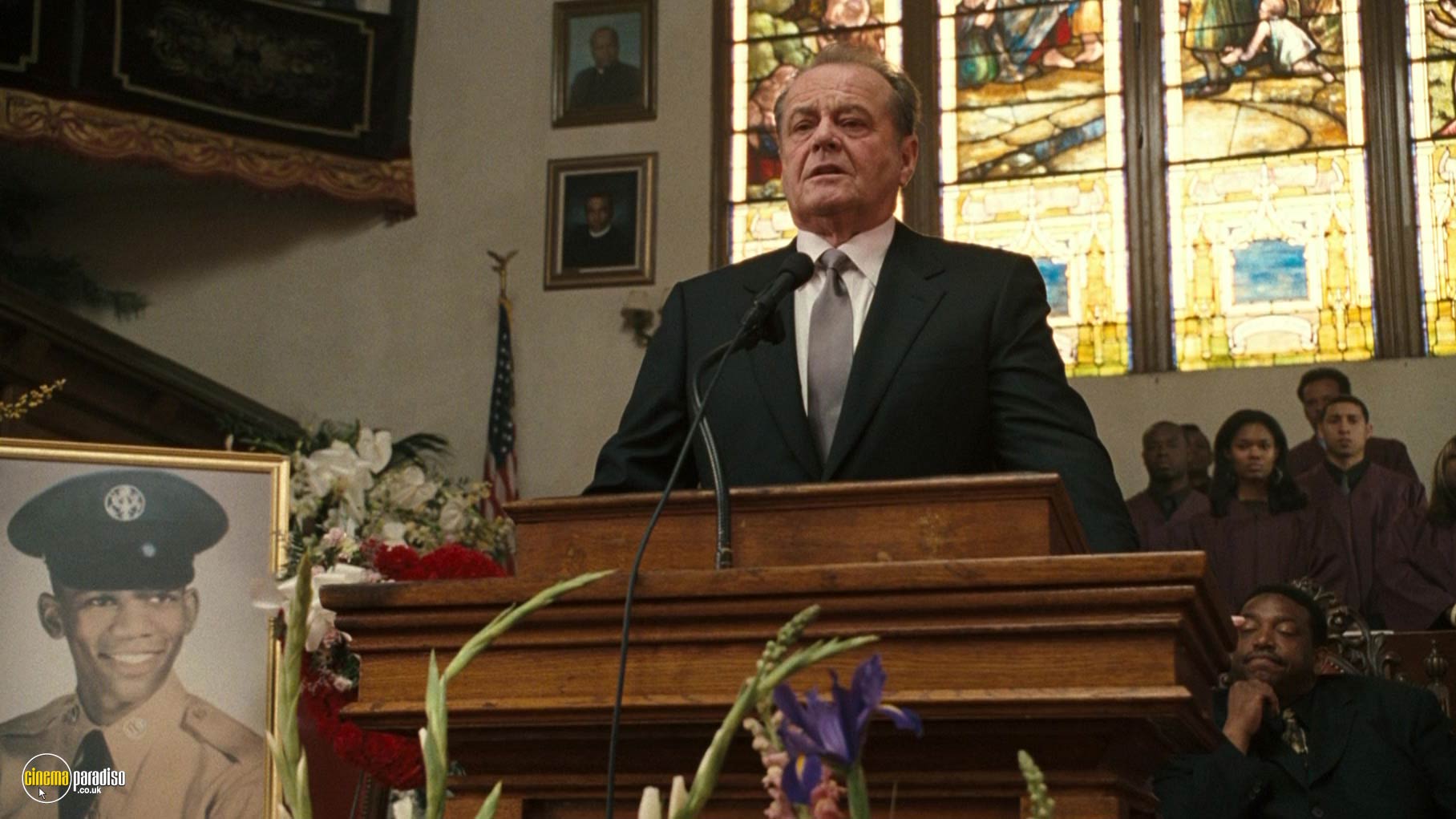
When not trying to make the world a better place with initiatives and legislation, Reiner strove to show the decent side of humanity in pictures like The Bucket List (2007), which took its title from the list that screenwriter Justin Zachman had compiled of things he wanted to do before he 'kicked the bucket'. The story follows the geriatric adventures of two cancer patients, retired mechanic Carter Chambers (Morgan Freeman) and healthcare billionaire, Edward Perriman Cole (Jack Nicholson). The leads are superb, as they travel the world ticking off items, while reflecting on family business left unattended. Some critics dismissed the story as Capracornily mawkish, but it did brisk business in introducing a new phrase to the English language.
Unfortunately, this would be Reiner's last box-office hit, even though he made another eight features over the next 18 years. Numerous other projects got no further than development discussions, however, among them collaborations with Stephen Sondheim on Singing Out Loud (1987) and Into the Woods (c.1995); a biopic of 1960s radical activist, Angela Davis (1993); an improv TV series about a family of psychologists, Everyday Life (2004); the medical drama, Whiskey River (2005); an adaptation of Peter Ferry's novel, Travel Writing (2008); a biopic of Two-Gun Cohen; the heist thriller, Airtight (both 2011); and the psychological thriller, You Belong to Me (2012). Reiner was also linked with films that ended up being directed by other hands, including The Shawshank Redemption, Harry Potter and the Philosopher's Stone (2001), and The Polar Express (2004).
He kept acting, too, voicing a studio executive in The Majestic (2001); playing himself in Dickie Roberts: Former Child Star (2003); voicing Screwie in Everyone's Hero (2006); cropping up in 11 episodes as Zooey Deschanel's father, Bob Day, in New Girl (2012-18); essaying Jordan Belfort, in The Wolf of Wall Street (2013); fronting a film studio as Ace Amberg in Hollywood (2020); and enjoying himself as Albert Schnurr in The Bear (2025). Reiner also guested in such shows as Curb Your Enthusiasm (2001); The Simpsons (2005); Studio 60 on the Sunset Strip (2006); Hannah Montana; Wizards of Waverly Place (both 2009); 30 Rock (2010); and The Good Fight (2018-20), as well as appearing in such documenaries as Tell Them Who You Are (2004), Viva La Raza: The Legacy of Eddie Guerrero (2008), The Case Against 8 (2014), The Last Laugh, Norman Lear: I'm Just Another Version of You (both 2016), Andre the Giant (2018), and The Movies (2019).
Castle Rock had been acquired by Ted Turner in 1993 and became part of Warner Bros after a merger, three years later. A deal with Polygram proved short lived and the company's budget was trimmed significantly in 2002 after a string of commercial disappointments. We shall point you only in the direction of the more meritorious releases, including Whit Stillman's The Last Days of Disco (1998), Frank Darabont's The Green Mile (1999), Donald Petrie's Miss Congeniality (2000), Richard Linklater's Before Sunset (2004) and Before Midnight (2013), Kenneth Branagh's Sleuth, Tony Gilroy's Michael Clayton (both 2007), and Christopher Guest's Best in Show (2000), A Mighty Wind (2003), and For Your Consideration (2006).
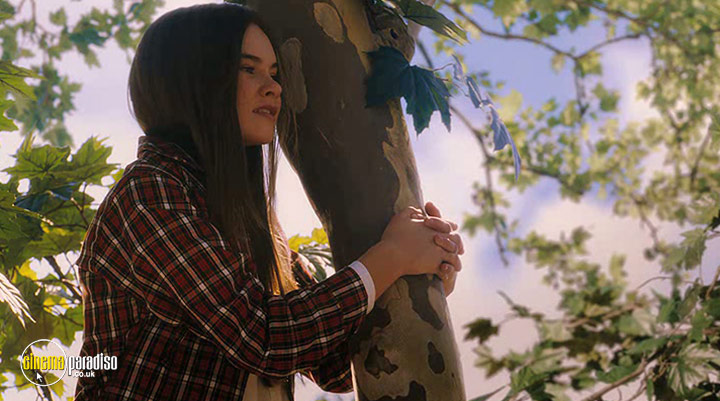
Reiner's own films were also released under the Castle Rock banner. But they increasingly came in for lukewarm to negative responses, even though they were never anything less than thoughtful and meticulously made pieces of entertainment. Set over a decade from 1957, Flipped (2010) was adapted from a YA novel by Wendelin Van Draanen and charted the shifting nature of the relationship between neighbours Bryce Loski (Callan McAuliffe) and Julianna Baker (Madeline Carroll) from second grade to high school. Offering shrewd insights into adolescent emotions and attitudes, this deserved to be a bigger hit and its failure to become one says more about the changing profile of filmgoers than it does about the quality of the content, which has gone on to acquire something of a cult sheen.
Writing again with Andrew Scheinman, Reiner turned to the later end of the lifescale in Once More (aka The Magic of Belle Isle, 2012), which follows disillusioned alcoholic novelist Monte Wildhorn (Morgan Freeman) to a lakeside summer house, where he rediscovers his zest for life in the company of Charlotte O'Neil (Virginia Madsen), the single mom who lives next door with her three young daughters (the eldest of whom was played by Madeline Carroll). Once again, the reviews accused Reiner of trading on former glories and mistaking sentiment for genuine emotion. It hardly reinvents screen romance, but there's a sincerity here that is missing from so much modern studio output.
The same is true of And So It Goes (2014), which reunited Reiner with Michael Douglas, who plays a widowed estate agent who is helped to grieve by his recently bereaved neighbour, Diane Keaton, who is thinking about reviving her singing career. Reiner took the supporting role of Artie, but poor box-office returns and negative notices meant that it didn't even merit a DVD release in the UK. Eminent critic Richard Corliss opined that the film represented a 'failed attempt to Heimlich a venerable movie genre' and there were many critics who believed that Reiner's directing career was also in need of some short, sharp shock treatment.
They were scarcely more receptive when Reiner changed tack to direct Being Charlie (2015) from a screenplay that had been co-written by his son, Nick. He had dabbled in drugs from a young age and had attempted rehab on 18 occasions without success. Hoping that the collaboration would help Nick conquer his demons, Reiner put plenty of himself into the character of Charlie's father, David, a former actor who is running for governor and is frustrated by the adverse publicity generated by his son's heroin addiction and homelessness. Nick Robinson and Cary Elwes do well in the difficult roles, but the reviews did little more than acknowledge the film's good intentions in giving it downbeat reviews. Father and son undertook a publicity tour together and footage from the various Q&A sessions was pored over for clues after the tragic events of December 2025.
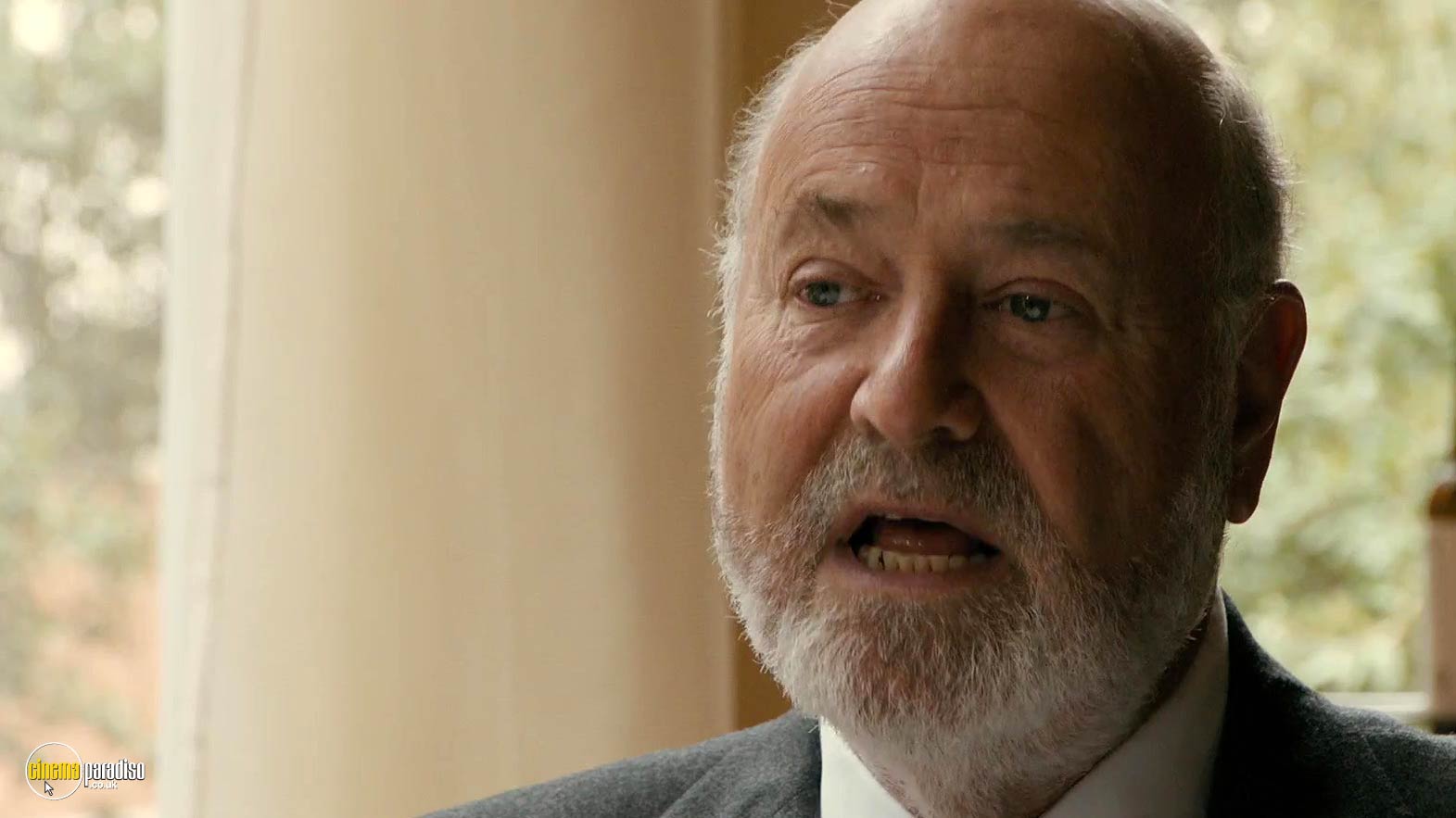
Reiner next took a political turn, with two features scripted by Joey Hartstone. In LBJ (2016), the pair examined the tensions between Lyndon B. Johnson (Woody Harrelson) and Robert F. Kennedy (Michael Stahl-David), either side of the assassination of President John F. Kennedy (Jeffrey Donovan). They followed this with Shock and Awe (2017), which followed Knight Ridder reporters Jonathan Landay (Woody Harrelson) and Warren Strobel (James Marsden), as they struggle to find evidence of the weapons of mass destruction that President George W. Bush had cited as his primary reason for invading Saddam Hussein's Iraq in 2003. Reiner took a supporting role as editor John Walcott, but critics seemed to have run out of patience with him and branded each film preachy and superficial.
Six years passed before Reiner directed again, with Albert Brooks: Defending My Life (2023) being a documentary about the actor/writer/director he had known since they were students at Beverly Hills High. At the core of the portrait is a conversation between Reiner and Brooks, whose films as both a director - Modern Romance (1981), Lost in America (1985), Defending Your Life (1991), and The Muse (1999) - and as a jobbing actor - Broadcast News (1987), The Scout (1994), My First Mister (2001), and The In-Laws (2003) - are available to rent from Cinema Paradiso.
In November 2023, Reiner and journalist Soledad O'Brien issued the podcast, Who Killed JFK?, which he followed the next month by compèring the TV special, Dick Van Dyke: 98 Years of Magic. He had also relaunched Castle Rock, with the first picture on the slate being Spinal Tap II: The End Continues (2025), which we also covered in our What to Watch Next article. Several reviewers deemed the sequel 'superfluous', while falling over themselves to proclaim their love for the 1984 original. The presence of Paul McCartney and Elton John slyly commented on the concept of longevity in an industry that is besotted with the next big thing and Reiner himself must have felt a little frustrated (like Woody Allen before him) to be forever vaunted for 'the early funny ones'.
On 14 December 2025, Romy Reiner found the bodies of her parents in their Brentwood home after they had been stabbed to death. The LAPD later arrested her brother, Nick, who had attended Conan O'Brien's Christmas party with his father and mother the previous evening. Reports circulated that a tension between the trio had been noticed after Rob had informed Nick that his behaviour was inappropriate in somebody else's home. In the hours after the news was announced, Billy Crystal, Albert Brooks, Larry David, Martin Short, and Barry Levinson issued a statement which averred, 'There is no other director who has his range...he was always at the top of his game. He charmed audiences. They trusted him.' Someone who didn't was Donald Trump, who blurted on TruthSocial that Reiner had 'reportedly died due to the anger he caused others' by adhering to what he called, 'Trump derangement syndrome'. When asked about his comments at a press conference, the president had insisted that Reiner was a 'deranged person' who had been 'very bad for our country'. Suffice to say that political friends and foes alike had begged to differ.
In the days that followed, it was announced that Reiner had been working on a concert film, Spinal Tap At Stonehenge: The Final Finale. It's not known when this is likely to be released. But it will be interesting to see how critics respond, as many had conveniently forgotten in their tributes how much opprobium they had dished out over the previous 20 years in proclaiming Reiner to be a genius who had always possessed an intuitive ability to know what audiences wanted. For a decade, he had been a breath of fresh air in an industry that had tied itself in knots seeking to please its new fanboy base. But he never considered himself a genius. He simply made films, in his own words, that combined 'drama and comedy and nostalgia and melancholy', and he never strayed from that rather wonderful formula. In his later years, he might have disappointed as a director, but Rob Reiner never ceased to be a man who strove to make a difference and make things better for his fellow human beings. In this regard, his achievement is proud, profound, and enduring.
Mentioned films