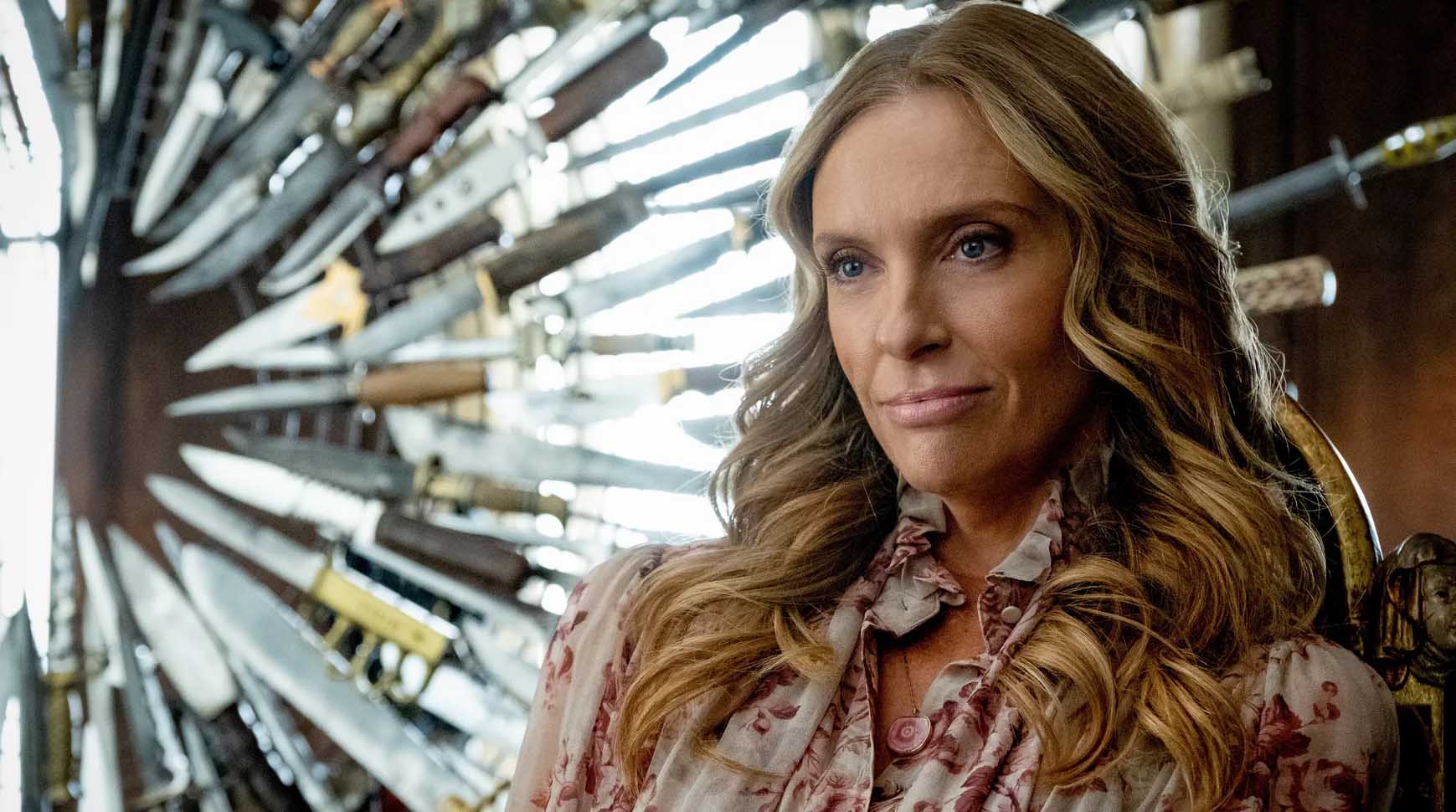
As Toni Collette's birthday approaches, Cinema Paradiso reflects on three decades of chameleonic excellence.
`There was no plan. No plan! The plan is to have no plan, because no matter what plan you have, you'll go off-plan.' So said Toni Collette to the Daily Telegraph in 2014. She was reflecting on the fact that she has become associated with certain kinds of characters during her career. `Retrospectively,' she mused, `if I look at stuff, I'm starting to realise that there are certain themes that I return to, those being that there is no such thing as normal, and people finding their voice and living authentically. And also that you can be influenced and helped through an extended family.'
A decade later, when asked by Vogue why she preferred independent pictures to blockbusters, Collette replied, `I mean never say never, right? When I say I never had a plan for my career, I really never had a plan. I still don't! I'm just open to what life wants to feed me. I really will consider anything because you just never know what's right and what's good for your soul at any given moment. I have no biases or discrimination when it comes to the scripts that come my way.'
Collette is renowned for playing `emotionally-charged characters on the edge of unravelling'. The Irish Times put it nicely when it said, `she has the ability to bring angular reality to even the glossiest role'. This is because she sets out to create a person rather than a character. `When I watch a film,' she explains, `it's really disappointing when the main characters are awesome and those relationships feel so real and good, and then a supporting character is a bit halfhearted or incomplete. You might as well not make the movie, because the entire world collapses. If one thing takes you out of the story, then the whole thing is negated.'
Regardless of the size of the role, therefore, `I will absolutely do it the best I can, give 100%. It doesn't matter where you are in the cast or how much time you have on screen. It's creating a person.' And no one Collette person is the same as another. She forms them through a mix of gut instinct, research, moments of inspiration, and interactions with her castmates. `Those are the most exciting moments,' she once revealed in discussing her reluctance to over-rehearse. `There has to be a little bit of room to breathe and be a bit flexible. Even saying, "I can see how it needs to be," is more of a feeling. Sometimes I don't know how I'll get there, but I do know that I will; there's just an essence that is very, very clear.' She continued, `actors use themselves. It's part imagination and it's part you, so it's kind of all me, even though it really isn't. It's a weird, blurry world of not really knowing where the ownership lies.' But it always comes together and, whatever the role, Collette usually ends up being the best thing in the film.
From Tomboy to Thespian
Toni Collett was born in Sydney on 1 November 1972. Her earliest memory is watching raindrops land on the plastic covering of her pram in the suburb of Glebe, where she lived until she was six with younger brothers, Ben and Chris, and their parents. Father Bob was a truck driver, while mother, Judith Ann (née Cook), was a customer service rep for a courier company.
When she appeared on the Australian version of Who Do You Think You Are?, Collette discovered that Judy had been raised by an aunt after her mother, Ivy, had died after giving birth at home. After a chequered career in the army, grandfather Joseph had left their three children with relatives, as he knew he would struggle to raise them alone and Collette learned that he later spent time in prison and become an alcoholic after marrying a second time. Alongside this sad story was the mystery surrounding Bob's parentage, as mother Norma had divorced husband Stan while having an extramarital affair with a US Navy chief petty officer stationed in Bathurst during the Second World War. While two pictures turn up in court records, he could not be identified and subsequent appeals have failed to put a name to the face.
Collette regards her father as her hero, as `he's seen the darkest side of life and still faces each day with a sense of humour'. He was sent to Vietnam and she told one interviewer, `A lot of people still don't know that Australians were involved in that war. And he was drafted, he wasn't in the army - he had the wrong birthday, and suddenly he's got a gun on his back and heading off. It was terrifying, and he was just a teenager.'
In 1979, the Colletts moved to Blacktown in New South Wales. Toni remembers being teased at school for being a `westie', but she quickly adapted to suburban life, being something of a tomboy who liked to climb trees, swim, ride her bike, and play basketball. The family also had lots of animals, with cats, dogs, rabbits, and birds to look after. Money was often tight, but Bob and Judy supported their self-confessed `noisy' daughter through her juvenile enthusiasms. `I always wanted to perform,' Collette recalled. `I did dance classes from four or five. It had something to do with coming from a family where the television was always on. I found acting for a reason: I needed to learn how to express myself. If I hadn't found it, I would have imploded.'
Collette remembers her younger self having `crazy' levels of confidence. When she was 11, she declared that she had appendicitis and proved so convincing when examined that she had her appendix removed. As she recalled: `Some people say, "Oh, that was your first role", but it was nothing to do with acting. My mother had told me that her appendix was removed when she was 11, and I thought, "Well, I'm 11 now, I'll give this a shot", and it just kept going. Then it was too late. I felt pain in my stomach, and it just kind of escalated. Obviously, I didn't understand what I was doing, I was 11.' Looking back on the episode, she has since joked, `I've always thought that I'm not one of those clichéd actors who got into it because they need attention. But perhaps there is an element of that? How embarrassing!'
At Blacktown Girls High School, Collette devoted a lot of time to netball and swimming. She blamed the latter for her muscular shoulders in revealing, `My mum sat there one day and counted, I did 52 laps of the Olympic pool, which is a lot for a teenager. I remember they made us do backstroke with one arm. I can't believe I ever kept in a straight line!' Judy and Bob did a lot of ferrying around, as their daughter also did tap-dancing classes, as she had decided her ambition was to perform in musicals like the ones she had watched with her mother on television on Saturday afternoons.
When asked by a reporter when she had been happiest, Collette had no hesitation in responding, `I was 14. I loved the colour lilac. I had a crush on a boy. I was in my first stage production. I drank Passion Pop. I swam naked in the dark. I was becoming myself and felt so free.' The show was a school presentation of Godspell and she had wowed the teachers at audition with her rendition of Whitney Houston's `Saving All My Love For You'.
Looking back, she enthused: `The first time I ever performed was at school in the musical Godspell. I was 14 and felt like I had just discovered some new religion. It made me feel so alive to engage with my own emotions, because I was so shut down at that age. I had no real knowledge of myself and acting allowed me to investigate all these closed doors in my system. Now I know myself better and don't need acting the same way I used to, which is probably healthier.'
While she enjoyed performing, it was Geoffrey Rush who convinced Collette that an actor's life was for her. She had seen him in The Diary of a Madman during the winter of 1989 and later confessed, `When I watched him in that, it was like being in church, I had a full-on spiritual awakening. I even wrote him this letter - I don't remember what it said, but it was very complimentary.'
Recognising that she had found her calling, Bob and Judy agreed let Toni transfer to the Australian Theatre for Young People. `I was 16,' she explained. `And it's not like I wasn't good at school, or I didn't enjoy it, I did. I just loved acting more. I don't regret that decision, but I can't believe I made it.' Being involved with the troupe gave her a sense of purpose and identity. `It became like another thing, catching a train into town to rehearsals; it was nothing to do with anybody I grew up with or my family. It was mine.'
Having left school at 16, Collette enrolled at the National Institute of Dramatic Arts in Sydney in 1991. However, she soon realised that the classical approach didn't suit her. `What I discovered at NIDA,' she later divulged, `was that I just don't work that way. I'm really instinctive and just listen to my gut. Sometimes the technical work can be helpful but more often than not, I find it really frustrating because it gets in the way and takes you out of the moment when you're ultimately trying to let go of everything and make a scene feel as alive as possible. I'm in no way technical, so the biggest lesson that stuck with me was to listen to myself.' Armed with this self-knowledge, Toni Collette quit NIDA and set out to make her name, which now had an extra `e' on the end.
`Follow Your Heart'
Even before she went to NIDA, Collette had been treading the boards in a variety of productions. In 1988, she had played Hanna in Burger Brain - The Fast Food Musical at the Everest Theatre in Chippendale, New South Wales. Later the same year, she had made her TV debut as a singer on the variety show, Blah Blah Blah. Her first small-screen acting role had followed two years later, when she was cast as Tracy in a Season 10 episode of A Country Practice. The same year, Collette had made her professional stage debut as Debbie in Operation Holy Mountain at Q Theatre in Penrith.
On joining the Sydney Theatre Company, she landed the role of Petra in A Little Night Music at the Sydney Opera House. It was back out to the Harold Park Hotel in Glebe for A Pocketful of Hula Dreams before she returned to Sydney to play Meg in a production of Away at the Blackfriars Theatre. Between classes and auditions, she worked part-time selling jeans and delivering pizzas. But everything changed when she left NIDA after 18 months having been invited by director Neil Armfield to play Sonya opposite Geoffrey Rush in Anton Chekhov's Uncle Vanya (all 1992) at the Opera House.
Collette later noted, `When you're at drama school they really make you feel like it's the be-all and end-all, when ultimately you're working towards building a career. NIDA was a three-year course and at the beginning of my second year I was offered the opportunity to work on that production with a director that I really admired. I was scared that I would leave for this one job and then nothing else would happen.'
Appearing alongside such an iconic Australian actor was a huge step forward. But it wasn't the best thing about the gig, as Collette once shared: `I come from a really working-class background, and my parents came to see it. They didn't understand this new love of acting, or the world that I was moving in and exploring. Once they saw [the play], my dad looked me in the eye and just said, "I get it. I see what you can do, and you have to follow your heart." That was really big for me.'
Fresh from receiving a Critics' Circle Award as Best Newcomer, Collette reunited with Rush as the Chorus in the Belvoir Street Theatre production of Aristophane's The Frogs. Further stage engagements followed, as Collette played Bev/Beatrice in Summer of the Aliens in Walsh Bay in 1993 and Cordelia opposite John Stanton in King Lear at the Sydney Opera House.
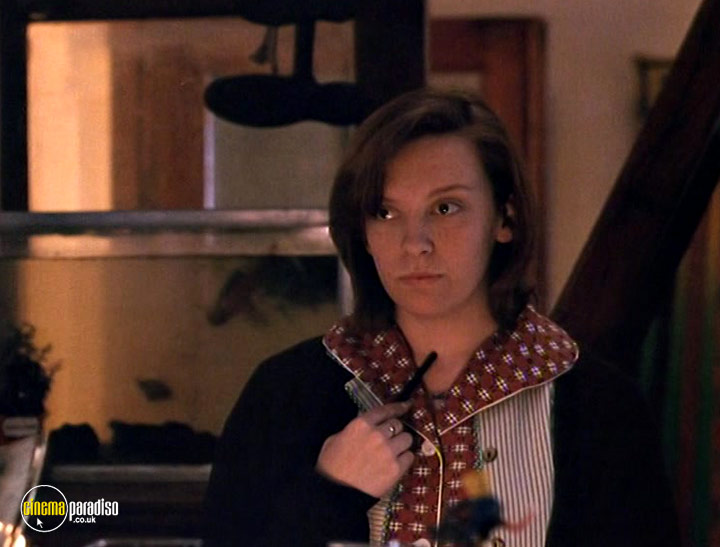
She wouldn't return to the theatre for six years, however, while seven years would elapse before she worked in television again. This was because cinema had discovered Toni Collette and she ventured before the cameras for the first time to play Wendy Robinson, a bashful employee at the Balls moccasin factory in Melbourne in Mark Joffe's Spotswood (1991). Anthony Hopkins stars as the efficiency expert reporting on working practices, while the supporting cast included Bruno Lawrence, a young Russell Crowe, and Ben Mendelsohn, with whom Collette would share the charming finale on the factory roof.
In an interview with Time Out New York, Collette acknowledged that `Russell took me out, got me drunk, gave me pot and wiped up the vomit when I couldn't handle it.' But, despite earning her first nomination at the Australian Academy of Cinema and Television Arts Awards, there were no queues to sign her up for a sophomore picture. As she remembered, `My agent at the time said, "Well there is one film I've heard mumblings about but it's not entirely financed yet…" I'd sorta forgotten about it but after finishing Uncle Vanya about a year later, I called her back up and said, "Hey, what happened to that film you were talking about?" She goes, "This is so spooky because the producers just contacted me saying they're ready to go and wanna meet with you."'
Goodbye, Porpoise Spit!
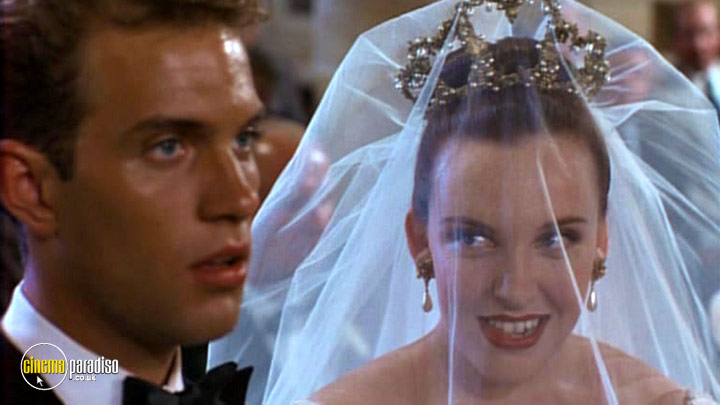
Having played Cindy, a high-school majorette cheating on her boyfriend with another girl in Kelli Simpson's graduation short, This Marching Girl Thing, Collette started piling on the pounds to take the title role in P.J. Hogan's Muriel's Wedding (both 1994). `Every time Toni opened her mouth,' the director joked, `I put a doughnut into it,' as she had seven weeks to put on around three stone in order to play the daughter of corrupt small-town politician, Bill Heslop (Bill Hunter), who is betraying put-upon wife Betty (Janine Dryden) with the glamorous Deirdre Chambers (Gennie Nevinson). Desperate to be liked by the popular girls, Muriel uses a blank cheque to follow them to an island resort, where she runs into old classmate, Rhonda Epinstall (Rachel Griffiths), who shares her love of ABBA. Shortly after they move to Sydney, however, Rhonda is given a devastating medical diagnosis, while Mariel (as she now styles herself) receives a wedding proposal that's too good to refuse.
Given the number of mistakes she makes and the decisions she takes for the shallowest of reasons, Muriel Heslop could have been a rather resistible character. But Collette made her as vivacious as she is venal and thoroughly merited her first Golden Globe nomination and the AACTA Award for Best Actress. It would have been easy to accept other roles in a similar vein, but she turned them all down and filled in the time waiting for the right follow-up by voicing Princess Yum Yum's Nanny and the Mad and Holy Old Witch in Arabian Nights (1995), Miramax's cut of Richard Williams's much-troubled animation, The Thief and the Cobbler (1993), in which the roles had been taken by Carry On legend, Joan Sims.
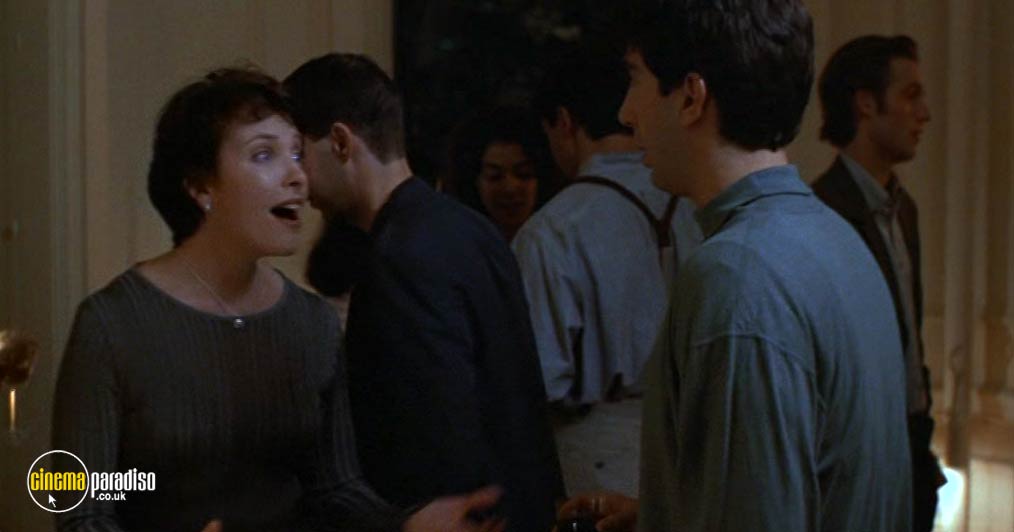
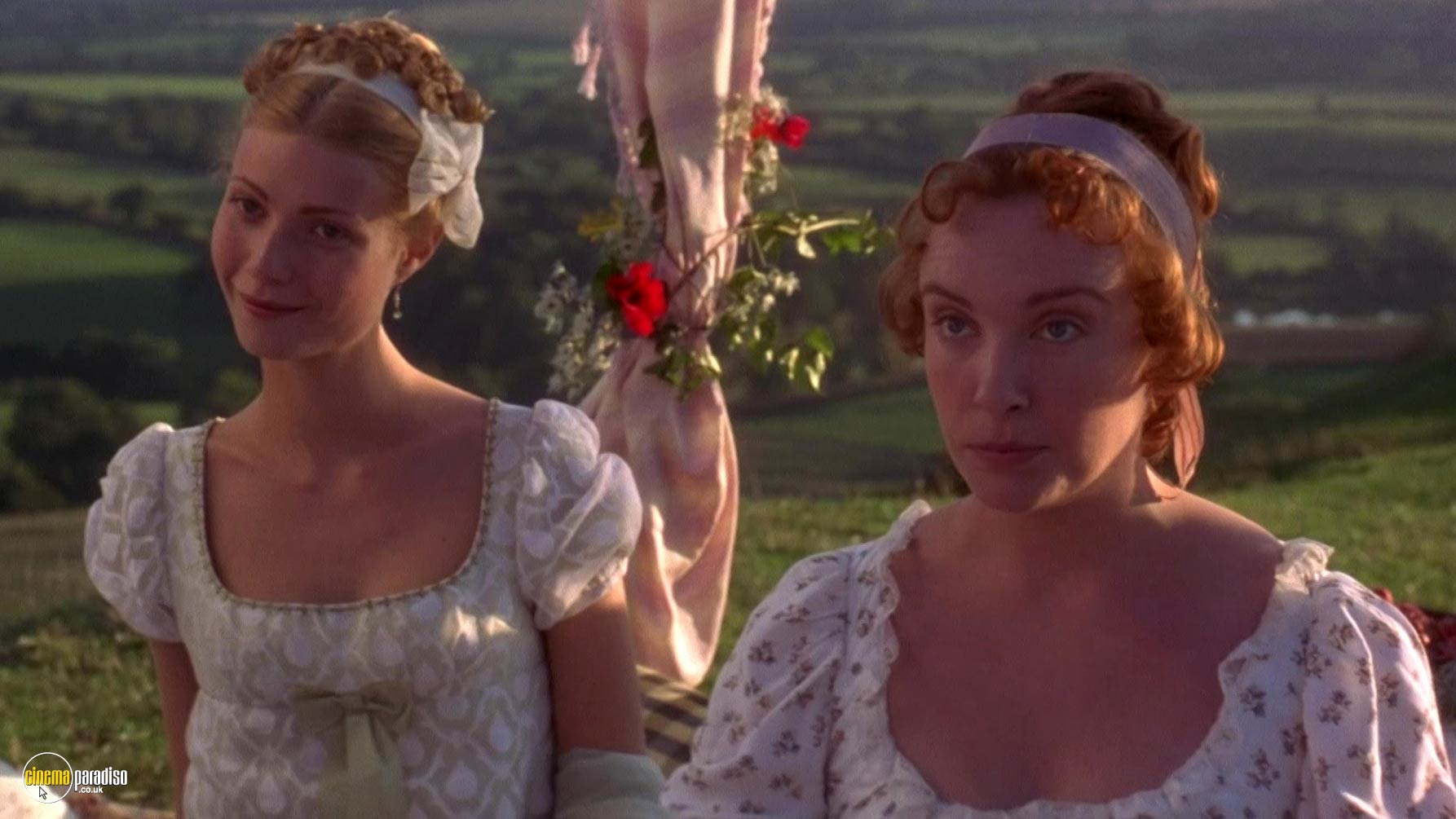
A very busy 1996 followed, as Collette reunited with Mark Joffe, Ben Mendelsohn, and Rachel Griffiths for Cosi, in which she played Julie, a recovering drug addict who participates in a talent show at a mental health facility. Having sung Crowded House's `Don't Dream It's Over' over the closing credits, Collette set off to Hollywood to collaborate twice with Gwyneth Paltrow. In Matt Reeves's The Pallbearer, she plays Cynthia, who accompanies Scott (Michael Vartan) on a double date with her friend, Julie DeMarco (Paltrow), who has reluctantly agreed to go to dinner with the besotted Tom Thompson (David Schwimmer). Collette was also in thrall to Paltrow in Douglas McGrath's droll take on Jane Austen's Emma, which sees meddlesome matchmaker Emma Woodhouse earn a reproach from George Knightley (Jeremy Northam) for persuading Harriet Smith (Collette) to court stuffy parson Philip Elton (Alan Cumming) rather than Robert Martin (Edward Woodall), the socially inferior farmer she actually likes.
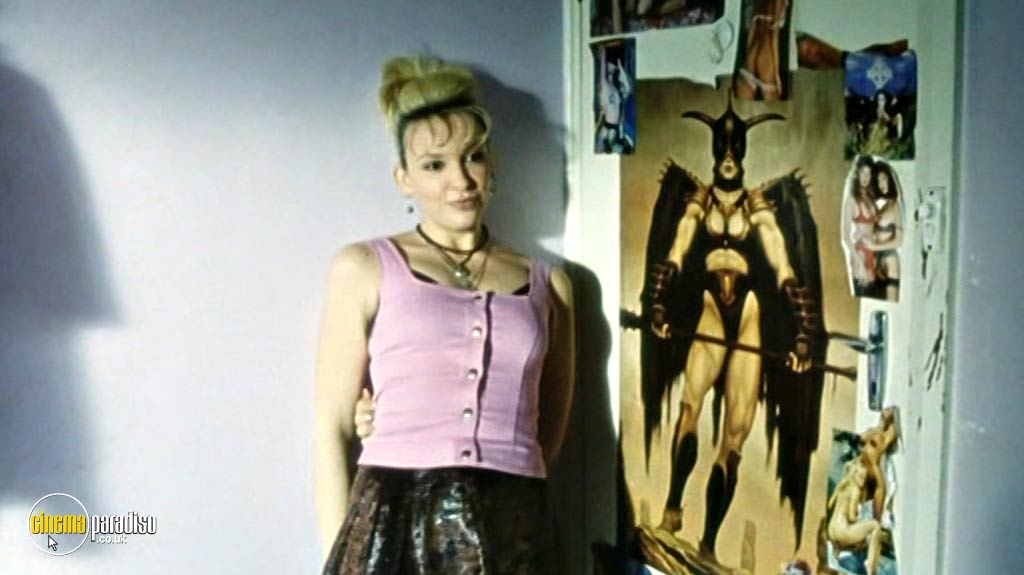
Completing 1996, Collette returned Down Under to share the title role in Jerzy Domaradzki's Lilian's Story with Ruth Cracknell, as Lilian Singer embarks upon a life on the streets after being incarcerated by her father. This drama based on the life of Bea Miles has all-but disappeared, which is a shame, as it brought Collette the AACTA Award for Best Actress in a Supporting Role. Cinema Paradiso users can still rent David Mirkin's Romy and Michelle's High School Reunion (1997), but they'll have to imagine Collette in the Mira Sorvino role, as she turned the part down. Reflecting on the decision, she said: `I've only played 99 per cent of the characters I've done because I immediately knew I could do it, I had to do it, and felt like I was meant to do it. I did pass on Romy and Michele because I just don't think I quite got it. I didn't think it was funny - and I know I'm wrong! But if I don't click with a script to the point that I feel like I'll die if I'm not a part of it, then I feel like it should be someone else's opportunity. I knew I was crazy to pass because it was an amazing opportunity at such a young age when I hadn't done very much. But I just knew it wasn't right for me.'
She did get to work with Lisa Kudrow on Jill Sprecher's Clockwatchers (1997), however, as she played Iris Chapman, who is taken under the wing of her fellow temps at Global Credit, Margaret (Parker Posey), Paula (Kudrow), and Jane (Alanna Ubach). Despite working for a female director for the first time on a feature, Collette didn't particularly enjoy the experience. `Things were completely chaotic,' she remembered, `and while I believe in the film, I was playing a lonely soul and, when filming ended, I would go to my hotel room and be alone. It was a bizarre time for me because the making of the film started to parallel the story of the film.'
When London called, Collette found herself playing dogged detective Julia Armstrong pursuing a family of jewel thieves that included John Hannah, Helen McCrory, and Jason Flemying in Mike Barker's The James Gang. She remained in Blighty to play Diana Spencer in David Parker's comedy, Diana & Me (1999). This had the misfortune to coincide with the death of Diana, Princess of Wales in August 1997 and rewrites had to be hastily done to shift the focus on to an Aussie Royalist's budding romance with a paparazzo (Dominic West). The release was delayed for over two years, but the critics and public alike felt the film was misjudged.
Returning to Sydney, Collette took on the role of Michelle in The Boys (1998), Rowan Woods's adaptation of the Gordon Graham play that had been inspired by the rape and murder of Anna Cobby in Collette's home suburb of Blacktown in 1986. Standing up to the macho manipulation of ex-jailbird boyfriend, Brett Sprague (David Wenham), Collette won a second AACTA award for Best Supporting Actress. Yet, around this period, she found the pressure of fame to be a burden and started struggling with bulimia. In an effort to `explore different ideas and just look at life and try to understand it', she decided to base herself in London and bought a flat in Brixton.
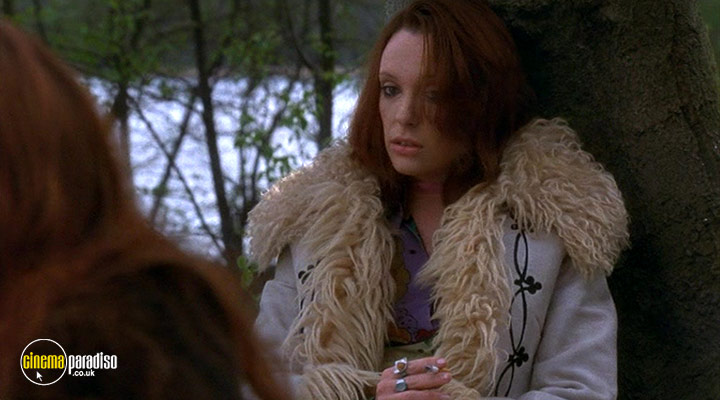
Her passion for acting was restored by Todd Haynes's Velvet Goldmine (1998), in which she played Mandy, the widow of glam rocker Brian Slade (Jonathan Rhys Meyers), whose life and career are investigated by journalist Arthur Stuart (Christian Bale), who is particularly keen to get to the bottom of the bisexual musician's relationship with American Curt Wild (Ewan McGregor). Collette loved working with Haynes, who she considers a genius, even though the film rather misfired into cult status. She also dated Meyers for a while after the picture, only for their break-up to prove lingeringly painful. Indeed, she called their relationship `hedonistic, drunken and probably dangerous' and suffered panic attacks for eight months afterwards. Moreover, she left her flat after witnessing a man `getting his head bashed in with a pole 30 metres away'.
Yet, Collette remained in the UK for Peter Greenaway's 8½ Women (1999), in which she played Sister Concordia, a nun who takes the name Griselda after she is spared the ignominy of jail by joining the Geneva harem of businessman Philip Emmenthal (John Standing) and his son, Storey (Matthew Delamere). According to Collette, Greenaway chose her for the role by accident. `I went in for another part,' she revealed, `and I had just had my head shaved and I had a Buddha hanging around my neck. Afterwards I thought, "This is going to teach me to go to an audition looking like that."' The reviews for Greenaway's latest bout of taboo busting were mixed, although most critics commended Collette. She, however, had already moved on to another career-defining role, this time in Hollywood.
Nothing Ventured
Collette had flown to New York to audition for Martin Scorsese's Bringing Out the Dead when she decided to apply for M. Night Shyamalan's The Sixth Sense (both 1999) because she had been so moved by the scene in the car when Cole Sear (Haley Joel Osment) reveals his secret to his mother, Lynn. This turned out to be the audition text and Collette beat Marisa Tomei to the role that would bring her an Oscar nomination for Best Supporting Actress.
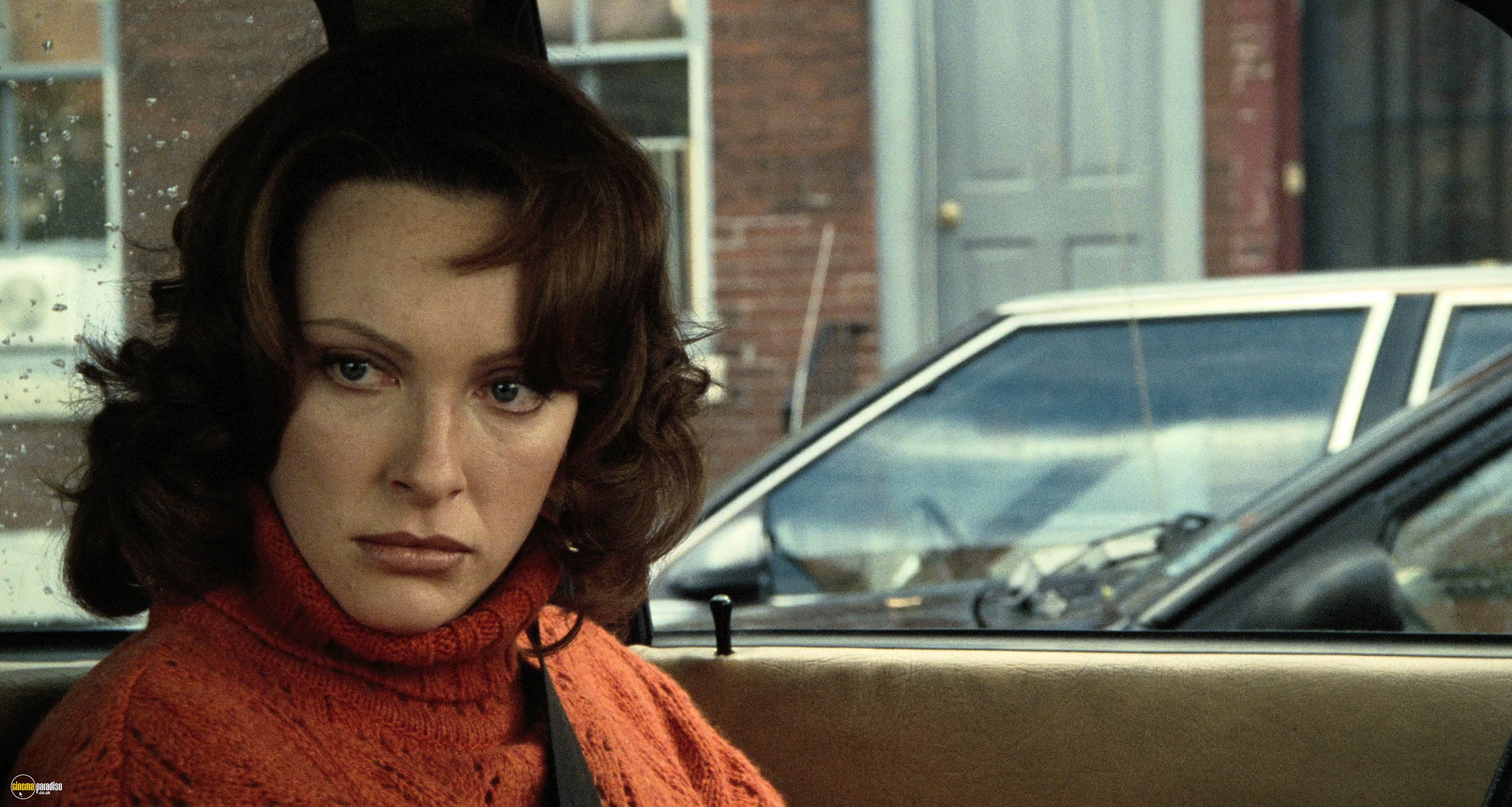
She had almost discarded the screenplay because she thought it would be a `formulaic Hollywood action drama'. Indeed, she didn't even realise it was a horror story until she saw the rough cut of the scene in which Kyra Collins (Mischa Barton) appears in the red tent. `I just thought it was a beautiful, spiritual story,' Collette told a reporter. `I think the horror films that I've done are actually just beautiful dramas that have an element that pushes people just a little bit further.'
Having scored the first major box-office hit of her career, Collette picked up a role originally written for Vanessa Williams to make her Broadway debut as a masochistic showgirl named Queenie in Michael John LaChiusa and George C. Wolfe's The Wild Party. After receiving rave reviews, she was nominated for the Tony Award for Best Leading Actress in a Musical. On the downside, the engagement meant that she had to turn down the title role in Sharon Maguire's Bridget Jones's Diary (2001), which passed to Renée Zellweger, who would earn an Oscar nomination. Collette insists, however, that she has no regrets over her decision, as she felt that Bridget and Muriel had too much in common.
Back on the big screen, Collette appeared as murder witness Diane Palmieri in John Singleton's Shaft (2000), which saw Samuel L. Jackson play the nephew of John Shaft, the uncompromising detective created by Ernest Tidyman, who had been played in Shaft (1971), Shaft's Big Score! (1972), and Shaft in Africa (1973) by Richard Roundtree, who would cameo in the sequel and its confusingly titled follow-up, Shaft (2019). Meanwhile, Collette returned to the UK for Terence Gross's Hotel Splendide, which sees her play Kath, the sous chef who returns to shake things up at an Irish island health spa where siblings Daniel Craig, Katrin Cartlidge, and Stephen Tompkinson offer a menu filled with seaweed and eel dishes. Cuisine of a different variety drives Karl Zwicky's take on Norman Lindsay's The Magic Pudding (both 2000), in which Collette voices koala bear Meg Bluegum in a fantasy that centres around an everlasting steak and kidney pie (voiced by John Cleese). Geoffrey Rush, Sam Neill, Hugo Weaving, and Jack Thompson are also in the cast of a quirky animation that deserves better than to have been unavailable on disc in the UK for a quarter of a century.
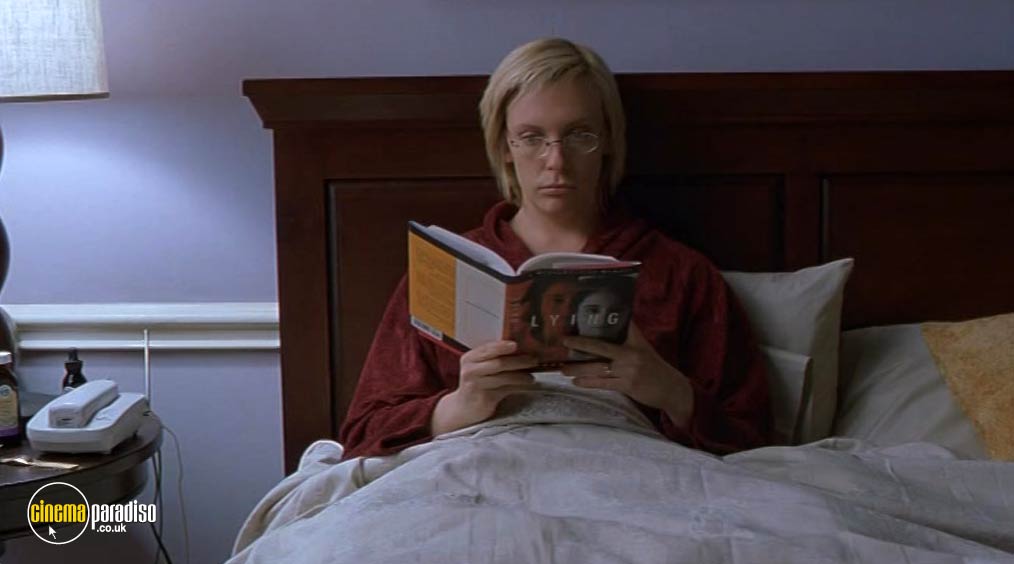
The small screen beckoned in 2001, as Collette joined the excellent cast of
Norman Jewison's Dinner With Friends. an HBO presentation that
sees Gabe (Dennis Quaid), Karen (Andie MacDowell), Tom (Greg Kinnear), and Beth
(Toni Collette) re-evaluate their relationships after the latter reveals that
her husband is leaving her for another woman. She might also have joined the
ensemble for Spike Jonze's Adaptation (2002) had her audition not
been such a disaster. Having just completed an Indian fasting and cleansing
ritual called panchakarma, Collette was running low on energy when Jonze
repeatedly asked her to try a scene from a different angle and she kept reading
it in exactly the same way. When she met him again when applying for the voice
of the computer in Her (2013), she explained why she had been so
zombified a decade earlier.
A busy 2002 started with Collette reuniting with Samuel L. Jackson in Roger Michell's Changing Lanes, in which a recovering alcoholic insurance salesman becomes ensnarled in a tit-for-tat following a vehicle prang with a Wall Street lawyer (Ben Affleck). Collette played the latter's colleague and former lover, Michelle, but the role required little of her. She was seen to much better effect in David Caesar's Dirty Deeds (2002) as Michelle, the wife of 1960s Sydney gangster Barry Ryan (Bryan Brown), who is getting heat from both cop Ray Murphy (Sam Neill) and Chicago fixer, Tony Testano (John Goodman).
Her best work in 2002 came in Britain, however, after she had met drummer Dave Galafassi at an album launch for his band, Gelbison. They would marry in a traditional Buddhist ceremony in January 2003 and have two children, Sage and Arlo, before separating in December 2022. Despite not yet having kids, Collette had become known as an empathetic mother figure on screen and, in Paul and Chris Weitz's adaptation of Nick Hornby's About a Boy, she was heartbreaking as Fiona Brewer, the manic depressive and suicidal mother of Marcus (Nicholas Hoult), a socially gauche bullying victim who strikes up a friendship with Will Freeman (Hugh Grant), a pampered Londoner with a thing for single mums. Looking back, Collette recalled, `It was a great shoot. But it was a comedy and I was playing a suicidal woman, so I was depressed as all hell.'
While Grant landed a Golden Globe nomination for his performance, Collette was recognised in the Best Supporting Actress category by BAFTA. She would lose out to Catherine Zeta Jones for Chicago, as would Julianne Moore, Collette's co-star in Stephen Daldry's The Hours (2002), an adaptation of Michael Cunningham's novel about three women who are connected to Virginia Woolf's novel, Mrs Dalloway. The Oscar-winning Nicole Kidman essayed the troubled author in 1923 and in the last year of her life (1941), while Moore and Meryl Streep appeared in the segments set in 1951 and 2001, with Collette playing Kitty, the childless Los Angeles neighbour who gets kissed on the lips by Moore's unhappy housewife to reassure her before undergoing a medical procedure.
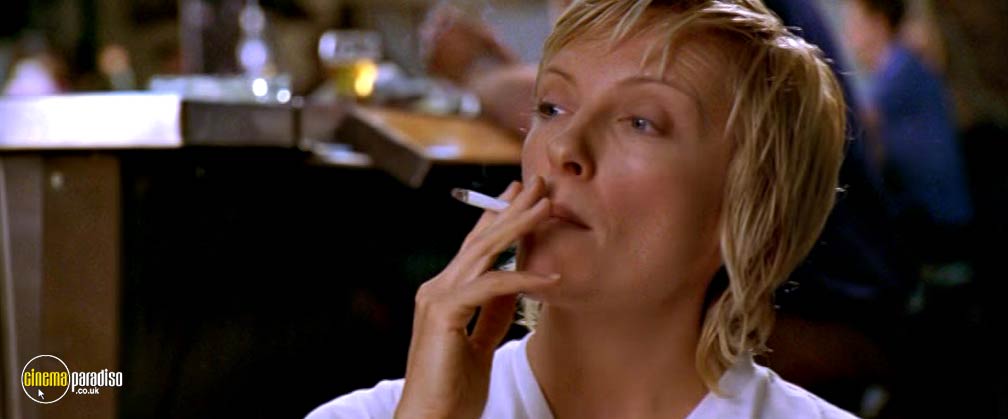
The following year saw Collette take an all-too-rare lead in Sue Brooks's Japanese Story (2003), which sees Australian geologist Sandy Edwards develop an intense relationship with Japanese businessman Hiromitsu (Gotaro Tsunashima) when they take a trip into the Outback. Several critics considered this her best performance to date and it brought her a fourth AACTA Award. She explained in an interview, `I have to say, considering the emotional content, the journey of my character, it was a very solitary experience. I mean, everyone really went for it, but Sandy is dealing with some pretty intense stuff and it wasn't something I could communicate with other people. We're living in a world of youth-orientated bubble-gum movies and this is a story for grown-ups. I had to do it.'
It turned out to be an eventful shoot, however. `Filming out in the middle of nowhere was hard, physically and emotionally. We filmed in a couple of mining towns - you know, topless bars and brute men. A friend of mine, a singer, played one of these places and she had strippers as a support act. Oh yeah, the glamorous life. In one place we stayed at a BP petrol station. Really. They had these little tin huts like dog kennels to sleep in. But the country was amazing - the light was incredible.'
Following this gruelling experience, Collette spent 2004 in Hollywood making two comedies, Jeff Nathanson's The Last Shot and Michael Lembeck's Connie and Carla. Neither film was particularly liked by the critics, but Cinema Paradiso reckons they're worth another look. The first casts Collette as Emily French, a washed-up actress hoping to make a comback by taking the female lead in the film-within-the-film co-ordinated by FBI agent Joe Devine (Alec Baldwin) and unwitting director, Steven Schats (Matthew Broderick). Singer Carla is also on the skids when she and partner Connie (Nia Vardalos) have to pretend to be drag queens in a Los Angeles gay club called The Handlebar after witnessing a mob hit in Chicago. Echoes of Billy Wilder's Some Like It Hot (1959) are hard to ignore, but Collette and Vardalos have a ball belting out the show tunes and kitsch aficionados can amuse themselves by playing Musicals Bingo while viewing.
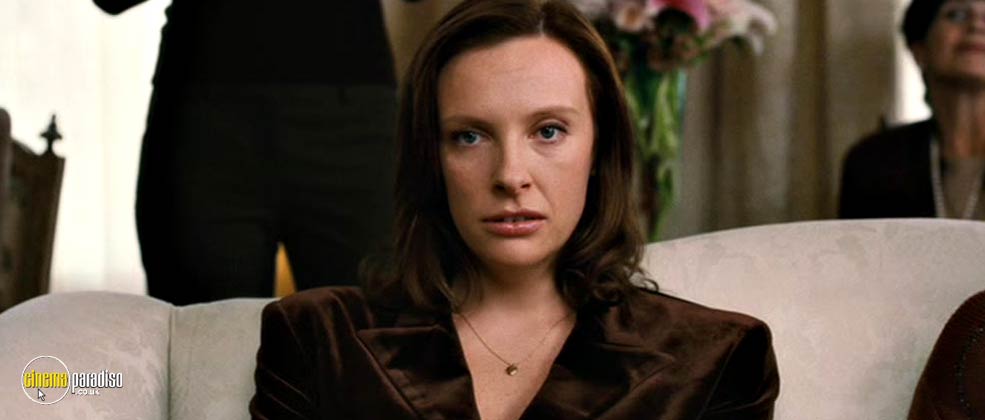
For her only picture of 2005, Collette gained 25lbs to play Rose Feller in Curtis Hanson's In Her Shoes. She vowed never to pile on the pound again, but justified her choice in an interview: `I try to put myself in the position of the character and feel things as holistically as I can. It's an exhausting way to do it. I'm not [going to] recommend it to anybody, but that's the only way I know how to do it.' It certainly worked in this engaging Ridley Scott-produced adaptation of Jennifer Weiner's novel, as Collette excels as the Philadelphia lawyer who throws sister Maggie (Cameron Diaz) out of her apartment after she sleeps with her boyfriend. However, the resourceful Maggie discovers that her grandmother, Ella (Shirley MacLaine), is living in a retirement community in Florida and gets to learn the truth about the mother who had died in a car crash when she and Rose were girls.
Another atypical family were to the fore in Jonathan Dayton and Valerie Faris's Little Miss Sunshine, as Albuquerque mom, Sheryl Hoover, loads husband Richard (Greg Kinnear), son Dwayne (Paul Dano), brother Frank (Steve Carell) and father-in-law Edwin (Alan Arkin) into a VW van so that daughter Olive (Abigail Breslin) can compete in a beauty pageant in Redondo Beach, California. Following merited Golden Globe and BAFTA nominations, Collette deserved better with her other 2006 ventures, including Patrick Stettner's take on Armistead Maupin's The Night Listener, which stars Robin Williams as Gabriel Noone, a gay radio host who starts taking an interest in the stories told by social worker Donna D. Logand's adopted son, Pete (Rory Culkin). Collette took an additional executive producer credit on Gregory J. Read's Like Minds (aka Murderous Intent), which sees forensic psychologist Sally Rowe decide whether there is enough evidence to charge privileged student Alex Forbes (Eddie Redmayne) with the murder of his roommate. The ramifications of the discovery of another body play out in Karen Moncrieff's The Dead Girl, in which Collette played Arden, who finds the victim of a serial killer while caring for her housebound mother (Piper Laurie).
Sadly, we can't bring you Bharat Nalluri's Abi Morgan-scripted HBO mini-series, Tsunami: The Aftermath, which earned Collette Golden Globe and Primetime Emmy nominations for her performance as Kathy Graham, the Australian charity worker who tries to persuade a British consular official (Hugh Bonneville) to disregard the rules in order to help the victims of the disaster that hit the Thai resorts of Phuket and Khao Lak in 2005. You will also have to look elsewhere for Beautiful Awkward Pictures, as this is the 2006 album released by Toni Collette & The Finish, the band she had formed with her husband on drum. Since touring Australia in 2007, however, nothing more has been heard, although Collette occasionally tells reporters that she would like to record again if her busy schedule allowed. She did, however, find time to collaborate with illustrator Emma Magenta on the 2008 children's book, Planet Yawn.
A Calmer Chameleon
Returning to the day job after serving as a juror at Cannes, Collette reunited with Michael Cunningham, the screenwriter of The Hours, for Lajos Koltai's Evening, in which Ann Grant Lord (Vanessa Redgrave) thinks back on her younger days, while also encouraging daughters Nina (Collette) and Constance (Natasha Richardson) to make the most of their lives. And Collette was pregnant for the second film running when she played Melina Hines, the Houston resident who offers 13 year-old Jasira (Summer Bishil) sanctuary from her strict Lebanese father, in Alan Ball's Towelhead (both 2007).
It was back to Australia for much of 2008, although Collette did manage to slip in an uncredited cameo as herself in Robert B. Weide's How to Lose Friends and Alienate People. During the year, she added two more exec producer credits to her CV. She was pregnant again as Maggie Mollison caring for her two sons, one of whom has severe autism and ADD, in the debuting Elissa Down's The Black Balloon. Then, she spent a week shooting her scenes as Mary, the stripper mother of Sunni (Keisha Castle-Hughes), the nonconformist classmate who persuades a 13 year-old Jewish girl (Danielle Catanzariti) to rebel in Cathy Randall's Hey, Hey, It's Esther Blueburger, which most certainly didn't deserve its overwhelmingly negative reviews.
Before heading north again, Collette also recorded the part of Mary Daisy Dinkle for Adam Elliot's delightful animation, Mary and Max (2009), which followed the correspondence between a lonely eight year-old from Mount Waverley, Victoria and Max Jerry Horowitz (Philip Seymour Hoffman), a 44 year-old New Yorker with Asperger Syndrome, who shares her love of a TV show called The Noblets. Barry Humphries narrates.
Steven Spielberg offered Collette the lead in the Showtime TV series, The United States of Tara (2009-11), which he had created with Diablo Cody. It's hugely disappointing that this isn't available on disc, as Collette is outstanding as Tara Gregson, the wife and mother of two from Overland Park, Kansas whose dissociative identity disorder means that she switches between such personalites as 1950s housewife Alice; T the flighty teenager; Buck the Vietnam veteran; the erratic poncho-wearing Gimme; therapist Shoshana; five-year old Chicken; and Tara's previously unknown half-brother, Bryce. By the end of Season 3, Collette could find herself playing up to five characters in a single scene. It was a bravura display of acting that brought the Golden Globe for Best Actress in a TV Comedy in 2009 and a second nomination the following year, when she also won the Primetime Emmy Award for Outstanding Lead Actress in a Comedy Series.
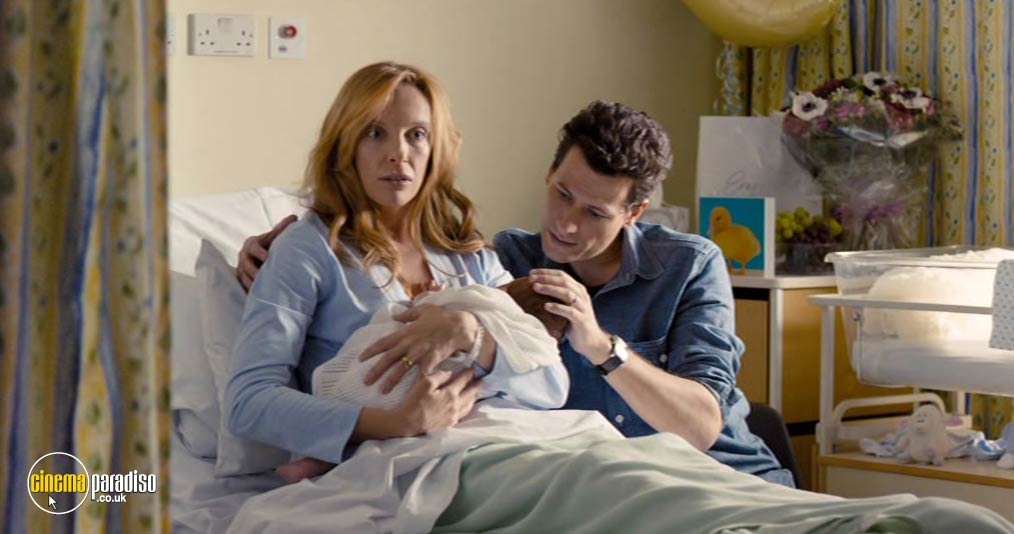
Such was the workload (as well as raising two young children) that Collette had to pass her role in Sam Mendes's Away We Go (2009) to Maggie Gyllenhaal. She resurfaced to play Patricia Herman, the mother of a child conceived in a petri-dish who sets out to seek his father in Dennis Lee's Jesus Henry Christ. A reunion followed with frequent Tara director, Craig Gillespie, on Fright Night, a remake of Tom Holland's cult 1985 horror that cast Collette as Jane Brewster, whose son Charley (Anton Yelchin) believes that new neighbour, Jerry (Colin Farrell), is a vampire. Rounding off 2011, Collette made for Legoland Windsor to shoot Jonathan Newman's first feature, Foster, which was co-produced by Steven Spielberg and brings married couple Zooey and Alec Morrison (Collette and Ioan Gruffudd) together with Eli (Maurice Cole), a small boy they had encountered when consulting Mrs Lange (Hayley Mills) about adoption following the loss of their own son.
For the first time in her career, Collette played an historical figure, as she co-starred with Anthony Hopkins, Helen Mirren, and Scarlett Johansson in Sacha Gervasi's Hitchcock, as trusted assistant Peggy Robertson helps the Master of Suspense break the horror mould with Psycho (1960). Also in 2012, Collette joined forces with P.J. Hogan again on Mental, which brings dour hitcher Sharon `Shaz' Thornbender and her dog Ripper to the coastal suburb of Dolphin Heads to nanny the five daughters of corrupt politician Barry Moochmore (Anthony LaPaglia), whose stressed wife, Shirley (Bethany Whitmore), has `gone on holiday in Wollongong'. Despite failing to repeat the success of Muriel's Wedding, this quirky comedy (which Hogan based on his own mother's mental breakdown) still earned Collette another AACTA nomination for Best Actress.
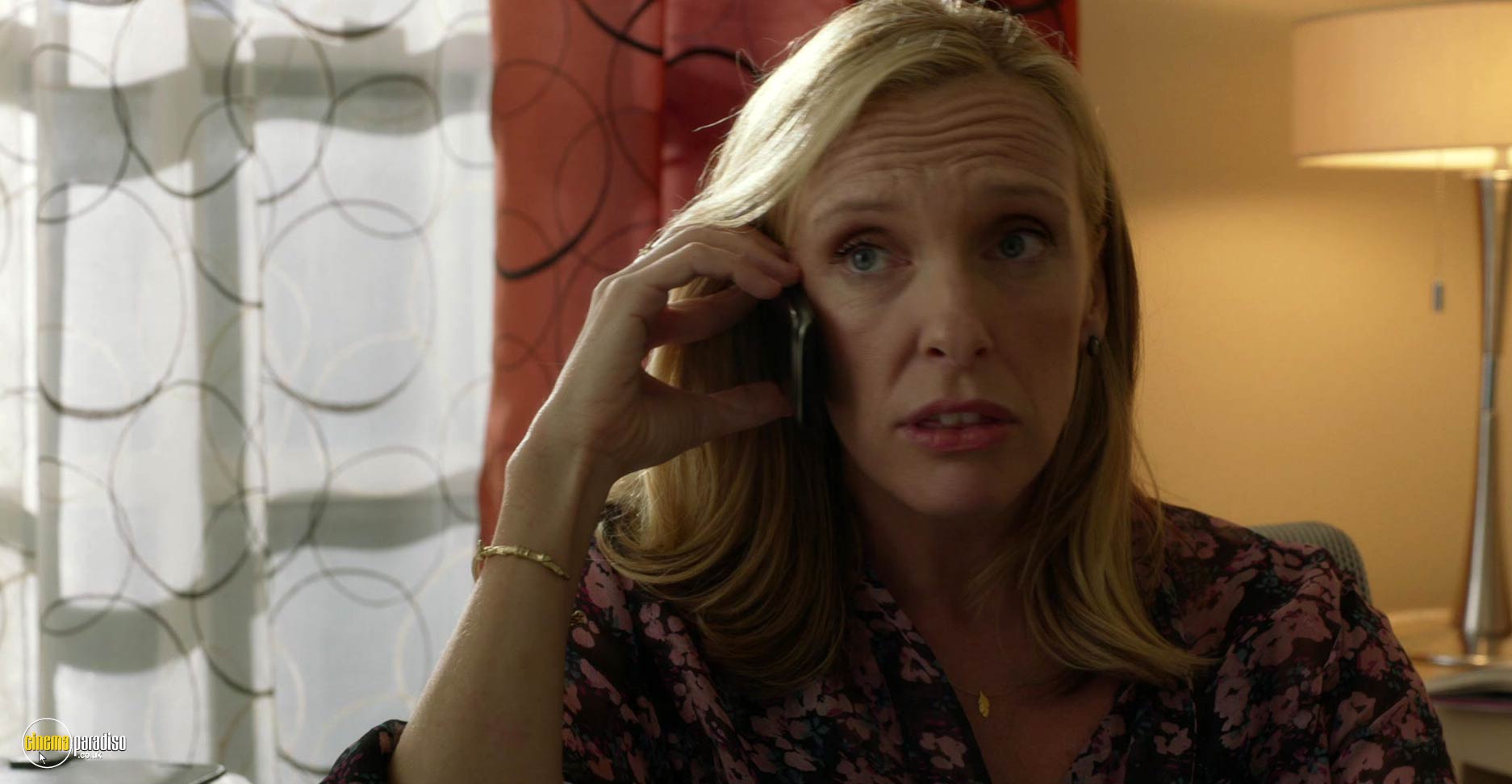
A reunion with Steve Carell followed in Nat Faxon and Jim Rash's The Way, Way Back, which follows introverted 14 year-old Duncan (Liam James), as he joins mum Pam at a holiday beach house in Wareham, Massachusetts, with her wealthy beau, Trent, and his brattish daughter, Steph (Zoe Levin). Collette was next teamed with Will Falcone in Nicole Holofcener's Enough Said in order to play Sarah and Will, the married friends of masseuse Eva (Julia Louis-Dreyfus), who has discovered that client Marianne (Catherine Keener) is the ex-wife of her new boyfriend, Albert (James Gandolfini). She then took another rare lead in Megan Griffiths's Lucky Them (all 2013), as music journalist Ellie Klug setting out to discover the whereabouts of the musician ex who had vanished a decade earlier. In discussing the film in the media, Collette confided that Ellie is the closest character she has played to her own self.
Completing another busy year, Collette had returned to television to star as Dr Ellen Summers in Hostages (2013-14), which sees rogue FBI agent Duncan Carlisle (Dylan McDermott) kidnap the family of a top surgeon at Maryland College Hospital in Washington, who is just about to operate on the President of the United States. This was cancelled after a single series, leaving Collette free to fill 2014 with several markedly different projects.
In Pascal Chaumell's adaptation of Nick Hornby's A Long Way Down, Maureen Thompson finds herself on the roof of a tall building on New Year's Eve with Martin (Pierce Brosnan), J.J. (Aaron Paul), and Jess (Imogen Poots), who all have the same idea as she does. Collette next guested as a canoodling neighbour in Ben Falcone's directorial debut, Tammy, which saw Tammy Banks (Melissa McCarthy) hit the road after catching her husband having a romantic dinner with Missi Jenkins while she was supposed to be at work. The reviews were far from kind, however, with McCarthy drawing a Razzie nomination alongside Susan Sarandon, who played her grandmother, Pearl.
If Collette got off lightly on this occasion, she was caught up in the ensemble gripe directed at Peter Chelsom's Hector and the Search For Happiness, which cast Collette as Agnes, an old flame who turns up late in the piece to help Simon Pegg work out whether Rosamund Pike is his soulmate. She ran into Pegg again while voicing Lady Cynthia Portley-Rind, the snooty wife of the mayor of the hilltop Norvenian town of Cheesebridge who strikes a deal with pest controller Archibald Snatcher (Ben Kingsley) to remove the trolls from under the bridge in Graham Annable and Anthony Stacchi's The Boxtrolls, which was nominated for Best Animated Feature at the Globes, BAFTAs, and Oscars.
As if she wasn't busy enough, Collette guested as New South Wales MP Margaret Wallace in five episodes of The Devil's Playground and returned to Broadway for the first time in 14 years to play Jennifer Jones alongside husband Bob (Tracy Letts) in Will Eno's The Realistic Joneses, which co-starred Michael C. Hall and Marisa Tomei as their neighbours, John and Pony Jones. While her performance was warmly greeted and the cast won the Drama Desk Special Award for Best Ensemble Performance, Collette was on even finer form in Gerald Barrett's Glassland, in which she mastered a Tallaght accent during a tight shooting schedule to play Jean, the alcoholic mother of Dublin cabby, John (Jack Reynor), who is trying to get her into rehab while also caring for his younger brother, Kit (Harry Nagle), who has Down's Syndrome. The Irish Independent adroitly labelled the drama, `a glass-half-empty masterpiece'.
The United States of Toni
It took eight actresses to play Milly and Jess in Catherine Hardwicke's Miss You Already (2015), which was adapted by Morwenna Banks from her own radio play, Goodbye. As adults, the lifelong friends are played by Toni Collette and Drew Barrymore (who stepped in after Jennifer Aniston and Racher Weisz had dropped out), with Dominic Cooper and Paddy Considine as their respective spouses, Kit and Jago. With Milly being diagnosed with breast cancer and Jess going through with a risky pregnancy, this makes for tearful viewing. But the performances are so authentic that it never feels like manipulative melodrama. The story clearly made an impact on Collette, who has revealed that Milly is the only character she has not been able to leave behind after the film wrapped.
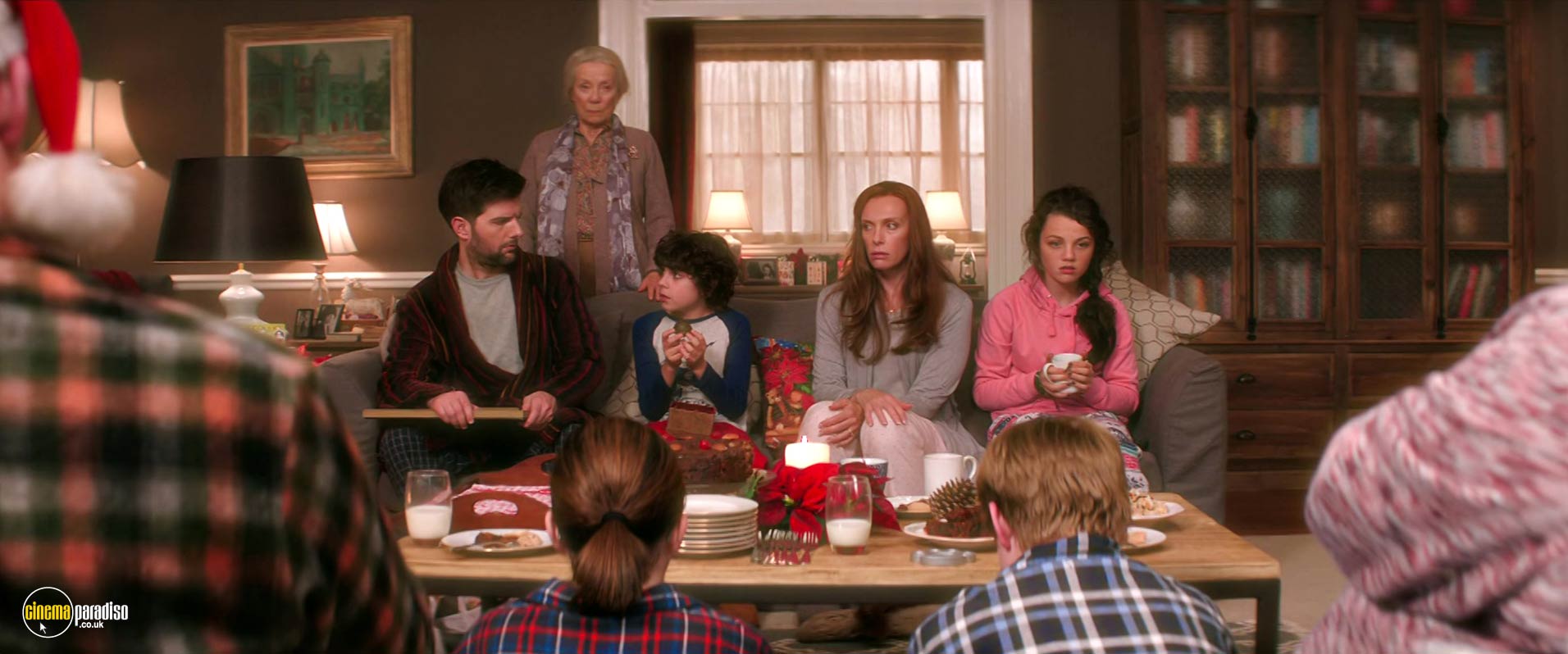
There was nothing so emotionally demanding about Michael Dougherty's Krampus (2015), a festive chiller in which Sarah and Tom Engel (Collette and Adam Scott) get to endure the Christmas from hell after son Max (Emjay Anthony) accidentally summons a malevolent spirit during a family row over his letter to Santa Claus. This harmless hokum was followed by Daniel Ragussis's Imperium (2016), a fact-based thriller in which FBI Special Agents Angela Zamparo (Collette) and Nate Foster (Daniel Radcliffe) infiltrate a white supremacist cadre to uncover links to terrorism.
Remarkably, Collette amassed nine credits in 2017, starting with Rachel Perkins's Jasper Jones, a thriller set in Western Australia in 1969 in which she played Ruth Bucktin, the mother of Charlie (Levi Miller), a small-town teenager who helps the eponymous neighbour of Aboriginal heritage (Aaron L. McGrath) identify the killer of his girlfriend before the racist locals blame him. From this underseen saga, Collette took on a rare blockbuster role, as CIA operative Jane Marke sending Vin Diesel's troubleshooter to recover the Pandora's Box device that can turn crashing satellites into deadly weapons in D.J. Caruso's xXx: Return of Xander Cage. This racked up $346.1 million at the box-office to set a new record for a Collette film.
Added together, her other 2017 releases fell way short of that tally. But she sparked well with Molly Shannon, Bridget Everett, and Katie Aselton as four pre-school mothers discovering they have more in common than they suspected in Alethea Jones's Fun Mom Dinner. Collette also held her own against Jennifer Aniston in Alexandre Moors's The Yellow Birds, as they play Amy Bartle and Maureen Murphy, the mothers of two young Virginians (Alden Ehrenreich and Tye Sheridan) who pal up during basic training before they are deployed to fight in the Iraq War. And Islamic extremism provided the theme for Michael Apted's Unlocked, which cast Collette as MI5 Intelligence Chief Emily Knowles in a race to track down some biological weapons that also involves Noomi Rapace, Orlando Bloom, John Malkovich, and Michael Douglas.
On the small screen, she played CIA engineer Jackie Fink, who puts together a crew of unprepossessing agents to catch people unawares in David Gordon Green's playful teleplay, Unit Zero, while she also guested for two episodes as Anne Melocco in the mini-series, Blue Murder: Killer Cop. Seeking light relief, Collette next cropped up in a pair of comedies, Madame and Please Stand By (both 2017). In Amanda Sthers's romp, snooty American in Paris, Anne Fredericks, strives to thwart a romance between her Spanish maid (Rossy De Palma) and an Irish art expert (Michael Smiley) after she gets Maria to pose as a noblewoman to avoid there being 13 guests at a dinner party. By contrast, Ben Lewin's adaptation of a play by Michael Golamco cast Collette as Scottie, the manager of a San Francisco group house where the autistic Wendy (Dakota Fanning) is writing a mammoth Star Trek screenplay in order to win $100,000 in a Paramount Pictures competition.
This is one of a number of recent Collette projects that remain out of Cinema Paradiso's reach, along with Brett Hayley's Hearts Beat Loud andEmanuel Hoss-Desmarais's Birthmarked, in which she respectively played Leslie, the Brooklyn landlady of the Red Hook record store run by a widowed musician seeking to connect with his teenage daughter and Catherine, a scientist who raises three children against their genetic predispositions in order to prove that identity owes more to nurture than nature. However, we can bring you Wanderlust (all 2018), a BBC series in which Collette (who also associate produced) plays Joy Richards, a therapist who agrees with husband Alan (Steven Mackintosh) to have an open marriage after she cheats on him after being injured in a car crash.

If maternal memories have a role to play in this six-parter, they are downright pivotal to Ari Aster's Hereditary (2018), a genuinely terrifying paranormal horror that sees Utah miniature artist Annie Graham (Collette) become a worry to husband Steve (Gabriel Byrne) and children, Peter (Alex Wolff) and Charlie (Milly Shapiro), after she becomes increasingly spooked by the events that follow her mother's funeral. As with The Sixth Sense, Collette had been reluctant to take the role, but she was deeply moved by the script's insights into loss and grief.
`I don't like horror films,' she had reiterated to a journalist around the release, explaining that she had bought Stanley Kubrick's The Shining (1980) on DVD and had never taken it out of its wrapper. But she continued, `I look for challenging work, and this was so complicated, layered, dense and honest. And unusual. It felt really original, even on the page. That's what I hope for in life. And it rarely comes along.' Debuting director Ari Aster had asked her for `a kamikaze performance' and her courage was recognised with a Best Actress win at the Gotham Independent Film Awards, as well as AACTA, Critics' Choice, and Independent Spirit nominations.
Almost as if she had conquered her genre fears, Collette donned a blunt blonde bob to play Gretchen, an art world maven caught up in the carnage in Dan Gilroy's grisly Velvet Buzzsaw. Indeed, she loses an arm in a futuristic exhibit that has been infiltrated by the evil spirit that haunts the paintings obsessing Miami critic Jake Gyllenhaal, gallerist Rene Russo, and her ambitious former assistant, Zawe Ashton. Demonstrating once again what a fine ensemble player she is, Collette also shone in Rian Johnson's Knives Out, as Joni Thrombey, the widowed daughter-in-law of a crime novelist (Christopher Plummer), whose baffling murder is investigated by the maverick private detective, Benoit Blanc (Daniel Craig).
Collette turned sleuth herself as Grace Rasmussen, a cop from Westminster, Colorado dealing with a contentious rape case in Unbelievable, a 2019 Netflix thriller that earned her the Critics' Choice Television Award for Best Supporting Actress in a Movie/Miniseries, as well as Golden Globe and Primetime Emmy nominations. Sadly, this isn't available to rent on disc and neither are Charlie Kaufman's I'm Thinking of Ending Things (2020), Joe Penna's Stowaway (2021), Dean Craig's The Estate (2022), and Kirk DeMicco's animation, Ruby Gillman, Teenage Kraken (2023), as well as the mini-series Pieces of Her (2022), The Power (2023), and Wayward (2025).
Not everything disappears into the streaming vortex, however, as Cinema Paradiso members are able to rent Euros Lyn's Dream Horse (2020), a drama based on the Welsh Grand National winner, Dream Alliance, which was bred by supermarket cashier-cum-barmaid, Jan Vokes. Also on offer is Guillermo Del Toro's neo-noir, Nightmare Alley (2021), in which the alcoholic husband of carnival clairvoyant Zeena Krumbein is murdered by Stanton Carlisle (Bradley Cooper), a fugitive who develops a psychic act with Molly Cahill (Rooney Mara) that is challenged by psychologist Dr Lilith Ritter (Cate Blanchett).
Users can also catch up with the HBO Max series, The Staircase (2022), in which Collette plays Kathleen, the second wife of novelist Michael Peterson (Colin Firth), who is pursued by a French documentary crew after he is accused of uxoricide. Seen mostly in flashback, as the story twists and turns, Collette received another Primetime Emmy nomination, this time for Outstanding Lead Actress in a Limited or Anthology Series or Movie.
In 2016, Collette had set up her own production company, Vocab Films. Among the projects announced were The Best of Adam Sharp and Invisible City, which were respectively to have been adapted from novels by Graeme Simsion and Julia Dahl. Neither has yet been realised, but Collette got to produce and headline Lucy Knox's 2020 short, Hot Mother. She also doubled up on Catherine Hardwicke's Mafia Mamma (2023), which sees cosmetics expert, writer, and empty nester Kristin discover that she's inherited her grandfather's crime syndicate on a visit to Italy. Hardwicke is also due to direct Collette again in French Pursuit, which is a remake of Caroline Vignal's My Donkey, My Lover & I (2017), which had earned the wonderful Laure Calamy the César for Best Actress. And Collette has plans to direct herself, with an adaptation of Lily King's bestseller, Writers & Lovers, currently in the pipeline.
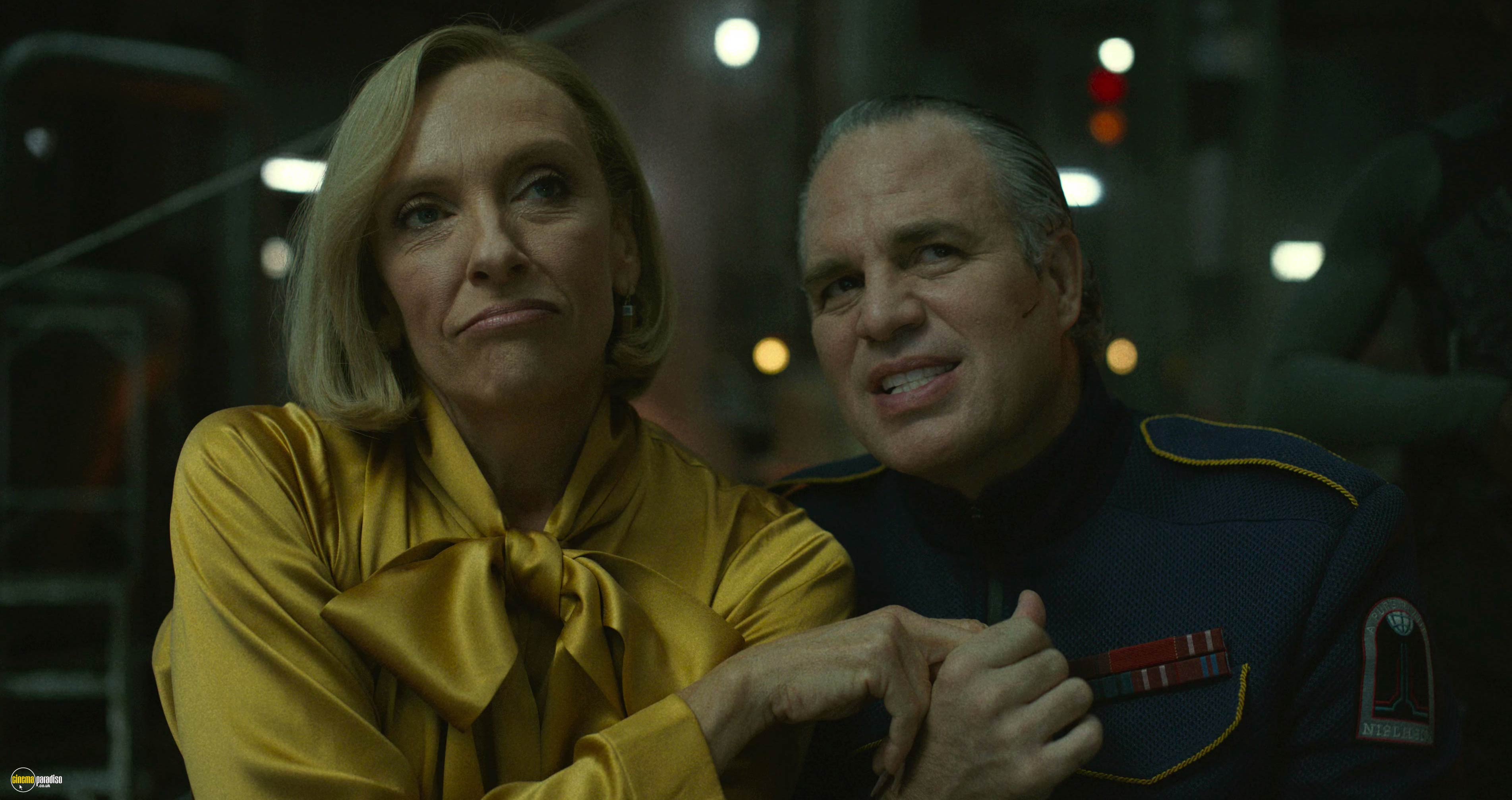
It seems likely that 96 year-old Clint Eastwood won't direct again, but Collette got to work with him on his final feature, Juror #2 (2024), in which Faith Killebrew pins her hopes of becoming district attorney by successfully prosecuting James Sythe (Gabriel Basso) for the murder of his girlfriend. As the trial progresses, however, one of the jurors (Nicholas Hoult) starts to realise that he might actually be the culprit. Another Oscar-winning director lay in wait, as Bong Joon Ho cast Collette as Yifa, the controlling wife of the egomaniacal Kenneth Marshall (Mark Ruffalo), who seeks to impose himself upon the ice planet Nifhelm in Mickey 17 (2025), a dystopian sci-fi comedy that also stars Robert Pattinson as Mickey Barnes, an expendable worker who is re-cloned each time he ceases to be useful.
Collette got to play an aunt in Michelle Danner's Under the Stars, as Audrey tells romance novelist nephew Ian (Alex Pettyfer) to travel to Italy to get over a break-up. When she comes to check up on him, however, she finds love herself with olive farmer Giacomo (Andy Garcia). Family ties were also to the fore in Kate Winslet's Goodbye June (both 2025), a family drama written by Joe Anders (Winslet's son) that sees cancer-stricken June Cheshire (Helen Mirren) gather daughters Helen (Collette), Julia (Winselt), and Molly (Andrea Riseborough) for an early Christmas send-off.
Next up are Morten Tyldum's biopic, Ibelin, and Joseph Gordon-Levitt's 2034. As neither currently has a release date, fans will have to revisit the back catalogue to satisfy their Collette cravings. Film scholar Rilla Kingston once wrote, `Collette truly is a chameleon in both the versatility of her acting style and in the kind of roles she is willing to approach with a physicality-based method.' What is remarkable about her work is that she keeps taking roles that seem to be similar to ones she's taken before, yet she manages to make each performance distinctive and truthful. `I'll never stop acting,' she recently told Vogue. `It makes me feel alive, which I'm so grateful for because I know so many actors who work and work but don't even seem to really enjoy the job. I feel like I made some good choices and have somehow had these incredible opportunities that keep feeding my life in positive ways. I couldn't have dreamt up a career like this.'
It's certainly safe to say that she could never have imagined being cast as Agatha Christie's Miss Marple. But she was, in a 2026 Audible dramatisation of Murder At the Vicarage. Seemingly, where Toni Collette is concerned, there really is no such thing as never.
Mentioned films