Rent The Painted Bird (2019)
3.5 of 5 from 179 ratings
2h 47min


My review is summed up in its title, really. This is filmed as near 'as real' as you could imagine - no incidental score to tell us how to feel, no pacing to speak of. One of the reasons I love horror so much is that it is an escape from the real world - but this is based in what was once the real world, and there's no comfort here.
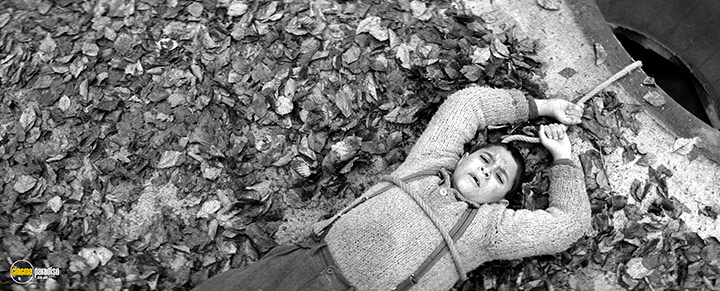
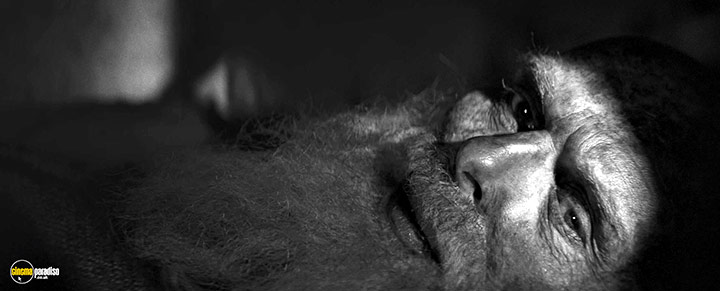
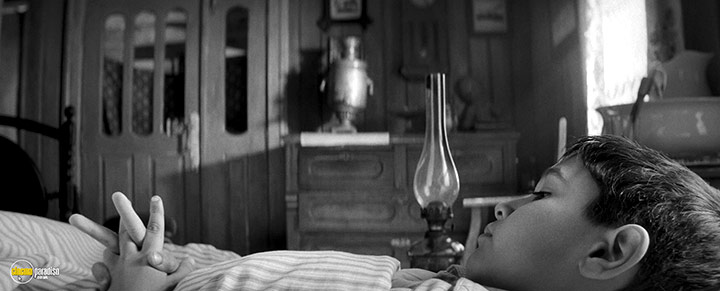
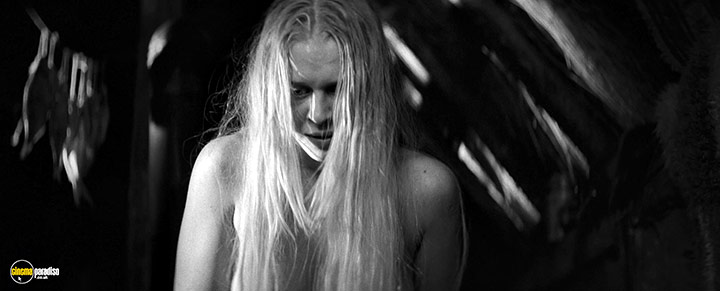
The way it is filmed, however, is gorgeous. Even the gruesome, cruel scenes have a perverse, stark beauty about them. A deliberately non-commercial release, it is nevertheless pleasing to see some familiar faces here.
It's a long 'un: almost three hours, and it's not often easy to watch. It's less a film, more a chunk of real life as it was back then. A remarkable experience. My score is 8 out of 10.
The Painted Bird is a heartbreaking and gruelling movie about the death of humanity as seen and experienced by a young boy. The levels of cruelty meted out on the characters in this film are unbearably sad, you want it all to stop. All I could think about whilst watching it is how the novel (this film is based on) was inspired by witness accounts from the chaos that ensued across mainland Europe during WW2. I also thought about how any of us would manage in these circumstances where life is so cheap and dangerous. Not only does the main character have soldiers to hide from (sometimes they are depicted as the most humane / or kind to the main boy) he also finds evil in the unassuming locals. Familiar faces break the illusion sometimes, often in silent roles (is Harvey Keitel's priest dubbed?) and some of the deaths are terrible (even if the worst one occurs off-screen). Does the film end on a note of hope? Maybe not, but I read it as a moment of understanding, of an accord being reached.
One of the best WW2 movies I've seen since Son of Saul.
5/5
Set in Eastern Europe during the Second World War this is a gruelling epic about a young jewish boy's journey through a hellish world of almost unimaginable horrors in a land of suspicion, barbarism, paganistic superstition and the violence of brutal war. Joska (Petr Kotlár - in an astonishing first film performance) is a young boy who has been left by his parents with an ageing relative to avoid deportation by the Nazis. Deep in the countryside he yearns to return home despite having no idea how to get there. When his elderly aunt unexpectedly dies Joska sets off on his journey home encountering a host of characters along the way. He becomes subject to abuse and brutality as he wanders through an almost unearthly, sometimes dreamlike world. Shot in a documentary and period looking monochrome the film boasts some deep shocks and includes scenes of stark death and murder, rape and bestiality. In many ways Joska reminded me of the young Russian soldier in Sam Peckinpah's Cross Of Iron (1977) and mirrors the loss of innocence that war causes in children. It is a harrowing story and flawed by the occasional eroticism that creeps into the debased sexual scenes. Despite the horrific nature of the narrative there is a strange beauty to the film which has some superb support casting including Harvey Keitel as a kindly priest, Julian Sands as a nasty paedophile, Udo Keir as a tormented miller and Stellan Skarsgård as a German soldier. It is a long film but it draws you in almost with a bizarre fascination. Highly recommended.