Several notable film and television personalities have passed away over the spring months. In the second part of a Remembering special, Cinema Paradiso pays fond tribute.
Following the deaths of Richard Chamberlain, Val Kilmer, and Robert Benton, Cinema Paradiso posted special tributes to each man in the Remembering series. However, 25 other artists - ranging from actors and directors to cinematographers and SFXperts - have also passed away this spring. We have already recalled the likes of Ted Kotcheff, Jean Marsh, James Foley, Kathleen Hughes, Joe Don Baker, and Billy Williams. But there is still plenty to celebrate.
Mara Corday
Rules are there to be broken. This article is about the film folk who died in the spring of 2025, but it wasn't until 30 May that it was reported that Mara Corday had passed away on 9 February. That snafu qualifies her for Cinema Paradiso's roll of honour and why wouldn't it, as she was one of the leading scream queens of the 1950s and worked occasionally in her later years with a very famous old friend.
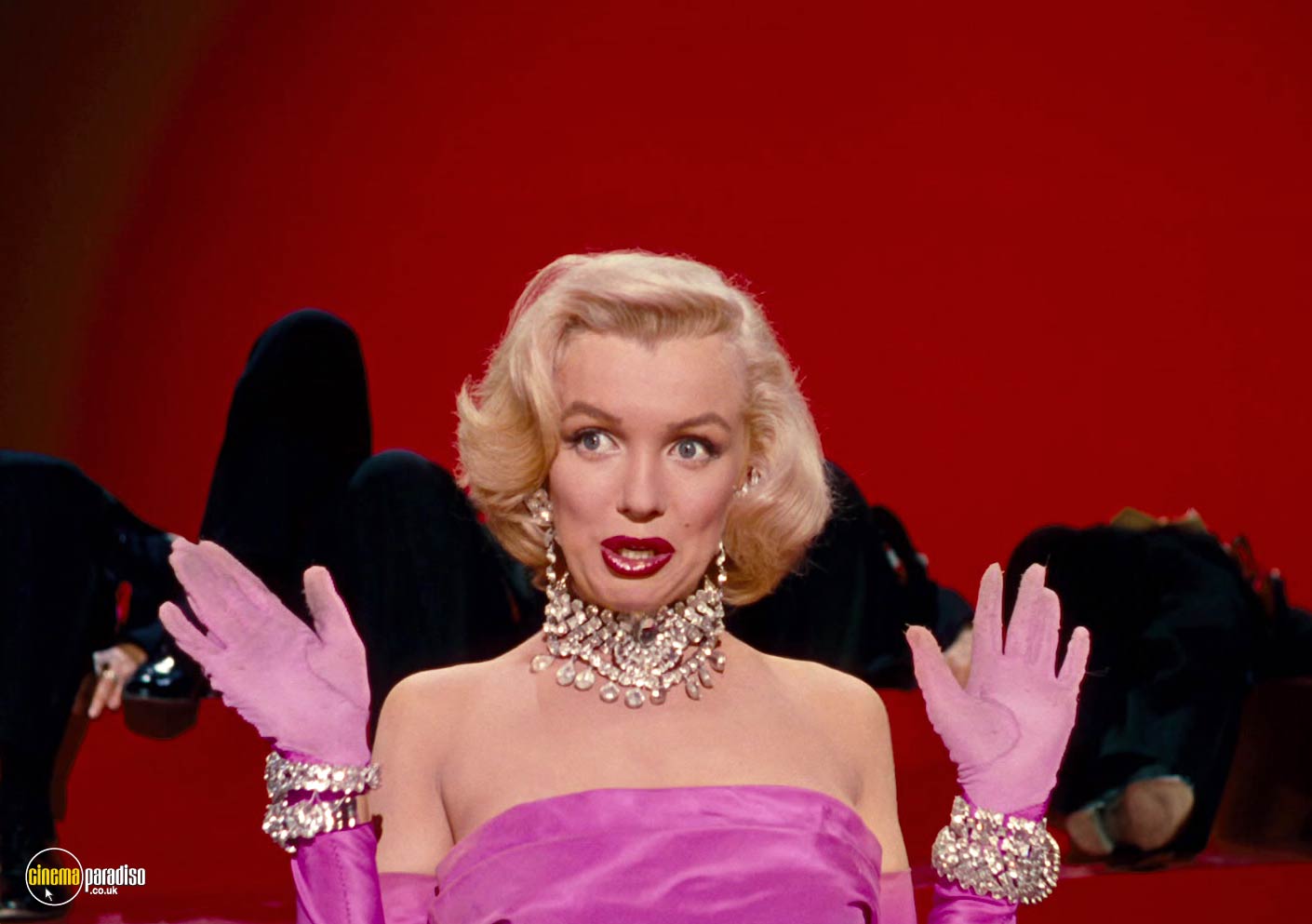
Marilyn Joan Watts was born in Santa Monica, California on 3 January 1930. Starting out as a cinema usherette, she became a showgirl at Earl Carroll's Hollywood revue theatre when she was 17. Fashioning a stage tag from her nickname and a leading perfume brand, she did comedy bits with Pinky Lee before dancing in Las Vegas. Her performance in a 1950 Los Angeles production of Anita Loos's Gentlemen Prefer Blondes (which was filmed by Howard Hawks in 1953 ) led to her being signed by United-International Pictures. However, she was still best known for her modelling work and was second only to Marilyn Monroe in terms of pin-up popularity.
Having debuted in Two Tickets to Broadway (1951), Corday took whatever role was offered. But she hit her stride as scientist Stephanie Clayton in Jack Arnold's Tarantula (1955), which saw her being chased by a 100ft arachnid. More peril followed as mathematician Teresa Alvarez in Edward Lustig's The Black Scorpion and rancher Sally Caldwell in Fred F. Sears's The Giant Claw (both 1957).
It wasn't all rampaging mutants, however, as Corday could hold her own out West, with Audie Murphy in Drums Across the River, Rory Calhoun in Dawn At Socorro (both 1954), and Kirk Douglas in King Vidor's Man Without a Star (1955). Despite marrying Richard Lang, her co-star in Playgirl (1954), Corday was Playboy's Playmate of the Month in October 1958. But, apart from the odd TV guest slot, she focussed on her family after the controlling and sometimes violent Lang turned down offers on her behalf.
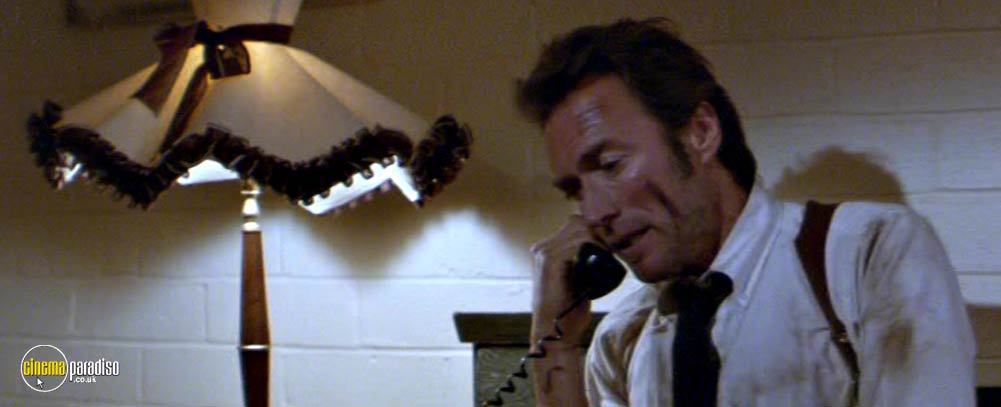
Corday only returned to acting after being widowed in 1974, alongside her Tarantula buddy Clint Eastwood in The Gauntlet (1977), Pink Cadillac (1989), and The Rookie (1991). Most notably, in Sudden Impact (1983), she played Loretta, the waitress whose gunpoint plight prompted the immortal line, 'Go ahead, make my day.'
Kwesi Owusu
As the BFI has recently restored Ama: An African Journey of Discovery (1991), it's to be hoped it will soon be released on disc - perhaps with the documentary, Ouaga: African Cinema Now (1986) , as an extra. Both films were directed by Kwesi Owusu, who died at the age of 70 on 22 March.
Born in Sekondi in Ghana on 24 October 1954, Owusu came to Britain to study in the late 1970s and formed the pan-African poetry and music group, African Dawn, which recorded four albums. Having written The Struggle For Black Arts in Britain (1986), he became involved in Channel 4's Cinema Action group. Co-directed by Kwate Nee-Owoo, Ama was the first African film to be made in London and starred Georgina Ackerman, as a 12 year-old who tries to convince people in the Ghanaian community that she has been given a message from the ancestors on a floppy disc.
Owusu was also part of the Black Triangle group that ran the Electric Cinema in Notting Hill from 1993-2000, which was the first Black-owned cinema in the UK. He also kept directing films like Love in a Cold Climate (1990) and Segrin Africa (1993), as well as pairing back in Ghana with Mildred Samuel on educational titles such as Water Is Life (2003), The Lights Have Gone Out Again, Ghana's Plastic Waste Menace (both 2009), and Singing For Freedom (2010). They also worked together on the Environmental Health Channel and the Maternal Health Channel (both 2013) for the multi-media hub, Creative Storm.
Masahiro Shinoda
Influenced by two directors covered in Cinema Paradiso's Instant Expert series, Yasujiro Ozu and Kenji Mizoguchi, Masahiro Shinoda was a key figure in the 1960s nuberu bagu, alongside the likes of Nagisa Oshima and Yoshishige Yoshida. Born on 9 March 1931, Shinoda was apprenticed to Ozu at Shochiku and served as his assistant on Tokyo Twilight (1957). But he was fast-tracked into the director's chair, as the studio sought to emulate the nouvelle vague.
Although early outings like One-Way Ticket For Love, Dry Lake (both 1960), Killers on Parade (1961), and A Flame At the Pier (1962), aren't on disc, they showed Shinoda departing from the studio style to examine pressing social and political issues.Those on the margins featured in both the yakuza classic Passion Flower and the samurai saga, Assassinaton (both 1964), which would make a magnificent Cinema Paradiso double bill.
Resisting the trend towards realism, Shinoda became renowned for audiovisual innovation, with Double Suicide (1969) and The Scandalous Adventures of Buraikan (1970), which were respectively influenced by bunraku puppetry and kabuki theatre. The former starred second wife Shima Iwashita in a dual role and she remained a key collaborator for the remainder of Shinoda's career.
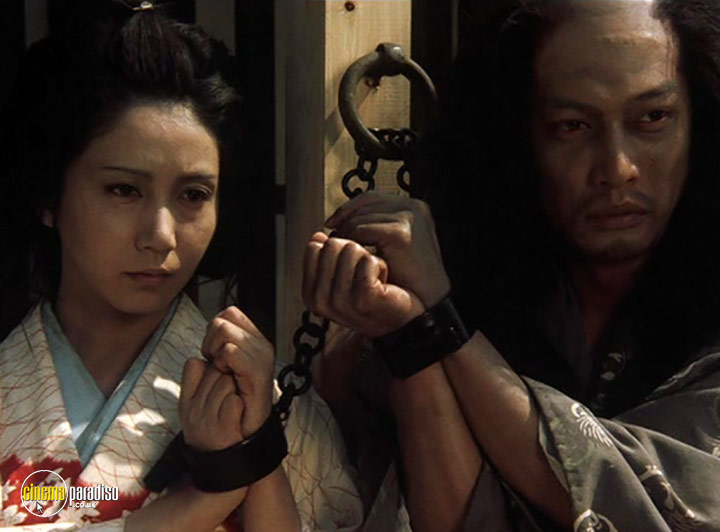
Although still capable of films as dazzling as the overlooked Beauty and Sorrow (1965) and The Ballad of Orin (1977), Shinoda's style became less experimental after Silence (1971), the story of a Jesuit priest in 17th-century Japan that was revisited by Martin Scorsese in 2016. It was followed by Demon Pond (1979), Gonza the Spearman (1986), and MacArthur's Children (1984), a Second World War drama that prompted one critic to dub Shinoda as 'Japan's James Ivory'. Ever ready to break new ground, he employed CGI backgrounds on the ninja adventure, Owl's Castle (1999), before retiring after Spy Sorge (2003), a biopic of German-Russian agent, Richard Sorge. The 94 year-old passed away on 25 March 2025.
Taina Elg
It was a case of right place wrong time for Taina Elg. By the time she arrived at MGM, the heyday of the Hollywood musical had passed and the studio had no idea what to do with the Finnish actress who had won the Golden Globe for New Foreign Star of the Year for Gaby (1956) and shared the Best Actress in a Musical or Comedy category with Kay Kendall, her co-star with Mitzi Gaynor and Gene Kelly in George Cukor's take on Cole Porter's Les Girls (1957).
Born to married concert pianists in Helsinki on 9 March 1930, Elg had trained to be a ballerina and had made her screen debut in Suominen's Family (1941) before she started dancing across postwar Europe. At Sadler's Wells, she was spotted by MGM producer Edwin H. Knopf and signed to a seven-year contract. But the writing seemed on the wall when a competition to find her a new name was abandoned and a lack of Finnish roles saw Elg play French characters in Diane (1956), Gaby, Les Girls, and Imitation General (1957). She was an Egyptian slave in The Prodigal (1957) and a German missionary's daughter in Watusi (1959), but was best remembered as hockey mistress Miss Fisher becoming handcuffed to Kenneth More's Richard Hannay in Ralph Thomas's adaptation of John Buchan's The 39 Steps (1959), which had been filmed by Alfred Hitchcock in 1935.
Focussing her efforts on the stage, Elg made her mark on Broadway and in various touring productions. Having been absent from the screen since playing Dirce in the sword-and-sandal offering, The Bacchanites (1960), Elg returned as Nemesis opposite a young Arnold Schwarzenegger in Hercules in New York (1970). Following soap duty in One Life in the mid-1970s, she guested in 'A Fashionable Way to Die', a 1987 Parisian-set episode of Murder, She Wrote (1984-95). But knowing directors hired her for small roles in Mike Figgis's thriller Liebestraum (1991), Woody Allen's Don't Drink the Water (1994), and Barbra Streisand's The Mirror Has Two Faces (1996). Elg retired from films after the Finnish comedy, Kummelin Jackpot (2006), and died at the age of 95 on 15 May.
Leslie Dilley
Art directors rarely get the credit they deserve, but Les Dilley was a two-time Oscar winner in partnership with fellow Brit, Norman Reynolds. He also earned three further nominations and was honoured with a lifetime achievement award from BAFTA Cymru.
The latter came because Dilley was born in the Rhondda Valley on 11 January 1941. He was raised in Wembley, however, and was studying architecture and building construction when a classmate told him of a job vacancy at Pinewood Studios. Here, he completed a plastering apprenticeship at Associated British Pictures, which led to him becoming a plans drafter and an assistant art director on the likes of Kelly's Heroes (1970) and Jesus Christ Superstar (1973).
Debuting on Richard Lester's The Three Musketeers (1973) and The Four Musketeers (1974), Dilley went on to amass over 100 film and TV credits over the next five decades. His most memorable creation was R2-D2 for George Lucas's Star Wars (1977), which brought the first Academy Award, with the second coming for Steven Spielberg's Raiders of the Lost Ark (1981). In between came Richard Donner's Superman (1978) before further nominations followed for Ridley Scott's Alien (1979), Irvin Kershner's The Empire Strikes Back (1980), and James Cameron's The Abyss (1989).
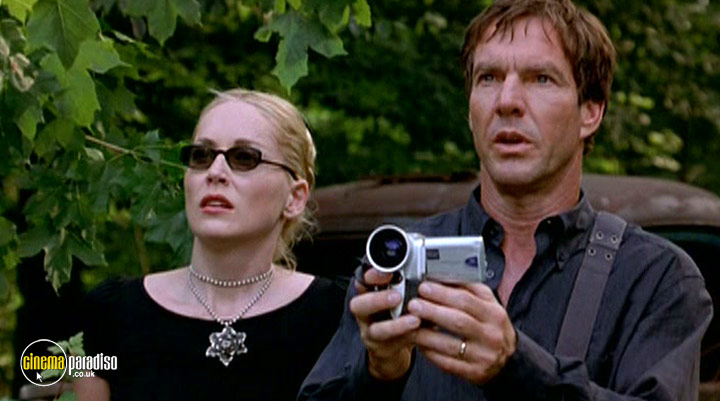
Having also contributed to John Landis's An American Werewolf in London (1981), Kershner's Bond movie, Never Say Never Again (1983), and Scott's Legend (1985), Dilley relocated to Hollywood and moved into production design. Among his credits were The Exorcist III (1990), What About Bob? , Guilty By Suspicion (both 1991), Casper (1995), Deep Impact (1998), Inspector Gadget (1999), Cold Creek Manor (2003), and Little Man (2006). Following a battle with Alzheimer's, Dilley died at the age of 84 on 20 May.
Michael Roemer
One wonders whether Mark Jonathan Harris approached Michael Roemer about appearing in the documentary, Into the Arms of Strangers: Stories of the Kindertransport (2000), as the future independent film-maker was 11 years old when he and his sister were taken from Berlin to London on one of the trains organised in 1939 by Nicholas Winterton, whose efforts to bring Jewish children out of Nazi Germany were recalled in James Hawes's One Life (2023). But Roemer seemingly didn't relish life in Britain, as he left for the United States soon after the end of the Second World War.
He had developed his English by writing plays and directed possibly the first feature to be made on an American college campus when he completed A Touch of the Times (1949) at Harvard for just $2000. Shot over two years, this silent fantasy about kite flying came to the attention of producer Louis De Rochement, who utilised Roemer as a production manager, assistant director, and editor.
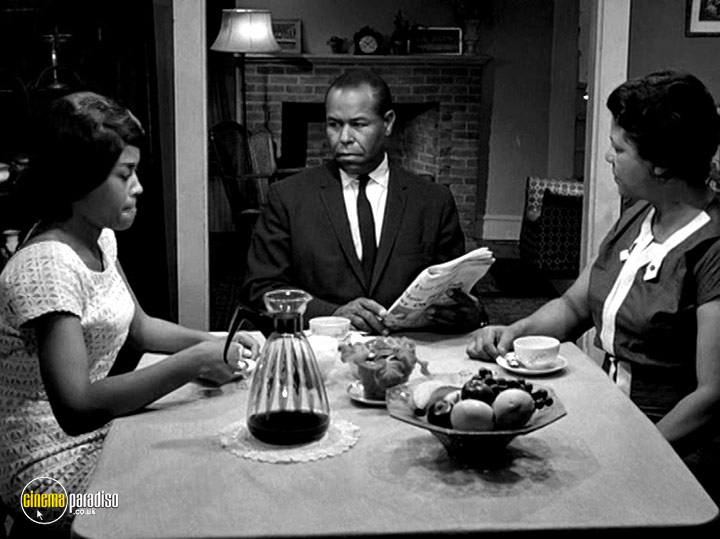
After making shorts for the Ford Foundation, Roemer was hired by NBC to make Cortile Cascino (1962), a mid-length documentary about everyday life in the Sicilian capital of Palermo that was co-directed by Robert M. Young. Deemed too graphic for television, this remained on the shelf until a festival screening in 1993. The same year saw the reissue of Roemer's debut feature, Nothing But a Man (1964), which drew on the director's experiences of being Jewish in the Third Reich to show how segregation impacted upon a Black railroad worker (Ivan Dixon) and his wife (Abbey Lincoln), who was the daughter of an Alabama preacher. Despite winning two prizes at the Venice Film Festival, the picture proved too contentious for American audiences, in spite of the Tamla Motown soundtrack.
A comedy about a small-time Jewish hood (Martin Priest) who decides to go straight after a stretch in stir, The Plot Against Harry (1969) also took its time to find an audience and it's a shame this droll study of the urban melting pot is unavailable, as it's still keenly relevant today. But Roemer succeeded in making only one further feature, Vengeance Is Mine (1984), which aired on television. Yet he took a defiant pride in writing scripts that never got made, although he did finish two more short actualities, Faces of Israel (1967) and Dying (1976), neither of which is easy to find. He taught at Yale until he was 89 and died nine years later on 20 May.
Marcel Ophuls
While many would consider Marcel Ophuls to be the most courageous cine-chronicler of 20th-century conflict, some would include him among the most conentious. Born Hans Marcel Oppenheimer in Frankfurt on 1 November 1927, he was the son of actress Hildegard Wall and her film-maker husband, who produced such masterpieces as The Reckless Moment, Letter From an Unknown Woman, Caught (all 1949), La Ronde (1950), Le Plaisir (1951), and Madame De... (1952) under the name of Max Ophüls.
The first three titles had been made in Hollywood, where the Jewish director saw out the war after fleeing Nazi Germany for France. Marcel attended local schools and served as his father's assistant on Lola Montès (1955) - using the name Marcel Wall to avoid accusations of nepotism - after assisting John Huston on Moulin Rouge (1952) and Julien Duvivier on Marianne de ma jeunesse (1955). Striking out on his own, he adapted John Mortimer's The Dock Brief (1958) for German television before contributing 'Munich' to the portmanteau, Love At Twenty (1962), which also included vignettes by François Truffaut, Andrzej Wajda, Renzo Rossellini, and Shintar Ishihara.
After misfiring with Banana Peel (1963) and Place Your Bets, Ladies (1965), Ophuls turned to documentary with Munich, or Peace in Our Time (1967), which he followed with The Sorrow and the Pity (1969), a 250-minute account of life in Clermont-Ferrand during the Occupation that shattered myths of a country united in resistance to the Germans. Although the film was banned in his adopted homeland, it earned an Oscar nomination and was acclaimed worldwide, as were The Harvest of My Lai (1970) and A Sense of Loss (1972), which respectively examined the Vietnam War and the Troubles in Northern Ireland. Ophuls was particularly proud of The Memory of Justice (1976), which reflected on the Nuremberg Trials from the perspective of the recent conflicts in Algeria and Vietnam.
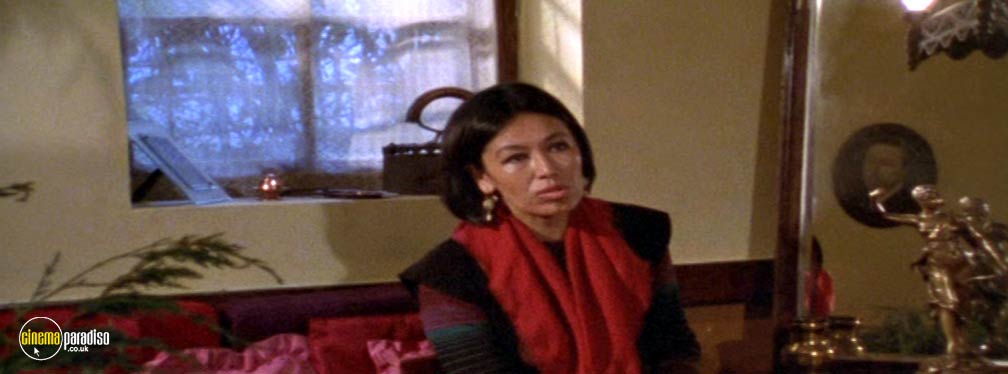
Exposing the crimes committed by the Gestapo in wartime Lyon, Hôtel Terminus: The Life and Times of Klaus Barbie (1988) won the Academy Award for Best Documentary Feature. But Ophuls never hit the same heights with November Days (1990), on German reunification; The Troubles We've Seen (1994), on combat journalism in Bosnia; Max par Marcel (2009), about his father's career; and the autobiographical, Ain't Misbehavin' (2013). A final project, Unpleasant Truths, about Israel's agenda in the Palestinian Territories, remained unfinished on Ophuls's death at the age of 97 on 24 May.
Co Hoedeman
When Co Hoedeman was nominated for the Academy Award for Best Animated Short, he was so convinced that National Film Board stablemate Ishu Patel would win for Bead Game that he stood up to congratulate him as the result was being announced. But he had won for The Sand Castle (1977), a dazzling shape-shifting short made from sand, wire, and rubber, and admitted in the documentary short, Making Movie History: Co Hoedeman (2013), to being a bit underwhelmed by the occasion. He had already won a BAFTA for Tchou-tchou (1972), a stop-motion marvel that had been made entirely using building bricks. But awards mattered less than pleasing audiences.
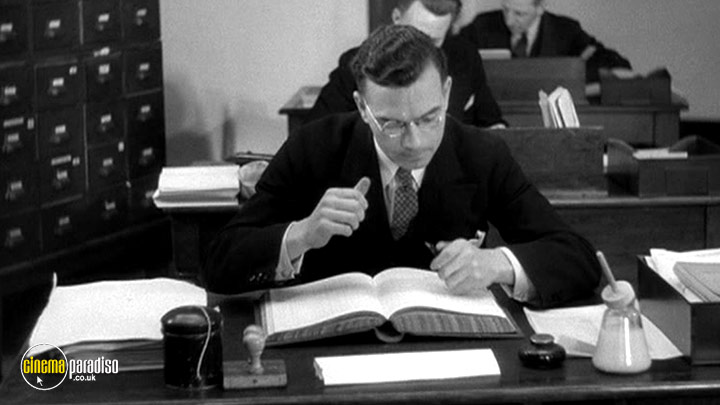
Born in Nazi-occupied Amsterdam on 1 August 1940, Jacobus Hoedeman would recall his arduous childhood in 55 Socks (2011). He had been fascinated by puppets as a boy, but realised he wanted to become an animator when he saw some shorts made by Scotsman Norman McLaren, whose early work can be rented from Cinema Paradiso on the BFI's GPO Film Unit collections, Addressing the Nation (2008) and We Live in Two Worlds (2009). As McLarent was now running the NFB, Hoedeman set off for Canada in 1965 with a single showreel and almost immediately landed a job.
Having debuted with Oddball (1969), Hoedeman studied puppet animation in Czechoslovakia, where the art had been refined by Jiøí Trnka, Karel Zeman, and Jan Švankmajer (type their names into the Searchline to learn more). Over the next few years, he would collaborate with indigenous artists to make a series of shorts based on traditional stories. He also created an adorable teddy bear named Ludovic, as well as crafting cautionary tales like The Sniffing Bear (1992). Departing the NFB unit after Marianne's Theatre (2011), Hoedeman continued working and died aged 84 on 26 May in Montréal. We don't usually point Cinema Paradiso users off site, but Hoedeman's wonderful work is not on disc, but can be found on the NFB's YouTube page. Treat yourself to some free genius.
Mohammed Lakhdar-Hamina
Cannes played a key role in the life of Algerian film-maker Mohammed Lakhdar-Hamina. Born into a farming family in M'Sila on 26 February 1934, he was educated at the Lycée Carnot in Cannes before he fought with the Algerian resistance after deserting from the French army. His first feature won a prize at the Cannes Film Festival, where he became the first African and first Arab to win the Palme d'or. Poignantly, the 91 year-old died on 23 May 2025, the day after the festival had marked the 50th anniversary of his landmark victory, which has yet to be emulated.
Sent by the National Liberation Front (FLN) to train at the famous FAMU film school in Prague, Lakhdar-Hamina preferred to learn on the job at the city's Barrandov Studios. While exiled in Tunisia, he collaborated with Djamel Chanderli on Djazzaïrouna (1959), The Guns of Freedom, Yasmina (both 1961), and The People's Voice (1962), which all centred on the struggle for independence. On graduating to features, he won the prize for Best First Film at Cannes with The Wind of the Aurès (1967), which starred acting icon Keltoum as a mother searching for a son who is missing in action.
Having put a darkly comic spin on the conflict by profiling a man being mistaken for a terrorist in Hassan Terro (1968), Lakhdar-Hamina examined the torture methods used by the French in Décembre (1973). He then took the top award at Cannes with Chronicle of the Years of Embers (1975), a three-hour epic detailing the political education of Achmed (Jorge Voyagis), a peasant who comes to realise how exploited his people are after fighting for the French in the Second World War. Frustratingly, Sandstorm (1982) and The Last Image (1986) were less widely seen and Lakhdar-Hamina remained off screen, apart from abetting son Malik on his directorial debut, Autumn: October in Algiers (1992). When he finally returned, Twilight of Shadows (2014) was considered old-fashioned by a new generation of critics. Nevertheless, his work laid the foundation for Maghrebi cinema.
Loretta Swit
'If you don't stop her now,' Loretta Swit's mother told her father after seeing her act for the first time, 'she may wind up doing this for the rest of her life.' Ironically, it was her mother who had sowed the seed, as she regularly took her daughter to double features at the local cinema after Loretta Jane Szwed had been born in Passaic, New Jersey on 4 November 1937.
Having trained at the American Academy of Dramatic Art, Swit learned her craft in Off-Broadway and touring productions before making her first TV appearances in such shows as Hawaii Five-O, Mission: Impossible, and Bonanza, all of which are available from Cinema Paradiso. She also ventured into films after debuting in Stand Up and Be Counted (1972). But a single role would keep Swit busy for the next decade.
Margaret 'Hot Lips' Houlihan had been played by Sally Kellerman in Robert Altman's M*A*S*H (1970). But, when the TV rights were optioned, Swit took over the role of the head nurse at a field hospital during the Korean War. She would appear in all bar 11 of the 251 episodes and, in the process, earned 10 consecutive Emmy nominations, winning the award in 1980 and 1982. Initially, Hot Lips was the subject of ridicule for her affair with married major, Frank Burns (Larry Linville). But, after he returned Stateside, the nasty nickname disappeared and a grudging respect grew up between Margaret and Captain Benjamin Franklin Pierce (Alan Alda), with whom she had a passionate encounter during a never-discussed-again night alone.
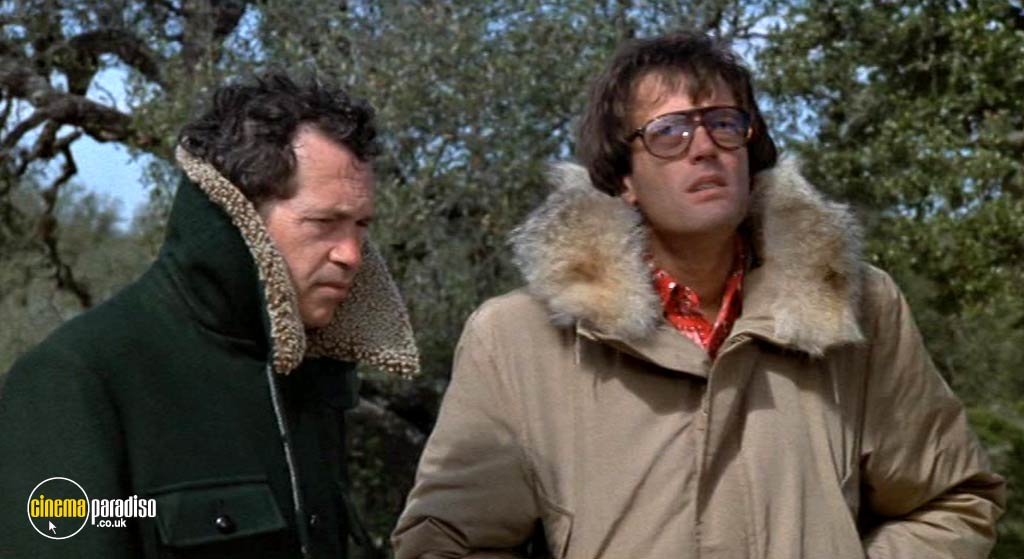
Such was Swit's commitment to M*A*S*H (1972-82) that she had to pass on the lead of Christine Cagney in Cagney and Lacey (1981-88) because the show was broadcast by a rival network. However, she was permitted to make the occasional film, playing Mildred Meyers in Freebie and the Bean (1974), Alice in Race With the Devil (1975), and Polly Reed in S.O.B. (1981), opposite Julie Andrews.
Following M*A*S*H's record-breaking final night - when 121 million tuned in - Swit found it difficult to emerge from Margaret's shadow. She guested as Kathy Ross in two episodes of The Love Boat (1977-78) and as Kim Mitchell in the 1994 'Portal of Death' episode of Murder, She Wrote. Swit also took the lead of Marysia Walenka in the 1985 TV movie, The Execution, and voiced Marcia Cates in the 'Mad Hatter' episode of Batman: The Animated Series that wound up on DC Super-Villains: The Joker.
A decade passed between the feature roles of President Barbara Adams in the British farce, Whoops Apoclypse (1986), and Shirley in the Chuck Norris vehicle, Forest Warrior (1996). She would go on to play Maggie Dennings in the 1998 'Drill For Death' episode of Diagnosis: Murder (1993-2001). But Swit, who died at the age of 87 on 30 May, will always be associated with the nurse who went from being the butt of all the jokes to a respected member of the 4077th Mobile Army Surgical Hospital.
Barbara Ferris
The daughter of a Soho milkman who became the wife of a Chelsea film mogul, Barbara Ferris was also the sister of an Olympic diving medallist. She also happened to be a fine actress, whose biggest breaks came on the stage rather than the screen. Nonetheless, there is plenty for Cinema Paradiso users to discover and enjoy.
Born on 27 July 1936, Ferris danced as a girl and trained at Italia Conti's school before appearing in commercials and West End shows, including The Pajama Game (1954-55), which saw Bob Fosse make his debut as a choreographer. Ferris also joined Una Stubbs, Amanda Barrie, and Patsy Rowlands among the dancers on ITV's first pop music show, Cool For Cats (1956-61). When actor Victor Spinetti told her about Joan Littlewood looking for Cockney girls for a new stage show, Ferris was cast in Sparrers Can't Sing (1960). She also played Nellie Gooding in Littlewood's 1963 film version, Sparrows Can't Sing. But Ferris has repeated bad luck with hit stage roles, with Goldie Hawn replacing her (after West End and Broadway acclaim) in There's a Girl in My Soup (1970) and Liza Minnelli later taking over for Stepping Out (1991).
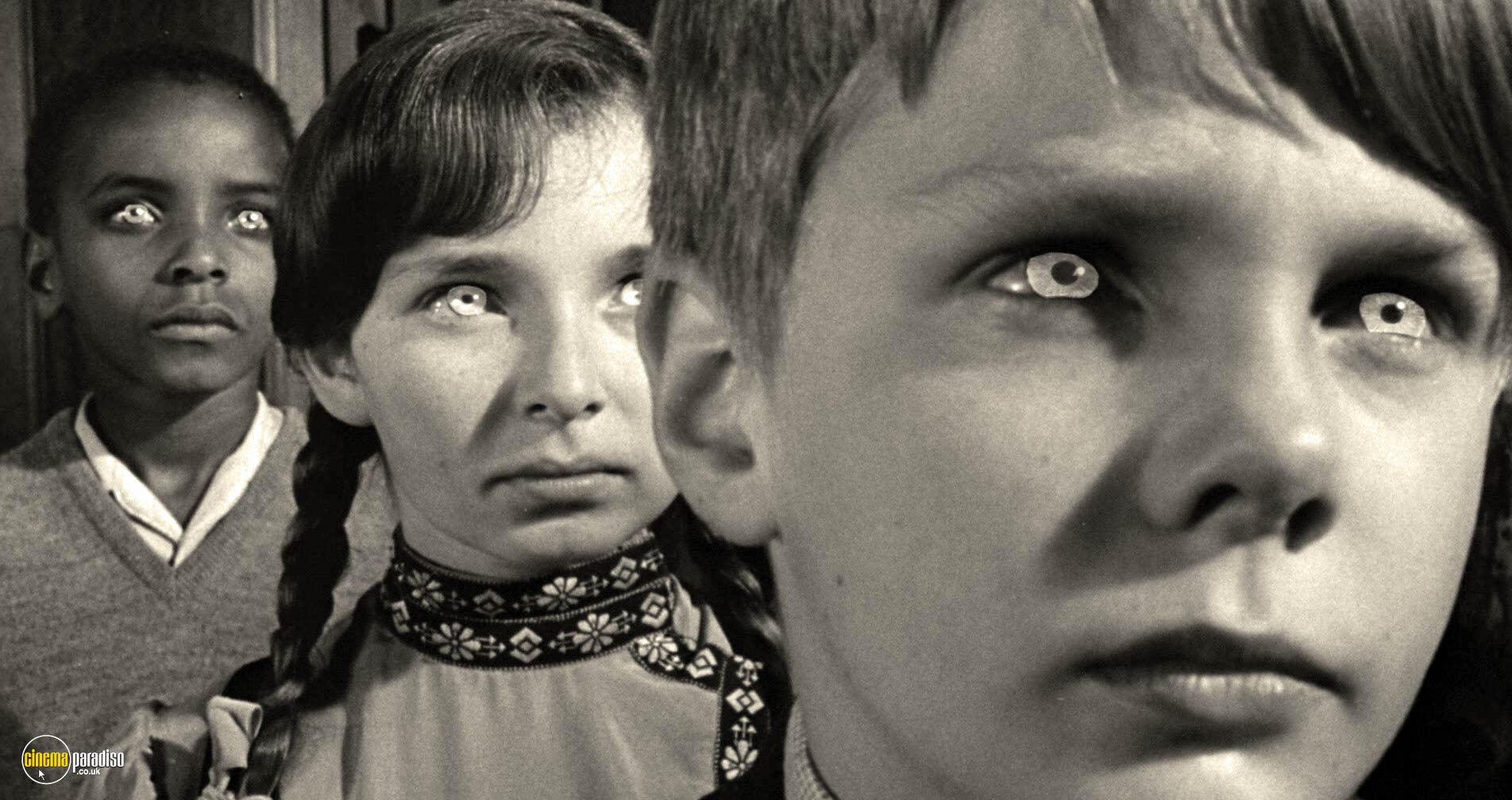
In 1961, Ferris's Nona Willis became the first Cockney barmaid at the Rovers Return. But Nona only lasted 10 episodes of Coronation Street because she couldn't understand the Lancastrian accents. So, Ferris used films like Term of Trial (1962), Bitter Harvest (1963), and Children of the Damned (1964) as a springboard and, when Marianne Faithfull refused the role, she was cast as rebellious It girl Dinah in John Boorman's Dave Clark Five classic, Catch Us If You Can (1965).
The same year, Ferris caused a sensation as a feckless mother in Edward Bond's Saved (1965), which was censored by the Lord Chancellor. Having had an affair with conductor Oskar Werner as a free-spirited journalist in Interlude (1968), Ferris played the serially pregnant Candida in A Nice Girl Like Me (1969). But her biggest successes were in the theatre, joining Lynn Redgrave and Anna Massey in David Hare's Slag (1970) and Ingrid Bergman in John Gielgud's production of W. Somerset Maugham's The Constant Wife (1973). She also proved memorable in Michael Frayn's Alphabetical Order (1975) and Clouds (1977), and Alan Ayckbourn's Season's Greetings (1982).
Having played the wife of Richard Briers's vicar in the sitcom, All in Good Faith (1985-88), Ferris found herself married to him again in A Chorus of Disapproval (1988), an Ayckbourn adaptation that was directed by Michael Winner, who had worked with Ferris on the Swinging London caper, The System (1964). The East End of the capital provided the setting for Ferris's final film outing, The Krays (1990), before she retired to raise a family with John Quested, the chairman of Goldcrest Films, whose most notable titles included Chariots of Fire (1981), Gandhi (1982), Local Hero (1983), The Killing Fields (1984), A Room With a View (1985), and Hope and Glory (1987), which reunited Ferris with John Boorman. She died at the age of 88 on 23 May.
Valerie Mahaffey
Show runners always knew they were on to a good thing when they booked Valerie Mahaffey, as the character actress with a knack for playing deceptive eccentrics improved everything she was in. Hit the Cinema Paradiso Searchline and marvel at the titles in the list: Cheers, L.A. Law, The Young Riders, Dream On, Quantum Leap, Seinfeld, Frasier, ER, Ally McBeal, Caroline in the City, West Wing, Law and Order: Special Victims Unit, Without a Trace, Boston Legal, Gray's Anatomy, Hannah Montana, Private Practice, Glee, Franklin and Bash, Hart of Dixie, and The Mindy Project.

She was born on the Indonesian island of Sumatra on 16 June 1953 and lived for a time in Nigeria, as her father was in the oil business. As there was no radio or television, the community acted out plays and Mahaffey was bitten by the bug. Having completed her education in the US after a spell at an English boarding school, she made her reputation on the stage. She landed a Daytime Emmy nomination as Ashley Bennett The Doctors (1979-81) and cropped up in TV-movies like Code Name: Dancer (1987). But features like National Lampoon's Senior Trip (1995), Jungle 2 Jungle, Dinner At Fred's (1997), Seabiscuit (2003), Jack and Jill (2011), and Sully (2016) were comparatively rare.
Versatility was Mahaffey's watchword, whether she was playing the hypochondriacal Eve in an Emmy-winning turn in Northern Exposure (1991-94), the scheming Alma Hodge in Desperate Housewives (2006-12), put-upon teacher Victoria MacElroy in Young Sheldon (2017-20), the grandiose Lorna Harding in Christina Applegate's Netflix show, Dead to Me (2019-22), or trucker's mom Helen Pergman in Big Sky (2020-21). The latter was created by David E. Kelley, who had clearly revelled in her turn as Madame Reynaud opposite wife Michelle Pfeiffer in Azazel Jacobs's French Exit (2020), which brought Mahaffey an Independent Spirit nomination. Long married to actor Joseph Kell, she died on 30 May at the age of 71.
Enzo Staiola
There's only one way to go after you land the role of a lifetime at eight years old. But at least Enzo Staiola is guaranteed cinematic immortality, as he played Bruno Ricci, the heart-breakingly devoted scamp following his increasingly desperate bill-sticker father, Antonio (Lamberto Maggiorani), on a search around the backstreets of Rome in Vittorio De Sica's neo-realist masterpiece, Bicycle Thieves (1948).
Born on 15 November 1939, Staiola seemed destined to appear on screen as his father, Otello, was an extra at the Cinecittà studios. However, as she ran a fruit stall near the Colosseum, mother Rosa didn't have stars in her eyes and she only allowed her son to work for De Sica (who had been a famous movie star in the 1930s) when he offered her the life-changing sum of 300,000 lira. That said, she refused to allow Enzo to go to Hollywood after he had appeared opposite Gina Lollobrigida in The White Line (1950) George Raft in I'll Get You For This (1951), Marcello Mastroianni in Black Feathers (1952), and Fernandel in The Return of Don Camillo (1953).
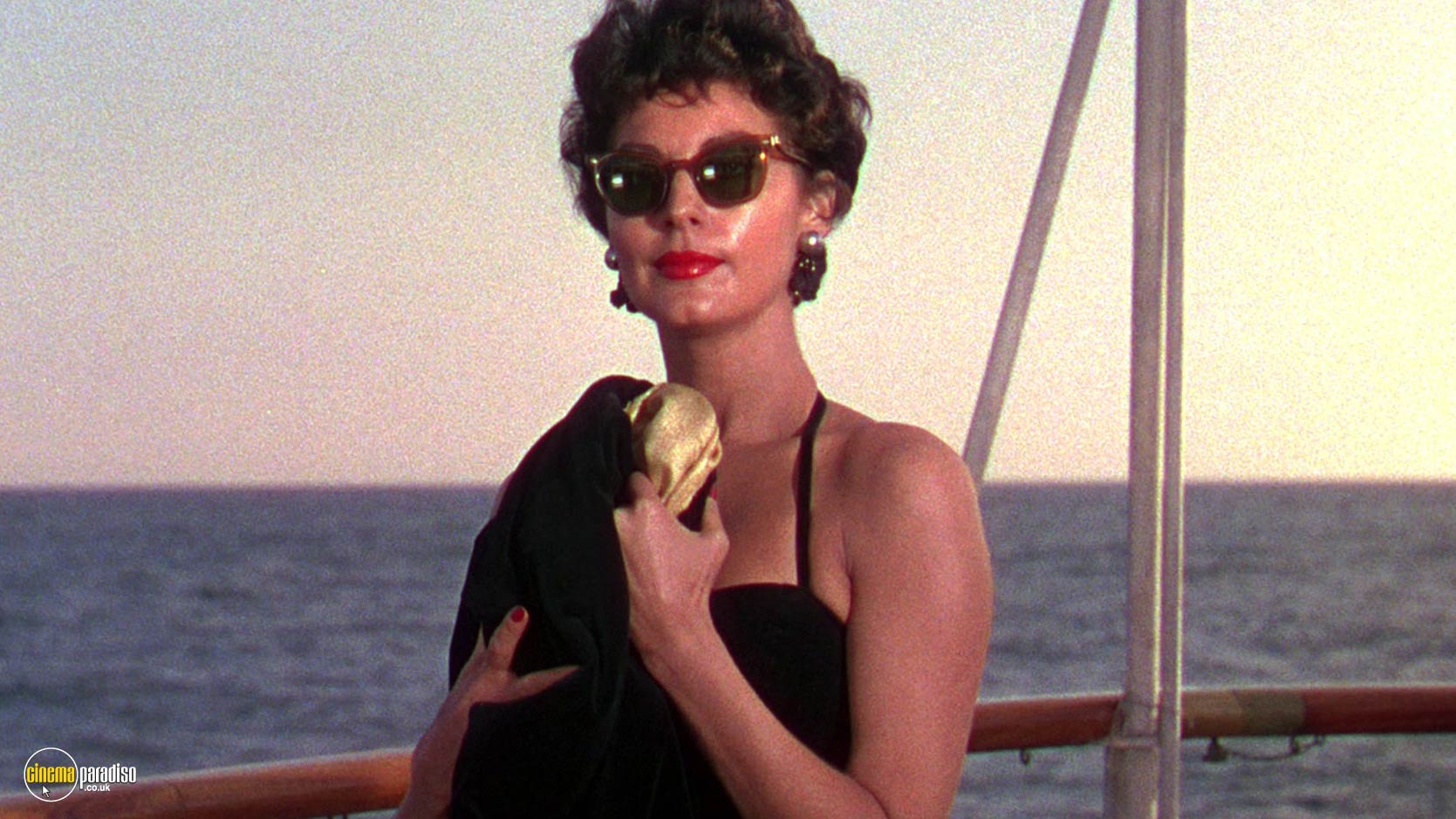
It seemed as though he would go out on a high, after playing a busboy opposite Humphrey Bogart and Ava Gardner in Joseph L. Mankiewicz's The Barefoot Contessa (1954). But Staiola interrupted his retirement as a registry clerk, a teacher, and a part-time football coach to take a walk-on in Flavio Mogherini's giallo, The Pyjama Girl Case (1977), which stars Ray Milland and Mel Ferrer and is available to rent from Cinema Paradiso. He died at the age of 85 on 4 June 2025.
Mentioned films