With John Schlesinger's centenary and the 50th anniversary of Marathon Man coming at opposite ends of 2026, Cinema Paradiso takes the chance to look back...
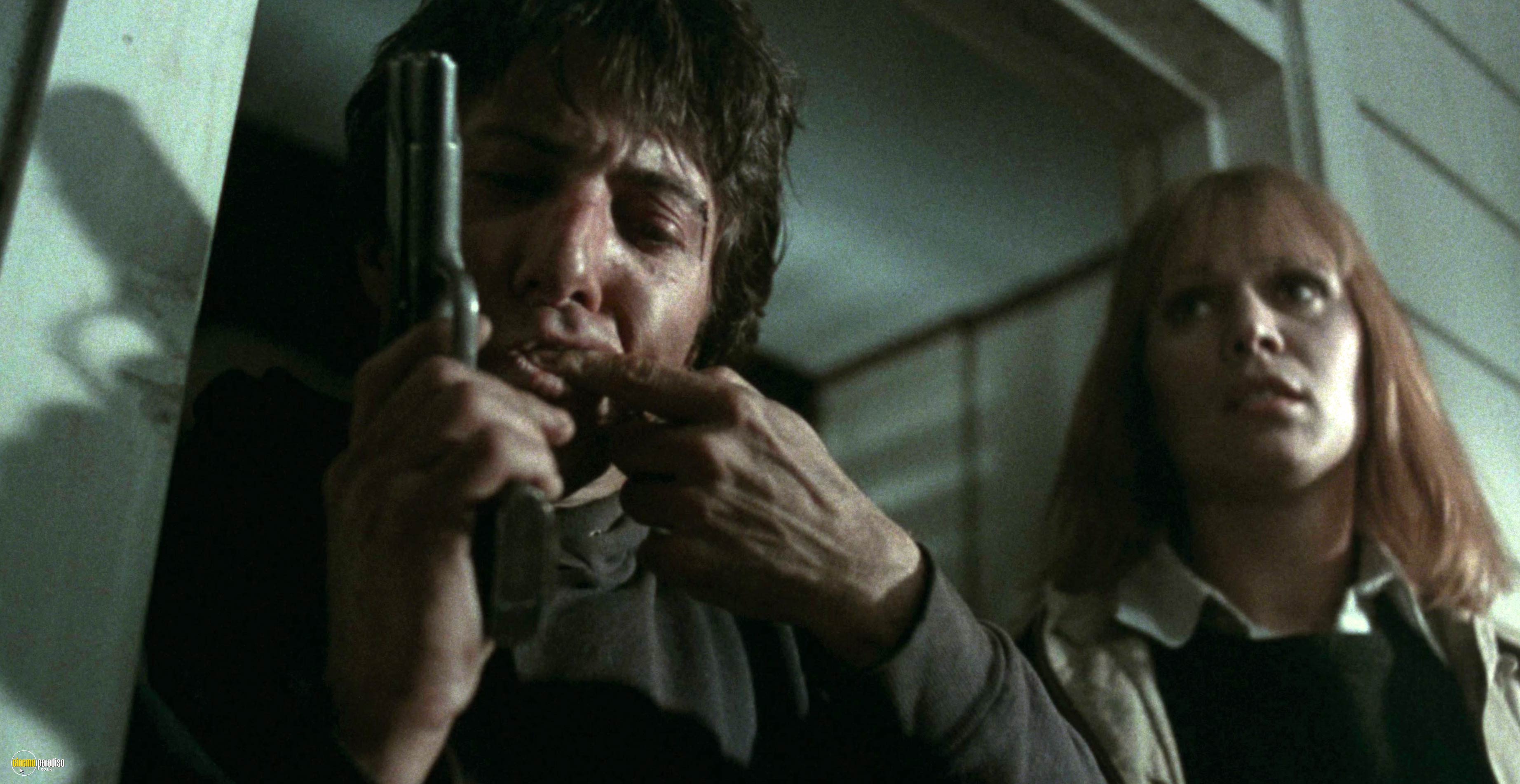
It's impossible for anyone who has seen John Schlesinger's Marathon Man (1976) to visit a dentist with a jaunty step. Yet, while this is the scene that more people remember, there are several other gripping set-pieces in the 50 year-old British director's first thriller, as well as some astonishing performances from stars from very different acting traditions.
Adapted by William Goldman from his own 1974 novel, the film also made screen history by becoming the first to be released into cinemas featuring Steadicam footage. Cinema Paradiso users can watch it in high-quality DVD, Blu-ray, or 4K. But, whichever your chosen format, you are guaranteed two hours of impeccably made and unrelentingly gripping entertainment.
The Reluctant Screenwriter
William Goldman is one of the finest screenwriters in the history of modern cinema. In addition to the 33 scenarios bearing his name, he also did uncredited script-doctoring on dozens of other Hollywood pictures. Yet, if one thing is clear from his bestselling autobiographical tomes - Adventures in the Screen Trade (1983), Which Lie Did I Tell? (2000), and The Big Picture: Who Killed Hollywood and Other Essays (2001) - Goldman always considered himself a novelist rather than a screenwriter. Moreover, he disliked the atmosphere in Los Angeles and operated out of New York in order to avoid the studio politics and the constant one-upmanship of stars, agents, and executives alike.
Born in Chicago in 1931, Goldman was the son of a deaf mother and an alcoholic businessman who took his own life when his son was still in high school. It's tempting to see the flashbacks in Marathon Man, as Dustin Hoffman's character recalls finding his father's body after he had shot himself during the McCarthy witch-hunt era, as being both a deeply personal detail and a deft way of introducing the Chekhovian gun that would play such a key part in the film's denouement.
At Oberlin College in Ohio, Goldman had struggled with his studies and had endured the humiliation of having his co-editors on the school literary magazine mock the short stories that he had submitted under assumed names. Graduating in 1952, he had taken a creative writing class, only to receive further setbacks. 'Do you know what it's like to want to be a writer and get the worst grades in the class?' he would say later. 'It's terrible.'
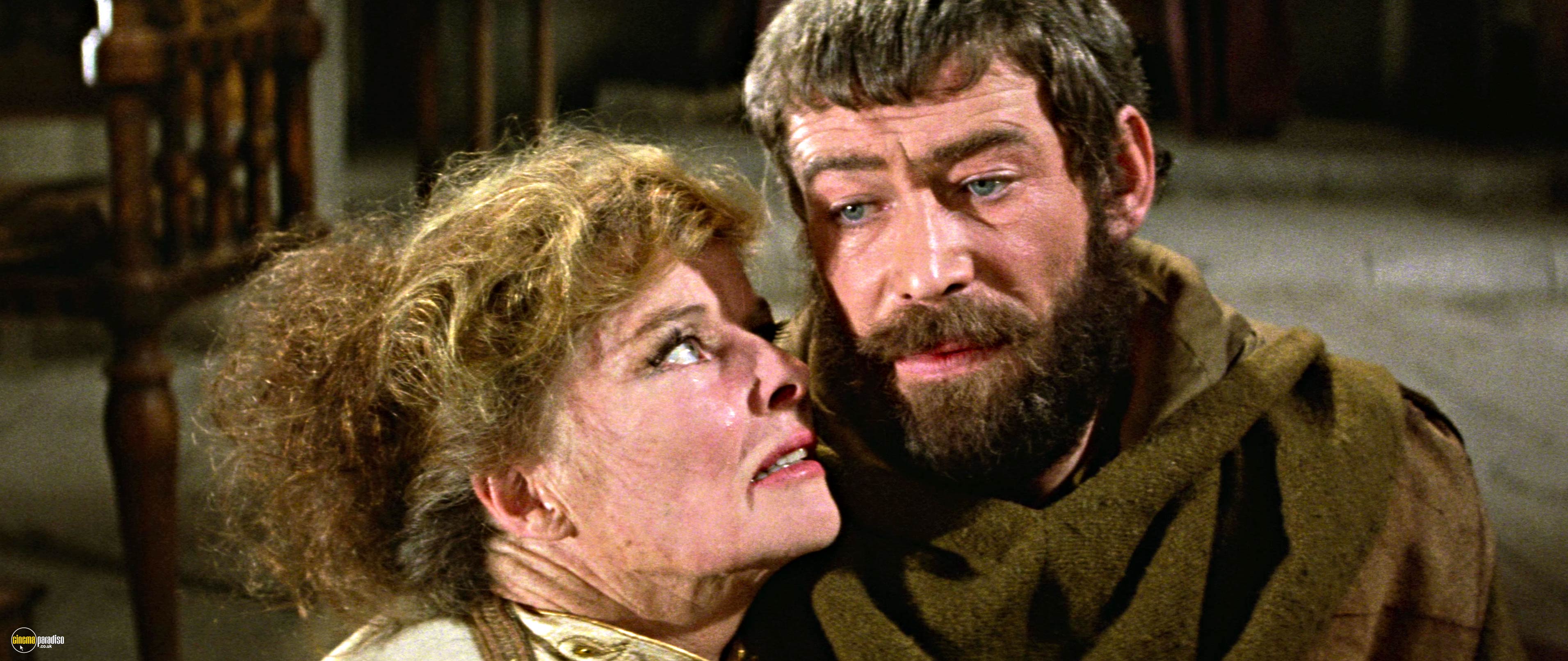
But, even though Goldman believed he had 'no signs of talent as a young man', he persevered and completed a Master of Arts degree at Columbia University. Moreover, despite still receiving rejection letters for his stories, he decided to write a novel, as he couldn't face the prospect of becoming an advertising copywriter. Encouraged by his older brother James (who would win an Oscar for The Lion in Winter, 1968), he finished The Temple of Gold in three weeks and agreed to double its length in order to get it published. He wrote Your Turn to Curtsy, My Turn to Bow (1958) in just over a week, while his memoir of army life, Soldier in the Rain (1960), was adapted into a film starring Jackie Gleason and Steve McQueen.
Goldman had nothing to do with Ralph Nelson's drama. Indeed, his first involvement with the performing arts came on Broadway. But, in a bid to shift a bout of writer's block on Boys and Girls Together, he rattled out a novella entitled, No Way to Treat a Lady, which centred on the Boston Strangler and was published under the nom de plume, Harry Longbaugh (which was the surname of The Sundance Kid). Actor Cliff Robertson was so impressed with Goldman's style that he asked him to write a script based on Daniel Keyes's Flowers For Algernon (1959). It was only after he had agreed that Goldman realised he had no idea what a screenplay looked like, let alone how to write one. So, he went to the all-night bookshop on Times Square at two in the morning and bought the only volume it had on screenwriting. Robertson was disappointed with Goldman's efforts and Stirling Silliphant (who had just won an Oscar for In the Heat of the Night, 1967) got to write Ralph Nelson's Charly (1968), which would earn Robertson a surprise Academy Award for Best Actor.
Undaunted, but incurably suspicious of the Hollywood system, Goldman accepted an offer from producer Eliot Kastner to script Harper (1966) for Paul Newman and the thriller's success inspired him to write an uncommissioned script about the outlaws who had fascinated him for almost a decade. Only one studio showed any interest in the first draft, but tweaks sparked a bidding war which resulted in a record $400,000 being paid for Butch Cassidy and the Sundance Kid. The teaming of Paul Newman and Robert Redford ensured that George Roy Hill's feature would become one of the highest-grossing Westerns in Hollywood history and its quipping 'buddy' format would be much imitated across the generic range.
Yet, not even an Academy Award could turn Goldman into a hot property. His scripts for In the Spring the War Ended and The Thing of It Is went unmade, while little of his three-draft contribution to Franklin J. Schaffner's adaptation of Henri Charrière's Papillon (1973) made the final film. That said, he also turned down offers to script Mike Nichols's The Graduate (1967) and Francis Ford Coppola's The Godfather (1972). Later in the decade, Goldman would also turn down Richard Donner's Superman (1978).

Although he had worked on Peter Yates's Robert Redford caper, The Hot Rock (1972), Goldman decided to go back to the day job. As he confided in The Movie Business Book: 'Some authors start out, no doubt, knowing they want to write screenplays. I am basically a novelist, and I fell into screenplay writing rather by misinterpretation.' Following The Father's Day (1972), Goldman wrote his grown-up fairytale, The Princess Bride (1973), and was in discussions with director Richard Lester over a film version when the project was scrapped following the firing of the 20th Century-Fox producer behind the scheme. Instead, Goldman embarked upon another novel, Marathon Man (1974), the idea for which came while the author was walking in the Diamond District in New York. Seeing so many people with concentration camp numbers tattooed on their arms, he speculated about what might happen if a notorious Nazi was picking his way between them without anyone knowing. The story so enthralled producer Robert Evans that he shelled out $450,000 to bag the rights for Paramount. He also insisted on Goldman writing the screenplay. 'The book reads like the movie-movie of all time,' Evans declared. 'I regard it as a cheap investment because you don't often find books that translate into film. This is the best thing I've read since The Godfather. It could go all, all the way - if we don't foul it up in the making.'
The Day of the Locust (1975), a scathing insight into 1930s Hollywood that had been adapted from a novel by Nathaniel West. Evans had not liked the film, but had confided in Schlesinger at the premiere that it had been very well made and he attached no blame to the director when the picture tanked. Schlesinger was convinced he would never work in Hollywood again. But his seventh feature would most definitely not be his last.
Born in London on 16 February 1926, Schlesinger had been raised in an affluent and cultivated Hampstead household. Educated at Uppingham School, he had served in the Royal Engineers during the Second World War. Indeed, he had made his earliest films on the frontline, while his magic tricks had made him popular with his comrades. While studying at Balliol College, Schlesinger had become involved with the Oxford University Dramatic Society and went on to act in several films, including The Sailor of the King (1953), The Divided Heart (1954), Oh, Rosalinda!!, The Battle of the River Plate, The Last Man to Hang (all 1956), Brothers in Law (1957), and Stormy Crossing (1958), as well as such TV series as The Adventures of Robin Hood (1955-58) and The Buccaneers (1957). All are available to rent with just a click from Cinema Paradiso.
Having directed the independent titles, The Starfish (1952) and A Sunday in the Park (1956), Schlesinger was invited to make topical items for Tonight (1957-65) and its BBC stablemate, Monitor (1958-65). Presented by Huw Weldon, the latter arts show had afforded Ken Russell his big break and Schlesinger proved impressively versatile in 24 contributions that covered everything from Benjamin Britten and Georges Simenon to the circus, seaside piers, student orchestras, and provincial theatre and Italian opera companies. He won a prize at the Bergamo Festival for a study of children's art (The Innocent Eye), while he introduced the nation to stereo recording (Hi-Fi-Fo-Fum) and Julie Christie, who appeared fleetingly in Schlesinger's piece on the Central School of Speech and Drama (The Class).
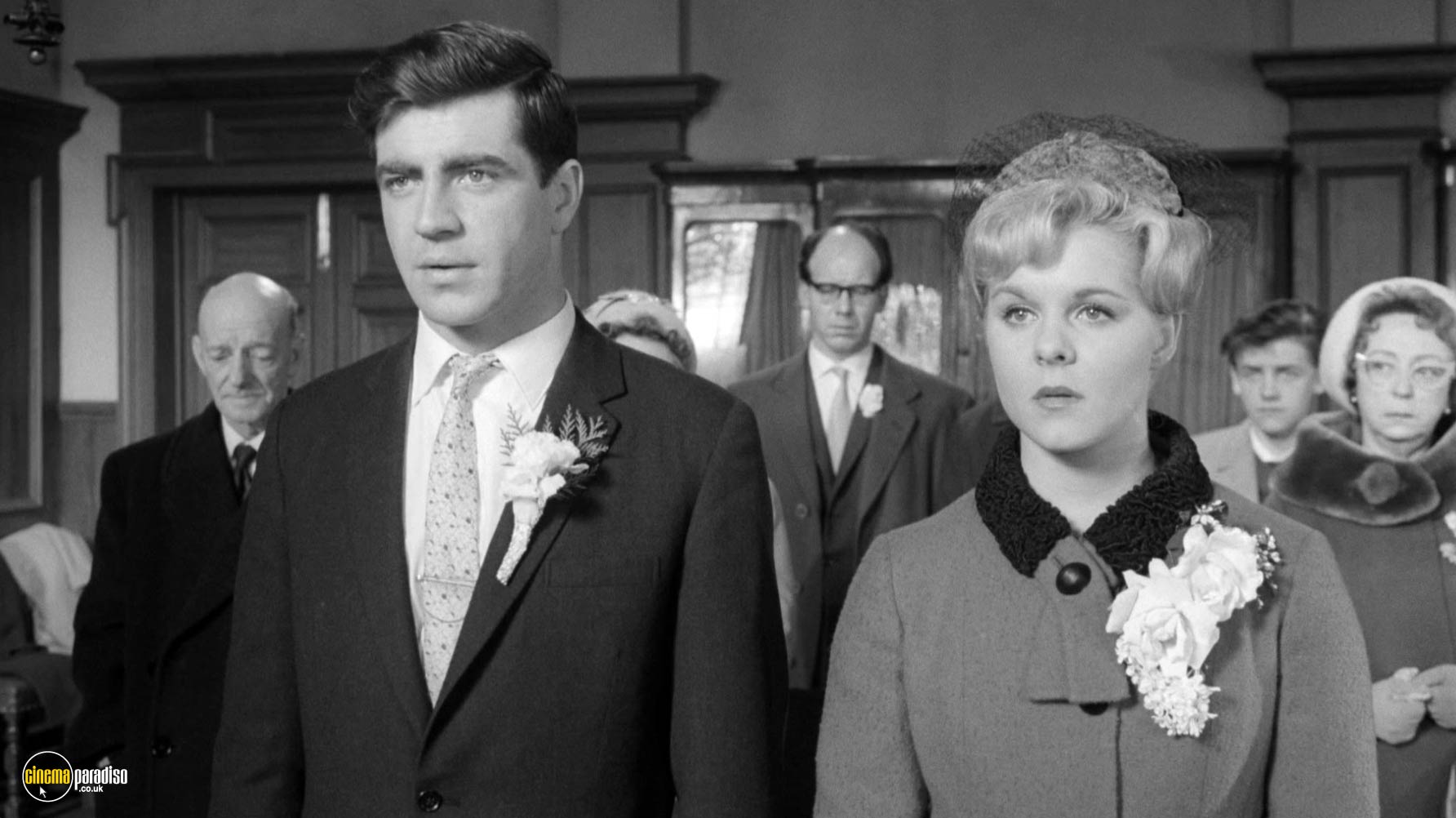
Taken with his brisk style, British Transport Films hired Schlesinger to direct Terminus (1961), a day in the life of London's Waterloo Station that resulted in producer Joseph Janni offering him the chance to make his feature debut with an adaptation of Stan Barstow's novel of northern life, A Kind of Loving (1962). A witty take on Keith Waterhouse's Billy Liar (1963) further bound Schlesinger to the social realist new wave, although he had little in common with angry young men like Tony Richardson, Lindsay Anderson, and Karel Reisz. Despite admiring Vittorio De Sica, Akira Kurosawa, Satyajit Ray, and François Truffaut, he wasn't much of a cinéaste and fashioned his own literate style to explore such recurring themes as ambiguity, life's unpredictability, and the effect of environment upon personality.
The success of Darling (1965), which earned him an Oscar nomination and a Best Actress award for Julie Christie, brought Schlesinger to the attention of the major studios. He remained loyal to Janni in adapting Thomas Hardy's Far From the Madding Crowd (1967), but the lure of Hollywood proved too strong and Schlesinger made screen history by directing the first X-rated title to win the Academy Award for Best Picture. He also took Best Director for Midnight Cowboy (1969) and returned home in triumph to earn another Oscar nod for Sunday Bloody Sunday (1971), which also reflected his perspective as a gay man in a prejudicial society.
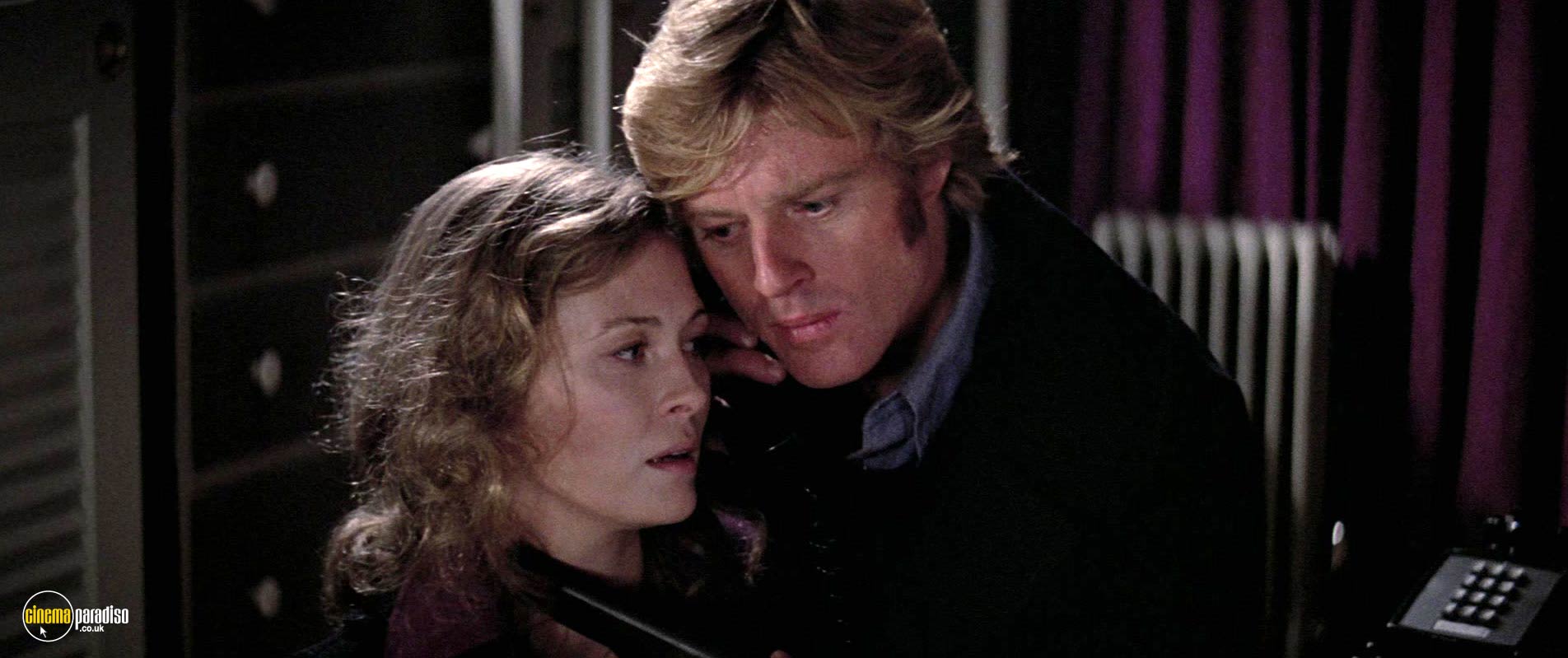
Duties as an associate director at the Royal National Theatre took up much of Schlesinger's time over the next few years. But he returned to California to make The Day of the Locust, which drew mixed notices and a blank at the box office. Many movie insiders took exception to what they perceived as Schlesinger's superiority complex in depicting Hollywood as a den of venality, iniquity, excess, and bad taste. However, Robert Evans recognised the wit of Richard Macdonald's production design, the elegance of Conrad Hall's Oscar-nominated cinematography, and the confidence of Schlesinger's direction. As a consequence, all three were invited to join Marathon Man, which the producer hoped would follow Alan J. Pakula's The Parallax View (1974) and Sydney Pollack's Three Days of the Condor (1975) in reflecting the confusion, bitterness, paranoia, and fear in post-Watergate America.
Casting Coups
By William Goldman's reckoning, he wrote four drafts of the screenplay, with each one adhering to the novel's ending, in which Babe shoots Szell in Central Park and allows himself to be arrested. When Schlesinger questioned the scene, Goldman explained that its power lay in showing that Babe the innocent had been corrupted by his contact with the wicked Szell and had forsaken his pacifist principles in order to avenge his brother. However, Schlesinger (also Jewish himself) felt uncomfortable with this scenario and approached Robert Towne to write an alternative after Hoffman - who had been turned off screen violence by Sam Peckinpah's Straw Dogs (1971) - declared his oppositon to Babe shooting someone.
Towne came up with the pump room showdown, which pleased Laurence Olivier, as it gave him a chance to express a range of conflicting emotions. But Goldman remained unconvinced, even though Towne's name was never added to the credits. He was also disappointed that some of Schlesinger's suggestions about New York seeming dirty and decayed were dropped, as they reinforced the sense of a city under a cloud. Schlesinger was also frustrated, as this was the first film since Billy Liar that he had not developed a picture himself and he disliked being a hired hand, as it made it more difficult to impose his personality on the action. However, he was excited at the prospect of directing a thriller, although he was riled by press questions about the influence of Alfred Hitchcock, as Schlesinger couldn't understand why so refined and ingenious a director would want to keep making variations on the same theme.
Schlesinger was also underwhelmed by the casting. He had wanted Al Pacino for Babe, Julie Christie for Elsa, and Robert Shaw for Janeway. Having worked with Hoffman on Midnight Cowboy, he knew how difficult the actor's perfectionism could be. 'It's no secret that Dustin Hoffman, who I regard as an absolutely splendid and innovative actor, is a packet of trouble, because he's got 60 answers for every question and he's never content to settle for one simple solution. Even when he's got it, he wants to try something else, just in case. That can be exhausting. It's like dealing with a child prodigy,'
As Hoffman was 39, Schlesinger also wondered whether he was too old to play a grad student. But he shed 15lbs for the role and ran up to four miles a day, as well as skipping rope for an hour, to ensure he was in the best physical shape. The same, however, could not be said of Laurence Olivier, who had been dogged by ill health since stepping down as head of the National Theatre. Diagnosed with acute detmatomyositis in 1974, he had come close to death during a 16-week stay in hospital that had seen him lose 30lbs. However, Olivier was a tenacious character and he battled back, even though the slightest touch of his skin proved painful and he struggled to move freely. He was also prone to bruising and tiredness, while his voice had become thinner and higher pitched.

By July 1975, however, Olivier had recovered sufficiently to see Schlesinger's London production of George Bernard Shaw's Heartbreak House. When the director went to Brighton to visit him, he was convinced that Olivier would be too frail to endure the rigours of a shoot in New York and Los Angeles and took note of Richard Widmark's willingness to play Szell in an emergency. Yet, he could also see a twinkle in Olivier's eye as he discussed playing such a monster and Schlesinger was unsurprised to hear that, in order to test the water, Olivier had spent two days playing Professor Moriarty (and earning $75,000 in the process) for Herbert Ross's The Seven-per-cent Solution (1976). The only problem was that he would be needed for much longer for Marathon Man and Evans was worried that he would not be able to get him insured.
'Larry Olivier couldn't get a job at the time, because he had cancer,' Evans later recalled, 'and no one would insure him. He was destitute. He couldn't afford to send his son to college. Through my good friends, David Niven and Merle Oberon, I was able to go before the House of Lords, and persuade them to get insurance for the greatest actor of our time through Lloyd's of London. Olivier threw his arms around me when it was over and said "You saved my life, old boy."' In fact, Lloyd's had been reluctant to provide a policy and Evans had had to plead with the company to restore some dignity to a national treasure by covering him for six weeks. As few thought Olivier would live that long, the terms were agreed. He would actually make another 12 films over the next 13 years, which affirms what a tough cookie he was.
Forced to accept William Devane instead of Robert Shaw, Schlesinger considered Charlotte Rampling after Julie Christie turned him down. Evans had noticed Swiss actress Marthe Keller in Claude Lelouch's Oscar-nominated dramedy, And Now My Love (1975), and he flew to Paris with Schlesinger to see her on stage. As she had no idea who was who, Keller had said, 'I loved Midnight Cowboy,' knowing that whoever thanked her would be the director. She came to New York to do a screen test with Hoffman, who put her through her improv paces before declaring her a worthy co-star. However, their relationship would often be tense during the shoot.
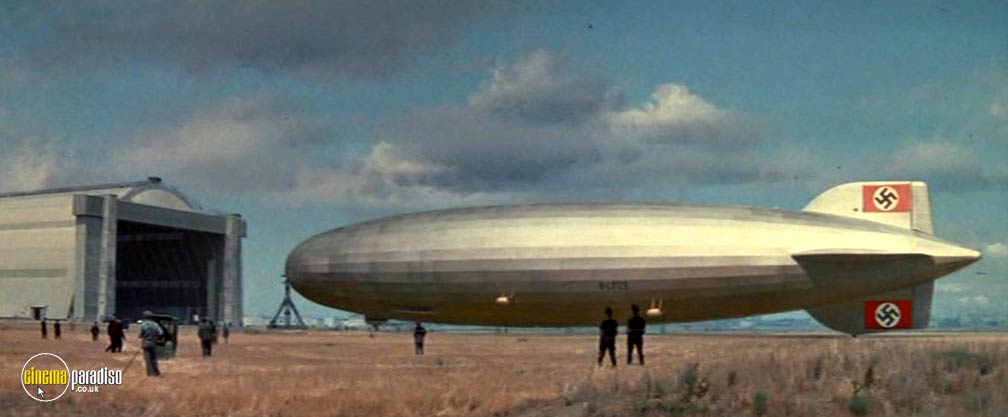
Among the other members of the cast, silent star Madge Kennedy closed her 60-year career as the woman who leaves the bank vault as Olivier enters, while Ben Dova, who plays Szell's brother, was a well-known acrobat under the name Joseph Späh. His claim to fame, however, was that he had survived the disaster recalled in Robert Wise's The Hindenburg (1975) by climbing out of the airship and clinging to a ledge before jumping when it was around 20ft from the ground.
Is It Safe?
There wasn't an Oscar for Best Casting in 1976, but Robert Evans would probably have put himself up for nomination after landing his dream cast for Marathon Man. As he revealed in Allan Garden's 'making of' documentary, The Magic of Hollywood...Is the Magic of People, it was very rare in the age of agent packaging to land all your first choices for a picture. But he had succeeded and his actors assembled in New York for a rehearsal period that was attended by William Goldman, who was on hand to undertake any rewrites, as he disliked being on the actual film set.

When Schlesinger had visited Laurence Olivier at his home, he could barely move one side of his face. He had seemed at death's door. But, even though he was still frail, he walked into the rehearsal hall to admiring applause. Goldman claimed it took a 'bull' of a man to bounce back from such a debilitating illness. However, he noted in Adventures in the Screen Trade that Olivier's hands were bruised and bandaged and that people were asked to avoid handshakes.
Schlesinger had been nervous about asking Olivier to have the top of his head shaved, as Szell had to disguise himself with a horseshoe hairline. A barber was installed in the basement on the first day of rehearsals so that the director could broach the subject tactfully once introductions had been made, as it was a sensitive subject because Olivier had so recently undergone treatment for cancer. In fact, he raised the issue almost as soon as he arrived and put Schlesinger at his ease by insisting that losing his hair would help him get a better feel for his character.
Goldman was touched by Olivier's humility and recalled another instance over lunch. Finding himself sitting beside his hero, Goldman had asked whether he knew New York well. Olivier explained he had been there in 1946, 1951, and 1958, but didn't elaborate. However, Goldman knew that these were seminal dates in Broadway history, as the first and last had seen Olivier triumph in Oedipus Rex and The Entertainer, while the middle date had paired him with Vivien Leigh in William Shakespeare and George Bernard Shaw's takes on Cleopatra. This modesty also extended to his prowess as a director, as Olivier informed Schlesinger that he was here to take direction not to take over.
During a break, Olivier recalled being mugged at home when one of his Shakespeare films had been playing on the television. He had cried out for help, but his family had merely thought he was hamming it up downstairs. Everyone laughed, but Goldman was struck by the power of the cry that this frail old man had emitted in telling his tale and was awed by witnessing at firsthand the stagecraft that had beguiled audiences for decades. He was baffled, therefore, when he saw William Devane appearing to take such a casual approach to his scenes with Olivier. When pressed, Devane admitted he was thrilled to be working with a legend. But there was no point in bigging up his part because, once the camera started rolling, it would barely notice him because Olivier was so compelling.
In his memoir, Goldman claimed that Dustin Hoffman was intimidated by Olivier and kept using little gambits to stake out his territory as top dog. The actor has denied the accusation, however, particularly in regard to Goldman's account of a session rehearsing the pump room finale. Despite Olivier twice declining, Hoffman had insisted on improvising the dialogue because that was his preferred way of working. Olivier had joked that this wasn't part of the traditional English stage technique, but Schlesinger had suggested that it wouldn't do any harm, as something interesting might arise. According to Goldman, Olivier stood up and began following Hoffman, as he strode around the room throwing out lines. As it became clear that Olivier was feeling discomfort, Goldman looked across at Schlesinger, hoping he would call a halt. But, even though Olivier's ankles had started to swell, the director declined to intervene, as he realised he had to accommodate his temperamental Method star. Moreover, he knew that Olivier wouldn't budge an inch, as he was aware that Hoffman was both testing him and convincing himself that he had what it took to hold his own with a master of his craft.
Schlesinger played down Goldman's version, which Hoffman has dismissed as 'an outright lie'. But Marthe Keller has also mentioned how challenging ad-libbing with Hoffman could be and both the rehearsal footage on the 4K edition of Marathon Man and the 2001 documentary short, Going the Distance: Remembering 'Marathon Man', suggest that Hoffman could be uncompromising in striving to perfect both his own performance and those of his co-stars.
It's safe to say that Goldman was starstruck by Olivier and concluded his chapter on the rehearsal process in Screen Trade with an anecdote about his mastery of his craft. During Olivier's scene with Roy Scheider, Schlesinger objected to him pausing before responding to a line. The director felt the delay impacted upon the rhythm of the scene, but Olivier knew that Szell would not be goaded into reacting to Doc's reference to the downtown bank. In order to be true to his character, while also following Schlesinger's diktat, Olivier asked Goldman if it would be possible to move the position of the phrase, 'sooner or later', in order to give Szell reaction time while Doc was still speaking. It was a minor detail. But Goldman recognised the artistry of the man who had spotted it. Moreover, he never forgot the thrill of having Lord Olivier call him 'Bill' in asking him to tinker with his text.
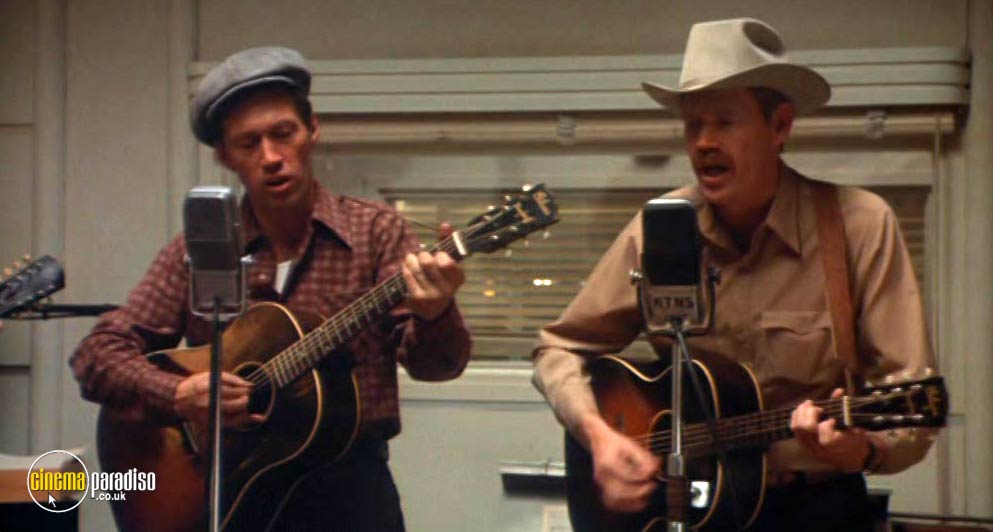
Shooting ran from October 1975 to February 1976. The initial scenes were filmed in New York, with Garrett Brown's Steadicam rig being used on an American film for only the second time after Hal Ashby's Bound For Glory (1976). Conrad Hall returned behind the camera after The Day of the Locust and worked with Schlesinger to turn New York into a character in its own right. The director particularly wanted to convey the squalor that had overtaken the city, but Evans was wary about creating a negative impression and vetoed shots of streets strewn with uncollected rubbish. Undaunted, Schlesinger still insisted on adopting a realist approach to the location shots and needed nine takes to capture Babe's nocturnal flight along the freeway. He only had one chance to get the petrol truck stunt right, however, and Dustin Hoffman came along to watch, as co-ordinator Everett Creach had insisted on using real fuel to create the explosion and ensuing blaze, as the cars ploughed into the side of the tanker.
With his medication causing periodic memory loss, Olivier could sometimes only remember one or two lines before having to stop. He also struggled with Szell's German accent, with biographer Donald Spoto insisting it initially sounded like a cross between Irish and Hispanic. Indeed, much of Olivier's dialogue had to be re-recorded in Paris after he had spent six days in Amsterdam playing a Dutch doctor for Richard Attenborough's A Bridge Too Far (1977). Lotta Palfi-Andor, who played the Jewish woman who recognises Szell in the Diamond District, recalled how Olivier avoided the winter chill by sitting in the Gotham Book Mart. However, he often had difficulty breathing and became panicky unless someone he knew sat with him. Yet, the moment he went on the set, he snapped into action like the consummate actor he was. However, he also had a tendency to overcook and Schlesinger was of the belief that Olivier sometimes gave bad performances on screen because directors were too respectful. Keen to be firm while sparing Olivier's blushes, he hit upon the word 'intimate' when asking him to tone things down. On one occasion, however, the actor joked, 'You mean cut the ham fat, dear boy?'
Olivier was paid $135,000 for his efforts and his performance is quite remarkable, given that he could barely trot the few steps to hail a taxi to take Szell to the bank. Overcoming his initial suspicion, Hoffman came to idolise his co-star and marvelled in The Magic of Hollywood at how Olivier realised how Szell would treat the torture scene while watching through a window as a gardener pruned some roses with devoted precision. Olivier recognised that Szell wouldn't think of himself as evil, but as a dentist applying his skills. As Hoffman explained, the scene became all the more disconcerting because Szell had become so inured to his barbaric cruelty.
The iconic 'is it safe' sequence was filmed in Hollywood, as Schlesinger had been keen to get Olivier into warmer climes. He had also decided to shoot the pump room sequence on a custom-built set at Paramount that was so huge that it took up two soundstages. Although the scene put a strain on Olivier, he relished the chance to display a range of emotions, as Szell's attempts to impose himself on Babe fail and he is forced to endure the humiliation of being made to swallow a diamond. The switch between the contempt Szell feels and the desperation he experiences as the gems are hurled down the staircase is masterly. However, the chuckle of delight at seeing the diamonds for the first time is the acting highlight of the entire film.
As we have already seen, Olivier and Hoffman disagreed on matters of technique and tensions came to a head during the dentistry sequence. No two versions of this episode are the same, with some who weren't even present claiming to have the inside track. According to Donald Spoto, Hoffman had taken some mind-inducing substances to help him appear dazed and confused during the scene. However, Schlesinger realised that his eyes looked vacant in close-up and this prompted Olivier to confide the immortal line, 'Oh gracious, why doesn't the dear boy just act?'
When asked about the incident, Schlesinger replied: 'Hoffman was trying various acting techniques to appear out-of-it during the dental scenes. When I looked at the dailies I realised there was no reaction from Hoffman's eyes, so I had to completely reshoot all the close-ups. That's when Olivier said to me "Why doesn't he just try acting?"'
Hoffman, however, had a very different recollection. He told James Lipton in a 2006 episode of Inside the Actors Studio that he had been the first to tell the story in an interview with Time magazine in 1976 and they had distorted it. While preparing for the scene in New York, he had decided to see whether not sleeping for a spell would make him look suitably dishevelled and disorientated. As he was depressed at the time because his first marriage had broken down, Hoffman explained that his research had afforded him a good excuse to go to partying at Studio 54. When he came to film the scene in Los Angeles, he told Olivier what he had done, 'for the work', and he insists that, having understood the subtext, Olivier had joked, 'My dear boy, why don't you try acting?' The only slight problem with this story is that Studio 54 didn't open until April 1977, seven months after Marathon Man had premiered. But we can forgive a blip in remembering which nightclub Hoffman had been to, especially as he had fooled Olivier into thinking he had genuinely hurt him with the dental tools after he had politely inquired after each take if he was okay.
There was also no doubting Hoffman's commitment to the role, as he endured several takes of the shot in which he is held underwater in the bath by Karl and Erhard. As he wanted this to look as realistic as possible, Hoffman had said, 'Don't press on my Adam's apple, but try to really hold me under. Let me see how long I can stay under. Let me see if I can fight you. Let me see what happens.' According to Robert Evans, Hoffman had required oxygen at the end of the session, but he got the shot he wanted. In Allan Garden's documentary, Hoffman also admitted that he and Marthe Keller had gone periods without speaking to each other after falling out over their scene at the remote country house. When they saw the rushes, however, they realised they had nailed it.
Roy Scheider also commented on Hoffman's exacting standards. But he had his own beef about the fight sequence he had filmed in Paris. He did all of his own stunts during the struggle with the silent assassin and was appalled to return from lunch to find Schlesinger lining up shots with a couple of martial artists, who were bouncing off the bed and crashing into furniture in a bid to make the tussle more spectacular. However, Scheider managed to convince his director that ruthless killers wouldn't indulge in such flamboyant tomfoolery and, as a result the balcony scene (with the old man watching helplessly from across the street) became shorter, sharper, and more brutal, with the garrote wire cutting into Doc's hand to produce a rush of blood and cause him to wince when he gives his assailant a karate chop.
On Olivier's last day on the set, Evans threw a party and presented him with a statuette engraved with the legend, 'A lord in England, but to all of us on Marathon Man, a king.' Hoffman gave a toast, in which he said he felt privileged to have worked with a soldier, as well as an important artist. An emotional Olivier claimed he had been proud to act with Hoffman and wished he was his son. Later in the day, he called on Hoffman at home and gave him an edition of The Complete Works of William Shakespeare, making the gift even more special by reading scenes from some of the plays. As Hoffman told James Lipton, they had gone out for dinner and he had asked Olivier what had motivated him to devote his life to being an actor. The sixtysomething had risen from his chair and stared deep into Hoffman's eyes before saying repeatedly, 'Look at me! Look at me! Look at me!'
The Long Haul
Schlesinger enjoyed the editing process and was pleasantly surprised by the tact and intelligence of Robert Evans's suggestions. He also had a solid understanding with editor Jim Clark, with whom he had worked since Darling. Clark (who would be Oscar nominated) had asked to shoot some additional close-ups of dental treatment and had been given a camera crew to show instruments inside open mouths. He cut in some of this invasive footage, including the drilling of a tooth, to send an extra chill down audience spines during the 'Is it safe' scene. When the picture previewed in San Francisco, however, there was an outcry at the graphic nature of the torture. Viewers also took exception to the violence of Doc's fight with his assassin and a shot of Szell's cuff blade stabbing into Doc's torso. Shocked at accusations he was a sadistic fascist, Schlesinger took refuge in the manager's office with Hoffman.
It was later suggested that the outcry owed more to the air-conditioning being broken than moral fury. But the offending scenes were all cut and they have never been restored, even though Clark thought that the excised footage had been stored in the Paramount vaults. Goldman was particularly cross that Doc's eight-minute Paris fight after the death of Nicole (Nicole Deslauriers) had been cut, as he felt it was one of the reasons that Roy Scheider had signed on for a supporting role after the success of Steven Spielberg's Jaws (1975) because it exposed that Doc was just as flawed a character as Janeway. As he considered him to be so central to the plot of Marathon Man - because his fear of dying alone brings him to Babe's door and convinces Janeway and Szell that he has told him something about the diamonds - Goldman wrote a sequel entitled, Brothers (1986), in which he revealed that Doc had survived Szell's stabbing and had continued to operate in a shady netherworld.
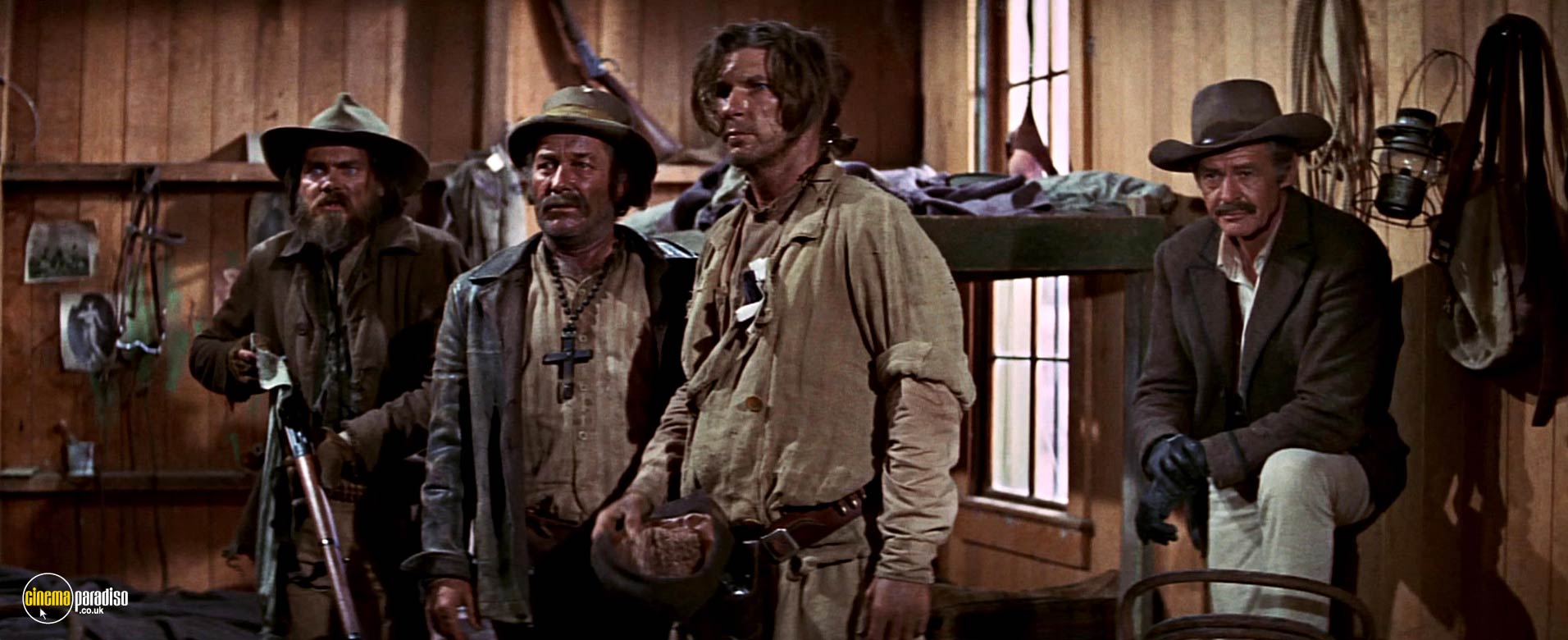
In promoting the film, Schlesinger stressed that he disliked the kind of slow-motion violence that Sam Peckinpah had patented with The Wild Bunch (1969) and pointed to the fact that he had used the soundtrack to convey Babe's excruciating pain, as this was in keeping with the fact that American had been subjected to its own audio assault with the Watergate tapes. But many of the reviews picked up on what were unusually high levels of violence for a Hollywood film of the time, although Stanley Kaufman noted that worse things happened in Marco Ferreri's The Last Woman and Nagisa Oshima's Ai no corrida (both 1976). During the shoot, someone had reminded Schlesinger that he should lighten up, as he was not filming Chekhov. However, a number of critics were disappointed that he had debased himself by making a mainstream potboiler that offered little by way of social critique or psychological insight. He defended himself by claiming to have made a character study, because Babe 'is definitely someone that you can root for. The film is about his survival in a grim and hostile world. In our present age of anxiety we can all identify with characters who are not trying to get ahead but simply to survive.'
The film was a considerable commercial success, but it proved to be the last box-office hit of Schlesinger's career. He lamented the fact that he never found another escapist thriller and had to watch on as Olivier followed his Oscar nomination for Best Supporting Actor with another for Franklin J. Schaffner's The Boys From Brazil (1978), an adaptation of an Ira Levin bestseller that followed veteran Nazi-hunter Ezra Lieberman in his bid to capture Auschwitz doctor, Josef Mengele (Gregory Peck), the very 'angel of death' on whom Olivier had based his interpretation of Christian Szell. The fact that he gave this performance after another debilitating bout of sickness is truly humbling and reveals the courage that Olivier demonstrated during his final decade, as he strove to ensure that wife Joan Plowright and their children would be well provided for
Having returned to Blighty to make the wartime drama, Yanks (1979), Schlesinger earned an unwanted place in screen history when his madcap comedy, Honky Tonk Freeway (1981), became one of the biggest box-office flops of the period. After four years away, he regained his equilibrium with the fact-based spy drama, The Falcon and the Snowman (1985). But the critics failed to back his horror-noir, The Believers (1987), and thrillers Pacific Heights (1990) and An Eye For an Eye (1997) were similarly dismissed. There was more love for his adaptations from Bernice Rubens ( Madame Sousatzka, 1988) and Ian McEwan ( The Innocent, 1993), while his pairing of Rupert Everett and Madonna in The Next Best Thing (2000) earned him camp cult kudos. Yet Schlesinger's TV-movies from this period were impeccable, with his BBC collaborations with Alan Bennett on An Englishman Abroad (1983) and A Question of Attribution (1991) being matched by a witty take on Stella Gibbons's Cold Comfort Farm (1995).
As for Goldman, he followed Bryan Forbes's The Stepford Wives and George Roy Hill's The Great Waldo Pepper (both 1975) with a second Oscar for Alan J. Pakula's All the President's Men (1976). Yet, following collaborations with Richard Attenborough on A Bridge Too Far and Magic (1978), he fell from favour. As he told one interviewer, 'I was a leper...I had the five years...when the phone didn't ring. And that will happen again. It happens to everybody.' He edged his way back into Hollywood with Dick Richards's Heat (1986), which was based on his own novel, and the Rob Reiner duo of The Princess Bride (1987) and Misery (1990).
Around this time, Goldman stopped writing novels after Brothers (which no one has yet adapted). 'It was one of those funny things,' he explained. 'It just ended. It came as a shock to me. I don't know what happened. My wife left me the next year and that certainly was a change...When I was a novelist - those 30 years - something comes along and hits you and you think, "Oh my God, that might be interesting," but I haven't had an idea like that for 20 years now. If I started writing a novel tomorrow it wouldn't shock me because, as we all know, it's all instinctive.'
Switching to memoir and non-fiction, Goldman continued to write for the screen. However, Peter Yates's Year of the Comet (1992) was his only original script and that's not currently available on disc. For the rest, he adapted the work of others, whether putting a comic spin on genre narratives in John Carpenter's Memoirs of an Invisible Man (1992) and Richard Donner's Maverick (1994) or teasing out thrills in James Foley's The Chamber (1996), Clint Eastwood's Absolute Power (1997), and Simon West's The General's Daughter (1999).
He worked with Richard Attenborough for the third and final time on Chaplin (1992) and despaired that Stephen Hopkins had not made his big-game adventure, The Ghost and the Darkness (1996), more exciting. But, following two further Stephen King adaptations, Scott Hicks's Hearts in Atlantis (2001) and Lawrence Kasdan's Dreamcatcher (2003), Goldman ended his career by rejigging his 1995 novel, Heat, as Wild Card (2015) for Simon West. But the official credits only tell part of the story, as Goldman did uncredited work on Twins (1988), Indecent Proposal, Last Action Hero (both 1993), and Fierce Creatures (1997), while also acting as a consultant on A Few Good Men (1992), Malice (1993), Dolores Claiborne (1995), Extreme Measures (1996), and Good Will Hunting (1997). Among his unrealised projects is The Sea Kings, a 1970s pirate yarn that had Sean Connery and Roger Moore attached in the late 1970s, while his draft screenplays for Papillon (1973), The Right Stuff (1983), and Mission: Impossible 2 (2000) went unused.
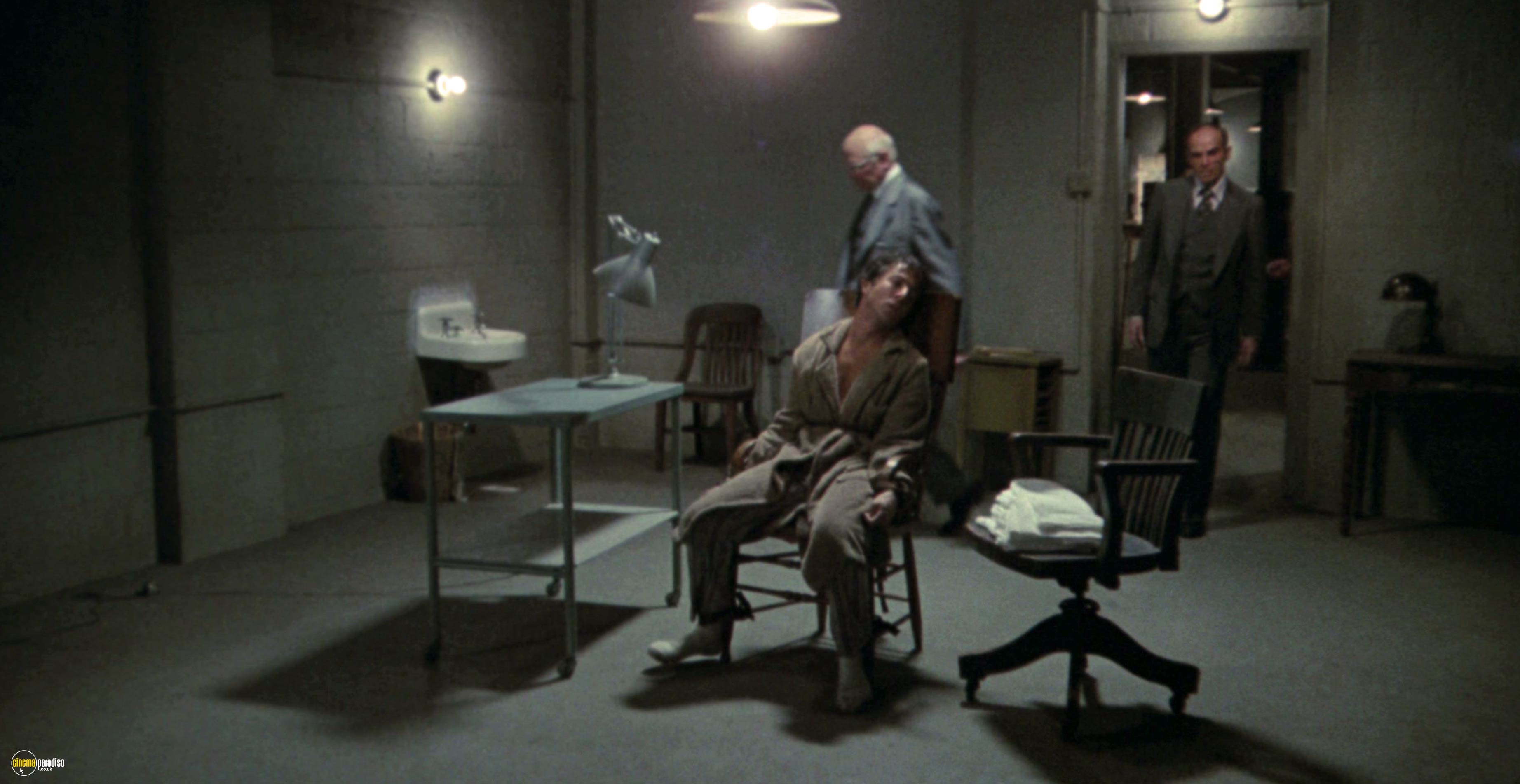
Defying categorisation, Goldman was simply the best of his time and Marathon Man is his masterpiece. Who knows, if they'd stuck to his original ending, it might have been even better still.
Mentioned films