With the passing of Robert Redford after a 65-year career, the film world has lost one of its most charismatic and significant figures. Cinema Paradiso salutes the enigma, who was both a Hollywood superstar and an indie icon.
In Variety's tribute to Robert Redford, the showbiz bible wrote, 'few actors possessed Redford's star wattage, aided considerably by his tousled blond locks, granite jaw and million-dollar smile'. That's certainly the popular impression of an actor who followed in the footsteps of Gary Cooper and Gregory Peck in turning a limited range into a compelling screen presence. But, eight-time collaborator Sydney Pollack saw his friend in a different light, as 'an interesting metaphor for America, a golden boy with a darkness in him'. The director also detected the secret to Redford's success - and it wasn't his pin-up looks. 'The one thing he has always been,' Pollack revealed, 'is difficult to anticipate. I think he enjoys, in a perverse way, not doing what you expect him to do.'
Rebel With a Cause
Charles Robert Redford, Jr. was born on 18 August 1936 in Santa Monica, California. His father was a milkman, who wound up working for Standard Oil as an accountant, while his mother, Martha, became a homemaker after she married Charles three months after Robert's birth. She was the second Mrs Redford and Robert had a half-brother named William. When Redford started acting, 20th Century-Fox shifted his year of birth to 1937 in publicity materials to avoid gossip and this date remained in Who's Who for the rest of Redford's life.
Reminiscing about his childhood, Redford claimed to have enjoyed the sense of togetherness that existed during the war years. But he was heartbroken when his favourite uncle was killed in the Battle of the Bulge and no one in the family ever talked about it. He put this down to the stoicism of his Scottish and Irish ancestors, but he also inherited their free spirit and kicked against the conservatism of life in postwar Los Angeles.
At the age of 10, he drifted out to sea on a paddle boat and was seriously dehydrated by the time he managed to return to shore. Shortly afterwards, he was diagnosed with a mild case of polio that kept him bedridden for a few weeks. 'I was in terrible discomfort,' he later recalled, 'physically and mentally. Every day, Mom sat by my bed with wet cloths and swabbed my eyes to open them. She kept me going.'
Money was tight and Redford saw little of his father, who worked long hours. However, he much preferred spending time with his mother, who, unlike the cautious Charles, enjoyed taking risks. She taught her son to drive when he was 10 and encouraged him to believe in himself. 'She was very outgoing,' Redford recalled. 'She always had a smile; she was very, very adventurous. Risk was not a big issue for her. She came from Texas, and she carried that kind of robust, jocular goodwill. She saw things in a positive light. She also felt that I could do anything, and she was very supportive of anything I might try.'
This sense of adventure made the young Robert eager to spread his wings. He told one interviewer: 'When I was a child, I thought, I can't wait to be an adult. All you think about is growing up, getting older, responsibility and so forth. Then you get there and you feel like something is missing. And what's missing is the dreams and enjoyment of your childhood. That has always stayed with me. I didn't understand it at the time, of course, but later you realise those dreams are the part of childhood you can't get back. You spend the rest of your life, maybe, trying to recreate some of that wonder.'
Coming from a poor neighbourhood, Redford was often picked on by school bullies when the family moved to the more upmarket district of Van Nuys. After one beating, he decided to show them how manly he was by jumping off a building. 'Facing down my fears hit home,' he later reflected on avoiding serious injury. 'I realised you have two choices; you can be led by your fears or you can overcome them.' This shift of mindset led to Redford joining a gang that frequently burgled houses and stole beer from shops. Robert and William once broke into a film studio and caused considerable damage, while Charles had to plead with the police when his 16 year-old son was caught at the wheel of a car with stolen jewellery in the boot.
Things weren't all bad, however. Redford disliked lessons at Van Nuys High School, but he excelled at sports. He was on the swimming, tennis, football, and baseball teams, while he developed a passionate interest in Nature during holiday stays with his maternal grandfather in Austin, Texas. When he was 13, Redford won a medal at a Boys Week event and never forgot the man who had presented the prize: Senator Richard Nixon. 'He shook my hand,' Redford explained, 'and gave me the award and the vibe that went through me was so extreme, I said, "What in the hell, who is this guy? What a creep, what an absolutely dark character. What a false, artificial person this is." And it hit me, I think that stuck...Of course, I associated that with politics.'
Such was Redford's baseball talent that he landed a half-scholarship at the University of Colorado at Boulder, where he started climbing and skiing. However, in 1955, Martha died shortly after losing twin daughters and Redford was devastated. 'I'd had religion pushed on me since I was a kid,' he told biographer Michael Feeney Callan in 2010. 'But after Mom died, I felt betrayed by God.'
He also felt constrained by his father's circumspection. 'I was always about breaking the rules,' he remembered. 'I wanted to be away from Los Angeles because I felt it was going to the dogs. I was just getting more and more anxious about wanting out. I didn't want to be wherever I was. And I felt a certain suffocation. I felt things were closing in around me, and it made me anxious. I wanted to be free.'
His chance to make a break came when he lost his scholarship and was expelled for repeatedly missing practice after discovering all-night drinking parties. The episode taught Redford a harsh lesson. 'When I was a kid,' he divulged to The Hollywood Reporter, 'I was told to be a good sport. It wasn't whether you won or lost; it was how you played the game. I realised that was a lie.' He continued, 'I was born with a hard eye. The way I saw things, I would see what was wrong. I could see what could be better. I developed kind of a dark view of life, looking at my own country.'
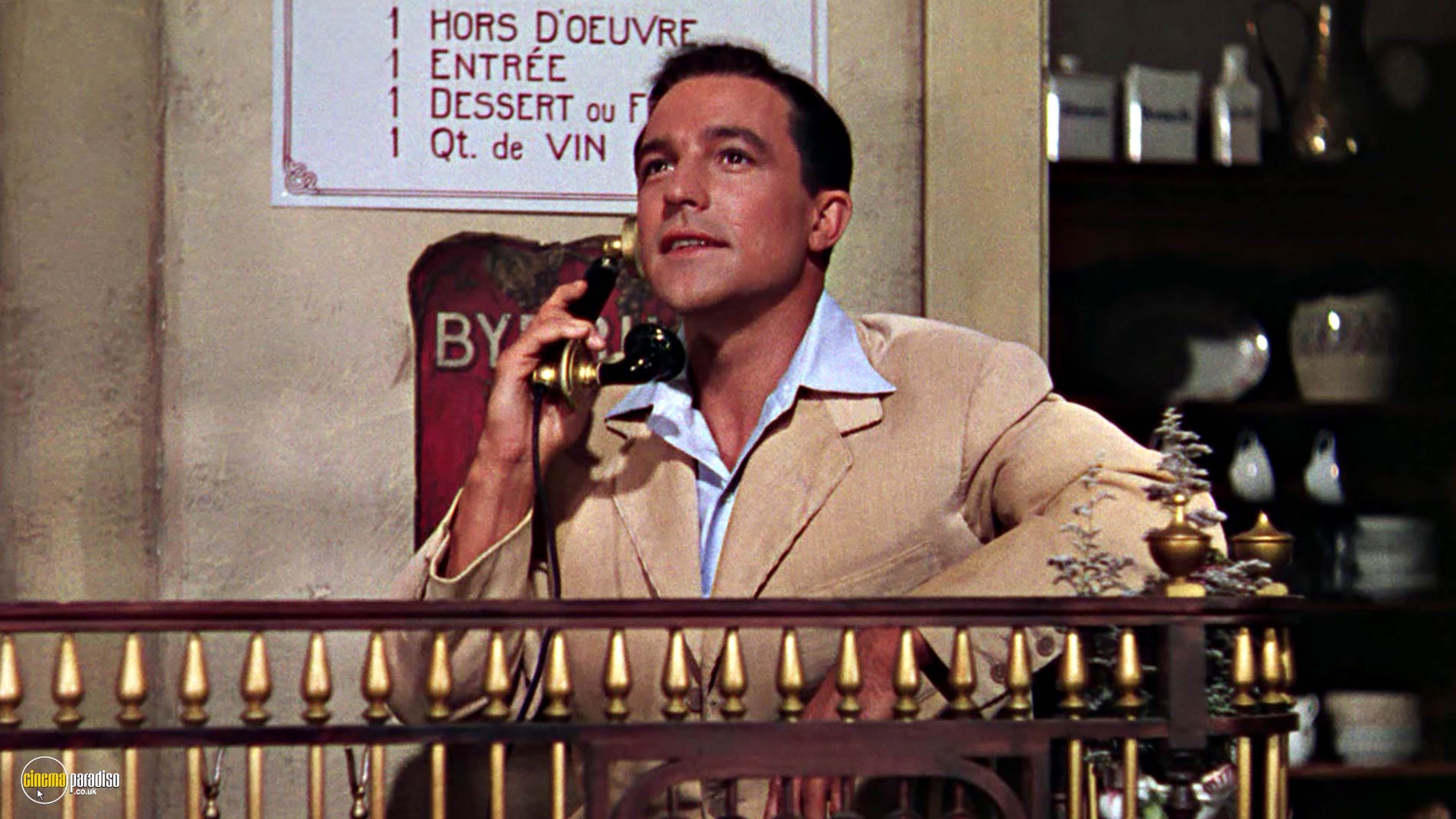
As he later affirmed, 'It was the first time I developed any kind of a political view because I couldn't care less about politics when I was growing up.' Deciding to quit the United States for a while, Redford used the money he had saved from various menial jobs to travel to Europe in order to train to be an artist. He had shown promise at school as a caricaturist and, perhaps inspired on one of his many juvenile trips to the cinema by Gene Kelly in Vincente Minnelli's An American in Paris (1951), he enrolled at the École des Beaux-Arts. When not studying, he tried to pay his way by doing pavement sketches for tourists. After a year away, however, he gave up the struggle and returned to California.
While working at an oil field, Redford befriended some Mormon students from Brigham Young University in Utah. Among them was 17 year-old Lola Van Wagenen and the couple married in 1958. They relocated to New York, where Redford trained to be a scenic artist at the Pratt Institute in Brooklyn. Advised that he would only come to understand his subject if he appreciated an actor's perspective, Redford began taking classes at the American Academy of Dramatic Arts in 1959. Suddenly, something clicked, although he insisted: 'At the Academy, I got the space and the opportunity to expand and form myself as an actor, but I didn't learn to act.'
The Great Blond Way
Although he hadn't performed before, acting didn't exactly come out of the blue for Redford. At 15, he had offered his services to Warners as a stuntman, while his classmates included the children of MGM president Dore Schary, actor Zachary Scott (who had co-starred with Joan Crawford when she won her Oscar for Mildred Pierce, 1945), and writer-director Robert Rossen, whose All the King's Men (1949) had won the Academy Award for Best Picture.
Robert Redford made his acting debut as a basketball player in the 1959 Broadway play, Tall Story - and his film bow would come the following year in the same role in Joshua Logan's film version, which starred Anthony Perkins and Jane Fonda. During an out-of-town trial run for The Highest Tree (1959) - which was produced by Dore Schary - the Redfords lost their son, Scott, to Sudden Infant Death Syndrome. Despite being devastated, he kept acting, following another stage appearance in Little Moon of Alban with his television debut in a 1960 episode of Maverick. Indeed, this proved to be a busy year, as Redford made his mark as a good Nazi lieutenant guarding rabbi Charles Laughton in 'In the Presence of Mine Enemies', a Rod Serling-scripted story that brought down the curtain on the popular drama show, Playhouse 90. He also impressed in Sidney Lumet's production of Eugene O'Neill's The Iceman Cometh, although the first that Cinema Paradiso users can see of the young Redford is in 'The Case of the Treacherous Toupee', opposite Raymond Burr, in the long-running legal series, Perry Mason (1957-66).
A decent run in Norman Krasna's Sunday in New York (1961) kept Redford on the Great White way for much of the following year, although the part of Mike Mitchell passed to Rod Taylor when he was paired with Jane Fonda in Peter Tewksbury's 1963 film adaptation. However, Redford did get to play Charlie Pugh in 'The Right Kind of Medicine' episode of Alfred Hitchcock Presents (1955-65) and he would reunite with the Master of Suspense as Chuck Marsden in 'A Piece of the Action' (1962) and David Chesterman in 'A Tangled Web' (1963), which were broadcast in The Alfred Hitchcock Hour (1962-65).
Taking increasingly larger roles, Redford also guested on hit shows like Route 66, Naked City, and Dr Kildare. He also received a Primetime Emmy nomination for Outstanding Performance in a Supporting Role as George in 'The Voice of Charlie Pont', a drama presented in the Alcoa Premiere series. This isn't currently available anywhere, but Cinema Paradiso can offer the chance to see Redford as the sinister Harold Beldon in the 'Nothing in the Dark' episode of The Twilight Zone (1959-64), Jack Parker in the 'Snowball' storyline of The Untouchables (1959-63), and Matthew Cordell in 'The Evil That Men Do', which took Redford out west for the firs time in The Virginian (1962-71).
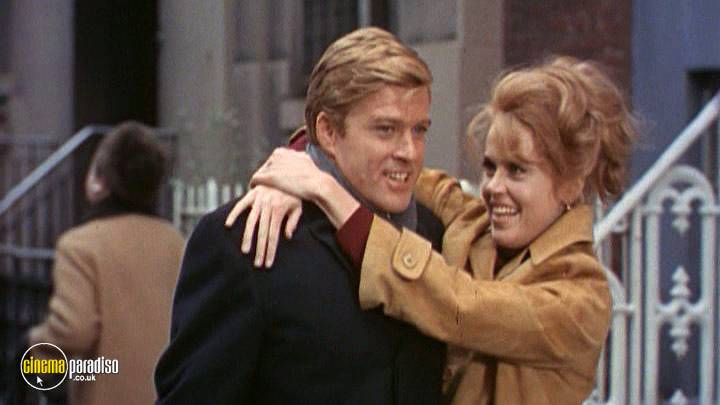
Redford wouldn't act on television for another four decades after these 1963 transmissions. But it wasn't his first credited film role, as Korean War private Roy Loomis trying to protect an orphan from schizophrenic soldier (John Saxon), in Denis Sanders's War Hunt (1962) that took him to the next level, but Neil Simon's Barefoot in the Park (1963), which paired him with Elizabeth Ashley in a romantic comedy that was directed by Mike Nichols. Redford so enjoyed the part of newlywed conservative lawyer, Paul Bratter, that he stayed with the show for the first year of its four-year Broadway run. However, he would never work on stage again, even though he did reprise the part of Paul opposite Jane Fonda in Gene Saks's big-screen take on Barefoot in the Park (1967), which confirmed that Redford was now a movie star.
A Diffident Star
'I was suddenly Mr Focus,' Redford told his biographer. 'Eleanor Roosevelt and Noël Coward dropped by. Natalie Wood came backstage. Bette Davis summoned me to her suite at the Plaza.' Ingrid Bergman also took a shine to him and Redford never forgot her advice: 'Do only good work.'
That was easier said than done in mid-60s Hollywood, however, as the studio system and the infamous Production Code just about still held sway. Consequently, Redford was miscast as bisexual matinee idol Wade Lewis, who marries Natalie Wood's eponymous heroine in Robert Mulligan's adaptation of Gavin Lambert's first novel, Inside Daisy Clover. Nevertheless, Redford still won a Golden Globe for Best New Star before being swept off to play Captain Hank Wilson in Gottfried Reinhardt's Situation Hopeless...But Not Serious (both 1965), which had been based on actor Robert Shaw's novel, The Hiding Place. Mike Connors co-starred as Sergeant Lucky Finder, who bales out with Wilson over postwar Germany, only for them to find themselves trapped in the basement of the sinisterly eccentric, Wilhelm Frick (Alec Guinness).
One of Redford's co-stars in War Hunt was future director, Sydney Pollack. He would play a major part in defining the actor's screen persona in seven features, the first of which was This Property Is Condemned (1966). Drawing on a Tennessee Williams play, the action is set in the small Mississippi town of Dodson during the Great Depression and follows the reaction of Alva Starr (Natalie Wood) and her fellow residents to the arrival of Owen Legate (Robert Redford), an official from the railroad company who has come to lay off workers at the rail yard on which the remote community's prosperity lies. Richard Burton and Elizabeth Taylor had initially been slated to headline, but Wood earned a Golden Globe nomination for her interpretation of a screenplay that did much to boost the reputation of Francis Ford Coppola, who had been given his start by Roger Corman.
Redford was offered the role of Sheriff Calder in Arthur Penn's adaptation of Horton Foote's novel, The Chase (1966). However, he preferred to take the lesser role of fugitive Bubber Reeves, who returns to his small town in Tarl County, Texas to check up on wife, Anna (Jane Fonda), who is having an affair with his best friend, Jake Rogers (James Fox). Redford reunited with Fonda the following year in Barefoot in the Park. But he was starting to tire of pretty boy roles and sought a project to shake his image.
During this period, he twice turned down former director Mike Nichols, in rejecting Nick in Who's Afraid of Virginia Woolf? (1966) and Benjamin Braddock in The Graduate (1967). Moreover, Redford declined the part of Guy Woodhouse that was taken by John Cassavetes in Roman Polanski's horror masterpiece, Rosemary's Baby (1968). And, then, he very nearly didn't get the part that would change his life.
Paul Newman had made Stuart Rosenberg's Cool Hand Luke (1967) for Jack Lemmon's production company. They had got along so well that Newman offered Lemmon the second lead in a Western he was developing. When Lemmon revealed that he didn't like horses, Newman and writer William Goldman considered Marlon Brando, Warren Beatty, and Steve McQueen for the role. Eventually, they plumped for Redford, although 20th Century-Fox had misgivings.
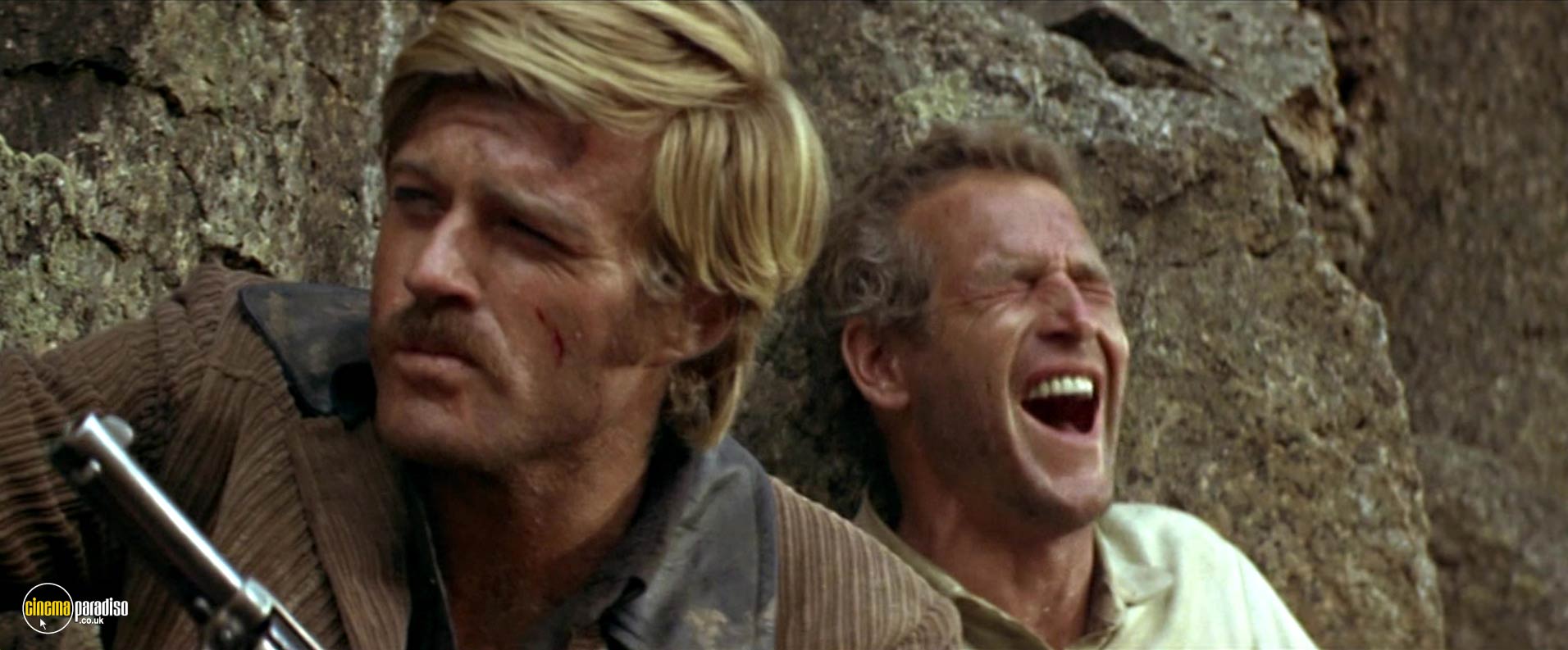
'The studio didn't want me,' Redford recalled. 'It all depended on Paul, and I met him and he was very generous and said, "Let's go for this." He knew I was serious about the craft. That's what brought us together, and we became friends.' With Katharine Ross landing the role of Etta Place after Jacqueline Bisset said no, Newman and Redford began shooting Butch Cassidy and the Sundance Kid (1969) for director George Roy Hill.
Released the year after the collapse of the Production Code, the story of the Hole-in-the-Wall Gang was able to link the outlaws with the social shifts that had been taking place in the 1960s and the offbeat film joined Sam Peckinpah's The Wild Bunch and Dennis Hopper's Easy Rider (both 1969) in helping change the American cinematic landscape and add impetus to the New Hollywood movement that had started with The Graduate and Arthur Penn's Bonnie and Clyde (both 1967). Yet, while the picture was a huge commercial success and earned six Oscar nominations, it didn't bring Redford any personal accolades until BAFTA presented him with an award for the cumulative effect of his turn as Sundance and his work in Michael Ritchie's Downhill Racer and Abraham Polonsky's Tell Them Willie Boy Is Here (both 1969).
Still intent on changing his image, Redford made Downhill Racer for his new Wildwood production company because he wanted to play David Chappelet, the anti-hero of Oakley Hall's novel about a skier who butts heads with the coach (Gene Hackman) of the US Ski Team while preparing for the Olympic Games. He also wanted to make a statement about his political opinions at a time of great domestic unrest and did so by agreeing to work on the first film to be directed by Abraham Polonsky since he had been blacklisted following Force of Evil (1948) during the House UnAmerican Activities Committee's inquest into Communism in the entertainment industry.
Redford played Deputy Sheriff Christopher 'Coop' Cooper, who is detailed in 1909 to arrest Paiute Native American Willie Boy (Robert Blake) after he flees with his lover, Lola (Katharine Ross), following the death of her disapproving father. It was typical of Redford's reluctance to play the All-American good guy that he should take the role of a lawman who learns the truth the hard way and Coop's final line, 'Tell them we're all out of souvenirs,' echoes the sentiment that Americans could no longer take the Dream for granted or hide behind fanciful notions of the Land of the Free and the Home of the Brave.
There was a similarly anti-Establishment feel to Sidney J. Furie's Little Fauss and Big Halsy (1970), in which womanising dirt bike rider, Halsy Knox (Redford), forges an unlikely friendship with Arizona amateur, Little Fauss (Michael J. Pollard), whose father, Seally (Noah Beery, Jr.) disapproves of his son's involvement with the sport and with camp followers like Rita Nebraska (Lauren Hutton). Despite Johnny Cash, Carl Perkins, and Bob Dylan contributing to the soundtrack, this counterculture saga failed to find an audience and Redford took a two-year hiatus to consider his goals.
The Golden Boy
Keen to work with Sydney Pollack again, Redford accepted a $200,000 fee to make Jeremiah Johnson (1972). This tale of a Mexican Civil War veteran becoming a trapper in the Rocky Mountains had been scripted by John Milius from a combination of Crow Killer: The Saga of Liver-Eating Johnson by Raymond W. Thorp, Jr. and Robert Bunker and Vardis Fisher's novel, Mountain Man: A Novel of Male and Female in the Early American West. It had been intended as a vehicle for Lee Marvin before Clint Eastwood had agreed to star for Sam Peckinpah. When they fell out, buddies Redford and Pollack made their move.
They persuaded Warners that they could make the film as cheaply in Utah as on the studio backlot. However, adverse weather conditions meant that Pollack had to re-mortgage his house to pay for re-shoots and a seven-month editing process. But the backwoods adventure proved a bigger hit than the much slicker heist caper, The Hot Rock (1972), which had been adapted by William Goldman from a bestselling pulp novel by Donald E. Westlake. Peter Yates directed, as John Archibald Dortmunder (Redford) emerges from his a spell in prison to allow brother-in-law Andy Kelp (George Segal) to talk him into purloining a priceless African gem from the Brooklyn Museum. With Zero Mostel as the accomplice who swallows the evidence, this had all the ingredients to be a success, except perhaps the running-gag catchphrase, 'Afghanistan banana stand.' But Redford had no time to dwell on its misfire, as he turned executive producer again in starring in a political satire whose release happened to coincide with one of the greatest scandals in American presidential history.
Jeremy Larner had written speeches for Senator Eugene McCarthy during his unsuccessful campaign against Richard Nixon in 1968. He won an Oscar for this story about Bill McKay (Redford), the lawyer son of a popular governor of California, who learns the harsh realities of the political machine when he is selected by the Democrats to challenge Republican incumbent senator, Crocker Jarmon (Don Porter). Crackling with cynicism and wit, The Candidate (1972) contains one of Redford's finest performances, but the reviews were mixed and moviegoers confronted with a real election in 1972 were in no mood to listen to the warnings.
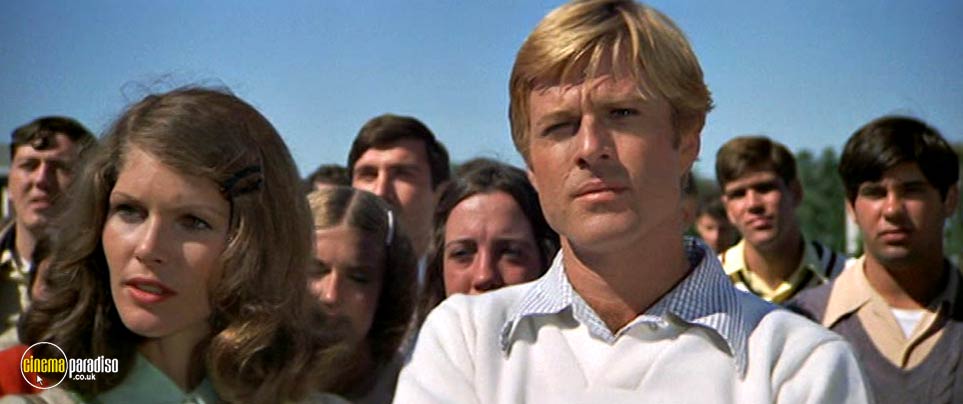
Despite some hostile comments about him posturing like a bland blond Kennedy brother, Redford emerged from the film unscathed. Indeed, he was about to enter the most commercially successful year of his career to date, as he reunited with Sydney Pollack for an adaptation of the Arthur Laurents novel, The Way We Were (1973). Spanning two decades, the action opens in 1937, as college students Katie Morosky (Barbra Streisand) and Hubbell Gardiner (Robert Redford) are attracted to each other, even though he is an apolitical WASP from a wealthy family and she is a Jewish Marxist from the wrong side of the tracks. With its insights into Hollywood during the HUAC era, it's a serious drama with a soft centre that is epitomised by the haunting Oscar-winning theme song. Laurents was disappointed with the film, but still wrote a sequel that interested both stars; but it was never made - although Streisand insisted that two excised scenes from the original were released on the 4K 50th anniversary edition.
A sequel was produced to George Roy Hill's The Sting (1973). But only screenwriter David S. Ward returned for Jeremy Kagan's The Sting II (1983), which flopped resoundingly. Jack Nicholson turned down the lead in order to focus on Hal Ashby's The Last Detail (1973) and Roman Polanski's Chinatown (1974) and Paul Newman decided that the story of 1930s con artists Henry Gondorff and Johnny Hooker fleecing Irish-American crime boss, Doyle Lonnegan, would be ideal for his reunion with Redford, with Robert Shaw playing the mark.
With Marvin Hamlisch gussying up a Scott Joplin rag for the Oscar-winning theme, this twisting caper earned Redford his sole Oscar nomination. But, along with Jack Nicholson (The Last Detail), Al Pacino (Serpico), and Marlon Brando (Last Tango in Paris), he was pipped to Best Actor by Jack Lemmon in Save the Tiger (1973). A Best Picture win did no harm to the box-office haul, however, as The Sting notched a worldwide gross of $257 million that would make it the 20th most successful film of all time if figures were adjusted for ticket price inflation.
Eager to prove himself as a serious actor, Redford lobbied for the role of Jay Gatsby in a new version of the F. Scott Fitzgerald novel that had previously been filmed by Herbert Brenon (1926) and Elliott Nugent (1949), with Warner Baxter and Alan Ladd in the respective leads. However, producer Robert Evans had acquired the rights so that wife Ali MacGraw could play the anti-hero's lost love, Daisy Buchanan. Much to Evans's annoyance, neither Warren Beatty nor Jack Nicholson would work with MacGraw, while Marlon Brando wanted too much money. The situation became more complex when MacGraw left Evans for Steve McQueen and Paramount nixed their efforts to co-star. Ultimately, Redford was paired with Mia Farrow - after Candice Bergen, Katharine Ross, Tuesday Weld, and Faye Dunaway had all expressed interest - in a tale of Jazz Age Long Island affluence that was directed by British social realist, Jack Clayton.
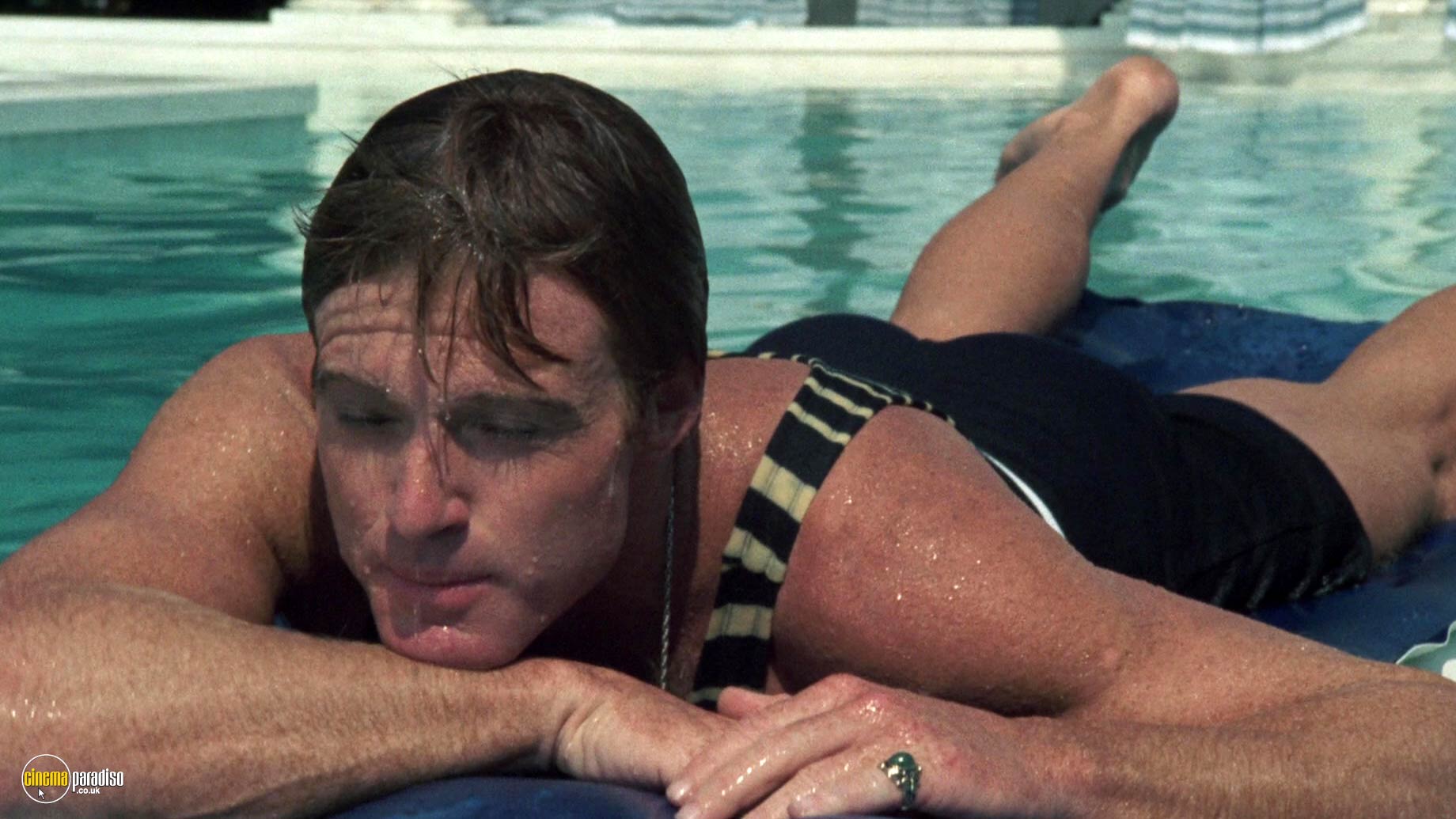
Despite the care lavished upon it, The Great Gatsby (1974) was damned with faint praise. Francis Ford Coppola blamed Clayton for missing the nuance in his script, but many critics alighted on the lack of chemistry between Redford and Farrow in their few scenes together, although Pauline Kael turned her ire on the former for his inability to 'transcend his immaculate self-absorption'. The costumes and the score won Oscars, but this cherished project failed to persuade producers that Redford was more than just a pretty face. Nevertheless, he became the first performer since Bing Crosby in 1946 to have three films in the end-of-year takings chart.
At the height of his fame, Redford refused to take the easy option of a surefire hit and decided to follow his political instincts by reuniting with Sydney Pollack on an adaptation of a James Grady thriller that followed Alan J. Pakula's The Parallax View (1974) by reflecting the national mood in the midst of the Watergate crisis. Set in New York, Three Days of the Condor (1975) centres on Joe Turner (Redford), a CIA analyst who seeks to discover who murdered his colleagues at the American Literary Historical Society. With Faye Dunaway as the photographer who helps Redford and Max von Sydow as the assassin, this was well received and did steady box-office business.
But it was largely overlooked during awards season, as was Redford's follow-up, The Great Waldo Pepper (1975). A personal project for pilot director George Roy Hill, the story charted the career of a disillusioned flyer, as he seeks to make a living in the 1920s by barnstorming in a flying circus and performing aerial stunts for Hollywood war movies. The action sequences were spectacular, but Hill and screenwriter William Goldman fell out during the production and the drama sometimes feels flat. Perhaps that's why this modest hit isn't currently available on disc.
Nevertheless, Redford retained his faith in Goldman and asked him to adapt the book in which Washington Post journalists, Bob Woodward and Carl Bernstein, described how they latched on to the Watergate scandal. Redford had paid $450,000 for the rights for his own production company, Wildwood Enterprises. But Alan J. Pakula was unhappy with Goldman's screenplay for All the President's Men (1976), and insisted on being involved in the rewrite after Bernstein and girlfriend Nora Ephron had submitted a script of their own (their fraught relationship would later be explored in Mike Nichols's Heartburn, 1986).
With Dustin Hoffman sharing top billing with Redford, the film drew glowing notices, with one Washington Post insider describing it as 'Butch Cassidy and the Sundance Kid Bring Down the Government.' It converted four of its eight Oscar nominations, with Jason Robards taking Best Supporting Actor in consecutive years, when he followed editor Ben Bradlee with hard-boiled crime writer, Dashiell Hammett, in Fred Zinnemann's Julia (1977). Remarkably, neither lead was nominated, while John G. Avildsen's Rocky (1976) was the unexpected winner of the Academy Award for Best Picture. But, even more surprisingly, despite being Hollywood's most bankable star and being at the peak of his powers, Redford opted to step out of the limelight, as he acted in only six films over the next 14 years.
Sundance Dawn
In 1975, National Geographic commissioned Redford to spend three weeks riding from Canada to Mexico. His record of the trek was published as The Outlaw Trail: A Journey Through Time (1976). He recalled the experience, thus: 'The Outlaw Trail. It was a name that fascinated me - a geographical anchor in Western folklore. Whether real or imagined, it was a name that, for me, held a kind of magic, a freedom, a mystery. I wanted to see it in much the same way as the outlaws did, by horse and by foot, and document the adventure with text and photographs.' The book appeared during a period in which Redford's sole screen appearance was a cameo as Major Julian Cook in Richard Attenborough's account of the ill-fated Arnhem campaign, A Bridge Too Far (1977).
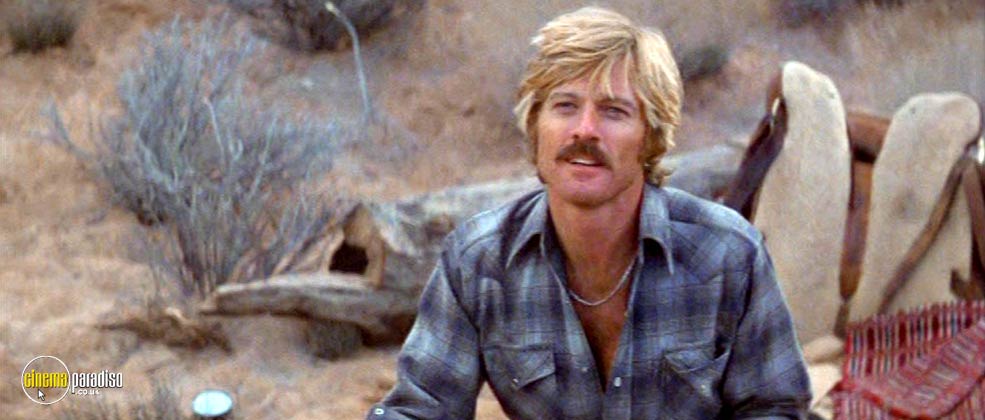
When he returned to films after a two-year break, Redford reunited with Sydney Pollack on The Electric Horseman (1979) to play Norman 'Sonny' Steele, a has-been rodeo rider who disappears from Las Vegas after discovering that Rising Star, his mount in a series of adverts for Ranch breakfast cereal, had been abused by the company. Jane Fonda co-starred as the journalist who tracks the pair to Utah in a thoughtful treatise on capitalism and animal welfare that found favour with the public, even though it was largely ignored at awards time and has since been rather forgotten.
Redford was also preoccupied at this time, as he had decided to mount a challenge to Hollywood in the age of Star Wars (1977) by launching the Utah/United States Film Festival. It took place in a venue built on the former ski resort of Timp Haven in the Wasatch Mountains near Provo, which Redford had bought with his earnings from Butch Cassidy and Downhill Racer. The event was intended to give independent film-makers a showcase and, as a consequence, America experienced an indie boom after Sundance (the event's new name from 1984) became one of the key dates in the cinema calendar. In addition to screenings, Redford also arranged for workshops and masterclasses so that insider expertise could be passed down to the likes of Steven Soderbergh, Quentin Tarantino, Robert Rodriguez, Darren Aronofsky, Nicole Holofcener, David O. Russell, James Wan, Ryan Coogler, Chloé Zhao, and Ava DuVernay.
The 24-hour Sundance Channel went live in 1996, while Sundance Productions was later formed to facilitate the production of the features Drunktown's Finest (2014), True Deception (aka The Adderall Diaries, 2015), The American West (2016), and The Mustang (2019), as well as the documentaries, Isabella Rossellini's Green Porno Live! (2008), the Emmy-nominated All the President's Men Revisited, The March (both 2013), Chicagoland, Cathedrals of Culture, To Russia With Love (all 2014), American Epic, and The American Epic Sessions (both 2017).
This was Redford's second production company, however, as he had formed Wildwood Enterprises with producer Bill Holderman. Among the titles on which Redford served as executive producer were Promised Land (1987), Some Girls (1988), The Dark Wind (1991), She's the One (1996), No Looking Back, Slums of Beverly Hills (both 1998), How to Kill Your Neighbor's Dog, Love in the Time of Money, People I Know, and the Oscar-winning Che Guevara biopic, The Motorcycle Diaries (all 2002). He also co-produced A Civil Action (1998) for John Travolta.
Away from cinema, Redford did his bit for the environment by co-founding the Institute for Resource Management. But the most significant string he added to his bow was directing, as he won the Academy Award for Best Director for his debut feature, Ordinary People, which gazumped Martin Scorsese's heavily fancied, Raging Bull (both 1980). He also landed a Golden Globe for exploring the impact that an accidental death has on the Chicago family of Calvin (Donald Sutherland), Beth (Mary Tyler Moore), and Conrad Jarrett (Timothy Hutton).
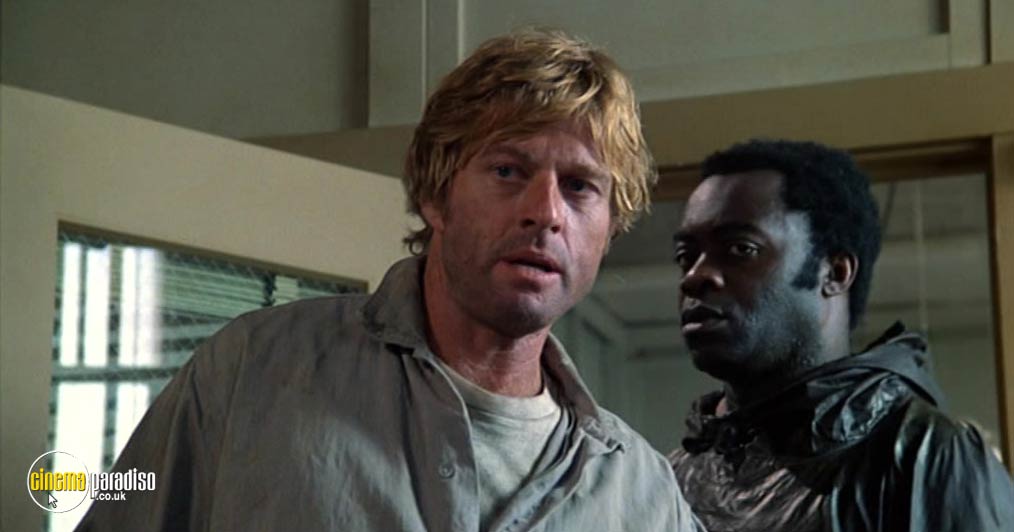
Redford returned to the day job in Stuart Rosenberg's Brubaker (1980), as a prison warden who goes inside undercover in order to assess conditions for inmates. W.D. Richter's screenplay was nominated for an Oscar, while the critics went along with the film's liberal sentiments. But it was only a modest success compared to The Natural (1984), Barry Levinson's adaptation of a Bernard Malamud novel about Roy Hobbs, a baseball player who tries to bounce back from a 1920s trauma to become a batting sensation for the New York Knights. Co-stars Glenn Close and Kim Basinger were respectively nominated for an Oscar and a Golde Globe, but Redford's enigmatic performance went unrewarded.
The same thing happened with Sydney Pollack's Out of Africa (1985), as Redford's display as English big game hunter, Denys Finch Hatton, was overlooked, while Meryl Streep won Best Actress for her work as Danish writer, Karen Blixen. To be fair, though, she attempted an accent, which is more than Redford did, as he exuded a dying brand of old-school masculinity. There was something more conventional, however, about his performance as Manhattan's Assistant District Attorney, Tom Logan (Redford), who locks horns with Laura Kelly (Debra Winger) when performance artist Chelsea Deardon (Daryl Hannah) is accused of stealing a painting in Ivan Reitman's comedy, Legal Eagles (1986).
This might have been Redford's second courtroom picture of the decade, but his indecisiveness had cost him the lead in Sidney Lumet's The Verdict (1982), which had earned an Oscar nomination for Redford's old friend, Paul Newman. But he explored the theme of injustice in his sophomore outing behind the camera, as the inhabitants of a poor New Mexican town seek to confound some avaricious property developers in The Milagro Beanfield War (1988), which was adapted from a fact-based novel by John Nichols. Despite Dave Grusin's score being nominated for an Oscar, the reviews were mixed, although this underdog saga was among the first Hollywood films to hint at magic realism.
A Gradual Eclipse
All good things come to an end and Redford and Sydney Pollack parted ways after Havana (1990), a melodrama set on the eve of the Cuban revolution that sees gambler Jack Weil become involved in political intrigue after falling in love with the widow (Lena Olin) of a leading rebel. Dismissed as old-fashioned on its release, this now feels like a solid piece of studio film-making and Redford followed it with another, when he headlined an all-star cast in Phil Alden Robinson's Sneakers (1992). He plays onetime student hacktivist, Martin Brice, who now operates under the assumed name of Martin Bishop and comes to regret getting his cyber security team involved in a bid to obtain a black box for a couple of NSA agents who turn out to be frauds.
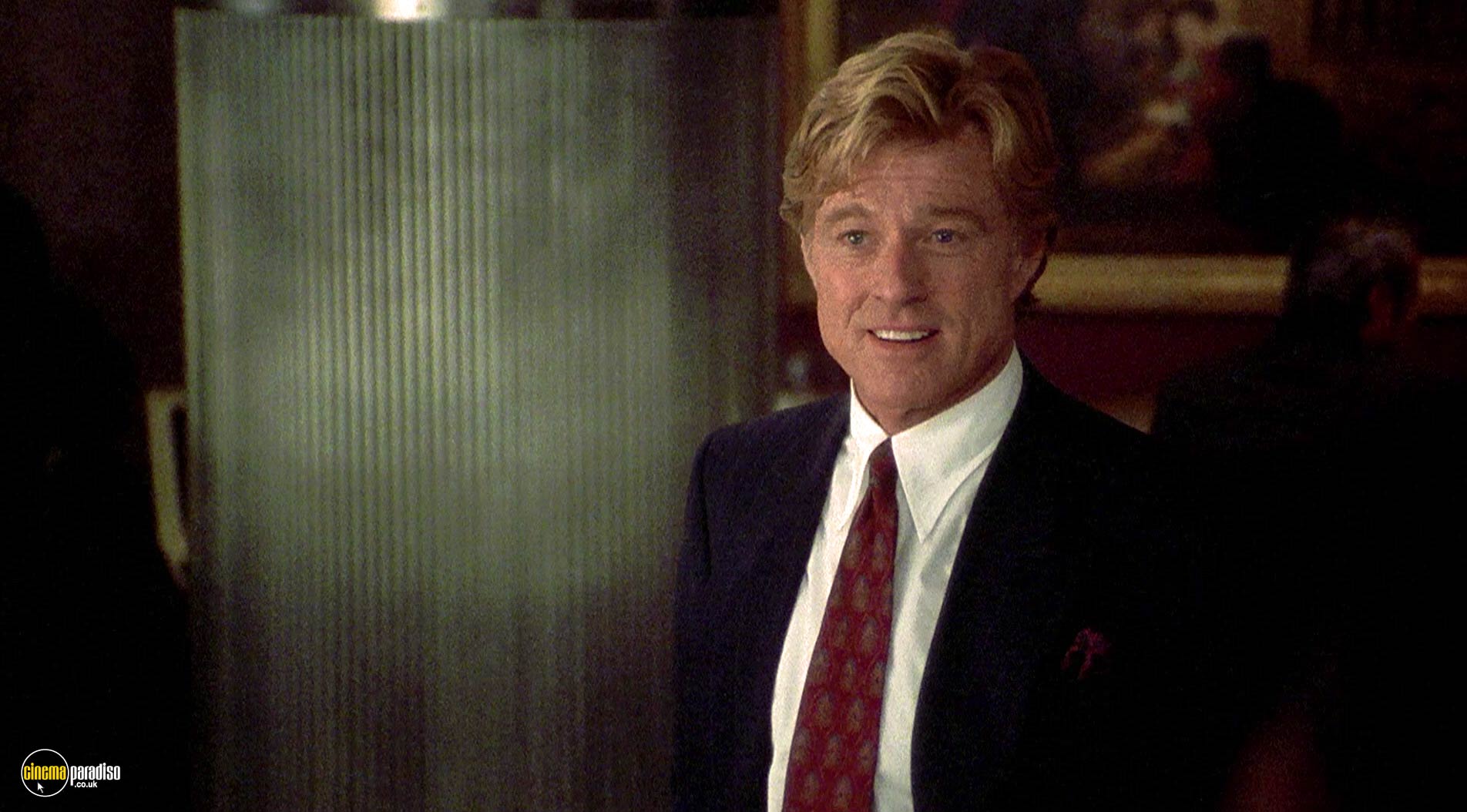
Taking a break from acting, Redford retreated behind the camera again to direct a young Brad Pitt in A River Runs Through It (1992), an adaptation of Norman Maclean's semi-autobiographical novella about growing up in the Rocky Mountains around Missoula, Montana in the decade before the Great Depression. Strikingly photographed by Philippe Rousselot and scored by Mark Isham, this elegiac saga was followed by one of the more blatantly commercial ventures of Redford's career, as he agreed to play Vegas gambler John Cage, who offers architect David Murphy (Woody Harrelson) $1 million to sleep with his wife, Diana (Demi Moore), in Adrian Lyne's Indecent Proposal (1993).
Even though Redford almost walked away before asking for the script to be written to avoid his character seeming to be such a predatory villain, the film was berated by feminist critics (and many more besides) and Redford took sanctuary in the director's chair, as he pondered whether he should have left the role to Warren Beatty opposite Tom Cruise and Nicole Kidman. However, Quiz Show (1994) turned out to be one of his finest directorial achievements, as he recreated a notorious 1950s scandal, when the serial winner of Twenty One was exposed as a cheat. Ralph Fiennes excelled as the patrician Charles Van Doren, although John Turturro also impresses as his blue-collar Jewish accuser, Herb Stempel. Yet neither received Oscar nominations, although Redford doubled up for Best Picture and Best Director, without winning either.
His next choices were less inspired, as he settled for playing Miami station manager Warren Justice mentoring aspiring reporter, Tally Attwater (Michelle Pfeiffer), in Jon Avnet's May-December romance, Up Close & Personal (1996), before directing himself for the first time as Tom Booker, the trainer who helps teenager Grace MacLean (Scarlett Johansson) overcome her fears and ride again in a three-hankie adaptation of Nicholas Evans's bestseller, The Horse Whisperer (1998). Redford would acknowledge his debt to Buck Brannaman in learning the secrets of equine communication in Cindy Meehl's documentary profile, Buck (2011). But, although he was nominated for Best Director at the Golden Globes, the reviews were more respectful than enthusiastic. Nevertheless, Redford ended the century as one of the most important figures in American cinema, although the Sundance connection was just beginning to be more significant than his own pictures, as Michael Almereyda and Amy Hobby suggested in the short, At Sundance (1995), which can be rented from Cinema Paradiso on the disc containing Almereyda's experimental gem, Another Girl, Another Planet (1992), which was made using a Fisher-Price Pixelvision toy camera.
One of the Lions
Redford entered the new millennium by heading back to 1931 to relate The Legend of Bagger Vance (2000), a golfing tale based on a novel by Steven Pressfield. An uncredited Jack Lemmon bade farewell to cinema as narrator Hardy Greaves recalling how a charity match involving golfing greats Bobby Jones and Walter Hagen offered a shot at redemption for Rannulph Junuh (Matt Damon), who is helped to cope with his wartime traumas by a mysterious caddy, Bagger Vance (Will Smith). As ever, Redford relied on impeccable imagery (courtesy of Michael Ballhaus), but the critics were unconvinced, while Spike Lee accused the director of perpetuating the 'Magical Negro' stereotype of having a Black character transform the life of the white protagonist.
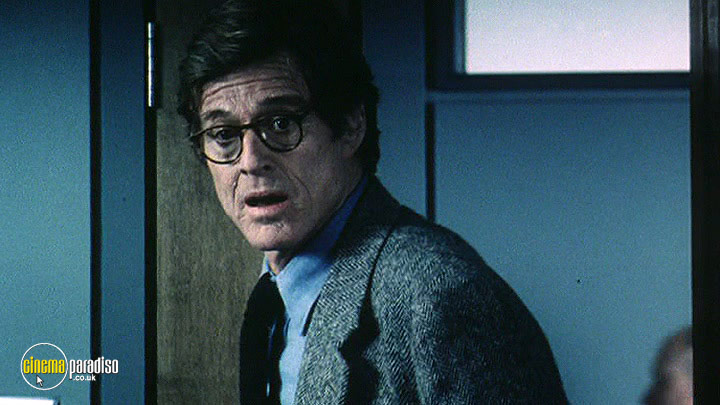
Returning to the screen, Redford also played a trouble military figure in Rod Lurie's The Last Castle, as Lieutenant General Eugene Irwin is sentenced to 10 years in a maximum security stockade for trying to save his men in defiance of a presidential directive. Commandant Colonel Ed Winter (James Gandolfini) admires Irwin, until he starts to protest about conditions. The story very much reflected Redford's politics and the same was true of Tony Scott's Spy Game (both 2001), as veteran CIA Case Officer, Nathan D. Muir, postpones his retirement at the height of the Cold War to ensure that old comrade Tom Bishop (Brad Pitt) is not sacrificed to the Chinese in order to secure the signing of a major trade deal.
Plans to produce a sequel to The Candidate stalled around this period, but Redford continued to seek out projects that allowed him to comment on the world around him. In 2004, he provided the narration for Sacred Planet, an IMAX exploration of some exotic locations that are facing an uncertain future because of climate change. He also portrayed Pittsburgh businessman Wayne Hayes in Pieter Jan Brugge's The Clearing, in which wife Eileen (Helen Mirren) learns the truth about her husband after he is kidnapped by disgruntled former employee, Arnold Mack (Willem Dafoe).
Family secrets also came tumbling out in Lasse Hallström's an Unfinished Life (2005), as tetchy Wyoming rancher, Einar Gilkyson (Redford), agrees to let estranged daughter-in-law Jean (Jennifer Lopez) and granddaughter Griff (Becca Gardner) move in to help him care for neighbour Mitch Bradley (Morgan Freeman), who had been badly mauled by a rogue bear when Einar was too drunk to react. Despite taking a break from flawed individuals, Redford remained down on the farm to join a stellar cast led by Julia Roberts in voicing Ike the horse in Gary Winick's re-imagining of E.B. White's Charlotte's Web (2006). The same year also saw him interviewed for Inside the Actors Studio: Robert Redford, in which he discussed his career with critic James Upton.
He moved back behind the camera for a cherished project, Lions For Lambs (2007), a critique of George W. Bush's conduct of the so-called War on Terror, in which Redford also played Professor Stephen Malley, a Californian academic who tries to convince a promising student to take life seriously by telling him about two alumni who signed up to fight in Afghanistan. The ongoing conflict is also of concern to Republican presidential hopeful, Senator Jasper Irving (Tom Cruise), and sceptical liberal tele-journalist, Janine Roth (Meryl Streep). Notwithstanding the good intentions of Matthew Michael Carnahan's screenplay, the critics were unanimous in declaring this preachily prosaic and Redford was sufficiently nettled to lay low for three years.
During the hiatus, he married longtime companion, Sibylle Szaggars, in Hamburg in July 2009. He had parted company with Lola some time in the 1980s, but was reluctant to discuss the reasons for the split. Around this time, daughter Shauna's boyfriend, Sidney Lee Wells, was shot dead in Colorado, while she was lucky to escape after her car was partially submerged following a crash in 1984. She has since become a successful painter, while younger sister, Amy, has followed in her father's footsteps by acting and directing. In 1994, their brother, Jamie, underwent dual liver transplant, only for him to succumb to cancer at the age of 58 in 2020.
A decade earlier, Redford had followed an appearance in Smash His Camera - Leon Gast's profile of photographer, Ron Galella - by resuming his directorial career with The Conspirator, which centred on Mary Surratt (Robin Wright), the only woman to be charged with the assassination of Abraham Lincoln. The reviews were indifferent, with many complaining about the pedestrian pacing and the earnest efforts to contrast the mood of the postwar nation of the 1860s with post-9/11 America.
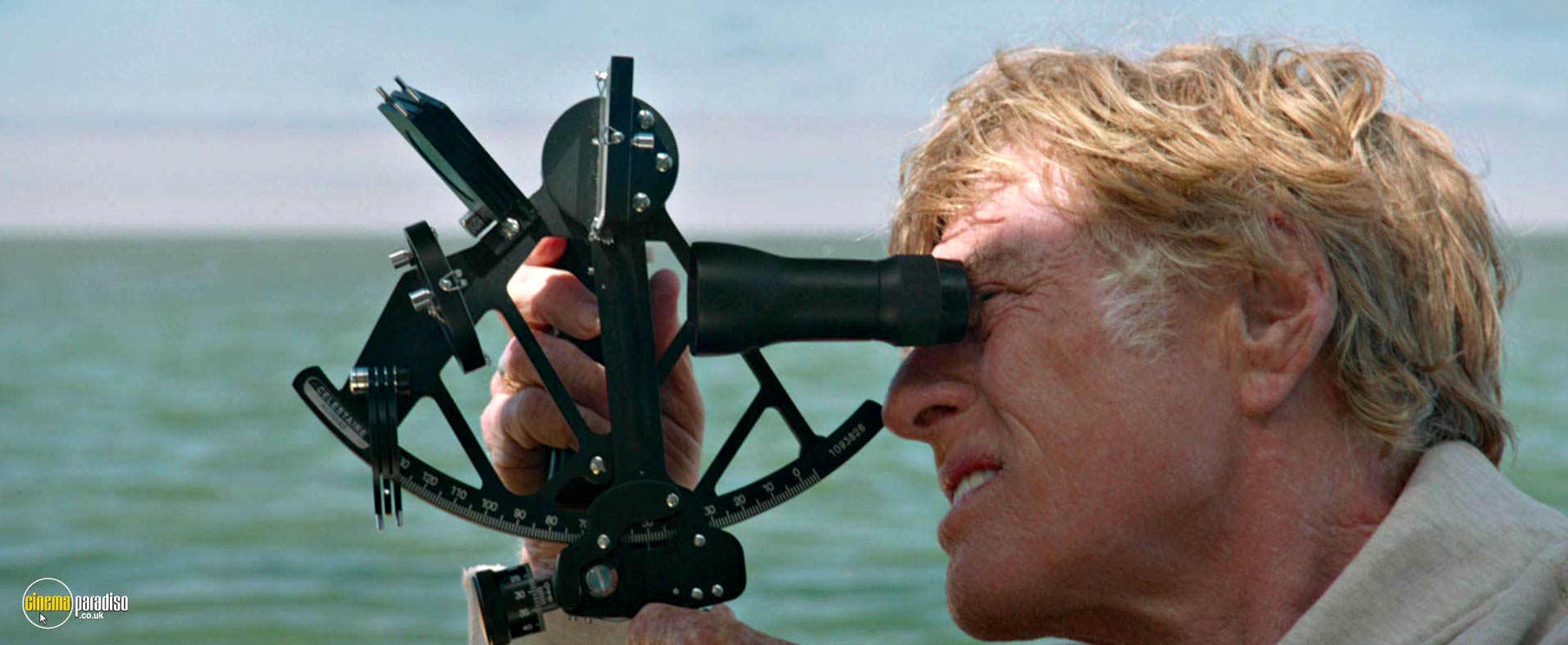
Even though Redford starred as Jim Grant, an Albany lawyer whose past as Weather Underground activist Nick Sloan is uncovered by an idealistic reporter, The Company You Keep (2012) failed to convince the critics, even though Julie Christie and Susan Sarandon played Redford's 60s comrades in arms. Once again, the combination of classical storytelling and political point-scoring steered audiences away and Redford decided not to direct again. But there was a much more positive response to J.C. Chandor's All Is Lost (2013), an all-action 51-word account of a solo yachtsman's bid to make land after a collision with a container ship in the Indian Ocean. In addition to receiving a Golden Globe nomination, Redford also won the New York Film Critics Circle Award for Best Actor, although he damaged his hearing while filming in the same giant water tank that had been used for James Cameron's Titanic (1997).
Considering his role in developing independent cinema in the face of Hollywood hucksterism, it was perhaps surprising that Redford agreed to enter the Marvel Cinematic Universe to play Alexander Pierce, the head of S.H.I.E.L.D. and leader of the Hydra cell controlling the Triskelion, in Anthony and Joe Russo's Captain America: The Winter Soldier (2014). He clearly enjoyed the experience, however, as he reprised the role in a cameo in Avengers: Endgame (2019). However, Redford returned to more familiar terrain, as he co-produced and starred in Ken Kwapis's A Walk in the Woods (2015). There had been hopes that this Bill Bryson adaptation might have led to a reunion with Paul Newman, but the project had been shelved after his death in 2008. Ultimately, Nick Nolte stepped into the breach, while Emma Thompson was cast as Bryson's concerned wife.
Late in 2015. Redford essayed legendary TV news anchor Dan Rather in James Vanderbilt's Truth, which recalled the storm that broke after Mary Mapes (Cate Blanchett), a producer on CBS's 60 Minutes show, presented as authentic the forged Killian documents that questioned George W. Bush's service record in the Texas Air National Guard. The following year, Redford took the markedly less contentious role of Mr Meacham in David Lowery's Pete's Dragon (2016), which remade the 1977 Disney classic of the same name.
Busier than he had been for some time (particularly when it came to narrating documentaries), Redford made a startling appearance as Thomas Harbor, a scientist who commits suicide live on television after announcing that he had conclusive proof of an afterlife in Charlie McDowall's The Discovery. However, the critics were kinder towards Ritesh Batra's Our Souls At Night (both 2017), an adaptation of a Kent Haruf novel that reunited Redford with Jane Fonda, as widowed neighbours, Louis Waters and Addie Moore. It's a shame that Cinema Paradiso members can't access this poignant, Redford-produced twilight drama on disc, as the fifth teaming of the stars is well worth seeing - as is their shocked reaction on Graham Norton's chat show when he pointed out the title's rude homophonic element!
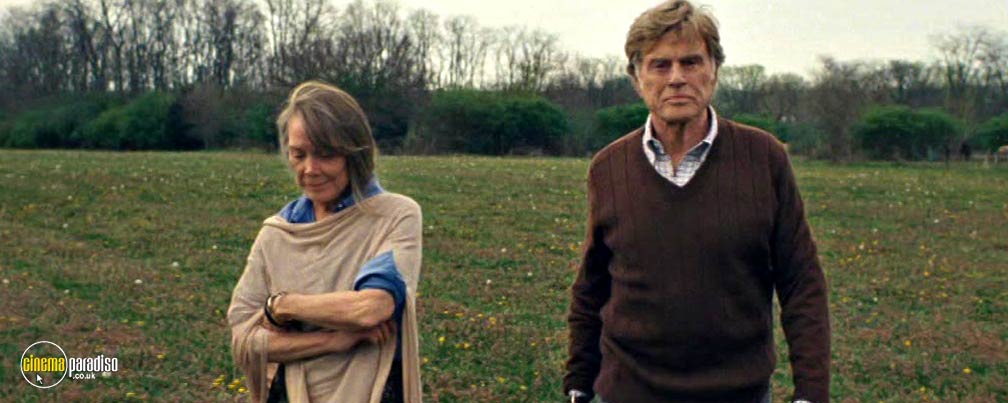
Good though he is in this late-life romance, Redford outdid himself in what turned out to be his final acting role, as Forrest Tucker in David Lowery's The Old Man & the Gun (2018). He received a Golden Globe nomination for his performance, as a prison fugitive who still robs banks at the age of 74. However, a getaway encounter with stranded motorist, Jewel (Sissy Spacek), makes Tucker reconsider his future. Variety summed up things nicely when it declared the film 'a reminder of everything Redford has given us over the years' and it proved a fitting finale, even if Redford did manage one more credit by voicing Lokia the Dolphin Monster in the multi-directored animated anthology, Omniboat: A Fast Boat Fantasia.
Regretting the decision to go public with the announcement of his retirement in August 2018 (because 'you never know'), Redford was tempted back before the cameras to take a chess-playing cameo opposite fellow executive producer, George R.R. Martin, in the thriller series, Dark Winds (2022-25). He also voiced Bob Woodward in a single scene in the drama series, White House Plumbers (2023), which was released after the last of Redford's late-career documentary guest slots, in Robert Redford: The Con With Conviction, Jane Fonda in Five Acts (both 2018), Making Waves, The Movies (both 2019), and Sidney (2022), which profiles the groundbreaking African-American actor, Sidney Poitier, with whom Redford had co-starred in Sneakers.
In 2019, Redford added an honorary César to his 2017 Golden Lion for Lifetime Achievement and his honorary Academy Award from 2002. There was no wonder, therefore. when his death was announced on 16 September that so many co-stars wanted to pay their respects. Meryl Streep said that 'One of the lions has passed,' while Jane Fonda lauded him for standing 'for an America that we have to keep fighting for'. Redford himself said, 'I believe there is a role for activist film-making and there should be. I think it is wholly appropriate to focus on social cultural issues of our time - particularly documentaries, as the truth seems harder to find in the traditional avenues of media and journalism.' Now that he's gone, one wonders who will speak out in his place?
Mentioned films