The final part of the 2025 edition of Cinema Paradiso's Centenary Club looks at those actors and creatives born between October and December - and plenty of famous names there are, too.
We venture into the final quarter of 1925 with the fourth part of Cinema Paradiso's celebration of the screen talents who were born 100 years ago. In the first segment, we encountered the likes of Lee Van Cleef, Paul Newman, Anatole Dauman, Joan Leslie, Jack Lemmon, George Kennedy, Robert Altman, Sam Peckinpah, Harry H. Corbett, Georges Delerue, and David Watkin.
In addition to offering a whistlestop tour of world cinema in 1925, the second selection also included such luminaries as Wojtiech Has, Oliver Postgate, Rod Steiger, George Cole, Mai Zetterling, Jeanne Crain, Tony Curtis, Charlie Drake, Audie Murphy, and Maureen Stapleton. Covering the summer months, the third instalment recalled the careers of Farley Granger, D.A. Pennebaker, Arlene Dahl, Glora DeHaven, Honor Blackman, Donald O'Connor, Maurice Pialat, Peter Sellers, Stratford Johns, and Steve Forrest.
So, who awaits as autumn mists turned to winter chills a century ago? There's a fair few of them, so we're going to need two articles to do everyone justice.
OCTOBER
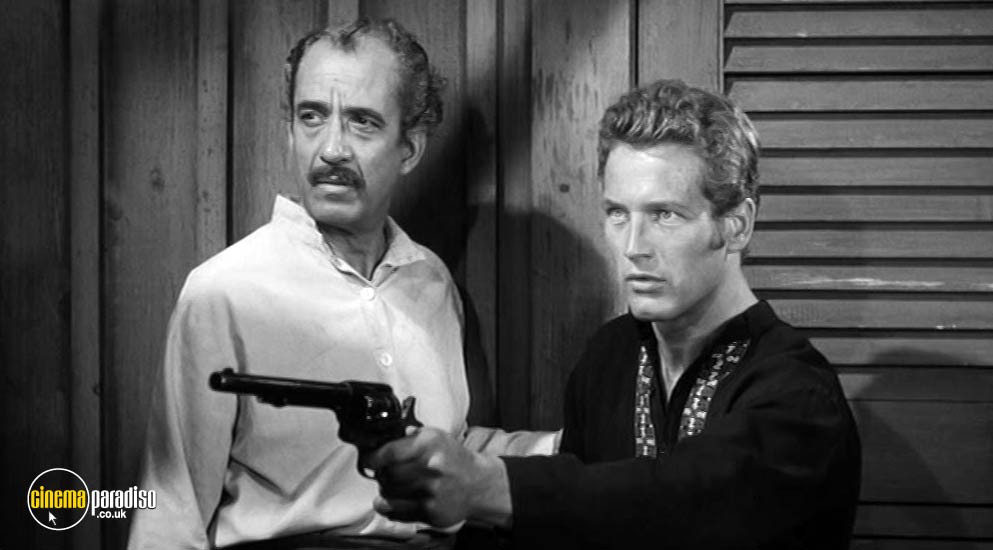
Born at the US Military Academy, West Point, on 3 October 1925, Gore Vidal was a writer and social provocateur, whose epigrammatic wit made him a natural on the chat show circuit. Boldly discussing history, homosexuality, and politics in his novels and articles, Vidal also used the pseudonym Edgar Box to pen a series of mystery novels featuring private eye, Peter Cutler Sargeant II. Lured to Hollywood by MGM in 1956, Vidal co-scripted Arthur Penn's The Left-Handed Gun (1957), which starred Paul Newman as Billy the Kid. At William Wyler's request, he also polished Karl Tunberg's script for Ben-Hur (1959), revealing in Jeffrey Friedman and Rob Epstein's landmark documentary, The Celluloid Closet (1995), that he had slipped in a homoerotic subtext that Charlton Heston had never noticed.
In addition to having his plays, Visit to a Small Planet (1960) and The Best Man (1964), adapted for the screen, Vidal also worked on Suddenly, Last Summer (1959) and Is Paris Burning? (1966), among others that have not been released on disc in the UK. However, his stock fell when the critics took against the reworking of his trans satire, Myra Breckinridge (1970), and his screenplay for Tinto Brass's Caligula (1979). Having worked uncredited on The Sicilian (1987), Vidal was acclaimed for Lincoln (1988), a mini-series based on his historical novel. He also took occasional acting roles after guesting in Federico Fellini's Roma (1972), with Cinema Paradiso users being able to see him in Bob Roberts (1992), Gattaca, The Shadow Conspiracy (both 1997), Igby Goes Down (2002), and Shrink (2009). He can also be heard in episodes of The Simpsons (1989-) and Family Guy (1999-), and seen in a range of documentaries, including the excellent Best of Enemies (2015), which chronicles the liberal Vidal's fractious relationship with arch-conservative, William F. Buckley, Jr.
A graduate of the famous VGIK film school, Marlen Khutsiev (4 October) leads off an arthouse corner of European directors who merit a place in the Cinema Paradiso Centenary Club, even though none of their films are currently available on disc. Dividing his career between the Odessa Film Studio and Mosfilm, the Georgian is best remembered for Spring on Zarechnaya Street (1957), I Am Twenty (aka Lenin's Guard, 1965), and July Rain (1967). Another VGIK graduate, Konrad Wolf (20 October) also spent his career behind the Iron Curtain. Raised in the Soviet Union after his Jewish father had fled the Third Reich, he fought with the Red Army during the war and recalled his experiences in I Was Nineteen (1968). As a key figure at East Germany's DEFA Studio, Wolf was best known for Stars (1959) and Solo Sunny (1975), a bold celebration of individualism that he co-directed with Wolfgang Kohlhaase.
Following Pippi Longstocking (1969), Swede Olle Hellbom (8 October) became known for his adaptations of such Astrid Lindgren's children's books as Emil and the Piglet (1973) and The Brothers Lionheart (1977). Sardinian Nanni Loy (23 October) was more versatile, as he branched out from the 1950s comedies he made with Gianni Puccini to win the Nastro d'Argento for Best Director for the war film, The Four Days of Naples (1962), which also earned two Oscar nominations. Among his other titles were Made in Italy (1965), Why? (1971), and Where's Picone? (1983).
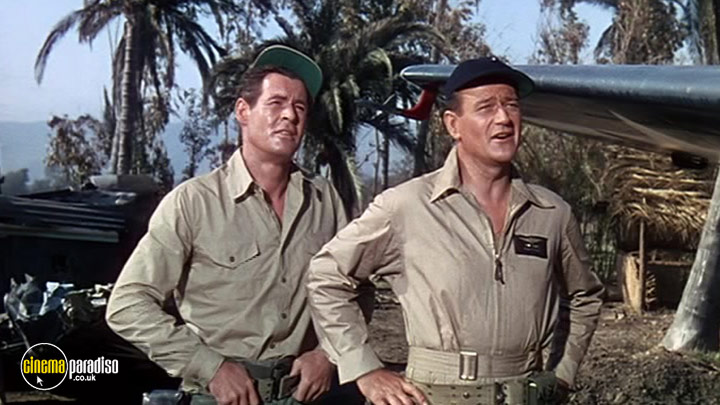
Little Rock's Betty Jeanne Grayson was better known as Gail Davis (5 October), who became the first actress to front a TV Western show when she was cast in Annie Oakley (1954-57). She had signed to MGM and debuted in The Romance of Rosy Ridge (1947) before twice being teamed with John Wayne in Operation Pacific and The Flying Leathernecks (both 1951). But she had drifted into oaters with Roy Rogers in The Far Frontier (1948) and co-starred with Gene Autry in 20 sagebrushers before he created the series that he hoped would help American girls connect with their frontier heritage. However, Davis became so synonymous with the sharpshooting role that she retired because 'directors just couldn't envision me in a sexy part or playing a heavy'.
Hailing from Los Angeles, Nancy Guild (11 October) was studying at the University of Arizona when her picture appeared in Life magazine and she was signed by 20th Century-Fox. Having debuted in Joseph L. Mankiewicz's Somewhere in the Night (1946), she joined husband Charles Russell in Give My Regards to Broadway (1948). But, while she held her own against George Montgomery's Philip Marlowe in The Brasher Doubloon (1947) and against Orson Welles's Count Cagliostro in Black Magic (1949), she found work harder to come by as a freelance after Abbott and Costello Meet the Invisible Man (1951).
Brookynite Ralph Rosenblum (13 October) learned his trade as an assistant to editor Helen van Dongen on Robert Flaherty's Louisiana Story (1947). After spending the 1950s editing for television, he collaborated with Sidney Lumet on Long Day's Journey Into Night (1962), Fail-Safe, The Pawnbroker (both 1964), and The Group (1966). Noted for his willingness to disregard classical cutting strategies, Rosenbaum shaped such New Hollywood classics as A Thousand Clowns (1965) and Goodbye, Columbus (1969), as well as The Producers (1967) and The Night They Raided Minsky's (1969). He is best remembered, however, for his association with Woody Allen, working on Take the Money and Run (1969), Bananas (1971), Sleeper (1973), Love and Death (1975), and Interiors (1978), and winning an Oscar for Annie Hall (1977).
Virginia Leith (15 October) came to Hollywood from Cleveland, Ohio and made her debut as the girl in Stanley Kubrick's Fear and Desire (1953). She took supporting roles in films as diverse as Black Widow (1954), White Feather, Violent Saturday (both 1955), On the Threshold of Space, and A Kiss Before Dying (both 1956). But she will forever be known as Jan Compton, the decapitated girlfriend in Joseph Green's B shocker, The Brain That Wouldn't Die (1962), which we can't recommend enough. Following a brief retirement, she guested in series like Baretta (1975-78) and Starsky & Hutch (1975-79).
Back in April 2022, we celebrated the careers of Angela Lansbury and Glynis Johns in the article, Glynis & Angela: Ninetysomething Marvels. Click on the link to read all about the face of Murder, She Wrote (1984-96), who had been born in London on 16 October 1925. Heading to America to escape the Blitz, Lansbury found her way to Hollywood and earned a Best Supporting nomination for her debut performance in Gaslight (1944). Despite excellent work in the likes of National Velvet (1944) and The Picture of Dorian Gray (1945) - for which she drew another Oscar nod and won a Golden Globe - Lansbury suffered at MGM from being miscast as older, often malevolent women. Ironically, this worked to her advantage in The Manchurian Candidate (1962), in which she excelled as Laurence Harvey's manipulative mother. This brought the last of her Oscar citations, but she scooped awards galore for her stage work and won the hearts of millions of kids as Eglantine Price and Mrs Potts in the Disney duo of Bedknobs and Broomsticks (1971) and Beauty and the Beast (1991). The rest is Jessica Fletcher...
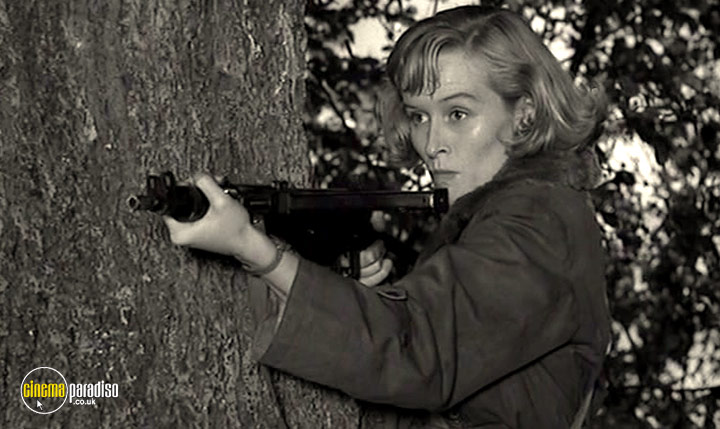
Born the same day in Chiswick, Phyllis Dalton followed war service as a Wren at Bletchley Park by becoming a wardrobe assistant at Gainsborough Studios. She worked on such pictures as Brian Desmond Hurst's Scrooge (1951), Alfred Hitchcock's The Man Who Knew Too Much, and Anatole Litvak's Anastasia (both 1956) before making her name as a costume designer on Island in the Sun (1957), Carve Her Name With Pride (1958), and Our Man in Havana (1960). However, it was her collaboration with David Lean on Lawrence of Arabia (1962) and Doctor Zhivago (1965) that forged Dalton's reputation, as the latter brought her an Academy Award.
Over the next two decades, Dalton brought a touch of class to films as different as Richard Brooks's Lord Jim (1965), Carol Reed's Oscar-winning Oliver! (1968), Alan Bridges's The Hireling (1973), Stuart Rosenberg's Voyage of the Damned (both 1976), Anthony Harvey's Eagle's Wing (1979), Guy Hamilton's The Mirror Crack'd (1980), and Malcolm Mowbray's A Private Function (1984). She also designed for teleplays like The Hunchback of Notre Dame, The Scarlet Pimpernel (both 1982), and The Last Days of Patton (1986). Then, having captured the pageantry in Rob Reiner's The Princess Bride (1987), she also designed for the Kenneth Branagh trio of Henry V (1989), Dead Again (1991), and Much Ado About Nothing (1993), with the first bringing a second Oscar. Sadly, Dalton passed away in January 2025, at the age of 99, but her compelling conversations with critic Alexander Ballinger are now available in a lavishly illustrated book.
Schooled by Ralph Kemplen and Alan Osbiston, Antony Gibbs (17 October) worked with Sidney J. Furie on During One Night (1960), Doctor Blood's Coffin, and The Snake Woman (both 1961) before helping to set the tone for the British new wave with his audacious, energetic editing on Tony Richardson's The Entertainer (1960), A Taste of Honey (1961), The Loneliness of the Long Distance Runner (1962), Tom Jones (1963), Mademoiselle (1966), and The Sailor From Gibraltar (1967). He also cut Richard Lester's modish duo, The Knack...and How to Get It (1965) and Petulia (1968), before forming a Hollywood partnership with Norman Jewison on Fiddler on the Roof (1971), Jesus Christ Superstar (1973), Rollerball (1975), and Agnes of God (1985). Gibbs also edited Nicolas Roeg's Performance (1970) and Walkabout (1971), as well as Richard Attenborough's A Bridge Too Far (1977), Frank Launder's The Wildcats of St. Trinian's (1980), and David Lynch's Dune (1984). He closed a career that brought four BAFTA nominations with the John Frankenheimer actioners, Ronin (1998) and Reindeer Games (2000).
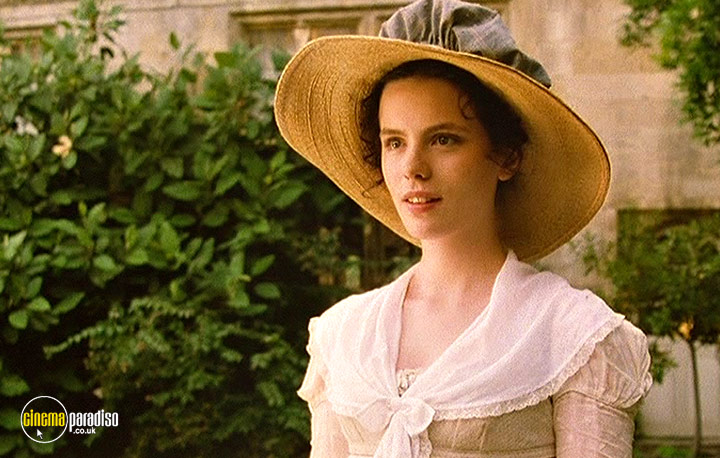
Bradfordian Francis Bernard Heptonstall rejigged his name to Bernard Hepton (19 October) before starting out on a long acting career of quiet distinction. He arranged the fight sequences in Laurence Olivier's Richard III (1955), but would be seen more on television than the big screen, although he did play Thorpey in Get Carter (1971) and Milton Goldsmith in Voyage of the Damned (1976). Hepton had been Thomas More in a live version of A Man For All Seasons in 1957, but he would take the role of Archbishop Thomas Cranmer in The Six Wives of Henry VIII (1970) and Elizabeth R (1971), as well as the 1972 feature, Henry VIII and His Six Wives. Many will remember him in the contrasting wartime parts as the camp Komandant in Colditz (1972-74) and as Albert Foiret in Secret Army (1977-79), but he was supremely evasive as Toby Esterhase in the BBC adaptations of John Le Carré's Tinker, Tailor, Soldier, Spy (1974) and Smiley's People (1979). Amusing alongside Rosemary Leach in Sadie, It's Cold Outside (1975), Ken Jones in The Squirrels (1977), and Nigel Havers in The Charmer (1987), Hepton was splendidly cast in a couple of BBC Jane Austens, as Sir Thomas Bertram in Mansfield Park (1983) and Mr Woodhouse in Emma (1996). But he never let the side down in any of the titles under his name on the Cinema Paradiso Searchline.
Born Roger Paul Jacob Lévy in Algiers, Roger Hanin (20 October) started acting in the early 1950s, but only made his mark later in the decade with Robert Hossein's The Wicked Go to Hell (1955), Jules Dassin's He Who Must Die (1957), and Marc Allégret's Be Beautiful But Shut Up! (1958). In 1960, he played journalist Carl Zumbach in Jean-Luc Godard's À bout de souffle and Morini in Luchino Visconti's Rocco and His Brothers, later reuniting with Alain Delon in Tony Arzenta (1973). Hanin took the lead in a couple of spy thrillers co-scripted with Claude Chabrol, Code Name: Tiger (1964) and Our Agent Tiger, and reteamed with the director on Blue Panther (both 1965). But he had more success in Alexandre Arcady's comedies, Le Coup de Sirocco (1979) and Le Grand pardon (1982), before he became a household name in France as Commissioner Antoine Navarro in Navarro, which ran from 1989 to 2005. Hanin also directed himself in several films, from Le Protecteur (1974) to Soleil (1997).
Born in Tonypandy, Glyn Houston (23 October) was raised in Glamorgan's Clydach Vale with his older brother, Donald (who is part of the '2023 Cinema Paradiso Centenary Club' - Part 1 and Part 2 ). Although he never matched his sibling's celebrity, Glyn proved a dependable character player in racking up the 200+ screen credits that earned him a BAFTA Cymru special award in 2008. Having debuted as a barrow boy in The Blue Lamp (1950), he took a string of uncredited bits before playing Dai Thomas in Girdle of Gold (1952). More of the same followed, as he stooged for Norman Wisdom in Follow a Star (1959), The Bulldog Breed, and There Was a Crooked Man (1960). He would later work regularly with the never-to-be-forgotten Harry Worth, as you can see from Harry Worth: The Complete Collection (2011).
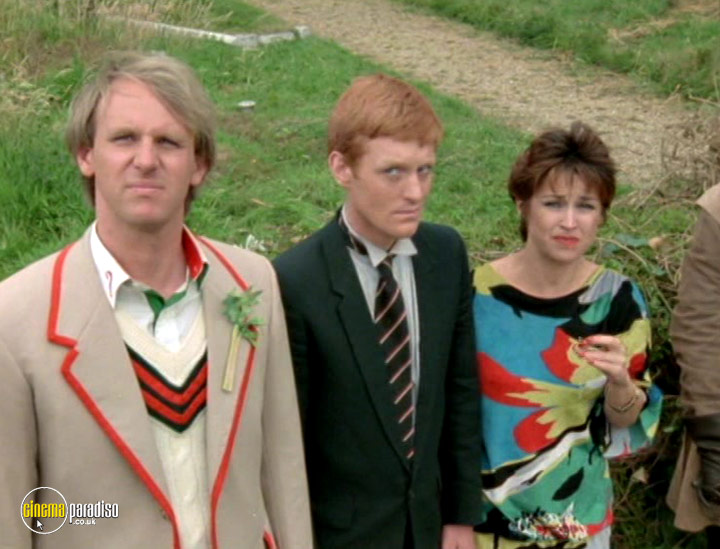
As Frank Moore, Houston killed a crook robbing his van in Payroll (1961) before taking a rare lead as Inspector Sparrow in Solo For Sparrow (1962), which featured a young Michael Caine and can be found on The Edgar Wallace Mysteries: Vol.3 (2012). On television, he made two appearances in Doctor Who (1963-), as Professor Owen Watson in 'The Hand of Fear' (1976) and Colonel Ben Wolsey in 'The Awakening' (1984). More prominently, he essayed Bunter the butler opposite Ian Carmichael in the Lord Peter Wimsey mysteries, Clouds of Witness (1972), The Nine Tailors (1974), and The Five Red Herrings (1975).
Born the same day in the Greek city of Xanthi,
Manos Hatzidakis joins fellow composer Mikis Theodorakis in the 2025 Centenary Club. Having worked with Melina Mercouri on Michael Cacoyannis's Stella (1955), he won the Oscar for Best Song for Jules Dassin's Never on Sunday (1960), but refused to collect it because he disapproved of the way the film portrayed his homeland. Frustratingly, only The 300 Spartans (1962) and Topkapi (1964) are available on disc in this country, as Hatzidakis also scored Elia Kazan's America America (1963), Silvio Narizzano's Blue (1968), Jean Negulesco's The Invincible Six (1970), Maximilian Schell's The Pedestrian (1974), Dušan Makavejev's Sweet Movie (1975), and Peter Ustinov's Memed, My Hawk (1984).
Geraldine Brooks, Robert Hardy, and Paul Daneman were all born on 29 October 1925. New Yorker, Geraldine Stroock followed older sister, Gloria, into acting. But Geraldine adopted the name of her father's costume company when she signed to Warners and got off to a flying start with Cry Wolf and Possessed (both 1947), opposite Barbara Stanwyck and an Oscar-nominated Joan Crawford respectively. Terminating her contract after four features, Brooks went freelance and teamed with married stars Fredric March and Florence Eldridge in Act of Murder (1948) before excelling as Joan Bennett's daughter dallying with the hissable James Mason in Max Ophüls's The Reckless Moment (1949). However, her film career stalled after The Green Glove (1952) and, as the Cinema Paradiso Searchline reveals, she was mostly seen on television before dying at the age of 57.
Cheltenham's Robert Hardy turned to acting after studying at Oxford with J.R.R. Tolkien and C.S. Lewis, while also palling up with Richard Burton. Starting out in television in 1957, he cropped up in films like The Spy Who Came in From the Cold (1965), How I Won the War (1967), 10 Rillington Place (1971), and Psychomania (1973) while holding down recurring small-screen roles like Alec Stewart in The Troubleshooters (1966-70), Sergeant Gratz in Manhunt (1969), Robert Dudley, Earl of Leicester in Elizabeth R (1971), and Prince Albert in Edward the Seventh (1975). For many, however, Hardy will always be vet Siegfried Farnon in All Creatures Great and Small (1978-90), which was adapted from the novels of James Herriott.
He received a BAFTA nomination for his work the Dales in 1980, the year he played Sir Toby Belch in the BBC Television Shakespeare version of Twelfth Night. BAFTA came calling again after Winston Churchill: The Wilderness Years (1982) and Hardy reprised the role in War and Remembrance (1988), Bomber Harris (1989), and Miss Marple: The Sittaford Mystery (2006). Amusing in the dual roles of Twiggy Rathbone and Russell Spam in the sitcom, Hot Metal (1986-88), he guested in the likes of Inspector Morse, Midsomer Murders, and Spooks, while also taking such notable feature roles as Lord Bob Lilburn in The Shooting Party (1985), Professor Krempe in Mary Shelley's Frankenstein (1994), Sir John Middleton in Sense and Sensibility (1995), Sir William Bradshaw in Mrs Dalloway (1997), and Lord Caversham in An Ideal Husband (1999). To younger audiences, however, he was Minister for Magic Cornelius Fudge in Harry Potter and the Chamber of Secrets (2002), Harry Potter and the Prisoner of Azkaban (2004), Harry Potter and the Goblet of Fire (2005), and Harry Potter and the Order of the Phoenix (2007).
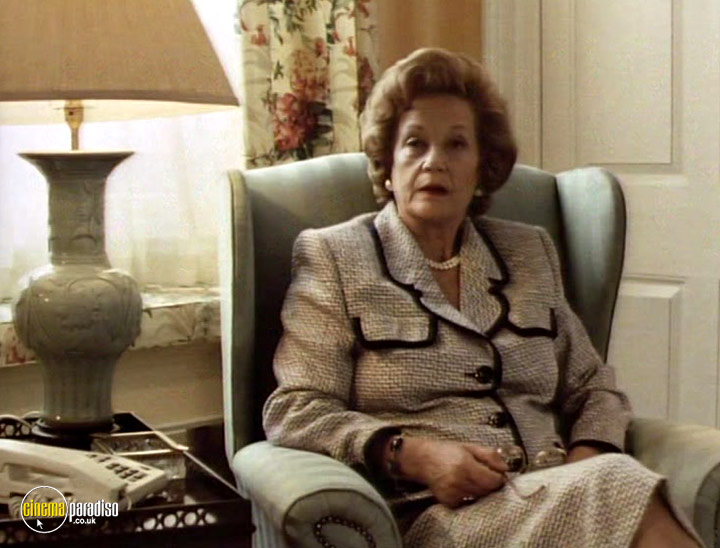
Completing the 29 October triumvirate is Paul Daneman, the Islington-born RADA graduate who created the role of Vladimir in Samuel Beckett's Waiting For Godot in 1955. His film bow came the same year, as Fudge the porter, in Fun At St Fanny's, which he followed with Time Without Pity (1957). Three entries in The Edgar Wallace Mysteries followed: The Fourth Square, The Clue of the New Pin (both 1961), and Locker Sixty-Nine (1962). But, while he appeared creditably in Zulu (1964) and How I Won the War (1967), Daneman never made another film after playing Tsar Nicholas II in Oh! What a Lovely War (1969). He was replaced Ronald Hines as Wendy Craig's husband after the first season of the classic sitcom, Not in Front of the Children (1967), but impressed opposite Peter Cushing as Thaddeus and Bartholomew Sholto in 'The Sign of Four' epidode of Sherlock Holmes (1964-68). Later credits included the Duke of Milan in the BBC Television Shakespeare production of The Two Gentlemen of Verona (1983), Mr Fairbrother in The Little Match Girl (1986), Mervyn Sloan in G.B.H. (1991), and Douglas Hurd in Thatcher: The Final Days (1991).
While we know that Lyova Haskell Rosenthal was born in New York on 31 October, we're not entirely sure which year. She has mentioned both 1925 and 1927 in the past. But, as Lee Grant presented a screening of her Oscar-winning documentary, Down and Out in America (1986), to mark her centenary on 12 October this year, Cinema Paradiso is happy to invite her to join our club. She made her film debut reprising the Broadway role of The Shoplifter in William Wyler's Detective Story (1950), and promptly followed the Best Actress Prize at Cannes with an Oscar nomination for Best Supporting Actress. However, she was blacklisted for the next 12 years, having refused to testify before the House UnAmerican Activities Committee during the so-called Hollywood Witch Hunt.
Grant returned in The Balcony (1963) and won an Emmy for her work as Stella Chernak in Peyton Place (1965-66). Further TV roles followed, as she took character parts in such landmark films as In the Heat of the Night and Valley of the Dolls (both 1967), as well as such lesser items as Divorce American Style (1967), Marooned (1969), and There Was a Crooked Man (1970). Having worked with Hal Ashby on The Landlord, she was cast as Felicia Karpf in Shampoo (1975) and won the Academy Award for Best Supporting Actress. Another nomination came for Voyage of the Damned (1976) to add to the Emmy she had won for 'Ransom For a Dead Man', which was the pilot episode of Columbo (1971-78).
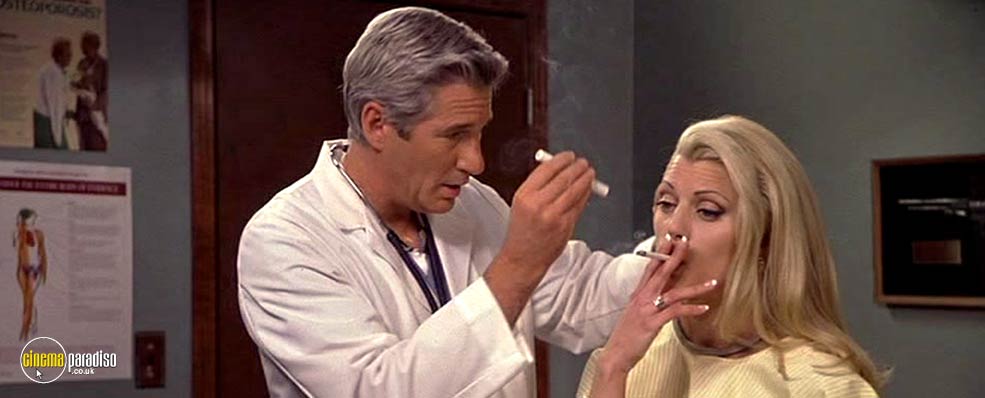
In 1978, Grant starred with Carol Kane in Karen Arthur's Don't Ring the Doorbell, which rather got lost between The Swarm and The Omen II: Damien. But her focus was to shift towards directing after the 1980 drama, Tell Me a Riddle. However, Grant tended to focus on actualities, although she became the first woman to win the Directors Guild of America Award for the TV-movie, Nobody's Child (1986). A look at her Searchline credits suggests that her acting choices around this period were also dictated by the socio-political themes explored in Visiting Hours (1982), She Said No (1990), and In My Daughter's Name (1992). Since playing Dr Harper in Robert Altman's Dr T. and the Women (2000) and Louise Bonner in David Lynch's Mulholland Drive (2001), however, Grant has been little seen. But she remains the only Oscar-winning actor to also direct an Oscar-winning documentary.
NOVEMBER
Born in Fresno, California, Robert Quarry (3 November) made his acting debut in nearby Santa Rosa, as a teenager in Alfred Hitchcock's Shadow of a Doubt (1943). Bits followed in the likes of House of Bamboo (1955) and A Kiss Before Dying (1956), but Quarry had to bide his time before he came good in the title role of the AIP horrors, Count Yorga, Vampire (1970) and The Return of Count Yorga (1971). Convinced they had a new genre icon on the books, the studio paired Quarry with Vincent Price in Dr Phibes Rises Again (1972) and Madhouse (1974). But neither The Deathmaster (1973) nor Sugar Hill (1974) did much business and Quarry kept busy in television before he withdrew from the limelight after incurring facial injuries on being hit by a drunk driver. He returned in Fred Olen Ray's Cyclone (1987), the first of around 20 collaborations that also included Haunting Fear (1990).
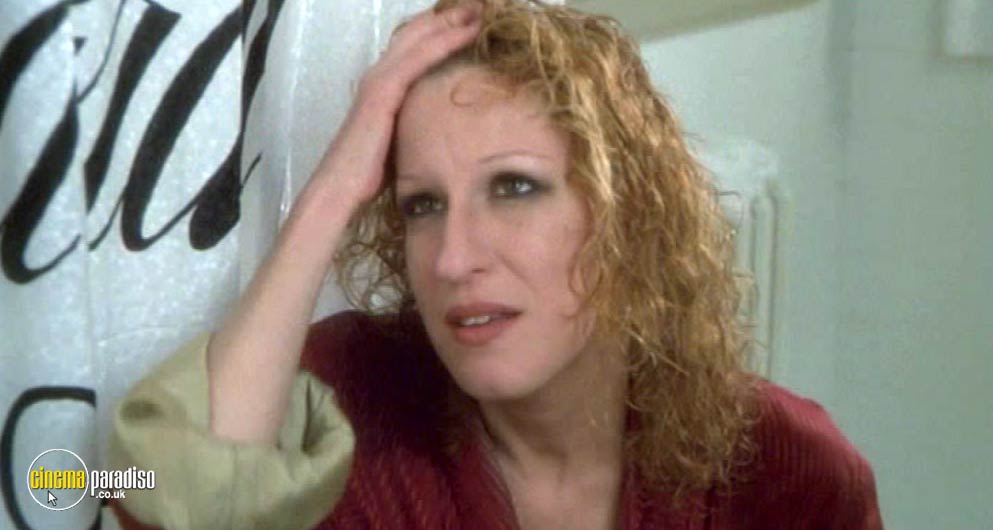
Born Doris Green in St Louis, Missouri, Doris Roberts (4 November) took her stepfather's name and steadily worked her way into features after debuting on television in 1948. She played the maid in Barefoot in the Park (1967) and appeared in such cult gems as The Honeymoon Killers (1970), A New Leaf, Little Murders (both 1971), Hester Street, The Taking of Pelham One Two Three (both 1974), Rabbit Test (1978), and The Rose (1979), in which she played Bette Midler's mother. But Roberts was something of a late bloomer, as she found fame as Mildred Krebs in Remington Steele (1983-87) before beating over 100 hopefuls to become the nation's favourite mom, Marie Barone, in Everybody Loves Raymond (1996-2005). Converting four of her seven Emmy nominations, she won a fifth for a guest turn in St Elsewhere (1982-88) and continued to cameo in America's most popular shows until her death at the age of 90.
Also born on 4 November, in what is now the Bangladeshi city of Rajshahi, Ritwik Ghatak started out as a playwright before he turned to cinema. He would become one of India's finest film-makers, but his work didn't find an overseas audience like Satyajit Ray. Consequently, only a couple of his pictures are available on disc. Indeed, his 1952 debut, Nagarik, was only released posthumously in 1977, as was his final work, Jukti Takko Aar Gappo. It's a shame that no one took advantage of the centenary to release other early outings like Ajantrik (1955) and Bari Theke Paliye (1958), which has been compared to François Truffaut's The 400 Blows (1959). Three of Ghatak's films centred on the 1947 Partition of India, The Cloud-Capped Star (1960), Komal Gandhar (aka E Flat, 1961), and Subarnarekha (aka The Golden Thread, 1962). Cinema Paradiso can also bring you the East Bengali classic, A River Called Titas (1973), which centres on a fisherman struggling to come to terms with change.
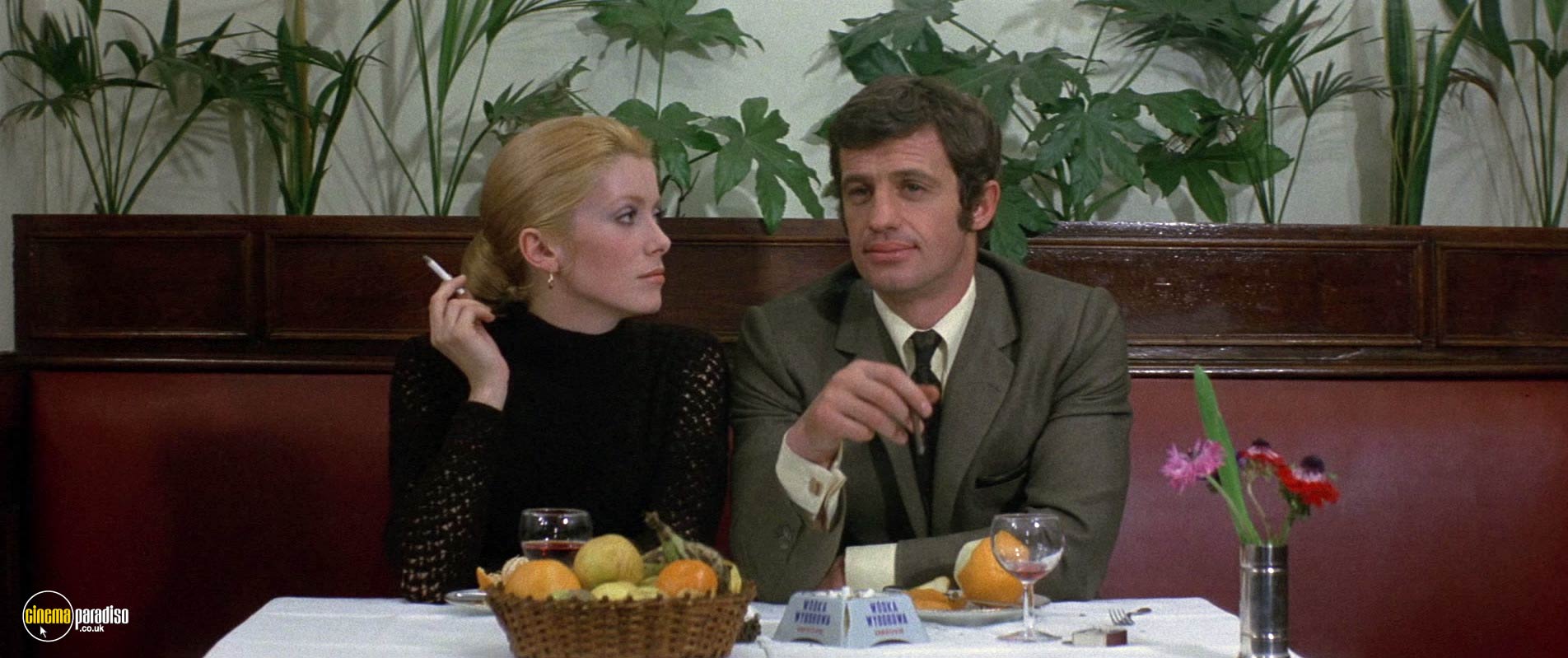
Parisian Michel Bouquet (6 November) spent much of his early career on the stage, although he did appear in Henri-George Clouzot's Manon (1949) and narrated Alain Resnais's powerful Holocaust documentary, Night and Fog (1955). He worked profitably with Claude Chabrol on The Road to Corinth (1967), The Unfaithful Wife (1968), The Breach (1970), and Just Before Nightfall (1971). However, François Truffaut also got the best out of Bouquet in The Bride Wore Black (1968) and Mississippi Mermaid (1969), while he held his own against Orson Welles in Harry Kümel's Malpertuis (1971).
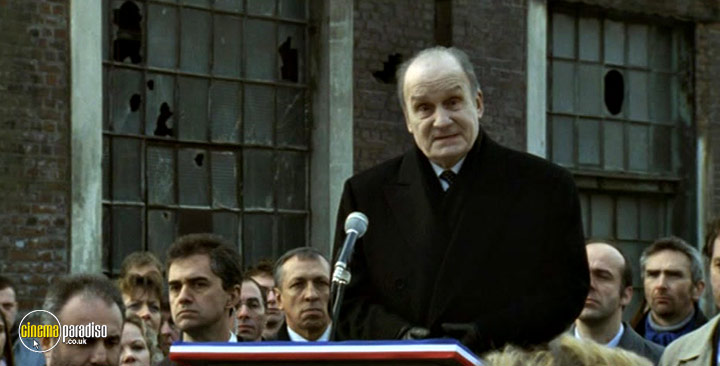
Some of Bouquet's best performances are not on disc in the UK, as he teamed with Jean Gabin and Alain Delon in Two Men in Town (1972) and with Lino Ventura in Les Misérables (1982), in which he played Javert. But he enjoyed something of an Indian summer, with pictures like Tous les matins du monde (1991), Elisa (1995), and Renoir (2012). Moreover, Bouquet won Best Actor at the European Film Awards for Toto the Hero (1991) and the Best Actor César for both How I Killed My Father (2001) and The Last Mitterrand (2005). He died at the age of 96 in 2022.
Mentioned films