The second part of the 2025 edition of Cinema Paradiso's Centenary Club looks at those actors and creatives born between April and June.
One hundred years ago, Hollywood was a very different place. Films had no sound and only a few had sequences shot in colour. The Academy Awards were also still two years away. But the Studio System was thriving, with familiar names like Paramount. MGM, Warner Bros, and Universal all competing to put the biggest stars under long-term contracts in order to boost their prospects at the box office.
The Great War had done much to decimate Europe's major film-making countries and the United States was able to take control of the global market with its factory approach to production and a readiness on the part of the Wall Street 'angels' who underwrote the studios to give them the autonomy to make the decisions when it came to art and entertainment.
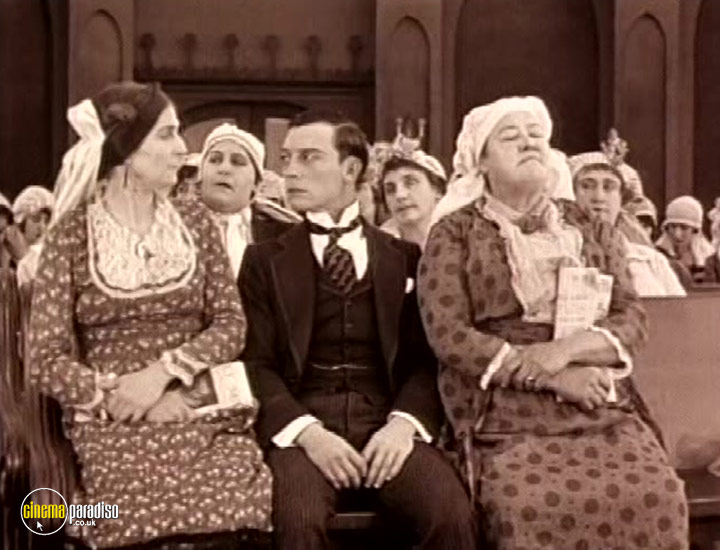
There were signs that postwar European cinema was beginning to recover and Cinema Paradiso users can rent Sergei Eisenstein's Battleship Potemkin, G.W. Pabst's The Joyless Street E.A. Dupont's Variety, and Carl Theodor Dreyer's The Master's House, which were respectively produced in Soviet Russia, Weimar Germany, and neutral Denmark. Among the Hollywood titles available to rent are Clarence Brown's The Eagle, with Rudolph Valentino; Rupert Julian's The Phantom of the Opera, with Lon Chaney; D.W. Griffth's Sally of the Sawdust, with Carol Dempster and W.C. Fields, and Larry Semon's The Wizard of Oz, with Oliver Hardy as The Tin Man. He had yet to be paired with Stan Laurel, who was getting laughs in such two-reelers as Dr Pyckle and Mr. Pryde. By contrast silent clown Buster Keaton ( Go West & Seven Chances ), Harold Lloyd (The Freshman), and Charlie Chaplin ( The Gold Rush ) each produced work of the highest calibre that made it almost seem a crime that slapstick would all-but disappear with the arrival of the talkies.
Willis O'Brien contributed groundbreaking stop-motion animation to Harry O. Hoyt's adaptation of Sir Arthur Conan Doyle's The Lost World and clearly caught the imagination of Merian C. Cooper and Ernest B. Schoedsack (the co-directors of the landmark documentary, Grass: A Nation's Battle For Life), who would hire O'Brien for King Kong in 1933. Frustratingly, a number of important 1925 features are not on disc in the UK, including Fred Niblo's Ben-Hur: A Tale of the Christ, King Vidor's The Big Parade, and Donald Crisp's Don Q, Son of Zorro, starring the peerless Douglas Fairbanks. At least they still exist intact, however, which is sadly not the case for Alfred Hitchcock's debut feature, The Pleasure Garden, although the 2012 restoration has finally been released on Blu-ray as part of a boxed set of Hitch's nine silents. Let's hope it becomes available from Cinema Paradiso soon.
In the meantime, let's take a look at the April arrivals, who would go on to create little bits of screen history of their own.
APRIL
Born in Kraków on 1 April 1925, Wojiech Has was one of the key figures in postwar Polish cinema. Trained at the Lódz Film School, he made his name with the brooding drama, Noose (1958), which one might have hoped would have found its way into Second Run's excellent collection of Polish features alongside Farewells (1958), Goodbye to the Past (1961), How to Be Loved (1962), and The Doll (1968). However, the Mr Bongo label has issued the finest examples of Has's surrealist experiments, The Saragossa Manuscript (1965) and The Hourglass Sanatorium (1973). Stealthily subversive without being overtly critical of life behind the Iron Curtain, Has stopped making films in 1988, although he continued to teach at the National Film School until his death in 2000.
Hailing from the New South Wales mining town of Broken Hill, Dorothy Alison (4 April) came to Britain in 1949 after playing Mrs Bentley in Harry Watt's Eureka Stockade, which can be rented from Cinema Paradiso on Volume 7 of The Ealing Studios Rarities Collection. Alison received a Best Newcomer BAFTA nomination for her work as the kindly Miss Stockton teaching a young deaf girl (Mandy Miller) in Alexander Mackendrick's Mandy (1952). Another followed for Best Supporting Actress as Nurse Brace helping RAF pilot Douglas Bader (Kenneth More) cope with the loss of his legs in Lewis Gilbert's Reach For the Sky (1958). But, while she was always a welcome presence in everything from Mackendrick's The Maggie (1954) to Charles Frend's The Long Arm (1956) and Fred Zinnemann's The Nun's Story (1959), Alison was probably most seen as the Duchess Constance in The Adventures of Robin Hood (1955-59). After a spell Down Under, she returned to play Mrs Spencer in Doctor Jekyll and Sister Hyde (1971) and Mrs Allen in The Amazing Mr Blunden (1972). Of her later roles, the most high profile was Mrs Murchison opposite Meryl Streep and Sam Neill in Fred Schepisi's A Cry in the Dark (1988).
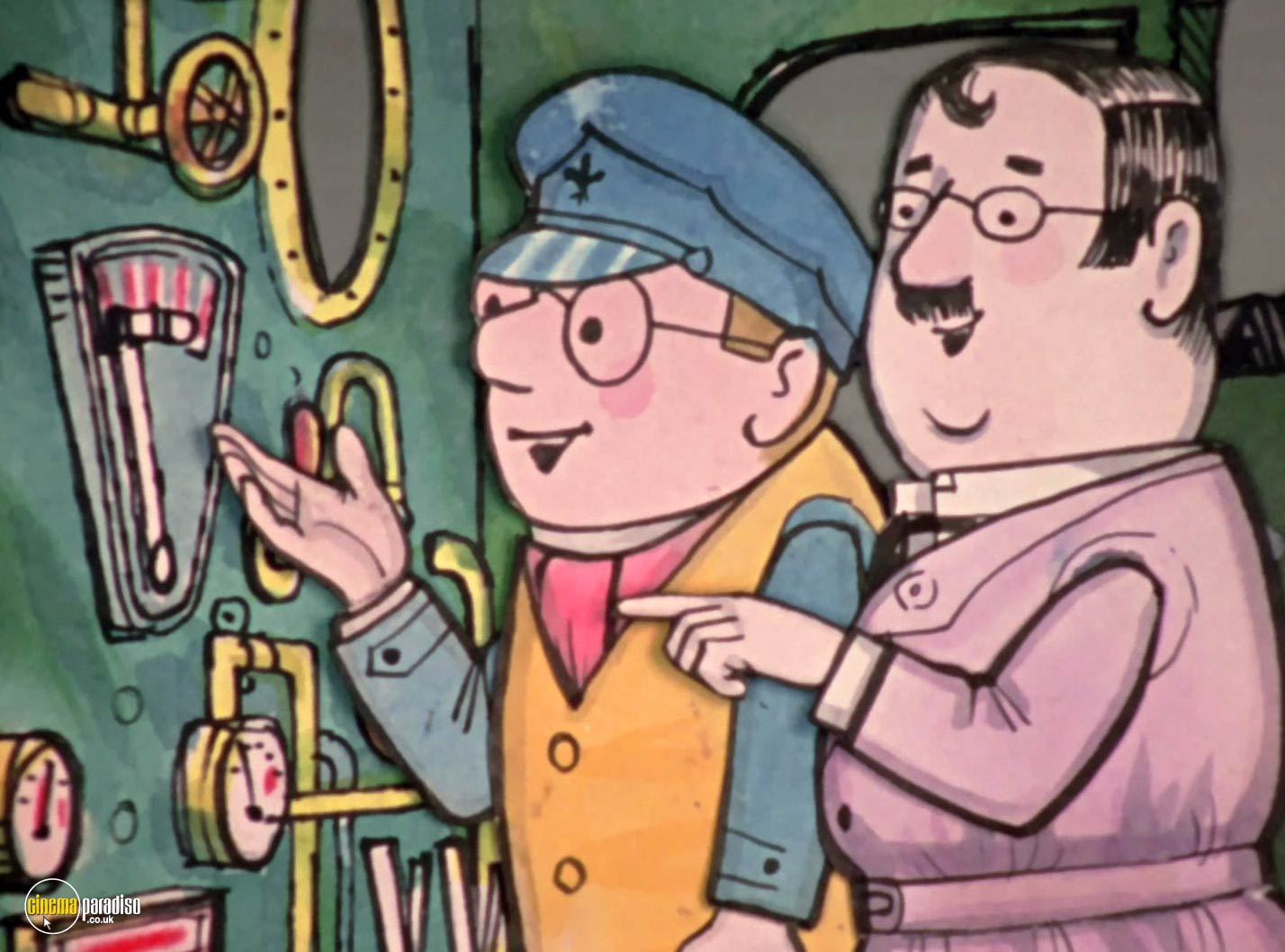
A cousin of Angela Lansbury, Hendon-born Oliver Postgate (12 April) created some of the most beloved characters during the golden age of British children's television. Having set up Smallfilms with Peter Firmin, the self-taught Postgate dealt with the scripting, animating, and voicing of the stories, while Firmin built the stop-motion models and the sets. Starting with Ivor the Engine (1959), the pair were responsible for such gems as The Saga of Noggin the Nog (1959-65), Pingwings (1961-65), Pogles' Wood (1965-67), Clangers (1969-72), and Bagpuss (1974). A colour version of Ivor the Engine was broadcast in 1976 and a new Noggin the Nog followed in 1982, with Postgate's familiar tones reassuring audiences that the old values had not been forgotten. But children's TV had started to change and Postgate refused to allow the Smallfilms catalogue to be subjected to new methods of animation, although he had no problem with merchandising his puppets.
Lambeth's Conrad Phillips (13 April) became a household name in the early days of ITV, as the star of The Adventures of William Tell (1958-59). A naval veteran of the Second World War and a RADA graduate, Philips made his first impressions as Latour in The Adventures of the Scarlet Pimpernel (1956), the same year in which he relived his service days as Lt. Washbourne aboard HMS Achilles in Michael Powell and Emeric Pressburger's The Battle of the River Plate. Many of Philips's early film roles were in minor supports, such as playing Baxter Dawes in Jack Cardiff's take on D.H. Lawrence's Sons and Lovers (1960). However, he landed a number of B leads in low-budget crime flicks like The Durant Affair, Dead Man's Evidence, Don't Talk to Strange Men (all 1962), and Impact (1963). TV guest spots followed in The Avengers, The Saint, and The Prisoner, as well as Fawlty Towers, in which he memorably played Mr Lloyd in 'The Wedding Party'. Despite mobility problems, Philips took the recurring role of Dr Christopher Meadows in Emmerdale Farm (1981-86). But he was forced to retire in 1991 and lived for another quarter century.
Born William Clucas in Manchester on 14 April, William Lucas also served in the Royal Navy during the war and would go on to co-star with Conrad Philips in William Tell, Sons and Lovers, and The Shadow of the Cat (1961). He made an urbane villain, with a menacing undercurrent, in crime outings like Payroll (1961), The Break, and Calculated Risk (both 1963). But, despite adding such intriguing titles to his CV as Bitter Harvest (1963), The Night of the Big Heat (1967), and Tower of Evil (1970), Lucas became better known on television for playing Inspector Lestrade in Sherlock Holmes (1965-68), with Peter Cushing; Dr James Gordon in The Adventures of Black Beauty (1972-74) and The New Adventures of Black Beauty (1990-92); and George Hayward in The Spoils of War (1980-81).
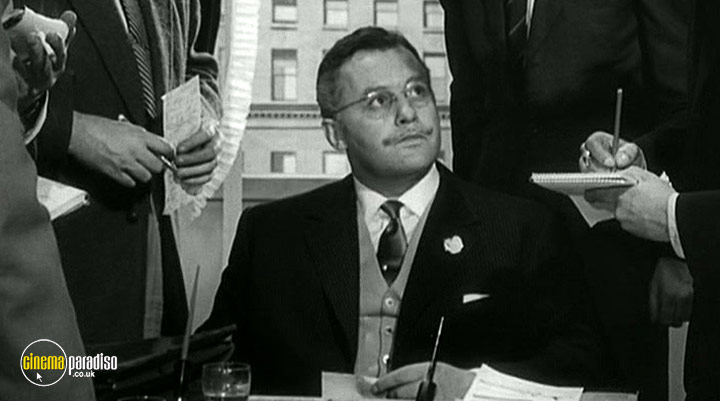
Also born on 14 April 1925 was Rod Steiger, who came from Westhampton, New York. His father had been in vaudeville, but Steiger had an unhappy childhood and drifted into acting after seeing action in the Pacific. On television, he originated the role that would win Ernest Borgnine an Oscar in Marty (1955), and was cast as Marlon Brando's mobster brother, Charley, in Elia Kazan's On the Waterfront (1954). Often taking villainous roles, Steiger's distinctive brand of Method acting set him apart in pictures as different as The Big Knife, Oklahoma! (both 1955), The Harder They Fall, Jubal (both 1956), Across the Bridge (1957), Al Capone (1959), and The Mark (1961).
In 1964, Steiger won the Silver Bear at the Berlin Festival for his depiction of Holocaust survivor Sol Nazerman in Sidney Lumet's The Pawnbroker (1964), which he followed by playing unscrupulous revolutionary, Victor Komarovsky, in David Lean's adaptation of Boris Pastarnak's Doctor Zhivago (1965). Two years later, Steiger won the Academy Award for Best Actor as bigoted police chief Bill Gillespie opposite Sidney Poitier in Norman Jewison's In the Heat of the Night (1967). However, he had also acquired a reputation for being difficult to work with and this, combined with bouts of ill health, took its toll on Steiger's career. He started taking roles in European films, as he believed they provided more of a challenge than Hollywood froth and he excelled in Francesco Rosi's Hands Over the City (1963) and frustrated in Sergio Leone's A Fistful of Dynamite (1971). But he also took flamboyant roles, such as the disguise-loving serial killer in No Way to Treat a Lady (1968) and the tattoo-obsessive in The Illustrated Man (1969), while he turned down the lead in Patton (1970) that earned George C. Scott an Oscar in order to play Napoleon in Sergei Bondarchuk's Waterloo (1971). Staying in biopic mode, Steiger took the leads in Last Days of Mussolini (1974) and W.C. Fields and Me (1976).
As the decade wore on, critics kept accusing Steiger of over-actng, as with the priest in The Amityville Horror (1979). Battling depression, he took films to stay busy and Cinema Paradiso members can see the gaps in the Searchline CV, suggesting the quality of much of his work. Yet, he only received a Razzie nomination for The Specialist (1994). Younger actors queued up to work with him, but the critics had lost patience, even when Steiger was effective, such as Mars Attacks! (1996), The Hurricane (1999), and The Last Producer (2000). He died at the age of 77 on 9 July 2002, having admitted to the toll that depression took on his life and on his acting choices. For this courage alone, he deserves to be cut a little critical slack.
All you need to know about Italian cinematographer, Carlo Di Palma (17 April), can be found in Fariborz Kamkari's splendid documentary, Water and Sugar: Carlo Di Palma, the Colours of Life (2016). The son of a Roman cameraman, Di Palma used to watchi his father working before becoming an assistant on Luchino Visconti's Ossessione (1942), Roberto Rossellini's Rome, Open City (1945), and Vittorio De Sica's Bicycle Thieves (1948). Among his early credits was Elio Petri's The Assassin and Pietro Germi's Divorce, Italian Style (both 1961). But he made his mark creating the colours for Michelangelo Antonioni's Red Desert (1964), Blow-up (1966), and Identification of a Woman (1982). However, Di Palma found an even more conducive collaborator in Woody Allen, with whom he worked on Hannah and Her Sisters (1986), Radio Days, September (both 1987), Alice (1990), Shadows and Fog (1991), Husbands and Wives (1992), Manhattan Murder Mystery (1993), Bullets Over Broadway (1994), Mighty Aphrodite (1995), Everyone Says I Love You (1996), and Deconstructing Harry (1997).
Brooklynite Bob Hastings (18 April) made his mark voicing Archie Andrews in a radio adaptation of the popular comic book. Moving into television, he cropped up in episodes of such hit comedies as Car 54, Where Are You? and Hogan's Heroes before landing the recurring role of Lieutenant Elroy Carpenter in McHale's Navy. He had minor roles in films like The Poseidon Adventure (1972) and Airport 75 (1974), but his voice was more familiar than his face, as he was a key figure in the DC Animated Universe, notably playing Commissioner James Gordon in items like Batman: The Animated Series (1992-95) and numerous others that can be found via the Cinema Paradiso Searchline.
Born Hugh Krampe in Rochester, New York, Hugh O'Brian (19 April) was all set to read law at Yale when Ida Lupino asked him to stand in for a missing cast member in the play she was directing. Hooked instantly, he decided to change his name after it was misspelt as 'Krape' in the programme. Another typo, however, led to him becoming O'Brian rather than O'Brien. Lupino gave him his debut in Never Fear (1950) and a bunch of Westerns followed, including The Battle At Apache Pass (1952), The Man From the Alamo (1953), and Broken Lance (1954), which resulted in O'Brian landing the lead in the hugely influential Western show, The Life and Legend of Wyatt Earp (1955-61). His other film credits included There's No Business Like Show Business (1954), the Agatha Christie whodunit, Ten Little Indians (1965), and two John Wayne vehicles, In Harm's Way (1965) and The Shootist (1976), in which he had the distinction of being the last person to be shot and killed by The Duke. O'Brian also fought with Bruce Lee in his final feature, Game of Death (1973), and was the father of Danny DeVito and Arnold Schwarzenegger in Twins (1988).
Born in Tooting on 22 April, George Cole landed on his feet when he was cast at the age of 15 in Anthony Asquith's Cottage to Let (1941). He caught the eye of co-star Alastair Sim, who took such a shine to Cole that he and his wife took the teenager and his widowed mother into their home. Cole and Sim would make 11 films together and he always credited the Scot for giving him a chance to show what he could do.
Having appeared in Laurence Olivier's Henry V (1944), Cole served in the RAF and worked his way back into pictures via My Brother's Keeper (1948), Morning Departure, and Michael Powell and Emeric Pressburger's Gone to Earth (both 1950), as well as two ventures with Sim, The Happiest Days of Your Life (1950) and Scrooge (1951). Most memorably, he ducked and dived as Flash Harry in The Belles of St Trinian's (1954), Blue Murder At St Trinian's (1957), The Pure Hell of St Trinian's (1960), and The Great St Trinian's Train Robbery (1966).
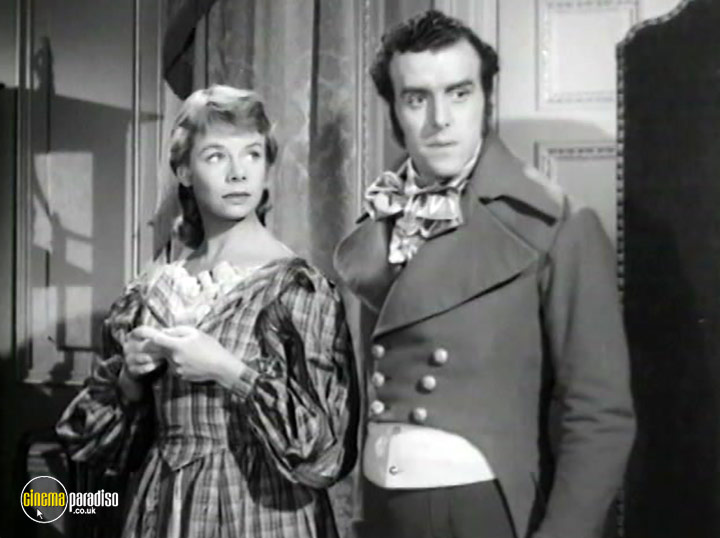
Growing in confidence as a comic performer, Cole took the lead in items like Will Any Gentleman?, tried his hand at romance in Our Girl Friday (both 1953), and proved himself a fine ensemble player in Too Many Crooks (1959). But, with the nature of British screen comedy starting to change, his run with Sim came to an end after An Inspector Calls (1954), The Green Man, and The Anatomist (both 1956) and Cole found himself in such diverse fare as Cleopatra (1963), The Vampire Lovers (1970), and Gone in 60 Seconds (1974).
He co-starred with Cliff Richard in Take Me High (1973), but was now mostly seen on stage and television and he reached his largest audience as the wheeler-dealing Arthur Daley opposite Dennis Watermann's Terry McCann in Minder (1979-94). Despite the popularity of the series, Cole came to resent being associated with a shady grifter and sought to distance himself with projects like Blott on the Landscape (1985), Mary Reilly (1996), and The Ghost of Greville Lodge (2000), as well as guest slots in the likes of Marple, New Tricks, and Midsomer Murders and a string of sitcoms that didn't quite catch on.
Islington's Brenda Cowling (23 April) worked as a typist before studying at RADA with Warren Mitchell and Jimmy Perry. Having debuted in Alfred Hitchcock's Stage Fright (1950), Cowling became one of those instantly recognisable faces to which people couldn't quite put a name. She was Mrs Viney the housekeeper in The Railway Children (1970), Eric Duffy's mum in Please, Sir! (1971), the matron in Carry On Girls (1973), Mrs Fishfinger in Jabberwocky (1977), and Schatzi giving Roger Moore's 007 a lift in Octopussy (1983). Most memorably, the was the ward sister who chivvies Basil out of Sybil's hospital room in 'The Germans' episode of Fawlty Towers in 1975. Old RADA pal, Jimmy Perry, hired her for guest slots in Dad's Army (1972), Are You Being Served?, It Ain't Half Hot Mum (both 1981), and Hi-de-Hi! (1984-88) before casting her as Mrs Blanche Lipton in You Rang, M'Lud (1988-93). Type her name in the Cinema Paradiso Searchline and marvel at the amount of work she got through.
Born Marie-Claire Cahen de Labzac in Paris, Brigitte Auber is still with us after celebrating her 100th birthday on 27 April. In a perfect world, we would be able to offer users more than the chance to see Auber play Danielle Foussard in Alfred Hitchcock's To Catch a Thief (1955) and Anne of Austria's maid in Randall Wallace's The Man in the Iron Mask (1998). But we can still dream of one day seeing her performances in Marcel Carné's Gates of the Night (1946), Jacques Becker's Rendezvous in July (1949), and Julien Duvivier's Under the Sky of Paris (1951) - you know, proper Tradition of Quality classics that should now be celebrated.
New Yorker Bruno Quidaciolu made his mark as Bruce Kirby (28 April) in dozens of TV episodes over a 50-year career. He spent six episodes with Peter Falk as Sergeant George Kramer in Columbo (1968-74) and could be seen as District Attorney Bruce Rogoff in 13 episodes of L.A. Law (1986-91). When not on stage or television, Kirby took occasional film roles in the likes of Catch-22 (1970), The Muppet Movie (1979), and Stand By Me (1986), in which he played Mr Quidacioluo. Son Bruno Kirby also worked regularly with Rob Reiner, notably in This Is Spinal Tap (1984) and When Harry Met Sally... (1989). In his penultimate role, Kirby, Sr. played Matt Dylan's pop in Paul Haggis's Crash (2004), which won the Academy Award for Best Picture.
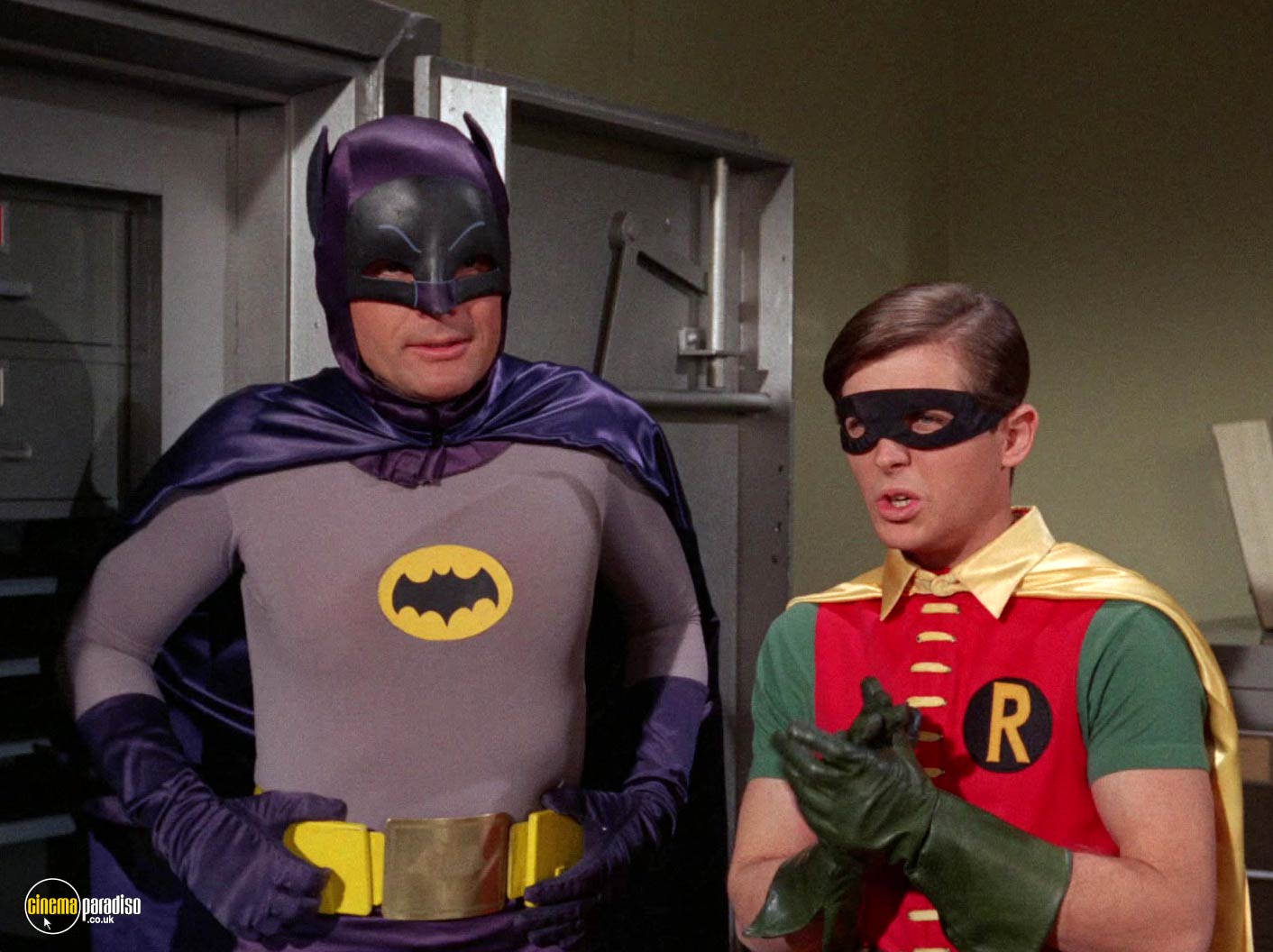
The last of our April arrivals is Corinne Calvet (30 April), who began life in Paris as Corinne Dibos. She was studying law at The Sorbonne when actor Jean Marais encouraged her to take classes alongside Simone Signoret and Gérard Philipe. Taking her stage name from a wine bottle, Calvet got the job of dubbing Rita Hayworth into French. Producer Hal Wallis signed her to Paramount, where she held her own with Burt Lancaster in Rope of Sand (1949). But her party lifestyle earned her the enmity of gossip columnist Hedda Hopper and she struggled to make an impact outside John Ford's What Price Glory? (1952) and Anthony Mann's The Far Country (1954). Returning to Hollywood after a French sojourn, Calvet played a countess in Hemingway's Adventures of a Young Man (1962) and Emerald in Batman (1966-68). But her private life made more headlines than her films and guest spots in shows like Starsky & Hutch and Hart to Hart.
MAY
Willesden's John Neville (2 May) studied at RADA after serving in the Royal Navy during the war. Such was the impression that he and Richard Burton made on the postwar stage that they were considered the new Laurence Olivier and John Gielgud. Yet, while he originated the role of Alfie Elkins in Bill McNaughton's Alfie (which would pass to Michael Caine in the 1966 film ), Neville was more interested in turning the Nottingham Playhouse into a leading repertory theatre. But he also started to become a familiar screen presence after playing Sherlock Homles in A Study in Terror (1965) and the Duke of Marlborough in The First Churchills (1969). A move to Canada in 1972 saw Wood focus on the theatre and his selection by Terry Gilliam for the lead in The Adventures of Baron Munchausen (1988) proved something of a comeback. Frustratingly, the film underperformed, although Neville amused as he aged from his 30s to his 70s. He also stole scenes as The Well-Manicured Man in The X-Files (1993-2018) and its feature spin-off, The X Files (1998). Among his other film credits from this period were Little Women (1994), The Fifth Element (1997), The Duke (1999), and Spider (2002), while he also guested as Sir Isaac Newton in the 1993 'Descent' episode of Star Trek: The Next Generation (1987-94).
Born Ann Allen in Eagle Rock, California, Angela Stevens (8 May) spent much of her short career in B movies with wonderful titles like Creature With the Atom Brain (1955) and Blackjack Ketchum, Desperado (1956). Amidst the Three Stooges comedies and Ed Wood shorts, however, Stevens also got to grace such significant features as From Here to Eternity (1953), The Wild One (1954), and The Harder They Fall (1956). She moved into television in 1957, only to retire to raise a family six years later. She died in 2016 at the age of 90.
Hailing from Chappaqua, New York, Frank Pierson (12 May) was a war veteran and Harvard graduate who cut his teeth as a writer on such classics TV series as Have Gun - Will Travel, Route 66, and Naked City. However, he was lured to Hollywood, where he drew Oscar nominations for both Eliot Silverstein's Cat Ballou (1965) and Stuart Rosenberg's Cool Hand Luke (1967). Pierson turned director with The Looking Glass War (1970), but his feuds with Barbra Streisand on A Star Is Born (1976) besmirched his reputation and left him having to settle for teleplays like Citizen Cohn (1993), Truman (1995), and Conspiracy (2001), which brought him a Directors Guild Award. He served as president of the Academy between 2001-05 and acted as a consultant on Mad Men (2007-15), although he never again reached the heights of his scripts for Sidney Lumet's The Anderson Tapes (1971) and Dog Day Afternoon (1975), and Alan J. Pakula's Presumed Innocent (1990).
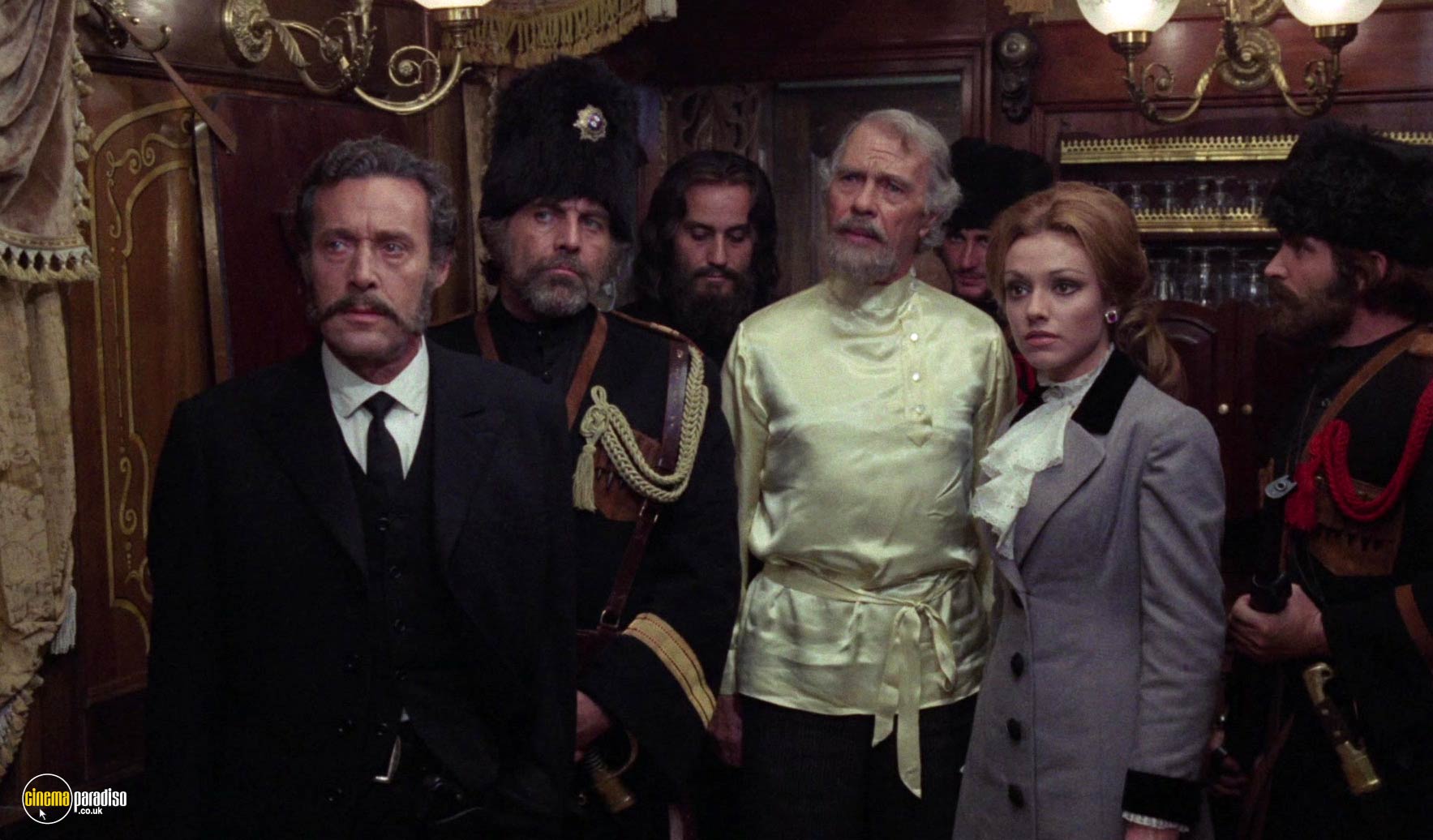
Born in Ceuta on the North African coast, Eugenio Martín Márquez (15 May) didn't use the last part of his surname when directing his canny genre outings. Having served as an assistant to Nicholas Ray on location in Spain, Martin echoed the style of Sergio Leone with The Ugly Ones (1966), a Spaghetti/Paella Western. But his best-known work came in collaboration with Hollywood producer, Philip Yordan, on Bad Man's River, Pancho Villa (both 1971), and Horror Express (1972). The latter paired Peter Cushing and Christopher Lee and horror aficionados also have a soft spot for A Candle For the Devil (1973), which stars Judy Geeson. Later offerings had a more local appeal, but Martin kept working until 1996 and reached the grand old age of 97.
Leaving the Swedish city of Västerås, Mai Zetterling (24 May) caught the eye of Ingmar Bergman while training at Stockholm's Royal Dramatic Theatre. He wrote two screenplays for her, Torment (1944) and Music in Darkness (1948). But, unlike compatriots Greta Garbo and Ingrid Bergman, Zetterling opted not to go to Hollywood and became a major star in Britain having excelled as the German dividing a bereaved Home Counties famly in Basil Dearden's Frieda (1946). Rank signed her, but found little for her to do outside 'The Facts of Life' episode of the W. Somerset Maugham anthology, Quartet (1948). Having been teamed with Herbert Lom in Hell Is Sold Out (1951) and The Ringer (1952), she was paired with Danny Kaye in Knock on Wood (1954) and Richard Widmark in A Prize of Gold (1955).
Zetterling revealed a gift for comedy in The Truth About Women (1957) and Only Two Can Play (1961), in which she held her own against Peter Sellers. But she grew bored of thrillers like Piccadilly Third Stop and Faces in the Dark (both 1960) and began devoting her energies to directing. She caused a stir with the feminist frankness of Loving Couples (1964), Night Games (1966), and The Girls (1968) and repeated this bold approach in the British borstal drama, Scrubbers (1983). Memorably returning to acting as the grandmother in Nicolas Roeg's take on Roald Dahl's The Witches (1990), Zetterling died of cancer at the age of 68. Time for her directorial outings to be released on disc, someone!
Raised in Barstow, California, Jeanne Crain (25 May) was offered a screen test with Orson Welles when she was still at school. She missed out on this occasion, but she was signed by 20th Century-Fox, who put her in Americana classics like State Fair (1945). The critics weren't always kind with her early efforts, but she impressed alongside Gene Tierney in Leave Her to Heaven (1946) and was nominated for Best Actress for playing a light-skinned Black girl passing for white in Elia Kazan's controversial drama, Pinky (1949). Yet few of the highly entertaining films Crain made at Fox are available on disc in the UK.
Notable exceptions are the Joseph L. Mankiewicz duo of A Letter to Three Wives (1949), which won two Oscars, and People Will Talk (1951), which teamed Crain with Cary Grant. She also showed up well beside Myrna Loy and Clifton Webb in Cheaper By the Dozen (1950) and its sequel, Belles on Their Toes (1952). Going freelance, Crain followed a final reunion with Dana Andrews in Duel in the Jungle (1954) with a pair of doughty Westerns: Man Without a Star (1955) and The Fastest Gun Alive (1956). After co-starring with Frank Sinatra in the Joe E. Levine biopic, The Joker Is Wild (1957), however, she went into semi-retirement to raise her seven children, emerging for such curios as Hot Rods to Hell (1967) and The Night God Screamed (1971).
Tunbridge Wellsian Alec McCowen (26 May) was very much a man of the theatre from the moment he left RADA. However, he compiled a decent filmography after debuting in The Cruel Sea (1953). He was a murder suspect in Town on Trial (1957), the radio operator on Carpathia in A Night to Remember (1958), the new housemaster in The Loneliness of the Long Distance Runner (1962), a fraudulent cleric in charge of a girls' school in The Witches (1966), and the Scotland Yard inspector in need of a good meal in Alfred Hitchcock's Frenzy (1972). He earned a Golden Globe nomination for his droll display as a London bank manager struggling to cope with Maggie Smith's eccentric relative in George Cukor's adaptation of Graham Greene's Travels With My Aunt (1972), which really should be on disc. MacCowen was also the perfect fit for Q, showing Sean Connery his new toys in Never Say Never Again (1983), and he remained in the circus for the sitcom, Mr Palfrey of Westminster (1989). His Malvolio is also well worth catching in BBC Television Shakespeare production of Twelfth Night (1980), while he proved a capable Chorus in Kenneth Branagh's Henry V (1989). Late in his lengthy career, he was twice cast by Martin Scorsese, in The Age of Innocence (1993) and Gangs of New York (2002), He died in 2017 at the age of 91.
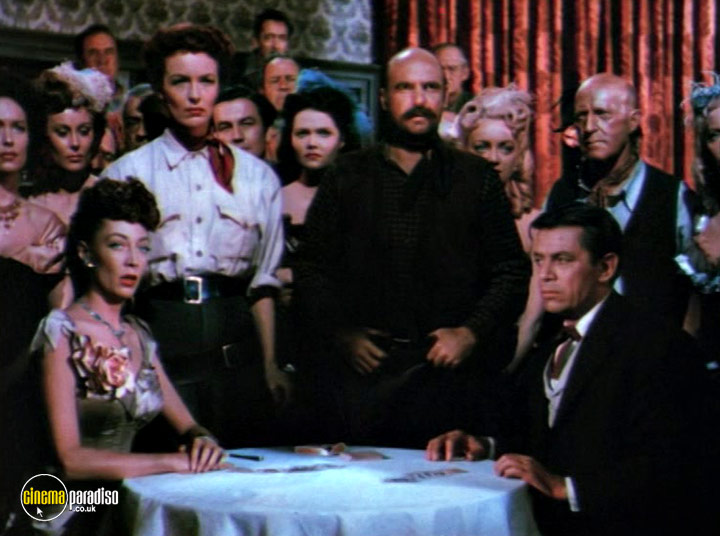
Sadly, Martha Vickers (28 May) only lived half that long. Born Martha MacVicar in Ann Arbor in Michigan, she moved to Hollywood when her father took over a car dealership. Following an uncredited bit in Frankenstein Meets the Wolf Man (1943), she toiled under her own name at Universal and RKO in such enjoyable Bs as The Mummy's Ghost and The Falcon in Mexico (both 1944). Warners changed her name, however, and she gave the performace of her career as Carmen Sternwood, opposite Humphrey Bogart and Lauren Bacall in Howard Hawks's The Big Sleep (1946). Following a flurry of Jack Carson comedies, she ventured back into noir territory for Edgar G. Ulmer's Ruthless (1948). But she never hit the same heights and bowed out with Four Fast Guns (1960), which can be found on Darn Good Westerns: Collection 1. Counting Mickey Rooney amng her three husbands, Vickers died at the age of 46 in November 1971.
JUNE
Born on 1 June 1925 in Enid, Oklahoma, Richard Erdman was the kind of character actor that Hollywood cinema relied on. He racked up over 160 credits, notably appearing with Bette Davis in Mr Skeffington (1944), Marlon Brando in The Men (1950), and William Holden in Stalag 17 (1953), in which he played barracks chief, Hoffy. Forever cropping up on television, he made several appearances on Perry Mason and stole the 1963 Twilight Zone episode, 'A Kind of Stopwatch', as the chatty barfly, McNulty. In Tora! Tora! Tora! (1970), Erdman played Colonel Edward F. French, the officer who failed to send a warning message to Pearl Harbor. In addition to dabbling in direction with The Brothers O'Toole (1973), Erdman was also an accomlished voice actor and enjoyed a late-career hit as Leonard, the ageing college student in the sitcom, Community (2009-14).
Raised in East Harlem, Bernard Schwartz only spoke Hungarian until he was six years old, as his parents were Jewish migrants. Better known as Tony Curtis (3 June), he became one of postwar Hollywood's biggest heart-throbs and it was his own love of movies that prompted him to serve aboard a submarine during the war after seeing Cary Grant in Destination Tokyo (1943). Returning from the Pacific, he took acting lessons in the same class as Walther Matthau and Rod Steiger and was noticed by David O. Selznick's casting director niece, Joyce.
Having debuted as a rumba dancer in Criss Cross (1949), Curtis bounced around the genres and seemed more intent on having fun while it lasted than in building a career. Such were his good looks, however, that he started getting fan mail and Universal realised they had a star on their books. Frustratingly few of the romantic adventures with which Curtis made his name have made it to disc in this country, but Cinema Paradiso users can enjoy his teamings with wife Janet Leigh in Houdini (1953) and The Black Shield of Falworth (1954). Their daughter would become the Oscar-winning actress, Jamie Lee Curtis, but her father had trouble staying married at this time in his life and he had five more children, as a result of five more weddings.

Two films with Burt Lancaster changed Curtis's image, as he played aerialist Tino Orsini in Carol Reed's Trapeze (1956) and shifty press agent Sidney Falco in Alexander Mackendrick's The Sweet Smell of Success (1957). Although the latter was not a hit, it proved that Curtis could handle weightier roles and he and co-star Sidney Poitier received Best Actor nominations for their work as fugitive prisoners, Joker Jackson and Noah Cullen, in Stanley Kramer's The Defiant Ones (1958). Even greater acclaim came when Chicago musicians Joe and Jerry (Jack Lemmon) have to lay low as Josephine and Geraldine in an all-girl band in Billy Wilder's Some Like It Hot, in which Curtis famously seduced Sugar Cane (Marilyn Monroe) as a Shell Oil tycoon who sounded uncannily like Cary Grant. Fortunately, Grant saw the funny side when he was paired with Curtis in Operation Petticoat (both 1959), which came between a pair of Kirk Douglas teamings, The Vikings (1958) and Spartacus (1960), with the latter causing controversy when a discussion about snails and oysters between Crassus (Laurence Olivier) and Antoninus (Curtis) was cut.
Just as quickly as Curtis's star had risen, it started to fade in the 1960s, as audiences tired of traditional Hollywood fare like Taras Bulba (1962). Some of Curtis's better outings from this period are not available on disc, including The Great Race (1965) and Arriverderci, Darling (1967). But Cinema Paradiso users can see Curtis give one of the best performances of his career in Richard Fleischer's The Boston Strangler (1968). They can also enjoy his small-screen union with Roger Moore as Danny Wilde and Lord Brett Sinclair in The Persuaders! (1971-72), which remains huge fun. But Curtis was more preoccupied by his new career as an artist and he seemed to act when he needed a cash injection. He had his moments in The Count of Monte Cristo (1975), The Last Tycoon (1976), Sextette (1978), The Mirror Crack'd (1980), and Insignificance (1985). But addiction and ill health dogged Curtis's later years, although he did take the odd cameo in the likes of Play It to the Bone (1999) before he died in September 2010 at the age of 85.
Liverpudlian Gerald Sim (4 June) was the younger brother of Sheila Sim and the brother-in-law of Richard Attenborough. He worked with the latter on The Angry Silence (1960), Whistle Down the Wind (1961), Séance on a Wet Afternoon (1964), Oh! What a Lovely War (1969), Young Winston (1972), A Bridge Too Far (1977), and Gandhi (1982). However, Sim was in demand for his nice line in quietly superior authority figures in pictures like The Whisperers (1967), The Man Who Haunted Himself (1970), and Doctor Jekyll and Sister Hyde (1971). Sim also had a clerical mien and donned dog collars in The Raging Moon (1971) and No Sex Please, We're British (1973) before playing The Rector in the classic BBC sitcom, To the Manor Born (1979-81). In later years, Sim lived next door to the Attenboroughs at the entertainers' care home, Denville Hall.
Hailing from Danville, Virginia, Charles Tyner (8 June) was a no-nonsense character actor, who divided his time between stage and screens. He was memorable in a pair of prison pictures, as Boss Higgins in Cool Hand Luke (1967) and the unstable Unger in The Longest Yard (1974). But Tyner also left his mark as Uncle Victor in Harold and Maude (1971), Roubidoux in Jeremiah Johnson (1972), Wheeler in Family Plot, Zukie Limmer in The Outlaw Josey Wales (both 1976), and motel owner Gus Mooney in Planes, Trains and Automobiles (1987).
The daughter of a Danish oil man and an American singer, Jacqueline Olivia Eskesen was born in Buenos Aires and only became a US citizen in 1942. Determined to go to Hollywood, she left home at 18 and was signed to Paramount by producer Hal Wallis at the same time as Lizabeth Scott. They appeared together in I Walk Alone (1947), with Burt Lancaster and Kirk Douglas, and reuninted in Too Late For Tears (1949) and Paid in Full (1950). Eager not to be typecast, Kristine Miller (13 June) accepted the lead in Jungle Patrol (1948). But Wallis struggled to find suitable projects for Miller, who was loaned out for a series of modest programmers before her contract was cancelled. As a freelance, she went West in High Lonesome (1950) and to Hawaii to play Donna Reed's roommate in From Here to Eternity (1953). She was best known, however, for playing Margaret Jones in the TV series, Stories of the Century (1955), in which she and Jim Davis played railway detectives.

Plaistow's Johnny Pearson (18 June) will be best remembered for leading the house orchestra on Top of the Pops for 16 years to 1981. He had a minor hit himself with the theme from The L-Shaped Room (1962), which prompted George Martin to hire him to arrange the Cilla Black chart-toppers, 'Anyone Who Had a Heart' and 'You're My World'. Having scored Michael Winner's The Jokers (1967), Pearson had his biggest chart success with 'Sleepy Shores', which was the theme from the BBC medical drama, Owen, M.D. In addition to composing cues for such children's shows as Captain Pugwash and Mary, Mungo and Midge, Pearson also wrote the theme for All Creatures Great and Small (1978-90).
Standing 5ft 1in, Charlie Drake (19 June) was a popular entertainer in the 1960s, with his catchphrase, 'Hello, my darlings!' Born Charles Springall in Elephant and Castle, he had sung on stage as an eight year-old, but specialised in comedy after war service (although he did have a couple of hit singles like 'Splish Splash'). His slapstick style was popular with younger viewers, although a misunderstanding over a bookcase prop in 1961 resulted in a fractured skull and a two-year absence at the height of his fame. Drake starred in four films - Sands of the Desert (1960), Petticoat Pirates (1961), The Cracksman (1963), and Mister Ten Per Cent (1967) - but they lacked the pathos that had made Norman Wisdom's Gump so popular a decade earlier. However, he had more success with the TV show, The Worker (1965-70), in which he played a man incapable of holding down any job. His final assignment teamed him with Jim Davidson in the saucy pantomime, Sinderella (1995) and Jim Davidson: Sinderella Comes Again (2004).
A remarkable man, Audie Murphy (20 June) was the most decorated American soldier of the Second World War. The man from Kingston, Texas also went on to have an accomplished film career, after James Cagney had brought him to Hollywood. He signed a seven-year deal with Universal and married actress Wanda Hendrix, who co-starred with him in Sienna (1950), which came either side of Murphy playing Billy the Kid and Jesse James in The Kid From Texas (1950) and Kansas Raiders (1951), respectively. The Western would become his main genre, although he also impressed as The Youth in John Huston's studio-ruined production of Stephen Crane's The Red Badge of Courage (1951) and as himself in Jesse Hibbs's adaptation of Murphy's autobiography, To Hell and Back (1955).
Actor and director teamed again on Walk the Proud Land (1956) and Joe Butterfly (1957, while Murphy also got to work with Don Sielgel on The Gun Runners (1958), which he made the same year he was miscast in Joseph L. Mankiewicz's take on Graham Greene's The Quiet American. But Murphy never let the side down, whether in horse operas like Ride Clear of Diablo and Drums Across the River (both 1954) or upmarket outings like John Huston's Unforgiven (1960) and Budd Boetticher's A Time For Dying (1969). Sadly, this proved to be Murphy's final credit, as he died in a plane crash at the age of just 45 in May 1971.
Also born on 20 June 1925, András Kovács became a key member of the cadre of Hungarian directors who sought to question conditions behind the Iron Curtain, while also celebrating the spirit of the Magyar people. Stern in tone, but compellingly intense titles like Cold Days (1966) and Walls (1968) were well received on the festival circuit, as were later offerings like Present Indicative (1972) and Temporary Paradise (1981). His 1985 biopic, The Red Countess, profiled the life of Katinka Andrássy, who was the wife of the leader of the unrecognised First Hungarian Republic. She would undoubtedly have been known to anarchist Emma Goldman, who was played to Oscar-winning effect by Maureen Stapleton (21 June) in Warren Beatty's Reds (1981).
Lured from Troy to New York because she so idolised Joel McCrea that she wanted to act, Stapleton won a Tony in Tennessee Williams's The Rose Tattoo because Anna Magnani's English was too poor for Broadway. It had improved by the time Daniel Mann's 1955 feature was made, however, and Magnani won the Oscar for her performance. Such was Stapleton's stage cachet that film outings like The Fugitive Kind (1960) and Airport (1970) were rare, despite her having earned an Oscar nomination on debut with Lonelyhearts (1958). Amusingly, Stapleton played Dick Van Dyke's mother in Bye Bye Birdie (1963), even though she was only five months and 22 days older than him. Among her later credits were Interiors (1978), Johnny Dangerously (1984), Cocoon (1985), Heartburn, The Money Pit (both 1986), and Nuts (1987).
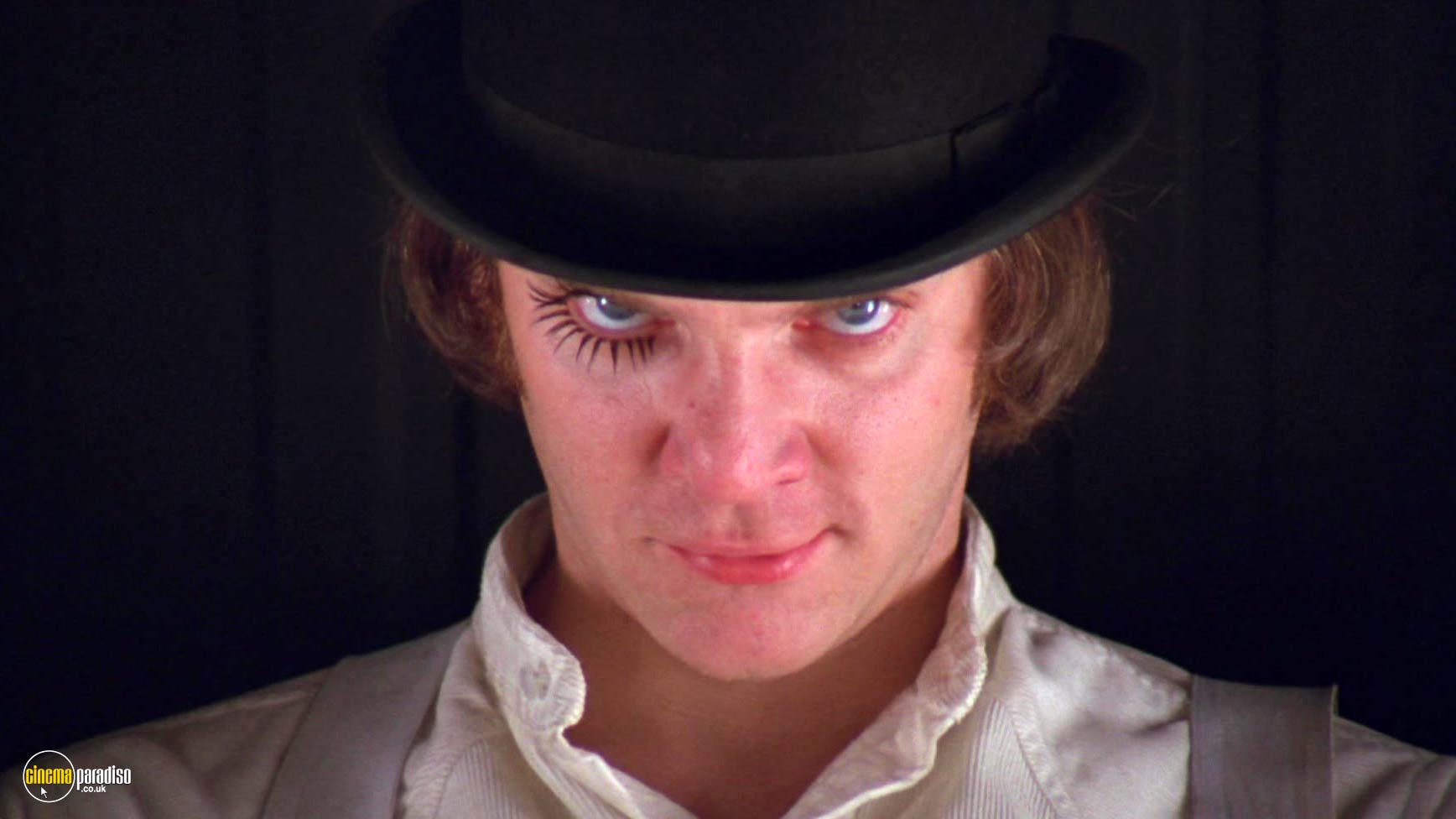
Born Miriam Samuels in Hampstead, Miriam Karlin (23 June) played one of the first British sitcom characters with their own catchphrase. A shop steward at Fenner's Fashions, Paddy Fleming was forever shouting, 'Everybody out!' in the BBC show, The Rag Trade (1961-63), which later revived on ITV (1977-78) . Trained at RADA and schooled by ENSA, Karlin was a natural in scene-stealing support and was often in demand in the West End. Following her debut in Down Among the Z Men (1952), her film roles were divided between the comic - A Touch of the Sun, Fun At St Fanny's (both 1956), The Millionairess (1960), On the Fiddle (1961), Ladies Who Do, Heavens Above!, (both 1963), and The Bargee (1964) - and more legitimate fare like The Entertainer (1960), The Small World of Sammy Lee (1963), Just like a Woman (1967), A Clockwork Orange (1971), Mahler (1974), and The Man Who Cried (2000).
Having celebrated her 100th birthday on 25 June, June Lockhart passed away on 23 October and there was more outpouring of affection for New Yorker who had played foster mother Ruth Martin in Lassie (1958-64) and Dr Maureen Robinson in Lost in Space (1965-68). The daughter of actors Gene and Kathleen Lockhart, she had a head start when it came to early credits like All This, and Heaven Too (1940). But she soon started holding her own in such favourites as Meet Me in St Louis (1944) and The Yearling (1946), as well as Son of Lassie (1946). However, television offered a more consistent source of work and Cinema Paradiso users can watch Lockhart guesting in everything from Bewitched, Petticoat Junction, and Happy Days to Magnum, PI, Murder, She Wrote, and Beverly Hills 90210. In Troll (1986), the older and younger versions of Eunice St Clair were played by Lockhart and her daughter, Anne, while she returned to old haunts to play Principal Cartwright in Stephen Hopkins's 1998 updating of Lost in Space. Always ready to guy her All-American Mom image, Lockhart also cropped up in low-budget horrors with titles like Dead Women in Lingerie (1991) and Zombie Hamlet (2012).
Two more members of Cinema Paradiso's 2025 Centenary Club were also born on 25 June 1925. Cleveland, Ohio saw the debut of Virginia Patton, who drifted into films after appearing in student plays by director William C. DeMille (brother of the more famous, Cecil B.). She took uncredited bits in pictures like Thank Your Lucky Stars (1943), Hollywood Canteen (1944), and Canyon Passage (1946). She retired soon afterwards to raise a family. But her place in screen history is secured, as she became the only actress to be contracted to Frank Capra when he cast her as Ruth Dakin, the sister-in-law of George Bailey (James Stewart), in It's a Wonderful Life (1946). By living until 18 August 2022, she also became the last-surviving adult member of a fabled cast.
Writer John Briley had a much longer career. Leaving Kalamazoo, Michigan for USAF war service, he became hooked on the UK while based at RAF Northolt. Landing a staff writer post at MGM's Borehamwood studio, he left a mark with Children of the Damned (1963) before passing from the thriller, Hammerhead (1968), to mediaeval drama with Pope Joan (1972). This so impressed Richard Attenborough that Briley was invited to join the team toiling on Gandhi (1982). He earned an Oscar for his efforts and reunited with Attenborough on Cry Freedom (1987). Yet Briley consistently failed to fund biopics about St Francis of Assisi, Pope John Paul II, Genghis Khan, and Franz Kafka, or to adapt bestsellers like Mr God, This Is Anna. Nevertheless, he still managed to script The Medusa Touch (1978), Eagle's Wing (1979), Enigma (1982), Marie, Tai Pan (both 1985), Christopher Columbus: The Discovery (1992), and Molokai: The True Story of Father Damien (1999)
As father H.J. Barton-Chapple had assisted TV pioneer, John Logie Baird, it's apt that his sons went into television. But Richard (26 June) and Derek (a stalwart character actor best known for Z Cars ) chose the surname Waring on embarking upon their careers. The former was a pivotal figure in the 1960s sitcom, helping launch Richard Briers and Prunella Scales in Marriage Lines (1963-66). However, he's best remembered for the Wendy Craig showcases, Not in Front of the Children (1967-70), ...And Mother Makes Three (1971-73), and ...And Mother Makes Five (1974-76). Waring teamed with Brian Clemens on My Wife Next Door (1972) before having more solo success with Miss Jones and Son (1977-78) and Rings on Their Fingers (1978-80). Nostalgia seekers simply need to sign in and get clicking.
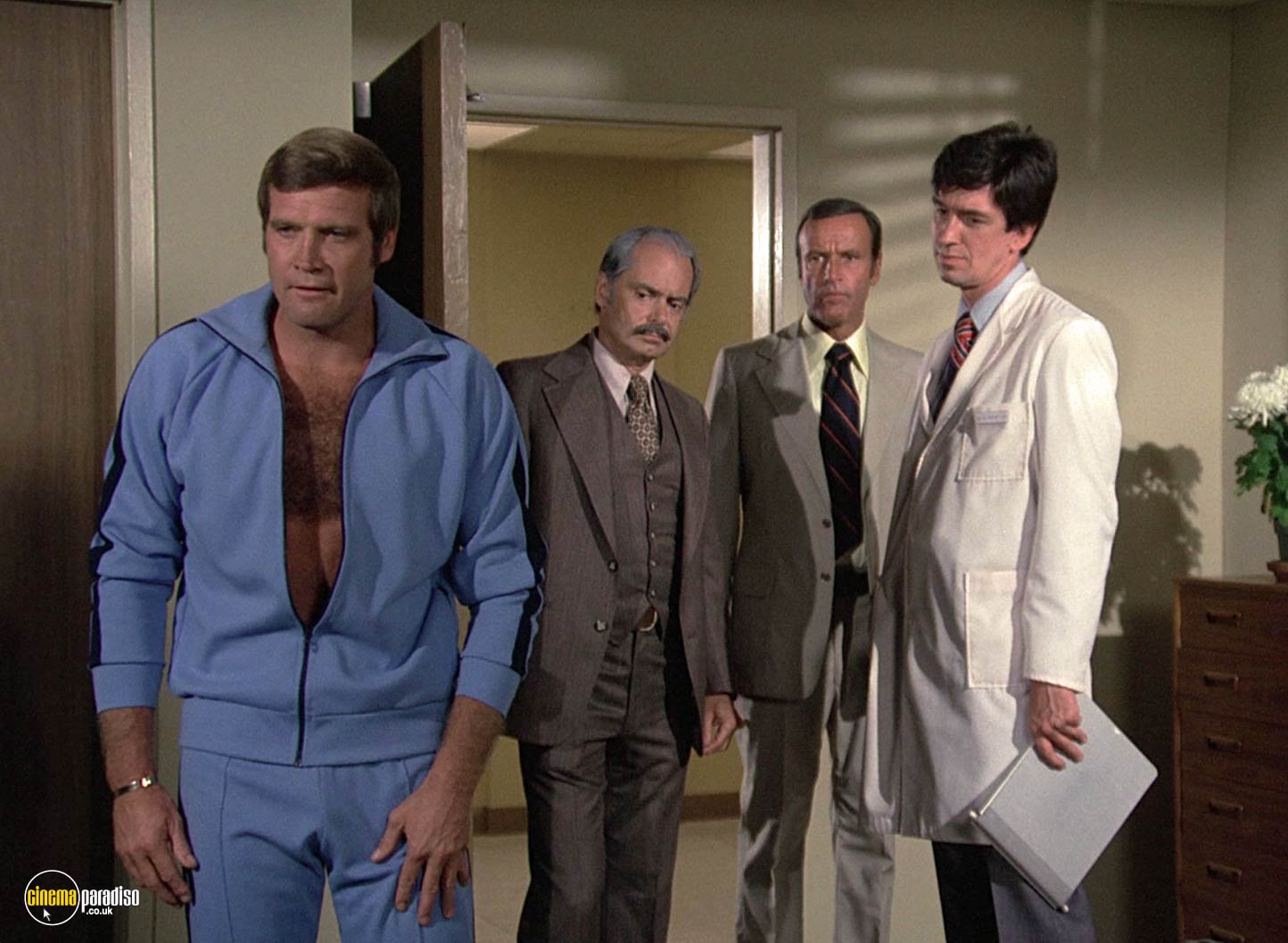
Born in Ola'a, Hawaii, John Fujioka (29 June) started appearing in films in the early 1960s. Frustratingly, titles like Evils of Chinatown and A Girl Named Tamiko (both 1962) are not on disc, but Cinema Paradiso users can order up the likes of Midway, Futureworld (both 1976), The Octagon (1980), and They Call Me Bruce? (1982) to see Fujioka in action. He's best known, however, for playing Shinyuki, the Japanese war veteran training Michael Dudikoff's teenage army private during his tour of duty in the Philippines in American Ninja (1985), although he also has a cult cachet with fans of American Yakuza (1993) and Mortal Kombat (1995). We quite like him in Steel Dawn (1987) and V.I. Warshawski (1991), too. And, of course, he's in Pearl Harbor (2001), as General Nishikura, the head of the Japanese Supreme War Council. Not bad for someone who had been repeatedly cast as a holdout soldier in The Six Million Dollar Man (1976), The Last Flight of Noah's Ark (1980), and Who Finds a Friend Finds a Treasure (1981).
Our last inductee for this quarter is Cara Williams (29 June), who was born Bernice Kamiat in Brooklyn. She was quickly snapped up when her divorced mother relocated to Hollywood and hit the happy knack of finding small roles in important pictures. Initially being billed as Bernice Kay before becoming Cara Williams, she played a secretary in Otto Preminger's Laura (1944), a key café witness in Elia Kazan's Boomerang (1947), and a girlfriend of the murder suspect being defended by Humphrey Bogart in Nicholas Ray's Knock On Any Door (1949). However, she became best known for marrying John Drew Barrymore in 1952, even though she belted out 'I Refuse to Rock'n'Roll' in Meet Me in Las Vegas. With the marriage crumbling, Williams received an Oscar nomination for Best Supporting Actress as the mother of the young boy who encounters fugitives Sidney Poitier and Tony Curtis in The Defiant Ones (1958). She paired effectively with Harry Morgan in the sitcom, Pete and Gladys (1960-62), but Cinema Paradiso members aren't going to want to miss Williams in four episodes of Alfred Hitchcock Presents: 'Decoy', 'De Mortuis' (both 1956), 'Last Request' (1957), and 'The Cure' (1960). Quitting acting, she became an interior designer and lived to the age of 97. They made them to last in those days!
Mentioned films