Who has made the cut for the 2025 edition of Cinema Paradiso's Centenary Club?
Time flies and Cinema Paradiso is ready to unveil the film folk who have made the fourth edition of its Centenary Club. Users can go back in time to see who joined this august body in 2022, 2023 (Part 1 and Part 2) , and 2024 (Parts 1, 2 and 3). Some big names have already become members. But we think the 2025 Cinema Paradiso Centenary Club might be the most stellar selection to date!
Let's start with those who were born in the first three months of 1925.
JANUARY
Born on 3 January, Jill Balcon was part of the British cinema élite because her father, Michael, variously ran Gainsborough, Gaumont-British, and Ealing studios to such memorable effect. She made her screen debut in Nicholas Nickleby (1947), but preferred the stage to films. However, her 1951 marriage to poet Cecil Day-Lewis caused her father to disown her and she gave up her career to raise her children, one of whom would go on to dabble in acting as Daniel Day-Lewis. Cinema Paradiso members can use the Searchline to see where Balcon cropped up on television in later life, when she played Abigail Masham in The First Churchills (1969), the role that Emma Stone would play in Yorgos Lanthimos's The Favourite (2018), while Balcon also worked with Derek Jarman on Edward II (1991) and Wittgenstein (1993).
Following in his cinematographer father's footsteps, Harry Stradling, Jr. (born 7 January) also hailed from a film family. Indeed, he and Balcon's paths would have crossed during Harry, Sr.'s stay in Britain, working with producer Alexander Korda on pictures like The Divorce of Lady X (1938)
before he returned Stateside to convert two of his 13 Oscar nominations, for The Picture of Dorian Gray (1945) and My Fair Lady (1964). Harry, Jr. got his start in TV Westerns and later worked with John Wayne on McQ (1974) and Rooster Cogburn (1975). He also forged partnerships with Burt Kennedy (Support Your Local Sheriff, 1969) and Blake Edwards (Blind Date, 1987), However, his Oscar nominations came for 1776 (1972) and The Way We Were (1973).
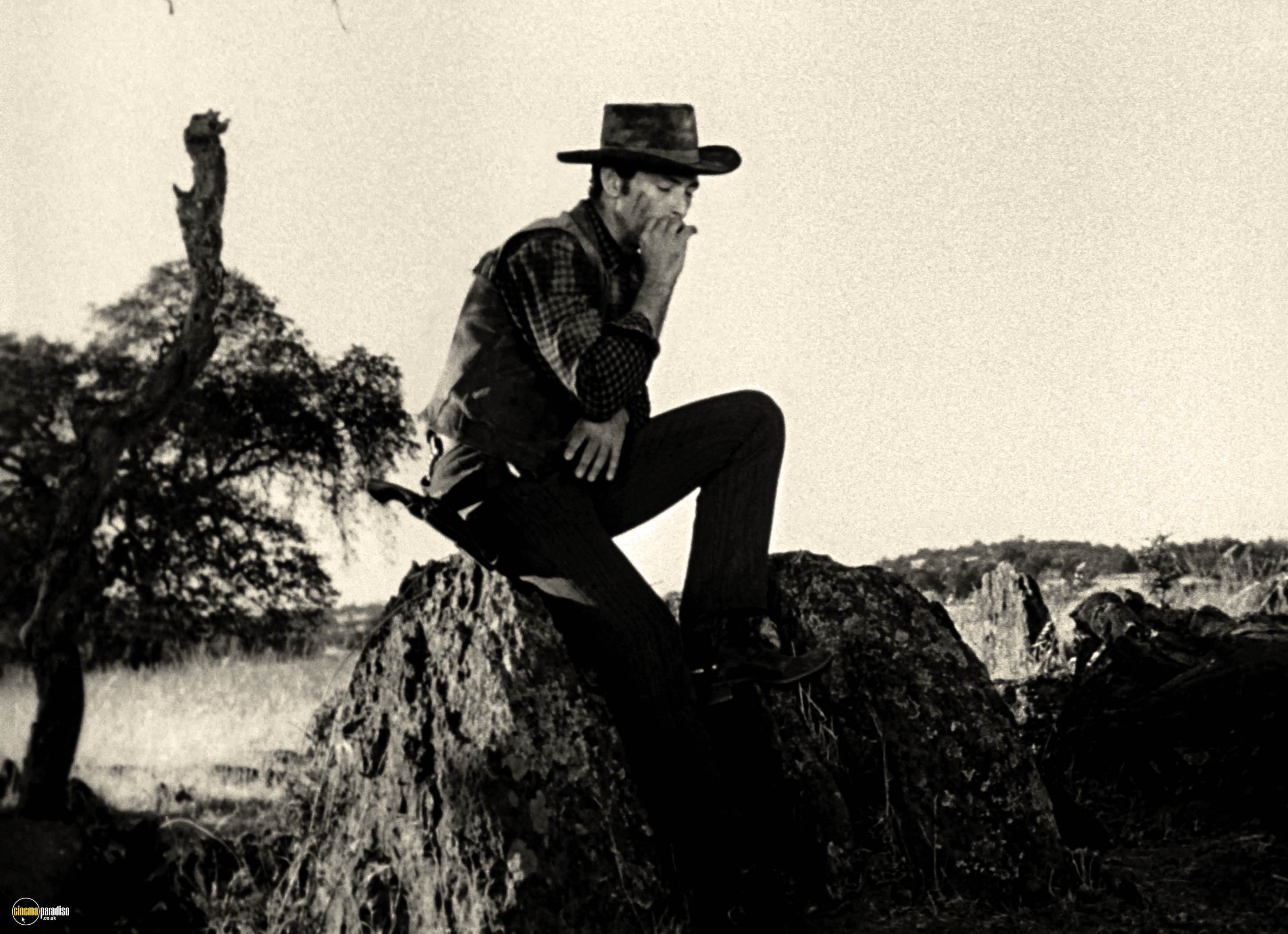
Curiously, Stradling's Western outings never brought him into the orbit of Lee Van Cleef (9 January), who has been named Clarence LeRoy Van Cleef, Jr. after his pharmacist father. A Second World War hero, Van Cleef made his screen debut with the non-speaking part of Jack Colby in the Oscar-winning classic, High Noon (1952). He would go on to rack up 199 film and TV credits, but would always be best known for his work in Sergio Leone's Spaghetti Westerns, For a Few Dollars More (1965) and The Good, the Bad, and the Ugly (1966).
A trip to the Cinema Paradiso Searchline reveals that there is no shortage of Van Cleef titles for users to choose from. He played urban lowlifes in crime dramas like Kansas City Confidential (1952) and The Big Combo (1955) and hopped across the genres during a busy small-screen stint that also saw him essaying snarling henchmen in such big-screen Westerns as Gunfight At the O.K. Corral (1957) and The Man Who Shot Liberty Valance (1962). But it was Leone who made Van Cleef a star and his imposingly taciturn presence dominated such Spaghetti offerings as Death Rides a Horse (1967) and Sabata (1969). He also made Hollywood Westerns like Barquero (1970), Captain Apache (1971), and The Magnificent Seven Ride! (1972) before bidding oaters farewell in the company of Leif Garrett in the Matzah duo of God's Gun (1976) and Kid Vengeance (1977). As tastes changed, Van Cleef settled into action roles in such cult gems as The Squeeze (1978) and Escape From New York (1981). But he also embraced martial arts in The Octagon (1980) and the TV series, The Master (1984), in which he played ninja mentor, John Peter McAllister.
Rosemary Murphy and Gwen Verdon were both born on 13 January 1925. A diplomat's daughter, Murphy was born in Munich and occasionally worked in German and French films. She notably played Maudie Atkinson in To Kill a Mockingbird (1962) and mother-in-law Mrs Kinsolving in You'll Like My Mother (1972). Later a regular guest star in classic crime shows (see the Searchline filmography), Murphy also made astute supporting contributions to such features as Julia (1977), September (1987), For the Boys (1991), and Synecdoche, New York (2008).
Many will think of Michelle Williams in the mini-series, Fosse/Verdon (2019), when they hear the name of the dancer from Culver City, whose father was an electrician at MGM. In addition to her four Tony-winning Broadway musicals, Gwen Verdon also worked with future husband, Bob Fosse, on Damn Yankees (1958). But Cinema Paradiso members can see her in dramatic action, as she landed Emmy nominations for her guest turns in Magnum, P.I. (1988), Dream On (1993), and Homicide: Life on the Street (1993). She also stole scenes in The Cotton Club (1984), Cocoon (1985), Alice (1990), and Marvin's Room (1996), in which she excels as the eccentric Aunt Ruth.
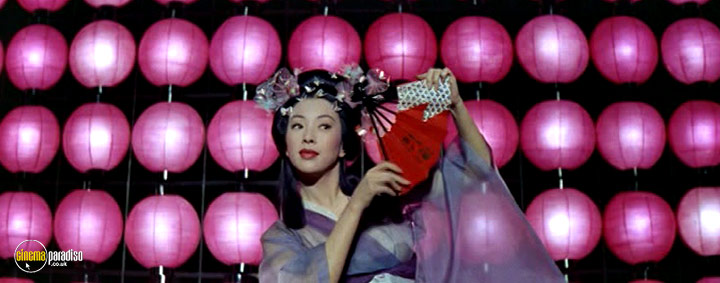
Hailing from Golden in British Columbia, Patricia Owens (17 January) grew up in Britain and made her screen debut in Miss London Limited (1943). Despite appearing in hits like The Happiest Days of Your Life (1950) and The Good Die Young (1953), she was spotted on stage by a 20th Century-Fox scout and made her Hollywood bow in Island in the Sun. Following Sayonara (both 1957), she played Vincent Price's wife in the cult horror, The Fly (1958). But, following Walk a Tightrope (1963), she was mostly seen on television and retired in 1968.
Born on 26 January, Joan Brodel joined her two sisters in a vaudeville act to help get her family through the Great Depression. She was signed by MGM, where she shared lessons with Judy Garland and Mickey Rooney. But her dialogue was cut as Robert Taylor's sister, as he romanced Greta Garbo in Camille (1936), and left the studio around the same time as fellow cast-off, Deanna Durbin. She was also billed under her birth name in Leo McCarey's Love Affair (1939) and Alfred Hitchcock's Foreign Correspondent (1940). But Warners changed her name to Joan Leslie, as she co-starred with Humphrey Bogart in High Sierra (1941). Her best-known picture, however, saw her dance with Fred Astaire in The Sky's the Limit, which was released the same year as another sprightly musical, This Is the Army (1943). Frustratingly, much of Leslie's best work from this period is not on disc in the UK, although she bridled against the kind of roles she was being offered and took Warners to court to terminate her contract. A vengeful studio did much to sabotage Leslie's career and only Hell's Gate (1952) from this period is available to rent. Quitting films in 1956 to raise her children, she later guested in shows like Charlie's Angels (1978) and Murder, She Wrote (1988).
Leslie shared a birthday with a Hollywod legend, whose life and work was celebrated by Cinema Paradiso at the start of 2025 in 100 Years of Paul Newman. Readers should check out the article to learn more. But we will remind you of the pictures for which Newman received Oscar nominations: Cat on a Hot Tin Roof (1958), The Hustler (1961), Hud (1963), Cool Hand Luke (1967), Rachel, Rachel (1968; Best Picture, as director/producer), Absence of Malice (1981), The Verdict (1982), The Color of Money (1986; won), Nobody's Fool (1994), and Road to Perdition (2002).
Also born in January 1925 were Matthew Beard (1 January), who played Stymie in such Our Gang two-reelers as Our Gang in Our Gang Follies, School's Out, and Bear Shooting, which can be found on Vintage Comedy: Vol.1 (2008); Enrique Carreras (6 January), the Peruvian who directed almost 100 features in Argentina, including The Escaped (1964); and Ignacio López Tarso, the Mexican character actor who appeared in Luis Buñuel's Nazarín (1958) and John Huston's Under the Volcano (1984) before dying in 2023.
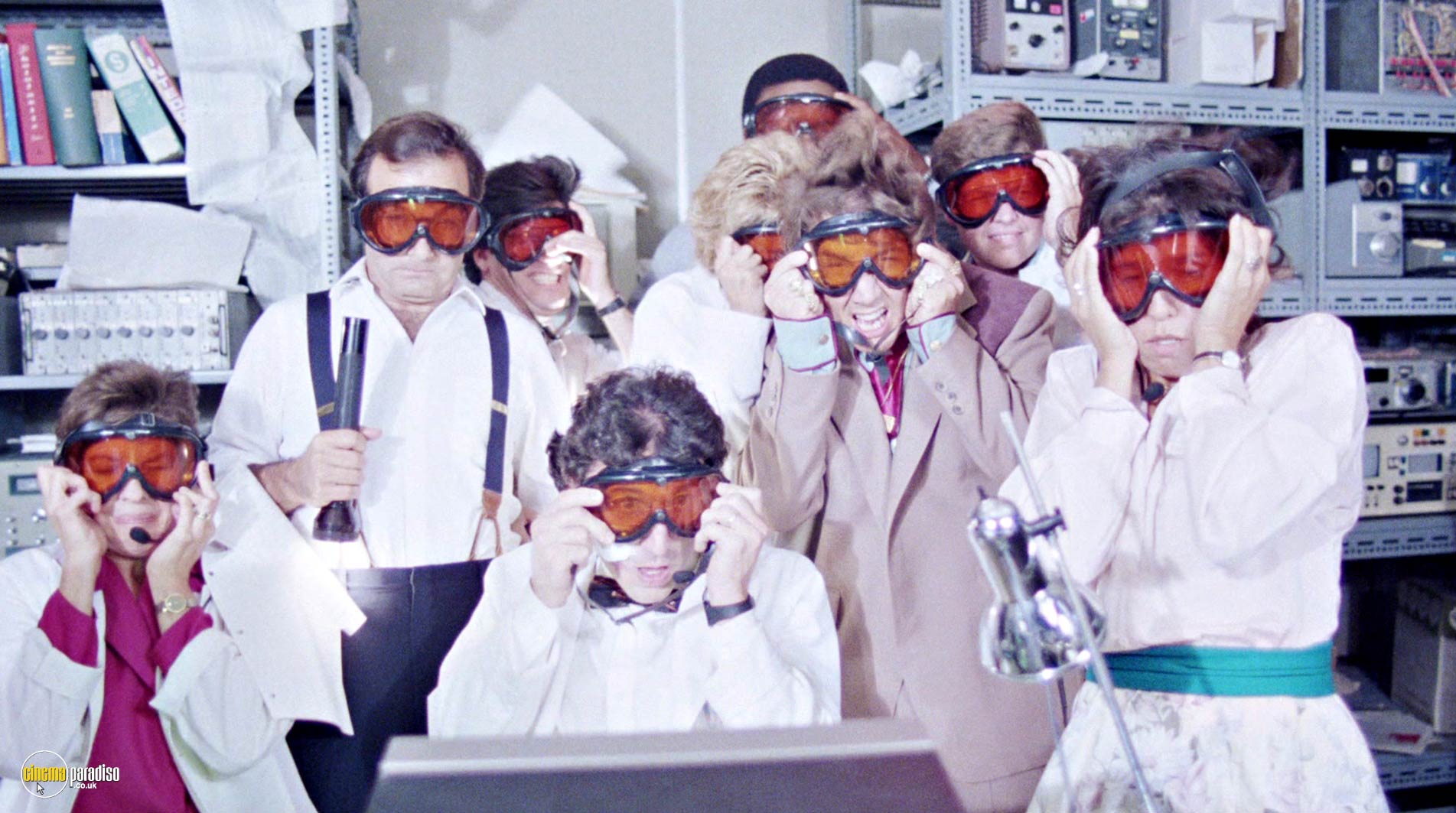
Charles Aidman (21 January) acted in several features between Alfred Hitchcock's The Wrong Man (1956) and Joe Dante's Innerspace (1987). But he was primarily a TV actor and notably took over from Rod Serling in narrating the first two seasons of the revived version of The Twilight Zone (1985-86). Also busy on the small screen, Helen Stenborg (24 January) took supporting roles in a clutch of features between Three Days of the Condor (1975) and Doubt (2008). She also starred in My Mother Dreams the Satan's Disciples in New York (1999), which won the Oscar for Best Live-Action Short. To discover more titles on the CVs of each January member of the Cinema Paradiso Centenary Club, use the Searchline and get clicking.
FEBRUARY
You may not recognise John Fielder, who was born on 3 February 1925, even though he was Juror #2 in 12 Angry Men (1957), the bigoted neighbour in A Raisin in the Sun (1961), and one of Walter Matthau's poker buddies in The Odd Couple (1968). But you'll only need to hear his voice to recognised Piglet from Walt Disney's various spin-offs from A.A. Milne's stories about Hundred Acre Wood. Cinema Paradiso users can start off with Winnie the Pooh and the Blustery Day (1968) before working their way through The Many Adventures of Winnie the Pooh (1977), The Tigger Movie (2000), Piglet's Big Movie (2003), and Pooh's Heffalump Movie (2005). Fielder still found time for dozens of TV guest slots. So, use the Cinema Paradiso Searchline to find out more.
Born in Warsaw on 7 February, producer Anatole Dauman was one of the key behind-the-scenes figures of the nouvelle vague. Having produced Alain Resnais's epochal Holocaust documentary, Night and Fog (1956), Dauman's Argos Films released Hiroshima mon amour (1959) and Last Year At Marienbad (1960). In addition to Edgar Morin and Jean Rouch's cinéma-vérité masterpiece, Chronicle of a Summer (1963), Dauman also backed Jean-Luc Godard's Masculin-Féminin (1966) and Two or Three Things I Know About Her (1967) and Robert Bresson's Au hasard Balthazar (1966) and Mouchette (1967). He later worked with Nagisa Oshima, Wim Wenders, Andrei Tarkovsky, Volker Schlöndorff, and Walerian Borowczyk.
Jack Lemmon was born in Newton, Massachusetts on 8 February. A Harvard graduate and war veteran, he made his name on Broadway before teamings with Judy Holliday in It Should Happen to You and Phffft (both 1954) earned him the reputation for playing underdogs. He added a cheeky street to win the Best Supporting Oscar as Ensign Pulver in Mister Roberts (1955), but he missed out on Best Actor for Some Like It Hot (1959), The Apartment (1960), and Days of Wine and Roses (1962) before finally coming good in Save the Tiger (1973).

Further nominations came for The China Syndrome (1979), Tribute (1980), and Missing (1982), by which time Lemmon had evolved into a potent dramatic actor. He reinforced his status in the likes of Glengarry Glen Ross (1992) and Tuesdays With Morrie (1999), for which he won an Emmy. He also sparked well with Shirley Maclaine in Irma la Douce (1963) and Juliet Mills in Avanti! (1972), which were directed by Billy Wilder, who considered Lemmon something of a ham and an absolute delight to work with. Wilder also helped forge Lemmon's fabled partnership with Walter Matthau on The Fortune Cookie (1966), which was followed by such comedy classics as The Odd Couple (1968), The Front Page (1974), and Grumpy Old Men (1993). Lemmon also directed Matthau in Kotch (1971), which was made for the same production company that had spawned Cool Hand Luke (1967) and had prompted Paul Newman to offer Lemmon the co-starring role in Butch Cassidy and the Sundance Kid (1969).
Primarily known for her stage and television work, Kim Stanley (11 February) narrated To Kill a Mockingbird (1962) before receiving Oscar nominations for Séance on a Wet Afternoon (1964) and Frances (1982), in which she latterly played the mother of troubled film star, Frances Farmer (Jessica Lange). Staying in biopic mode, Stanley also appeared as pioneering aviator Pancho Barnes in The Right Stuff (1983).
Composer Ron Goodwin had enjoyed copious chart success with his own orchestra before he produced his first film score for Man With a Gun (1958). Having made his mark with the music for Margaret Rutherford's outings as Miss Marple in Murder, She Said (1961), Murder At the Gallop, Murder Most Foul (both 1963), and Murder Ahoy (1964), Goodwin wrote the classic war themes for 633 Squadron (1964), Where Eagles Dare (1968), and Battle of Britain (1969). Among his 70-odd screen credits were Those Magnificent Men in Their Flying Machines (1965) and Alfed Hitchcock's Frenzy (1972), while part of his score for The Trap (1966) has become the BBC's London Marathon theme.
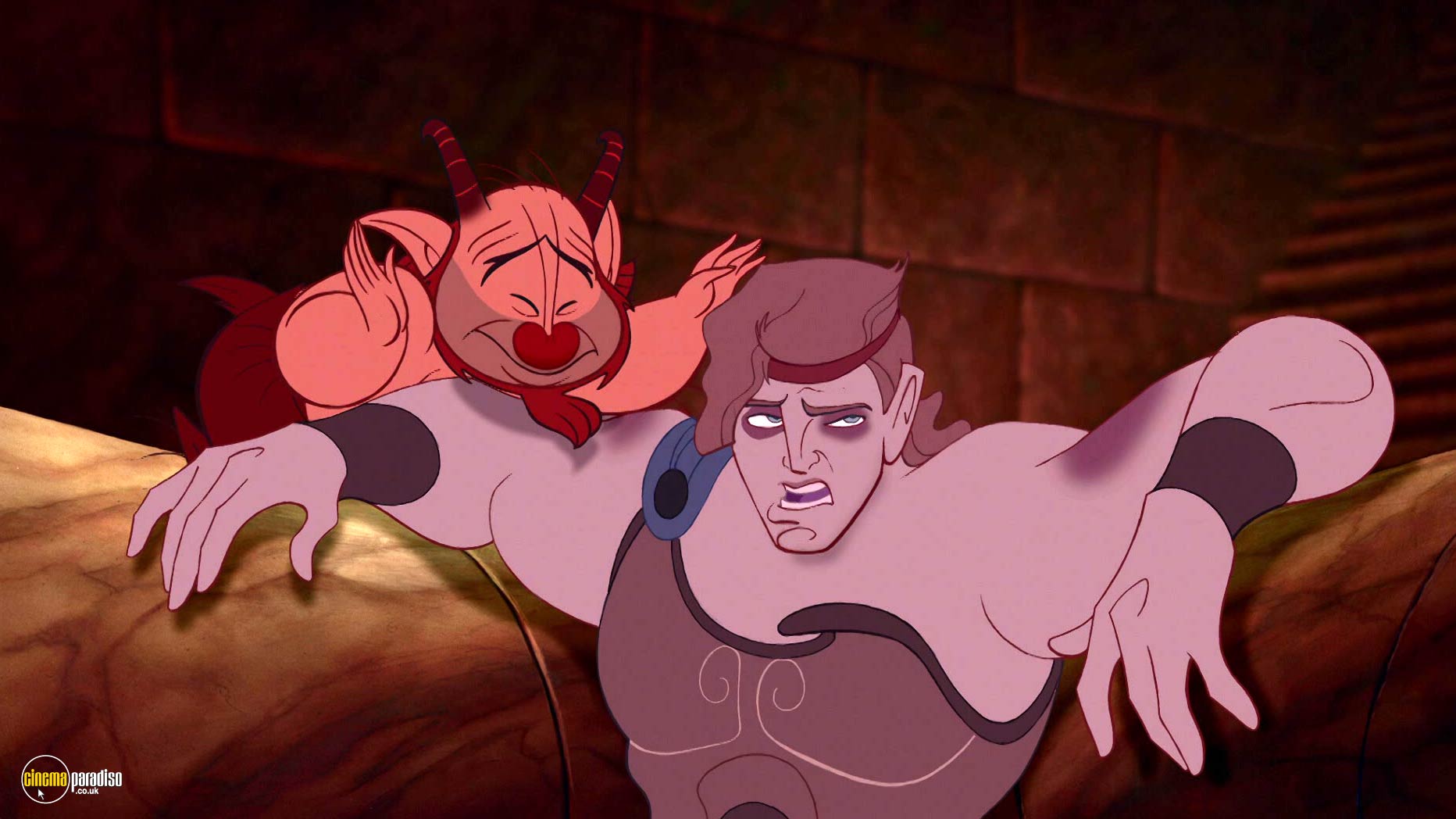
Also born on 17 February 1925, Hal Holbrook enjoyed a 50-year career that saw him with five Emmys. He made his feature bow in The Group (1966) and, as the Cinema Paradiso Searchline data reveals, he remained in demand for dignified character roles. Having jousted with Clint Eastwood in Magnum Force (1973) and been Deep Throat in All the President's Men (1974), Holbrook excelled as Abraham Lincoln in the mini-series, North and South (1985). Look out for him in Wall Street (1987), The Firm (1993), The Majestic (2001), and Lincoln (2012), and listen to him as the hero's father in Disney's Hercules (1997). At 82, he made Oscar history on becoming the oldest Best Supporting Actor nominee for Into the Wild (2007), but he continued acting for another decade.
New Yorker George Kennedy (18 February) got his break on the small screen in the late 1950s. Often seen as a heavy or a menacing presence in pictures like Lonely Are the Brave (1962) and Charade (1963), he won the Academy Award for Best Supporting Actor as Dragline in Cool Hand Luke (1967) and received a second nomination as Joe Patroni in Airport (1970). Indeed, he was the only ever-present in a series that also included Airport 1975, Airport '77, and The Concorde...Airport '79. Kennedy would make over 100 screen appearances. But, like Ernest Borgnine before him, he was rather taken for granted in Hollywood, even though he continued to land character roles across the generic range (use the Searchline to see how many well-known films Kennedy graced). But he will be forever remembered for playing Police Captain Ed Hocken in The Naked Gun: From the Files of Police Squad! (1988), The Naked Gun 2½: The Smell of Fear (1991), and Naked Gun 33: The Final Insult (1994).
Cinema Paradiso has already covered the career of Robert Altman (20 February) in one of its Instant Expert's Guides. But it would be remiss of us not to mention his Best Director Oscar nominations for M*A*S*H (1970), Nashville (1975), The Player (1992), Short Cuts (1993), and Gosford Park (2001). He had to make do with an honorary award in 2006. But, as Ron Mann's documentary, Altman (2014), highlights, he might also have been nominated for such influential revisionist landmarks as McCabe & Mrs. Miller (1971), The Long Goodbye (1973), Thieves Like Us (1974), and 3 Women (1977).
Sam Peckinpah (21 February) was a revisionist in a more explosive vein. You don't get the nickname, ' Bloody Sam', for nothing, as the 'Salad Days' sketch in Monty Python's Flying Circus (1969-74) spurtingly demonstrates. Service with the US Marines in the Pacific clearly helped shape Peckinpah's perspective, although he owed much on the technical side to Don Siegel, for whom he worked as a dialogue coach on Riot in Cell Block 11 (1954) and Invasion of the Body Snatchers (1956). After cutting his teeth on TV Western shows like The Westerner (1960), Peckinpah moved into frontier features, with Ride the High Country (1962) and Major Dundee (1965) laying the groundwork for The Wild Bunch (1969), which brought a new stylised violence to post-Code Hollywood action films. Having received two Oscar nominations, Peckinpah returned to the genre in The Ballad of Cable Hogue (1970), Pat Garrett and Billy the Kid (1973), and Bring Me the Head of Alfredo Garcia (1974).
Nothing caused more controversy, however, than the UK-made Straw Dogs (1971), which the unrepentant Peckinpah followed with the 1972 Steve McQueen vehicles, Junior Bonner and The Getaway. However, alcoholism and a fast-lane lifestyle took their toll and later offerings like The Killer Elite (1975), Cross of Iron (1977), Convoy (1978), and The Osterman Weekend (1983) were lesser works - not that they aren't rousingly entertaining.
The youngest of seven, Harry H. Corbett was born in Rangoon and raised in Manchester. Following war service, he started acting and added the 'H' (for 'hennyfink') to his name to avoid confusion with the Sooty and Sweep puppeteer of the same name. He took a range of roles in British films like Floods of Fear, Nowhere to Go (both 1958), The Shakedown, and Cover Girl Killer (both 1959), in which he showed a seedy side. Corbett even got to work with James Cagney in Shake Hands With the Devil (1959). But his career trajectory changed when Hancock's Half-Hour writers, Ray Galton and Alan Simpson, made him an offer he couldn't refuse.
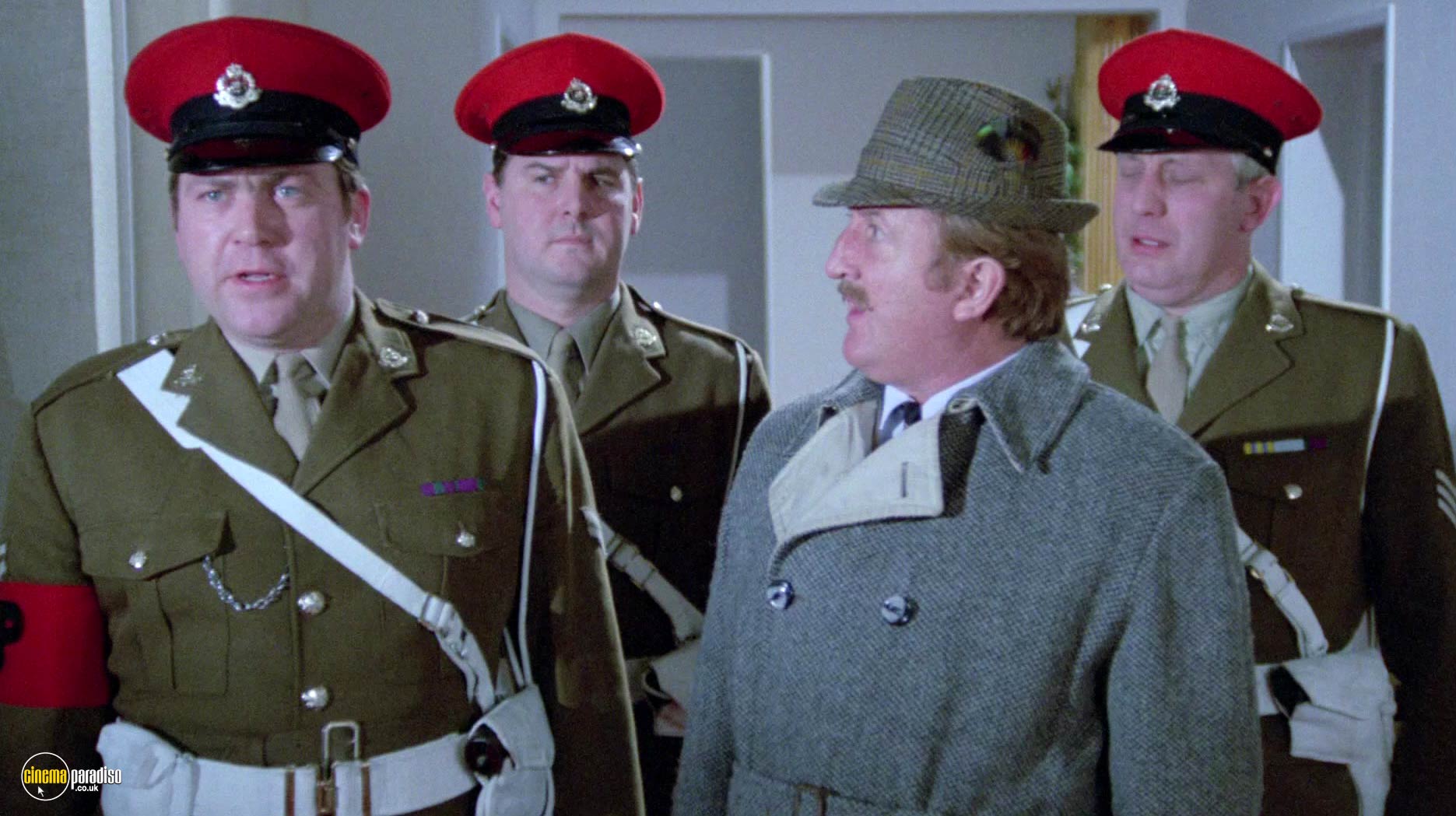
Wilfrid Brambell and Corbett played father-and-son rag-and-bone men, Albert and Harold, in eight series of the BBC sitcom, Steptoe and Son (1962-74), as well as in the spin-off features, Steptoe and Son (1972) and Steptoe and Son Ride Again (1973). Corbett, however, resented the fact that the role pigeonholed him, as he regarded himself as a serious actor, capable of creating rounded characters in Some People (1962) and Sammy Going South (1963) and underdog leads in The Bargee, Rattle of a Simple Man (both 1964), and Joey Boy (1965). Nevertheless, Corbett took comic parts in Ladies Who Do (1963), The Sandwich Man (1965), Carry On Screaming (1966), Percy's Progress (1974), Jabberwocky, and Adventures of a Private Eye (both 1977). Increasingly suffering from ill health, he bowed out of films alongside David Essex in Silver Dream Racer (1980).
Also born in February 1925 were Elaine Stritch (2 February), a legendary American stage performer, who landed a BAFTA nomination opposite Donald Sinder in the sitcom, Two's Company (1975-79); actor-comedian, Shelley Berman (3 February), whose long career culminated in an Emmy nod for playing Larry David's father in Curb Your Enthusiasm (2000-24); Russell Hunter (18 February), the Scottish actor known for playing Lonely opposite Edward Woodward in Callan (1969-72); and John Llewellyn Moxey (26 February), the British director who debuted with The City of the Dead (1960) and had cult success with Circus of Fear (1966) before finding a niche on the small screen with The Baron, The Avengers, and The Saint. Indeed, he became one of the stalwarts of American series television, working on everything from Hawaii Five-O, Mission: Impossible, Kung Fu, and Charlie's Angels to Miami Vice, Magnum, P.I., and Murder, She Wrote. As with everyone in the Cinema Paradiso 2025 Centenary Club, more details can by found by tapping names into the Searchline.
MARCH
Born in Reading on 7 March 1925. Richard Vernon was largely raised in Kenya and went into acting after his wartime service. Prematurely middle-aged, he played establishment types, such as the commuter John Lennon asks for a kiss in A Hard Day's Night and Colonel Smithers of the Bank of England in the Bond movie, Goldfinger (both 1964). On television, Vernon starred as criminologist Edwin Oldenshaw in The Man in Room 17 (1965-66) and its sequel, The Fellows (1967). But he was primarily a character actor, whose gift for comedy made him perfect for planet designer Slartibartfast in The Hitchhiker's Guide to the Galaxy (1981), Sir Desmond Glazebrook in Yes Minister (1980-84) and Yes, Prime Minister (1986-88), and for Joanna Lumley's father in Class Act (1995).
South African singer Dennis Lotus (8 March) made his name in the UK with Ted Heath's band before charting as a soloist. He tried his hand at acting and held his own in such pictures as The Extra Day (1956) and The Golden Disc (1958). As musical tastes changed in the 1960s. Lotis branched out into non-musical roles in The City of the Dead and Sword of Sherwood Forest (both 1960), but he didn't make another film after the black comedy, She'll Have to Go (1962).
Born in Minneapolis on 9 March, director Jack Smight ventured into showbiz after war service. He found his feet with episodes of The Twilight Zone (1959-64) and The Alfred Hitchcock Hour (1962-65) and landed a contract at Warners. Cinema Paradiso users can see how he got on with Warren Beatty in Kaleidoscope and Paul Newman in Harper (both 1966), but cult gems, No Way to Treat a Lady (1968) and The Illustrated Man (1969), are not on disc in the UK. After such teleplays as Double Indemnity and Frankenstein: The True Story (both 1973), Smight was entrusted with the mainstream blockbusters, Airport 1975, Midway (1976), and Damnation Alley (1977). But their decreasing box-office takings limited his horizons and he didn't direct again after the Kirk Douglas TV-movie, Remembrance of Love (1982).
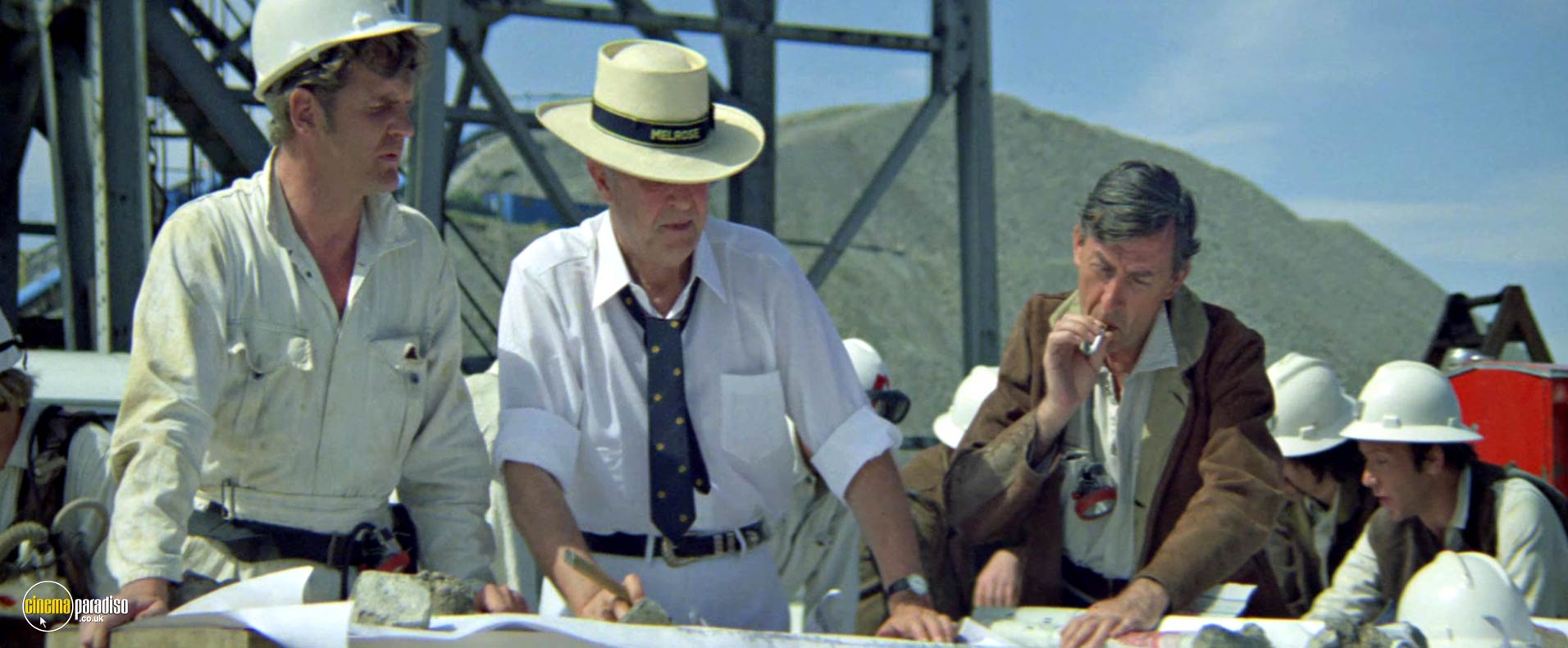
Having seen action in Italy, Peter R. Hunt (11 March) became an editor, collaborating with Lewis Gilbert on The Admirable Crichton (1957), Ferry to Hong Kong (1959), and Sink the Bismarck! (1960). However, he made his reputation cutting the James Bond quartet of Dr No (1962), From Russia With Love (1963), Goldfinger (1964), and Thunderball (1965). Frustrated at not getting to direct You Only Live Twice (1967), Hunt called the shots on Chitty Chitty Bang Bang (1968) before guiding George Lazenby through On Her Majesty's Secret Service (1969). He turned down Live and Let Die (1973), The Spy Who Loved Me (1977), For Your Eyes Only (1981), and Never Say Never Again (1985), but did work with Roger Moore on the cult TV series, The Persuaders! (1972), and the movies, Gold (1974) and Shout At the Devil (1976). The best of Hunt's later offerings, Death Hunt (1981) and Assassination (1987), starred Charles Bronson.
Born in Roubaix on 12 March 1925, Georges Delerue was one of the most prolific composers, with approaching 400 film and television credits from 1950. The French newspaper, Le Figaro, dubbed him 'the Mozart of cinema' after he became the first to complete a hat-trick of César wins for Betrand Blier's Get Out Your Handkerchief (1978) and the François Truffaut duo of Love on the Run (1979) and The Last Metro (1980). Delerue also received Oscar nominations for Anne of the Thousand Days (1969), The Day of the Dolphin (1973), Julia (1977), and Agnes of God (1985). Yet, annoyingly, the film for which he won his Academy Award, George Roy Hill's A Little Romance (1979), is currently out of reach. Following memorable work on Truffaut's Shoot the Pianist (1961) and Jules et Jim (1962), Delerue struck up partnerships with Jack Clayton and Fred Zinnemann. However, he remained Truffaut's first-choice composer, as they reunited on The Soft Skin (1964), Anne and Muriel (1971), A Gorgeous Girl Like Me (1972), Day For Night (1973), The Woman Next Door (1981), and Finally, Sunday! (1983). Latterly based in Hollywood, Delerue collaborated with Oliver Stone on Salvador and Platoon (both 1986), as well as scoring such classic weepies as Beaches (1988) and Steel Magnolias (1989) before he succumbed to a heart attack at the age of 67.
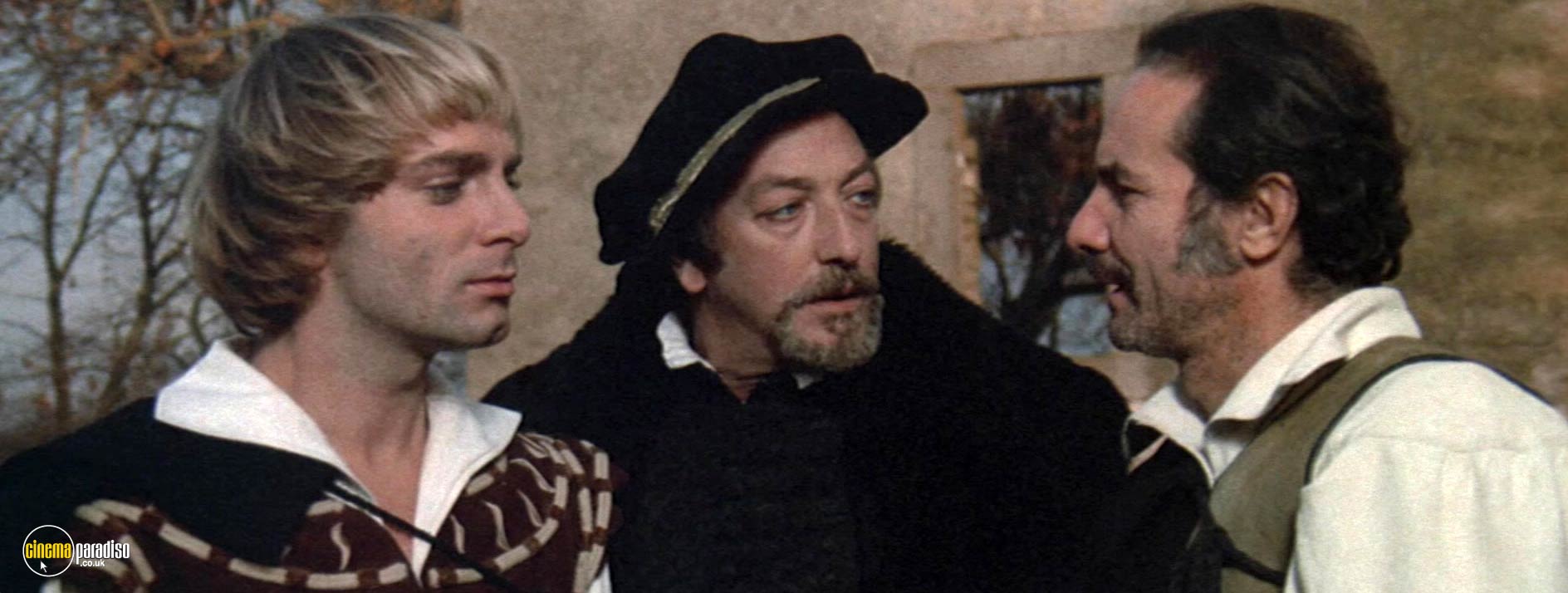
Although we can't bring you any of his films, Cinema Paradiso is pleased to add Fernando Birri (13 March) to the 2025 Centenary Club. Trained at Centro Sperimentale in Rome, the Argentine has been hailed as the Father of Latin American Cinema, with Los inundados (1961) winning the prize for Best First Film at the Venice Film Festival. Born the same day in Palermo, Sicilian Corrado Gaipa was famed in his homeland for dubbing other actors in the imported versions of classics like The Jungle Book (1967) and Star Wars (1977), in which he respectively voiced Baghera and Obi-wan Kenobi. Internationally, he will forever by Don Tommasino in Francis Ford Coppola's The Godfather (1972). But Gaipa was also a familiar face in poliziottesco crime flicks like Fernando Di Leo's The Boss and Duccio Tessari's Tony Arzenta (both 1973), as well as such fabulously titled erotic horrors, gialli, and Macaroni Combat offerings as The Sinful Nuns of St Valentine, The Killer Reserved Nine Seats, What Have They Done to Your Daughters? (all 1974), and The Red Nights of the Gestapo (1977).
Hailing from Lithuania, Cornell Borchers (16 March) started acting in West Germany before she was cast as Frederica Burkhardt opposite Montgomery Clift in George Seaton's The Big Lift (1950), which was set against the Allied aid drop into Cold War Berlin. She so excelled as a woman discovering the existence of the Yugoslavian mother of the war orphan she had adopted in Charles Crichton's The Divided Heart (1954), for which she won the BAFTA for Best Foreign Actress. But her Hollywood sojourn proved short-lived, as she retired at 34 to raise her daughter after making Never Say Goodbye (1956) and Istanbul (1957).
Gabriele Ferzetti was born the following day in Rome. He made the first of his 160+ screen appearances in 1942. but international audiences only became aware of him after he played the moody artist in Michelangelo Antonioni's Le amiche (1955). Ferzetti reunited with the auteur as Sandro the searching playboy in L'avventura (1960). John Huston cast him as Lot in The Bible: In the Beginning (1966), while Sergio Leone chose him to play railway tycoon Morton in Once Upon a Time in the West (1968). Despite having his dialogue dubbed, Ferzetti made an impression as Draco opposite George Lazenby's Bond in On Her Majesty's Secret Service (1969), although fans of Italian genre flicks will recall him from Come Play With Me (1968), The Psychic (1977), and First Action Hero (1994). Arthouse aficionados, however, may prefer Elio Petri's We Still Kill the Old Way (1967), Costa-Gavras's The Confession (1970), and Liliana Cavani's The Night Porter (1974).
Two very different directors were born on 21 March 1925. Londoner Peter Brook's reputation rests on his stage work, particularly with the Royal Shakespeare Company. But his occasional ventures into cinema were also notable. After directing Laurence Olivier in The Beggar's Opera (1953), Brook delivered the definitive screen version of William Golding's Lord of the Flies (1963). Sadly, the film record his controversial theatre pieces, Marat/Sade (1967) and Tell Me Lies (1968), are not currently on disc. But King Lear (1971), with Paul Scofield, and his epic five-hour interpretation of The Mahabharata (1989) are richly rewarding.
Brook died in 2022 in the French capital in which Max Varnel had spent his boyhood as Max Le Bozec. Coming to Britain after the war, he started out as an assistant on pictures like The Magic Box (1951) before following in the footsteps of his director father, Max Varnel. While he specialised in comedy, his son became a jack of all genres for producer brothers, Edward and Harry Danziger. Following contributions to the TV series, The Vise (aka Saber of London) and Interpol Calling (aka Man From Interpol) - which can be rented from Cinema Paradiso on The Danziger Crime Series and The Best of Classic British TV Crime Series (both 1962) - Varnel settled into a run of B-movies that included Part-Time Wife (1961) and The Silent Invasion (1962), as well as Murder in Eden (1961), which can be found on The Renown Pictures Crime Collection: Vol.7. His best work came in conjunction with writer Brian Clemens on such thrillers as Return of a Stranger (1962). although the pair also teamed on feel-good items like Fate Takes a Hand (1961). Yet, Varnel didn't join Clemens on The Avengers (1961-91) and he followed TV assignments like Sherlock Holmes (1964-68) and The Troubleshooters (1965-72) by decamping Down Under, where he handled episodes of Skippy (1968-70) and Neighbours (1985-2025).
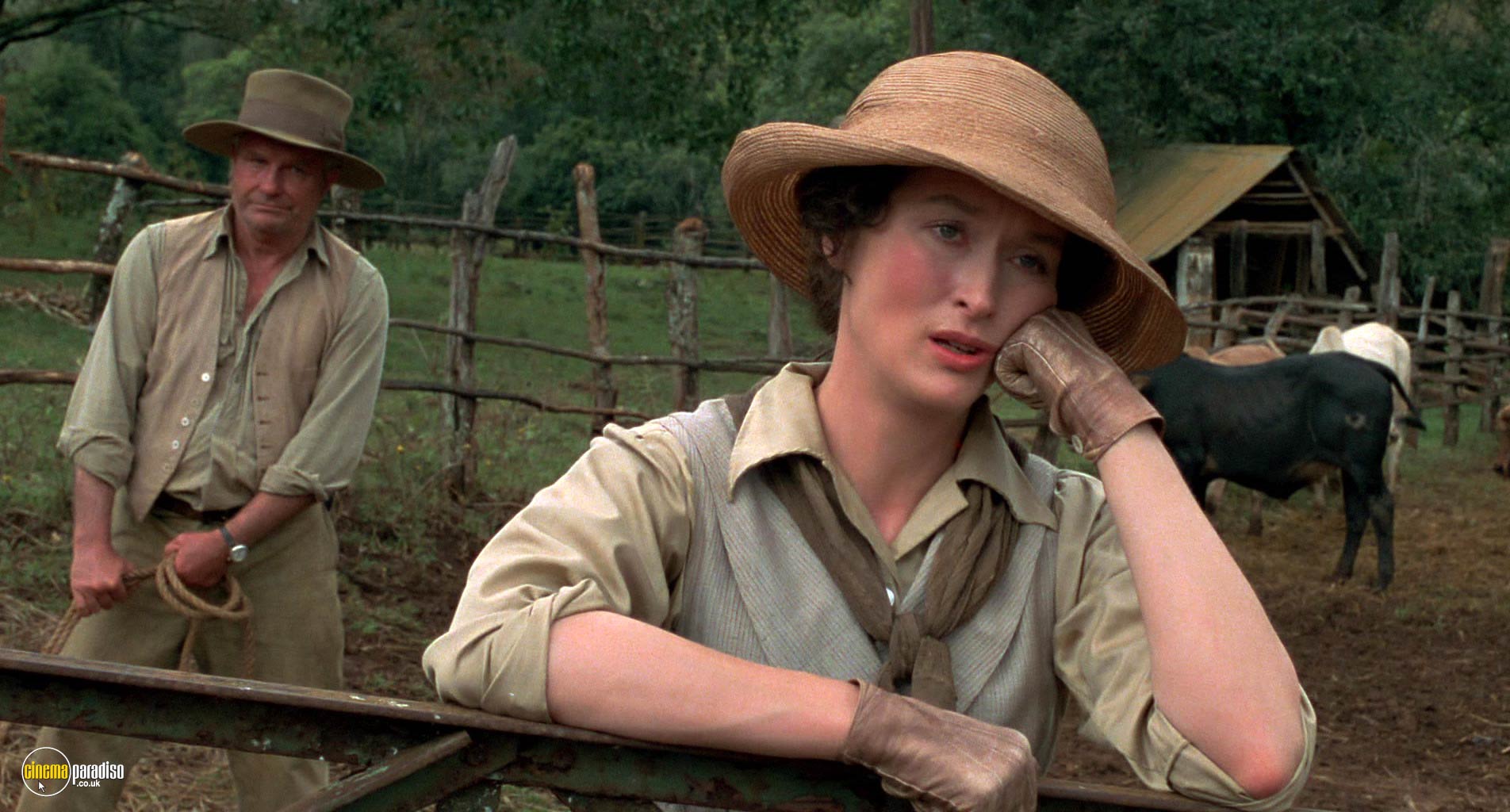
Margate-born David Watkin (23 March) learned cinematography at the British Transport Film Unit, whose evocative documentaries have been made available in a wonderful series by the BFI. Having shot the title sequence for Goldfinger (1964), Watkin forged an enduring partnership with Richard Lester on pictures like The Knack...and How to Get It (1965), Help! (1965), How I Won the War (1967), The Bed-Sitting Room (1969), The Three Musketeers (1973), The Four Musketeers (1974), Robin and Marian (1976), and Cuba (1979). Noted for his laid-back approach and innovative use of lighting, Watkin also worked regularly with Tony Richardson (The Charge of the Light Brigade, 1968), Ken Russell (The Devils, 1971), and Franco Zeffirelli (Tea With Mussolini, 1999). But, while many felt his finest hour was the beach sequence in Hugh Hudson's Chariots of Fire (1981), his Oscar came for Sydney Pollack's Out of Africa (1985).
Born the same day in Leeds, Thelma Ruby is still with us at the age of 100. An alumna of ENSA, she divided her time between the stage and screen assignments like Johnny You're Wanted (1956). She was Mrs Breith in Room At the Top (1958) and Hetty in Live Now, Pay Later (1962), but was busiest in the theatre. The press pay more attention to her month-long sojourn in Coronation Street (1996) and a campaign against the felling of trees in Wimbledon (2024), but Ruby has kept acting, popping up in a range of TV shows, as well as such films as Leon the Pig Farmer (1992), The Last of the Blonde Bombshells (2000), and Back to Black (2024) - and long may she continue to do so.
Bristolian Duncan Wood (24 March) helped change the face of British television comedy. In addition to giving starts to Frankie Howerd and Benny Hill, he also brought radio's biggest star to the small screen, as the producer of Hancock's Half Hour (1956-60) and Hancock (1961). Re-teaming with writers Ray Galton and Alan Simpson, Wood launched Steptoe and Son (1962-74) before overseeing Citizen James (1960-62), Hugh and I (1962-67), and Oh Brother! (1968-70). His stint as the Beeb's Head of Comedy spawned Two Ronnies (1971-86), Last of the Summer Wine (1971-2010) and Some Mothers Do 'Ave 'Em (1973-78). However, he decamped to ITV to commission Rising Damp (1974-78), as well as such other Eric Chappell-penned sitcoms as The Squirrels (1974-77), Only When I Laugh (1979-82), The Bounder (1982-83), Duty Free (1984-86), and Home to Roost (1985-90). Wood also directed Harry H. Corbett in The Bargee (1964), Freddie and the Dreamers in Cuckoo Patrol (1965), and Ronnie Corbett in Some Will, Some Won't (1969).
One of the Soviet Union's finest actors, Innokenty Smoktunovsky (28 March) first came to international attention in the title role of Grigori Kozintsev's adaptation of William Shakespeare's Hamlet (1964). Sadly, his acclaimed performances in the Oscar-nominated Tchaikovsky (1969) and Uncle Vanya (1970) aren't on disc. But Cinema Paradiso users can hear him narrating Andrei Tarkovsky's Mirror (1975).
Frederick Treves (29 March) had the distinction of taking a cameo as an alderman in a film about the great uncle after whom he was named and who was played by Anthony Hopkins in The Elephant Man (1980). Graduating from RADA after decorated war service, the Margate native slipped easily between stage, film, and television in racking up 194 screen credits over five decades. A trip to the Cinema Paradiso Searchline reveals just how prolific Treves was, as he played an array of authority figures. We shall pick out The Railway Children (1968), The Naked Civil Servant (1975), Jewel in the Crown (1984), and Miss Marple: Sleeping Murder (1987). But Treves never let the side down, as features like Sweeney 2 (1978), Defence of the Realm (1985), The Fool (1990), and Sunshine (1999) ably testify.
Mentioned films