The third part of the 2025 edition of Cinema Paradiso's Centenary Club looks at those actors and creatives born between July and September.
We venture into the second half of 1925 with the third part of Cinema Paradiso's celebration of the screen talents who were born 100 years ago. In the first segment, we encountered the likes of Lee Van Cleef, Paul Newman, Anatole Dauman, Joan Leslie, Jack Lemmon, George Kennedy, Robert Altman, Sam Peckinpah, Harry H. Corbett, Georges Delerue, and David Watkin.
In addition to offering a whistlestop tour of world cinema in 1925, the second selection included such luminaries as Wojtiech Has, Oliver Postgate, Rod Steiger, George Cole, Mai Zetterling, Jeanne Crain, Tony Curtis, Charlie Drake, Audie Murphy, and Maureen Stapleton.
So, who awaits as summer turns to autumn a century ago...?
JULY
Born in San José on 1 July 1925, Farley Granger found himself in Hollywood after the Wall Street Crash wiped out his father's auto dealership. His new job in Studio City led to a contact with silent comedian Harry Langdon, who advised him to send his handsome son to an audition at a small Studio City theatre. As luck would have it, the play was seen by Samuel Goldwyn's casting director and Granger made his debut in Lewis Milestone's The North Star (1943), a paean to America's wartime ally, the Soviet Union, which became a hot potato during the House UnAmerican Activities Committee's investigation into Communism in the movie industry. Following Milestone's The Purple Heart (1944), Granger did his bit for Uncle Sam in the Pacific, where he was invalided into a unit staging troop shows and he befriended the likes of Bob Hope, Rita Hayworth, and Betty Grable.
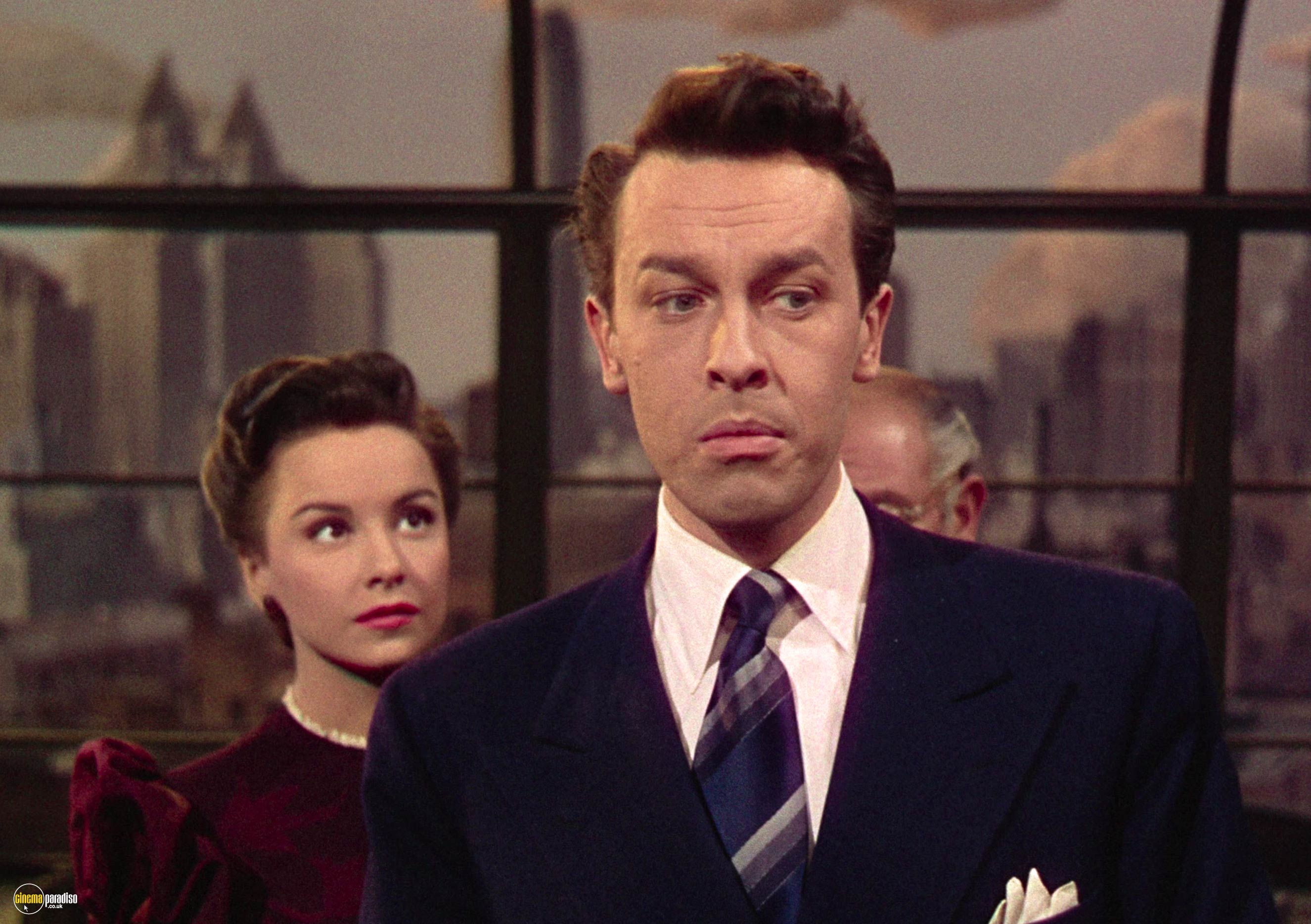
Back in Hollywood, Granger made such a good impression in Nicholas Ray's noir classic, They Live By Night (1948), that he was cast by Alfred Hitchcock in both Rope (1948) and Strangers on a Train (1951). However, a quick look at Granger's credits through the Cinema Paradiso Searchline reveals that too many pictures around this period failed to register, as only Behave Yourself (1951) is available to rent among his starring vehicles. Between romances with Leonard Bernstein and Shelley Winters, Granger kept getting suspended for complaining about scripts. So, he took himself to Italy to play an Austrian office opposite Alida Valli's Italian aristocrat in Luchino Visconti's ravishing Senso (1954).
This proved to be a career high, however, as Granger drifted into theatre and television, as film roles dried up. In the 1970s, he moved to Rome, where he followed the Spaghetti classic, They Call Me Trinity (1970), with such gialli as Amuck! (1972) and What Have They Done to Your Daughters (1974). Granger returned Stateside to guest in the odd TV series and make cult pictures like Joseph Zito's Rosemary's Killer (1981). He died of natural causes aged 85 after publishing a fascinating memoir.
A childhood accident led to Vasanth Kumar Shivashankar Padukone (who had been born in Bangalore on 9 July) having his name changed to Gurudatta Padukone. He became better known as Guru Dutt, who is regarded as one of India's finest film-makers. His start at the Prabhat Film Company in the mid-1940s was hardly auspicious. But he palled up with Dev Anand, who hired him to direct Baazi (1951) and Jaal (1952), which became huge hits. Dutt insisted on going alone, however, and had more modest success as an actor-director with Baaz (1953), Aar Paar (aka Across the Heart, 1954), and Mr & Mrs '55 (1955). However, he earned comparisons with Alfred Hitchcock and Orson Welles for Pyaasa (1956) and Kaagaz ke Phool (1957), which was Bollywood's first film in CinemaScope. Yet it bombed at the box office and Dutt vowed never to direct again, taking starring roles in such masala classics as Chaudhvin Ka Chand (1960) and Sahib Bibi Aur Ghulam (aka Master, Mistress, and Servant, 1962). An overdose of sleeping pills and alcohol cost Dutt his life at the age of just 39 in October 1964, but his reputation as a major auteur has burgeoned ever since.
Londoner David Graham (11 July) enjoyed a 66-year career that lasted until his death at the age of 99. Although he took occasional roles in front of the camera, such as Johnny in Crossroads to Crime (1960), he specialised in voicing characters in animated series and will forever be associated with the puppet projects of Gerry Anderson. Having been Grandpa Twink in Four Feather Falls (1960), Graham voiced Dr Beaker, Zarin, and Mitch the Monkey in Supercar (1961-62), Mat Matic and Lieutenant Ninety in Fireball XL5 (1962-63), and a range of characters across the 39 episodes of Stingray (1964-65).
Graham is most fondly remembered, however, for playing butler Aloysius Parker in Thunderbirds (1965-66), in which he also voiced Gordon Tracy, Brains, and Kyrano. He would reprise the roles in the film spin-offs, Thunderbirds Are Go (1966) and Thunderbird 6 (1968), and even got to work with Rosamund Pike as Lady Penelope Creighton-Ward in the digital reboot, Thunderbirds Are Go (2015-20). This would already be enough to make Graham a Cinema Paradiso legend. But he also teamed with Peter Hawkins to voice The Daleks in the original series of Doctor Who (1963). The pair also joined forces on the feature spin-offs, Dr Who and the Daleks (1965) and Daleks' Invasion Earth 2150 A.D. (1966), while Graham took the on-screen role of Charlie in 'The Gunfighters' storyline in 1966. In 2023, Graham recorded new lines for the colorised version of the original BBC series. By this time, however, he had reached a new audience as Snork in Moomin (1990-91) and Grandpa Pig in Peppa Pig (2004-). Indeed, he recorded so many episodes of the latter that his voice will continue to be heard on new stories until 2027.
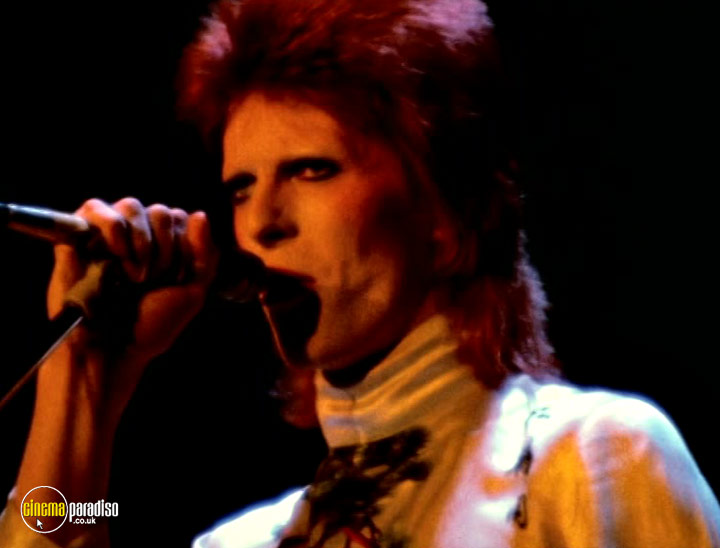
A native of Evanston, Illinois, Donn Alan Pennebaker (15 July) served in the US Navy during World War II and helped create the first digital airline reservation programme before moving into film. A member of Drew Associates, with Robert Drew and Richard Leacock, Pennbaker helped shape the Direct Cinema approach to documentary making with items like Primary (1960). However, he'd gone solo by the time he recorded Bob Dylan's 1965 British tour for Dont Look Back (1967). This changed the nature of rockumentaries and Pennebaker went on to make Monterey Pop (1968), Woodstock Diaries, Little Richard: Keep on Rocking, John Lennon and the Plastic Ono Band: Sweet Toronto (all 1969), Janis Joplin: The Kozmic Blues (1970), Ziggy Stardust and the Spiders From Mars (1979), Jimi Plays Monterey (1986), Depeche Mode: 101 (1989), and Chuck Berry: Rock 'n' Roll Music (1992).
Pennebaker and wife Chris Hegedus also explored other avenues, earning an Oscar nomination for The War Room (1993), which focussed on the roles played by strategist James Carville and communications director George Stephanopoulos in Bill Clinton's run for the presidency. Among his other key titles are Original Cast Album: Company (1971), Moon Over Broadway (1998), Down From the Mountain (2001), Startup.com (2001), Elaine Stritch: At Liberty (2004), and Kings of Pastry (2009), although few of his non-music-related films have been released on disc in the UK.
A veteran of the Second World War and the conflict in Korea, Philip Carey (15 July) hailed from Hackensack, New Jersey. He settled into supporting roles after teaming with John Wayne in Operation Pacific (1951), Joan Crawford in This Woman Is Dangerous (1953), and Doris Day in Calamity Jane (1953). Cinema Paradiso users can also catch Carey in Gun Fury (1953), Pushover (1954), and The Long Gray Line (1955). But he had to come to Britain to land a starring role opposite Arlene Dahl in Wicked As They Come (1956). He got to work with Bette Davis in Dead Ringer (1964) and later featured in Knife in the Darkness (1968) and The Seven Minutes (1971). But he had largely moved into television, appearing in the likes of A Man Called Ironside, McMillan and Wife, The Little House on the Prairie, and The Bionic Woman before settling into a 30-year stint as Asa Buchanan in the daytime soap, One Life to Live (1980-2008).
Leaving Mallow in County Cork to make his name on radio and on the stage in Dublin, Joe Lynch (16 July) often shuttled across the water to take film roles. He was often down the cast list, but was readily recognisable in fare as varied as The Siege of Sidney Street (1960), The Running Man (1963), The Face of Fu Manchu (1965), Loot (1970), The Frighteners, and The Mackintosh Man (both 1973). He was also a regular in such Irish features as Girl With Green Eyes (1964), Ulysses (1967), and Eat the Peach (1986). However, he will be best remembered outside the RTÉ area for playing tailor Patrick Kelly alongside John Bluthal's Manny Cohen in the ITV sitcom, Never Mind the Quality, Feel the Width (1968-70), which spun off its own feature in 1973. But, did you know he also spent part of 1978 in Coronation Street as Elsie Tanner's boyfriend, Ron Mather, and did the voices for the cult kids show, Chorlton and the Wheelies (1976-79) ?
A quick linguistic tweak turned Jersey City's Giuseppe Sorgente into Hollywood director Joseph Sargent (22 July). Having fought at the Battle of the Bulge, he tried his hand at acting and took a bit part as a soldier in From Here to Eternity (1953). However, he turned director and forged a reputation for efficiency on such 1960s TV shows as Bonanza, The Fugitive, The Man From U.N.C.L.E., and Star Trek.
Having made his feature bow with Colossus: The Forbin Project (1970), Sargent was removed from Buck and the Preacher (1972) after falling out with Sidney Poitier. Instead, he worked with Burt Reynolds on White Lightning (1973) and Walter Matthau on the outstanding thriller, The Taking of Pelham 123 (1974). The same year, he launched Kojak (1973-78), with the pilot episode, The Marcus-Nelson Murders, which earned him an Emmy and the Directors Guild Award. His features didn't always find favour, even though Gregory Peck impressed in MacArthur (1977), and Sargent drew a Golden Raspberry nomination for his efforts on Jaws: The Revenge (1987). Undaunted, he turned himself into a safe pair of teleplay hands with the likes of Hustling, The Night That Panicked America (both 1975), The Karen Carpenter Story (1989), Then There Were Giants (1994), Mandela and De Klerk (1987), Crime and Punishment (1998), A Lesson Before Dying (1999), For Love or Country (2000), Something the Lord Made (2004), and Warm Springs (2005). The latter pair brought two more DGA awards, while he also won three further Emmys for Love Is Never Silent (1986), Caroline? (1990), and Miss Rose White (1992).
Gloria DeHaven (23 July) was born into a Los Angeles showbiz family, as both her parents were vaudevillians. Father Carter would go on to be Charlie Chaplin's assistant director on Modern Times (1936) and assistant producer on The Great Dictator (1940). Gloria made her debut in the former and was signed to MGM, where she twinkled in Best Foot Forward and Thousands Cheer (both 1943) before changing tack as starstruck debutante Laurabelle Ronson opposite William Powell and Myrna Loy in The Thin Man Goes Home (1944). The studio preferred DeHaven in light entertainments like Step Lively (1944) and Summer Stock (1950), even casting her as her own mother, Flora Parker, opposite Fred Astaire in Three Little Words (1950). However, her star dwindled and she became a guest star in such TV shows as The Rifleman, Burke's Law, Quincy M.E., Fantasy Island, Highway to Heaven, and Murder, She Wrote. In 1997, however, she returned to features to romance Jack Lemmon in Out to Sea.
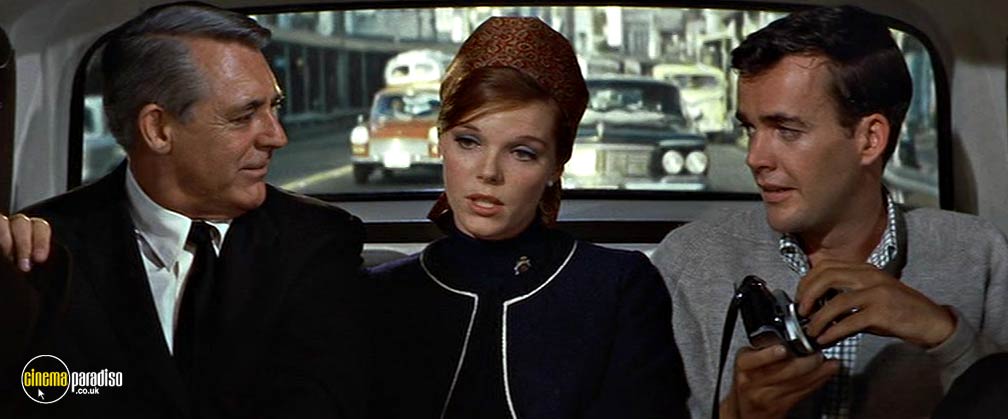
Although born in Seattle, Miiko Taka (24 July) spent the Second World War in an internment camp because her parents had immigrated from Japan. She was working in a travel agency when she was spotted to play Hana-ogi opposite Marlon Brando in Joshua Logan's Sayonara (1957) after Audrey Hepburn had turned down the role. Following such overlooked items as Hell to Eternity (1960) and Operation Bottleneck (1963), Taka starred with Bob Hope in A Global Affair (1963) and Cary Grant in his final film, Walk Don't Run (1964). But Hollywood didn't really know what to do with her and hired her to translate for Akira Kurosawa and Toshiro Mifune when they visited. She appeared with the latter in the acclaimed James Clavell mini-series, Shogun (1980), but only Paper Tiger (1975) offered her a substantial film role, opposite David Niven.
A veteran of the US Navy and the Actors Studio, Jerry Paris (25 July) had a decent run of films at the start of his career, ranging from Battleground (1949), Outrage (1950), and No Name on the Bullet (1958). But he also had roles in such classics as The Caine Mutiny, The Wild One (both 1954), and Marty (1955). His career in front of the camera was defined, however, by his stint as dentist Jerry Helper in The Dick Van Dyke Show (1961-66), as it led to him directing for the first time. Indeed, Paris won an Emmy in 1964 and went on to launch The Partridge Family (1970-74) and helm 237 of the 255 episodes of Happy Days (1974-84), taking an uncredited cameo in an episode each season. His feature work was less distinguished, although while Don't Raise the Bridge, Lower the River (1968), Viva Max! (1969), Evil Roy Slade (1972) and Police Academy 2: Their First Assignment (1985), and Police Academy 3: Back in Training (1986) are flawed, they're also fun.
Born in Larne, but raised in Belfast, Harry Towb (27 July) became an actor because he wanted to be somebody else. Debuting in The Quiet Woman (1951), he juggled a busy stage career with countless character roles in film and television. After features like The Sleeping Tiger (1954), Above Us the Waves (1955), and Eyewitness (1956), Towb landed the role of Private Dooley in ITV's first comedy series, The Army Game (1957-61). He would go on to appear in such hit shows as The Saint, Doctor Who, Doctor Finlay's Casebook, The Troubleshooters, The Champions, and Callan. But he also got his share of high-profile pictures, albeit in minor roles, such as The Blue Max (1966), Prudence and the Pill, All Neat in Black Stockings (both 1968), Patton (1970), and Barry Lyndon (1975). Check his credits via the Searchline to see where else Towb cropped up on the small screen (including Emmerdale and Crown Court ) between later film outings like Lamb (1985), Moll Flanders (1996), The Most Fertile Man in Ireland (2000), Conspiracy of Silence, and Cheeky (both 2003).
Born on the Greek island of Chios, Mikis Theodorakis (29 July) trained in Paris and spent time in exile there during the dictatorship of the generals (1967-74). A prolific composer of classical music, he also worked regularly in the theatre and started producing film scores in the early 1950s. He collaborated twice with Michael Powell, on Ill Met By Moonlight (1957) and Honeymoon (1959), before providing the unsettling scores for David Eady's Faces in the Dark (1960) and John Gilling's Shadow of the Cat (1961). However, his most celebrated partnership was with compatriot Michael Cacoyannis, following Electra (1962) with BAFTA, Golden Globe, and Grammy nominations for Zorba the Greek (1964). The pair would reunite on The Day the Fish Came Out (1967), The Trojan Women (1971), and Iphigenia (1977), although Theodorakis also enjoyed fruitful collaborations with Jules Dassin on Phaedra (1961) and The Rehearsal (1974) and with Costa-Gavras on Z (1969) and State of Siege (1972), with the former earning him a BAFTA. A third nomination came for Sidney Lumet's Serpico (1973), which was also recognised at the Grammys. A courageous political stalwart, Theodorakis lived to be 96 and kept composing to the end.
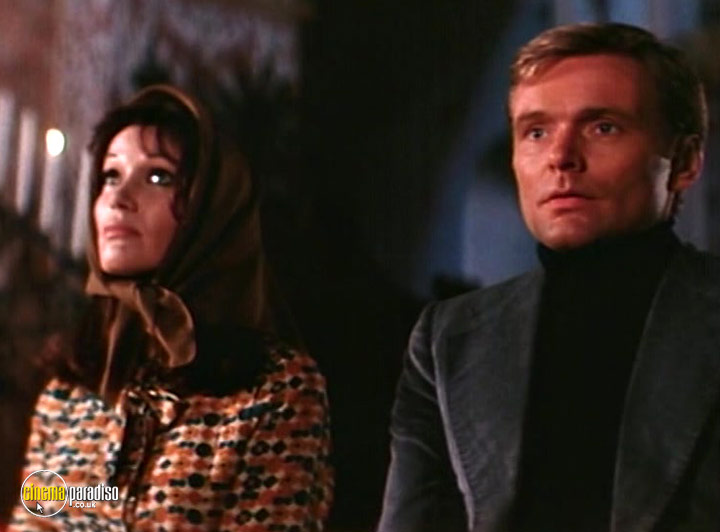
Jokubas Bernardas Šernas only spent his first year in the Lithuanian capital, Kaunus, before his widowed mother took him to Paris. As Jacques Sernas (30 July), he fought with the Maquis during the war and survived internment in the Buchenwald concentration camp. He started acting in 1949 after deciding against becoming a doctor and first came to the attention of UK audiences as Max in The Golden Salamander (1951). The role of Paris opposite Rossana Podesta in Helen of Troy (1956) made him an international star, while he snagged some arthouse kudos as Divo in Federico Fellini's La dolce vita (1960). Sernas put in a sword-and-sandal shift in Duel of Champions (1961) before venturing into widescreen epics as Major Brobinski in Nicholas Ray's 55 Days At Peking (1963). Having joined Rock Hudson in Hornet's Nest (1970), he continued working until 2005. But Cinema Paradiso users must bid him adieu after he played Fabrizzio in 'A Case For the Right', a 1973 episode of The Protectors, and he starred as Dr Ben-Joseph in Children of Rage (1975), which was the first Hollywood film to tackle the Israeli-Palestinian situation after the Six Day War.
AUGUST
A beauty contest took Barbara Bates (6 August) to Hollywood, where she signed to Universal and joined Yvonne De Carlo in Salome Where She Danced (1945). However, she spent much of her time posing for cheesecake magazines before Warners decided she was girl-next-door material. Fired for refusing to promote The Inspector General (1949), she landed on her feet at 20th Century-Fox, where she made the most of the last-reel role of Phoebe, the schemer who aims to do to Eve Harrington (Anne Baxter) what she has done to Margo Channing (Bette Davis) in All About Eve (1950). Bates also impressed opposite Myrna Loy in Cheaper By the Dozen (1950) and its sequel, Belles on Their Toes (1952), and amused in Let's Make It Legal (1951). But her mental health suffered after the studio refused to let her play the ballerina in Charlie Chaplin's Limelight (1952) and, having teamed with Dean Martin and Jerry Lewis in The Caddy (1953), Bates sought to rebuild her career in such Rank dramas as House of Secrets (1956) and Town on Trial (1957). She even did an episode of The Saint in 1962, but the death of her husband drove her to suicide at the age of 43 in March 1969.
Leaving Minneapolis for New York, Arlene Dahl (11 August) was spotted in a minor stage musical and whisked to Hollywood to take an uncredited bit in Life With Father. Success in My Wild Irish Rose (both 1947) took her to MGM, but none of her pictures is currently available on disc in the UK, although she can be seen in the 1940s and 1950s volumes of Hollywood Singing and Dancing. She starred with Rock Hudson in Bengal Brigade (1954), but was more effective in the noirs, No Questions Asked (1951) and Slightly Scarlet (1956), which led to her casting in the British thrillers, Wicked As They Come (1956) and She Played With Fire (1957). Despite acclaim for playing Carla Göteborg in Journey to the Centre of the Earth (1959), Dahl was more preoccupied by her business interests, which included an astrology phone line. She continued to make occasional film and television appearances, the last of which was with son Lorenzo Lamas (Fernando Lamas was one of six husbands) in Air America (1998).
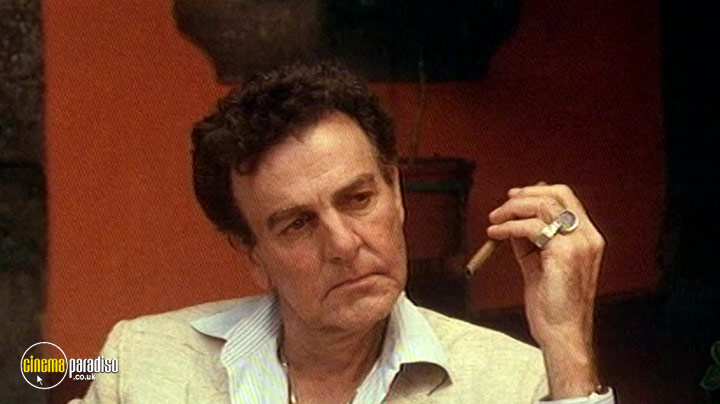
Born Krekor Ohanian in Fresno, California to a survivor of the Armenian genocide, Mike Connors (15 August) was a cousin of French singer, Charles Aznavour. Spotted by director William A. Wellman while playing basketball, he was signed as Touch Connors and considered for the role of Tarzan before joining Joan Crawford in Sudden Fear (1952). He lined up alongside John Wayne in Island in the Sky (1953) and was easily missable as an Amalekite herder in Cecil B. DeMille's The Ten Commandments (1956), but was more prominent in such early Roger Corman offerings as Five Guns West and The Day the World Ended (both 1955). But, despite a great role as a soldier imprisoned with Robert Redford by Alec Guinness in postwar Germany in Situation Hopeless...But Not Serious (1965) and the card sharp role in the remake of Stagecoach (1966), Connors found more regular work in television, most notably playing private investigator Joe Mannix in Mannix (1967-75). Along with four Emmy nominations, Connors also received six Golden Globe nods, winning in 1970. He returned to films in the likes of Nightkill (1980) and Fist Fighter (1989), but kept popping up in shows like Diagnosis Murder, Murder, She Wrote, and Two and a Half Men. He died at the age of 91 in January 2017.
Born in Canning Town, Honor Blackman (22 August) received acting lessons for her 15th birthday and moved into films after paying her dues on stage. Use the Cinema Paradiso Searchline to chart her early screen career, which included two teamings with Dirk Bogarde, in the 'Alien Corn' episode of Quartet (1948) and in So Long At the Fair (1950). In addition to crime outings like Diamond City (1949), The Delavine Affair (1955), and Suspended Alibi (1957), Blackman also partnered Norman Wisdom in The Square Peg and sailed on RMS Titanic in A Night to Remember (both 1958). In 1962, she was cast as leather-wearing, judo-throwing anthropologist Cathy Gale opposite Patrick Macnee's John Steed in The Avengers (1962-64). This led to her co-starring with Sean Connery as Bond girl Pussy Galore in Goldfinger (1964) and they reunited when she played Julia Daggett in Shalako (1968).
Elsewhere, Blackman played Hera in Jason and the Argonauts (1963), Nora Hauxley in Life At the Top (1965), Mummy in Twinky (1969), Mrs Fawcett in The Virgin and the Gypsy (1970), Helen Lloyd in Fright (1971), Anna Fountain in To the Devil a Daughter (1976), and Susan Sillsby in The Cat and the Canary (1978). She was a regular on the panel show, Whodunnit? (1973-78), and found sitcom berths in Never the Twain (1981-91) and The Upper Hand (1990-96). Having guested in Minder, Midsomer Murders, The Royal, New Tricks, and even Coronation Street, Blackman played Joy Adamson in To Walk With Lions (1999) and Penny Husbands-Bosworth in Bridget Jones' Diary (2001). She bowed out as Peggy in Cockneys vs Zombies (2012) before dying of natural causes at the age of 94 in April 2020.
Disappointingly few of the films directed by New Yorker Robert Mulligan (23 August) are available on disc in the UK. He cut his teeth in television, winning an Emmy for The Moon and Sixpence (1959), which was Laurence Olivier's first outing on US screens. Mulligan had already made his feature debut with Fear Strikes Out (1957), but he endured mixed fortunes with his collaborations with Tony Curtis on The Rat Race (1960) and The Great Impostor (1961) and with Rock Hudson on Come September (1961) and The Spiral Road (1962). Frequently working with Alan J. Pakula as his producer, Mulligan won the Academy Award for Best Director for his interpretation of Harper Lee's To Kill a Mockingbird (1962), which also won Best Picture and Best Actor for Gregory Peck as lawyer Atticus Finch. Although we can bring you Up the Down Staircase (1967), fine films like Love With the Proper Stranger (1963), Baby the Rain Must Fall (1965), Inside Daisy Clover (1965), and The Stalking Moon (1968) are all out of reach. As is the classic romance, Summer of '42 (1971), which earned Mulligan a Golden Globe nomination. Acclaim for The Other (1972) led to him being considered for Taxi Driver (1976). But he was deemed to be too old school, as was the case with Blade Runner (which would have starred Robert Mitchum), and later films like Same Time, Next Year (1978) and The Man in the Moon (1991) were accorded mixed receptions.
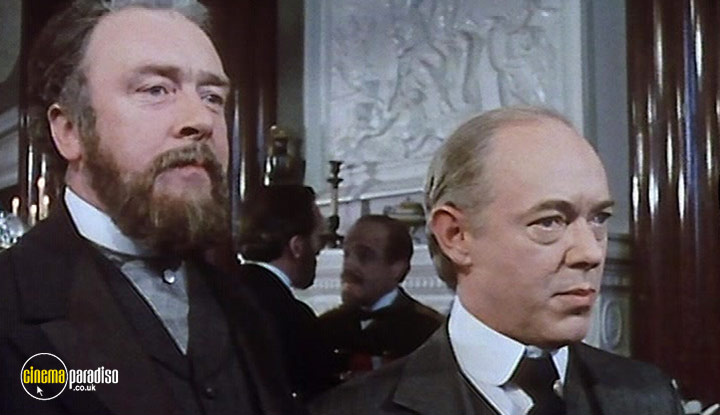
Arriving in Britain after war service, Sydneysider Ed Devereaux (27 August) established his comic credentials in Carry On Sergeant (1958), Carry On Nurse (1959), Carry On Regardless (1961), and Carry On Jack (1962). Bluffly dependable, he also cropped up in the likes of The Captain's Table (1958), Man in the Moon (1960), and Ladies Who Do (1963), as well as weightier items like Floods of Fear (1958) and The Savage Innocents (1959). For those of a certain age, however, Devereaux will always be ranger Matt Hammond in Skippy the Bush Kangaroo (1967-69) and spin-off features like Skippy and the Intruders (1969). Later in his long career, Devereaux followed historical turns like Thomas Macaulay in The Onedin Line (1971-80) and Lord Beaverbrook in Edward & Mrs Simpson (1978) and The Life and Times of David Lloyd George (1981) with guest slots in everything from The Persuaders, The Sweeney, The Professionals, and The New Avengers to Bless This House, Fall of Eagles, The Duchess of Duke Street, and Absolutely Fabulous.
One of the forgotten heroes of the Hollywood musical, Donald O'Connor (28 August) was born in Chicago to a vaudeville family and started dancing on stage before he was two. Paramount signed him up as a teenager and he played the brother of Bing Crosby and Fred MacMurray in Sing, You Sinners (1938). Having been the young Gary Cooper in Beau Geste (1939), O'Connor moved on to Universal, where he was promoted as the new Mickey Rooney in partnership with Peggy Ryan and Gloria Jean. None of their joyous B musicals is on disc over here, but O'Connor's outing with Deanna Durbin in Something in the Wind (1947) is well worth a look. He also sportingly played Peter Stirling, the stooge to a talking mule in six films in the Francis franchise (1950-55). But nothing could top his turn as Cosmo Brown alongside Gene Kelly and Debbie Reynolds in Singin' in the Rain (1952), with his acrobatic 'Make 'Em Laugh' routine earning him a Golden Globe and the lead in The Buster Keaton Story (1957). O'Connor also stole the show from Ethel Merman in Call Me Madam (1953) and Bing Crosby in Anything Goes (1956). However, Merman got her own back in There's No Business Like Show Business (1954) and O'Connor had to resort to television as the musical slowly slipped out of vogue. Recovering from a heart attack in 1971, he guested in the likes of Columbo, The Bionic Woman, The Ellery Queen Mysteries, The Littlest Hobo, Simon and Simon, Highway to Heaven, and Murder, She Wrote. Occasionally, he also took small roles in features such as The Big Fix (1978), Ragtime (1981), Toys (1992), and Out to Sea (1997). He died in 2003.
Hailing from the central French town of Cunihat, Maurice Pialat (31 August) set out to become a painter, but turned to film when things failed to pan out. He was 43 when he made his feature debut with L'Enfance nue (The Naked Childhood, 1968), an account of a 10 year-old's experience of the fostering system that was produced by François Truffaut. It won the Prix Jean Vigo and established Pialat's reputation for uncompromising realism. Jean Yanne earned the Best Actor prize at Cannes for his work in We Won't Grow Old Together (1972), in which he plays a married man who can't commit to younger lover, Marlène Jobert. Comparisons were made to John Cassavetes and Pialat returned to the theme of cheating husbands in The Mouth Agape (1974), which sees Hubert Deschamps struggling to remain faithful while nursing wife Monique Mélinand through the late stages of a terminal illness. A sequel to Pialat's first film, Passe ton bac d'abord (aka Graduate First, 1978) explored the gaps between teachers and students and the low expectations the latter have for the future.
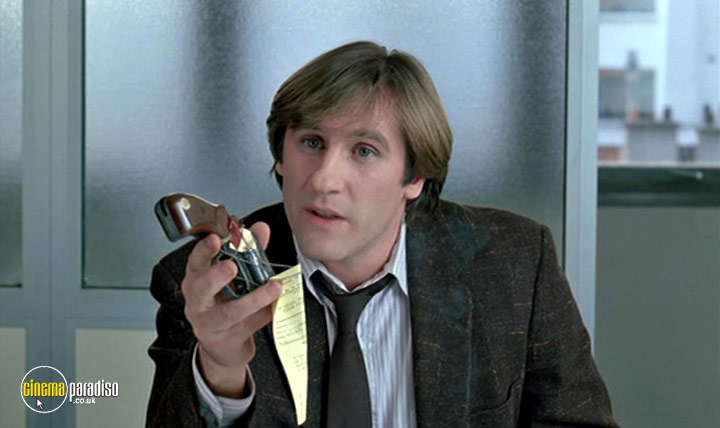
With Loulou (1980), Pialat added star quality to the usual sombre aesthetic, as small-town advertising executive, Gérard Depardieu, commits adultery with petty thief, Isabelle Huppert. Depardieu would also headline Police (1985), a Catherine Breillat-scripted saga that sees a drugs cop play a dangerous game by flirting with a young suspect (Sophie Marceau), and Sous le soleil de Satan (aka Under the Sun of Satan, 1987), the Palme d'Or-winning adaptation of a Georges Bernanos novel about a 1920s priest battling his demons in a remote country parish. Pialat took a key supporting role, as did Sandrine Bonnaire, who excels as the 16 year-old testing the sexual waters in À Nos Amours (aka o Our Romance, 1983), which won the César for Best Film. Revisiting his artistic origins, Pialat sought to fathom the mind of a troubled Dutch master during his time in Auvers-sur-Oise in Van Gogh (1991), which starred Jacques Dutronc. The only Pialat title unavailable to Cinema Paradiso members is Le Garçu (1995), a study of an emotionally immature man that is notable for the casting of footballer Dominique Rocheteau as Gérard Depardieu's romantic rival. Pialat planned to re-edit the film, but never got round to it before his death in 2003.
SEPTEMBER
Born in Peckham on 2 September 1925, Ronnie Stevens had the kind of career it's impossible to do justice to in a brief thumbnail. Emerging from RADA after war service, he found his feet in revue, although he was in films from an uncredited bit in the ball scene in Alfred Hitchcock's Under Capricorn (1949). When not proving a dependable comic support in the theatre, Stevens appeared in single scenes in dozens of films before playing Brian Dexter in Dentist in the Chair (1960) and Dentist on the Job (1961). He amused as the ship's drunk in Carry On Cruising (1962) and was a welcome sight in pictures as different as Morons From Outer Space (1985), Brassed Off (1996), and The Parent Trap (1998). Use the Cinema Paradiso Searchline to find Stevens's other film credits, but also note such small-screen highlights as co-narrating Noggin the Nog with Oliver Postgate, playing Sir Andrew Aguecheek in the 1980 BBC Television Shakespeare version of Twelfth Night, and essaying Rawlinson alongside Arthur Lowe in A.J. Wentworth, B.A. (1982).
Too few of Anne Jackson's screen highlights are available on UK disc. Born in Millvale, Pennsylvania on 3 September, this award-winning stage star was married to actor Eli Wallach from 1948 and they appeared together in the comedy of manners, How to Save a Marriage and Ruin Your Life (1968). But this is as out of reach as The Secret Life of an American Wife (1967) and Dirty Dingus Magee (1970). We can offer Jackson's turns in The Shining (1980), Funny About Love (1990), and Folks! (1992), as well as her guest slots in shows like The Untouchables, Orson Welles: Great Mysteries, The Equalizer, and Highway to Heaven.
Debuting in his birthplace of Southsea as a tot in the family music-hall act, Richard Henry Sellers (8 September) started out as a drummer before developing his gift for mimicry in wartime ENSA troop shows. Moving into radio, he became a household name as Peter Sellers alongside Spike Milligan and Harry Secombe in The Goon Show (1951-60). Making his screen bow in the dual role of The Major and Arnold Fringe in Penny Points to Paradise (1951), Sellers showcased his genius for voices and zany characterisations in the cult shorts, Let's Go Crazy (1951) and The Case of the Mukkinese Battlehorn (1955), which can be found on The Renown Comedy Collection Volume 2.
Having dubbed Humphrey Bogart in Beat the Devil (1953) and voiced Winston Churchill in The Man Who Never Was (1956), Sellers settled into a run of comedy classics that included The Ladykillers (1955), The Smallest Show on Earth, The Naked Truth (both 1957), Carlton-Browne of the F.O., The Battle of the Sexes (both 1959), Two-Way Stretch (1960), Only Two Can Play (1961), The Dock Brief, The Wrong Arm of the Law (both 1962), and Heavens Above! (1963).
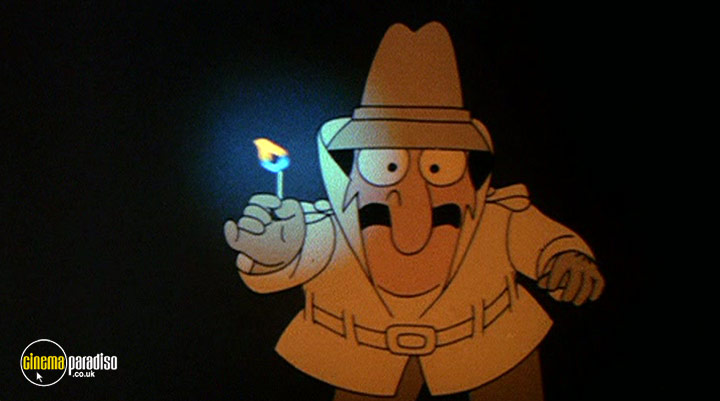
Such was his limitless versatility that he played Tully Bascombe, Count Mountjoy, and Grand Duchess Gloriana in The Mouse That Roared (1959), which earned him first success in the United States. He won a BAFTA as trade unionist Fred Kite in I'm All Right, Jack (1959), but donned brownface to play Dr Ahmed el Kabir in The Millionairess (1960) and he would do again in The Party (1968). This was directed by Blake Edwards, who had chosen Sellers for the eleventh-hour replacement for Peter Ustinov as Inspector Jacques Clouseau in The Pink Panther (1964), a role he would reprise in A Shot in the Dark (1964), The Return of the Pink Panther (1974), The Pink Panther Strikes Again (1976), and The Revenge of the Pink Panther (1978). Edwards would even use outtakes to compile The Trail of the Pink Panther (1982).
Seller's efforts on Richard Lester's Oscar-nominated short, The Running Jumping and Standing Still Film (1960), can be seen on The Lacey Rituals (2012), while he also directed himself in Mr Topaze (1961). More impressive, however, were his collaborations with Stanley Kubrick on Lolita (1962) and Dr Strangelove, or How I Learned to Stop Worrying and Love the Bomb (1964), which brought Sellers a Best Actor nomination for his work as Captain Lionel Mandrake, Dr Strangelove, and President Merkin Muffley. Indeed, he would also have played Major T.J. 'King' Kong were it not for the combination of an ankle injury and a struggle to nail a Texan accent.
The stress of making Billy Wilder's Kiss Me, Stupid (1964) brought on a heart attack, in which Sellers technically died for 90 seconds before making a miraculous recovery. On his return, he shone as Aldo Vanucci and Federico Fabrizi in Vittorio De Sica's underrated After the Fox (1966), but this period was notable for such inconsistent offerings as The World of Henry Orient (1964), What's New Pussycat? (1965), The Wrong Box (1966), The Bobo, Casino Royale, Woman Times Seven (all 1967), The Magic Christian (1968), Hoffman, There's A Girl in My Soup (both 1970), Where Does It Hurt? (1972), Soft Beds, Hard Battles, The Great McGonagall (both 1974), and Murder By Death (1976). Three films went unreleased at the time and only emerged in later years, A Day At the Beach (1970), The Blockhouse (1973) and Ghost in the Noonday Sun (1974).
But Clouseau continued to be a box-office draw, while Sellers excelled as Chance the gardener in Hal Ashby's Being There (1978), for which he rightly received an Oscar nomination. Despite health concerns, Sellers played Rudolf IV, Rudolf V, and Syd Frewin in The Prisoner of Zenda (1979) and Fu Manchu and Nayland Smith in The Fiendish Plot of Dr Fu Manchu (1980). He was planning Romance of the Pink Panther and a remake of Preston Sturges's Unfaithfully Yours (1948) when he succumbed to another heart attack, at the age of 54, on 24 July 1980. He was played by Geoffrey Rush in The Life and Death of Peter Sellers (2004).
Brooklynite Alan Bergman (11 September) married Marilyn Katz in 1958 and together formed one of the great songwriting teams in American entertainment. They won the Oscar for Best Song with Michel Legrand for 'The Windmills of Your Mind' from The Thomas Crown Affair (1968) and with Marvin Hamlisch for the theme to The Way We Were (1973). A decade later, they became the first to have written three of the five Oscar nominations for Best Song, with tunes from Tootsie, Best Friends, and Yes, Giorgio (all 1982), while two of their songs were nominated from Yentl (1983), as they shared the Best Song Score with Legrand. Their final nominations came for Sabrina (1995) and At First Sight (1999). The couple also racked up several Emmy and Grammy nods before Marilyn died in 2022 and Alan followed, at the age of 99, in July 2025.
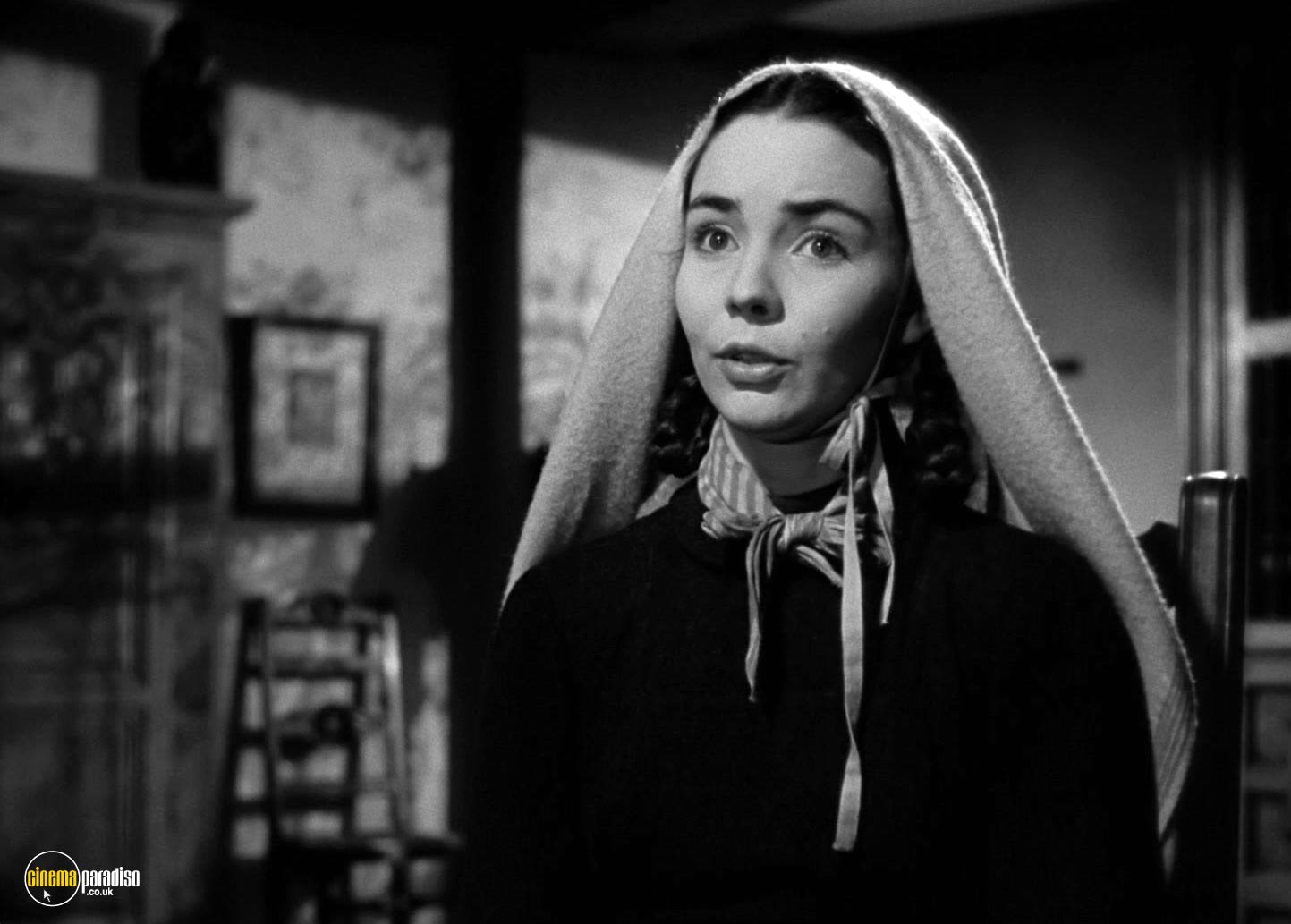
Born on Hollywood's doorstep, Dickie Moore (12 September) was less than two when he played an infant John Barrymore in The Beloved Rogue (1927). As talkies came, he became a popular child star, notably playing Marlene Dietrich's son in Josef von Sternberg's Blonde Venus (1932), and taking the lead in Oliver Twist (1933). Surviving a brush with W.C. Fields in Million Dollar Legs (1932), Moore spent time with the Our Gang crew before playing the young Gary Cooper in Peter Ibbetson (1935), Joseph Meister in The Story of Louis Pasteur (1936), and Pierre Dreyfus in The Life of Emile Zola (1937). Having given Shirley Temple her first romantic kiss in Miss Annie Rooney (1943), Moore had uncredited bits in The Song of Bernadette and Heaven Can Wait (both 1943) before playing Robert Mitchum's deaf assistant in Out of the Past, He quit acting in 1951 and lived to be 89 with third wife, singing star, Jane Powell.
Hailing from Laredo, Texas, Peggy Webber turned 100 on 15 September 2025. She came to prominence as Lady Macduff in Orson Welles's Macbeth (1948) and as Mrs Dennerly in Alfred Hitchcock's The Wrong Man (1956). Less classy, but still fun, The Screaming Skull (1958) took her into B-movie exploitation. However, she was more at home in such TV series as Dragnet, Night Gallery, Quincy, M.E., and The Waltons, in which she played Eva Hadley. She even voiced Elderberry in The Smurfs (1981-89).
Born on the same day in Vigarano Mainarda in the Emilia-Romagna region of Italy, Carlo Rambaldi spent many years creating special visual effects for Italian fantasy, giallo, and horror films. In 1971, he had to demonstrate his work in court to prevent Lucio Fulci from being prosecuted for cruelty to dogs in A Lizard in a Woman's Skin. Having worked with Dario Argento on Deep Red (1975) and underground maverick Paul Morrissey on Flesh For Frankenstein (1973) and Blood For Dracula (1975), Rimbaldi went to Hollywood to create ythe giant ape for John Guillermin's King Kong (1976). This earned him a share of an Academy Award for Special Achievement, but he would win two in competition for Ridley Scott's Alien (1979) and Steven Spielberg's E.T. The Extraterrestrial (1982), which was his second collaboration with the director after Close Encounters of the Third Kind (1977). He later designed creatures for Conan the Destroyer, Dune (both 1984), Cat's Eye, and Silver Bullet (both 1985). His final assignment was for son Vittorio's Primal Rage (1988). He died in 2012.
A native of Fort Worth, Texas, Morgan Woodward (16 September) was one of those bit-part players television can't do without. A regular in such Western shows as Bonanza, Rawhide, Daniel Boone, The Virginian, and Gunsmoke (in which he played 19 different roles), he also cropped up in two episodes of the original Star Trek series, played a distant cousin in The Waltons, and had the recurring role of Marvin 'Punk' Anderson in Dallas. In amidst his 250-odd credits (check the Searchline for fuller details) were such key film roles as 'man with no eyes', Boss Godfrey, in Cool Hand Luke (1967), The Boss in The Killing of a Chinese Bookie (1974), and J.P. Sands in Girls Just Want to Have Fun (1985).
Bathsheba Garnett (17 September) was 91 when she found fame in the baby-eating title role of Robert Eggers's The Witch (2015). Born in Manhattan, she had received her first screen credit in the 1984 teleplay, The Guardian, and had largely taken minor roles in shows like The X-Files and Goosebumps, as well as teleplays like Family Pictures (1993). But Cinema Paradiso users can also catch her as the German teacher in Mean Girls (2004), the homeless woman in P2 (2007), the woman on ward two in Blindness, the Holocaust survivor in Adoration, and the old Russian woman in The Echo (all 2008). Other than that, little seems to be known about this late bloomer who is now in her 101st year.
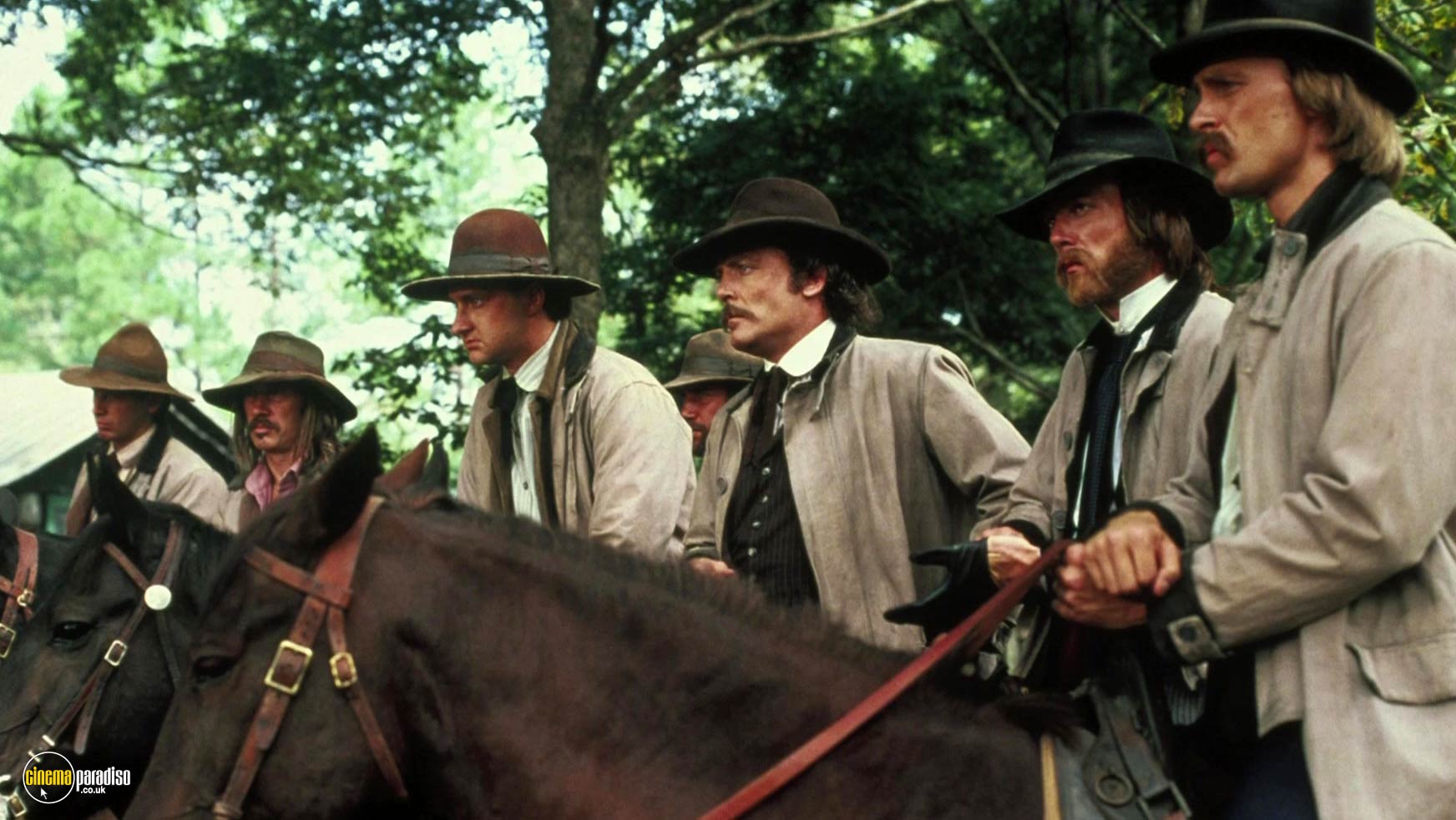
Although he was born in the Italian town of Avezzano, Felice Orlandi (18 September) was raised in Cleveland, Ohio. He worked with Stanley Kubrick ( Killer's Kiss, 1955) and Humphrey Bogart ( The Harder They Fall, 1956) in his first two films and took the title role in The Pusher (1960), which was adapted by Harold Robbins from a pulp novel by Ed McBain. When not doing the round of popular TV shows, Orlandi took character roles in such muscular pictures as Bullitt (1968), Hard Times (1975), The Driver (1976), and The Long Riders (1980), However, he also featured in such diverse fare as They Shoot Horse, Don't They? (1969), Catch-22 (1970), and Another 48 Hrs. (1990), which proved to be his swan song.
Mention Hackney's Pete Murray, who celebrated his 100th birthday on 19 September, and most people will think of the host of the pioneering pop series, Six-Five Special (1957-58), who went on to present Top of the Pops and highly rated radio shows across the BBC. However, the self-proclaimed teenage 'thug' had gone to RADA in the hope that acting would help him overcome his shyness. He took bits in such landmark films as The Life and Death of Colonel Blimp (1943), Caravan (1946), Captain Boycott (1947), and No Highway in the Sky (1951). Sadly, his leads in such Bs as Escort For Hire (1960), A Taste of Money (1960), and Design For Loving (1962) are not on disc. But Cinema Paradiso users can catch Murray in films like A Touch of the Sun (1956), The Cool Mikado (1962), Simon, Simon, and Cool It Carol! (1970), as well as his small-screen excursions in Maigret and The Larkins. He can also be heard at his day job, as a radio presenter in Otley (1969).
Philadelphian Paul Wendkos (20 September) made an impressive debut with Dan Duryea and Jayne Mansfield in The Burglar (1957). He also scored a major box-office hit with Sandra Dee in Gidget (1959), although sequels Gidget Goes Hawaiian (1961) and Gidget Goes to Rome (1962) proved less popular. Between features, Columbia kept Wendkos busy with episodes for such TV shows as The Untouchables, The Big Valley, and Invaders. He also directed the pilot for Hawaii Five-O (1968-80), as well as such features as Attack on the Iron Coast (1967), Guns of the Magnificent Seven (1969), and The Mephisto Waltz (1971). But he became synonymous with well-crafted teleplays, including A Tattered Web (1971), The Strangers in 7A (1972), The Execution (1985), Cross of Fire (1989), and Message From Nam (1993), although his best item, The Legend of Lizzie Borden (1975), with an excellent Elizabeth Montgomery, isn't currently on disc.
Born in Sumter, South California, Virginia Capers (22 September) was a Tony-winning actress who never quite found the films to bolster her stage reputation. Although she features in There Was a Crooked Man (1970) and Big Jake (1971), many of her early outings, like The Great White Hope (1970) and Lady Sings the Blues (1972) are not on disc. So, we'll have to be content with her minor roles in Howard the Duck (1986), Ferris Bueller's Day Off (1986), Beethoven's 2nd (1993), and What's Love Got to Do with It (1993). Capers was busier on the small screen, so check her out in episodes of The Waltons, Mork & Mindy, Highway to Heaven, St Elsewhere, Murder, She Wrote, Dynasty, The Golden Girls, and The Fresh Prince of Bel-Air, in which she played Hattie Banks.

Also born on 22 September, although in the South African city of Pietermaritzburg, Stratford Johns arrived in the UK in 1948 and worked in rep while also running a small hotel. Following a bit part as a security guard in The Ladykillers (1955), he played so many cops in pictures like Who Done It? (1956), The Long Arm, and Tiger in the Smoke (1956) that it was almost inevitable that he would be cast as Charlie Barlow in Z-Cars (1962-78). This proved to be the role of a lifetime and Johns reprised it in Softly, Softly (1966-69), Softly, Softly: Task Force (1969-72), Barlow At Large (1971-73), Barlow (1974-75), and Second Verdict (1976). He could stray on to the wrong side of the law, however, notably voicing Guvnor in The Great St Trinian's Train Robbery (1966). For such a distinctive figure, however, Johns proved deceptively versatile whether playing President Bradshaw in Cromwell (1970) or Herod in Salomé's Last Dance, which Johns made alongside The Lair of the White Worm (both 1988) for Ken Russell. Amongst his other films were George and Mildred (1980), Dance With a Stranger, Wild Geese II (both 1985), Car Trouble (1986), The Fool (1990), and Splitting Heirs (1993). On the small screen, he followed a fine turn as Calpernius Piso in I, Claudius (1976) with character roles in Doctor Who, Blake's 7, Boon, Scarlet and Black (1993), and Heartbeat, while also taking the lead in Brond (1987).
Sharing a birthday with Johns and every bit as distinctive a screen presence, Kensington-born William Franklyn was perhaps best known for the catchphrase, 'Schhh...You Know Who' in a series of adverts for Schweppes between 1965-73. The same urbane tones narrated the first two series of Jonathan Creek in the late 1990s. But there was much more than suavity to Franklyn, who ran an antique stall between acting jobs. He popped up in everything from Secret People (1952) and The Love Match (1955) to The Flesh Is Weak and Quatermass 2 (both 1957) before landing a rare lead as a safe-maker with amnesia in Pit of Darkness (1961). On television, he was Jacques Fleury in The Adventures of the Scarlet Pimpernel (1955-56) and guested frequently in The Avengers, The Baron, The Champions, Whodunnit?, and Lovejoy. Despite appearing in films as different as
The Intelligence Men (1965), Cul-de-sac (1966), Ooh...You Are Awful (1972), and The Satanic Rites of Dracula (1973), roles dried up and Franklyn became more of a personality than a performer. Nevertheless, he was always polished and a welcome presence.
Born in Genoa on 23 September, Palmina Omiccioli was better known as Eleonora Rossi Drago, whose film career blossomed parallel to neo-realism in postwar Italy. She reached an international audience as Clelia in Michelangelo Antonioni's Le amiche (aka The Girlfriends, 1955), but too few of her subsequent pictures have been released on disc in this country. She can, however, be seen in Pietro Germi's The Facts of Murder (1959), John Huston's The Bible: In the Beginning (1966), and Radley Metzger's Camille 2000 (1969). She died at 82, while Cherbourg-born Jean-Charles Tacchella (who shared her birthday) reached the age of 98. He has also been poorly served by UK distributors, although Cinema Paradiso can bring you his biggest hit, Cousin Cousine (1975) and The Man of My Life (1992), which stars the compelling Maria De Madeiros.

Our final inductee for this edition is Steve Forrest (29 September), the brother of fellow actor, Dana Andrews, who got to keep the family surname. The penultimate of 13 children, William Forrest Andrews hailed from Huntsville, Texas and fought at the Battle of the Bulge. He owed his contract at MGM to Gregory Peck, who had spotted him on stage, and his rise on profile to a Golden Globe for New Star of the Year in So Big (1953). This isn't available, but the young Forrest can be seen in The Band Wagon (1953), The Long Gray Line (1955), and Flaming Star (1957), in which he played Elvis Presley's half-brother. Paying his televisual dues in Alfred Hitchcock Presents, The Twilight Zone, and Rawhide, he came to Britain to take the title role of John Mannering in The Baron (1966-67). Back in Hollywood, Forrest guested in the likes of Mission: Impossible, McMillan and Wife, Night Gallery, and Alias Smith and Jones, although he got his best notices as Lieutenant Hondo Harrelson in S.W.A.T. (1975-76). Some of his worst came for his performance as Greg Savitt in Mommie Dearest (1981), which brough Forrest a Razzie nomination for Worst Actor. He also fell foul of Dallas fans when it was leaked that his character, Wes Parmalee, was going to be revealed in the mid-80s as the presumed dead Jock Ewing. However, he kept plugging away and not only amused in Spies Like Us (1985) and Amazon Women on the Moon (1987), but also got the last laugh with a cameo as a truck driver in the movie version of S.W.A.T. (2003).
Mentioned films