The final part of the 2025 edition of Cinema Paradiso's Centenary Club looks at those actors and creatives born between October and December - and plenty of famous names there are, too, in Part Two of our survey.
We venture into the final quarter of 1925 with the fourth part of Cinema Paradiso's celebration of the screen talents who were born 100 years ago. In the first segment, we recalled Gore Vidal, Ralph Rosenbaum, Angela Lansbury, Phyllis Dalton, Bernard Hepton, Glyn Houston, Robert Hardy, Lee Grant, Doris Roberts, and Ritwik Ghatak, among many others.
So, who still awaits as the winter chill began to bite a century ago? There's a fair few of them, hence needing a second articles to do everyone justice.
As anyone who has seen Mr Burton (2025) will know, Richard Burton (10 November) was born Richard Jenkins in Pontrhydyfen and raised in Port Talbot by an older sister. Nurtured by Philip Burton, he landed a place at Oxford, as part of an RAF cadet programme. Having debuted on stage in Liverpool in Emlyn Williams's The Druid's Rest in 1943, Burton did his bit for King and Country before relocating to London. His film bow came in Williams's The Last Days of Dolwyn (1949), but only Waterfront (1950) is available to rent from such fascinating early performances as Now Barabbas (1949), The Woman With No Name (1950), and Green Grow the Rushes (1951). Come on, someone!
Despite being under contract to producer Alexander Korda, Burton took his big leap in John Gielgud's 1949 production of Christopher Fry's The Lady's Not For Burning, which took him to Broadway. Hollywood came calling with My Cousin Rachel (1952), but a schedule clash meant that Burton missed out on Julius Caesar (1953), with Marlon Brando taking his place. Armed with a Golden Globe for Best New Star and a Best Supporting Oscar nomination, Burton played Hamlet at the Old Vic between film roles in The Desert Rats and The Robe (both 1953), which was the first feature in CinemaScope. It brought another Oscar nomination, but Burton turned down a seven-year deal with 20th Century-Fox to concentrate on his stage development, although he did narrate Lindsay Anderson's documentary, Thursday's Children (1954), which can be found on Free Cinema (1952-1963) (2008). He also tasted failure for the first time, as The Rains of Ranchipur, in which he played a Hindu doctor, flopped as resoundingly as Prince of Players (both 1955) and Alexander the Great (1956), in which he respectively played John Wilkes Booth and the eponymous Macedonian monarch.
With some concerned that the camera was failing to capture Burton's stage magnetism, he followed acclaimed turns in Henry V and Othello by winning a Tony for Time Remembered. Screen outings in Sea Wife and Bitter Victory (both 1957) were less vaunted, although Burton's TV debut, as Heathcliff in Wuthering Heights (1958), was widely praised. He returned to Britain to play angry young man Jimmy Porter in Tony Richardson's take on John Osborne's Look Back in Anger (1959). But, despite reuniting him with regular co-star, Claire Bloom, Burton failed to convince as a working-class hero, even though he drew BAFTA and Golden Globe nominations. The trio reunited on the teleplay, A Subject of Scandal and Concern, but this has been largely forgotten, as have Burton's misfiring Hollywood dramas, The Bramble Bush and Ice Palace (all 1960).
A stage success opposite Julie Andrews in Camelot (1960) restored Burton's fortunes and earned him another Tony. The extended run left him time only
to narrate the Oscar-winning short, A Tribute to Dylan Thomas (1961), and to cameo as an RAF pilot in the D-Day epic, The Longest Day (1962). But his world was turned upside down when he replaced Stephen Boyd as Mark Antony in Joseph L. Mankiewicz's Cleopatra (1963), which resulted in a headline-grabbing affair with Elizabeth Taylor. They became inseparable and, after he and Peter O'Toole had been Oscar-nominated for Becket (1965), teamed in a string of films of varying quality: The VIPs (1963); The Sandpiper (1965); Who's Afraid of Virginia Woolf? (1966), for which she won an Oscar and he didn't (although they both won BAFTAs); The Comedians; The Taming of the Shrew (both 1967); Boom! (1968); and the TV-movie, Divorce His - Divorce Hers (1973). Burton even directed them in Doctor Faustus (1967) and Taylor joined him in his heartfelt celebration of Dylan Thomas's Under Milk Wood (1972).
While the media obsessed on the Battling Burtons (see Burton and Taylor, 2013) ), he made several significant screen appearances, in the likes of The Night of the Iguana (1964), The Spy Who Came in From the Cold (1965), Where Eagles Dare (1968), Staircase, Anne of the Thousand Days (both 1969), Villain, Raid on Rommel (both 1971), Bluebeard, Hammersmith Is Out, and The Assassination of Trotsky (all 1972). The second and fifth of these titles brought further Oscar nominations, but the Best Actor prize would always elude him.
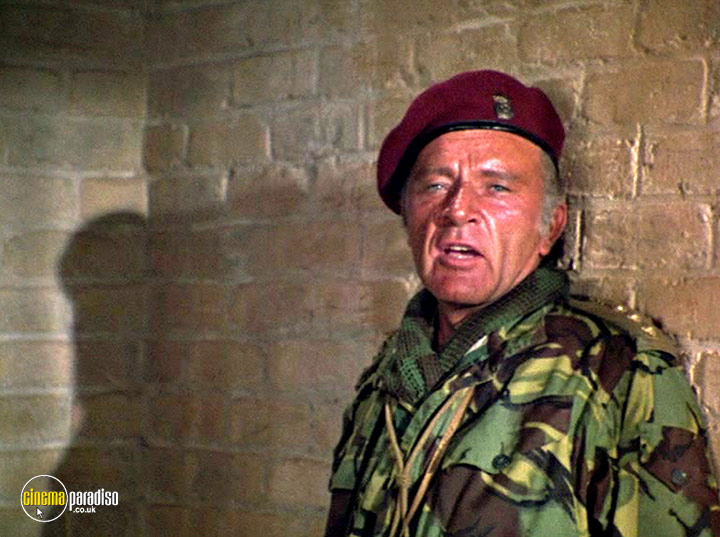
Although he played Winston Churchill in The Gathering Storm (1974), received another Oscar nomination for Equus (1977), scored a box-office hit with The Wild Geese (1978), and was mightily imposing in Wagner (1983), too many of Burton's later screen excursions were motivated by the size of the fee and blighted by his losing battle with the bottle. Michael Radford was so concerned about Burton's drinking that, when Paul Scofield broke his leg, he considered Sean Connery, Marlon Brando, and Rod Steiger for the role of O'Brien before casting the Welshman in Nineteen Eighty-Four (1984). It proved to be Burton's final film and Edward Fox replaced him in Wild Geese II (1985).
All bar the last two of the following are available to rent from Cinema Paradiso, although few do much for Burton's reputation as a generational talent: The Fifth Offensive, Massacre in Rome (both 1973), The Voyage, The Klansman, Brief Encounter (all 1974), Exorcist II: The Heretic (1977), The Medusa Touch, Absolution, The Breakthrough (all 1978), Circle of Two (1980), Lovespell (1981), and the mini-series, Ellis Island (1984). But, his death at the age of 58 left a sense of regret on several levels, although the tone was more celebratory in Tony Palmer's The World of Richard Burton (1988).
As can be seen in several volumes in the Golden Age of Comedy series, Dayton-born stand-up Jonathan Winters (11 November) was renowned for his improvisational speed and his ability to create memorably eccentric characters. A firm favourite on television, who released several Grammy-nominated comedy albums, Winters inspired the likes of Robin Williams, who invited him on to Mork & Mindy (1978-81) to play the visiting alien's son, Mearth. He also appeared in numerous films, including The Russians Are Coming, the Russians Are Coming (1966), Corrina, Corrina, The Shadow (both 1994), and National Lampoon's Cattle Call (2006), although he was best seen as Lennie Pike in It's a Mad, Mad, Mad, Mad World (1963). Often in demand for voice work on animations like Alice Through the Looking Glass (1987) and The Thief and the Cobbler (1991), Winters was Papa Smurf in The Smurfs (1986-89) and in the film spin-offs, The Smurfs (2011) and The Smurfs 2 (2013), dying just nine days after he completed work on the sequel.
Although born in London, Yvon Jean Guillermin (11 November) only became a British citizen when he turned 18. Having lied about his age, he had already volunteered for the RAF, although his ambition since seeing Treasure Island (1934) had always been to become a film director. Frustratingly, few of the early quickies he made for Advent Films and Vandyke Productions are on disc, although we have tracked down Two on the Tiles to The Renown Comedy Collection: Vol.1 and Smart Alec (both 1951) to The Renown Pictures Crime Collection: Vol.2. Having reunited with the always watchable Peter Reynolds on Four Days (1952), Guillermin directed Margaret Rutherford in Miss Robin Hood (1952) ) and put Guy Rolfe through his paces in the taut thriller, Operation Diplomat (1953), which can be found on The Renown Pictures Crime Collection: Vol.4. Following Song of Paris, he demonstrated his ability to handle ensemble casts with The Crowded Day before making the fine kidpic, Adventure in the Hopfields (all 1954), which is on Children's Film Foundation: Vol.3.
Already known as a bit of a martinet on the studio floor, Guillermin moved up a step by directing John Mills in Town on Trial (1957) and I Was Monty's Double and Stewart Granger in The Whole Truth (both 1958). Lured to Hollywood, he impressed with Tarzan's Greatest Adventure (1959) and Tarzan Goes to India (1962) for MGM and followed The Day They Robbed the Bank of England (1960) with two very different Peter Sellers vehicles in Never Let Go (1960) and Waltz of the Toreadors (1962). But it was a trio at 20th Century-Fox that changed the course of Guillermin's career, as Guns At Batasi (1964), Rapture (1965), and The Blue Max (1966) showed he could produce action epics. The latter starred George Peppard, but reunions on P.J. and House of Cards (both 1968) proved disappointing, as did El Condor (1970), Skyjacked (1972), and Shaft in Africa (1973), which he made following the war saga, The Bridge At Remagen (1969).
In 1974, producer Irwin Allen chose Guillermin to direct his all-star disaster movie, The Towering Inferno, which was easily the biggest hit of his career. Yet, he was only hired by Dino De Laurentiis for his remake of King Kong (1976) after he had been turned down by Steven Spielberg, Miloš Forman, Roman Polanski, and Sydney Pollack. Tensions on set made this a fractious shoot and Guillermin's reputation suffered. So, while he made a solid job of the Agatha Christie whodunit, Death on the Nile (1978), his next assignment was the minor Canadian horror, Mr Patman (1983). He sought to recapture former glories with Sheena (1984) and King Kong Lives (1986), but he bowed out with the TV-movie, The Tracker (1988). Living until 2015, Guillermin saw his critical stock rise, with Film Comment declaring his films to be 'howls from the soul's darker recesses'.
Although known to millions as Rock Hudson, his boyhood names were Roy Scherer, Jr. and Roy Fitzgerald, as his mother remarried. Born on 17 November in Winnetka, Illinois, he attended the same school as Charlton Heston and started getting interested in acting after taking a job as a movie theatre usher. Talent scout Henry Wilson gave him his new name (which he hated), but couldn't help Hudson overcome his trouble learning lines, with his uncredited debut speech in Fighter Squadron (1948) supposedly requiring 31 takes! Universal saw enough in Hudson to sign him up to a long-term contract, however, and he became a magazine pin-up while undergoing an acting crash course that involving riding, fencing, dancing, and singing.
He did appear in the musical, Has Anybody Seen My Gal? (1952), but Hudson was boosted as an action man after William Castle's Undertow (1948). Following the Arabian Nights fantasy, The Desert Hawk (1950), he made a string of Westerns that included Winchester '73 (1950), Tomahawk (1951), Bend of the River, Horizons West (both 1952), and Gun Fury (1953). In addition to the war films, Air Cadet and Bright Victory (both 1951), Hudson also cut a dash in Beneath the 12 Mile Reef, Back to God's Country (both 1953), and Bengal Brigade (1954). But, Douglas Sirk, his director on Taza, Son of Cochise (1954), felt that Hudson had the sensitivity to make a dramatic lead and they collaborated to epochal effect, along with producer Ross Hunter, on Magnificent Obsession (1954), All That Heaven Allows (1955), Written on the Wind (1956), Battle Hymn, and The Tarnished Angels (both 1957).
Realising that they had a heartthrob on their hands, Universal pushed Hudson into such potboilers as One Desire (1955) and Never Say Goodbye (1956), and a colour remake of A Farewell to Arms (1957). But Elia Kazan also demanded him for Giant (1956), which earned him and James Dean Oscar nominations for Best Actor. Meanwhile, Ross Hunter detected a deft gift for comedy and paired Hudson with Doris Day in Pillow Talk (1959), Lover Come Back (1961), and Send Me No Flowers (1964), which set the bar for modern screwball. He lobbied to play opposite Marilyn Monroe in Let's Make Love (1960), but was blocked by the studio. Moreover, he also turned down the roles taken by Marlon Brando in Sayonara (1957), William Holden in The Bridge on the River Kwai (1958), and Charlton Heston in Ben-Hur (1959).
Instead, he made Come September (1960), The Last Sunset (1961), A Gathering of Eagles (1963), and Man's Favorite Sport? (1964) and continued to resist typecasting by following the comic caper, Blindfold, with the psychological horror, Seconds (both 1966), the war drama, Tobruk (1967), and the Alistair MacLean thriller, Ice Station Zebra (1968), which he ranked among his favourite pictures. A teaming with John Wayne in The Undefeated (1969) was followed by a wartime romance with Julie Andrews in Darling Lili (1970). But Hollywood was changing and Hudson, who now had over 50 titles on his CV, was starting to look old-fashioned. So, after the failures of Hornet's Nest (1970) and Pretty Maids All in a Row (1971), he moved into television to star with Susan Saint James in McMillan and Wife (1971-76).
Later features like Embryo (1976), Avalanche (1978), The Martian Chronicles, and The Mirror Crack'd (both 1980) suggested that Hudson was treading water. However, he lost the chance to play Colonel Sam Trautman in First Blood (1982) after suffering a heart attack and questions about his health persisted when he descended upon Dynasty (1984-85), as Daniel Reece. Despite having married secretary, Phyllis Gates, in 1955, rumours had long circulated around Hollywood that Hudson was gay (see Rock Hudson's Home Movies, 1992). But he kept his secret until his AIDS diagnosis was revealed in July 1985. His death on 2 October did much to change the debate about the disease, with his experience being commemorated in Rob Epstein and Jeffrey Friedman's documentary, Common Threads: Stories From the Quilt (1989).
New Yorker Johnny Mandel (23 November) will forever by associated with 'Suicide Is Painless', the theme tune for Robert Altman's M*A*S*H (1970) and its ensuing long-running TV series (1972-83) . But he had been composing for the screen since he received the first of his 17 Grammy nominations for I Want to Live! (1958). He won an Oscar for 'The Shadow of Your Smile' from The Sandpiper (1965) and was nominated again for 'A Time for Love' from An American Dream (1966), although neither is currently available on disc, as is the case with several Mandel scores. But Cinema Paradiso can invite you to listen along to films as varied as Harper, The Russians Are Coming, the Russians Are Coming (both 1966), Point Blank (1967), Pretty Poison (1968), That Cold Day in the Park (1969), The Last Detail (1973), Escape to Witch Mountain (1975), Freaky Friday, The Sailor Who Fell From Grace With the Sea (both 1976), Being There (1979), Caddyshack (1980), Deathtrap, and The Verdict (both 1982). Mandel remained active as a composer and arranger until his death in 2020.
Born on Anglesey on 24 November 1925, but raised in Liverpool, Alun Owen started out acting in films like Valley of Song (1952). Indeed, even after he started making a name with his writing, he continued to crop up in the likes of Jet Storm, I'm All Right Jack (both 1959), and The Servant (1963). Although he scripted occasional films like The Criminal (1960), Owen found most exposure on television, with 'Lena, O My Lena' (1960) being available to rent on Armchair Theatre - Volume 3 (2012) and 'The Hard Knock' on Volume 4. The Beatles had been so impressed with 'No Trams to Lime Street' (1959) that they agreed to let Owen write A Hard Day's Night (1964), for which he received an Oscar nomination. However, he preferred to work in television, following the triptych, Male of the Species (1969) - which co-starred Michael Caine - with all 15 episodes of the Ronnie Barker showcase, Hark At Barker (1969-70), and the R.F. Delderfield adaptation, Come Home Charlie and Face Them (1990).
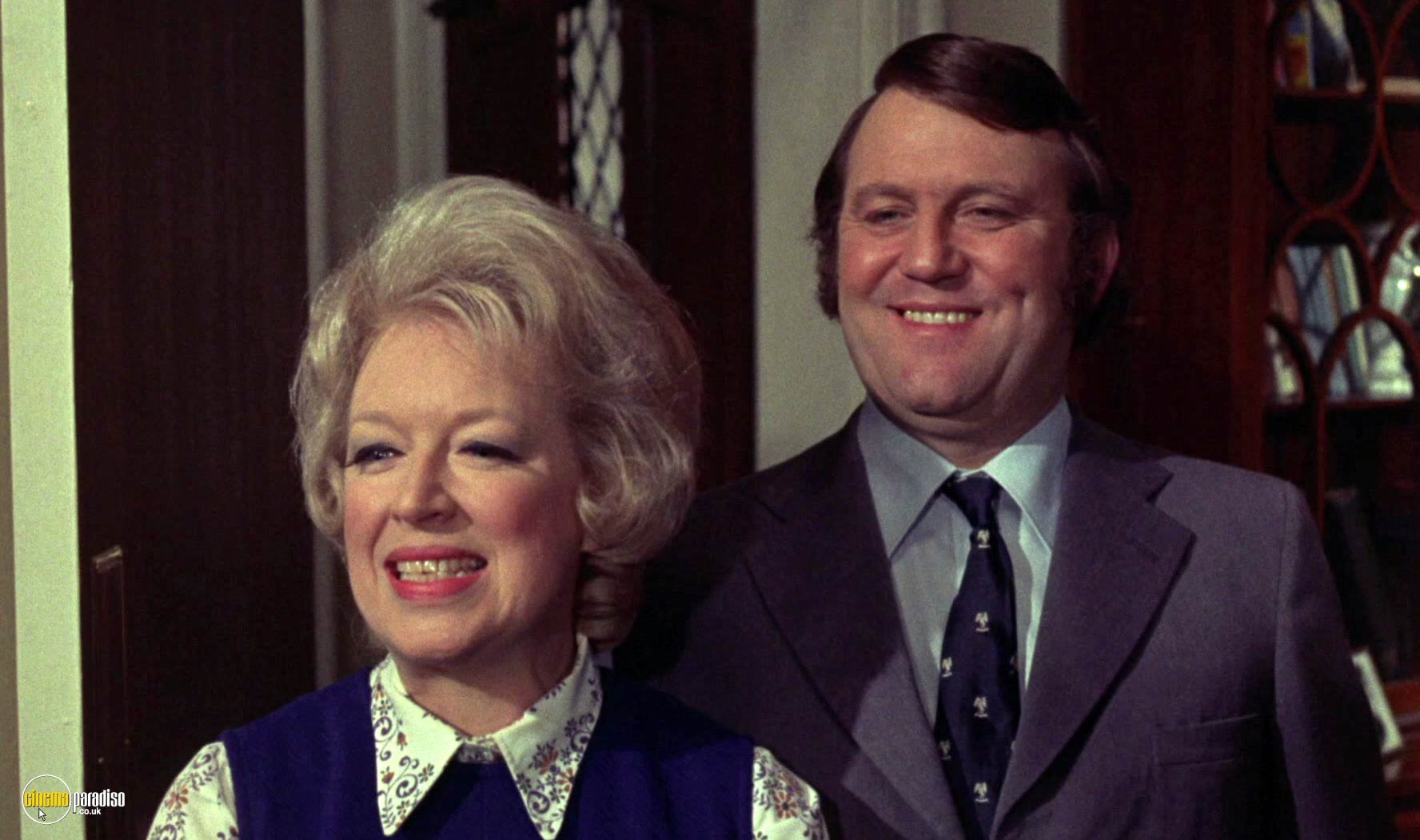
Streatham-born June Whitfield (25 November) never wanted to play leading ladies. From her RADA days, she was content with taking supporting roles, as she felt they came with less stress. She debuted on screen in The 20 Questions Murder Mystery (1950), which can be found on The Renown Crime Collection. But she made her name on radio in Take It From Here (1953-60) and would round off her career back at the BBC playing Miss Marple in 12 radio cases (1993-2001). On television, she was the nurse in 'The Blood Donor' episode of Hancock (1957-60), having been Meg in Carry On Nurse (1959). She would also grace Carry On Abroad (1972), Carry On Girls (1973), and Carry On Columbus (1992), while also appearing with Sidney James in Bless This House (1972), as Vera Baines.
Her husband was played by Terry Scott and Whitfield became his on-screen partner, as June Fletcher in Happy Ever After (1974-79) and June Medford in Terry and June (1979-87). She also took occasional film roles in The Magnificent Seven Deadly Sins (1971), Romance With a Double Bass (1975), and Not Now, Comrade (1976). But there was no knowing where Whitfield was going to pop up next, as she guested in everything from Steptoe and Son, Father, Dear Father, and It Ain't Half Hot Mum to Coronation Street, East Enders, and Friends (in 'The One With Ross's Wedding, Part Two' ). She even voiced Rupert's mother in Rupert and the Frog Song (1985), which can be found on Paul McCartney: The Music and Animation Collection.
Spotting Whitfield's subversive side, Jennifer Saunders cast her as Mother in Absolutely Fabulous (1992-2012) and Absolutely Fabulous: The Movie (2016), where she attained a National Treasure status that was enhanced when she appeared as Minnie Hooper in the two-part Doctor Who story, 'The End of Time' (2009). Twice the subject of This Is Your Life, she was rightly cast a God in You, Me and the Apocalypse (2015) before being made a dame in 2017. Incapable of a bad performance, Whitfield can be guaranteed to raise a smile whichever film or programme you pick from her extensive Searchline credits.
Born on 27 November, Marshall Thompson, Claude Lanzmann, and Ernie Wise make up an unlikely birthday trio. Hailing from Peoria, Illinois, Thompson came to Hollywood as a teenager and was paired with Gloria Jean at Universal. However, he became known for playing rookie soldiers in pictures like The Purple Heart (1944), They Were Expendable (1945), Battleground (1949), and To Hell and Back (1955), in which he co-starred with Audie Murphy. Leads came in such genre flicks as Fiend Without a Face (1957), It: The Terror From Beyond Space (1958), and First Man into Space (1960). But Cinema Paradiso members of a certain age will remember Thompson as vet Marsh Tracy in Daktari (1966-69), which was spun-off from the MGM feature, Clarence the Cross-Eyed Lion (1965). Having directed himself in A Yank in Viet-Nam (1964), which was the first Hollywood film about the war (and is now notoriously difficult to find), Thompson would later guest in numerous TV shows, as well as occasional features like The Turning Point (1977), The Formula (1980), and White Dog (1982).
Born in Bois-Colombes to Russian-immigrated parents, Claude Lanzmann fought in the Maquis alongside his father and brother during the Nazi Occupation of France. For many years, he edited
Les Temps Modernes, the magazine founded by Jean-Paul Sartre and Simone de Beauvoir, even living with the latter for a couple of years. His directorial career began with Pourquoi Israël (1973), which examined the country's first 25 years of existence. Subsequently, however, Lanzmann focussed on the Holocaust, with Shoah (1985) containing over nine hours of personal testimony. Footage that didn't make the cut was recycled for Shoah: Four Sisters (2018), which forms part of a Masters of Cinema release alongside A Visitor From the Living (1997), Sobibor, 14 October 1943, 4 p.m. (2001), and The Karski Report (2010). Equally essential is The Last of the Unjust (2013), which chronicles Lanzmann's meetings with Benjamin Murmelstein, the last President of the Jewish Council in the Theresienstadt ghetto.
Ernest Wiseman came from Leeds and made his music-hall debut in partnership with his dad, as Bert Carson and His Little Wonder. He was spotted by a talent scout and appeared on television with bandleader Jack Hylton in 1939. A year later, he met Eric Bartholomew in the touring show, Youth Takes a Bow, and Morecambe and Wise were born. Their early days are lovingly remembered in Eric & Ernie (2011), while Cinema Paradiso takes up the story with the three features that the duo made for Rank in the 1960s: The Intelligence Men (1965), That Riviera Touch (1966), and The Magnificent Two (1967). The following year, they switched from ITV (see Two of a Kind ) to the BBC, where Eddie Braben's writing helped make them the most unmissable act on British television by adding a little pomposity and impishness to Wise's stooging. With his short, fat, hairy legs and a wig with an invisible join, Wise was anything but a traditional 'straight man', hence his evolution into a brilliant playwright, whose latest creation attracted guest stars of the calibre of Glenda Jackson. Even now, The Morecambe and Wise Christmas Show is one of the highlights of the BBC festive schedule and Cinema Paradiso users can feast on the Christmas Specials, as well as The Lost Tapes. In 1978, the pair returned to ITV, where they remained until 1984. A final film, Night Train to Murder (1984), was released after Morecambe's death in July 1984. Wise followed in March 1999, having struggled to find a niche without his partner. Sadly, we shall never see their like again. But, boy, what memories and they're all available to rent and enjoy over again.
Our last November entrant is Vojtech Jasný (30 November), who came from the southern Czechoslovakian town of Kelc. Transfixed by Jean Renoir's The Little Match Girl (1928), he started making amateur films as a boy. However, his father was sent to Auschwitz and it was only after he had survived the war that Jasný returned to his dream by training at the famous FAMU film school in Prague, where Vsevolod Pudovkin ( Mother, 1925) and Cesare Zavattini ( Bicycle Thieves, 1948) were among his tutors. Having worked on documentaries with Karel Kachyna, he made a splash at Cannes by winning the Special Jury Prize with the anthology film, Desire (1958). Exploiting the relaxation in censorship that would presage the Prague Spring, Jasný was hailed as a key figure in the Czech Film Miracle with The Cassandra Cat (1963), which explores the impact on a small town of a travelling circus. After reuniting with Kachyna for the wartime drama, Coach to Vienna (1966), Jasný produced one of the four features that were 'banned forever' by the government following the Soviet clampdown on liberalisation. Charting the impact of Communism on a small Moravian town, All My Good Countrymen (1969) won the prize for Best Director at Cannes. But Jasný struggled to make films in exile and spent much of his later life teaching film in New York. He died two decades after his final work, Return to Paradise Lost (1999), at the age of 93.
DECEMBER
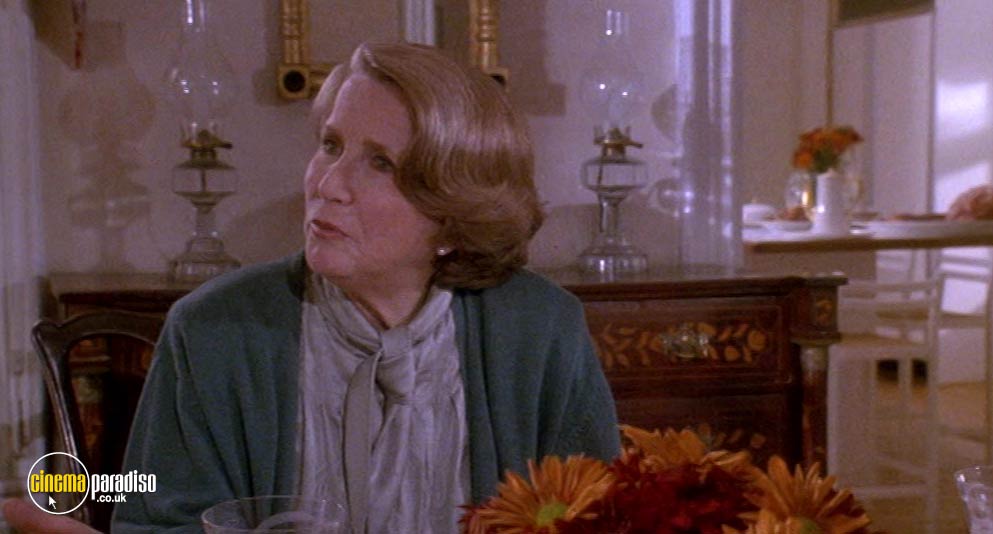
A native of Grosse Pointe, Michigan, Julie Harris (2 December) won five Tony Awards for her work on Broadway and was shortlisted for five more. She earned an Oscar nomination for Best Actress on debut in The Member of the Wedding (1952) and was unlucky to miss out for reprising her award-winning stage turn as Sally Bowles in I Am a Camera (1953), although she was recognised by BAFTA. As Harris started collecting the first of her 11 Emmy Awards, further notable cinema credits followed in East of Eden (1955), The Haunting (1963), Requiem For a Heavyweight (1962), Harper (1966), and Reflections in a Golden Eye (1967). Occasionally guesting on television, Harris continued to excel in films that weren't always widely seen, such as How Awful About Allan, The People Next Door (both 1970), and Voyage of the Damned (1976). But she could also spring surprises like Sam Raimi's Crimewave (1985) and George A. Romero's The Dark Half (1993), alongside more mainstream offerings like Gorillas in the Mist (1988) and Housesitter (1992).
New Yorker Sammy Davis, Jr. (8 December) was born into a showbiz family and performed in vaudeville with his father and godfather as The Will Mastin Trio. At the age of seven, he co-starred with Ethel Waters in the short, Rufus Jones For President (1933), but he rejoined the family act following war service (during which he was subjected to constant racial abuse). Recording under the names Shorty Muggins and Charlie Green, Davis sang the theme to the Tony Curtis heist saga, Six Bridges to Cross (1955). Despite losing his left eye in a car crash in 1954, he also had success on Broadway in Mr Wonderful (1956), which led to his friendship with Frank Sinatra and his membership of the Rat Pack (see the documentaries Frank Sinatra and His Fabulous Rat Pack (2002) and Frank Sinatra: All or Nothing (2015).
Davis features in the Pack pictures Ocean's 11 (1960), Sergeants 3 (1962), and Robin and the 7 Hoods (1964), while their Las Vegas engagements made him a resort regular and led to him becoming pals with Elvis Presley and cameoing in Elvis: That's the Way It Is (1970). A victim of segregation throughout this period, Davis was threatened by Columbia boss Harry Cohn for dating contracted star Kim Novak and vilified in the media for marrying Swedish actress May Britt in 1960. Meanwhile, his acclaimed turn as Sportin' Life in Porgy and Bess (1952) has been disappeared because the estates of George Gerhswin and DuBose Heyward disapproved of Otto Preminger's treatment. In addition to the numerous titles that showcase his talent as a charismatic and hep entertainer, Cinema Paradiso users can also see Davis the actor in The Rifleman (1960), A Man Called Adam (1966), Sweet Charity (1969), Gone With the West (1975), The Cannonball Run (1981), Broadway Danny Rose (1984), and Tap (1989). He died of throat cancer in 1990.
We can't bring you any of the films made by Atif Yilmaz (9 December), but he merits mention as one of the titans of Turkish cinema. He directed 119 films, with Mine (1983), Her Name Is Vasfiye (1985), and The Woman Has No Name (1988) being noted for pushing taboos. He was also renowned for creating strong roles for actresses like
Fatima Girik in Kesanli Ali's Epic (1964), Alya Algan in Oh Beautiful Istanbul (1966), and Türkan Soray in My Girl With the Red Scarf (1977). As a writer and producer, Yilmaz also helped launch the careers of such key film-makers as Yilmaz Güney, Serif Gören, Zeki Ökten, Halit Refig, and Ali Özgentürk. Born in London a day later, Tony Wright was the son of actor Hugh E. Wright and was initially reluctant to follow in his footsteps. Having made a brief splash in France in Your Turn, Callaghan and More Whisky For Callaghan (both 1955), Wright was snapped up by Rank and boosted as a star in the making with his blonde hair and pin-up physique. However, his performances in pictures like Tiger in the Smoke (1956) and Seven Thunders (1957) were stiff and he returned to France to reprise the role of Slim Callaghan in Et par ici la sortie (1957) and The Amazing Mr Callaghan (1960).
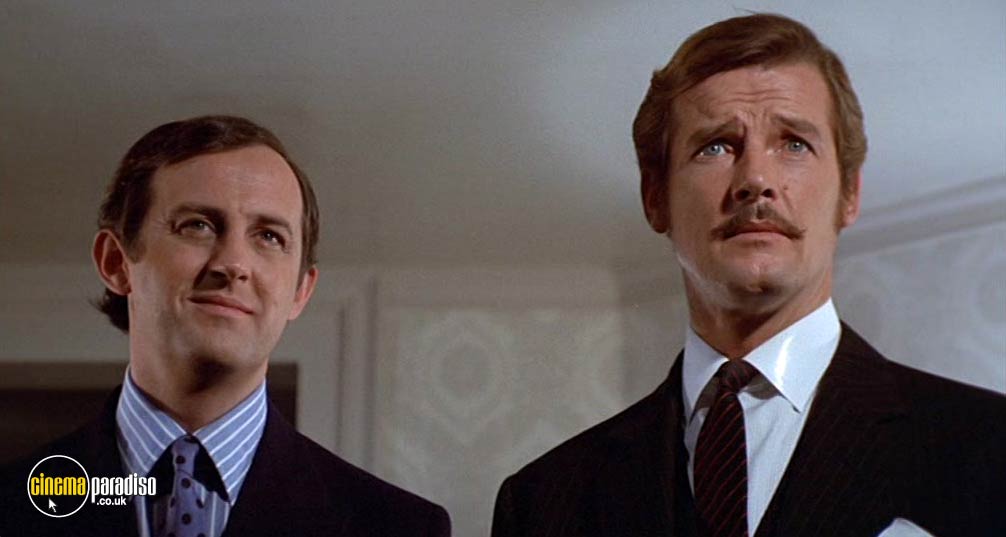
Married to actress Janet Munro, Wright survived an overdose to rebuild his career in The Rough and the Smooth (1959), The House in Marsh Road, Faces in the Dark, And the Same to You (all 1960), and Attempt to Kill (1961), which can be rented via The Edgar Wallace Mysteries: Vol.2. Having made Journey into Nowhere (1962) in South Africa, Wright took blink'n'miss roles in The Man Who Haunted Himself (1970), All Coppers Are... (1972), and The Creeping Flesh (1973) between making softcore porn flicks like Clinic Exclusive (1971) and such Children's Film Foundation offerings as The Hostages (1975). Struggling with alcoholism for much of this period, Wright died aged 60 in June 1986.
Growing up in Reigate, Anne Voase Coates (12 December) wanted to train horses. Despite being the niece of J. Arthur Rank, she was barred from seeing films as a girl. However, Wuthering Heights (1939), Jane Eyre (1943), and Henry V (1944) excited her so much that she got a job with the Sunday Shorts religious film company before coming to Pinewood as an assistant to Reggie Mills. She worked on Michael Powell and Emeric Pressburger's The Red Shoes (1948) and The History of Mr Polly (1949) before being given her solo debut on The Pickwick Papers (1952). A steady run followed that included Grand National Night (1953), To Paris With Love (1955), Lost (1956), The Truth About Women (1957), The Horse's Mouth (1958), Tunes of Glory (1960), and Don't Bother to Knock (1961).
During this period Coates raised a family with director husband, Douglas Hickox, with sons Anthony and James following their father, while daughter Emma E. Hickox is a Hollywood-based editor. Given the choice between cutting Stanley Kubrick's Lolita and David Lean's Lawrence of Arabia (both 1962), Coates chose the latter and won an Oscar for the astonishing precision of her work. Undaunted by any challenge, she moved on from Becket (1964), which brought another Oscar nod, to Those Magnificent Men in Their Flying Machines (1965). But she had a run of modest pictures that took her to Murder on the Orient Express (1974) and, following Aces High and The Eagle Has Landed (both 1976), she tried her hand at producing on The Medusa Touch (1978).
Back to her Oscar-nominated best with David Lynch's The Elephant Man (1980), Coates left Britain after Greystoke: The Legend of Tarzan, Lord of the Apes (1984) and Lady Jane (1986) and based herself in Los Angeles. Once again proving she was up for anything, she edited the actioners Raw Deal (1986), Masters of the Universe (1987), and Farewell to the King (1989), while also taking on I Love You to Death (1990), What About Bob? (1991), Chaplin (1992), and In the Line of Fire (1993), which brought another Oscar nomination, with her last coming for Out of Sight (1998). By this time, she had switched to digital editing after Congo (1995). But she continued to surprise with her choices, as she cut everything from Striptease (1986), Passion of Mind (2000), and Unfaithful (2002) to Erin Brockovich (2000), Taking Lives (2004), and Catch and Release (2006). Busy to the end, she followed The Golden Compass (2007) with Extraordinary Measures (2010), and Fifty Shades of Grey (2015), which she claimed lacked passion. Coates died at the age of 92 in 2018, having been presented with a BAFTA Fellowship and an Honorary Academy Award.
Born in Berlin on 12 December, Gordon Hessler was raised in Britain before he took himself to Hollywood in the early 1950s. He served as script editor for two seasons of Alfred Hitchcock Presents prior to getting the chance to direct the 1961 'Final Arrangements' episode and turned associate producer for The Alfred Hitchcock Hour. Having made his feature debut with Catacombs (1965), Hessler found himself at AIP, where he put Vincent Price through his paces in The Oblong Box (1969), Scream and Scream Again, and Cry of the Banshee (both 1970). But he rather stalled with Embassy (1972) and Medusa (1973) and even had mixed fortunes with the Bette Davis teleplay, Scream, Pretty Peggy (1973), and Ray Harryhausen's stop-motion adventure, The Golden Voyage of Sinbad (1974). Thenceforth, Hessler specialised in series television, working on Kung Fu, CHiPS, Wonder Woman, and The Master. If only we could bring you the 1978 duo of Secrets of Three Hungry Wives and Kiss Meets the Phantom of the Park or 1988's The Girl in a Swing. But we can offer the Shô Kosugi ninja thrillers, Pray For Death (1985) and Rage of Honour (1987).
Dick Van Dyke (13 December) recently celebrated the centenary of his birth in West Plains, Missouri. He grew up in Danville, Illinois and sang in a school choir with Donald O'Connor before forming a double act with Phil Erickson. A number of jobs in television followed before Van Dyke got his break on Broadway in Bye Bye Birdie (1960), which earned him a Tony Award. His success prompted Carl Reiner to create The Dick Van Dyke Show (1961-66), which followed the fortunes of comedy writer Rob Petrie and his wife, Laura (Mary Tyler Moore). The series earned Van Dyke three Emmys and made him a household name.
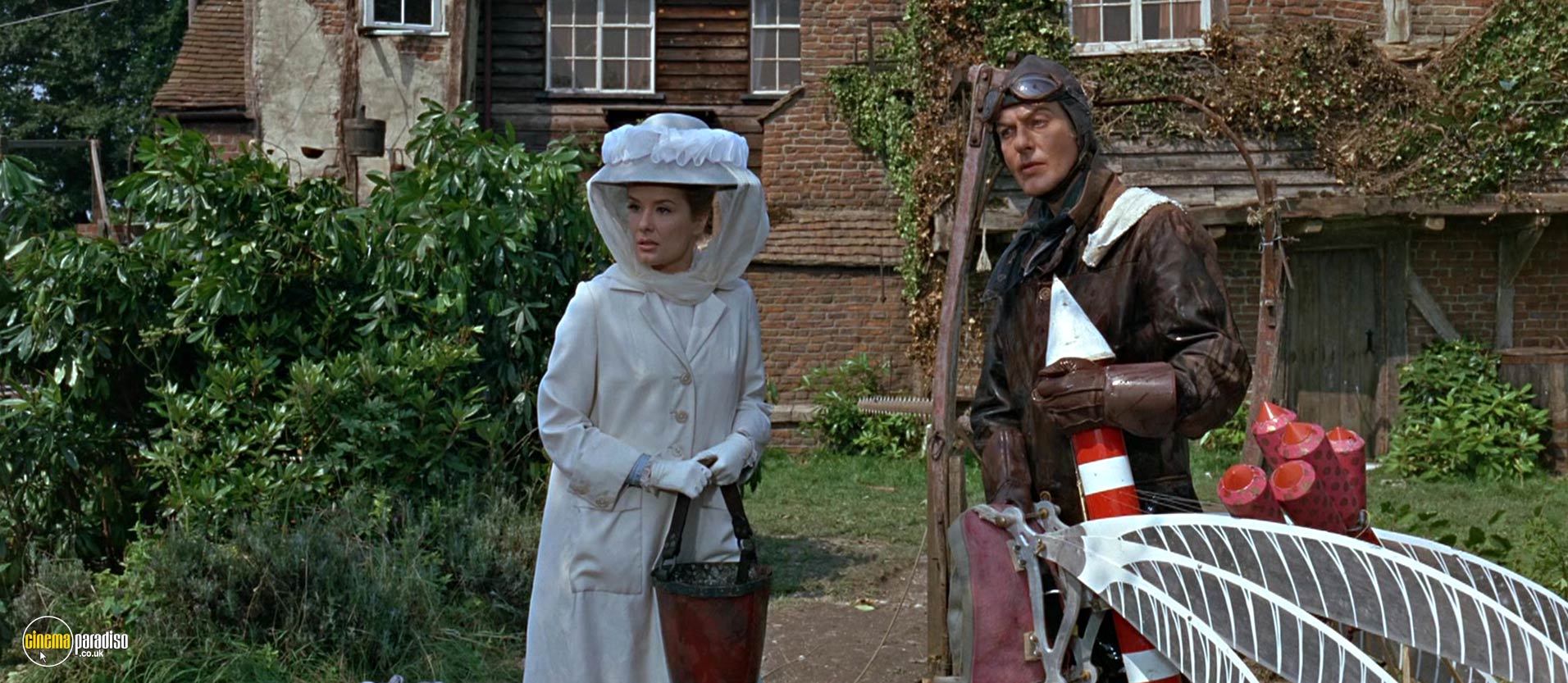
He reprised the role of hack songwriter Albert J. Peterson in George Sidney's 1963 film version of Bye Bye Birdie, which led to him being cast as Bert the chimney sweep in Mary Poppins (1964). His Cockney accent has gone down in screen infamy, but don't overlook his second role, as bank chairman, Mr Dawes, Sr., for which he was credited as Navckid Keyd. Despite pocketing a Grammy for his contribution to the soundtrack album, Van Dyke struggled to find suitable film vehicles over the next few years, with only What a Way to Go! (1964) and Divorce American Style (1967) making it on to disc in the UK, which is shame, as he is very good as sad slapstick clown Billy Bright in Carl Reiner's The Comic (1969). However, he triumphed as inventor Caractacus Potts in Chitty Chitty Bang Bang (1968), with the Ian Fleming connection reportedly leading to an invitation to take over James Bond from Sean Connery.
Neither Norman Lear's stellar comedy, Cold Turkey (1971), nor The New Dick Van Dyke Show (1971-74) is available to rent. But check out the various guest appearances listed in his Searchline credits, with the ones in Columbo and Matlock being particularly memorable. Claiming to have turned down Gregory Peck's role in The Omen (1979), Van Dyke relished his villainous cameo as DA Fletcher in Dick Tracy (1990). However, he returned to the right side of the law, as Dr Mark Sloan, in Diagnosis: Murder (1993-2001). Following Curious George (2006), he was involved in Night At the Museum (2006), Night At the Museum: Battle of the Smithsonian (2009), and Night At the Museum: Secret of the Tomb (2014), as the villainous Cecil Fredericks. He also turned up as Mr Dawes, Jr. in Mary Poppins Returns (2018). He has no plans to retire and why should he?
Born Augusta Margaret Diane Fuller in the Welsh seaside town of Prestatyn, Peggy Cummins (18 December) was raised in Dublin by her actress mother, Margaret Cummins, who would appear in the 1948 Hollywood films, Smart Woman and The Sign of the Ram. By that time, Peggy had debuted on stage at the Gate Theatre in Dublin and made such films as Dr O'Dowd (1940), Salute John Citizen (1942), Old Mother Riley Detective (1943), English Without Tears, and Welcome, Mr Washington (both 1944), which should all be available on disc in this country, as they were all popular pictures during the war. Summoned to Hollywood by Darryl F. Zanuck, Cummins was considered for Cluny Brown (1946) and Forever Amber (1947), but had to settle for Moss Rose, the Joseph L. Mankiewicz duo of The Late George Apley (both 1947) and Escape, and The Green Grass of Wyoming (both 1948). All are fine films, but only the latter is available to rent.
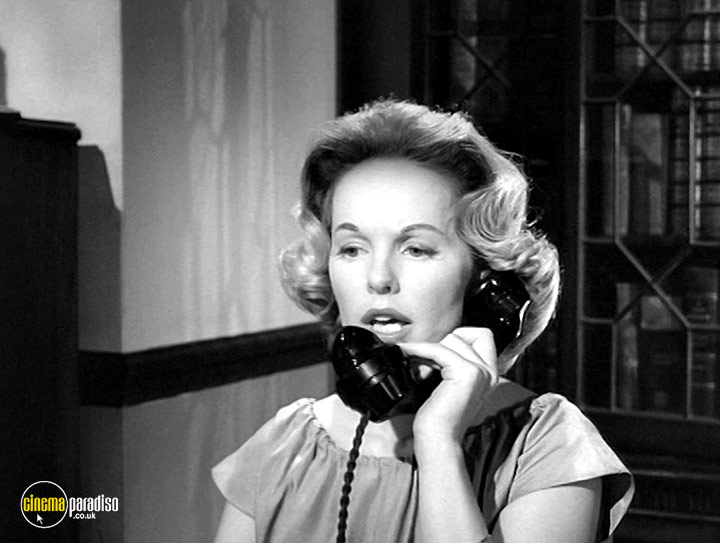
We can bring you Cummins's electrifying performance as Annie Laurie Starr alongside John Dall in Joseph H. Lewis's B noir, Gun Crazy (1950), which was scripted by the blacklisted Dalton Trumbo. This proved to be her last Hollywood assignment, however, as she had married happily and wanted to raise her family in Britain. Alexander Korda paired her with Edward G. Robinson in My Daughter Joy (1950), while Muriel Box cast her as a teenage single mother in Street Corner (1953). But the majority of Cummins's later pictures were comedies, including Who Goes There? (1952), Always a Bride (1953), The Love Lottery, To Dorothy a Son (both 1954), The March Hare (1956), and Carry On Admiral (1957). Her pairing with Stanley Holloway in Meet Mr Lucifer (1953) can be found on The Ealing Rarities Collection, Vol.9. Following a change of pace in Jacques Tourneur's Night of the Demon and Cy Endfield's Hell Drivers (both 1957), it was back to lighter fare like The Captain's Table (1959), Your Money or Your Wife, Dentist in the Chair (both 1960), and In the Doghouse (1961), which proved to be her swan song. Cummins died at the age of 92 in 2017, having enjoyed a late revival in interest in her grittier outings.
Writing with his younger brother, Richard, New Yorker Robert B. Sherman (19 December) produced some of the catchiest songs in cinema history. The son of a Tin Pan Alley tunesmith, Sherman had won a Purple Heart during the war and walked with a limp because of his injuries. He began writing with his sibling in the 1950s and they were hired as in-house songwriters by Walt Disney (they were played by B.J. Novak and Jason Schwartzmann in Saving Mr Banks, 2013). Having earned two Oscars for Mary Poppins (1964), they would go on to earn another seven nominations, as they amassed credits for That Darn Cat! (1965), The Jungle Book (1967), Chitty Chitty Bang Bang (1968), The Aristocats (1970), Bedknobs and Broomsticks (1971), Snoopy Come Home (1972), Charlotte's Web (1973), The Slipper and the Rose (1976), The Many Adventures of Winnie the Pooh (1977), The Magic of Lassie (1978), and The Tigger Movie (2000). The Shermans also composed for the 1961 and the 1998 versions of 'The Parent Trap'.
Born in Bois-Colombes on the Île-de-France, Nicole Maurey (20 December) danced before she starting acting. The peak of her early career was Robert Bresson's The Diary of a Country Priest (1951), but she moved to Hollywood after co-starring with Bing Crosby in Little Boy Lost (1953). She held her own against Charlton Heston in Secret of the Incas (1954) and proved suitably plucky in the war movie, The Bold and the Brave (1956). But Maurey was better used in such British films as The Constant Husband (1955), The Weapon, Rogues' Yarn (both 1956), The Scapegoat (1959), His and Hers, Don't Bother to Knock (both 1961), and The Day of the Triffids (1962), in which she played Christine Durrant.
Raised in the eastern Hungarian town of Berettyóújfalu, Károly Makk (22 December) spent his childhood gazing at the screen in his father's cinema. When the film industry was nationalised under the Communists, he worked his way through the system and made such diverse pictures as Underground Colony (1951), Liliomfi (1954), Ward 9 (1955), and The House Under the Rocks (1958). But he kept being refused permission to make the Stalin era drama, Love, in which the wife of a political prisoner (Mari Törocsik) convinces her dying mother-in-law (Lili Darvas) that he is thriving in Hollywood. The film won the Special Jury Prize at Cannes in 1971 and Makk followed Cat's Play (1974) and A Very Moral Night (1977) with Another Way (1982), a lesbian love story set against the 1956 Uprising that earned Polish actress Jadwiga Jankowska-Cieslak a prize at Cannes. He teamed Maggie Smith and Christopher Plummer in Lily in Love (1984), but his co-productions weren't as convincing as his Hungarian projects, even though he coaxed two-time Oscar winner Luise Rainer out of retiremement for his 1997 adaptation of Fyodor Dostoevsky's The Gambler. In 2003, he reunited Mari Törocsik with Love co-star Iván Darvas for a study of living with the past, A Long Weekend in Pest and Buda, which is available from Cinema Paradiso on the excellent Second Run label.
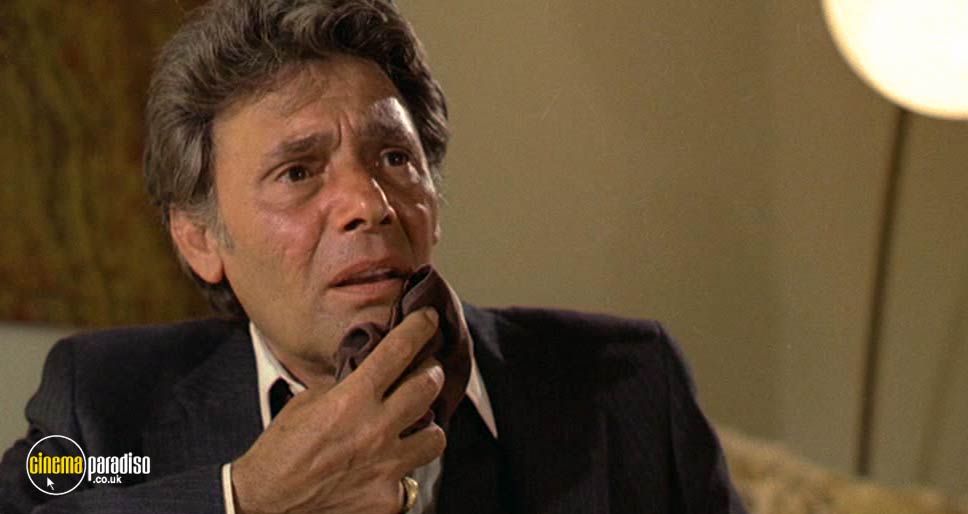
New Yorker Harry Guardino (23 December) started acting at 12 in productions staged by the Police Athletic League. Following decorated war service, he took numerous menial jobs between acting engagements before and after landing roles like Tony Curtis's brother in Flesh and Fury (1952). He received a Golden Globe nomination for playing owner Angelo Donatello in Houseboat (1958) and followed Pork Chop Hill and The Five Pennies (both 1959) by playing Barabbas in King of Kings (1961). Another Globe nod came for The Pigeon That Took Rome before a gutsy display in Hell Is For Heroes (both 1962) led Don Siegel to cast him as Detective Rocco Bonaro in Madigan (1968) and Lieutenant Al Bressler in Dirty Harry (1971) and The Enforcer (1976). He reteamed with Clint Eastwood in Every Which Way But Loose (1978) and Any Which Way You Can (1980) and remained busy in film and television until his death in 1995, becoming a regular in Murder, She Wrote, twice playing Boston reporter, Haskell Drake.
The son of musicians, Parisian Michel Piccoli (27 December) spent much of his early career in run-of-the-mill films when not acting on stage and consorting with the Germain-des-Prés set that included writers Jean-Paul Sartre and Simone de Beauvoir, and café singer Juliette Gréco, who would become his second wife. Jean Renoir cast him in French Cancan (1954), but it took a cheeky letter to Luis Buñuel asking him to watch him in a play for Piccoli to find a niche in serious cinema. He would work with the Spaniard on Death in the Garden (1956), Diary of a Chambermaid (1964), Belle de Jour (1967), The Milky Way (1969), The Discreet Charm of the Bourgeoisie (1972), and The Phantom of Liberty (1974). Piccoli would also reprise the Belle de Jour role of Henri Husson in Manoel De Oliveira's Belle Toujours (2006).
Having stolen scenes in Jean-Pierre Melville's Le Doulos and Jean-Luc Godard's Contempt (both 1963), Piccoli collaborated with some of the biggest names in European cinema: Costa-Gavras (The Sleeping Car Murder, 1965); Alain Resnais (The War Is Over, 1966); Agnès Varda (Les Créatures, 1966); René Clément ( Is Paris Burning?, 1966); Jacques Demy ( The Young Girls of Rochefort, 1967); Mario Bava ( Danger: Diabolik, 1968); Henri-Georges Clouzot ( La Prisonnière, 1968); Claude Chabrol ( Wedding in Blood, 1973); Marco Ferreri ( La Grande bouffe, 1973); and Claude Feraldo ( Themroc, 1973). He also played Jacques Granville in Alfred Hitchcock's Topaz (1969) and made several films with Claude Sautet that are scandalously not available in the UK. The same goes for Piccoli's other outings for Marco Ferreri, which always contained something to offend everyone.
Smoothly operating as Joseph the card dealer in Louis Malle's Atlantic City (1980), Piccoli reunited with Demy for Une chambre en ville (1982) and Malle in Milou en mai (1990) in between the Michel Deville duo of Death in a French Garden (1985) and Paltoquet (1986). He also shone in Leos Carax's The Night Is Young (1986) and Holy Motors (2012), Jacques Rivette's La Belle noiseuse (1991) and Don't Touch the Axe (2007), Pascal Bonitzer's Rien sur Robert (1999), De Oliveira's I'm Going Home (2001), Otar Iosseliani's Gardens in Autumn (2006), Jane Birkin's Boxes (2007), Theo Angelopoulos's The Dust of Time, Varda's The Beaches of Agnès (both 2008), Claude Lelouch's What War May Bring (2010), Resnais's You Ain't Seen Nothin' Yet, and Valeria Sarmiento's 'Napoleon' (both 2012). But nothing could top his deeply poignant performance as the reluctant Cardinal Melville in Nanni Moretti's We Have a Pope (2011). Piccoli died at the age of 94 in May 2020 and European cinema lost one of its greatest actors.
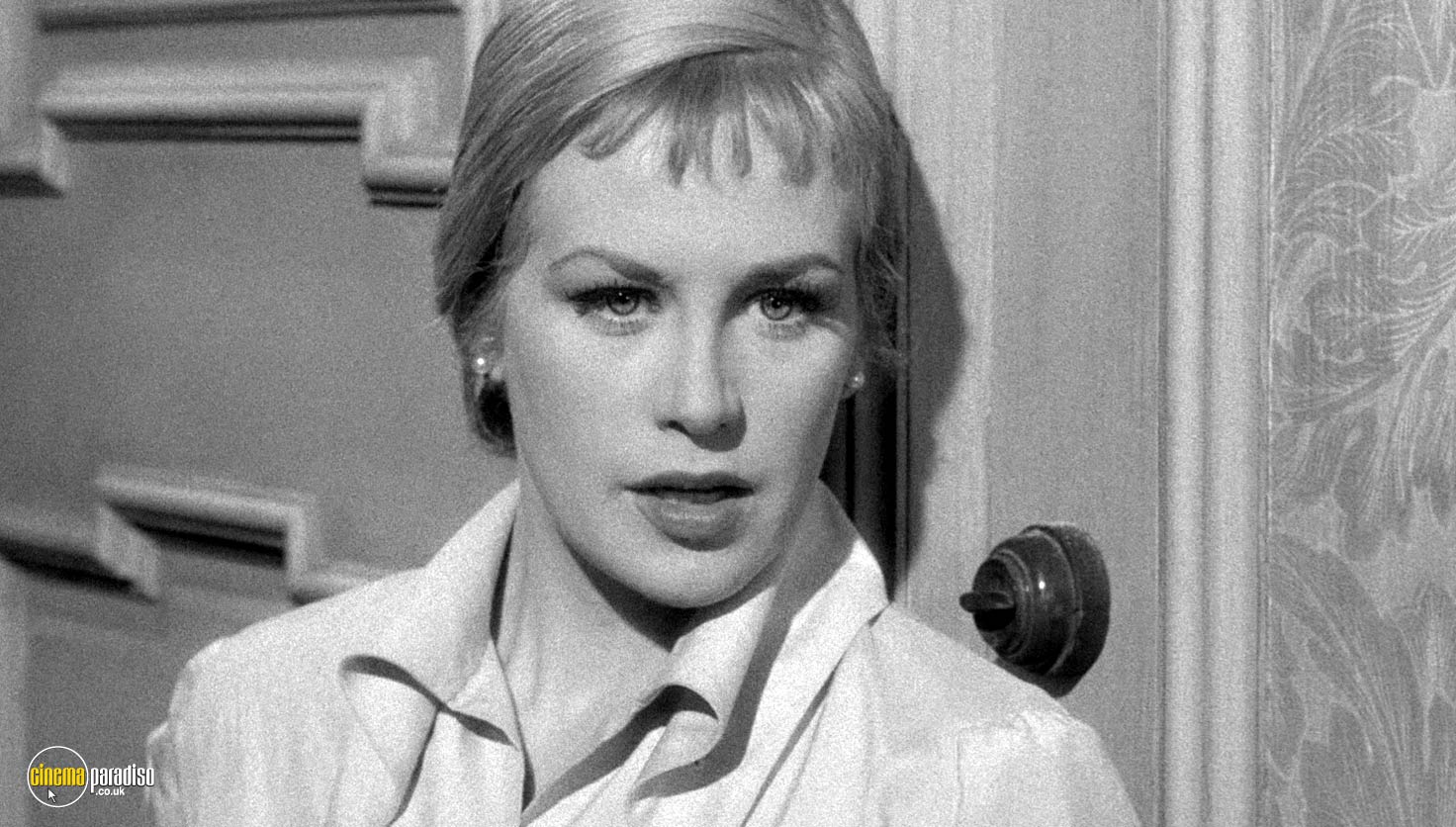
Born in Ulm, but raised in Berlin, Hildegard Knef (28 December) left school at 15 to become an apprentice animator at UFA. She caught the eye of Nazi Propaganda Minister Joseph Goebbels, but was warned to steer clear. However, she did have an affair with Tobis studio boss, Ewald von Demandowsky, and was imprisoned by the Red Army at the end of the war. But her lover arranged for her to be released before he was executed for producing such pernicious wartime propaganda pictures as Ohm Krüger and I Accuse (both 1941). Making the most of her reprieve, Knef starred in the influential 'rubble film', The Murderers Are Among Us (1946), and achieved notoriety by performing the first nude scene in German cinema in The Sinner (1951). This counted against her when David O. Selznick tried to launch her in Hollywood as an Austrian named Gilda Christian. She appeared in the Best Picture-nominated Decision Before Dawn (1951), The Snows of Kilimanjaro, and Diplomatic Courier (both 1952), but was more effective opposite James Mason in Carol Reed's Cold War thriller, The Man Between (1953).
Yet, while she headlined Svengali (1954), with Donald Wolfit, Knef (or Neff, as she was sometimes billed) decided to focus on her singing, despite roles in Mozambique (1964), The Dirty Dozen (1967), and The Lost Continent (1968). She gave one of her best performances as Anna Quangel in Alfred Vohrer's Everyone Dies Alone (1976), and was melancholically seductive in Billy Wilder's Fedora (1978). She died in 2002 and was played by Heike Makatsch in the 2009 biopic, Hilde.
Glaswegian Ian MacNaughton (30 December) started out as an actor, venturing into films with a Scottish flavour, such as Laxdale Hall (1952) and Disney's Rob Roy, the Highland Rogue (1953). Having played Haggis in X the Unknown (1956), he was Kilmartin Dalrymple in the lost sitcom, Tell It to the Marines (1958-59), and popped up in such small-screen fare as Hancock, Interpol Calling, and Redcap. However, nothing could top his appearance as Michael George Hartley in Lawrence of Arabia (1962), which followed bit parts in The Silent Enemy (1958), The Bridal Path, and Idol on Parade (both 1959).
Fresh from taking a directing course at the BBC, MacNaughton helmed several episodes of Dr Finlay's Casebook, in which he had also acted. More significantly, he directed Spike Milligan's groundbreaking comedy series, Q. (1969), and this led to an invitation to work on Monty Python's Flying Circus (1969-74). He directed all but the first four of the 45 episodes, as well as the feature spin-off, And Now For Something Completely Different (1971), the two shows made for German television, Monty Python's Fliegender Zirkus (1972), and the concert feature, Monty Python: Live At the Hollywood Bowl (1982). In addition to reuniting with Milligan on the Q. follow-ups (that have been anthologised in two volumes that are available to rent), MacNaughton also directed Leonard Rossiter in the early episodes of Rising Damp (1973-74) and in the comic short, Le Pétomane (1979).
Concluding this year's roll of honour is Norman Chappell, who was born in Lucknow in India on
31 December 1925. A familiar face, who specialised in lugubrious or pompous types, he was a mainstay of British film and television for a quarter of a century before his sadly early death in 1983. He replaced Kenneth Williams as Allbright in Carry On Cabby (1960) and would return to the franchise - after his scene from Carry On Loving (1970) was cut - to plot against Sidney James in Carry On Henry (1971) before becoming a member of the ensemble for the ITV series, Carry On Laughing! (1975). Following two episodes of The Larkins (1958-64) as Sid Gannett, Chappell popped up in such comic features as The Punch and Judy Man (1963), Crooks in Cloisters (1964), Doctor in Clover (1966), and How I Won the War (1967). However, he could also hold his own in dramas and thrillers, including Jigsaw, The Pot Carriers (both 1962), Girl in the Headlines (1963), and The Beauty Jungle (1964). Latterly, he had to resort to appearing in softcore offerings like Au Pair Girls (1972), Percy's Progress (1974), and Intimate Games (1976). But there was always a demand for Chappell's hangdog expression. Check the Cinema Paradiso Searchline to see just how many classic sitcoms he guested in. Moreover, he made five appearances in The Avengers (1961-69), impressing as the snooty butler, Fleming, in ' The Gilded Cage' (1963).
Mentioned films