In the second part of Cinema Paradiso's reflection on the film and TV folk who have passed away over the last few months, the focus falls on the months of September and October.
In addition to recalling those like Phyllida Law, whose deaths had only been announced in August 2026, the first part of Cinema Paradiso's two-part memorial roll call had also recalled the achievements of such performers as Cheryl Hall, Reggie Bannister, Hayden Panettiere, Tim Curry, and Dolly Parton, as well as directors John Irvin and Mark Rydell. Moving into the autumn, we concentrate on those we lost in September and October.
SEPTEMBER
It's always sad when someone dies young and Carla Jeffery was only 33 when she passed away on 1 September. Born a twin in Houston, Texas on 10 July 1993, she started acting classes to overcome her shyness after brother Carlon had broken through as a child star. She played the young Mo'Nique in Phat Girlz (2006) and quickly acquired a following as Keysha Black, the daughter of the African American family that Larry David takes in after Hurricane Katrina in Curb Your Enthusiasm (2007-09). Living with epilepsy from the age of 18, she juggled features like Teacher of the Year (2014) and A Horse For Hannah (2015) with small-screen roles in Lie to Me, Southland, Torchwood, Suburgatory, Crazy Ex-Girlfriend, and American Vandal. However, Jeffery was best known for her endearing performances as Bree the Seabrook High cheerleader in Zombies (2018), Zombies 2 (2020), Zombies 3 (2022), and Zombies: The Re-Animated Series (2024-26).
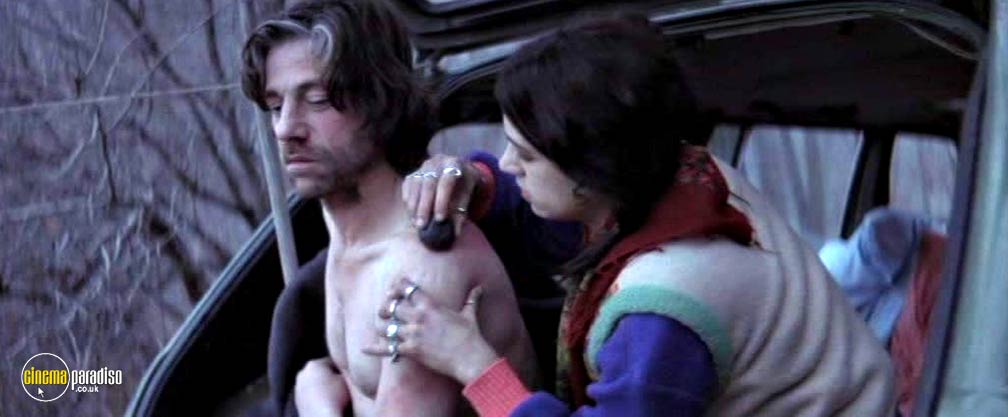
For a time in the 1990s, Tony Gatlif was a cult arthouse auteur whose films were eagerly anticipated in the UK. Born Boualem Dahmani in Algiers on 10 September 1948, he had a Berber father and an Andalusian-Romani mother. He had a tough time settling in the Carmargue after the family moved to France in 1960, changing his name to Tony Gatlif as a 12 year-old after one too many brushes with the law. Fabled actor Michel Simon took a shine to the youth and his testimonial earned Gatlif a place at a film school near Paris. He acted on stage while working on his first feature, The Ruined Head (1975), which went unreleased. Having examined the Algerian War in The Belly of the Earth (1978), he went to Spain to make Run, Gypsy (1981), about a false accusation. Five further features made little impression, but things changed after Gatlif won a prize in the Un Certain Regard strand at Cannes for Latcho Drom (1993), a compelling compendium of Roma music and lore shot in India, Egypt, Turkey, Romania, Hungary, Slovakia, France, and Spain. Subsequently, Mondo (1995), Gadjo Dilo (1997), Vengo (2000), Swing (2001), and Korkoro (2009) similarly centred on Romani communities, with the latter examining the Porajmos or Romani Holocaust. Gatlif had less success with the road movie, Children of the Stork (1999), but he won the Best Director prize at Cannes for Exiles (2004), which took him home for the first time in over 40 years to follow young lovers, Romain Duris and Lubna Azabal. Cinema Paradiso users can also sample Transylvania (2006), which was co-directed by Mircea Dragan and Hora?iu Malaele in following pregnant Italian Asia Argento's bid to find the musician father of the child she's expecting. After another five features, including Geronimo (2014) and Ange (2025), Gatlif died unexpectedly on 2 September while working on his next film in Arles.
Those who have been paying attention will know that Cinema Paradiso paid its respects to Man About the House star Richard O'Sullivan at the start of the article, A Brief History of British Sitcom Spin-Offs, Part One: 1930s-1970s. So, we move on to June Wyndham Davies, who died five days later on 9 September at the age of 97. Born in Cardiff on 27 June 1929, she trained at RADA and acted for several years, notably playing Catherine Earnshaw in Wuthering Heights (1953), which featured Michael Caine as her brother, Hindley. She also appeared in a couple of episodes of the BBC serial, Compact (1963-64). Ditching performing to become an assistant floot manager at Television Centre, Wyndham Davies graduated to directing and went freelance at a time when few woman took such a path. Following the success of Kate (1970-72), which starred Phyllis Calvert as an agony aunt, she directed a pair of much-loved serials, Pollyanna (1973), with Elaine Stritch as Aunt Polly, and Heidi (1974), with Flora Robson as the grandmother. The latter earned an Emmy nomination, but Wyndham Davies left the BBC for Granada, where she handled 47 episodes of Coronation Street (1973-81) and 15 trials for Crown Court (1973-77). She then specialised in Victorian crime, with Cribb (1979-81) and The Adventures of Sherlock Holmes (1986-94), which respectively starred Alan Dobie and Jeremy Brett. Cinema Paradiso members need to tap the director/producer's name into the Searchline and take their pick of the 16 teasing Conan Doyle cases waiting to be solved. What a shame no one has thought to release her spooky series, Shades of Darkness (1983-86). In a rare excursion into the world of film, Wyndham Davies won a BAFTA Cymru for producing Anthony Hopkins's August (1996), which relocated Anton Chekhov's Uncle Vanya to Wales. Having made The Cater Street Hangman (1998) for Prince Edward's Ardent Productions, she retired, eventually to Spain.
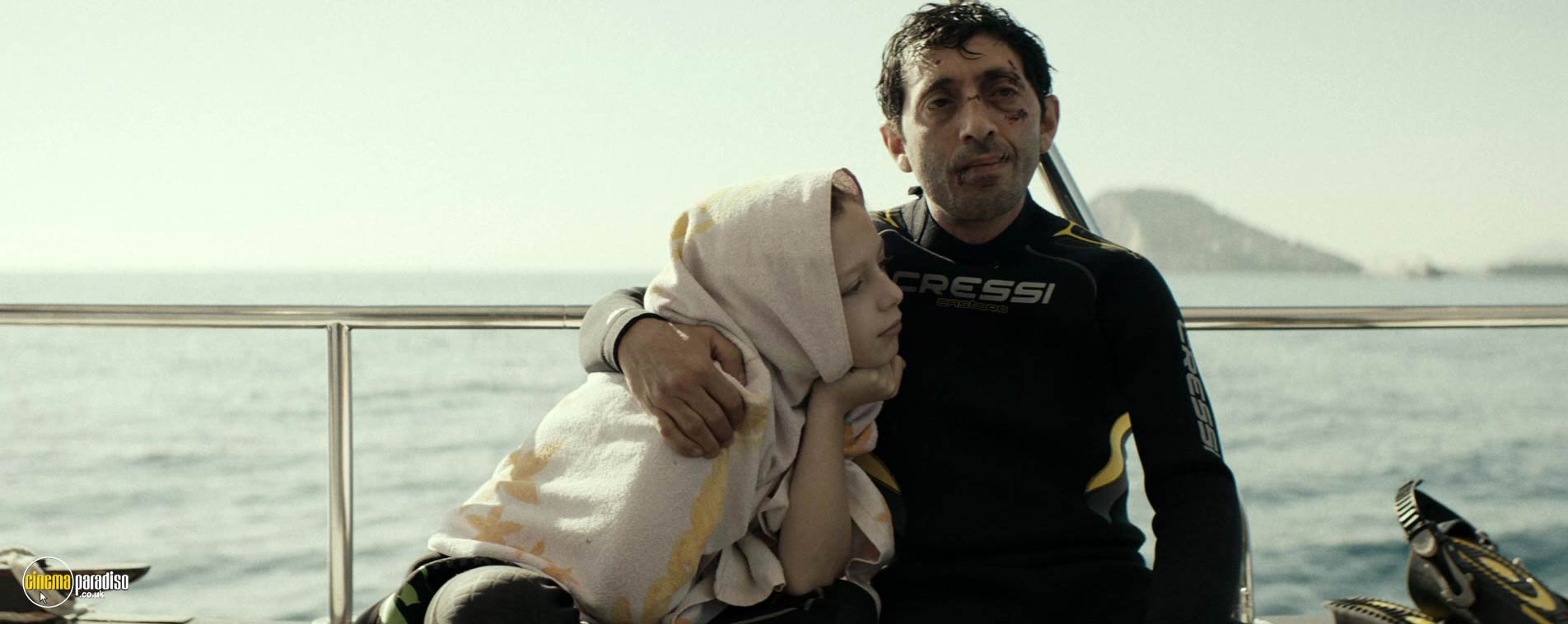
Oscar-winning producer Jeremy Thomas died on 11 September at his Oxfordshire home at the age of 77. Cinema Paradiso had previously explored his remarkable career in the end of the article, Introducing a British Film Family. However, this left the story with Ben Wheatley's High-Rise (2015), so we shall take it on from there, starting with the three contrasting pictures that Thomas produced for Matteo Garrone: Tale of Tales (2015), Dogman (2018), and Pinocchio (2019). Following on from 13 Assassins (2010) and Hara-Kiri: Death of a Samurai (2011), Thomas also continued his association with Japanese maverick Takashi Miike on Blade of the Immortal (2017), First Love (2019), and Bad Lieutenant: Tokyo (2026). Reinforcing his reputation for backing eclectic projects, he also produced Bernard Rose's Samurai Marathon (2019), Viggo Mortensen's The Dead Don't Hurt (2023), Stefano Mordini's Race For Glory: Audi vs Lancia (2024), and Jan Komara's The Good Boy (2025), while also exec producing Terry Gilliam's The Man Who Killed Don Quixote (2018), Julien Temple's A Couple of Rounds (2020) and Jerzy Skolimowski's EO (2022). Thomas's love of life and his work was evident in Mark Cousins's documentary, The Storms of Jeremy Thomas (2021), and he leaves behind a body of work that does his eminent film-making clan proud.
The son of a soldier, Anthony Page was born in Bangalore on 21 September 1935 and started directing plays at Oxford. In New York, he studied under Sanford Meisner at the Neighbourhood Playhouse School and introduced his `reality of doing' technique in London classes attended by the likes of Albert Finney and Maggie Smith. After casting Michael Caine in Harold Pinter's The Room (1960) at the Royal Court, Page spent time in local rep, notably in Dundee, where he befriended Nicol Williamson, who would become a key member of the Royal Court troupe, during the 1964-65 season that launched two John Osborne plays, Inadmissable Evidence and A Patriot For Me. Page would star Williamson in his 1968 film adaptation of the former. This isn't available to rent, but Cinema Paradiso can bring you the remarkable ATV series, Male of the Species (1969), which was introduced by Laurence Olivier and starred Sean Connery, Michael Caine, and Paul Scofield in its three vignettes. Much of Page's time was occupied by theatre, but he directed Helen Mirren in The Changeling (1974) before making such frustratingly forgotten, if starchy US teleplays as The Missiles of October (1974), F. Scott Fitzgerald in Hollywood (1975), Collision Course: Truman vs MacArthur (1976), and F.D.R.: The Last Year (1980).
Also missing from disc is I Never Promised You a Rose Garden (1977), which featured fine performances by Kathleen Quinlan and Bibi Andersson, and Page's 1979 remake of Alfred Hitchcock's The Lady Vanishes (1938). We can bring you his teaming with Anthony Shaffer and Richard Burton (as a Catholic priest) on Absolution (1978), as well as Cheryl Ladd's laudable lead in Grace Kelly (1983). His collaborations with Mickey Rooney on Bill (1981) and Bill on His Own (1983) were praised, as was Glenda Jackson and Dirk Bogarde's chemistry in The Patricia Neal Story (1981), in which Bogarde played Roald Dahl. But Joan Collins and George Hamilton had more fun in Monte Carlo (1986), while Sam Waterston shone as William Shirer, the American reporter based in Nazi Germany, in The Nightmare Years (1989). Back in Blighty, Page directed Judi Dench in Absolute Hell (1991) and made a lovely job of George Eliot's Middlemarch (1994). His last small-screen outing, also for the BBC, was David Hare's My Zinc Bed (2008). But most critics would concur that his best work was for the stage (winning a Tony for A Doll's House, 1997), sadly long before it was possible to live stream on cinema screens.
Chilean documentarist Patricio Guzmán died in Paris on 15 September at the age of 85. He had spent much of his life in exile after making the celebrated trilogy, The Battle of Chile (1975-79), which was made up of The Insurrection of the Bourgeoisie, The Coup d'État, and Popular Power, which exposed how President Salvador Allende was overthrown in a CIA-backed coup on 11 September 1973 by General Augusto Pinochet. Born in Santiago on 11 August 1941, Guzmán returned from studying in Spain to make his debut with The First Year (1972), which charted the progress of the world's first democratically elected Marxist regime. His support for Allende led to Guzmán being arrested and detained for two weeks in the Estadio Nacional, which would become notorious for the crimes that took place there. After the restoration of democracy, he made Chile, Obstinate Memory (1997) to reflect on the period of dictatorship, as he believed `A country without documentary films is like a family without a photo album.' Having completed The Pinochet Case (2001) and Salvador Allende (2004), Guzmán's focus fell on Chile's geography, with Nostalgia For the Light (2010), centring on the Atacama Desert, while The Pearl Button (2015) used the Pacific Ocean, Tierra del Fuego, and the rivers of Patagonia to reflect upon recent history. The winner of the Best Screenplay prize at the Berlin Film Festival, this was followed by The Cordillera of Dreams (2019), which explored the Andes. In what turned out to be the last of his 30 films, Guzmán put a female slant on the 2019-20 anti-government protests in My Imaginary Country (2022).

Born in New York on 27 November 1948, but raised in Chicago, Gerrit Graham met Brian De Palma at Columbia University. He was cast in Greetings (1968), Hi, Mom! (1970), Phantom of the Paradise (1974), and Home Movies (1979), which he followed up with the character roles of country singer Perman Waters in Paul Bartel's Cannonball (1976), computer geek Walter Gabler in Donald Cammell's Bad Seed (1977), and Susan Sarandon's abusive boyfriend, Highpockets, in Louis Malle's Pretty Baby (1978), all of which acquired cult followings. As the superstitious Jeff, Graham sparked well with Kurt Russell's Rudy Russo in Robert Zemeckis's Used Cars (1980) before playing Bob Spinnaker, the cocky president of Lizzie Borden High School's Class of 1972, in National Lampoon's Class Reunion (1982). Guesting in small-screen staples like Starsky & Hutch, The Dukes of Hazzard, The A-Team, Sledge Hammer, and Fame, Graham spent a season as Fred Hughes in Dallas (1988-89). Ever interesting and always a team player, Graham featured in The Annihilators, The Man With One Red Shoe (both 1985), Chopping Mall (1986), It's Alive 3: Island of the Alive, Walker (both 1987), and Police Academy 6: City Under Siege (1989). Following a rare lead, as Bud Oliver, in C.H.U.D. II: Bud the C.H.U.D. (1989), he found himself married to Jenny Agutter in Child's Play 2 (1990) and a mentor to Leonardo DiCaprio at Pottstown's Hill School in This Boy's Life (1993). In addition to writing the odd episode of The Twilight Zone reboot, Graham also penned additional dialogue for Disney's Oliver & Company (1988) and The Little Mermaid (1989). Also still busy on television (see his Searchline), he voiced Franklin Sherman in The Critic (1994-95) and followed playing Tosk in Star Trek: Deep Space Nine (1993) with Quinn in Star Trek: Voyager (1996). The 77 year-old died in an assisted living facility in Rhinebeck, New York on 15 September.
Born in Solihull on 5 October 1941and trained at the Bristol Old Vic, Stephanie Cole became known for playing no-nonsense characters, whose stern exterior hid kindness or a quirky wit. Moving into television from the stage (which she continued to grace for five decades), she debuted in an episode of Z Cars in 1968, but was limited to one-off appearances in virtually all of the titles listed on her Cinema Paradiso Searchline, with the exception of Sally Ann (1979), in which she played Mrs Major Gibbs of the Salvation Army. Feature roles were also rare after Cole debuted uncredited as a traffic warden in Eskimo Nell (1975), shortly after she had returned to acting after quitting in 1972. Everything changed, however, when she was cast as Dr Beatrice Mason in Tenko (1981-85), which was set in a Japanese prison camp during the Second World War. Overlapping this breakthrough role, Cole revealed a knack for comedy as Mrs Delphine Featherstone, the `Black Widow' with designs on Arkwright (Ronnie Barker) in Open All Hours (1982-85), a role she would reprise opposite David Jason's Granville in Still Open All Hours (2013-19). Having taken the teleplay roles of Cis Johnson in Amy (1984) and Billie Cooper in Tears in the Rain (1988), Cole excelled as Muriel Carpenter in `Soldiering On' in Alan Bennett's Talking Heads (1988) before settling in for A Bit of a Do (1989), as Betty Sillitoe.
Sitcoms would become Cole's forte, however. Belying the fact she was only 48, she played retired photojournalist Diana Trent opposite Graham Crowden's Tom Ballard at the Bayview Retirement Home in Waiting For God (1990-94) and Peggy Beare driving sons Andrew (Martin Ball) and Richard (David Haig) to distraction in Keeping Mum (1997-98). She also kept Martin Clunes in check, as Aunt Jean Norton, in Doc Martin (2004-09), while finding time for TV-movie roles like Dame Lettie Colston in Memento Mori (1992), The Honourable Lady Beatrice Langley in Back Home (2001), Mrs Waite in Housewife 49 (2005), and Miss Holt in Miss Pettigrew Lives For a Day (2008). By the time of the latter, Cole had squeezed in 159 episodes of Coronation Street (2011-13), as Roy Cropper's mother, Sylvia Goodwin, winning a British Soap award in the process. She then went on to badger Greg Davies as the plain-talking Aunt Nesta in Man Down (2014-17), while continuing to play Olive in Ed Reardon's Week (2005-21) and Carolyn Knapp-Shappey in another BBC radio comedy, Cabin Pressure (2008-14). Bouncing back from slitting her throat live on air as in a meta-episode of Inside No.9 (2018), in which she also played Moira O'Keefe, Cole spent seven episodes as Aunt Ann Walker in Gentleman Jack (2019-22). The 84 year-old died from Alzheimer's complications on 18 September.
It's safe to say that Richard Harrison enjoyed his career, although few of the films he made here, there, and everywhere are available on disc. Born in Salt Lake City on 26 May 1936, he was working in a Los Angeles gym used by movie people when he was offered a contract at 20th Century-Fox, where he studied under Sanford Meisner. He can be glimpsed at the start of the Rodgers and Hammerstein musical, South Pacific (1958). But he fared better at American International Pictures, working with Vincent Price on the Jules Verne adventure, Master of the World, and marrying the boss's daughter. He also lucked out in being sent to Italy to star in The Invincible Gladiator (1961), as his blond locks and muscular physique made him perfect for sword`n'sandal epics. He also cut a dash in buckskin and so impressed Sergio Leone in the Ennio Morricone-scored Gunfight At Red Sands (1963) that he was offered the lead in A Fistful of Dollars (1964). In what he claimed to be his greatest contribution to cinema, Harrison turned down the role and suggested Clint Eastwood in his stead. Branching out into Eurospy territory, Harrison looked unshaken as Bob Fleming in Secret Agent Fireball (1965) and Mission Casablanca (1966), while his uniform suited him to a tee in Churchill's Leopards (1970), opposite Klaus Kinski's Nazi. His `have script, will travel' attitude took him to Egypt (You Can Do a Lot with 7 Women, 1971), Turkey (The Godfather's Friend, 1972), Hong Kong (Marco Polo, 1975; which can be found on Horrible History: Four Historical Epics by Chang Cheh), Yugoslava (Devil's Island, 1979), Iran (Hajji Washington, 1982), and Morocco (Amok, 1982). Harrison even tried directing, with the Spaghetti gem, Two Brothers in Trinity (1972). But it's Acquasanta Joe (1971) that Cinema Paradiso users can rent, along with Mad Dog Killer (1977), a favourite of Quentin Tarantino (who sampled it in Jackie Brown, 1997), in which Harrison essayed Police Chief Giulio Santini to Helmut Berger's Nanni Vitali. We can also bring you the martial arts flicks that Harrison made for Godfrey Ho in Hong Kong - Ninja Terminator (1985), Golden Ninja Warrior, Ninja the Protector, The Ninja Squad, and Ninja Dragon (all 1986) - after having endured the ignominy of having to make five Z-movies for Silver Star Films in the Philippines. That said, the Teddy Page trio of Fireback, Hunter's Crossing, and Blood Debts (all 1985) have since acquired a cult cachet. Later outings like Challenge of the Tiger (1985), Dark Mission (1987), Lies of the Twins (1991) and Angel Eyes (1993) went largely unnoticed until he retired in 2010. But Harrison never let the side down in amassing 136 credits - catch the documentary Eurocrime! The Italian Cop and Gangster Films That Ruled the '70s (2012) to learn more - and he deserved better than to lose his Malibu home during the Palisades wildfires of 2025. He died on 18 September at the age of 90.
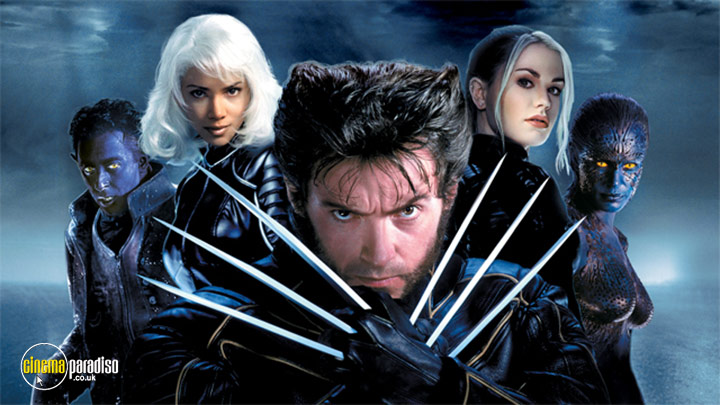
Editor Elliot Graham shot himself at the age of 50 on 19 September. Born in Claremont, California on 8 June 1976, he had studied history before turning to editing, making his debut on Stephen Norrington's treatise on fame, The Last Minute (2001). Having teamed with Bryan Singer on X2: X-Men United (2003), the pilot for House M.D. (2004), and Superman Returns (2006), Graham cut Robert Luketic's 21 (2008). Following his Oscar nomination for Milk (2008), Gus Van Sant rehired Graham for Restless (2011). But there was a three-year hiatus before he edited Stephen Daldry's Trash (2014), although he worked steadily on Danny Boyle's Steve Jobs (2015), Aaron Sorkin's Molly's Game (2017), and Anna Boden and Ryan Fleck's Captain Marvel (2019). He also did uncredited work on The Amazing Spider-Man 2 (2014), I Am Michael, and Beasts of No Nation (both 2015). In 2022, he shared a BAFTA with Tom Cross for Cary Joji Fukunaga's 007 outing, No Time to Die (2021). But this turned out to be Graham's last credit.
Born Catherine Marina de Poliakoff-Baydaroff in Clichy on 10 May 1938 to an exiled White Russian opera singer and his ballerina wife, Marina Vlady and sisters Odile Versois and Hélène Vallier all became popular actresses in France. Taking her stage name from her father, Vladimir, Marina made her film debut as an ice skater at the age of 11 in Summer Storm (1949). She was paired with Marcello Mastroianni in the wartime drama, Black Feathers (1952), committed robbery in order to escape a nuclear crisis in Before the Deluge (1954), and protected her murderous husband in Sophie and the Crime (1955). Aged 17 and already known for the languide elegance of her acting, Vlady married Robert Hossein and he directed her in The Wicked Go to Hell (1955) and Blonde in a White Car (1958), which are both available to rent from Cinema Paradiso, although Forgive Us Our Trespasses (1956) and Double Agents (1959) are not. Having taken the demure title role in La Princesse de Clèves (1961), Vlady exuded emancipated modernity as Regina in Marco Ferreri's The Conjugal Bed (1963), which earned her the Best Actress prize at Cannes. It also brought her to the attention of Orson Welles, who cast her as Kate Percy in Chimes of Midnight (1965). Jean-Luc Godard was also an admirer and he proposed to Vlady before they embarked upon Two or Three Things I Know About Her (1967), which made it no easier to play reluctant prositute, Juliette Jeanson. Members can also see her in Michel Deville's On a Vole La Joconde (1966) and Bertrand Tavernier's Let Joy Reign Supreme (1975), but nothing from the rest of her career is available on disc in the UK, even though she reunited with Mastroianni in Ettore Scola's wonderful Splendor (1989). After nearly two decades away from the screen, Vlady appeared as Yolande in Amor Hakkar's A Few Days of Respite (2010). A courageous activist for Algerian independence and abortion, she made headlines with her long-distance marriage to Soviet dissident poet, Vladimir Vysotsky. She was 88 when she died on 19 September.
Born in Barnet on 24 October 1938, John Grover started out as a numbering boy at MGM's Borehamwood Studios. where uncle Frank Clark was an editor. He learned his craft as an uncredited assistant editor for Robert Wise's The Haunting (1963), Gerald Thomas's Carry On Jack (1964), David Lean's Doctor Zhivago (1965), John Frankenheimer's Grand Prix (1966), Herbert Ross's Goodbye, Mr Chips (1969), Ralph Nelson's Soldier Blue (1970), and Franklin J. Schaffner's Nicholas and Alexandra (1971). In addition to his cutting room duties on Stanley Kubrick's 2001: A Space Odyssey (1968), Grover also donned a space helmet to provide some of Bowman's heavy-breathing. But he didn't think much of the film (`a load of rubbish') or its director (`that idiot'). Having cut the skiing opening to The Spy Who Loved Me (1977), Grover helped with the assembly of Moonraker (1979) and Octopussy (1983) before receiving editorial credits on For Your Eyes Only (1981), The Living Daylights (1987), and Licence to Kill (1989). He also collaborated with Roger Moore on The Wild Geese (1978) and The Sea Wolves (1980), as well as editing Tobe Hooper's Lifeforce (1985), Jim Henson's Labyrinth (1986), and episodes of TV shows like Fat Friends (2002-05). Grover was 87 when he died on 28 September.
OCTOBER
From his earliest days as a teenage usher at the Lafayette Theatre in his native Buffalo, New York, Frank Mancuso had nous. Born on 25 July 1933, he wound up programming for the chain's 50 venues and was hired by Paramount Studios in 1962 to book films for his home patch. Working his way through the ranks, he used radio airplay for the soundtracks of Saturday Night Fever (1977), An Officer and a Gentleman (1982), and Flashdance (1983) to boost their profile. As a result, he was placed in charge of the studio's new distribution arm in 1980 and guided Robert Redford's Ordinary People (1980) and James L. Brooks's Terms of Endearment (1983) to the Academy Award for Best Picture. Among the TV shows he championed were Cheers (1982-93) and Family Ties (1982-89). In 1984, he, pipped Michael Eisner to succeed Barry Diller as chairman and CEO. Abetted by Ned Tanen, Mancuso presided over a box-office boom with pictures like Beverly Hills Cop (1984), Ferris Bueller's Day Off, Top Gun, `Crocodile' Dundee, Children of a Lesser God, Star Trek IV: The Voyage Home (all 1986), Beverly Hills Cop II, The Untouchables, Fatal Attraction (all 1987), Indiana Jones and the Last Crusade (1989), and Ghost (1990). The underperformance of Days of Thunder, The Godfather Part III, and The Two Jakes (all 1990) led to executive in-fighting, which prompted Mancuso to quit and sue the studio for breach of contract. He received a $20 million settlement and got his feet under the table at MGM, where he revived the once-dominant studio's fortunes with Pierce Brosnan's first three Bond movies, GoldenEye (1995), Tomorrow Never Dies (1997), and The World Is Not Enough (1999), as well as Leaving Las Vegas (1995), Stargate (1994), Get Shorty (1995), and The Birdcage (1996). During his tenure, Mancuso increased the film library holdings to 3800 titles, which helped sweeten the deal when Kerk Kerkorian bought MGM from Crédit Lyonnais for $1.3 billion in 1996. Also having served as the president of the Academy of Motion Picture Arts and Sciences, `Gentleman Frank' retired in 1999 and enjoyed a long retirement before dying at the age of 93 on 1 October.
A chimney sweep named Brian Rudd and a music teacher called Peter Whitehouse were key to George Fenton becoming a composer and going on to win three Baftas, two Emmys, and five Ivor Novello Awards. The son of a Colditz POW, George Howe was born in Bromley in Kent on 19 October 1949. Taught piano by his mother, drums by his father, and electric guitar by the local sweep, he broadened his musical horizons under Whitehouse at St Edward's School in Oxford. Despite joining a band called Whistler, he hoped to become an actor and debuted in the West End in Alan Bennett's Forty Years On (1968), with Carl Davis mentoring him as a composer during the 14-month run. In order to get his Equity card, he took his mother's maiden name of Fenton, but had a surprise hit in Sweden under his own moniker with a 1969 cover of the Beatle track, `Maxwell's Silver Hammer'.
Composing regularly during the 1970s for the Royal Shakespeare Company and the National Theatre, Fenton continued to act, notably playing soldier Martin Gimbel in Emmerdale Farm (1975-76). However, music was taking over, as he collaborated with Alan Bennett on Six Plays (1979), An Englishman Abroad (1983), and Talking Heads (1988; and 2020), while also writing for Shoestring (1979-80), The History Man (1981), Bergerac (1981-91), The Jewel in the Crown (1984), and The Monocled Mutineer (1986). Another long-lasting partnership was forged with David Attenborough, as Fenton scored The Trials of Life (1990), Life in the Freezer (1993), The Blue Planet (2001), Planet Earth (2006; both Emmy winners), Frozen Planet (2011), and Wild Isles (2022). He also wrote several theme tunes, notably for Newsnight (1980-), which was commissioned by his brother-in-law and has been played each weeknight on BBC2 for the last 46 years.
The Attenborough connection also ran into films, as Richard hired Fenton to work with Ravi Shankar on Gandhi (1982), which earned the pair an Oscar. He would reunite with the director ons Cry Freedom (1987; AAN), Shadowlands (1993), In Love and War (1998), and Grey Owl (1999). Noted for his use of unusual instruments, Fenton also became the favourite of Nicholas Hytner, as he composed for The Madness of King George (1994), The Crucible (1996), The Object of My Affection (1998), Center Stage (2000), The History Boys (2006), and The Lady in the Van (2015), the first and last two of which were scripted by Alan Bennett.

Renewing ties with seven-time television collaborator, Stephen Frears, Fenton scored Dangerous Liaisons (1988; AAN), Accidental Hero (1992), Mary Reilly (1996), and Mrs Henderson Presents (2005), while also working with Neil Jordan on The Company of Wolves (1984), High Spirits (1988), and We're No Angels (1989), although Fenton never forgave the fact that his score was replaced on Interview With the Vampire (1994). Such was his versatility that he also worked with such Hollywood luminaries as Terry Gilliam (The Fisher King, 1991; AAN & The Zero Theorem, 2013) and Harold Ramis (Groundhog Day, 1993), as well as Nora Ephron (Mixed Nuts (1994);You've Got Mail (1998); Lucky Numbers (2000); and Bewitched, 2005), and Andy Tennant, for whom he scored Ever After: A Cinderella Story (1998), Anna and the King (1999), Sweet Home Alabama (2002), Hitch (2005), The Secret: Dare to Dream (2020), Fool's Gold (2008), The Bounty Hunter (2010), and Unit 234 (2023). But Fenton has scored more films for Ken Loach (18) than anyone else and it's easier to send readers to the Loach Searchline than it is to list everything from Ladybird, Ladybird (1994) to The Old Oak (2023). Fenton and Bennett joined forces again on Richard Eyre's Allelujah! (2022) and Hytner's The Choral (2025), in which Fenton cameo'd as the chauffeur of Sir Edward Elgar (Simon Russell Beale), before his final feature, Trudie Styler's Up Against It (2026), was released a month before the 76 year-old's unexpected passing on 5 October.

Cinema Paradiso regulars may remember our Getting to Know celebration of Eva Marie Saint's centenary on 4 July 2024. Sadly, we must point you back in that direction for the article to serve as her memorial, as the Oscar winner for Elia Kazan's On the Waterfront (1954) died on 6 October at the age of 102. She leaves the title of the oldest-living Oscar winner to 101 year-old Lee Grant, who also won Best Supporting Actress for Hal Ashby's Shampoo (1975) and who joined Cinema Paradiso's Centenary Club in 2025.
Matching Irrfan Khan in winning the Filmfare triple
crown of Best Actor, Best Supporting Actor, and Best Villain, Indian
actor-writer-director Nana Patekar left us on 8 October. Born Vishwanath
Patekar in Murud-Janjira on 1 January 1951, he made his screen debut in Gaman
(1978) and alternated between Hindi and Marathi cinema while he established
himself, although he also cropped up as Nathuram Godse, Gandhi’s assassin, in
the Emmy-winning American mini-series, Lord Mountbatten: The Last Viceroy
(1986). Cinema Paradiso members can first catch up with Patekar as Colonel
Mustafa Ali Zahidi in B.R. Chopra's Independence saga, Avam (1987). But it was his award-winning performance as Baba Galub, the drug
dealer-cum-pimp, in Mira Nair's Oscar-nominated Salaam Bombay! (1988)
that got Patekar noticed and he followed it up with more hissable villainy, as
gangster Anna Seth in Vidhu Vinod Chopra's Parinda (1989). Having turned
director with Prahaar: The Final Attack (1991), Patekar was feted for
his work as builder Majid Khan in Shashilal K. Nair's Angaar
(1992) and as gambling wastrel, Pratap Narayan Tilak, in Mehul Kumar's Krantiveer
(1994). Not always the easiest to work with, he was fired from Raja
(1995) after feuding with co-stars, Madhuri Dixit and Mukesh Khanna, Patekar
reunited with Kumar on Kohram: The Explosion (1999) before
playing a violent father in Krishna Vamsi's Shakti: The Power (2002).
This is one of several features available to rent from this period, along with Bhoot,
Darna Mana Hai, Aanch, Khamoshi (all
2003), and Ab Tak Chhappan (2004). Patekar played Raghav Shastri,
the driver of the eponymous Mumbai conveyance, in Milan Luthria's Taxi
No. 9211 (2006), and Satyajit Chavan, the Delhi doctor without a
bedside manner in the same director's Hattrick. Busy as ever, he
was Uday Shetty, a Dubai-based gang boss with acting aspirations in Welcome
(both 2007), which was released in the same year as Dus Kahaniyaan
and The Pool. After playing a scheming political wheeler-dealer
in Raajneeti. Patekar essayed a school principal in Paathshaala
(both 2010) and a maverick Delhi cop in Shagird (2011). After
reprising the role of
Uday Shetty in Welcome Back (2015), Patekar voiced Shere Khan in the Hindi dub of Disney's The Jungle Book (2016) and a ghost in Rohit Shetty's Gomaal Again!!! (2017). He was also praised for playing theatre actor Ganpat Ramchandra Belwalkar unravelling in the Marathi hit, Natsamrat (2016), and for his work as Dr Balram Bhargava in the factual Covid drama, The Vaccine War (2023) and he remained busy until the 73 year-old suffered a fatal heart attack in Goa on 8 October. However, his reputation had been tarnished by Tanushree Dutta's 2018 claim that he had sexually harassed her on the set of Horn 'Ok' Pleassss (2009), an accusation that launched the #MeToo movement in Bollywood.
As an actor and dubbing artist, Michael Forest racked up 270 credits during what he claimed `certainly hasn't been what you might call a distinguished career, but on the other hand, it hasn't been bad'. Born Gerald Michael Charlebois in Harvey, North Dakota on 17 April 1929, he was raised in Seattle and followed a friend into acting. While attending a class given by Jeff Corey, Forest was offered the role of a whip-cracking barbarian named Zarko by Roger Corman and he quickly followed The Saga of the Viking Women and Their Voyage to the Waters of the Great Sea Serpent with Nathan Juran's The Deadly Mantis (both 1957). Corman's brother, Gene, produced Beast From Haunted Cave (1959), which saw Monte Hellman make his directorial debut, but Forest reunited with Roger for Ski Troop Attack (1960) and Atlas (1961), in which he took the lead on location in Athens. Continuing to act on stage in San Diego, Forest began picking up television work on shows like Bonanza, Gunsmoke, Daniel Boone, The Outer Limits, and The Twilight Zone, in which he played a motorcycling killer alien alongside Lee Kinsolving and Tom Gilleran in `Black Leather Jackets'. He also got to flirt with Mary Tyler Moore as an old flame-turned-priest in `The Life and Love of Joe Coogan' episode of The Dick Van Dyke Show (both 1964). Alongside films like The Glory Guys (1965) and 100 Rifles (1969), Forest guested in The Virginian, Get Smart, The Man From U.N.C.L.E., Mission: Impossible, Ironside, and Star Trek, in which he memorably appeared in `Who Mourns for Adonais?' as Apollo, a role he would reprise in 2013 on the fan-produced show, Star Trek Continues, with wife Diana Hale playing Athena. From 1968-78, Forest was based in Rome, where he dubbed over 500 films into Italian. In later life, he would voice dozens of characters in the anime titles listed on his Cinema Paradiso Searchline. There, you will also find unexpected items like Joseph Losey's The Assassination of Trotsky (1972), John Guillermin's King Kong Lives (1986), Uli Edel's Body of Evidence (1993), in which he plays the ageing millionaire who perishes after a kinky sado-masochistic session with Madonna, and Robert Zemeckis's Cast Away (2000), in which he's briefly seen as a pilot. Having lost his wife in 2022, Forest moved into an assisted facility in Sparks, Nevada, where he died aged 97 on 14 October.
Tom DeSimone may not be a familiar name, but he had quite a career. Born on 1 July 1939 in Revere, Massachusetts, he received a masters in film production at UCLA and started out working with former UPA animator Stephen Bosustow. Having made his feature bow with Terror in the Jungle (1968), DeSimone branched out into gay porn, with The Collection (1970) being the first X-rated gay feature to include dialogue and a plot! He directed 23 titles in all, including some under the name Lancer Brooks, although none had a catchier title than Confessions of a Male Groupie or: How I Learned to Stop Worrying and Love the Electric Banana (1970). Also during this period, he worked as a cameraman at Hand in Hand Films, which broke new ground in making narrative hardcore and avant-garde gay films. In 1977, however, DeSimone changed tack and scored a cult musical comedy hit with Chatterbox (1977), which starred Candice Rialson as a hairdresser with an unusual gift. This send-up of Gerard Damiano's Deep Throat (1972) was followed by classier hook-ups with Linda Blair on Hell Night (1981) and Savage Streets (1984) and Jill St John on The Concrete Jungle (1982), which are both available to rent from Cinema Paradiso. As are Reform School Girls (1986), a parody of women's prison exploitation movies, and Angel 3: The Search (1988), which featured DeSimone's actor brother Bob (who can also be seen as Billy the coke-snorting mental health worker in Friday the 13th: Part 5: A New Beginning, 1985) and followed on from Robert Vincent O'Neil's Angel (1984) and Avenging Angel (1985), which centred on a high school student with a secret life. Much of DeSimone's later career centred on television shows like Freddy's Nightmares (1988-89). At the age of 87, he passed away with medical assistance in Palm Springs on 17 October.
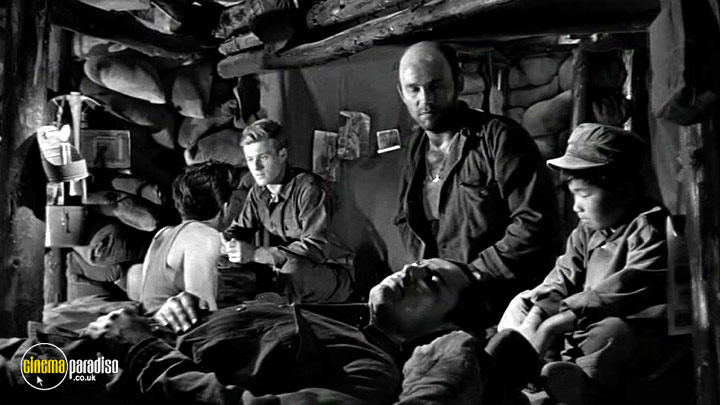
In total, Tom Skerritt racked up 178 credits during his 64-year career. Born in Deroit on 25 August 1933, he had spent five years in the US Air Force before he dropped out of UCLA to make his feature debut in War Hunt (1962). Besides Those Calloways (1965) and Knife in the Darkness (1968), Skerritt was mostly involved in television over the next decade, as a glimpse at his Cinema Paradiso Searchline will attest. His profile was raised by his performance as Augustus `Duke' Forrest in Robert Altman's M*A*S*H (1970) and he reunited with the director on Thieves Like Us (1974) having appeared in Harold and Maude (1971; under the pseudonym, M. Borman), Fuzz (1972), and Big Bad Mama (1974).
Following a couple of lean years, Skerritt played Shirley MacLaine's husband in the multi-Oscar-nominated ballet drama, The Turning Point (1977), and took the role of Vietnam veteran Strawberry opposite Cheech Marin and Tommy Chong in the trippy comedy, Up in Smoke (1978). But it was his commanding displays as Captain Dallas in Alien (1979) and Mike `Viper' Metcalf in Top Gun (1986) that introduced Skerritt to the blockbuster generation. Yet he remained an old school character player, who could switch from The Dead Zone (1983) to Space Camp (1986) to Poker Alice (1987), in which he top-starred with Elizabeth Taylor. He even became a regular in Cheers (1987-89) as Evan Drake before holding his own against a stellar female ensemble as Drum Eatenton in Steel Magnolias (1989) and giving Craig Sheffer and Brad Pitt the benefit of his paternal wisdom as Reverend John Maclean in Robert Redford's A River Runs Through It (1992). Around this time, Skerritt landed the lead of Sheriff Jimmy Brock in Picket Fences (1992-96), for which he won an Emmy.
But he kept being offered choice film roles in the likes of Poltergeist III (1988), The Rookie (1991), Poison Ivy, Singles (both 1992), Contact (1997), and The Other Sister (1999). He found himself married to Sally Field for a second time, albeit only in flashbacks, in Brothers and Sisters (2006-10) before he played Nate Ford's father in Leverage (2010-12), while also guesting in The West Wing, Madam Secretary, The Good Wife, The Closer, and White Collar. Never one to steal focus, the hard-working Skerritt provided deft support to Stephen Baldwin in Greenmail (2002), Bruce Willis in Tears of the Sun (2003), Jane Seymour in The Velveteen Rabbit (2009), Mark Wahlberg in Ted (2012), Tom Hanks in A Hologram For the King (2016), and Harry Dean Stanton in Lucky (2017). He even took rare leads in Day of Days (2017) and East of the Mountains (2021), with his last role coming in Broke (2025), a year before he died in Seattle on 21 October at the age of 93.
Walter Koenig is one of those actors who is so readily associated with a defining role that it's easy to forget he had a career before and after it. Born in Chicago on 14 September 1936, he was raised in New York by Russian Jewish immigrant parents. While at UCLA, he was encouraged by a tutor to enrol at the Neighborhood Playhouse School, where James Caan, Christopher Lloyd, and Dabney Coleman were classmates. Moving into television, Koenig played a teenage gang leader in the `Memos From Purgatory' episode of The Alfred Hitchcock Hour (1964), while also appearing in The Untouchables. As only two people auditioned for the role of Ensign Pavel Chekhov in Star Trek, he was cast because of his resemblance to Davy Jones of The Monkees. Joining the USS Enterprise in the second season, Chekhov appeared in 36 episodes, but was excluded from the animated series. However, he returned to provide comic relief in the features, Star Trek: The Motion Picture (1979), Star Trek II: The Wrath of Khan (1982), Star Trek III: The Search For Spock (1984), Star Trek IV: The Voyage Home (1986), Star Trek V: The Final Frontier (1989), Star Trek VI: The Undiscovered Country (1991), and Star Trek Generations (1994). In addition to gracing documentaries like Trekkies (1997), The Captains: A Journey Through Time, To Be Takei (both 2014), For the Love of Spock (2016), and Woman in Motion (2019), Koenig also reprised the role in various video games, as well as fan ventures like Star Trek: New Voyages (2006-15), Star Trek: Of Gods and Men (2006), and Star Trek: Renegades (2015). In 2023, he even made a vocal cameo as Federation President Anton Chekov in an episode of Picard. Somewhat typecast, Koenig made do with guest slots on such shows as Ironside, Columbo, The Starlost, and Diagnosis: Murder before bouncing back in the 1990s with the recurring role of telepathic Psi Cop Alfred Bester in 12 episodes of Babylon 5 (1994-98). He also paired to amusing effect with Bruce Campbell in the cult alien invasion item, Moontrap (1989), wrote and headlined You're Never Alone When You're a Schizophrenic, and later featured in Sworn to Justice (both 1996), Drawing Down the Moon (1997), Mad Cowgirl (2006), Inalienable (2008), Guardians of the Universe (2017), and Raging Midlife (2024), when not writing, teaching, directing for the stage, or voicing himself alongside William Shatner and Leonard Nimoy in the 2003 `Where No Fan Has Gone Before' episode of Futurama. The 90 year-old died in North Hollywood on 25 October.
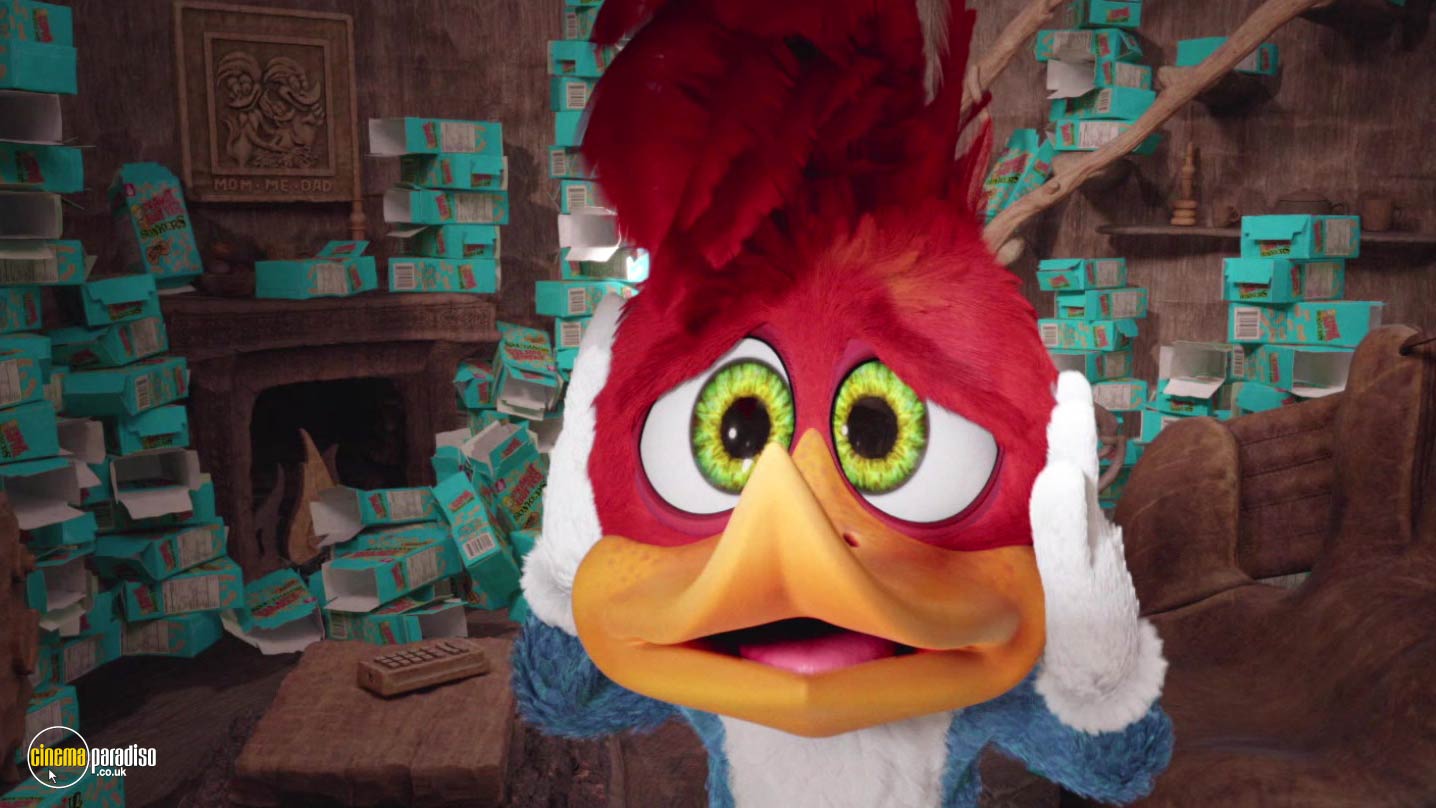
The same day also saw the passing of voice-over artist Eric Bauza at the tragically early age of 46. Born to Filipino parents in the Scarborough district of Toronto on 7 December 1979, he started doing impressions of cartoon characters at school and his talent was spotted when he joined an animation company in Los Angeles. Bauza was so prolific that Cinema Paradiso users will have to use his Searchline to find all his credits. But his breakthrough came when he took over Stimpy in Ren & Stimpy Adult Party Cartoon and moved on to voice Driba, Diamondhead, and Dr Psychobos in Ben 10: Omniverse (2012-14). At Warners, he was entrusted with Bugs Bunny, Daffy Duck, Porky Pig, Tweety, Foghorn Leghorn, Elmer Fudd, Road Runner, Charlie the Dog, and Marvin the Martian and repaid the faith by winning three Children's and Family Emmys for Outstanding Voice Performance in an Animated Programme for Looney Tunes Cartoons (2020-24), Bugs Bunny Builders (2022-25), and Teen Titans Go! (2024). He also played Woody in Woody Woodpecker (2017), Splinter in Rise of the Teenage Mutant Ninja Turtles (2018-20), and Luke Skywalker in Lego Star Wars (2014-18). In addition to Scooby-Doo: Stage Fright! (2013), Scooby-Doo!: Frankencreepy (2014), and Scooby-Doo!: Moon Monster Madness (2015), Bauza's films included Alvin and the Chipmunks 2: The Squeakquel (2009), A Cat in Paris (2012), Iron Man: Rise of Technovore (2013), Avengers Confidential: Black Widow & Punisher, When Marnie Was There, Batman: Assault on Arkham (all 2014), Tom and Jerry: Spy Quest, Justice League: Gods and Monsters, Transformers: Robots in Disguise: The Champ, The SpongeBob Movie: Sponge Out of Water (all 2015), Lego DC Comics Superheroes: Justice League: Gotham City Breakout (2016), The Emoji Movie, Batman and Harley Quinn (both 2017), Lego DC Comics Super Heroes: The Flash, Lego DC Comics Super Heroes: Aquaman: Rage of Atlantis, Batman Ninja, Teen Titans Go!: To the Movies, The Banana Splits Movie, Batman vs Teenage Mutant Ninja Turtles (all 2018), Space Jam: A New Legacy, Batman: Soul of the Dragon (2021), The Super Mario Bros. Movie (2023), Looney Tunes: The Day the Earth Blew Up (2024), Minions and Monsters, and Coyote vs Acme (both 2026). Where did he find the time?
Born in Los Angels on 14 August 1946, Susan Jane Miller changed her name to Susan Saint James when she started acting at the age of 20 after having modelled in Europe. She became a familiar face as research assistant Peggy Maxwell in The Name of the Game (1969), converting one of her three Emmy nominations before appearing in the pilot episode of the hit Western, Alias Smith and Jones (1971). But it was an episode as a cop in McCloud (1970) that led to her playing the scatter-brained Sally opposite San Francisco police commissioner, Mac (Rock Hudson in his first TV series), in McMillan & Wife (1971-76), for which Saint James landed four Emmy nominations. Nevertheless, when she complained about her contract, she was killed off in a plane crash. Film fame eluded her, despite fine performances opposite Peter Fonda in Outlaw Blues (1977) and George Hamilton in Love At First Bite (1979). Uninspired by the likes of S.O.S. Titanic (1979) and Carbon Copy (1981), Saint James returned to television to play a war correspondent in a 1980 episode of M*A*S*H before she joined the sitcom, Kate & Allie (1981-89), which brought two further Emmy nods and a reunion with Jane Curtin, with whom she had co-starred in the film comedy, How to Beat the High Cost of Living (1980). She retired to focus on motherhood, charity work, and gardening, although she did guest in episodes of Law & Order: Special Victims Unit and Suits, as well as Guy Maddin's The Green Fog (2017) and the mini-series, The Haunting of Bly Manor (2020). She died at the age of 80 on 26 October.
Born in Budapest on 23 December 1937, Péter Medák survived the Second World War because his Jewish parents posed as Christians and attended church each Sunday. However, he opted not to stay following the 1956 Soviet invasion and made his way to London, where the opera-singing aunt who had given him a hand-cranked 35mm camera as a young boy found him a trainee post at Associated British-Pathé. Progressing from editor to cameraman to assistant director and second unit director, he got to work on Fred Zinnemann's The Sundowners (1960), Terence Fisher's Hammer take on The Phantom of the Opera (1962), Joan Littlewood's Sparrows Can't Sing, Anthony Asquith's The V.I.P.s (both 1963), and Guy Hamilton's Len Deighton thriller, Funeral in Berlin (1966). Signed by Paramount in 1967, Medák made his directorial debut with the erotic drama, Negatives (1968), which starred Glenda Jackson. Following a stint on Strange Report (1969-70), in which Anthony Quayle played a retired criminologist, Medák made an uncompromising job of Peter Nichols's play, A Day in the Death of Joe Egg, which teamed Alan Bates and Janet Suzman in raising a teenage daughter with a severe physical and intellectual disabilities. Changing tack, Medák created an epochal social satire with The Ruling Class (both 1972), an adaptation of the Peter Barnes play in which an Oscar-nominated Peter O'Toole excels as the paranoid schizophrenic nobleman who thinks he's Jesus Christ and Jack the Ripper.
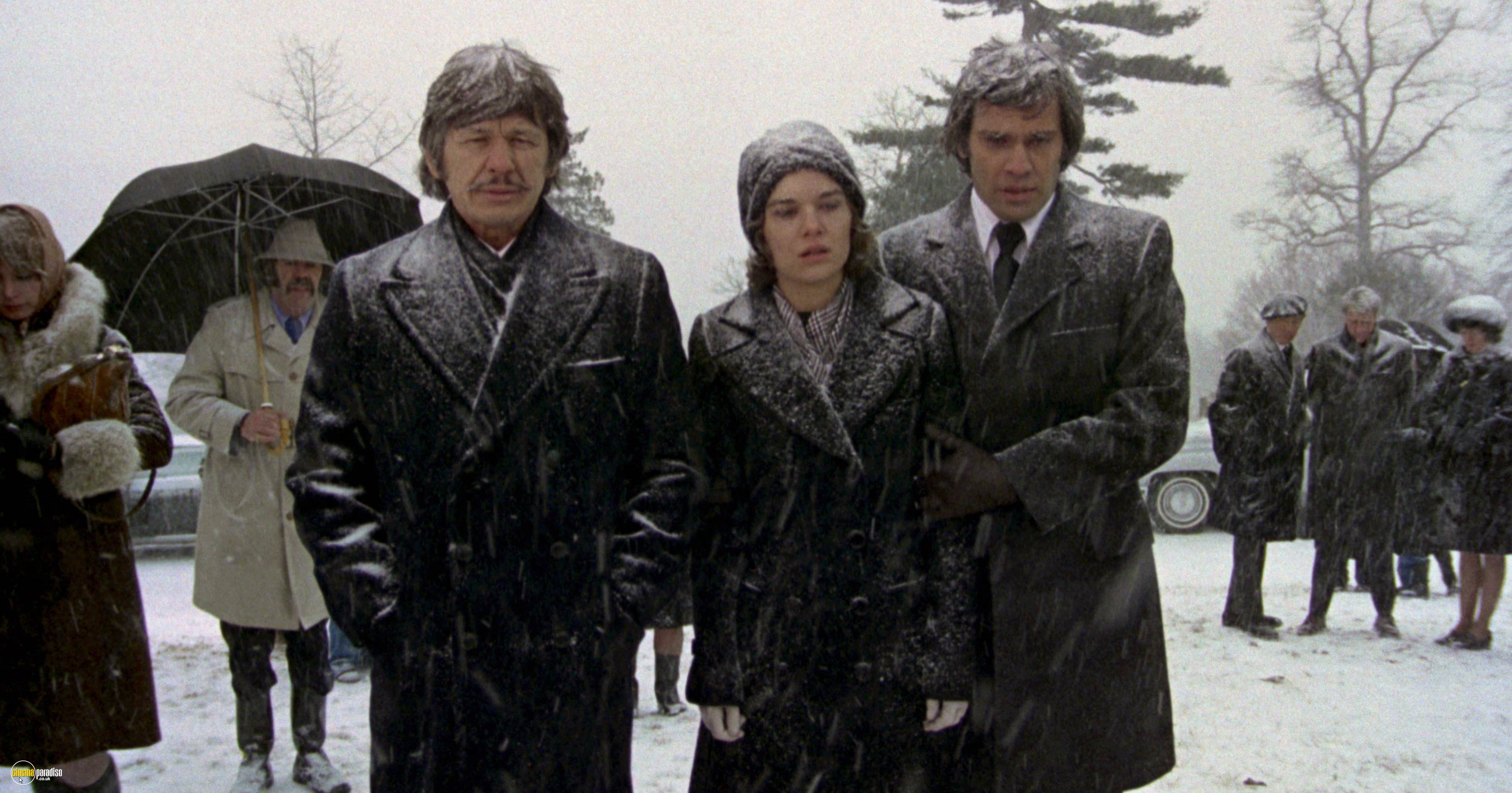
Having put Kim Novak and Tony Curtis through their paces in the teleplay, The Third Girl From the Left, Medák turned down Death Wish (both 1973) because Henry Fonda wouldn't take the lead and endured a nightmare shoot, as Peter Sellers behaved abominably while making Ghost in the Noonday Sun (1974), which was shelved by Columbia and was only released years later on video. Medák would return to the project in his final feature, the 2018 documentary, The Ghost of Peter Sellers. Alcoholic Python Graham Chapman posed fewer problems on The Odd Job (1978), which followed episodes of popular TV series like The Persuaders, Space: 1999, Return of the Saint, Magnum, P.I., and The Professionals. He also shot music videos for Peter Gabriel and Pink Floyd. However, Medák hit form again with The Changeling (1980), which centres on composer George C. Scott, as he deals with the loss of his wife and daughter in a creaky Seattle mansion. This undervalued chiller presaged an uneven stretch, which saw Medák juggle teleplays like The Babysitter (1980) and Cry For the Strangers (1982) with such misfiring features as Zorro, The Gay Blade (1981), Cosmic Princess (1982), and The Men's Club (1986), with episodes for classy shows like Hart to Hart, Faerie Tale Theatre, The Twilight Zone reboot, Remington Steele, St Elsewhere, Homicide: Life on the Streets, Chicago Hope, and Crime Story.
Back in Blighty, he hit his straps again with the true crime duo of The Krays (1990), which starred Spandau Ballet musicians Gary and Martin Kemp as twins Ronnie and Reggie, and Let Him Have It (1991), which re-examined the 1953 Christopher Bentley murder case. Gary Oldman and Lena Olin caused sparks as a corrupt cop and a kinky assassin in Romeo Is Bleeding (1993), but Medák's problem with consistency bit again and La Voix humaine (1990), Pontiac Moon (1994) The Hunchback (1997), Species II (1998), and David Copperfield (2000) sent him back into episode telly, where he worked on The Wire, House M.D., Masters of Horror, Breaking Bad, and Hannibal, as well as guiding Geraldine McEwan through Miss Marple: By the Pricking of My Thumbs (2005) and such crime biopics as Sex and Lies in Sin City (2008) and Dating Game Killer (2017). The 88 year-old died in Los Angeles on 27 October.
Three stars left us on 28 October. Cinema Paradiso has already paid tribute to Patrick Stewart in a dedicated Remembering article. But we shall close this Autumn special by recalling the careers of
Barbara Barrie and Elke Sommer.
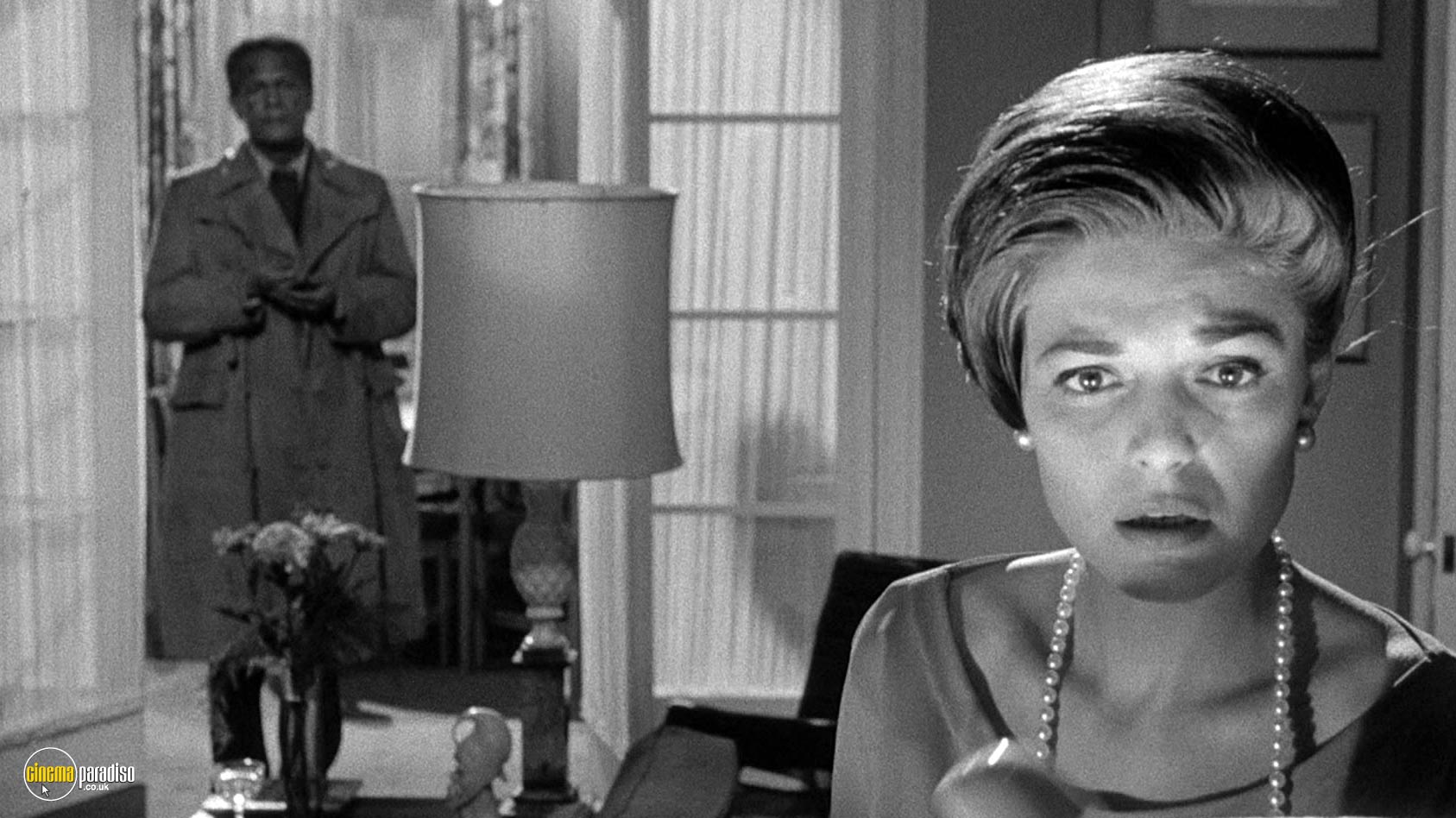
Barbara Ann Berman was born in Chicago on 31 May 1931, but raised in Texas, where she started acting at university, alongside Rip Torn and Jayne Mansfield. Moving to New York, she changed her name to Barbara Barrie and established herself on stage before, while visiting her parents, landing an uncredited role at Mercedes McCambridge's funeral reception in George Stevens's Oscar-winningTexan saga, Giant (1956). Having played a mental health patient overseen by nurse Joan Crawford in The Caretakers (1963), Barrie won the Best Actress prize at Cannes (sharing with Anne Bancroft for The Pumpkin Eater) for her performance as Julie Cullen Richards in One Potato, Two Potato, a groundbreaking drama in which a bigot (Richard Mulligan) sues for the custody of his daughter after his wife marries a Black man (Bernie Hamilton). As a quick look at Barrie's Cinema Paradiso Searchline confirms, she spent much of the next few years in television, although she also earned a Tony nomination as the karate-learning (but non-singing) Sarah in Stephen Sondheim's Broadway musical, Company, and she can be seen in D.A. Pennebaker's documentary on the album recording sessions, Original Cast Album Company (1970). We suggest you check out Barrie's turn opposite Robert Duvall in the 1963 `Miniature' episode of The Twilight Zone and her two 1964 appearances in The Alfred Hitchcock Hour, in `Isabel' and `Consider Her Ways'. She also guested in The Fugitive and The Invaders and took maternal roles in a number of teleplays, which set her up for playing Evelyn Stohler in Peter Yates's Breaking Away (1979), for which she received an Oscar nomination for Best Supporting Actress, and chic socialite Harriet Benjamin in Howard Zieff's Private Benjamin (1980), which starred Goldie Hawn. Barrie reprised the roles in the TV series of the same names, earning an Emmy nomination for the former and two more followed for guest slots in the 1992 `Vengeance' episode of Law & Order and the 2003 `Perfect' storyline in Law & Order: Special Victims Unit. Annoyingly, we can't bring you Barrie's stints as Hal Linden's wife in Barney Miller (1975-78) or Brooke Shield's grandmother in Suddenly Susan (1996-2000), although she can be seen as Pauline Robillard in Scarlett (1994), the Emmy-winning continuation of Gone With the Wind (1939), and Ruth Pulmer in Tony Bill's A Chance of Snow (1998). In addition to roles in Dead Like Me, Pushing Daisies, Nurse Jackie, and Enlightened, Barrie also voiced Alcmene in Disney's Hercules (1997) and popped up in such features as Judy Berlin (1999) and My Dad's Six Wives (2009). She was 95 when she died with medical assistance at her Manhattan home.
The daughter of a Lutheran pastor, Elke von Schletz was born in the Berlin borough of Spandau on 5 November 1940. She changed her name to Elke Sommer after winning a beauty contest on holiday in Italy and coming to the attention of legendary director, Vittorio De Sica. Although they acted together in Men and Noblemen (1959), De Sica didn't direct Sommer in any of the 25 or so European pictures she made at the start of her career, including Das Totenschiff (1959) and Les Bricoleurs (1962). Having worked as au pair to the family of future `Allo, `Allo star, Vicki Michelle, Sommer returned to Britain to make Don't Bother to Knock (1961) with Richard Todd before she was swept off to Hollywood to co-star with Vince Edwards in The Victors and Paul Newman in The Prize (both 1963), for which she won the Golden Globe for Most Promising Newcomer. Her real breakthrough role, though, was maid Maria Gambrelli in Blake Edward's A Shot in the Dark (1964), the second case investigated by Inspector Jacques Clouseau (Peter Sellers). Irritatingly, however, none of Sommer's Hollywood follow-ups are currently on disc: The Art of Love, The Money Trap, The Oscar, Boy, Did I Get a Wrong Number! (all 1966), The Venetian Affair, and The Peking Medallion (both 1967).
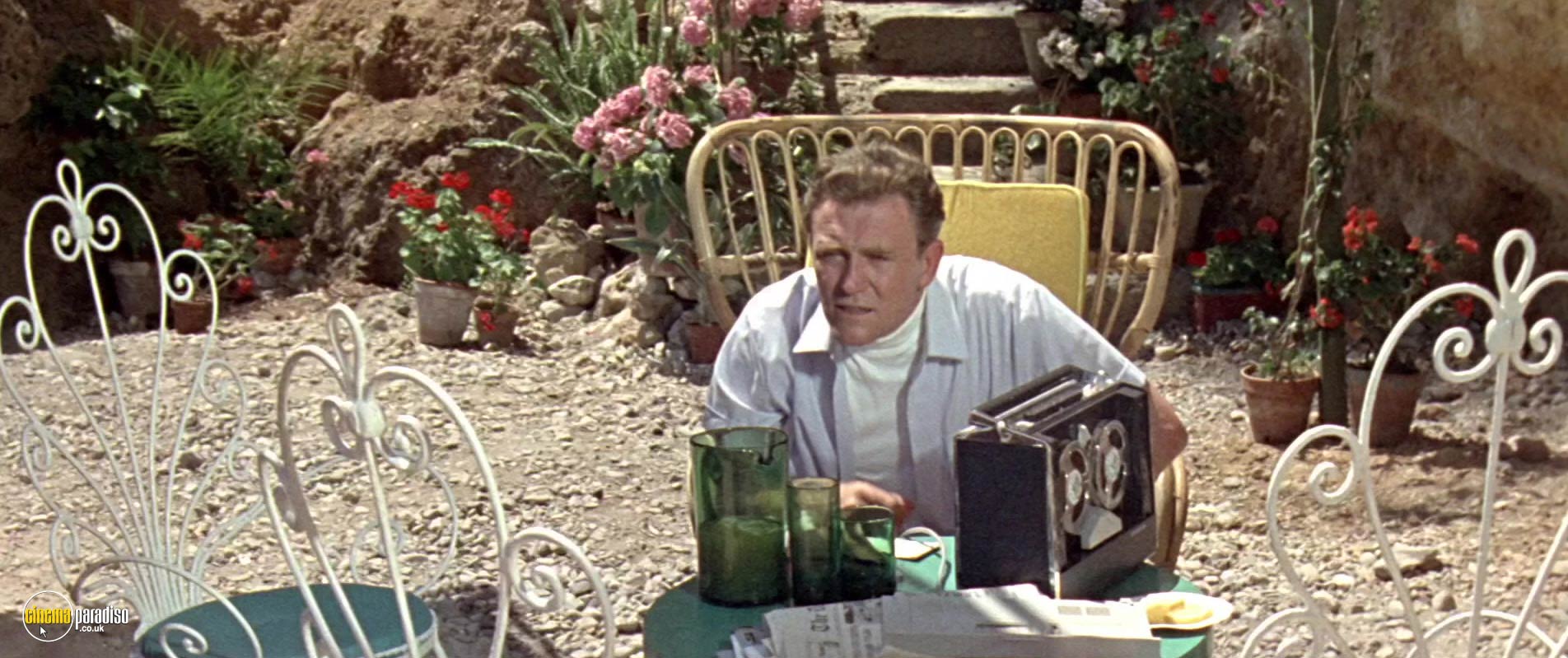
We pick up the trail again with the spy spoofs, Deadlier Than the Male (1967) and The Wrecking Crew (1968), but there's nothing we can do to help with The Wicked Dreams of Paula Schultz, They Came to Rob Las Vegas (both 1968), or The Invincible Six (1970). Gerald Thomas and Peter Rogers cast her twice, as Helga in Percy (1971) and Clarissa in Percy's Progress (1974), which expains her turn as Russian archaeologist, Professor Anna Vooshka, in Carry On Behind (1975), for which her £30,000 fee was matched only throughout the entire series by Phil Silvers for Follow That Camel (1967). She was Erika Altschul in the 1971 disaster epic, Zeppelin, before teaming twice with Mario Bava on the Italian horrors, Baron Blood (1972) and Lisa and the Devil (1973), in which she respectively played Eva Arnold and Lisa Reiner, who crop up in Video Nasties: The Definitive Guide (2010).
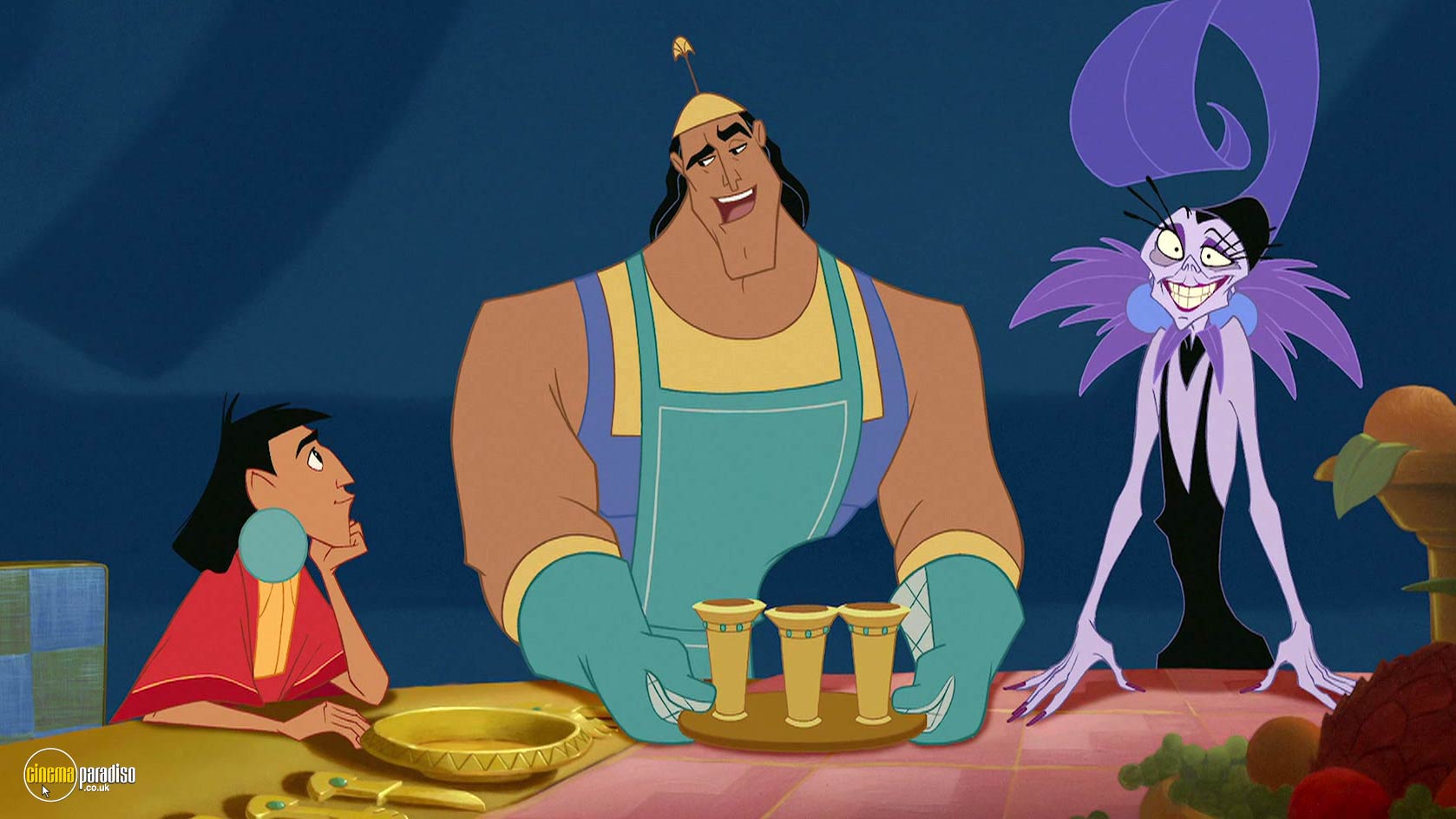
After collaborating with Edgar Reitz on A Trip to Vienna (1973), Sommer joined the suspects as Anna Clyde in Agatha Christie's And Then There Were None before headlining as Miezi in Wolfgang Petersen's debut feature, One or the Other of Us (both 1974). Guest slots followed on The Six Million Dollar Man, The Love Boat, St Elsewhere, and The Muppet Show, while in between the contrasting roles of Rita Jensen and Miss Pelham in The Swiss Conspiracy (1977) and A Nightingale Sang in Berkeley Square, she reunited with Peter Sellers on The Prisoner of Zenda (both 1979). After chilling as Madga Goebbels in Inside the Third Reich (1982), Sommer held her end up against Maggie Smith and Christopher Plummer, as diva Alicia Braun, in Károly Makk's Lily in Love (1984). She then played Isabel von Hohenstauffen in Anastasia: The Mystery of Anna (1986). But painting became her major preoccupation (`I'd rather be known as a painter who acts than as an actress who paints'), although she took a role in Flashback (2000) and voiced Yzma in the German edition of The Emperor's New Groove that same year. Away from the screen, Sommer spoke seven languages and was married to American gossip columist Joe Hyams from 1964-81. She also conducted a lengthy feud with Zsa Zsa Gabor, which began with her sympathising with a horse the Hungarian actress was about to mount and culminated in Sommer being awarded $3.3 million in libel damages. Once regretting, `I've merely been decoration too many times in the past in films,' she died from heart failure in Bel Air at the age of 85. Like everyone mentioned here, she will be much missed, but will live on through her work.
Mentioned films