Top 10 Films With Voiceover Narration
Top 10 Films With Voiceover Narration
The 10 selections at a glance
Our complete selection
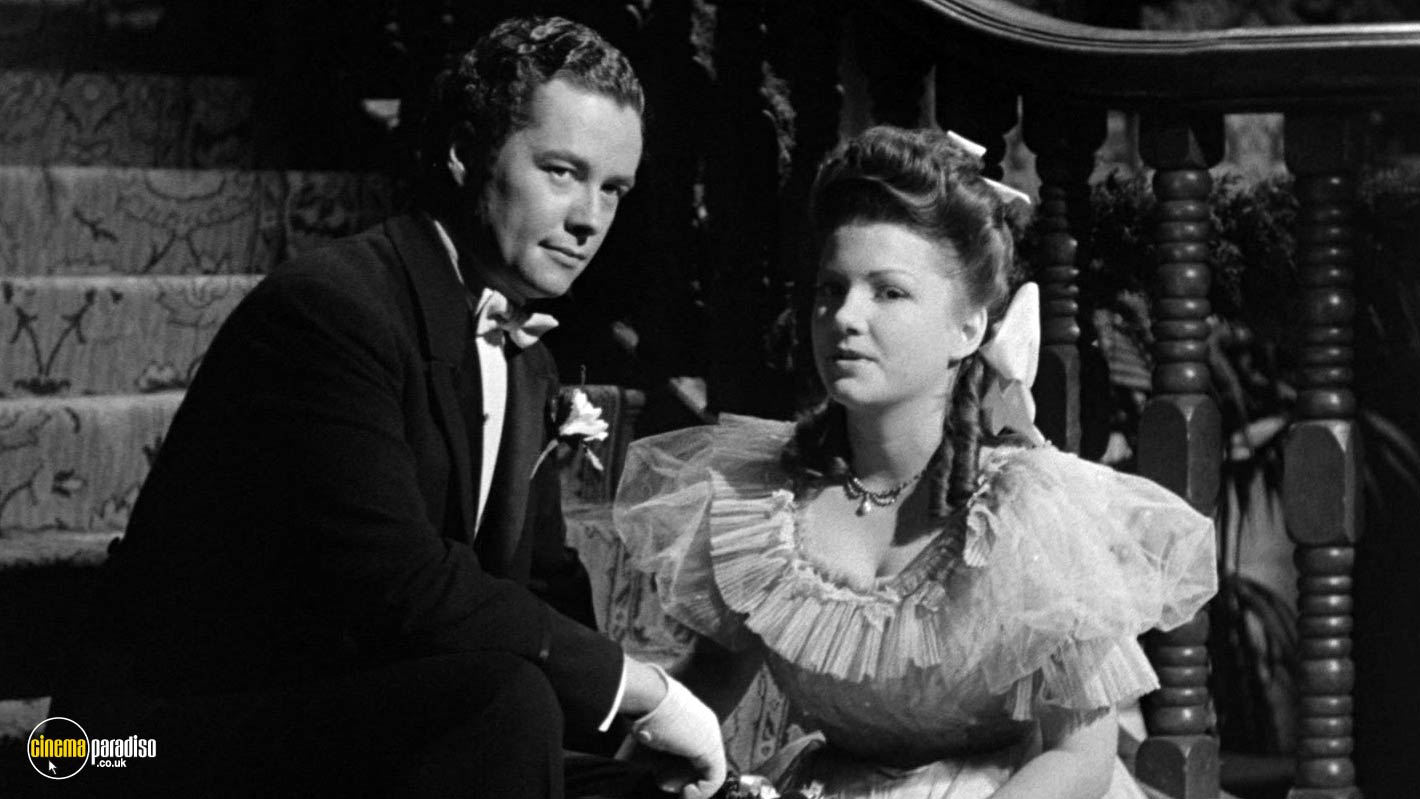
The Magnificent Ambersons (1942)

Narrator: The magnificence of the Ambersons began in 1873. Their splendour lasted throughout all the years that saw their midland town spread and darken into a city. In that town, in those days, all the women who wore silk or velvet knew all the other women who wore silk or velvet, and everybody knew everybody else's family horse and carriage. The only public conveyance was the streetcar. A lady could whistle to it from an upstairs window, and the car would halt at once and wait for her, while she shut the window, put on her hat and coat, went downstairs, found an umbrella, told the girl what to have for dinner, and came forth from the house. Too slow for us nowadays, because the faster we're carried, the less time we have to spare. During the earlier years of this period, while bangs and bustles were having their way with women, there were seen men of all ages to whom a hat meant only that rigid, tall silk thing known to impudence as a stovepipe. But the long contagion of the derby had arrived. One season the crown of this hat would be a bucket; the next it would be a spoon. Every house still kept its bootjack, but high-top boots gave way to shoes and congress gaiters, and these were played through fashions that shaped them now with toes like box ends, and now with toes like the prows of racing shells. Trousers with a crease were considered plebian; the crease proved that the garment had lain upon a shelf and hence was ready-made. With evening dress, a gentleman wore a tan overcoat, so short that his black coattails hung visible five inches below the overcoat. But after a season or two, he lengthened his overcoat till it touched his heels. And he passed out of his tight trousers into trousers like great bags. In those days, they had time for everything. Time for sleigh rides, and balls, and assemblies, and cotillions, and open house on New Year's, and all-day picnics in the woods, and even that prettiest of all vanished customs: the serenade. Of a summer night, young men would bring an orchestra under a pretty girl's window, and flute, harp, fiddle, cello, cornet, bass viol, would presently release their melodies to the dulcet stars. Against so home-spun a background, the magnificence of the Ambersons was as conspicuous as a brass band at a funeral.
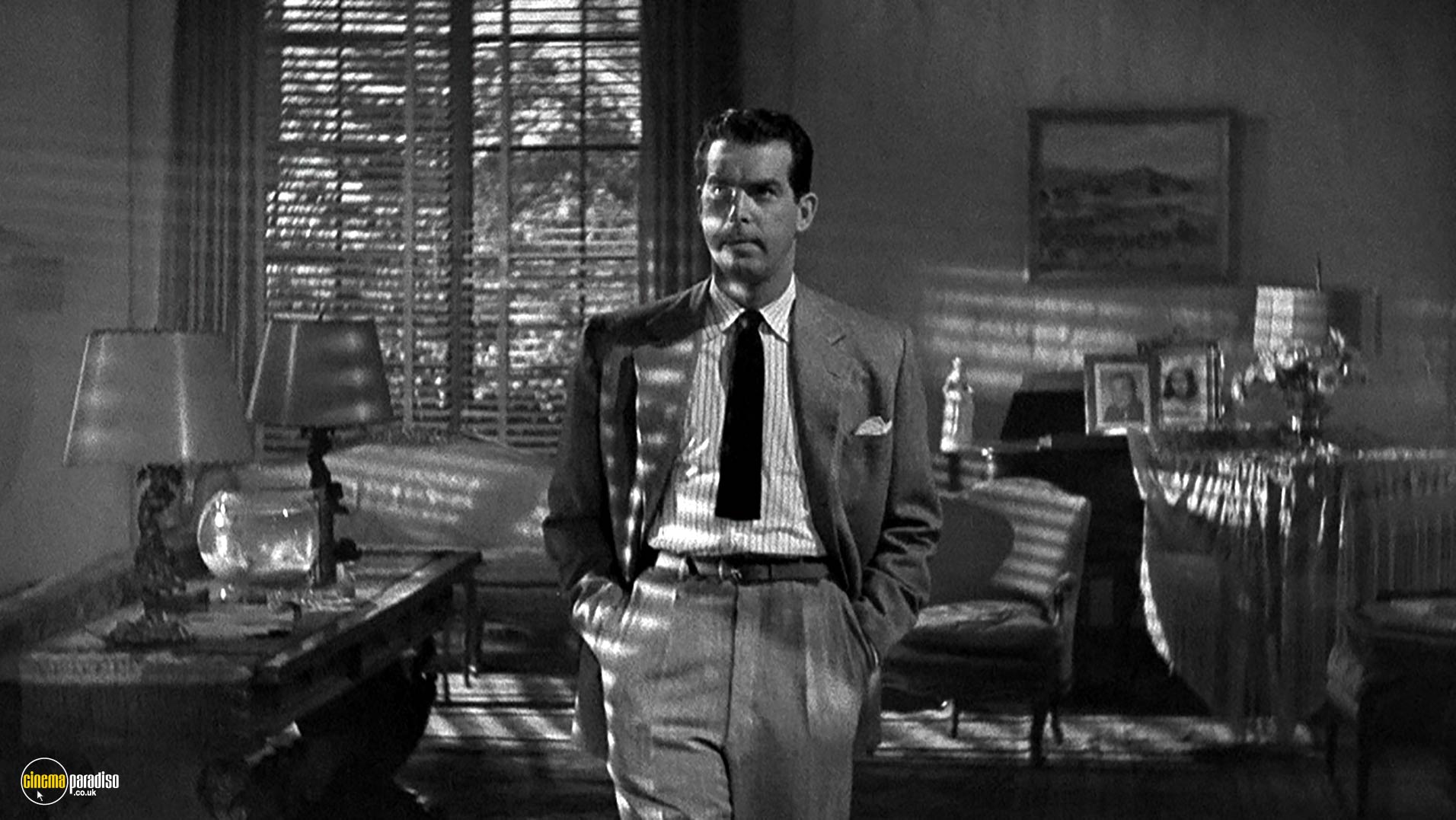
Double Indemnity (1944)
Walter Neff: Dear Keyes, I suppose you'll call this a confession when you hear it...Well, I don't like the word confession, I just want to set you right about something you couldn't see because it was smack up against your nose. You think you're such a hot potato as a claims manager; such a wolf on a phony claim...Maybe y'are. But let's take a look at that Dietrichson claim...accident and double indemnity. You were pretty good in there for awhile Keyes...you said it wasn't an accident, check. You said it wasn't suicide, check. You said it was murder...check.

Kind Hearts and Coronets (1949)
Louis Mazzini: I made an oath that I would revenge the wrongs her family had done her. It was no more than a piece of youthful bravado, but it was one of those acorns from which great oaks are destined to grow. Even then I went so far as to examine the family tree and prune it to just the living members. But what could I do to hurt them? What could I take from them, except, perhaps, their lives.

All About Eve (1950)
Eve: If there's nothing else, there's applause. I've listened backstage to people applaud. It's like - like waves of love coming over the footlights and wrapping you up. Imagine, to know every night that different hundreds of people love you. They smile, their eyes shine, you've pleased them. They want you. You belong. Just that alone is worth anything.
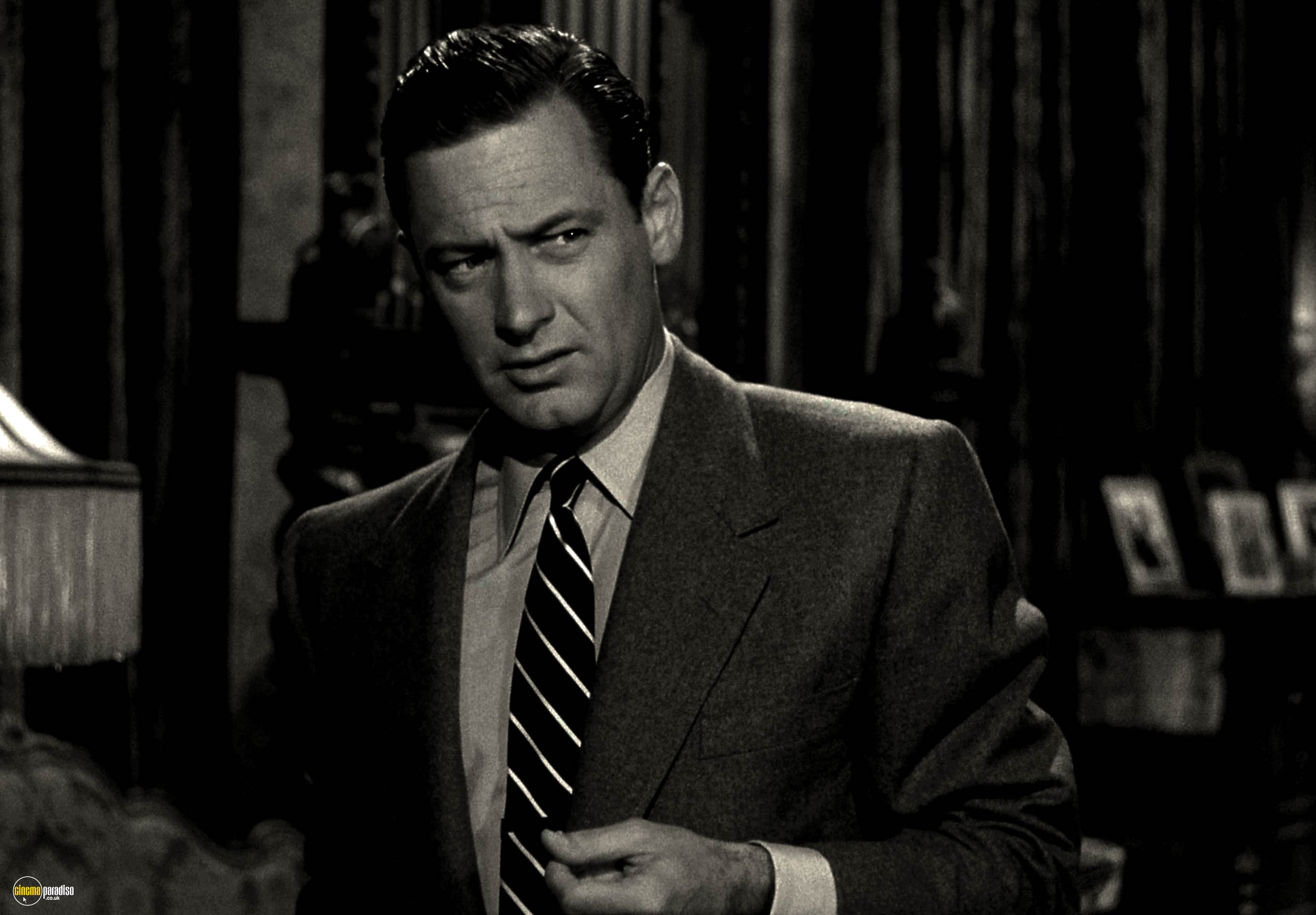
Sunset Boulevard (1950)
Joe Gillis: Yes, this is Sunset Boulevard, Los Angeles, California. It's about five o'clock in the morning. That's the Homicide Squad - complete with detectives and newspapermen. A murder has been reported from one of those great big houses in the ten thousand block. You'll read about it in the late editions, I'm sure. You'll get it over your radio and see it on television because an old-time star is involved - one of the biggest. But before you hear it all distorted and blown out of proportion, before those Hollywood columnists get their hands on it, maybe you'd like to hear the facts, the whole truth. If so, you've come to the right party. You see, the body of a young man was found floating in the pool of her mansion - with two shots in his back and one in his stomach. Nobody important, really. Just a movie writer with a couple of B pictures to his credit. The poor dope! He always wanted a pool. Well, in the end, he got himself a pool - only the price turned out to be a little high. Let's go back about six months and find the day when it all started.
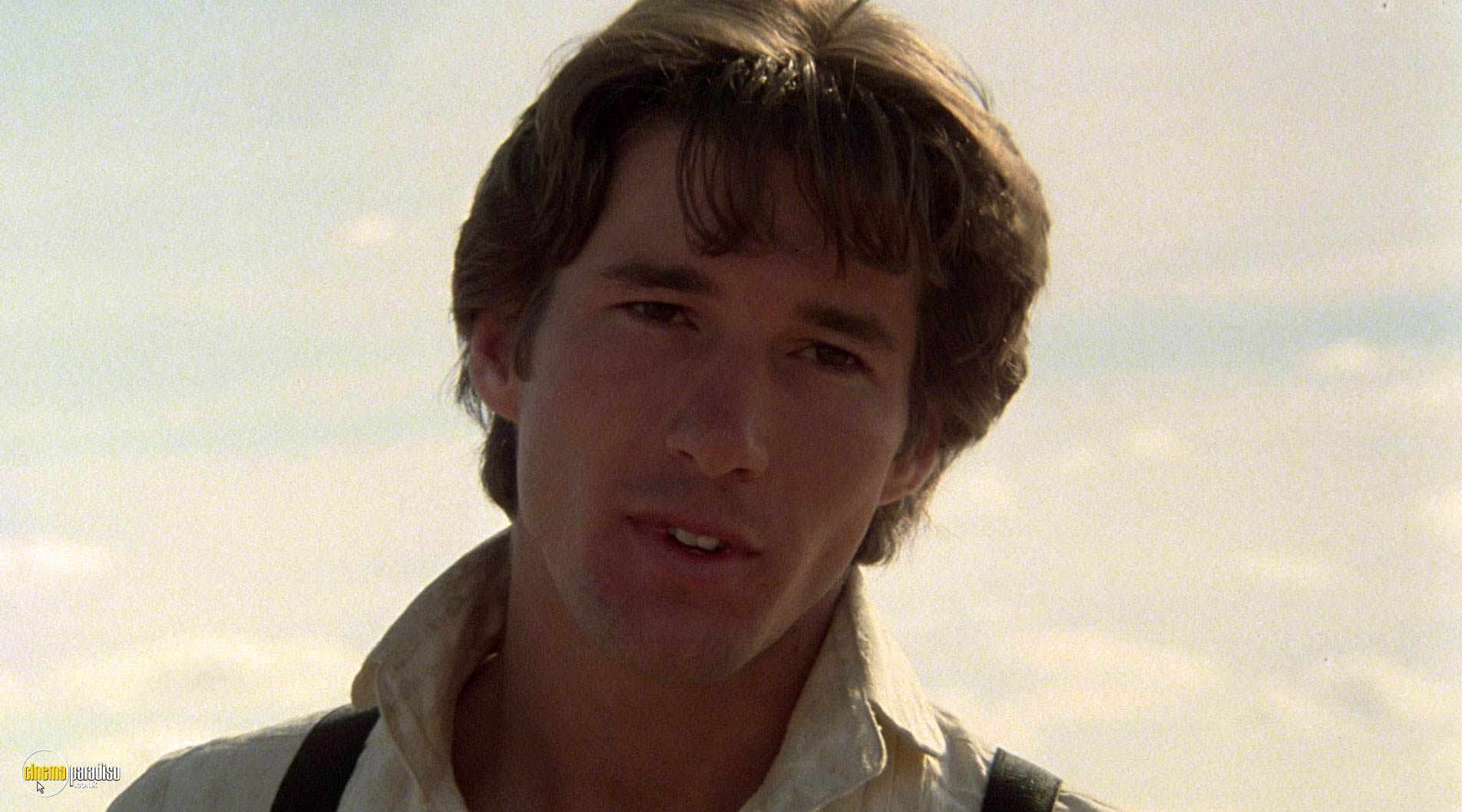
Days of Heaven (1978)
Linda: I met this guy named Ding Dong. He told me the whole earth is goin' up in flames. Flames will come out of here and there and they'll just rise up. The mountains are gonna go up in big flames. The water's gonna rise in flames. There's gonna be creatures runnin' every which way - some of them burned, half their wings burnin'. People are gonna be screamin' and hollerin' for help. See, the people that have been good, they're gonna go to heaven and escape all that fire.

Apocalypse Now (1979)
Willard: Saigon. Sh*t. I'm only in Saigon. Every time, I think I'm gonna wake up back in the jungle. When I was home after my first tour, it was worse. I'd wake up and there'd be nothing. I hardly said a word to my wife until I said yes to a divorce. When I was here, I wanted to be there. When I was there, all I could think of was getting back into the jungle. I'm here a week now. Waiting for a mission. Getting softer. Every minute I stay in this room, I get weaker. And every minute Charlie squats in the bush, he gets stronger. Each time I looked around, the walls moved in a little tighter.

Goodfellas (1990)
Karen: It was like he had two families. The first time I was introduced to all of them at once, it was crazy. Paulie and his brothers had lots of sons and nephews. And almost all of them were named Peter or Paul. It was unbelievable. There must have been two dozen Peters and Pauls at the wedding. Plus, they were all married to girls named Marie. And they named all their daughters Marie. By the time I finished meeting everybody, I thought I was drunk.
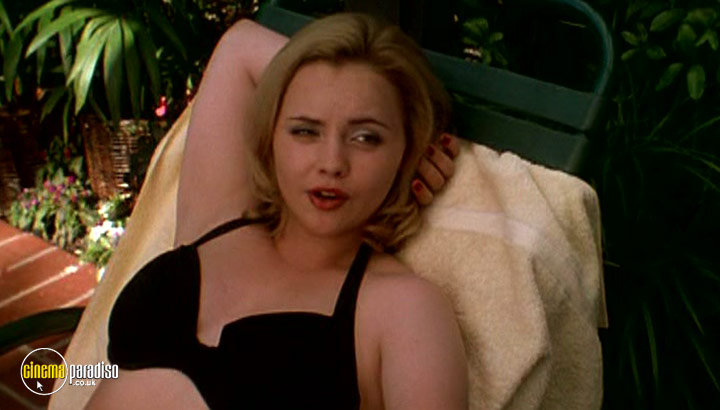
The Opposite of Sex (1998)
Dedee: Seems like everybody's having sex but me. Good for them. It's not that I'm against sex. I mean, it was clever of God or evolution or whatever to hook the survival of the species to it because we're gonna screw around no what. It was a smarter thing to pick than say...the instinct to share your toys or return phone calls. We'd have died out like eons ago. But on the minus side, god...all the "attachment" that goes with it. It's like this net. Sex always ends in kids or disease, or like, you know, relationships. That's exactly what I don't want. I want the opposite of all that. Because it's not worth it, not really, is it? When you think about it?

Dogville (2003)
Narrator: This is the sad tale of the township of Dogville. Dogville was in the Rocky Mountains in the US of A, up here where the road came to its definitive end, near the entrance to the old abandoned silver mine. The residents of Dogville were good honest folks, and they liked their township. And while a sentimental soul from the East Coast had once dubbed their main street Elm Street, though no elm had ever cast its shadow in Dogville, they saw no reason to change anything. Most of the buildings were pretty wretched, more like shacks, frankly. The house in which Tom lived was the best, though, and in good times, might almost have passed for presentable. That afternoon, the radio was playing softly, for in his dotage, Thomas Edison Senior had developed a weakness for music of the lighter kind.
More about these films
So beguiling is the unreliable narrator in Oslo Stories Trilogy: Dreams that Cinema Paradiso's mind turned to how voiceovers have been used over the last 98 years.
No matter how many times you watch Dag Johan Haugerud's Oslo Stories Trilogy: Dreams (2024), it's impossible to tell whether teenager Johanne (Ella Øverbye) based her novella on a genuine romantic entanglement with her French teacher, Johanna (Selome Emnetu), or she just let her imagination get the better of her. Mother Kristen (Ane Dahl Torp) and poet grandmother, Karin (Anne Marit Jacobsen), can't make up their minds, as Johanna denies everything and Johanne prefers to let her text do the talking.
Depending on who you believe, Dreams is either the second or the third part in a triptych that also includes dramas entitled, Sex and Love. They employ their own storytelling techniques, but Ella Øverbye recites the 16 year-old schoolgirl's prose with such poise and poignancy that memories flood in of other films that have sought to reassure or mislead viewers by utilising voiceover narration.
A Few Ground Rules
Voiceover narration has its roots in the Chorus in Ancient Greek drama. William Shakespeare continued this trend and Laurence Olivier cast Leslie Banks as the Chorus in his wartime adaptation of Henry V (1944). Derek Jacobi took the role when Kenneth Branagh remade Henry V in 1989, while Nat King Cole and Stubby Kaye put a musical spin on the device when they sang their narrative links in Elliot Silverstein's Cat Ballou (1965), which earned Lee Marvin the Academy Award for Best Actor for the dual role of Tim Strawn and Kid Shalleen.
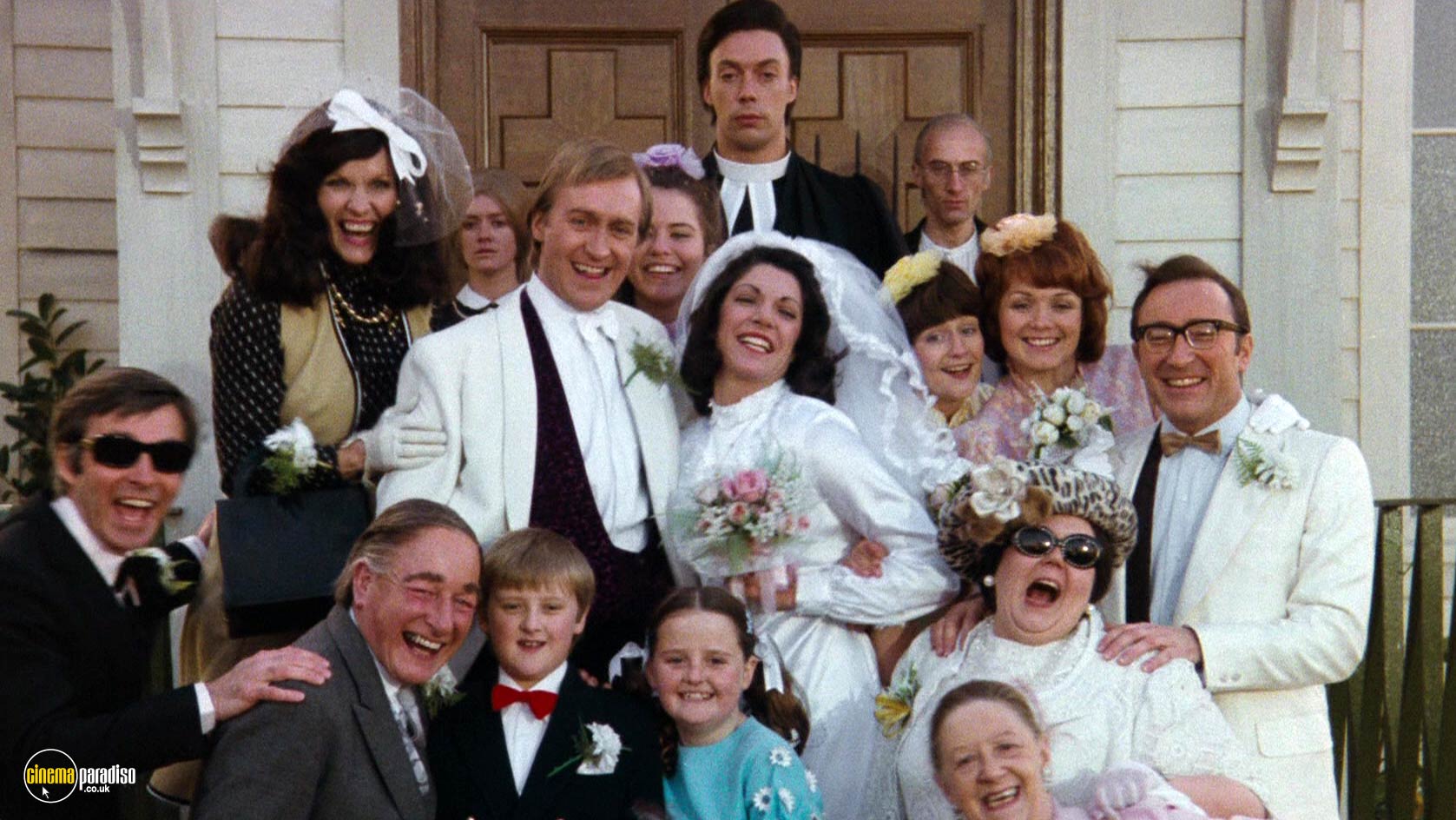
Subsequent on-screen narrators have included Charles Gray, who does 'The Time Warp' in Jim Sharman's The Rocky Horror Picture Show (1975) and Peter Falk's grandfather, who reads a bedtime story to his ailing grandson (Fred Savage) in Rob Reiner's The Princess Bride (1987). Although the old man features in the wraparound story, he's not involved in the fable about Westley (Cary Elwes) and Buttercup (Robin Wright). By contrast, the four characters who narrate the flashbacks in Akira Kurosawa's Rashomon (1950) are very much part of the diegetic world. The winner of the Golden Lion at the Venice Film Festival, this groundbreaking picture disproved the old maxim that the camera never lies because one of the flashbacks is mendacious. As we shall see, numerous films have employed unreliable narrators of their own, although this was actually a borrowed literary technique that became a useful tool of whodunit writers like Agatha Christie.
Some on-screen narrators break the fourth wall to address the audience directly, among them Alfie Elkins, the philandering Cockney chauffeur who was played by Michael Caine and Jude Law in the 1966 and 2004 adaptation of Bill Naughton's play, Alfie, which were respectively directed by Lewis Gilbert and Charles Shyer. Emulating this form of 'second person narrative', Matthew Broderick also took viewers directly into his confidence in John Hughes's Ferris Bueller's Day Off (1986), but critics would debate whether such exchanges strictly count as narration, as they are more of a one-sided dialogue between the character and their hearer.
The majority of film voiceovers fall into the first and third person categories. In addition to setting the scene and providing key information about the characters, a first person narrator will also give the audience insights into their own motives and emotions. Both forms of narration were used during the silent era, when the words were confined to intertitles. Naturally, voices have more personality than printed text. But they also have tone and inflections that impose an impression that the viewer might not have discerned simply from reading a caption. So, even though they may exist outside the film's mise-en-scène, a third person narrator can still have an influence on how we view and interpret it.
When it comes to documentaries, the narrative voice can either be impartial or partisan. It can even be poetic, as in the case of John Grierson's delivery of W.H. Auden's verses in Harry Watt's Night Mail (1936), which also feature a more prosaic vocal contribution from Stuart Legg. Jean Négroni provided the voiceover for Chris Marker's time-travelling photo-romain, La Jetée (1962), which considerably influenced Peter Watkins's use of voiceovers in Culloden (1964), The War Game (1966), and Punishment Park (1971).
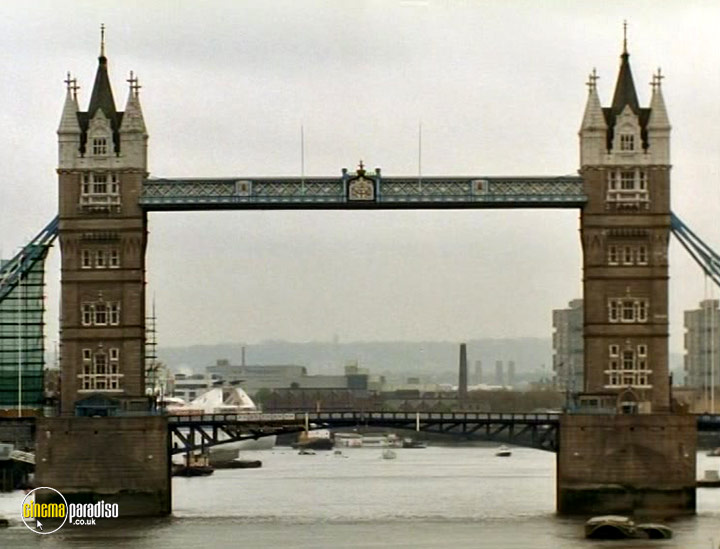
These, in turn, impacted upon the use of voiceover in such early Peter Greenaway outings as The Falls (1980). The tone was more inclusively conversational in Patrick Keiller's London (1994), in which Paul Scofield reflected upon the activities of a flâneur named Robinson, whose further adventures were chronicled by Scofield in Robinson in Space (1997) and Vanessa Redgrave in Robinson in Ruins (2010). Constasting starkly with these visually busy travelogues is Derek Jarman's Blue (1993), which presented an unchanging blue screen to symbolise the director's AIDS-related blindness, as he mused upon his life, work, and losses, with the help of regular collaborators Tilda Swinton, Nigel Terry, and John Quentin.
Since the turn of the millennium, dozens of TV shows have followed the example of The Wonder Years (1988-93) and used voiceover narration. Indeed, not content with using it on an original series, Sex and the City (1998-2004) carried the gambit over into two spin-off features, Sex and the City: The Movie (2008) and Sex and the City 2 (2010), and a three-season reboot, And Just Like That... (2021-25).
You are bound to be able to think of many more, but Cinema Paradiso has come up with the following voiceover shows: Ally McBeal (1997-2002), Scrubs (2001-10), One Tree Hill (2003-12), Arrested Development (2003-18), Desperate Housewives (2004-11), Veronica Mars (2004-19), Grey's Anatomy (2005-), My Name Is Earl (2005-08), How I Met Your Mother (2005-13), Pushing Daisies (2007-08), ossip Girl (2007-12), Burn Notice (2007-13), Revenge (2011-15), Awkward (2011-16), The Mindy Project (2012-17), Fleabag (2016-19), and Young Sheldon (2017-24).
Did you spot the one in there that's a fourth wall breach offender? You did? Right, you've mastered the basics and are now ready for the grand genre tour!
Making a Drama
It's not known precisely which was the first film with voiceover narration. But the Fox Corporation seemed so convinced it was William K. Howard's The Power and the Glory (1933) that it placed a bronze plaque in the Gaiety Theatre in Manhattan to declare it the host venue of 'the first motion picture in which narratage was used as a method of telling a dramatic story'. The flashbacking structure was the brainchild of the debuting Preston Sturges, who used a post-funeral reminiscence by personal secretary Henry (Ralph Morgan) to chronicle the eventful career of tycoon Tom Garner (Spencer Tracy).
One of the most memorable voiceovers of the Golden Age was also one of the shortest: 'Last night I dreamt I went to Manderley again.' It was spoken by Joan Fontaine as the Second Mrs De Winter in Alfred Hitchcock's adaptation of Daphne Du Maurier's Rebecca (1940), which won the Academy Award for Best Pictue. A ferocious press campaign by William Randolph Hearst ensured that Orson Welles's failed to win for Citizen Kane (1941), whose flashbacks prompted critic Pauline Kael to accuse Awesome Orson of plagiarising The Power and the Glory. Benjamin Ross's RKO 281 (1999) and David Fincher's Mank (2020) would argue otherwise.

Several characters provide the narration that leads into the episodes from Kane's eventful past. But one voice dominates The Magnificent Ambersons (1942), as Welles himself strings together his truncated version of Booth Tarkington's Pulitzer Prize-winning tome. No one could match the director's dulcet tones, but Wes Anderson asked Alec Baldwin to do a similar job on another family saga, The Royal Tenenbaums (2001). In 1955, Welles cast himself as the narrating Gregory Arkadin in Confidential Report, which is among the most underrated films of his career.
Director Irving Pichel provided the voice of the older Huw Morgan (Roddy MacDowell) in John Ford's take on Richard Llewellyn's Welsh mining village classic, How Green Was My Valley (1941), which (in) famously beat Kane to the Oscar for Best Picture. Cinema Paradiso users will probably be able to think of numerous examples of narratage from this period. So, do message us with your suggestions. But this is a selective survey, even though it does find room for John Longden's amusing introduction ('This is the universe. Big, isn't it?') to Michael Powell and Emeric Pressburger's A Matter of Life and Death (1945).
The same year also saw David Lean give Laura Jesson (Celia Johnson) a few off-camera lines to consider her actions in his adaptation of Noël Coward's Brief Encounter (1945). Moreover, he asked John Mills to do the same as the older Pip in the Charles Dickens story, Great Expectations (1946), and the gambit worked so well that Joseph Hardy had Michael York repeat it in Great Expectations (1974).
An appointment with a psychiatrist allows Louise Howell (Joan Crawford) to recap her tortuous relationship with David Sutton (Van Heflin) in Curtis Bernhardt's Possessed (1947). However, Ingrid Bergman's voiceover for Victor Fleming's Joan of Arc (1948) was only needed to patch up the continuity after the studio removed 45 minutes from the picture after it had failed to find a big city audience. There was no such problem for Joseph L. Mankiewicz's All About Eve (1950), which won the Oscar for Best Picture. Bette Davis stole the show as diva Margo Channing. But the narration was provided by both Anne Baxter, as her scheming understudy, Eve Harrington, and by George Sanders, as the acerbic critic, Addison DeWitt.
Billy Wilder's Sunset Boulevard (1950) did for Hollywood what All About Eve did for Broadway. But this ghoulish account of the comeback of faded star, Norma Desmond (Gloria Swanson), goes one better, as its narrator, Joe Gillis (William Holden), is seen floating face down in a swimming pool in the opening scene. Narration from beyond the grave has since become a common device, occurring films as different as Isao Takahata's Grave of the Fireflies (1988) and Paul Schrader's Auto Focus (2002).
Kim Stanley voiced the older Scout Finch (Mary Badham) in Robert Mulligan's adaptation of Harper Lee's To Kill a Mockingbird (1962), which earned Gregory Peck the Oscar for Best Actor for his performance as Atticus Finch, a lawyer in Maycomb, Alabama in the 1930s. Released the same year, John Frankenheimer's Birdman of Alcatraz used author Thomas E. Gaddis (Edmond O'Brien) to narrate the life of prisoner-cum-ornithologist, Robert Stroud (Burt Lancaster), while James Mason's Humbert Humbert guides us through Stanley Kubrick's take on Vladimir Nabokov's Lolita, with the role falling in Adrian Lyne's 1997 remake to Jeremy Irons, who had struck narration gold with John Mortimer's tele-adaptation of Evelyn Waugh's Brideshead Revsited (1981).
Critics often complain that films that rely on off-camera narration are badly made, as cinema is a visual not a verbal medium. But it's hard to imagine Tony Richardson's Best Picture-winning version of Henry Fielding's Tom Jones (1963) without the wry commentary provided by Micheál MacLiammóir. The same goes for Burgess Meredith's insights into the mind of Boon (Steve McQueen) as hits the road with a Black stable hand (Rupert Crosse) and a naive 12 year old (Mitch Vogel) in Mark Rydell's undervalued take on William Faulkner's The Reivers (1969). But it goes double for Michael Hordern's dolefully droll asides on the misadventures of Redmond Barry (Ryan O'Neal) in Stanley Kubrick's adaptation of William Makepeace Thackeray's Barry Lyndon (1975).

Miloš Forman followed Ken Kesey's lead in having the wilfully non-verbal Chief Bromden (Will Sampson) comment on events at Oregon State Hospital in One Flew Over the Cuckoo's Nest (1975), while Sidney Lumet opted to hire Lee Richardson to set the scene and provide the odd snippet of background information during the TV station drama, Network (1976). The unmistakable tones of Richard Burton can be heard throughout Lumet's Equus (1977), as Dr Martin Dysart tries to fathom why Alan Strang (Peter Firth) has blinded six horses.
Stacy Keach takes us through the rivalry between Armand D'Hubert (Keith Carradine) and Gabriel Feraud (Harvey Keitel) in Ridley Scott's directorial debut, The Duellists (1977). This was adapted from a story by Joseph Conrad, who was one of the pioneers of literary narratage, alongside O. Henry, five of whose short stories can be found in the multi-directored O. Henry's Full House (1952).
Terrence Malick was so impressed by the performance of first-timer Linda Manz as Richard Gere's young sister in his Texas Panhandle saga, Days of Heaven (1978), that he had her improvise the narration that is regarded as one of the glories of the film, along with Nestor Almendros's cinematography. In many ways, F. Murray Abraham narrated his way to the Academy Award for Best Actor, as aspects of his performance as Antonio Salieri were voiceovered in Miloš Forman's Amadeus (1984), which chronicled the court composer's rivalry with Wolfgang Amadeus Mozart (Tom Hulce).
Far more voiceovers have been delivered by male actors. But the letters written to God by Celie gave Whoopi Goldberg a chance to shine in Steven Spielberg's take on Alice Walker's The Color Purple (1985), although it should be noted that Blitz Bazawule went for an internal monologue when Fantasia Barrino took the role in The Color Purple (2023). Adopting a Danish accent, Meryl Streep narrated parts of Sydney Pollack's Best Picture winner, Out of Africa (1985), as author Karen Blixen, who wrote under the name of Isak Dinesen.
Having been sent to the New World to mediate between the Spanish and the Portuguese in Roland Joffé's The Mission (1986), Cardinal Altamirano (Ray McAnally) finds himself narrating the travails of Father Gabriel (Jeremy Irons) among the Guaraní people. Irons would win the Oscar for Best Actor for his work as Claus von Bülow in Barbet Schroeder's Reversal of Fortune (1990), which was narrated from the depths of a coma by Sunny von Bülow (Glenn Close). By contrast, expanded consciousness is the aim of Bob Hughes (Matt Dillon), the leader of a gang of pharmacy thieves in Gus Van Sant's Drugstore Cowboy (1989).
An uncredited Robert Redford provided the narration, as well as directing A River Runs Through It (1992), a rite of passage centring on siblings Norman (Craig Sheffer) and Paul Maclean (Brad Pitt) in Gilded Era Montana. But the focus falls on the childhoods of young girls in Agnieszka Holland's The Secret Garden (1993) and Peter Jackson's Heavenly Creatures (1994), which were respectively narrated by Kate Maberly's Mary Lennox and Melanie Lynskey's Pauline Parker.
The wonderful Joanne Woodward adds a touch of refinement in narrating Martin Scorsese's elegant adaptation of Edith Wharton's The Age of Innocence. But there was stern competition for the best voiceover of 1994, as Tom Hanks won the Oscar for Best Actor in character-narrating Robert Zemeckis's Forrest Gump, while Morgan Freeman's work as 'Red' Redding in Frank Darabont's version of Stephen King's The Shawshank Redemption is one of the most iconic voiceovers of all time.
It makes sense for Jim Carroll (Leonardo DiCaprio) to narrate Scott Kalvert's The Basketball Diaries, as the action is based on Carroll's autobiographical book about his drug-addicted youth. However, Robert the Bruce (Angus Macfadyen) takes the time to reflect upon the deeds of old mucker William Wallace (Mel Gibson) in the Best Picture-winning Scottish epic, Braveheart (both 1995). Most Scots, however, would prefer to listen to Renton (Ewan McGregor) banging on about pals Spud (Ewen Bremner), Sick Boy (Jonny Lee Miller), Tommy (Kevin McKidd), and Begbie (Robert Carlyle) in Danny Boyle's adaptation of Irving Welch's Trainspotting (1996), which spawned the sequel, T2: Trainspotting (2017).
Compare Renton's lust for life with the melancholic pensées of Kirsten Dunst's Lux Lisbon in Sofia Coppola's interpretation of Jeffrey Eugenides's The Virgin Suicides (1999). The book behind Stephen Frears's
High Fidelity (2000) was written by Nick Hornby and his alter ego, Bob Gordon (John Cusack), takes us through this record shop romance.

Russell Crowe's John Nash is among the most unreliable of narrators in Ron Howard's A Beautiful Mind (2001), although Edward Bloom (Ewan McGregor and Albert Finney) give him a run for his money, as he spins all manner of tall tales in Tim Burton's Big Fish (2003). At times, the trans East German rocker played by director John Cameron Mitchell seems to disbelieve the things that keep happening to her. But she takes everything in her punk stride in Hedwig and the Angry Inch (2001).
John Hurt proves indispensable in navigating the eccentric and ultimately cruel events that transpire in Lars von Trier's Dogville (2003), but he's matched for sincerity by Morgan Freeman's Eddie 'Scrap-Iron' Dupris, who tells the story of wannabe boxer Maggie Fitzgerald (Hilary Swank) in Clint Eastwood's Million Dollar Baby (2004), which won the actress her second Oscar.
In Nick Cassavetes's The Notebook, Noah (James Garner) reads extracts to an elderly woman with Alzheimer's (Gena Rowlands). Narrating is a tricky task when one's memories are being erased. But Joel Barish (Jim Carrey) does a decent job of recalling his relationship with Clementine Kruczynski (Kate Winslet) in Michel Gondry's Eternal Sunshine of the Spotless Mind (both 2004). Winslet also starred as adulterous housewife Sarah Pierce in Todd Fields's Little Children (2006), which is held together by uncredited narrator, Will Lyman. Pregnant teenager, Juno McGuff (Elliot Page), should have her facts straight, as she's right at the centre of affairs in Jason Reitman's Juno. But it's not always possible to see what's right under your nose, as Briony Tallis (Saoirse Ronan and Romola Garai) discover to the cost of others in Joe Wright's adaptation of Ian McEwan's Atonement (both 2007).
Family secrets also emerge, as Caroline (Julia Ormond) tells her daughter about her grandfather (Brad Pitt) in David Fincher's The Curious Case of Benjamin Button (2008). This was based on a story by F. Scott Fitzgerald, as was Baz Luhrmann's The Great Gatsby (2013), which is narrated by Nick Carraway (Tobey Maguire), who took over the task from Sam Waterston in Jack Clayton's 1974 version, which saw Robert Redford take the title role that would pass to Leonardo DiCaprio.
As Matt Damon plays whistleblower Mark Whitacre in Steven Soderbergh's The Informant! (2009), it's almost to be expected that he would want to share facts about his company's price-fixing policies. The voice from beyond in Peter Jackson's The Lovely Bones (2009) belongs to 14 year-old Susie Salmon (Saoirse Ronan), who is keeping an eye on her family from somewhere in Limbo.
Mississippi maid Aibileen Clark (Viola Davis) is the principal narrator in Tate Tyler's take on Kathryn Stockett's The Help, but Minny Jackson (Octavia Spencer) and Eugenia 'Skeeter' Phelan (Emma Stone) also chip in during an upstairs, downstairs story set in 1960s Jackson. Hawaii provides the setting for Alexander Payne's The Descendants, whose narrator, Matt King (George Clooney), has come to question the 50th state's reputation as a paradise since his wife was left in a coma following a boating accident. Completing the 2011 triptych is another feature about a troubled household, as Eva Khatchadourian (Tilda Swinton) has become increasingly concerned about her son (Ezra Miller) in Lynne Ramsay's adaptation of Lionel Shriver's prize-winning novel, We Need to Talk About Kevin (all 2011).
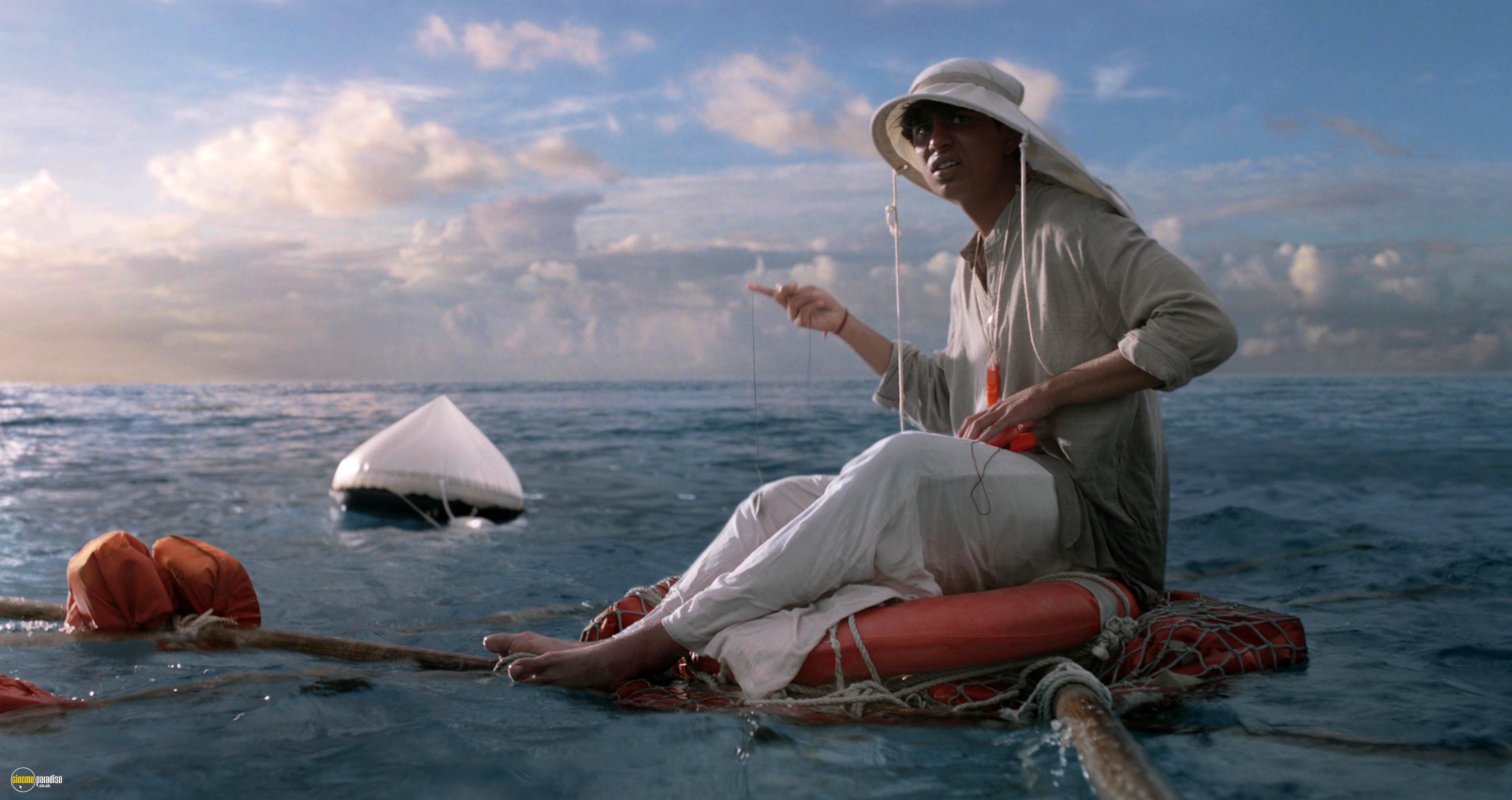
The letters written by high school freshman Charlie Kelmeckis (Logan Lerman) form the basis of the narration in The Perks of Being a Wallflower (2012), which was directed for the screen from his own novel by Stephen Chbosky. The innermost thoughts of Pat Solitano, Jr. (Bradley Cooper) are laid bare in David O. Russell's vision of Matthew Quick's novel, Silver Linings Playbook. But it takes two narrators, Piscine Molitor Patel (Suraj Sharm and Irrfan Khan) and The Writer (David Magee) to recall in Ang Lee's adaptation of Yann Martell's bestseller, Life of Pi (2012), all of the 227 days that Pi spent adrift in the Pacific Ocean on a lifeboat shared with a Bengal tiger named Richard Parker. There are no big cats as teenager Jamie Fields (Lucas Jade Zuman) is kept on his toes in Mike Mills's autobiographical 20th Century Women (2016) by his mother, Dorothea (Annette Bening), her tenants William (Billy Crudup) and Abbie (Greta Gerwig), and his platonic soulmate, Julie (Elle Fanning). But those Cinema Paradiso members who have spotted an omission in this section will be entitled to feel like the cat's whiskers (or pyjamas).
Crimes and Thrills
Film noir helped entrench the voiceover narrative in the minds of film-goers in the period after the Second World War. Indeed, so synonymous did the technique become that Cinema Paradiso will devote a separate column to noir narratage in the near future. For now, we shall content ourselves with listing a few of the most memorable voiceovers, as it would be an abnegation of duty not to mention Walter Kneff (Fred MacMurray) in Billy Wilder's Double Indemnity, Philip Marlowe (Dick Powell) in Edward Dmytryk's Farewell My Lovely (both 1944), Al Roberts (Tom Neal) in Edgar G. Ulmer's Detour (1945), Jeb Rand (Robert Mitchum) in Raoul Walsh's Pursued, Jeff Bailey (Robert Mitchum) in Jacques Tourneur's Out of the Past, Michael O'Hara
(Orson Welles) in The Lady From Shanghai (all 1947), and Eben Adams (Joseph Cotten) in William Dieterle's Portrait of Jennie (1948).
It would also be remiss to overlook the off-screen contributions of Mark Hellinger to The Naked City (1948) and Carol Reed to The Third Man (1949), as the narrators also respectively produced and directed the films. We'll also cover neo-noir in the stand-alone article. But we should flag up Philip Marlowe in Robert Altman's The Long Goodbye (1973), Leonard Shelby (Guy Pearce) in Christopher Nolan's Memento (2000), Ed Crane (Billy Bob Thornton) in Joel and Ethan Coen's The Man Who Wasn't There (2001), Harry Lockhart (Robert Downey, Jr.) in Shane Black's Kiss Kiss Bang Bang (2005), Nick and Anne Dunne (Ben Affleck and Rosamund Pike) in David Fincher's Gone Girl, Sortilège (Joanna Newsom) in Paul Thomas Anderson's Inherent Vice (both 2014), and Rachel Watson (Emily Blunt) in Tate Taylor's The Girl on the Train (2016).
Narratage was rarely used in Hollywood crime films during the heyday of the Warner gangster cycle. It became more popular after Orson Welles borrowed the March of Time newsreel style for Citizen Kane, with Reed Hadley lending his 'Voice of God' to Henry Hathaway's wartime spy ring exposé, The House on 92nd Street (1945). A number of syndicate-busting features followed suit in the 1950s, but the stentorian tone started to feel outdated in the Swinging Sixties and a new brand of narration began to emerge.
Sissy Spacek's voiceover as Holly in Terrence Malick's Badlands (1973) proved a gamechanger. as she focussed less on the crimes she committed with her boyfriend Kit (Martin Sheen) than what it felt like to be young, free, and outside the law in 1950s South Dakota. The same year, Martin Scorsese spoke a few linking passages in Mean Streets to supplement the narration of Charlie Cappa (Harvey Keitel), as he finds his feet with his ne'er-do-well buddy, Johnny Boy Civello (Robert De Niro). Indeed, Scorsese would become the master of the crime voiceover, whether the speaker was Travis Bickle (De Niro) in Taxi Driver (1976), Henry Hill (Ray Liotta) in GoodFellas (1990), Sam 'Ace' Rothstein (De Niro) and Nicky Santoro (Joe Pesci) in Casino (1995), Amsterdam Vallon (Leonardo DiCaprio) in Gangs of New York (2002), Jordan Belfort (DiCaprio again) in The Wolf of Wall Street (2013), or Frank Sheeran (Robert De Niro) in The Irishman (2019).
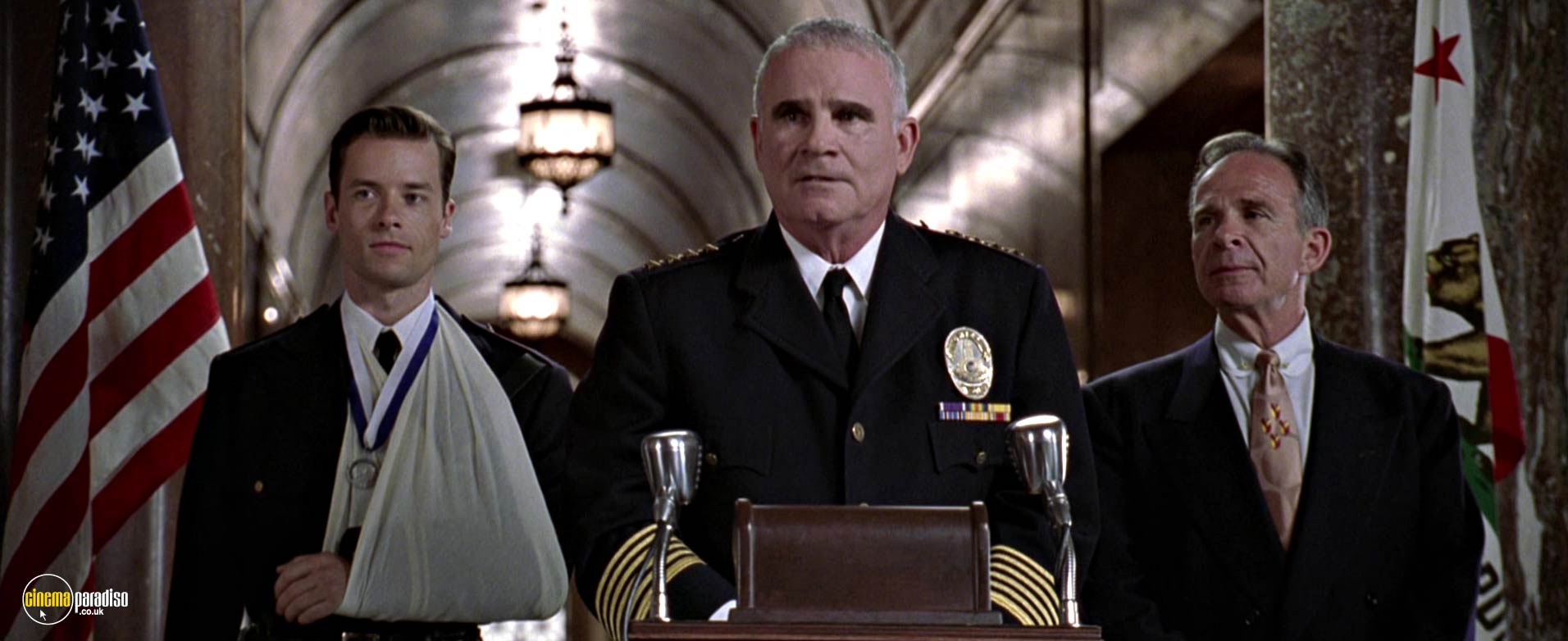
Brian De Palma proved a keen student of the Scorsese method with the voiceover delivered impeccably by Al Pacino as Carlito Brigante in Carlito's Way (1993). His influence was also evident on the resourceful improvisation of Verbal Kint (Kevin Spacey) in Bryan Singer's The Usual Suspects (1995) and the hard-nosed cynicism of Sid Hudgens (Danny De Vito) in Curtis Hanson's L.A. Confidential (1997). Detective John Hobbes (Denzel Washington) puts a fresh spin on proceedings when he narrates with a little help from his friend in Gregory Hoblit's Fallen (1998), which was released the same year as Tony Kaye's American History X (1998), which is narrated by Danny (Edward Furlong), the younger brother of Derek Vinyard (Edward Norton), the neo-Nazi who sees the error of his ways. Nothing is going to change the mind of ex-Marine Porter (Mel Gibson) in Brian Helgeland's Payback (1999), however, as he keeps us clued into his mindset while seeking revenge on the wife and partner in crime who left him for dead after a heist.
The undisputed guv'nor of the BritCrime voiceover was Guy Ritchie, who studded the narration with zingers for Alan (Alan Ford) in Lock, Stock and Two Smoking Barrels (1999), Turkish (Jason Statham) in Snatch (2000), and Jake Green (also Statham) in Revolver (2005). Aficionados of the form will also detect Ritchie's influence in the voiceovers of the eponymous villain (Malcolm McDowell) in Paul McGuigan's Gangster No.1 (2000), the unnamed coke dealer (Daniel Craig) in Matthew Vaughn's Layer Cake (2004), and Frankie (Danny Dyer) in Nick Love's The Business (2005).
The prose of Bret Easton Ellis means that Patrick Bateman (Christian Bale) has one of the great voiceovers in Mary Harron's American Psycho (2000), although Johnny Depp pushes all the right buttons as drug dealer George Jung in Ted Demme's Blow (2001). The same year saw Malcolm McDowell on typically fine form as serial killer Dexter Miles in Micheal Bafaro's The Barber (2002). There are several different narrators in Frank Miller and Robert Rodriguez's Sin City (2005), with Marv (Mickey Rourke) doing the honours on 'That Yellow Bastard' and John Hartigan (Bruce Willis taking up the baton for 'The Hard Goodbye'.
Willis is on voiceover duty again as Mr Goodkat in Paul McGuigan's Lucky Number Slevin (2006), although The Boss (Morgan Freeman) and The Rabbi (Ben Kingsley) chip in for the 'Kansas City Shuffle' segment. Occasionally breaking the fourth wall, Jarred Vennett (Ryan Gosling) is your narrator and fountain of fiscal knowledge in Adam McKay's The Big Short (2015), although a number of other players in the swindle directly address the audience. Molly Bloom (Jessica Chastain) similarly switches between exposition and insight as the aspiring gambling bigwig in Aaron Sorkin's Molly's Game (2017).
The lines between noir, crime, and thriller are forever blurring. Just look at the differences between a couple of legal thrillers. In Gregory Hoblit's Primal Fear (1996), there's much to ponder in the narration of Aaron Stampler (Edward Norton), as he's defended on a charge of murdering an archbishop by attorney Martin Vail (Richard Gere). But we get the other side of the coin, as rookie Memphis lawyer Rudy Baylor (Matt Damon) struggles to cope with an insurance case in Francis Ford Coppola's take on John Grisham's The Rainmaker (1997).
The search for the God's Hand serial killer prompts Fenton Meiks (Matthew McConaughey) to recall his childhood with his father and younger brother to FBI Agent Wesley Doyle (Powers Boothe) in Bill Paxton's Frailty (2001). Diary entries provide the narration for Judi Dench's Barbara Covett, as she deals with younger teacher Sheba Hart (Cate Blanchett) in Richard Eyre's adaptation of Zoë Heller's bestseller, Notes on a Scandal (2006).
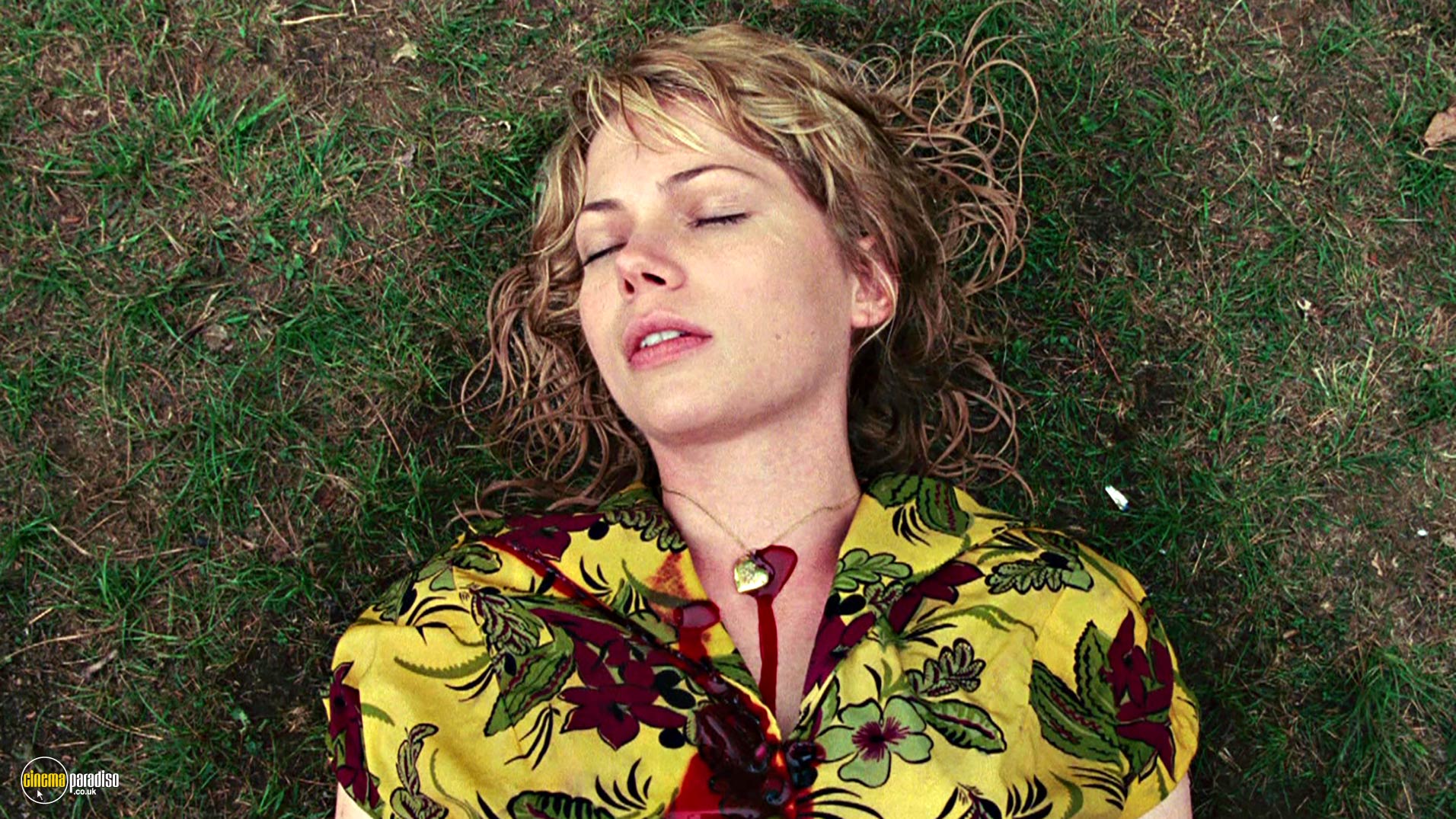
A Caligarian air pervades Martin Scorsese's Shutter Island, which is narrated by Teddy Daniels (Leonardo DiCaprio), while West Texas sheriff Lou Ford (Casey Affleck) has to wrestle with his own demons in Michael Winterbottom's The Killer Inside Me (both 2010). Five year-old Jack (Jacob Tremblay) carries the story, as he's locked in a confined space with his mother (the Oscar-winning Brie Larson) in Lenny Abrahamson's Room (2015). And we end with Charlie Kaufman's I'm Thinking of Ending Things (2020), which really should be on disc (even though it's a Netflix production), as this adaptation of Ian Reid's novel shows a master of the voiceover at work, as a young woman (Jessie Buckley) known variously as Lucy, Louisa, Lucia, and Ames reflects upon her relationship with her boyfriend and the role she plays in the life of an elderly school janitor.
Action Genres
When it comes to Westerns and action adventures, the emphasis has always been on visuals over verbals. Nevertheless, even a master of the frontier film slipped in the odd narrated passage to set out his stall. Irving Pichel provided the uncredited voiceover in John Ford's She Wore a Yellow Ribbon (1949), while Martin Pawley (Jeffrey Hunter) offered insights into riding with Ethan Edwards (John Wayne) in The Searchers (1956). In The Man Who Shot Liberty Valance (1962), the exploits of Wayne's Tom Doniphon are eulogised by old friend Ransome Stoddard (James Stewart), and Edward Zwick borrowed the conceit of telling the story to a journalist so that Gordon Tootoosis's One Stab could outline the events in Legends of the Fall (1994).
Once again, Cinema Paradiso members are invited to remind us of the titles we've overlooked in compiling this wide-ranging survey. Don't worry, we've covered the various narrators in the multi-directored How the West Was Won (1962) and the voiceovers used by John Dunbar in Kevin Costner's Dances With Wolves (1990), which won the Oscar for Best Picture, and Mattie Ross (Hailee Steinfeld) in Joel and Ethan Coen's True Grit (2010), which remade Henry Hathaway's 1969 original, which brought John Wayne his Academy Award. Moving into neo-Western territory, the
Coens divided the narration between the off-screen Tom Stechschulte and Sheriff Ed Tom Bell (Tommy Lee Jones) in their modern classic, No Country For Old Men (2007).
The unmistakable tones of Robert Mitchum add class to George P. Cosmatos's Tombstone (1993). Released the same year, Walter Hill's Geronimo: An American Legend (1993) has West Point rookie Lieutenant Britton Davis (Matt Damon) fill in the details as the US Cavalry prepares to battle the eponymous Apache warrior (Wes Studi), while an eager kid listens on as the older Tonto (Johnny Depp) looks back on his fabled partnership from the vantage point of 1933 in Gore Verbinski's The Lone Ranger (2013). Having used Samuel L. Jackson on Inglourious Basterds (2009), Quentin Tarantino was his own narrator in The Hateful Eight (2015), as he would be again in Once Upon a Time...in Hollywood (2019). But perhaps the genre's most memorable narration came from the uncredited Hugh Ross (who is also an editor) on Andrew Dominik's The Assassination of Jesse James By the Coward Robert Ford (2007), which starred Brad Pitt and Casey Affleck.
Burgess Meredith started the tradition of voicing combat movies at the end of the Second World War. He narrated William A. Wellman's A Walk in the Sun as Pulitzer Prize-winning war correspondent Ernie Pyle, but Meredith remained off-screen and uncredited for his work in Lewis Milestone's A Walk in the Sun (both 1945), which took the Allies from North Africa to Italy. Richard Burton similarly remained unseen while narrating Cy Endfield's epic account of the 1878 Battle of Rorke's Drift in Zulu (1964).
Just to add to the chaos of Francis Ford Coppola's Apocalypse Now (1979), Joe Estevez had to stand in for brother Martin Sheen when the 36 year-old suffered a heart attack. When Coppola ditched John Milius's voiceover copy and hired war correspondent Michael Herr, Sheen claimed to be too busy to record the text, so Estevez (who sounds just like his sibling) delivered the iconic words that can be heard in the original picture, as well as Apocalypse Now Redux (2001) and Apocalypse Now: Final Cut (2019). Amusingly, when Charlie Sheen pastiched the voiceover as Topper Harley in Jim Abrahams's Hot Shots! Part Deux (1993), he was actually lampooning his uncle rather than his dad.
When Oliver Stone and Stanley Kubrick respectively did Vietnam in Platoon (1986) and Full Metal Jacket (1987), they entrusted the narration to Chris Taylor (yes, Charlie Sheen again) and James T. 'Joker' Davis (Matthew Modine). Stone based his screenplay on his own combat experiences, while Kubrick hired Michael Herr to collaborate with Gustav Hesford in bringing his autobiographical novel, The Short-Timers, to the screen. And just to tie things together, Martin Sheen is thanked in the closing credits for his contribution to a read through of Terrence Malick's The Thin Red Line (1998). Billy Bob Thornton's narration was dropped in favour of interior monologues by a number of characters, although Private Witt (Jim Caviezel) and Sergeant Welsh (Sean Penn) still contribute voiceovers.
As 'Call me Ishmael' is one of the most famous opening lines in American literary history, it was never going to be cut from John Huston's take on Herman Melville's Moby Dick (1956). Richard Basehart got to deliver the line and crops up intermittently to contextualise and comment upon the action. Just as revered is 'I was 12 going on 13 the first time I saw a dead human being.' This line was spoken by the grown-up Gordie Lachance (Richard Dreyfuss), who serves as the narrator for Rob Reiner's adaptation of Stephen King's Stand By Me (1986). .
The first words of Chuck Palahniuk's novel are, 'We all know the first rule of Fight Club.' But what doesn't get talked about is the fact that the opening line spoken by Edward Norton in David Fincher's Fight Club (1999) is 'People are always asking me if I know Tyler Durden.' Narrators, eh? Why can't they all make things as clear as Galadriel (Cate Blanchett) in explaining the creation of the One Ring in the prologue to Peter Jackson's The Lord of the Rings: The Fellowship of the Ring (2001) ?
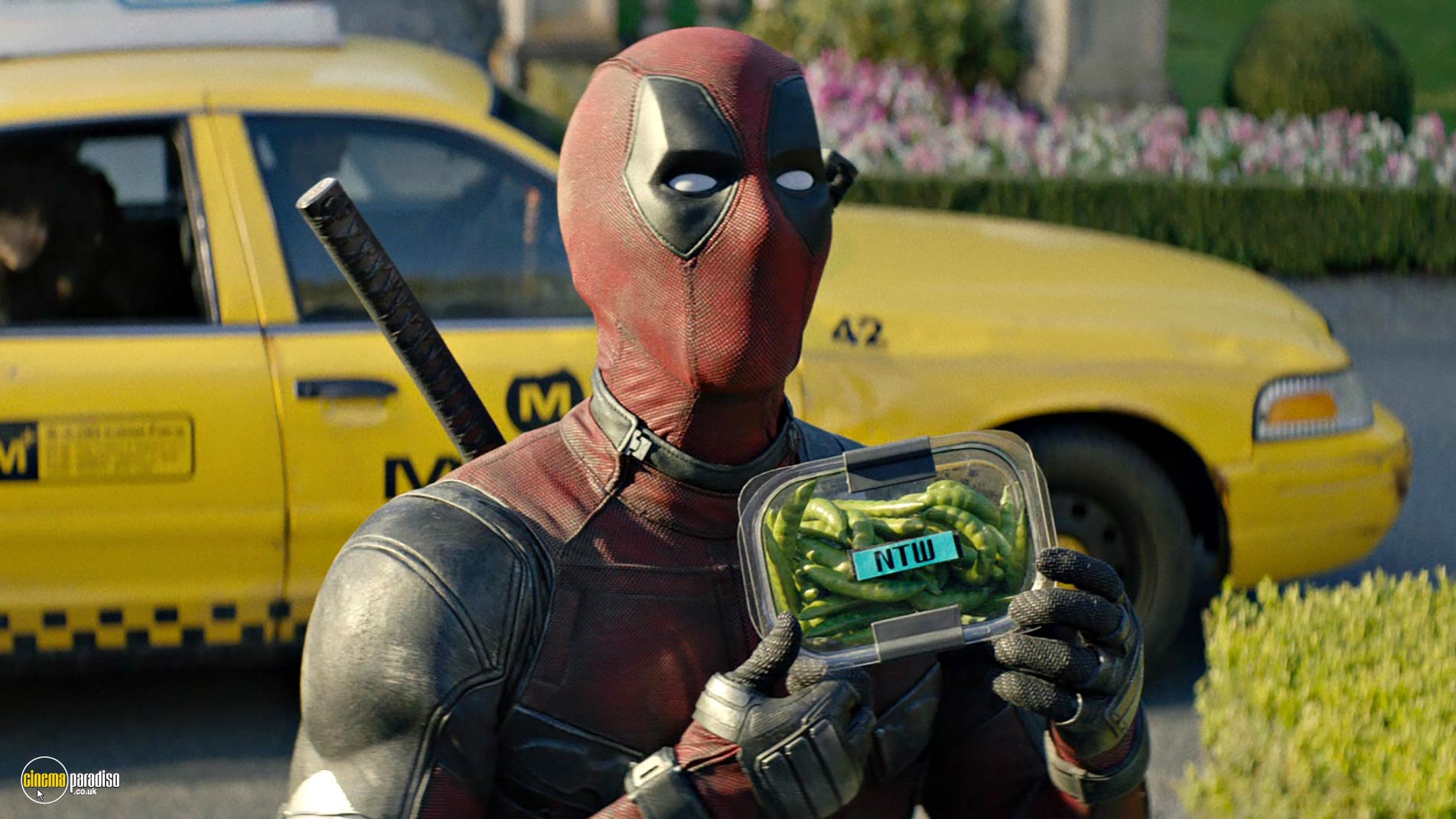
Peter Parker (Tobey Maguire) eased us into his world in the opening section of Sam Raimi's Spider-Man (2002) and continued to make voiceover contributions to Spider-Man 2 (2004) and Spider-Man 3 (2007). Similarly, Wade Wilson (Ryan Reynolds) is the voice you hear in Tim Miller's Deadpool (2016), although there are more direct addresses through the fourth wall in David Leitch's Deadpool 2 (2018). But narratage is a rare phenomenon in the Marvel Cinematic Universe, besides the Smithsonian audio tour voiced by Gary Sinise in Anthony and Joe Russo's Captain America: The Winter Soldier (2014) and the noirish spiel delivered by Krystin Ritter, as the retired superhero turned private eye in Jessica Jones (2015-19). Click to order and discover an overlooked MCU gem.
Future Shock
Given the iconic nature of William Shatner's voiceover as Captain James T. Kirk in Star Trek (1966-69) and its various movie spin-offs, it's perhaps surprising that voiceovers are comparatively rare in science fiction films, as they would provide useful introductions to the futuristic settings and the ground rules and living conditions that will shape the storyline. In adapting Anthony Burgess's A Clockwork Orange (1971), for example, Stanley Kubrick had Alex (Malcolm McDowell) describe his milieu and explain the Nasdat slang that he used to communicate with his droogs. But others opted for captions or simply plunged the audience into the alternative reality. Think how different George Lucas's Star Wars (1977) would have been had the yellow scrolling 'A long time ago in a galaxy far, far away...' crawl been spoken by a Voice of God narrator.
John Milius went down the Kubrick route when he made Conan the Barbarian (1982), as Akiro the Wizard (Mako) opened proceedings with the words, 'Between the time when the oceans drank Atlantis, and the rise of the sons of Aryas, there was an age undreamed of. And unto this, Conan, destined to bear the jewelled crown of Aquilonia upon a troubled brow.' Cue Arnold. Ridley Scott didn't envisage using a voiceover when he made Blade Runner (1982). But confused test screening reports prompted the studio to ask Harrison Ford to record a noirish narration as Rick Deckard. This was removed, however, from The Director's Cut (1992) and remained absent from The Final Cut (2007). For a more detailed account, check out Cinema Paradiso's 10 Films to Watch If You Liked Blade Runner.
When he came to direct The Martian (2015), Scott avoided a reliance on traditional voiceover narration by conveying information through the video logs and the messages to NASA written by stranded astronaut Mark Watney (Matt Damon). In establishing the dystopian Britain outlined in Alan Moore and David Lloyd's graphic novel, V For Vendetta (2005), The Wachowskis and director James McTeague went for a combination of voiceovers from Evey Hammong (Natalie Portman) and Detective Finch (Stephen Rea).
The majority of sci-fi voiceovers vanish after their opening oration. A familiar voice from such BBC staples as Horizon and Kaleidoscope, Paul Vaughan gave the narration in Mick Jackson's Threads (1984) an authoritative ring that combined with the vidiprinter captions to make this post-apocalyptic drama feel so intimidatingly authentic. However, as the crisis worsens, the narrator falls silent. Events on-screen limit Juan Sánchez-Villalobos Ramírez to a scene- setting growl in Russell Mulcahy's Highlander (1986), which Sean Connery famously recorded in his Spanish bathroom, as a result of a scheduling snafu.
Several sci-fi features restrict themselves to an opening salvo in which a time zone and a calamity are outlined. Cinema Paradiso users might want to listen out for off-screen narrators like Peter Bogdanovich in Curtis Harrington's Voyage to the Prehistoric Planet (1965), Jack Palance in Michael Schroeder's Cyborg 2 (1993), and Darren De Paul in Andrzej Bartkowiak's Doom (2005) or the character voiceovers of Snake Plissken (Kurt Russell) in John Carpenter's Escape From New York (1981) and Escape From L.A. (1996), Willis Davidge (Dennis Quaid) in Wolfgang Petersen's Enemy Mine (1985), and Optimus Prime (Pete Cullen) in Michael Bay's Transformers (2007).
Not all opening voiceovers can be credited for their clarity. Take Criswell's narration of Edward D. Wood, Jr.'s Plan 9 From Outer Space (1957). But we're also talking about Edward Carnaby (Christian Slater) in Uwe Boll's Alone in the Dark (2005), Violet (Milla Jovovich) in Kurt Wimmer's Ultraviolet (2006), Roberta Farkas in Shim Hyung-rae's Dragon Wars (aka D-War), and Christian (Alec Newman) in Pearry Reginald Teo's Gene Generation (both 2007). A more logical, but nevertheless unconventional voiceover comes from Dr Caron (Sarah Paulsen) in Joss Whedon's Serenity (2005). But bad news - and it invariably is in end of the world movies - requires a sombre tone, such as the one adopted by Sarah Connor (Linda Hamilton) in James Cameron's Terminator 2: Judgment Day (1991), as well as by the following narrators: Harold Baigent in George Miller's Mad Max 2: The Road Warrior (1981), Giuseppe Mattei in Sergio Martino's 2019: After The Fall of New York (1983), Frederic Talgorn in Stuart Gordon's Robot Jox, the uncredited female voice in Steve Lisberger's Slipstream (both 1989), James Earl Jones (who actually recites the opening text crawl) in Danny Cannon's Judge Dredd (1995), Morgan Freeman in
Steven Spielberg's War of the Worlds (2005), and Malcolm McDowell in Neil Marshall's Doomsday (2008).
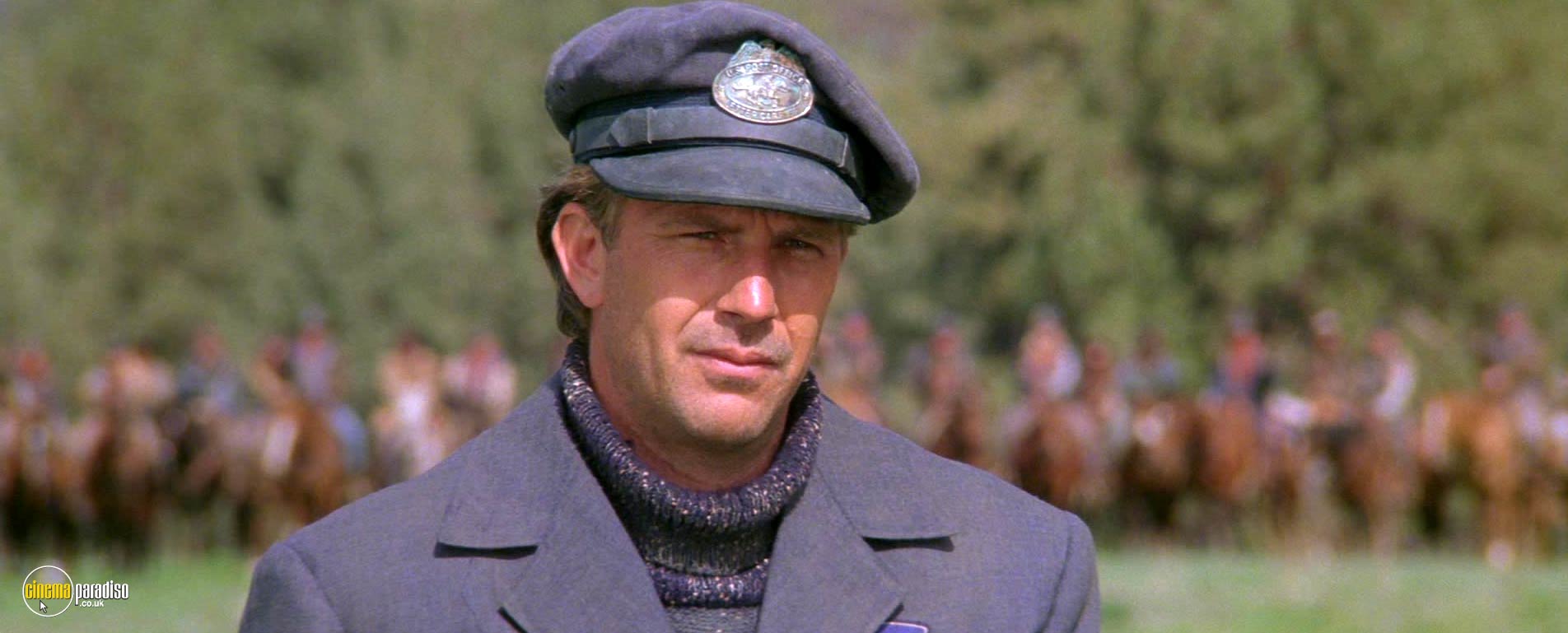
There's something more affable about the way that Commander Kate Bowman (Carrie-Anne Moss) welcomes us to 2050 in Anthony Hoffman's Red Planet (2000) and the tone is equally genial in Kevin Costner's monologue at the beginning of The Postman (1997), as it's directed at the eponymous character's unborn daughter. Teenager Marti Malone (Gabrielle Anwar) is more world-wearily contemplative while riding in the back of the family car before all hell breaks loose in Abel Ferrara's Body Snatchers (1993), while the fact that Jack Deth (Tim Thomerson) announces himself as a cop from the future clues the audience that something untoward is about to unfold in Charles Band's Trancers (1984).
Dr Daniel Schreber (Kiefer Sutherland) is so garrulous in Alex Proyas's Dark City (1998) that he maybe reveals more than he intended, but Riddick has the excuse that he's talking in his cryo-sleep at the start of David Twohy's Pitch Black (2000). The same year also brought us Professor X (Patrick Stewart) describing the world in which he finds himself in Bryan Singer's X-Men. Dr Manhattan (Billy Crudup) does much the same in Zach Snyder's Watchmen (2009). But Princess Irulan (Virginia Madsen) has a tougher task on her hands holding things together (and making sense of them) in David Lynch's adaptation of Frank Herbert's Dune (1984). When Denis Villeneuve came to make his adaptation, Dune: Part One (2021), he asked editor Joe Walker to voice some of the computer entries and liked them so much that he kept them in the film, although this is a less traditional narration than the one provided by Dr Louise Banks (Amy Adams) in Villeneuve's Arrival (2016).
Ending our sci-fi odyssey is Jake Sully (Sam Worthington), who has guided us through James Cameron's Avatar (2009) and Avatar: The Way of Water (2022). But the torch will be passed to his son, Lo'ak (Britain Dalton) in Avatar: Fire and Ash (2025).
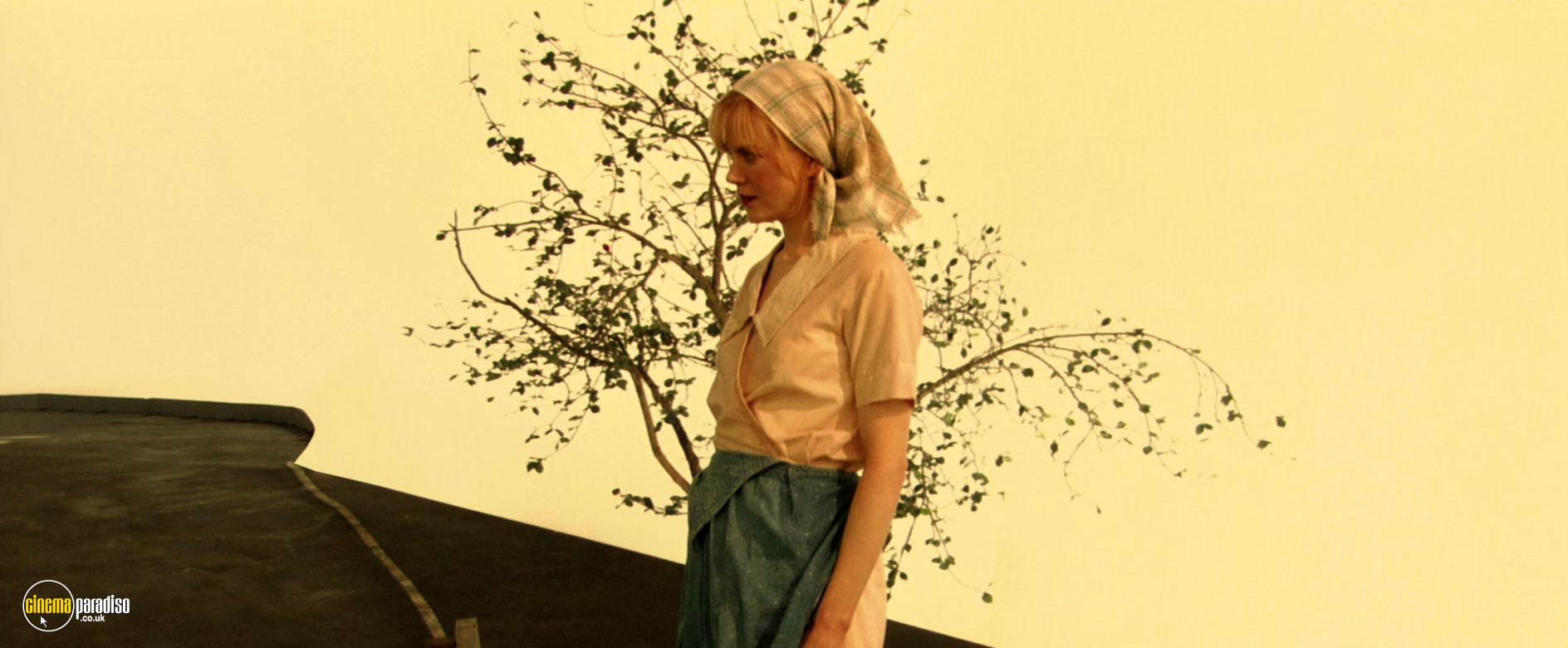
When it comes to horror, voiceover narration has been used sparingly down the years to avoid giving too much of the plot or detract from the jolts. Miss Giddens (Deborah Kerr) provides a textbook example of the disconcertion technique in narrating Jack Clayton's The Innocents (1961), which was adapted from Henry James's The Turn of the Screw, traces of which can detected in Alejandro Amenábar's The Others (2001), whose narrator is Grace Stewart (Nicole Kidman). Following the lead of the original novel, Francis Ford Coppola adopted an epistolary approach to the trip to Transylvania made by Jonathan Harker (Keanu Reeves) in Bram Stoker's Dracula (1992).
The old telling one's life story to a reporter gambit was dusted down so that Louis de Pointe du Lac (Brad Pitt) and Daniel Molloy (Christian Slater) could take us to the heart of Neil Jordan's adaptation of Anne Rice's Interview With the Vampire (1994). The conceit also resurfaced in Don Coscarelli's John Dies At the End (2012), as journalist Arnie (Paul Giamatti) confronts college dropout David Wong (Chase Williamson). By contrast, film-maker David Leigh (David Beard) discusses his investigation into the 'Jersey Devil Murders' in Stefan Avalos's The Last Broadcast (1998).
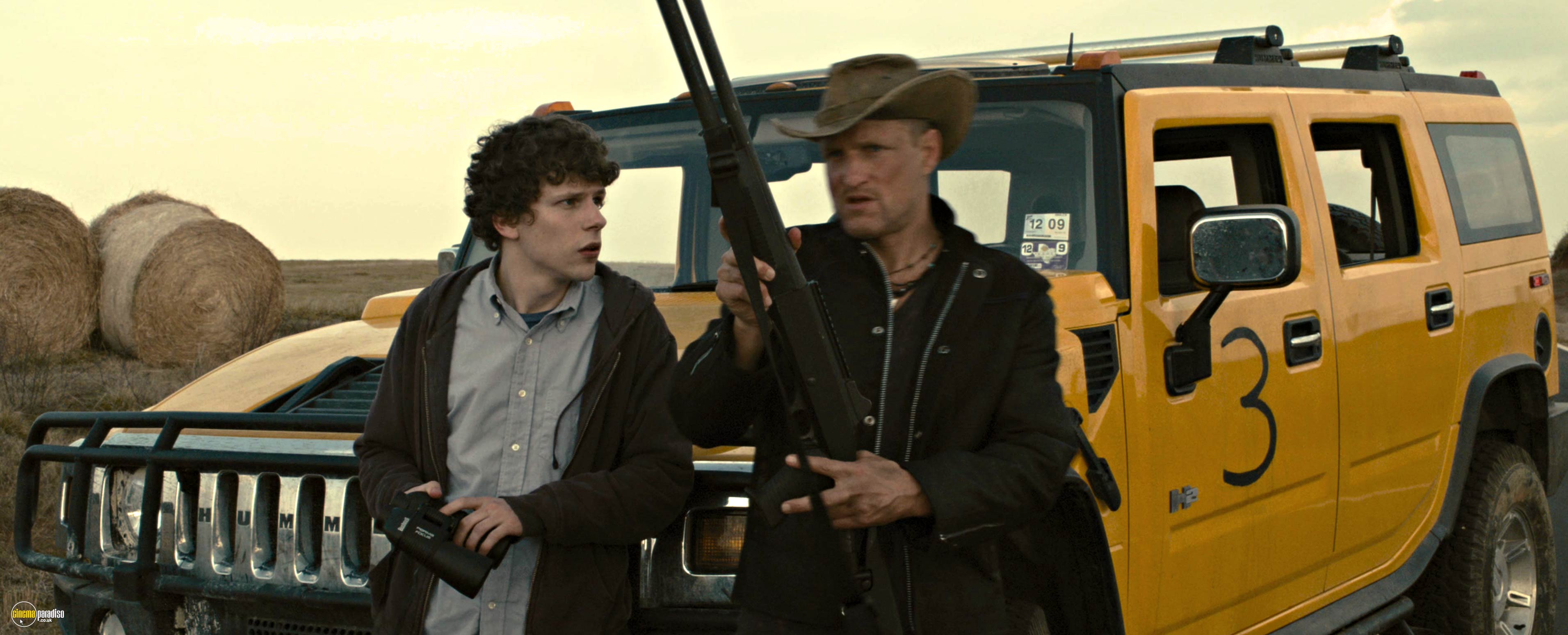
A vampire named Selene (Kate Beckinsale) outlines the war with the Lycan werewolves in Len Wiseman's Underworld (2003), while Bella Swan (Kristen Stewart) tells it like it is between her and Edward Cullen (Robert Pattinson) and Jacob Black (Taylor Lautner) in Catherine Hardwicke's Twilight (2008) and its four sequels. Mort Rainey (Johnny Depp) takes us on a tour of his troubled mind after he is accused of plagiarism in David Koepp's Secret Window (2004), while it's Columbus (Jesse Eisenberg) who helps us keep track as the flesh flies in Ruben Fleischer's Zombieland (2009). R (Nicholas Hoult) reflects on being a zombie and his growing attraction to Julie (Teresa Palmer) in Jonathan Levine's Warm Bodies (2013), while Jack Marrowbone (George MacKay) - aided by an illustrated book that he has compiled with his siblings - provides the troubling narration in Sergio G. Sánchez's The Secret of Marrowbone (2017).
Comic Cuts
The legacy of the silent slapstick era meant that performers like Stan Laurel and Oliver Hardy preferred to use intertitles to introduce their comic shorts rather than resort to an audible narrator. While nowhere near as prolific in his feature phase, Charlie Chaplin similarly eschewed narratage and the rest of Hollywood largely followed suit.
As a consequence, it wasn't until after the war that voiceovers became more frequent, with Ealing setting the tone with the exquisite performance of Dennis Price as Louis Mazzini, as he explains via the pages of his memoir how he murdered the members of the D'Ascoyne family (all played by Alec Guinness) who had wronged his mother in Robert Hamer's Kind Hearts and Coronets (1949). The tone was more conversational as Stanley Banks (Spencer Tracy) shared his domestic woes in Vincente Minnelli's Father of the Bride (1950) and Father's Little Dividend (1951) and George Banks (Steve Martin) did likewise when the films were remade as Charles Shyer's Father of the Bride (1991) and Father of the Bride Part II (1995).
C.C. Baxter (Jack Lemmon) offers his views on living and working in New York at the start of Billy Wilder's The Apartment (1960), which became the first voiceovered comedy to win the Academy Award for Best Film. Clearly, Woody Allen took the hint, as he employed Jackson Beck to narrate Take the Money and Run (1969) and Patrick Horgan to chronicle the life of the Human Chameleon in Zelig (1983). Allen himself took the microphone as Alvy Singer in the Best Picture-winning Annie Hall (1977), as Issaac Davis in Manhattan (1979), and as Sandy Bates in Stardust Memories (1980). He adopted the persona of Joe to reflect upon his childhood in Radio Day (1987), while Gena Rowlands took over as Marion Post in Another Woman (1988) and Mia Farrow held the fort as Alice Tate in Alice (1990).
After Allen had boldly opted for a musical Greek chorus led by Joanne DiMauro in Mighty Aphrodite (1995), he returned to the more traditional form of voiceover narration via D.J. Berlin (Natasha Lyonne) in Everyone Says I Love You (1997). Allen took the reins again for Celebrity (1998), while he appeared in the prelude to Sweet and Lowdown (1999) to introduce the story of jazz guitarist, Emmet Ray (Sean Penn). He retreated back behind the camera to narrate Anything Else (2003) and provide some linkage for Melinda and Melinda (2004).
The following year, Chris Wilson (Jonathan Rhys Meyers) offered his twopennyworth in Match Point (2005), while Christopher Evan Welch stepped into the recording booth to narrate Vicky Cristina Barcelona (2008). After Larry David had done his shtick as Boris Yelnikoff in Whatever Works (2009), Zak Orth did a decent Woody impression in You Will Meet a Tall Dark Stranger (2010) before character narration was contributed by Gill Pender (Owen Wilson) to Midnight in Paris (2011) and John (Alec Baldwin) to To Rome With Love (2012). Abe (Joaquin Phoenix) and Jill (Emma Stone) share the character narration in Irrational Man (2015), while Allen served as his own uncredited narrator on Café Society (2016). Lifeguard Mickey Rubin (Justin Timberlake) came to the fore in Wonder Wheel (2017) to be possibly the last Allen narrator, as he's currently devoting his energies to writing novels prior to turning 90 in November.
Turning back the clock four decades, we find Joel Goodsen (Tom Cruise) sharing his thoughts on negotiating high school in Paul Brickman's Risky Business (1983), while, at year's end, Jean Shepherd's Ralphie recalled being young and innocent in Bob Clark's A Christmas Story Three years later, Withnail (Richard E. Grant) and Marwood (Paul McGann) demonstrate that it's possible to delay growing up in Bruce Robinson's Withnail & I (1986), while H.I. McDunnough (Nicolas Cage) presents his skewed views in Raising Arizona (1987), which was directed by Joel and Ethan Coen, who also hired John Goodman to break down events in The Hudsucker Proxy (1994).
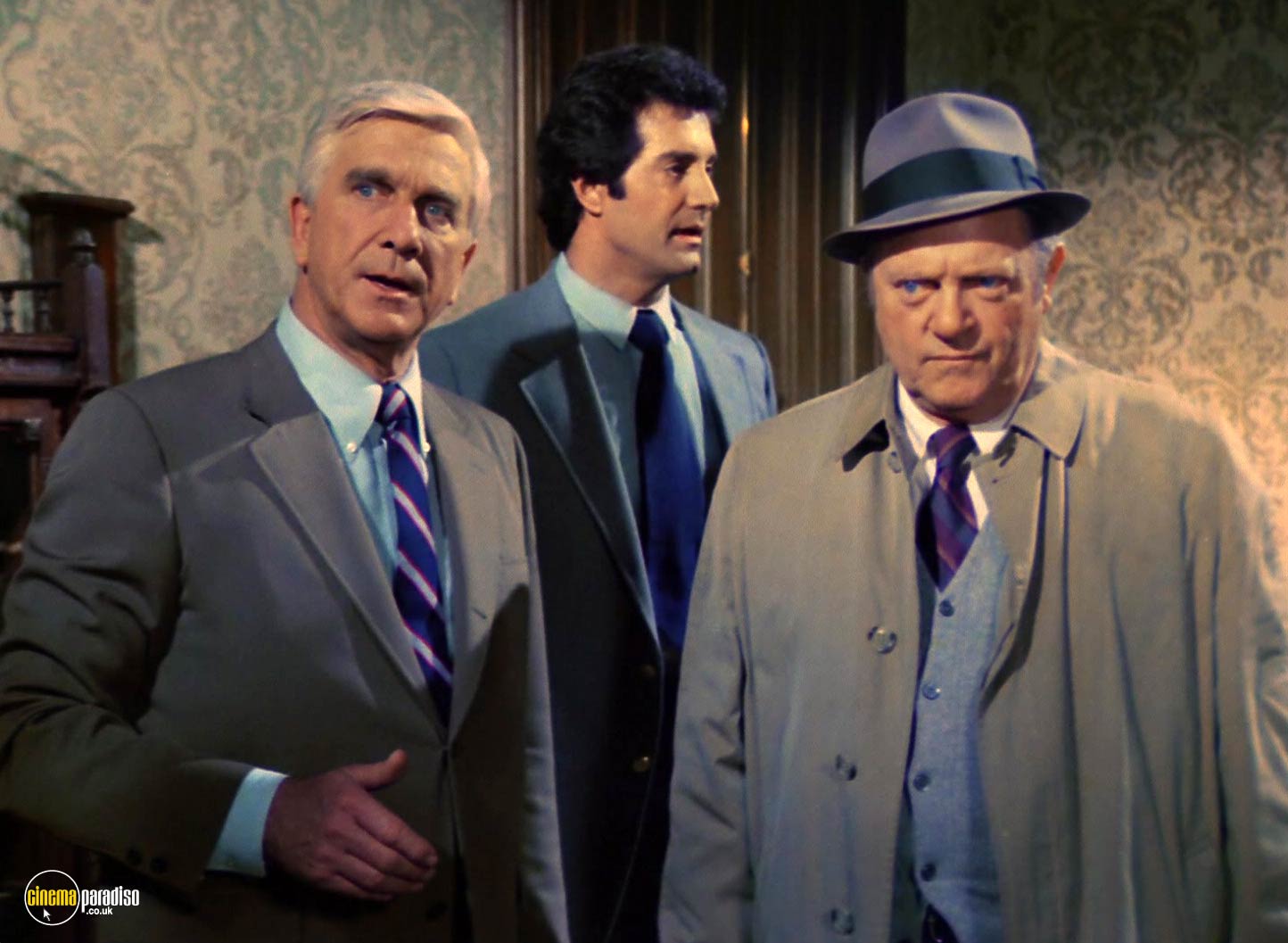
After decades in television drama, Leslie Nielsen discovered a genius for deadpan lunacy and his voiceover as Frank Drebin adds to the madcap fun in The Naked Gun: From the Files of Police Squad! (1988), The Naked Gun 2½: The Smell of Fear (1991), and Naked Gun 33?: The Final Insult (1994). And don't forget the original series, Police Squad! (1982), either, or Carl Reiner's Dead Men Don't Wear Plaid (1982), a pastiche of classic 1940s film noir tropes that Steve Martin narrates in the guise of Rigby Reardon. But we leap forward two decades to 1962 for David Mickey Evans's The Sandlot Kids (1993), a baseball rite of passage that is narrated by the director himself. Speaking of sports, Adam Sandler explains his character's passage from ice hockey to golf in Dennis Dugan's Happy Gilmore (1996) and he returned to update audiences in Kyle Newacheck's Happy Gilmore 2 (2025).
Rarely has a literary classic been so brilliantly re-envisaged as Jane Austen's Emma, which Amy Heckerling turned into teenpic gold as Clueless (1995), in which Alicia Silverstone excelled as the meddling Cher Horowitz. A deadpan masterclass was provided by Stephen Kelly as Dale Kerrigan in Rob Sitch's home invasion romp, The Castle (1997), although Christina Ricci also toys with the conventions of narratage as the spiky Deedee Truitt in Don Roos's hilarious, The Opposite of Sex (1998).
Sardonic is also the name of the game, as Johnny Depp impersonates gonzo journalist Hunter S. Thompson in Terry Gilliam's take on Fear and Loathing in Las Vegas (1998). But laid-back is the best description for the drawling intonation of Sam Elliott as The Stranger in the Coen corker, The Big Lebowski (1998). Wisdom after the event shades the voiceovers in a couple of 1999 offerings, as teacher Jim McAllister (Matthew Broderick) comes to regret trying to help Tracy Flick (Reese Witherspoon) in Alexander Payne's Election and advertising executive Lester Burnham (Kevin Spacey) laments losing his cool over teenager Angela Hayes (Mena Suavi) in Sam Mendes's Best Picture winner, American Beauty.
We've already mentioned Charlie Kaufman and he crops up as both the screenwriter of Spike Jonze's Adaptation (2002) and the character played by Nicolas Cage, whose struggling writer is taken to task by script guru Robert McKee (Brian Cox), with the line 'God help you if you use voiceover in your work. Any idiot can write a voiceover narration to explain the thoughts of a character.' No doubt co-writer/directors Shari Springer Berman and Robert Pulcini would beg to differ in the case of American Splendor (2003), as they asked biopic subject Harvey Pekar to narrate and then cast Paul Giamatti as the underground comic-book artist in this cult classic.
Steve Martin is on the remake trail again in Shawn Levy's Cheaper By the Dozen (2003), which reworks Walter Lang's 1950 film of the same name. This time, however, the narrating duties were assigned to Bonnie Hunt, as his wife, Kate Baker. And we stay with a female narrator, as Lindsay Lohan hits a career high as Cady Heron discussing her problems with The Plastics in Mark Waters's Mean Girls (2004). But, good as these performances are, they are just pipped by Emma Thompson's turn as Karen Eiffel in Marc Forster's Stranger Than Fiction (2006), as she's narrating the life of tax inspector Harold Crick (Will Ferrell) from inside his own head.
Will Burton (Gaelan Connell) provides some epistolary narration through the letters he writes to David Bowie in Todd Graff's Bandslam, while Ryan Bingham (George Clooney) offers insights into downsizing in his voiceover to Jason Reitman's Up in the Air (both 2009). We head back into coming of age territory in the company of first Greg Heffley (Zachary Gordon) in Thor Freudenthal's Diary of a Wimpy Kid and then Oliver Tate (Craig Roberts), whose views on family, school, and first love are directed to the audience in Richard Ayoadé's Submarine (both 2010).
Having worked with Seth MacFarlane on American Dad (2006-17), Patrick Stewart readily signed up to narrate Ted (2012), in which the director voiced the bear embarrassing Mark Wahlberg. For the 2024 prequel TV series, however, the voiceover was supplied by Ian McKellen. There are almost as many narrators as there are plotlines in Wes Anderson's The Grand Budapest Hotel (2014). The Author (Tom Wilkinson) launches proceedings before the tale is taken up by hotel owner Mr Moustafa (F. Murray Abraham) and by his younger self, Zero (Tony Revolori), in chronicling the eccentric career of M. Gustave H. (Ralph Fiennes). Things were so much simpler in Moonrise Kingdom (2012), which restricted itself to just Bob Balaban, who narrates and even interacts with the characters. Fittingly for an eyewitness, the Short-Sighted Woman (Rachel Weisz) narrates the bizarre action in Yorgos Lanthimos's The Lobster (2015), which accompanies a group of singles to a hotel, where they have 45 days to find love or be turned into animals.
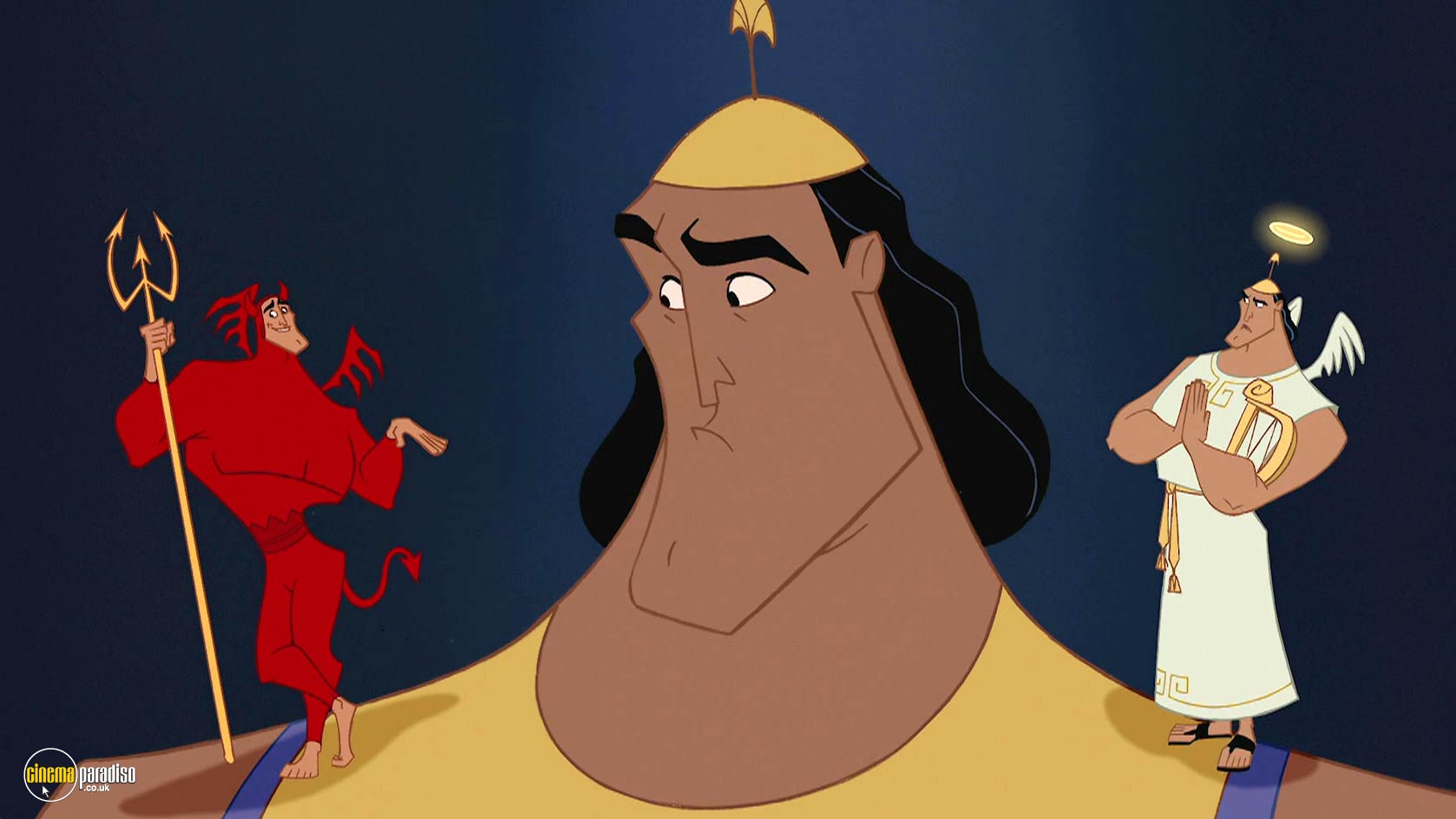
Speaking of quaint creatures, we should recall such Disney narrators as Jiminy Cricket in Pinocchio (1940) and Pongo in A Hundred and One Dalmations (1961). Staying in animated mode, David Spade narrates as Emperor Kuzco in The Emperor's New Groove (2000). By contrast, Gonzo and Rizzo the Rat elucidate proceedings in Brian Henson's The Muppet Christmas Carol (1992), with the former breaking the fourth wall to speak to viewers as Charles Dickens. In Chris Noonan's Babe (1995), however, Roscoe Lee Browne remains off camera to narrate Dick King Smith's charming story of a piglet who wanted to herd sheep.
Add two letters to that title and you get Barbie (2023), which boasts knowing narration by Helen Mirren. Moreover, director Greta Gerwig also shot a scene in which Mirren faces off with Olivia Colman to see who gets the gig. Frustratingly, it failed to make the final cut.
World Cinema
Time prevents us from scrolling through the annals of over 195 national film industries to unearth the most significant narratorial voiceovers from the last 95 years. So, we shall have to content ourselves with a choice selection that begins with Sacha Guitry's The Story of a Cheat (1936), in which a roué provides a wry running commentary on a life of crime that makes him as unreliable a narrator as Franzis in Robert Weine's silent masterpiece, The Cabinet of Dr Caligari (1920).

Although Patricia Walters played Harriet on screen in Jean Renoir's The River (1951), her adult reminiscences were voiced by June Tripp (who was billed as June Hillman). Federico Fellini chronicled very different adolscent antics in I vitelloni (1953), which was narrated by Riccardo Cucciolla. A born nostalgic, the director also used narrative voices to corral the scattered events and ideas in Fellini's Roma (1972) and Amarcord (1973).
Memory plays tricks on Professor Isak Borg (Victor Sjöström), as he reflects upon lost love while travelling to accept an academic prize in Ingmar Bergman's Wild Strawberries (1957). Jeanne Moreau provides a third-person narrative, even though her character, Jeanne Tournier, is at the heart of the action in Louis Malle's Les Amants (1958) and it's safe to say that no group of film-makers had more influential impact on how voiceover was used than the young auteurs of the nouvelle vague. Take Alain Resnais's Last Year in Marienbad (1961), in which a man (Giorgio Albertazzi) charts his efforts to convince a woman (Delphine Seyrig) that they had been lovers a year earlier.
Having employed a voiceover commentary in The 400 Blows (1959), François Truffaut hired Michel Subor to deliver the sublime narration to Jules et Jim (1962), in which best friends Jules (Oskar Werner) and Jim (Henri Serre) fall out over the impetuous Catherine (Jeanne Moreau). Affairs of the heart would also dominate The Story of Adèle H. (1975), which utilises voiceovers reflecting both the emotions of the heroine (Isabelle Adjani) and the thoughts contained in the letters written by her father, Victor Hugo.
Jean-Luc Godard frequently made use of narrators, often as a Brechtian device to break up the flow of the action and remind the audience that they were watching a consciously composed work of art. Godard himself provided the voiceover for Vivre sa vie (1962) and Bande à part (1964), while Ferdinand Griffon (Jean-Paul Belmondo) and Lemmy Caution (Eddie Constantine) respectively stepped up to the plate in Pierrot le fou and Alphaville (both 1965). In his later career, Godard developed a brand of pseudo-narration to convey complex and/or provocative ideas in items like In Praise of Love (2001), Film Socialisme (2010), Goodbye to Language (2014), and The Image Book (2018).
Among the earliest African films with a voiceover was Ousmane Sembène's Black Girl (1966), which employed an internal monologue to convey what Diouana (Mbissine Thérèse Diop) experiences when she leaves Senegal to work as a maid for a French couple. Around this time, critic Éric Rohmer started making his own films, with many of the titles in his famous series - Six Moral Tales (1963-72), Comedies and Proverbs (1981-87), and Tales of the Four Seasons (1990-98) - using some form of narration or voiceover. As Cinema Paradiso users will know from our Instant Expert's Guide, Rohmer is one of those directors who seemed incapable of making a bad film. Fellow Cahiers du Cinèma scribe Jacques Rivette also roped in Anne Goupil (Betty Schneider) to narrate Paris nous appartient (1961) to guide the audience through its labyrinthine plot.
The voice of Werner Herzog has become familiar through such late-career documentaries as Grizzly Man (2005), Encounters At the End of the World (2007), Cave of Forgotten Dreams (2010), and Into the Abyss (2011). Only the wonderful David Attenborough is more distinctive. Tap his name into the Cinema Paradiso Searchline to discover a natural world of wonder. However, the narration in Aguirre, the Wrath of God was delivered by Domican friar, Gaspar de Carvajal ( Claus Biederstaedt). The film was released in the same year as Volker Schlöndorff produced his Oscar-winning adaptation of Günter Grass's The Tin Drum (1979), which was set in the Free City of Danzig and was narrated by the unreliable Oskar Matzerath (David Bennent).
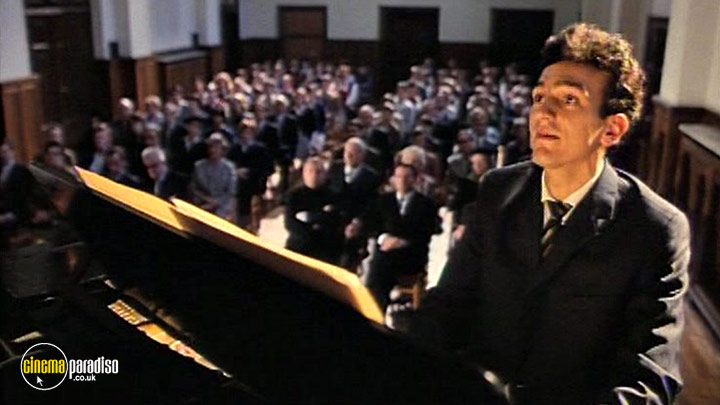
Rainer Werner Fassbinder undertook the narrating chores on his 15-part TV adaptation of Alfred Döblin's Berlin Alexanderplatz (1980), which had a considerable influence on Edgar Reitz's Heimat (1984), whose eight episodes were narrated by Gläsisch-Karl (Kurt Wagner), who also returned for Heimat 2: Chronicle of a Generation (1992) and Heimat 3: A Chronicle of Endings and Beginnings (2004). Before leaving Germany, we should also mention that Wim Wenders was his own narrator on Lightning Over Water (1980), his tribute to American director Nicholas Ray, while Peter Falk adds his unique observations to the deeply moving Wings of Desire (1987).
The visuals were the key selling point where Cinéma du Look was concerned. But Zorg (Jean-Hugues Anglade) provided a voiceover that's as poignant as Gabriel Yared's score in Jean-Jacques Beineix's Betty Blue (1986). The emphasis was on the atmospheric in the sombre second-person musings of Max von Sydow ('You will now listen to my voice. My voice will help you and guide you still deeper into Europa.') in Lars von Trier's potent tale of postwar Germany, Europa (1991).
Anime narrators tend to come in pairs, as there's the original Japanese speaker and then the translated dubber. Things can get a little complicated, with Seita Yokokawa in Isao Takahata's Grave of the Fireflies having Tsutomu Tatsumi's original narration redubbed by J. Robert Spencer, Adam Gibbs, and Lucas Jaye for the various English-language versions. In the case of the same director's Pom Poko (1994), however, the pairing is Shincho Kokontei and Maurice LaMarche. He's Canadian, but André Dussollier is decidedly French and he contributes the droll voiceover to Jean-Pierre Jeunet's Amélie (2001), which starred Audrey Tautou as the mischievous Amélie Poulain. She would reunite with the director on the more sombre Great War story, A Very Long Engagement (2004), which was narrated by Florence Thomassin.
We're off to the favelas of Rio de Janeiro to find our next narrators. In Fernando Meirelles's City of God (2002), he's Rocket (aka Buscapé), the photographer played by Alexandre Rodrigues. But the voice in José Padilha's Elite Squad (2007) and Elite Squad 2: The Enemy Within (2010) belongs to Captain Roberto Nascimento (Wagner Moura), a member of BOPE, Rio's Special Police Operations Battalion. Moving north, we come to Mexico where the road trip taken by Tenoch Iturbide (Diego Luna), Julio Zapata (Gael García Bernal), and Luisa Cortés (Maribel Verdú) in Alfonso Cuarón's Y tu mamá también (2001) is remarked upon by omniscient narrator Daniel Giménez Cacho.
South Korea beckons next, as Soo-mi (Im Soo-jong) provides a teasing voiceover in Kim Jee-woon's ghost story, A Tale of Two Sisters (2003). In Park Chan-wook's Oldboy (2003), the narrator is Oh Dae-su (Choi Min-sik), who is seeking revenge on the man who had held him captive for 15 years. And the blood also flows in Alexandre Aja's Switchblade Romance (2003), as students Marie (Cécile De France) and Alex (Maïwenn Le Besco) head to the countryside to stay with the latter's parents. To see what happens next in this New Extremity classic narrated by the doughty Marie, go to the film's page and click on the button to add it to your Cinema Paradiso list.